Article

A New Approach to Determining the Network Fractality with Application to Robot-Laser-Hardened Surfaces of Materials


1
Complex Systems and Data Science Laboratory, Faculty of Information Studies, 8000 Novo Mesto, Slovenia
2
Department of Structural Mechanics and Analysis, Faculty of Mechanical Engineering and Transport Systems, Technical University Berlin, 10623 Berlin, Germany
*
Author to whom correspondence should be addressed.
Fractal Fract. 2023, 7(10), 710; https://doi.org/10.3390/fractalfract7100710

Submission received: 9 May 2023 / Revised: 20 September 2023 / Accepted: 22 September 2023 / Published: 27 September 2023

Abstract

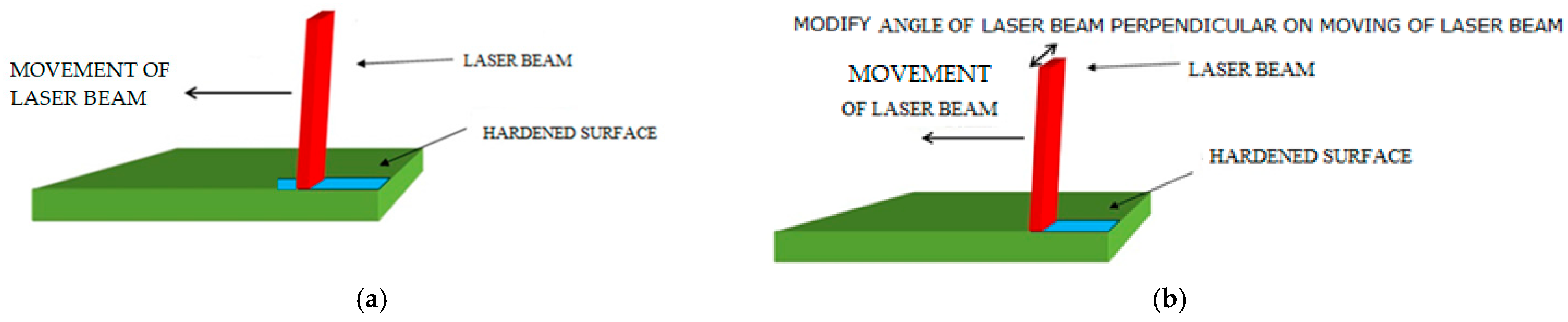
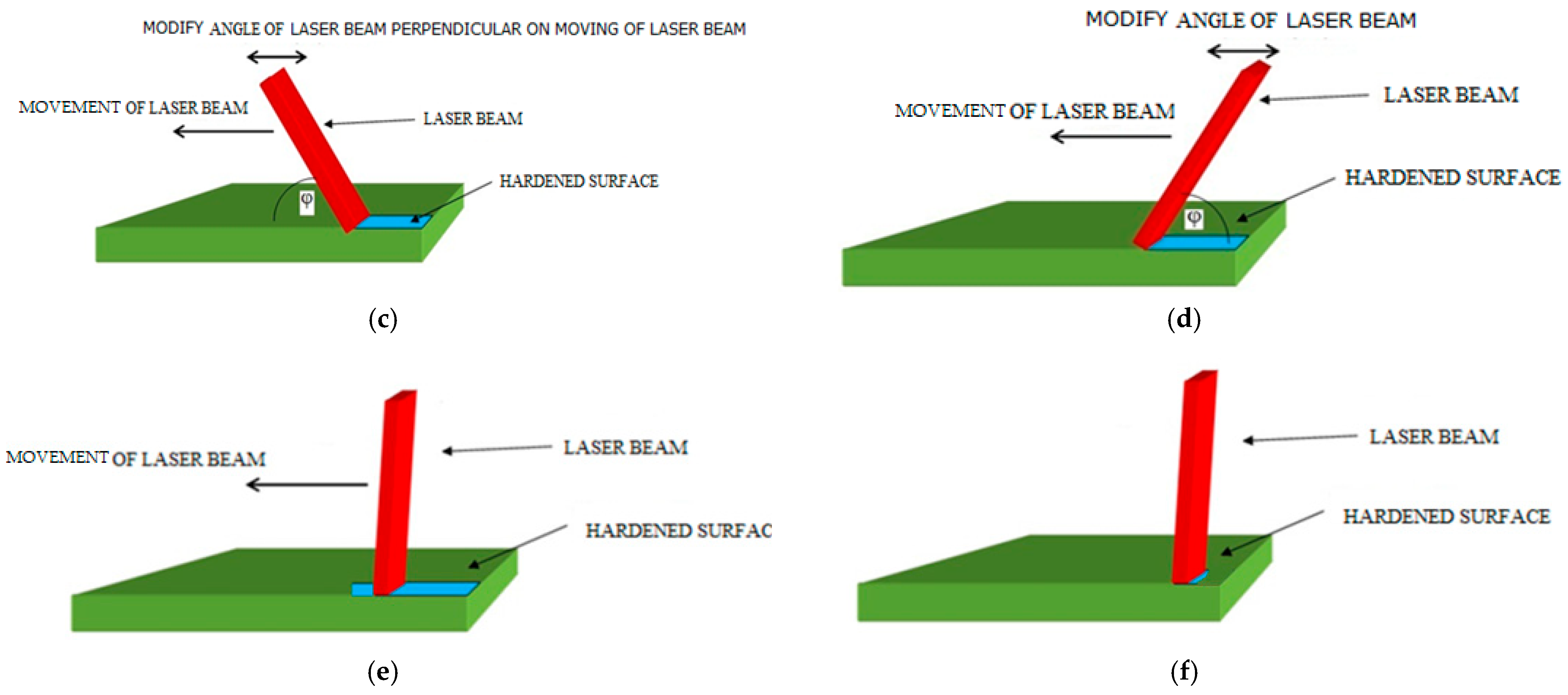
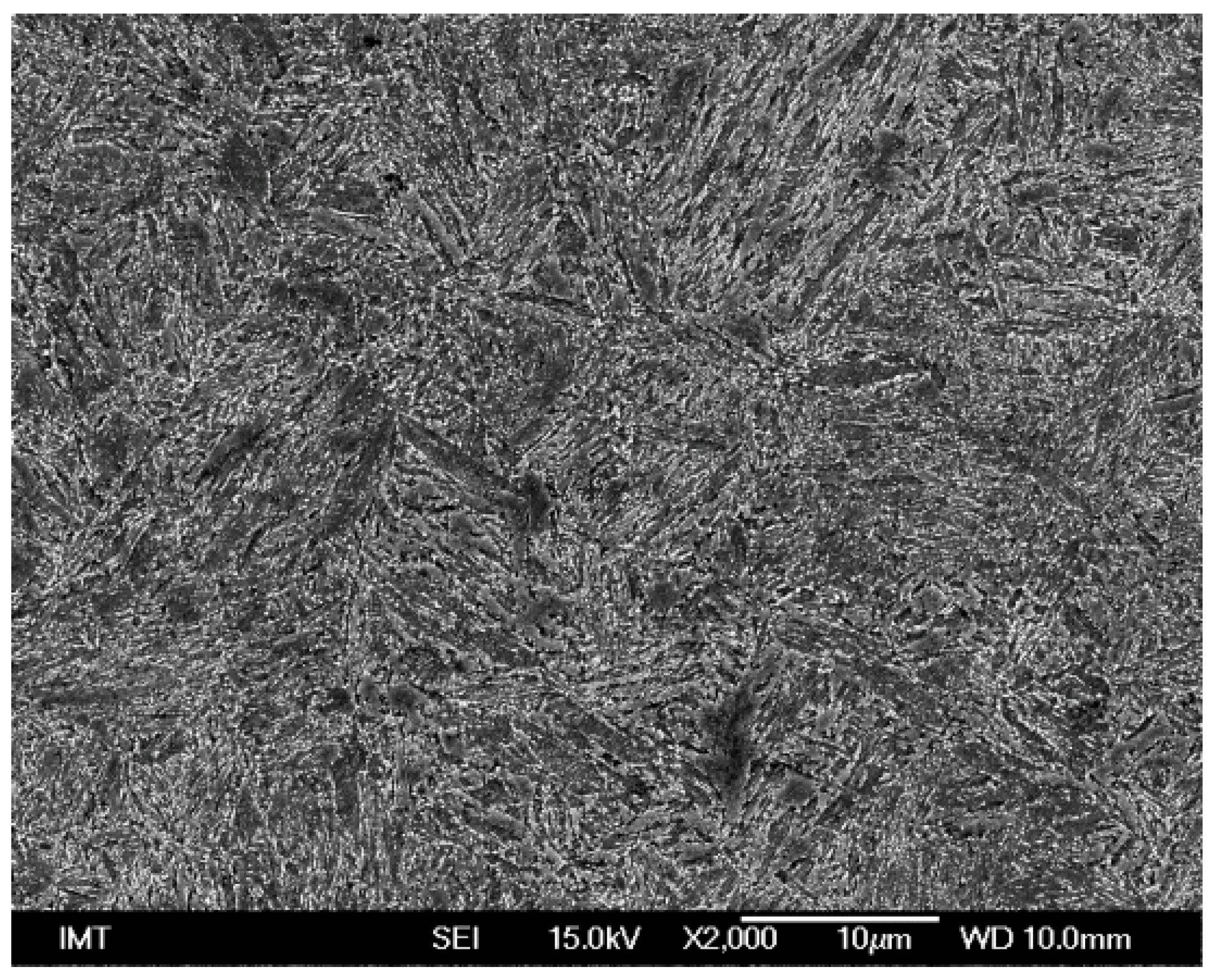
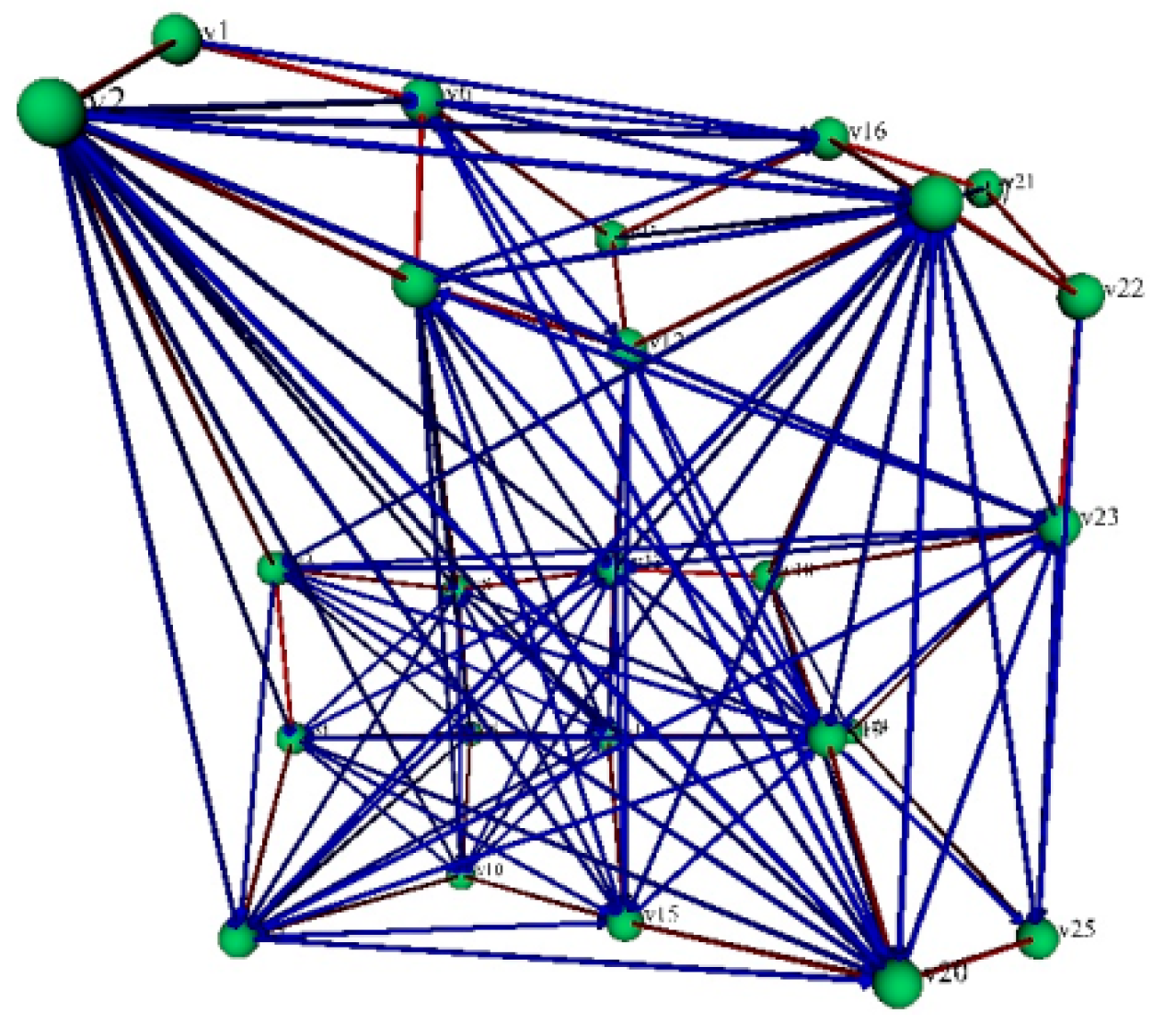
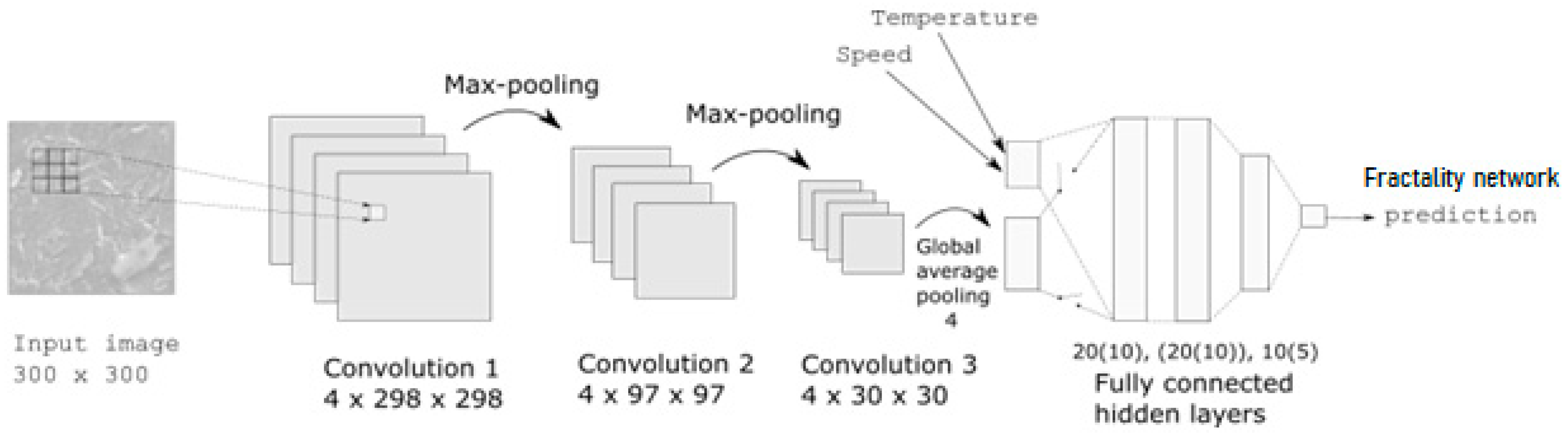
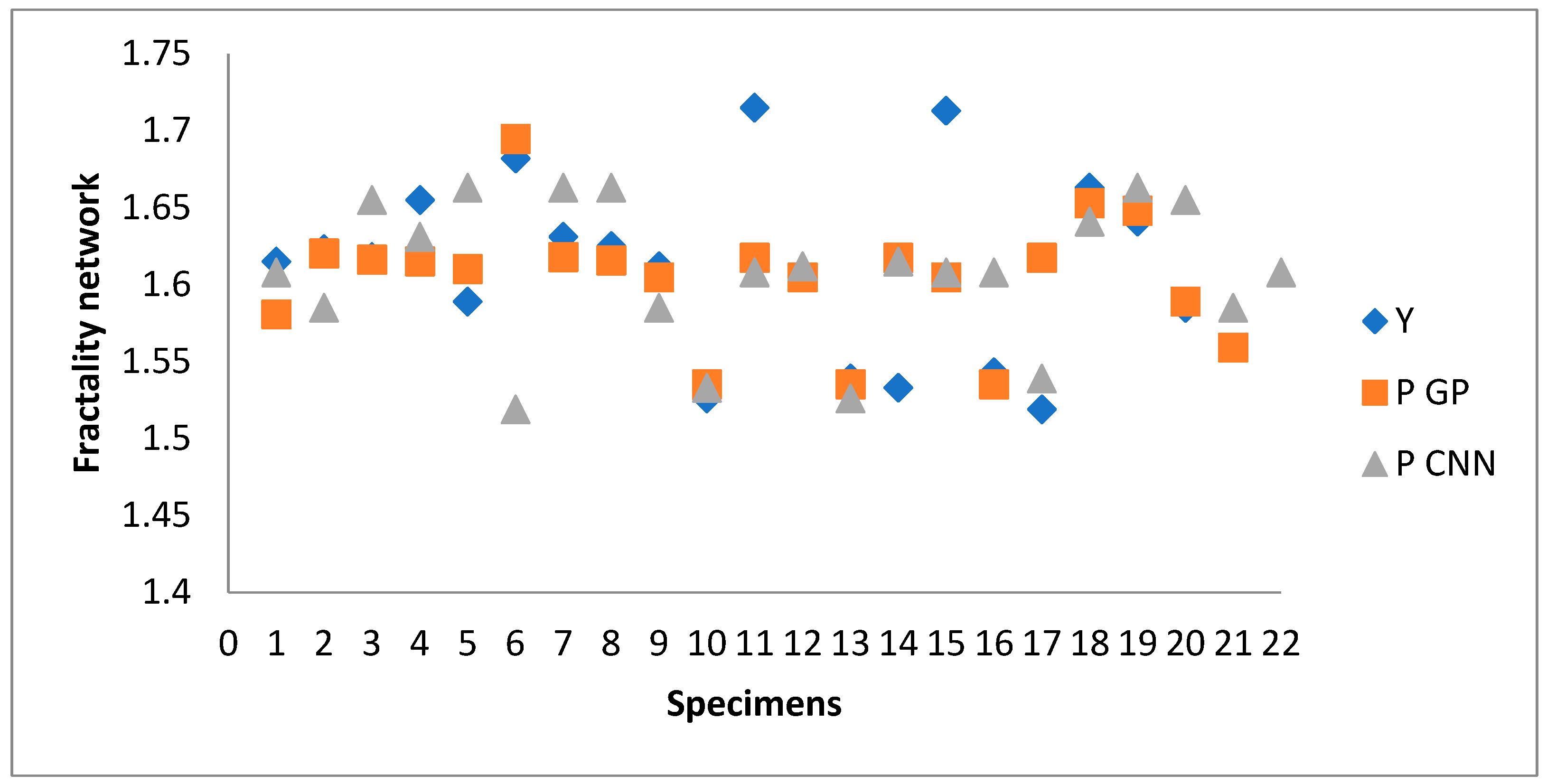
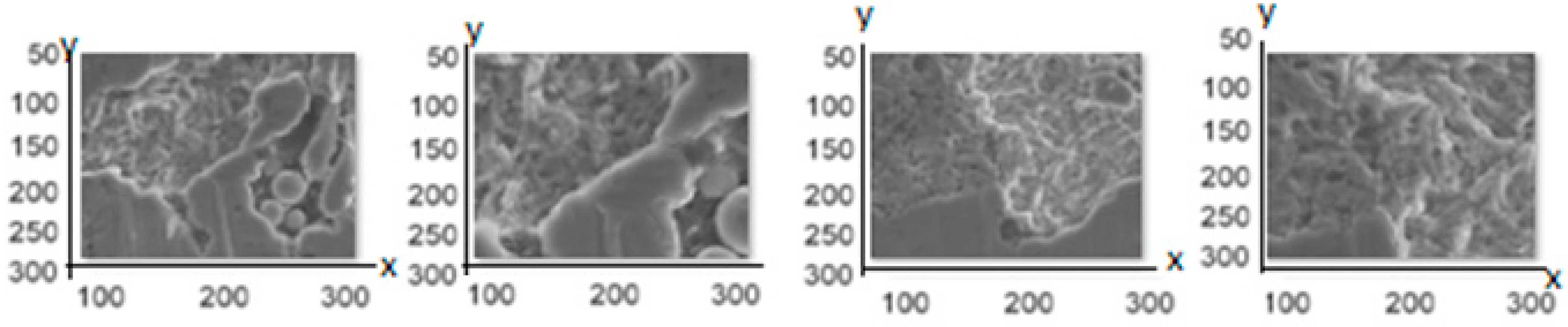
A new method to determine a fractal network in chaotic systems is presented together with its application to the microstructure recognition of robot-laser-hardened (RLH) steels under various angles of a laser beam. The method is based on fractal geometry. An experimental investigation was conducted by investigating the effect of several process parameters on the final microstructures of material that has been heat-treated. The influences of the surface temperature, laser speed, and different orientation angles of the laser beam on the microstructural geometry of the treated surfaces were considered. The fractal network of the microstructures of robot-laser-hardened specimens was used to describe how the geometry was changed during the heat treatment of materials. In order to predict the fractal network of robot-laser-hardened specimens, we used a method based on intelligent systems, namely genetic programming (GP) and a convolutional neural network (CNN). The proposed GP model achieved a prediction accuracy of 98.4%, while the proposed CNN model reached 96.5%. The performed analyses demonstrate that the angles of the robot laser cell have a noticeable effect on the final microstructures. The specimen laser-hardened under the conditions of 4 mm/s, 1000 °C, and an impact angle of the laser beam equal to 75° presented the maximum fractal network. The minimum fractal network was observed for the specimen before the robot-laser-hardening process.
Keywords: fractal networks; modeling; robot laser hardening fractal networks; modeling; robot laser hardening