1. Introduction
Phased array lidar has emerged as a core technology in target detection [
1,
2], autonomous driving [
3], and remote-sensing imaging [
4], where non-mechanical beam scanning is the key to achieving high-resolution and fast-response detection performance [
5,
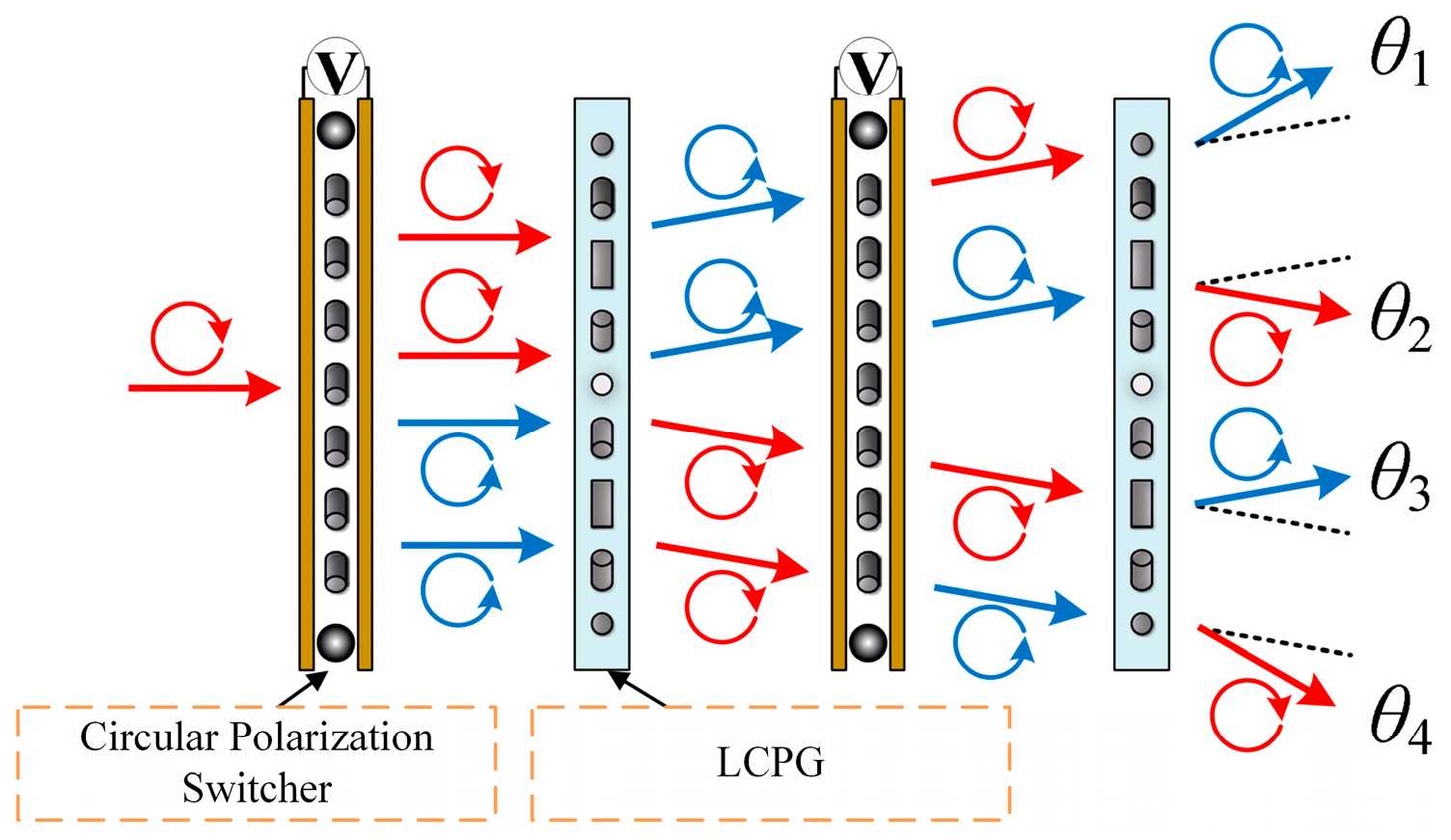
6]. As a core component for non-mechanical scanning in phased array lidar, cascaded liquid crystal polarization gratings (CLCPGs) exhibit distinct advantages of inertia-free operation and high precision [
7,
8,
9,
10], and thus play an indispensable role in enhancing system integration and reducing the volume and weight of equipment [
11,
12]. The dynamic performance (e.g., scanning speed, response time) and pointing accuracy of CLCPGs directly determine the imaging quality and detection efficiency of lidar systems. However, manufacturing and assembly errors inevitably incur during the fabrication and assembly of CLCPGs, which directly result in insufficient beam-pointing accuracy and necessitate dynamic compensation via liquid crystal optical phased array (LCOPA) [
13]. In practical operating conditions, LCOPA is susceptible to the combined effects of internal disturbances (e.g., viscoelastic hysteresis of liquid crystal molecules, nonlinear electro-optical response) and external disturbances (e.g., temperature fluctuations, mechanical vibration, power-supply noise), and it also has an inherent time-delay characteristic superimposed on itself [
14,
15]. These factors render accurate compensation difficult, thereby restricting the scanning performance of the entire system. Therefore, developing a high-performance control strategy based on LCOPA compensation to address the above bottleneck issues has become the key to advancing the development of phased array lidar technology toward the high-precision field.
In recent years, significant progress has been achieved in liquid crystal optical phased array devices in terms of material innovation, structural design optimization, and integrated system applications. Relevant studies have elaborated the technological evolution, core performance bottlenecks, and future development trends of this field, laying a solid theoretical and engineering foundation for follow-up research [
16,
17]. Against this background, investigations on beam control and error compensation for liquid crystal optical phased arrays (LCOPA) have mainly formed two technical routes: open-loop calibration optimization and closed-loop feedback control, which provide important theoretical support and technical reference for the design of the composite control strategy proposed in this paper. Open-loop calibration optimization improves pointing accuracy by correcting the mapping between phase and beam deflection angle. Zhou et al. [
18] proposed a pattern search method that effectively enhanced beam-pointing accuracy. Qiao [
19] adopted a phase-iterative compensation method to improve the pointing accuracy of the LCOPA beam control system. Wang et al. [
20] presented an improved beam control method with periodic phase distribution, which maintains a favorable linear relationship between driving voltage and phase, thereby increasing beam-pointing accuracy. Niu et al. [
21] utilized the nonlinear least-squares method to solve the director distribution of liquid crystal molecules, established a more accurate electro-optic control characteristic curve of LCOPA, and significantly improved beam-pointing accuracy. Zeng et al. [
22] developed digital holographic measurement and calibration technology, reducing the nonlinear error of the LCOPA response to 2.45%. Zhang et al. [
23] extensively detailed the dynamic beam deflection law by establishing a dynamic response and far-field diffraction model of LCOPA, which provides important theoretical support for high-precision control. In the research of closed-loop control strategies, scholars have conducted extensive explorations focusing on the goals of disturbance rejection and response-speed improvement. Orzechowski et al. [
24] designed a variable-order adaptive controller based on a recursive least-squares filter and achieved high deflection accuracy within the deflection range. Du [
25] developed an LCOPA beam control system based on a PI controller, which effectively improved the system response speed and suppressed external disturbances. Wang et al. [
26] designed a fractional-order PID controller for LCOPA beam control. This scheme can shorten the dynamic adjustment time of the system by more than 30% and reduce the steady-state error by 45%, effectively improving the dynamic response characteristics and error suppression capability of the system. Xu et al. [
27] proposed a PID tracking method for space laser communication based on LCOPA, which realized agile deflection of the incident beam to achieve tracking. Fan [
28] adopted a BP neural network PID control strategy and constructed a closed-loop LCOPA beam control system that can adaptively adjust its parameters and improve the stability and anti-interference ability of the system. Wang et al. [
29] proposed a three-step control method for the beam deflection control of the LCOPA, aiming to realize fast, accurate, and stable beam deflection.
Despite the phased progress achieved in existing research on pointing accuracy optimization and nonlinear error suppression, two critical gaps remain in meeting the practical high-precision scanning requirements of CLCPG. First, most existing control strategies focus on improving a single performance index (e.g., pointing accuracy) and fail to realize the coordinated optimization of dynamic response speed and pointing accuracy, making it difficult to match the dual demands of fast response and high precision. Second, in the face of the combined internal and external disturbances and inherent time-delay characteristics of LCOPA, existing schemes have limited capabilities in disturbance observation and compensation, leading to insufficient system robustness. Fractional-order composite control integrates the high-precision dynamic regulation characteristics and the advantage of adaptive disturbance compensation of fractional-order control, which can effectively handle complex systems with nonlinearity, strong coupling and multiple disturbances, thus providing an ideal technical approach to address the above problems.
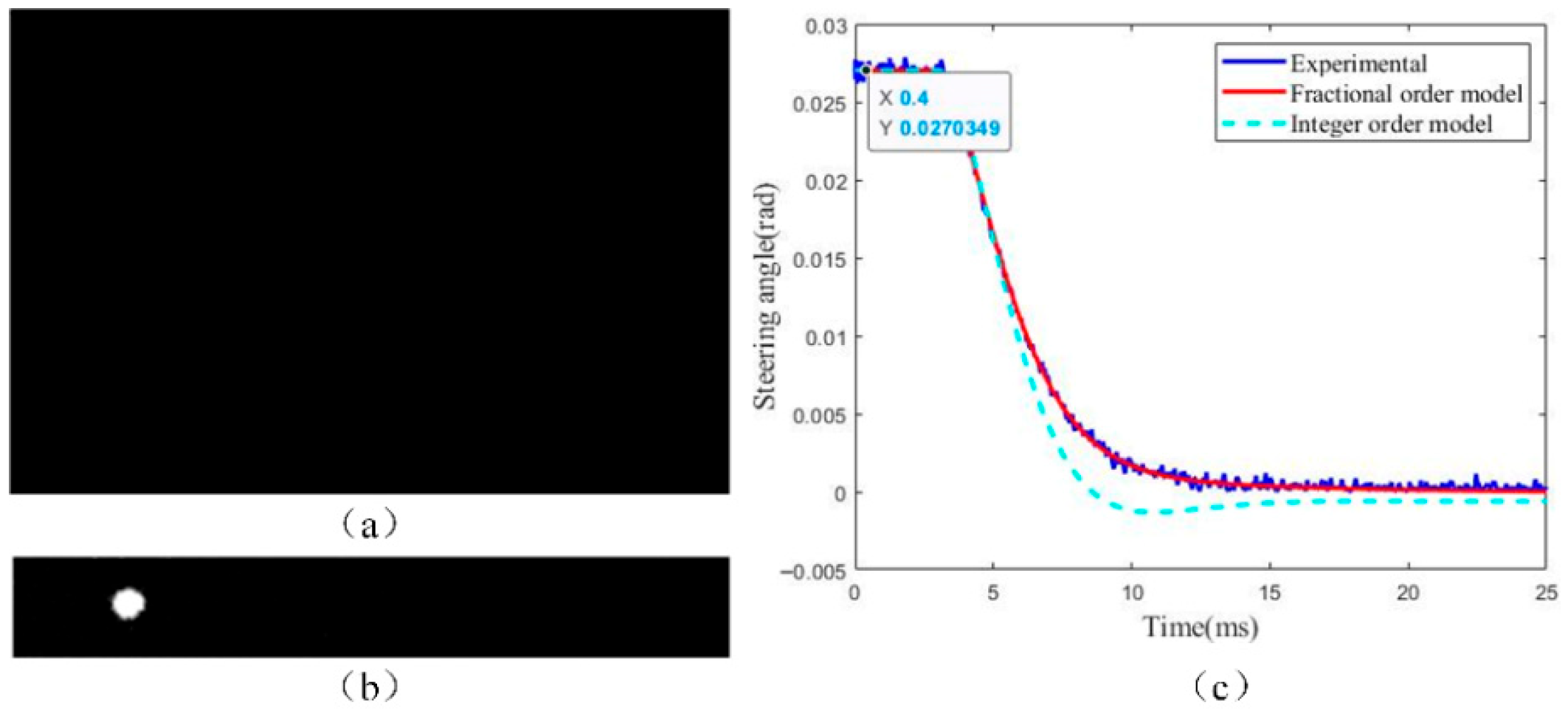
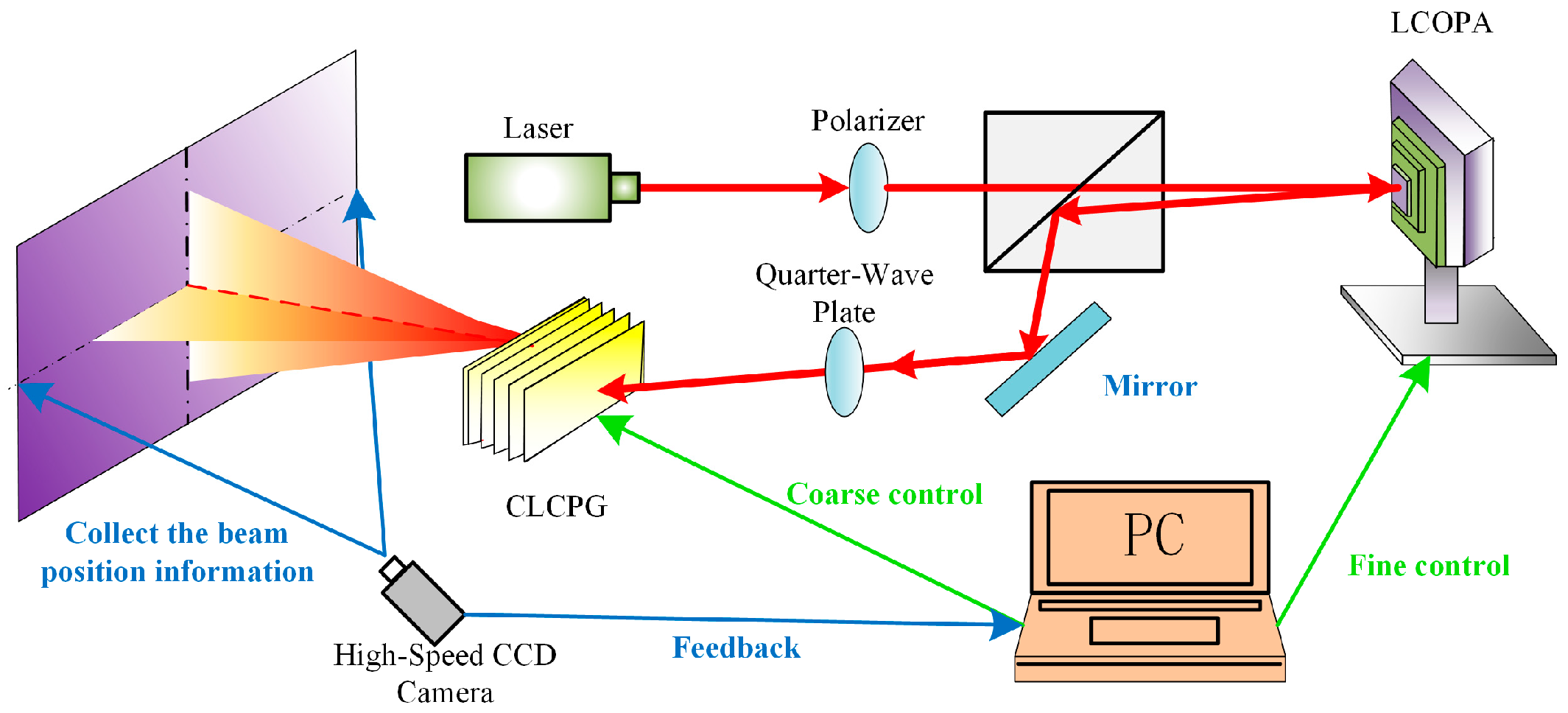
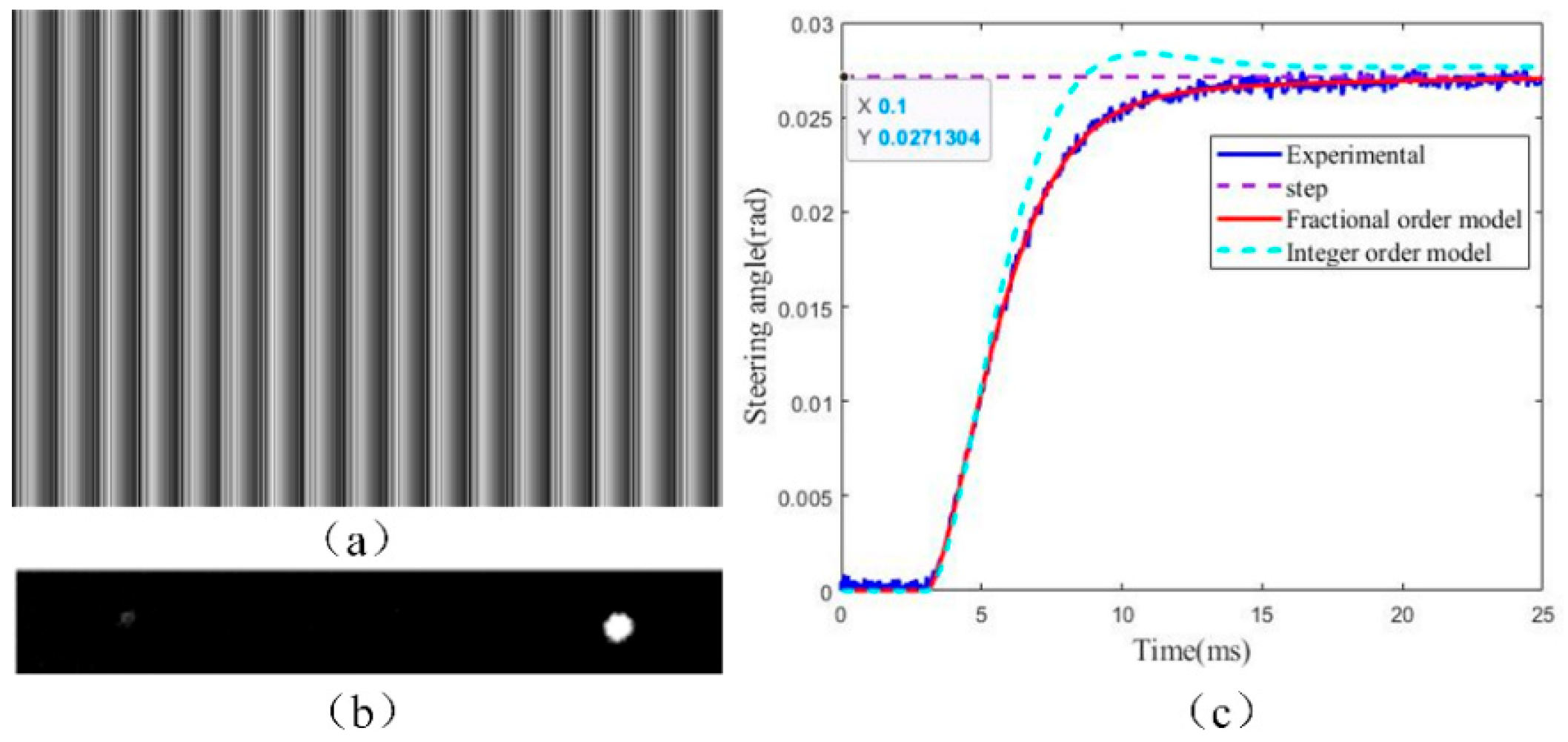
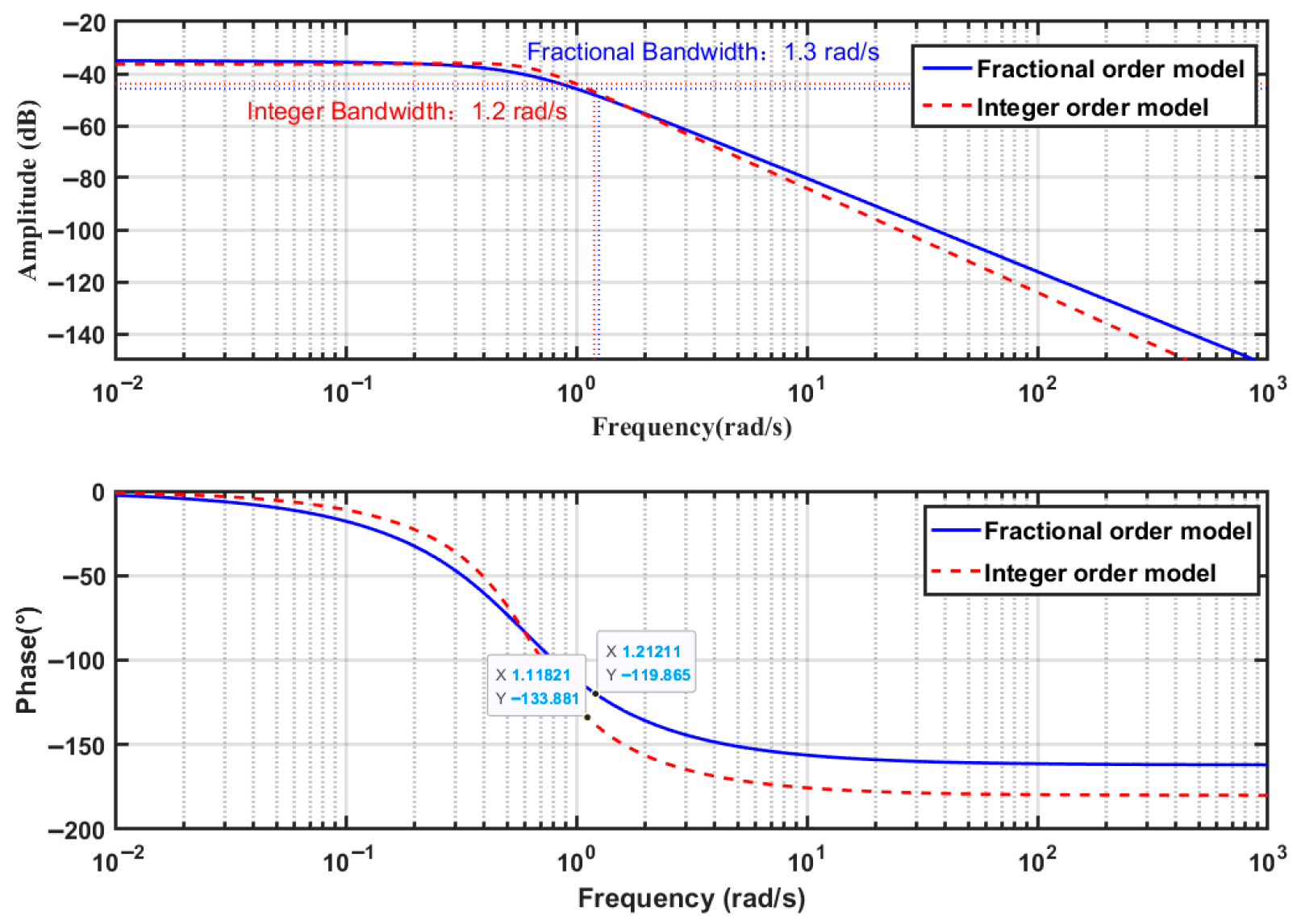
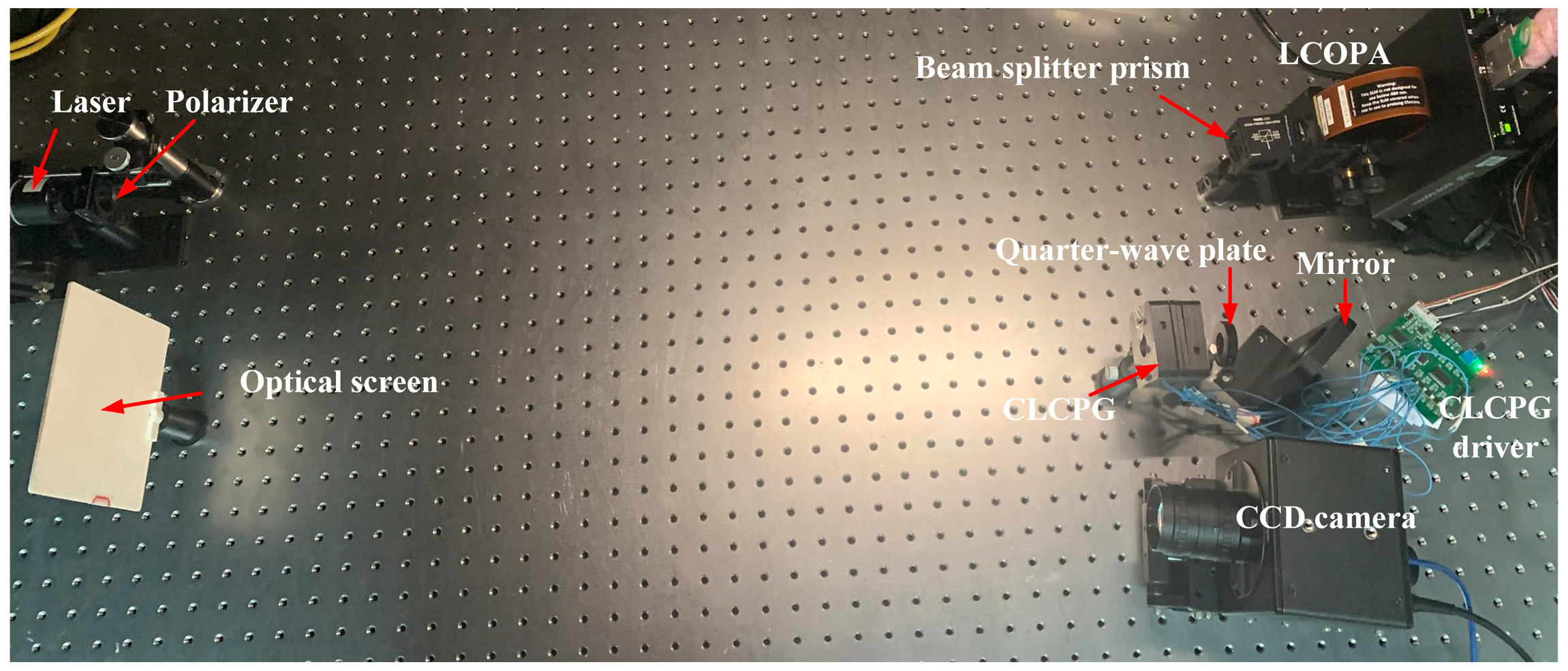
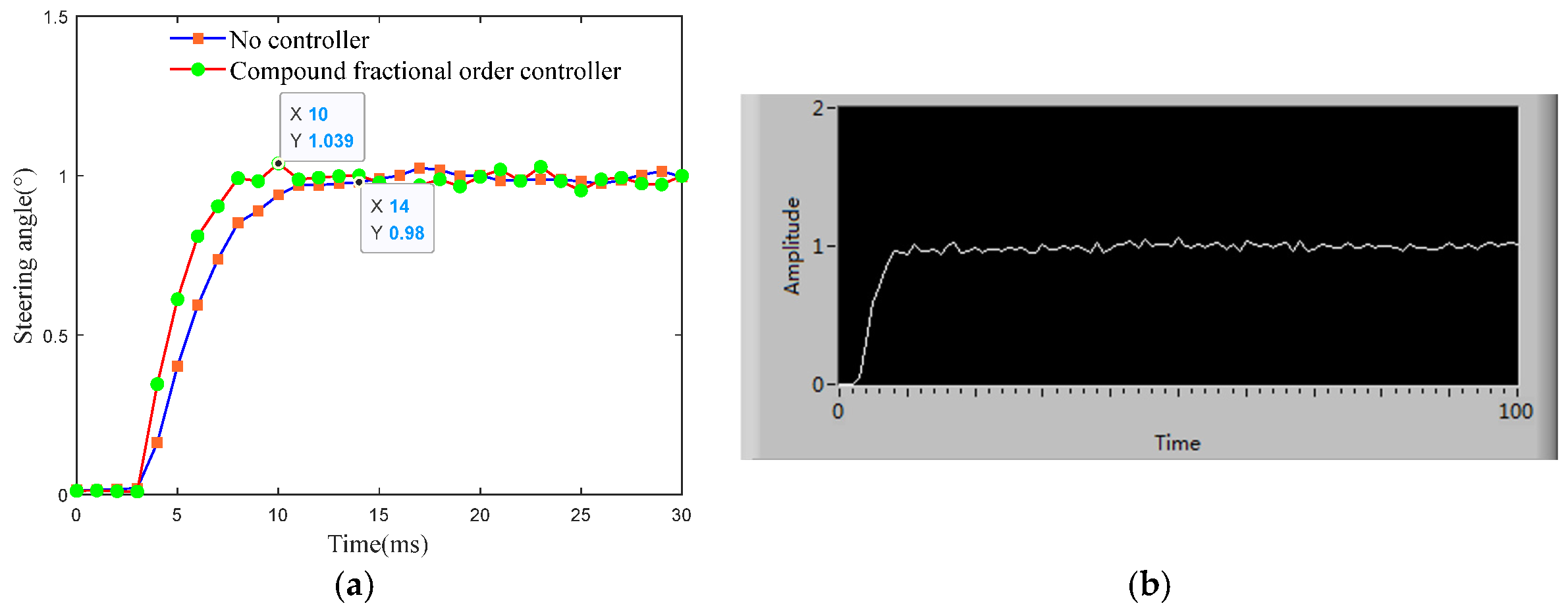
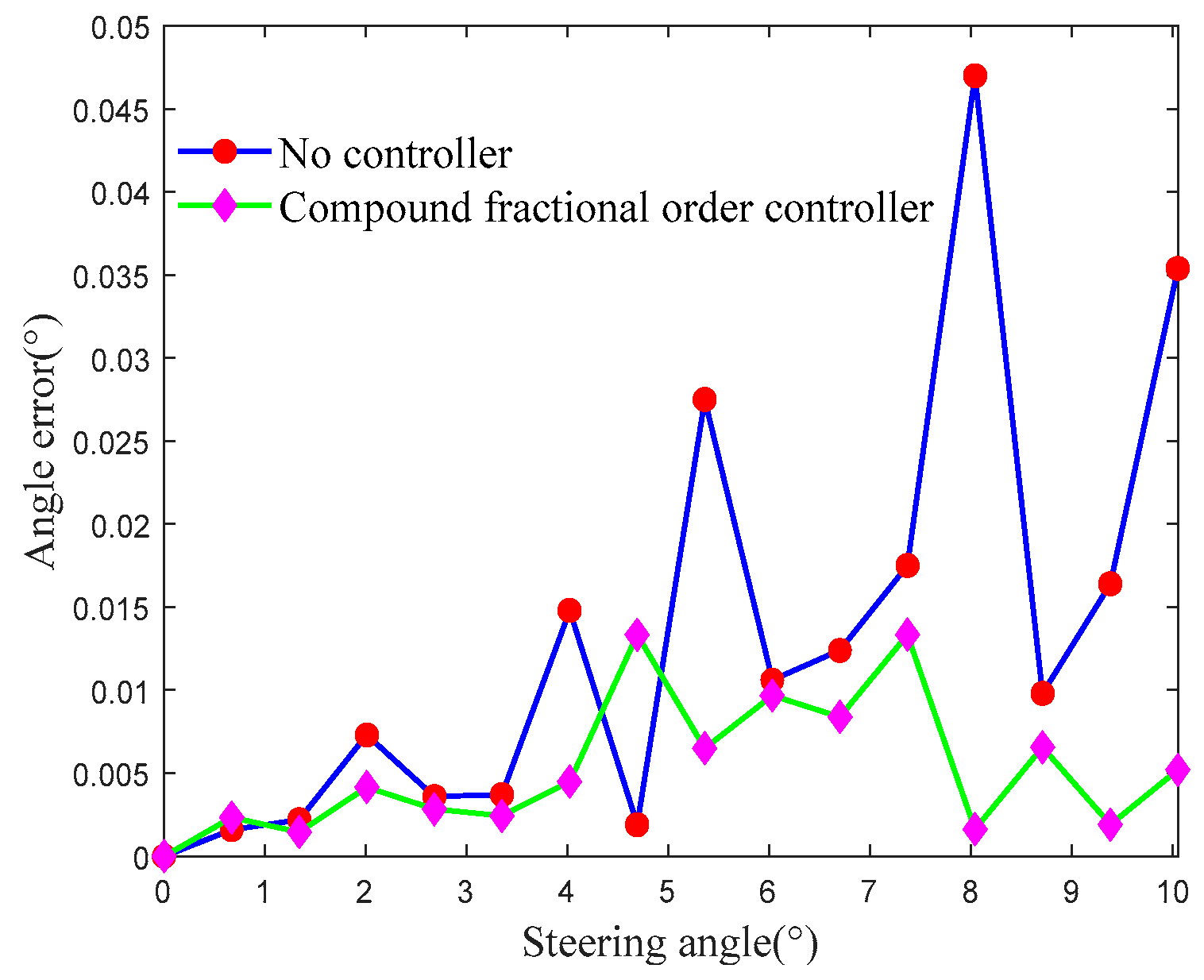
To this end, a fractional-order composite control strategy is proposed in this paper. By precisely controlling the LCOPA, the strategy drives it to efficiently compensate for the pointing error of the CLCPG. The specific research work is as follows: First, an error compensation system for the CLCPG is designed, and a fractional-order dynamic nominal model of LCOPA is established to accurately characterize its response law and viscoelastic memory effect. Subsequently, a fractional-order-model-assisted extended state observer (FMAESO) is designed, which combines the model parameters of LCOPA to accurately estimate the total disturbance and realize real-time feedback. Based on the observation results, a fractional-order composite control law is designed to drive the LCOPA to output a disturbance-adaptive compensation amount for correcting the CLCPG deviation. Meanwhile, an improved Smith predictor is introduced to compensate for the system time delay, thus constructing a complete control architecture. Then, the parameters of the fractional-order PID (FOPID) controller are tuned based on the phase margin method to ensure the compensation accuracy of LCOPA, achieving fast, accurate and stable beam-pointing of the overall system. Finally, an experimental platform for the LCOPA coarse–fine two-stage compensation system (CFTSCS) is constructed, and the effectiveness of the proposed control strategy is verified through comparative experiments. The results show that the strategy can effectively suppress the influence of working condition disturbances on the beam-pointing accuracy of the LCOPA and efficiently compensate for the manufacturing and assembly errors of the CLCPG. Compared with the traditional control scheme, the overall beam pointing error of the system is reduced by more than 30%, and the dynamic response speed is increased by 25%. Meanwhile, the system exhibits excellent robustness and stability. This study provides an important theoretical basis and technical support for the engineering implementation of high-precision CLCPG scanning systems.
3. Design of the Fractional-Order Composite Controller
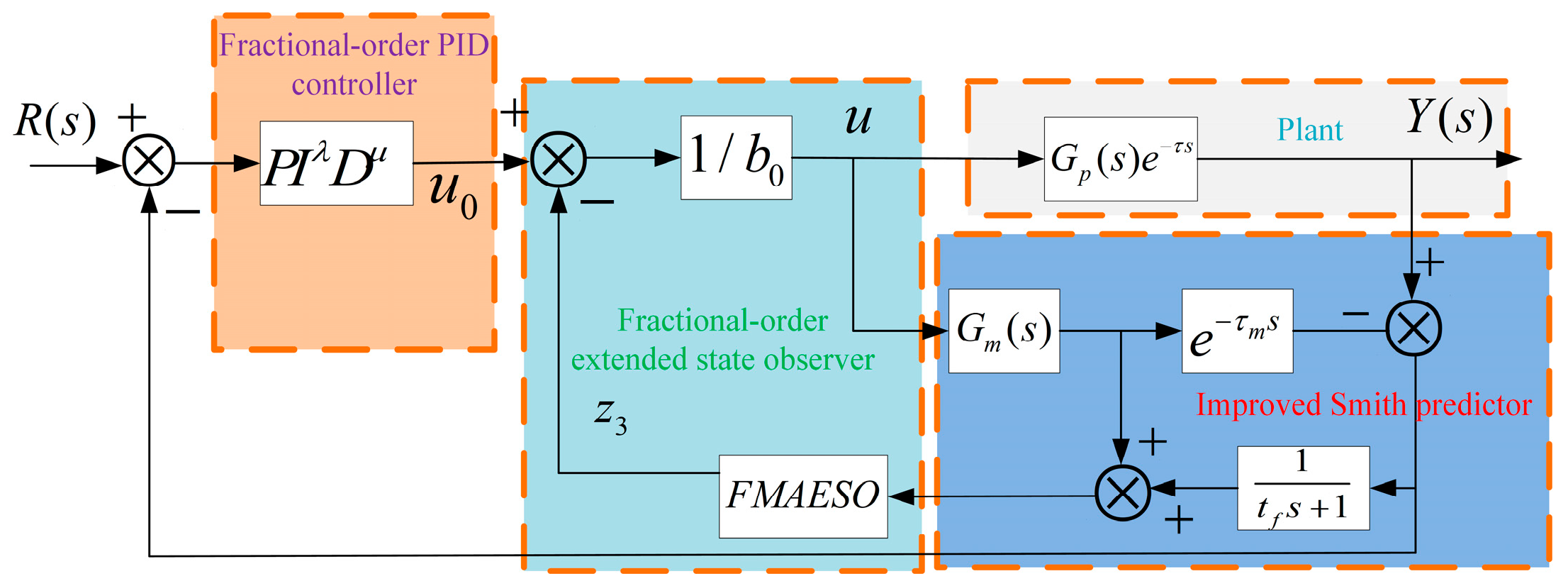
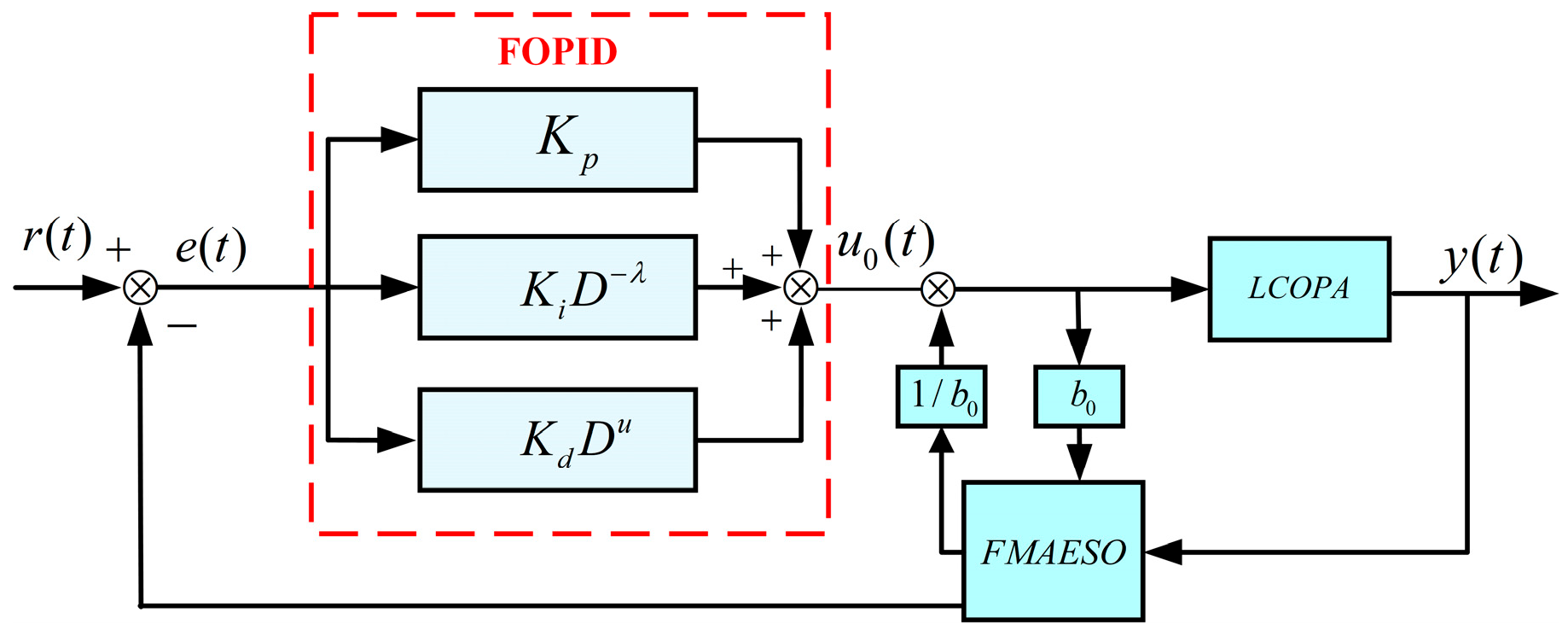
In practical operating conditions, the LCOPA is susceptible to the combined effects of internal and external disturbances such as voltage quantization, liquid crystal cell surface unevenness, pixel crosstalk, phase dips and hysteresis zones. Coupled with the inherent time delay characteristics of the system in transmission and data processing links, it is difficult to achieve accurate compensation for CLCPG errors, which in turn restricts the performance improvement of the entire scanning system. To address this issue, a composite fractional-order controller is designed in this paper based on the fractional-order model of the LCOPA, which realizes high-efficiency compensation for the pointing accuracy of the CLCPG through the high-precision control of the LCOPA. The composite fractional-order controller consists of a modified Smith predictor, a FMAESO and a FOPID controller. Among them, the modified Smith predictor is specially used to compensate for the time-delay caused by system transmission and data processing, thus improving the dynamic response characteristics of the system; the FMAESO integrates the a priori information of the LCOPA fractional-order model to realize real-time and accurate observation of multi-source composite disturbances including voltage quantization and pixel crosstalk, and complete adaptive compensation for such disturbances; the FOPID controller utilizes the flexible regulation characteristics of fractional-order calculus to achieve refined adjustment of the dynamic response process of the system, which significantly enhances the dynamic response performance of the system. The structure of the composite fractional-order control system for the LCOPA is shown in
Figure 6.
3.1. Design of the Improved Smith Predictor
Before the Smith predictor is incorporated into the system, the closed-loop transfer function between the system input and output is expressed as follows:
From the above equation, it can be seen that the characteristic equation contains a time-delay term
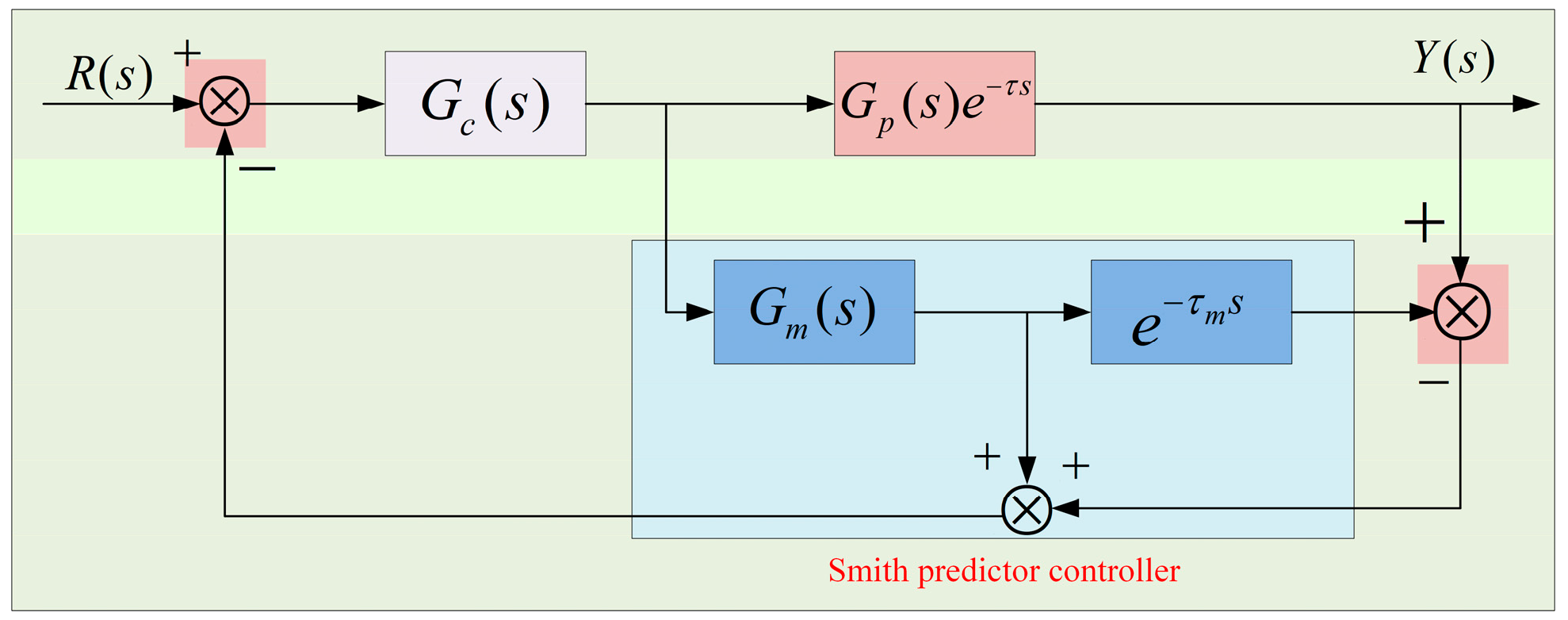
. When the system output is fed back to the controller, and the controller then outputs the adjustment signal, the presence of this delay may prevent the controller from responding promptly to changes in the system state, which can lead to oscillations or instability. Therefore, a Smith predictor is introduced to mitigate the impact of time delay on the system’s dynamic performance, as shown in
Figure 7 below.
In the figure above, is the system input, is the FOPID controller, is the controlled plant with a pure time-delay element, is the time-delay factor of the controlled plant, is the prediction model with the pure time-delay element removed, is the time-delay factor of the prediction model, and is the system output.
At this point, the closed-loop transfer function between the system input and output is given as follows:
It can be seen from Equation (4) that, under ideal conditions, when the model is perfectly matched (i.e.,
and
), the closed-loop transfer function is transformed into:
It can be concluded from the above equation that there is no time-delay term in the characteristic equation, such that the control performance of the system can respond in a timely manner and the control quality of the system is thus improved.
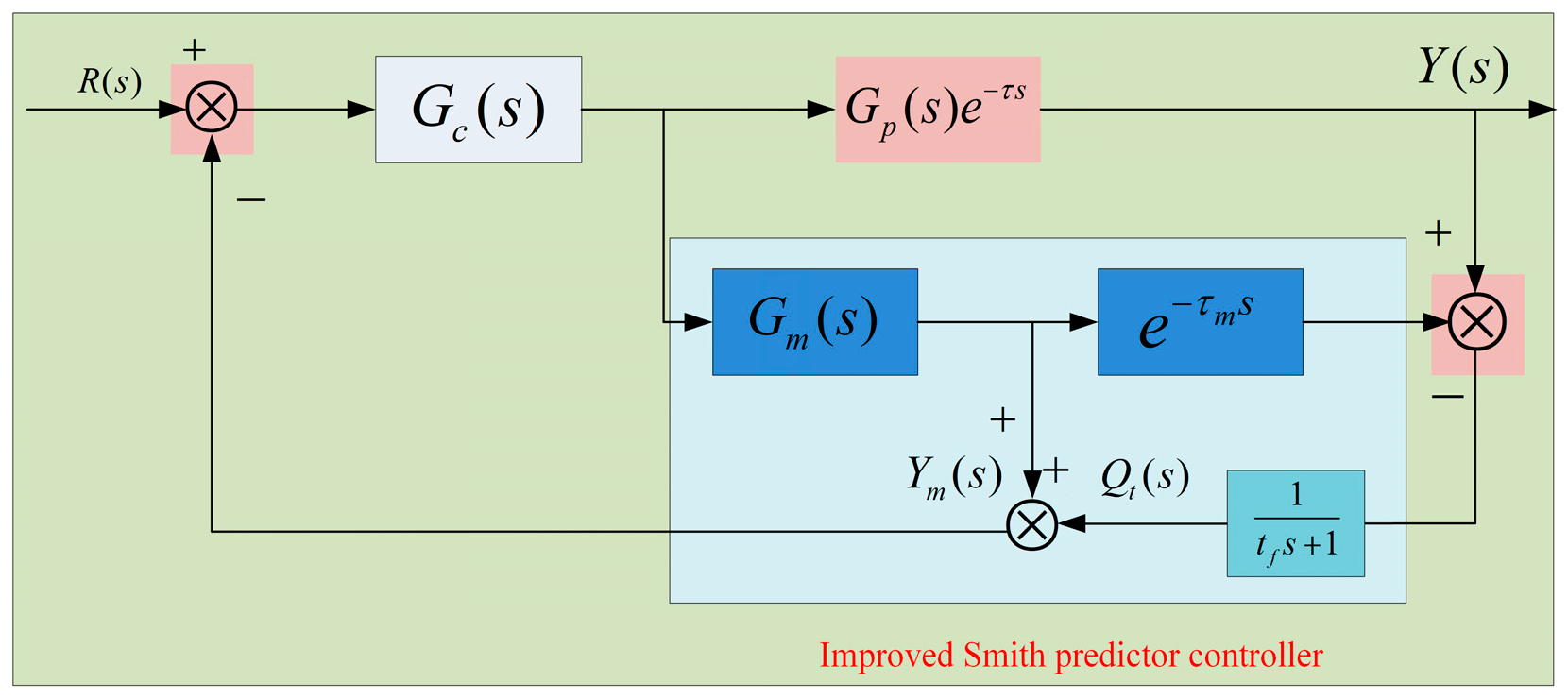
The Smith predictive compensation strategy can eliminate the influence of pure time delay on the control system. However, the conventional Smith predictive compensator has poor anti-interference capability. During the operation of the LCOPA, factors such as ambient temperature fluctuations and changes in the viscoelasticity of the liquid crystal layer are likely to introduce certain errors into the system model. The existence of such errors will lead to a significant degradation in the compensation performance of the conventional Smith predictive compensator and may even result in system instability. Therefore, the conventional Smith predictive compensation strategy is improved, and the structure of the improved Smith predictive compensator is shown in
Figure 8 below.
In the figure above,
is the filter time constant of the system,
is the estimated output of the system with the pure time-delay element removed, and
is the output of the deviation between the estimated system output with the pure time-delay element and the actual output after passing through a first-order filter. As can be seen from
Figure 8, after the improved Smith predictive compensator is applied, the closed-loop transfer function between the system input
and output
is given as follows:
Under ideal conditions, when the prediction model is perfectly matched with the controlled plant (i.e., and ), the situation is consistent with Equation (5). When there is a mismatch between the prediction model and the controlled plant, the closed-loop feedback signal is derived from the output signal and the output signal of the prediction model. Thus, the improved Smith predictive compensator can adjust part of the feedback signal by tuning the filter time constant, thereby enhancing the anti-interference capability and stability of the system.
From the above analysis, it can be concluded that the designed improved Smith predictor can eliminate the time-delay term in the system. Therefore, the fractional-order model of the LCOPA can be rewritten in the following time-delay-free form:
3.2. Design of the FMAESO
After compensating for the system time delay with the improved Smith predictor, the LCOPA is still subject to the effects of combined internal and external disturbances, including nonlinear factors such as voltage quantization errors, temperature drifts, and viscoelastic hysteresis of liquid crystal materials. To achieve high-precision observation and compensation of the total disturbance, a FMAESO is designed in this section based on the fractional-order dynamic model of the LCOPA established in
Section 2.2. This observer uniformly models the system dynamic characteristics and external disturbances as an extended state and realizes real-time estimation and feedforward compensation through output feedback, thereby improving the anti-disturbance performance and control accuracy of the system.
The fractional-order model of the LCOPA considering the total disturbance can be rewritten as follows:
This can be further organized into
where
denotes the fractional differential operator,
is the fractional order,
and
are the fractional dynamic coefficients,
and
are the input and output of the controlled plant, respectively,
is the total disturbance term, which includes system dynamics, order discrepancies, and unknown disturbances, and
is the nominal control gain.
To construct the FMAESO, the following extended state variables are defined:
Among them,
represents the beam deflection angle of the LCOPA,
is the
-order derivative of the output, reflecting the viscoelastic dynamic change rate of liquid crystal deformation, and
is the extended state, i.e., the total disturbance. Based on this, the fractional-order state-space equation of the system is established as follows:
The FMAESO estimates the state variables
and the total disturbance
in real time through output feedback, and its observer equation is
The matrix form is
where
is the observer gain matrix, and
is the state estimation vector. The observer gain matrix
is obtained through observer pole placement calculation.
where
is the observer bandwidth. Based on the analysis of the dynamic characteristics of the controlled plant,
is set to 6 rad/s to balance the estimation speed and anti-interference performance.
The estimated total disturbance
is used for feedforward compensation, and the overall control rate is designed as
where
is generated by the FOPID controller based on the tracking error
.
The frequency domain expression is
where
is the proportional gain,
is the differential gain,
is the integral gain, and
are the fractional orders.
The designed FMAESO is shown in
Figure 9. This FMAESO structure assists state estimation using prior model information, which significantly improves the observation accuracy and response speed, and provides a reliable disturbance observation basis for subsequent composite control.
3.3. Design of the Fractional-Order Controller
It can be seen from the design process of the FOPID controller that the parameters of the fractional-order error feedback control rate,
,
and
, are unknown. Therefore, this paper starts from the frequency-domain characteristics of the LCOPA system and adopts the phase margin method to calculate the controller parameters. The open-loop transfer function of the designed LCOPA system is
, and the phase margin at the system’s open-loop crossover frequency
is
. Thus, performing the fractional-order Laplace transform on Equation (1) yields the following fractional-order transfer function form:
Let
and
; then, the transfer function of the phased array control system can be simplified as
Since the phase and system damping of the LCOPA system are interrelated, phase margin should be treated as a key criterion in the design of the fractional-order controller for the relative stability of the control system. Based on the desired characteristics of the phased array in application, by specifying the phase margin and cutoff frequency of the phased array system, the following parameter tuning rules for the FOPID controller can be obtained:
The magnitude at the crossover frequency
on the magnitude–frequency characteristic curve of the system open-loop transfer function satisfies
The phase at the crossover frequency
on the phase–frequency characteristic curve of the system open-loop transfer function satisfies
The phase of the system open-loop transfer function satisfies the following relation:
The open-loop transfer function
and open-loop frequency response
of the LCOPA system based on the FOPID controller are:
From this, we can obtain the phase and magnitude characteristics of the system open-loop transfer function
. Furthermore, based on the tuning rules (21)–(23) for the fractional-order controller parameters in this paper, the following controller parameter relations are derived:
Since the FOPID controller has two additional tuning parameters
and
, to solve for the five parameters
,
,
,
and
, an optimization function approach is required in addition to the three parameter tuning rules (21)–(23). The fmincon function in the MATLAB R2021b optimization toolbox is used to solve these nonlinear equations. Equation (27) is selected as the main minimization function, and by combining Equations (26)–(28), the parameters of the FOPID controller can be obtained. To ensure strong stability and robustness of the beam-steering system, the system is designed with a bandwidth
= 2.4 rad/s and a phase margin
. The calculated parameters are
,
,
,
and
. Thus, the transfer function model of the FOPID controller is
It is particularly important to note that all parameters of the above-mentioned fractional-order composite controller are tuned within the stable region to ensure safe operation, and a complete stability analysis will be presented in subsequent studies.
4. Simulation Analysis
To verify the control performance of the designed fractional-order composite controller, a comparison is made with the PID controller and the FOPID controller. The PID parameter tuning toolbox in MATLAB/Simulink R2021b is used to tune the controller parameters, yielding the optimal PID controller parameters , , and .
4.1. Step Response Test
The deflection angle of the beam precision control system for the LCOPA was set to
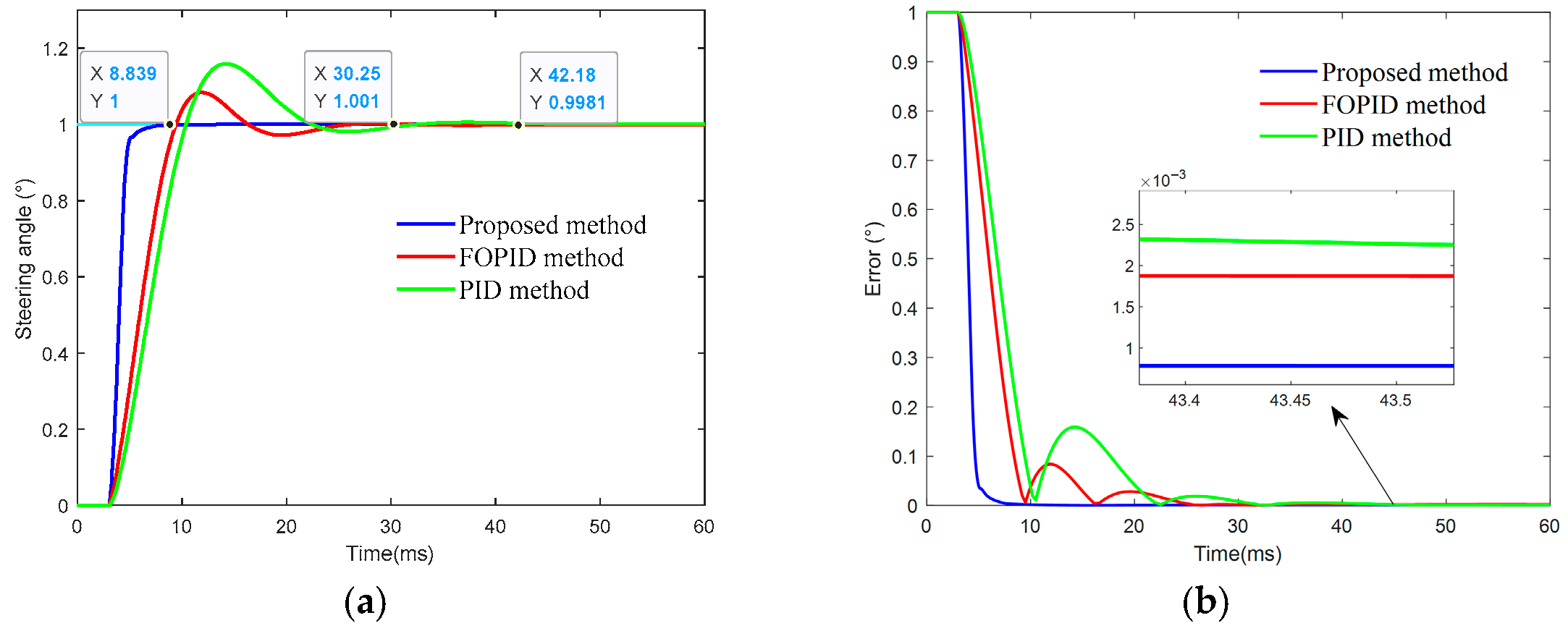
, and the step response performances of the three controllers were compared, with the comparison results recorded in
Table 1.
Figure 10a,b shows the step response and error comparison results, respectively. It can be seen from the figures that both the response speed and control accuracy of the fractional-order composite controller designed in this paper are superior to those of the other two controllers. The system reaches a steady state at 8.84 ms without overshoot, while the response times of the FOPID and PID controllers are 30.25 ms and 42.18 ms, respectively, with a certain overshoot for both. The ITAE performance index also fully demonstrates that the fractional-order composite controller has the minimum ITAE value, and the index of the FOPID controller is lower than that of the PID controller. This verifies that the fractional-order controller exhibits better control performance for fractional-order systems.
4.2. Dynamic Beam Variation Performance Test
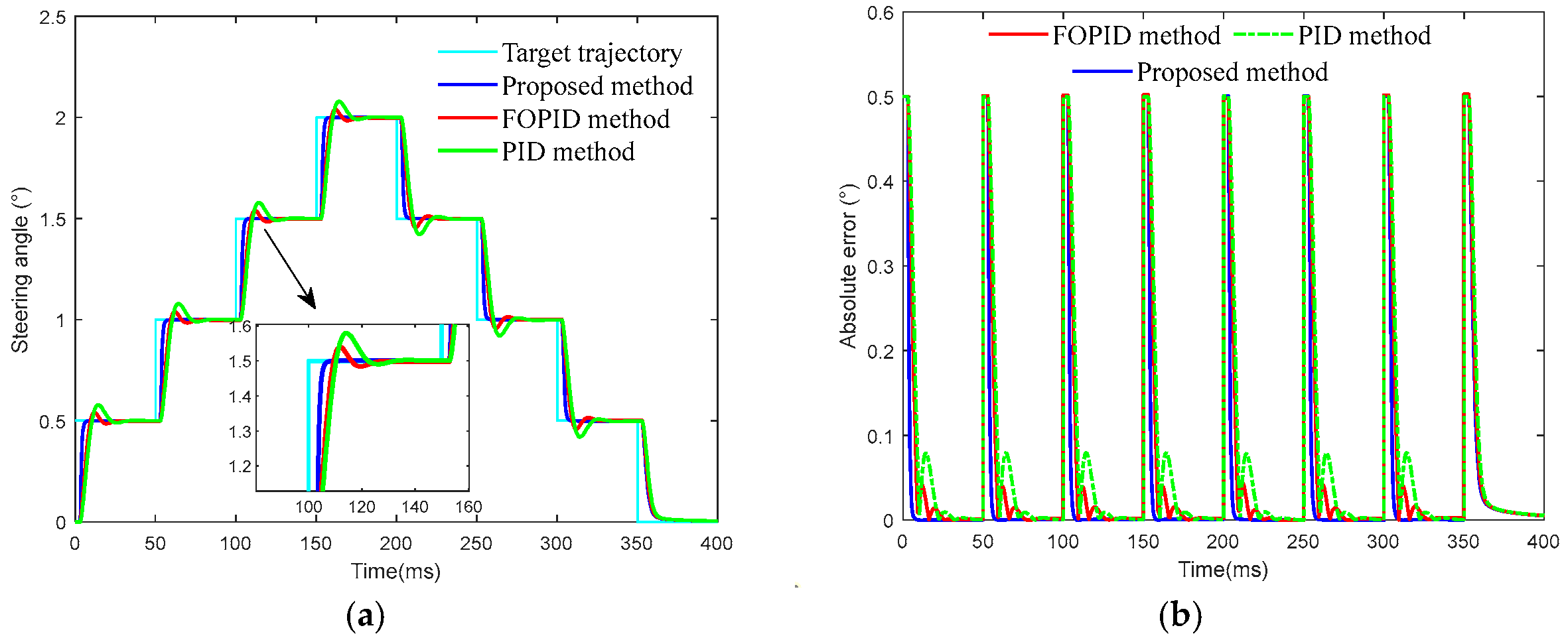
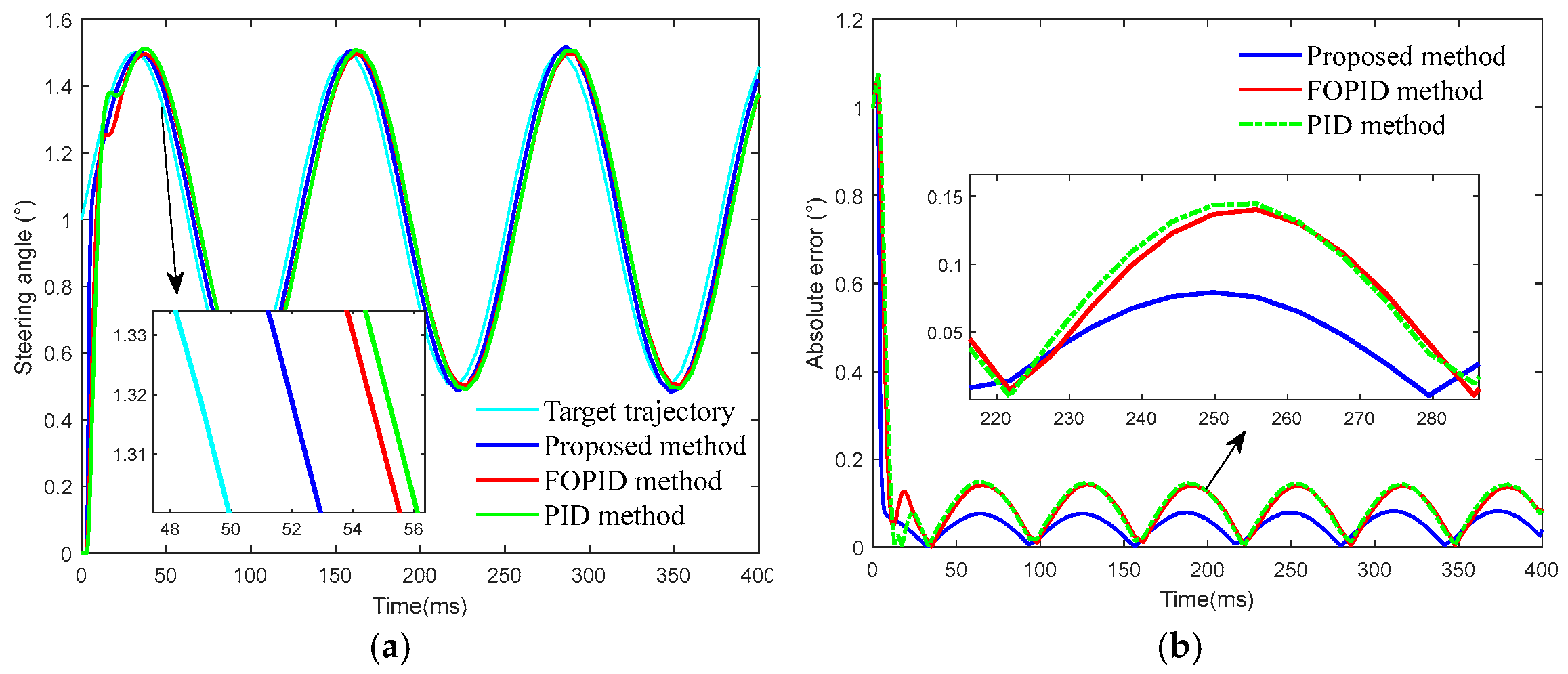
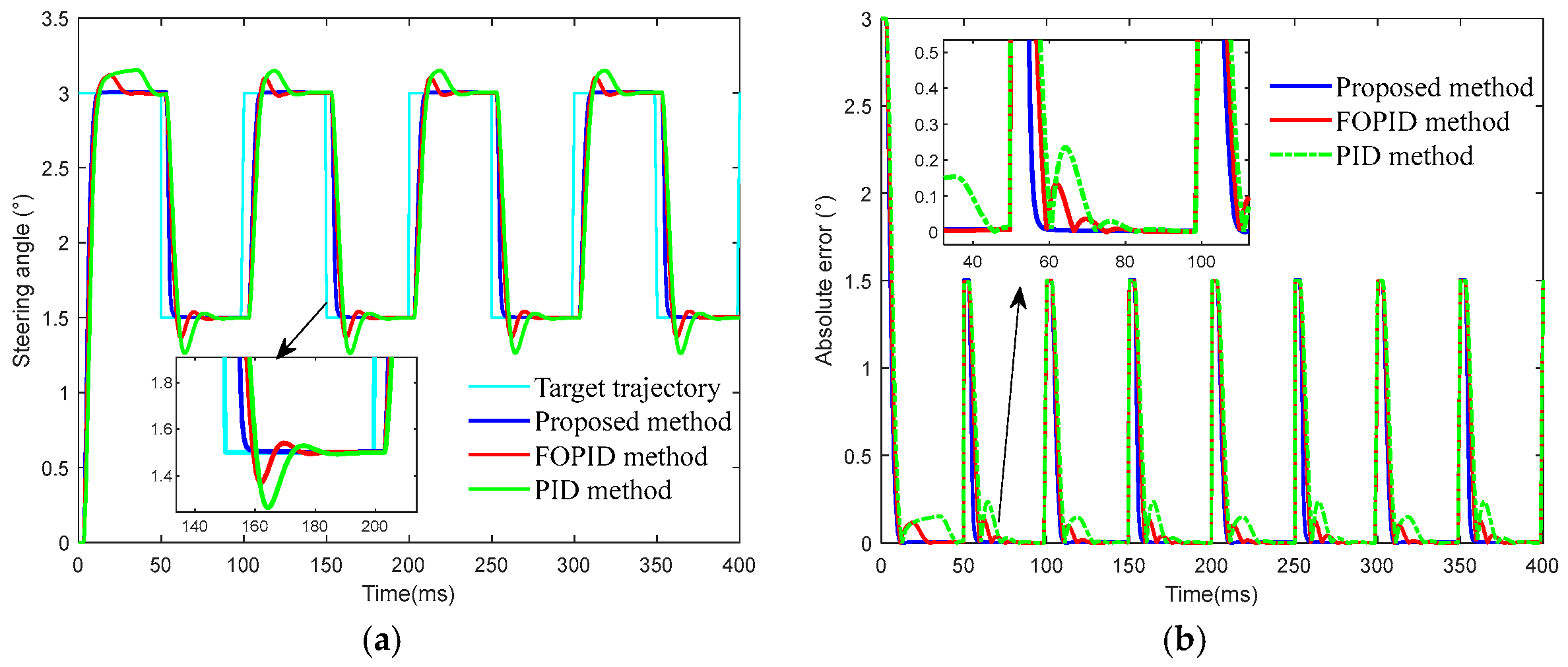
The beam deflection angle of the LCOPA beam precision control system changes continuously during actual operation. Therefore, to verify whether the designed controller can rapidly regulate the beam deflection angle to enable fast and accurate tracking of the variation in the target trajectory, verification tests were conducted in accordance with three operating modes of the beam control system: polyline scanning, continuous scanning and fixed-point switching. First, the polyline scanning mode was verified: the beam started at
, deflected to
with a step of
and a step interval of 50 ms, and then scanned back from
to
. Second, the continuous scanning mode was verified, where the beam was driven to vary continuously between
and
. Finally, the fixed-point switching mode was verified, in which the beam deflection angle was switched mutually between
and
with a period of 100 ms. The dynamic tracking results of the target trajectory are shown in
Figure 11,
Figure 12 and
Figure 13.
It can be seen from the above figures that the method proposed in this paper exhibits excellent tracking performance for beam trajectory variations under all operating modes, with fast tracking speed and small tracking errors. In contrast, although the PID and FOPID controllers are also able to track target changes, their tracking performance is poor, characterized by long dynamic adjustment times and large tracking errors.
4.3. Robustness Test
The beam pointing of the LCOPA beam precision control system may mutate due to carrier vibration or external disturbances. To simulate the process of abrupt disturbance, a step signal with an amplitude of
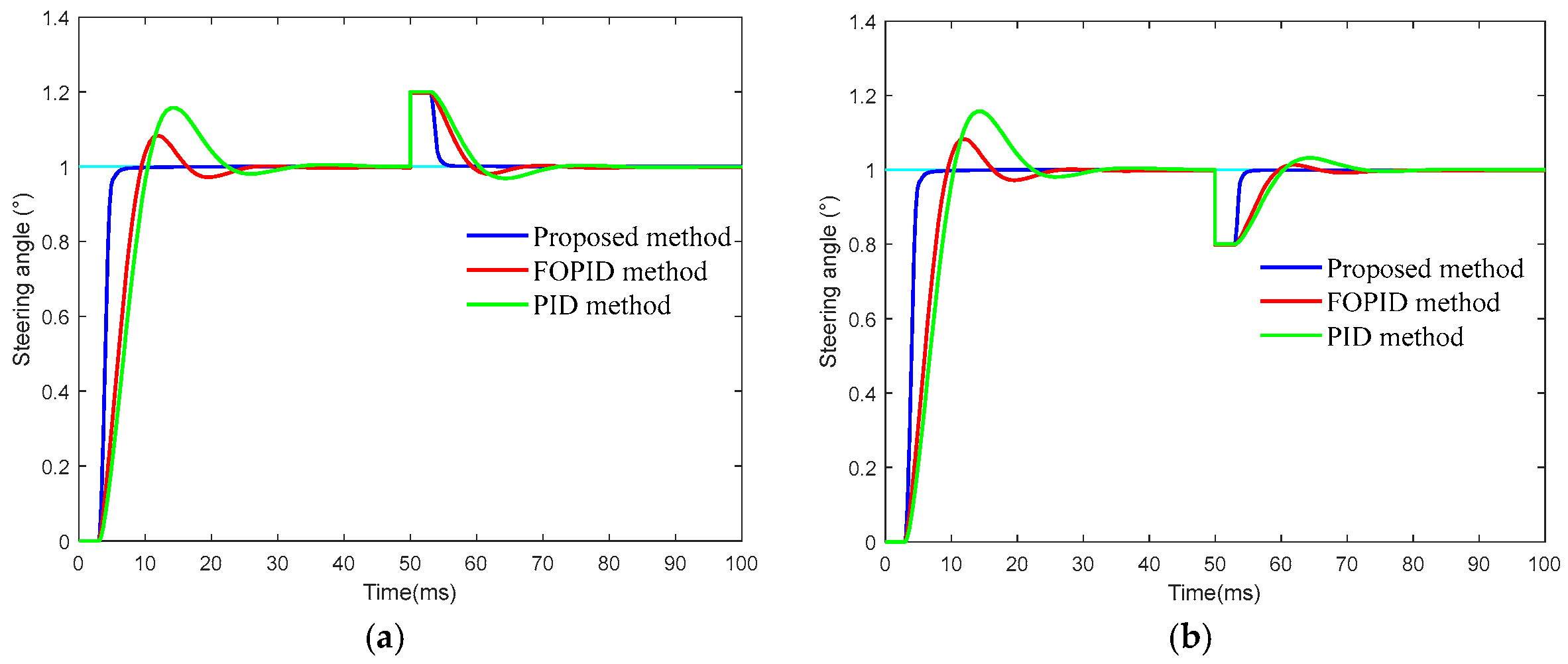
was added to the output position to mimic external disturbances when the system reached a steady state. The dynamic response of the system under external disturbances is shown in
Figure 14. It can be seen from the figure that the PID and FOPID controllers exhibit a slow adjustment speed to disturbances, while the fractional-order composite controller can effectively regulate the beam deflection angle and restore the system to a steady state rapidly.
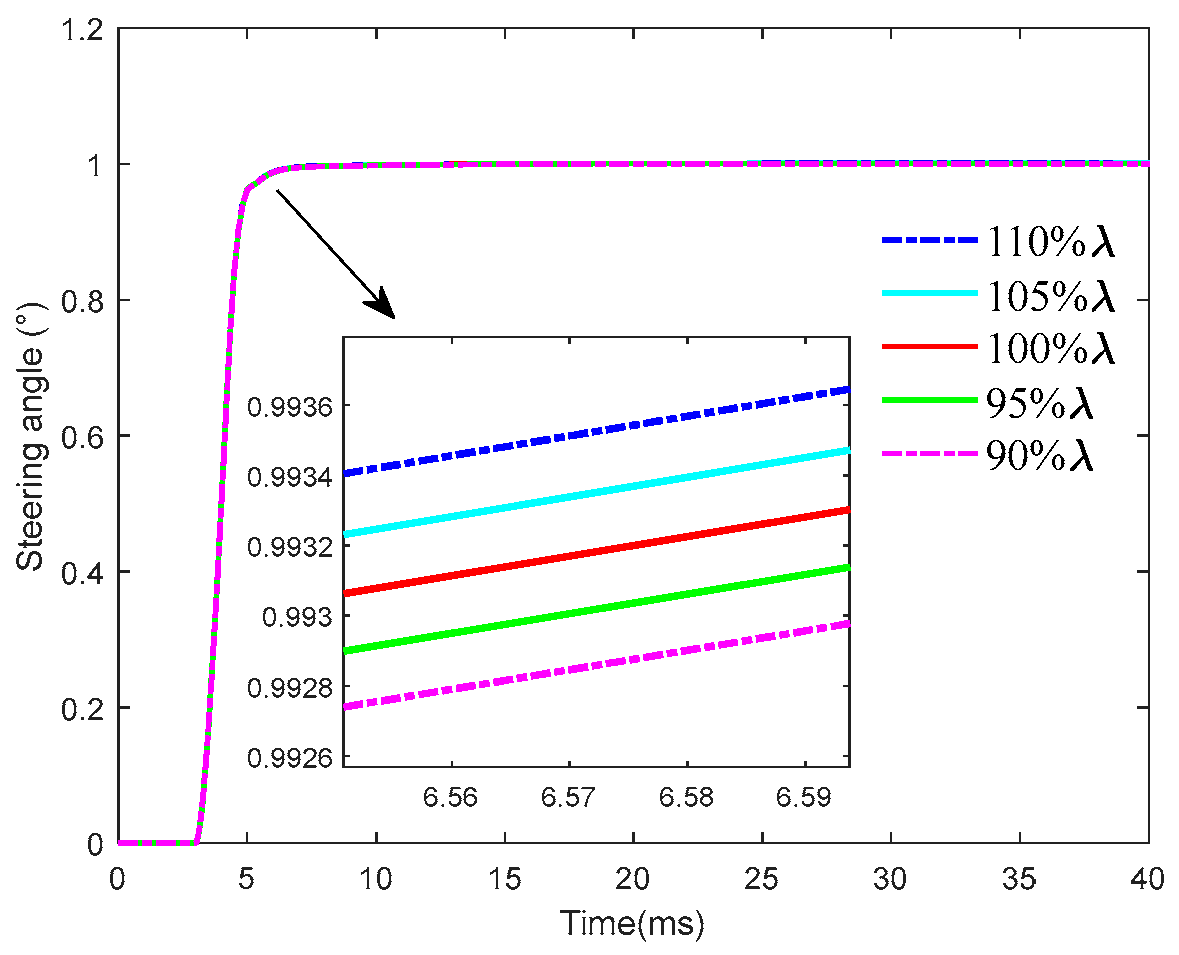
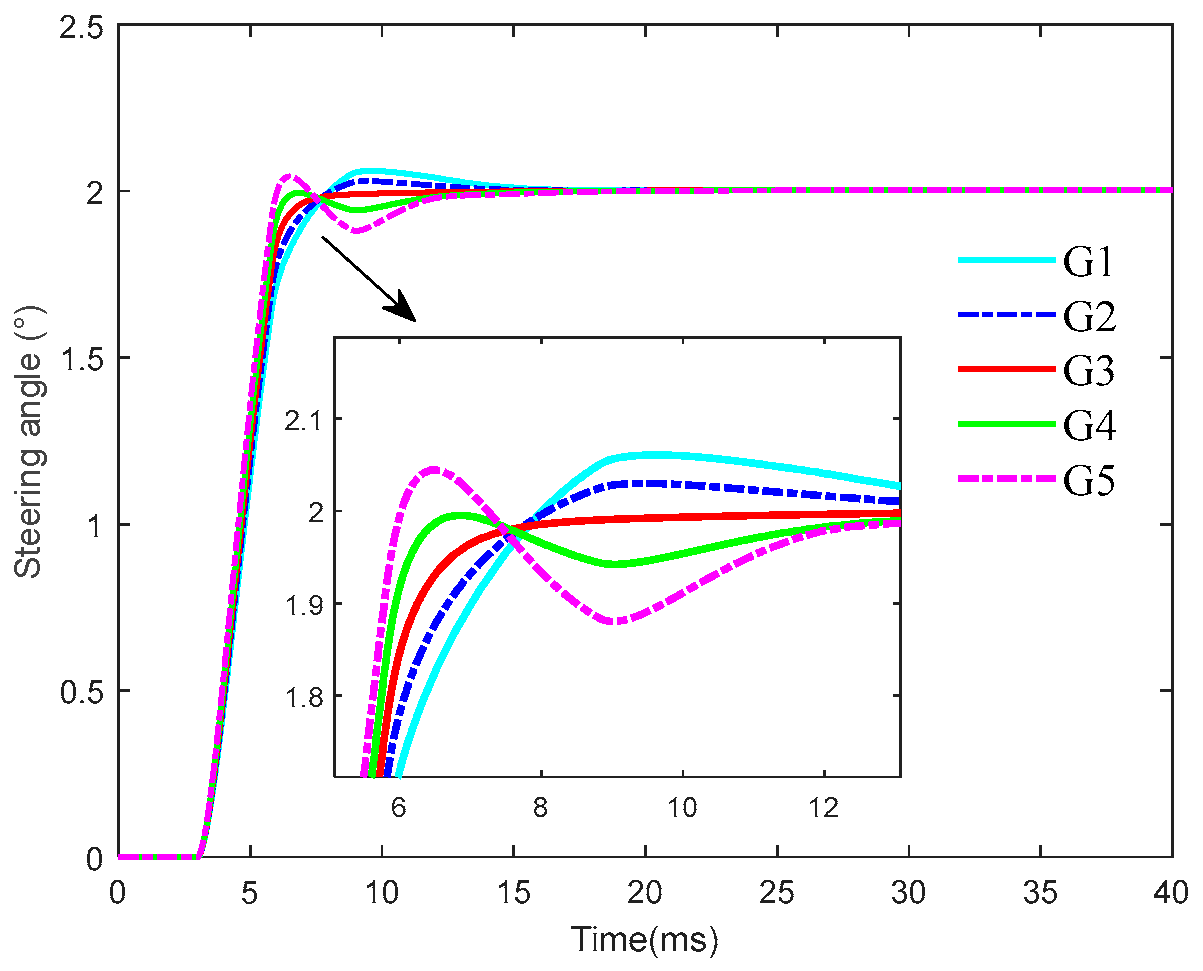
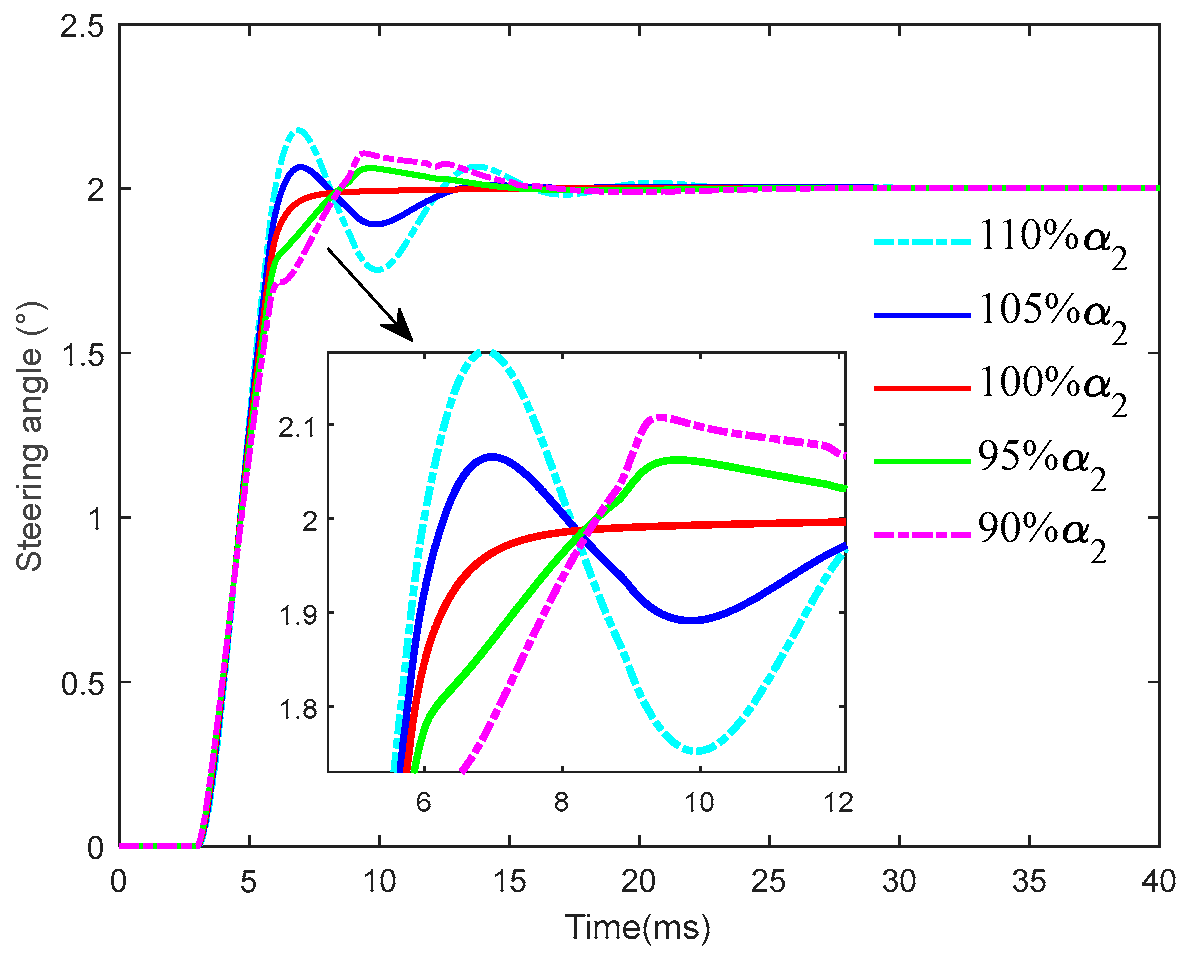
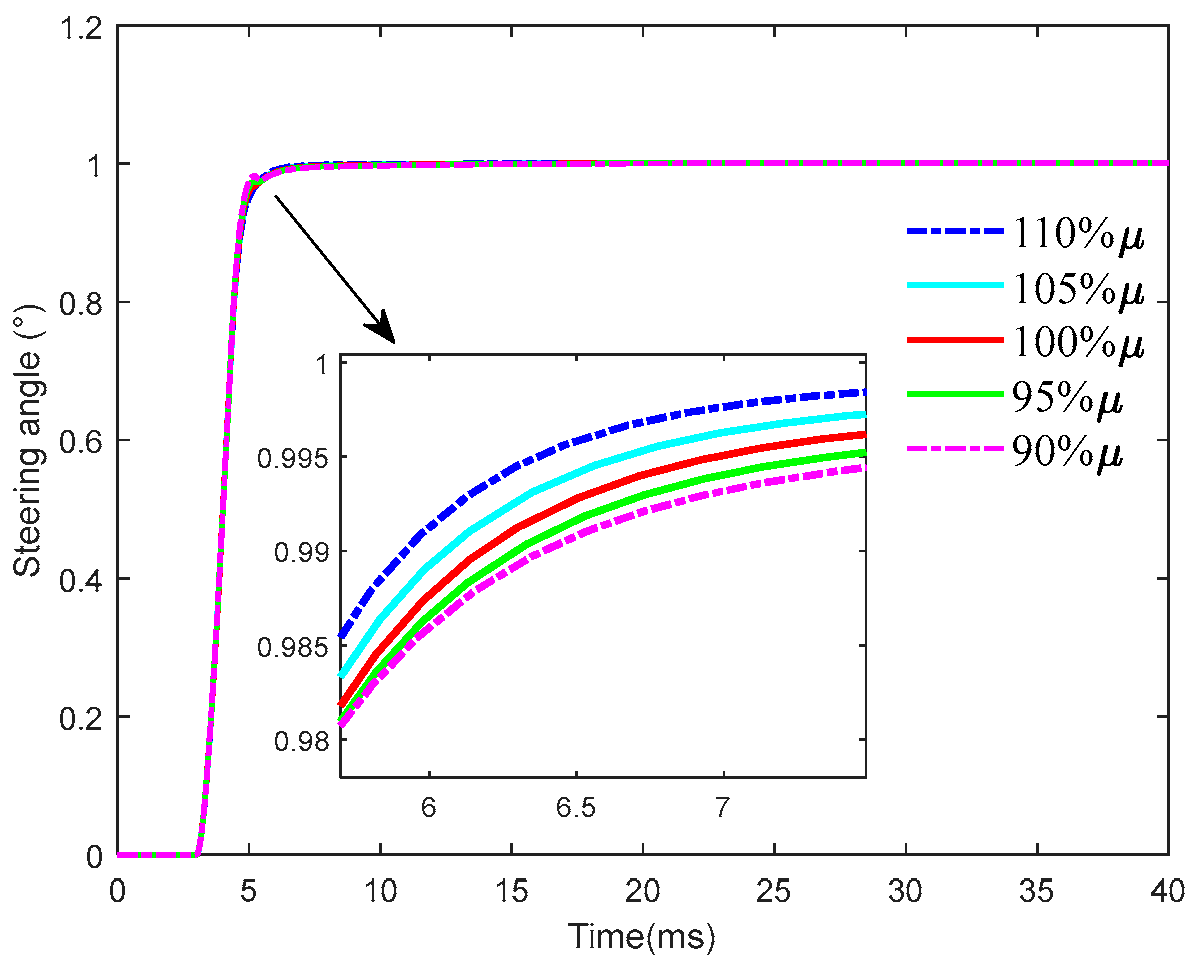
Due to temperature variations and device aging, the model parameters of the LCOPA beam precision control system will change. Therefore, it is assumed that the model parameters
and
vary within ±10%, as shown in the
Table 2. Similarly, the orders of the fractional-order model
and
are also varied within ±10%, and the control system performance is illustrated in
Figure 15,
Figure 16 and
Figure 17. The results show that within the range of ±10% perturbations in the system model parameters and order, the designed fractional-order composite controller can maintain a stable dynamic response and beam-pointing performance, exhibiting good robustness.
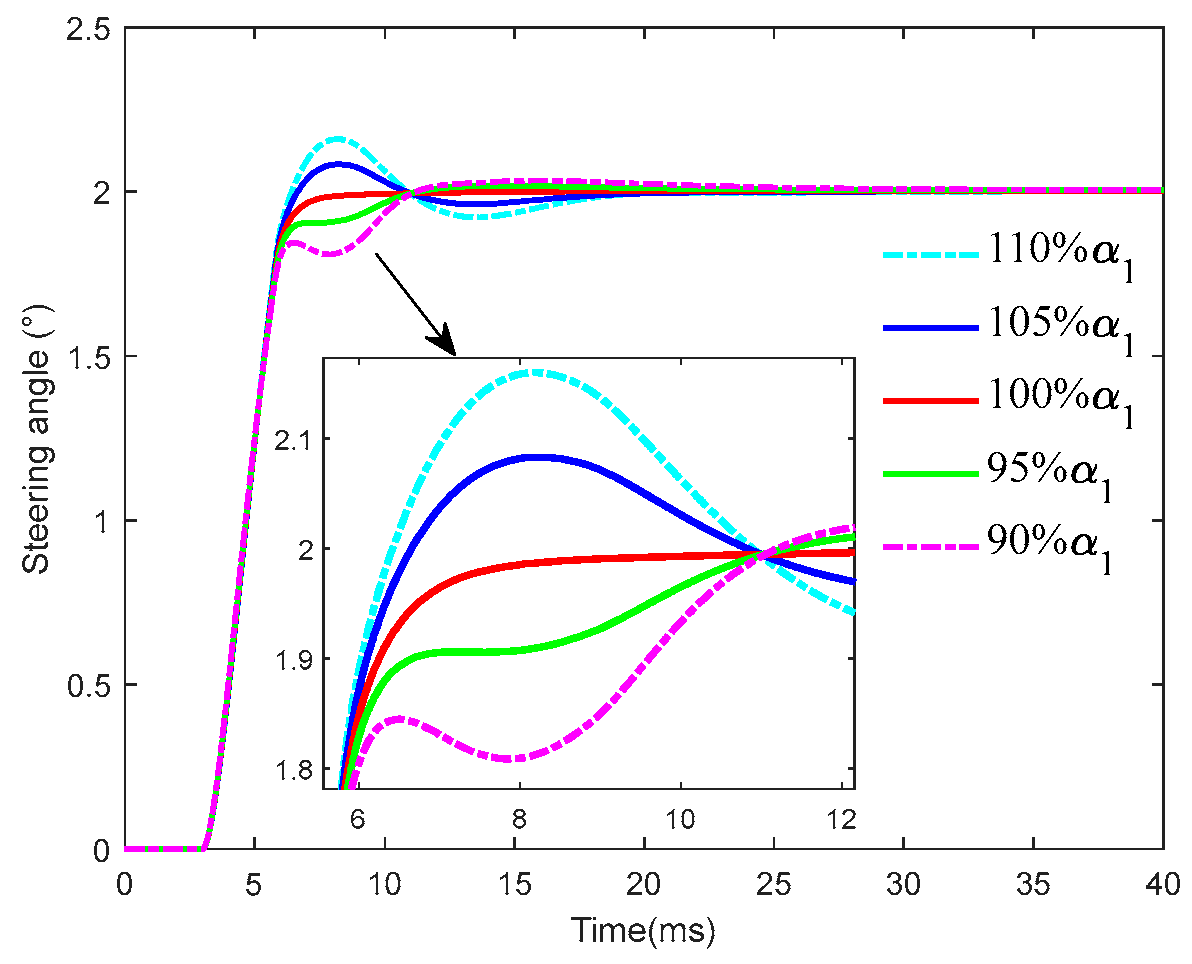
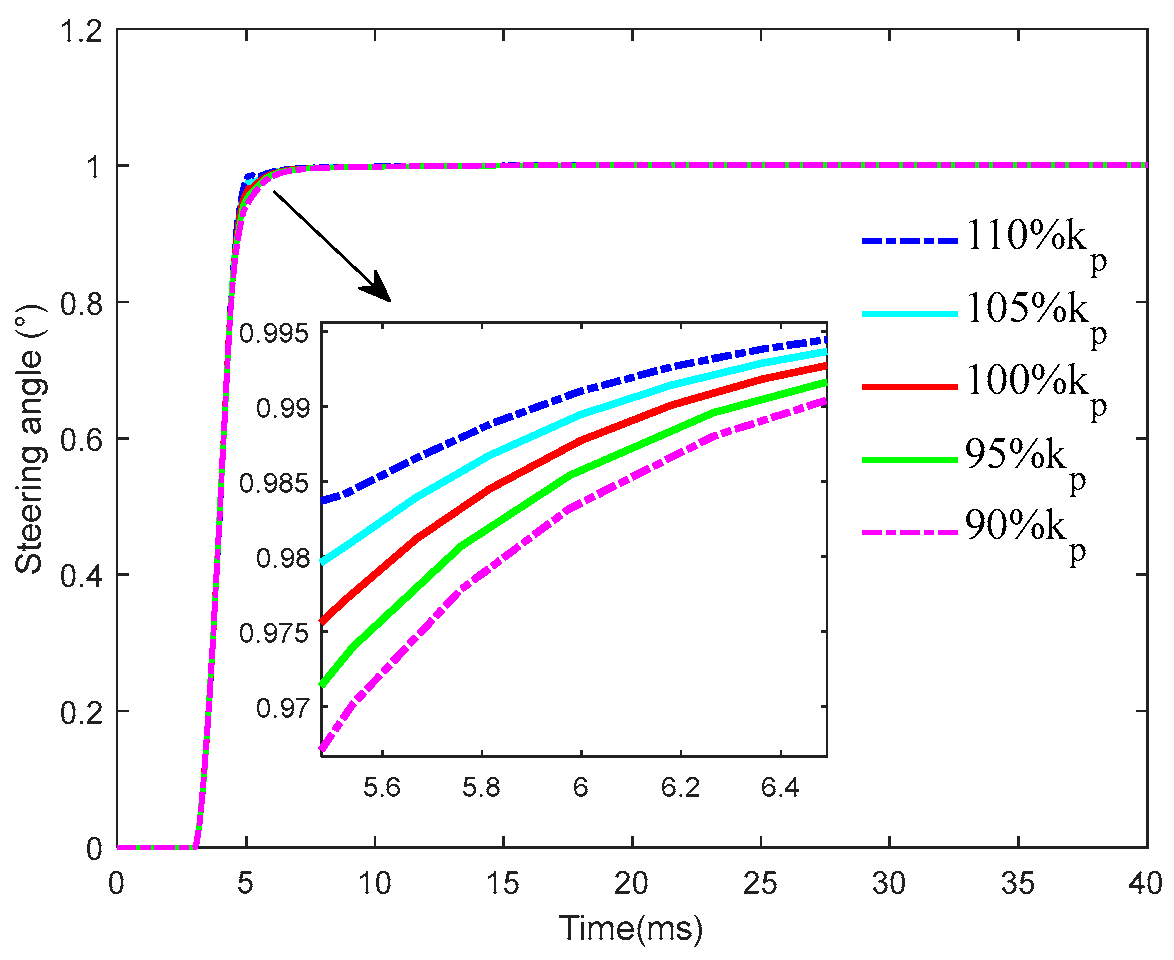
Next, the gain robustness of the controller is verified. The gain
of the fractional-order error feedback control law, the integral order
and the differential order
are varied within ±10% respectively, with the control effects shown in
Figure 18,
Figure 19 and
Figure 20. It can be seen from the figures that when the gain and orders of the fractional-order error feedback control law change, the dynamic performance of the beam pointing exhibits minimal variation. This is because the fractional-order-model auxiliary extended state observer in the fractional-order composite controller plays a primary regulatory role, while the fractional-order error feedback control performs auxiliary adjustment within a small error range, serving to eliminate steady-state errors and suppress disturbances. Therefore, within the range of ±10% perturbation of the controller gains and order, the system can still maintain stable pointing performance, which further verifies that the designed controller has good robustness.
The above simulation results show that the fractional-order composite controller proposed in this paper is superior to the traditional PID and FOPID controllers in terms of dynamic response. It has the advantages of a fast response speed, good tracking performance, strong robustness, and high control accuracy, and can achieve fast, precise, and stable beam pointing. In the future, further quantitative analysis work on the RMSE, maximum deviation, and PSD of pointing errors will be carried out.
6. Discussion
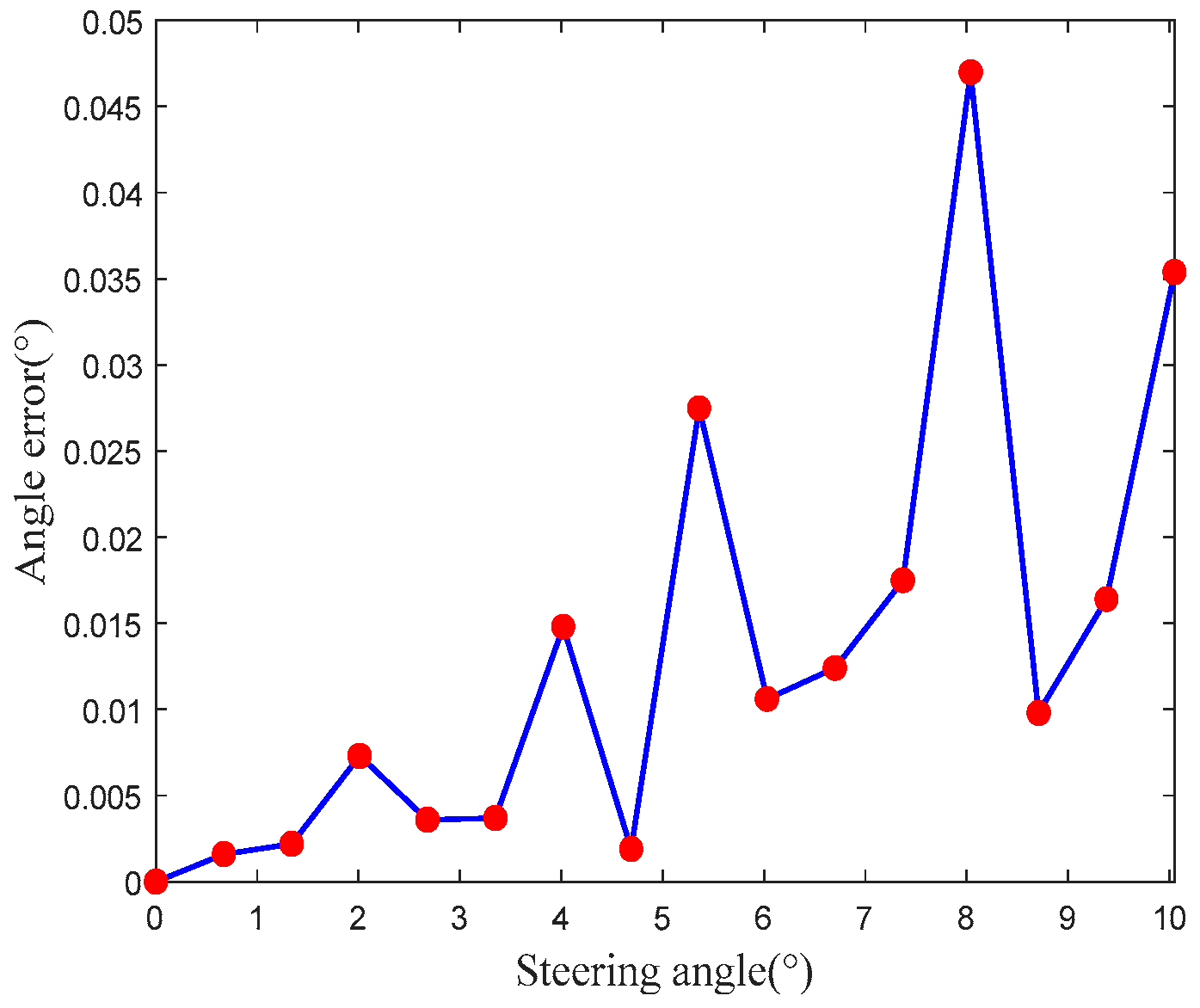
Aiming to solve the problem that the performance of the CLCPG system is restricted by the composite disturbances and time-delay effects of the LCOPA, this paper conducts research on the fractional-order composite control strategy. First, a fractional-order model of LCOPA integrating the viscoelastic memory effect and disturbances is established, which accurately characterizes its nonlinear characteristics. Second, a composite control strategy based on the FMAESO is proposed, which combines the FOPID with the improved Smith predictor to realize the collaborative optimization of dynamic response and pointing accuracy. Finally, the phase margin method and numerical optimization are adopted to tune the parameters, which solves the problem of multi-parameter tuning for the fractional-order controller. Experimental verification results show that the step response time of the proposed composite control strategy is 8.84 ms with a pointing error ≤
. Compared with the traditional scheme, the pointing error of the CLCPG system is reduced by 30%, the response speed is increased by 25%, and the system exhibits excellent anti-disturbance performance. This method is not only applicable to the high-precision pointing control of conventional light beams, but also can provide effective control support for the structural stability and self-healing process of complex structured light fields such as vortex beams and polygonal beams under disturbances, showing good expandability and application prospects [
34,
35]. The above research results can provide technical support for the engineering application of the CLCPG system and can be extended to other similar nonlinear systems.
Based on the research content presented in this paper, the following research work will be further carried out in the future: first, conduct in-depth analysis on the stability theory of fractional-order systems, including stability proof based on relevant criteria, parameter perturbation analysis, and research on the dynamic characteristics of the system under complex working conditions; second, establish a two-dimensional beam scanning model of liquid crystal optical phased arrays, realize two-dimensional scanning decoupling control, and extend the control strategy proposed in this paper to multi-dimensional beam-pointing control; third, conduct spectral characteristic analysis on system errors and noise to further reveal the disturbance characteristics and suppression mechanisms; and fourth, explore the application of artificial intelligence methods in model-free control, error prediction, and parameter optimization to improve the adaptive control capability of the system in complex environments.