Article

Deep Learning-Based Draw-a-Person Intelligence Quotient Screening

by
Shafaat Hussain
1,
Toqeer Ehsan
1,*,
Hassan Alhuzali
2 and
Ali Al-Laith
3
1
Department of Computer Science, University of Gujrat, Gujrat 50700, Pakistan
2
Department of Computer Science and Artificial Intelligence, Umm Al-Qura University, Makkah 24382, Saudi Arabia
3
Computer Science Department, Copenhagen University, 2300 Copenhagen, Denmark
*
Author to whom correspondence should be addressed.
Big Data Cogn. Comput. 2025, 9(7), 164; https://doi.org/10.3390/bdcc9070164
Submission received: 25 March 2025 / Revised: 18 May 2025 / Accepted: 16 June 2025 / Published: 24 June 2025

Abstract

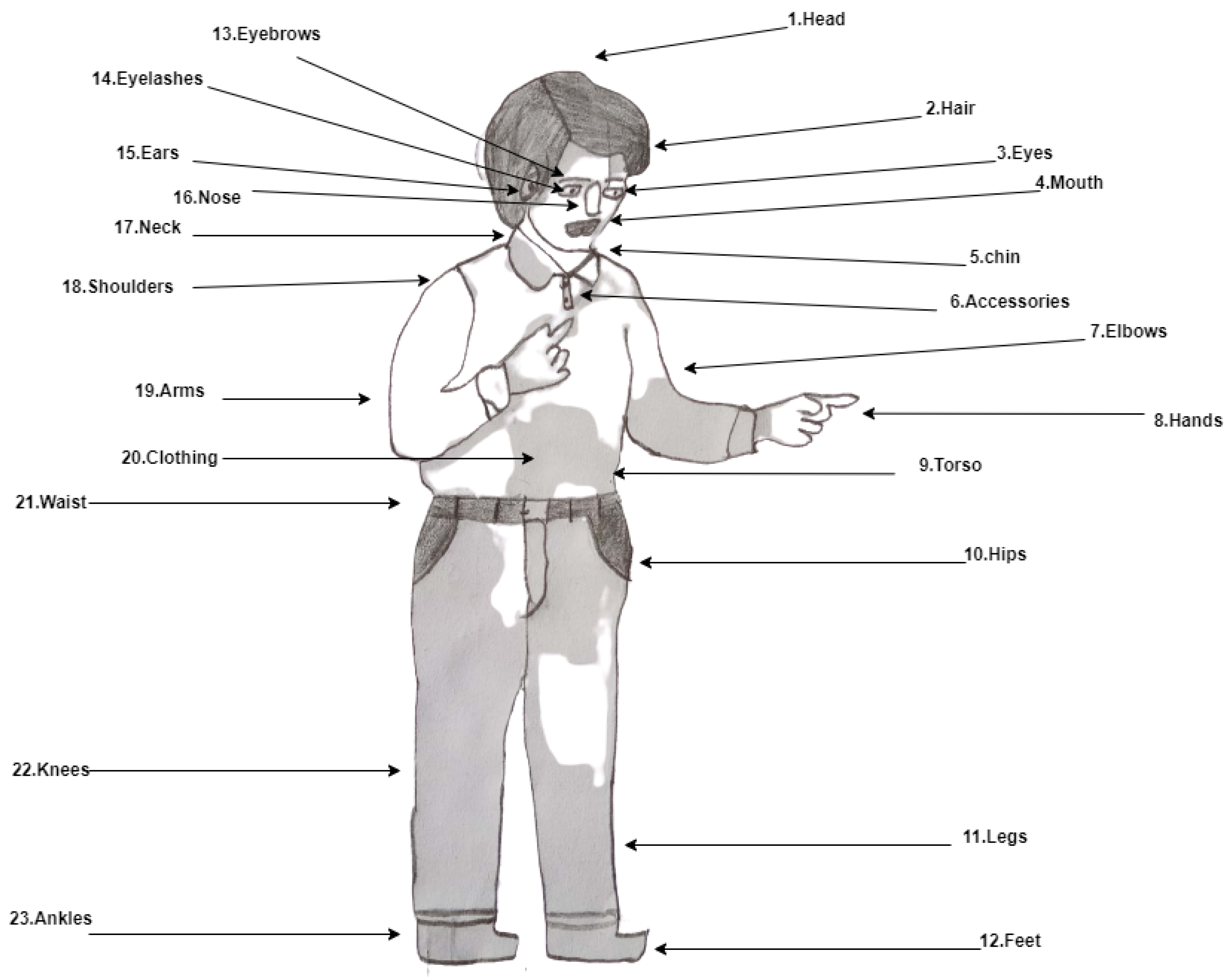
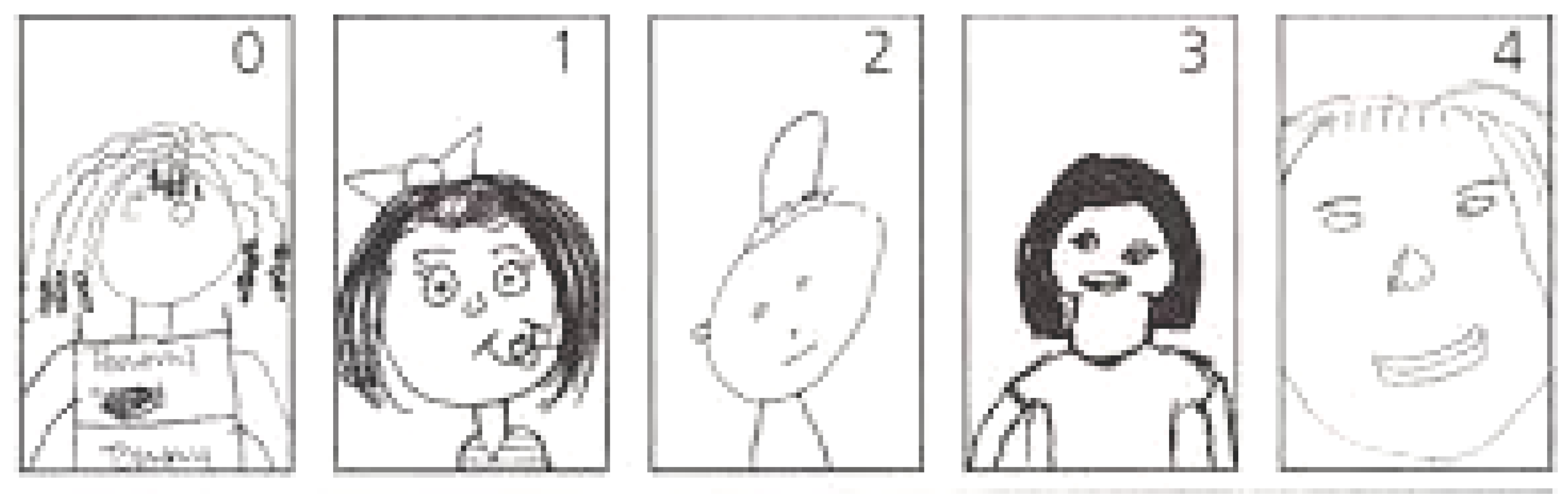
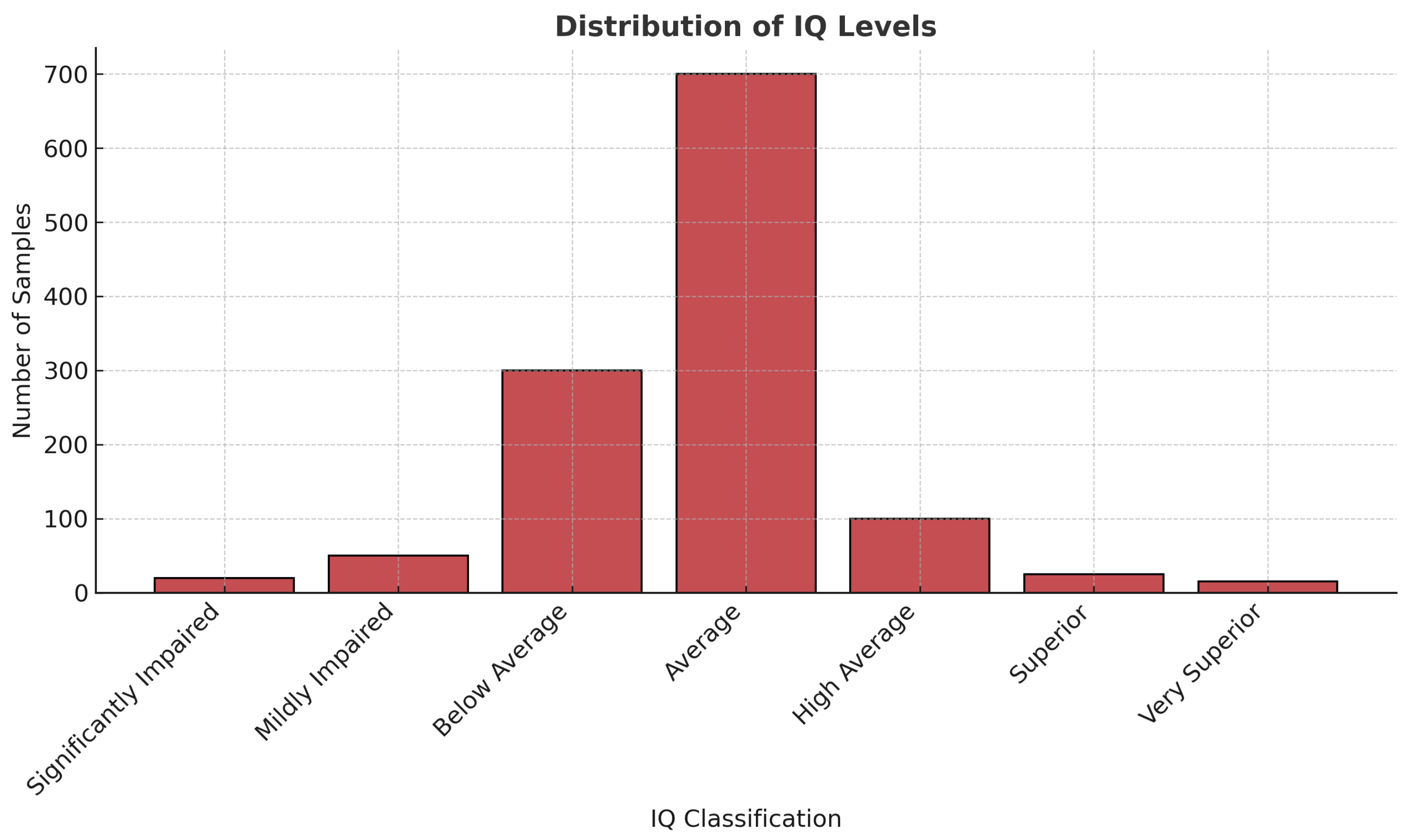
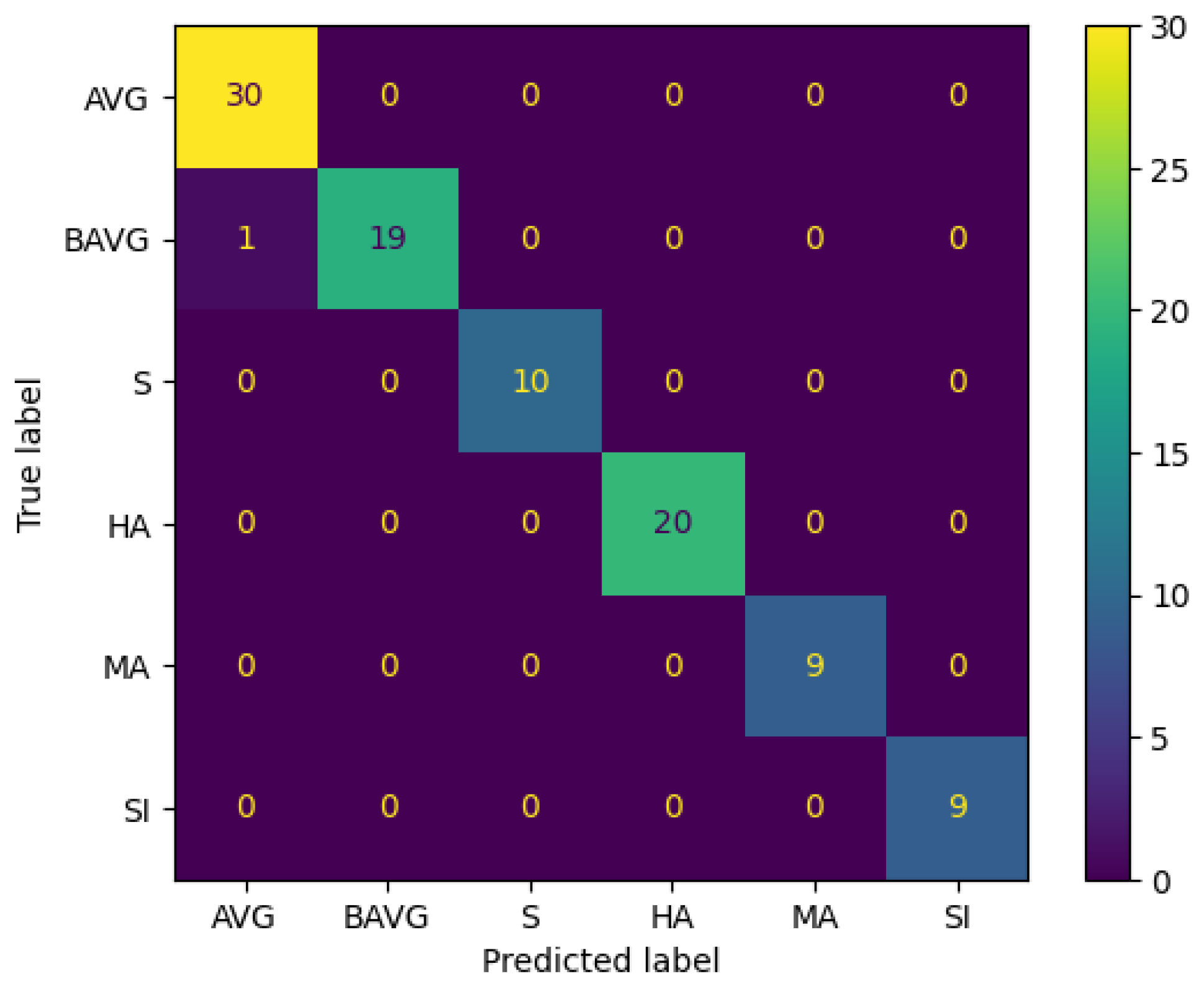
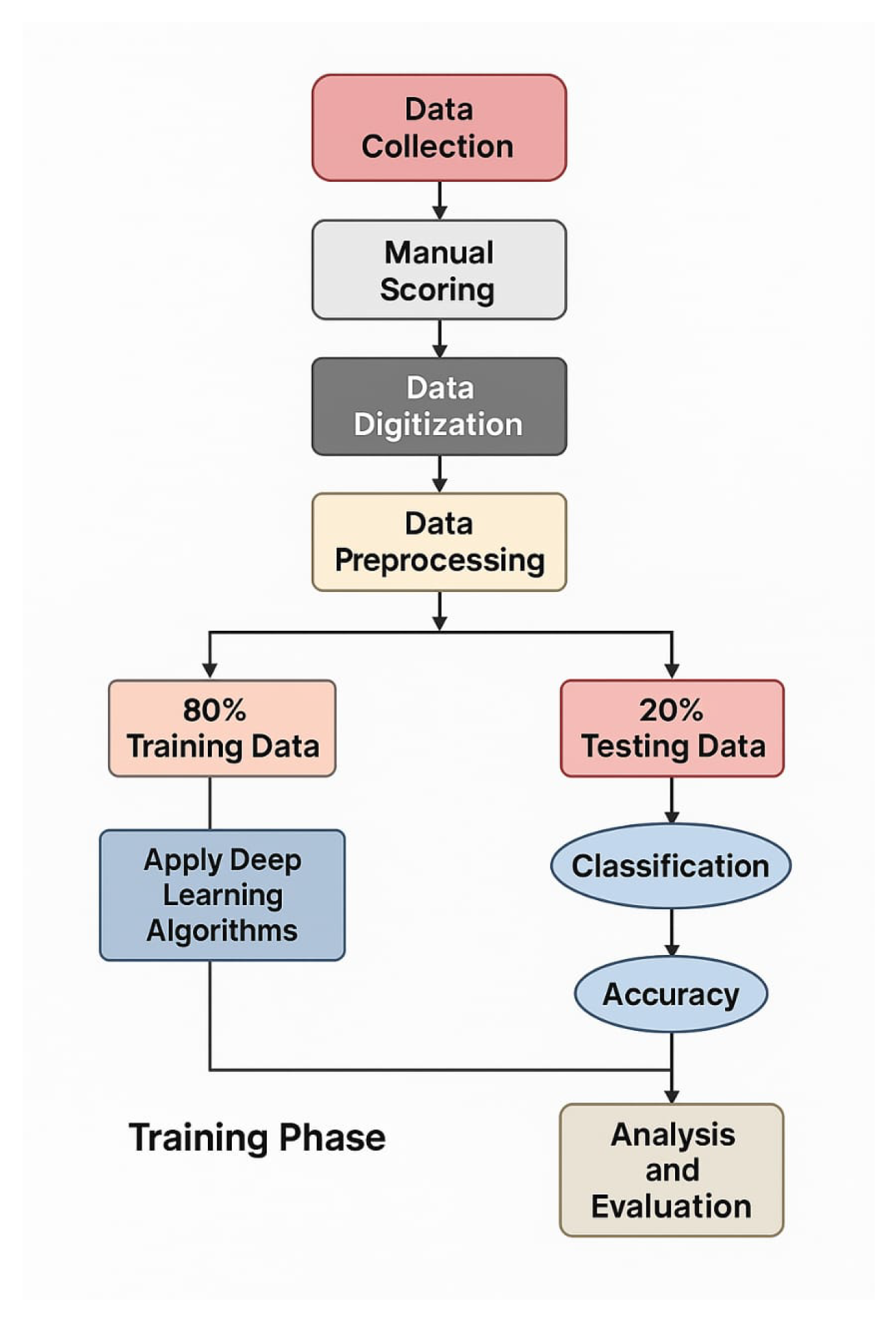
The Draw-A-Person Intellectual Ability test for children, adolescents, and adults is a widely used tool in psychology for assessing intellectual ability. This test relies on human drawings for initial raw scoring, with the subsequent conversion of data into IQ ranges through manual procedures. However, this manual scoring and IQ assessment process can be time-consuming, particularly for busy psychologists dealing with a high caseload of children and adolescents. Presently, DAP-IQ screening continues to be a manual endeavor conducted by psychologists. The primary objective of our research is to streamline the IQ screening process for psychologists by leveraging deep learning algorithms. In this study, we utilized the DAP-IQ manual to derive IQ measurements and categorized the entire dataset into seven distinct classes: Very Superior, Superior, High Average, Average, Below Average, Significantly Impaired, and Mildly Impaired. The dataset for IQ screening was sourced from primary to high school students aged from 8 to 17, comprising over 1100 sketches, which were subsequently manually classified under the DAP-IQ manual. Subsequently, the manual classified dataset was converted into digital images. To develop the artificial intelligence-based models, various deep learning algorithms were employed, including Convolutional Neural Network (CNN) and state-of-the-art CNN (Transfer Learning) models such as Mobile-Net, Xception, InceptionResNetV2, and InceptionV3. The Mobile-Net model demonstrated remarkable performance, achieving a classification accuracy of 98.68%, surpassing the capabilities of existing methodologies. This research represents a significant step towards expediting and enhancing the IQ screening for psychologists working with diverse age groups.
Keywords: IQ measurement; DAP-IQ; human figure drawing; deep learning; mobile-net IQ measurement; DAP-IQ; human figure drawing; deep learning; mobile-net