1. Introduction
There is a growing interest in analysing the relationship between light and human biological responses and their impact on health: light acts as a regulatory element in the circadian rhythms of living organisms. Etymologically, the word circadian comes from Latin circa, meaning ‘around’, and diem, meaning ‘day’; thus, circadian refers to ‘around a day’.
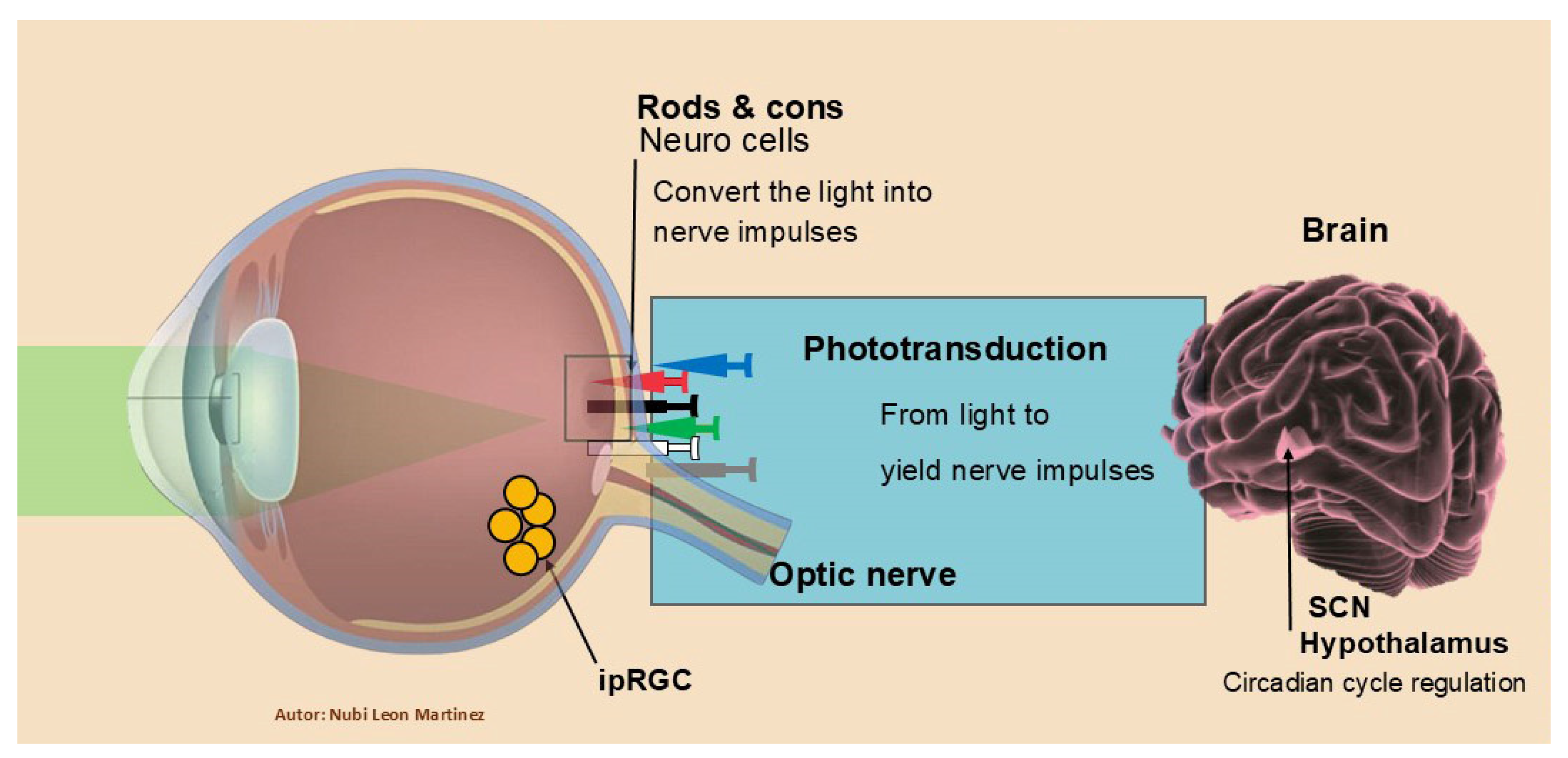
Light is perceived by the human eye until it reaches the retina. There, it is converted into an electrical signal through a process called phototransduction [
1]. While visual phototransduction occurs in the phototransmitters’ rods and cones, circadian phototransduction occurs in the ipRGC (intrinsically photosensitive retinal ganglion cells). This signal is then transmitted via the optic nerve to the brain, specifically to the hypothalamus, where circadian rhythm regulation arises [
2]. These electrical signals, received in the suprachiasmatic nucleus (SCN) within the hypothalamus, are then conducted to the endocrine and nervous systems.
Figure 1 shows the location of the neurocells’ cones, rods, and ipRG in the eye, the process of phototransduction, and the location of the SCN.
Previously, two types of photoreceptors were known to exist in the eye: cones and rods. Later, around the 1920s, the first observations and evidence of the influence of light on circadian rhythms emerged. In the 1990s, Russell Foster, along with other researchers, noticed that the circadian rhythm is not regulated by cones and rods [
3,
4]. Later, in 2002, David Berson described the intrinsically photosensitive retinal ganglion cells (ipRGCs) as another type of photoreceptor in the eye, in addition to the already known cones and rods, and discovered that these cells are involved in the regulation of the circadian cycle. Light controls our circadian rhythm through the ipRGCs (which contain melanopsin, the photoreceptor protein involved in various functions related to the circadian rhythm, such as conventional vision, cognitive functions, and mood) [
5]. One key function is to identify the appropriate light intensity and wavelength, (450 to 500 nm, with the highest efficiency occurring at 480 nm), i.e., blue short-wavelength light [
6]. At this point, the melanopsin absorbs the light, activates the ipRGCs, sends a signal to the SCN, and inhibits melatonin secretion. Then, the circadian phase resetting occurs. This is known as the melanopic effect of light. The blue melanopic light effects are best quantified using “melanopic Equivalent Daylight Illuminance” (melanopic EDI), a standardised light metric on ipRGCs [
7,
8,
9]. The discovery of ipRGCs as a photoreceptor neuron and the recognition of their primary function in our bioregulation, is crucial to the understanding and control of our circadian rhythm. An experimental sample was obtained to demonstrate the perception of light related to circadian rhythms in blind individuals, in which the non-visual effect of light was demonstrated [
10]. Photosynchronisation, mentioned before, is the process of regulating circadian rhythms in living organisms and activating cortisol during the day and melatonin at night. The presence of daylight triggers the production of cortisol, which increases the heart and respiratory rates, gradually altering biological functions during the day. When night falls, organisms begin to produce melatonin and inhibit cortisol, thus achieving the regenerative functions of the organisms, lowering the heart and respiratory rates, and leading to deep sleep. Another word commonly used to refer to the circadian synchronisation is
Zeitgeber, from German
Zeit = time and
Geber = giver.
It is a fact that there is a direct and indirect relation between lighting and brain responses; therefore, we define “neurolighting” as a concept for the specific analysis of light perception (both visual and non-visual) and how it generates responses in our brain, specifically in the SCN, based on light intensities, wavelengths, and light transitions, which will directly influence the following:
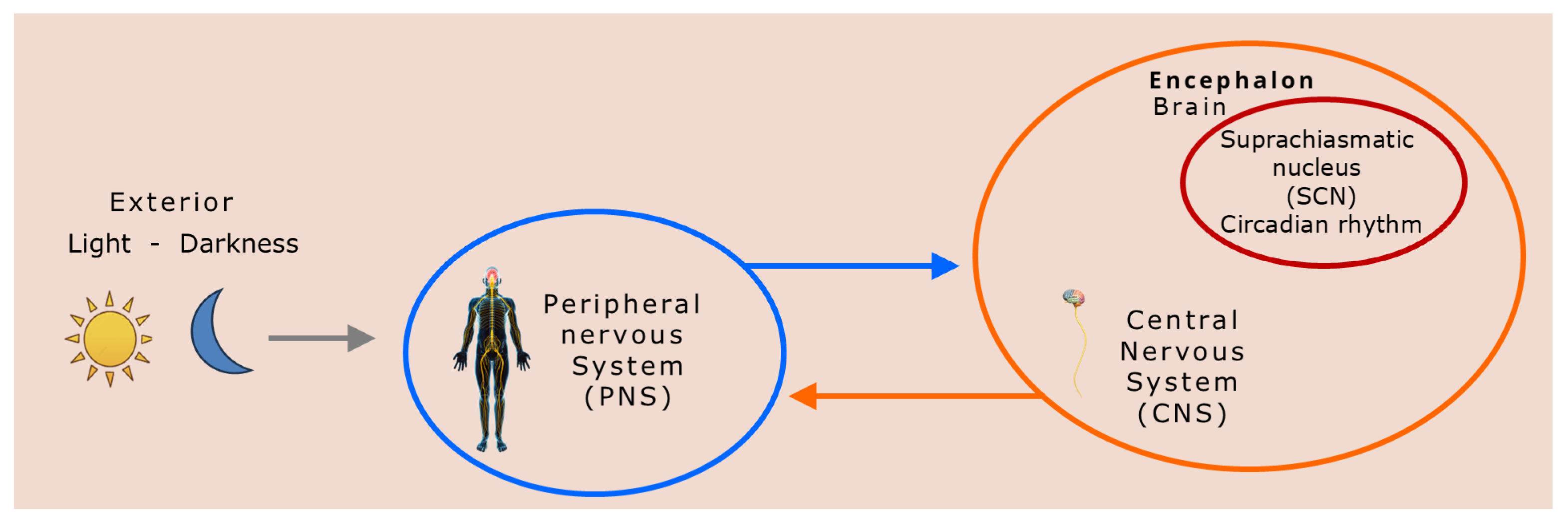
Therefore, as we focus our research on lighting and circadian rhythms, we introduce the term “circadian neurolighting” to the analysis between lighting and brain responses that influence our circadian rhythms. As shown in
Figure 2, the Peripheral Nervous System (PNS) establishes the connection between the light and dark and the suprachiasmatic nucleus (SCN), located in the brain, in the Central Nervous System (CNS).
The human nervous system establishes the connections between the exterior and our body and also controls our biological responses, both voluntary and involuntary. Most of these involuntary responses are influenced and regulated by the circadian rhythm, which is activated by light. These responses (sensory input, via electrical signal) are sent and received by neurons, which are cell units that make connections along the nervous system and other organs.
In reference to the circadian rhythm, the brain’s responses to light can be the following:
Leptin is the body’s energy-regulating hormone. It is located in the subcutaneous layer, and its main function is to inform the brain about how much energy is available, which it can only achieve in complete darkness. However, when exposed to artificial light at night, the body becomes resistant to leptin, leading to a false perception of energy need. This results in a persistent need to maintain a constant food intake. Consequently, insulin and glucose levels rise [
11,
12].
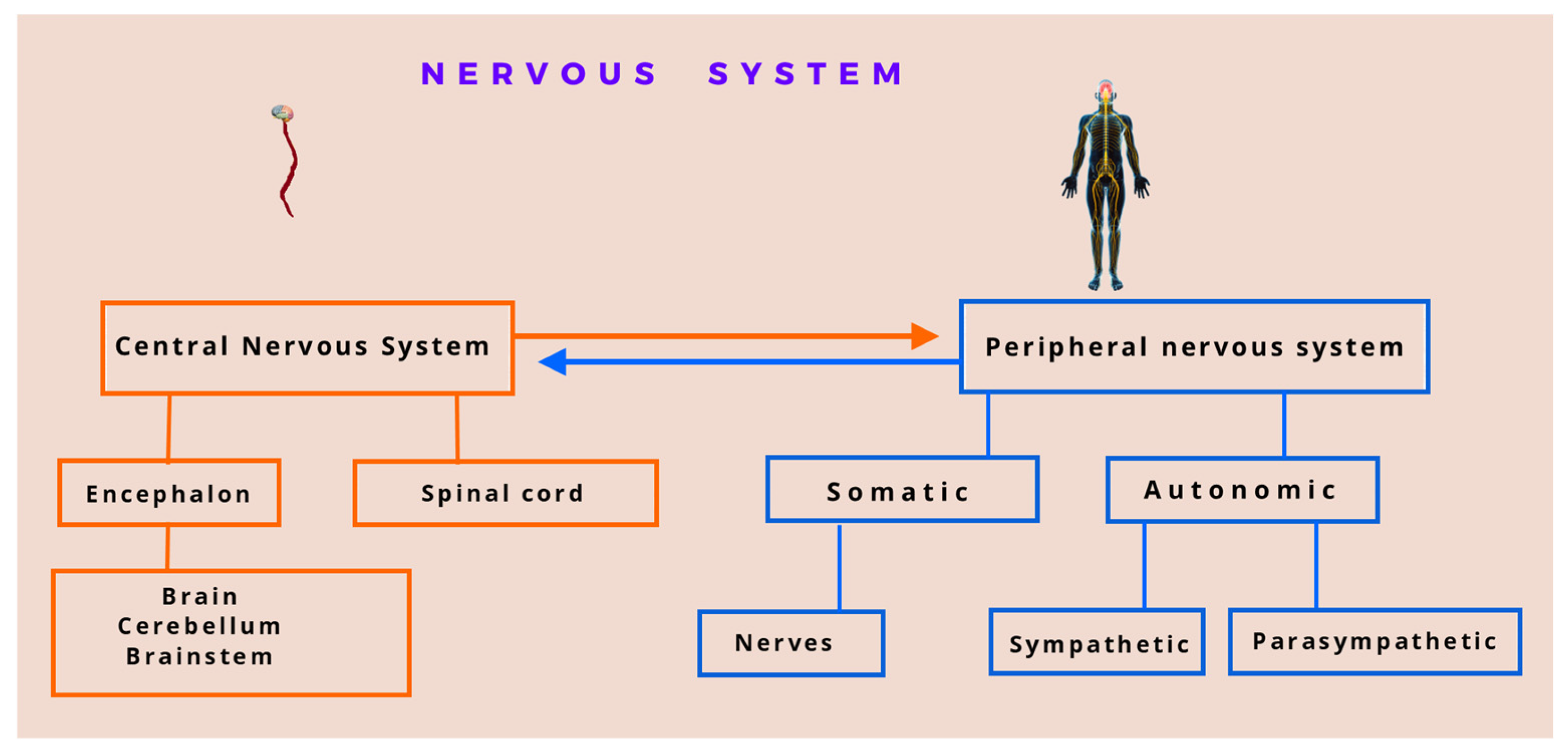
The Central Nervous System and the Peripheral Nervous System work together. While the Peripheral Nervous System is the connection between the body and the exterior, the encephalon produces the responses and sends them to the body through the spinal cord (CNS). Our PNS perceives the light not only from the eyes but from the skin as well, through molecules called chromophores, and this information is sent to the brain. Then, the brain activates the responses in the body. When the light is received by the eye, the pupil constricts to filter and regulate the amount of light; this is called the Pupillary Light Reflex (PLR) [
13]. As shown in
Figure 3, the nervous system is divided into the Central Nervous System and the Peripheral Nervous System. The brain and the Suprachiasmatic Nucleus are located in the Central Nervous System, whereas the Peripheral Nervous System acts as the connector between the environment and the brain.
Large cities, as their demographics and associated urban functions grow and expand, tend to have increased night-time activities, greater travel distances between different areas, and, consequently, higher light intensities and exposure times, resulting in fewer remaining dark areas in the night sky.
Based on the night-time lighting conditions, known as ALAN (artificial lighting at night), in the city of Madrid, a metropolis whose population growth, increased services, and shops increase the amount of light at night, an analysis is conducted regarding the sensory reactions experienced by visitors and residents in the most illuminated areas of this city, contrasting it with an analysis of the lighting conditions in the city of Toledo and its inhabitants, whose urban characteristics are completely antagonistic.
In this analysis, we recognise the importance of lighting at night for safety while transiting the streets (wayfinding) and sense of security, as it is possible to identify the surrounding elements and to obtain a facial recognition of other pedestrians [
14], whilst at the same time, excessive lighting can produce the opposite effect: alertness and overexposure and, thus, a sense of insecurity [
15]. Therefore, we explore ways to use lighting at the most appropriate levels to obtain its benefits in a less disruptive way.
The importance of recognising the effects of electrical lighting at night, or ALAN, as a trigger of cortisol in a negative way attempts to identify with more precision the possible disorders and even diseases in our body. There is existing documentation about the relationship between ALAN and different types of cancer, such as breast and prostate cancer [
16] and paediatric papillary thyroid cancer [
17]. Other studies remark on the relationship between the circadian rhythms and human disease, specifically cancer in long-term shift workers. Since melatonin is mainly produced at night and suppressed by light, the hypothesis claims that oncogenesis becomes more likely when people are exposed to light at night [
18]. Moreover, it is demonstrated that overexposure to ALAN, along with disrupting the circadian rhythm, affects immune, endocrine, metabolic, reproductive, and foraging behaviours [
19,
20]. There is also “evidence that exposure to light-emitting devices from luminaires and screens before bedtime can impact on sleep onset latency, sleep duration, and sleep quality during the subsequent night” [
21]. An important point to remark is that cortisol level alterations show greater incidences in women than in men [
22]. Furthermore, sleep disorder is directly related to physiological disruptions as well as mental illness and psychosocial stress, as it is registered in the International Classification of Sleep Disorders (ICSD), which registers 83 types of disorder [
23].
Therefore, it is significant to bring the concept of Circadian Light Hygiene (CLH) [
24] to align our biological responses. Essentially, three conditions are conflicting with our bioregulation:
Excessive exposure to artificial light at night, ALAN;
Insufficient natural daylight;
Irregular exposure during day and night, which creates an unbalanced pattern and disruption.
To balance and to make photosynchronisation effective, it is necessary to receive sunlight and produce cortisol during the day, which allows the body to produce melatonin at night, essential for the regenerative process of our body. Even more, exposure to sunlight at an early time of the day stimulates alertness, cognitive functions, mood regulation, and chronotype improvement [
21]; thus, it keeps the process of circadian bioregulation balanced.
The main objective of this research is to demonstrate the adverse impact caused by ALAN through a comparative analysis of two contrasting cities: Madrid and Toledo. The study aims to elucidate the negative repercussions on their inhabitants, highlighting the excessive and unnecessary levels of light intensity and short-wavelength light (blue light) in certain areas. Additionally, it seeks to examine in greater detail the non-visual effects of lighting and their influence on the human body, mood, and overall health. The research also aims to raise awareness regarding methods to prevent disruptive effects, with the goal of controlling and mitigating these negative impacts to enhance the quality of life for residents and visitors. Furthermore, it underscores the potential benefits of sustainability, not only in terms of energy conservation but also in preserving dark skies and maintaining the circadian rhythms of animal and plant species.
To achieve better results that align with the set objectives, some urban lighting plans for the cities of London (UK) and Lusail (Qatar) are analysed.
Under the intentions of “reducing the amount of light, improving legibility on vertical surfaces, controlling the balance of light and shade, highlight key landmarks, balancing the social and economic benefits of light with the environmental consequences (…)” the
Light + Darkness in the City by Speirs and Major, in 2018 [
25], outlines some lighting actions according to the specific considerations of this city. This lighting document contains some aspects that focus on safety, security, accessibility, sustainability, and culture. Some of their recommendations are “…prioritise lighting for pedestrians and cyclists, employ fuller spectrum white light to help improve recognition (…)”. In addition, the Government of London created the
City of London Supplementary Planning Document [
26],
adopted in October 2023, based on the previously mentioned document (
Light + Darkness in the City by Speirs and Major). They recognise that the night-time economy is growing in terms of leisure and hospitality, with a significant residential population and business area, so some specific lighting actions are needed to adapt the city to the current changes.
Likewise, the
Lusail Master Plan (LMP) [
27], is a lighting document that focuses on avoiding unnecessary high lighting levels, preventing glare, prioritising pedestrians and cyclists, and enhancing the city with low lighting levels, achieved by Light Cibles and the Government of Lusail, in compliance with the most recognised International Lighting Codes: IESNA (Illumination Engineering Society of North America), CIE (Commission Internationale de Eclairage), EN (European Committee for Standardisation), and BS (British Standards). One interesting strategy they implemented was to create a classification of roads and streets in a hierarchy to specify the amount of illumination for each typology.
The notable insights of Dr. Vanessa Ingraham regarding photo-neuroendocrinology were significant for understanding human biology, specifically the impact of light in the neuroendocrine and neurobehavioral responses [
28].
An important document in this research was the ROLAN Manifesto (Responsible Outdoor Lighting At Night), from the Dark Sky Organisation, which compiles a list of considerations for the preservation of the dark sky at night [
29].
2. Materials and Methods
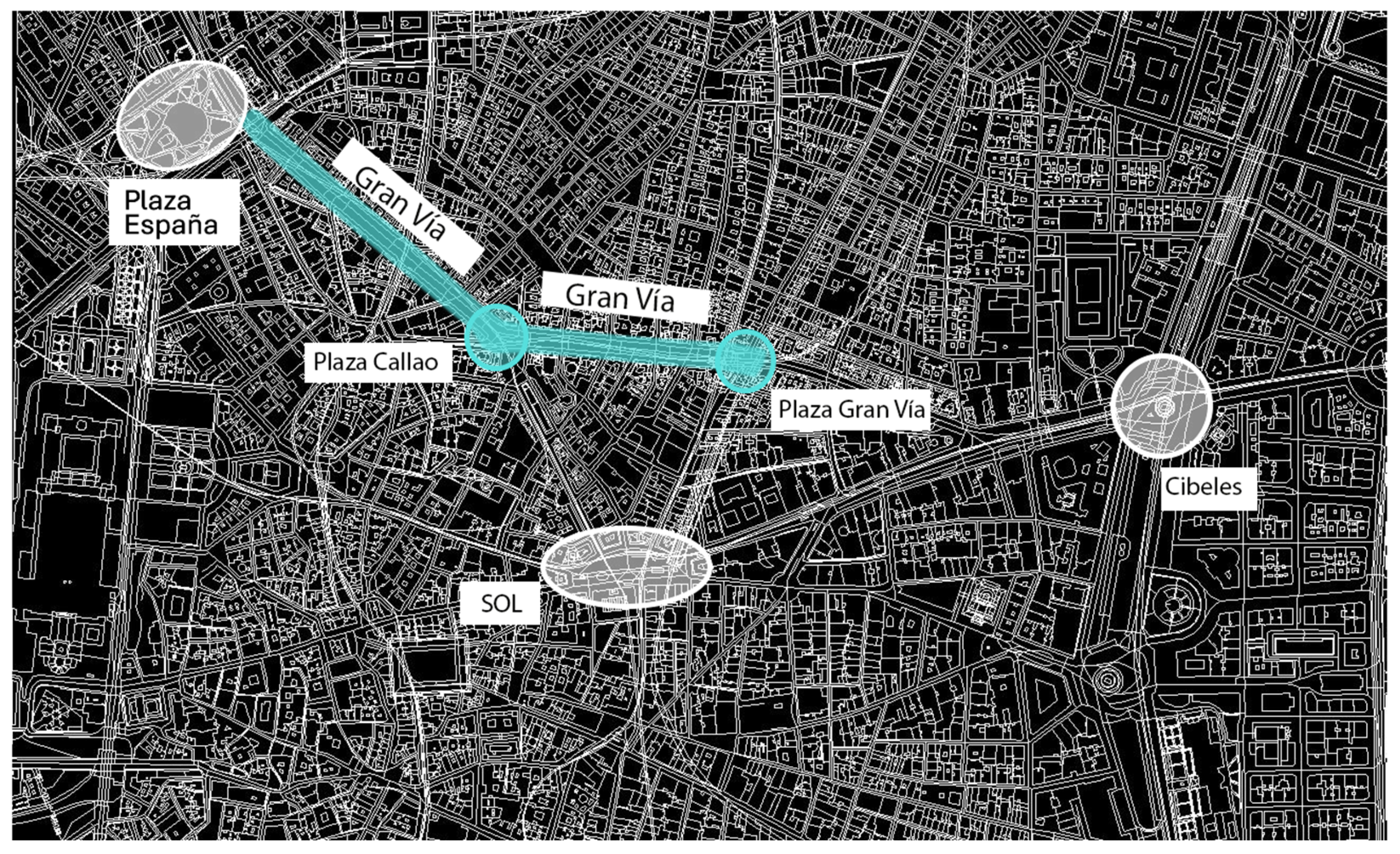
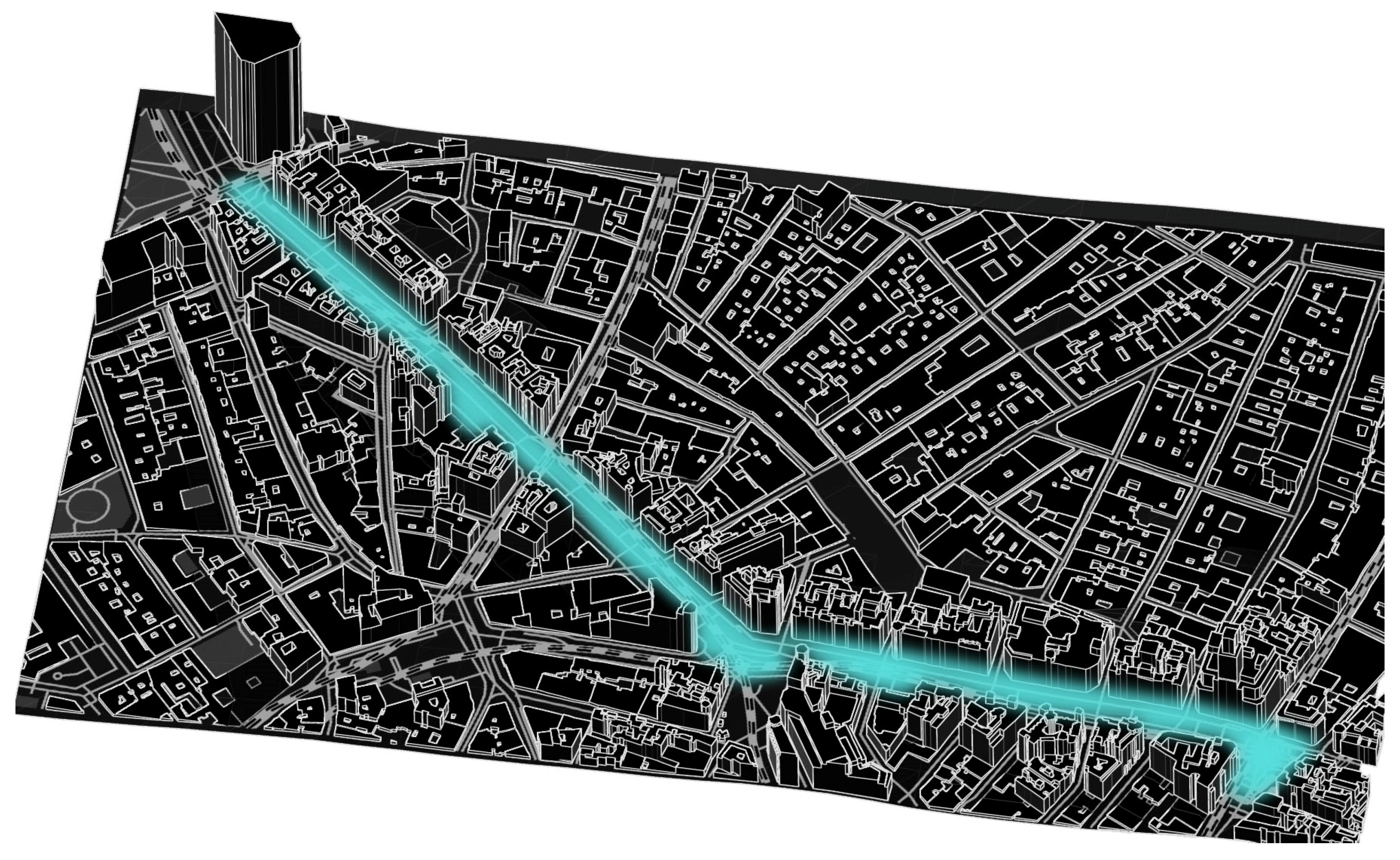
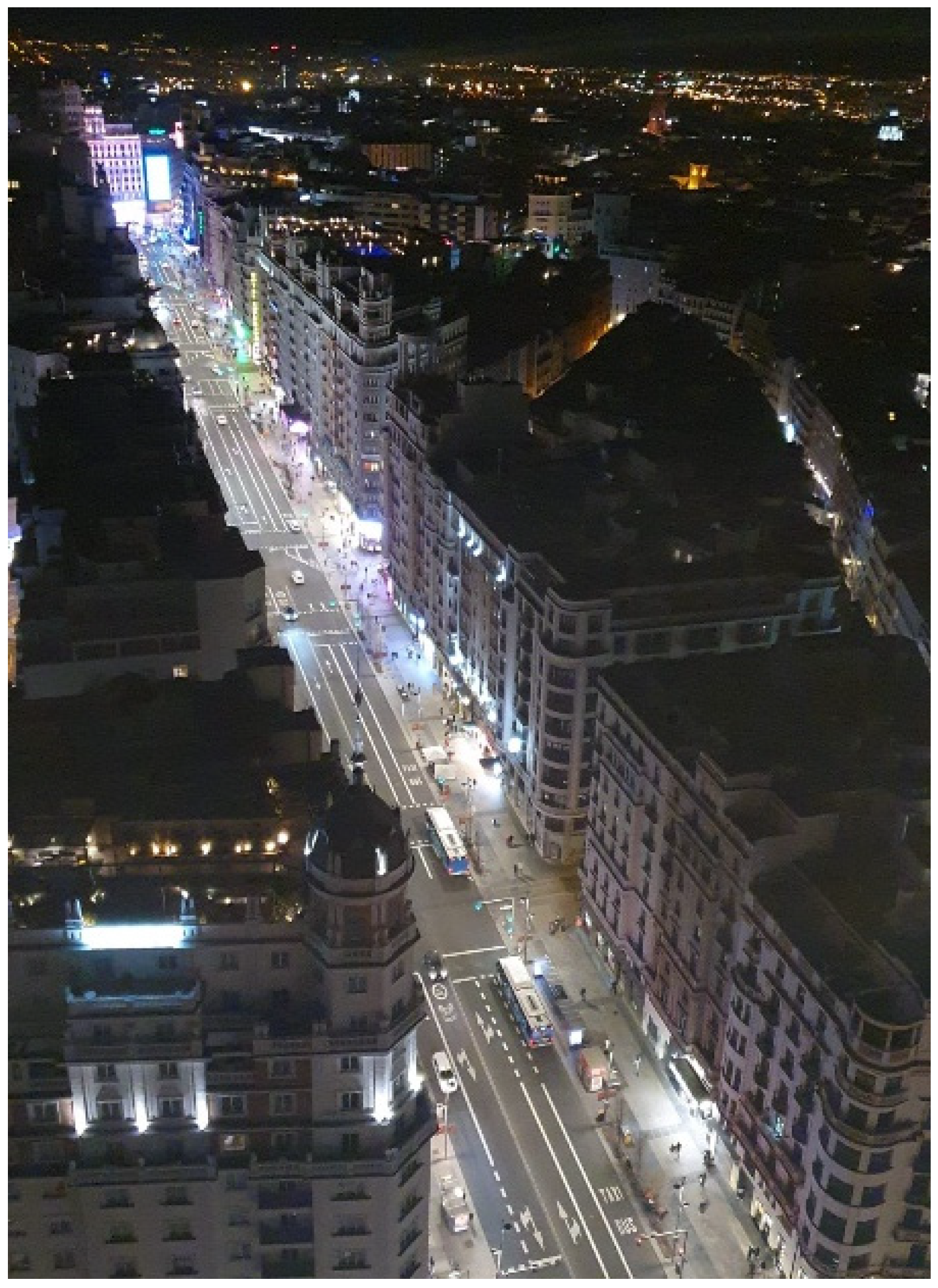
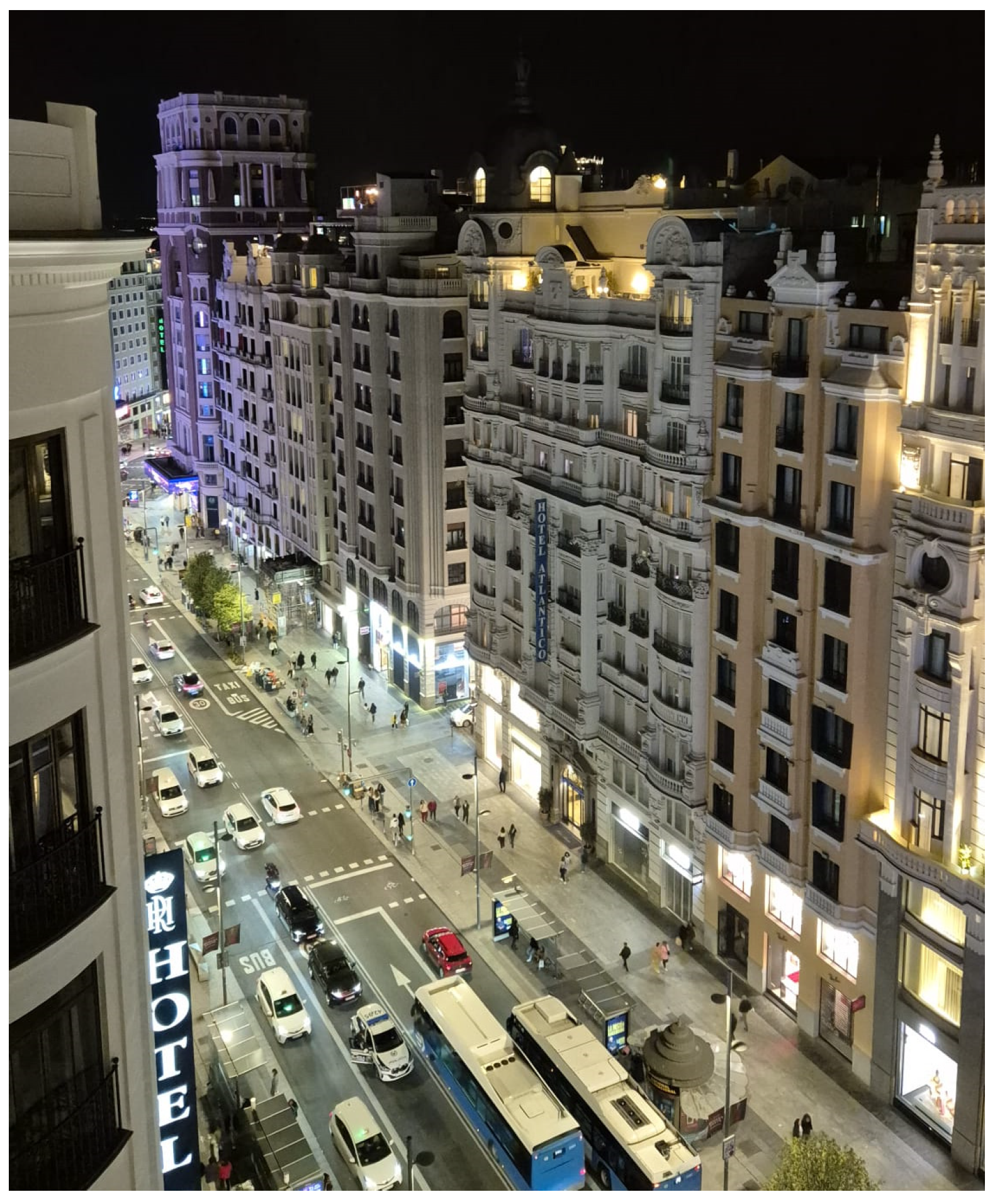
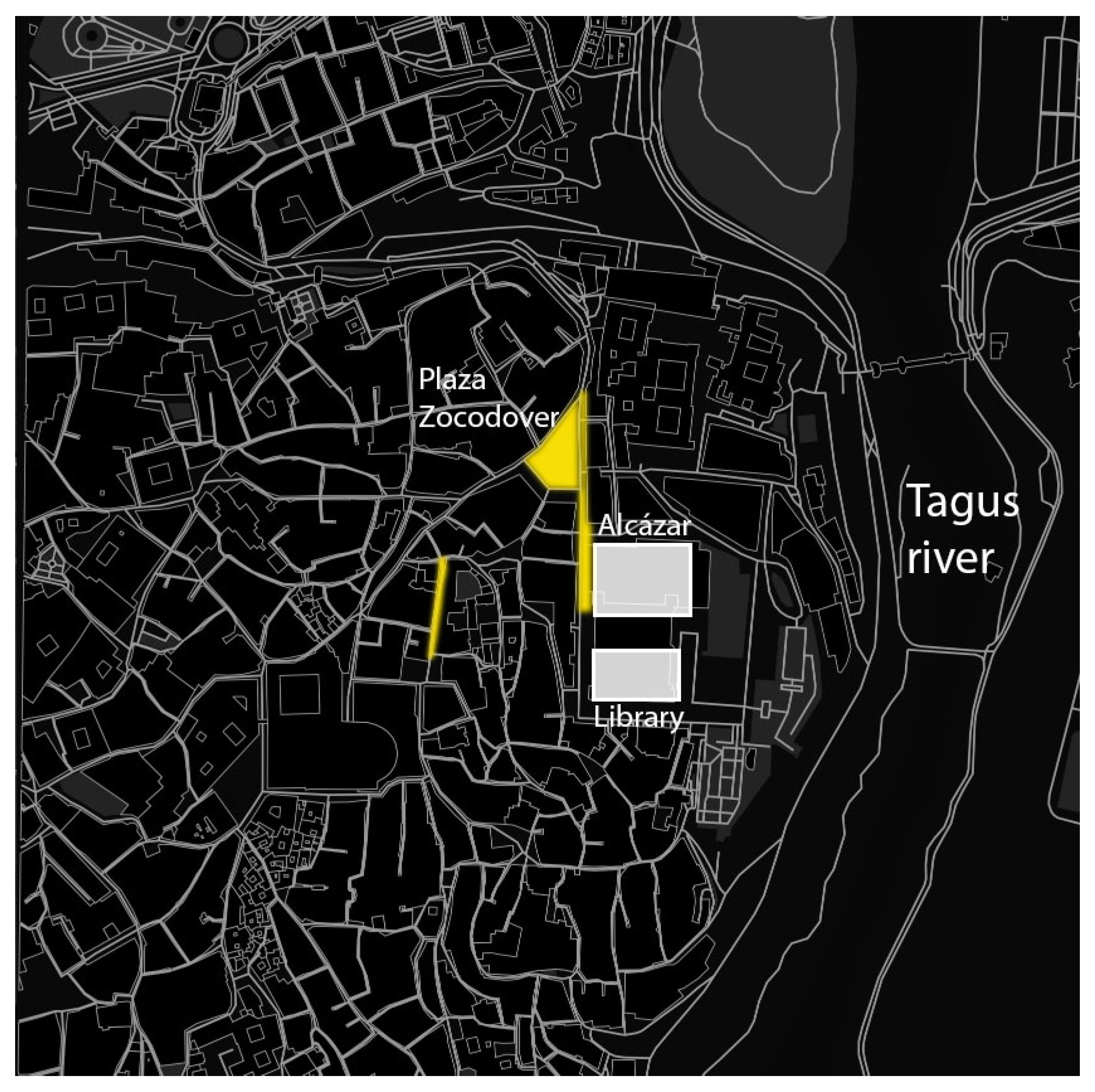
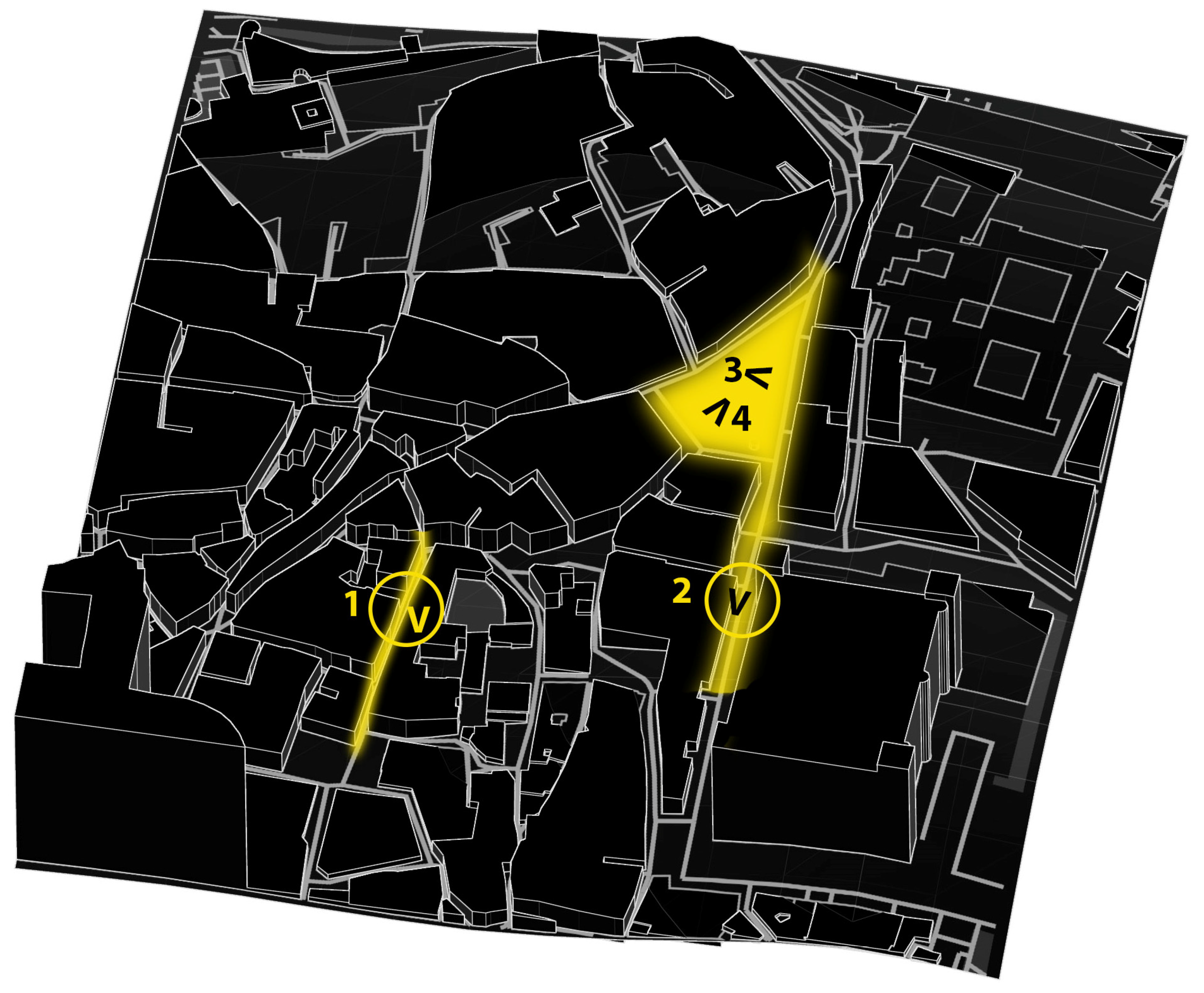
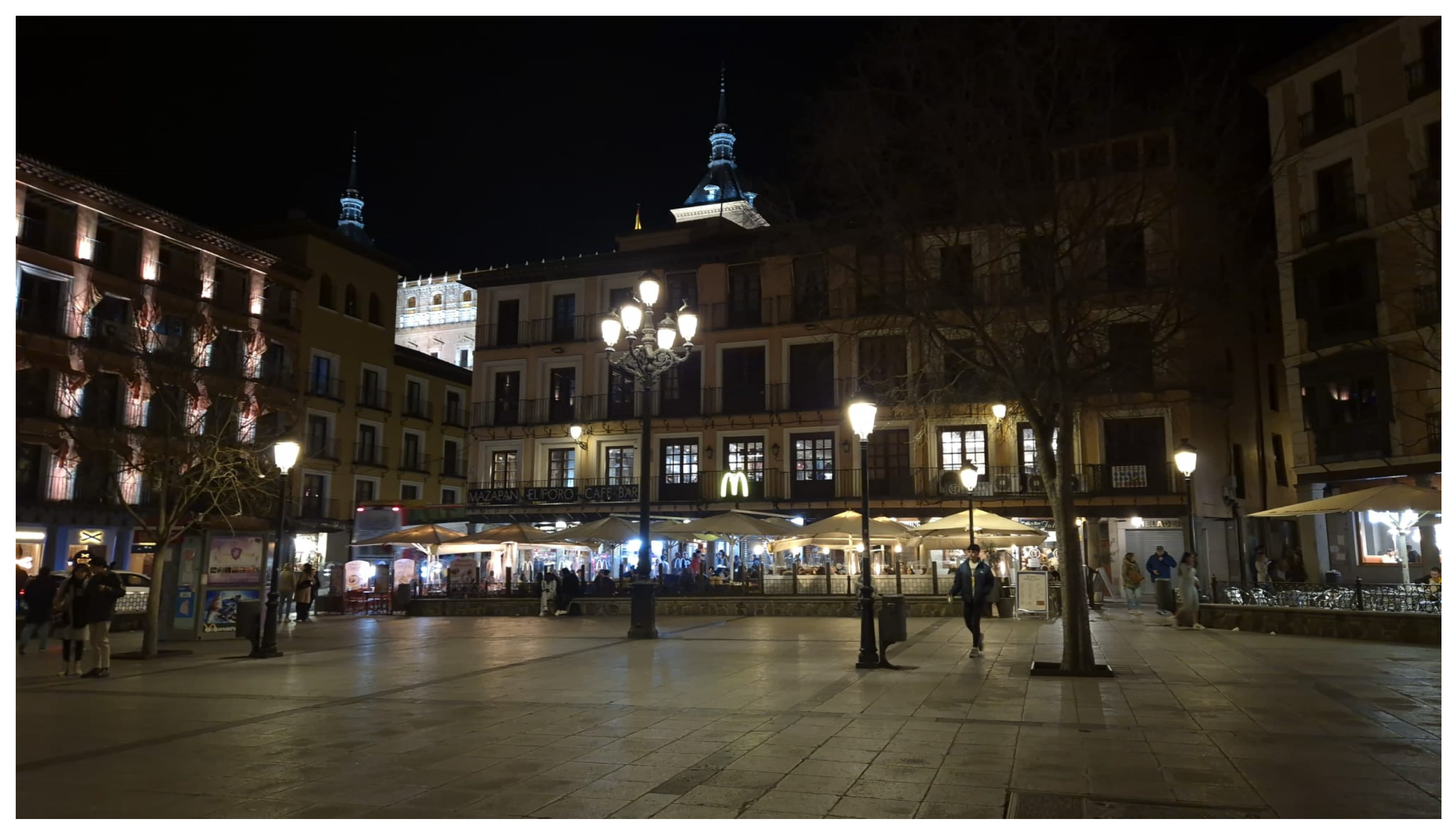
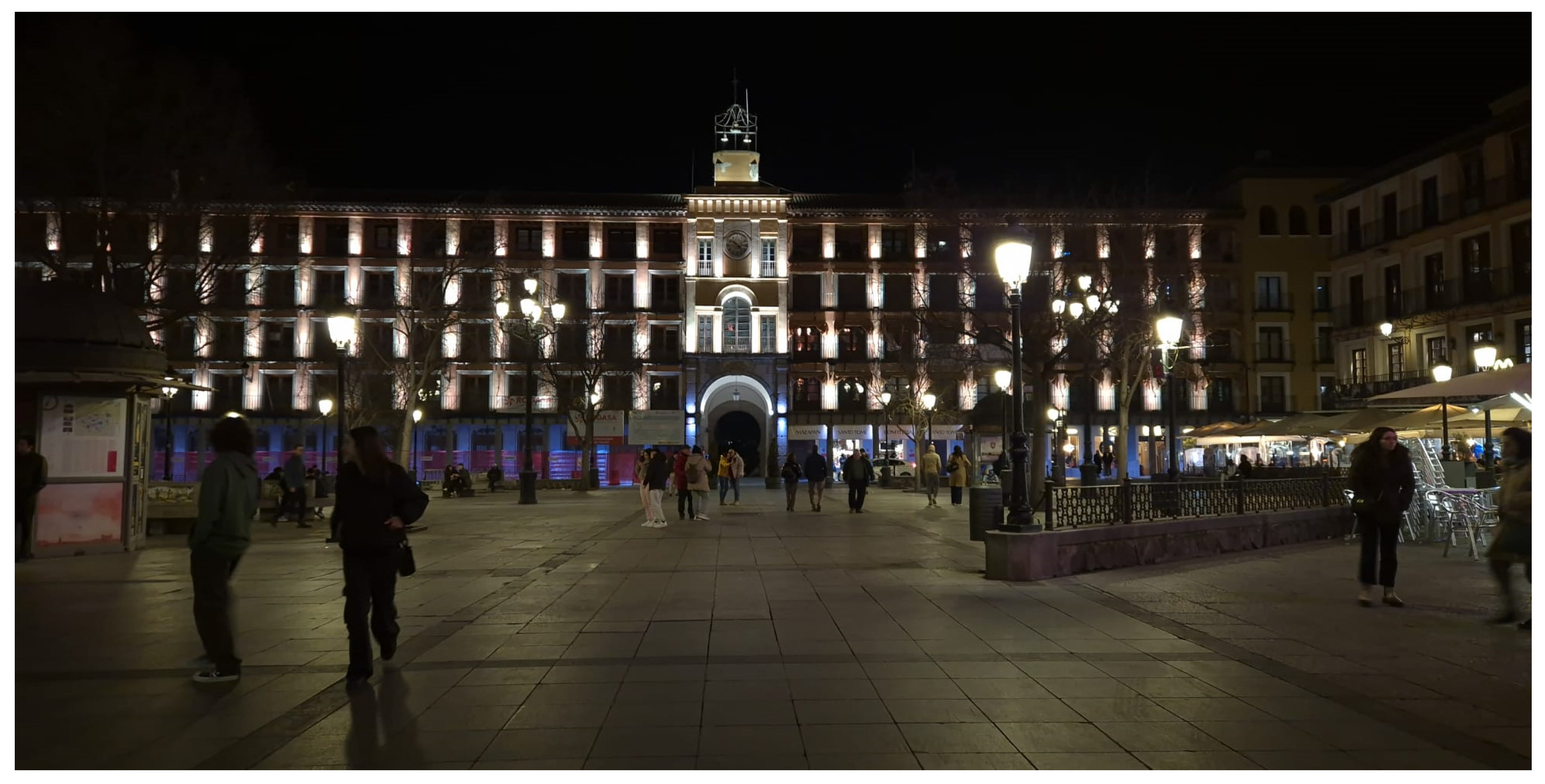
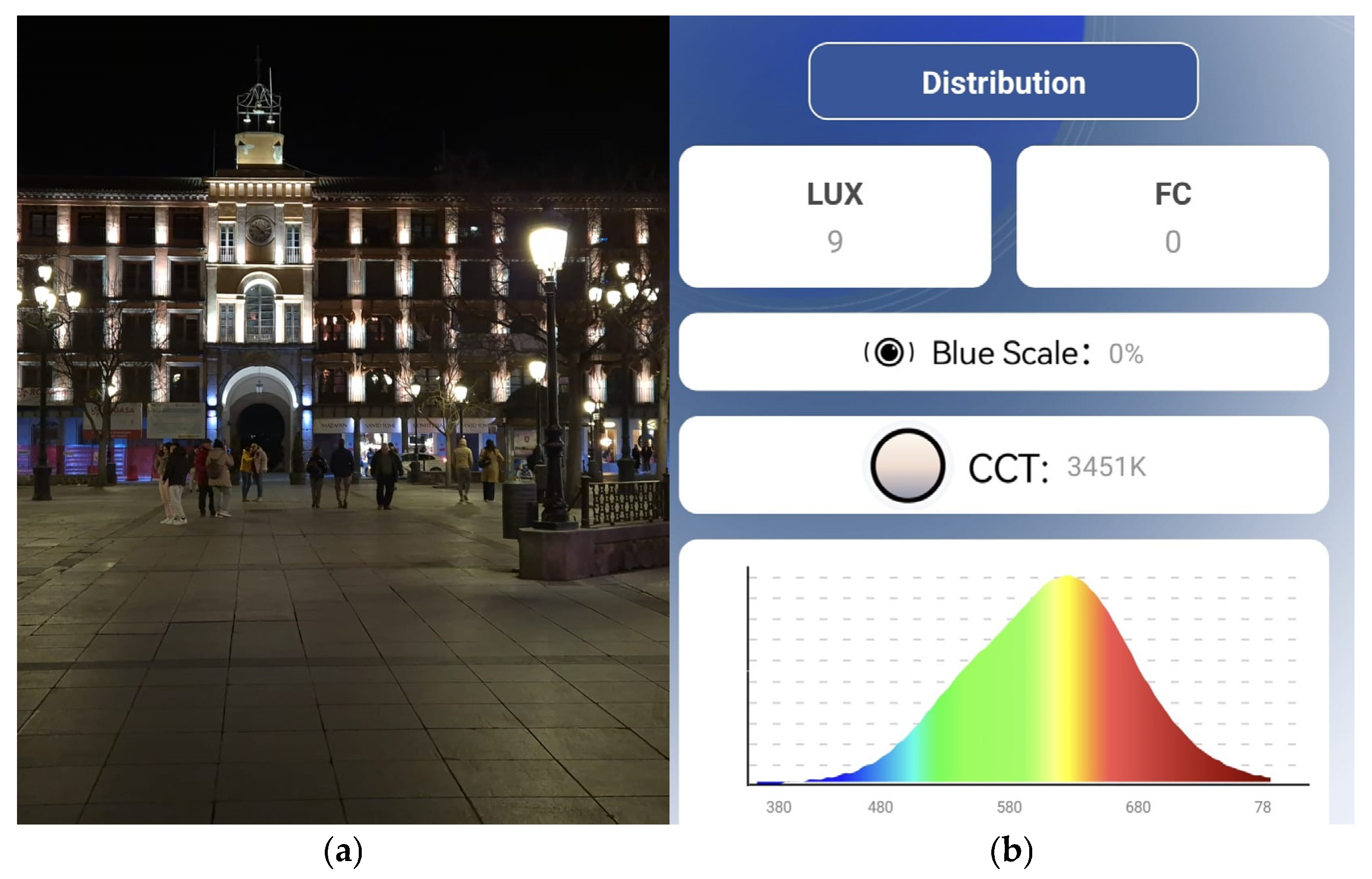
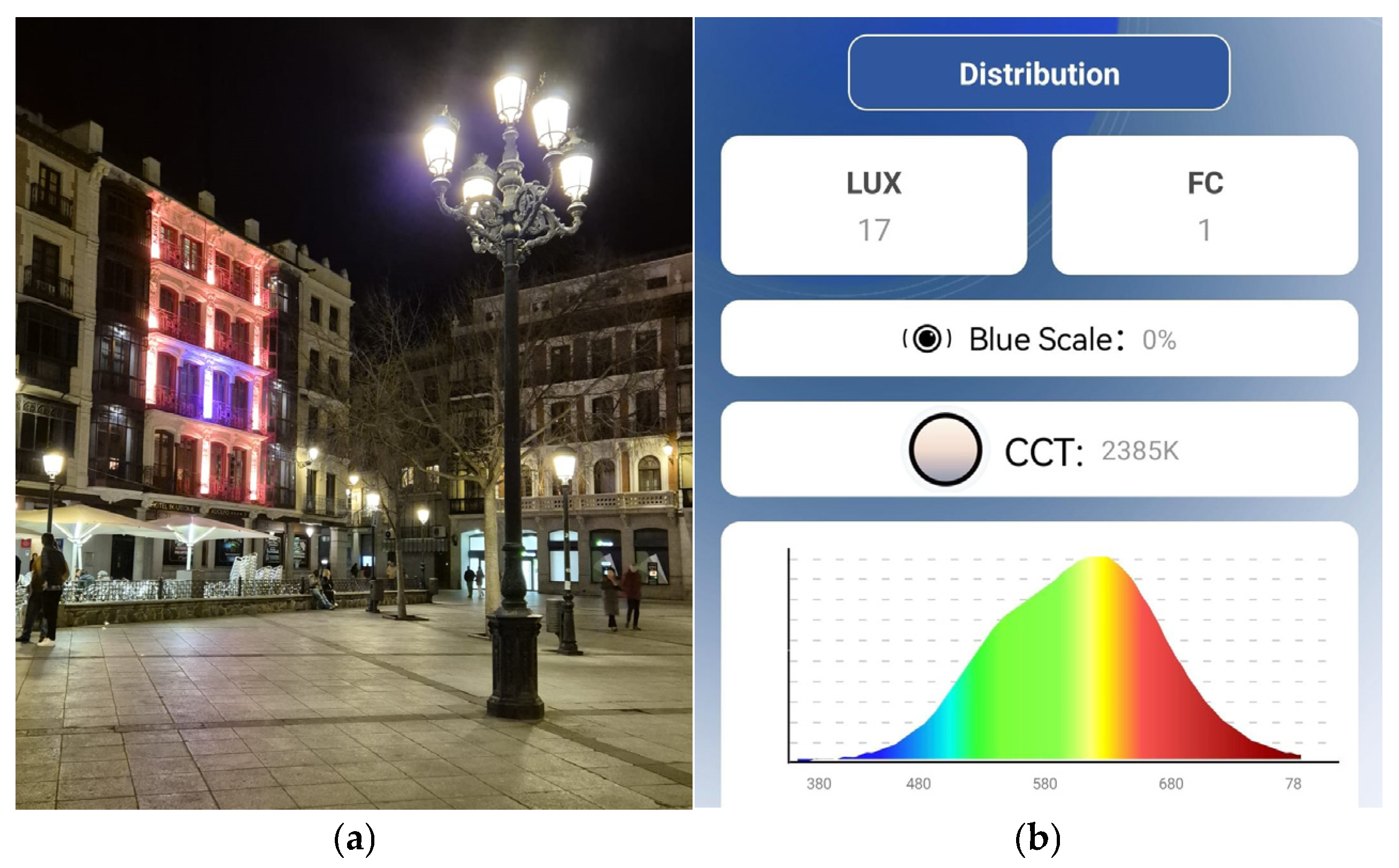
Our research is a comparison between the highest and lowest levels of illumination. For the highest illumination levels, our analysis area was Gran Vía, in Madrid. For the lowest levels of illumination, we considered some narrow streets in Toledo. Moreover, we compared areas with similar use in the two cities, in this case, the squares Plaza Callao, in Madrid, and Zocodover Plaza, in Toledo.
First stage—We conducted documentary research, including compiling and analysing the state of the art via case studies on urban lighting and the impact of lighting on humans. We selected the lighting master plans of London and Lusail, as these documents have been recently developed, covering a wide range of aspects, and mostly, they give priority importance to pedestrians and cyclists. Specifically, the Lusail Master Plan has extensive references in terms of lighting codes from the most recognised international lighting organisations.
Second stage—Field research: We conducted “in situ” observations, photography, and lighting measurements using a luxmeter and photospectrometer, model AH-300 by Aqua Horti, to identify light intensities and wavelength levels. Interviews with inhabitants were also conducted. The commercial area in Madrid (Gran Vía) was analysed during two seasons, winter and spring, to observe any seasonal changes. After reviewing the content collected during the documentary research phase and considering the empirical observations that motivated this study, it was possible to define and develop the questions for the interviews, questionnaires, and surveys.
Groups of people classified by their location in the cities of study (Madrid and Toledo), by gender (male and female), and by three age ranges (under 25, between 25 and 55, and over 55 years old) were analysed.
In the questionnaires, we examined how the interviewees perceived the light at night in terms of wellbeing, safety, and security through their responses to highlight intensities, their preferences for either cold or warm light, and their level and timing of light exposure during day and night.
Conversely, we examined the light intensities of both cities on urban public spaces during nighttime hours, taking measurements at the same times of the year and at similar hours for both cities between February and March 2025. We chose these months to avoid extreme seasons like winter or summer, thereby minimising the impact of weather conditions. The light measurements were taken at a height of 1.00 m above the ground, which was an intermediate height between the ground and the visual field.
In Madrid, our place of study was one of the busiest and most principal avenues, known as “Gran Vía” which is a major hub for retail, gastronomy, and other touristic activities. Along Gran Vía avenue, we took point of measurements at 20-metre intervals; at each measurement point, we took the measurements three times to ensure accuracy. In Toledo, our study areas were the main square and small and narrow streets with low levels of lighting. The criteria for the cities and area selection were to intensify the contrast for a better understanding of the results.
4. Discussion
Based on the observations in
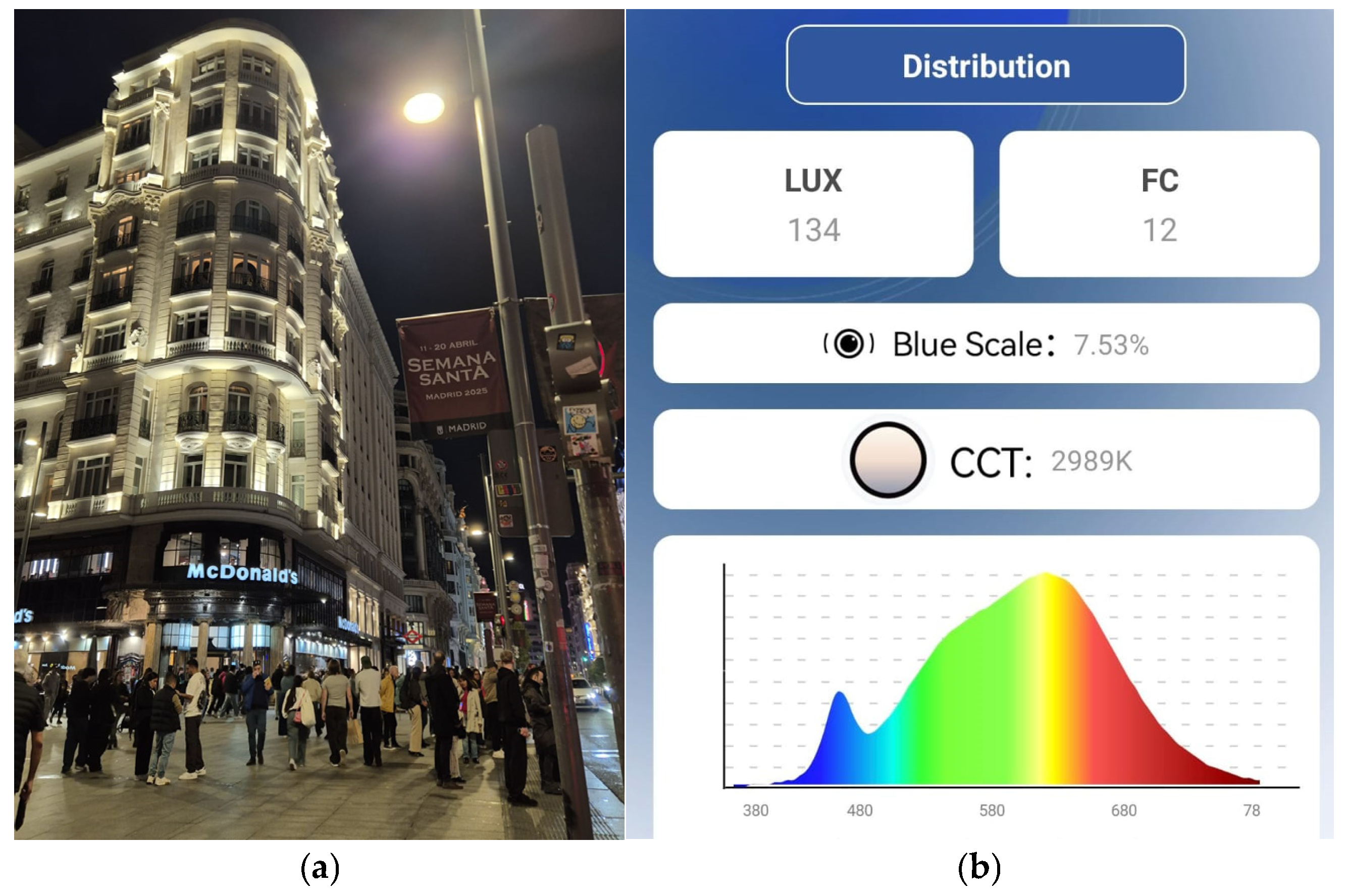
Figure 12, at Plaza Callao, although there is an LED screen, at a distance of approximately 7 m, no short-wavelength peaks appeared in the measurements taken by the photospectrometer. This means that the distance helps to dissipate the short-wavelength emissions.
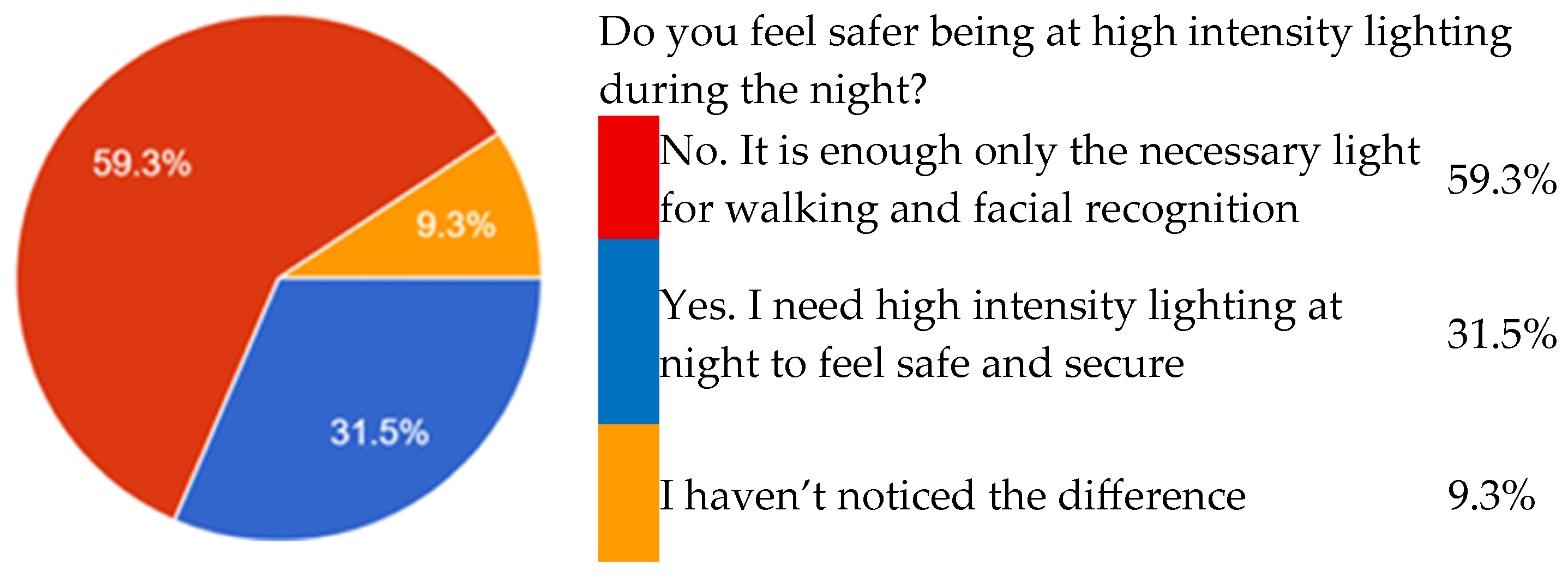
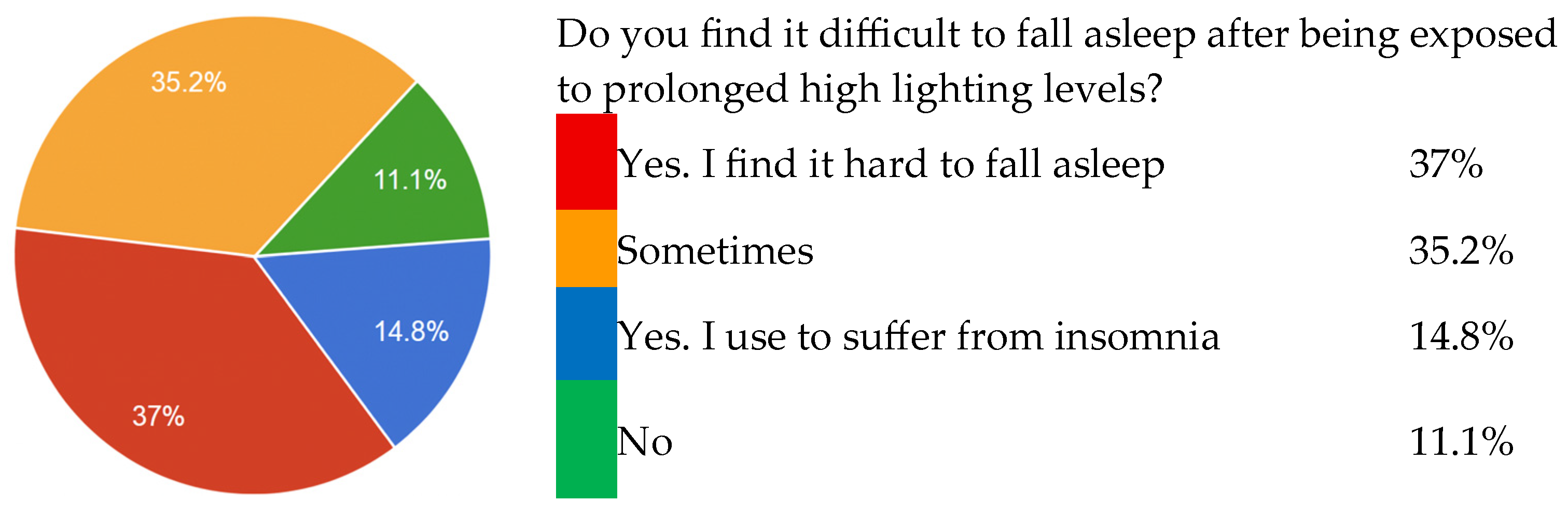
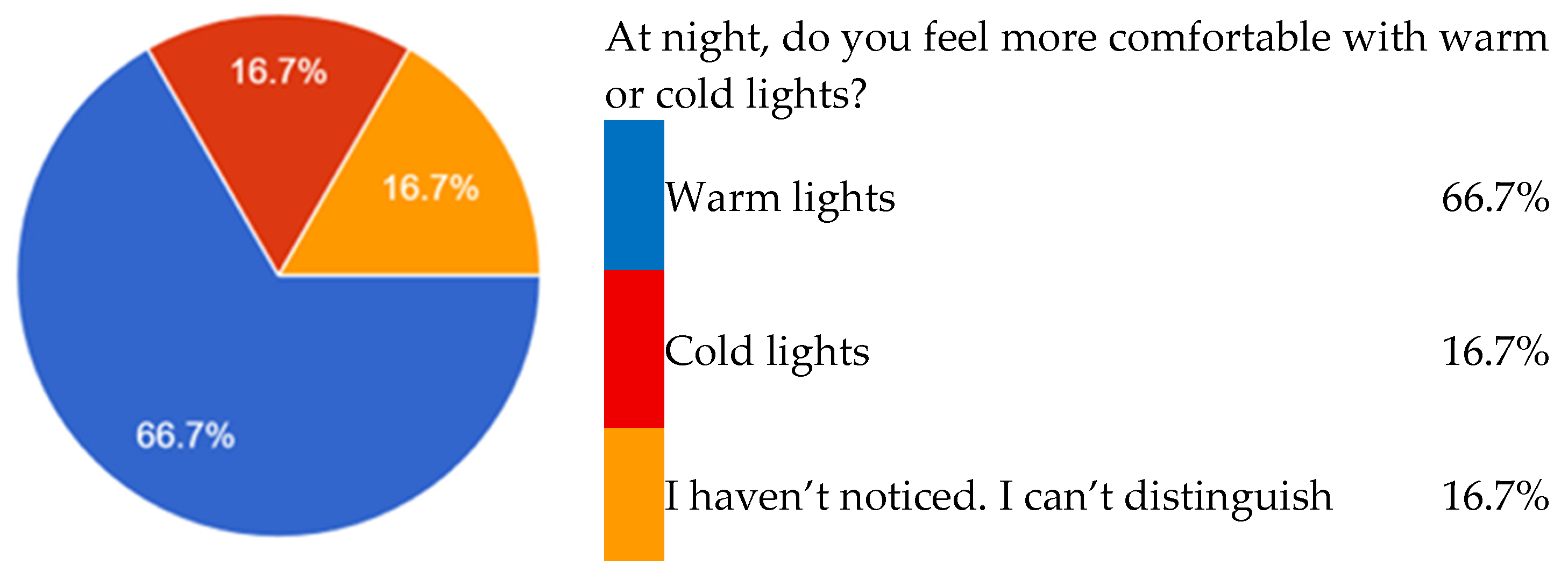
According to the results of the questionnaires, 59% of the respondents indicated that they did not require high lighting levels but rather just enough to enable wayfinding and facial recognition. Regarding overexposure to lighting and difficulty falling asleep, 88.9% reported that they found it difficult to fall asleep after being exposed to prolonged high lighting levels. In terms of colour temperature and perception, 66.7% said that they felt more comfortable with warm lighting at night. Therefore, for pedestrian use, we recommend using warmer lighting and lower intensity levels, as high colour rendering is not necessary.
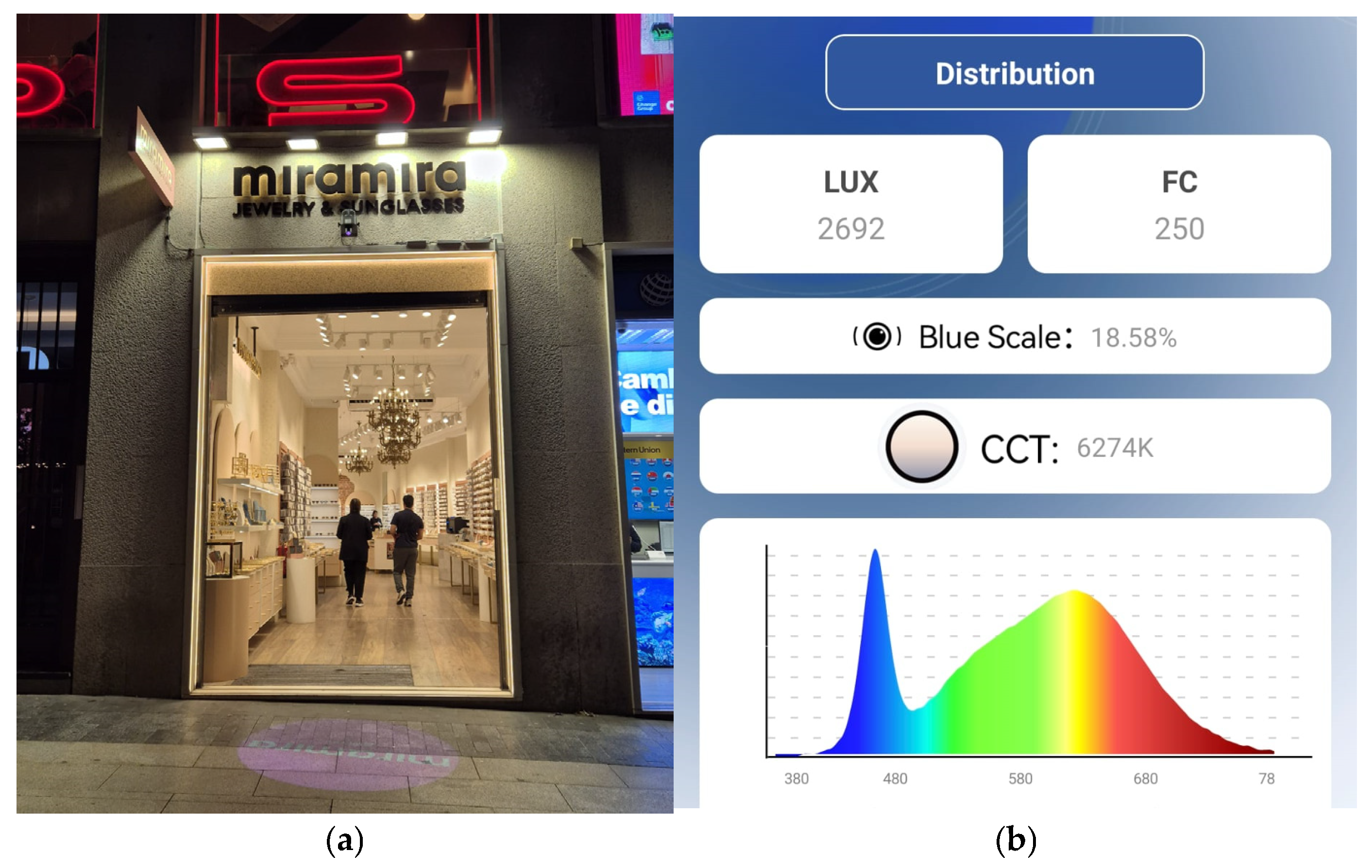
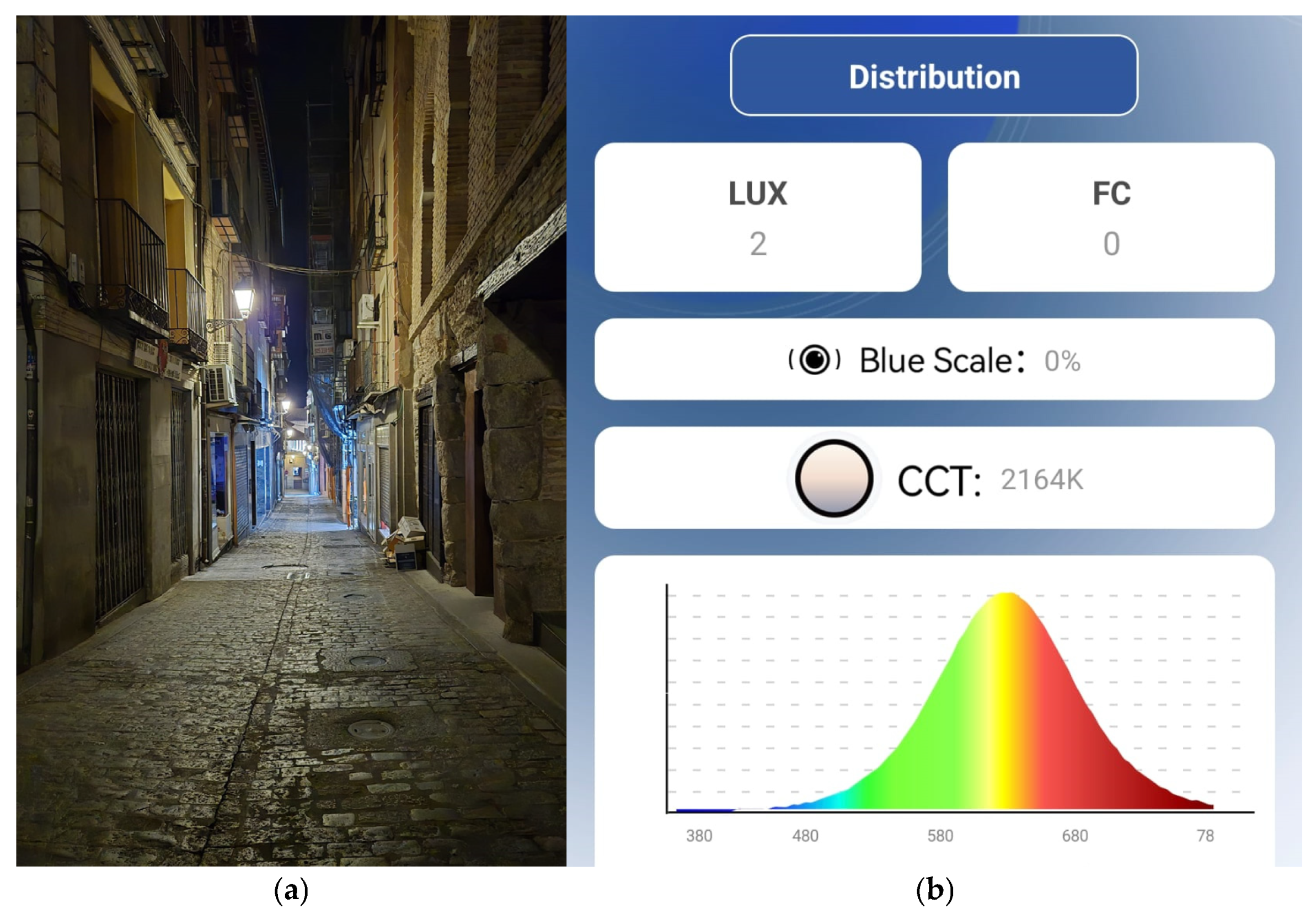
After performing the data collection from the selected streets and plazas in Madrid and Toledo, we observed a high contrast in the results obtained between both scenarios: the highest level in Madrid was 2692 lx (marked in turquoise in
Table 3), whereas the lowest level in Toledo was 2 lx (marked in yellow in
Table 3), a difference of 2688 lx, a percentage of 134,600%. This indicates a substantial disparity in light levels between the lowest in Toledo and the highest in Madrid.
After completing the surveys with inhabitants of each city, the following results were obtained: Inhabitants from Madrid reported more difficulty in falling asleep in comparison with inhabitants from Toledo, as they expressed being exposed to high levels of lighting intensity. They mentioned that they felt more comfortable with warm lighting at night. Moreover, the interviewees expressed that they did not need high-intensity lighting at night on the streets, only the necessary lighting for path identification and facial recognition.
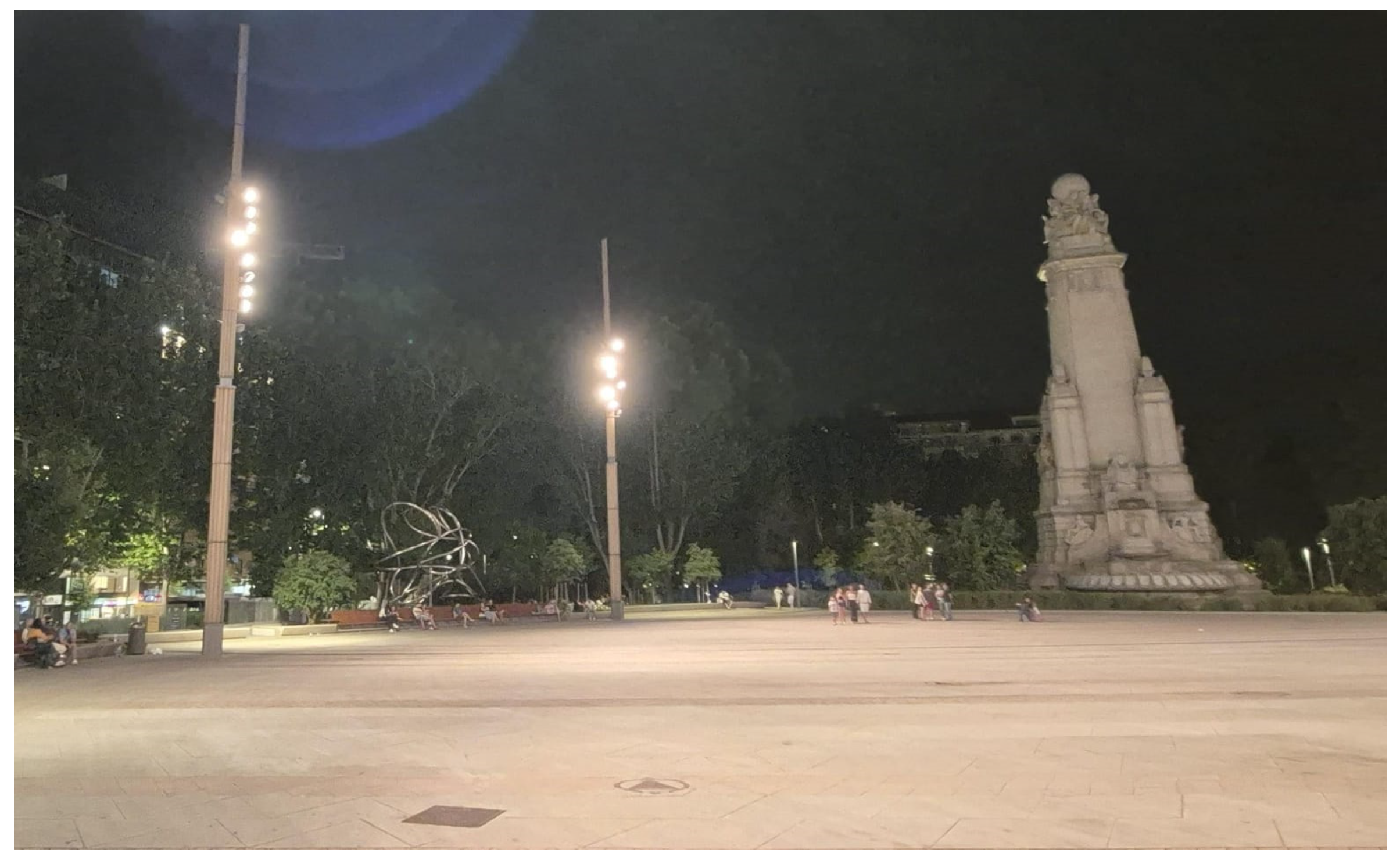
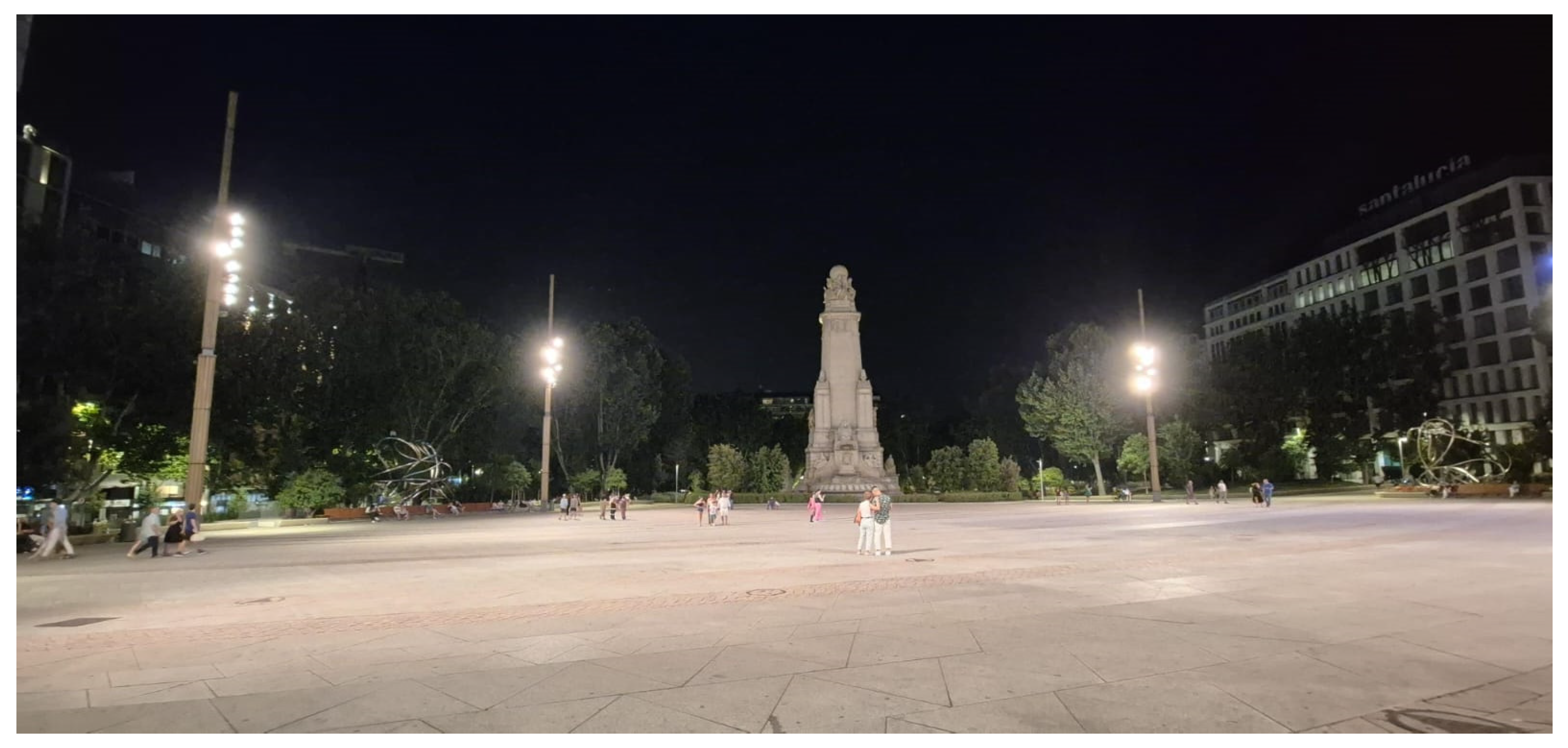
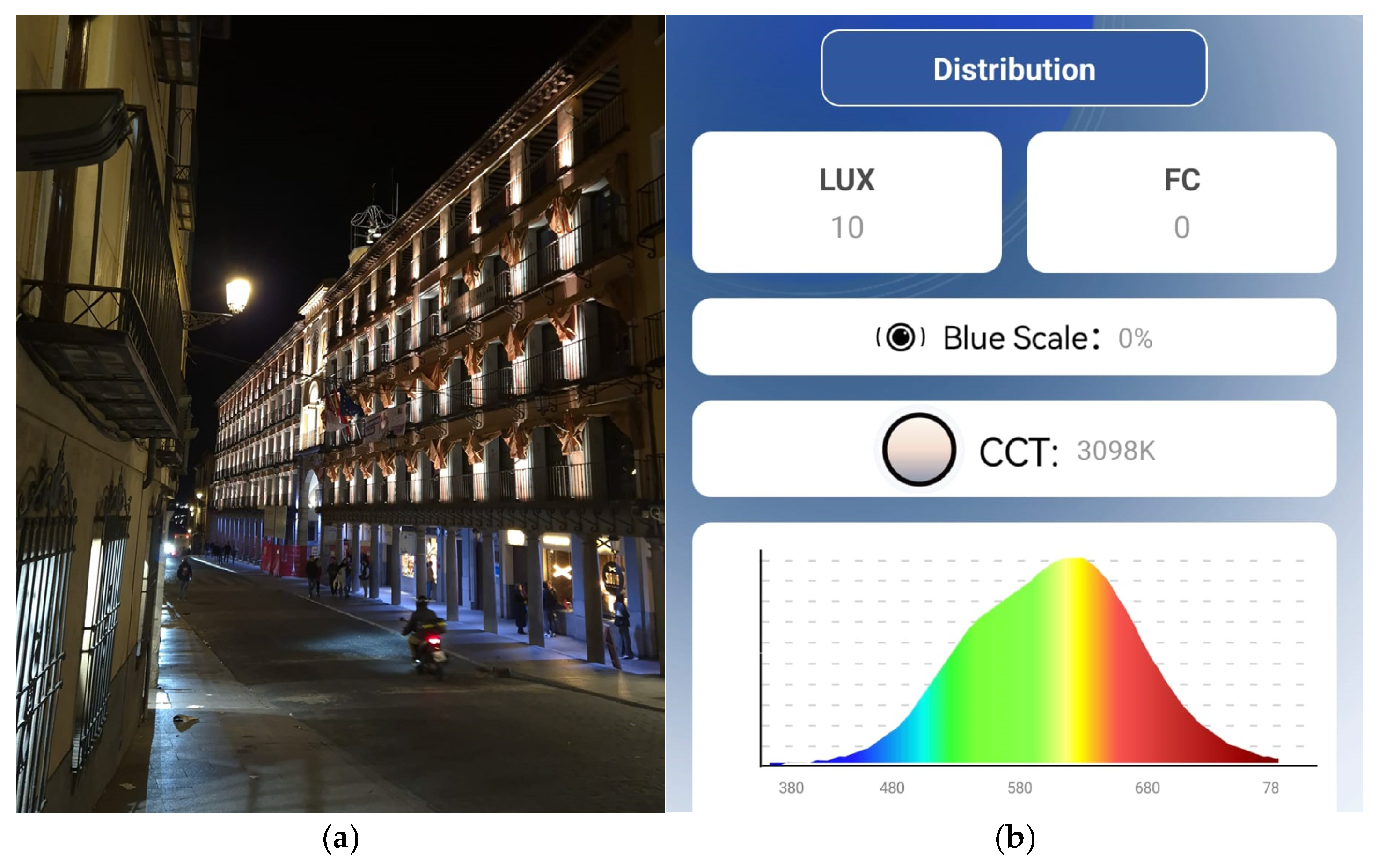
After performing a comparison between the lighting level on Plaza Gran Vía, in Madrid, (134 lx) and in Plaza Zocodover, in Toledo (10 lx), we noticed that the difference was 10 times higher.
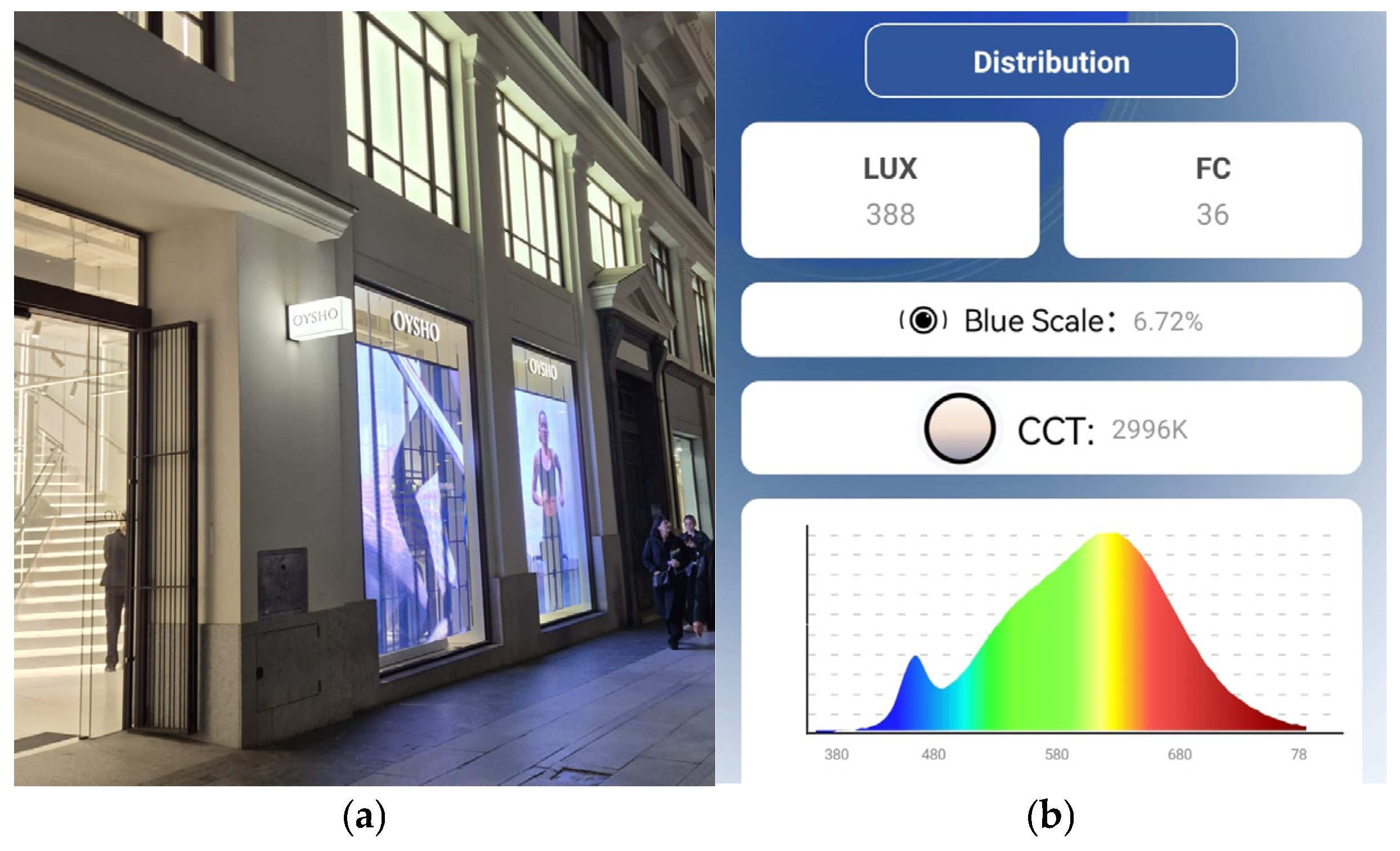
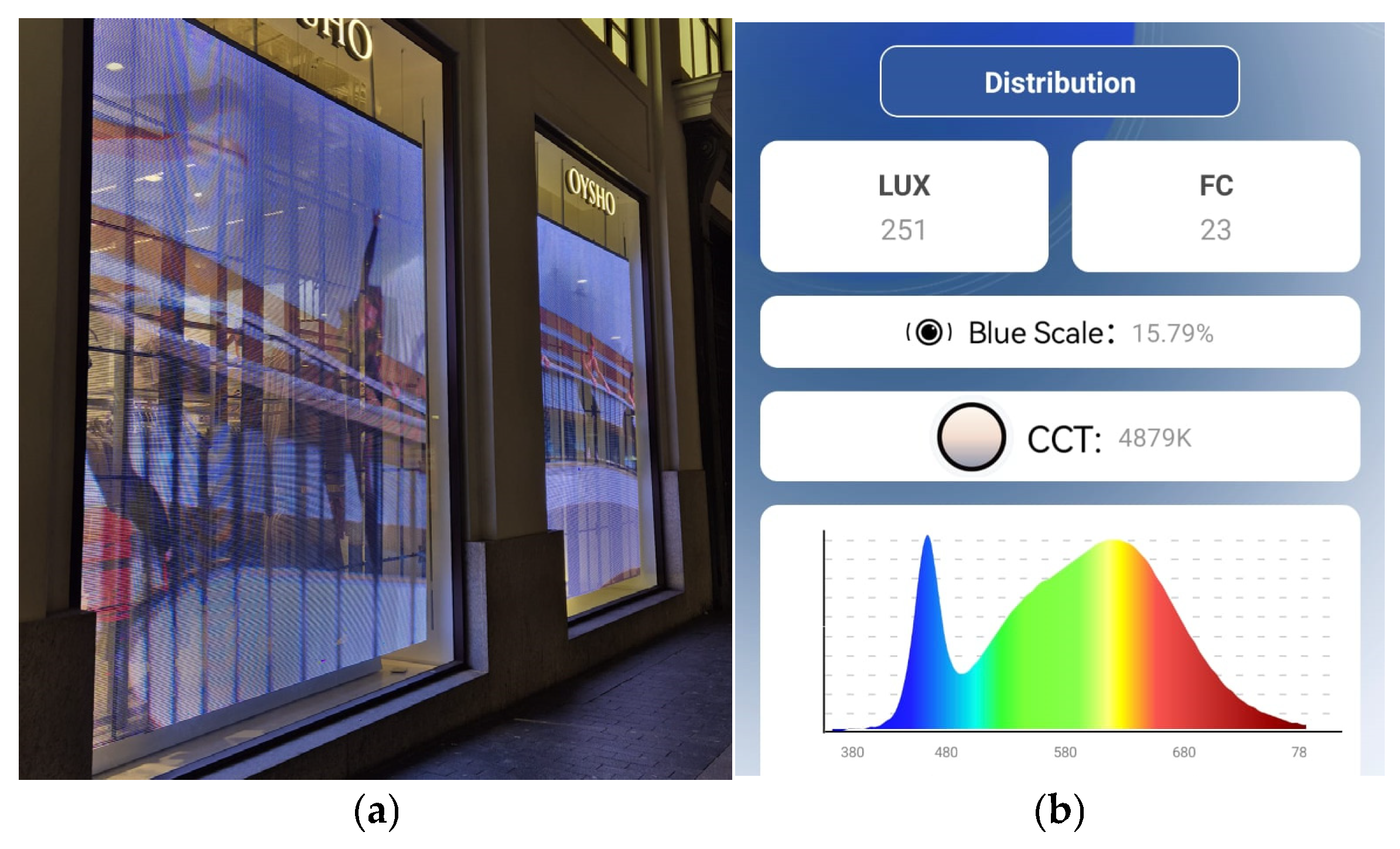
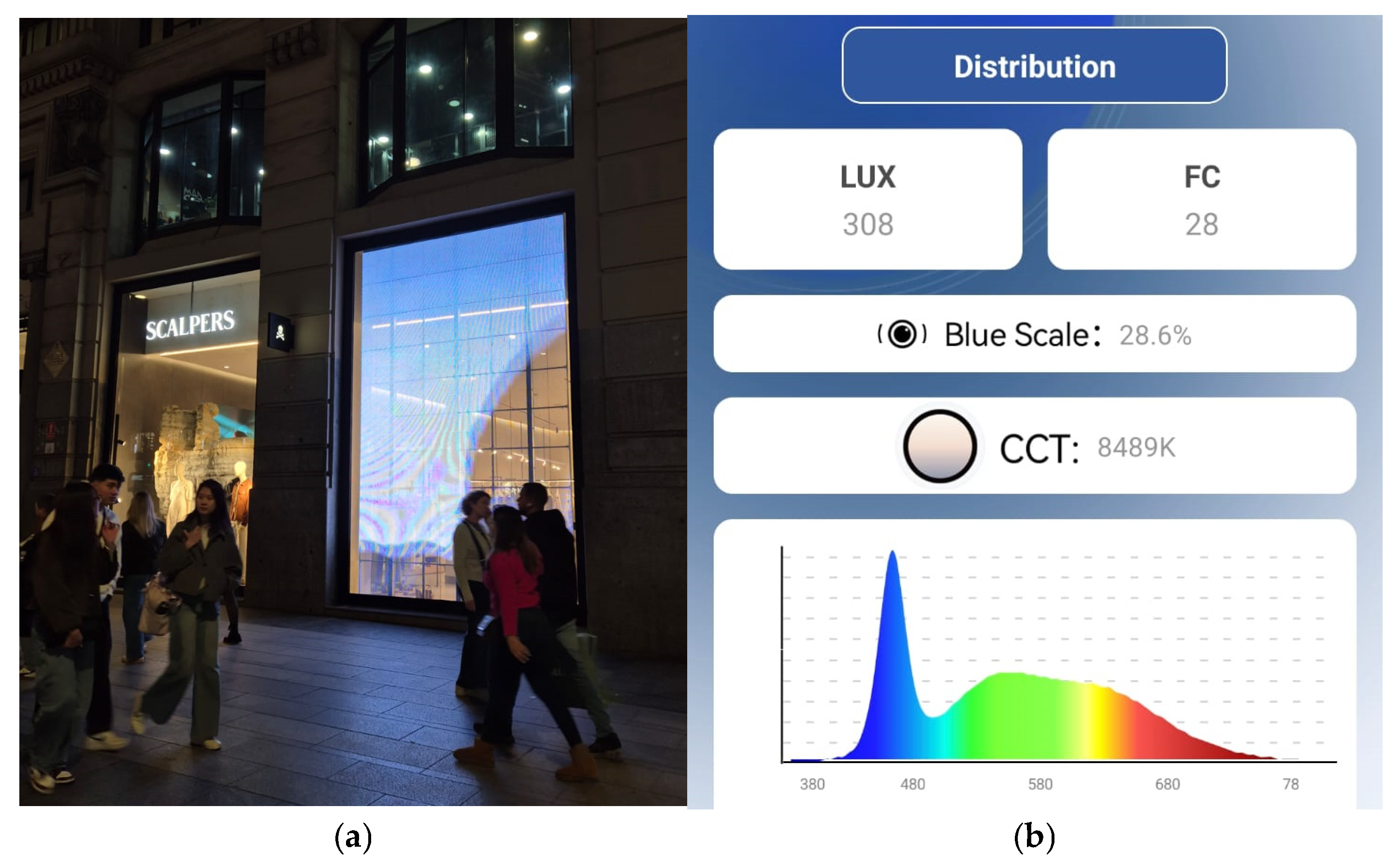
The measurements taken in Madrid along Gran Vía shop windows’ display screens showed a high peak in short wavelengths, which can lead to more cortisol activation at night, thus producing a biological disruption. This effect becomes intensified as pedestrians pass through the sequence of screens alongside Gran Vía.
5. Conclusions
Lighting is a powerful element (considered in neuroarchitecture as a part of neuroscience) that generates specific responses in the brain, stimulating perceptions, emotions, and behaviours. Photoreceptors are neuronal cells of the nervous system that respond to stimuli via a nerve impulse. These neurons convert light into nerve impulses, which are subsequently processed in the brain.
Therefore, we define the concepts of “neurolighting” and “circadian neurolighting”, referring to the understanding, analysis, research, and design applications of visual and non-visual aspects that create an influence and impact on our neuronal responses, including neuroendocrine and neurobehavioral ones.
In different scenarios, it is understood that increasing cortisol levels, through lighting, can activate productivity. This assumption without a complete understanding of other variables, like the required light intensity, controlled light emissions, and circadian rhythms, brings fatigue and might stimulate possible diseases in the user due to disruptions to circadian rhythms.
The impact of ALAN on our biology is substantially significant, as it acts as a disruptor in our body’s regulation. The conducted survey demonstrates the negative effects on the inhabitants of the analysed cities. Therefore, it is necessary to take immediate action in controlling lighting levels and incidences in the public urban space.
After analysing the results obtained from the photospectrometer in the Discussion section, it is important to consider not only lux levels when planning a lighting design but also the wavelength spectrum as well, as this can have a major impact on triggering cortisol levels, which are disruptors in our bodies at night.
As demonstrated with the photospectrometer, the screens along the Gran Vía sidewalk have a high emission of short-wavelength light, between 450 nm and 500 nm, which is the range of the melanopic EDI. In terms of this melanopic effect of light, the human body under this exposure has inhibited melatonin secretion, and their circadian phase resets, creating a disruption in our circadian rhythm. Hence, it is recommended to avoid long walks alongside screens (as well as to avoid any exposure to this type of short-wavelength emission) at night just before bedtime. Additionally, a way to reduce short-wavelength emissions from LED screens is to position them at an appropriate distance from the observer in order to enable the dissipation of the short-wavelength light, thereby reducing neuroendocrine disruptions at night.
Regarding the zoning and the type of uses for each area, it is recommended not to mix residential areas with high-impact touristic and commercial activities, as the lighting level requirements vary significantly depending on each type of use. The results obtained reinforce the importance of separating zoning uses, since residential use and tourist–commercial use (especially at night) present many clashes in terms of tending to conflict due to different activity dynamics and uses in the area. Touristic and commercial activities, especially in large cities, often employ contrasting lighting and LED screens to attract visitors’ attention.
In overly illuminated areas, unlike those that create a safe and secure atmosphere, pedestrians are overly exposed to their surroundings. As a result, the sense of safety and security is completely nullified, because they feel observed from all directions and may also experience glare.
For pedestrian boulevards, it is recommended to have just the necessary lighting level for wayfinding and facial recognition, with warmer-colour-temperature lighting. For road lighting, it is recommended to classify and analyse the type of roads based on speed, dimensions, location (residential, commercial, industrial, business, highway), and interaction with other uses like cycling or walking, and from this, the specific lighting requirements should be defined.
We recommend developing an urban lighting regulation in coordination with commercial sectors to mitigate the high contrast of lighting with different lighting intensities in public urban spaces and to facilitate the transition of light levels for the human eye, known as the Pupillary Light Reflex (PLR). To achieve better results and obtain a more comprehensive overview and holistic understanding of urban aspects, it is necessary to work in collaboration with other disciplines, such as biology, law, and astronomy, to develop an integrated proposal for the public realm.
Although we consider, sometimes and eventually, the need for the use of light at night, it is important to take the correct design decisions in terms of the following:
Intensity: Use only the necessary light intensity. Avoid light intrusion and excessive bright light.
Colour temperature: Avoid cold colour temperatures at night. The colder the light, the greater tendency to secrete cortisol. Use warm-colour lighting.
Avoid lighting pollution: Avoid glare and lighting upward. Light should be dimmed down or turned off when not required.
Avoid peaks of short wavelengths (blue light).
Avoid direct lighting emission. Consider using indirect lighting when possible. Light should address the surface, not the person.
Consider transitions between short distances between one point to another to let the eye to adapt to the different conditions and minimise the negative effects of ALAN on our bodies.
Avoid, as much as possible, long distances from the light source to the surface to be illuminated to minimise the lighting waste, pollution, and glare.
Following these recommendations and research guidelines will be an initial step to help in regulations in our circadian rhythms.
Taking some references from the London and Lusail Lighting master plans, such as the lighting strategy and criteria of classification based on the type of use of the different areas of the city, these could be implemented and adapted to Madrid according to its own characteristics. These references can also be adapted to other cities’ lighting master plans
Therefore, lighting should be understood not only in terms of functional or aesthetic aspects but also as a trigger of neuronal responses, and, when used appropriately, it can create different conditions to improve wellbeing by avoiding unnecessary short-wavelength radiation that triggers increases in cortisol levels; instead, it can providing a sense of safety, security, and comfort while adapting the lighting to our biology in harmony with circadian rhythms.
Sustainability should be present in these considerations, not only from an energy-saving perspective but also for species care and protection through the controlled use of ALAN.