Article

Design of a Green Corridor and the Revitalization of the Huatanay River, City of Cuzco, Peru—2024


1
Faculty of Architecture and Urban, Ricardo Palma University (URP), Santiago de Surco, Lima 15039, Peru
2
Research Laboratory for Formative Investigation and Architectural Innovation (LABIFIARQ), Ricardo Palma University (URP), Santiago de Surco, Lima 15039, Peru
*
Author to whom correspondence should be addressed.
Urban Sci. 2024, 8(4), 185; https://doi.org/10.3390/urbansci8040185

Submission received: 9 August 2024 / Revised: 12 October 2024 / Accepted: 16 October 2024 / Published: 22 October 2024
(This article belongs to the Special Issue Sustainable Urbanization, Regional Planning and Development)

Abstract

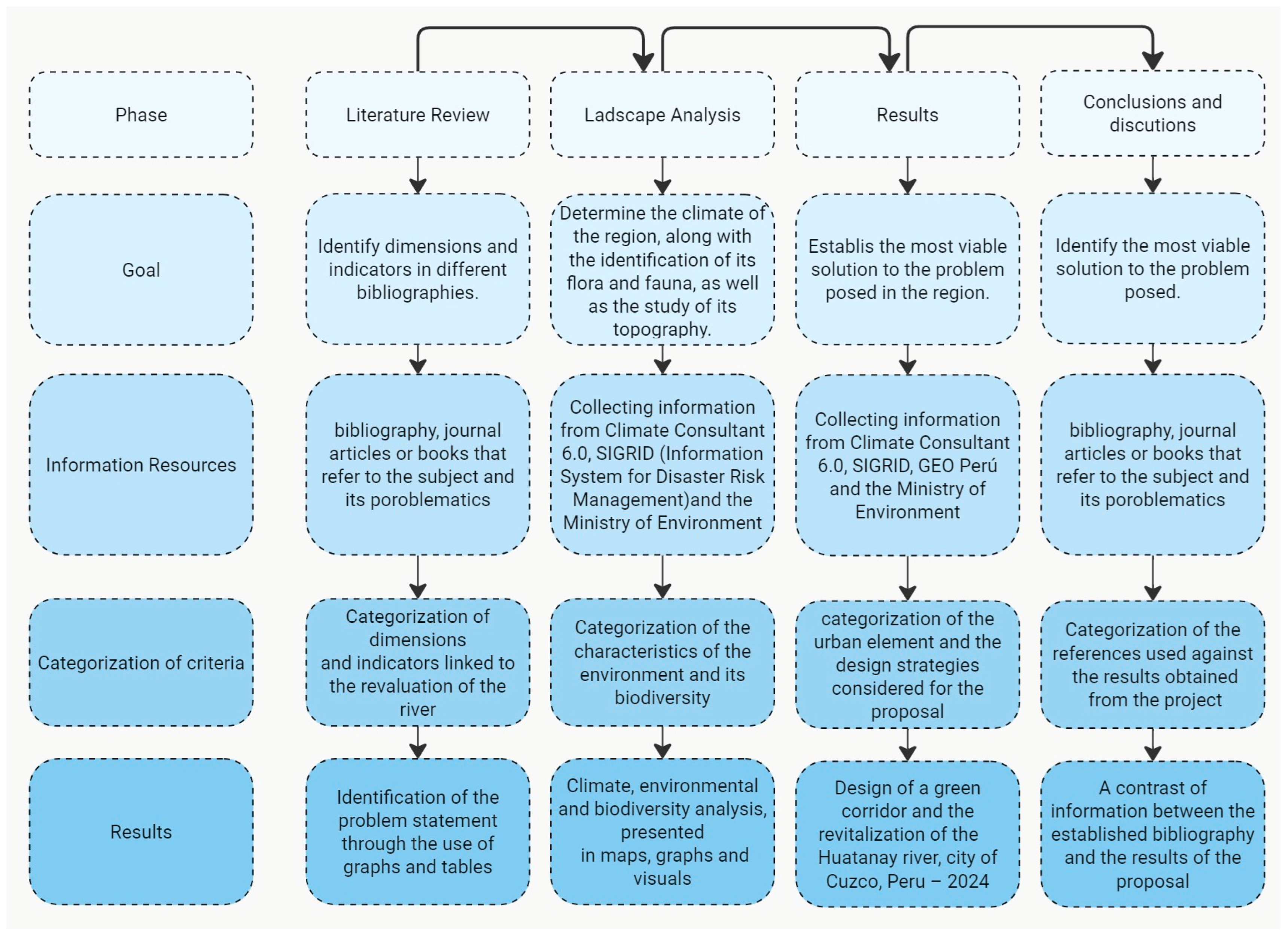
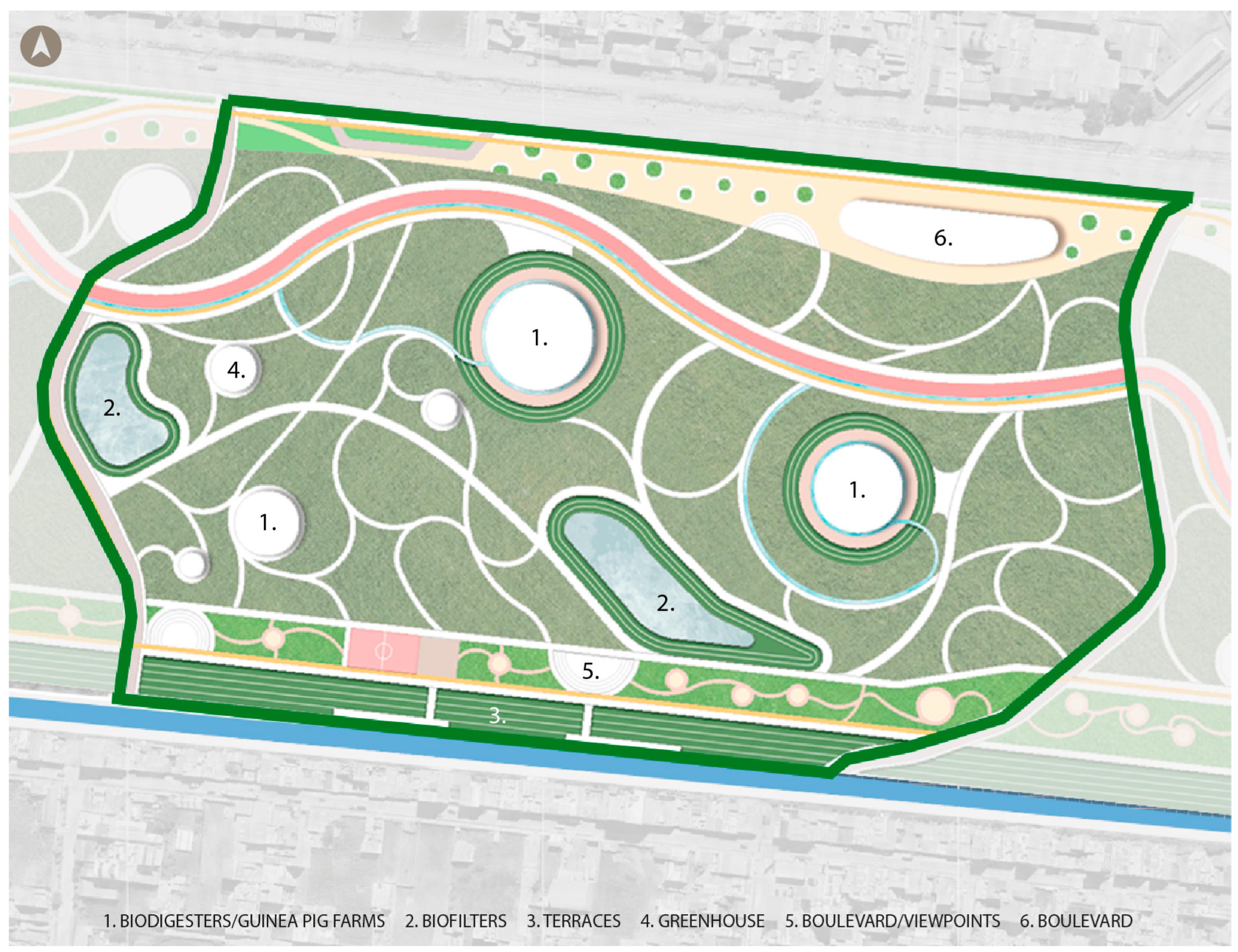
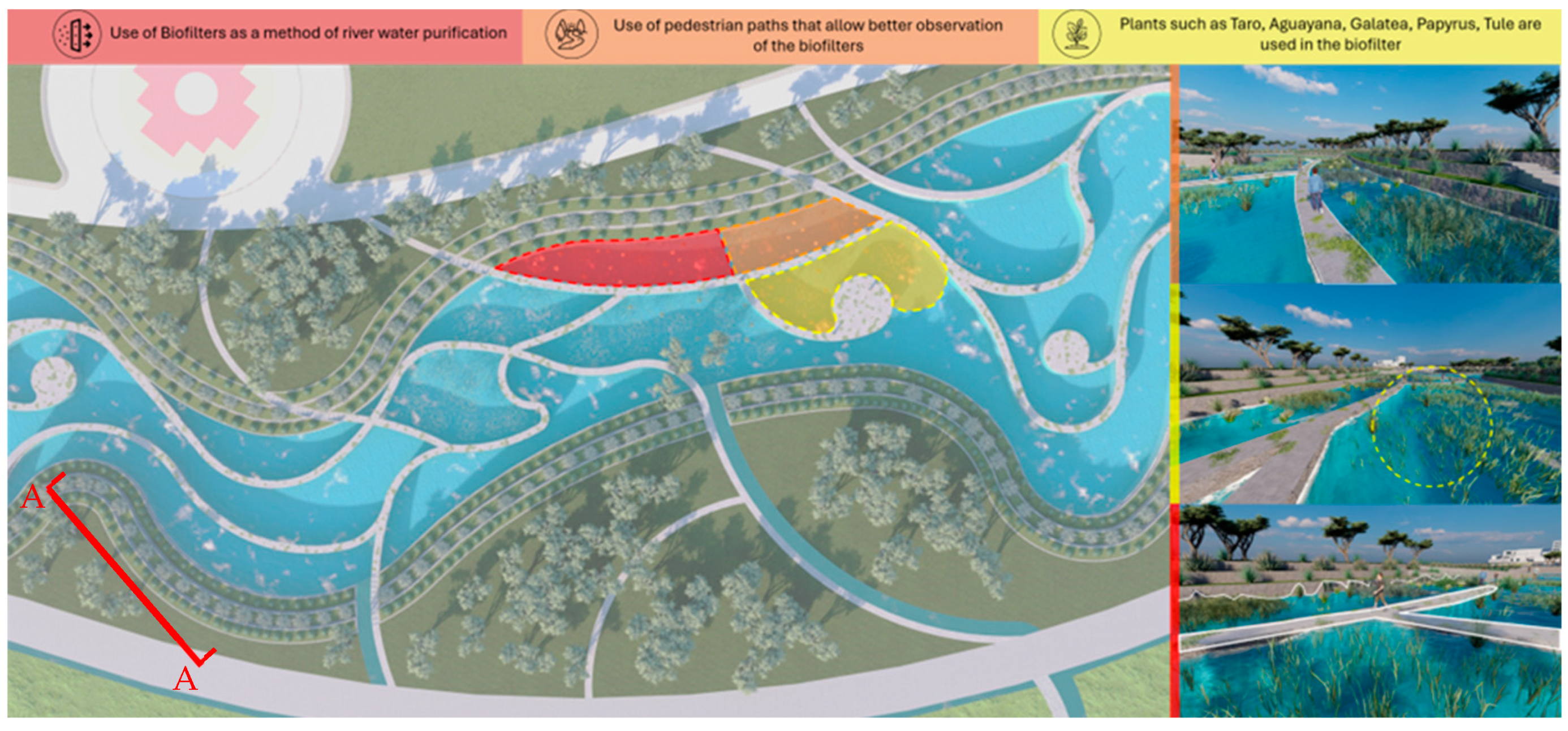
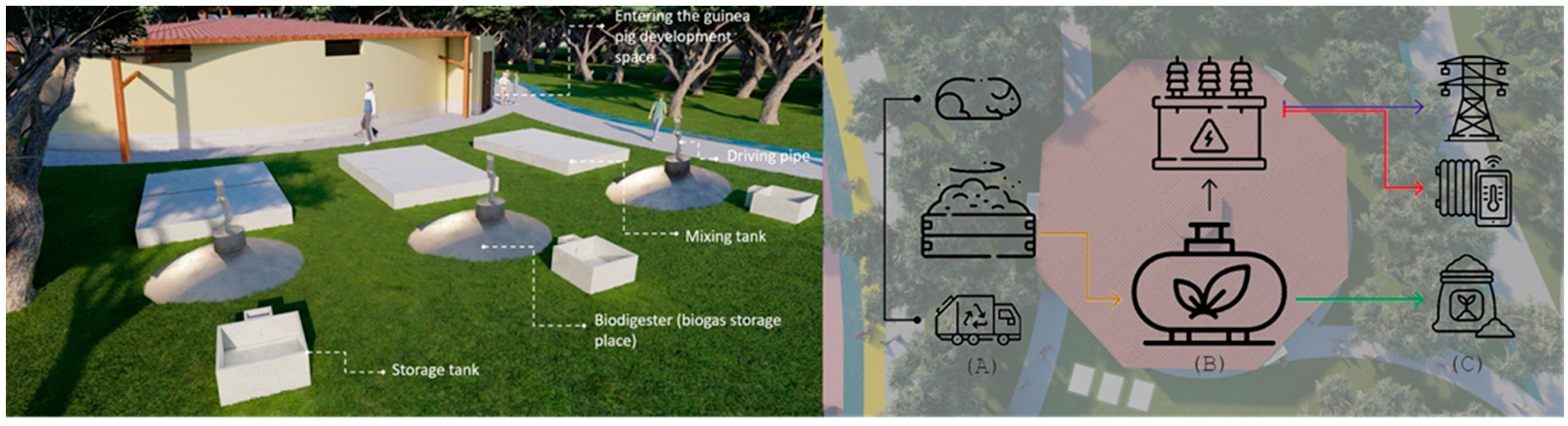
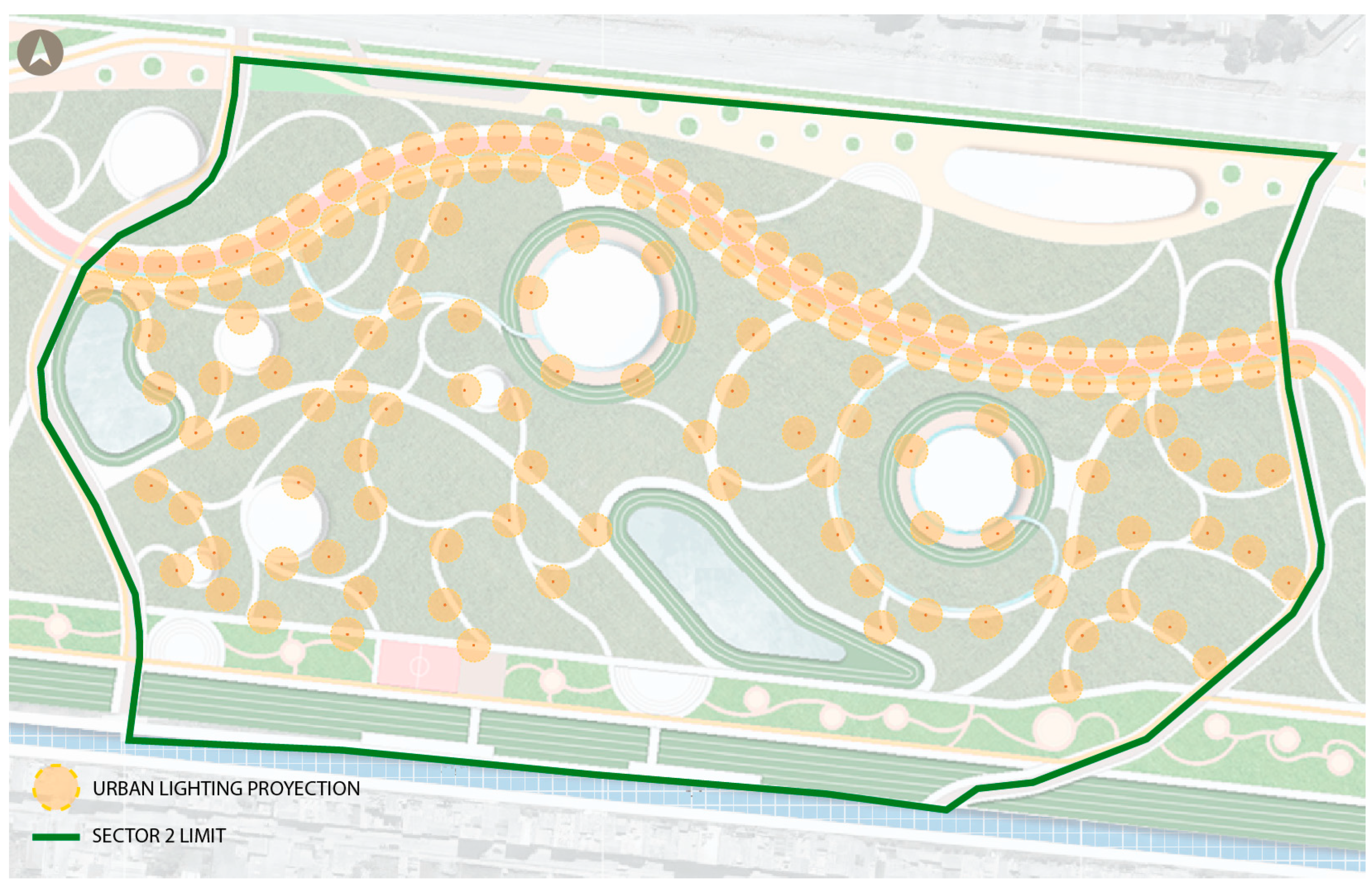
Population growth in the last 30 years has generated an energy shortage and excessive consumption of products, generating a large percentage of solid waste. Urban expansion has led to a significant impact on the biodiversity of both flora and fauna. In this context, the objective of this research is to develop a design for a green corridor that optimizes ecological energy efficiency and contributes to the revaluation of the Huatanay River in Cuzco. The methodology used in this study is articulated in four stages: literature analysis; analysis of the environment through supporting data such as Climate consultant, SIGRID, and GEO Peru; results where the proposed project is carried out; and finally, the conclusions and discussions where they are contrasted with a similar bibliography. The design of the green corridor efficiently takes advantage of the natural resources available in the area, which has 70% green areas and 30% public spaces, where 13 kWh/day of energy is generated, according to the calculations made in sector 2 of the botanical garden that will later be replicated in the other sectors, derived from biodigesters for the lighting of spaces of the botanical garden. The corridor, in turn, aims to recover the ecological function of the river through the restoration of its course, the reforestation of its banks, and the creation of recreational areas. In conclusion, the green corridor aims to revitalize the Huatanay River through different elements, among which the botanical garden stands out.
Keywords: green corridor; social connectivity; revitalization; Huatanay River green corridor; social connectivity; revitalization; Huatanay River