Article

Mapping Collective Memory: A Public Participation GIS Case Study with a Citizen Science Approach


by
Amirmohammad Ghavimi
1,2
1
Institute for Applied Photogrammetry and Geoinformatics, Jade University of Applied Sciences, Ofener Str. 16, 26129 Oldenburg, Lower Saxony, Germany
2
Department of Architecture, Jade University of Applied Sciences, Ofener Str. 15, 26129 Oldenburg, Lower Saxony, Germany
Urban Sci. 2026, 10(2), 90; https://doi.org/10.3390/urbansci10020090
Submission received: 22 December 2025 / Revised: 24 January 2026 / Accepted: 27 January 2026 / Published: 2 February 2026
(This article belongs to the Section Urban Planning and Design)

Abstract

Collective memory—closely related to, yet distinct from, social memory—plays a significant role in guiding the sustainable transition of cities. Multiple qualitative, quantitative, and mixed methods have been employed to investigate collective memory; however, there remains a need to spatially map it for each city to provide decision-makers with a clear, quantitative guide. Such mapping can help preserve and strengthen a city’s collective memory, thereby informing future urban development. This study examines the urban dimension of collective memory—collective urban memory (CUM)—by mapping its tangible, physical aspects through a facilitated Public Participation GIS (PPGIS) approach within a citizen science framework. Due to challenges in encouraging public use of the mobile GIS application QField, we adopted a facilitated PPGIS approach, whereby trained interviewers assisted participants in the data collection process. Results from Oldenburg, Germany, identified several significant urban locations that play key roles in the city’s CUM. Notably, certain places are mentioned disproportionately by different age groups, while a common core set of tangible landmarks emerges across the population. These findings highlight the value of mapping CUM to support culturally sensitive and sustainable city planning.

1. Introduction

Every city has its own character, shaped by many different stories. Official narratives, personal memories, and popular tales intertwine to shape the city’s identity [1]. They also contribute to citizens’ sense of belonging and influence daily life. From formal planning documents to personal recollections, these stories help to build a shared understanding of the city, showing its diversity and complexity, and recognizing the many experiences that exist within its urban spaces.
Within these many stories is what is known as CUM—the collection of historical, cultural, and social experiences that are remembered and shared by city residents. It encompasses both tangible elements (architecture, landmarks, urban layouts) and intangible aspects (rituals, traditions, communal narratives) that together form a city’s identity and sense of place [2,3,4]. Urban collective memory is rooted in the seminal sociological work of Maurice Halbwachs, who conceptualized it as the memory of social groups, embedded in space, and reflected in both physical environments and shared narratives. It is a dynamic and evolving phenomenon, shaped by social interactions, urban transformations, and the continuous reinterpretation of the past in the present [2,5,6,7].
Two related terms are often used in the literature and partially overlap with collective memory. Social memory emphasizes the processes and mechanisms through which memories are created, sustained, and transmitted in everyday urban life, focusing on communicative interaction and social practice [8,9]. Common memory is less formalized in academic discourse and refers to widely shared, everyday memories of city life—those not necessarily tied to formal groups or institutions, but still part of the broader collective consciousness.
Social memory as a general concept is used to investigate the relationship between social identity and historical memory [8]. It examines how and why diverse citizens come to regard themselves as members of a group with a past shared—though not necessarily unanimously accepted—past [8]. Unlike collective memory, which is often treated metaphorically as if a group had a single brain, social memory is embedded in the communications of a society, emerging through processes that repeatedly reference earlier exchanges, reuse common symbolic elements, and selectively preserve and reshape meanings for future application [9].
Although these concepts overlap, their focus differs: collective memory centers on shared narratives and symbolic places that reflect group identity; social memory highlights the social mechanisms of memory formation and transmission; and common urban memory refers to the everyday memories that permeate city life. In short, collective memory is about what is remembered together, social memory is about how those memories are created and sustained, and common urban memory captures everyday remembrances of city life that many residents share.
In this paper, we adopt the concept of CUM as our primary analytical lens, because our main objective is to identify and evaluate the most significant places in the city that carry shared meaning and symbolic importance for its residents, thus directly contributing to the shaping and sustainability of community identity over time.
CUM plays a critical role in the sustainability of cities because it strengthens the identity of the community, fosters collective cohesion, and guides adaptive and resilient urban development [10,11,12,13,14]. As a repository of shared memories and cultural narratives, CUM anchors the sense of place and belonging of residents, encouraging stewardship, civic pride, and long-term commitment to the city’s well-being—key conditions for sustainable urban futures [10,11,12,14].
By recalling and maintaining CUM, cities can reinforce social networks and stimulate community participation, supporting participatory planning in which residents’ voices and lived experiences actively shape urban policy, leading to more inclusive and resilient environments [10,11,12,14].
CUM also enables the preservation of both tangible heritage (buildings, monuments) and intangible heritage (traditions, rituals), ensuring the continuity of urban identity and the transmission of values across generations—an essential dimension of cultural and social sustainability [2,10,12,15,16]. It offers lessons from previous experiences, helping communities adapt to contemporary challenges of urbanization, environmental threats, and redevelopment, while balancing innovation with the historical context, thus mitigating alienation and social fragmentation [12,13,17,18].
Thus, mapping the CUM from residents’ perspectives, rather than solely from specialists, is vital for its preservation and for supporting sustainable urban transformation.
A variety of qualitative and quantitative methods have been developed to measure and map CUM, reflecting the complexity of how memories are embedded in urban spaces. Starting with qualitative methods, semi-structured interviews and map-based interviews are widely used to capture both physical (structural) and non-physical (dynamic) aspects of urban memory, distinguishing between residents’ and visitors’ perceptions [19,20,21]. Cognitive mapping asks participants to draw or describe mental maps of their city, revealing which landmarks, paths, and districts are most memorable and why [19,22,23]. Semiotic analysis examines the symbolic and perceptual codes that contribute to the memorability of urban spaces [20]. In-depth interviews, analyzed using a qualitative content analysis approach, identify the multidimensional components that shape CUM and explore pathways for its sustainability and reactivation [3]. Oral history and content analysis allow for comparing perspectives of different user groups (locals vs. tourists) and tracking changes in memory over time [2].
Within quantitative approaches, visual web surveys (e.g., geo-guessing games) quantify spatial familiarity and recognition of citizens, enabling large-scale data collection on how people remember urban environments based on two indicators of location identification and visual recognition [24]. Social media data mining and sentiment analysis can spatially map CUM and urban sentiment, identifying hotspots of shared memory or emotion. Collective positive and negative sentiments from geotagged social networks in a given place can be evaluated simultaneously [25], or natural-language processing (NLP) and geographic information system (GIS) techniques can be applied to aggregate individual’ spatial images and construct a CUM map—comprising paths, nodes, landmarks, districts, and edges—often referred to as a collective spatial image [26]. Textual and event-based citizen-generated data from social networks can be used to study urban dynamics applying a probabilistic topic model to obtain a decomposition of the stream of digital traces into a set of urban topics related to various activities of citizens [27]. GIS and historical cartography help reconstruct and validate collective memory by georeferencing historical features and reducing false memories [23,28]. Network analysis tools (e.g., Gephi) visualize the structure and hierarchy of collective memories associated with events or places by identifying the relational organization of memory elements linked to event activities, thereby reinforcing the sense of locality [29]. A structured questionnaire can be implemented to measure CUM through emotional and cultural perceptions of citizens about urban places [30].
Despite the variety of existing methods for mapping CUM, there is currently no single comprehensive approach that can simultaneously identify all locations within a city that have significant tangible value for CUM—while involving citizen participation. Such places often embody social meanings, historical events, and shared experiences essential to urban identity, but may remain undocumented. The image of the city concept, first introduced by Lynch [31] and further developed by others [26,32,33,34,35], provides a strong conceptual foundation for our approach. In line with this framework, we use the umbrella term place to refer collectively to the elements described by Lynch, including nodes, landmarks, edges, and districts. However, we distinguish our study from purely cognitive or mental mapping exercises, which focus on how residents mentally represent urban space. Instead, we focus on the tangible dimensions of these narratives, using a structured classification of point, line, and polygon (area) features to detect and map the physical manifestations of CUM. In this study, we propose a novel methodology for mapping CUM using the PPGIS technique. Our approach adopts a citizen science model for data collection, allowing residents themselves to contribute knowledge about significant places, including those that may be unknown to planners, researchers, or official records. This method acknowledges that each city has a unique historical trajectory, cultural fabric, and narrative, shaped over time through the lived experiences of its inhabitants. By engaging local residents as active participants, the approach captures nuanced place-specific memories, allowing a more authentic and inclusive representation of the city’s CUM landscape. This strategy improves the incorporation of community knowledge into urban research and planning, in addition to expanding the methodological toolkit for CUM mapping. The resulting CUM map supports the preservation and improvement of CUM, promoting a deeper sense of belonging and ongoing community involvement. It also acts as a fundamental resource for urban development and design efforts.

2. Materials and Methods

2.1. Literature Review

In the literature review phase, we explored scholarly work related to the core concepts of the study using Google Scholar, Web of Science, and Scopus with relevant keywords. To complement this search, we employed an AI-assisted literature exploration tool to suggest potentially relevant publications that might be overlooked in conventional keyword-based searches, including sources not indexed in major databases.

2.2. Study Area

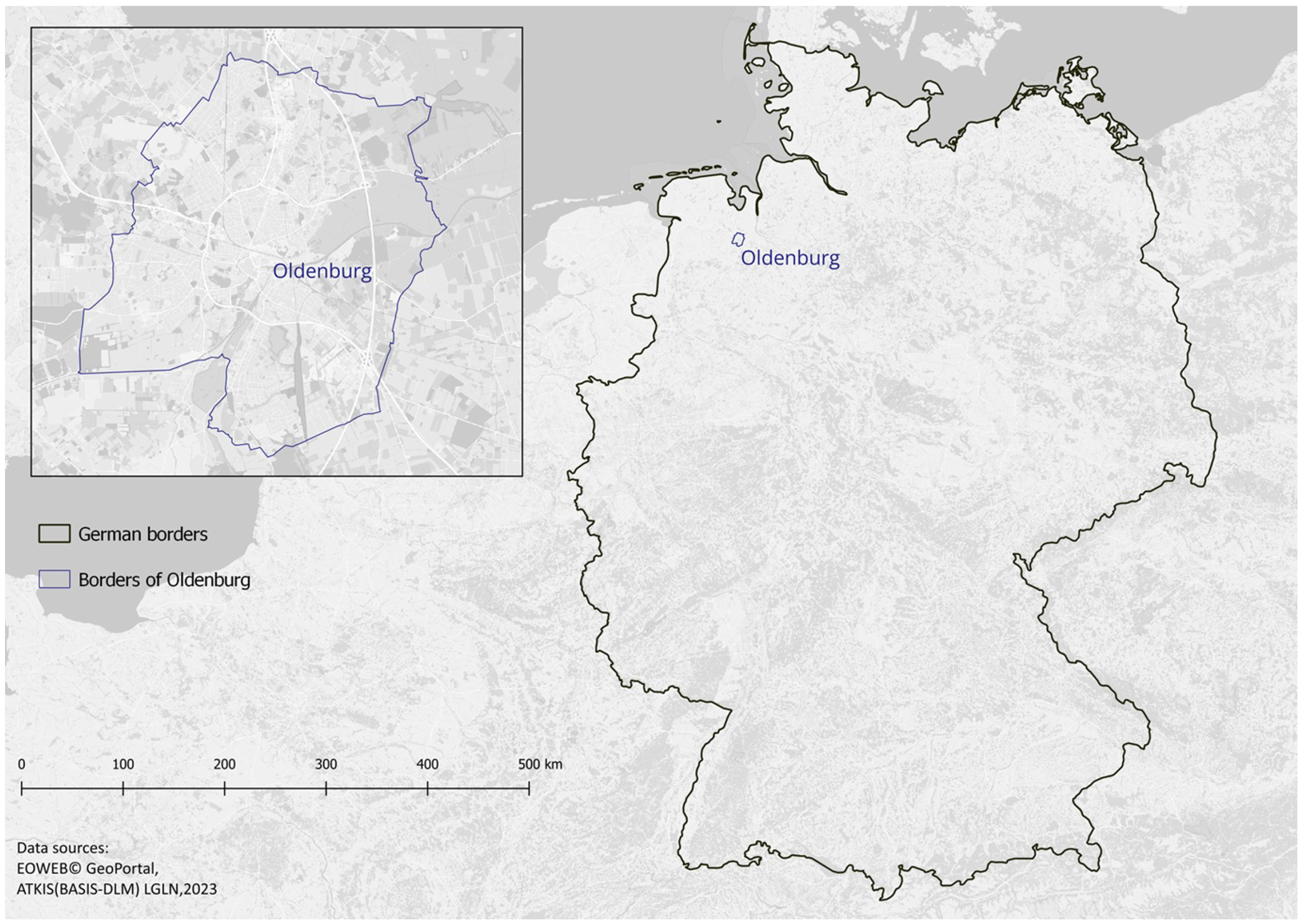
The study was conducted in Oldenburg, Lower Saxony, Germany, with a population of approximately 175,000. Oldenburg is an important regional center known for its historic core, cultural institutions, and a mix of traditional and modern architecture. Distinctive landmarks include Lambertikirche, Schloss Oldenburg, Lappan, public squares, and waterfront areas along the Hunte River, offering diverse historical, social, and functional elements relevant to the study of CUM. Figure 1 shows the location of Oldenburg within Germany.

2.3. Data Collection

We applied a facilitated PPGIS method to collect spatial data on locations perceived by residents as part of Oldenburg’s CUM. An initial mobile-based self-reporting approach using QField was tested, but technical barriers and participant reluctance led to a methodological shift toward in-person facilitation. In the final protocol, an eight-member trained interview team approached citizens in public spaces and guided them through a brief, fixed-question questionnaire with close-ended items. Participant responses were immediately mapped in QField on their tablet devices, with location coordinates verified in real time to ensure spatial accuracy.
Before participation, citizens were provided with a concise explanation of the project objectives, emphasizing the aim of identifying and mapping culturally and historically significant urban sites. Participation was voluntary, with citizens contributing as non-professional collaborators in a structured scientific process. The sampling was randomized across neighborhoods, times of day, and days of the week to improve representativeness. The facilitators followed standardized procedures to avoid bias.
Spatial data processing and analysis were carried out in QGIS, producing point and line datasets, thematic maps, and identifying spatial distributions.

2.4. Sampling Method

Given Oldenburg’s population, a sample size of 423 participants was chosen to achieve a 95% confidence level, enabling findings to be reasonably precisely generalized to the general public. To guaranty that participants had enough acquaintance with the city’s locations and urban environment to make a significant contribution to the selection of locations pertinent to the CUM, the only requirement for participation was to have lived in the city for at least five years.
A stratified sampling approach was applied with a target of at least 60 participants in each stratum (by gender, age group, and place of origin) to enable demographic comparisons. Recruitment of participants under 18 proved difficult, and only 18 respondents were obtained in this group, leaving this age-group target unmet. Three strata were defined for place of origin (German origin and two non-German origin groups), but the non-German origin strata also fell short of the desired size. The precondition of at least five years of lived experience in the city may have decreased the participation of recent migrants, contributing to this shortage.

2.5. Citizen Science Framework

The facilitated-PPGIS strategy used in this work is a form of citizen science since it actively involves members of the public in research data gathering, incorporates their local knowledge, and integrates their contributions within an open and repeatable scientific methodology. After being made aware of the goals of the project, participants were requested to volunteer their time to help locate and map the city’s CUM. We also declared our intention to make the final results publicly available so that participants might be informed and benefit from the findings. By encouraging public participation, allowing significant knowledge input, and fusing participatory mapping with strict bias control and sample processes, the method is consistent with accepted citizen science concepts.

3. Results

3.1. Participant Profile

A total of 423 individuals participated in the facilitated PPGIS process. Descriptive statistics of the participants are presented in Table 1. As shown in the table, women constituted 56% of the sample. For differences in the mentioned places based on demographic groups see Section 3.3. Due to insufficient sample sizes, one age group (under 18 years) and two ethnic origin categories (non-German origin) did not meet the minimum target requirements and were therefore excluded from the analysis.

3.2. Overview of Mentioned Locations

3.2.1. All Locations Referenced by Participants

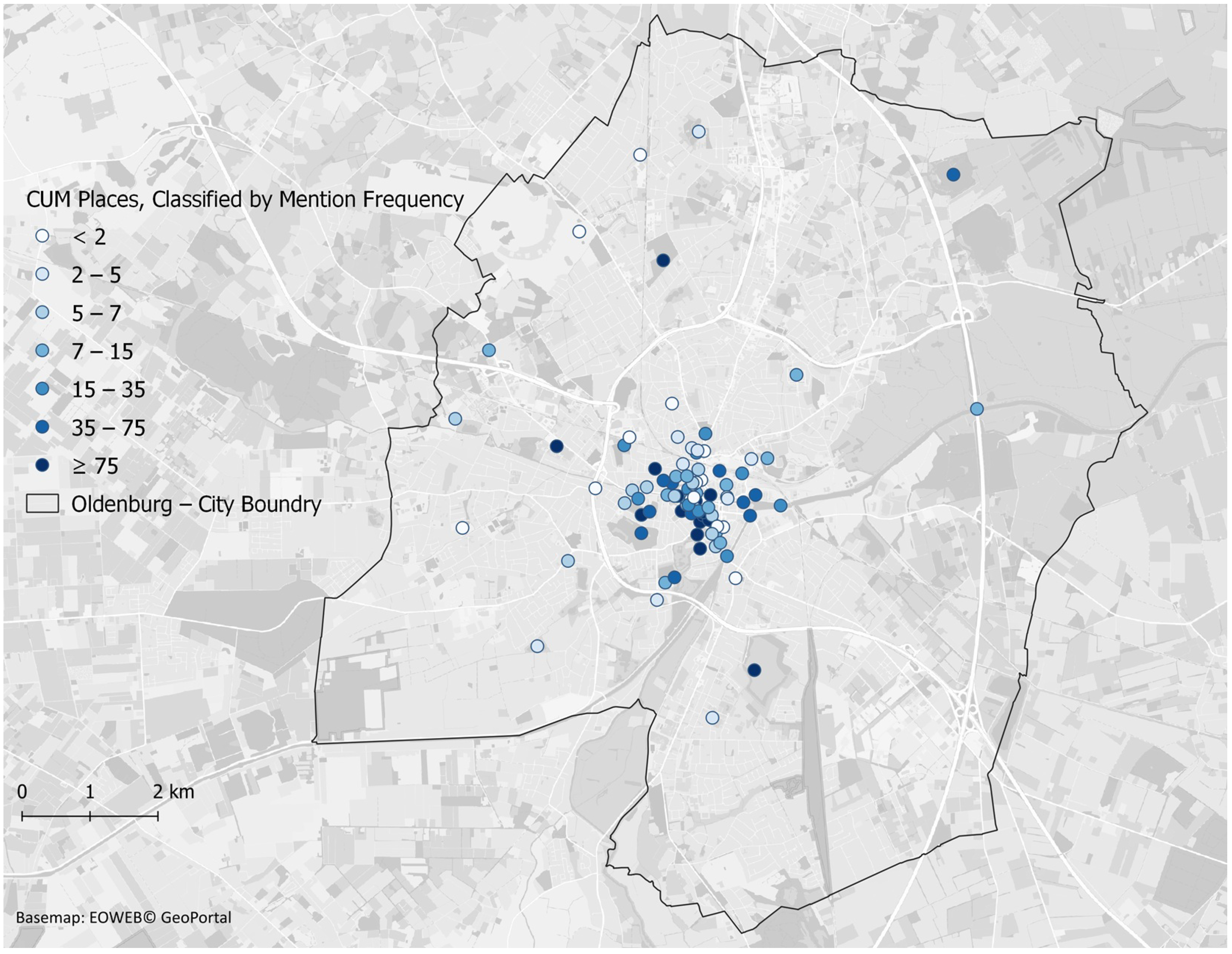
The participants identified a total of 96 unique locations as the most influential physical aspects influencing the CUM in Oldenburg. The highest density of points is observed in the city center, where there is a concentration of various land uses and activities, reflecting its role as the primary hub of social and cultural life and therefore in the CUM. It should be noted that several locations identified in the study may be classified as districts, nodes, landmarks, or paths based on their spatial and functional characteristics. For example, Pferdemarkt functions as a prominent node, while Innenstadt, the city center, and Schlossgarten, a 16-hectare historic public park, are sufficiently large and functionally distinct to be considered districts, and Hunte, as the important river can be considered as an edge. Nevertheless, for the purposes of this study, all such locations are treated as “places” and are represented as point- and line features on the map.
The frequency of mentions for specific locations varies substantially, ranging from a single mention to over 290 mentions for the most frequently cited sites (e.g., Utki, Grand Ducal Assembly Building).
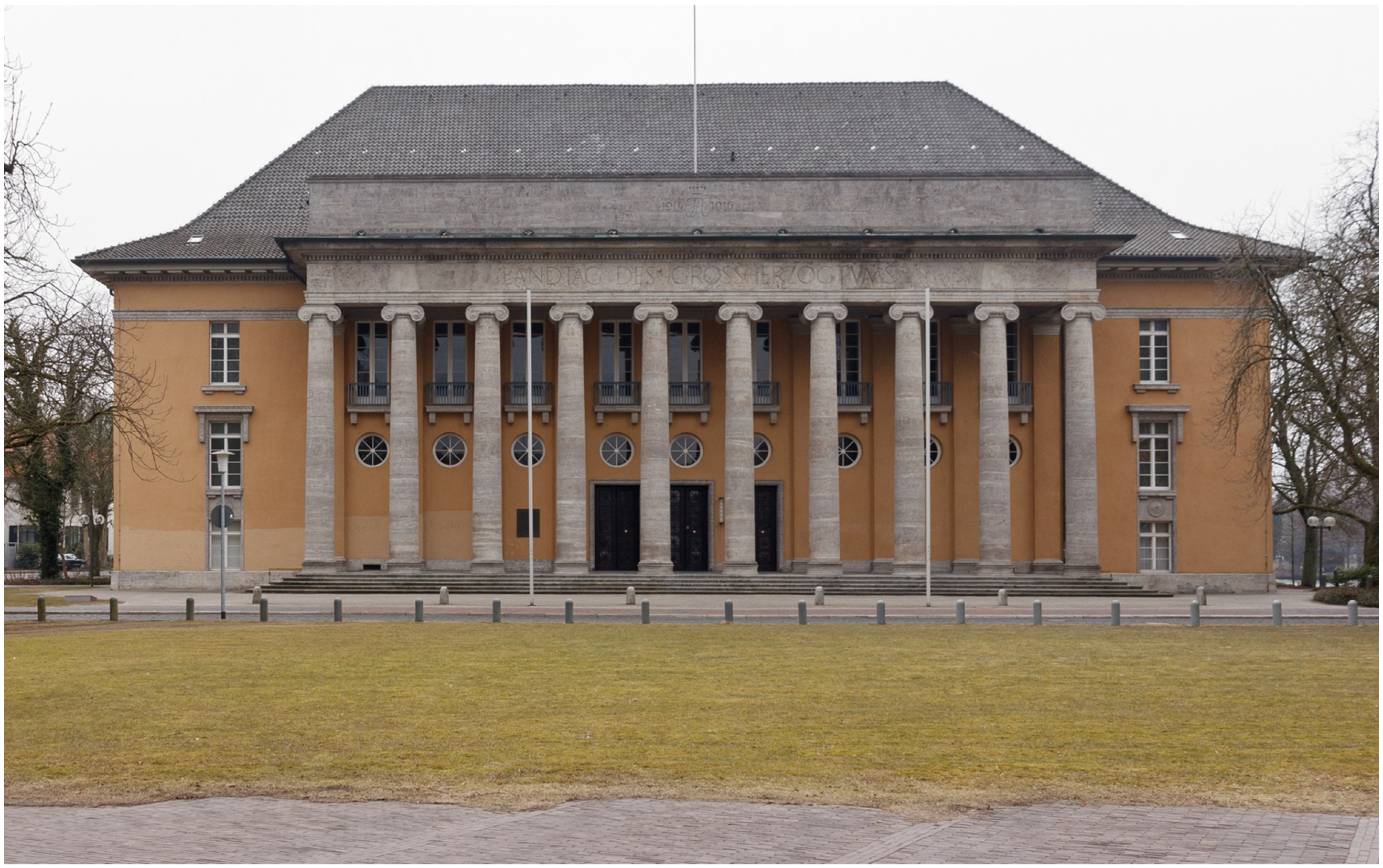
The Landtag des Großherzogtums Oldenburg (Oldenburg Grand Ducal Assembly building), located at Theodor-Tantzen-Platz, is a historically and architecturally significant landmark in Oldenburg. Designed as the seat of the Grand Duchy’s parliament, it was inaugurated in 1916—just before the establishment of the Free State of Oldenburg after World War I. The building honors Theodor Tantzen, the first Minister-President of the Free State. Although Oldenburg lost its parliamentary autonomy after the formation of Lower Saxony in 1946, the Alte Landtag remains a cultural and historical landmark. Today, it hosts conferences, cultural events, exhibitions, and private ceremonies. Its adjacent former State Ministry building houses various regional government offices. The Alte Landtag is managed by the city of Oldenburg and is available for rental for special occasions [36]. Figure 2 shows a view of this place.
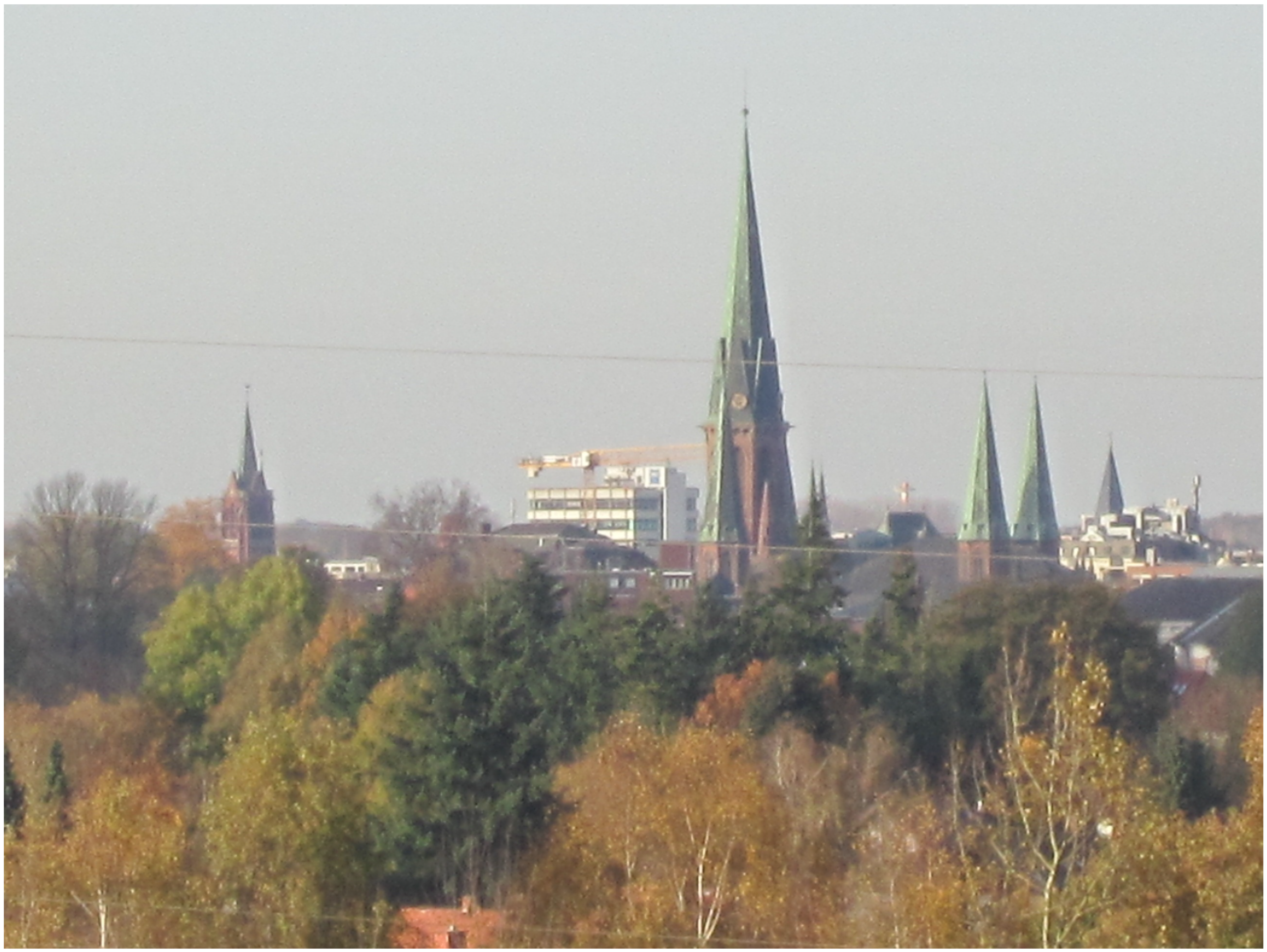
The Osternburger Utkiek, a 48-hectare public green space built on the former Oldenburg landfill, stands as a prime example of ecological revitalization and a beloved green space in the flat region. Rising to 30 m at its northern peak, it offers panoramic views of Oldenburg’s skyline—including the Schloss and Lamberti-Kirche—making it the city’s highest point. Designed with winding paths, flowering shrubs, pergolas, and family-friendly play and sports facilities, the park serves as a vital recreational hub. It symbolizes sustainable urban development: once a waste site, it now captures and manages landfill gas, contributing to climate protection through controlled flaring and green space provision [37]. Figure 3 shows the view of the city centre of Oldenburg from the is place.
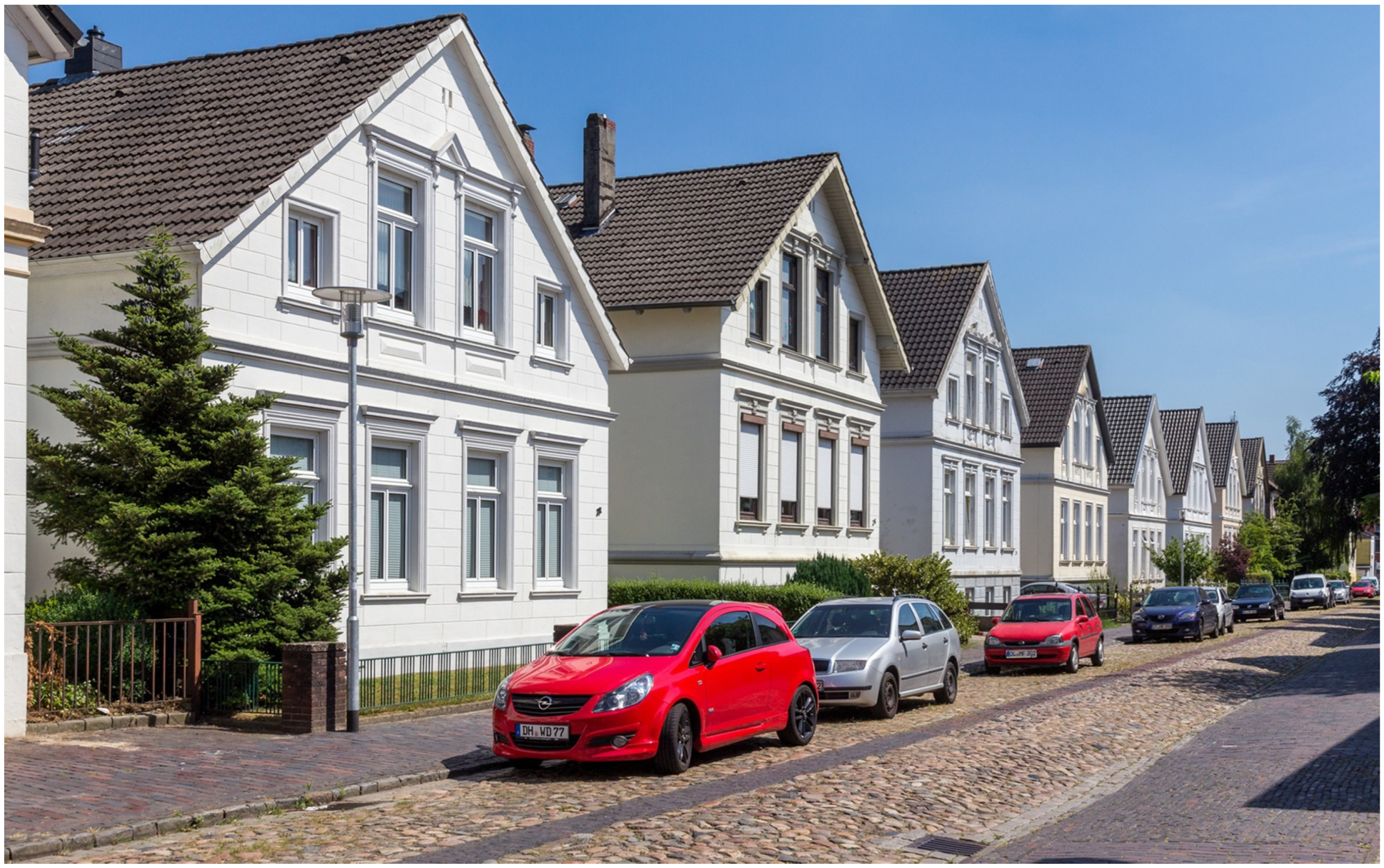
The so-called Oldenburger Hundehütten (“doghouses”) are architecturally and historically significant elements of Oldenburg’s CUM. Built between 1875 and 1920 on narrow, elongated plots in central districts such as Ehnernstraße and Rankenstraße, these small, narrow gabled houses were originally intended for newcomers to the city. Although their uniform arrangement created a monotonous appearance, owners employed elaborate facade designs to distinguish themselves from their neighbours, thereby individualising their homes. Today, these listed properties remain coveted residences close to the city centre, contributing to the city’s charm and preserving a distinctive aspect of Oldenburg’s unique urban history in contrast to the ordinary meaning of “dog kennels” [38]. Figure 4 shows this place.
Figure 5 shows the spatial distribution of these locations. This distribution map not only visualises the spatial spread of the identified places but also illustrates the relative prominence of each location. As expected, areas of multifunctional urban activity in the center of the city dominate in frequency, while mentions of peripheral areas are in comparison less common.
This overview provides the basis for further analysis in the following sections, where these locations are classified by primary function (Section 3.2.2) and examined for potential demographic differences in place mentions.

3.2.2. Classification by Function

In order to interpret the diversity of locations mentioned by participants, all identified places were classified by their primary role in the city. The classification scheme was designed to capture both the functional use and the cultural meaning of each location in the context of CUM. Six mutually exclusive classes were defined:
  • Historical & Architectural Heritage—sites of notable architectural design or historic significance, including monuments, heritage buildings, historic squares, and other culturally important urban spaces.
  • Cultural Activities & Institutions—facilities and venues for arts, performances, exhibitions, museums, and cultural gatherings.
  • Shopping & Commerce—areas dedicated to retail activities, commercial services, and markets.
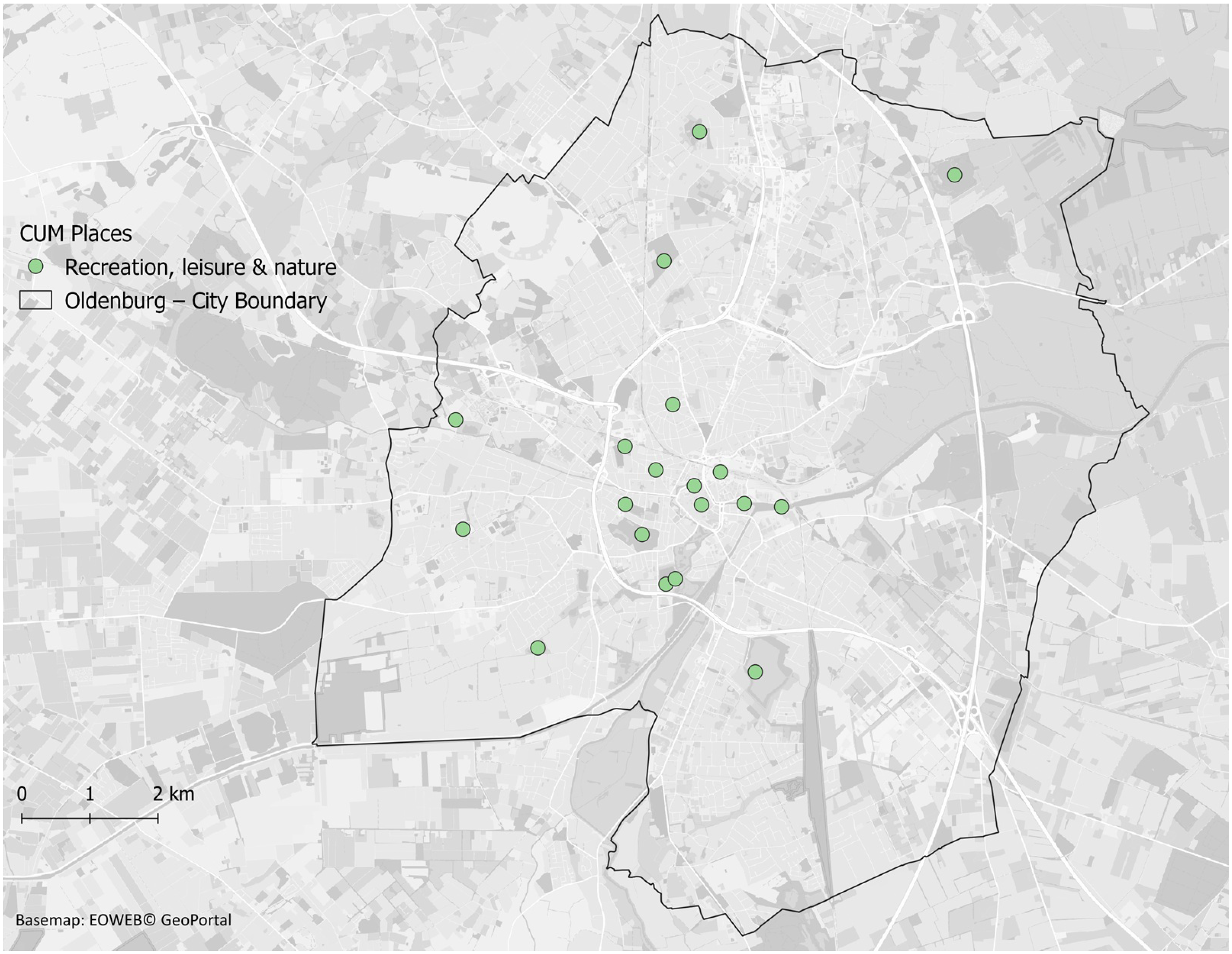
  • Recreation, Leisure & Nature—public parks, green spaces, sports facilities, and natural features used for leisure and outdoor activities.
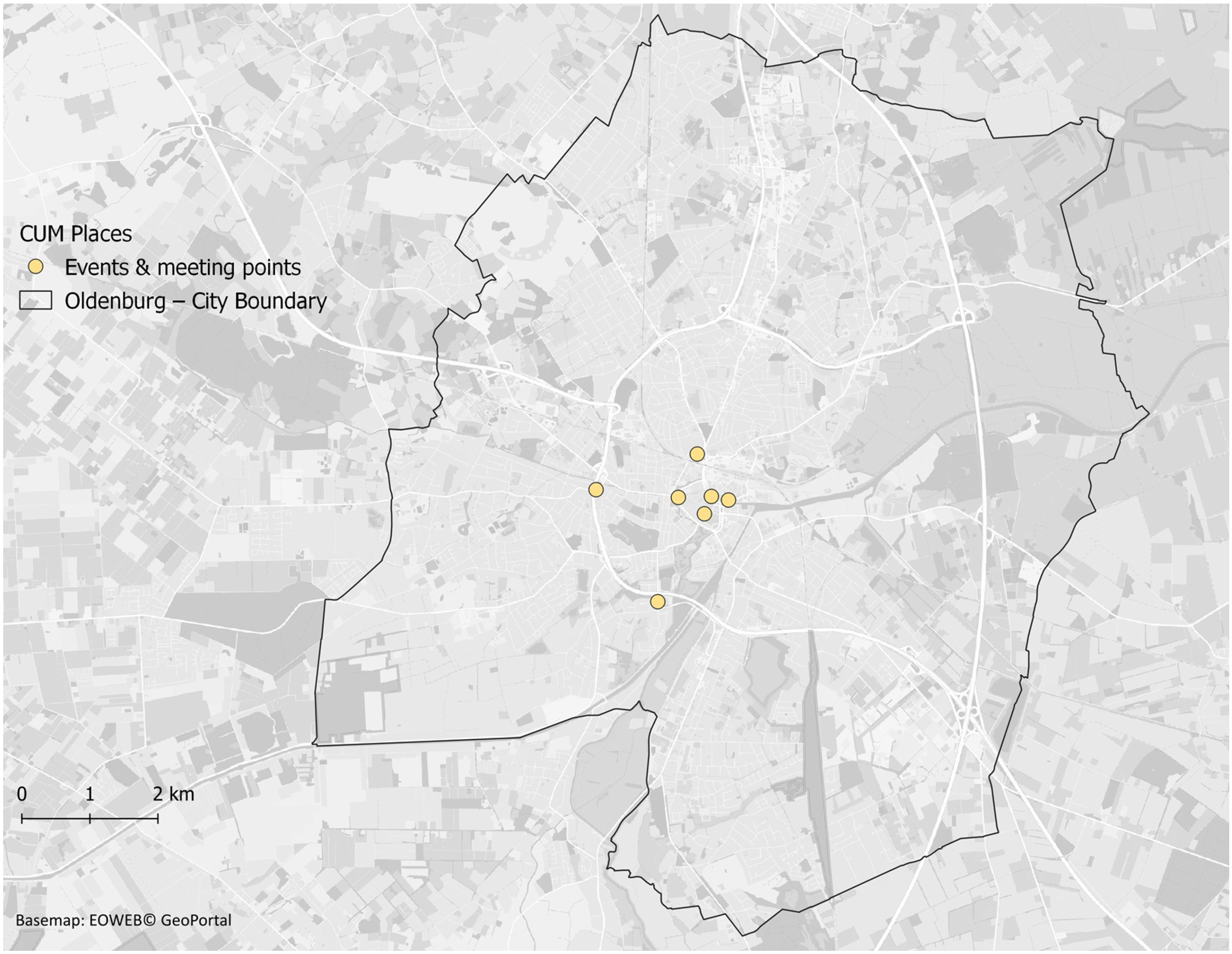
  • Events & Meeting Points—locations serving as recurring gathering points for public events, festivals, markets, or informal social interaction.
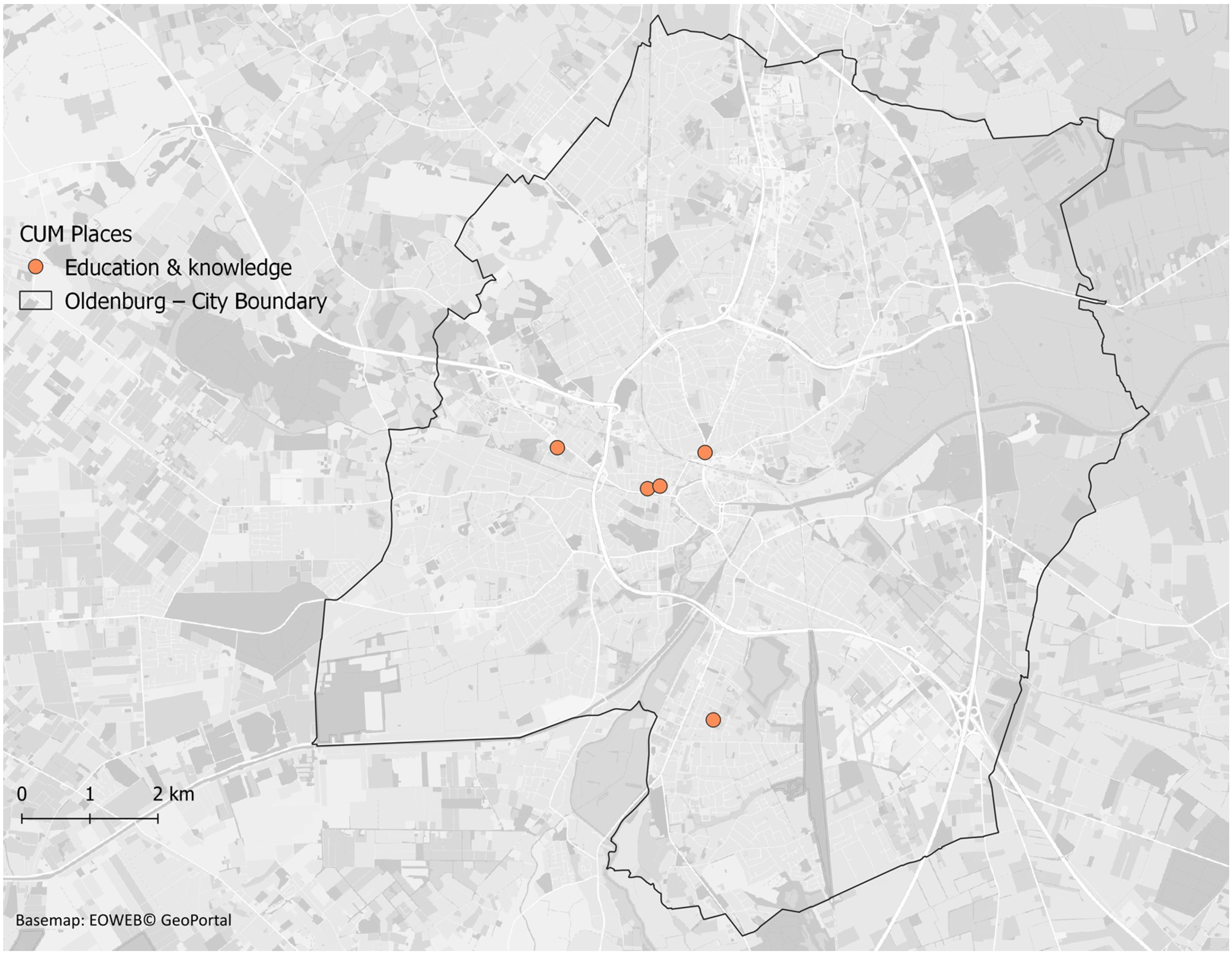
  • Education & Knowledge—institutions and facilities that provide educational opportunities or promote knowledge sharing, such as schools, libraries, universities, and training centers.
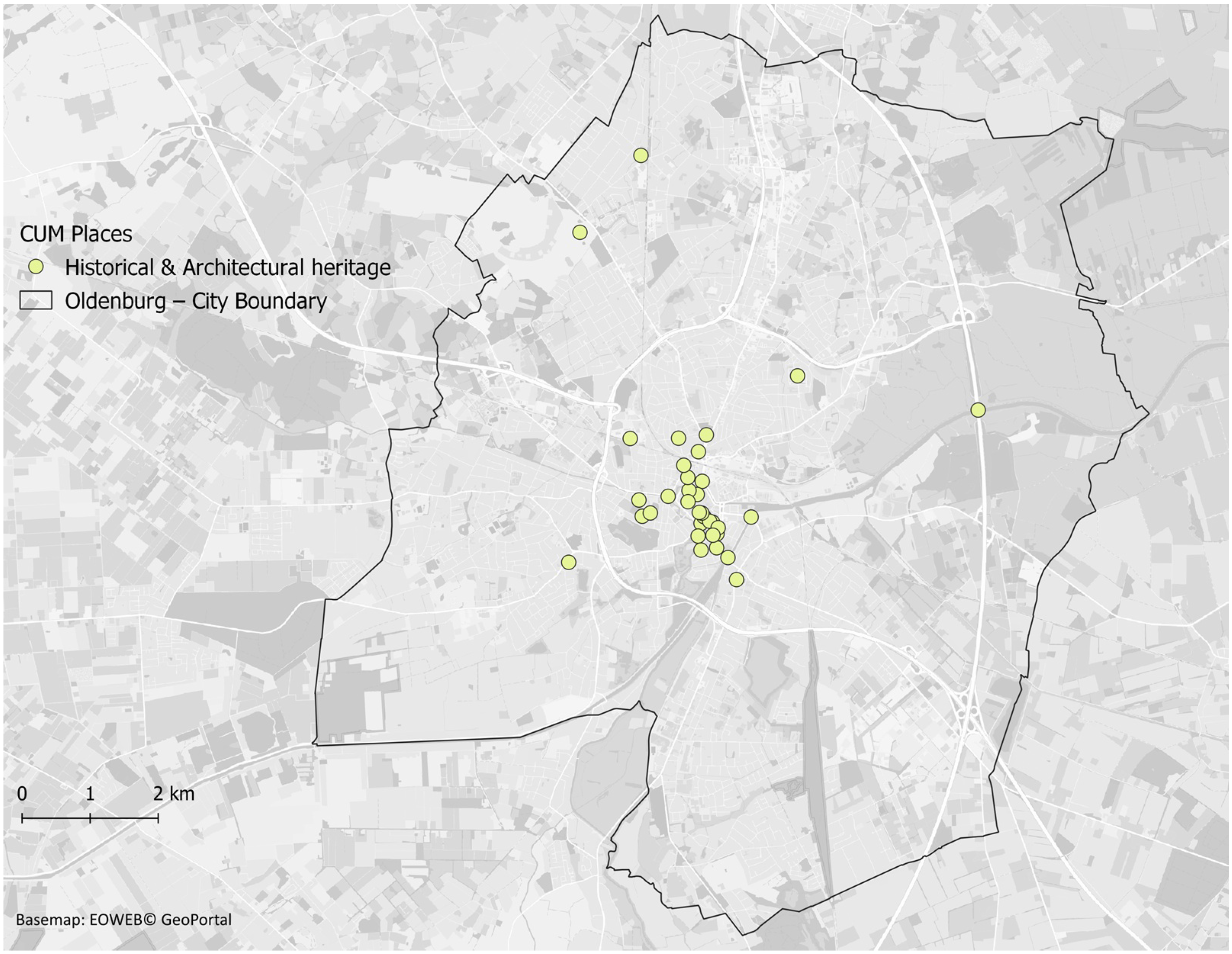
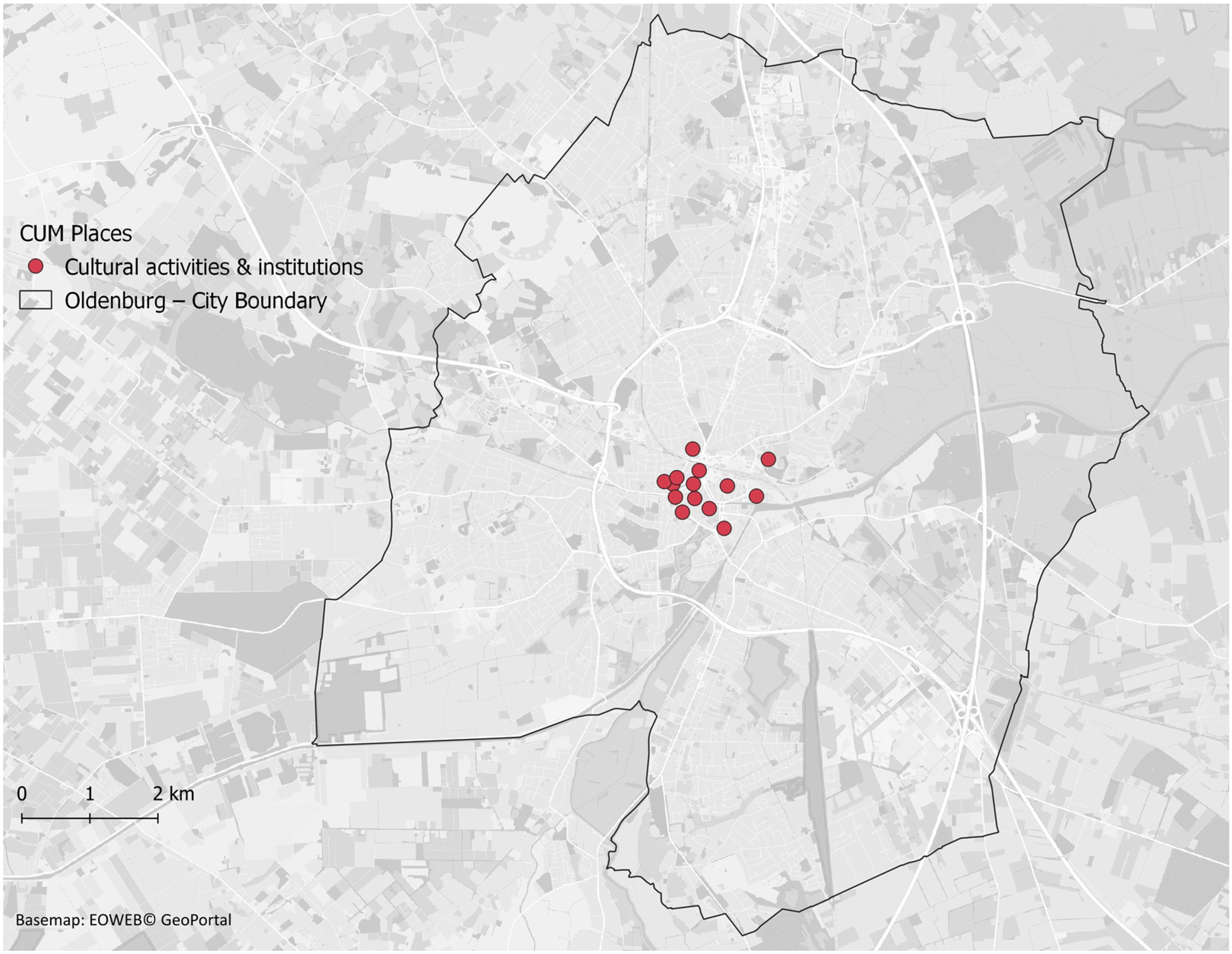
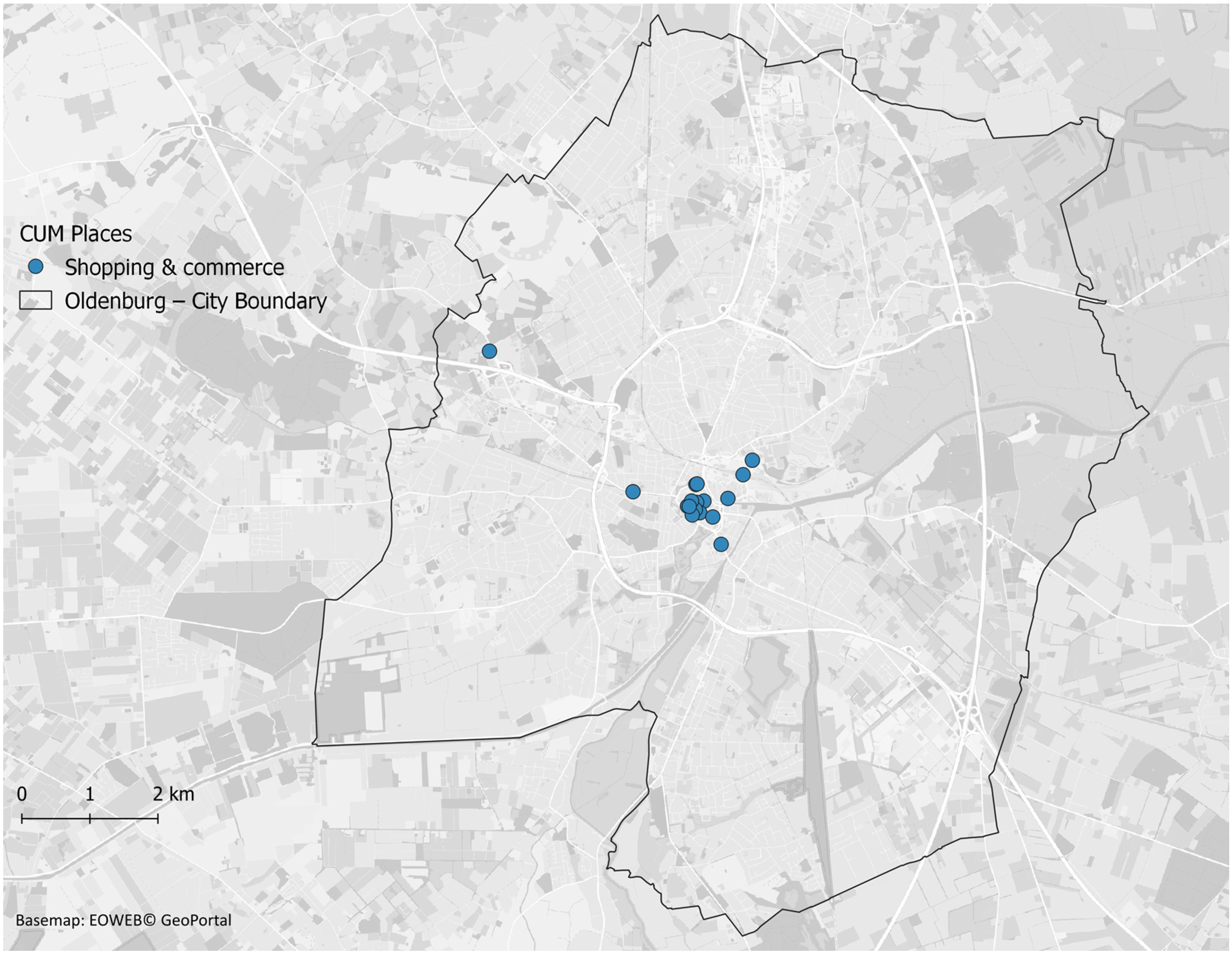
This classification was selected to reflect common thematic distinctions in urban studies literature, while ensuring that each location could be assigned unambiguously according to its main public function. The statistical summary of the number of unique places per category is presented in Table 2. Spatial representation of the classification is shown in Figure 6, Figure 7, Figure 8, Figure 9, Figure 10 and Figure 11, which maps all 96 locations mentioned by participants according to their assigned function class. Separate maps are provided for each category to maintain clarity and legibility, and to allow focused visual analysis of the spatial distribution within individual functional categories.
This visualisations allow for comparison of spatial distribution between categories and identification of any notable clustering patterns in Oldenburg’s CUM landscape.

3.3. Demographic Differences in CUM

3.3.1. Differences in CUM by Gender

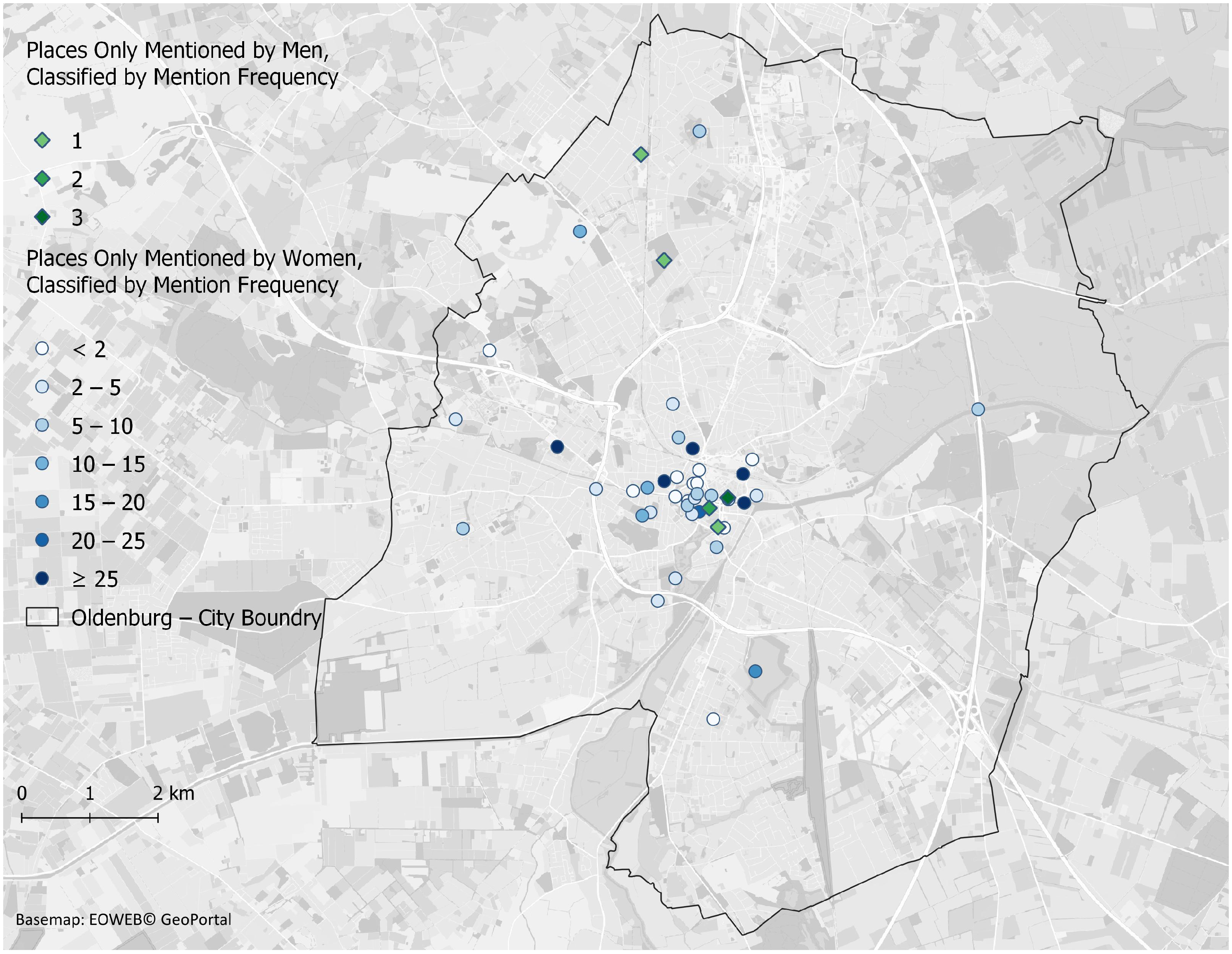
Analysis of place mentions by gender revealed that five locations were reported exclusively by men, each with a frequency of no more than three mentions. In contrast, 39 locations were exclusively reported by women; among these, 10 locations were mentioned more than 10 times and 18 locations more than five times. The distribution of places mentioned by women and men is illustrated in Figure 12.
The women-exclusive places were distributed across several categories: seven in Shopping & Commerce, seven in Recreation, Leisure & Nature, nine in Historical & Architectural Heritage, three in Events & Meeting Points, three in Education & Knowledge, and nine in Cultural Activities & Institutions. This distribution does not indicate any significant emphasis by women on a particular type of place.
These counts represent gender-specific patterns within the dataset; further interpretation is provided in Section 4.

3.3.2. Differences in CUM by Age

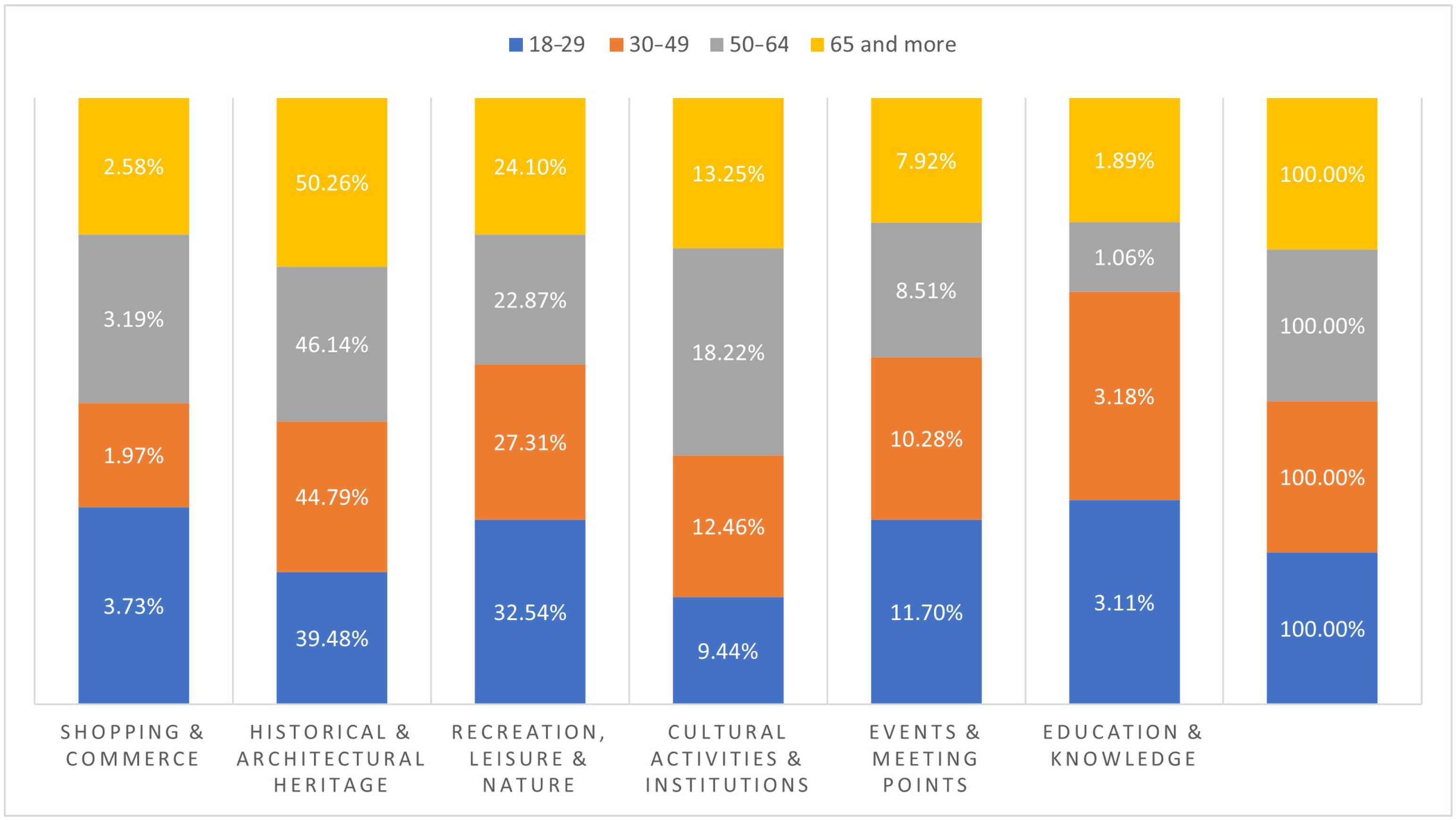
As illustrated in Figure 13, Historical & Architectural Heritage is the most frequently mentioned activity class across all age groups, accounting for approximately 40–50% of mentions within each group. Notably, the relative share from seniors (65 and older) exceeds 50%, representing the highest proportion for this category among all demographics. The proportion of mentions in this category shows a gradual increase with age.
Participants aged 18–29 years report a comparatively greater interest in Recreation, Leisure & Nature, comprising 32.54% of their mentions, the highest of any age group for this category. This younger age group also records slightly higher proportions for Events & Meeting Points and Education & Knowledge than other age categories. The proportion of mentions in Events & Meeting Points shows a gradual decrease with age.
Respondents aged 50–64 years show the strongest relative affinity for Cultural Activities & Institutions, with 18.22% of their mentions assigned to this class. Middle-aged groups (30–49 years and 50–64 years) tend to record lower proportions in Recreation, Leisure & Nature compared to younger group, but higher proportions in Cultural Activities & Institutions.
The differences between the age groups in Shopping & Commerce are relatively small, with all groups allocating between 1.97% and 3.73% of their mentions to this category. In general, the 100% stacked bar chart representation highlights distinct patterns of relative preference between age-defined strata, controlling for the influence of unequal group sizes in the sample.
A Chi-square test of independence indicated a statistically significant association between age group and activity class mentions ( χ 2 (15, N = 4310) = 151.7, p < 0.0001 ). Overall, Historical & Architectural Heritage accounted for a larger share of mentions among older participants, while Recreation, Leisure & Nature were relatively more prominent among younger adults; these patterns contribute to the significant overall association. However, statistical significance does not necessarily imply a strong differentiation, and these differences should be interpreted with caution in practical contexts.

3.4. Streets and Districts

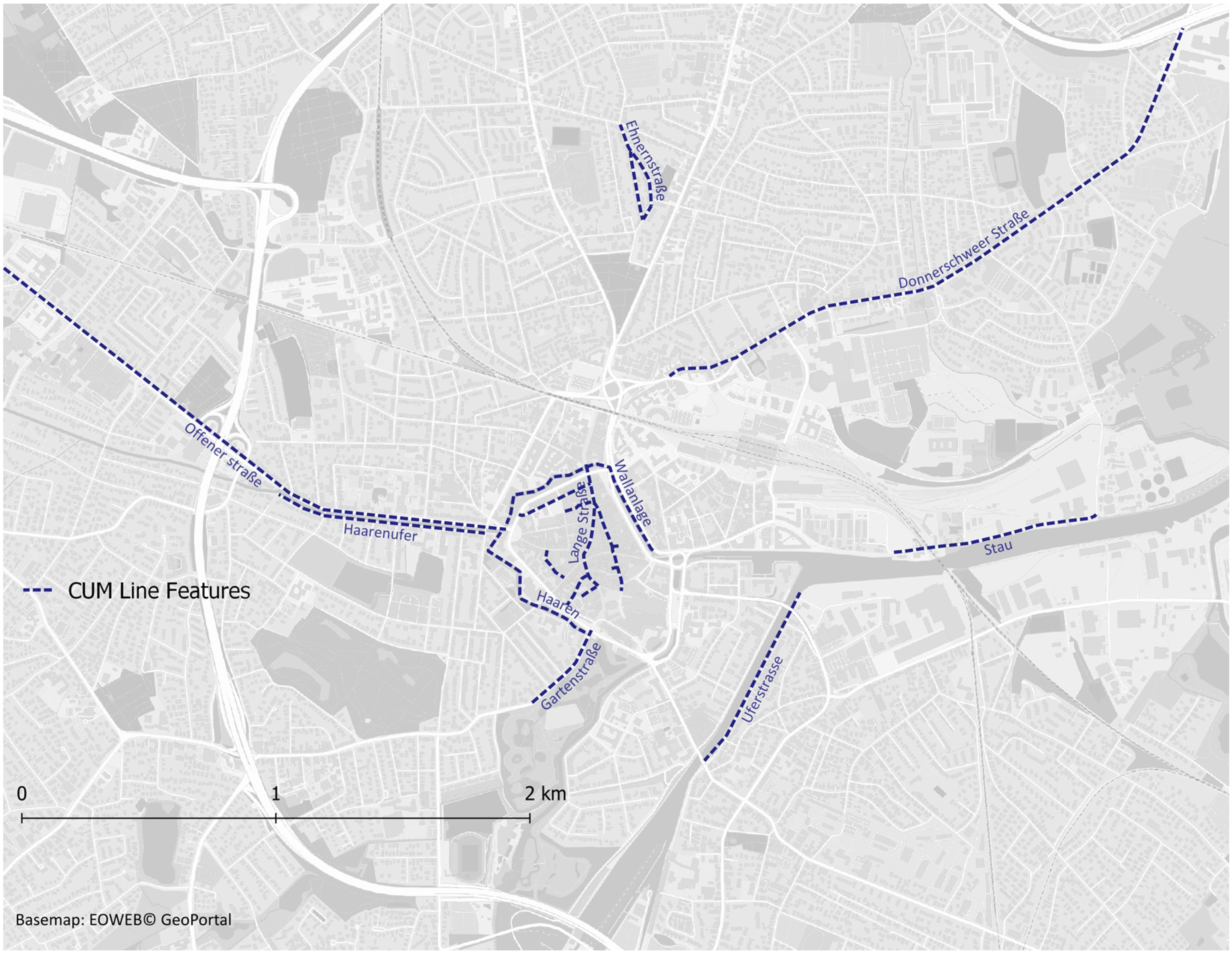
Those streets and line items of the CUM in the city mentioned by citizens are illustrated in the Figure 14.
Several streets within the city centre were mentioned by participants, which is consistent with expectations given the concentration of notable urban features in this area. The spatial density of the mentioned streets closely mirrors that of other places in the city center. In addition to the streets in the central part of the city, the participants identified a number of other streets that play a significant role in the CUM of Oldenburg, including Rankenstraße, Ehnernstraße, Stau, Uferstraße, and Donnerschweer Straße.
Rankenstraße and Ehnernstraße, are locations of the so called Oldenburger Hundehütten, which is introduced in Section 3.2.1.
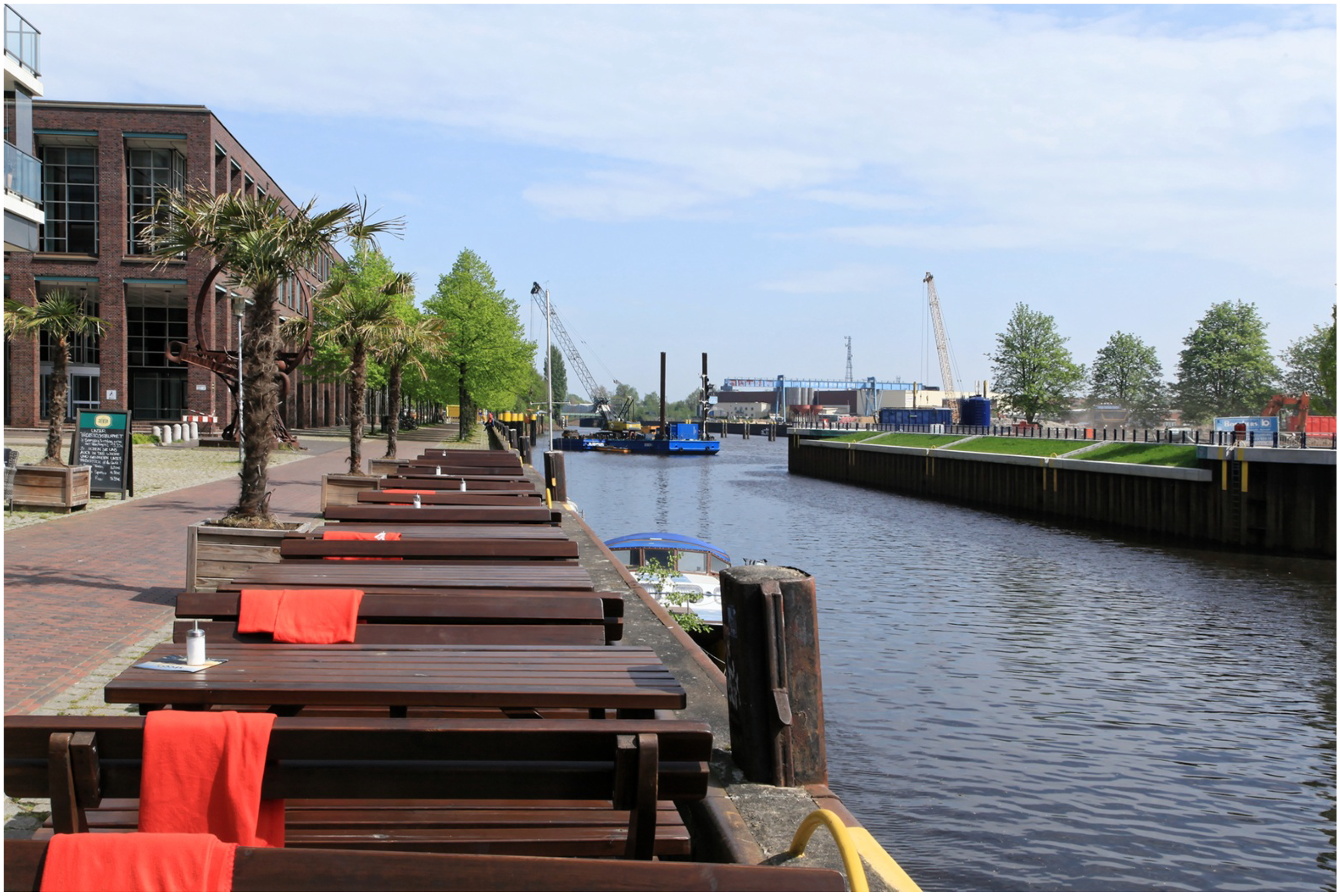
The street Stau, situated along the Küstenkanal in Oldenburg, historically served as a key link between the city centre and its port facilities, with the Bahnwasserturm as an important monument in the middle of it [39]. Figure 15, illustrates a view of the Stau edge.
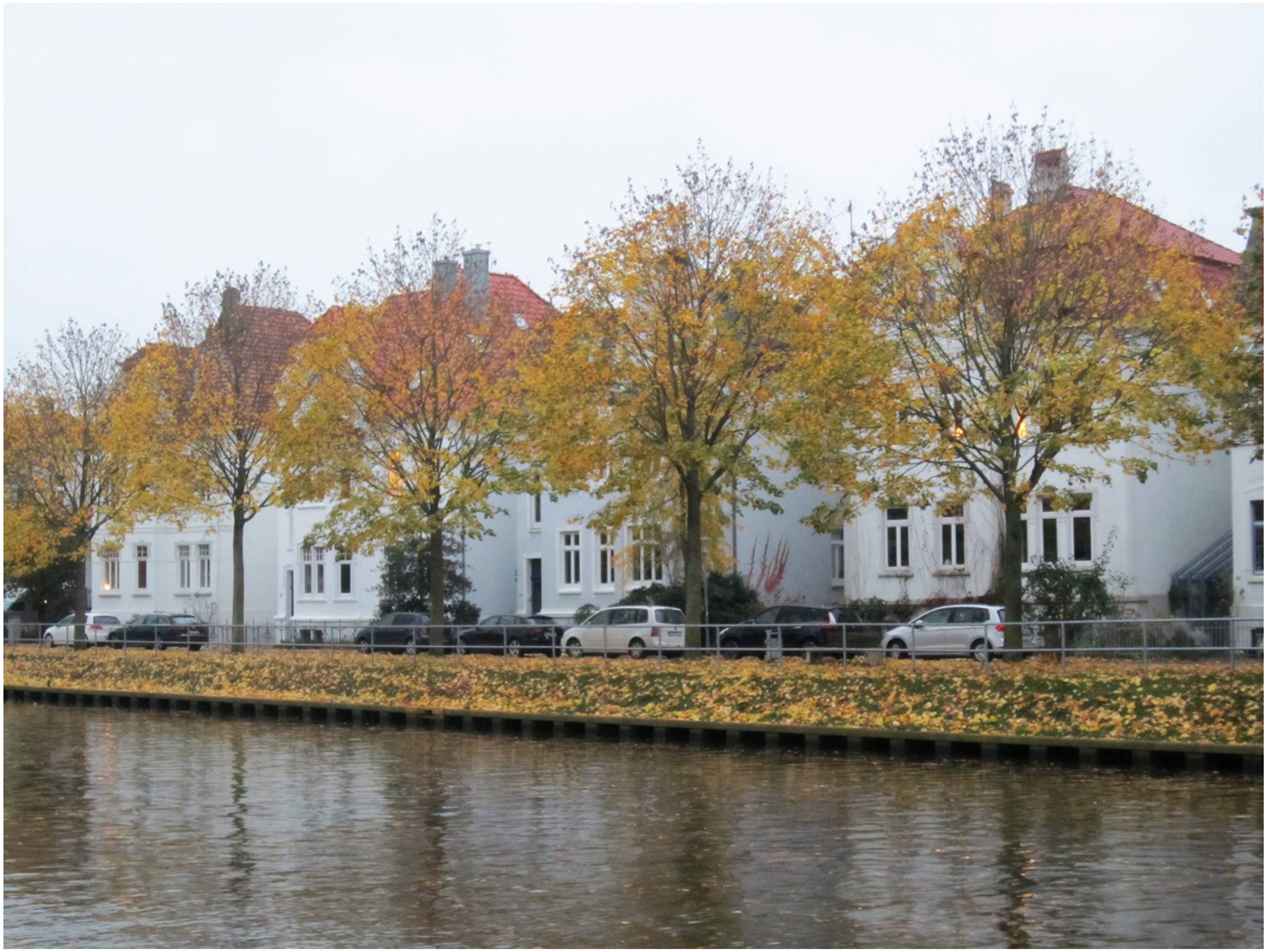
The row of houses along the coastal canal on Uferstraße, in the Osternburg district was built at the beginning of the 20th century as prestigious residential buildings. These properties feature front gardens, some of which retain their original iron fences, and a row of trees on the canal side that enhances the streetscape. The ensemble is designated as a protected group of buildings under Section 3, Paragraph 3 of the Lower Saxony Monument Protection Act (NDSchG) due to its historical and urban significance. Its inclusion in the official register of historic buildings in Oldenburg reflects the public interest in preserving this architectural heritage [40]. Figure 16 shows this important edge.
Donnerschweer Straße is important for the residents of the Donnerschwee district and the general transport infrastructure of Oldenburg, although it is not the main destination for large shopping trips. It is central to the Donnerschwee district, which is an important residential area offering a high quality of life.
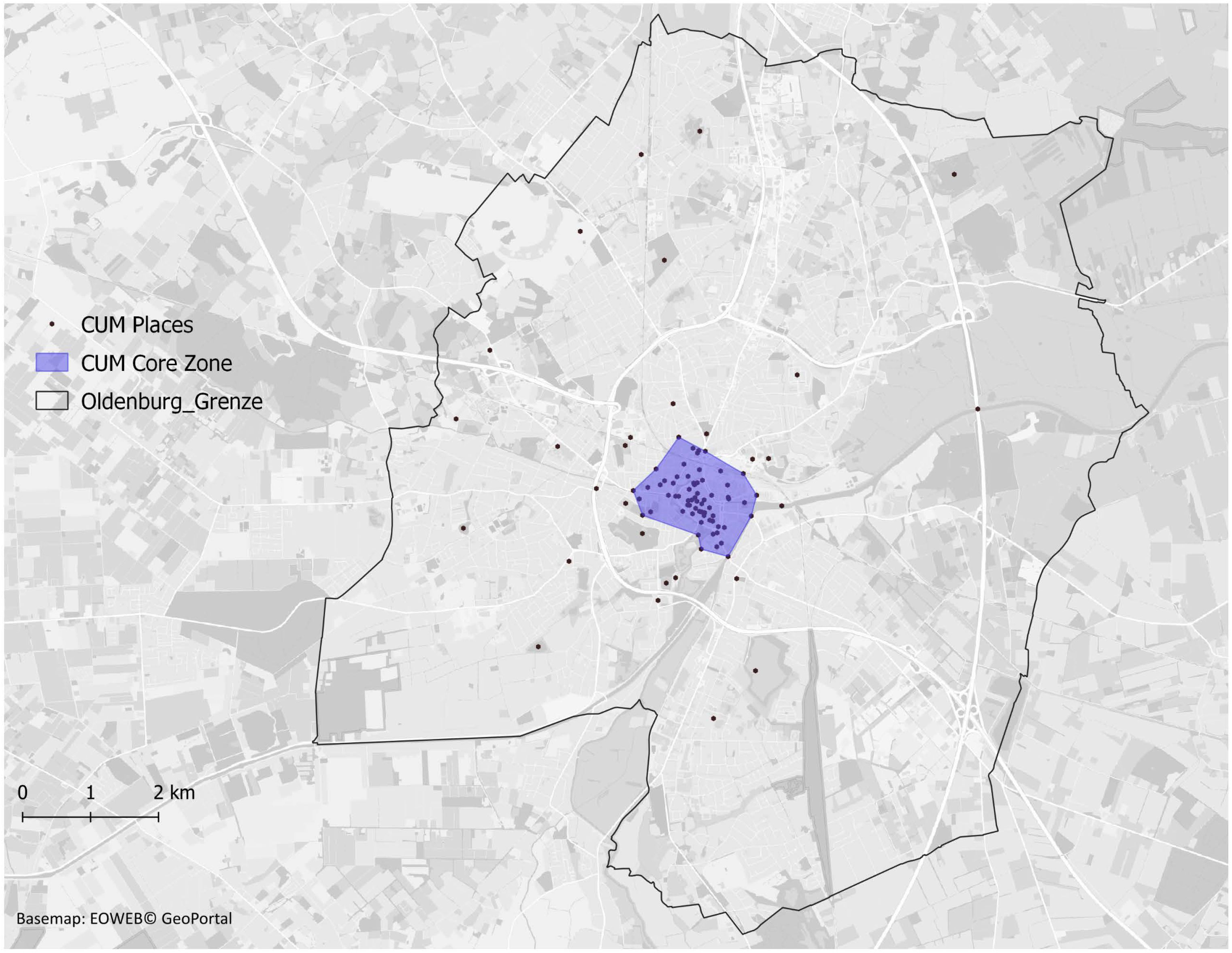
In order to identify any specific district within the urban fabric that plays a dominant role in the CUM of the city, we used spatial cluster analyzes, including DBSCAN and Area of Interest (AOI) detection methods applied in previous studies [41], which identify distinct concentrations of CUM places in the city center. This district is shown in Figure 17. We delineate this CUM core zone as the union of k-NN concave hulls (k = 30) computed on DBSCAN clusters (eps = 500 m, minPts = 20) of all CUM places Our facilitated PPGIS design did not explicitly focus on locating areas of high significance in CUM; nevertheless, the only area where a notable concentration of mentioned places could be observed is the city center or, as the participant mentioned, Innenstadt. Due to Oldenburg’s relatively small size and mono-centric urban form, these methods consistently highlighted only the city center as the main concentration, without revealing further spatial pattern. This confirms that the category-specific point maps presented here are the most effective means of visualizing and interpreting the distribution of CUM locations in our study.

3.5. Bygone Places

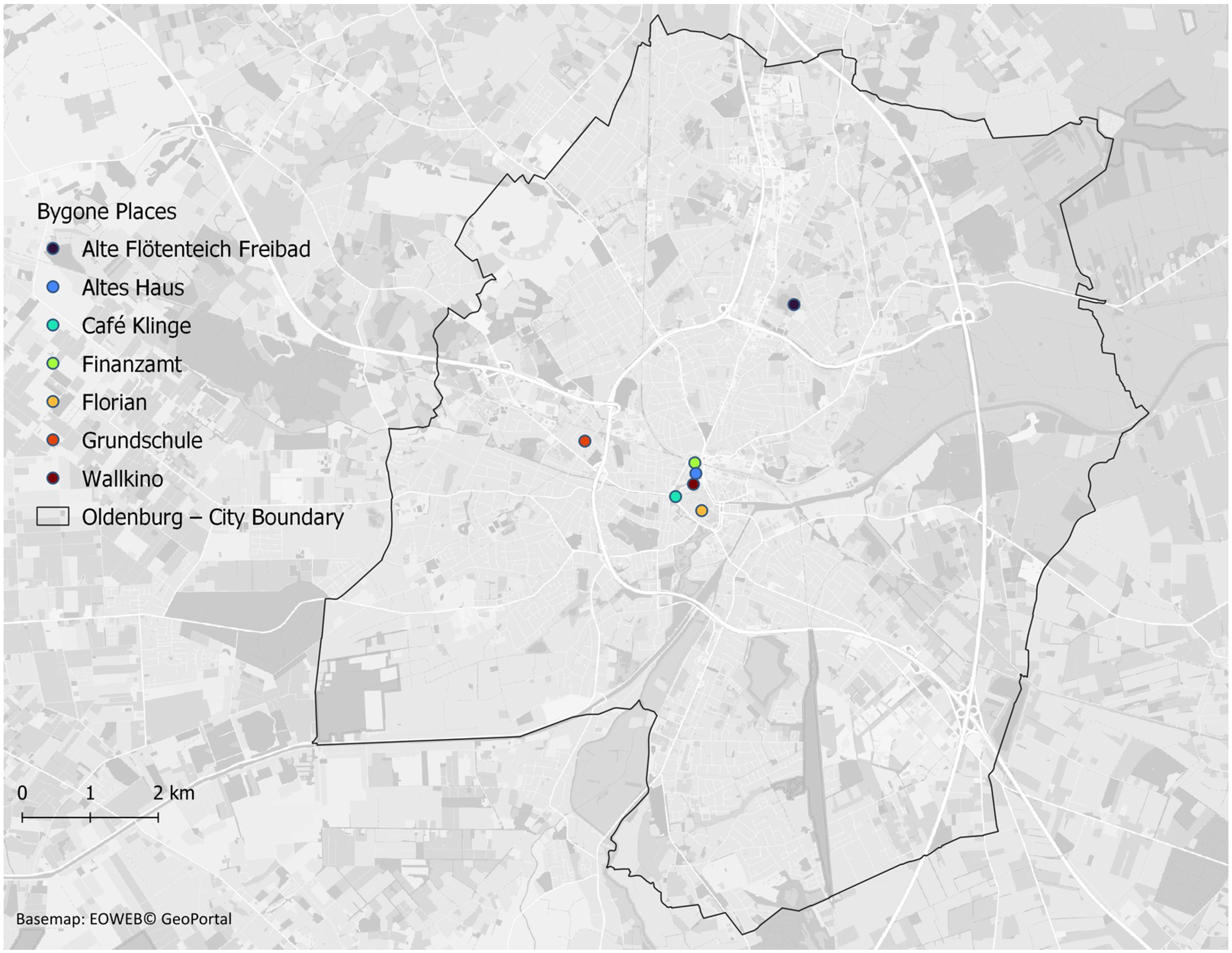
A distinctive outcome of this study emerged from the citizen science approach: the identification of what we call bygone places—locations that play a significant role in the Oldenburg CUM but no longer exist due to urban transformation, demolition, or major redevelopment. Although these places no longer exist physically, they continue to be a part of the CUM of the city. Their presence in collective recollection is likely to fade irreversibly once the last individual who remembers them passes away.
By explicitly asking participants to reflect on places they remember from the past—especially those that are no longer physically present—we were able to recover a layer of CUM that is often invisible in official records or spatial planning. This empowered citizens to act as memory keepers, contributing to a more complete and historically grounded representation of CUM.
In addition to the 96 places currently recognized, seven locations were explicitly described as having been demolished, redeveloped, or fundamentally altered. We considered places with at least three mentions. These places are illustrated in the Figure 18.
The inclusion of places that have been lost underscores the dynamic and evolving nature of CUM. It reveals that memory is tied not only to what remains, but also to what has been lost. By giving citizens the space to voice these absences, the study highlights a critical gap in urban planning: the erasure of memory-rich spaces without recognition or reflection. This approach demonstrates the unique power of citizen science in uncovering non-physical, yet deeply meaningful, dimensions of urban identity. It transforms participants from passive data providers into active co-archivists of the city’s past. The resulting map of bygone places serves not only as a record of loss but as a call to action—urging planners and policymakers to consider memory preservation in future development, ensuring that urban change does not come at the cost of collective identity.

3.6. Common CUM of Oldenburg

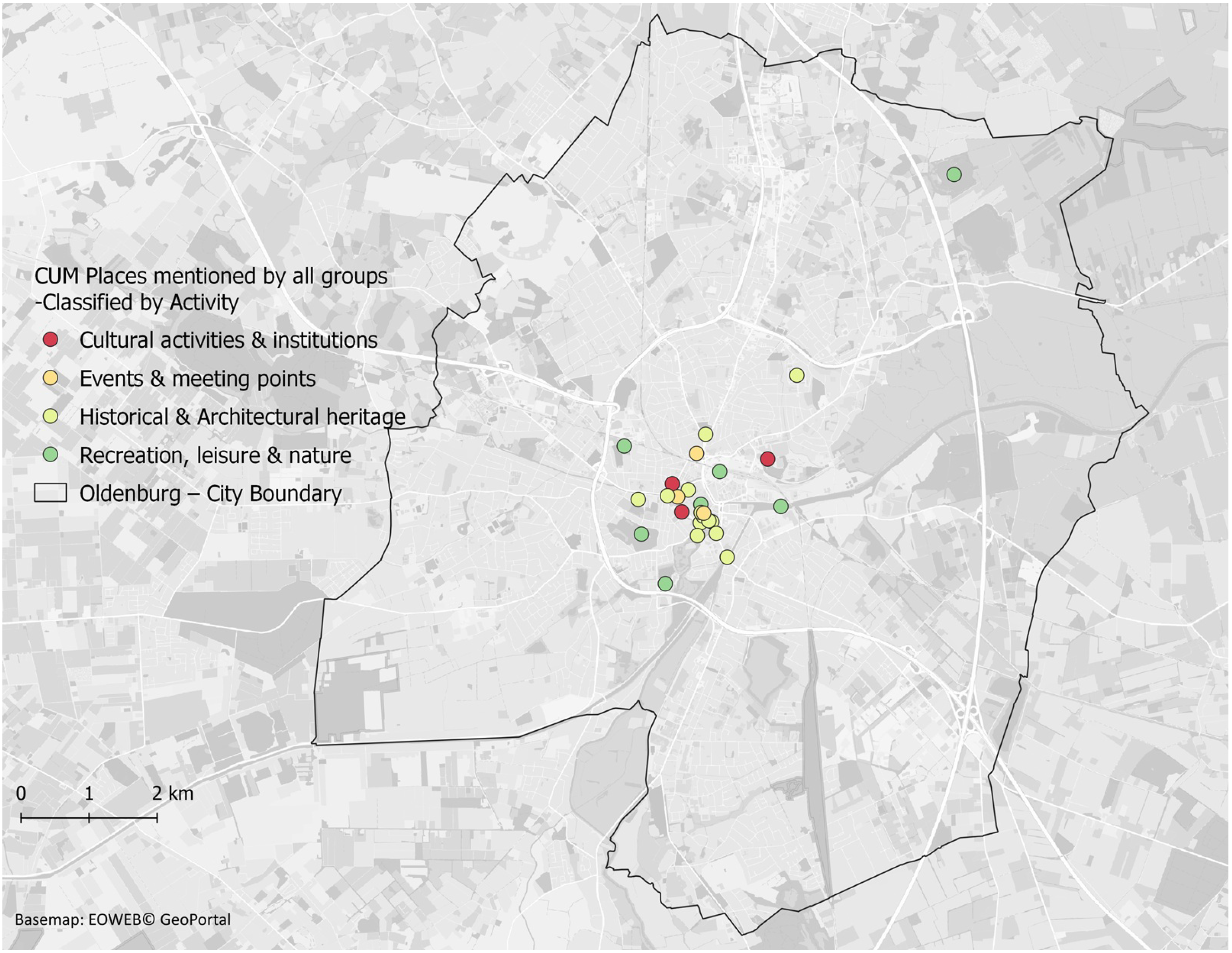
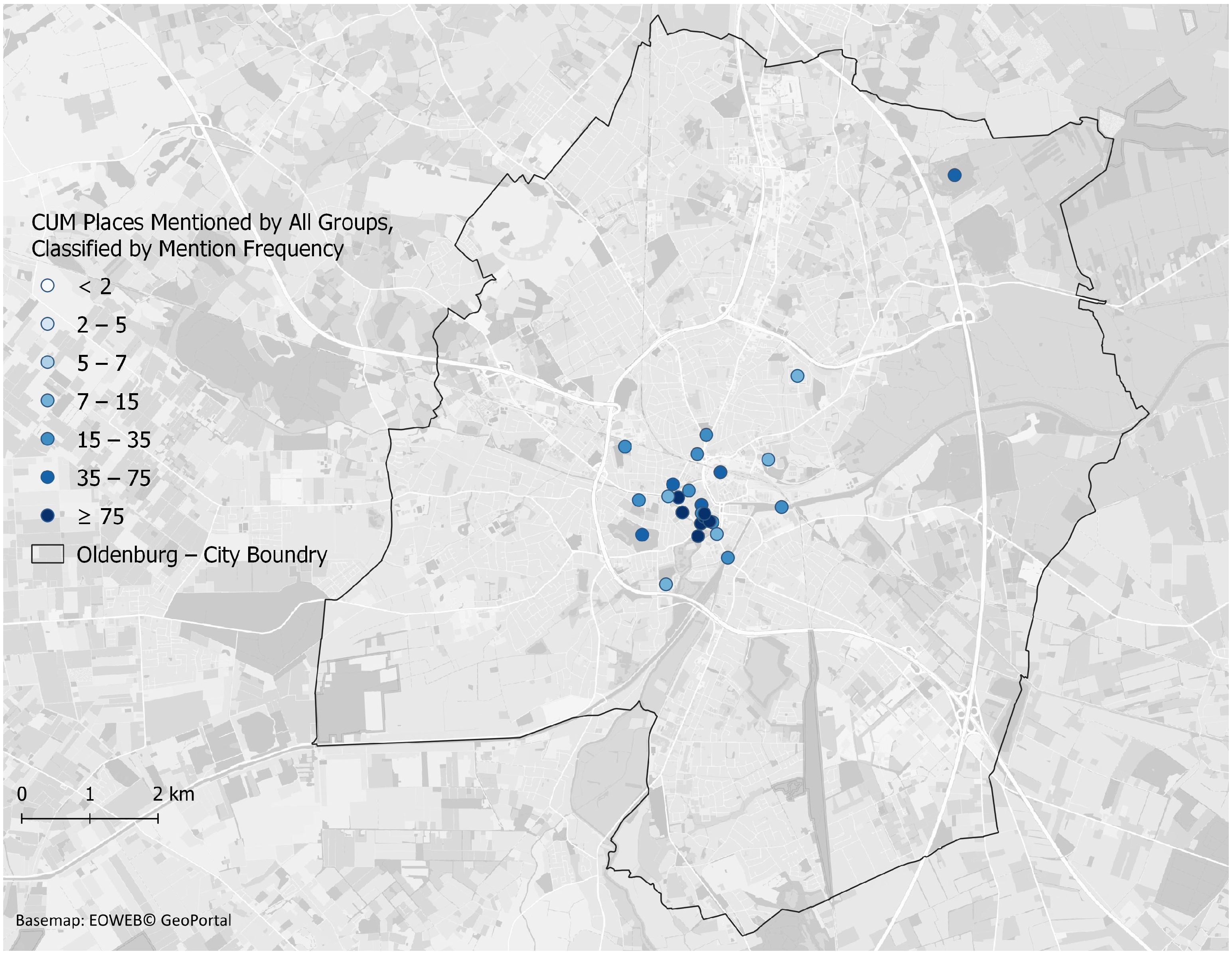
Of the 96 places mentioned by citizens, 26 were identified as common to all genders and age groups (excluding participants under 18 years of age). Figure 19 illustrates these places, classified by their activities or functions, with the number of places in each activity class summarized in Table 3. Figure 20 presents the same set of places, classified according to their frequency of mention.
All 26 places of the Oldenburg common CUM are listed by their name and function class in the Table 4.

4. Discussion

We began this study with the question: How can we map the CUM of a city through an inclusive citizen science approach? To address this, we concentrated on the physical aspects of CUM—that are locations that serve as nodes, landmarks, streets, edges, and districts—and created a methodology to determine which ones are the most important in forming the collective memory of the city.
We employed a PPGIS-based methodology grounded in a citizen science approach, in which participants were informed of the purpose of the study, voluntarily shared their insight, and actively contributed to the data collection process. Due to practical challenges, we adapt our approach to a facilitated PPGIS, in which trained interviewers assist citizens in a voluntary and informed spatial data collection process. Despite careful design, several practical challenges emerged. The primary barrier was the requirement to install the QField software locally. The mediated data entry process limited participant autonomy and may have introduced interviewer bias. Future work should adopt web-based or mobile-first platforms to enable autonomous and barrier-free participation.
Our stratified sampling strategy aimed to ensure balanced representation between genders, age, and ethnic groups. However, only 18 participants under the age of 18 were recruited—well below the target of 60. This underrepresentation limits the reliability of age-related comparisons and can restrict the generalizability of findings for youth. The low participation rate is likely due to the recruitment schedule (often during school hours), the use of adult-dominated public locations, the precondition of parental consent, and a preference among young people for digital over in-person engagement. Similarly, recruiting sufficient volunteers from non-German-speaking populations proved challenging, and comparisons across place-of-origin groups were omitted due to the small sample size. This limitation may arise from the prerequisite of at least five years of lived experience in the city combined with language barriers. Future studies should consider relaxing this requirement—perhaps setting a three-year threshold—and implement targeted outreach through schools, youth organizations, and online platforms, while also addressing language-related barriers to improve inclusivity.
The study identified 96 places that participants deemed significant to Oldenburg’s CUM. These include historical landmarks (e.g., Schloss, Pulverturm), cultural hubs (Kulturzentrum PFL, Theater), recreational districts (Schlossgarten, Eversten Holz), and social nodes (Pferdemarkt, Rathausplatz). In particular, several places were mentioned as having been lost or altered—what we term bygone places—highlighting a collective sense of loss and a desire to preserve the evolving identity of the city. This indicates that, beyond formally recognized heritage sites, many places with strong community memory significance are not documented in official planning frameworks, leaving them at risk of change without consideration of their value. The approach applied here helps to surface these less visible dimensions of urban value, supporting a more comprehensive understanding of the city’s evolving identity.
Although gender differences in mentions of places were observed—such as a higher number of locations cited by women—these patterns should be interpreted with caution. The relatively low frequency of male-exclusive mentions may reflect sampling variation, differing patterns of public space usage, or underlying socio-cultural factors. Likewise, clear differences emerged between age groups, but these should be considered carefully in practical contexts. Future research should employ balanced recruitment strategies and incorporate qualitative follow-up to better understand these dynamics.
While spatial analyses such as kernel density estimation, nearest neighbor indices, and the clustering algorithm DBSCAN have been useful in similar studies, their application in our study revealed no distinct patterns beyond the concentration of CUM tangible elements in the city center (Innenstadt). This outcome reflects the characteristics of Oldenburg as a relatively small and mono-centric city, where high-memory significance is naturally focused in the core area. In this context, category-specific point maps provided the clearest and most informative representation of the spatial distribution of CUM locations. Nevertheless, in larger or more polycentric cities, these spatial analyses may uncover more complex distribution patterns, and their use should be considered for future comparative research.
Existing studies mainly focused on the intangible dimension of the CUM such as emotional and cultural mapping [19,30,42]. The majority of them focused on cognitive mapping to reveal how people perceive and remember the urban environment [19,22,23]. Therefore, a tangible CUM map and a corresponding method to represent the tangible dimension are lacking. Furthermore, in contrast to the conventional “image of the city” approach, followed by some of these studies that prioritizes physical attributes for cognitive mapping—an approach that focuses mainly on significant physical characteristics to aid in the recall of urban environments—our methodology focuses on locations interwoven with local narratives and lived experiences.
Some of the previous studies have leveraged collective positive and negative sentiments from geotagged social media data—often analyzed through NLP—to identify places associated with CUM [25,26]. While this approach offers insights, it relies on indirect, algorithmically interpreted expressions that may reflect biases in platform usage, linguistic framing, or data distribution, and excludes the perspectives of individuals who are digitally illiterate or choose not to engage with social media. Such biases may result in a partial and potentially distorted view of collective memory. To the best of our knowledge, existing studies neglected to consider citizens as knowledgeable contributors in defining and locating the tangible components of UCM. Citizens’ lived experiences and local knowledge remain underutilized in data generation processes. While in our approach, citizens are not treated as passive subjects; rather, they are informed of the study’s purpose and actively contribute to the co-production of data, drawing on their own knowledge and experience. This shift from top-down to participatory mapping strengthens the legitimacy and authenticity of the resulting CUM map.
A key outcome of our approach is the identification of bygone places—sites that have been demolished or significantly altered—revealing a collective memory of loss. This underscores the urgency of preserving tangible elements of CUM to maintain community belonging and cultural continuity. Many locations identified through our study, such as a former Grundschule or an old Freibad mentioned repeatedly by respondents, are often difficult for experts to identify as culturally significant without direct citizen input. By systematically bringing these community-valued places to light, our approach complements existing professional knowledge and supports more culturally sensitive urban decision-making.
In conclusion, we propose a novel, citizen-driven methodology for mapping the tangible dimension of CUM through facilitated PPGIS. Our method provides a practical, scalable, and inclusive framework for CUM research, even though we do not claim to capture every significant location or every demographic variation. It provides decision-makers and urban designers with a powerful tool to preserve CUM, avoid further loss of memory-rich spaces, and foster deeper community engagement—ultimately contributing to more sustainable and identity-rooted urban futures.

5. Conclusions

This study showed that the PPGIS approach, grounded in citizen science, is a powerful and inclusive method for mapping the tangible dimensions of CUM. By engaging residents as active co-researchers contributing in data collections, we identified 96 significant places in Oldenburg—ranging from landmarks and nodes to recreational districts and social hubs—while also uncovering 7 bygone places that have been lost to urban change.
These findings underscore the importance of preserving CUM for a sustainable transition of cities.
The main outcome of this study is a spatially explicit community-driven CUM map that reflects the lived experiences and collective identity of citizens. This map offers a practical tool for urban designers, planners, and policymakers to integrate CUM into development processes, ensuring that urban transformation respects cultural continuity and fosters community engagement.
Looking ahead, future research should expand the methodology to web-based and mobile platforms to increase accessibility, particularly among youth and non-German-speaking residents. Longitudinal studies could track how CUM evolves over time, while qualitative follow-ups could deepen understanding of the emotional and narrative dimensions behind place memories. Ultimately, this work underscores that preserving the city’s memory is not just about protecting buildings—it is about protecting the stories, identities, and sense of belonging that define a city’s soul.

Funding

This research was partially supported by Lower Saxony State Ministry of Science and Culture under grant number 11-76251-1840/2021.

Institutional Review Board Statement

Ethical review and approval were waived for this study due to the reason that the study was carried out in accordance with the Ethical Principles of the German Psychological Society (DGP) and the Association of German Professional Psychologists (BDP), especially Sections C.III.1–3 on voluntary participation, informed consent, and safeguarding dignity, integrity, and well-being, and with the EU General Data Protection Regulation (GDPR) provisions on the exclusion of fully anonymized data from its scope (Recital 26).

Informed Consent Statement

Informed consent was obtained from all subjects involved in the study.

Data Availability Statement

The raw data supporting the conclusions of this article will be made available by the corresponding author upon reasonable request.

Acknowledgments

I sincerely thank all citizens who participated in the citizen science process and generously contributed their time and insights. I also thank the students who assisted in data collection as part of their coursework. Finally, I am grateful to Roland Pesch for his kind support and encouragement.

Conflicts of Interest

The author declare no conflicts of interest.

Abbreviations

The following abbreviations are used in this manuscript:
PPGISPublic Participation Geographic Information System
CUMcollective urban memory
AOIArea of Interest
NLPnatural-language processing
GISgeographic information system
DBSCANDensity-Based Spatial Clustering of Applications with Noise

References

  1. Finnegan, R. Tales of the City: A Study of Narrative and Urban Life; Cambridge University Press: Cambridge, UK, 1998. [Google Scholar]
  2. Semiz, S.; Özsoy, F. Transmission of Spatial Experience in the Context of Sustainability of Urban Memory. Sustainability 2024, 16, 9910. [Google Scholar] [CrossRef]
  3. Lak, A.; Hakimian, P. Collective Memory and Urban Regeneration in Urban Spaces: Reproducing Memories in Baharestan Square, City of Tehran, Iran. City Cult. Soc. 2019, 18, 100290. [Google Scholar] [CrossRef]
  4. Ringas, D.; Christopoulou, E.; Stefanidakis, M. Urban Memory in Space and Time. In Handbook of Research on Technologies and Cultural Heritage: Applications and Environments; IGI Global Scientific Publishing: Hershey, PA, USA, 2011; pp. 325–340. [Google Scholar] [CrossRef][Green Version]
  5. Rastouskaya, O. Phenomenon of Urban Memory: Social-Philosophical Analysis. Proc. Natl. Acad. Sci. Belarus Humanit. Ser. 2019, 64, 33–40. [Google Scholar] [CrossRef]
  6. Cremaschi, M. Place Is Memory: A Framework for Placemaking in the Case of the Human Rights Memorials in Buenos Aires. City Cult. Soc. 2021, 27, 100419. [Google Scholar] [CrossRef]
  7. Statucki, P. Constructing Memory in Urban Space: Case of the Bałuty District in Łódź. Acta Univ. Lodz. Folia Sociol. 2023, 86, 23–42. [Google Scholar] [CrossRef]
  8. French, S.A. What Is Social Memory? South. Cult. 1995, 2, 9–18. [Google Scholar] [CrossRef]
  9. Orianne, J.F.; Eustache, F. Collective Memory: Between Individual Systems of Consciousness and Social Systems. Front. Psychol. 2023, 14, 1238272. [Google Scholar] [CrossRef] [PubMed]
  10. Hussein, F.; Stephens, J.; Tiwari, R. Memory for Social Sustainability: Recalling Cultural Memories in Zanqit Alsitat Historical Street Market, Alexandria, Egypt. Sustainability 2020, 12, 8141. [Google Scholar] [CrossRef]
  11. Khorasgani, A.; Villalobos, M. Mindscape and Its Effect on Cities’ Sustainability: A Case Study of Bronzeville Neighborhood—Chicago. Chin. J. Urban Environ. Stud. 2023, 11, 2350016. [Google Scholar] [CrossRef]
  12. Aksoy, E.; Çebi, P. A Conceptual Exploration of Hidden Spatial Layers: Reading Urban-Breccia. Sustainability 2024, 16, 1625. [Google Scholar] [CrossRef]
  13. Kelkit, D.; Öztürk, A. Analysis of Spatial Transformation in the Context of Urban Memory: The Case of Sivas City. KAPU Trak. Mimar. Tasar. Derg. 2024, 4, 106–129. [Google Scholar] [CrossRef]
  14. Jahanbakhsh, H.; Koumleh, M.; Alambaz, F. Methods and Techniques in Using Collective Memory in Urban Design: Achieving Social Sustainability in Urban Environments. Cumhur. Sci. J. 2015, 36, 19–31. [Google Scholar]
  15. De Leao Dornelles, L.; Gandolfi, F.; Mercader-Moyano, P.; Mosquera-Adell, E. Place and Memory Indicator: Methodology for the Formulation of a Qualitative Indicator, Named Place and Memory, with the Intent of Contributing to Previous Works of Intervention and Restoration of Heritage Spaces and Buildings, in the Aspect of Sustainability. Sustain. Cities Soc. 2020, 54, 101985. [Google Scholar] [CrossRef]
  16. Wenqin, W. Urban Memory and Identity: Exploring the Social Significance of Preservation of Historic Buildings. SHS Web Conf. 2025, 213, 02040. [Google Scholar] [CrossRef]
  17. D’Urso, S. Memory as Material of the Project of Sustainability. Sustainability 2020, 12, 4126. [Google Scholar] [CrossRef]
  18. Feola, G.; Goodman, M.; Suzunaga, J.; Soler, J. Collective Memories, Place-Framing and the Politics of Imaginary Futures in Sustainability Transitions and Transformation. Geoforum 2023, 138, 103668. [Google Scholar] [CrossRef]
  19. Phillia, R.; Sihombing, A. Urban Memory Becomes an Idea in the Concept of Spatial Planning (Study Case: Restoration Area of Tambora District, West Jakarta). Smart City 2023, 3, 4. [Google Scholar] [CrossRef]
  20. Hasanimianroudi, N.; Majedi, H.; SaeedeZarabadi, Z.; Ziari, Y. Exploring Concept of Collective Memory and its Retrieval in Urban Areas with Semiotic Approach (Case Study: Hasan-Abad Square). Mon. Sci. J. Bagh-e Nazar 2018, 56, 15–30. [Google Scholar]
  21. Kaya, A.; Polat, A. Kent Kimliğinin Korunması ve Kolektif Bellek Mekanlarının Tespiti [Conservation of Urban Identity and Determination of Collective Memory Spaces]. İleri Teknol. Bilim. Derg. 2020, 8, 42–50. [Google Scholar]
  22. Coorey, S.; Piyarathna, H. Building Resilient Communities in Slave Island: Mapping Collective Memories Through Cognitive Mapping. FARU J. 2023, 10, 84–95. [Google Scholar] [CrossRef]
  23. Gao, S.; Li, C.; Zhao, L. Detecting the Evolution of Collective Memory Space Using a Space Syntax-Based Analysis Method in Beiyuanmen Historical and Cultural Block. Curr. Urban Stud. 2021, 9, 744–758. [Google Scholar] [CrossRef]
  24. Yoshimura, Y.; He, S.; Hack, G.; Nagakura, T.; Ratti, C. Quantifying Memories: Mapping Urban Perception. Mob. Netw. Appl. 2020, 25, 1275–1286. [Google Scholar] [CrossRef]
  25. Gao, Y.; Chen, Y.; Mu, L.; Gong, S.; Zhang, P.; Liu, Y. Measuring Urban Sentiments from Social Media Data: A Dual-Polarity Metric Approach. J. Geogr. Syst. 2022, 24, 199–221. [Google Scholar] [CrossRef]
  26. Qiu, B.; Song, P.; Tao, X.; Zhou, Q.; Zhang, F. Construction of Urban Collective Memory Maps Based on Social Media Data: A Case Study of Nanjing, China. npj Herit. Sci. 2025, 13, 259. [Google Scholar] [CrossRef]
  27. Kling, F.; Pozdnoukhov, A. When a City Tells a Story: Urban Topic Analysis. In Proceedings of the 20th International Conference on Advances in Geographic Information Systems, Redondo Beach, CA, USA, 6–9 November 2012; pp. 482–485. [Google Scholar]
  28. Beyhan, B.; Çelik, M. Preventing False Memories and Revitalizing Collective Memory with the Help of Historical Cartographic Materials and GIS: An Examination of the Lost Piers of Mersin. Cartogr. J. 2023, 61, 177–191. [Google Scholar] [CrossRef]
  29. Liao, Z.; Dai, G. Inheritance and Dissemination of Cultural Collective Memory: An Analysis of a Traditional Festival. SAGE Open 2020, 10, 1–11. [Google Scholar] [CrossRef]
  30. Chavoshi, B.; Ilbeigi, M.; Karimi, M.; Asgharzadeh, A.; Behrouzifard, E. Investigating the Relation Between Emotional and Cultural Mapping by Considering Collective Memory in Urban Design from the Perspective of Citizens (Case Study: Tehran, Iran). City Territ. Archit. 2024, 11, 14. [Google Scholar] [CrossRef]
  31. Lynch, K. “The Image of the Environment” and “The City Image and Its Elements”: From The Image of the City (1960). In The Urban Design Reader; Routledge: London, UK, 2013; pp. 125–138. [Google Scholar]
  32. Huang, J.; Obracht-Prondzyńska, H.; Kamrowska-Załuska, D.; Sun, Y.; Li, L. The Image of the City on Social Media: A Comparative Study Using “Big Data” and “Small Data” Methods in the Tri-City Region in Poland. Landsc. Urban Plan. 2021, 206, 103977. [Google Scholar] [CrossRef]
  33. Filomena, G.; Verstegen, J.; Manley, E. A Computational Approach to “The Image of the City”. Cities 2019, 89, 14–25. [Google Scholar] [CrossRef]
  34. Liu, L.; Zhou, B.; Zhao, J.; Ryan, B. C-IMAGE: City Cognitive Mapping Through Geo-Tagged Photos. GeoJournal 2016, 81, 817–861. [Google Scholar] [CrossRef]
  35. Bianconi, F.; Filippucci, M.; Seccaroni, M. Survey and Co-Design the Urban Landscape: Innovative Digital Path for Perception Analysis and Data-Driven Project. ISPRS Int. Arch. Photogramm. Remote Sens. Spatial Inf. Sci. 2019, XLII-2/W15, 165–175. [Google Scholar] [CrossRef]
  36. Oldenburger Alte Landtag. Available online: https://www.oldenburg-tourismus.de/a-landtag-des-grossherzogtums-oldenburg (accessed on 10 November 2025).
  37. Oldenburger Utkiek. Available online: https://www.oldenburg-tourismus.de/a-osternburger-utkiek (accessed on 10 November 2025).
  38. Oldenburger Hundehütten. Available online: https://www.oldenburg-tourismus.de/a-oldenburger-hundehuetten (accessed on 10 November 2025).
  39. Niedersächsisches Landesamt für Denkmalpflege. Denkmalatlas Niedersachsen—Entry: Stau, Oldenburg (Oldb). Available online: https://denkmalatlas.niedersachsen.de/viewer/metadata/37422762/1/-/ (accessed on 25 November 2025).
  40. Niedersächsisches Landesamt für Denkmalpflege. Denkmalatlas Niedersachsen—Entry: Uferstraße, Oldenburg (Oldb). Available online: https://denkmalatlas.niedersachsen.de/viewer/metadata/37416216/1/ (accessed on 15 November 2025).
  41. Ghavimi, A.; Bonerath, A.; Haunert, J.H. Towards Realistic Assignments Between Residents and Urban Public Green Spaces by Considering the Recreational Quality. Appl. Spat. Anal. Policy 2025, 18, 85. [Google Scholar] [CrossRef]
  42. Wang, H.; Xie, B.; Zeng, Y.; Liu, A.; Liu, B.; Qin, L. Intergenerational Transmission of Collective Memory in Public Spaces: A Case Study of Menghe, a Historic and Cultural Town. Sustainability 2025, 17, 8596. [Google Scholar] [CrossRef]
Figure 1. Location of Oldenburg within Germany. The study area is situated in the federal state of Lower Saxony in north-western Germany. Background map data obtained from DLR Geoservice©, German Aerospace Center (DLR), via https://geoservice.dlr.de/web/ (accessed on 28 November 2025).
Urbansci 10 00090 g001
Figure 2. “Landtag des Großherzogtums Oldenburg”. Photo by JoachimKohlerBremen, licensed under CC BY-SA 4.0 via https://creativecommons.org/licenses/by-sa/4.0/ (accessed on 10 November 2025).
Urbansci 10 00090 g002
Figure 3. View to the city centre of Oldenburg from the “Utkiek”. Photo by Corradox, licensed under CC BY-SA 4.0 via https://creativecommons.org/licenses/by-sa/4.0/ (accessed on 10 November 2025).
Urbansci 10 00090 g003
Figure 4. “Oldenburger Hundehütten” in Schäferstraße in the district of Donnerschwee. Photo by JoachimKohler-HB, licensed under CC BY-SA 4.0 via https://creativecommons.org/licenses/by-sa/4.0/ (accessed on 9 November 2025).
Urbansci 10 00090 g004
Figure 5. Spatial distribution of all places mentioned by participants as playing a role in Oldenburg’s CUM. Points represent unique places identified through facilitated PPGIS data collection, symbolized according to mention frequency. Background map data obtained from DLR Geoservice©, German Aerospace Center (DLR), via https://geoservice.dlr.de/web/ (accessed on 28 November 2025).
Urbansci 10 00090 g005
Figure 6. Spatial distribution of participant-mentioned locations classified within the Historical & Architectural Heritage category in Oldenburg. Background map data obtained from DLR Geoservice©, German Aerospace Center (DLR), via https://geoservice.dlr.de/web/ (accessed on 28 November 2025).
Urbansci 10 00090 g006
Figure 7. Spatial distribution of participant-mentioned locations classified within the Cultural Activities & Institutions category in Oldenburg. Background map data obtained from DLR Geoservice©, German Aerospace Center (DLR), via https://geoservice.dlr.de/web/ (accessed on 28 November 2025).
Urbansci 10 00090 g007
Figure 8. Spatial distribution of participant-mentioned locations classified within the Shopping & Commerce category in Oldenburg. Background map data obtained from DLR Geoservice©, German Aerospace Center (DLR), via https://geoservice.dlr.de/web/ (accessed on 28 November 2025).
Urbansci 10 00090 g008
Figure 9. Spatial distribution of participant-mentioned locations classified within the Recreation, Leisure & Nature category in Oldenburg. Background map data obtained from DLR Geoservice©, German Aerospace Center (DLR), via https://geoservice.dlr.de/web/ (accessed on 28 November 2025).
Urbansci 10 00090 g009
Figure 10. Spatial distribution of participant-mentioned locations classified within the Events & Meeting Points category in Oldenburg. Background map data obtained from DLR Geoservice©, German Aerospace Center (DLR), via https://geoservice.dlr.de/web/ (accessed on 28 November 2025).
Urbansci 10 00090 g010
Figure 11. Spatial distribution of participant-mentioned locations classified within the Education & Knowledge category in Oldenburg. Background map data obtained from DLR Geoservice©, German Aerospace Center (DLR), via https://geoservice.dlr.de/web/ (accessed on 28 November 2025).
Urbansci 10 00090 g011
Figure 12. Spatial distribution of places mentioned exclusively by women and men, symbolized according to mention frequency. Background map data obtained from DLR Geoservice©, German Aerospace Center (DLR), via https://geoservice.dlr.de/web/ (accessed on 28 November 2025).
Urbansci 10 00090 g012
Figure 13. Relative distribution of activity class mentions across age groups, expressed as percentages within each age group to control for differences in strata sample sizes. Data are visualized as a 100% stacked bar chart to highlight comparative preferences rather than absolute frequencies.
Urbansci 10 00090 g013
Figure 14. Map of line features identified by participants as having a significant role in the CUM of the city of Oldenburg. Street names are shown in their original German; the word ‘Straße’ means ‘Street’ in English. Background map data obtained from DLR Geoservice©, German Aerospace Center (DLR), via https://geoservice.dlr.de/web/ (accessed on 28 November 2025).
Urbansci 10 00090 g014
Figure 15. Activities alonge the edge of the canal in line with the Stau street. Frank Vincentz, licensed under CC BY-SA 4.0 via https://creativecommons.org/licenses/by-sa/4.0/ (accessed on 10 November 2025).
Urbansci 10 00090 g015
Figure 16. Row of houses and Row of trees on the canal side alonge the Uferstraße. Corradox, licensed under CC BY-SA 4.0 via https://creativecommons.org/licenses/by-sa/4.0/ (accessed on 10 November 2025).
Urbansci 10 00090 g016
Figure 17. All CUM places and the CUM Core Zone as the only CUM district of the city of Oldenburg. Background map data obtained from DLR Geoservice©, German Aerospace Center (DLR), via https://geoservice.dlr.de/web/ (accessed on 28 November 2025).
Urbansci 10 00090 g017
Figure 18. Bygone places: seven places that are a part of CUM of the city but has unfortunately changed. Background map data obtained from DLR Geoservice©, German Aerospace Center (DLR), via https://geoservice.dlr.de/web/ (accessed on 28 November 2025).
Urbansci 10 00090 g018
Figure 19. Common CUM places classified by their activity. Background map data obtained from DLR Geoservice©, German Aerospace Center (DLR), via https://geoservice.dlr.de/web/ (accessed on 28 November 2025).
Urbansci 10 00090 g019
Figure 20. Common CUM places classified by mention frequency. Background map data obtained from DLR Geoservice©, German Aerospace Center (DLR), via https://geoservice.dlr.de/web/ (accessed on 28 November 2025).
Urbansci 10 00090 g020
Table 1. Distribution of participants by gender, age group, and place of origin.
GenderCountAge GroupCountPlace of OriginCount
Men182Under 1818German origin392
Women24118–29153From an EU Country15
Other/Not stated030–4995From a non–EU Country16
50–6492
65 and above65
Total Sample Size423 423 423
Table 2. Number of unique places mentioned by participants, classified by activity type.
Class of ActivityNumber of Unique Places
Cultural activities & institutions14
Events & meeting points7
Historical & Architectural heritage34
Recreation, leisure & nature19
Shopping & commerce17
Education & knowledge5
Table 3. Common CUM places, classified by activity type.
Class of ActivityNumber of Places
Cultural activities & institutions3
Events & meeting points3
Historical & Architectural heritage13
Recreation, leisure & nature7
Shopping & commerce0
Education & knowledge0
Table 4. 26 Common CUM Locations in Oldenburg Categorized by function.
Place NameFunctional Category
Borni (Bornhorster See)Recreation, leisure & nature
Botanischer GartenRecreation, leisure & nature
Eversten HolzRecreation, leisure & nature
GleisparkRecreation, leisure & nature
HunteRecreation, leisure & nature
InnenstadtRecreation, leisure & nature
MarschwegstadionRecreation, leisure & nature
CäcilienbrückeHistorical & Architectural heritage
DobbenviertelHistorical & Architectural heritage
GetrudenfriedhofHistorical & Architectural heritage
HaarenHistorical & Architectural heritage
Kaserne DonnerschweeHistorical & Architectural heritage
LambertikircheHistorical & Architectural heritage
PulverturmHistorical & Architectural heritage
PrinzenpalaisHistorical & Architectural heritage
RathausHistorical & Architectural heritage
SchlossHistorical & Architectural heritage
SchlossgartenHistorical & Architectural heritage
SchlossplatzHistorical & Architectural heritage
WaffenplatzHistorical & Architectural heritage
Ewe ArenaCultural activities & institutions
Kulturzentrum PFLCultural activities & institutions
TheaterCultural activities & institutions
Julius-Mosen-PlatzEvents & meeting points
PferdemarktEvents & meeting points
Disclaimer/Publisher’s Note: The statements, opinions and data contained in all publications are solely those of the individual author(s) and contributor(s) and not of MDPI and/or the editor(s). MDPI and/or the editor(s) disclaim responsibility for any injury to people or property resulting from any ideas, methods, instructions or products referred to in the content.