1. Introduction
In urban areas and active industrial sites, in situ remediation is often necessary [
1]. The applicability of pump-and-treat or bioremediation methods depends on several factors [
2], including the soil structure, groundwater flow conditions, and the distribution of contaminants at the site. Detailed site characterization is therefore required for efficient in situ remediation, to a greater extent than for containment or excavation measures [
3]. However, the core method of site characterization, boring, is time-consuming and costly when attempting to increase the number of points for detailed investigation [
3]. Contamination is often found beneath urban areas or operational structures, which limits the applicability of boring surveys [
1]. Understanding the oil permeation mechanism within the soil and the characteristics of contamination distribution is therefore crucial for accurately assessing contamination concentration and selecting rational remediation measures with a limited number of boreholes [
2].
Subsurface contamination by light non-aqueous phase liquids (LNAPLs), such as petroleum hydrocarbons, resulting from underground storage tank leakages and surface spillages, represents one of the most challenging global geo-environmental issues [
4,
5]. LNAPLs are characterized as being less dense than water and immiscible, causing them to migrate vertically through the unsaturated zone under the combined acting forces of gravity, viscosity, and capillarity [
4,
5]. Upon reaching the water table, they accumulate and spread to form lens-shaped plumes [
4,
6]. While early conceptual models considered LNAPL to be a uniform “oil pancake” floating atop the water table, modern multiphase flow theory has demonstrated that capillary phenomena actually cause LNAPL to be distributed with non-uniform saturations across a wide range above and below the water table [
5,
7].
The migration pathways and spatial distribution of LNAPLs are strongly dependent on layered heterogeneity and the pore structure of the soil [
4,
8,
9]. Specifically, the interface between fine- and coarse-grained soil layers acts as a “capillary barrier” depending on their permeability ratio [
10,
11]. This mechanism can intercept vertical migration and induce horizontal lateral spreading along the interface [
8,
9,
11]. Furthermore, a double-porosity structure—consisting of intra-aggregate and inter-aggregate pores commonly found in agricultural topsoils and fractured rocks—exhibits bimodal pore-size distributions that can accelerate LNAPL infiltration compared to single-porosity media, leading to more complex contamination patterns [
4,
7].
Dynamic environmental changes in the subsurface also significantly influence LNAPL pollution mechanisms [
12,
13]. Groundwater table fluctuations lead to the entrapment of LNAPL beneath the water table, creating a “smear zone” that serves as a long-term secondary source of contamination [
12,
13,
14]. Recent research has further highlighted that variations in the “orientation” or tilt of the water table, induced by factors such as rainfall infiltration, can significantly reorient and redistribute LNAPL plumes [
13]. In cold regions, freeze–thaw cycles facilitate the remobilization of stable LNAPL through freezing-induced pressure and changes in capillary pressure, promoting further downward breakthrough across otherwise impermeable layered interfaces [
11,
15]. To accurately characterize these complex transport and retention mechanisms, high-resolution and non-destructive sensing technologies such as Digital Image Analysis and Laser-Induced Fluorescence have been successfully implemented [
12,
14,
16]. Integrating these experimental insights with advanced multiphase numerical simulators, such as STOMP, T2VOC, and FEFLOW, allows for the precise prediction of contamination extents and the development of effective remediation strategies [
6,
8,
10,
16,
17]. These strategies are essential for assessing monitored natural degradation as a sustainable site closure option [
18,
19].
The behavior of LNAPLs is governed by the nonlinear relationship between capillary pressure and relative permeability in a three-phase system (air–water–oil). A combination of experimental methods and multiphase flow model simulations is thus essential. Numerous fundamental studies have been conducted using one-dimensional column experiments and small-scale soil troughs. For example, vertical oil penetration and residual behavior near the capillary zone using transmitted light and simple image analysis were examined [
20,
21,
22,
23]. The results of these studies demonstrated that both saturation and soil structure can significantly impact oil spread patterns.
In recent years, studies have been published that focus on the dynamic effects of groundwater level fluctuations on oil distribution. For example, the formation of a smear zone and increased BTEX leaching through soil pan experiments involving elevated water levels were demonstrated [
24]. Additionally, that periodic water level fluctuations encourage vertical oil diffusion and biodegradation was revealed. These findings suggest that an understanding based solely on static conditions is insufficient [
23,
25]. Fluctuations in groundwater levels significantly impact the thickness and accessibility of LNAPL at operational oil contamination sites. It cautioned that analyses ignoring such fluctuations may lead to underestimation of contamination distribution [
26].
From a small-scale experimental perspective, the effects of walls and capillary forces are inevitably overestimated, which limits the ability to evaluate realistic oil spread and redistribution. In contrast, in medium- to large-scale soil pan experiments, oil migration and residual behavior under more realistic conditions were observed [
20,
27,
28]. These experiments contribute to the calibration and limitation analysis of numerical models. In a study combining experiments and numerical analysis, it was demonstrated that horizontal oil diffusion and retention mechanisms vary significantly due to differences in soil layer structure and flow fields [
29]. That study attempted to reproduce the observed oil distribution using multiphase flow numerical simulations and discussed the sensitivity and limitations of model parameters. It was demonstrated that groundwater flow promotes the lateral diffusion of DNAPL, highlighting the limitations of models based on static assumptions [
29].
As shown in
Table 1, major research findings have emerged from various perspectives, such as experimental scale, NAPL species, groundwater conditions, visualization techniques, and numerical model applications. However, each study has clear limitations, with many studies facing the following challenges: (1) insufficient characterization of the saturated distribution, (2) an inability to simulate continuous and controlled fluctuations in the groundwater level, and (3) numerical model assumptions (e.g., saturation curves and boundary conditions) that are inconsistent with the experimental data.
Against this backdrop, this study aims to elucidate the distribution and retention mechanisms of LNAPL under dynamic groundwater conditions. This will be accomplished by explicitly resolving spatially continuous saturation distributions and linking them to controlled groundwater rise processes through large-scale experimentation and numerical analysis. The objectives of this study are as follows:
The goal is to visualize and quantify planar and vertical LNAPL saturation fields during infiltration and redistribution processes. This can be achieved by using a large-scale soil tank combined with multispectral image analysis rather than relying on plume geometry or bulk indicators alone.
The goal is to experimentally isolate the effects of contrasting groundwater rise rates (rapid and slow) on the trapping of LNAPL and residual saturation beneath the groundwater table.
The goal is to evaluate the applicability and limitations of a commonly used NAPL simulator by directly comparing experimentally measured and simulated LNAPL saturation fields under identical dynamic groundwater conditions.
Addressing these objectives provides evidence from experiments that can be used to resolve saturation and insight from models that can be used to understand rate-dependent LNAPL retention processes in urban subsurface environments. This evidence and insight can be used to support more reliable contamination assessment and remediation planning.
4. Results
4.1. Camera Calibration Results
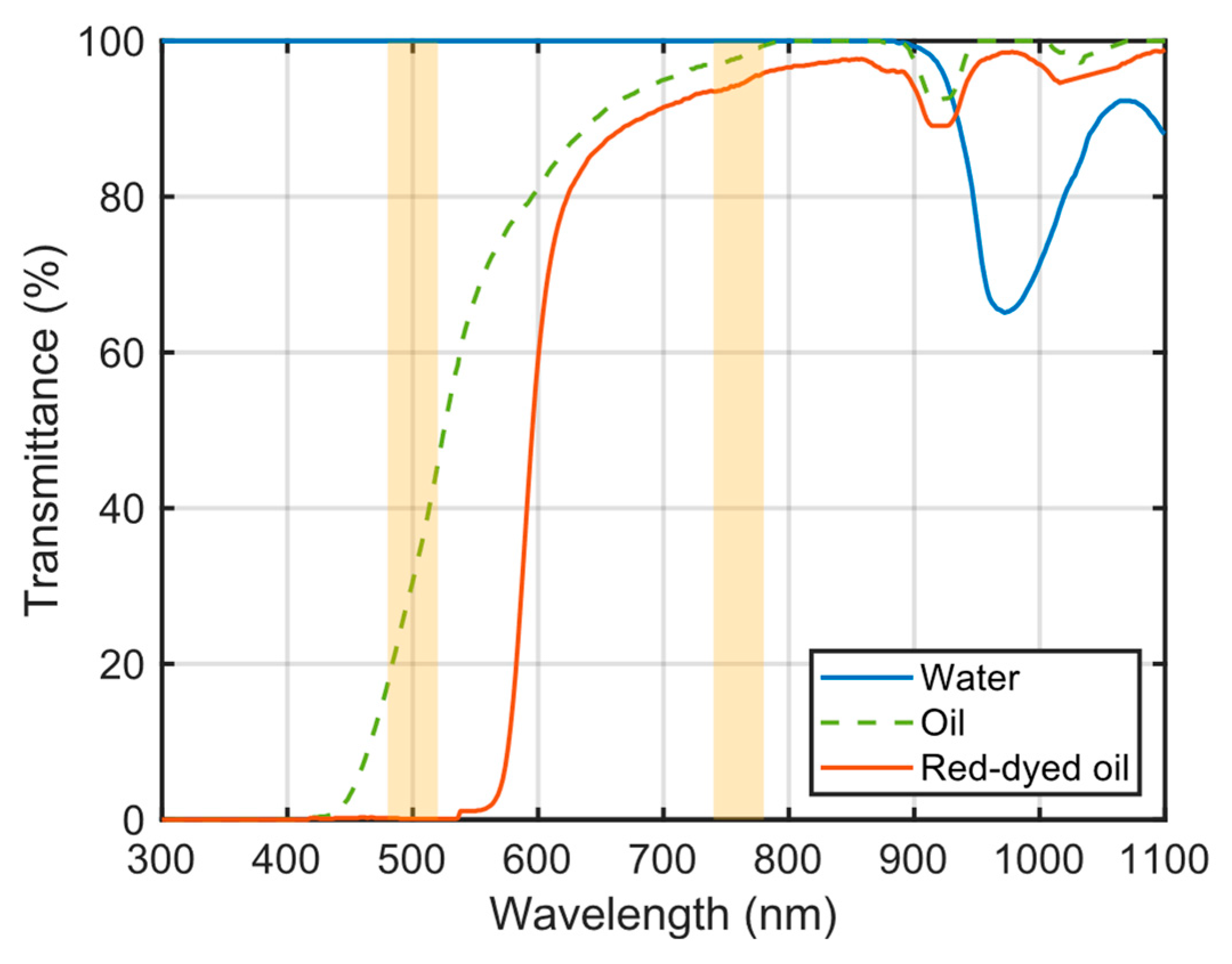
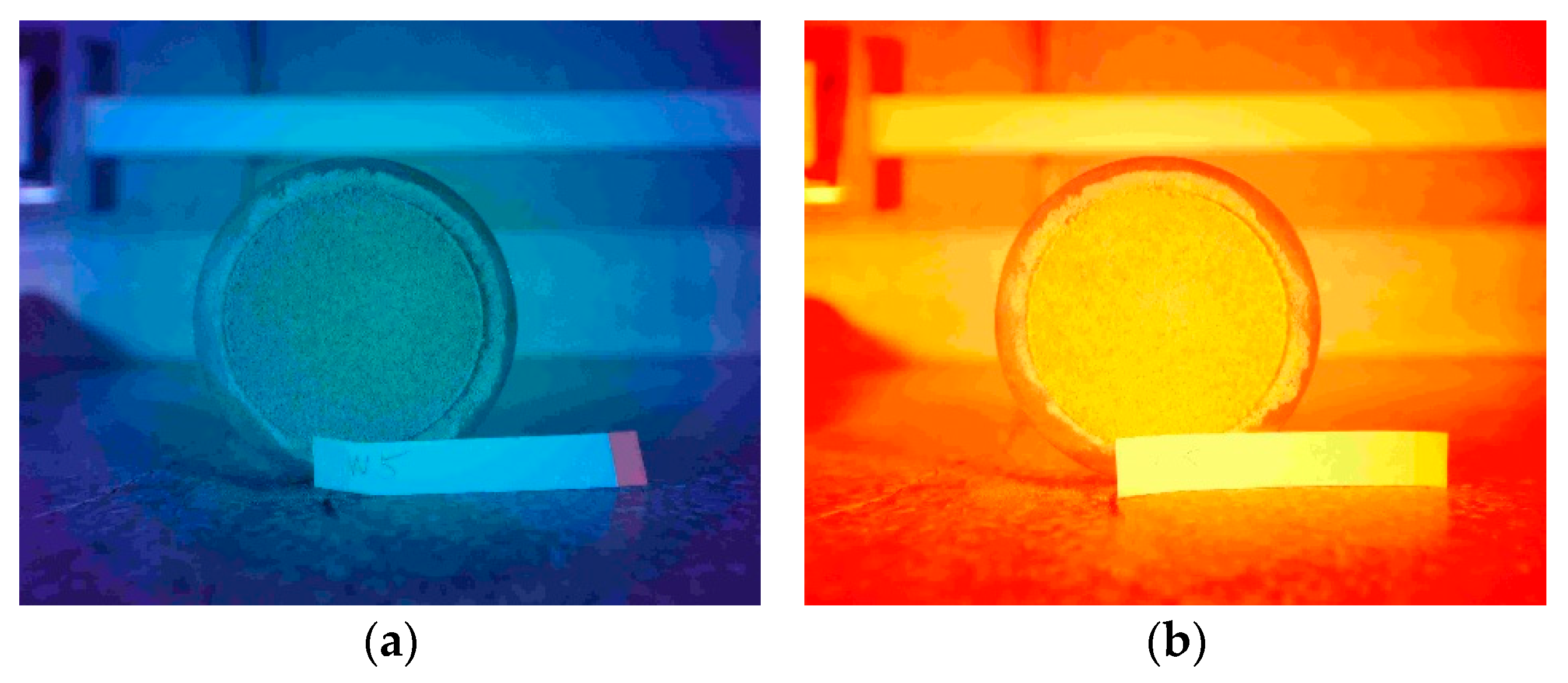
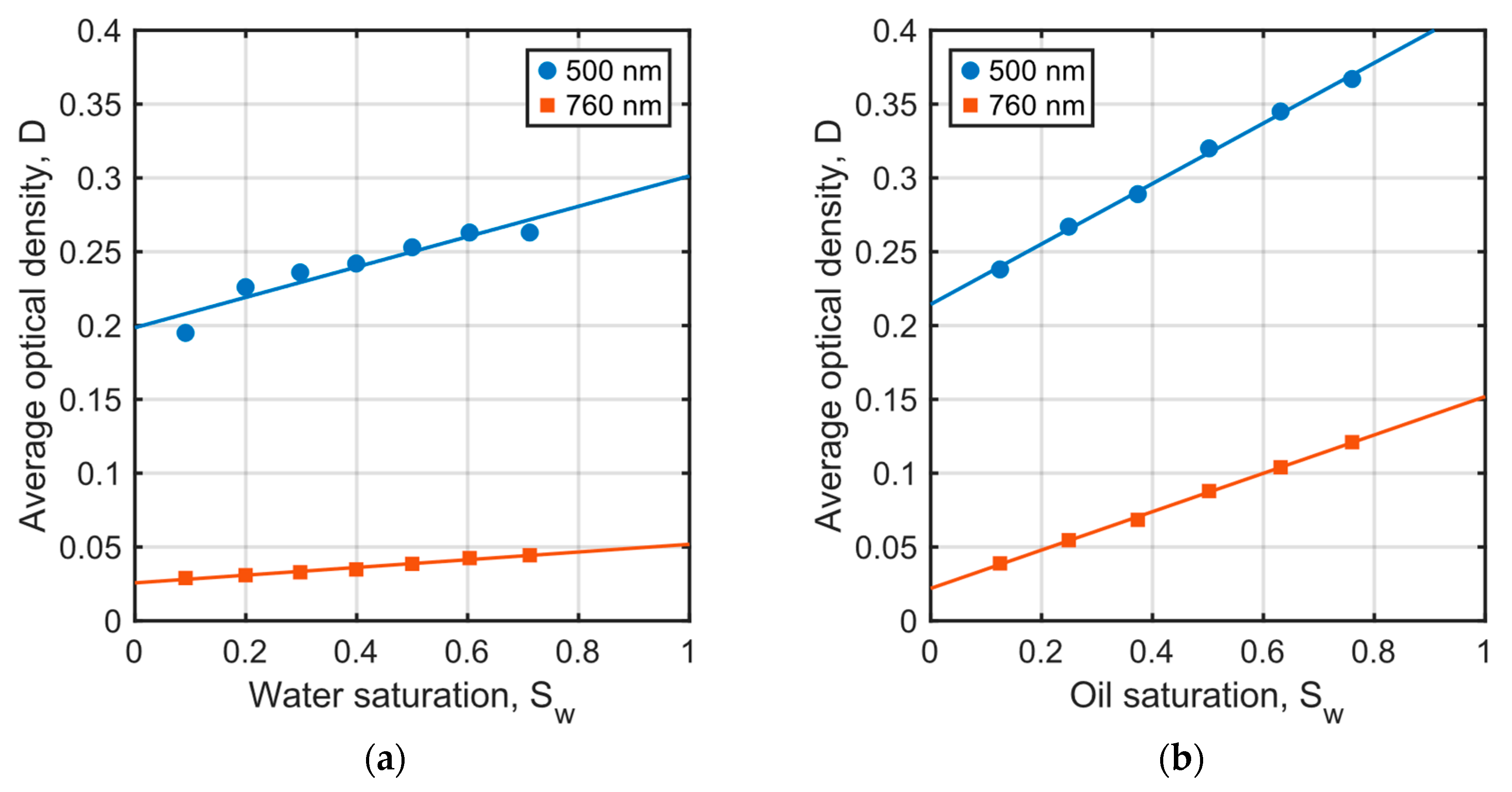
As shown in
Figure 11, moisture content or oil content exhibits a linear relationship with luminance density in digital images. The slope of the linear form is summarized in
Table 5. Here,
: index representing water (=w) or oil (=o) and
: index representing wavelength 500 nm (=500) or 760 nm (=760). Compared to colorless water, colored oil exhibits a larger calibration coefficient, indicating higher analytical sensitivity for oil saturation.
4.2. Results of Oil Injection Process
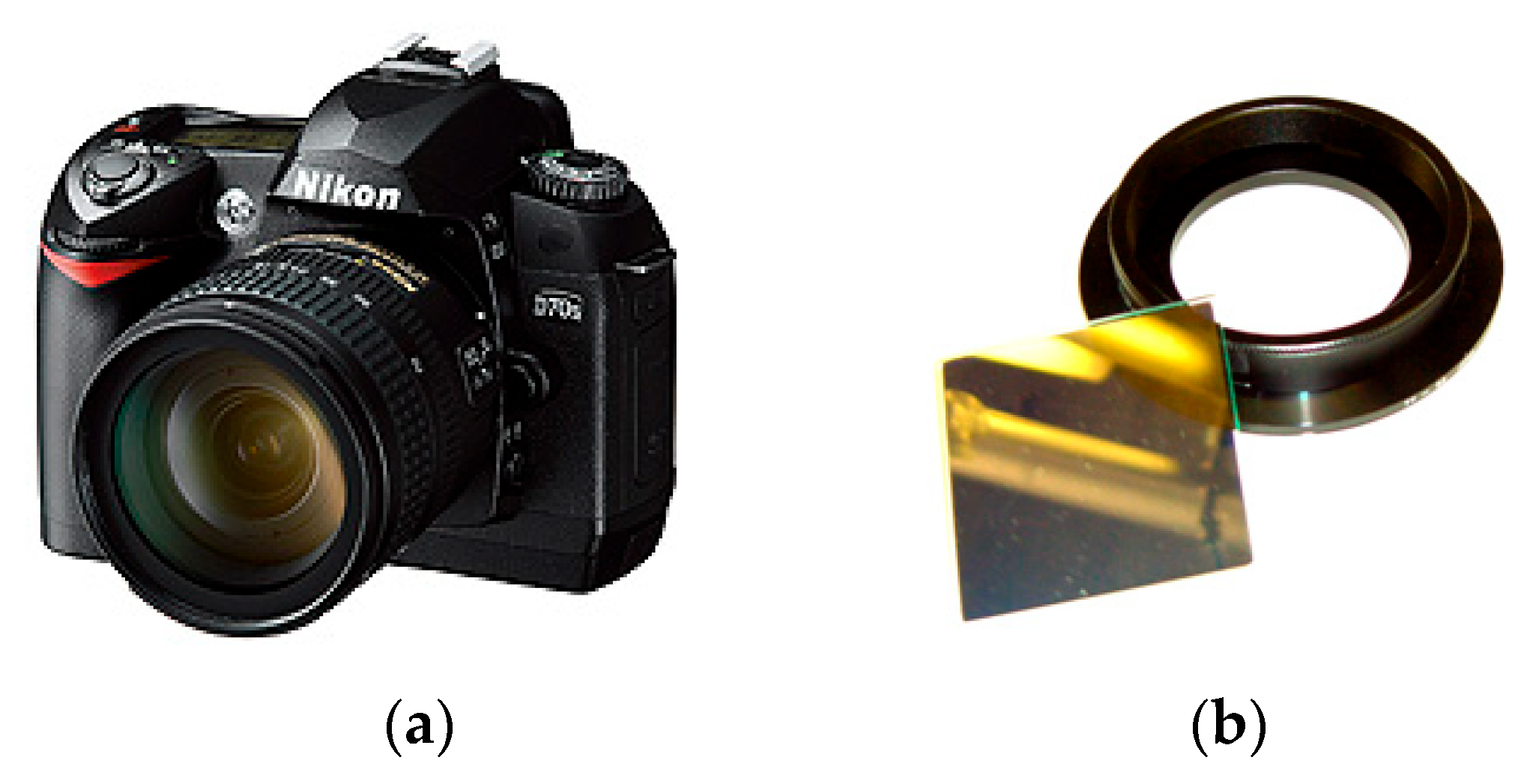
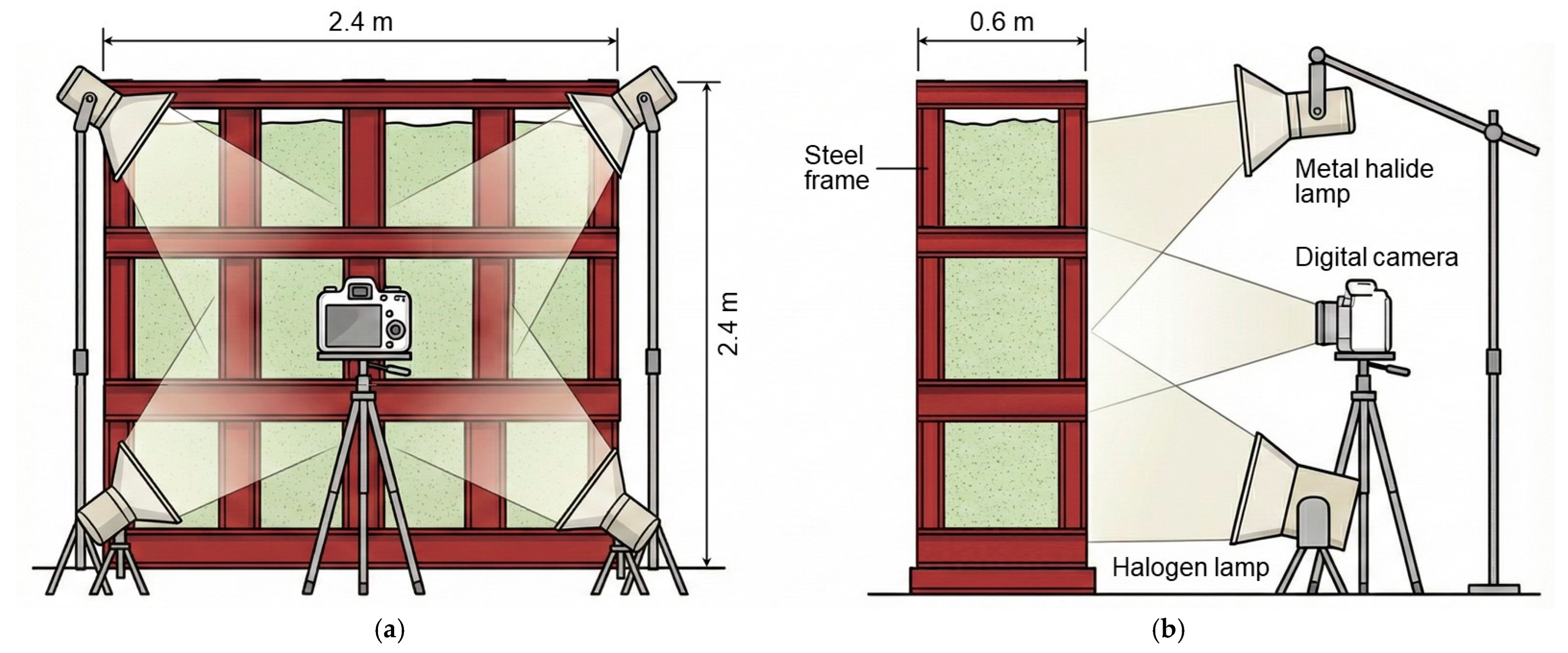
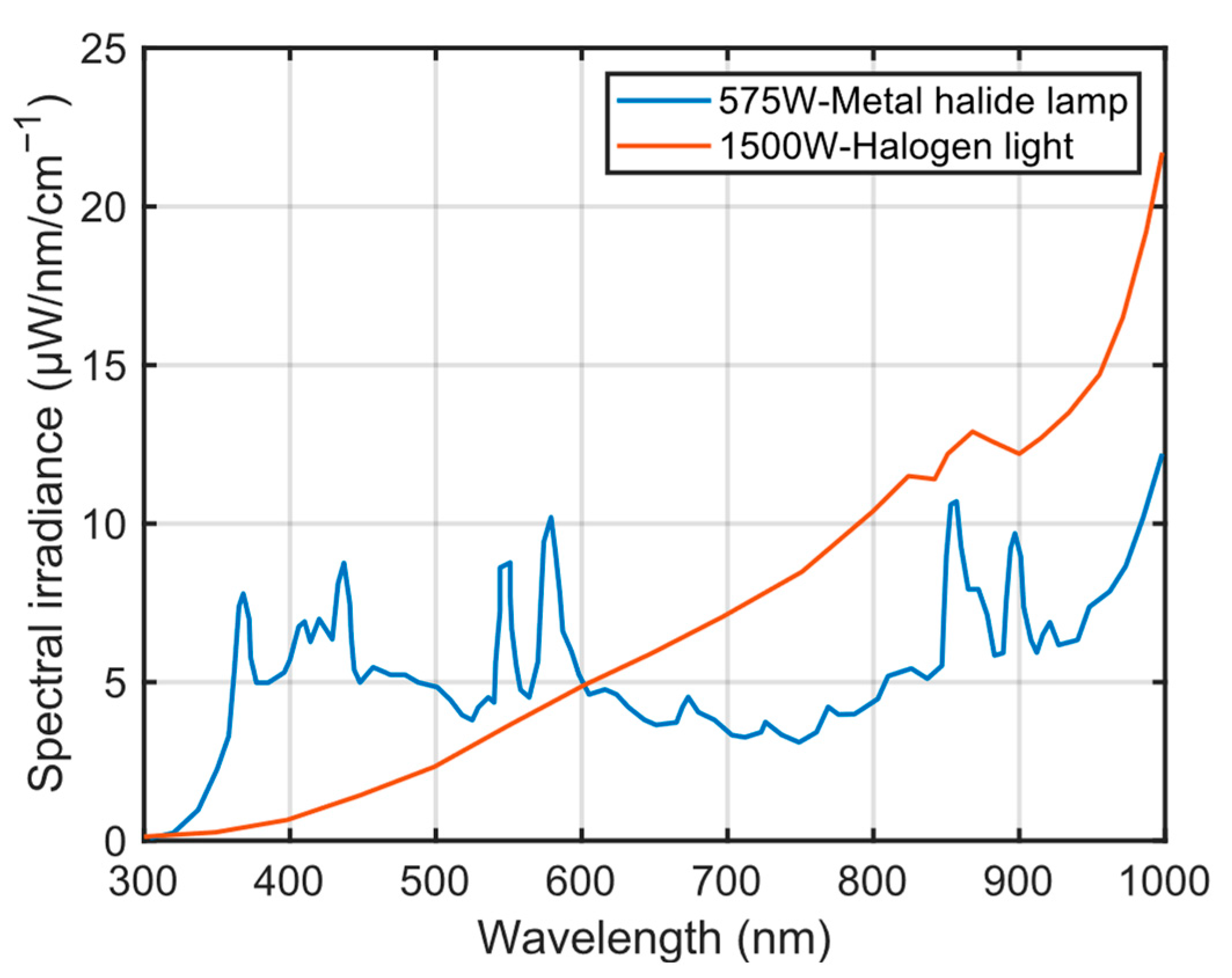
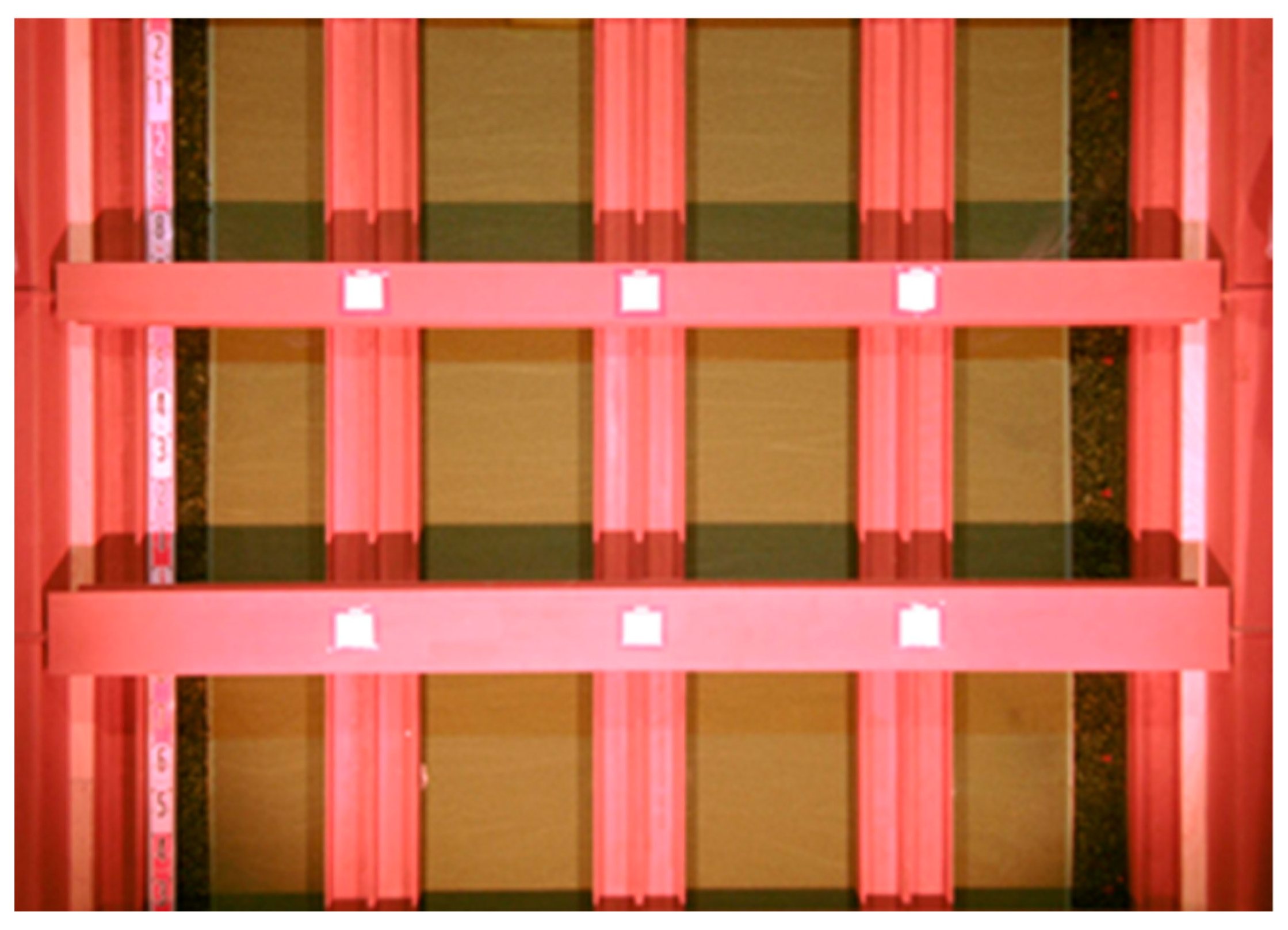
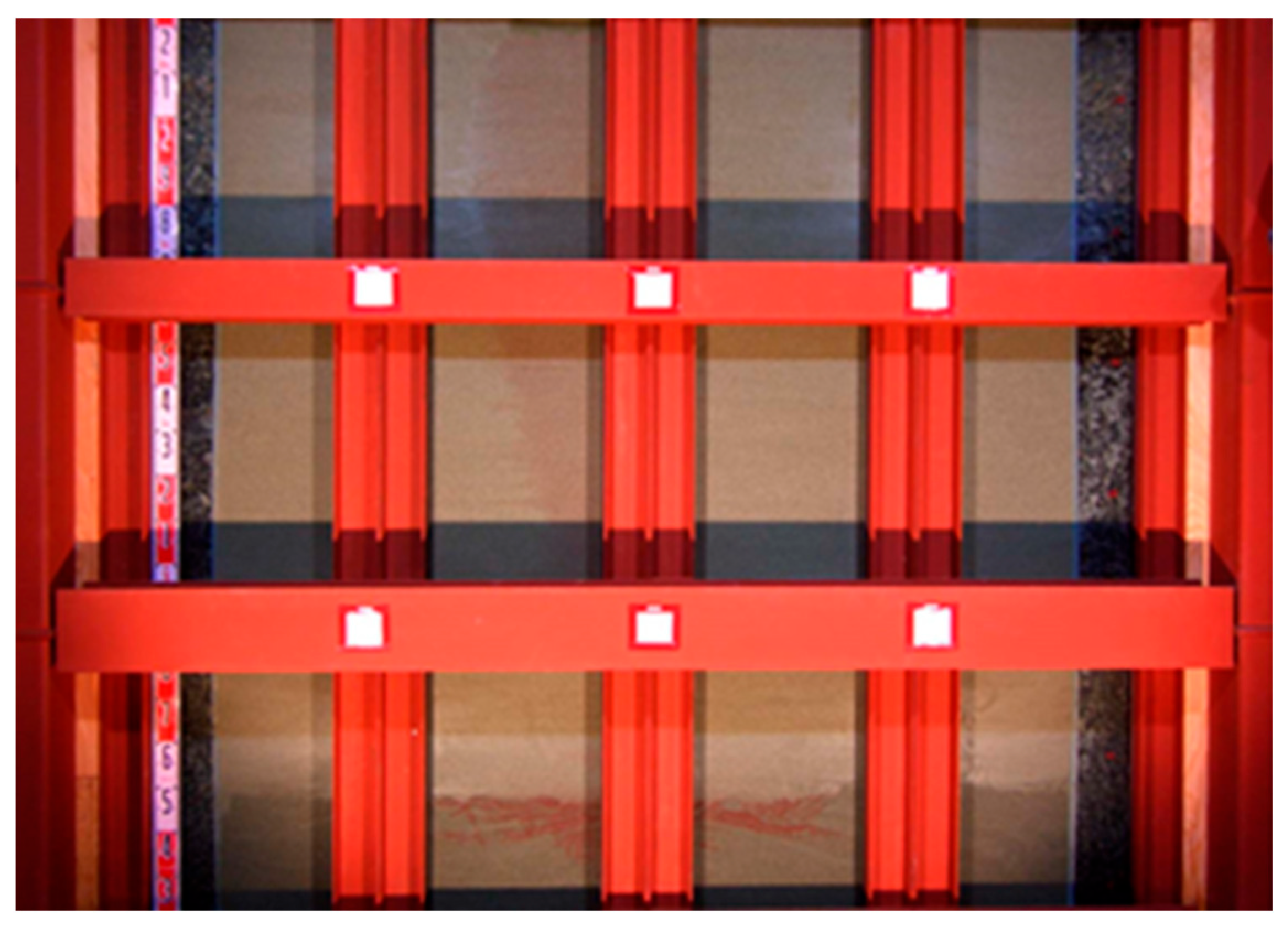
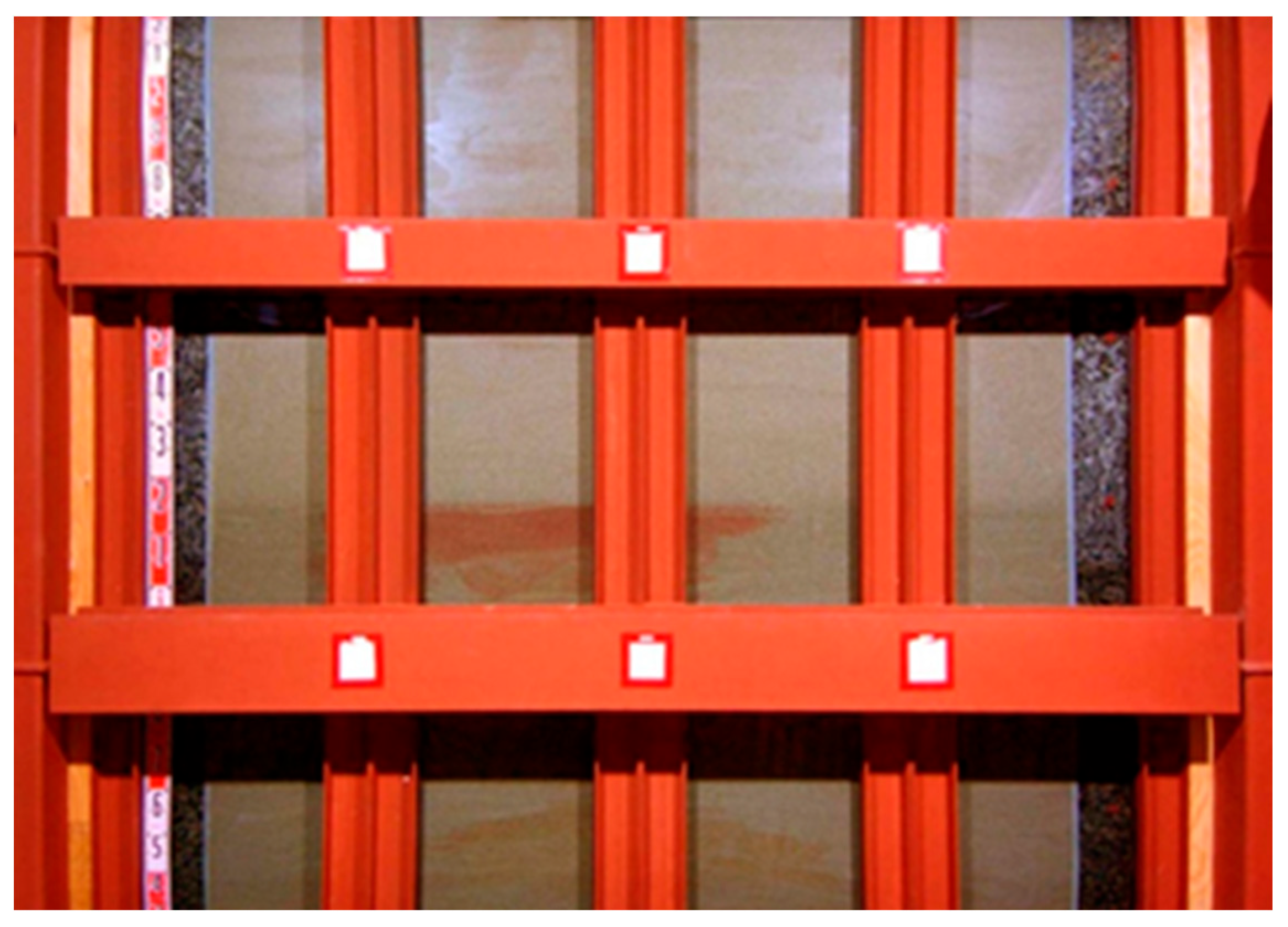
The results of visualizing the behavior of oil permeation by photographing the soil tank with a digital camera equipped with a bandpass filter are shown in the left-hand column of
Table 6. For the soil tank, the color map only represents areas where oil saturation distribution could be calculated via image analysis. The two horizontal and three vertical lines visible on the color map correspond to the steel frames installed at the front of the tank. These masked regions interrupt the continuous visualization locally, but they do not affect the overall interpretation of plume geometry or migration trends because the main plume axis and saturation gradients are fully captured within the observable area. Initially, oil infiltrating the soil spreads radially from the injection point as soon as injection begins. However, once the oil supply to the soil ceases, the plume tip accumulates high concentrations of oil. Over time, this plume tip progresses deeper into the soil, gradually decreasing in concentration (see Elapsed time = 0.25 or 1 h). This demonstrates oil’s characteristic of migrating while leaving small residual amounts within the soil voids of the permeable pathway. When the leading edge of the plume reached the highly saturated zone near the groundwater table, the concentration at the leading edge increased, and oil began accumulating on the surface of the groundwater (see Elapsed time = 12 h). This finding is thought to be due to oil remaining in the unsaturated zone that infiltrates vertically with a time delay. Subsequently, as oil accumulated above the groundwater table, the plume expanded horizontally. Ultimately, most of the injected oil was found floating above the groundwater table, though a small amount remained within the infiltration path (see Elapsed time = 24 h).
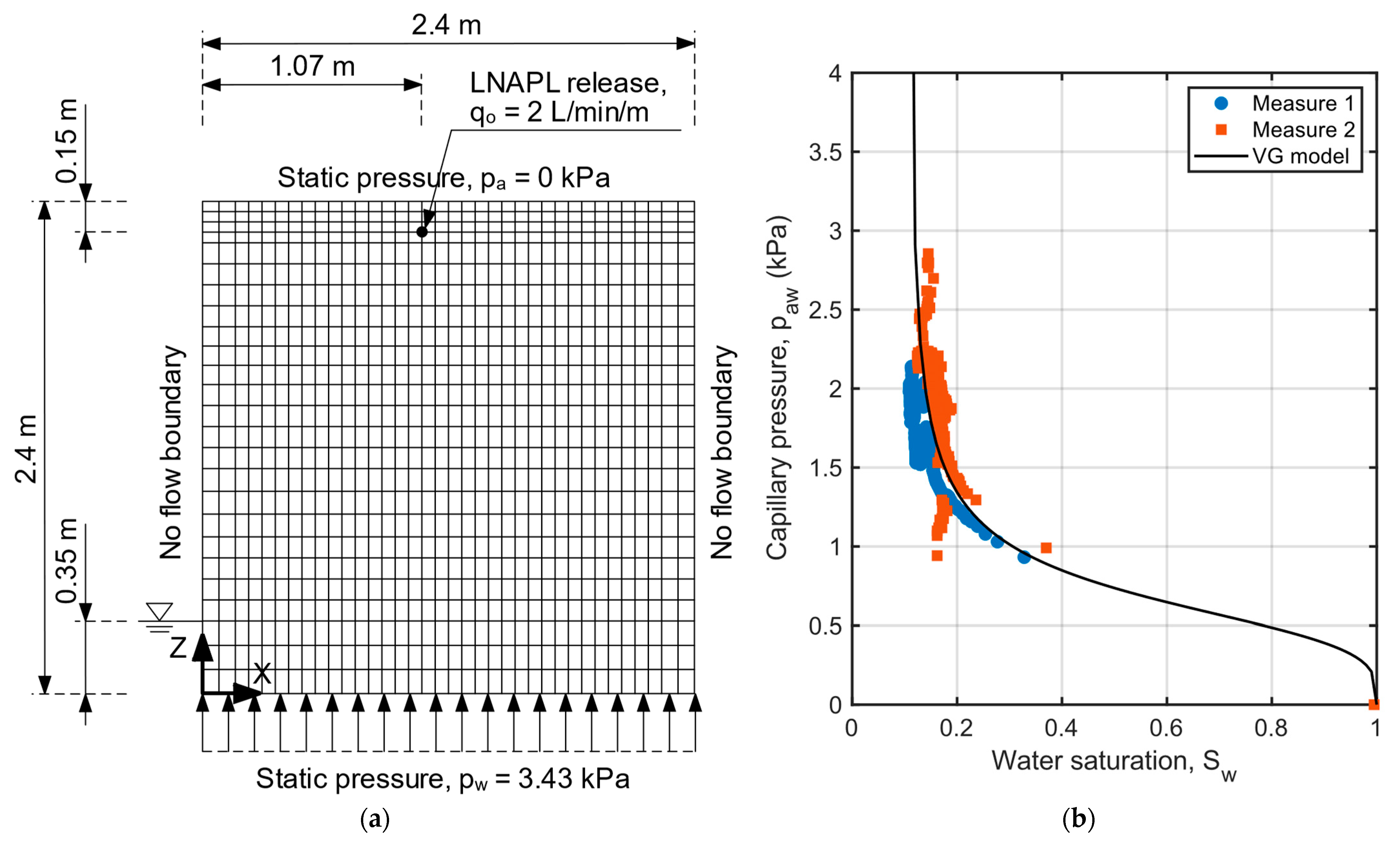
The results of the numerical analysis are shown in the right-hand column of
Table 6. The temporal evolution of oil saturation within the soil column is depicted through comparison of the analysis results with the image analysis results or photographs. The contrast in the figure represents oil saturation, indicating the volume fraction of oil present in the soil pores. The analysis results show that, by the end of the oil contamination process, the oil reached the groundwater table and accumulated above it. However, in the simulation, the oil did not reach the groundwater table. Although the volume of oil injected into the analysis space was confirmed to be the same as in the experiment, significant differences appeared in the penetration velocity of the oil in the depth direction. Our experimental results (Elapsed time = 1–24 h) show that the wetted surface of the oil injected into the unsaturated zone possessed a sharp shape in the depth direction. In contrast, the analysis showed a broad shape, as shown in the numerical analysis results (Elapsed time = 1–24 h). The experimental results suggest that, within the soil tank, oil expansion was minimal perpendicular to the depth direction, with behavior dominated solely by the depth direction. However, the analysis showed significant expansion perpendicular to the depth direction. It is thought that the oil volume that should have infiltrated diffused laterally instead, delaying oil infiltration in the depth direction.
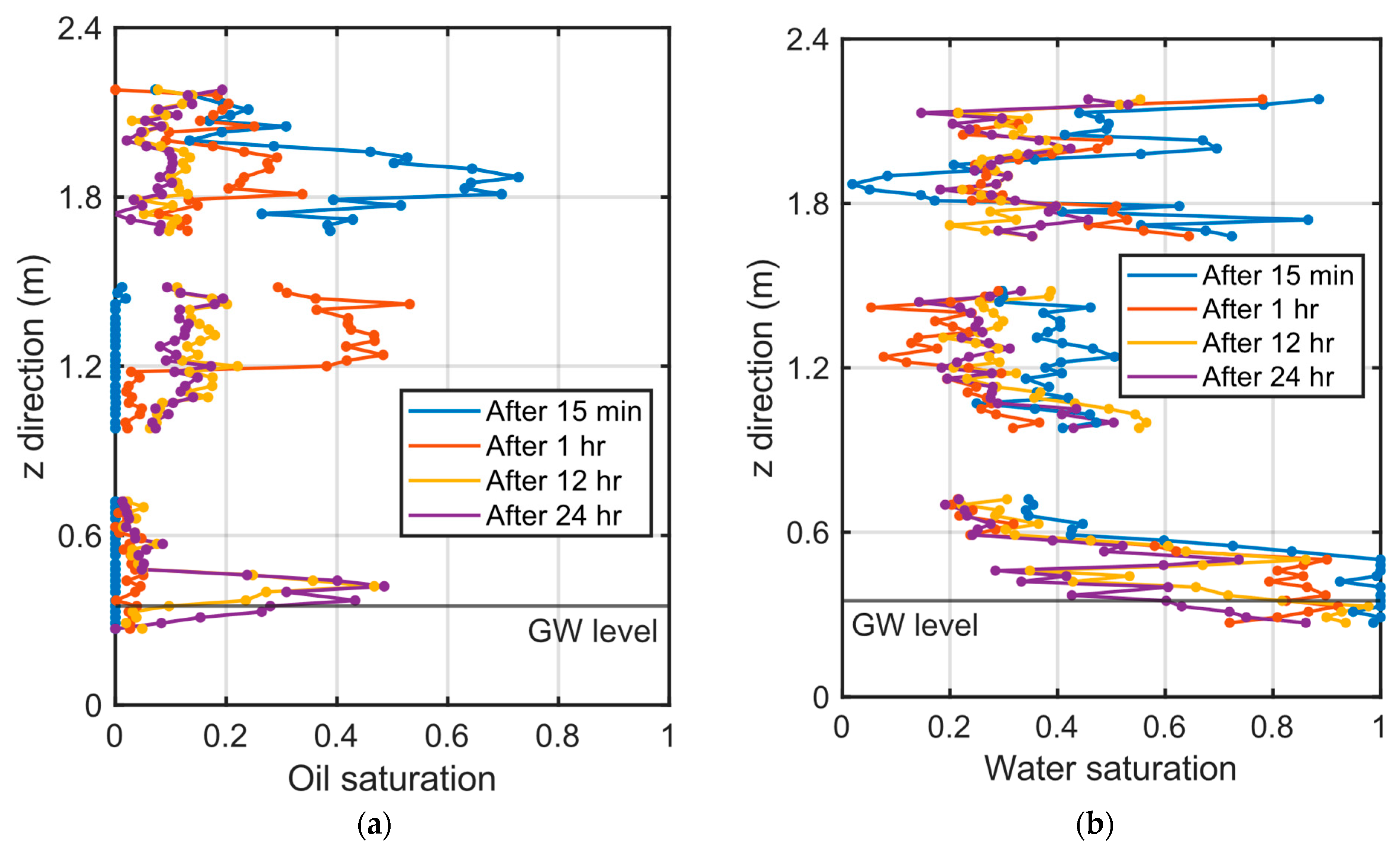
The oil saturation distribution in the depth direction from the oil injection point, derived from the image results, is shown in
Figure 12a. The white plot represents the distribution after 1 h, the hatched plot represents the distribution after twelve hours, and the black plot represents the distribution after 24 h. Note that oil saturation data at 0.9 and 1.6 m are missing because image analysis could not be applied due to the influence of the steel frame installed in front of the soil tank. One hour after oil injection, the oil had penetrated approximately 1.2 m in the depth direction, with higher oil saturation toward the leading edge of the plume. Oil saturation at the plume tip is estimated to be 40–50%. Subsequently, the oil continued to permeate the soil over time. Twelve hours after injection, oil began accumulating in the capillary zone above the groundwater table. The oil saturation of the accumulated oil layer above the groundwater table was approximately 50%, with a thickness of roughly 20 cm. Furthermore, after 24 h, the volume of oil above the groundwater table had increased significantly, and the influence of the oil extended to the position adjacent to the groundwater table. Along the oil migration path, residual oil saturation of roughly 10% was observed.
Figure 12b shows the water saturation distribution organized by depth before and after oil injection, which can be interpreted as the difference in water saturation between clean soil and oil-contaminated soil. Before oil injection, the silica sand #5 soil contained a capillary zone approximately 20 cm thick above the groundwater table with nearly 100% water saturation. After heavy oil permeated the soil, however, and sufficient time elapsed for the oil to accumulate above the groundwater table, the water saturation in the capillary zone decreased significantly. In one region, the water saturation dropped from nearly 100% to around 30%, which is believed to be due to the expulsion of water from the voids of the capillary zone as the oil accumulated above the groundwater table. It is recognized that the water saturation distribution near the groundwater table differs between clean and oil-contaminated soil.
4.3. Results of the Oil Groundwater Rise Process
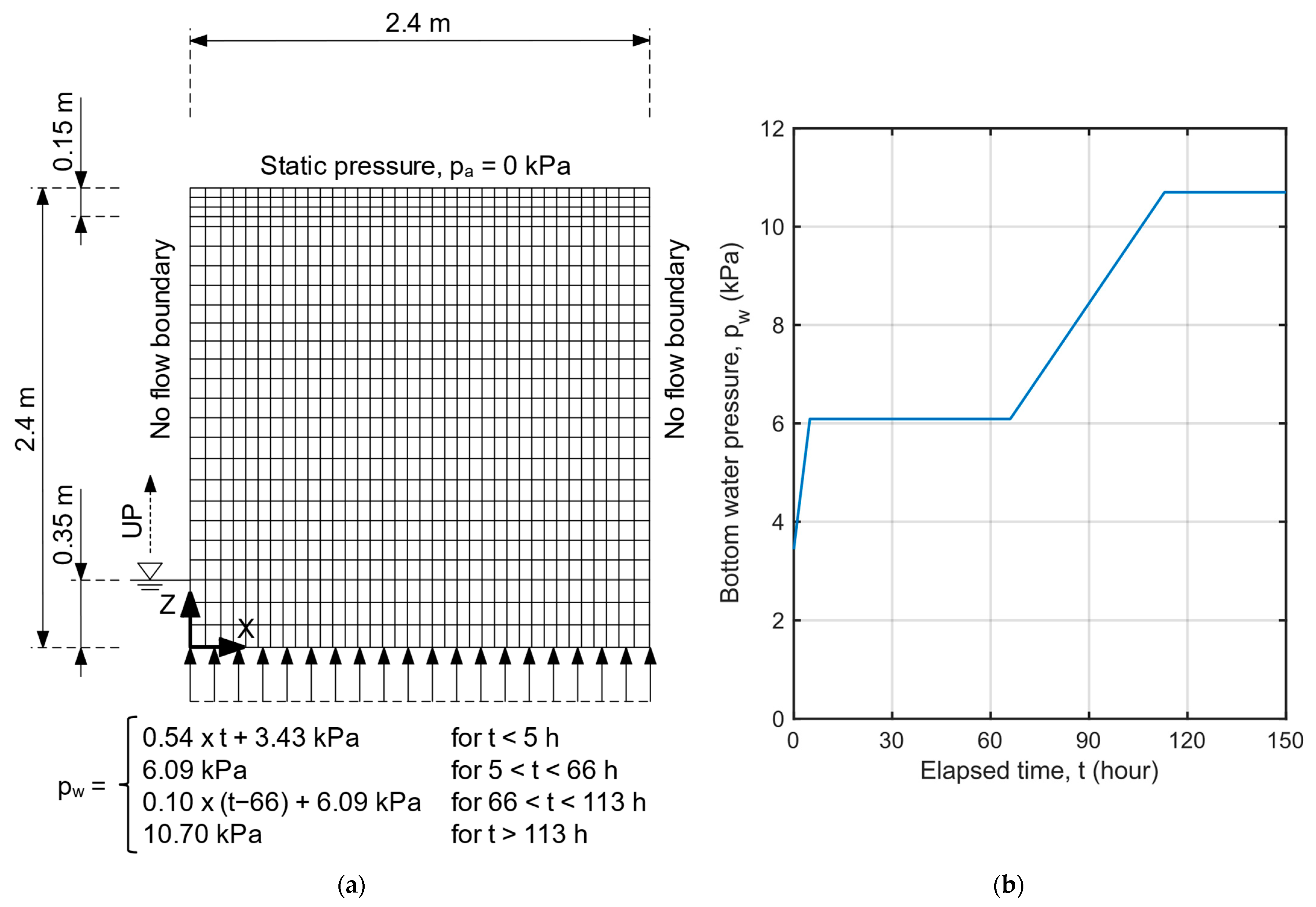
The oil saturation distribution 13 h after the start of the groundwater level rise (eight hours after raising the level to GL-1.78 m) is shown in the left-hand column of
Table 7, using the oil contamination distribution at the end of the injection process as the initial condition. The groundwater level increased at a constant rate of 5.5 cm/h from GL-2.05 m to GL-1.78 m, and it is evident that some oil remains below the groundwater table even after it is raised. The residual saturation of liquid trapped in soil pores is generally considered to be around 20% saturation at most. In this experiment, however, the oil saturation below the groundwater table reached 60–70% in high-concentration areas, far exceeding typical residual saturation levels. This finding is attributed to the rapid rise in the groundwater table, with which the upward movement of oil could not keep pace. It should be noted that the high oil saturations (60–70%) observed below the water table following a rapid rise in groundwater represent a transient, non-equilibrium state rather than an equilibrium residual saturation state. With sufficient stabilization time, the buoyant oil will gradually redistribute upward. The remaining saturation will then converge toward the residual values reported in the literature.
Next, the groundwater level was raised at a constant rate of 1.0 cm/h from GL-1.78 m to GL-1.31 m. The oil saturation distribution 47 h after the groundwater level began to rise again, when it reached GL-1.31 m, is also shown in the left-hand column of
Table 7. When the groundwater level was raised slowly, oil with a saturation of approximately 10–20% remained below the groundwater level. The portion of high concentration (oil saturation of 60–70%) present below the groundwater level, when it was raised rapidly, disappeared. Rapidly raising the groundwater level can sometimes result in residual high-concentration oil below the water table. However, this state is temporary. Over time, the oil’s density causes it to rise above the groundwater level. Nevertheless, not all of the oil present below the groundwater level rises to the surface. Oil with a saturation level of approximately 10–20% becomes trapped within the soil pores. The final contamination distribution resulted in oil with a saturation level of 10–20% below the water table; in comparison, the high-concentration oil (with a saturation level of approximately 60%) floated in the capillary zone above the water table.
The results of simulations for rapid (0 <
< 66 h) and slow (66 <
< 133 h) rises in the groundwater level, using the distribution of oil saturation at the end of the oil injection process as the initial condition, are shown in the right-hand column of
Table 7. Image analysis results clearly show the distribution of remaining oil in the groundwater; however, the simulation results show almost no oil distribution therein. This simulation model appears to underestimate residual oil retention under groundwater level fluctuations compared to reality. Furthermore, the oil floating on the groundwater surface spreads more widely in the simulation than in the experiment, thus indicating that the simulation model has difficulty evaluating the steep oil contamination distribution observed in the experiments.
4.4. Considerations
Both the large-scale soil tank experiment and the numerical simulations were designed under quasi-two-dimensional conditions. The tank was 0.6 m deep, and impermeable boundaries were applied in the out-of-plane direction to suppress lateral spreading in the depth direction in both approaches. Thus, the focus of the comparison between the experiments and simulations is on vertical and in-plane horizontal redistribution under identical boundary constraints rather than on three-dimensional spreading effects.
Table 8 compares the sizes of the contaminated areas to determine if numerical analysis can accurately assess the extent of the oil contamination observed in the soil tank experiment. The contamination concentration distributions in
Table 6 and
Table 7 were converted to grayscale, and Image J (developed by National Institutes of Health) was used to calculate the number of pixels occupying the contaminated area. However, since the observable contaminated area in the soil tank experiment is limited to the portion not covered by steel frames, the contaminated area obtained from the numerical analysis was assumed to be covered by equivalent steel frames as well. Pixels occupying the positions of the steel frames were excluded from the evaluation. The results show that, during the oil infiltration process, numerical analysis estimated a larger oil contamination area than the soil tank experiment. Conversely, once the groundwater rise process began, the numerical analysis indicated limited oil contamination redistribution, whereas the soil tank experiment showed extensive redistribution.
Simulations of the oil injection and groundwater rise processes revealed that, in both cases, the calculated distribution of oil contamination tended to expand laterally more than the effects observed in reality. Two factors were identified as responsible for this lateral expansion of oil in the analysis. First, the capillary pressure of silica sand #5 was calculated to be higher than necessary. Fluid intrusion into soil pores requires a certain pressure threshold, known as the intrusion pressure. Typically, liquid does not infiltrate soil pores unless liquid pressure exceeding this threshold is exerted on them. In our analysis, however, the relationship between liquid volume and pressure within soil pores was expressed as a continuous function, similar to the VG model. Consequently, liquid could intrude into soil pores with relatively low liquid pressures. When the liquid pressure acting on the soil exceeds the threshold, or intrusion value, the relationship between liquid pressure and volume should be described using a moisture characteristic curve. Conversely, if the liquid pressure is below the intrusion value, the liquid volume within the pores should be treated as zero. Brooks and Corey’s formula [
36] can be used for this calculation; however, it presents disadvantages in that it complicates the process because the moisture characteristic curve cannot be described as a continuous function. At present, van Genuchten’s equation is predominantly used for multiphase flow problems.
The second issue concerns numerical methods for solving multiphase flow equations. As advection dominates in these problems, standard Eulerian methods (e.g., finite difference or finite element methods) tend to diverge. To suppress numerical divergence, the upwind method, which incorporates artificial diffusion, is typically employed. While this process improves convergence, it also broadens the sharp front surface of the fluid’s wetted boundary. The upwind method is used in general-purpose multiphase flow analysis codes, such as MOFAT [
37] and the NAPL simulator [
32]. However, the field is also increasing development toward multiphase flow analysis codes with superior adaptability. These codes use the Petrov–Galerkin method [
30] or the high-resolution shock-capturing conservative method [
38,
39,
40,
41] instead of the upwind method. The authors of future studies should incorporate threshold-based capillary models and high-resolution numerical schemes to enable sharp front tracking, which is essential for reliable prediction and risk-based decision-making in urban remediation planning.
Additionally, the present study focused on single-rise groundwater scenarios with contrasting rates and did not address the repeated rise-fall cycles typical of urban subsurface environments. Previous column-scale studies have suggested that cyclic groundwater fluctuations can enhance residual light non-aqueous phase liquid (LNAPL) trapping over time. However, verification of such cumulative effects at the present experimental scale remains a topic for future investigation. Therefore, further large-scale experiments and numerical studies that incorporate cyclic and multi-rate groundwater fluctuations are required to assess the long-term persistence and evolution of trapped LNAPL.
This study focuses on a single representative LNAPL (A-grade heavy oil) and does not aim to investigate oil-specific properties parametrically. The primary objective is to elucidate the redistribution mechanisms of LNAPL under dynamic groundwater fluctuations and evaluate the limitations of conventional multiphase flow models in reproducing sharp saturation fronts rather than quantifying sensitivity to fluid properties. LNAPLs encompass various substances, including benzene, toluene, ethylbenzene, and xylene; however, their densities, viscosities, and interfacial tensions typically fall within a relatively narrow range compared to the dominant contrasts between the LNAPL, water, and air phases. Therefore, the qualitative mechanisms governing vertical trapping, smear zone formation, and residual saturation under fluctuating groundwater conditions are expected to be similar among common petroleum-derived LNAPLs. While quantitative differences may arise for specific oil types, this study’s findings are considered to capture fundamental, transferable processes relevant to a wide range of LNAPL-contaminated sites.
4.5. Implications for Site Remediation
The implications discussed below should be interpreted in light of the experimental scope of this study, which focused on single-event groundwater rises rather than long-term cyclic groundwater fluctuations.
The experimental and numerical findings of this study have several important implications for the remediation of urban sites contaminated by light non-aqueous phase liquids (LNAPLs). First, the results show that characterizing a site based on static groundwater conditions can substantially underestimate the extent of residual contamination. Experiments showed that fluctuations in the groundwater table lead to the formation of a persistent smear zone in which 10–20% LNAPL saturation remains trapped below the current groundwater level. This residual contamination is not transient and cannot be recovered by conventional free-product removal techniques. Therefore, remediation strategies that rely solely on current groundwater levels and apparent free-phase thickness in monitoring wells may fail to identify significant secondary contamination sources.
Second, the difference observed between rapid and slow rises in the groundwater level highlights the importance of groundwater dynamics in remediation planning. A rapid rise in the groundwater level temporarily traps high-saturation LNAPL (60–70%) below the water table; subsequent slow rises reduce this level to residual amounts. In urban areas, such rapid fluctuations can occur during heavy rainfall, flooding, or changes in subsurface drainage systems. These findings suggest that remediation designs should explicitly consider historical and potential future groundwater fluctuations instead of relying on snapshot observations.
Third, the persistence of residual LNAPL below fluctuating groundwater tables has direct implications for remediation method selection. Pump-and-treat systems and free-product recovery wells may be ineffective at removing this trapped oil, even when monitoring wells indicate minimal or no free product. In such cases, remediation approaches that focus on reducing mass flux, monitored natural attenuation, or in situ treatment technologies may be more appropriate than aggressive, recovery-based methods.
Furthermore, the results emphasize the need for improved monitoring network design in urban areas, where access constraints often limit the number and placement of boreholes. Monitoring wells should be designed with screen intervals that account for historical groundwater level ranges rather than the present water table alone.
Finally, discrepancies between experimental observations and numerical simulations suggest that commonly used multiphase flow models may underestimate residual LNAPL retention under fluctuating groundwater conditions. This has important implications for risk-based remediation planning because numerical models are often used to inform decisions and obtain regulatory approval. Therefore, incorporating threshold-based capillary models and high-resolution numerical schemes is essential for improving the reliability of remediation design and long-term environmental risk assessment in urban subsurface environments.
4.6. Limitations and Future Work
This study has several limitations that should be acknowledged. First, the experimental results are derived from a single, large-scale, long-duration soil tank experiment that was not directly replicated. Due to the substantial size of the apparatus (2.4 m 2.4 m 0.6 m), the lengthy experimental period, and the large quantity of materials used, it was not feasible to conduct multiple experiments under identical conditions.
Consequently, statistical reproducibility in the conventional sense could not be evaluated. However, this study’s objective was not to provide statistically averaged results but rather to elucidate the dominant physical mechanisms governing LNAPL redistribution under dynamic groundwater fluctuations. This study aimed to do so at a scale closer to real subsurface conditions than typical laboratory column tests. Additionally, this study investigated the accuracy of general simulation models in large-scale tests.
The observed trends, such as enhanced residual trapping under rapid groundwater rise and persistent low-level residual saturation under slow fluctuations, are consistent with established multiphase flow theory and previous smaller-scale studies. However, the amount of LNAPL trapped in porous media cannot be accurately predicted using the NAPL simulator, which considers residual saturation and SP curve hysteresis. The predicted amount was much lower than the measured amount.
Future work should include systematic replication under varying soil properties, oil types, and groundwater fluctuation patterns, as well as ensemble-based numerical simulations calibrated against the present experimental dataset. This will help to further evaluate the generality and uncertainty of the results. Addressing these uncertainties through systematic large-scale experiments and ensemble numerical simulations is a critical direction for future research aimed at supporting robust risk-based remediation frameworks.
5. Conclusions
In this study, we conducted oil permeation experiments using soil tanks that simulated actual ground conditions. We observed the oil permeation mechanism and contamination distribution within the ground and discussed the effectiveness of numerical simulation technology in evaluating oil contamination distribution. The following findings were obtained:
When the leading edge of the plume contacts the highly saturated zone near the groundwater table, oil accumulates as if floating above the table. Water saturation in the capillary zone above the groundwater table decreased significantly with oil intrusion. When 30 L of oil was injected into a soil tank containing silica sand #5, the water saturation in the capillary zone penetrated by the oil was approximately 30%.
In soils with a history of groundwater level fluctuations, oil diffuses into zones where the water level has fluctuated. When the current groundwater level is higher than past levels, approximately 10–20% of the oil remains as residual saturation below the current groundwater surface.
Furthermore, numerical simulations based on the soil tank experiments yielded the following findings:
Simulations of the oil injection and groundwater rise processes showed that the calculated oil contamination distribution tended to expand laterally more than was observed in reality. The analysis tends to represent the oil contamination zone as a low-concentration, wide-area distribution.
When subjected to groundwater level fluctuations, the oil contamination distribution in the experiment clearly showed the distribution of residual oil in the groundwater. In contrast, the analysis showed almost no oil distribution in the groundwater. This analysis model calculates the residual oil under groundwater level fluctuations to be less than the actual amount.
To simulate the sharp shape of the oil contamination distribution demonstrated in the experiment, it is necessary to use the Brooks and Corey equation as the moisture characteristic curve model and adopt a new calculation method instead of using artificial diffusion as the numerical analysis method.
The findings offer critical implications for urban environmental governance, including the rational placement of monitoring wells, improved uncertainty evaluation in remediation design, and prevention of long-term pollution spreading beneath densely developed infrastructure.
Future work should expand the current methodology to include layered and heterogeneous soils, which are commonly found in urban subsurface environments. Incorporating soil heterogeneity into large-scale experiments and comparing the results to numerical simulations is essential for evaluating preferential flow paths and localized accumulation above low-permeability layers. This is also necessary to account for uncertainty in risk-based remediation design.