Article

Assessing Safety and Compliance in Commercial LPG Systems: A Critical Diagnosis from the Ecuadorian Regulatory Framework


by
Diego Venegas-Vásconez
1,*,
Gloria Vanegas-Zabala
1,
Melany Peñafiel-Zúñiga
1,
William Pilataxi-Muñoz
1,
Andrés Gómez-Guerra
1,
María Soledad Miranda-Salazar
2,
César Ayabaca-Sarria
3,
Luis Tipanluisa-Sarchi
4 and
Cinthia Vasquez-Sandoval
5
1
Escuela de Hábitat, Infraestructura y Creatividad, Pontificia Universidad Católica del Ecuador Sede Ambato, Ambato 180103, Ecuador
2
Escuela de Idiomas, Pontificia Universidad Católica del Ecuador Sede Ambato, Ambato 180103, Ecuador
3
Departamento de Ingeniería Mecánica, Escuela Politécnica Nacional, Quito 170143, Ecuador
4
Facultad de Mecánica, Escuela Superior Politécnica de Chimborazo (ESPOCH), Riobamba 060155, Ecuador
5
Engineering Faculty, Bío-Bío University, Concepción 4051381, Chile
*
Author to whom correspondence should be addressed.
Urban Sci. 2026, 10(2), 114; https://doi.org/10.3390/urbansci10020114
Submission received: 22 December 2025 / Revised: 31 January 2026 / Accepted: 8 February 2026 / Published: 12 February 2026

Abstract

Liquefied petroleum gas (LPG) plays a central role in urban energy systems in Ecuador; however, its widespread use in commercial settings has been accompanied by recurrent safety deficiencies and regulatory non-compliance. This study presents a systematic assessment of safety conditions and regulatory compliance in commercial LPG installations in the city of Ambato, Ecuador, within the framework of national technical standards and international safety codes. An observational diagnostic approach was applied through in situ inspections of 380 commercial establishments, evaluating both technical aspects—such as container location, sizing, piping integrity, connection length, and equipment condition—and administrative requirements, including permits, preventive maintenance plans, and the use of subsidized LPG. The results reveal pervasive non-compliance across critical safety parameters, with particularly high deficiencies in container location, excessive connection lengths, lack of maintenance, absence of permits, and misuse of subsidized fuel. These findings indicate systemic weaknesses in regulatory enforcement and safety management, exacerbated by economic incentives associated with fuel subsidies. The study highlights significant implications for urban safety, public health, and fiscal sustainability and underscores the urgent need to strengthen inspection mechanisms, improve technical training, and implement risk-based regulatory strategies to ensure the safe and sustainable use of LPG in densely populated commercial environments.

1. Introduction

In September 2015, the United Nations adopted the Sustainable Development Goals (SDGs), among which Goal 11 aims to “make cities inclusive, safe, resilient, and sustainable” [1]. Safety is explicitly recognized as a fundamental component of urban well-being, particularly in spaces with high public concentration, such as restaurants and popular food courts.
Liquefied petroleum gas (LPG) is widely used as a fuel in residential, commercial, and industrial applications, including cooking equipment, boilers, ovens, and burners [2]. Globally, LPG represents a cleaner energy alternative for approximately 2.8 billion people who still rely on solid fuels such as wood and coal [3]. This fuel offers several technical advantages, including a high calorific value [4], low pollutant emissions [5], efficient combustion [6], ease of transport and storage, and operational safety when properly handled [7]. LPG is non-toxic to humans [8] and can meet multiple energy needs as a single fuel source [9]. These characteristics have positioned LPG as a primary energy source in developing and emerging countries, including Ecuador [10].
Over recent decades, fuel subsidy policies in Ecuador have played a central role in both the public economy and everyday urban and rural life [11]. The Ecuadorian government has allocated substantial financial resources to subsidizing fuels such as diesel and LPG. In the case of diesel, the subsidy was estimated at approximately USD 1.1 billion in 2024, representing a significant fiscal burden. This situation motivated the governmental decision to eliminate the subsidy and redirect resources toward social and productive programs [12]. The removal of the diesel subsidy resulted in an increase in the price per gallon from USD 1.80 to USD 2.80. This change generated immediate social and economic impacts, triggering protests and a broad public debate regarding compensation mechanisms for the most vulnerable sectors [13]. This experience highlights a key lesson for energy policy reforms: changes in fuel subsidies must be accompanied by targeting and compensation measures to avoid adverse distributive effects [14].
In the case of LPG, its primary use in Ecuador has been domestic cooking. Since 1996, a subsidized residential tariff of USD 0.1066/kg has been in place [15], and by 2014, it was estimated that approximately 90% of Ecuadorian households relied on LPG as their main cooking fuel [16,17]. In contrast, LPG prices for the commercial and industrial sectors are revised monthly by the national government. For the October–November 2025 period, the tariff was set at USD 0.829096/kg [18].
Given that this tariff is costly for commercial and industrial users [19], unsafe handling practices have become increasingly common, leading to frequent accidents [20]. Risks associated with LPG storage tanks have been widely documented, particularly when regulatory gaps or negligence allow close proximity to ignition sources. Under such conditions, tanks may overheat, internal pressure may increase, and vessel failure may occur, potentially resulting in BLEVE events [21] and fireballs [22]. Additional risks are associated with LPG pipelines and fittings, where poor material selection, improper operation, and inadequate maintenance can cause leaks and fires with severe consequences [23].
In Ecuador, unsafe practices have been reported in both LPG containers [20] and pipeline systems [24]. Explosions and accidents associated with LPG installations have been documented in residential [25], commercial [26], and industrial settings [27]. These unsafe practices persist in food-related commercial establishments, despite the existence of national housing habitability and construction guidelines established in the Ecuadorian Building Code [28]. For LPG system installations, Technical Standard INEN 2260-2010 [29], based on the internationally recognized NFPA 58 standard [30], remains in force. The national government has designated local fire departments as the competent authority responsible for the inspection and approval of LPG systems.
Ambato is the fifth most populated city in Ecuador, where economic activities are mainly centered on commerce and tourism. In recent years, the growth of small businesses—particularly food-related establishments—has been especially significant [31]. This expansion has led to a widespread use of liquefied petroleum gas (LPG) systems, whose compliance with safety regulations is mandatory under the Ecuadorian regulatory framework. Despite the existence of clear technical and safety regulations, no systematic reports are currently available regarding the actual safety conditions and regulatory compliance of LPG systems used in commercial establishments in Ambato. This gap raises a critical question from the perspective of regulatory effectiveness and urban risk governance: Are commercial LPG installations in Ambato strictly compliant with mandatory safety regulations, or do recurrent non-compliances persist that may pose significant risks to users and buildings?
Therefore, the objective of this study is to critically assess the level of safety and regulatory compliance of commercial LPG installations in Ambato, Ecuador. By identifying the most recurrent non-conformities, this research goes beyond merely documenting compliance gaps and contributes to evaluating the effectiveness of current inspection and enforcement practices. Moreover, the findings are intended to support corrective actions implemented jointly with the Competent Authority, aiming to reduce the likelihood of LPG-related accidents and to strengthen preventive risk management in commercial buildings.

2. Materials and Methods

An observational research approach was employed to collect data from 380 LPG users in the commercial sector of Ambato city, Ecuador (restaurants and small fast-food businesses). Ambato is the fifth most populated city in the country, with approximately 329,856 inhabitants [32]. Ambato is characterized by a strong presence of commercial activities, manufacturing (notably textile and leather industries), agriculture, and tourism, making it a representative urban environment for assessing safety and regulatory compliance in commercial LPG systems.
A zonal coverage sampling strategy was adopted [33]. The city was divided into zones with the highest concentration of commercial establishments using LPG, including Ficoa, Víctor Hugo Street, the university sector, and the downtown area. Within these zones, the objective was to inspect all accessible commercial LPG installations. Consequently, the analyzed sample of 380 establishments constitutes a quasi-census of commercial LPG systems in the most representative commercial areas of the city, ensuring broad coverage and enhancing the robustness of the diagnostic assessment. Prior to the inspections, the owners or responsible personnel of each commercial establishment were informed about the objectives of the study. A confidentiality agreement was presented, clarifying that the data collected would be treated anonymously and used solely for research purposes. The results were not intended to support regulatory enforcement actions or service suspension by authorities, but rather to provide a diagnostic assessment to support scientific analysis and policy discussion.
During the inspections, no components or parts of the systems were manipulated. Through a qualitative analysis [34], COMPLIANCE criteria were established in relation to the guidelines of the current Ecuadorian Technical Standard [29] for the following aspects:
  • Location of LPG containers, including safety distances from third parties and surrounding elements that could intensify a fire event.
  • Sizing LPG storage tanks.
  • Problems with location, connections, and lack of maintenance in pipes and fittings for LPG.
  • Length of connection hose from cylinder.
  • Poor location and lack of maintenance of LPG-consuming equipment.
Regarding general aspects of the systems, including administrative aspects related to the necessary permits from the competent authority, the following aspects were evaluated:
  • Use of subsidized fuel in commercial applications.
  • Permits are issued by the competent authority.
  • Lack of preventive maintenance plans required for system recertification by the competent authority.
The study followed a quantitative diagnostic approach based on field inspections and documentary analysis. Each installation was assessed using a standardized checklist derived from Ecuadorian technical standards [29] and international safety protocols (NFPA 58) [30]. The potential sources of error include human bias during inspection, incomplete technical documentation, and variations in the interpretation of regulatory clauses. To minimize these, all inspections were conducted by certified professionals.

3. Results

3.1. Access for Inspection

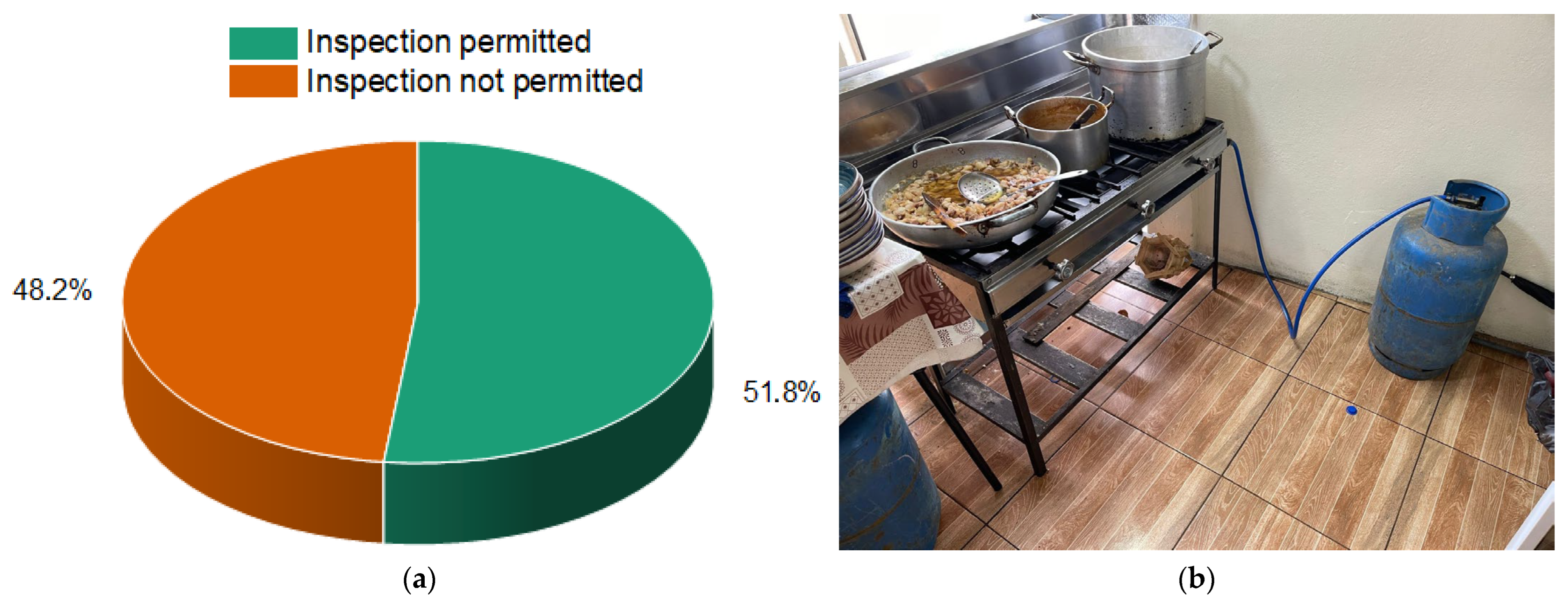
Of the 380 establishments where inspections were requested, only 51.8% (197) granted us access (Figure 1a), indicating a critical level of non-compliance. These establishments were found to be using LPG in 15 kg cylinders, which are intended for residential use (Figure 1b). This limited access rate (51.8%) represents a relevant source of potential selection bias. A substantial proportion of the establishments that denied entry operate informally or lack valid operating permits, which suggests that their LPG installations may present higher levels of non-compliance and safety deficiencies. Consequently, the inspection results presented in this study should be interpreted as a conservative estimate of the actual safety and regulatory compliance conditions of commercial LPG systems in the urban area. It is reasonable to infer that the overall level of risk may be underestimated and that the uninspected establishments could be in a more critical safety condition than those included in the analysis.

3.2. Inspection Results

3.2.1. Regulatory Aspects

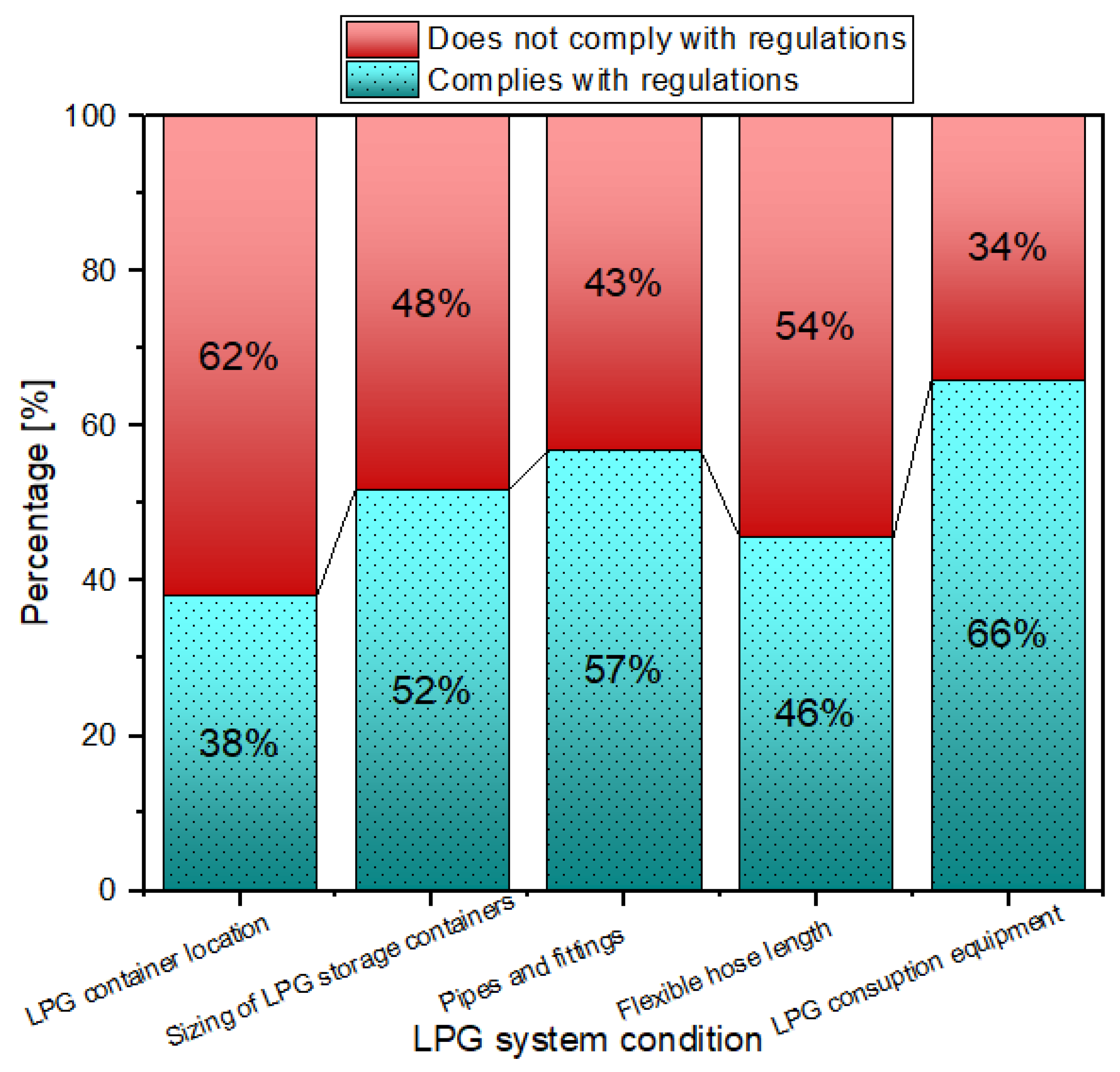
Figure 2 presents the results of regulatory compliance for commercial LPG systems in Ambato. The findings indicate generally low levels of compliance across several evaluated safety conditions in commercial LPG installations. Following the numerical description of each identified non-compliance, a detailed characterization of the observed conditions is provided.
The location of LPG containers shows the highest non-compliance rate, reaching 62%. This result indicates frequent deviations from regulatory requirements related to placement conditions, including aspects such as ventilation and minimum safety distances.
Regarding the sizing of LPG containers, a compliance level of 52% is observed, reflecting moderate adherence to regulatory criteria. This suggests that a substantial proportion of installations do not fully meet the prescribed sizing requirements.
For pipes and fittings, 57% of the evaluated installations comply with the applicable regulations. This indicates a comparatively higher level of conformity for this condition, although a significant share of installations remains non-compliant.
The length of the connection between LPG containers and consumption equipment exhibits a non-compliance rate of 54%, revealing frequent departures from the maximum lengths established by regulation.
LPG-consuming equipment presents the highest compliance rate among the evaluated conditions, with 66% of installations meeting regulatory requirements. Nevertheless, 34% of the assessed equipment does not comply with the applicable standards.
Overall, the results show that non-compliance is present across all evaluated conditions, with varying degrees depending on the specific component of the LPG system.
Regarding regulatory aspects related to LPG system components, the following can be mentioned:
  • Location of LPG containers:
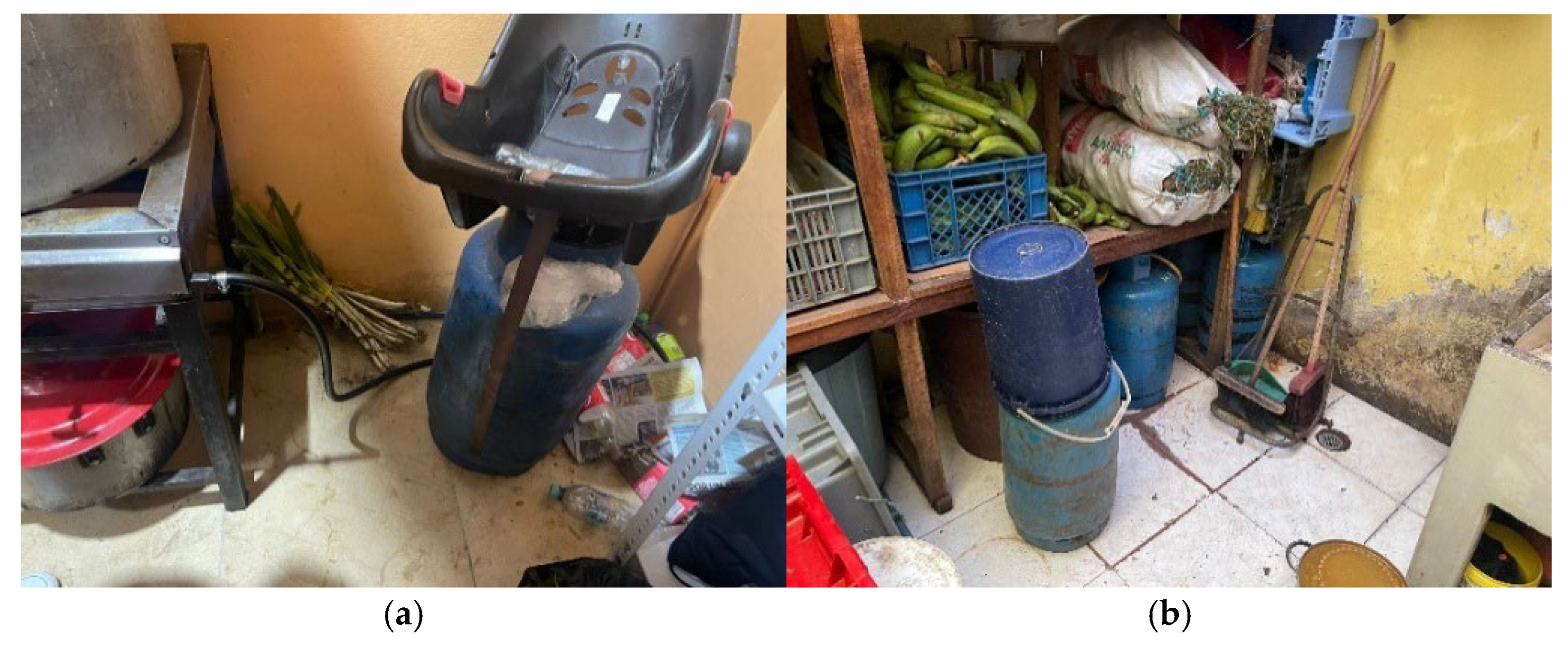
As shown in Figure 3, several LPG containers do not comply with the minimum safety distances established by the Ecuadorian LPG installation standard [30] and comparable international codes such as NFPA 58 [30]. In the evaluated installations, LPG cylinders are frequently located in close proximity to combustible materials and structural elements, and in some cases, their placement restricts physical accessibility to the containers (Figure 3a). In addition, obstructions around the LPG containers limit access paths, which may affect visibility and reachability during inspection or emergency situations (Figure 3b). These spatial configurations are inconsistent with the separation and clearance conditions defined in current regulatory frameworks [35].
The observed proximity between LPG containers and combustible materials has been reported in the literature as a relevant factor influencing fire development and heat exposure scenarios in pressurized gas systems [36]. Furthermore, previous consequence analyses have shown that LPG leakage and explosion scenarios, such as BLEVE and jet fires, may generate thermal radiation and overpressure effects extending beyond immediate storage areas [37]. Restricted access conditions have also been identified as a factor affecting emergency intervention efficiency in fire scenarios [38].
Overall, the results indicate that non-compliance related to container location is recurrent in the analyzed commercial LPG installations, particularly with respect to safety distances, surrounding materials, and accessibility conditions [39].
  • Sizing of LPG storage tanks:
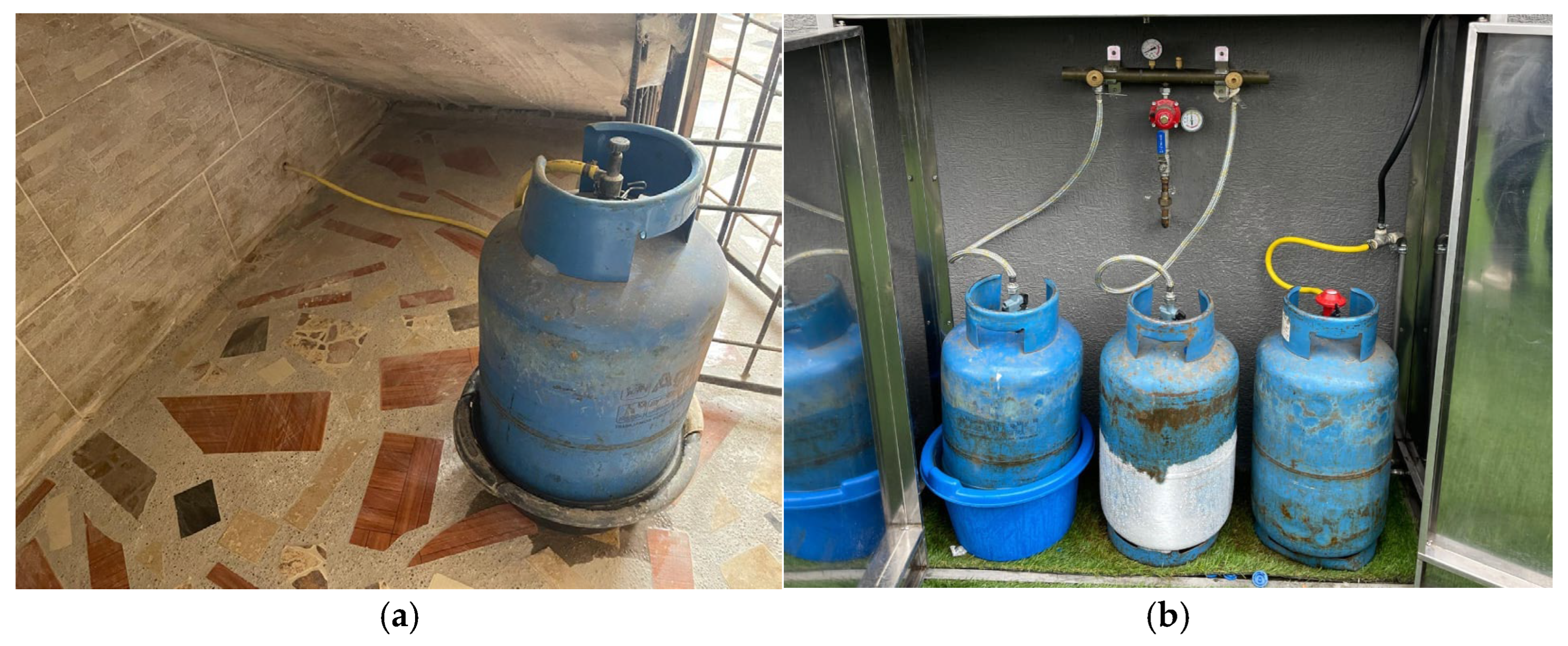
During high-demand operation, some commercial LPG cylinders exhibit a reduction in natural vaporization capacity when the mass flow required by consumer appliances exceeds the rate at which liquid LPG can absorb heat and vaporize [40]. In the evaluated installations, this condition is evidenced by the presence of condensation and frosting on the external surface of the cylinders (Figure 4). The observed frosting is associated with heat-transfer limitations inherent to the vaporization process, which is endothermic and extracts heat from the cylinder wall and the surrounding environment [41]. Under such conditions, a cold liquid layer may form inside the vessel, corresponding to non-vaporized LPG. Previous experimental and modeling studies indicate that vaporization rate depends on ambient temperature, cylinder geometry, filling level, and LPG composition, and that excessive withdrawal rates are associated with frosting and reduced vapor delivery capacity [42]. Similar vaporization-related phenomena have been documented in numerical and experimental investigations of LPG systems, including the thermal behavior of low-temperature liquid and vapor releases under constrained vaporization conditions [43,44]. These studies provide a technical context for interpreting the observed frosting patterns in commercial LPG cylinders operating under high demand.
Overall, the results indicate that signs of limited natural vaporization capacity are present in a subset of the analyzed commercial LPG installations, particularly under conditions of elevated gas demand [45].
  • Location, connections, and lack of maintenance in pipes and fittings for LPG:
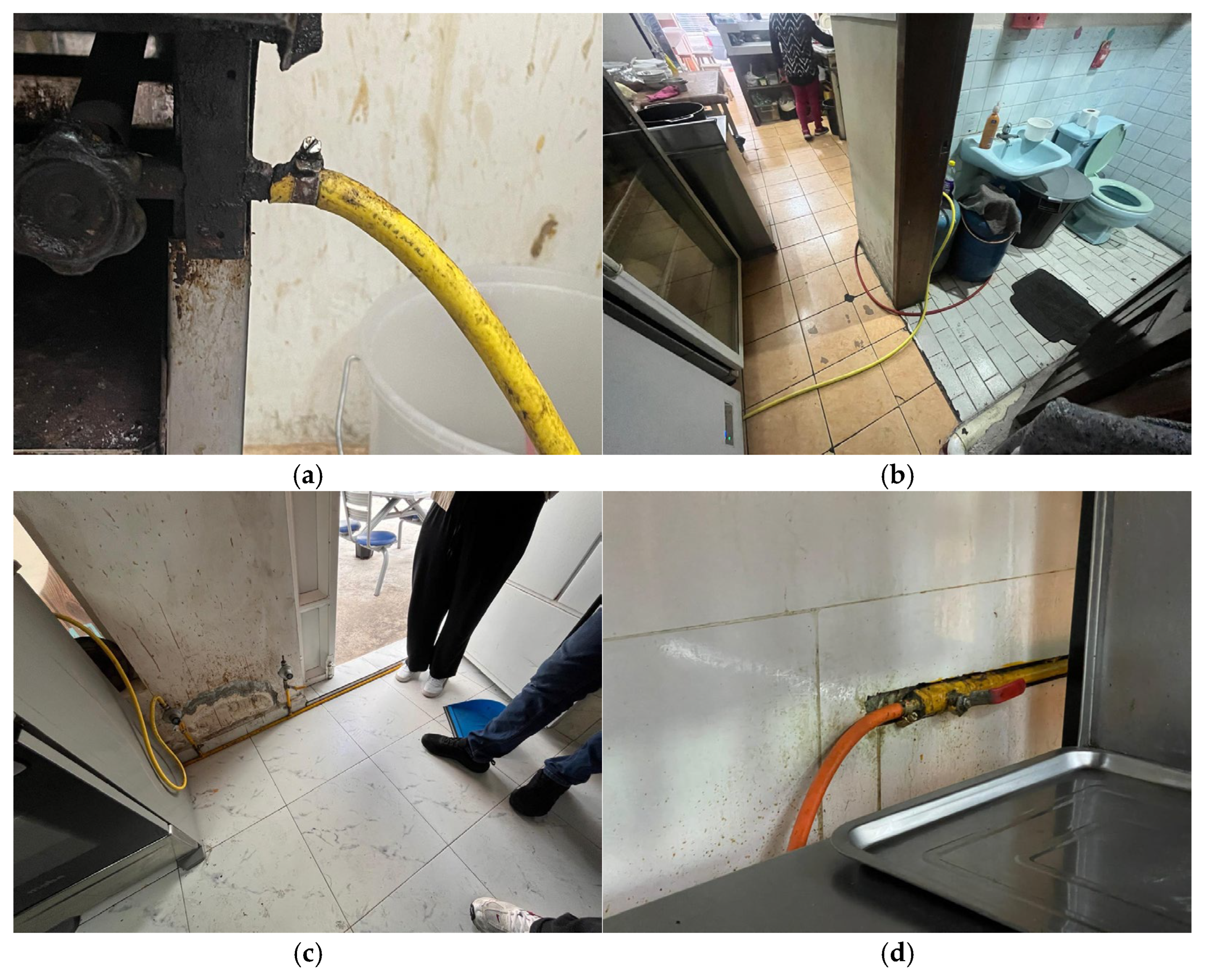
The integrity of LPG piping, connections, and associated fittings was evaluated through field observations in commercial installations. Several non-compliant conditions were identified, including contaminated connection interfaces, hoses or pipes routed at floor level, uncapped inactive connection points, and limited accessibility to shut-off valves (Figure 5).
Greasy or contaminated connections were observed at the interface between LPG equipment and supply lines (Figure 5a). The presence of grease, oil, or other residues at connection points has been reported in the literature as a factor associated with sealing degradation and gas leakage in LPG systems [46]. In several installations, flexible hoses or rigid pipes were routed directly across floor surfaces and pedestrian areas (Figure 5b). Such configurations expose the LPG infrastructure to mechanical interaction and have been identified in previous studies as conditions associated with hose displacement, mechanical stress, and accidental disconnection events [26]. Uncapped inactive connection points were also documented (Figure 5c). These open terminals represent potential leakage paths when residual gas is present in the system, as reported in technical analyses of LPG installations and maintenance practices [24]. Additionally, shut-off valves were observed to be partially obstructed or located in areas with limited accessibility (Figure 5d). Restricted access to isolation devices has been identified in prior studies as a factor influencing the effectiveness of system shutdown during abnormal operating conditions [47].
Overall, the results indicate that non-compliance related to piping layout, connection condition, and accessibility of safety components is recurrent across the evaluated commercial LPG installations [27].
  • Length connection:
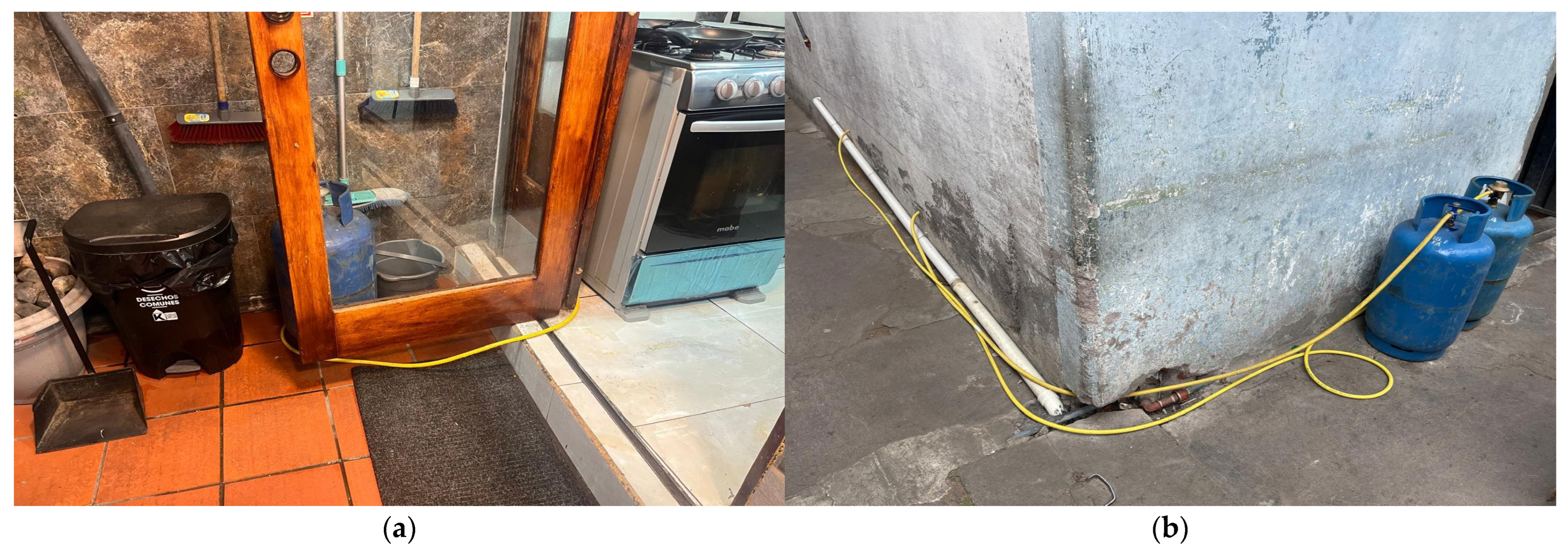
The length of the flexible connection between LPG supply lines and consumption equipment was evaluated in the inspected commercial installations. According to the Ecuadorian Standard INEN 2260 [29], the maximum allowable length for flexible connections is 1 m. Field observations indicate that a substantial number of installations exceed this prescribed maximum length. Extended flexible connections were commonly observed in areas with pedestrian activity and near work surfaces, increasing their exposure to mechanical interaction and environmental contact (Figure 6). Previous technical studies have identified that longer and poorly restrained hoses are more susceptible to mechanical stress, accidental displacement, and connection degradation over time [25]. Such conditions have been associated with an increased likelihood of hose damage, loosening at coupling points, and gas leakage, particularly in commercial environments with frequent human interaction [27].
Overall, the results show that non-compliance related to excessive flexible connection length is recurrent in the evaluated LPG installations, indicating a systematic deviation from the requirements defined in the applicable standard [48].
  • Poor location and lack of maintenance of LPG-consuming equipment:
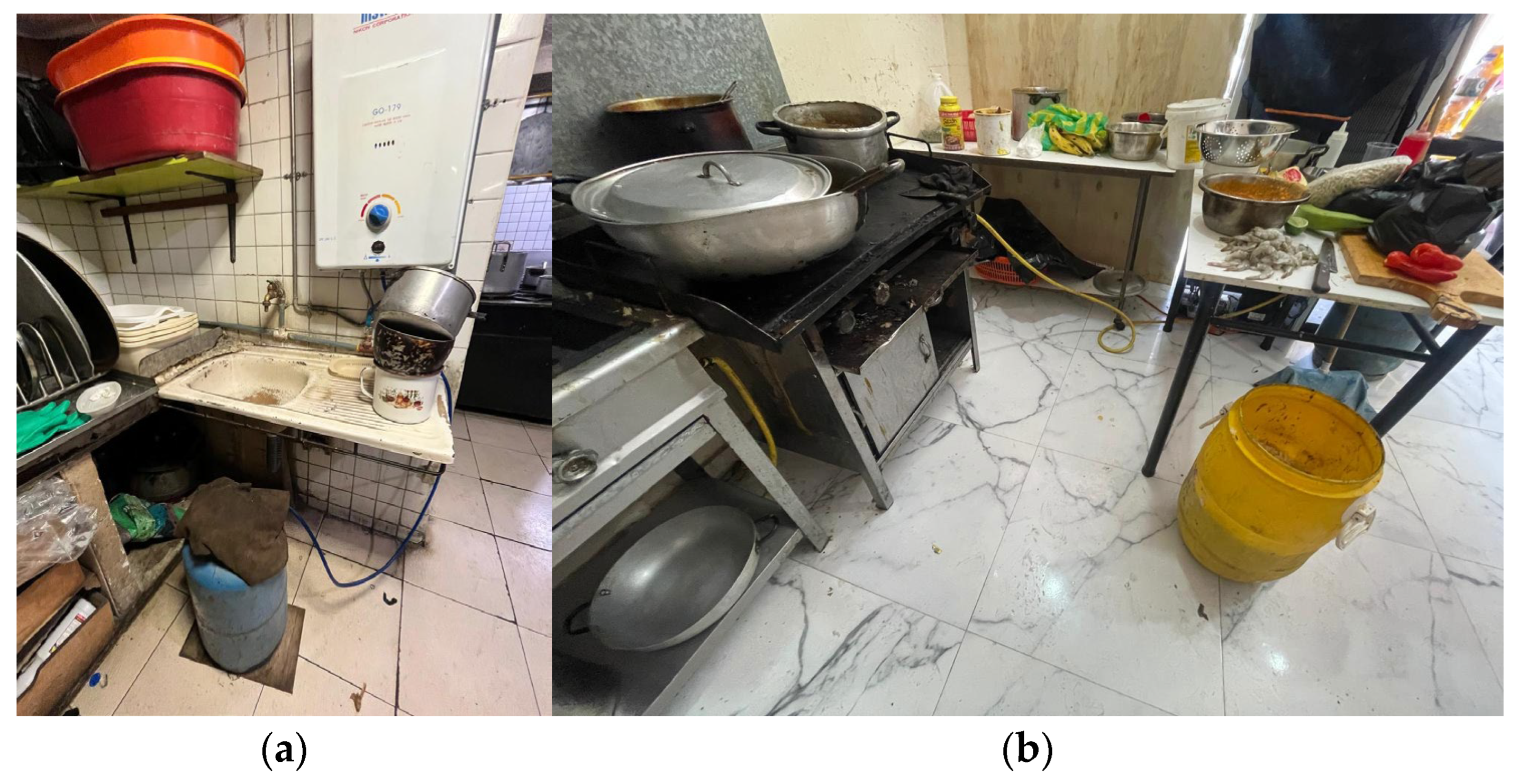
The location and maintenance condition of LPG-consuming equipment were evaluated during field inspections of commercial installations. Recurrent non-compliant conditions were identified, particularly related to the placement of gas water heaters and the maintenance status of LPG-consuming appliances. Several gas water heaters operating with LPG were observed to be installed inside enclosed commercial spaces with limited or no ventilation (Figure 7a). These appliances were frequently located within occupied areas, without evident provisions for adequate air exchange or exhaust of combustion by-products [49]. Similar installation conditions have been reported in the literature as factors associated with elevated indoor carbon monoxide (CO) concentrations, especially in confined or poorly ventilated environments [50,51,52]. Field observations also revealed LPG-consuming equipment exhibiting significant accumulation of grease and combustible residues on burners, heat exchangers, and adjacent surfaces (Figure 7b). The presence of such deposits has been identified in previous studies as a common characteristic of inadequately maintained gas-fired appliances and commercial cooking equipment [53,54]. These conditions are indicative of limited preventive maintenance practices in the inspected installations. Overall, the results indicate that non-compliance related to equipment location and maintenance condition is prevalent in the evaluated commercial LPG systems, particularly with respect to ventilation conditions for combustion appliances and cleanliness of operating equipment [46].

3.2.2. Compliance Related to Subsidized LPG Use, Operating Permits, and Preventive Maintenance Plans

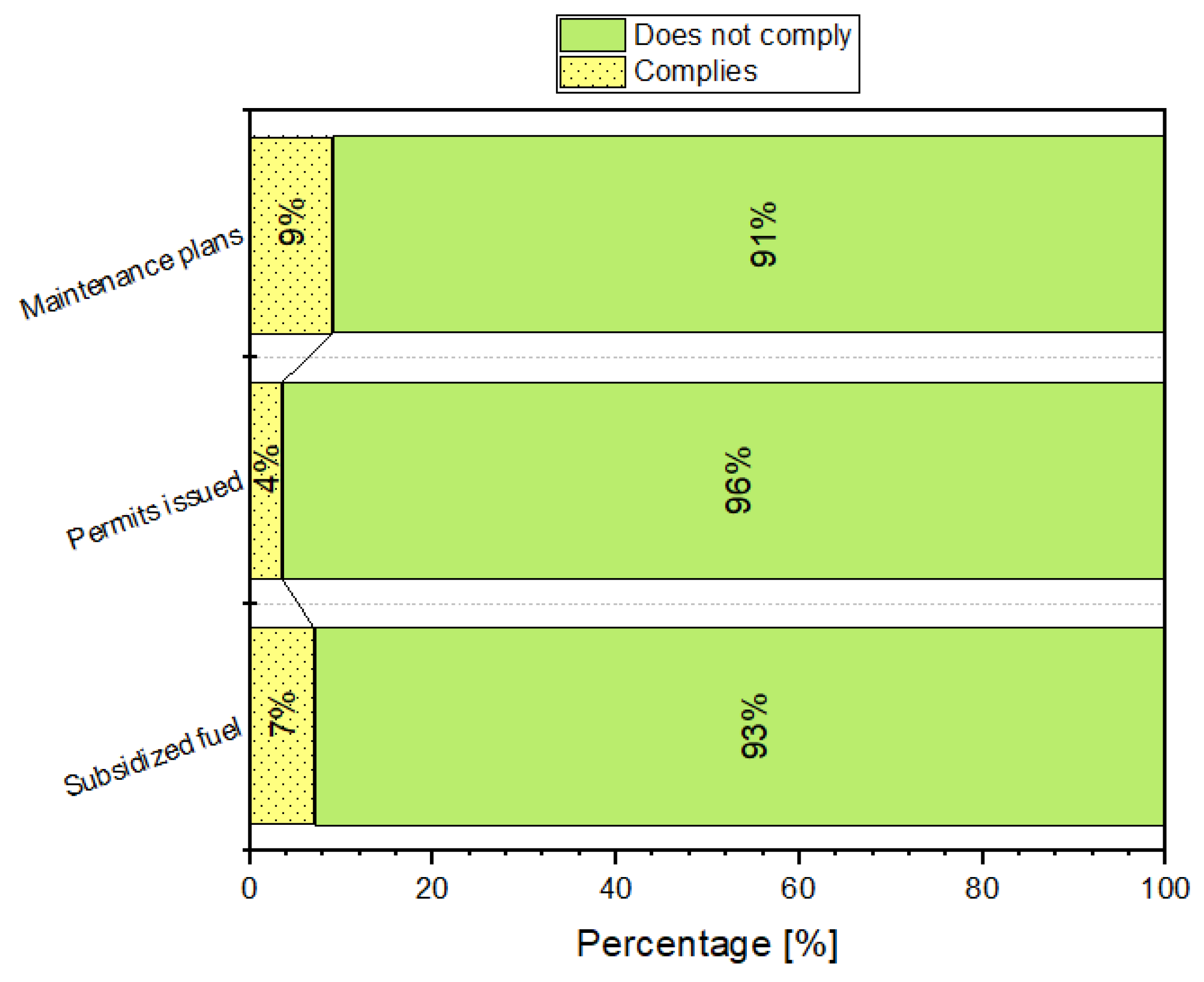
Figure 8 presents the compliance assessment related to the use of subsidized LPG in commercial applications, the issuance of operating permits by the competent authority, and the existence of preventive maintenance plans required for system recertification.
  • Use of subsidized LPG in commercial applications:
The results show that 93% of the inspected commercial installations do not comply with regulations governing the use of subsidized LPG, while only 7% meet the applicable requirements. According to the national regulatory framework, subsidized LPG is intended for residential and socially prioritized uses and is not authorized for commercial applications [55]. Similar patterns of non-compliance in fuel subsidy allocation have been reported in previous studies addressing LPG distribution and regulation [56].
  • Permits issued by the competent authority:
With respect to operating permits, 96% of the evaluated establishments were found to lack valid authorization from the competent authority, whereas only 4% were compliant. The absence of permits indicates that the corresponding installations have not been formally registered within the regulatory oversight system, as described in related regulatory and technical assessments of LPG installations [57].
  • Preventive maintenance plans:
The results further indicate that 91% of the inspected installations do not have an approved preventive maintenance plan, while 9% comply with this requirement (Figure 8). The lack of documented maintenance plans has been identified in the literature as a common characteristic of informal or non-recognized LPG installations [58].
Overall, the results demonstrate low compliance levels across the three evaluated regulatory dimensions, namely fuel authorization, permitting status, and preventive maintenance planning.

4. Future Work

A limitation of this study relates to potential selection bias arising from access constraints during field inspections. Although selection bias is inherent to many field-based compliance assessments, it is important to recognize that establishments granting access for inspection may systematically differ from those that denied or restricted entry. In particular, premises operating under more informal conditions or with more severe regulatory deficiencies may be less likely to permit inspections, which could result in an underrepresentation of the most non-compliant installations in the analyzed sample. Consequently, the observed compliance levels may reflect a conservative estimate of the actual safety and regulatory deficiencies present in the broader commercial LPG sector. These dynamic highlights structural challenges in regulatory enforcement and inspection coverage, where access limitations not only affect data collection but also constitute an indicator of governance gaps within urban commercial risk management systems. Recognizing this limitation provides important context for interpreting the results and underscores the need for strengthened inspection authority and systematic access mechanisms in future assessments.
Future research derived from this study will focus on translating the diagnostic findings into concrete improvement actions through institutional collaboration and broader territorial analysis, with a particular emphasis on urban safety and resilience in line with Sustainable Development Goal 11 (Make cities inclusive, safe, resilient, and sustainable) [1]. A first line of work will involve the organization of multi-stakeholder working groups with local authorities, including municipal governments, fire departments, and regulatory agencies. These working groups will aim to identify feasible financing mechanisms and incentive schemes to support small commercial establishments—particularly food-related businesses—in upgrading and regularizing their LPG systems. Such actions directly contribute to SDG Target 11.5, which seeks to reduce the adverse impacts of disasters and technological hazards on urban populations by strengthening prevention and risk reduction capacities [59].
Potential mechanisms include soft loans, technical assistance programs, and phased compliance strategies that reduce economic barriers while improving safety standards. By enabling safer energy infrastructure in high-occupancy commercial environments, these measures support the integration of risk-informed decision-making into local urban management practices [60].
A second line of future work will seek to scale the assessment to a national level through the development of a comprehensive project to evaluate the safety and regulatory compliance of commercial LPG installations across Ecuador. This initiative will require coordination with national authorities responsible for energy policy, standardization, and risk management, as well as the integration of local inspection bodies. The objective will be to generate a nationwide baseline of compliance, identify regional patterns of risk, and support the design of harmonized inspection, certification, and enforcement strategies. This approach aligns with SDG Target 11.b by promoting integrated policies and plans aimed at strengthening urban resilience and institutional capacity for managing technological and industrial risks [61].
Ultimately, this national-level effort is intended to contribute to a coordinated and systematic improvement of LPG safety in commercial settings, strengthening institutional capacity and aligning energy policy, urban safety, and sustainable development objectives. The results of such future work could provide valuable evidence to inform regulatory reforms and targeted investment programs in Ecuador and other countries facing similar challenges, reinforcing the role of applied urban diagnostics in advancing resilient and safe cities [62].

5. Conclusions

This study provides a comprehensive diagnosis of safety and regulatory compliance in commercial LPG installations in Ambato, Ecuador, based on field inspections of 380 establishments. The results demonstrate that regulatory non-compliance is widespread and systemic, affecting both technical and administrative dimensions of LPG systems.
From a technical perspective, critical deficiencies were identified in the location of LPG containers, excessive flexible connection lengths, improper routing and maintenance of pipes and fittings, and unsafe placement and inadequate maintenance of LPG-consuming equipment. These deficiencies substantially increase the risk of gas leaks, fires, explosions, and carbon monoxide exposure, posing serious threats to occupants, workers, and the surrounding urban environment.
From an administrative standpoint, the widespread absence of operating permits, preventive maintenance plans, and compliance with fuel-use regulations reveals significant weaknesses in regulatory enforcement. In particular, the misuse of subsidized LPG in commercial applications emerges as a key economic driver of unsafe practices. Artificially low fuel prices reduce incentives for compliance, encourage informal installations, and limit investments in safer infrastructure, generating a direct economic loss for the Ecuadorian State and undermining the social objectives of subsidy policies.
Taken together, these findings reveal a systemic failure in which economic incentives, regulatory gaps, and technical risks reinforce each other. Weak enforcement and limited inspection capacity allow unsafe installations to persist, while subsidy misuse fuels informality and discourages compliance. This combination amplifies technological hazards in high-occupancy commercial settings, transforming localized technical deficiencies into broader urban safety risks. In this sense, unsafe commercial LPG systems should be understood not merely as isolated technical problems, but as a structural challenge for urban safety, resilient infrastructure, and sustainable development in rapidly growing cities.
The findings indicate that current inspection and certification practices are insufficient to guarantee the safe operation of commercial LPG systems. To address these shortcomings, regulatory authorities should implement risk-based inspection schemes that prioritize establishments with high occupancy levels and intensive LPG use. In parallel, mandatory certification and periodic recertification of LPG installers, aligned with INEN 2260 and NFPA 58 requirements, should be enforced.
Additionally, standardized technical training programs focusing on container location, piping design, equipment ventilation, and emergency response should be required for installers and maintenance personnel. The establishment of fuel traceability mechanisms—such as differentiated cylinder identification systems and digital sales records—would support the detection and control of subsidized LPG diversion to commercial uses. Finally, graduated enforcement mechanisms, combining corrective deadlines, economic penalties, and temporary suspension in cases of repeated non-compliance, are recommended to improve compliance while avoiding the exclusion of small businesses from formal regulatory frameworks.

Author Contributions

Conceptualization, D.V.-V.; methodology, D.V.-V., G.V.-Z., C.A.-S., L.T.-S. and C.V.-S.; software, D.V.-V. and G.V.-Z.; validation, D.V.-V., G.V.-Z., C.A.-S., L.T.-S. and C.V.-S.; formal analysis, D.V.-V., G.V.-Z., C.A.-S., L.T.-S. and C.V.-S.; investigation, D.V.-V., M.P.-Z., W.P.-M., A.G.-G. and M.S.M.-S.; resources, D.V.-V., C.A.-S. and L.T.-S.; data curation, D.V.-V., G.V.-Z., M.P.-Z., W.P.-M., A.G.-G., M.S.M.-S., C.A.-S., L.T.-S. and C.V.-S.; writing—original draft preparation, D.V.-V. and G.V.-Z.; writing—review and editing, D.V.-V., G.V.-Z., M.P.-Z., W.P.-M., A.G.-G., M.S.M.-S., C.A.-S., L.T.-S. and C.V.-S.; visualization, D.V.-V.; supervision, D.V.-V. and G.V.-Z.; project administration, D.V.-V.; funding acquisition, D.V.-V. All authors have read and agreed to the published version of the manuscript.

Funding

This research was funded by the Eleventh Call for Research Projects, promoted by the Dirección de Investigación of the Pontificia Universidad Católica del Ecuador Sede Ambato.

Institutional Review Board Statement

Not applicable.

Informed Consent Statement

Not applicable.

Data Availability Statement

The original contributions presented in this study are included in the article. Further inquiries can be directed to the corresponding author.

Acknowledgments

The authors give special thanks to the “Escuela de Hábitat, Infraestructura y Creatividad” and the “Dirección de Investigación” of “Pontificia Universidad Católica del Ecuador, Sede Ambato” for their support of this research.

Conflicts of Interest

The authors declare no conflicts of interest.

Abbreviations

The following abbreviations are used in this manuscript:
LPGLiquefied petroleum gas
SDGsSustainable Development Goals

References

  1. Organización de las Naciones Unidas. Objetivos de Desarrollo Sostenible. 2015. Available online: https://www.un.org/sustainabledevelopment/es/objetivos-de-desarrollo-sostenible/ (accessed on 18 December 2025).
  2. Troncoso, K.; Da Silva, A.S. LPG fuel subsidies in Latin America and the use of solid fuels to cook. Energy Policy 2017, 107, 188–196. [Google Scholar] [CrossRef]
  3. Bonjour, S.; Adair-Rohani, H.; Wolf, J.; Bruce, N.G.; Mehta, S.; Prüss-Ustün, A.; Lahiff, M.; Rehfuess, E.A.; Mishra, V.; Smith, K.R. Solid Fuel Use for Household Cooking: Country and Regional Estimates for 1980–2010. Environ. Health Perspect. 2013, 121, 784–790. [Google Scholar] [CrossRef] [PubMed]
  4. Boggavarapu, P.; Ray, B.; Ravikrishna, R.V. Thermal Efficiency of LPG and PNG-fired burners: Experimental and numerical studies. Fuel 2014, 116, 709–715. [Google Scholar] [CrossRef]
  5. Raslavičius, L.; Keršys, A.; Mockus, S.; Keršienė, N.; Starevičius, M. Liquefied petroleum gas (LPG) as a medium-term option in the transition to sustainable fuels and transport. Renew. Sustain. Energy Rev. 2014, 32, 513–525. [Google Scholar] [CrossRef]
  6. Kim, J.; Kim, K.; Oh, S. An assessment of the ultra-lean combustion direct-injection LPG (liquefied petroleum gas) engine for passenger-car applications under the FTP-75 mode. Fuel Process. Technol. 2016, 154, 219–226. [Google Scholar] [CrossRef]
  7. Venegas-Vásconez, D.; Ayabaca-Sarria, C.; Reina-Guzmán, S.; Arrocha-Carrera, M.; Farías, Ó. Location of second stage pressure regulator in the feasibility of residential liquefied petroleum gas projects. Mater. Today Proc. 2022, 49, 210–215. [Google Scholar] [CrossRef]
  8. Chica Segovia, F.; Espinoza Molina, F.; Rivera Campoverde, N. Gas licuado de petróleo como combustible alternativo para motores diesel con la finalidad de reducir la contaminación del aire. Ingenius 2010, 4, 73–81. [Google Scholar] [CrossRef][Green Version]
  9. Andadari, R.K.; Mulder, P.; Rietveld, P. Energy poverty reduction by fuel switching. Impact evaluation of the LPG conversion program in Indonesia. Energy Policy 2014, 66, 436–449. [Google Scholar] [CrossRef]
  10. Edward, A.B.; Okwu, M.; Oreko, B.; Ugorji, C.; Ezekiel, K.; Orikpete, O.; Maware, C.; Okonkwo, C. Development of a Smart Monitoring System for Advancing LPG Cylinder Safety and Efficiency in Sub-Saharan Africa. Procedia Comput. Sci. 2024, 232, 839–848. [Google Scholar] [CrossRef]
  11. World Bank Group. Global Landscape of Fuel Subsidies & Price Controls. 2025. Available online: https://documents1.worldbank.org/curated/en/099022825121518098/pdf/P179966-f19d3ef6-c423-4213-8ffc-f7292a1fafd4.pdf?utm (accessed on 18 December 2025).
  12. Valencia, A. Gobierno de Ecuador Anuncia Retiro de Subsidio a Diesel. Reuters. 2025. Available online: https://www.reuters.com/world/HHDIBURB6BJDFP3OSTU6P36VUQ-2025-09-13/?utm (accessed on 19 December 2025).
  13. Mella, C. Noboa Decreta el Estado de Excepción en Seis Regiones de Ecuador Tras Cortar el Subsidio al Diésel. El País. 2025. Available online: https://elpais.com/america/2025-09-16/noboa-decreta-el-estado-de-excepcion-en-seis-regiones-de-ecuador-tras-cortar-el-subsidio-al-diesel.html?utm (accessed on 19 December 2025).
  14. Schaffitzel, F.; Jakob, M.; Soria, R.; Vogt-Schilb, A.; Ward, H. Can Government Transfers Make Energy Subsidy Reform Socially Acceptable? A Case Study on Ecuador; Inter-American Development Bank: Washington, DC, USA, 2019. [Google Scholar]
  15. Metro. Gobierno Mantiene el Precio del gas Doméstico en USD 1,65. Available online: https://www.metroecuador.com.ec/noticias/2025/10/20/gobierno-mantiene-el-precio-del-gas-domestico-en-usd-165/ (accessed on 19 December 2025).
  16. Hakam, D.F.; Nugraha, H.; Wicaksono, A.; Rahadi, R.A.; Kanugrahan, S.P. Mega conversion from LPG to induction stove to achieve Indonesia’s clean energy transition. Energy Strategy Rev. 2022, 41, 100856. [Google Scholar] [CrossRef]
  17. Gould, C.F.; Schlesinger, S.B.; Molina, E.; Bejarano, M.L.; Valarezo, A.; Jack, D.W. Household fuel mixes in peri-urban and rural Ecuador: Explaining the context of LPG, patterns of continued firewood use, and the challenges of induction cooking. Energy Policy 2020, 136, 111053. [Google Scholar] [CrossRef]
  18. EPPetroecuador. Precios de Venta en Terminal para las Comercializadoras Sector Aéreo, Secores Pesquero y Atunero, Sector Automotriz Calificadas y Autorizadas a Nivel Nacional. Estructura de Precios Octubre 2025. Available online: https://www.eppetroecuador.ec/wp-content/uploads/2025/05/ESTRUCTURA-DE-PRECIOS-MAYO-2025.pdf (accessed on 19 December 2025).
  19. Quinn, A.K.; Bruce, N.; Puzzolo, E.; Dickinson, K.; Sturke, R.; Jack, D.W.; Mehta, S.; Shankar, A.; Sherr, K.; Rosenthal, J.P. An analysis of efforts to scale up clean household energy for cooking around the world. Energy Sustain. Dev. 2018, 46, 1–10. [Google Scholar] [CrossRef]
  20. Venegas-Vásconez, D.; Ayabaca-Sarria, C.; Celi-Ortega, S.; Rocha-Hoyos, J. El riesgo en el almacenamiento de GLP en el Ecuador. INNOVA Res. J. 2018, 3, 19–29. [Google Scholar] [CrossRef]
  21. Abbasi, T.A.Y.S. The boiling liquid expanding vapour explosion (BLEVE): Mechanism, consequence assessment, management. J. Hazard. Mater. 2007, 141, 489–519. [Google Scholar] [CrossRef]
  22. Hemmatian, B.; Planas, E.; Casal, J. On BLEVE definition, the significance of superheat limit temperature (Tsl) and LNG BLEVE’s. J. Loss Prev. Process Ind. 2016, 40, 81. [Google Scholar] [CrossRef]
  23. Scarponi, G.E.; Pastor, E.; Planas, E.; Cozzani, V. Analysis of the impact of wildland-urban-interface fires on LPG domestic tanks. Saf. Sci. 2020, 124, 104588. [Google Scholar] [CrossRef]
  24. Venegas-Vásconez, D.; Ayabaca-Sarria, C.; Celi-Ortega, S.; Rocha-Hoyos, J.; Mena-Mena, E. Factores para seleccionar tuberías de conducción de gas licuado de petróleo en el Ecuador. Ingenius 2018, 19, 51–59. [Google Scholar] [CrossRef]
  25. Ecuatepi, S.A. Explosión de Bombona de Gas Dejó Tres Heridos en Quito, Según Bomberos. 2024. Available online: https://www.ecuatepi.com/noticias-novedades-ofertas-proteccion-contra-incendios-seguridad-industrial-extintores-fuego-ambato-riobamba-quito-cuenca-guayaquil-ecuador.php?tablajb=noticias&p=71&t=Explosion-de-bombona-de-gas-dejo-tres-heridos-en-Quito,-segun-bomberos& (accessed on 19 December 2025).
  26. Hora, L. Explosión en Restaurante Toronto de Quito Desnuda Falta de Control al Uso del Gas. 2017. Available online: https://www.lahora.com.ec/noticias/explosion-en-restaurante-toronto-de-quito-desnuda-falta-de-control-al-uso-del-gas/ (accessed on 19 December 2025).
  27. Teleamazonas Explosión de un Tanque de Gas en Restaurante de Cumbayá. 2020. Available online: https://www.teleamazonas.com/explosion-tanque-de-gas-en-restaurante-de-cumbaya/ (accessed on 19 December 2025).
  28. Ministerio de Desarrollo Urbano y Vivienda Capítulos de la NEC (Norma Ecuatoriana de la Construcción). Available online: https://www.habitatyvivienda.gob.ec/documentos-normativos-nec-norma-ecuatoriana-de-la-construccion/ (accessed on 19 December 2025).
  29. NTE INEN 2260:2010; Instalaciones de Gases Combustibles para Uso Residencial, Comercial e Industrial Requisitos. Servicio Ecuatoriano de Normalización: Quito, Ecuador, 2010.
  30. National Fire Protection Association. Liquefied Petroleum Gas Code: NFPA 58; National Fire Protection Association: Quincy, MA, USA, 2014. [Google Scholar]
  31. Rosenthal, J.; Quinn, A.; Grieshop, A.P.; Pillarisetti, A.; Glass, R.I. Clean cooking and the SDGs: Integrated analytical approaches to guide energy interventions for health and environment goals. Energy Sustain. Dev. 2018, 42, 152–159. [Google Scholar] [CrossRef] [PubMed]
  32. Instituto Nacional de Estadísticas y Censos Población y Demografía. Población y Demografía. Available online: https://www.ecuadorencifras.gob.ec/wp-content/descargas/Manu-lateral/Resultados-provinciales/tungurahua.pdf (accessed on 19 January 2026).
  33. Li, F.; Li, Y.; Rubinato, M.; Zheng, Y.; Zhou, T. Risk assessment of urban infrastructure vulnerability to meteorological disasters: A case study of Dongguan, China. Int. J. Disaster Risk Reduct. 2024, 114, 104943. [Google Scholar] [CrossRef]
  34. Renjith, V.; Yesodharan, R.; Noronha, J.; Ladd, E.; George, A. Qualitative methods in health care research. Int. J. Prev. Med. 2021, 12, 20. [Google Scholar] [CrossRef]
  35. Bariha, N.; Ojha, D.K.; Srivastava, V.C.; Mishra, I.M. Fire and risk analysis during loading and unloading operation in liquefied petroleum gas (LPG) bottling plant. J. Loss Prev. Process Ind. 2023, 81, 104928. [Google Scholar] [CrossRef]
  36. Scarponi, G.E.; Landucci, G.; Birk, A.M.; Cozzani, V. Three dimensional CFD simulation of LPG tanks exposed to partially engulfing pool fires. Process Saf. Environ. Prot. 2021, 150, 385–399. [Google Scholar] [CrossRef]
  37. Ardila-Suarez, C.; Lacoursière, J.-P.; Soucy, G.; De Vasconcelos, B.R. Consequence Analysis of LPG-Related Hazards: Ensuring Safe Transitions to Cleaner Energy. Fuels 2025, 6, 45. [Google Scholar] [CrossRef]
  38. Venegas-Vásconez, D.; Ayabaca Sarria, C. Análisis del almacenamiento en sistemas de gas licuado de petróleo: Tanques estacionarios vs. cilindros. Ingenius 2019, 22, 113–122. [Google Scholar] [CrossRef]
  39. Scarponi, G.E.; Landucci, G.; Birk, A.M.; Cozzani, V. LPG vessels exposed to fire: Scale effects on pressure build-up. J. Loss Prev. Process Ind. 2018, 56, 342–358. [Google Scholar] [CrossRef]
  40. Venegas-Vásconez, D.; Ayabaca-Sarria, C.; Reina-Guzmán, S.; Tipanluisa-Sarchi, L.; Farías-Fuentes, Ó. Liquefied Petroleum Gas Systems: A Review on Desing and Sizing Guidelines. Ingenius 2024, 30, 81–94. [Google Scholar] [CrossRef]
  41. Venegas-Vásconez, D.; Ayabaca-Sarria, C.; Celi-Ortega, S.C.; Rocha-Hoyos, J.; Mena-Mena, E. Optimización en el dimensionamiento de un sistema industrial de gas licuado de petróleo. ID Tecnológico 2018, 14, 41–48. [Google Scholar] [CrossRef]
  42. Pokorny, F.; Blecich, P.; Bonefačić, I. Analysis of Natural Vaporization in LPG Tanks. Eng. Proc. 2025, 87, 98. [Google Scholar] [CrossRef]
  43. ELGAS. Can LPG Freeze—LPG Freezing Point—Why Do LPG Bottles Freeze. Available online: https://www.elgas.com.au/elgas-knowledge-hub/residential-lpg/lpg-freezing-point/?utm_source=chatgpt.com (accessed on 19 December 2025).
  44. Davison, N.; Edwards, M.R. Effects of fire on small commercial gas cylinders. Eng. Fail. Anal. 2008, 15, 1000–1008. [Google Scholar] [CrossRef]
  45. Gopalaswami, N.; Mentzer, R.A.; Mannan, M.S. Investigation of pool spreading and vaporization behavior in medium-scale LNG tests. J. Loss Prev. Process Ind. 2014, 35, 267–276. [Google Scholar] [CrossRef]
  46. Kukfisz, B.; Kuczyńska, A.; Piec, R.; Szykuła-Piec, B. Research on the Safety and Security Distance of Above-Ground Liquefied Gas Storage Tanks and Dispensers. Int. J. Environ. Res. Public Health 2022, 19, 839. [Google Scholar] [CrossRef]
  47. LiquidGas UK. Inspection and Maintenance of LPG Pipework at Commercial and Industrial Premises. 2007. Available online: https://www.liquidgasuk.org/media/DOC5D495E13D9E60/Liquid%20Gas%20UK_User%20Info_15_July%2019.pdf (accessed on 19 December 2025).
  48. Oropallo, E.; Piscopo, P.; Centobelli, P.; Cerchione, R.; Nuevo, E.; Rodríguez-Prieto, A. A decision support system to assess the operational safety and economic benefits of risk-based inspection implementation strategies. Saf. Sci. 2024, 177, 106570. [Google Scholar] [CrossRef]
  49. Silva, A.; Contreras, R.; Barrandeguy, M. Riesgo por fugas accidentales de gas licuado de petróleo hacia trabajadores y comunidad en las ciudades de Nacimiento, Cabrero, La Laja y Mulchén (Chile). Obras Proy. 2022, 32, 66–77. [Google Scholar] [CrossRef]
  50. Raub, J.A.; Mathieu-Nolf, M.; Hampson, N.B.; Thom, S.R. Carbon monoxide poisoning—A public health perspective. Toxicology 2000, 145, 1–14. [Google Scholar] [CrossRef]
  51. Sood, A.; Kapoor, V.; Doo, K.; Blount, R. Health Problems and Burning Indoor Fuels. Am. J. Respir. Crit. Care Med. 2018, 198, P9–P10. [Google Scholar] [CrossRef]
  52. Williams, S.V.; Close, R.; Piel, F.B.; Barratt, B.; Crabbe, H. Characterising Carbon Monoxide Household Exposure and Health Impacts in High- and Middle-Income Countries—A Rapid Literature Review, 2010–2024. Int. J. Environ. Res. Public Health 2025, 22, 110. [Google Scholar] [CrossRef]
  53. Fernandez-Anez, N.; Castells-Somoza, B.; Amez-Arenillas, I.; Garcia-Torrent, J. Self-ignition tendency of solid fuels: A gas emissions approach for early detection. J. Loss Prev. Process Ind. 2021, 71, 104501. [Google Scholar] [CrossRef]
  54. Torero, J. Flaming Ignition of Solid Fuels. In SFPE Handbook of Fire Protection Engineering; Hurley, M.J., Gottuk, D., Hall, J.R., Harada, K., Kuligowski, E., Puchovsky, M., Torero, J., Watts, J.M., Wieczorek, C., Eds.; Springer: New York, NY, USA, 2016; pp. 633–661. [Google Scholar] [CrossRef]
  55. Sapnken, F.E.; Nna, T.P.N.; Ewodo-Amougou, M.R.; Sama, J.M.S.; Tamba, J.G. Dynamics of household cooking fuel choices in Cameroon: A comprehensive analysis of the transition from biomass to LPG. Energy Strategy Rev. 2025, 60, 101788. [Google Scholar] [CrossRef]
  56. Kojima, M. Subsidizing Bottled Gas: Approaches and Effects on Household Use; World Bank Group: Washington DC, USA, 2021; Available online: https://hdl.handle.net/10986/35948 (accessed on 19 December 2025).
  57. Raza, M.Y.; Lin, B. Development of LPG in Pakistan: Factor productivity and efficiency perspectives. Energy Sustain. Dev. 2025, 86, 101712. [Google Scholar] [CrossRef]
  58. Basnayake, J.; De Silva, N. Development of Liquefied Petroleum Gas (LPG) Safety Risk Prediction Model for Hotel Sector in Sri Lanka. Int. J. Saf. Secur. Eng. 2024, 14, 1049–1060. [Google Scholar] [CrossRef]
  59. Almulhim, A.I.; Sharifi, A.; Aina, Y.A.; Ahmad, S.; Mora, L.; Filho, W.L.; Abubakar, I.R. Charting sustainable urban development through a systematic review of SDG11 research. Nat. Cities 2024, 1, 677–685. [Google Scholar] [CrossRef]
  60. Nguyen, D.N.; Usuda, Y.; Imamura, F. Gaps in and Opportunities for Disaster Risk Reduction in Urban Areas Through International Standardization of Smart Community Infrastructure. Sustainability 2024, 16, 9586. [Google Scholar] [CrossRef]
  61. Zeng, X.; Yu, Y.; Yang, S.; Lv, Y.; Sarker, M.N.I. Urban Resilience for Urban Sustainability: Concepts, Dimensions, and Perspectives. Sustainability 2022, 14, 2481. [Google Scholar] [CrossRef]
  62. Kapucu, N.; Ge, G.; Martín, Y.; Williamson, Z. Urban resilience for building a sustainable and safe environment. Urban Gov. 2021, 1, 10–16. [Google Scholar] [CrossRef]
Figure 1. (a) Establishments that granted access for inspection; (b) location of 15 kg cylinders in commercial settings (food sales).
Urbansci 10 00114 g001
Figure 2. Regulatory compliance with LPG commercial systems in Ambato.
Urbansci 10 00114 g002
Figure 3. (a) Cylinders are placed too close to combustible materials; (b) restricted accessibility to LPG cylinders.
Urbansci 10 00114 g003
Figure 4. Observed conditions of the cylinders: (a) cylinder showing condensation; (b) cylinder undergoing freezing.
Urbansci 10 00114 g004
Figure 5. Observed issues in LPG installations: (a) greasy or contaminated connections; (b) hoses/pipes across floors; (c) uncapped inactive points; (d) obstructed or inaccessible shut-off valves.
Urbansci 10 00114 g005
Figure 6. Observed conditions of flexible LPG connections: (a) hose passing under a door; (b) excessive hose length.
Urbansci 10 00114 g006
Figure 7. (a) Unsafe Location of LPG water heaters; (b) lack of maintenance and accumulation of grease.
Urbansci 10 00114 g007
Figure 8. Results of the administrative aspects of commercial establishments using LPG in Ambato.
Urbansci 10 00114 g008
Disclaimer/Publisher’s Note: The statements, opinions and data contained in all publications are solely those of the individual author(s) and contributor(s) and not of MDPI and/or the editor(s). MDPI and/or the editor(s) disclaim responsibility for any injury to people or property resulting from any ideas, methods, instructions or products referred to in the content.