Article

Effects of the NeuroHAB Program on Low Back Pain and Oswestry Disability Index Scores: A Retrospective Wait-List Control Study

by
Brogan Williams
* and
David Johnson
The Back Pain and Functional Movement Training Centre, Brisbane, QLD 4102, Australia
*
Author to whom correspondence should be addressed.
J. Funct. Morphol. Kinesiol. 2024, 9(3), 118; https://doi.org/10.3390/jfmk9030118
Submission received: 28 May 2024 / Revised: 28 June 2024 / Accepted: 28 June 2024 / Published: 3 July 2024
(This article belongs to the Section Physical Exercise for Health Promotion)

Abstract

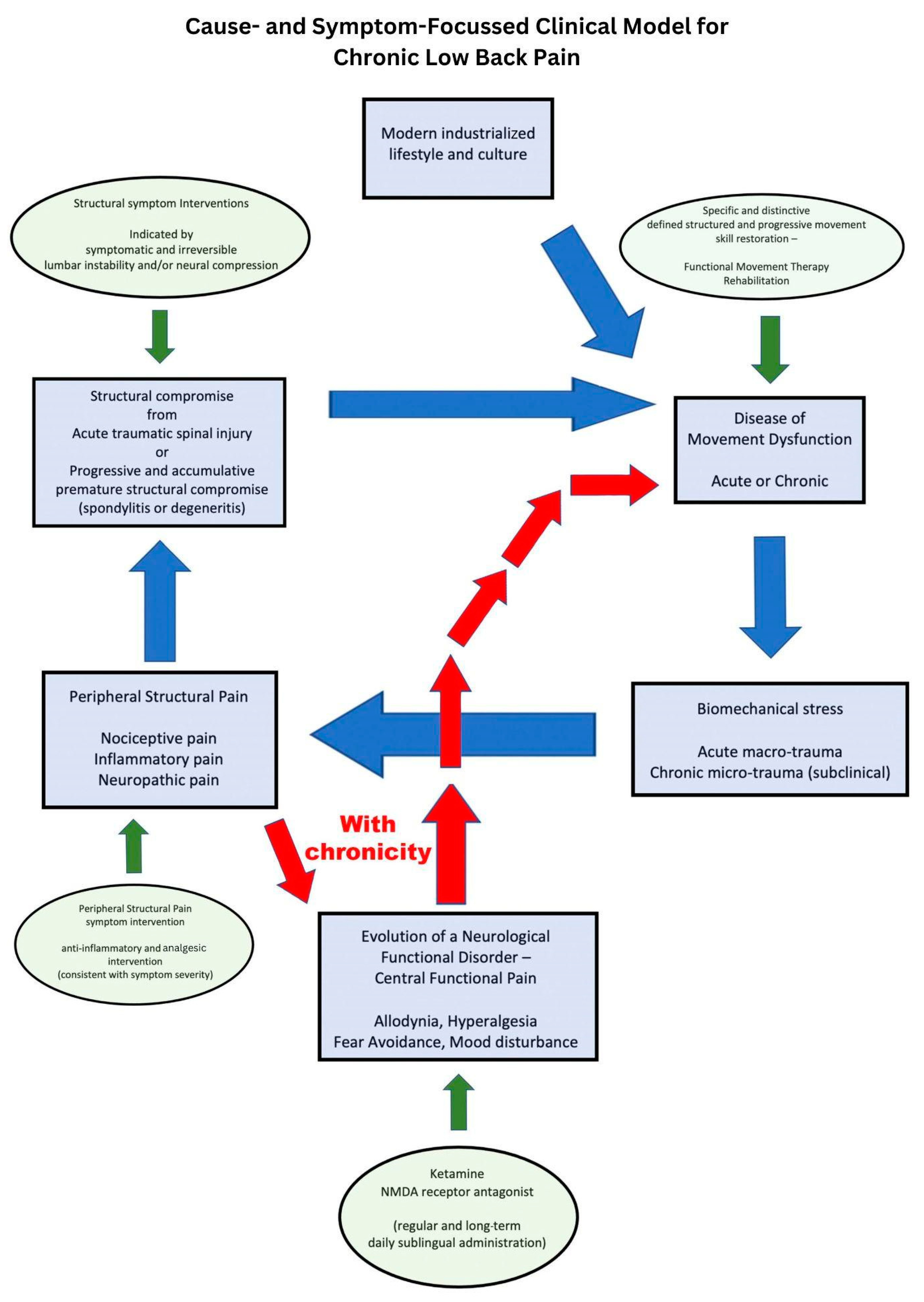
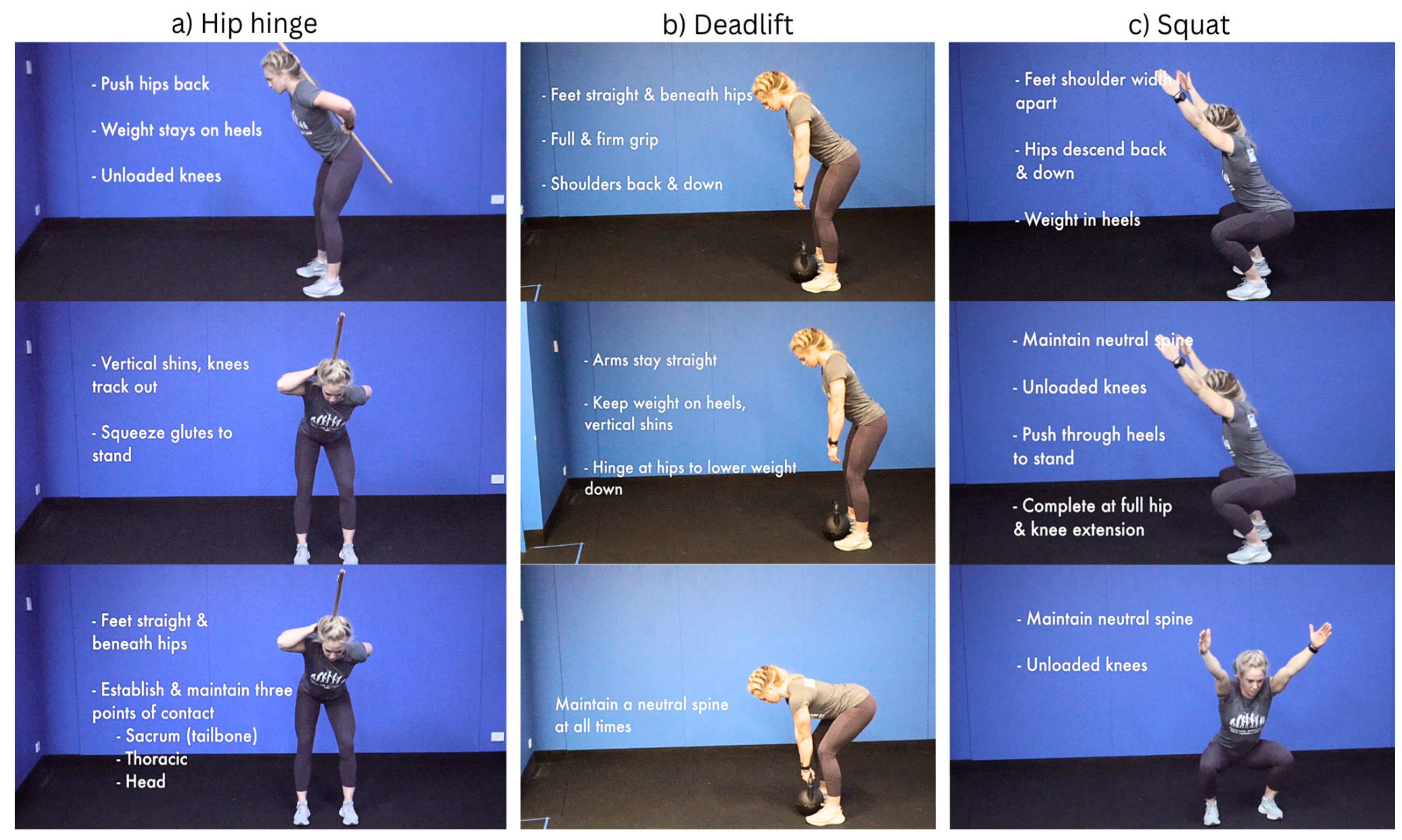
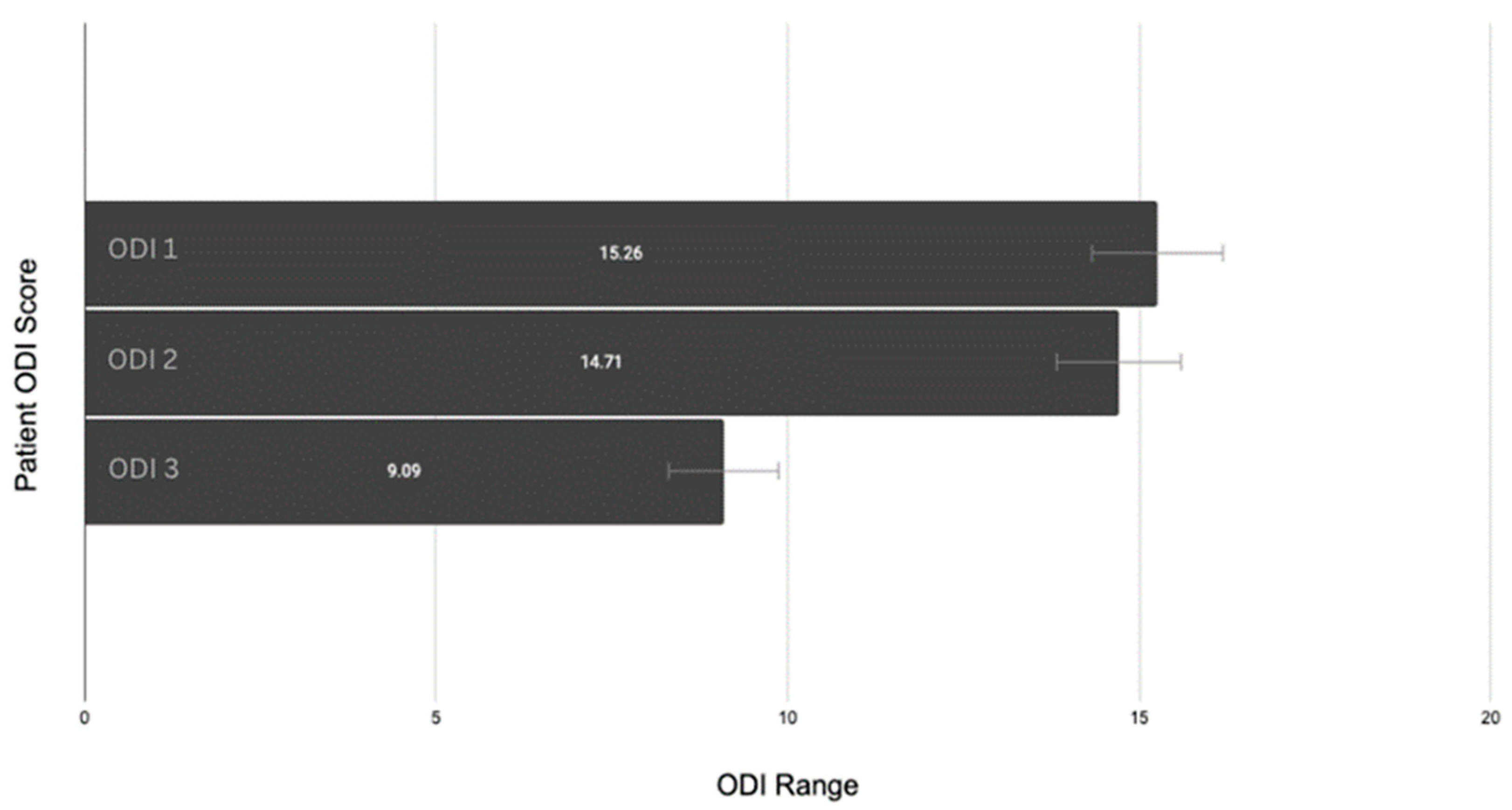
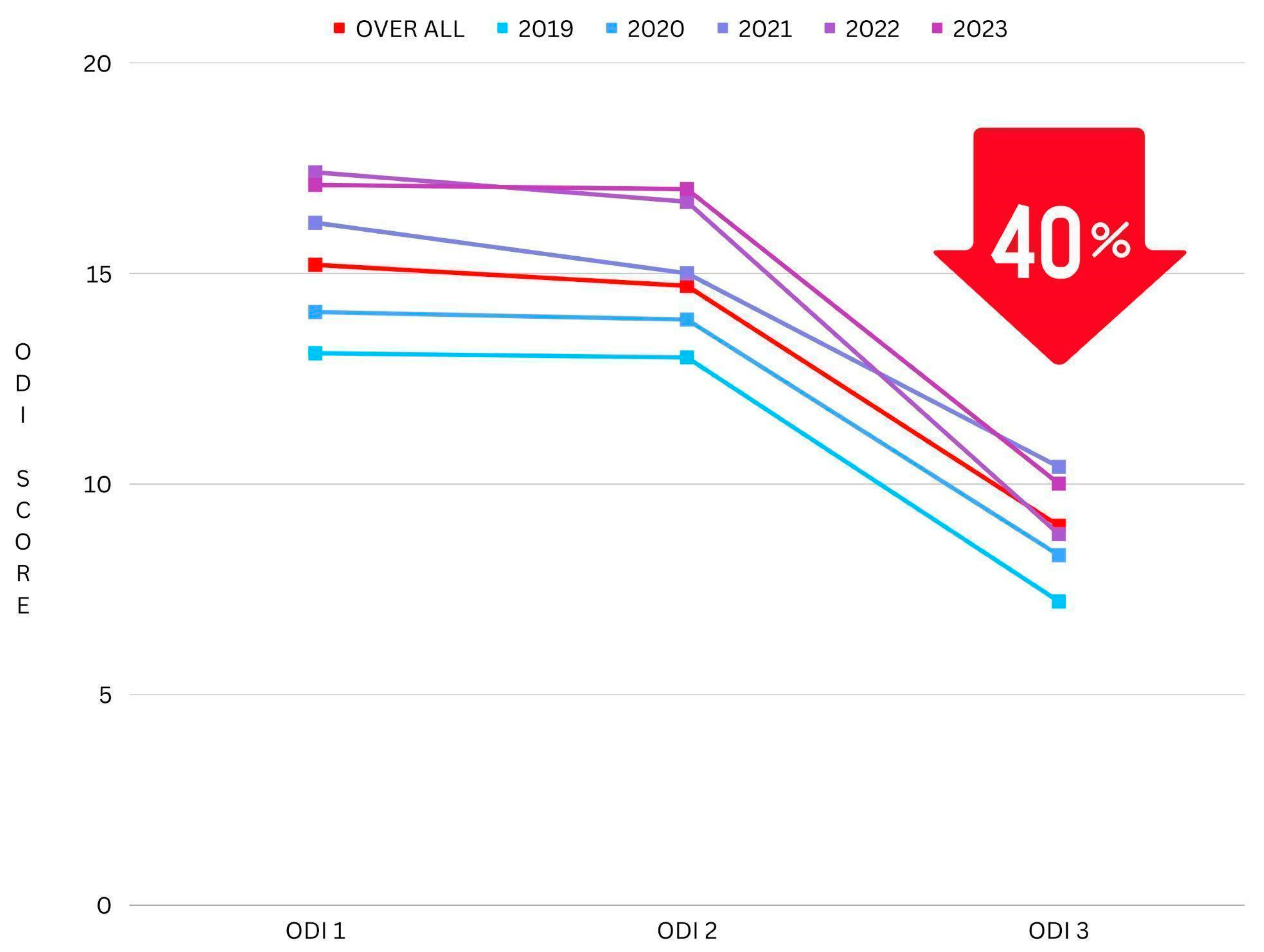
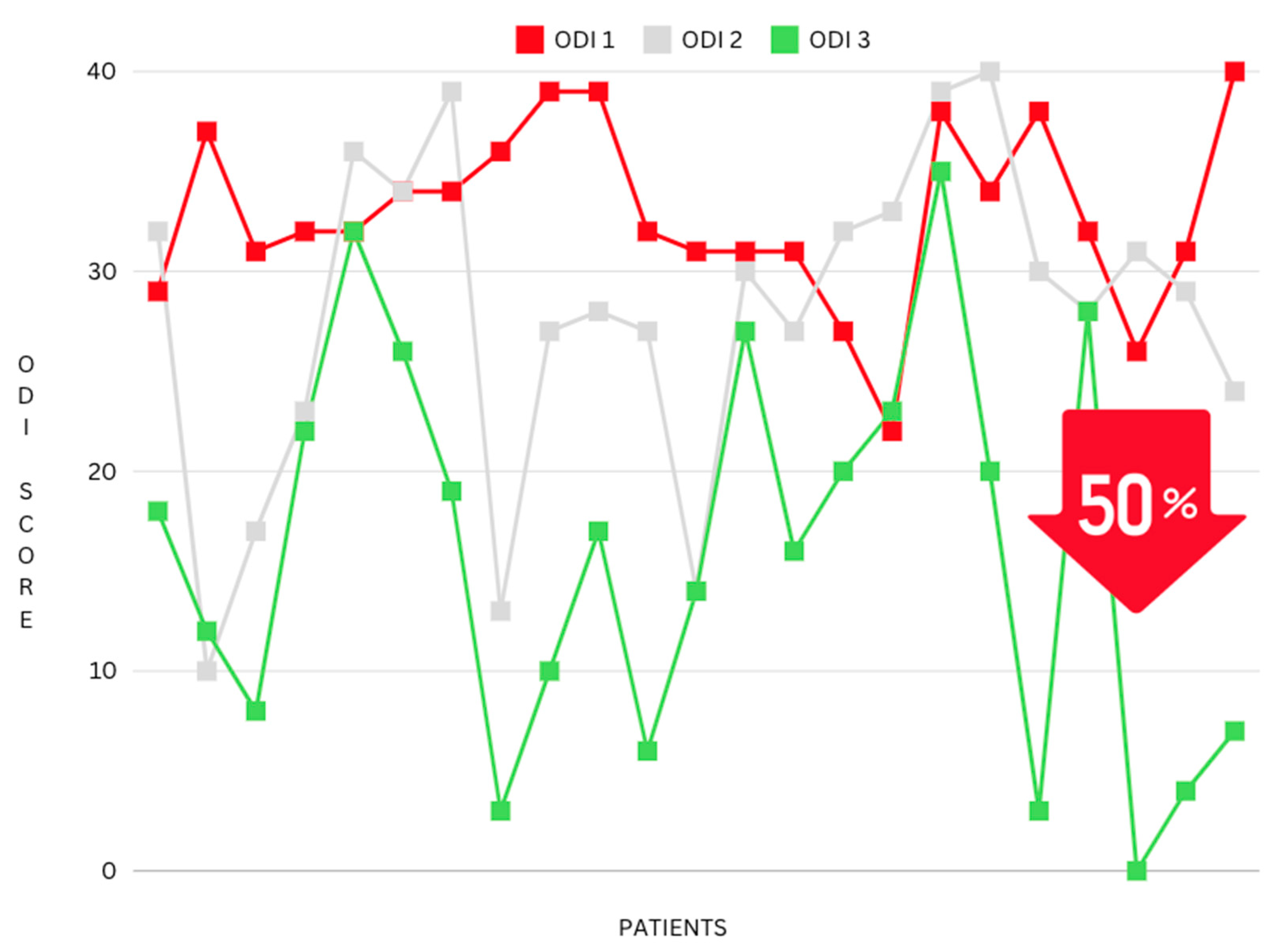
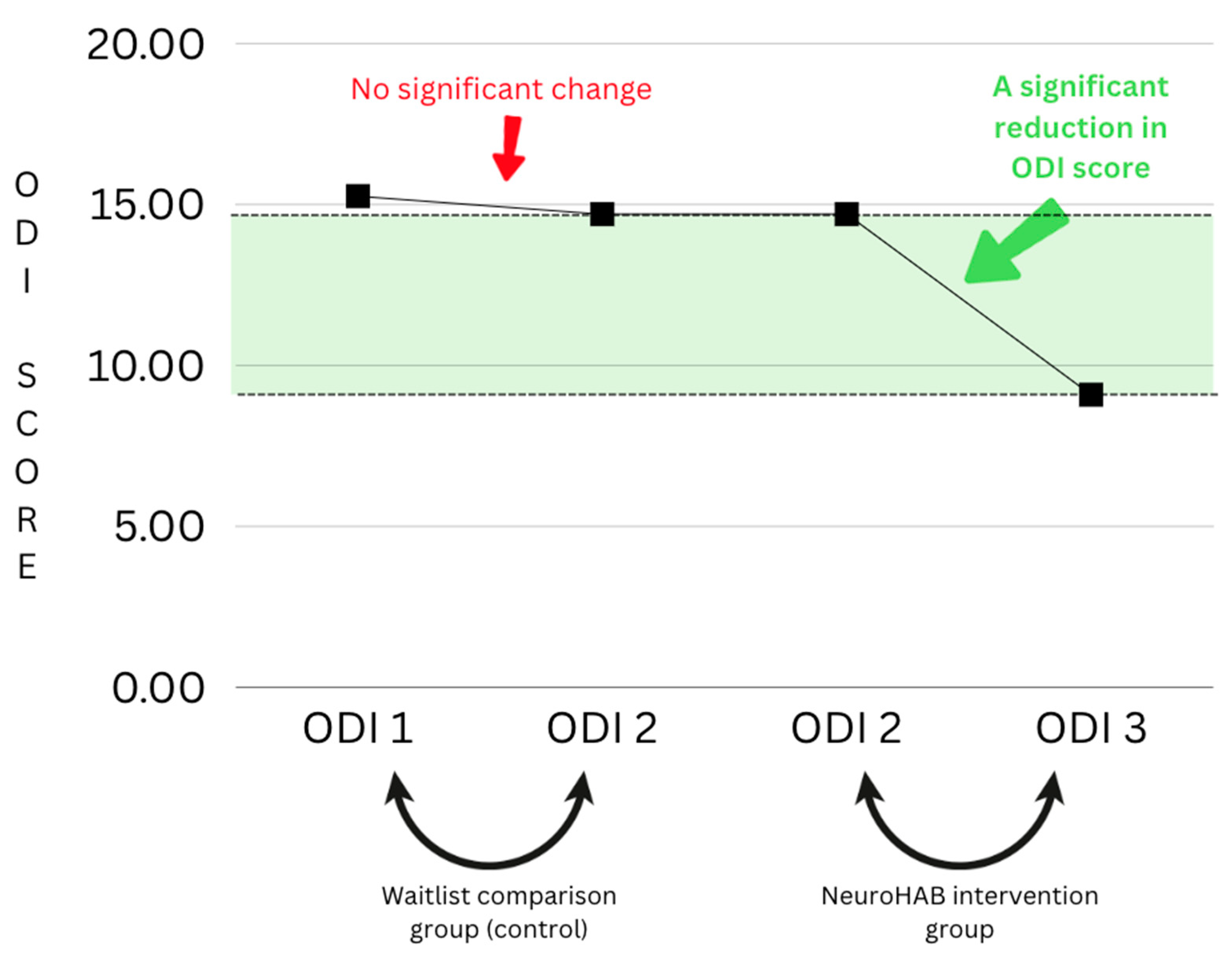
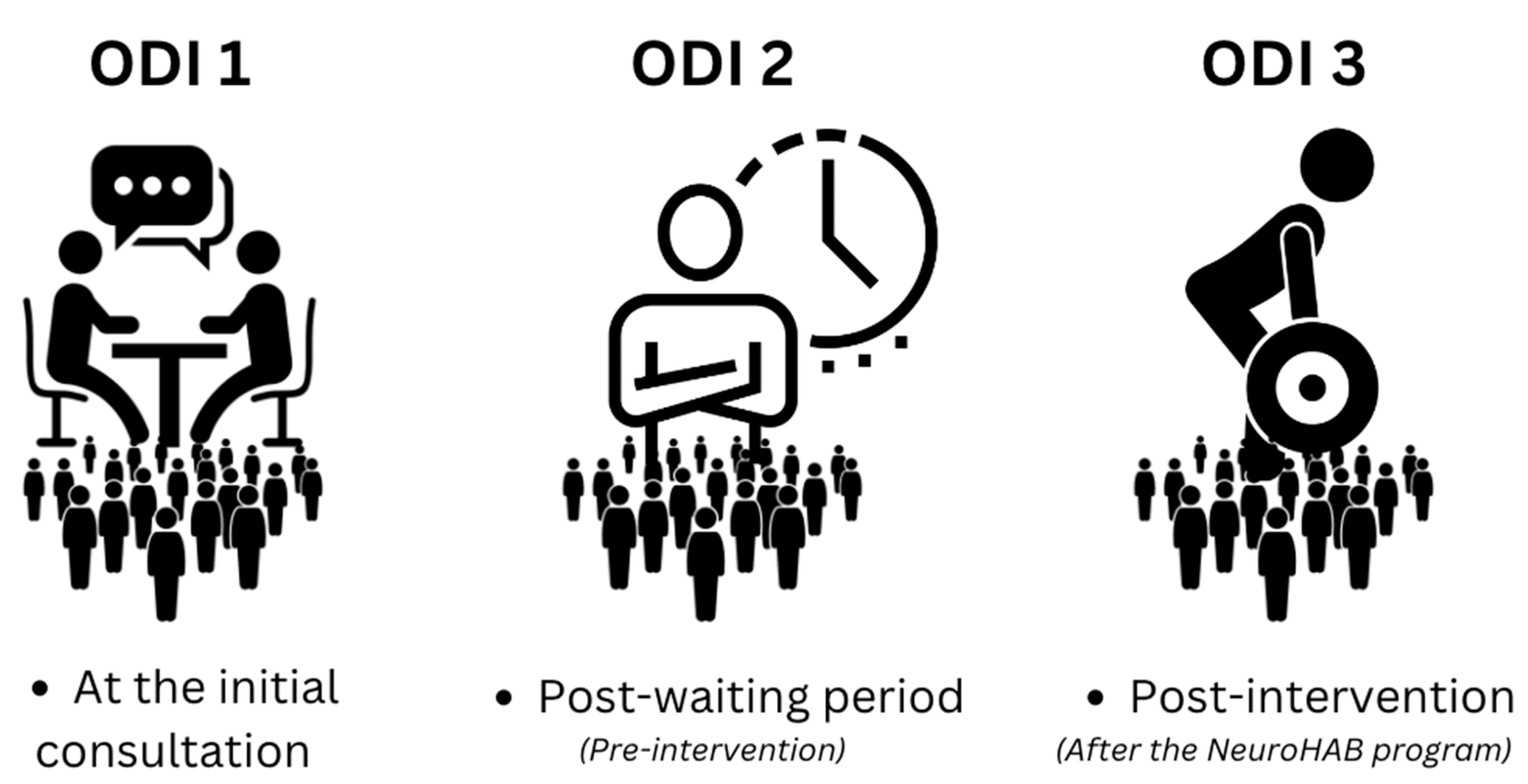
Movement theory and the study of movement dysfunction mark a paradigm shift in the treatment of low back pain symptoms, the majority of which are mechanical in origin at the outset. Treating movement dysfunction centers around unified and consistent rehabilitation that defines proficient movement for the lumbopelvic spine. The purpose of this study is to document the improvement in pain and disability of 290 patients who underwent NeuroHAB Functional Movement Therapy to reverse their lumbopelvic movement dysfunction attributed to causing their back pain symptoms between 2019 and 2023. Oswestry Disability Index (ODI) scores were collected from each participant on three occasions: the first consultation, after a waiting period/pre-intervention, and after the eight-week intervention. A single-factor ANOVA of all three ODI data sets was conducted, along with supporting descriptive statistics. A post-hoc t-test pairwise comparison was conducted for accuracy. The average ODI 1 score (taken at the first consultation) was 15.26 ± 6.1% (CI: 14.3–16.2); ODI 2 (after a waiting period, before NeuroHAB) was 14.71 ± 6.0% (CI: 13.82–15.59); and ODI 3 (post-intervention) was 9.09 ± 8.6% (CI: 8.305–9.875). There was no significant change from ODI 1 to ODI 2 (between the consultation and waitlist control periods). However, a significant reduction between ODI 2 and ODI 3 was observed (pre- and post-intervention) (mean difference: 5.62, p ≤ 0.001), and a 40.41% reduction was observed between ODI 1 (the ODI score taken at the first consultation) and ODI 3 (the ODI score taken after NeuroHAB, post-intervention) (mean difference: 6.17, p ≤ 0.001). A 50% ODI reduction was reported in the “Crippled” category (mean difference 16.15, p ≤ 0.001). The inclusion of functional movement proficiency and stability in future guidelines is a necessary step towards meaningful improvement in epidemic levels of back pain-related clinical and economic morbidity.
Keywords: low back pain; ODI; NeuroHAB; functional movement therapy; exercise; back pain rehabilitation low back pain; ODI; NeuroHAB; functional movement therapy; exercise; back pain rehabilitation