
Article

Temperature–Power Adaptive Control Strategy for Multi-Electrolyzer Systems

School of Electrical Engineering, Hebei University of Technology, Tianjin 300401, China
*
Author to whom correspondence should be addressed.
Inventions 2026, 11(2), 41; https://doi.org/10.3390/inventions11020041

Submission received: 4 March 2026 / Revised: 16 April 2026 / Accepted: 17 April 2026 / Published: 21 April 2026

Abstract

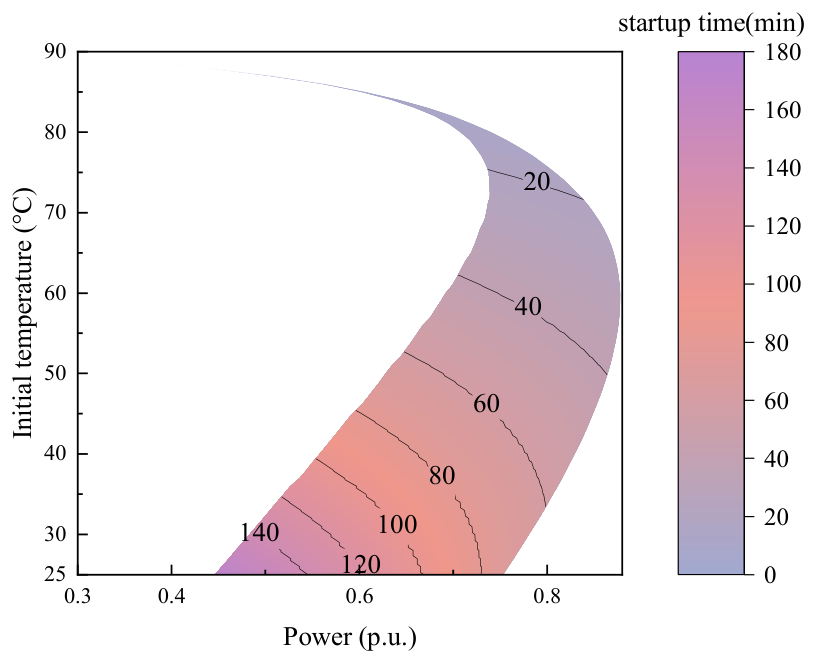
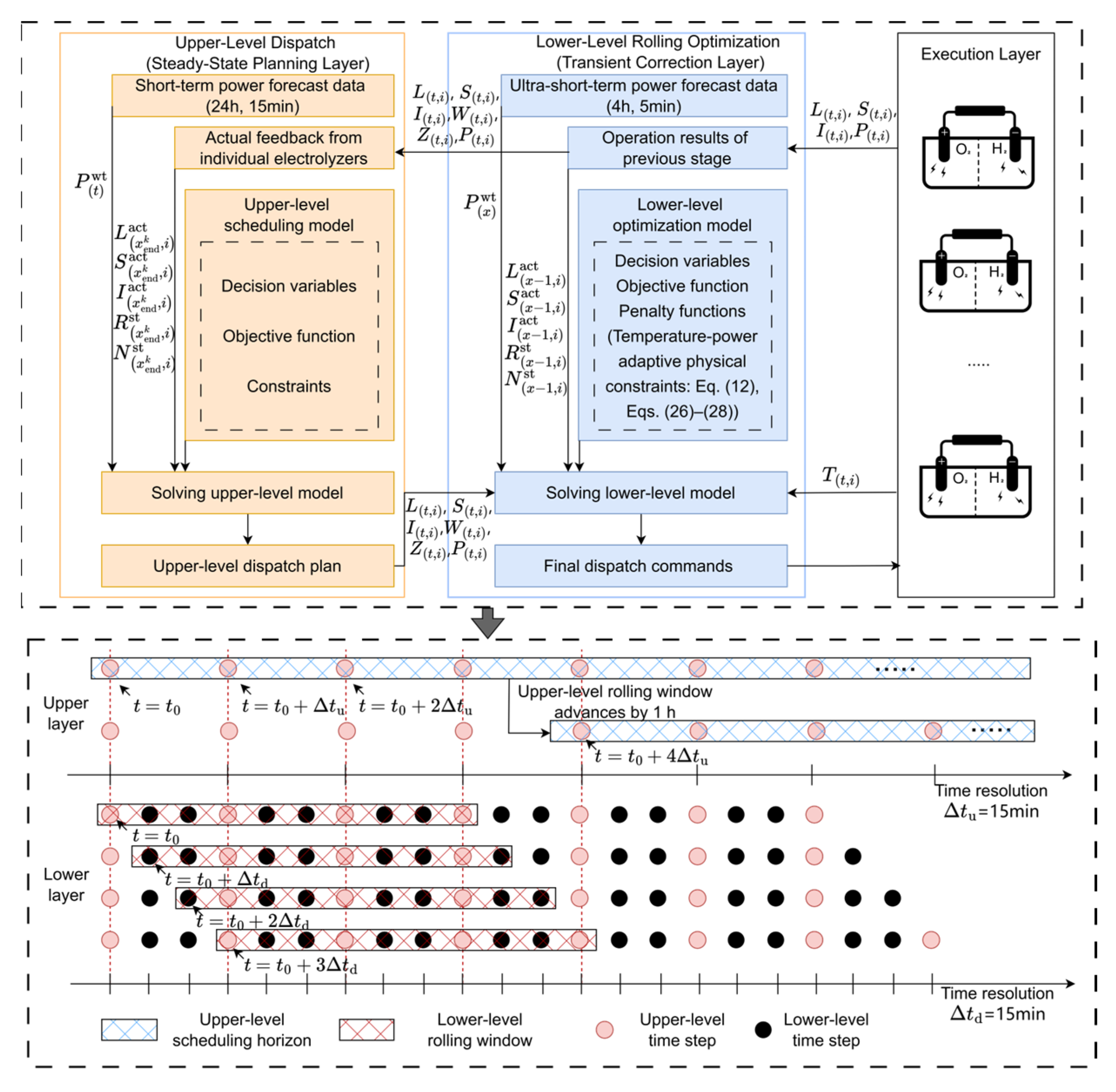
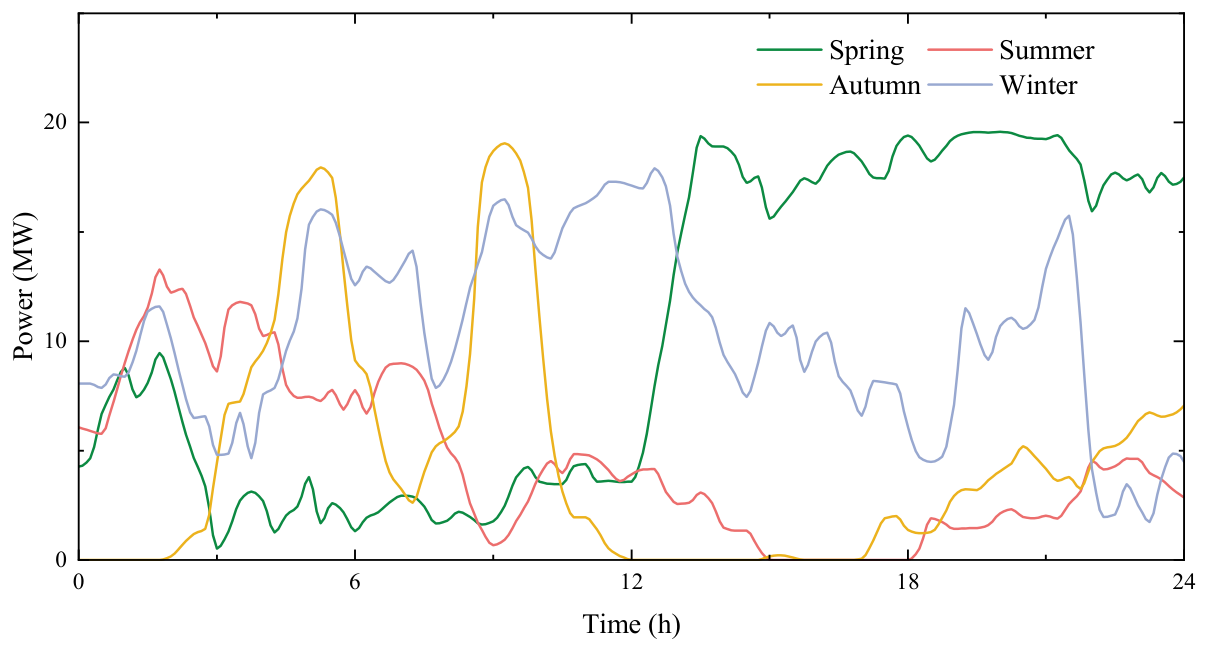
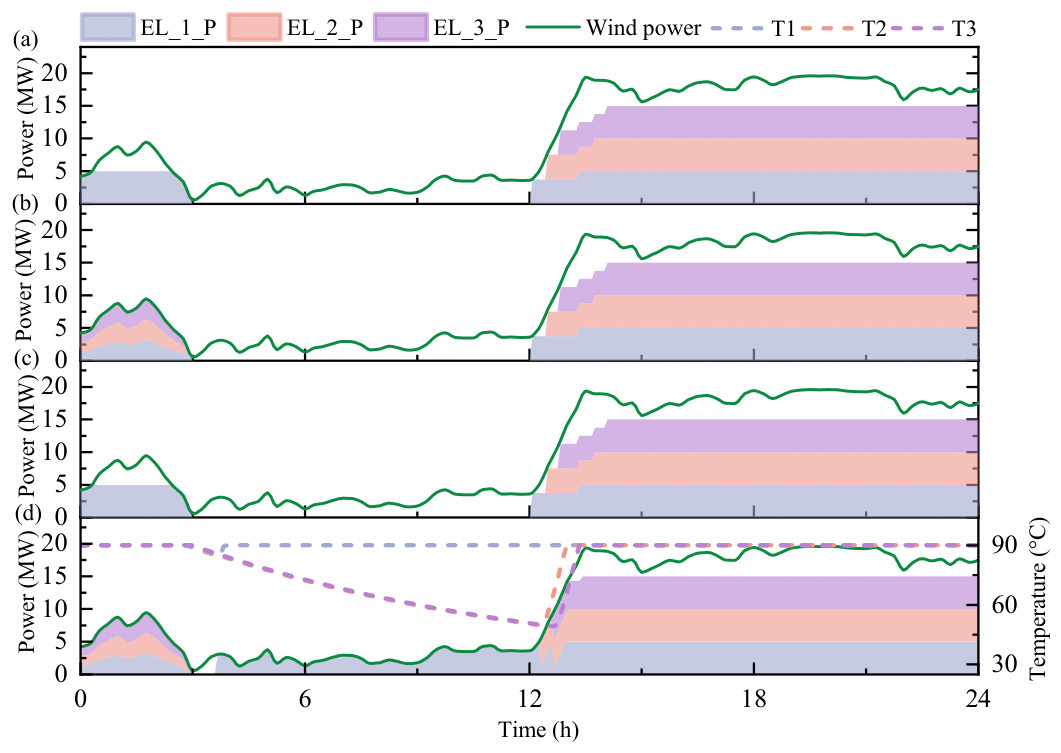
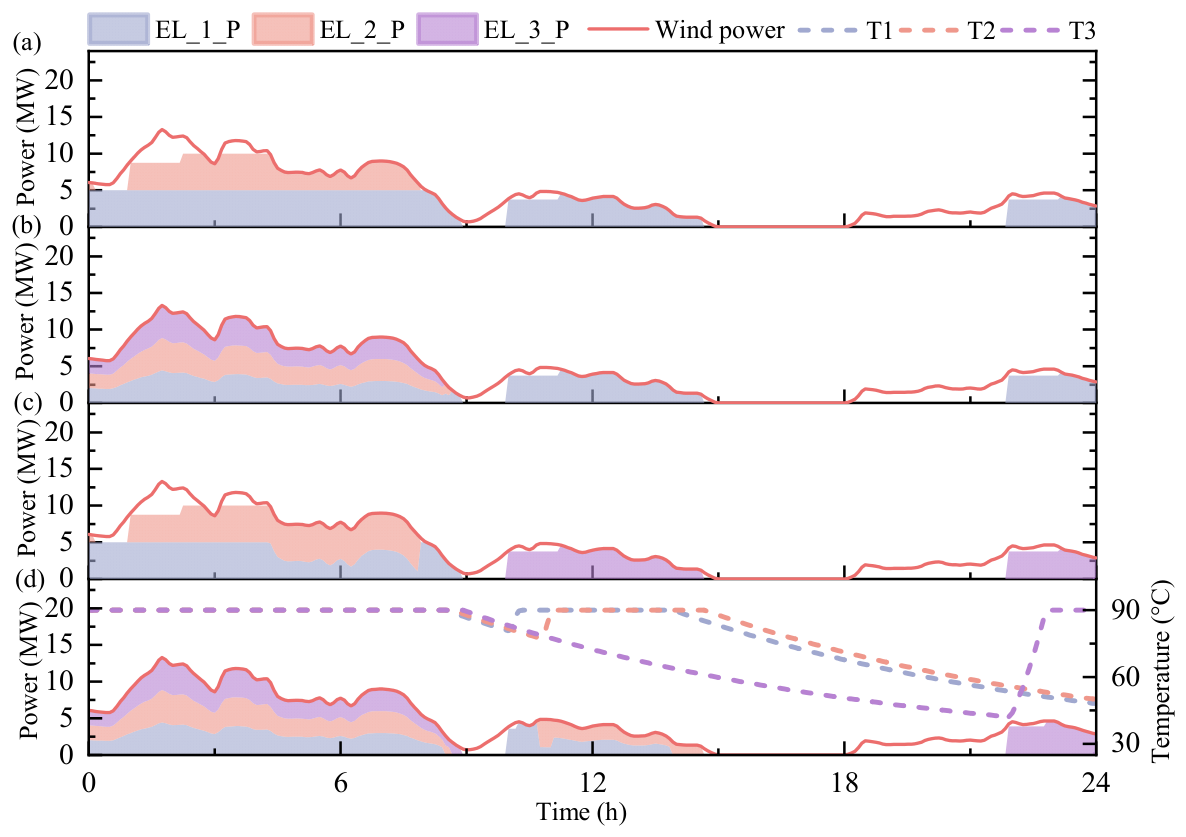
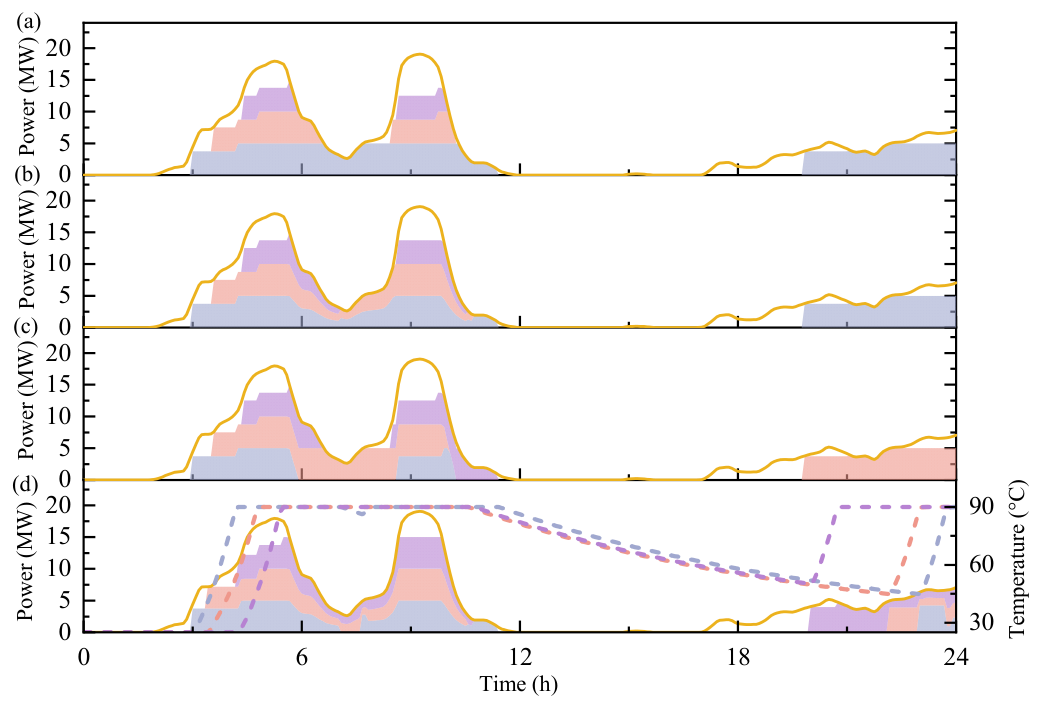
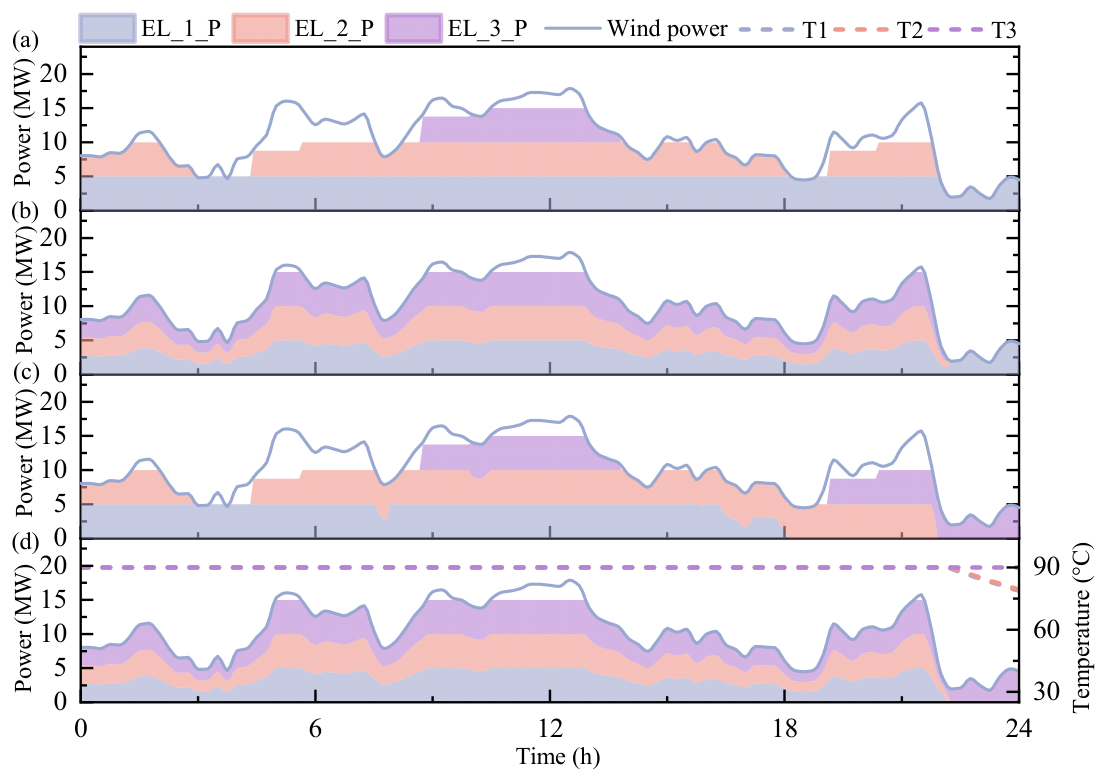
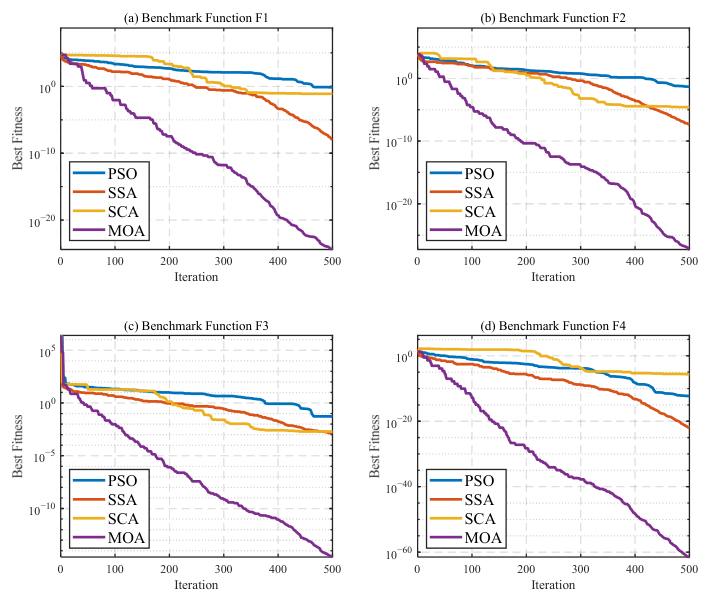
Driven by renewable energy, the operating temperatures of alkaline water electrolyzers (AWEs) exhibit significant dynamic variations. Conventional control strategies rely on fixed startup parameters, causing dispatch plans to deviate from actual physical states, which leads to transient over-temperature or startup failures. To address this issue, this paper proposes a dual-layer optimization strategy for multi-electrolyzer systems based on temperature–power adaptation. First, a thermo-electro-hydrogen coupling model is established to quantitatively reveal the dynamic relationship among the initial temperature, startup power, and transition time. This relationship is utilized to construct a dynamic startup boundary, overcoming the limitations of traditional static constraints. Within the proposed framework, the upper layer utilizes a Mixed-Integer Linear Programming (MILP) model to formulate state-switching and baseline power allocation plans derived from short-term forecasts. Concurrently, the lower layer employs the Mongoose Optimization Algorithm (MOA) for real-time rolling optimization, enabling the system to actively perceive temperature variations and adaptively schedule power allocation. Simulations across typical seasonal scenarios validate the strategy’s superiority. In a typical spring scenario, compared to the traditional Daisy Chain and Rotation Control strategies, as well as the Equal Allocation strategy, the proposed approach reduces total startup time and energy consumption by 59.2% and 54.6%, respectively. Furthermore, it increases wind power accommodation rates by 17.7% and 14.2%, and total hydrogen production by 20.0% and 14.9%, respectively. These superior renewable energy utilization and production efficiencies are robustly maintained across typical seasonal scenarios. By actively perceiving actual temperatures for adaptive scheduling, the proposed strategy ultimately ensures synergy and reliability between the control strategy and actual operational constraints under fluctuating conditions.
Keywords: alkaline water electrolyzer (AWE); renewable hydrogen production; thermo-electrical coupling; dual-layer optimization; adaptive power allocation; wind power accommodation alkaline water electrolyzer (AWE); renewable hydrogen production; thermo-electrical coupling; dual-layer optimization; adaptive power allocation; wind power accommodation