Article

Optimization of Passenger Train Line Planning Adjustments Based on Minimizing Systematic Costs

Institute of Computing Technologies, China Academy of Railway Sciences Corporation Limited, Beijing 100081, China
*
Authors to whom correspondence should be addressed.
Inventions 2025, 10(4), 64; https://doi.org/10.3390/inventions10040064

Submission received: 3 June 2025 / Revised: 25 July 2025 / Accepted: 25 July 2025 / Published: 30 July 2025

Abstract

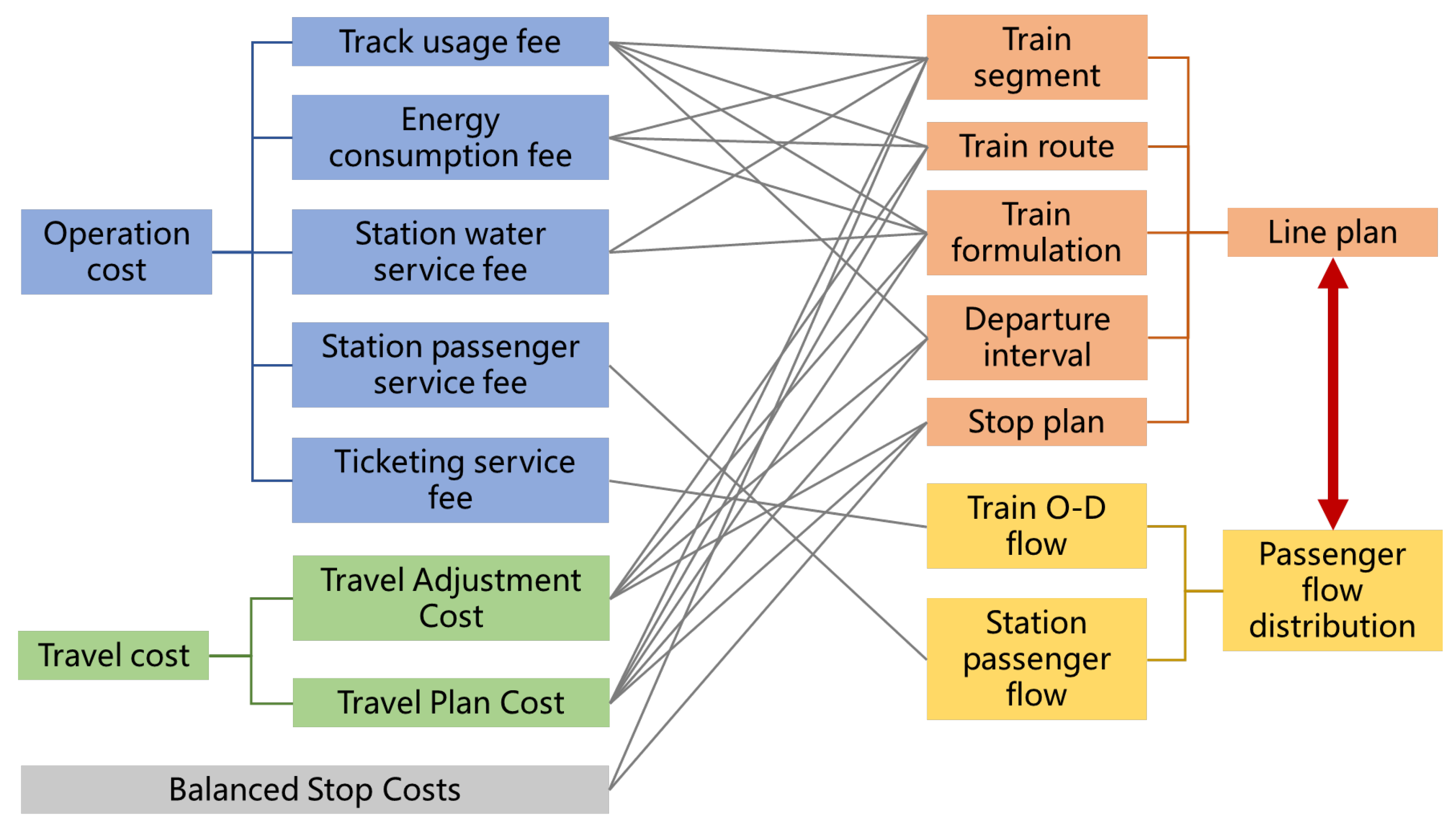
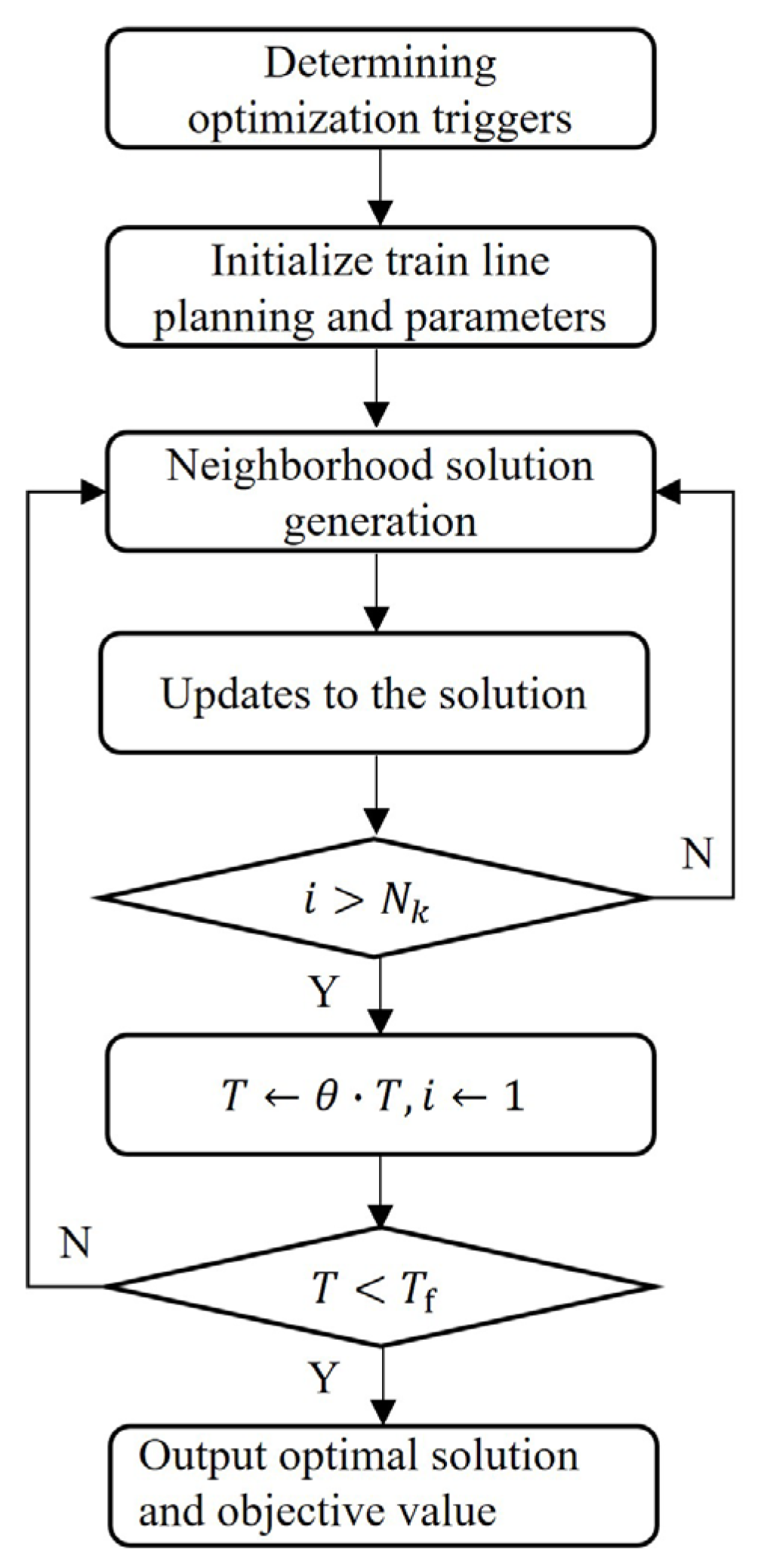
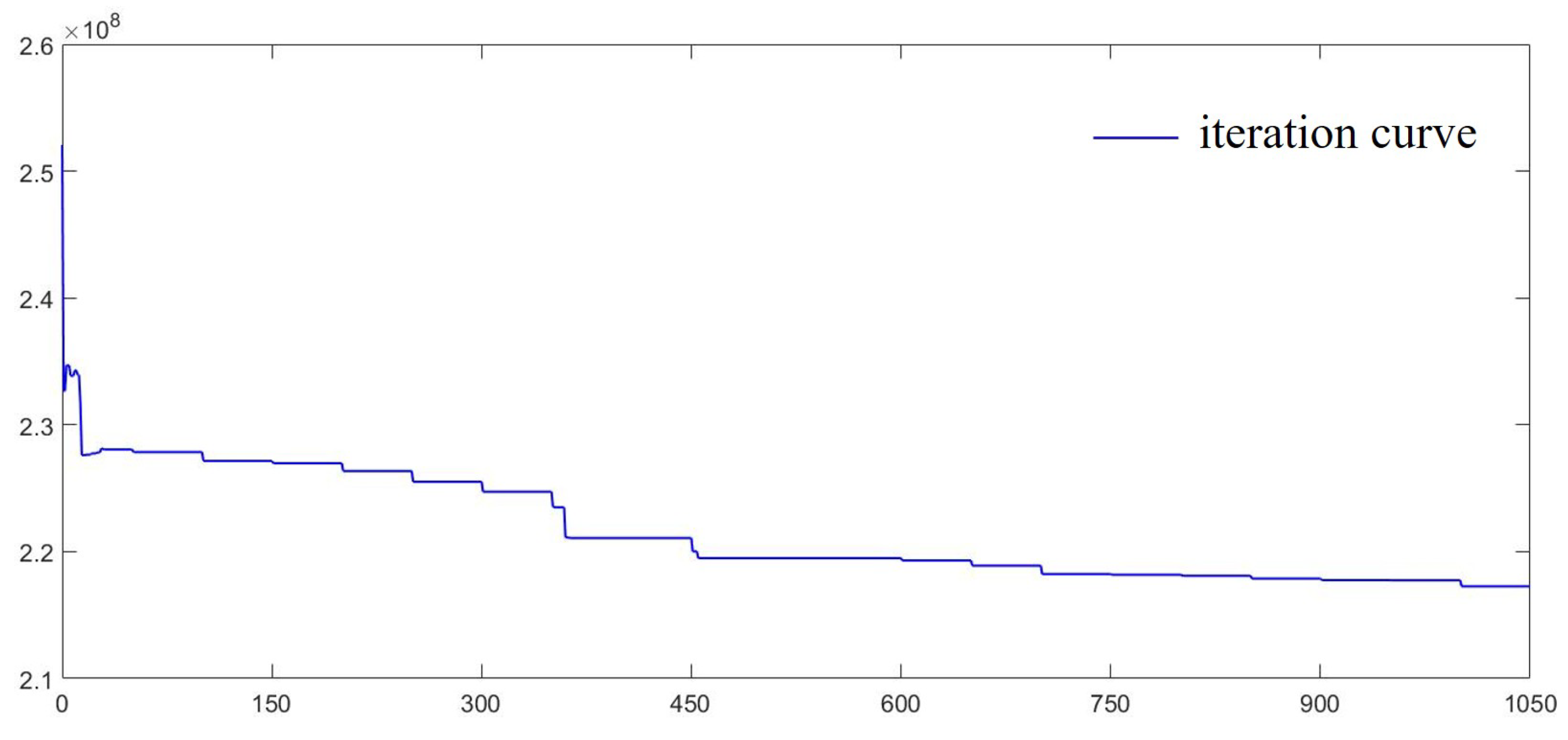
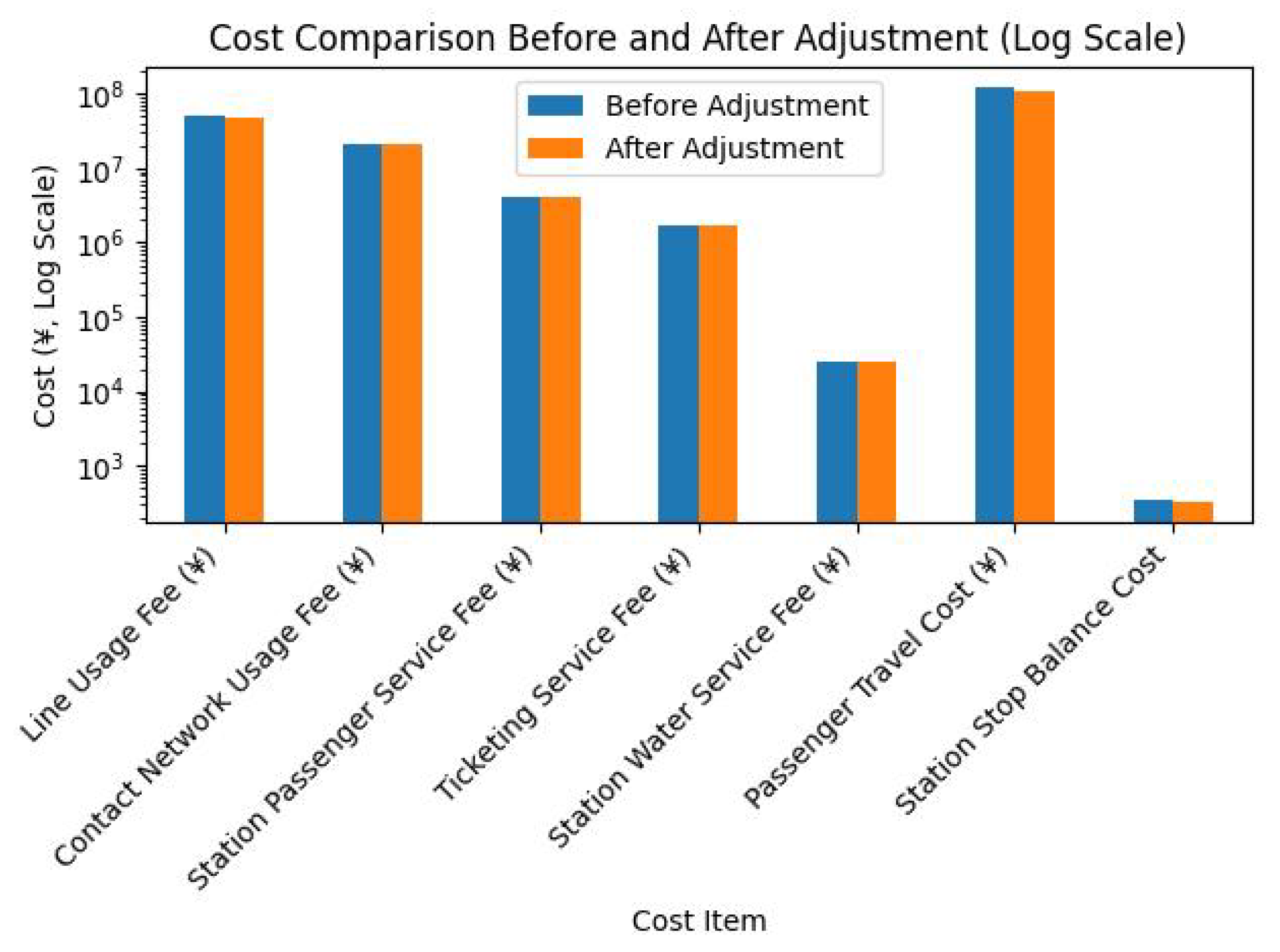
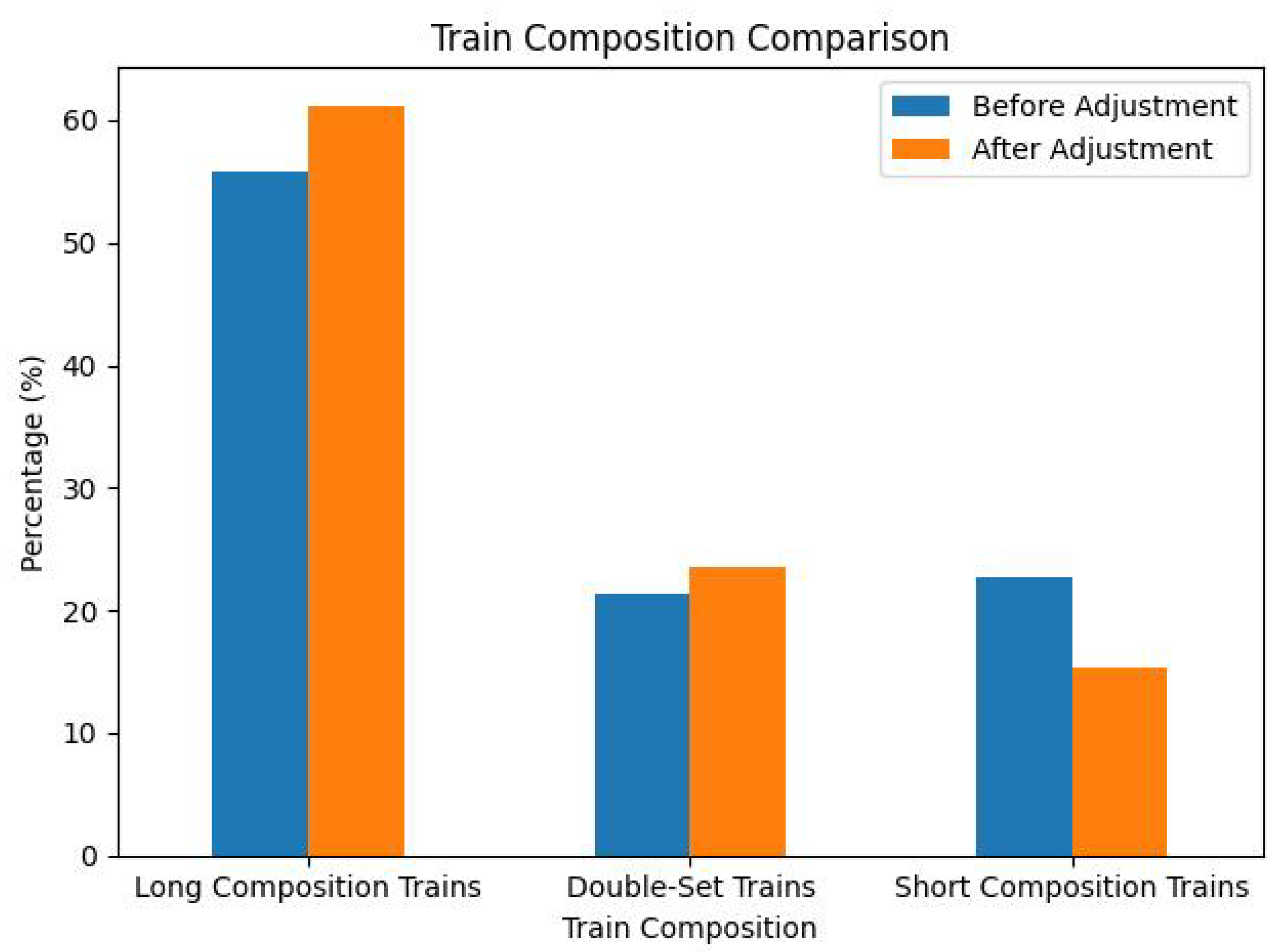
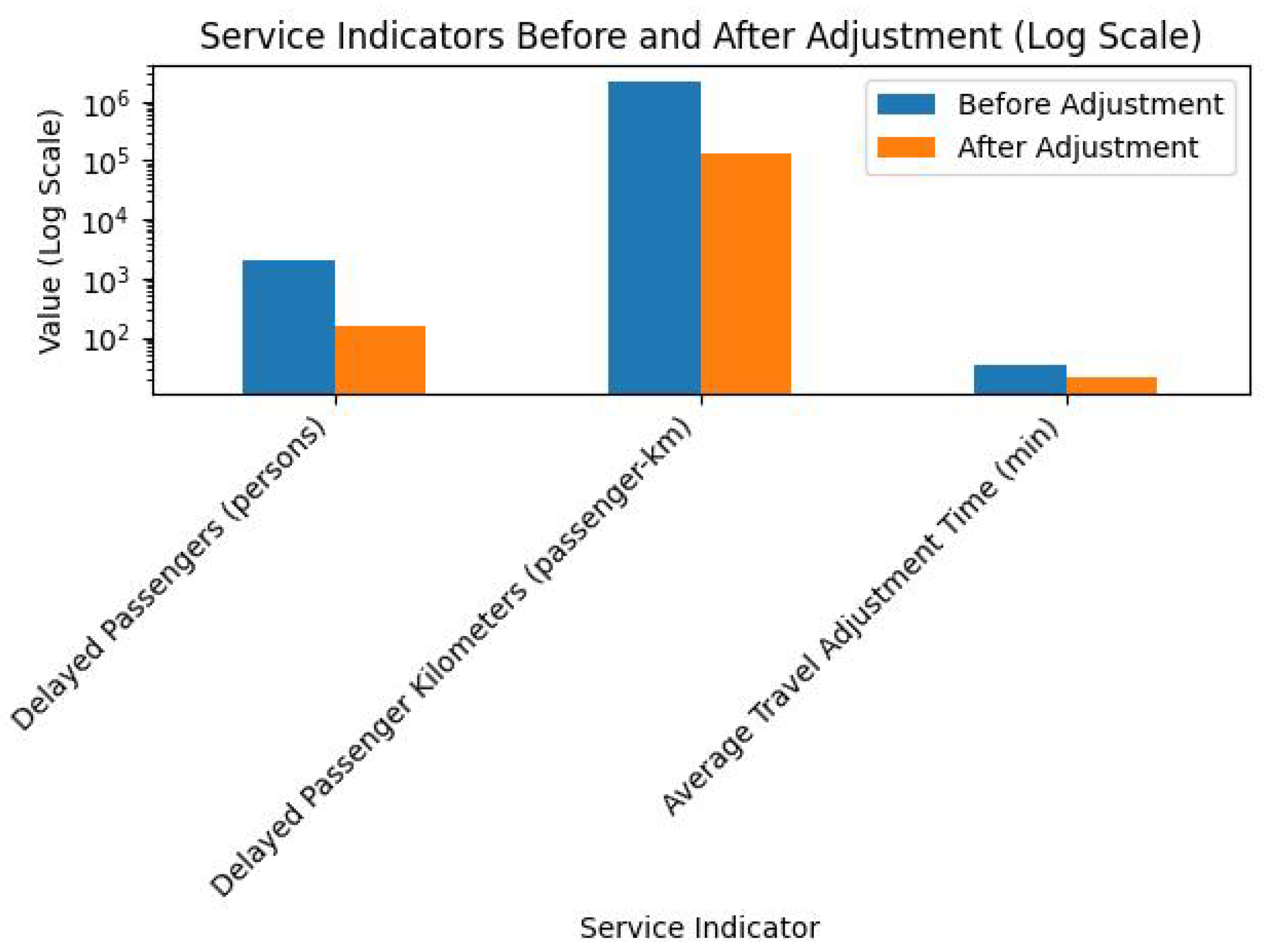
Optimizing passenger train line planning is a complex task that involves balancing operational costs and passenger service quality. This study investigates the adjustment and optimization of train line plans to better align with passenger demand and operational constraints, while minimizing systematic costs. These costs include train operation expenses (e.g., line usage fees and station service fees), passenger travel costs, and hidden costs such as imbalances in station stops. Line usage fees refer to charges for using railway tracks, whereas station service fees cover services provided at train stations. The optimization process employs a Simulated Annealing Algorithm to adjust train compositions, capacity configurations, and stop patterns to better match passenger demand. The results indicate a 13.89% reduction in the objective function value, reflecting improved overall efficiency. Notably, most costs are reduced, including train operating costs and passenger travel costs. However, ticketing service fees—which are calculated as a percentage of passenger fare revenue—increased slightly due to additional backtracking in passenger travel paths, which raised the total fare collected. Overall, the optimization improves the operational performance of the train network, enhancing both efficiency and service quality.
Keywords: passenger train line planning; systematic costs; fleet utilization; simulated annealing algorithm; capacity utilization passenger train line planning; systematic costs; fleet utilization; simulated annealing algorithm; capacity utilization