Review

Precision, Reproducibility, and Validation in Zebrafish Genome Editing: A Critical Review of CRISPR, Base, and Prime Editing Technologies


1
Key Laboratory of Exploration and Utilization of Aquatic Genetic Resources, Ministry of Education, Shanghai Ocean University, Shanghai 201306, China
2
International Research Center for Marine Biosciences, Ministry of Science and Technology, Shanghai Ocean University, Shanghai 201306, China
3
Department of Organismal Biology and Anatomy, The University of Chicago, Chicago, IL 60637, USA
*
Authors to whom correspondence should be addressed.
Fishes 2026, 11(1), 41; https://doi.org/10.3390/fishes11010041

Submission received: 24 October 2025 / Revised: 2 January 2026 / Accepted: 2 January 2026 / Published: 9 January 2026
(This article belongs to the Section Genetics and Biotechnology)

Abstract

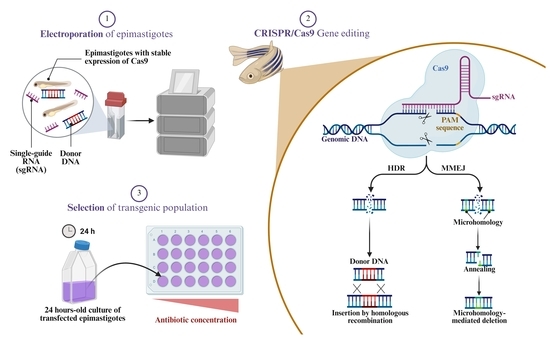
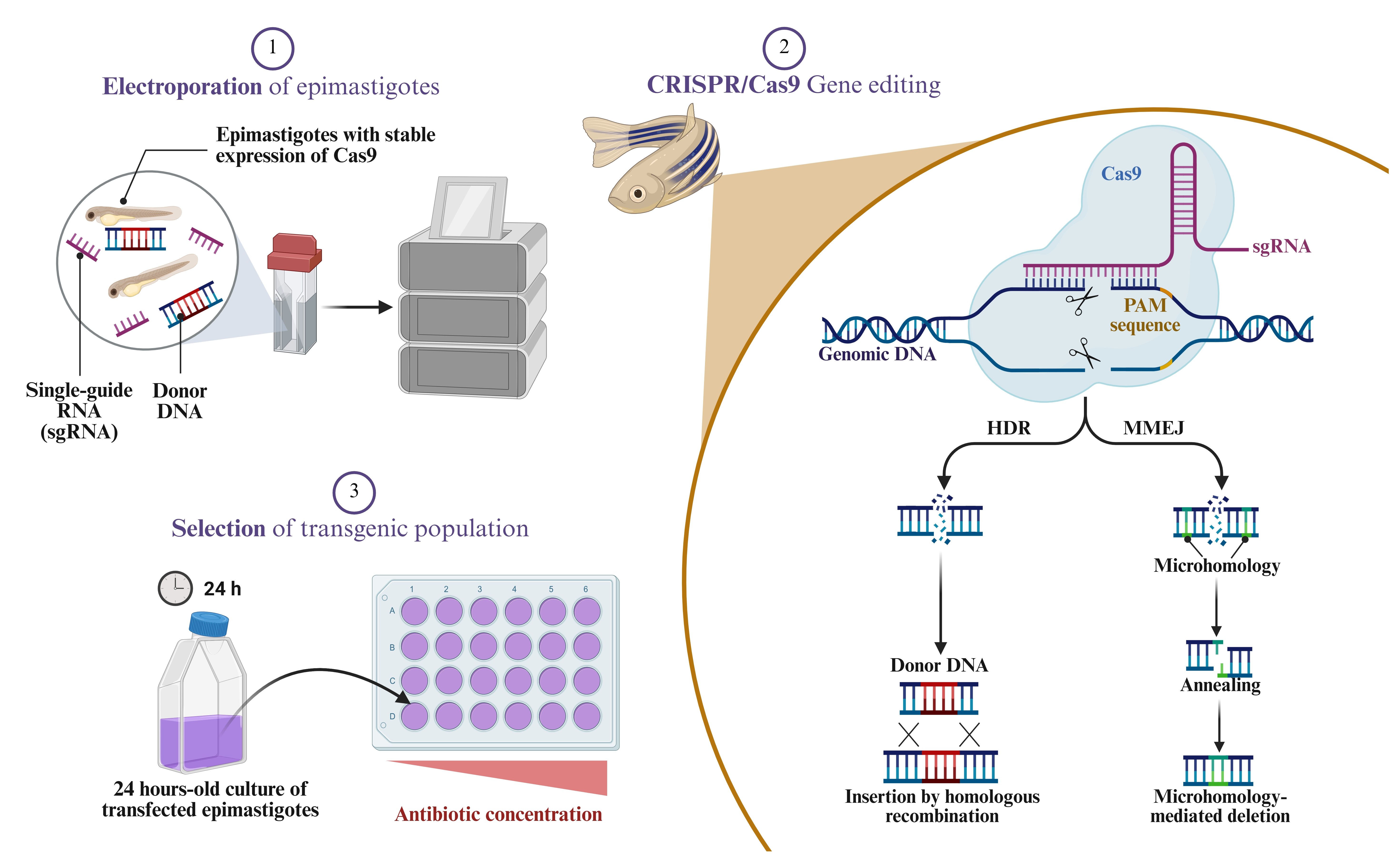
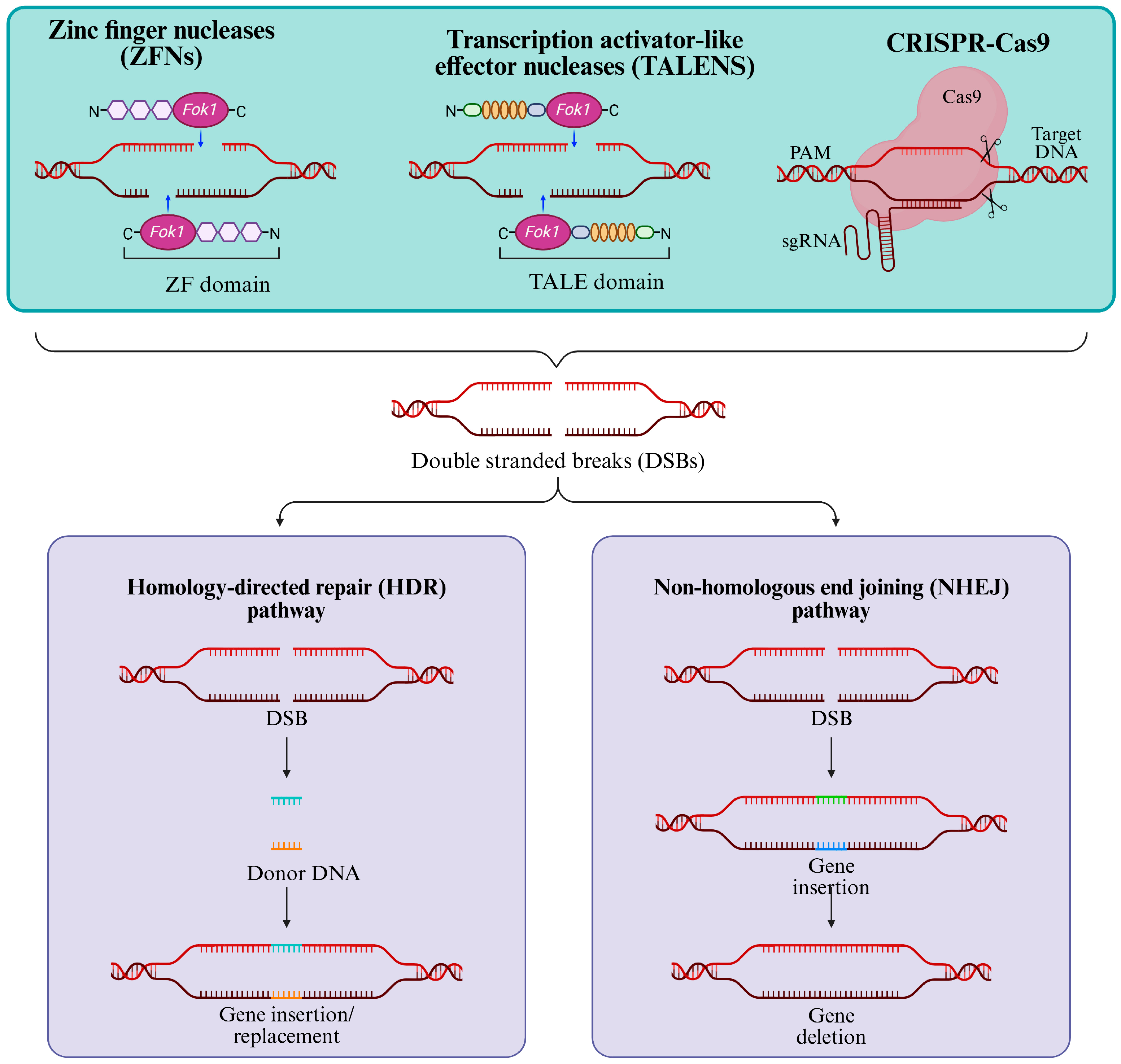
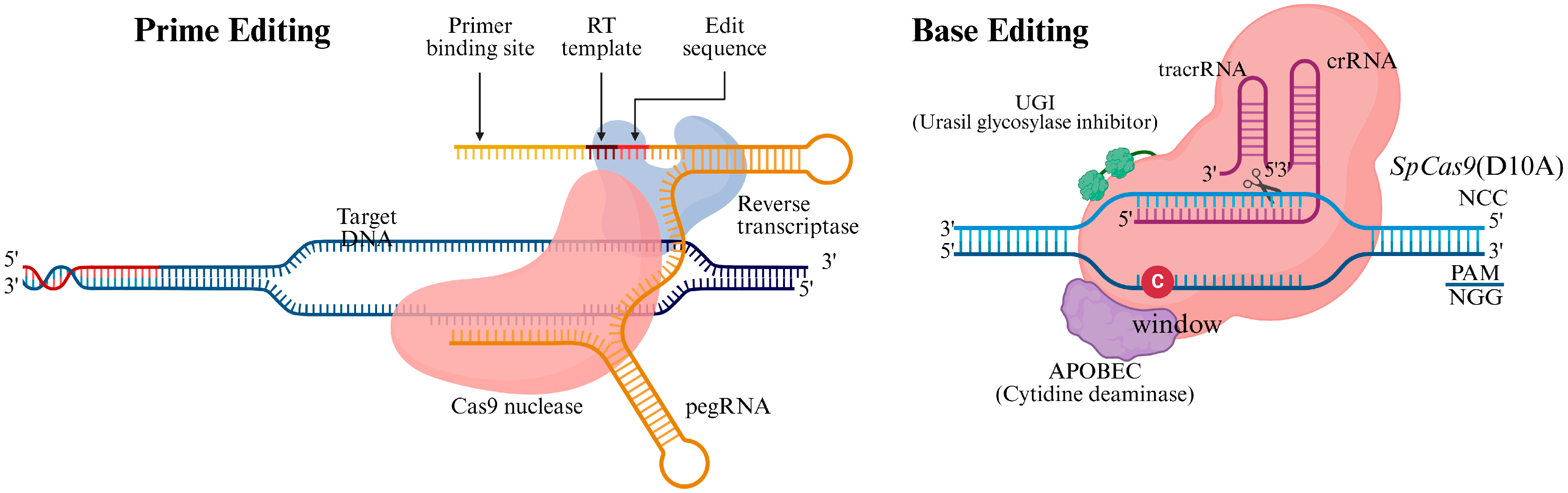
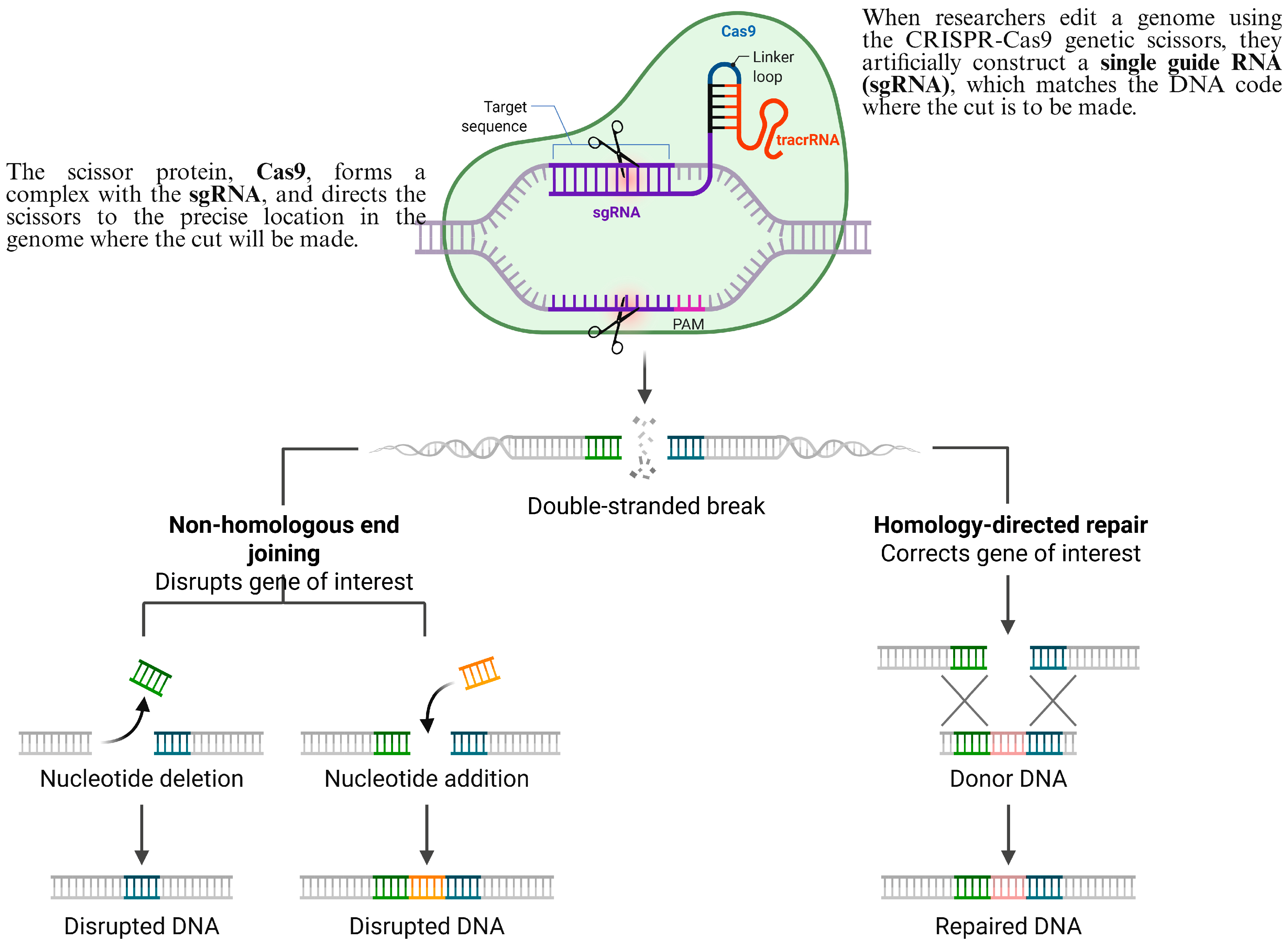
The rapid evolution of CRISPR/Cas technology has transformed genome editing across biological systems in which zebrafish have emerged as a powerful vertebrate model for functional genomics and disease research. Due to its transparency, genetic similarity to humans, and suitability for large-scale screening, zebrafish is an appropriate system for translating molecular discoveries into biomedical and environmental applications. Thereby, this review highlights the recent progress in zebrafish gene editing, targeting innovations in ribonucleoprotein delivery, PAM-flexible Cas variants, and precision editors. These approaches have greatly improved editing accuracy, reduced mosaicism, and enabled efficient F0 phenotyping. In the near future, automated microinjections, optimized guide RNA design, and multi-omics validation pipelines are expected to enhance reproducibility and scalability. Although recent innovations such as ribonucleoprotein delivery, PAM-flexible Cas variants, and precision editors have expanded the zebrafish genome-editing toolkit, their benefits are often incremental and context-dependent. Mosaicism, allele complexity, and variable germline transmission remain common, particularly in F0 embryos. Precision editors enable defined nucleotide changes but typically exhibit modest efficiencies and locus-specific constraints in zebrafish. Consequently, rigorous validation, standardized workflows, and careful interpretation of F0 phenotypes remain essential. This review critically examines both the capabilities and limitations of current zebrafish gene-editing technologies, emphasizing experimental trade-offs, reproducibility challenges, and realistic use cases.
Keywords: CRISPR technology; zebrafish; gene editing; editing mechanisms; gene knockout CRISPR technology; zebrafish; gene editing; editing mechanisms; gene knockout
Graphical Abstract