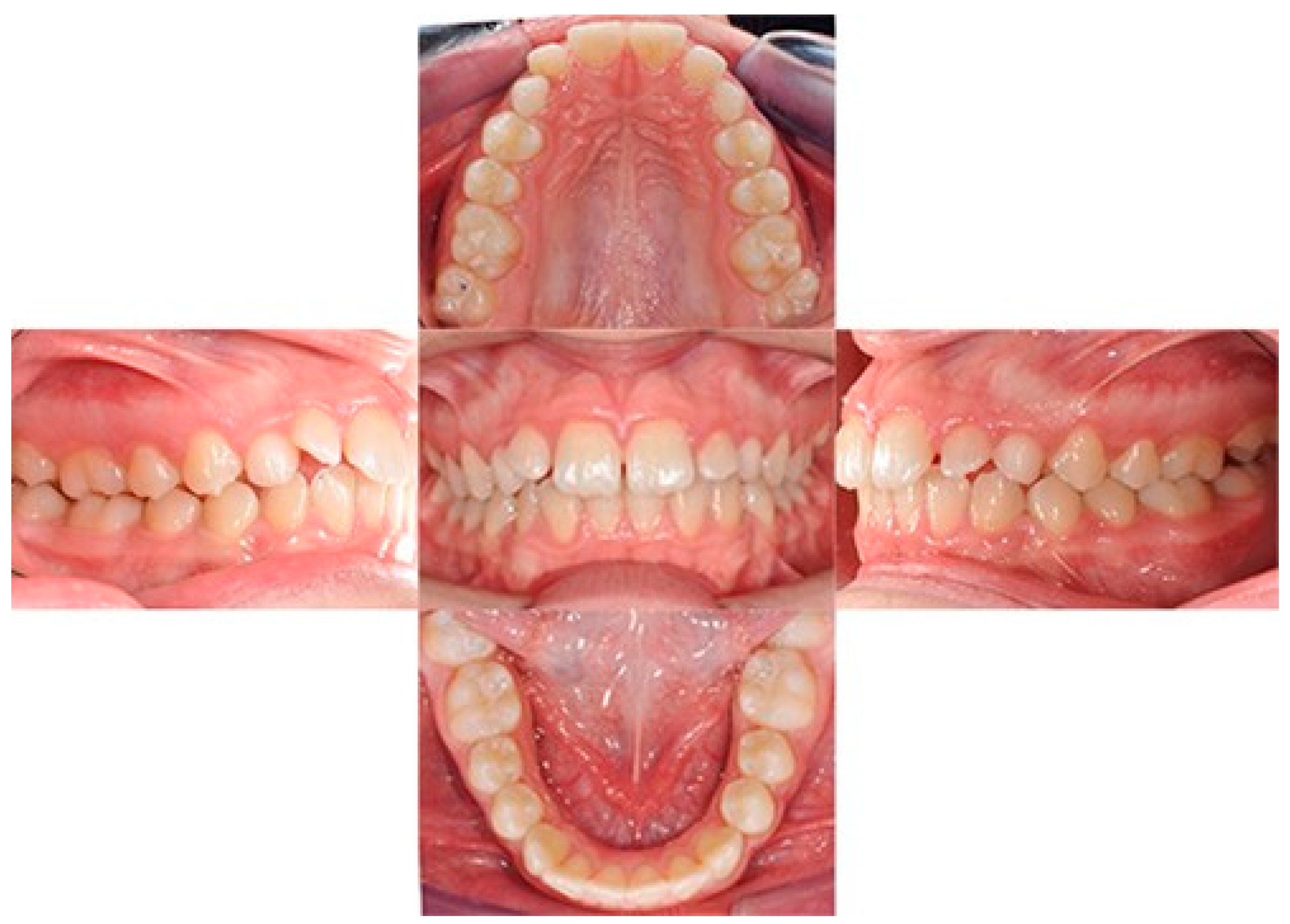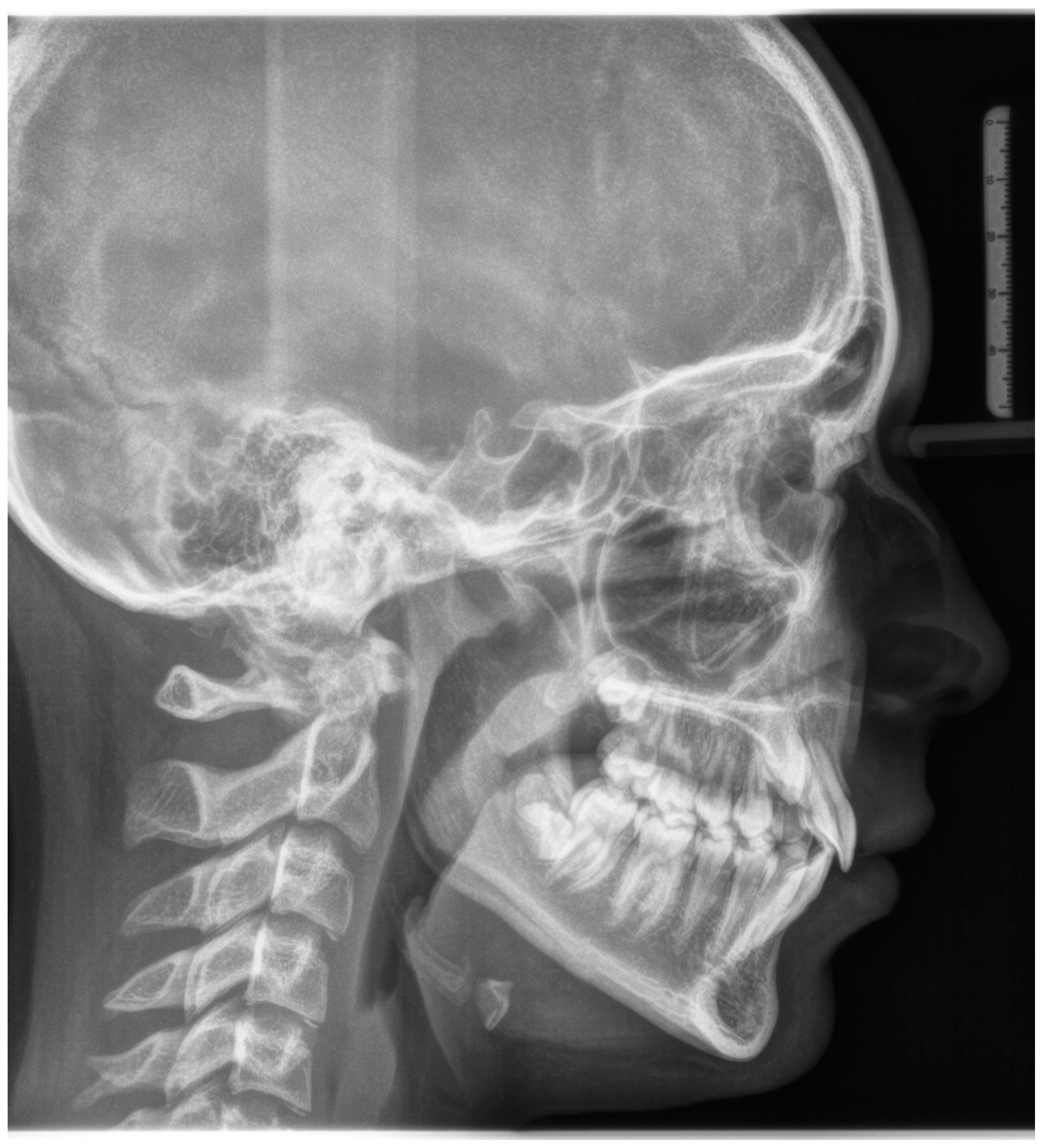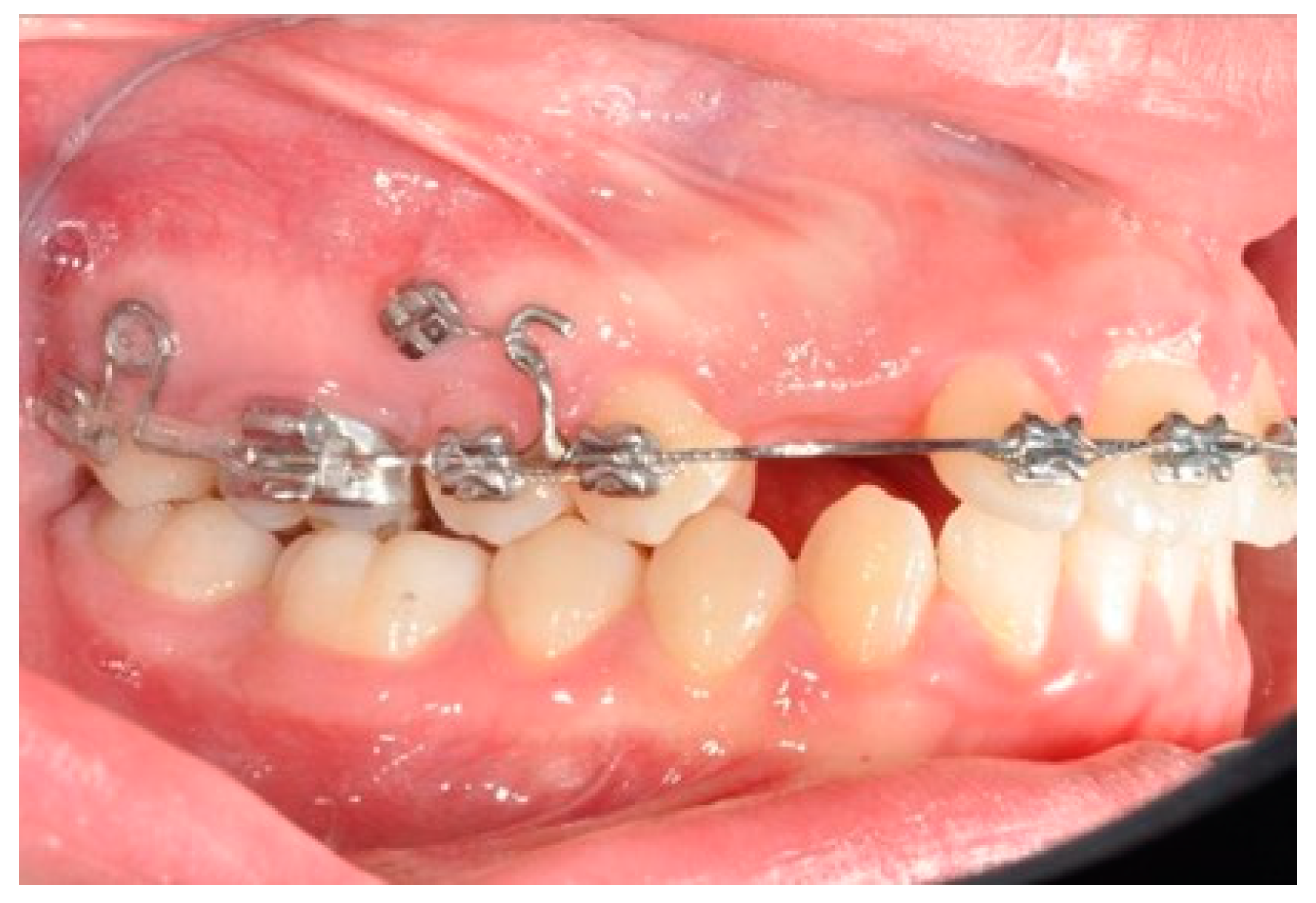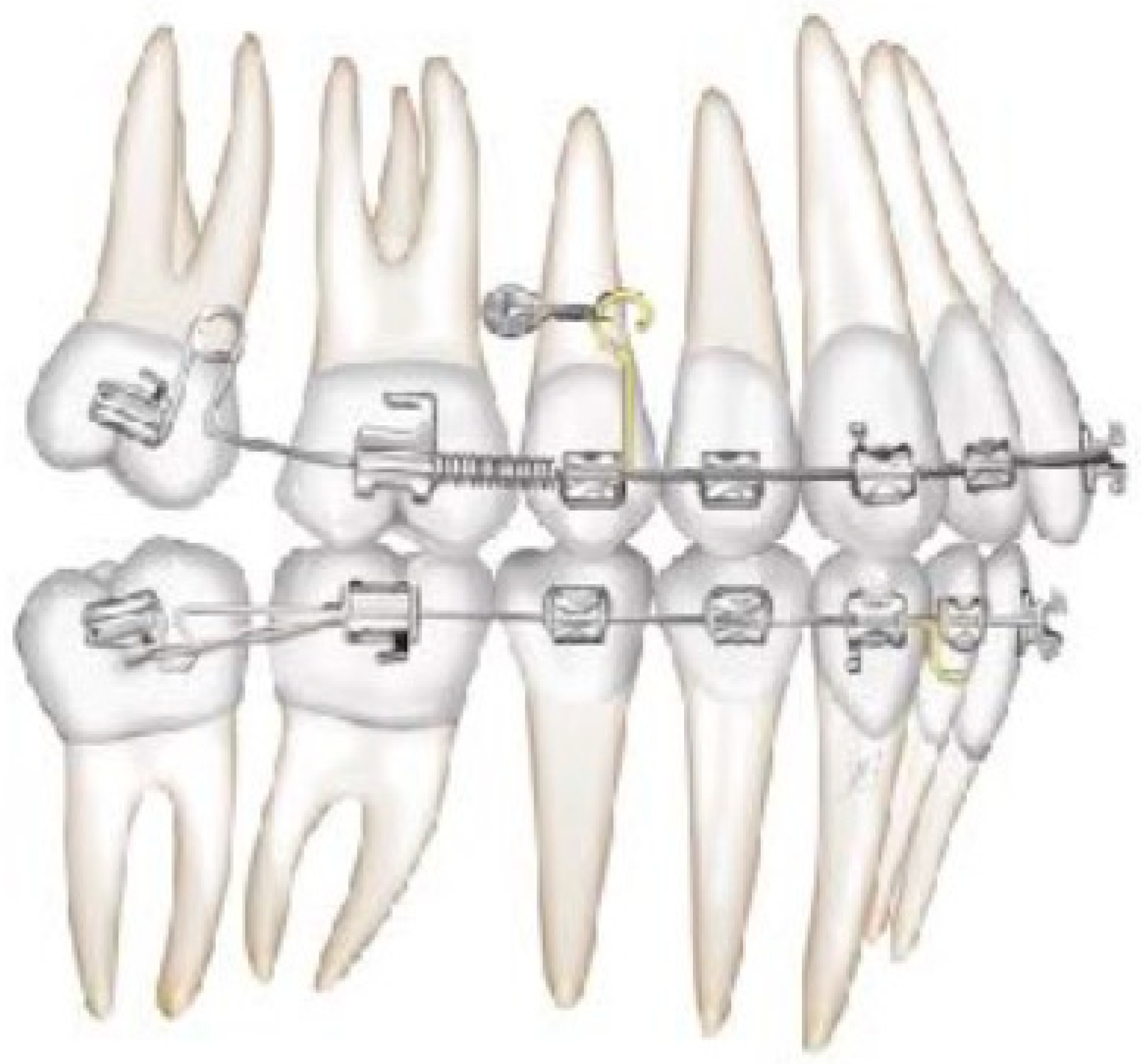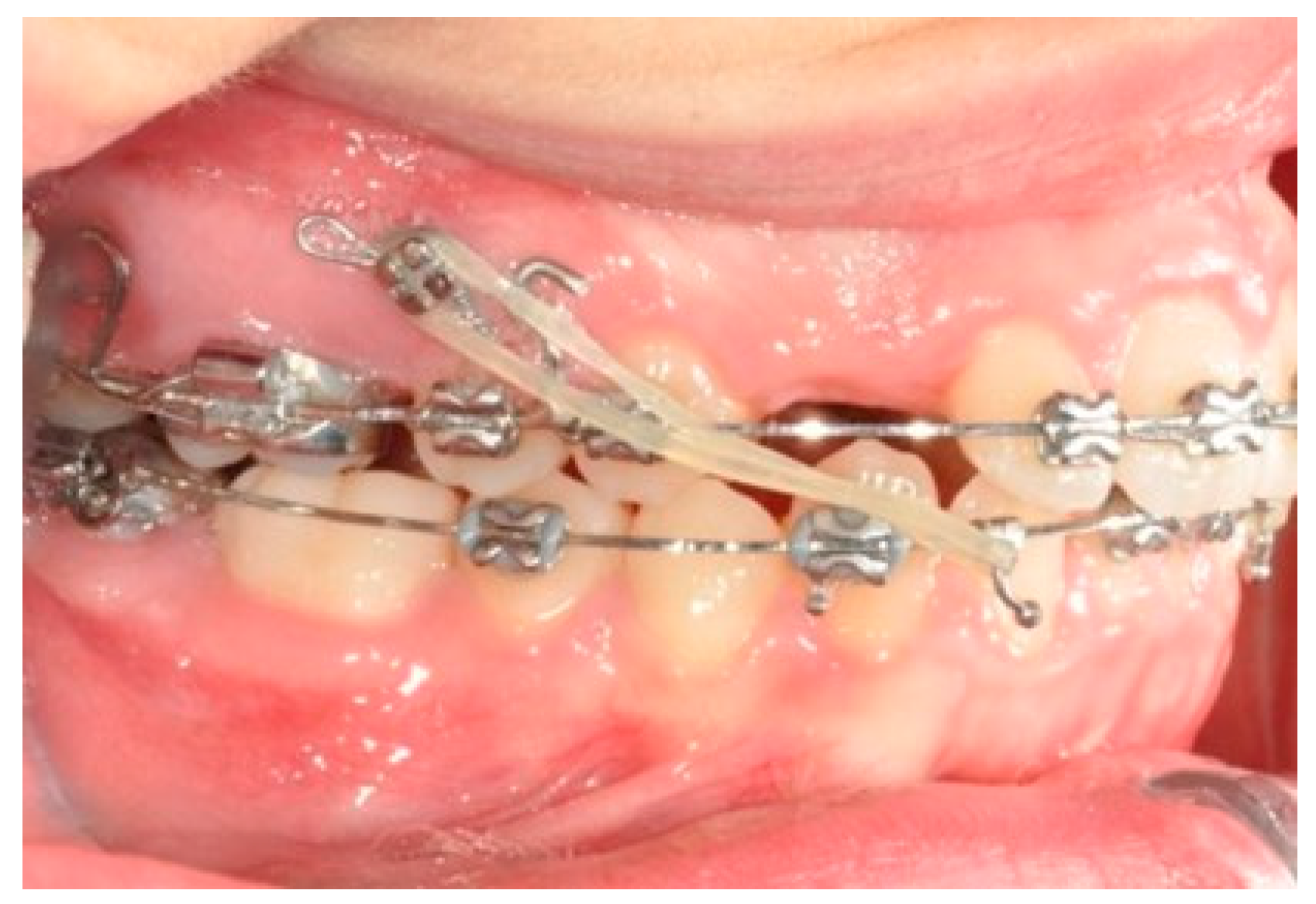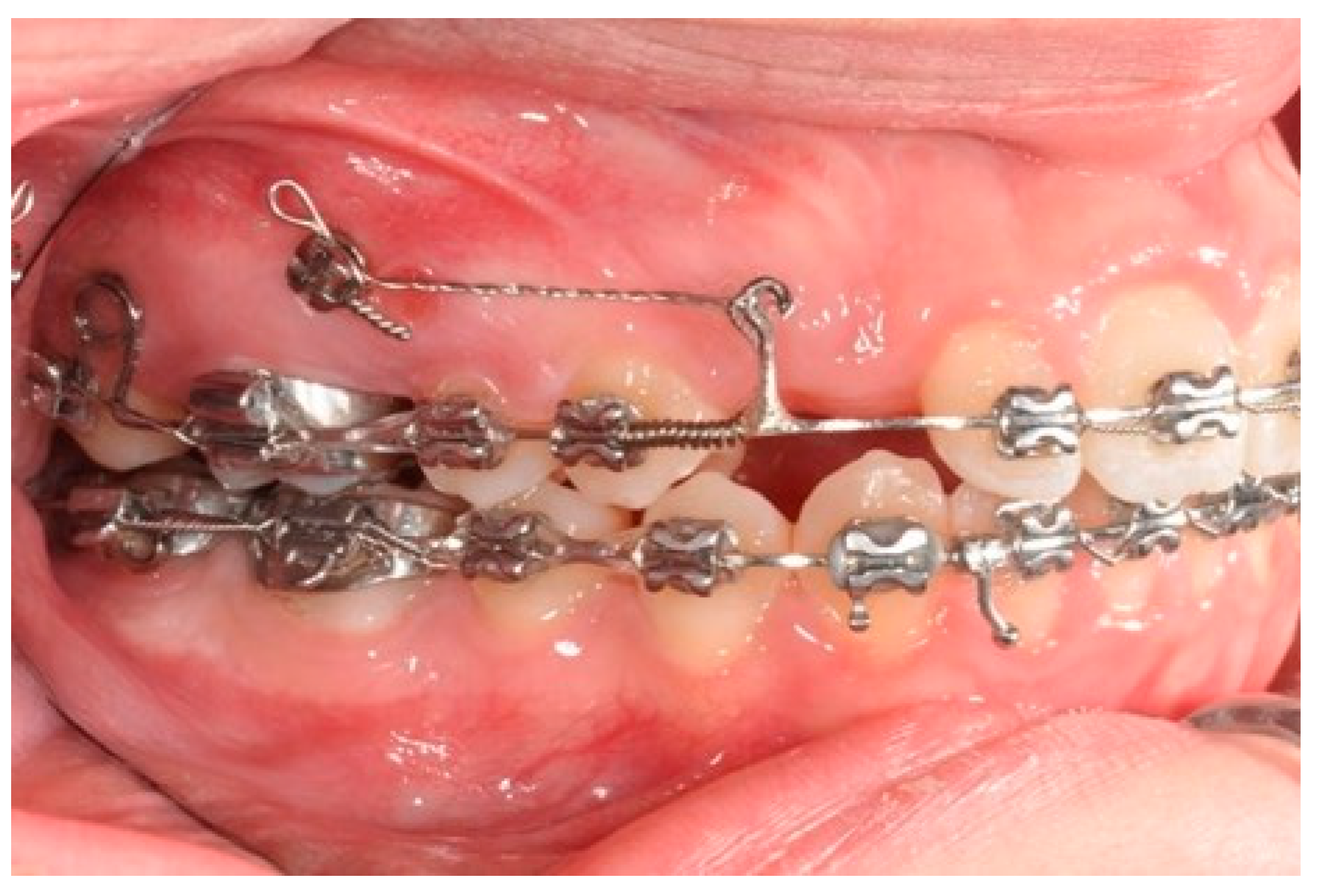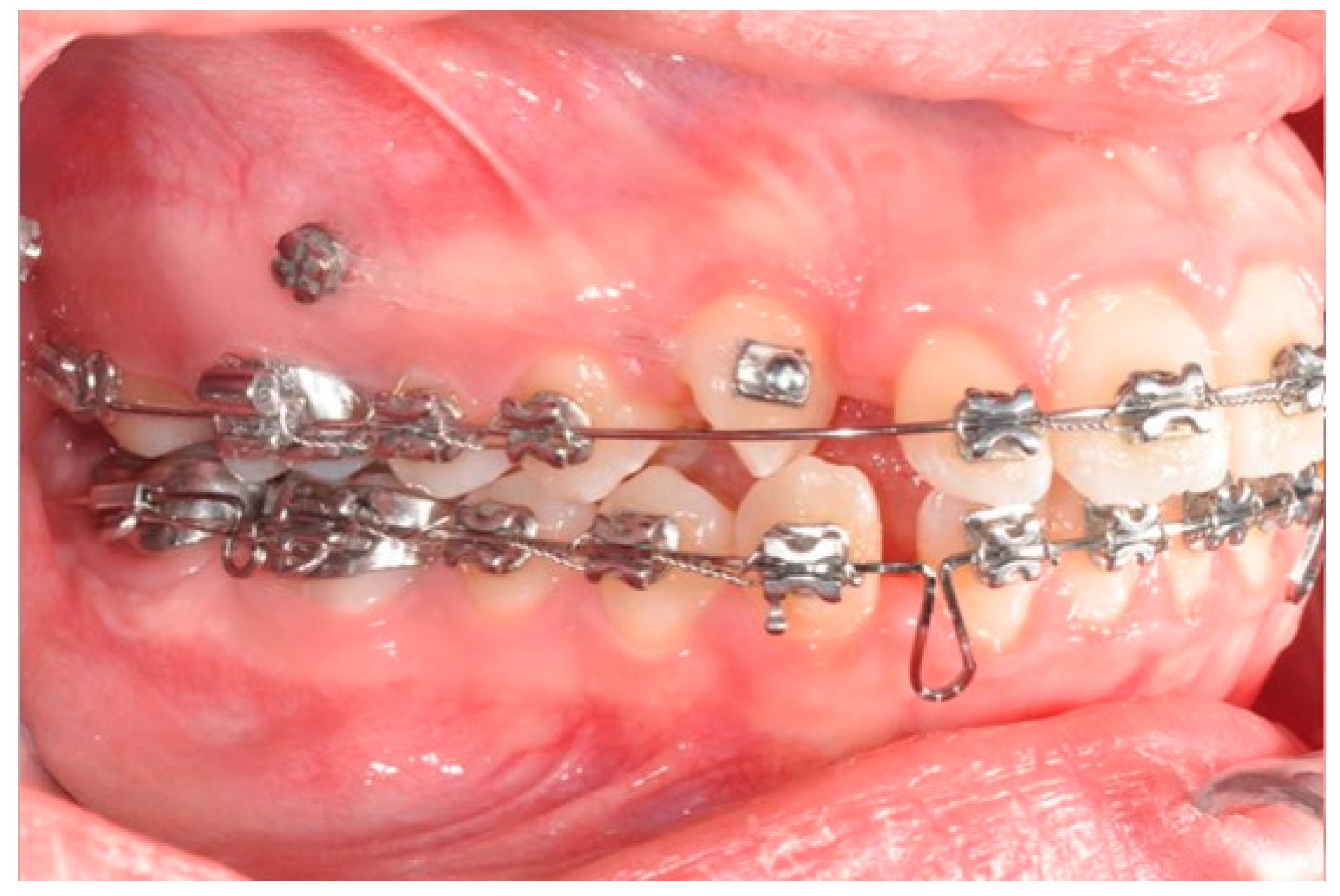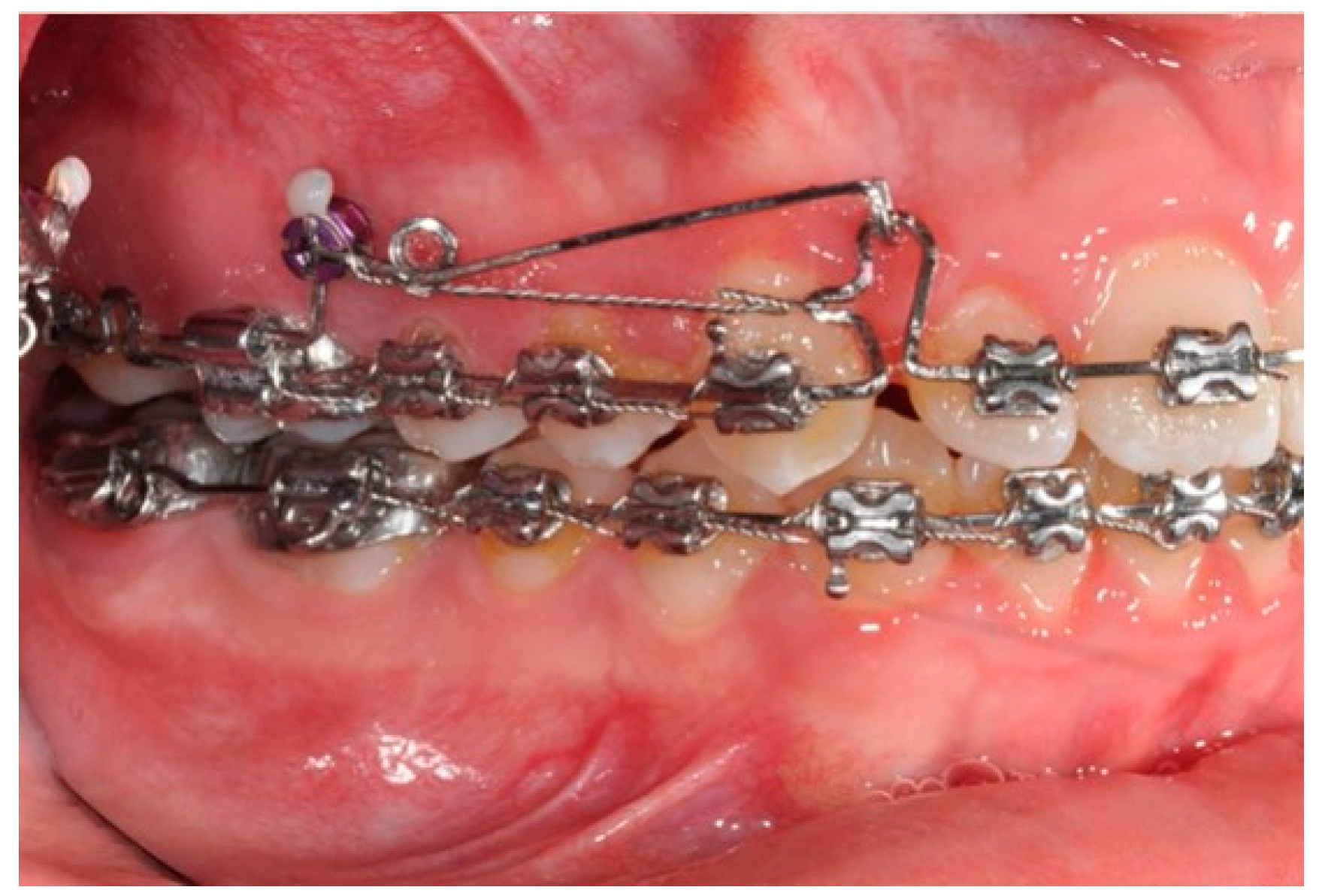

Biomechanical Multipurpose Miniscrew Strategy for Simultaneous Distalization in Class II Patients—The BiGa System


Abstract
Share and Cite
Di Carlo, G.; Biondi, G.; Gazzola, I.; Saccucci, M. Biomechanical Multipurpose Miniscrew Strategy for Simultaneous Distalization in Class II Patients—The BiGa System. Biomimetics 2024, 9, 305. https://doi.org/10.3390/biomimetics9050305
Di Carlo G, Biondi G, Gazzola I, Saccucci M. Biomechanical Multipurpose Miniscrew Strategy for Simultaneous Distalization in Class II Patients—The BiGa System. Biomimetics. 2024; 9(5):305. https://doi.org/10.3390/biomimetics9050305
Chicago/Turabian StyleDi Carlo, Gabriele, Guglielmo Biondi, Ivan Gazzola, and Matteo Saccucci. 2024. "Biomechanical Multipurpose Miniscrew Strategy for Simultaneous Distalization in Class II Patients—The BiGa System" Biomimetics 9, no. 5: 305. https://doi.org/10.3390/biomimetics9050305
APA StyleDi Carlo, G., Biondi, G., Gazzola, I., & Saccucci, M. (2024). Biomechanical Multipurpose Miniscrew Strategy for Simultaneous Distalization in Class II Patients—The BiGa System. Biomimetics, 9(5), 305. https://doi.org/10.3390/biomimetics9050305