Article

Gust Response and Alleviation of Avian-Inspired In-Plane Folding Wings

by
Haibo Zhang
1,2,
Haolin Yang
1,
Yongjian Yang
1,3,
Chen Song
1,* and
Chao Yang
1
1
School of Aeronautic Science and Engineering, Beihang University, Beijing 100191, China
2
Institute of Systems Engineering, China Academy of Engineering Physics, Mianyang 621900, China
3
Guangdong Huitian Aerospace Technology Co., Guangzhou 511400, China
*
Author to whom correspondence should be addressed.
Biomimetics 2024, 9(10), 641; https://doi.org/10.3390/biomimetics9100641

Submission received: 29 August 2024 / Revised: 1 October 2024 / Accepted: 1 October 2024 / Published: 18 October 2024

Abstract

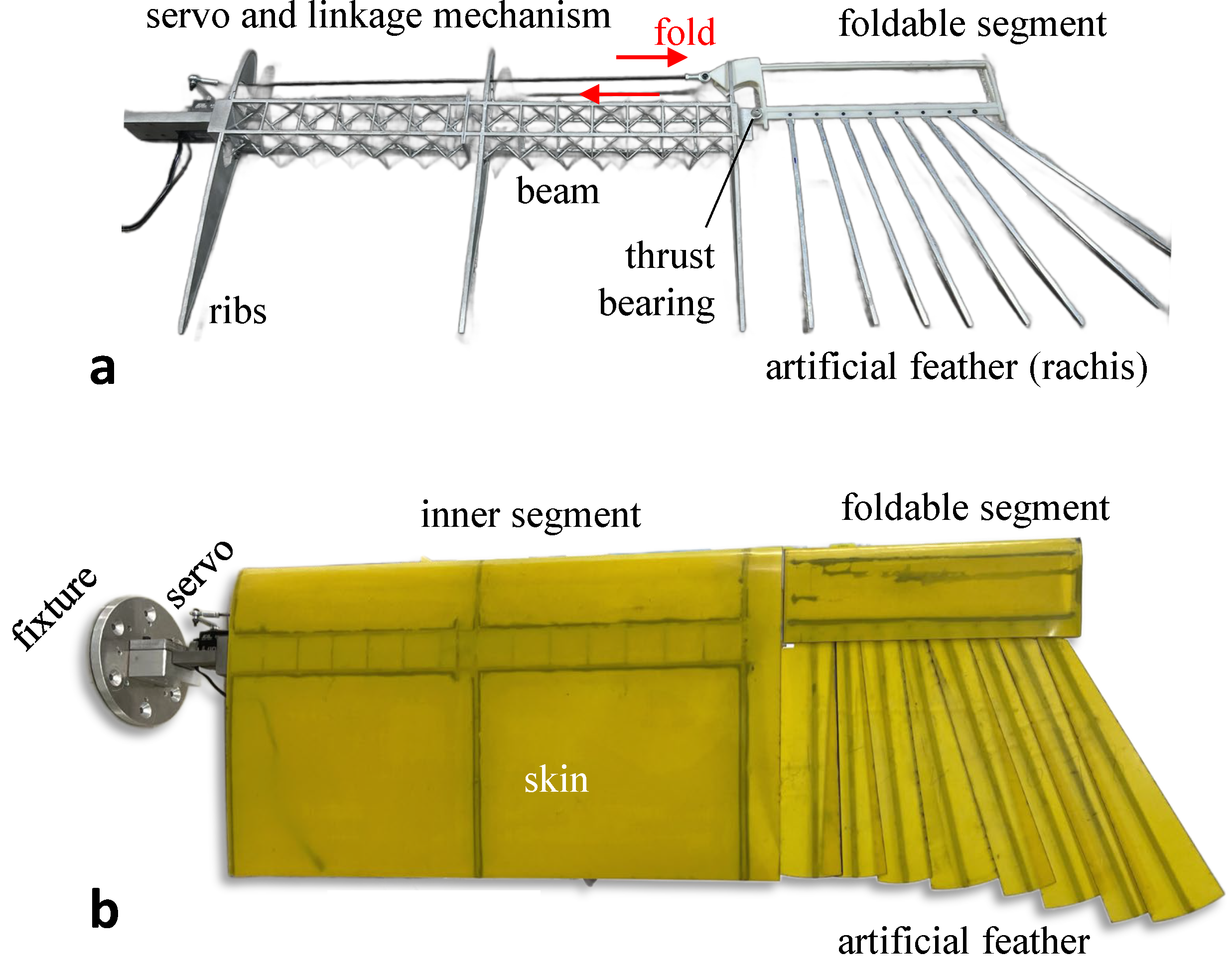
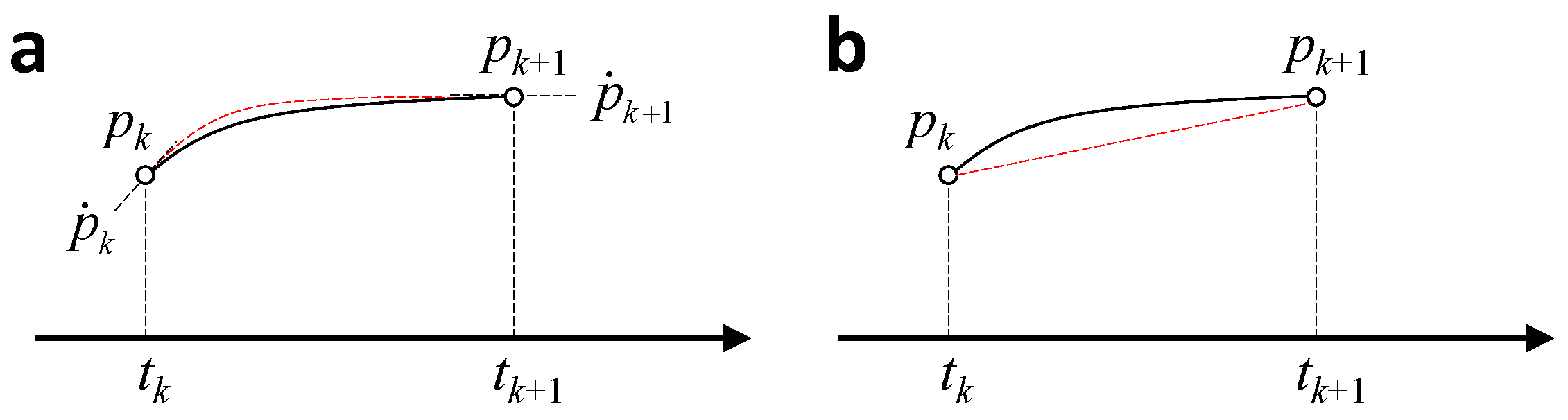
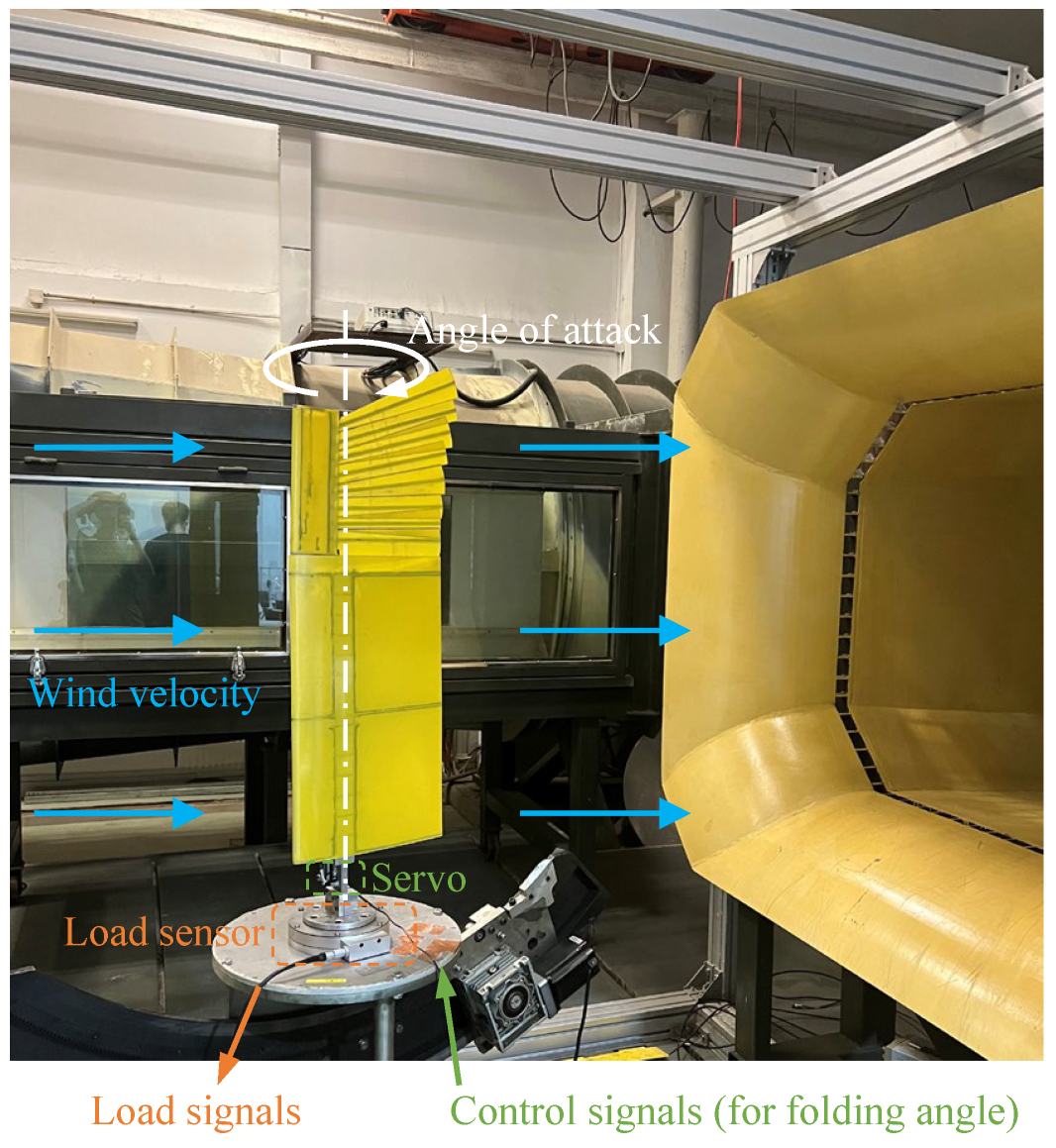
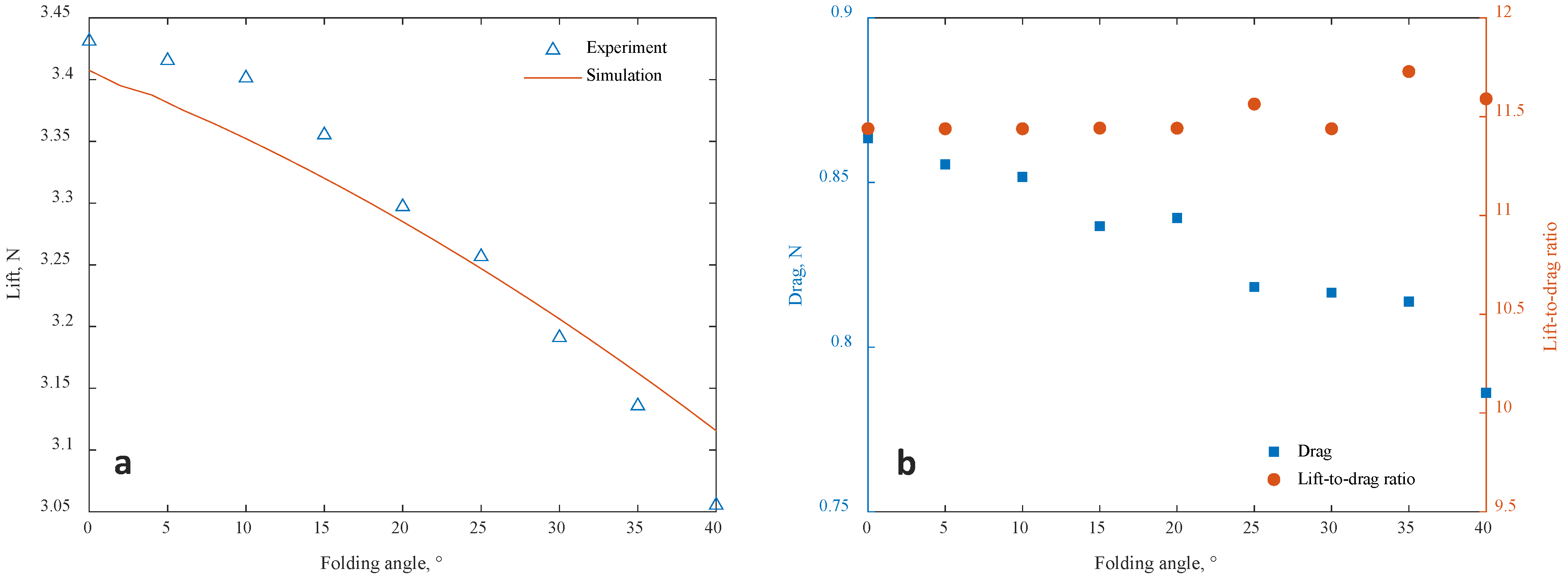
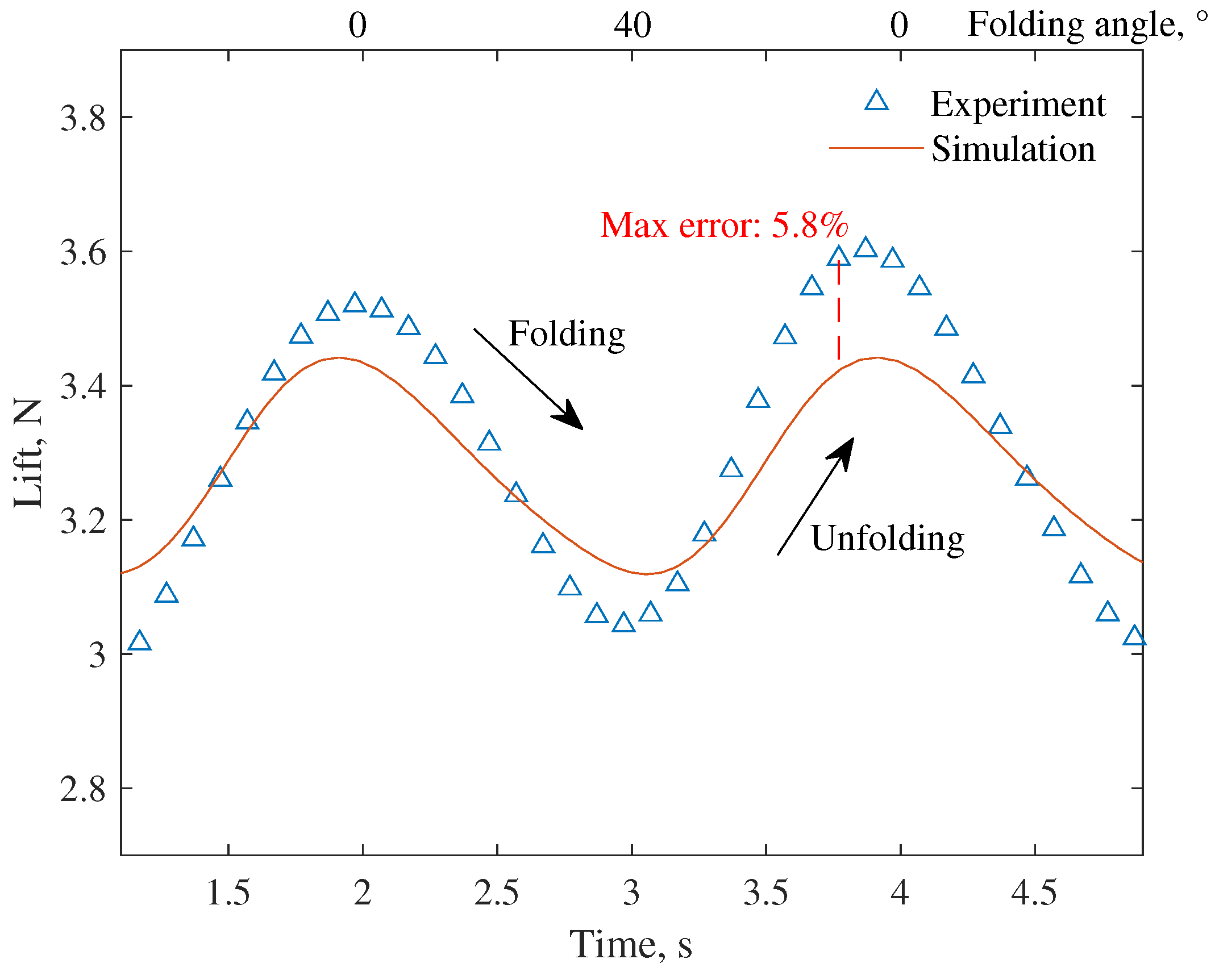
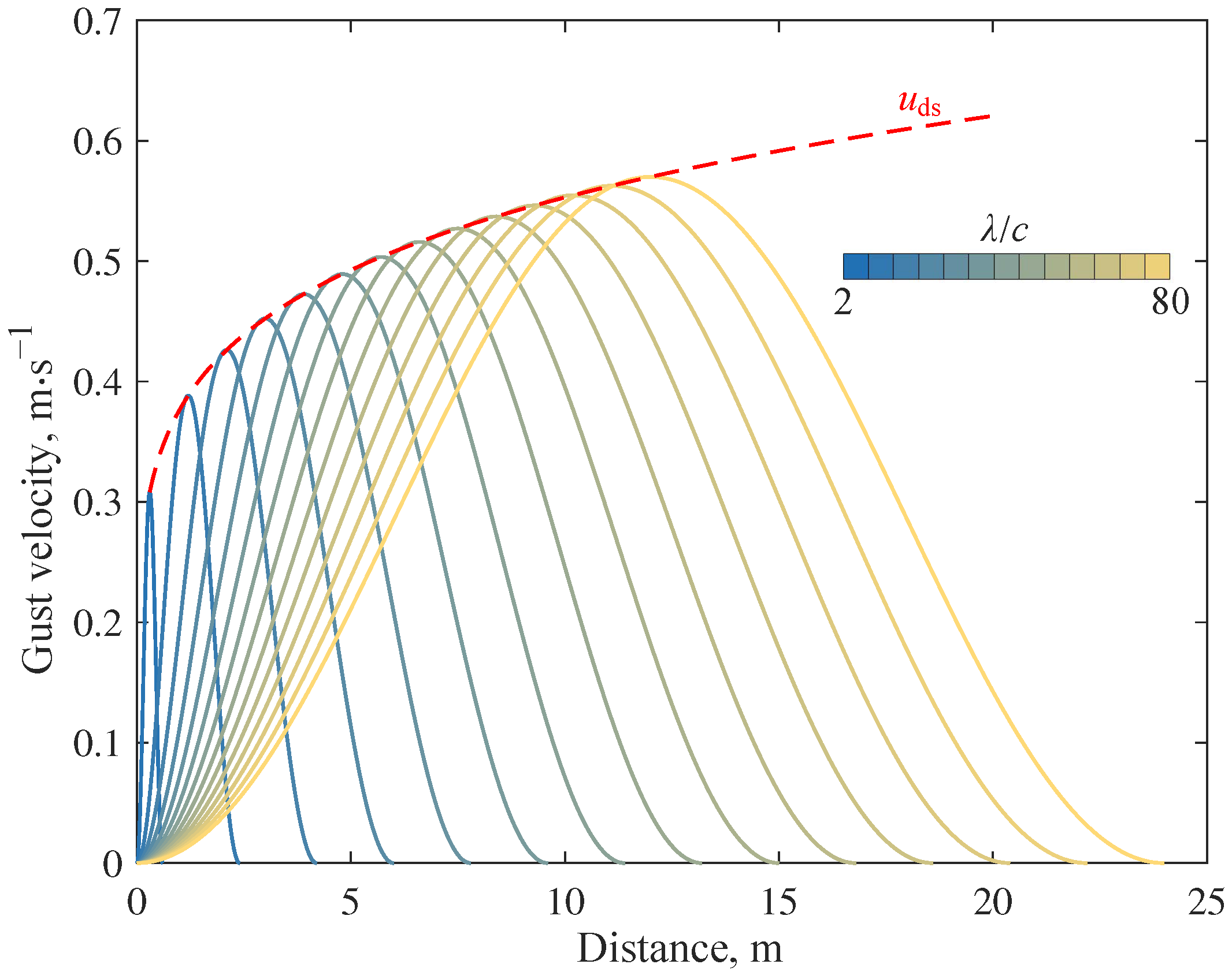
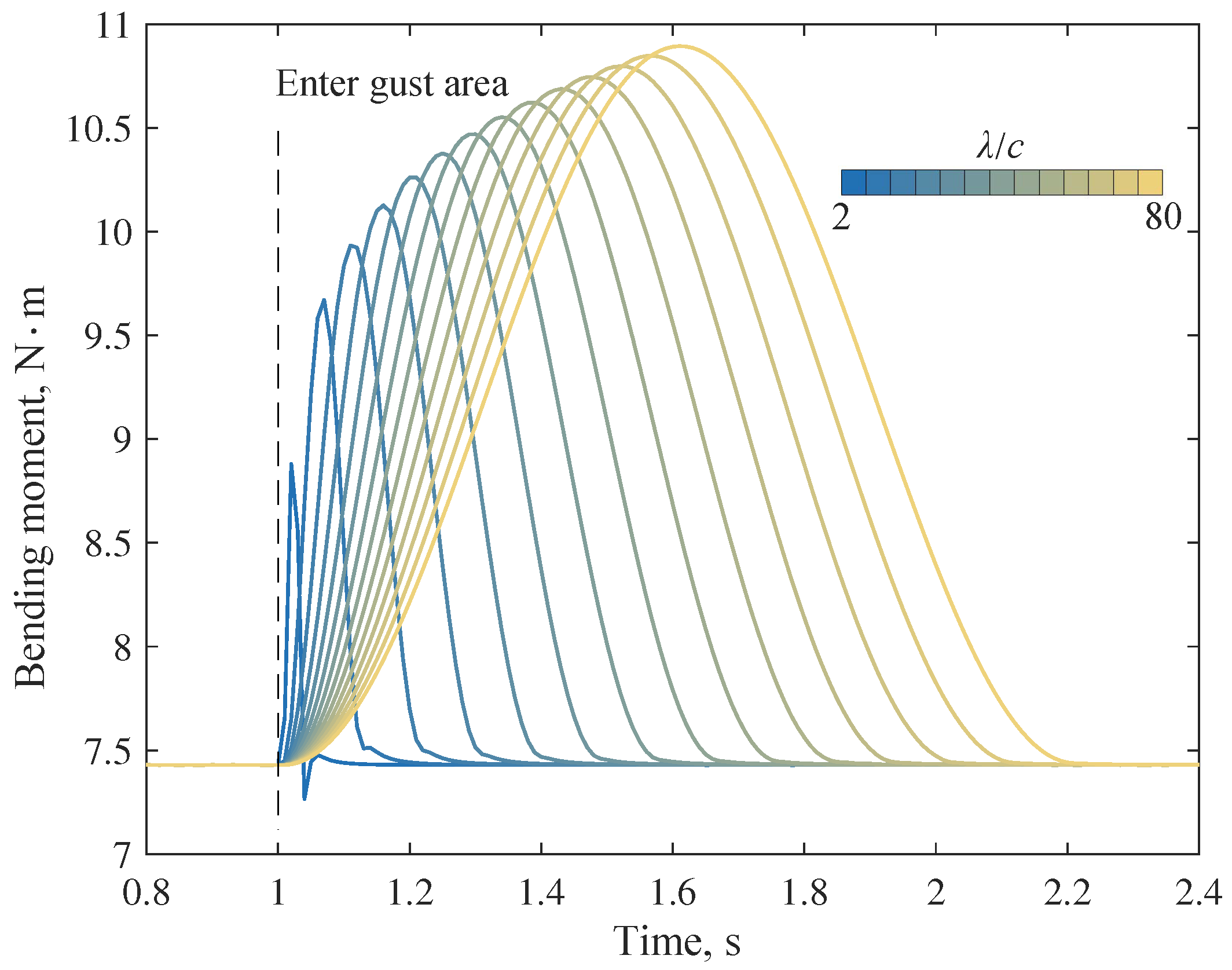
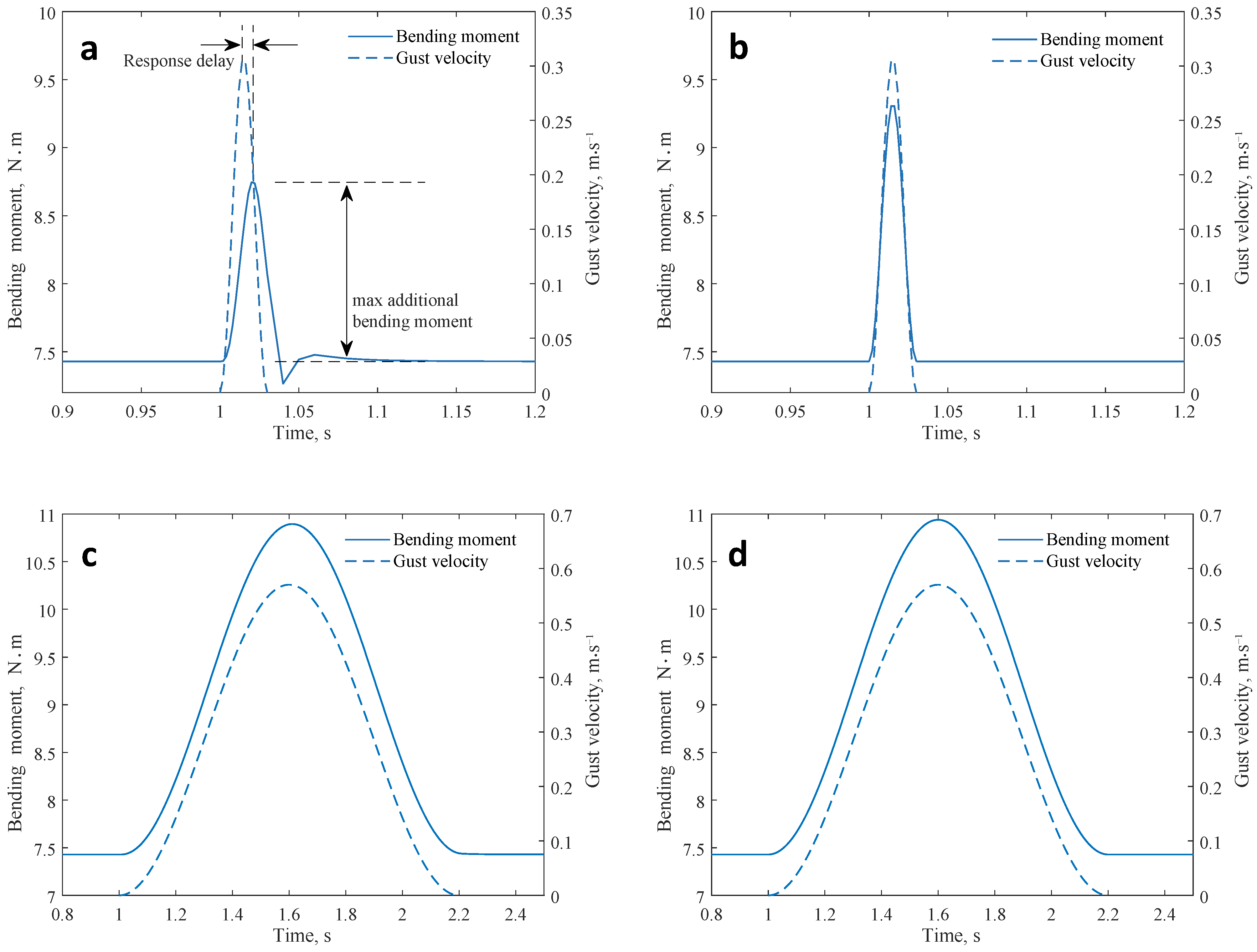
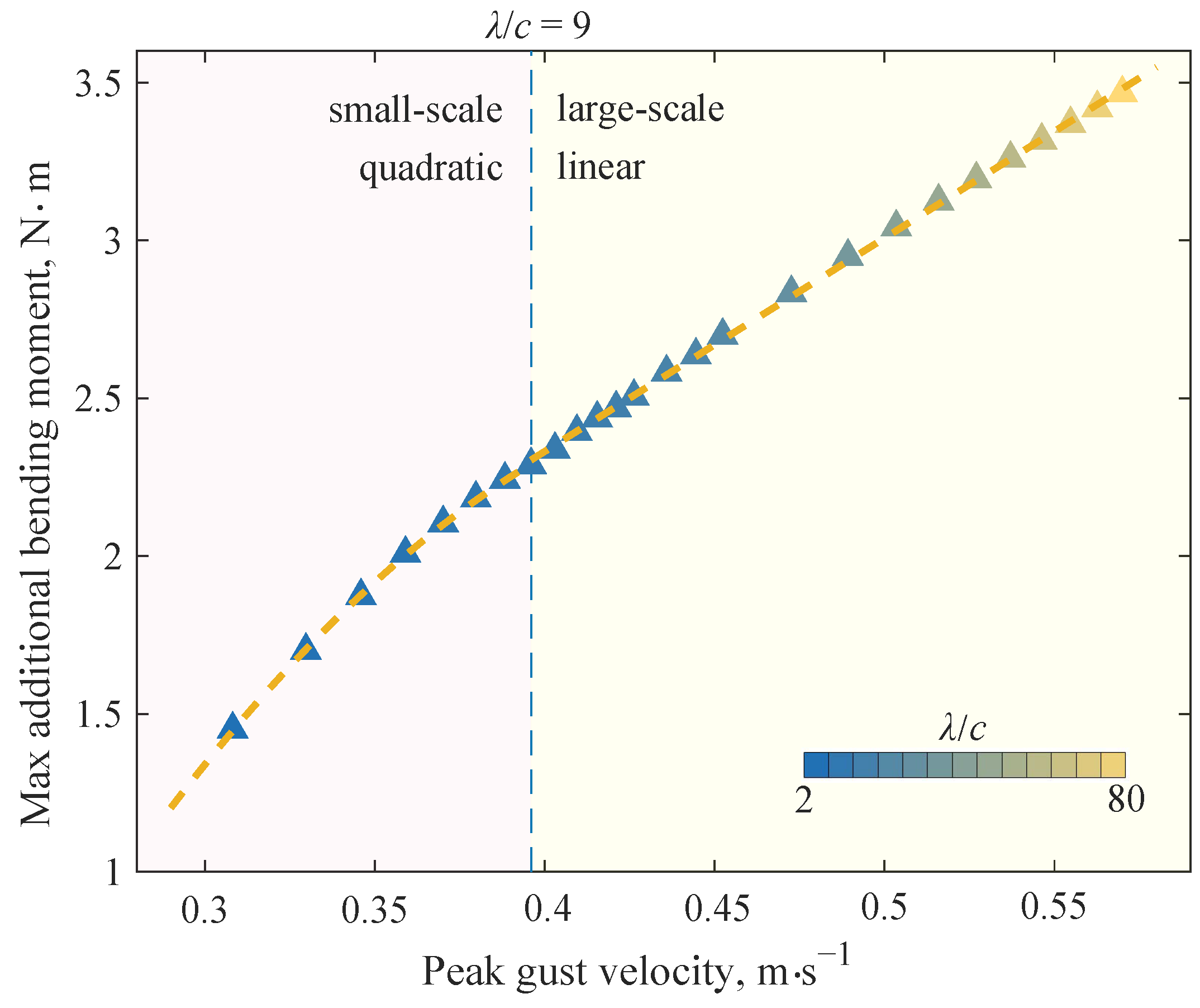
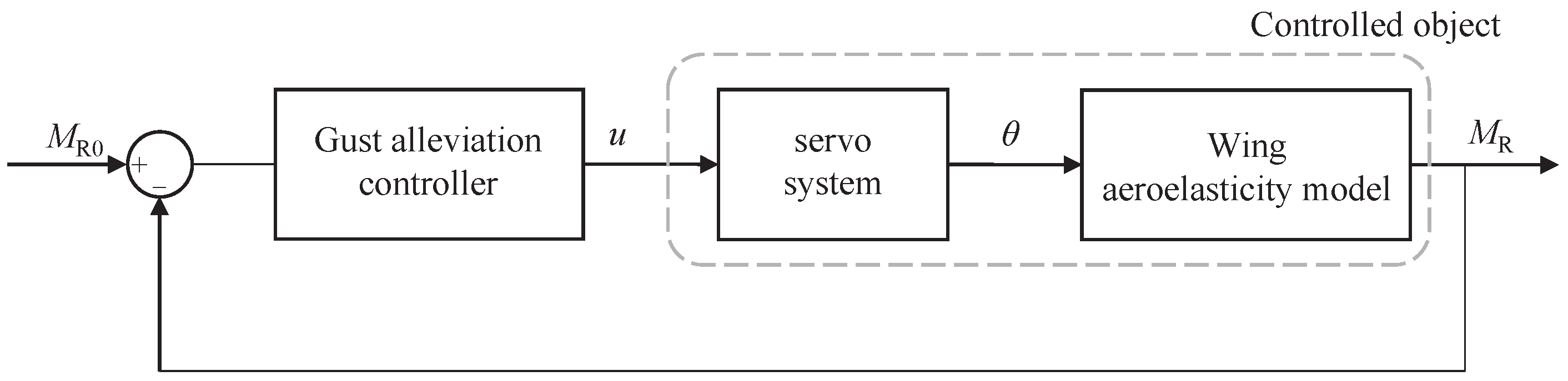
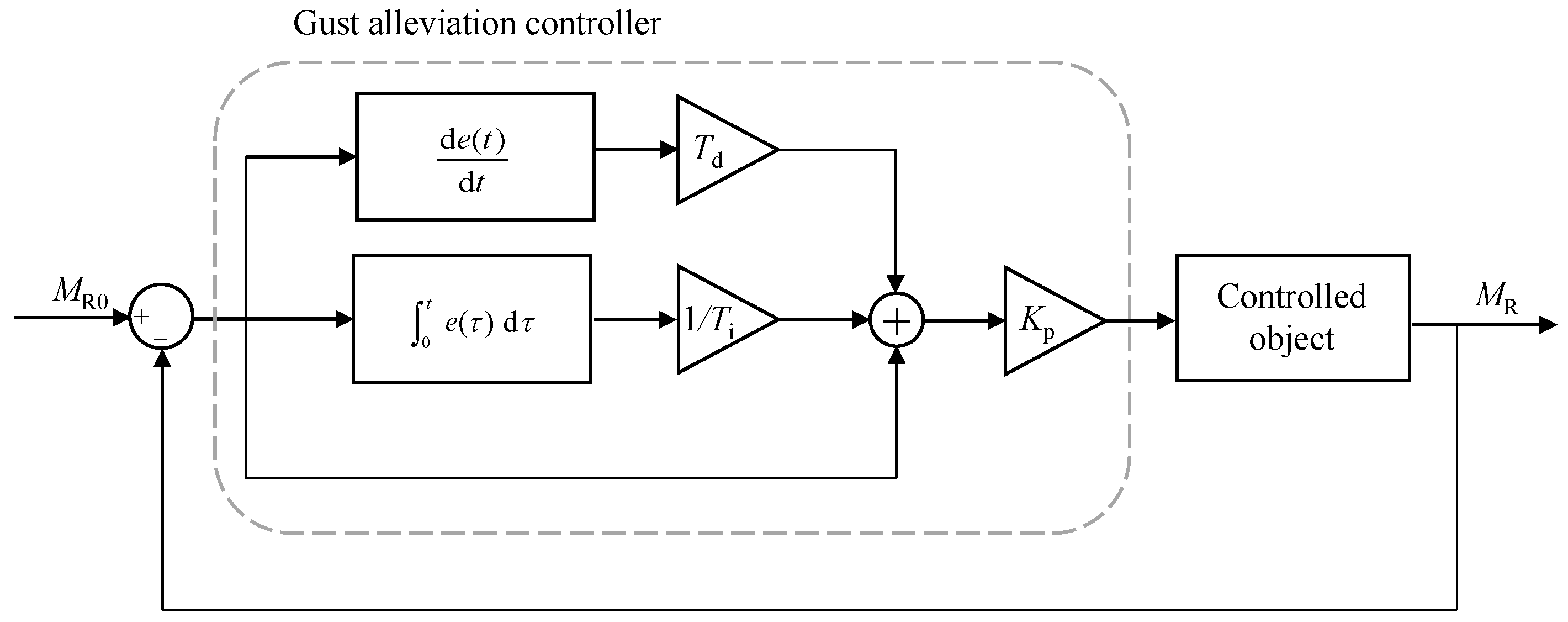
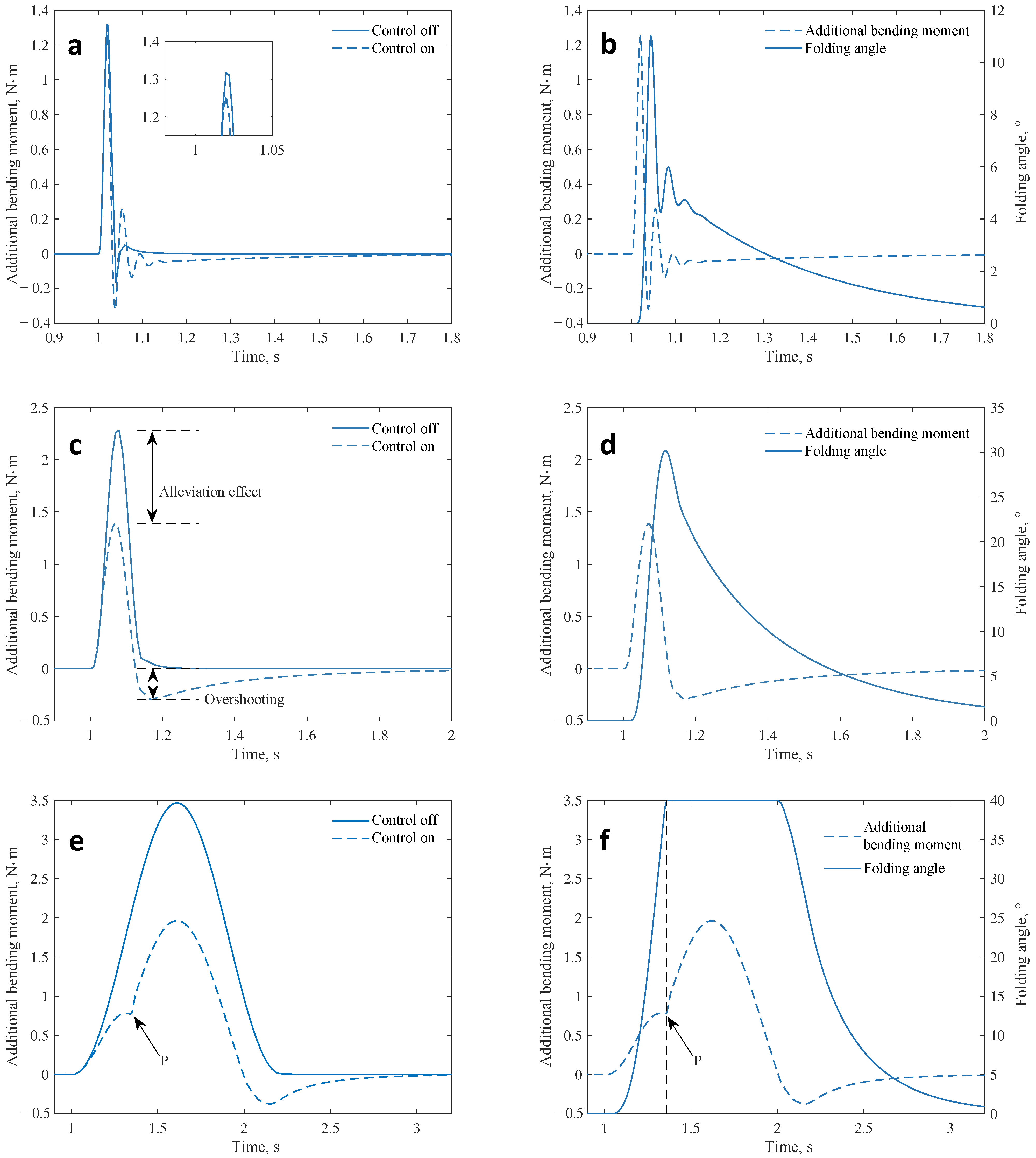
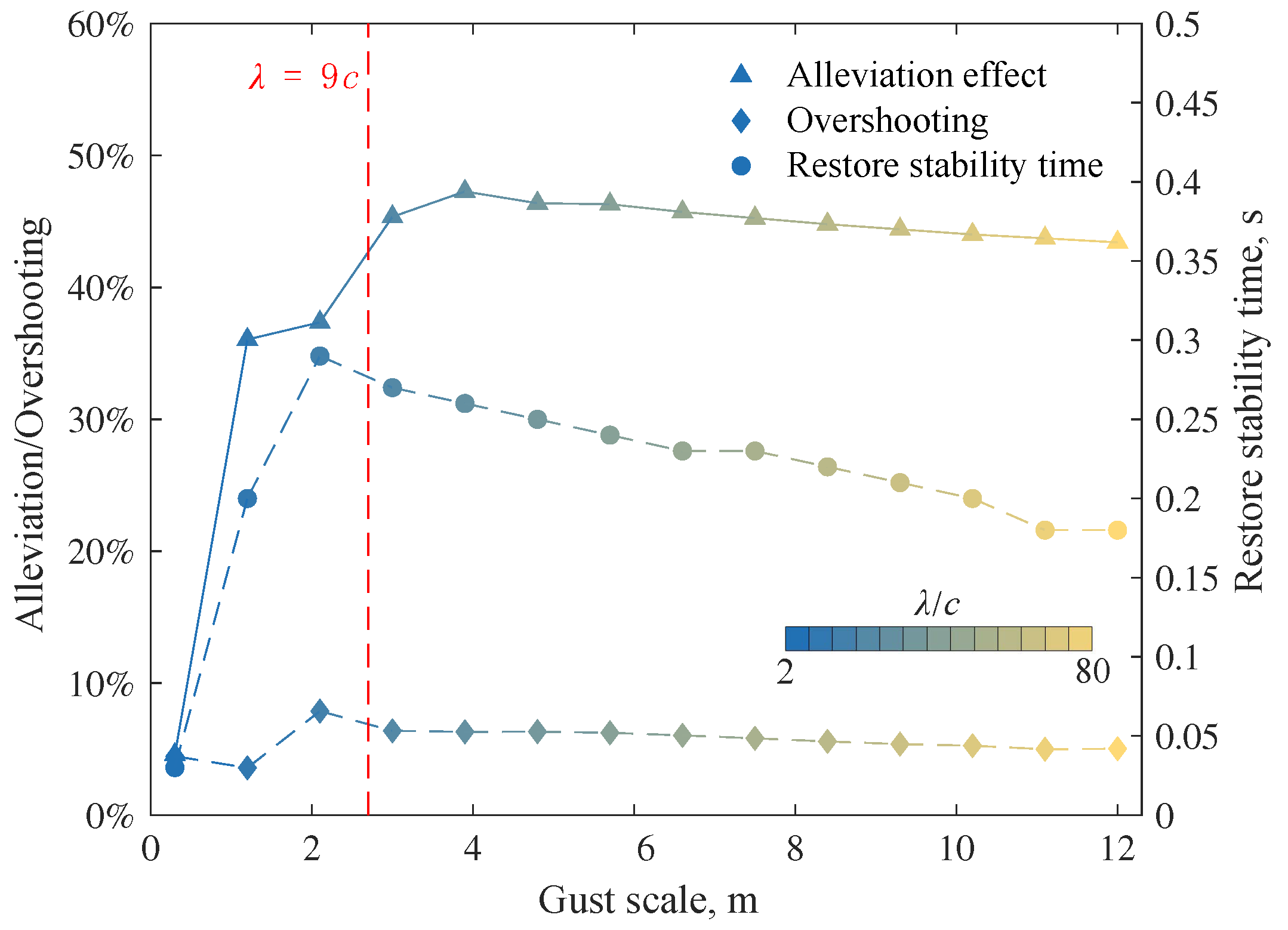
The in-plane folding wing is one of the important research directions in the field of morphing or bionic aircraft, showing the unique application value of enhancing aircraft maneuverability and gust resistance. This article provides a structural realization of an in-plane folding wing and an aeroelasticity modeling method for the folding process of the wing. By approximating the change in structural properties in each time step, a method for calculating the structural transient response expressed in recursive form is obtained. On this basis, an aeroelasticity model of the wing is developed by coupling with the aerodynamic model using the unsteady panel/viscous vortex particle hybrid method. A wind-tunnel test is implemented to demonstrate the controllable morphing capability of the wing under aerodynamic loads and to validate the reliability of the wing loads predicted by the method in this paper. The results of the gust simulation show that the gust scale has a significant effect on the response of both the open- and closed-loop systems. When the gust alleviation controller is enabled, the peak bending moment at the wing root can be reduced by 5.5%∼47.3% according to different gust scales.
Keywords: bioinspired aircraft; folding wing; aeroelasticty; gust response; viscous vortex particle bioinspired aircraft; folding wing; aeroelasticty; gust response; viscous vortex particle