Article

Teaching Bioinspired Design for Assistive Technologies Using Additive Manufacturing: A Collaborative Experience


by
Maria Elizete Kunkel
1,
Alexander Sauer
2,*,
Carlos Isaacs
3,
Thabata Alcântara Ferreira Ganga
1,
Leonardo Henrique Fazan
1 and
Eduardo Keller Rorato
1
1
3D Orthotics and Prosthetics Laboratory, Science and Technology Institute, Federal University of São Paulo UNIFESP, São José dos Campos 12247014, Brazil
2
Institute for Bionics, Westphalian University of Applied Sciences, 46397 Bocholt, Germany
3
Department of Chemical Engineering, Universidad de La Frontera UFRO, Temuco 4811230, Chile
*
Author to whom correspondence should be addressed.
Biomimetics 2025, 10(6), 391; https://doi.org/10.3390/biomimetics10060391

Submission received: 5 April 2025 / Revised: 19 May 2025 / Accepted: 2 June 2025 / Published: 11 June 2025

Abstract

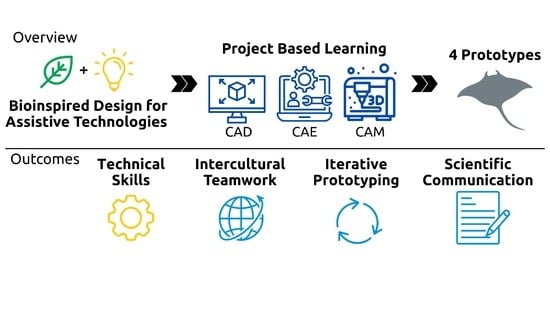
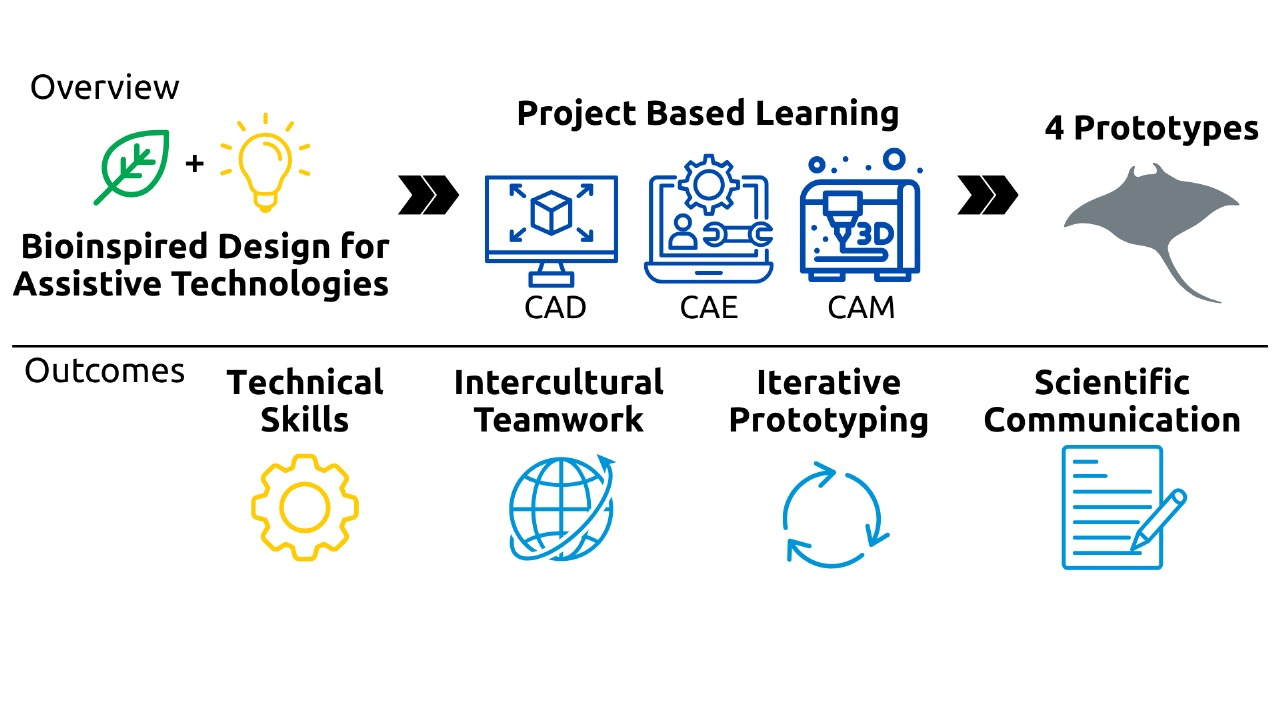
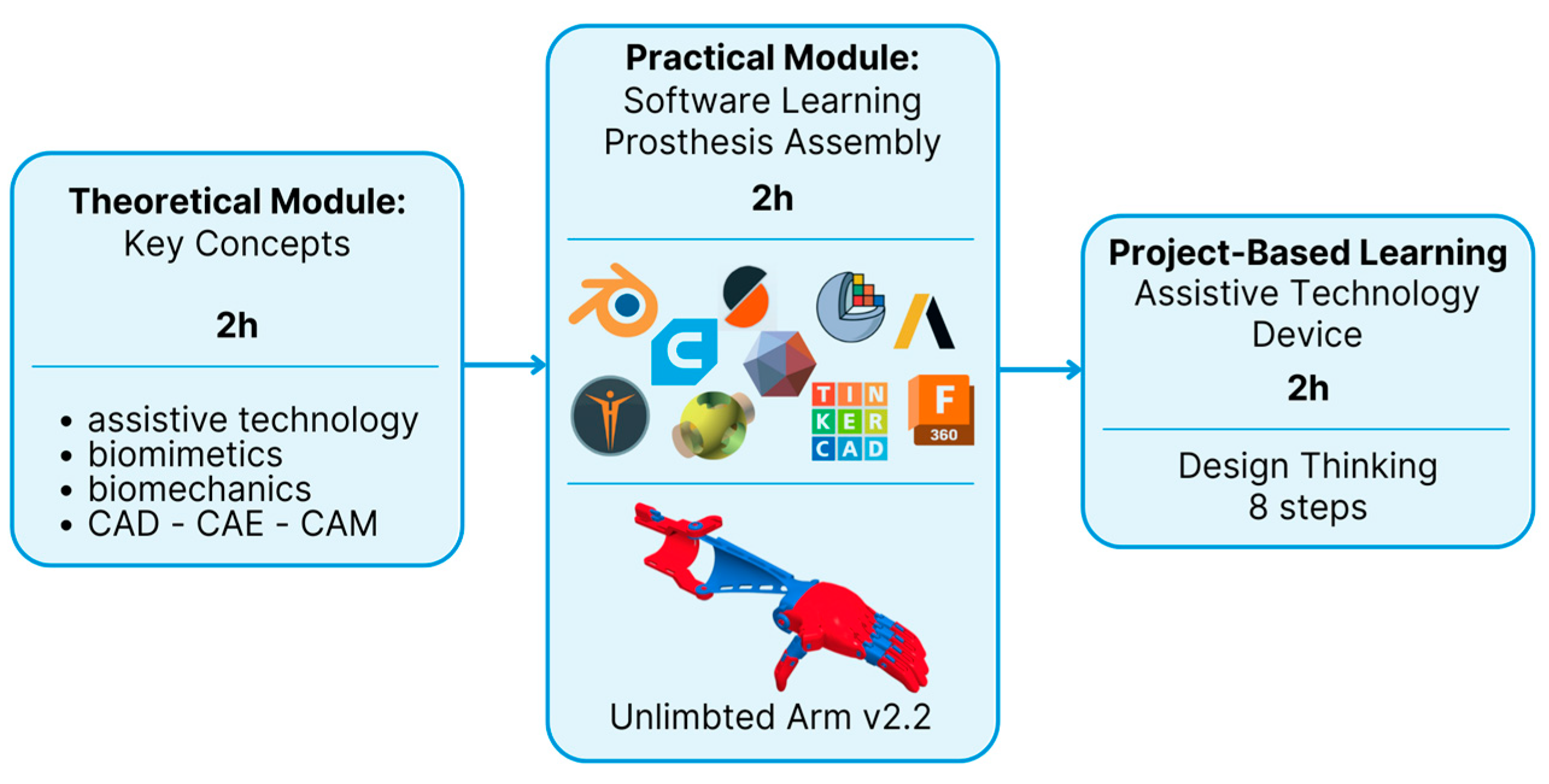
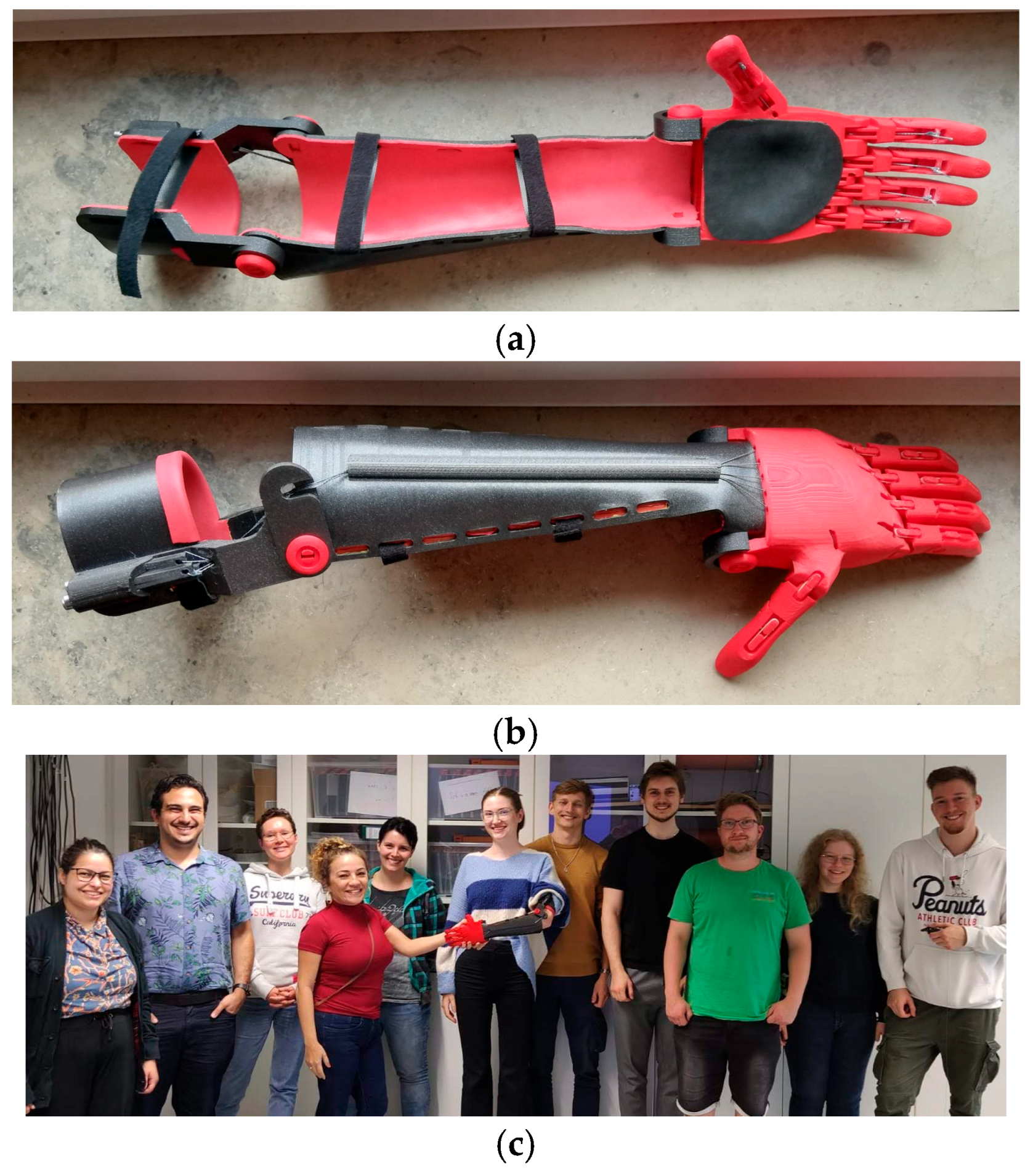
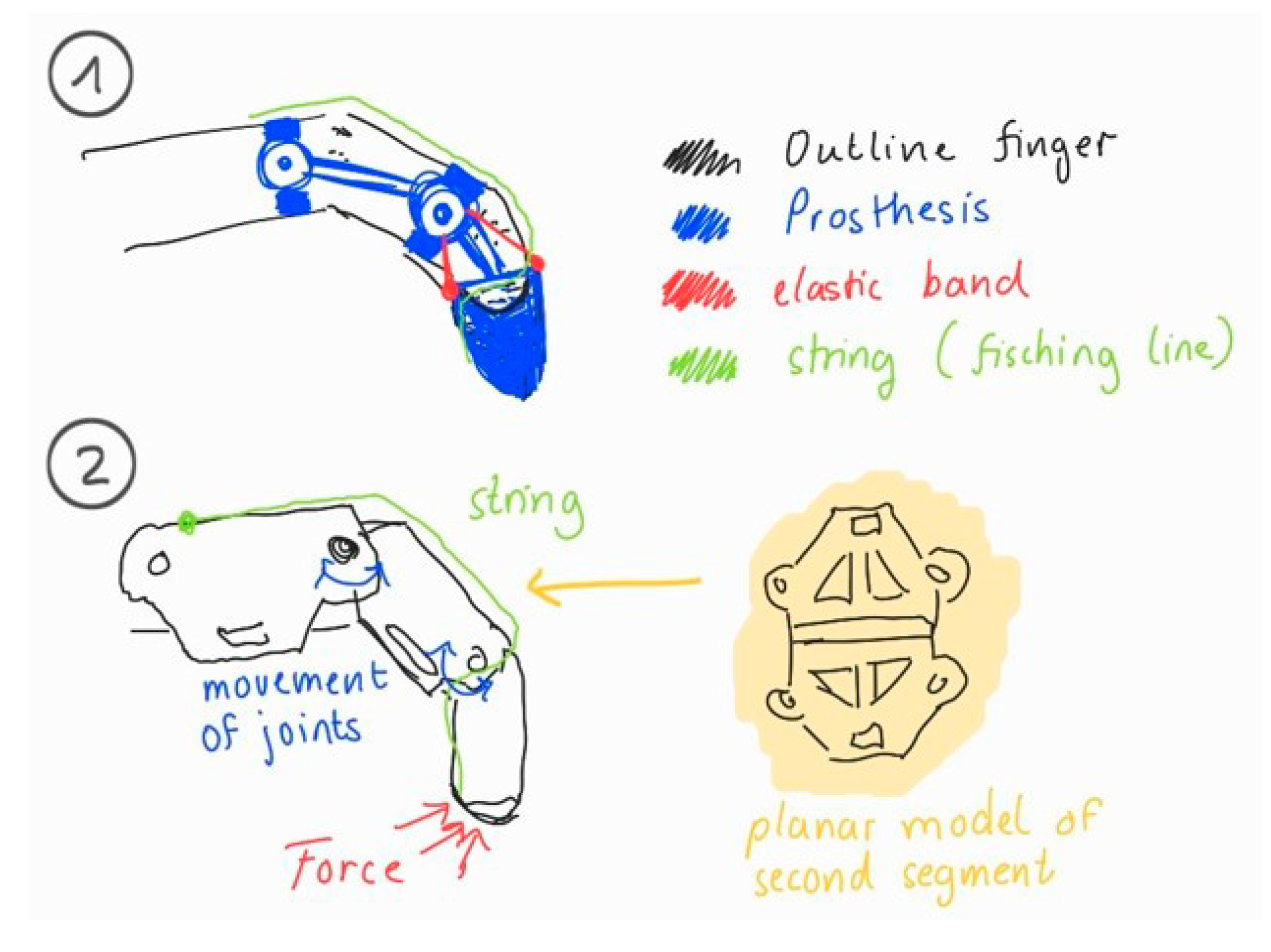
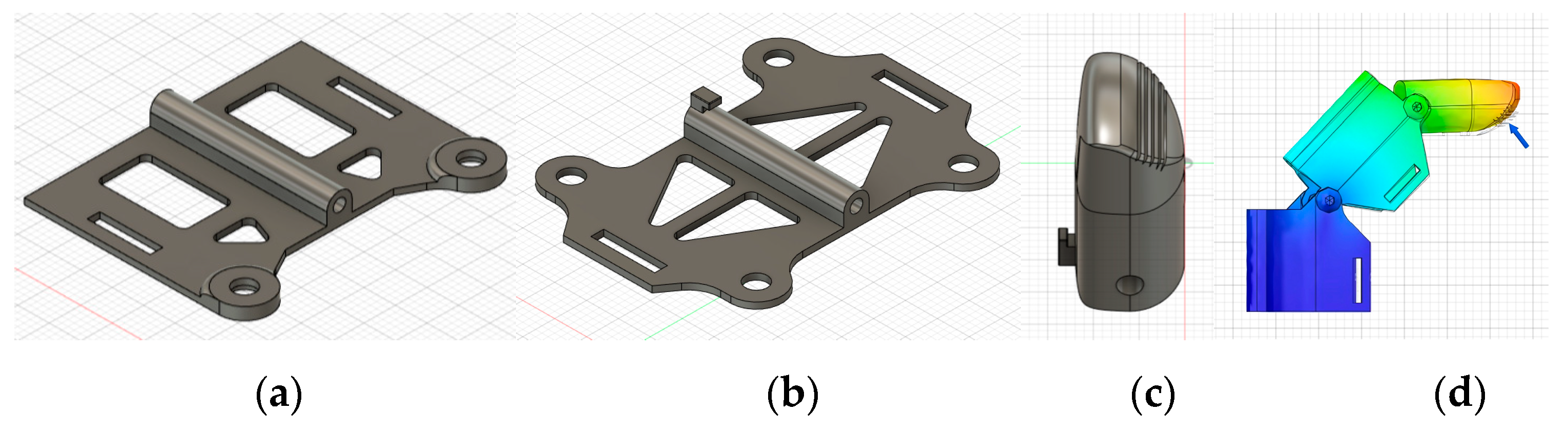
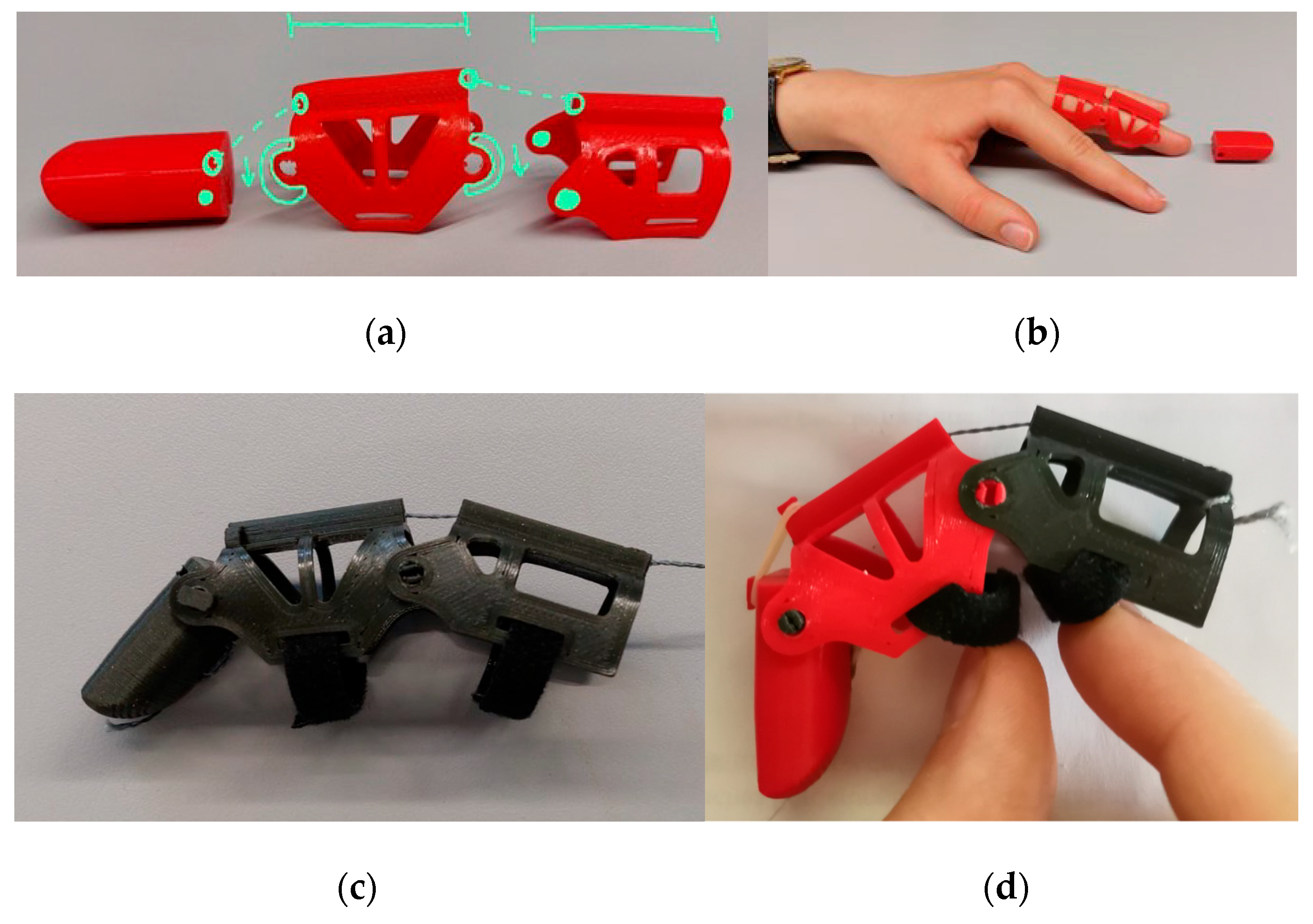
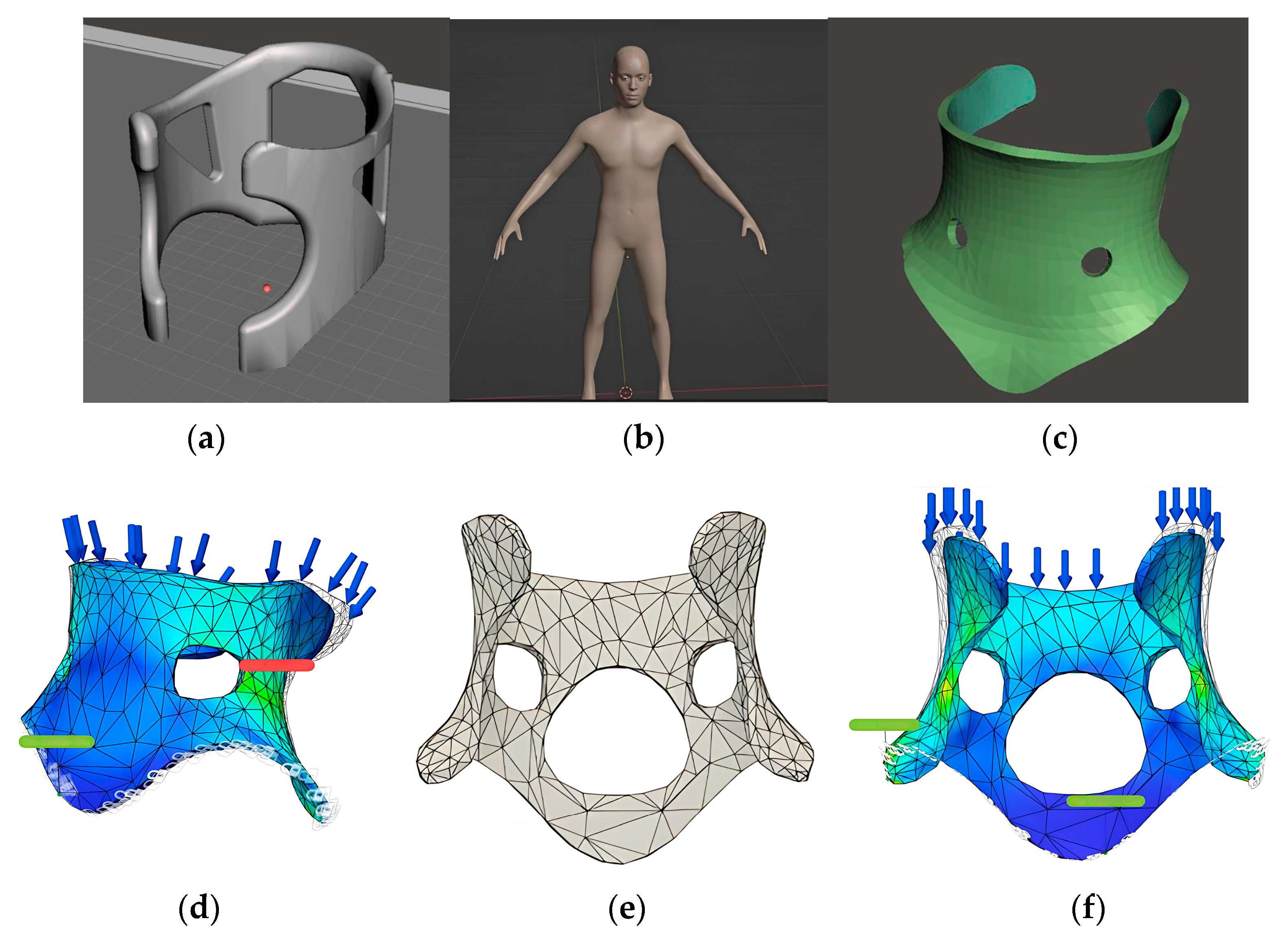
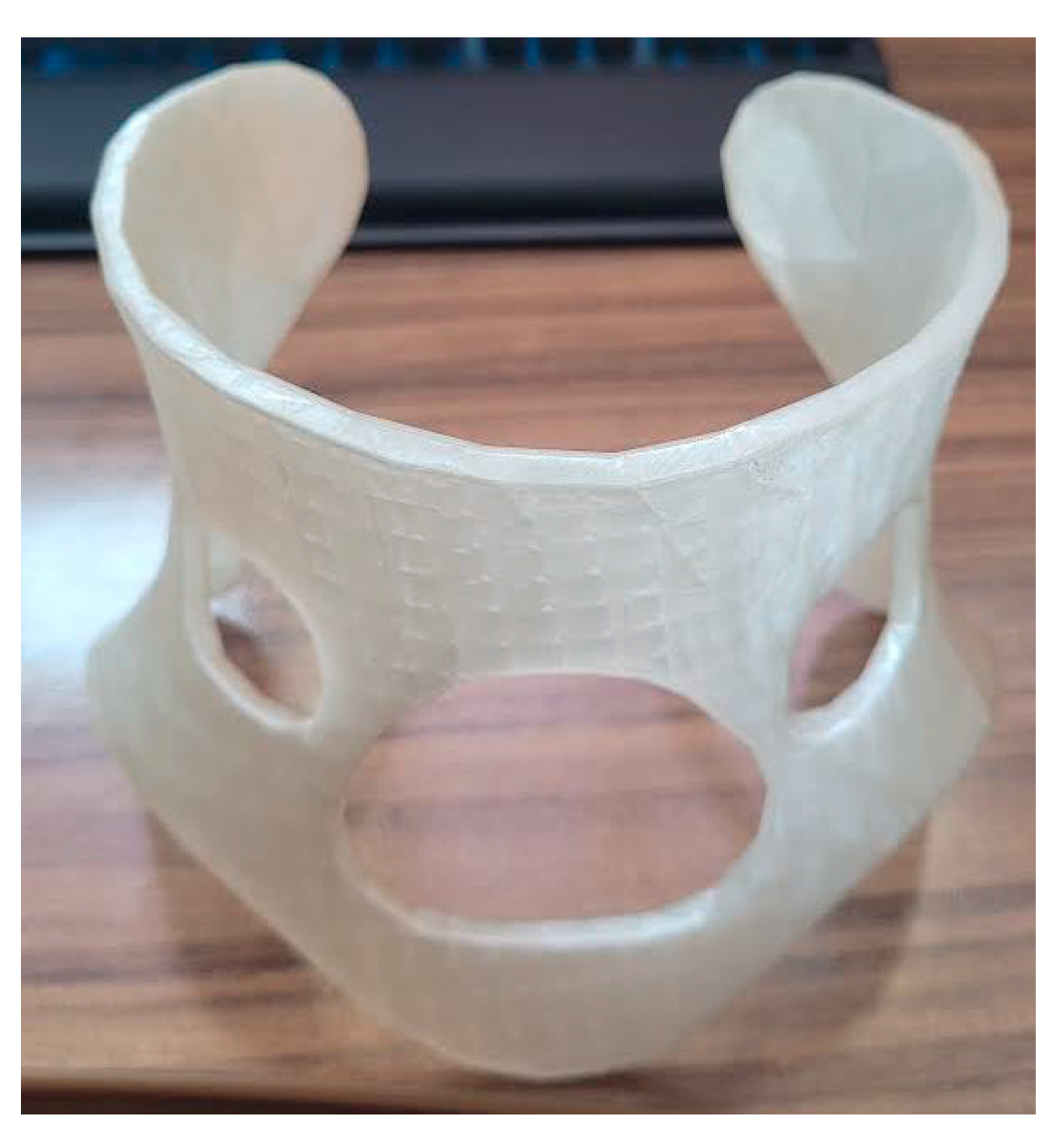
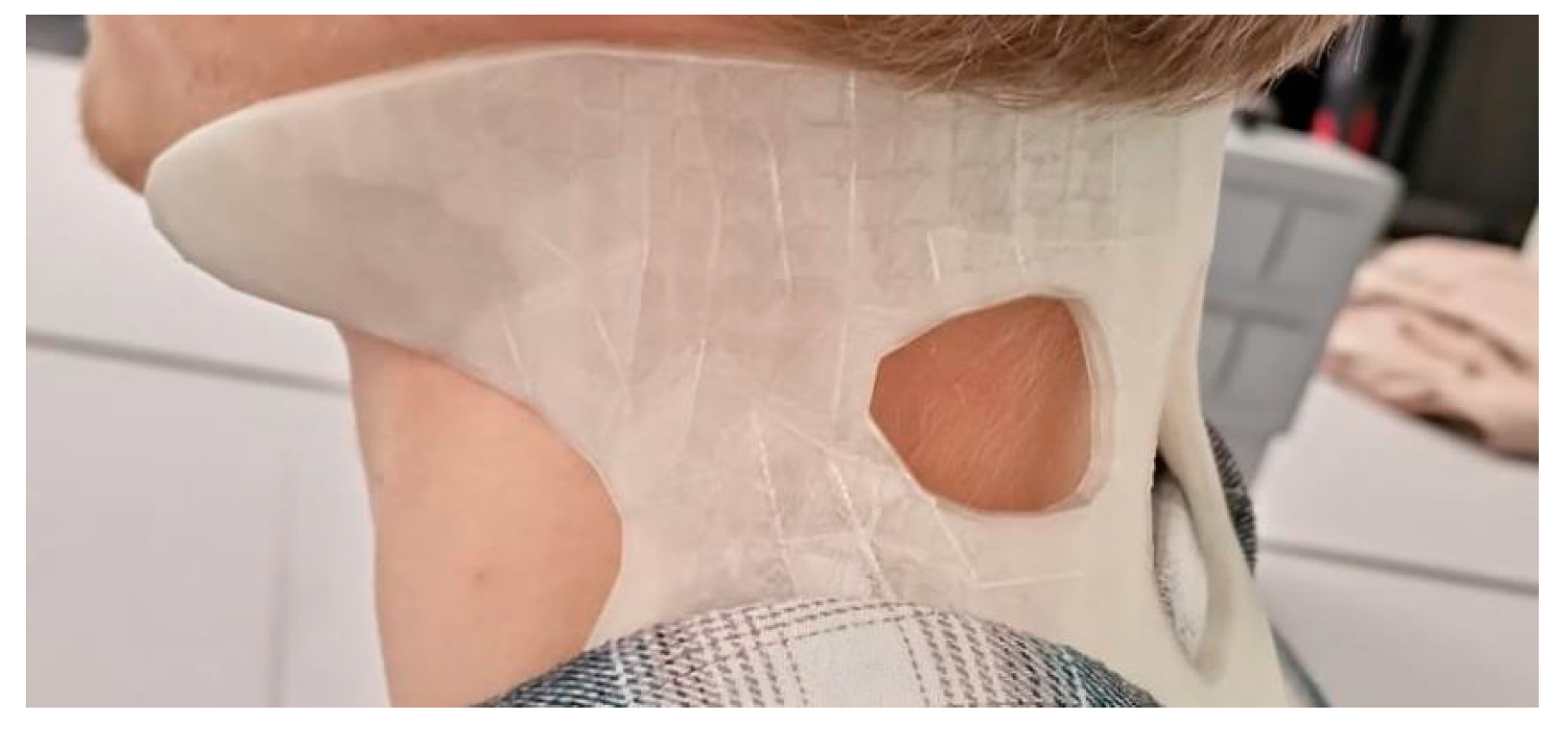
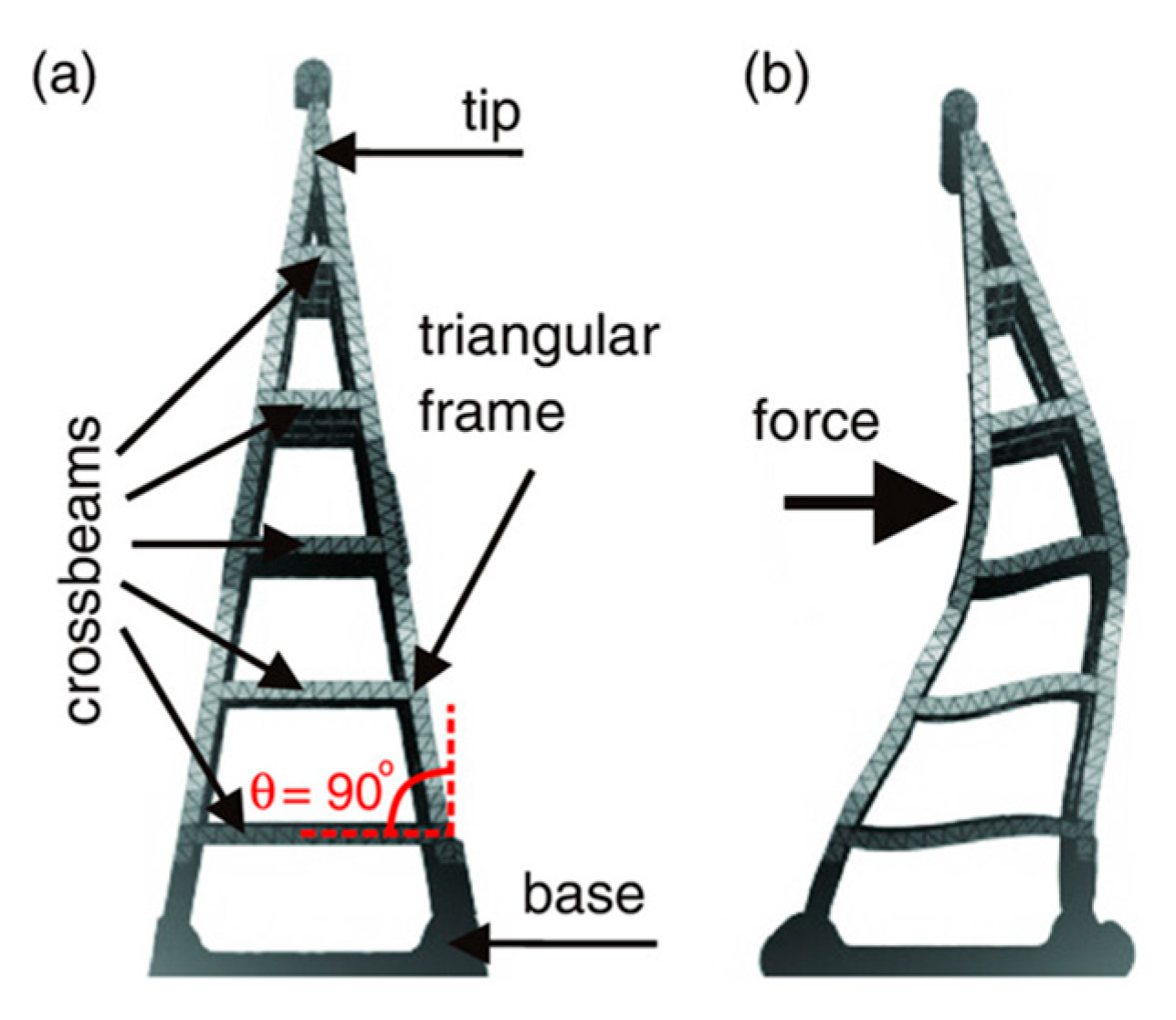
Integrating bioinspired design and additive manufacturing into engineering education fosters innovation to meet the growing demand for accessible, personalized assistive technologies. This paper presents the outcomes of an international course, “3D Prosthetics and Orthotics”, offered to undergraduate students in the Biomimetic program at Westfälische Hochschule (Germany), in collaboration with the 3D Orthotics and Prosthetics Laboratory at the Federal University of São Paulo—UNIFESP (Brazil). The course combined theoretical and hands-on modules covering digital modeling (CAD), simulation (CAE), and fabrication (CAM), enabling students to develop bioinspired assistive devices through a Project-based learning approach. Working in interdisciplinary teams, students addressed real-world rehabilitation challenges by translating biological mechanisms into engineered solutions using additive manufacturing. Resulting prototypes included a hand prosthesis based on the Fin Ray effect, a modular finger prosthesis inspired by tendon–muscle antagonism, and a cervical orthosis designed based on stingray morphology. Each device was digitally modeled, mechanically analyzed, and physically fabricated using open-source and low-cost methods. This initiative illustrates how biomimetic mechanisms and design can be integrated into education to generate functional outcomes and socially impactful health technologies. Grounded in the Mao3D open-source methodology, this experience demonstrates the value of combining nature-inspired principles, digital fabrication, Design Thinking, and international collaboration to advance inclusive, low-cost innovations in assistive technology.
Keywords: bioinspired design; additive manufacturing; prosthetics and orthotics; technology for disability; engineering education; Bionik; 3D printing; assistive technology bioinspired design; additive manufacturing; prosthetics and orthotics; technology for disability; engineering education; Bionik; 3D printing; assistive technology
Graphical Abstract