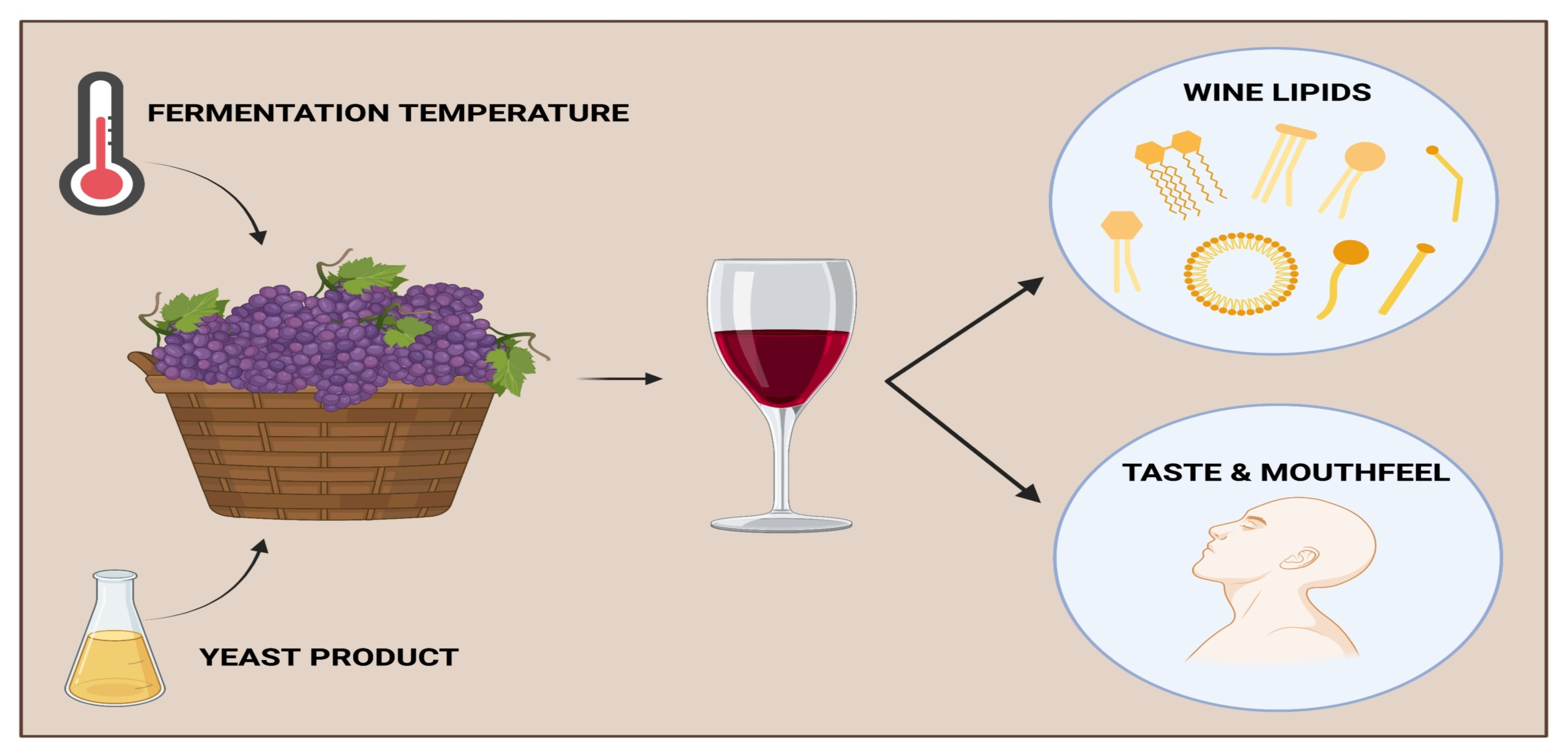
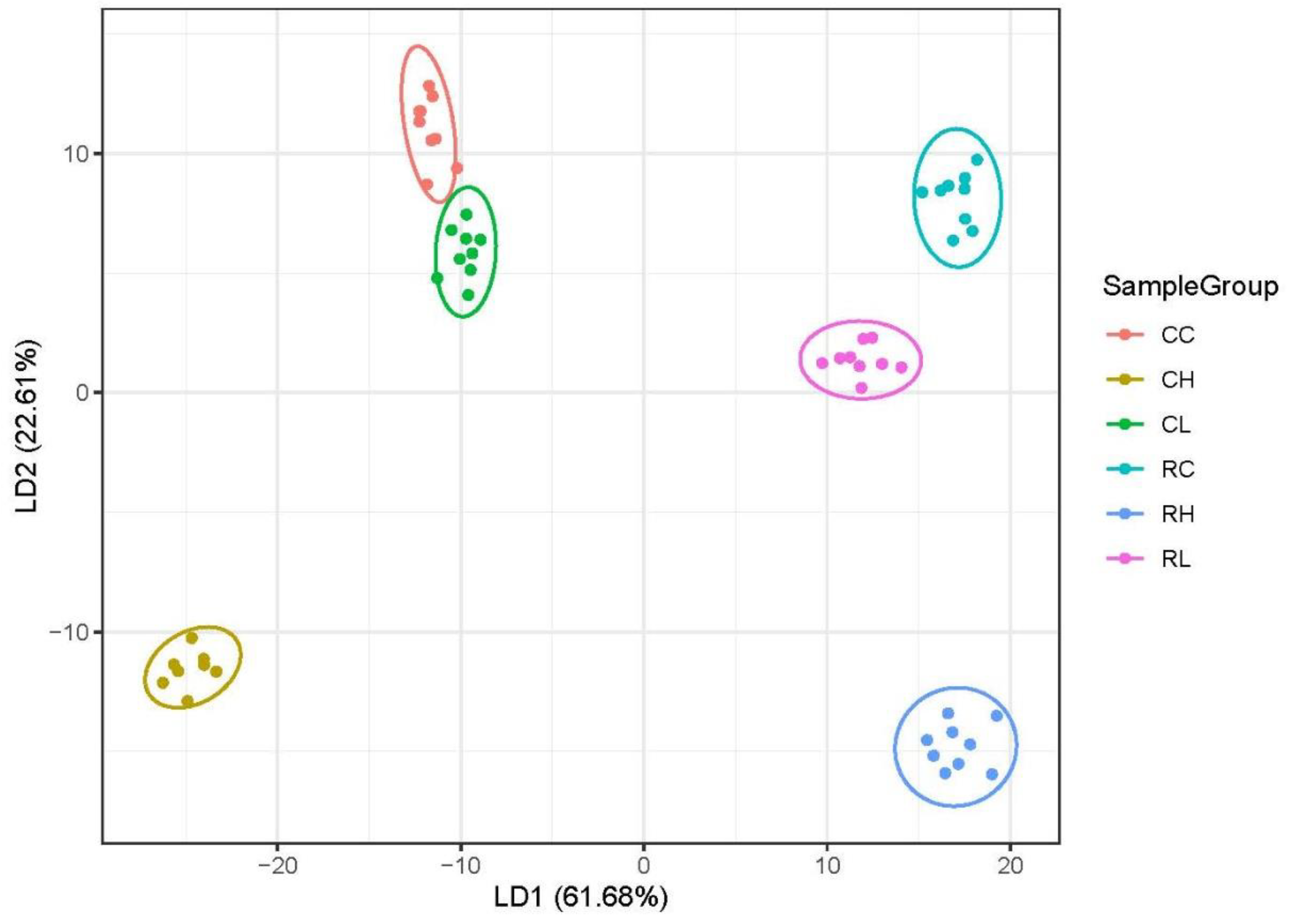
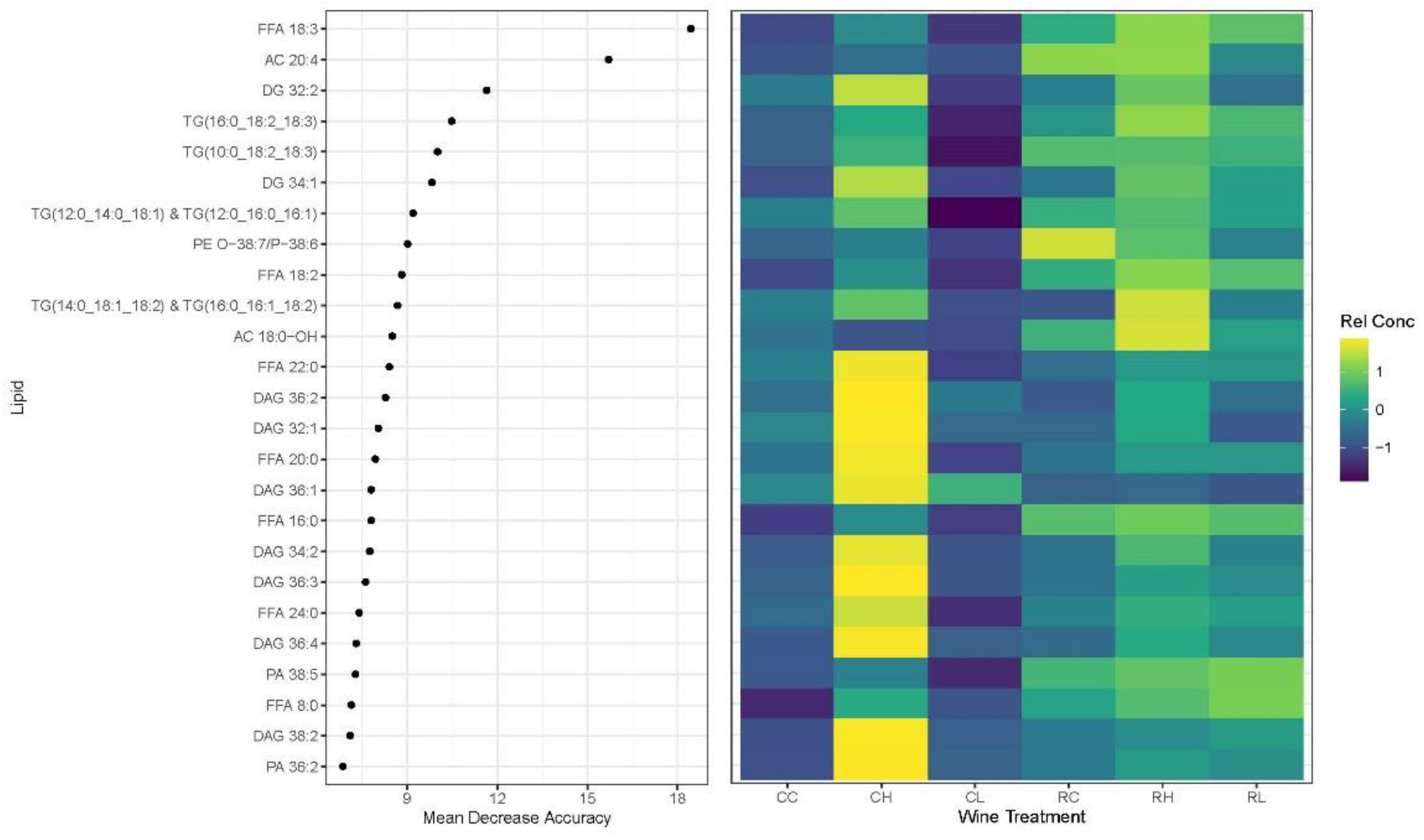
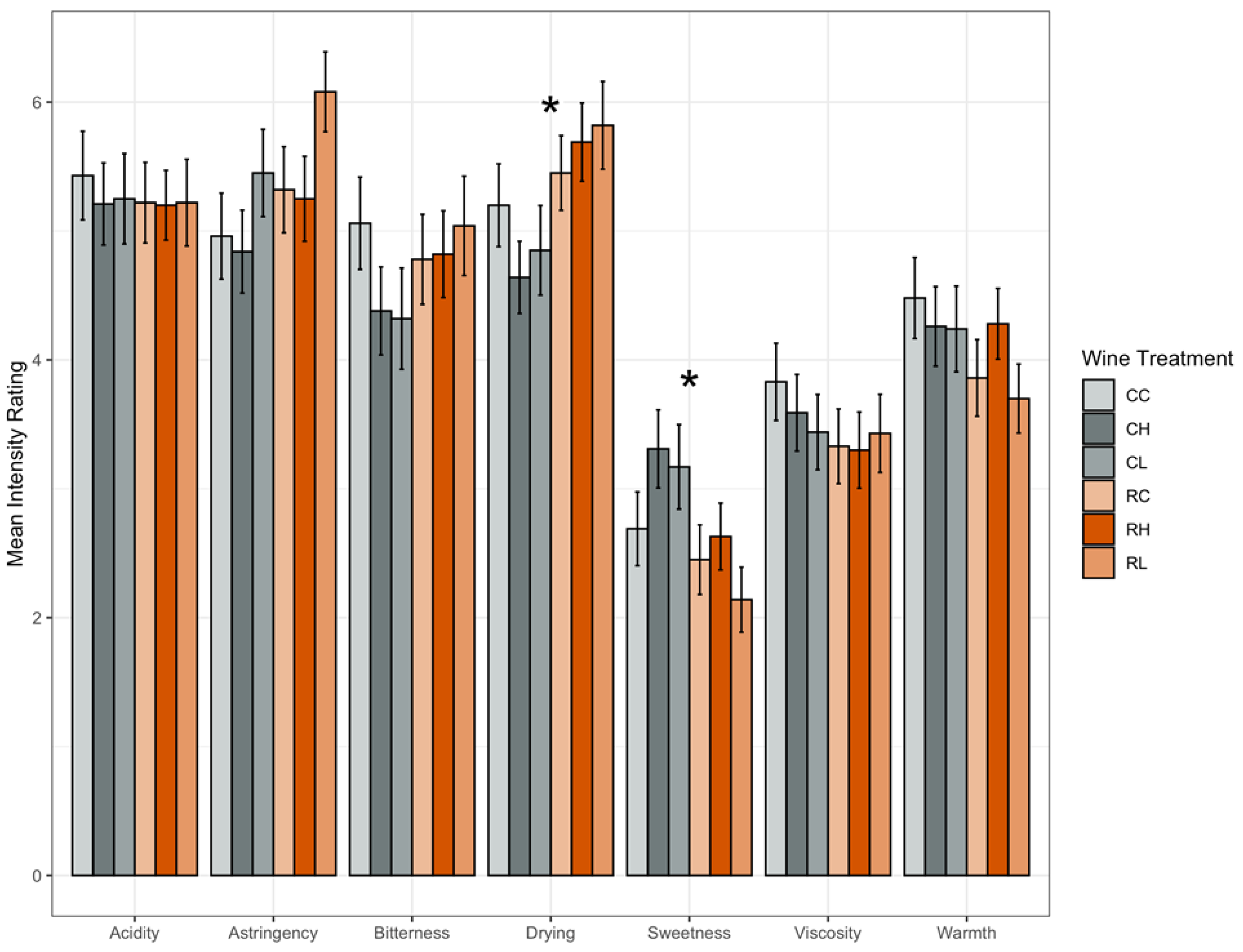
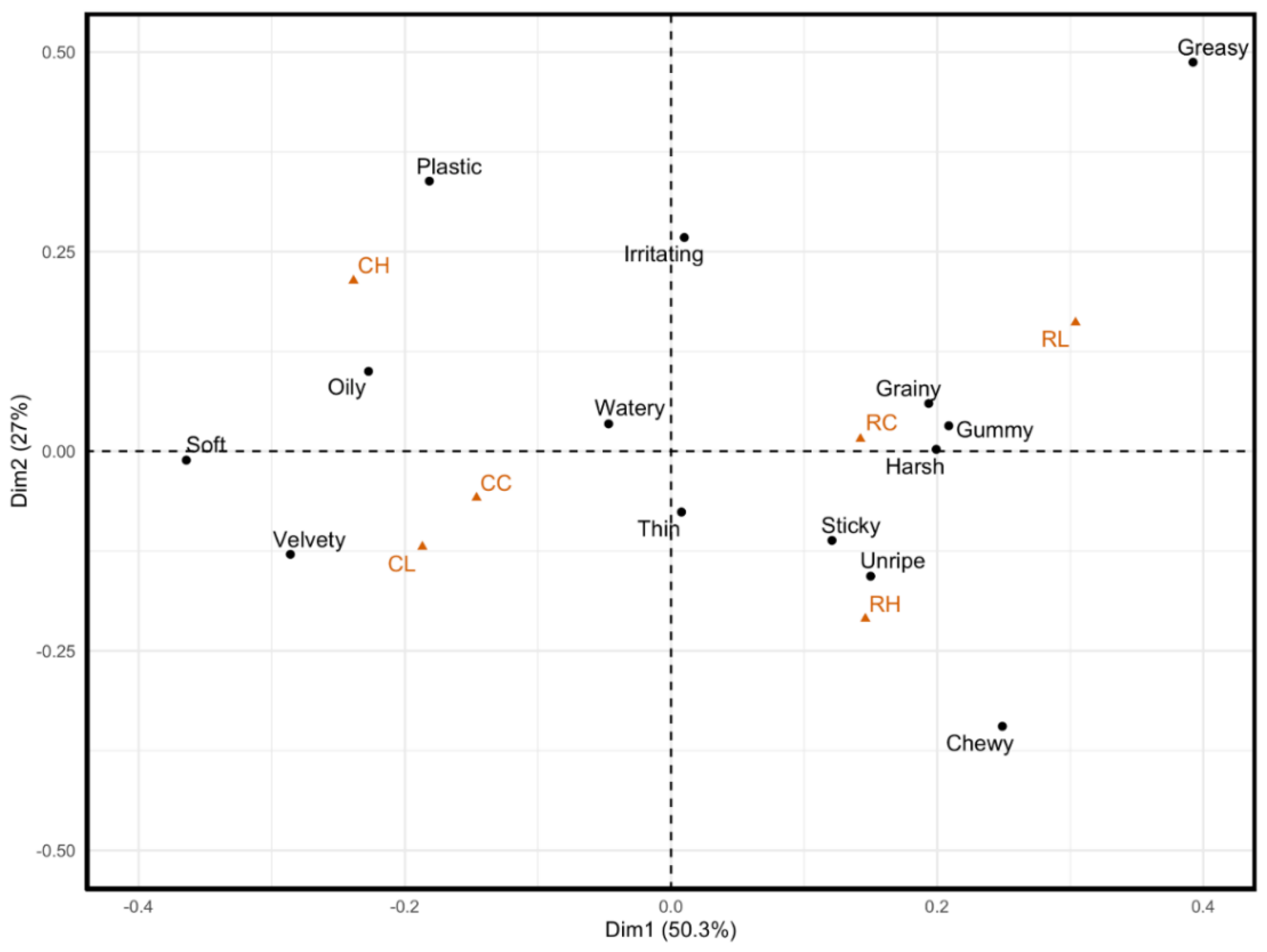
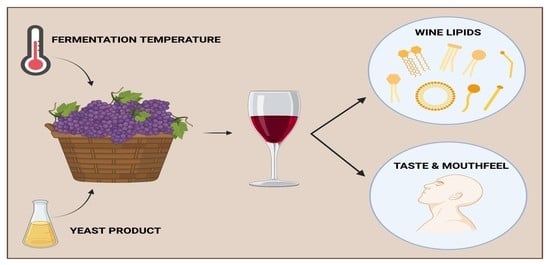
Effects of Yeast Product Addition and Fermentation Temperature on Lipid Composition, Taste and Mouthfeel Characteristics of Pinot Noir Wine

Abstract
Share and Cite
Phan, Q.; DuBois, A.; Osborne, J.; Tomasino, E. Effects of Yeast Product Addition and Fermentation Temperature on Lipid Composition, Taste and Mouthfeel Characteristics of Pinot Noir Wine. Horticulturae 2022, 8, 52. https://doi.org/10.3390/horticulturae8010052
Phan Q, DuBois A, Osborne J, Tomasino E. Effects of Yeast Product Addition and Fermentation Temperature on Lipid Composition, Taste and Mouthfeel Characteristics of Pinot Noir Wine. Horticulturae. 2022; 8(1):52. https://doi.org/10.3390/horticulturae8010052
Chicago/Turabian StylePhan, Quynh, Aubrey DuBois, James Osborne, and Elizabeth Tomasino. 2022. "Effects of Yeast Product Addition and Fermentation Temperature on Lipid Composition, Taste and Mouthfeel Characteristics of Pinot Noir Wine" Horticulturae 8, no. 1: 52. https://doi.org/10.3390/horticulturae8010052
APA StylePhan, Q., DuBois, A., Osborne, J., & Tomasino, E. (2022). Effects of Yeast Product Addition and Fermentation Temperature on Lipid Composition, Taste and Mouthfeel Characteristics of Pinot Noir Wine. Horticulturae, 8(1), 52. https://doi.org/10.3390/horticulturae8010052