


Abstract
Shoot density is a key viticultural factor modulating canopy microclimate, berry composition, and wine quality, although yield–quality relationships are strongly influenced by environmental conditions. Saignée, a winemaking technique involving partial juice removal prior to fermentation, increases the skin-to-juice ratio and may enhance phenolic extraction. This study assessed the combined effects of shoot density (33 [T1], 20 [T2], and 15 [T3] shoots/m) and saignée (20% vs. control) on yield, grape composition, and wine chemical and sensory properties in Malbec across two vintages (2021–2022). At harvest, the pruning weight, yield components, general maturity parameters, and phenolic composition were measured. The wines were analysed for their phenolic and elemental composition, polysaccharides and volatile compounds, colour, and sensory attributes. T1 exhibited the highest yields and vegetative imbalance, whereas T2 and T3 achieved optimal Ravaz indices. The general grape maturity parameters were unaffected; however, T3 had increased berry phenolic content in 2022. T2 and T3 had enhanced wine tannins, total phenols, and polymeric pigments, particularly in 2022. Saignée increased the pH, potassium, total phenols, tannins, and acylated anthocyanins. Targeting yields near 4 kg/vine (≈10,500 kg/ha) improved vine balance and phenolic composition, although the responses were strongly modulated by interannual variability.
1. Introduction
Viticultural practices significantly influence grape composition and, by extension, the sensory profile of the resulting wine. Sugar accumulation, organic acid content, phenolic compounds, and aroma precursors in berries are shaped by multiple factors, including canopy management, plant density, irrigation, fertilisation, and yield control strategies [1,2]. These factors affect both technological and phenolic ripening, ultimately determining wine balance in terms of structure, colour, and aroma [3].
Among the viticultural practices employed to regulate vine balance and optimise fruit composition, the management of shoot density through winter pruning and shoot thinning is widely adopted. Central to understanding the effects of crop load on ripening dynamics is the source–sink relationship, whereby the available leaf area (source) must adequately support the developing berry load (sink). When this ratio is insufficient, key ripening processes, including sugar accumulation, phenolic biosynthesis, and aroma compound development, may be impaired, resulting in uneven or delayed berry maturation [4]. Shoot thinning, performed during the growing season, reduces the number of fruiting shoots per vine or per unit of canopy length, thereby modifying this balance. By decreasing the canopy density, this practice enhances light penetration and air circulation within the canopy, reduces disease pressure, and promotes more uniform berry ripening [5,6]. Moderate shoot thinning is consistently associated with improvements in berry composition, including elevated concentrations of anthocyanins, tannins, and total polyphenols; accelerated sugar accumulation; and reduced titratable acidity [4,7,8]. These effects are generally attributed to an improved cluster zone microclimate and to a more favourable partitioning of photoassimilates toward the remaining fruit [9,10]. However, the magnitude and direction of the compositional response to shoot thinning are highly variable, depending on the initial crop load, vine vigour, training system, and prevailing environmental conditions [5,6,11,12]. In high-vigour vineyards or cool-climate regions, the shoot-thinning effects on berry composition tend to be more pronounced, whereas in low-vigour or water-stressed vines, the practice may incur yield reductions without proportional compositional gains. Furthermore, improvements in grape composition do not consistently translate into perceptible differences in wine sensory attributes [6], underscoring the complexity of the relationship between canopy management decisions and final wine quality [11].
Beyond the vineyard, winemaking techniques can further modulate wine composition and sensory attributes. Among these, saignée involves the removal of a portion of free-run juice from the fermentation vessel shortly after crushing, typically prior to or at the onset of alcoholic fermentation [13]. By reducing the liquid-to-solid ratio, this technique effectively concentrates the must relative to the skin and seed fraction, thereby promoting enhanced extraction of phenolic compounds, particularly anthocyanins and tannins, during maceration [13,14]. Saignée is therefore frequently employed in the production of full-bodied red wines where colour intensity, tannic structure, and mouthfeel are primary quality objectives. In addition to its primary effect on phenolic extraction, saignée has also been reported to influence wine acidity, volatile compound profile, and overall sensory balance [15]. Nevertheless, the compositional outcomes of this technique have not been consistently reproduced across studies. The extent of juice removal, the timing of bleeding relative to crushing, maceration temperature, and cultivar identity have all been identified as key factors modulating the final effect on wine composition [14,16,17,18]. This variability underscores the difficulty of establishing universal recommendations for its application. Of particular relevance is the temporal evolution of saignée-induced effects. Several authors have reported that the differences in anthocyanin concentration and colour parameters observed immediately after fermentation tend to attenuate during bottle ageing, suggesting that the long-term impact of saignée on colour stability may be limited [14,19,20]. In contrast, the tannin-related parameters, including perceived astringency and mouthfeel, appear to be more persistently influenced by the practice [14,20]. Collectively, these findings highlight the need for further research conducted under controlled and site-specific conditions to better characterise the effects of saignée on wine quality, particularly when applied in combination with targeted vineyard management strategies.
Both shoot density management and saignée influence grape and wine composition through distinct yet potentially complementary mechanisms: the former modifies the source–sink relationship and canopy microclimate, while the latter alters the liquid-to-solid ratio and extraction dynamics during maceration. Despite the substantial body of research addressing each practice independently, their combined effects have been largely overlooked, and available information remains scarce, particularly under specific agroclimatic conditions and for commercially important cultivars such as Malbec.
The present study addresses this gap by providing a comprehensive, two-vintage assessment (2021–2022) of the combined effects of shoot density (33, 20, and 15 shoots/m) and saignée (20% juice removal vs. control) on the yield components, grape composition, and wine chemical and sensory properties in a commercial Malbec vineyard in La Pampa, Argentina.
2. Materials and Methods
2.1. Vineyard Site, Plant Material, and Experimental Design
The experiment was performed in a commercial vineyard planted with Vitis vinifera L. cv. Malbec (clone Mercier Perdriel) located in 25 de Mayo (37°52′43″ S, 67°41′5″ W), La Pampa, Argentina, during two consecutive vintages (2021 and 2022). The plants were grafted on SO4 and trained on a vertically shoot-positioned (VSP) system. The planting distance was 1.5 × 2.5 m between plants and rows, respectively. The vines were drip-irrigated and managed using the standard viticultural practices of the region. The viticultural treatments corresponded to three levels of shoots number per meter of canopy: T1 (control), T2 and T3, with 30, 20 and 15 shoots/m, respectively. Shoot thinning was performed early in the season when the shoot length reached 0.20 m. The treatments were replicated 4 times each in a completely randomised design. Each replicate corresponded to 10 plants in a row. The plots were selected based on their homogeneity in the row, estimated by the trunk diameter measured the previous season. The pruning weight was also evaluated and the Ravaz Index (RI) was calculated. In both vintages, each replicate was manually harvested when a total soluble solid concentration of 24 ± 1° Brix was reached. At harvest, the yield and yield components (Kg per plant, cluster per plant, cluster weight, berry number per cluster and berry weight) were recorded. Ten clusters were randomly selected from each experimental unit and weighed. The berries were then separated from each cluster and counted manually. A random sample of 200 berries per replicate was weighed and stored in the laboratory at −80°C for later analysis of phenolic compounds.
2.2. Winemaking Procedure and Experimental Conditions
After harvest, the grapes were immediately transported to INTA’s experimental winery (AER 25 de Mayo, La Pampa, Argentina). The grapes were crushed, destemmed, and sulphited (100 mg K2S2O5/kg; SRL, pure 96%, India), and the resulting must (skins, seeds, pulp, and juice) of each experimental unit were divided and transferred into two 25 L food-grade polypropylene (PP) tanks. The oenological treatment evaluated, saignée, consisted of removing 20% of the juice from the must prior to the onset of alcoholic fermentation, as described below. First, the ratio of juice volume (mL) to berry weight (g) was determined for each experimental unit using five randomly selected samples of 100 berries obtained from the harvested grapes. Each sample was weighed, placed in a plastic bag, and manually pressed to extract the juice. The extracted juice was filtered through a 0.5 mm plastic mesh to remove the solid residues, and the total volume was measured using a graduated cylinder. Based on these measurements, the volume of juice corresponding to 25 kg of grapes was calculated. This value represented the initial juice volume used in each vinification trial. Subsequently, the volume of juice required to achieve the target runoff percentage (20%) was determined and removed from the must before fermentation.
Consequently, 24 vinifications were carried out per vintage (three viticultural treatments × two oenological treatment × four replicates). Wine production followed a standard protocol previously developed in [21]. The must titratable acidity was adjusted to 6.5 g/L, when necessary, by the addition of L-(+)-tartaric acid (Dervinsa, Mendoza, Argentina). The musts were inoculated with the commercial yeast strain Uvaferm BDX (Lallemand, Grenaa, Denmark), previously rehydrated using a yeast rehydration nutrient (Lallemand, Grenaa, Denmark). Alcoholic fermentation was carried out at 26 ± 2 °C with a maceration period of 14 days. Cap management consisted of one daily punch-down performed in the morning for 1 min. The fermentations were monitored daily by measuring the temperature and weight loss of the fermenting systems. At the end of fermentation and maceration, the free-run wines were transferred into 10 L glass carboys fitted with airlocks and stored at 20 ± 1 °C. Malolactic fermentation (MLF) was induced using a commercial Oenococcus oeni culture (VP-41, Lallemand, Saint-Simon, France). The progress of MLF was monitored weekly by paper chromatography [22] until complete degradation of malic acid. After that, the wines were adjusted to 35 mg/L free SO2 and cold stabilised at 1–3 °C for 15 days. The wines were then racked off the lees, readjusted to 35 mg/L free SO2, bottled with screw caps (750 mL), and stored under controlled conditions (darkness, 15 ± 3 °C, relative humidity 45–50%) until analysis. In all cases, wine chemical analyses were performed within approximately three months, beginning one month after bottling.
2.3. Grapes and Wines’ General Analytical Parameters
For grapes, total soluble solids (TSS, °Brix), pH, and titratable acidity (tartaric acid, g/L) were determined for all musts as described by the OIV [23]. For wines, standard chemical parameters, including titratable acidity (tartaric acid, g/L), volatile acidity (acetic acid, g/L), pH, alcohol content (% v/v) and residual sugars (g/L), were determined using OenoFossTM Winery Grape Must Analyzer (FOSS A/S company, Hillerød, Dinamarca).
2.4. Grape Skin Extracts
Fifty berries were randomly selected from each experimental unit, weighed, and manually peeled to separate the skins. The skin fraction was gently rinsed with distilled water, carefully dried with tissue paper, weighed, and freeze-dried for 24–36 h using a lyophiliser (Biobase BK-FD10P, Jinan, China). The freeze-dried skins were then ground into a fine powder using a household electric grinder (Atma MC8141N, Buenos Aires, Argentina). Phenolic compound extraction was performed following the method proposed by Pérez-Navarro et al. [24]. Briefly, 1 g of skin powder was weighed and mixed with 25 mL of a CH3OH/H2O/HCOOH solvent solution (50:48.5:1.5, v/v/v). Extraction was carried out using an ultrasonic probe (Fisherbrand FB50EUK-220, Fisher Scientific, Waltham, MA, USA) operating at 80% power, applying cycles of 45 s sonication followed by 15 s resting periods, for a total extraction time of 15 min. The samples were subsequently centrifuged at 4500 rpm for 5 min at 5 °C. The supernatant was recovered, and a second extraction was performed on the remaining pellet under the same conditions. Finally, both supernatants were combined and stored at −20 °C until analysis.
2.5. Global Phenolics and CIELAB Parameters
Prior to analysis, the skin extracts or wine samples were centrifuged (11.000× g, 5 min) in a micro-centrifuge Model 134 D (Gelec, Buenos Aires, Argentina). Absorbance measurements were performed with a Lambda 25 UV–Visible spectrophotometer (PerkinElmer, Hartford, CT, USA). The tannins [(+)-catechin equivalent, mg/L] were analysed by the protein precipitation method [25]. The anthocyanins were measured by the pH differential (malvidin-3-glucoside equivalent, mg/L); small polymeric pigments (SPPs; AU, absorbance units), large polymeric pigments (LPPs; AU), and total polymeric pigments (SPPs + LPPs) were measured as reported by Harbertson et al. [26]. The iron-reactive phenolics (total phenols) were analysed following the method described by Heredia et al. [27]. Wine colour was characterised using the CIELAB colour space according to the recommendations of the Commission Internationale de l’Eclairage [28]. The CIELAB parameters [L* (lightness, 0 black and 100 white), C*ab (chroma, saturation), hab (tone; red, green, yellow), and a*b* (red/green; yellow/blue) coordinates] were calculated from the absorption spectra (380–750 nm) at 1 nm intervals using 1 mm path-length glass cells and distilled water as a reference. The calculations were carried out using the colorscience R package, freely available at https://cran.r-project.org/package=colorscience (accessed on 8 August 2022). Colour differences (ΔE *ab) were calculated as the Euclidean distance between two points in the three-dimensional CIELAB colour space (L, a*, b*) [29].
2.6. Mineral Analysis of Wines
The elemental analysis was performed using an Agilent MIP OES (MP 4250; Agilent Technologies, Santa Clara, CA, USA) equipped with a Meinhard nebuliser and a single-pass spray chamber. The instrument included a Czerny–Turner monochromator coupled to a charge-coupled device (CCD) array detector and operated with an online nitrogen generator (Agilent 4107; Agilent Technologies, Santa Clara, CA, USA). The plasma gas flow and auxiliary gas flow were set at 20 L/min and 1.5 L/min, respectively. For the elemental determinations, the following operating conditions were applied: sample uptake time, 15 s; plasma stabilisation time during sample aspiration, 15 s; and read time, 3 s. All the samples were analysed in triplicate, and automatic background correction was employed throughout the analyses. The calcium (Ca), potassium (K), magnesium (Mg), and sodium (Na) were quantified using the most sensitive analytical wavelength for each element. Prior to analysis, the samples were diluted 100-fold. External calibrations were performed for analytes concentrations of 0.10, 0.25, 0.50, 0.75, 1.00, 2.00 and 5.00 mg/L for Ca, Mg and Na, and of 5.0, 7.5, 10.0, 15.0 and 20.0 mg/L for K. The goodness-of-fit of each calibration model was evaluated by applying an F-test comparing the lack-of-fit variance with the pure error variance. In all cases, the calibration curves showed significant linearity within the evaluated concentration ranges, demonstrating a linear relationship between the detection limits and the highest concentration assessed for each analyte. Accuracy was confirmed by analyte determination through a recovery study including ten random samples. The samples were spiked to final concentrations of 0.75 mg/L for Ca, Mg and Na, and 10.0 mg/L for K, and subsequently prepared following the same analytical procedure described above. Accuracy was assessed by comparison with independently treated samples using a t-test at a 95% confidence level. Method performance was expressed in terms of bias (%) and recovery (%), which ranged from −8.5 to 5.1% and from 91.5 to 105.1%, respectively. The obtained p-values (>0.05) indicated the absence of significant differences between the mean recoveries across all analysed elements.
2.7. HPLC Analysis of Anthocyanins and Derived Pigments in Wines
The identification and quantification of anthocyanins in the wine samples were performed by HPLC-DAD/ESI-MS following the method described by Fanzone et al. [30], using a PerkinElmer 200 Series high-performance liquid chromatograph equipped with a diode array detector, a quaternary pump, and an autosampler (PerkinElmer, Shelton, CT, USA). Chromatographic separation was carried out on a Chromolith Performance C18 reverse-phase column (100 mm × 4.6 mm I.D., 2 μm; Merck, Darmstadt, Germany) with a Chromolith guard column (10 mm × 4.6 mm) at 25 °C. The mobile phase consisted of solvent A (water/formic acid, 90:10, v/v) and solvent B (acetonitrile), applied using the following gradient at a flow rate of 1.1 mL/min (0–22 min) and 1.5 mL/min (22–35 min): 96–85% A/4–15% B (0–12 min), 85% A/15% B (12–22 min), and 85–70% A/15–30% B (22–35 min). The gradient was followed by a final wash with 100% methanol and column re-equilibration. The wine samples (2 mL) were filtered through a 0.45 μm pore size nylon membrane (Microclar, Buenos Aires, Argentina), and a 50 μL aliquot was injected into the column. Detection was performed with the diode array detector over a wavelength range of 210–600 nm, and quantification was based on the peak area at 520 nm. The anthocyanin content was expressed as malvidin-3-glucoside chloride equivalents, using an external calibration curve (R2 = 0.99).
2.8. HPLC Analysis of Low-Molecular-Weight Phenolics in Wines
The low-molecular-weight phenolic compounds were analysed using the same chromatographic system described above for anthocyanins. Prior to injection, the anthocyanins were removed from the wine samples by solid-phase extraction (SPE) following Castillo-Muñoz et al. [31]. An aliquot of the anthocyanin-free fraction (20 µL) was injected into a Zorbax Eclipse XDB-C18 reverse-phase column (2.1 × 150 mm, 3.5 µm; Agilent Technologies, Santa Clara, CA, USA) according to the methodology described by Fanzone et al. [30]. For quantification, DAD chromatograms were extracted at 360 nm (flavonols), 320 nm (hydroxycinnamic acid derivatives), and 280 nm (flavan-3-ols, dihydroflavonols, stilbenes, alcohols), applying the external standard method with commercial standards. Calibration curves were obtained by injecting standard solutions (caffeic acid, quercetin-3-glucoside, (+)-catechin) under the same chromatographic conditions as the samples over the observed concentration range (R2 ≥ 0.98). Compound identification and confirmation were carried out by RP-HPLC-DAD-ESI-MS/MS as previously described [32].
2.9. Polysaccharide Characterisation
The wine polysaccharides were recovered by ethanol precipitation following Guadalupe et al. [33]. The samples were centrifuged (14,000 rpm, 5 min; Sorvall RC-5B, Du Pont, Bad Homburg, Germany), and 2.5 mL of the supernatant was evaporated to dryness (Jouan RC10-10 centrifugal evaporator, Fisher Scientific, Madrid, Spain) and reconstituted in 0.5 mL of ultrapure water to yield a five-fold concentrate. Cold acidified ethanol (2.5 mL; 96% ethanol, 0.3 M HCl) was added and the samples were held at 4 °C for 18 h, then centrifuged (14,000 rpm, 20 min). The supernatant was discarded, the precipitates were washed repeatedly with 96% ethanol, dissolved in ultrapure water, spiked with 100 µL of a 10 mg/mL myo-inositol solution (internal standard), and freeze-dried (Virtis, VirTis, Scientific Products, Warminster, PA, USA). All extractions were performed in triplicate. The monosaccharide composition was determined by GC-MS of O-methylglycosyl trimethylsilyl ester derivatives obtained by acid methanolysis and silylation. The freeze-dried precipitates were treated with a methanolysis reagent (140 µL acetyl chloride/mL anhydrous methanol) at 80 °C for 16 h under nitrogen. After removal of excess reagent, silylation was performed with pyridine/hexamethyldisilazane/trimethylsilyl chloride (50:10:5, v/v/v) at 80 °C for 30 min under nitrogen. Hexane (1 mL) was added, the samples were stored at −80 °C for 3–4 h, and the supernatant was collected and kept at −20 °C until analysis. The GC-MS analysis was performed on an Agilent 7890A gas chromatograph coupled to a 5975C VL quadrupole mass spectrometer and FID (Agilent Technologies, Waldbronn, Germany), using a fused silica capillary column (30 m × 0.25 mm × 0.25 µm; 5% phenyl–95% methylpolysiloxane; Teknokroma, Barcelona, Spain). The oven programme ramped from 120 °C to 145 °C (1 °C/min), 180 °C (0.9 °C/min), and 230 °C (40 °C/min). Injections (2 µL, split 1:20, 250 °C) were made with helium as the carrier gas (1 mL/min). Ionisation was performed by electron impact (EI) at 70 eV, with the MS quadrupole, source, and transfer line temperatures set at 150, 230, and 250 °C, respectively. Calibration curves were prepared for L-fucose, L-rhamnose, 2-O-methyl-D-xylose, L-arabinose, D-xylose, D-galactose, D-glucose, D-mannose, Kdo (3-deoxy-octulosonic acid), D-galacturonic acid, and D-glucuronic acid, with myo-inositol as the internal standard. The quantification of 2-O-methyl-fucose and apiose was performed using the 2-O-methyl-D-xylose calibration curve.
2.10. Volatiles Profile
The volatile compounds were analysed following the methods of Vilanova et al. [34] and Coelho et al. [35]. Liquid–liquid microextraction was performed by adding 8 mL of wine (clarified by centrifugation if necessary; Sorvall RC-5B, Bad Homburg, Germany), 10 µL of a 300 µL/mL 4-nonanol solution in ethanol (internal standard; Merck, Darmstadt, Germany), and a magnetic stir bar to a 10 mL conical-bottom tube (Pyrex, Châteauroux, France). Extraction was carried out with 400 µL of dichloromethane (Merck, Darmstadt, Germany) under magnetic stirring at room temperature for 15 min, with the stirring rate adjusted to ensure dispersion of solvent microdroplets without reaching the sample surface. After cooling to 0 °C for 15 min, the stir bar was removed and the phases were separated by centrifugation (5118× g, 5 min, 4 °C). The organic phase was recovered in a glass insert vial (Agilent Technologies, Santa Clara, CA, USA) using a 500 µL glass syringe and stored at −20 °C until analysis. Semi-quantification of volatile compounds was performed by GC-MS using a Varian Saturn 2000 instrument (Varian, Palo Alto, CA, USA) equipped with a 1079 injector and an ion trap mass spectrometer. Separation was achieved on a Sapiens-Wax MS capillary column (30 m × 0.15 mm I.D., 0.15 µm film thickness; Teknokroma, Barcelona, Spain). The injector and MS transfer line temperatures were both set to 250 °C. The oven temperature programme was as follows: hold at 60 °C for 2 min, ramp to 234 °C at 3 °C/min, then to 260 °C at 5 °C/min, with a final hold at 260 °C for 10 min. Helium (GHE4 grade; Praxair, Maia, Portugal) was used as the carrier gas at a constant flow rate of 1.3 mL/min. A 1 µL injection was made in splitless mode (30 s; split valve flow 30 mL/min). The mass spectrometer was operated in electron impact mode (70 eV) with an acquisition range of m/z 35–300 at an acquisition rate of 610 ms. The volatile compounds were identified using MassHunter Qualitative Analysis Software (version B.07.00; Agilent Technologies, Santa Clara, CA, USA) by comparing the experimental mass spectra and retention indices against those of pure reference standards.
2.11. Sensory Analysis
The sensory properties of the wines were evaluated by quantitative descriptive analysis (QDA) [36]. The panel consisted of 12 volunteer participants (8 female, 4 male), aged between 25 and 55 years, with extensive experience in wine sensory analysis. All panellists signed a consent form approved by INTA. The panellists participated in three 60 min training sessions over two weeks. During training, the consensus terminology and intensity scale practice were developed, and each wine was tasted at least twice. The panellists established the final list of descriptors (aromas, taste and mouthfeel) to be evaluated, and a reference standard for each descriptor was created. By the end of the training, all the panellists were able to recognise each of the reference standards blindly. In the evaluation phase, the panellists assessed the wines in triplicate across three tasting sessions, each beginning with the presentation of reference standards. A Williams Latin Square design was applied to control the carryover effects. Approximately 30–40 mL of each wine was served at 16–18 °C in standard tasting glasses (ISO 3591:1977) [36], coded with three-digit random numbers. The panellists rated the intensity of each descriptor on a 1–10 unstructured scale. Data were collected digitally using LibreSense software version 0.1.0 (Mendoza, Argentina) on smartphones. The panel’s performance was monitored by assessing the correlation of panellists with the panel mean and by their contribution to the panellist × wine interaction for each attribute. The panellists did not receive any details about the study to reduce bias.
2.12. Data Analysis
Prior to the statistical analysis, the homogeneity of variance and normality were assessed using Levene’s test and a Shapiro–Wilk test, respectively. A two-way analysis of variance (ANOVA) was applied with the shoot density (F1) and oenological treatment (F2) as the fixed factors. For the sensory data, an ANOVA was performed with the panellist and session treated as the random effects, followed by a principal component analysis (PCA) with 95% confidence ellipses. Where significant differences were detected, the means were compared using Tukey’s honestly significant difference (HSD) post hoc test (α = 0.05). Statistical significance was set at p < 0.05 for all analyses. All statistical procedures were carried out using InfoStat software version 2020 (Grupo InfoStat, FCA, Universidad Nacional de Córdoba, Argentina, 2020), and R (R Core Team, 2023).
3. Results and Discussion
3.1. General Chemical Composition of Grapes at Harvest
The shoot density significantly affected vine yield (Table 1). Relative to the control (T1), the decrease in yield was around 30–40% in T2 and 50% in T3, corresponding to a reduction proportional to the decrease in shoot number. This reduction in yield was primarily due to fewer clusters per vine. In both seasons, no significant differences were detected among the treatments in cluster weight, number of berries per cluster, or berry weight.
Table 1.
Physicochemical, phenolic, and agronomic parameters of Malbec berries, and harvest yield parameters in vines subjected to different shoot density in 25 de Mayo (La Pampa, Argentina), over two consecutive vintages (2021 and 2022).
Regarding vegetative growth, the pruning weight increased in the T3 vines in the second season, whereas no differences were observed in the first season (Table 1). However, when analysing the individual shoot weight, the differences were more evident. The individual shoot weight in both seasons was higher under T3, indicating enhanced shoot vigour, with values approaching 20 g, close to those considered optimal for balanced vine growth [37]. On the contrary, T1 and T2 were similar and their values were below the range considered as optimum for grapevines.
Unlike several previous studies reporting partial yield compensation through increases in cluster or berry weight following shoot thinning [5,11,38,39], such responses were not observed in the present study. Although shoot thinning increased individual shoot vigour, as indicated by the greater shoot weight, and enhanced shoot fertility in 2021 (i.e., clusters per shoot, Table 1), these adjustments were insufficient to offset the yield reduction associated with the lower shoot number. Consequently, the yield decreased proportionally to the shoot density. Similar results have been observed in other varieties [6,12,40,41]. This increase in shoot vigour may indicate a shift in the pattern of carbon partitioning, which has also been reported in other studies [5,6,11,40,41]. Furthermore, Malbec exhibits high intra-varietal variability among existing clones in terms of phenology, yield, fruit set, berry weight, and shoot fertility [42,43]. The lack of compensatory response may therefore reflect the plasticity of the specific clone used and its interaction with the rootstock and the growing environment. Finally, another possible explanation for the absence of a compensatory effect is the relatively narrow range of shoot number variation in the present study compared to those reported in other studies.
The RI decreased in T3 relative to T1 in both seasons, reflecting the decline in yield, in agreement with Bernizzoni et al. [40]. In 2021, the less productive season, all treatments showed RI values close to 10, within the range considered optimal for vine balance. In 2022, however, the T1 and T2 values exceeded this threshold considerably, indicating an imbalance between productive and vegetative growth. This imbalance was associated with an approximately 50% increase in cluster weight in 2022 relative to 2021, driven by a higher number of berries per cluster and greater berry weight, while the pruning weight was approximately 15% lower than in the previous season.
Despite the berry weights being similar among treatments, a marked variation in the seed and skin percentages was observed in 2022, indicating an increase in T2 and T3’s solid-to-liquid ratio as the shoot density decreased. Overall, T3 was more balanced than the other two treatments; for T2, even though its RI was higher than the value considered optimal, it was lower than that of the control, which could have impacted the berry solid content.
Regarding berry maturity at harvest, no significant differences among the treatments were detected in either season. In 2021, all three treatments were harvested simultaneously at 30 days after veraison (DAV). In 2022, however, T1 showed lower TSS values throughout ripening, resulting in a later harvest at 48 DAV, 4 days after T2 and T3. These between-season differences reflect the distinct climatic conditions of each growing season. In a previous study, we reported contrasting conditions between 2021 and 2022 in the same evaluated area [21], with lower Winkler, Huglin, and Cool Night index values in the second season, along with higher rainfall during the growing season (1 October 2021 to 31 March 2022). These events, together with the higher yield obtained during the second season, influenced harvest timing across treatments and affected the agronomic parameters.
Regarding the phenolic composition of berry skins, no significant differences among the treatments were observed in 2021. In 2022, however, T3 showed significantly higher concentrations of total phenols, tannins, and anthocyanins compared to T1, while T2 showed intermediate values. The increase in phenolic compounds in T3 may be associated with the lower shoot density, which likely resulted in a more open canopy structure and greater cluster exposure [44], although the canopy microclimate variables were not directly measured in the present study. Consistently, the T2 and T3 treatments increased the skin-to-pulp ratio in 2022, with higher values relative to T1. These results indicate that shoot thinning was more effective for balancing vines and improving the berry phenolic composition during the second season, which presented with cooler conditions. A reduction in sinks (i.e., fewer clusters) under those environmental conditions allowed for an improvement in berry maturity and the skin/pulp ratio. By contrast, the first season presented environmental conditions that allowed the plants to mature more clusters per plant, consequently reducing the impact of shoot thinning. Our results highlight that the effectiveness of any practice to reduce yield will depend on the previous plant balance and environmental conditions [5,12,37].
Differences in the accumulation of secondary metabolites in the berry skins were evident between seasons. In 2021, concentrations of all three compound families (phenols, tannins, and anthocyanins) were higher than in 2022, with no treatment effect detected. In 2022, the maximum concentrations were lower overall, yet a clear treatment effect was observed. In this season, the T1 and T2 vines exhibited unbalanced productive growth associated with elevated cluster weight, whereas the T3 vines were more balanced, leading to greater accumulation of secondary metabolites in the berries. These trends are consistent with those reported in previous studies for highly productive seasons [45].
3.2. General Chemical Composition of Wines
The two-way ANOVA probability values for the effects of both factors on the chemical composition of Malbec wines are summarised in Supplementary Table S1. The majority of the general wine parameters demonstrated no interaction between the factors. Consequently, Table 2 presents the general chemical composition of the wines, influenced exclusively by the individual effects of each factor. In contrast, Table S2 provides a summary of those parameters where interactions were observed.
Table 2.
General chemical composition of Malbec wines produced under different shoot density and oenological treatments in 25 de Mayo, La Pampa, Argentina (2021–2022).
In both seasons, neither the shoot density nor saignée significantly affected the ethanol content, which remained consistent across all treatments. However, both factors influenced wine pH. In 2021, the T2 and T3 wines showed pH values 0.2 units higher than T1, whereas in 2022 this difference was restricted to T3 relative to T1. Saignée also affected the pH, with the S wines showing values 0.14 units higher than the C wines in both seasons. Furthermore, in 2022, the titratable acidity was lower in the S wines, and in 2021, the volatile acidity was higher, particularly in the T1-S and T2-S wines.
Increases in wine pH associated with reduced shoot density have been reported in other grape varieties and attributed to higher potassium concentrations, with no concomitant changes in titratable acidity [45,46,47]. In Malbec and other varieties, pH increases have similarly been linked to greater solubilisation of potassium and calcium salts driven by a higher proportion of skins and seeds [13,16]. The higher pH values observed in the saignée and lower shoot density wines are interpreted primarily in relation to the higher potassium concentrations measured in the final wines (Table 2). However, as tartrate precipitation during cold stabilisation was not monitored, the potential contribution of differential potassium bitartrate or calcium tartrate precipitation to the observed pH differences cannot be ruled out.
Consistent with the observed pH changes, the shoot density and saignée both affected the potassium concentrations in both seasons. In 2021, the T2 and T3 wines showed potassium concentrations 17% and 18% higher than T1, respectively; in 2022, only T3 differed significantly, with a 46% increase relative to T1. Saignée increased the potassium concentrations relative to the C wines in both seasons (12% in 2021 and 23% in 2022).
The global phenolic composition of the wines is also shown in Table 2. Saignée increased the total phenol concentrations relative to the C wines in both seasons (23% in 2021 and 12% in 2022). In 2022, the shoot density also affected this parameter, with T2 and T3 showing increases of 20% and 35% compared to T1, respectively.
For the tannins, a significant interaction between the viticultural and oenological strategies applied was observed in 2021, with the S wines showing higher concentrations than the C wines across treatments, and T1-C recording the lowest values (Table S2). In 2022, the tannin concentrations were influenced solely by the shoot density, with T2 and T3 showing 27% and 48% higher values than T1, respectively (Table 2).
The anthocyanin concentrations did not differ significantly among treatments in 2021. In 2022, however, both factors, shoot density and saignée, affected the anthocyanin content: the T2 wines showed 20% higher concentrations than T1, with T3 at intermediate values, while the S wines showed a 21% increase relative to the C wines.
Polymeric pigments play a critical role in colour evolution, long-term colour stability, and the modulation of astringency perception during maceration [48]. These comprise a heterogeneous group of compounds, including small polymeric pigments (SPPs, non-precipitable), represented by pyranoanthocyanins such as vitisins A and B; and large polymeric pigments (LPPs), which are reaction products of anthocyanins and tannins [49]. In the present study, differences in total polymeric pigment (TPP) levels were observed in both the low-molecular-weight fraction (SPPs) and the higher-molecular-weight fraction (LPPs), attributable to saignée in 2021 and to shoot density in 2022. In 2021, the S wines exhibited a 20% increase in TPPs relative to the C wines, with specific increases of 15% in SPPs and 25% in LPPs. In 2022, T3 showed higher TPP concentrations than T1 (35%), driven primarily by differences in LPPs.
Overall, the differences observed in the phenolic composition of wines are consistent with those found in the berries, where the shoot density had a greater effect on the global phenolic parameters during the more productive season (2022). In this season, the decrease in shoot number and, in consequence, in cluster number produced an increase in the total phenols in the wines, in agreement with studies on Malbec [5] and other varieties [12,45]. Regarding the effect of saignée on the phenolic composition, several authors have reported increases in anthocyanins and other phenolic compounds across varying bleeding ratios. Fanzone et al. [16] observed proportional increases in anthocyanins relative to the saignée percentage applied. Working with Merlot, Harbertson et al. [50] reported an 18% increase in tannin concentration with 16% saignée, while Casassa et al. [14] found increases of 22% in anthocyanins and 24% in tannins with the same bleeding ratio in Cabernet Sauvignon. Similarly, Wu et al. [20] reported a 9% increase in anthocyanins and a 4% increase in non-anthocyanin phenols with 14% saignée in the same variety. These differences across studies highlight the influence of grape origin, variety, and seasonal conditions on the extent of phenolic extraction when the saignée technique is applied [13].
3.3. Anthocyanins and Derived Pigment Profile of Wines
The qualitative and quantitative composition of wine anthocyanins across both vintages is summarised in Supplementary Tables S3–S7. The compounds are grouped into non-acylated glucosides (five), acetyl-glucosides (five), cinnamoyl-glucosides (seven), and low-molecular-weight anthocyanin-derived pigments (ten pyranoanthocyanins and two flavanol–anthocyanin adducts). Figure 1 shows the results for wine samples grouped by family for 2021 and 2022. The results demonstrate that no interaction was found between the factors for any anthocyanin or derived pigment. Consequently, only the individual effects of each factor are shown (Figure 1).
Figure 1.
Anthocyanins and derived pigments in Malbec wines produced under different shoot density and oenological treatments in 25 de Mayo, La Pampa, Argentina (2021–2022). Different lowercase letters within each group of bars indicate significant differences among sub-family pigment compounds, while uppercase letters indicate significant differences among family pigment compounds. (Tukey’s HSD test, p < 0.05); variables without letter annotations do not differ significantly (p ≥ 0.05). Abbreviations: T1: 30 shoots/m; T2: 20 shoots/m; T3: 15 shoots/m; C: control without saignée; S: 20% saignée.
In 2021, significant differences were observed only in the concentrations of anthocyanin–flavanol adducts with respect to the oenological treatment: saignée increased their content by 12% relative to the C wines, consistent with the increases in the total tannin concentrations observed in the same season (Table 2). The anthocyanins and pyranoanthocyanin-type pigments showed no significant variation, in agreement with the global phenolic parameters. However, certain individual compounds differed among the shoot density treatments: delphinidin-3-O-(6-acetyl)-glucoside and delphinidin-3-O-(6-coumaryl)-glucoside were present at higher concentrations in T3 than in T1, whereas cyanidin-3-O-(6-acetyl)-glucoside, malvidin-3-O-(6-caffeoyl)-glucoside, and most hydroxyphenyl-pyranoanthocyanins reached their highest concentrations in the T2 wines.
In 2022, significant differences were observed across all anthocyanin and derived pigment groups. The glucosylated anthocyanins were affected by the oenological treatment, with the S wines showing 20% higher concentrations than the C wines, an increase attributable exclusively to the elevated malvidin-3-O-glucoside levels.
A similar trend was observed for the acylated anthocyanins, with the S wines showing a 19% increase relative to the C wines. This increase was primarily driven by a 23% rise in acetylated anthocyanins, particularly petunidin-3-O-(6-acetyl)-glucoside, peonidin-3-O-(6-acetyl)-glucoside, and malvidin-3-O-(6-acetyl)-glucoside, and a 14% rise in coumaroylated anthocyanins, represented by delphinidin-3-O-(6-coumaryl)-glucoside, peonidin-3-O-(6-coumaryl)-glucoside, and malvidin-3-O-(trans-6-O-coumaryl)-glucoside. These results are consistent with those reported forq Malbec wines [16] and with the findings for other red grape varieties [14].
Regarding the shoot density, significant effects of this strategy were observed on the concentrations of acylated anthocyanins, particularly the coumaroylated forms, as well as on the derived pigments, such as pyranoanthocyanins and anthocyanin–flavanol adducts. In general, T3 exhibited the highest concentrations of coumaroylated anthocyanins (18% higher than T1) and pyranoanthocyanins (30% higher than T1), whilst the T2 wines showed intermediate values. Regarding the anthocyanin–flavanol adducts, both the T2 and T3 wines exhibited higher levels of 23% and 24%, respectively, ascribed primarily to malvidin-3-O-glucoside-catechin (Table S7).
3.4. Low-Molecular-Weight Phenolics of Wines
The low-molecular-weight phenolic compounds identified and quantified in the Malbec wines produced under shoot density and saignée treatments in 2021 and 2022 are summarised in Supplementary Tables S8 and S9. Figure 2 presents the concentrations of non-anthocyanin low-molecular-weight phenolic groups, categorised as flavonoids and non-flavonoids.
Figure 2.
Non-anthocyanin phenols, flavonoids (A) and non-flavonoids (B) in Malbec wines produced under different shoot density and oenological treatments in 25 de Mayo, La Pampa, Argentina (2021–2022). Different lowercase letters in each group of bars indicate significant differences between wines for individual factors (Tukey’s HSD test, p < 0.05, n = 6) and different uppercase letters indicate statistical differences (p < 0.05, n = 3) among treatments (interaction). Variables without letter annotations do not differ significantly (p ≥ 0.05). Abbreviations: T1: 30 shoots/m; T2: 20 shoots/m; T3: 15 shoots/m; C: control without saignée; S: 20% saignée.
Regarding the low-molecular-weight flavonoids, in 2021 both the flavonols and dihydroflavonols were affected by the individual factors (shoot density and saignée). The T3 wines showed higher concentrations than T1 in both families (37% and 25%, respectively), while the S wines showed increases of 36% and 29% relative to the C wines. This pattern was consistent across all identified flavonols and dihydroflavonols, with the exception of syringetin-3-glucoside, which showed significant differences only in response to saignée (14% increase in S relative to C wines; Table S8). In 2022, the T3 wines showed 51% higher flavonol concentrations than T1, while dihydroflavonols were 16% higher in the S wines than in the C wines. These results are consistent with studies reporting similar effects on flavonol content [16,18], although other authors found no significant differences [17,20].
Likewise, we want to highlight the presence of dihydroflavonols (dihydroquercetin-3-rhamnoside, dihydrokaempferol-3-glucoside, and dihydroquercetin-3-glucoside) in all the samples analysed, which showed relatively higher levels compared to the other compounds (Tables S8 and S9). According to the literature, these compounds contribute to a smaller fraction of total wine flavonoids and play functional roles in grape berries [51]. However, previous studies by our research group have detected elevated contents in Malbec grapes and wines from Mendoza, which could represent a distinctive feature of this variety [52,53].
Concerning flavanols, although the analytical methodology used in the present study does not provide high sensitivity for the quantification of these compounds, the two most important monomers in wines were successfully identified: (+)-catechin and (−)-epicatechin. In all the wines, a higher proportion of (−)-epicatechin (mean 55%) was observed relative to (+)-catechin (45%; Table S8). When analysing the impact of the evaluated treatments, an interaction effect was observed in 2021, with only the T1-C and T2-C wines differing and exhibiting the lowest concentrations. (−)-Epicatechin showed an effect exclusively in response to shoot density, with the T3 wines exhibiting higher concentrations than the T1 wines (11%). Conversely, (+)-catechin was affected by both strategies, with increases of 46% in the T3 wines and 31% in the S wines compared to their respective controls (T1 and C, respectively; Table S8). In 2022, a significant increase in flavanols was observed, particularly in relation to saignée. The S wines exhibited a 16% higher concentration compared to the C wines (Figure 2), which can be attributed to a 30% increase in the (+)-catechin content observed in the S wines (Table S9). This increase in flavanol content is consistent with the findings of Lukić et al. [17], who used Teran grapes with 10% saignée, and those of Shi et al. [18], who applied 20% saignée to Cabernet Sauvignon grapes. However, other studies have reported no effect of saignée on this family of compounds [16,20].
Within the non-flavonoid group, hydroxycinnamic acids were the predominant compounds, accounting for 70% of the total. As reported by Santos-Buelga and de Freitas [54], the total hydroxycinnamic derivatives in wine occur at concentrations of the same order of magnitude as flavonols. Together, these compounds may indirectly contribute to the colour of red wines by acting as effective copigments of anthocyanins. In 2021, the hydroxycinnamic acids, hydroxybenzoic acids, and stilbenes exhibited the same response to saignée as the flavonols and dihydroflavonols, with concentration increases of 15%, 24% and 16% compared to the C wines, respectively (Figure 2). This was particularly evident for gallic acid (the sole hydroxybenzoic acid identified), trans-caftaric acid, trans-coutaric acid, and trans-resveratrol (Table S8). Concerning the impact of shoot density, the hydroxycinnamic and hydroxybenzoic acids reached their highest concentrations in the T3 wines, although no statistically significant differences were observed for hydroxycinnamic acids relative to T1. Finally, the alcohols exhibited an interaction effect, with the T3-S wines showing the highest concentrations, representing a 38% increase compared to the T1-C wines. This was particularly evident in the case of tryptophol, with the T2-S, T3-C, and T3-S wines exhibiting the highest concentrations. In contrast, tyrosol showed individual effects, with the T3 and S wines reaching the highest concentrations (Table S8). In 2022, the hydroxycinnamic acid concentrations were highest in the T2-S wines and lowest in the T3-S wines. A statistically significant interaction effect was also observed for the phenolic alcohols, with the T2-S wines again yielding the highest concentrations. Gallic acid, a representative hydroxybenzoic acid, showed a 21% increase in the S wines relative to the control. Although no significant treatment effect was detected for stilbenes as a class, trans-resveratrol individually increased by 25% in the S wines compared to the control (Table S9). These findings are consistent with previous reports documenting increases in non-flavonoid compounds, including hydroxycinnamic acids [20], hydroxybenzoic acids [17], and stilbenes [16].
3.5. CIELAB Colour Parameters and Colour Differences in Wines
To evaluate the impact of the viticultural and oenological strategies on the colour of Malbec wines, their distribution in the CIELAB colour space and their lightness (L*) values are shown in Figure 3A. The probability values from the analysis of variance for the three colour parameters are provided in the Supplementary Data (Table S10).
Figure 3.
(A) Position of Malbec wines produced using viticultural and oenological strategies on the colour plane (a*b*) of the CIELAB colour space and their L* values (lightness) in 2021 and 2022. The saturation (C*ab) is a vector connecting the point (wine location) with the origin of the coordinates; the hue (hab) is the angle of this vector with the positive x-axis. (B) Colour difference (ΔE*ab), with the relative contribution of lightness (%Δ2L), saturation (%Δ2C) and hue (%Δ2H), between the Malbec wines. Abbreviations: T1: 30 shoots/m; T2: 20 shoots/m; T3: 15 shoots/m; C: control without saignée; S: 20% saignée.
In 2021, saignée reduced lightness (50.7 vs. 55.1 in C wines) and produced a slight shift away from violet hues (increase in hab in S wines). Regarding shoot density, T3 showed a decline in colour intensity (C*ab values 9% lower than T1) and a tendency towards a more reddish hue (hab increase of 3° relative to T1). In 2022, T2 and T3 both exhibited lower lightness than T1 (L* values of 14% and 13% lower, respectively). Notably, T2 was distinguished from the other samples by its greater colour intensity, as evidenced by an 11% increase in the C*ab values. With respect to hue, differences were only observed between the S and C wines, with the S wines tending towards more violet hues (decrease in hab).
Figure 3B illustrates the colour difference (ΔE*ab) between the wines produced under different shoot density treatments and between the saignée and control wines in 2021 and 2022. This parameter is of particular relevance to the wine industry, as visual differentiation in red wines is perceived when the colour difference exceeds 3–5 CIELAB units under defined conditions [55]. In 2021, the greatest colour difference was observed between the T3 and T1 wines (mean of 5.53 CIELAB units), with saturation (%Δ2C) as the primary contributing factor, followed by the S and C wines (4.76 CIELAB units), where lightness (%Δ2L) was the predominant differentiating factor. No visually perceptible colour difference was detected between the T2 and T3 wines. In 2022, all pairwise comparisons yielded visually perceptible colour differences. The greatest difference was recorded between the T1 and T2 wines (mean of 9.40 CIELAB units), followed by the T1 and T3 wines (7.11 CIELAB units), with lightness (%Δ2L) being the dominant factor in both cases. Regarding the oenological strategy, the S and C wines differed primarily in saturation (%Δ2C) and hue (%Δ2H).
3.6. Wine Polysaccharides
Polysaccharides are among the main macromolecular components of red wines, exerting a significant influence on several stages of the winemaking process as well as on the organoleptic characteristics. The polysaccharides present in wines originate from two primary sources: the grape berry cell walls and the yeasts employed during fermentation. They can be classified into four major families: polysaccharides rich in arabinose and galactose (PRAGs), rhamnogalacturonans (RG-Is and RG-IIs), and homogalacturonans (HGs), all derived from the pectocellulosic cell walls of the berries; and mannoproteins (MPs), which are released by yeasts [56]. These compounds play a key role in the colloidal stability of wines through their capacity to interact and aggregate with tannins, and have a positive effect on sensory perception by modifying the gustatory structure, fullness, and body, as well as softening astringency [57]. No HG was detected in any of the samples analysed in this study. This polysaccharide family is highly sensitive to enzymatic degradation, which accounts for its rare occurrence in wines, where it is generally found only in trace amounts, if at all [58,59].
Figure 4 shows the composition of polysaccharide families in the Malbec wines obtained from different shoot density treatments and oenological strategies in 2021 and 2022. The monosaccharide composition of polysaccharides and the total soluble monosaccharide (TSM) content are presented in the Supplementary Data (Table S11).
Figure 4.
Composition of polysaccharide families in Malbec wines produced under different shoot density and oenological treatments in 25 de Mayo, La Pampa, Argentina (2021–2022). Different lowercase letters within each group of bars indicate significant differences among family compounds, while uppercase letters indicate significant differences in PST. (Tukey’s HSD test, p < 0.05). Variables without letter annotations do not differ significantly (p ≥ 0.05). Abbreviations: RG-IIs: rhamnogalacturonans type II; PRAGs: polysaccharides rich in arabinose and galactose; MPs: mannoproteins; T1: 30 shoots/m; T2: 20 shoots/m; T3: 15 shoots/m; C: control without saignée; S: 20% saignée.
In 2021, saignée exerted a more pronounced influence on the concentrations of total soluble polysaccharides (TSPs) and TSMs (Table S11). The highest concentrations of TSPs were recorded in the S wines, where the increases in all families (RG-IIs, PRAGs and MPs) and TSMs were solely attributable to the oenological strategy. Compared with the control wines, the S wines showed increases of 29% in RG-IIs and PRAGs, 20% in MPs, and 28% in TSMs.
In 2022, significant effects of both shoot density and saignée were observed. The wines produced with 20% saignée (S) and the T3 wines exhibited higher concentrations of TSMs (6% and 9%, respectively) and TSPs (7% and 9%, respectively) than their respective controls (C and T1). Regarding the polysaccharide families, saignée increased the RG-IIs and MP concentrations by 9% and 13%, respectively, relative to the control wines, while the PRAGs showed no significant differences. With respect to the shoot density, the T3 wines showed a 16% increase in PRAGs relative to T1, with no significant differences observed in the other polysaccharide families.
These results suggest that increasing the solid-to-liquid ratio through partial must saignée can favour the extraction of soluble polysaccharides. Moreover, the higher tannin concentrations associated with saignée may promote molecular interactions with soluble polysaccharides, thereby enhancing their stability in the final wine [60]. Regarding mannoproteins specifically, this oenological strategy may have also modified the indigenous microbial community (including both Saccharomyces and non-Saccharomyces yeasts) relative to that of the control, potentially increasing the contribution of these polysaccharides through greater cell lysis [61]. Similarly, the increase in the proportion of berry skins and seeds observed in 2022 (Table 1) because of shoot density also contributed to the higher total soluble polysaccharide concentrations, consistent with the findings reported by Gil Cortiella et al. [62].
3.7. Wine Volatile Compounds
A total of 47 volatile organic compounds were identified and quantified, categorised into eight groups: alcohols (seven), esters (22), organic acids (seven), aldehydes and ketones (two), phenols and vanillin derivatives (five), butyrolactones (three), and terpenoids (one). The full volatile organic composition of Malbec wines obtained from the different shoot density treatments and oenological strategies in 2021 and 2022 can be found in the Supplementary Data (Table S12). For the purposes of analysis, Figure 5 presents these compounds grouped into alcohols and esters (the predominant families) and a combined “minority” category comprising the remaining volatile families.
Figure 5.
Volatile aroma composition (mg/L, equivalent to 4-nonanol) in Malbec wines produced under different shoot density and oenological treatments in 25 de Mayo, La Pampa, Argentina (2021–2022). Different lowercase letters in each group of bars indicate significant differences between wines for individual factors (Tukey’s HSD test, p < 0.05, n = 6) and different uppercase letters indicate statistical differences (p < 0.05, n = 3) among treatments (interaction). Variables without letter annotations do not differ significantly (p ≥ 0.05). Abbreviations: T1: 30 shoots/m; T2: 20 shoots/m; T3: 15 shoots/m; C: control without saignée; S: 20% saignée.
In 2021, a significant interaction effect of the shoot density and oenological strategy on the concentrations of alcohols, esters, and minor compounds was observed. The T1-C and T3-S wines exhibited the highest concentrations both overall and within each individual group (Figure 5). In 2022, the influence of shoot density was limited to the ester concentrations, with the T2 wines showing higher values than T3, and the T1 wines falling within an intermediate range. No significant differences attributable to saignée were observed among any of the analysed groups.
With respect to specific compound families, most minor volatiles followed a trend analogous to that observed in Figure 5 in 2021 (Table S12). In 2022, the shoot density affected the concentrations of aldehydes and ketones, phenols and vanillin derivatives, and butyrolactones. The T3 wines exhibited higher concentrations of the first two families relative to the other treatments, while the T2 wines showed higher butyrolactone concentrations than T3, with the T1 wines showing intermediate values (Table S12).
The effect of saignée on the volatile composition was inconsistent across the two vintages. In 2021, a reduction in the total volatile compound concentration was observed in T1-S compared with its control (T1-C), whereas no substantial differences were detected in the other treatments, a pattern that was replicated in the following season for all treatments. Consistent with these findings, previous studies on wines from other varieties have also reported a decrease in the total volatile concentrations following saignée application; however, this reduction had no significant impact on sensory evaluations [17,18].
To better evaluate the potential sensory relevance of the volatile compounds identified, odour activity values (OAVs) were calculated using the perception thresholds reported in the literature (Table S13). Although 47 volatile compounds were quantified, only a limited number exhibited OAVs greater than one, and were therefore expected to contribute directly to wine aroma. Across both vintages, ethyl hexanoate showed the highest OAVs and was likely a major contributor to the fruity notes associated with apple-like aromas. Isoamyl acetate and ethyl isovalerate also exhibited high OAVs and are commonly associated with banana and sweet-fruit characters, whereas ethyl 2-methylbutyrate contributes fruity and anise-like notes. In addition, 2-phenylethanol consistently presented OAVs above unity and may have contributed floral and honey-like nuances to the wines. Among the compounds with lower but still potentially relevant OAVs, octanoic acid and hexanoic acid may have contributed fatty, cheese-like, or slightly rancid notes, while ethyl vanillate may have been associated with sweet, vanilla, and spicy characteristics. The remaining volatile compounds exhibited OAVs below their perception thresholds and were therefore unlikely to have exerted a direct individual contribution to wine aroma.
The contribution of volatile compounds to wine aroma, however, cannot be interpreted solely from their concentrations. A compound contributes directly to aroma only when its concentration exceeds its odour detection threshold, a relationship commonly expressed through the OAV [63]. Odour thresholds in wine are strongly influenced by matrix constituents, such as ethanol, which increases the solubility of volatile compounds and reduces their volatilisation and sensory recognition [64], as well as by polyphenols, which may modulate volatile perception in red wines [65]. Furthermore, compounds present below their individual thresholds may still participate in aroma perception through additive or synergistic interactions with structurally or aromatically related compounds [63,66].
Taken together, these factors highlight the complexity of establishing direct relationships between the quantitative volatile composition and sensory outcomes. Despite some significant differences in the volatile composition among the treatments, the concentrations of the principal odour-active compounds remained relatively stable, which may explain why the chromatographic differences observed among the treatments translated into only limited differences in aroma sensory descriptors under the conditions of the present study.
3.8. Sensory Analysis of Wines
A quantitative descriptive analysis (QDA) was conducted to evaluate the impact of the winemaking strategies on Malbec wines across the 2021 and 2022 growing seasons. In 2021, six sensory attributes were assessed: red fruits, floral, balsamic, astringency, bitterness, and harmony. In 2022, the panel expanded the evaluation to 16 attributes, agreed upon collectively during each session. The PCA of the sensory data is presented in Figure 6, with Figure 6B,D showing the spatial distribution of sensory attributes, and Figure 6A,C displaying the distribution of wines evaluated in each season.
Figure 6.
Descriptive quantitative analysis (QDA) of Malbec wines produced under different shoot density and oenological treatments in 25 de Mayo, La Pampa, Argentina [2021, (A,B); 2022,(C,D)]. (A,C) PCA with confidence ellipses. (B,D) Correlation circle of variables (attributes). Abbreviations: T1: 30 shoots/m; T2: 20 shoots/m; T3: 15 shoots/m; C: control without saignée; S: 20% saignée.
In 2021, the first two principal components accounted for 72.55% of the total variance. Bitterness was the only descriptor showing significant differences among the wines, with the T1-C wines exhibiting greater intensity than the remaining treatments. Notably, the panellists did not perceive the differences found in the aromatic composition of T3-S wines (Figure 5), only detecting a stronger red fruit attribute in T1-C.
In 2022, the first two components of the PCA explained 56.33% of the total variance. Significant differences were observed in the colour intensity, bitterness and astringency attributes, although only the wines with saignée were differentiated based on their shoot density. The T2-S and T3-S wines were separated from T1-S due to their higher intensity of these attributes. Overall, the panellists did not differentiate the wines in terms of aromatic attributes. This is consistent with the analysis of volatile composition (Figure 5), where the concentrations of the evaluated compounds that could affect the aroma of the wines did not clearly trend with respect to the assessed viticultural and oenological strategies.
These results are consistent with the findings reported in previous studies, in which trained panellists were unable to distinguish between wines differing in phenolic composition and colour parameters [16,18], or could only do so based on attributes such as bitterness and astringency [17,19,50]. It has been suggested that the perception of these latter attributes is closely linked to the concentration and polymerisation degree of tannins, as well as their interactions with salivary proteins [54]. In this regard, differences in crop load and saignée application may influence tannin extraction and structure during maceration, potentially affecting the mouthfeel profile of the resulting wines without necessarily producing detectable differences in aroma. Furthermore, it has been documented that sensory thresholds for volatile compounds are rarely reached under normal winemaking conditions, which may partly explain the absence of aromatic differentiation observed among treatments.
4. Conclusions
The results demonstrate that both shoot density and saignée significantly influence the chemical composition of Malbec wines produced in the studied region. However, the magnitude and direction of these effects are conditioned by seasonal climatic variability, underscoring the importance of adapting viticultural and winemaking decisions to the specific conditions of each growing season.
Reducing the shoot number per linear metre of canopy altered the balance between vegetative and reproductive growth, with direct consequences for berry composition and final wine quality. This effect was particularly pronounced during the more productive season (2022), when shoot thinning improved the canopy microclimate and restored vine balance. Based on the present findings, a crop load of approximately 4 kg per vine (ca. 10,500 kg/ha) is identified as optimal for this winegrowing region, as it sustains an adequate vigour-to-yield balance, promotes more uniform ripening, and favours superior phenolic accumulation. Below this threshold, as observed in T3 during 2021, an increase in phenolic concentration was recorded; however, the associated yield reduction did not translate into a proportional improvement in wine quality, questioning the efficiency of excessively low crop loads under climatically favourable conditions.
Regarding saignée, the removal of 20% of free-run juice increased the solid-to-liquid ratio during maceration, enhancing the extraction of phenolic compounds and polysaccharides and yielding wines with greater colour intensity. Nevertheless, its effect on the volatile compound composition exhibited marked inter-seasonal variability, indicating that its application does not produce consistent outcomes across vintages. The results suggest that saignée should not be applied solely as a function of shoot density, but rather according to the overall balance among vine vigour, crop load, and expected grape composition. In situations where actual yields exceed the target levels for a given vineyard and season, saignée may constitute an effective tool to compensate for lower initial berry soluble solid concentrations and enhance phenolic extraction. Conversely, when the vine balance and grape quality are already optimal, the compositional benefits observed may not justify the reduction in wine volume and the additional processing costs associated with this practice. Nevertheless, because the wines were evaluated within three months of bottling, these improvements should be considered short-term responses. As phenolic and colour differences associated with saignée may diminish during bottle aging, longer-term studies monitoring these wines over 12–24 months are needed to assess the persistence of such effects and their influence on wine quality.
The significance of this study lies in its comprehensive, multidimensional approach, which generates novel insights into the interconnected effects of vine balance and maceration extraction dynamics on wine composition under contrasting seasonal conditions. Collectively, the findings advance our understanding of how the source–sink balance and the liquid-to-solid ratio interact to modulate phenolic extraction, colour development, polysaccharide composition, and sensory expression in red wines, contributing a more robust empirical basis for evidence-based decision-making in both viticulture and enology.
Supplementary Materials
The following supporting information can be downloaded at: https://www.mdpi.com/article/10.3390/horticulturae12060758/s1. Table S1: Probability values (two-way ANOVA) for shoot density (F1) and oenological treatment (F2) to the chemical composition of Malbec wines over two consecutive vintages (2021 and 2022); Table S2: Parameters significantly affected by the interaction between shoot density and oenological treatment treatments in Malbec wines (2021–2022); Table S3: Glucosylated anthocyanin profile of Malbec wines (2021–2022); Table S4: Acetylated anthocyanin profile of Malbec wines (2021–2022); Table S5: Cinnamoylated anthocyanin profile of Malbec wines (2021–2022); Table S6: Vitisin-type pyranoanthocyanins (A, B) of Malbec wines (2021–2022); Table S7: Hydroxyphenyl-pyranoanthocyanins and anthocyanin–flavanol adducts of Malbec wines (2021–2022); Table S8: Non-anthocyanin low-molecular-weight phenolics (mg/L) of Malbec wines (2021); Table S9: Non-anthocyanin low-molecular-weight phenolics (mg/L) of Malbec wines (2022); Table S10: Probability values (two-way ANOVA) for shoot density (F1) and oenological treatment (F2) to the CIELAB colour parameters of Malbec wines over two consecutive vintages (2021 and 2022); Table S11: Monosaccharide composition (mg/L) of polysaccharides of Malbec wines (2021–2022); Table S12: Volatile organic compounds (µg/L, expressed as 4-nonanol) of Malbec wines (2021–2022); Table S13: Odour activity values (OAVs) for aroma compounds in Malbec wines (2021–2022).
Author Contributions
Conceptualisation, M.F., J.P. and L.M.; methodology, M.F., S.S., J.P., S.A., L.M.-L., Z.G. and A.C.; software, A.V. and A.C.; validation, M.F., L.M. and J.P.; formal analysis, A.V., M.F., L.M.-L. and A.C.; investigation, A.V., M.F., L.M. and S.S.; resources, M.F., L.M., S.S., S.A. and Z.G.; data curation, A.V., L.M. and M.F.; writing—original draft preparation, A.V.; writing—review and editing, A.V., M.F. and A.C.; visualisation, M.F. and L.M.; supervision, M.F.; project administration, M.F. and L.M.; funding acquisition, M.F., L.M., S.A. and Z.G. All authors have read and agreed to the published version of the manuscript.
Funding
This research was funded by INTA (projects 2019-PD-E7-I152-001 and 2019-PE-E7-I517-001), CONICET (project PIP2021-2023, grant 11220200100316CO), AER 25 de Mayo La Pampa (project PICT-2020-Series A-00462) and COFECyT (project PFI 2021) in Argentina, and by the European Commission through the Universidad de La Rioja (project “Marie Sklodowska-Curie Research and Innovation Staff Exchange”, 872394-vWISE-H2020-MSCA-RISE-2019).
Institutional Review Board Statement
Ethical review and approval were waived for this study, as it involved a sensory descriptive analysis of wine using trained adult panellists under controlled laboratory conditions. The study did not include vulnerable populations, invasive procedures, or collection of sensitive personal data, and was therefore considered a minimal-risk activity.
Informed Consent Statement
Informed consent was obtained from all subjects involved in the study. Participation was voluntary, and all panellists were fully informed about the nature of the study, the procedures involved, and their right to withdraw at any time without consequence.
Data Availability Statement
The original contributions presented in this study are included in the article/Supplementary Materials. Further inquiries can be directed to the corresponding author.
Acknowledgments
This paper is part of Ayelén Varela’s PhD thesis at the Facultad de Ciencias Agrarias, Universidad Nacional de Cuyo. The authors are grateful to Bodega del Desierto S.A. and Ente Provincial del Río Colorado (EPRC) for supplying the vineyards and grapes used in the experiment.
Conflicts of Interest
The authors declare no conflicts of interest.
References
- Poni, S.; Gatti, M.; Palliotti, A.; Dai, Z.; Duchêne, E.; Truong, T.-T.; Ferrara, G.; Matarrese, A.M.S.; Gallotta, A.; Bellincontro, A.; et al. Grapevine Quality: A Multiple Choice Issue. Sci. Hortic. 2018, 234, 445–462. [Google Scholar] [CrossRef] [Scilit]
- Reynolds, A.G. Viticultural and Vineyard Management Practices and Their Effects on Grape and Wine Quality. In Managing Wine Quality, 2nd ed.; Reynolds, A.G., Ed.; Woodhead Publishing: Cambridge, UK, 2022; pp. 443–539. [Google Scholar] [CrossRef] [Scilit]
- Ribéreau-Gayon, P.; Glories, Y.; Maujean, A.; Dubourdieu, D. Handbook of Enology, 2nd ed.; John Wiley & Sons: Chichester, UK, 2006; Volume 2. [Google Scholar]
- Kliewer, W.M.; Dokoozlian, N.K. Leaf Area/Crop Weight Ratios of Grapevines: Influence on Fruit Composition and Wine Quality. Am. J. Enol. Vitic. 2005, 56, 170–181. [Google Scholar] [CrossRef] [Scilit]
- Prieto, J.A.; Fanzone, M.; Sari, S.; Aliquó, G.; Peña, J.P. Effects of Shoot Number on Berry and Wine Composition (Cv. Malbec). In Proceedings of the 19th International Meeting GiESCO, Pech Rouge, Montpellier, France, 31 May–5 June 2015; pp. 461–464. [Google Scholar]
- Reynolds, A.G.; Molek, T.; De Savigny, C. Timing of Shoot Thinning in Vitis vinifera: Impacts on Yield and Fruit Composition Variables. Am. J. Enol. Vitic. 2005, 56, 343–356. [Google Scholar] [CrossRef] [Scilit]
- Palliotti, A.; Tombesi, S.; Silvestroni, O.; Lanari, V.; Gatti, M.; Poni, S. Changes in Vineyard Establishment and Canopy Management Urged by Earlier Climate-Related Grape Ripening: A Review. Sci. Hortic. 2014, 178, 43–54. [Google Scholar] [CrossRef] [Scilit]
- Reynolds, A.G.; Edwards, C.G.; Wardle, D.A.; Webster, D.; Dever, M. Shoot Density Affects ‘Riesling’ Grapevines II. Wine Composition and Sensory Response. J. Am. Soc. Hortic. Sci. 1994, 119, 881–892. [Google Scholar] [CrossRef] [Scilit]
- Smart, R.E. Shoot Spacing and Canopy Light Microclimate. Am. J. Enol. Vitic. 1988, 39, 325–333. [Google Scholar] [CrossRef] [Scilit]
- Keller, M. The Science of Grapevines. Anatomy and Physiology, 2nd ed.; Academic Press: San Diego, CA, USA, 2015. [Google Scholar] [CrossRef] [Scilit]
- De Bei, R.; Papagiannis, L.; Fuentes, S.; Gilliham, M.; Tyerman, S.; Collins, C.; Wang, X. Shoot Thinning of Semillon in a Hot Climate Did Not Improve Yield and Berry and Wine Quality. OENO One 2020, 54, 469–484. [Google Scholar] [CrossRef] [Scilit]
- Prieto, J.A.; Aliquó, G.; Gamboa, D.; Fanzone, M.; Sari, S.; Bonada, M.; Galat, E.; Perez Peña, J. Impact of Crop Load on Yield, and Berry and Wine Composition of Cv. Bonarda. In Proceedings of the 20th International Meeting GiESCO, Mendoza, Argentina, 5–10 November 2017; pp. 674–678. [Google Scholar]
- Godden, P. Saignée—Do the Benefits Outweigh the Costs? AWRI Tech. Rev. 2019, 239, 5–9. Available online: https://www.awri.com.au/information_services/technical_review/technical-notes (accessed on 1 November 2025).
- Casassa, L.F.; Larsen, R.C.; Harbertson, J.F. Effects of Vineyard and Winemaking Practices Impacting Berry Size on Evolution of Phenolics during Winemaking. Am. J. Enol. Vitic. 2016, 67, 257–268. [Google Scholar] [CrossRef] [Scilit]
- Sacchi, K.L.; Bisson, L.F.; Adams, D.O. A Review of the Effect of Winemaking Techniques on Phenolic Extraction in Red Wines. Am. J. Enol. Vitic. 2005, 56, 197–206. [Google Scholar] [CrossRef] [Scilit]
- Fanzone, M.; Peña-Neira, Á.; Jofré, V.; Assof, M.; Zamora, F. Efecto de La Técnica de Sangrado Sobre La Composición Fenólica de Vinos Cv. Malbec. Rev. Fac. Cienc. Agrar. 2013, 45, 199–209. [Google Scholar]
- Lukić, I.; Budić-Leto, I.; Bubola, M.; Damijanić, K.; Staver, M. Pre-Fermentative Cold Maceration, Saignée, and Various Thermal Treatments as Options for Modulating Volatile Aroma and Phenol Profiles of Red Wine. Food Chem. 2017, 224, 251–261. [Google Scholar] [CrossRef] [Scilit] [PubMed]
- Shi, N.; Li, H.-Q.; Lu, H.-C.; Tian, M.-B.; Han, X.; He, F.; Wang, J. Adjusting the Pomace Ratio during Red Wine Fermentation: Effects of Adding White Grape Pomace and Juice Runoff on Wine Flavoromics and Sensory Qualities. Food Chem. X 2023, 20, 100939. [Google Scholar] [CrossRef] [Scilit] [PubMed]
- Puertas, B.; Guerrero, R.F.; Jurado, M.S.; Jimenez, M.J.; Cantos-Villar, E. Evaluation of Alternative Winemaking Processes for Red Wine Color Enhancement. Food Sci. Technol. Int. 2008, 14, 21–27. [Google Scholar] [CrossRef] [Scilit]
- Wu, Y.; Xing, K.; Zhang, X.; Wang, H.; Wang, F.; Wang, Y.; Li, J. Effect of Pre-Fermentation Saignée Treatment on Phenolic Compound Profile in Wine Made of Cabernet Sauvignon. J. Food Biochem. 2017, 41, e12380. [Google Scholar] [CrossRef] [Scilit]
- Varela, A.C.; Wagner, M.; Masseroni, M.L.; Sartor, P.D.; Zaldarriaga Heredia, J.; Jofré, F.C.; Sari, S.E.; Catania, A.A.; Prieto, J.A.; Savio, M.; et al. Assessing Chemical Composition Variations on Vintage, Vineyard Location and Grape Ripeness: A Regional Study of Red Wines Produced in the Colorado River Middle Basin, La Pampa (Argentina). J. Food Compos. Anal. 2024, 134, 106496. [Google Scholar] [CrossRef] [Scilit]
- Zoecklein, B.W.; Fugelsang, K.C.; Gump, B.H.; Nury, F.S. Wine Analysis and Production; Springer: New York, NY, USA, 1995. [Google Scholar]
- OIV. Compendium of International Methods of Wine and Must Analysis. 2025. Available online: https://www.oiv.int/es/standards/compendium-of-international-methods-of-wine-and-must-analysis (accessed on 7 November 2025).
- Pérez-Navarro, J.; Izquierdo-Cañas, P.M.; Mena-Morales, A.; Martínez-Gascueña, J.; Chacón-Vozmediano, J.L.; García-Romero, E.; Hermosín-Gutiérrez, I.; Gómez-Alonso, S. Phenolic Compounds Profile of Different Berry Parts from Novel Vitis vinifera L. Red Grape Genotypes and Tempranillo Using HPLC-DAD-ESI-MS/MS: A Varietal Differentiation Tool. Food Chem. 2019, 295, 350–360. [Google Scholar] [CrossRef] [Scilit] [PubMed]
- Harbertson, J.F.; Kennedy, J.A.; Adams, D.O. Tannin in Skins and Seeds of Cabernet Sauvignon, Syrah, and Pinot Noir Berries during Ripening. Am. J. Enol. Vitic. 2002, 53, 54–59. [Google Scholar] [CrossRef] [Scilit]
- Harbertson, J.F.; Picciotto, E.A.; Adams, D.O. Measurement of Polymeric Pigments in Grape Berry Extract Sand Wines Using a Protein Precipitation Assay Combined with Bisulfite Bleaching. Am. J. Enol. Vitic. 2003, 54, 301–306. [Google Scholar] [CrossRef] [Scilit]
- Heredia, T.M.; Adams, D.O.; Fields, K.C.; Held, P.G.; Harbertson, J.F. Evaluation of a Comprehensive Red Wine Phenolics Assay Using a Microplate Reader. Am. J. Enol. Vitic. 2006, 57, 497–502. [Google Scholar] [CrossRef] [Scilit]
- Carter, E.C.; Schanda, J.D.; Hirschler, R.; Jost, S.F.; Luo, M.R.; Melgosa, M.; Ohno, Y.; Pointer, M.R.; Rich, D.C.; Viénot, F.F.; et al. Colorimetry, 4th ed.; Commission Internationale de l’Eclairage (CIE): Viena, Austria, 2004. [Google Scholar] [CrossRef] [Scilit]
- Fanzone, M.L.; Sari, S.E.; Mestre, M.V.; Catania, A.A.; Catelén, M.J.; Jofré, V.P.; González-Miret, M.L.; Combina, M.; Vazquez, F.; Maturano, Y.P. Combination of Pre-Fermentative and Fermentative Strategies to Produce Malbec Wines of Lower Alcohol and pH, with High Chemical and Sensory Quality. OENO One 2020, 54, 1041–1058. [Google Scholar] [CrossRef] [Scilit]
- Fanzone, M.; Coronado, I.; Sari, S.; Catania, A.; Gil i Cortiella, M.; Assof, M.; Jofré, V.; Ubeda, C.; Peña-Neira, A. Microwave-Assisted Maceration and Stems Addition in Bonarda Grapes: Effects on Wine Chemical Composition over Two Vintages. Food Res. Int. 2022, 156, 111169. [Google Scholar] [CrossRef] [Scilit] [PubMed]
- Castillo-Muñoz, N.; Gómez-Alonso, S.; García-Romero, E.; Hermosín-Gutiérrez, I. Flavonol Profiles of Vitis vinifera Red Grapes and Their Single-Cultivar Wines. J. Agric. Food Chem. 2007, 55, 992–1002. [Google Scholar] [CrossRef] [Scilit] [PubMed]
- Lago-Vanzela, E.S.; Da-Silva, R.; Gomes, E.; García-Romero, E.; Hermosín-Gutiérrez, I. Phenolic Composition of the Brazilian Seedless Table Grape Varieties BRS Clara and BRS Morena. J. Agric. Food Chem. 2011, 59, 8314–8323. [Google Scholar] [CrossRef] [Scilit] [PubMed]
- Guadalupe, Z.; Martínez-Pinilla, O.; Garrido, Á.; Carrillo, J.D.; Ayestarán, B. Quantitative Determination of Wine Polysaccharides by Gas Chromatography–Mass Spectrometry (GC–MS) and Size Exclusion Chromatography (SEC). Food Chem. 2012, 131, 367–374. [Google Scholar] [CrossRef] [Scilit]
- Vilanova, M.; Genisheva, Z.; Masa, A.; Oliveira, J.M. Correlation between Volatile Composition and Sensory Properties in Spanish Albariño Wines. Microchem. J. 2010, 95, 240–246. [Google Scholar] [CrossRef] [Scilit]
- Coelho, E.; Lemos, M.; Genisheva, Z.; Domingues, L.; Vilanova, M.; Oliveira, J.M. Validation of a LLME/GC-MS Methodology for Quantification of Volatile Compounds in Fermented Beverages. Molecules 2020, 25, 621. [Google Scholar] [CrossRef] [Scilit] [PubMed]
- Lawless, H.T.; Heymann, H. Sensory Evaluation of Food: Principles and Practices, 2nd ed.; Springer: New York, NY, USA, 2010. [Google Scholar] [CrossRef] [Scilit]
- Smart, R.E.; Dick, J.K.; Gravett, I.M.; Fisher, B.M. Canopy Management to Improve Grape Yield and Wine Quality—Principles and Practices. S. Afr. J. Enol. Vitic. 1990, 11, 3–17. [Google Scholar] [CrossRef] [Scilit]
- Wang, X.; De Bei, R.; Fuentes, S.; Collins, C. Influence of Canopy Management Practices on Canopy Architecture and Reproductive Performance of Semillon and Shiraz Grapevines in a Hot Climate. Am. J. Enol. Vitic. 2019, 70, 360–372. [Google Scholar] [CrossRef] [Scilit]
- Silvestroni, O.; Lanari, V.; Lattanzi, T.; Palliotti, A.; Vanderweide, J.; Sabbatini, P. Canopy Management Strategies to Control Yield and Grape Composition of Montepulciano Grapevines. Aust. J. Grape Wine Res. 2019, 25, 30–42. [Google Scholar] [CrossRef] [Scilit]
- Bernizzoni, F.; Civardi, S.; Van Zeller, M.; Gatti, M.; Poni, S. Shoot Thinning Effects on Seasonal Whole-Canopy Photosynthesis and Vine Performance in Vitis vinifera L. Cv. Barbera: Shoot Thinning in Grapevines. Aust. J. Grape Wine Res. 2011, 17, 351–357. [Google Scholar] [CrossRef] [Scilit]
- Greven, M.M.; Bennett, J.S.; Neal, S.M. Effect of node number on Sauvignon Blanc. Aust. J. Grape Wine Res. 2014, 20, 263–271. [Google Scholar] [CrossRef] [Scilit]
- van Houten, S.; Muñoz, C.; Bree, L.; Bergamín, D.; Sola, C.; Lijavetzky, D. Natural Genetic Variation for Grapevine Phenology as a Tool for Climate Change Adaptation. Appl. Sci. 2020, 10, 5573. [Google Scholar] [CrossRef] [Scilit]
- Calderón, L.; van Houten, S.; Muñoz, C.; Oroño, T.; Bree, L.; Bergamin, D.; Sola, C.; Segura, D.; Carrillo, N.; Gómez-Talquenca, S.; et al. Natural genetic variation for fruit set rate within Malbec grapevine (Vitis vinifera L.) clones. BMC Plant Biol. 2025, 25, 606. [Google Scholar] [CrossRef] [Scilit] [PubMed]
- Zufferey, V.; Murisier, F. Charge en bourgeons et microclimat lumineux du feuillage de la vigne. Rev. Suisse Vitic. Arboric. Hortic. 1996, 28, 139–141. [Google Scholar]
- Intrigliolo, D.S.; Castel, J.R. Interactive Effects of Deficit Irrigation and Shoot and Cluster Thinning on Grapevine Cv. Tempranillo. Water Relations, Vine Performance and Berry and Wine Composition. Irrig. Sci. 2011, 29, 443–454. [Google Scholar] [CrossRef] [Scilit]
- Ahumada, G.E.; Catania, A.; Fanzone, M.L.; Belmonte, M.J.; Giordano, C.V.; González, C.V. Effect of Leaf-to-Fruit Ratios on Phenolic and Sensory Profiles of Malbec Wines from Single High-Wire-Trellised Vineyards. J. Sci. Food Agric. 2021, 101, 1467–1478. [Google Scholar] [CrossRef] [Scilit] [PubMed]
- Cameron, W.; Petrie, P.R.; Bonada, M. Effects of Vineyard Management Practices on Winegrape Composition. A Review Using Meta-Analysis. Am. J. Enol. Vitic. 2024, 75, 0750022. [Google Scholar] [CrossRef] [Scilit]
- Casassa, L.F.; Harbertson, J.F. Extraction, Evolution, and Sensory Impact of Phenolic Compounds During Red Wine Maceration. Annu. Rev. Food Sci. Technol. 2014, 5, 83–109. [Google Scholar] [CrossRef] [Scilit] [PubMed]
- Adams, D.O.; Harbertson, J.F.; Picciotto, E.A. Fractionation of Red Wine Polymeric Pigments by Protein Precipitation and Bisulfite Bleaching. In Red Wine Color; Waterhouse, A.L., Kennedy, J.A., Eds.; American Chemical Society: Washington, DC, USA, 2004; Volume 886, pp. 275–288. [Google Scholar] [CrossRef] [Scilit]
- Harbertson, J.F.; Mireles, M.S.; Harwood, E.D.; Weller, K.M.; Ross, C.F. Chemical and Sensory Effects of Saignée, Water Addition, and Extended Maceration on High Brix Must. Am. J. Enol. Vitic. 2009, 60, 450–460. [Google Scholar] [CrossRef] [Scilit]
- Landrault, N.; Larronde, F.; Delaunay, J.-C.; Castagnino, C.; Vercauteren, J.; Merillon, J.-M.; Gasc, F.; Cros, G.; Teissedre, P.-L. Levels of Stilbene Oligomers and Astilbin in French Varietal Wines and in Grapes during Noble Rot Development. J. Agric. Food Chem. 2002, 50, 2046–2052. [Google Scholar] [CrossRef] [Scilit] [PubMed]
- Fanzone, M.; Zamora, F.; Jofré, V.; Assof, M.; Gómez-Cordovés, C.; Peña-Neira, Á. Phenolic Characterisation of Red Wines from Different Grape Varieties Cultivated in Mendoza Province (Argentina). J. Sci. Food Agric. 2012, 92, 704–718. [Google Scholar] [CrossRef] [Scilit] [PubMed]
- Fanzone, M.; Zamora, F.; Jofré, V.; Assof, M.; Peña-Neira, Á. Phenolic Composition of Malbec Grape Skins and Seeds from Valle de Uco (Mendoza, Argentina) during Ripening. Effect of Cluster Thinning. J. Agric. Food Chem. 2011, 59, 6120–6136. [Google Scholar] [CrossRef] [Scilit] [PubMed]
- Santos Buelga, C.; Freitas, V. Influence of Phenolics on Wine Organoleptic Properties. In Wine Chemistry and Biochemistry; Moreno-Arribas, M.V., Polo, M.C., Eds.; Springer: New York, NY, USA, 2009; pp. 529–570. [Google Scholar] [CrossRef] [Scilit]
- Pérez-Magariño, S.; González-Sanjosé, M.L. Application of Absorbance Values Used in Wineries for Estimating CIELAB Parameters in Red Wines. Food Chem. 2003, 81, 301–306. [Google Scholar] [CrossRef] [Scilit]
- Martínez-Lapuente, L.; Guadalupe, Z.; Ayestarán, B. Properties of Wine Polysaccharides. In Pectins: Extraction, Purification, Characterization and Applications; IntechOpen: London, UK, 2019. [Google Scholar] [CrossRef] [Scilit] [PubMed]
- Jones-Moore, H.R.; Jelley, R.E.; Marangon, M.; Fedrizzi, B. The Interactions of Wine Polysaccharides with Aroma Compounds, Tannins, and Proteins, and Their Importance to Winemaking. Food Hydrocoll. 2022, 123, 107150. [Google Scholar] [CrossRef] [Scilit]
- Guadalupe, Z.; Ayestarán, B. Polysaccharide Profile and Content during the Vinification and Aging of Tempranillo Red Wines. J. Agric. Food Chem. 2007, 55, 10720–10728. [Google Scholar] [CrossRef] [Scilit] [PubMed]
- Li, S.-Y.; Duan, C.-Q.; Han, Z.-H. Grape Polysaccharides: Compositional Changes in Grapes and Wines, Possible Effects on Wine Organoleptic Properties, and Practical Control during Winemaking. Crit. Rev. Food Sci. Nutr. 2023, 63, 1119–1142. [Google Scholar] [CrossRef] [Scilit] [PubMed]
- Bindon, K.A.; Kassara, S.; Solomon, M.; Bartel, C.; Smith, P.A.; Barker, A.; Curtin, C. Commercial Saccharomyces Cerevisiae Yeast Strains Significantly Impact Shiraz Tannin and Polysaccharide Composition with Implications for Wine Colour and Astringency. Biomolecules 2019, 9, 466. [Google Scholar] [CrossRef] [Scilit] [PubMed]
- Vejarano, R. Non-Saccharomyces in Winemaking: Source of Mannoproteins, Nitrogen, Enzymes, and Antimicrobial Compounds. Fermentation 2020, 6, 76. [Google Scholar] [CrossRef] [Scilit]
- Gil Cortiella, M.; Úbeda, C.; del Barrio-Galán, R.; Peña-Neira, A. Impact of Berry Size at Harvest on Red Wine Composition: A Winemaker’s Approach. J. Sci. Food Agric. 2020, 100, 836–845. [Google Scholar] [CrossRef] [Scilit] [PubMed]
- Ferreira, V.; de la Fuente, A.; Sáenz-Navajas, M.P. Wine Aroma Vectors and Sensory Attributes. In Managing Wine Quality, 2nd ed.; Reynolds, A.G., Ed.; Woodhead Publishing: Cambridge, UK, 2022; pp. 3–39. [Google Scholar] [CrossRef] [Scilit]
- Goldner, M.C.; Zamora, M.C.; Di Leo Lira, P.; Gianninoto, H.; Bandoni, A. Effect of Ethanol Level in the Perception of Aroma Attributes and the Detection of Volatile Compounds in Red Wine. J. Sens. Stud. 2009, 24, 243–257. [Google Scholar] [CrossRef] [Scilit]
- Gutiérrez-Escobar, R.; Aliaño-González, M.J.; Cantos-Villar, E. Wine Polyphenol Content and Its Influence on Wine Quality and Properties: A Review. Molecules 2021, 26, 718. [Google Scholar] [CrossRef] [Scilit] [PubMed]
- Francis, I.L.; Newton, J.L. Determining Wine Aroma from Compositional Data. Aust. J. Grape Wine Res. 2005, 11, 114–126. [Google Scholar] [CrossRef] [Scilit]
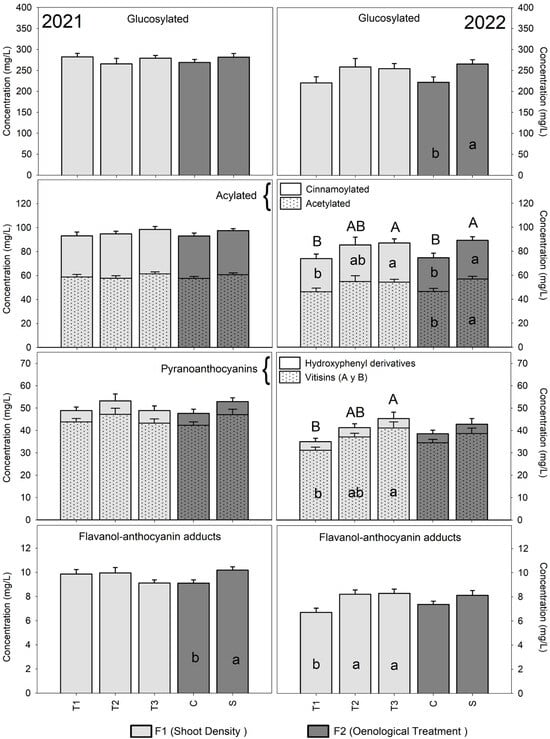
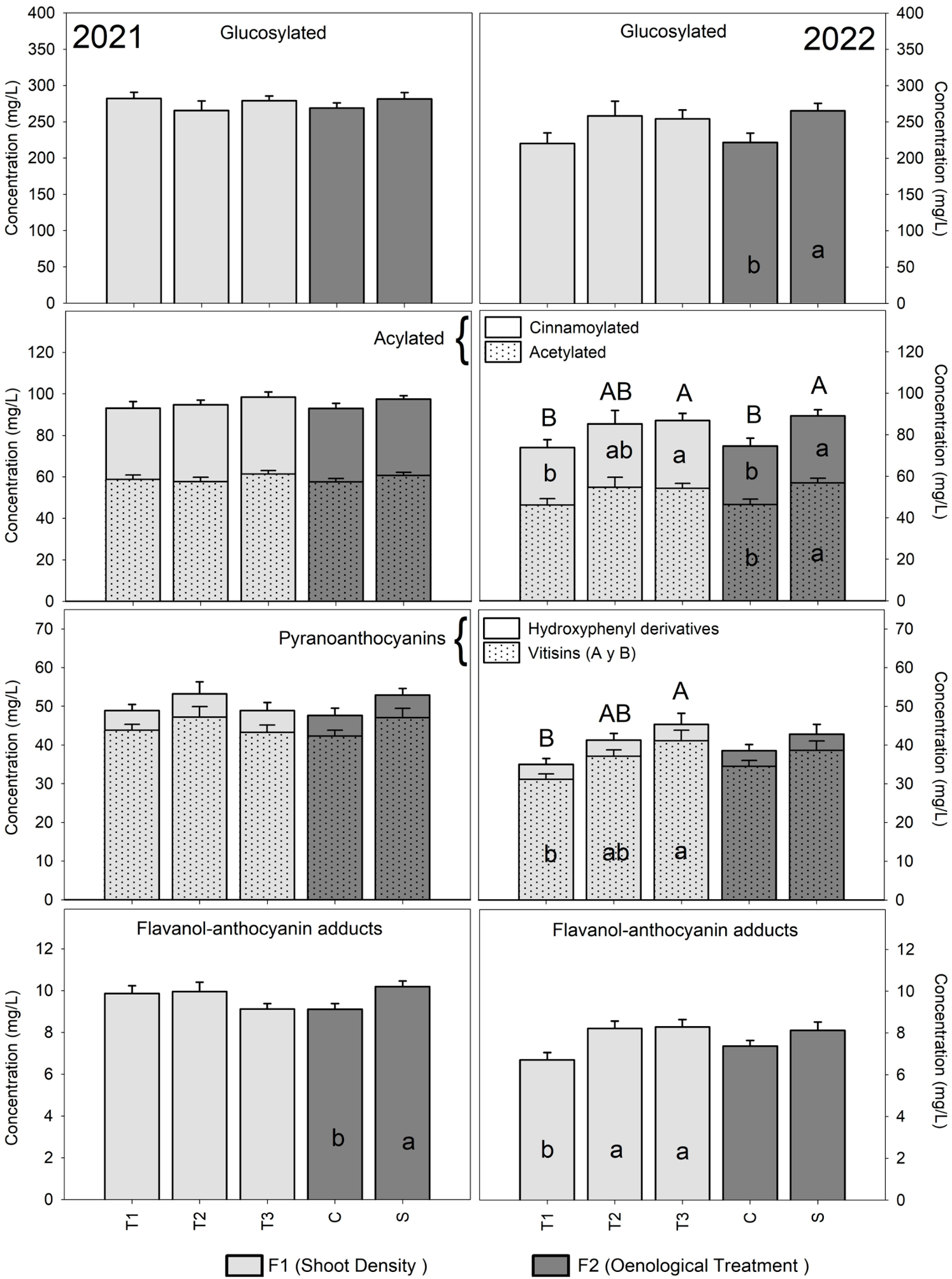
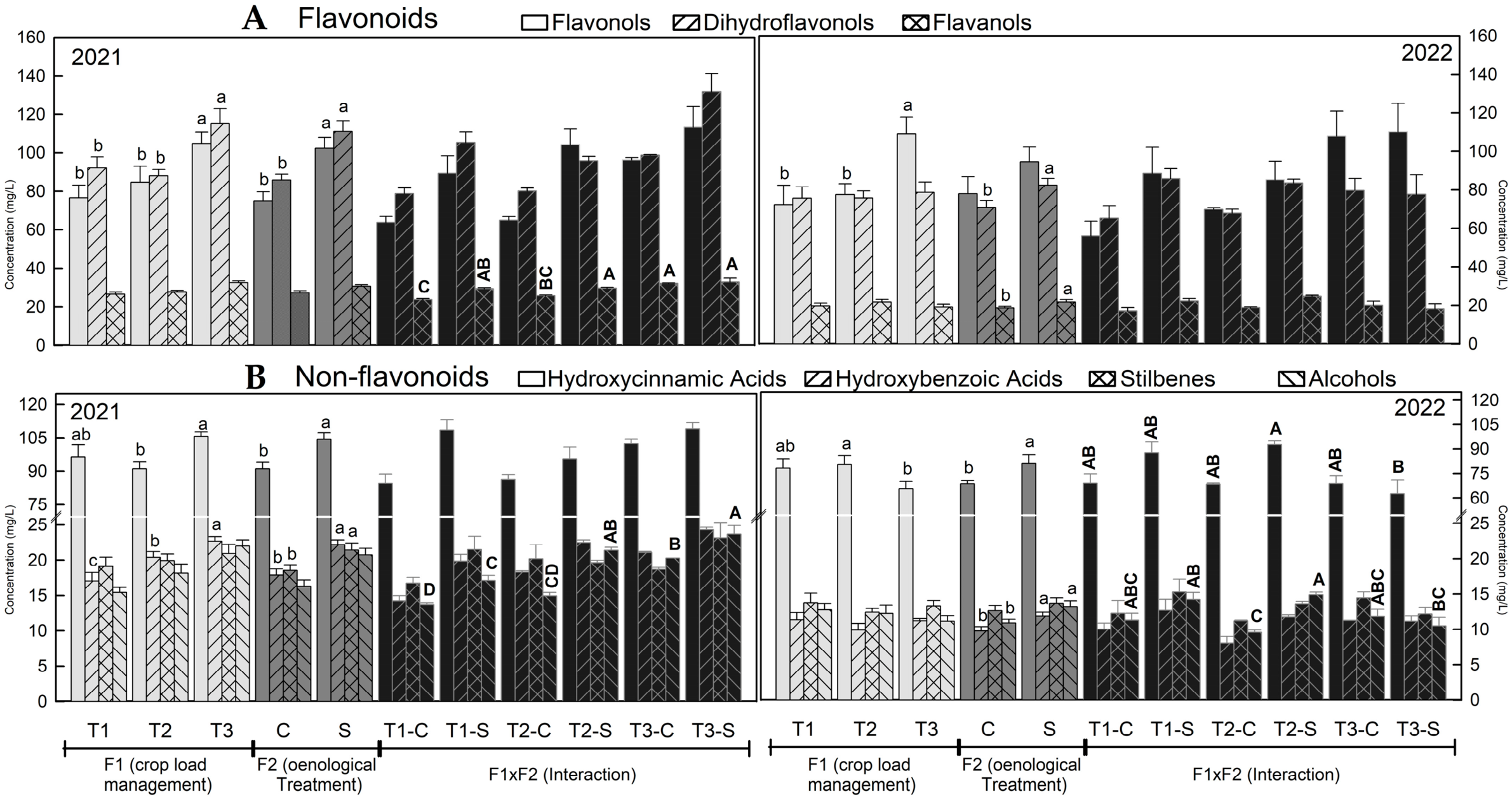
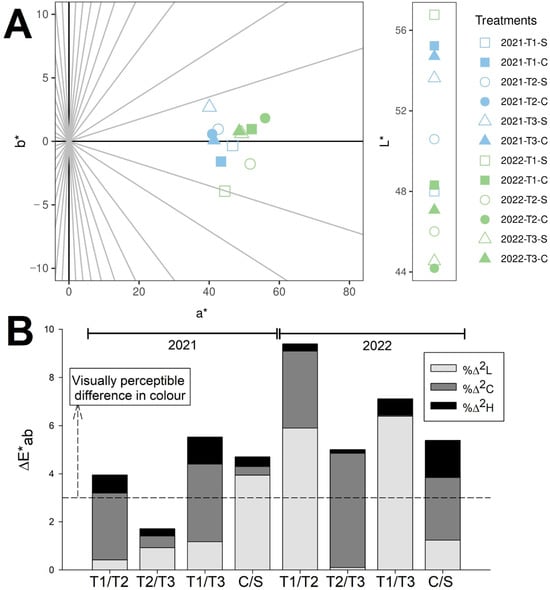
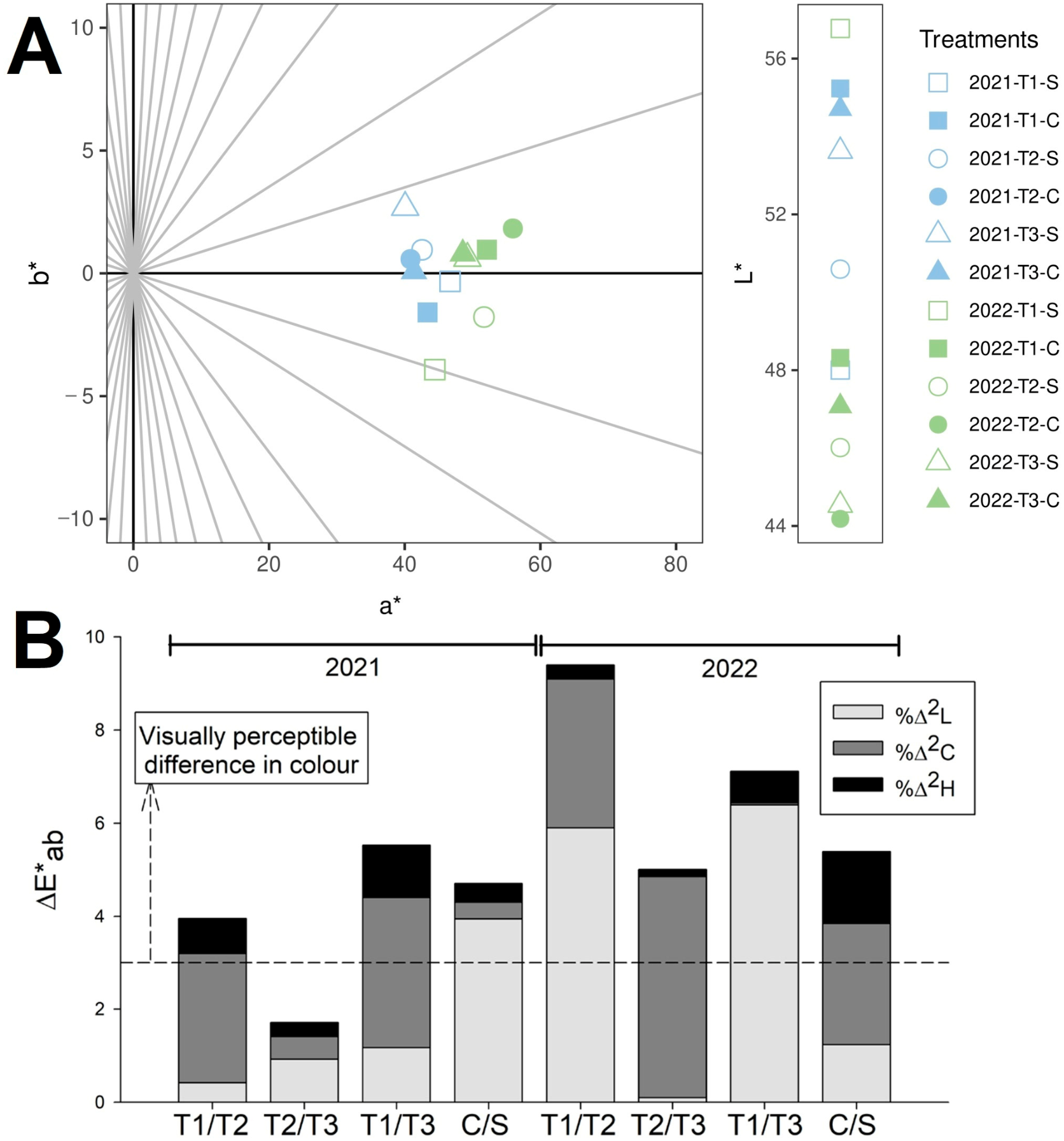
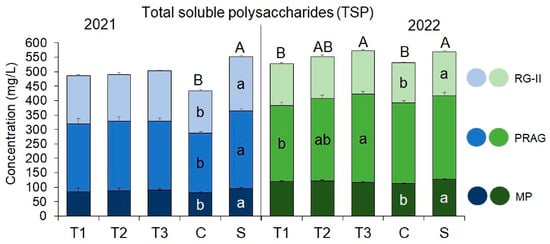
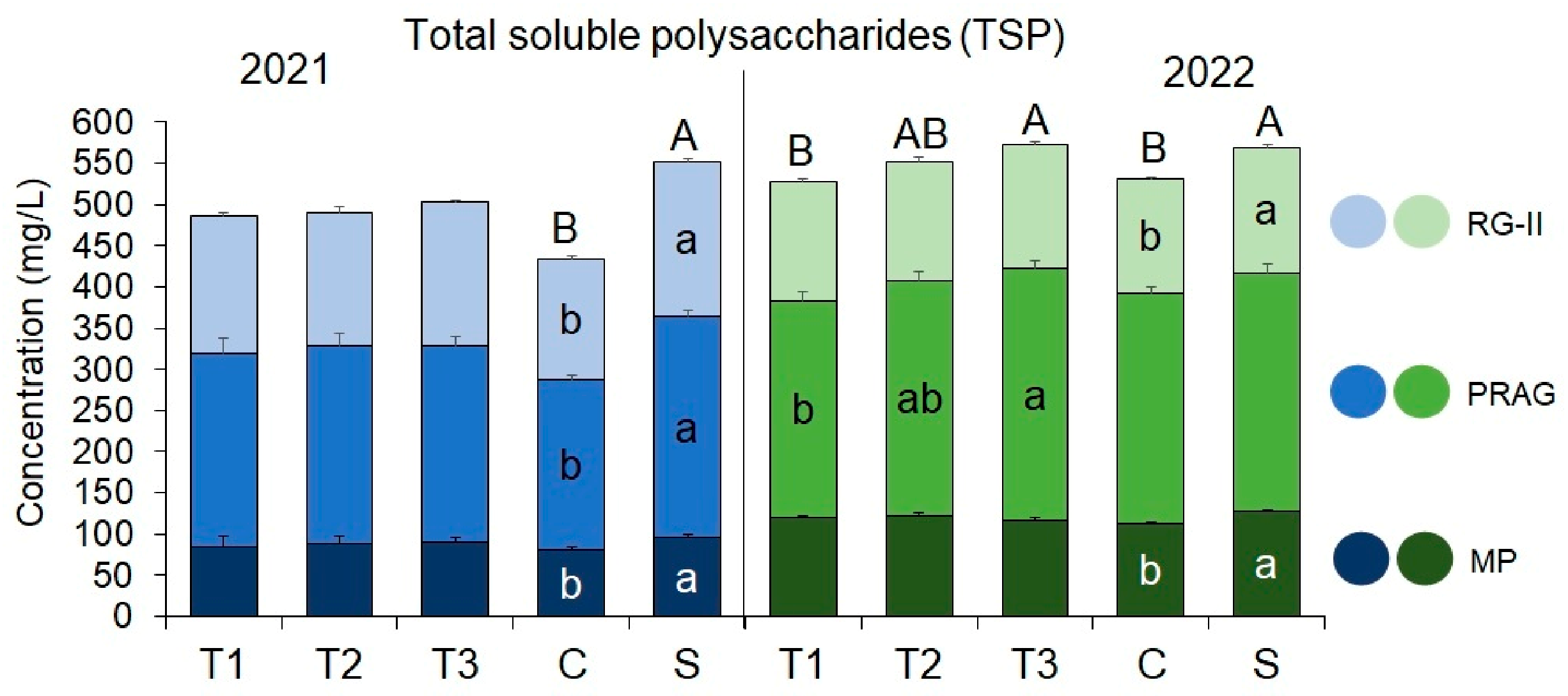
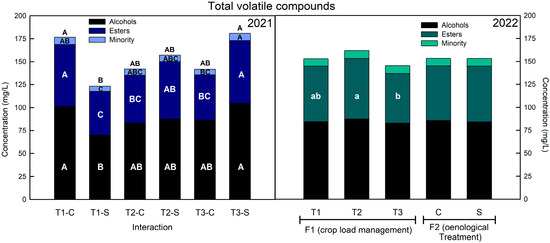
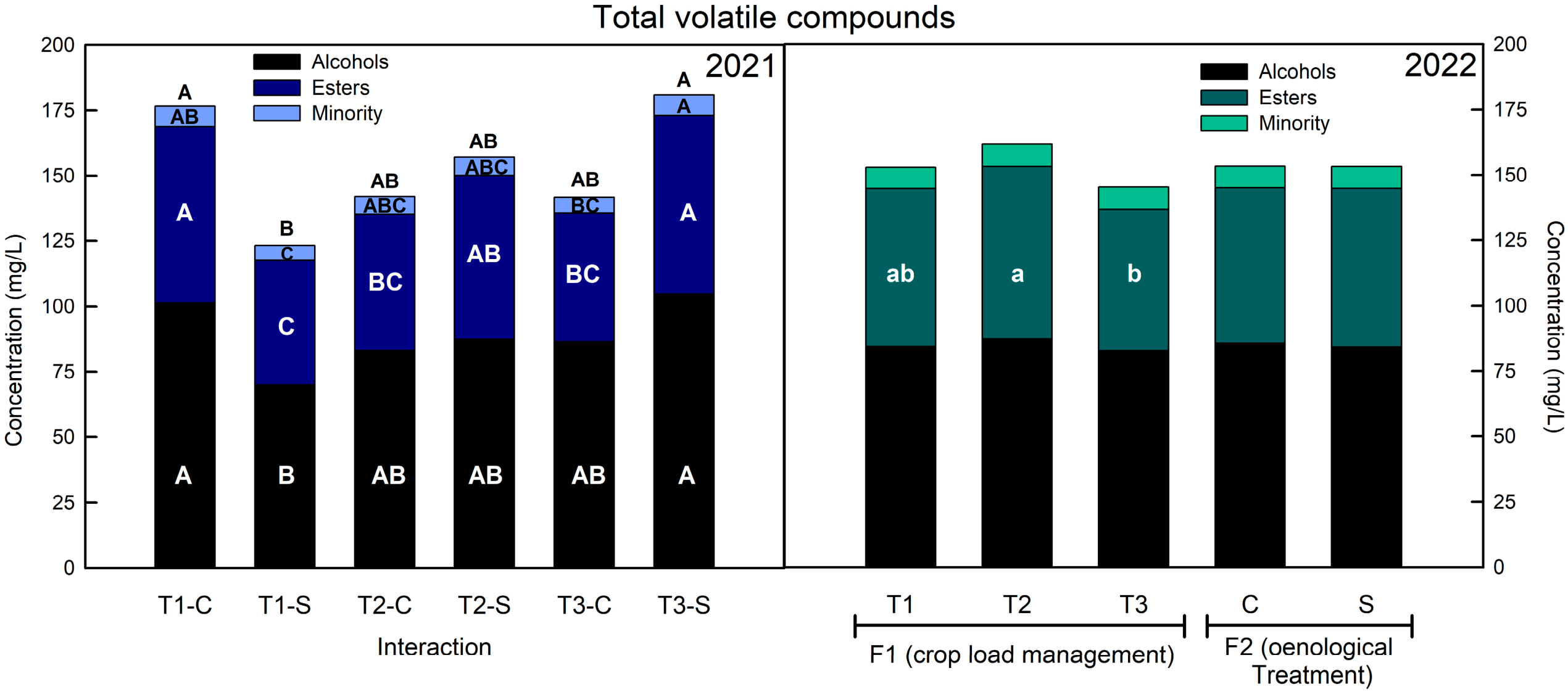
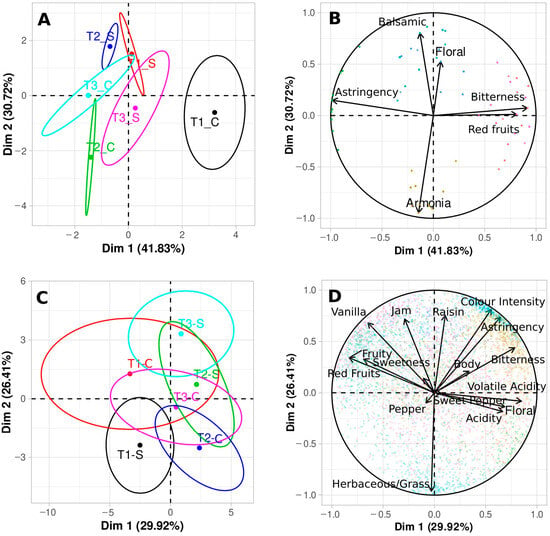
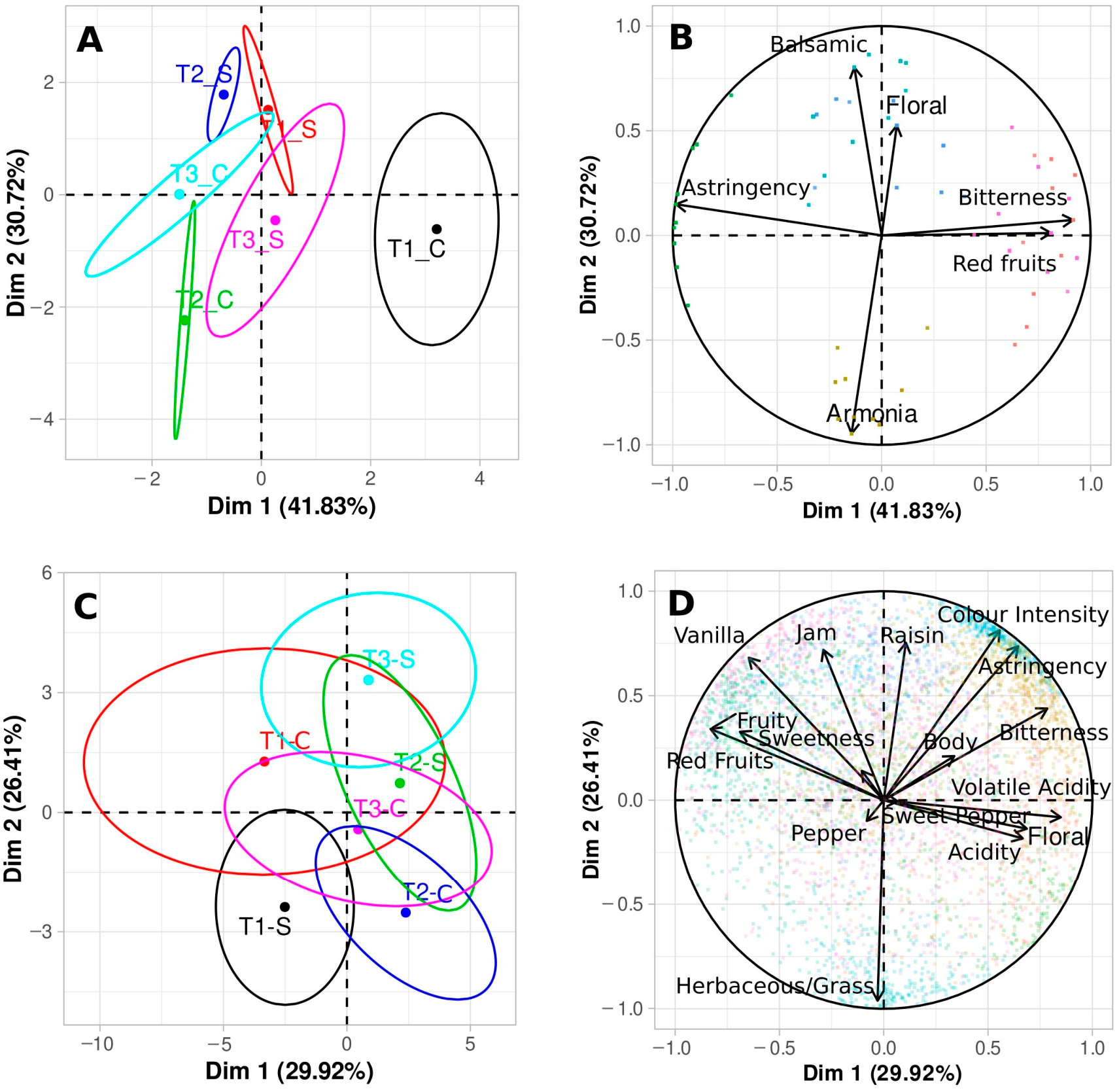

Disclaimer/Publisher’s Note: The statements, opinions and data contained in all publications are solely those of the individual author(s) and contributor(s) and not of MDPI and/or the editor(s). MDPI and/or the editor(s) disclaim responsibility for any injury to people or property resulting from any ideas, methods, instructions or products referred to in the content. |
© 2026 by the authors. Licensee MDPI, Basel, Switzerland. This article is an open access article distributed under the terms and conditions of the Creative Commons Attribution (CC BY) license.