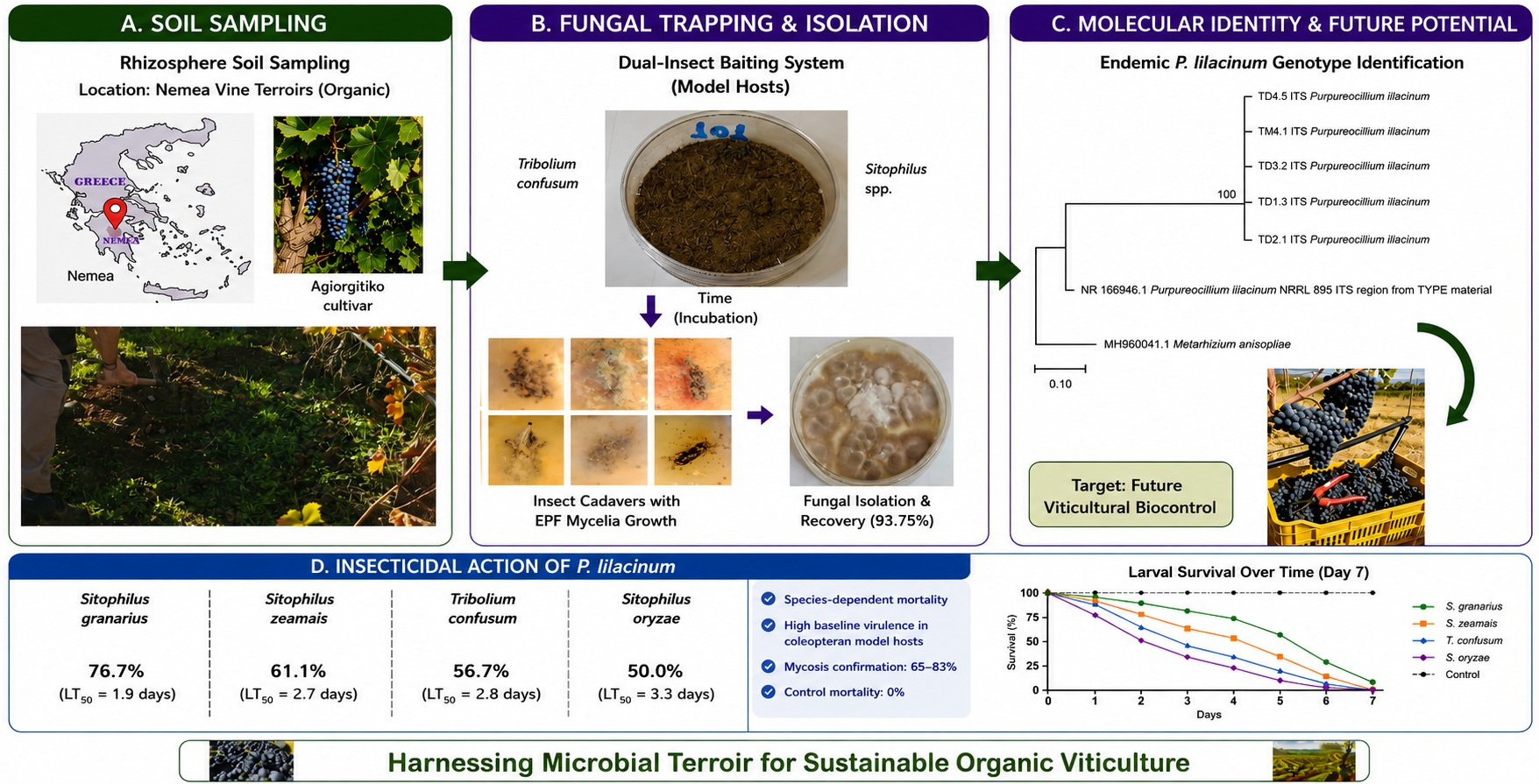

Microbial Terroir of Nemea Vineyards: Isolation and Characterization of an Endemic Purpureocillium lilacinum Genotype with Biocontrol Potential
 ,
,  and
and 
Abstract
1. Introduction
2. Materials and Methods
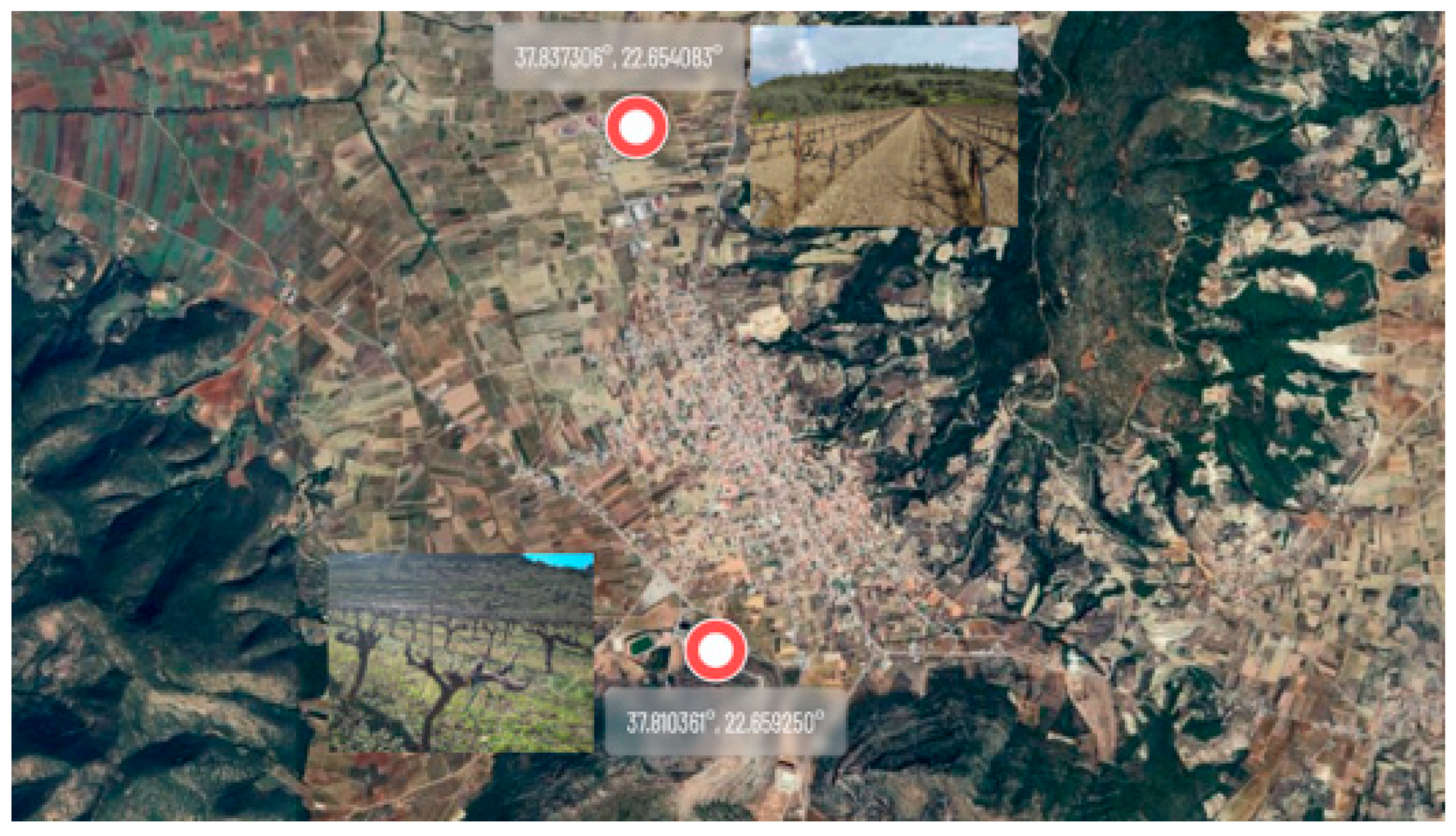
2.1. Study Site and Soil Sampling
2.2. Insect Rearing
2.3. Isolation of Entomopathogenic Fungi (Insect Bait Method)
2.4. Fungal Culture and Morphological Identification
2.5. Molecular Identification and Phylogenetic Analysis
2.6. Virulence Estimation
2.7. Data Analysis
3. Results
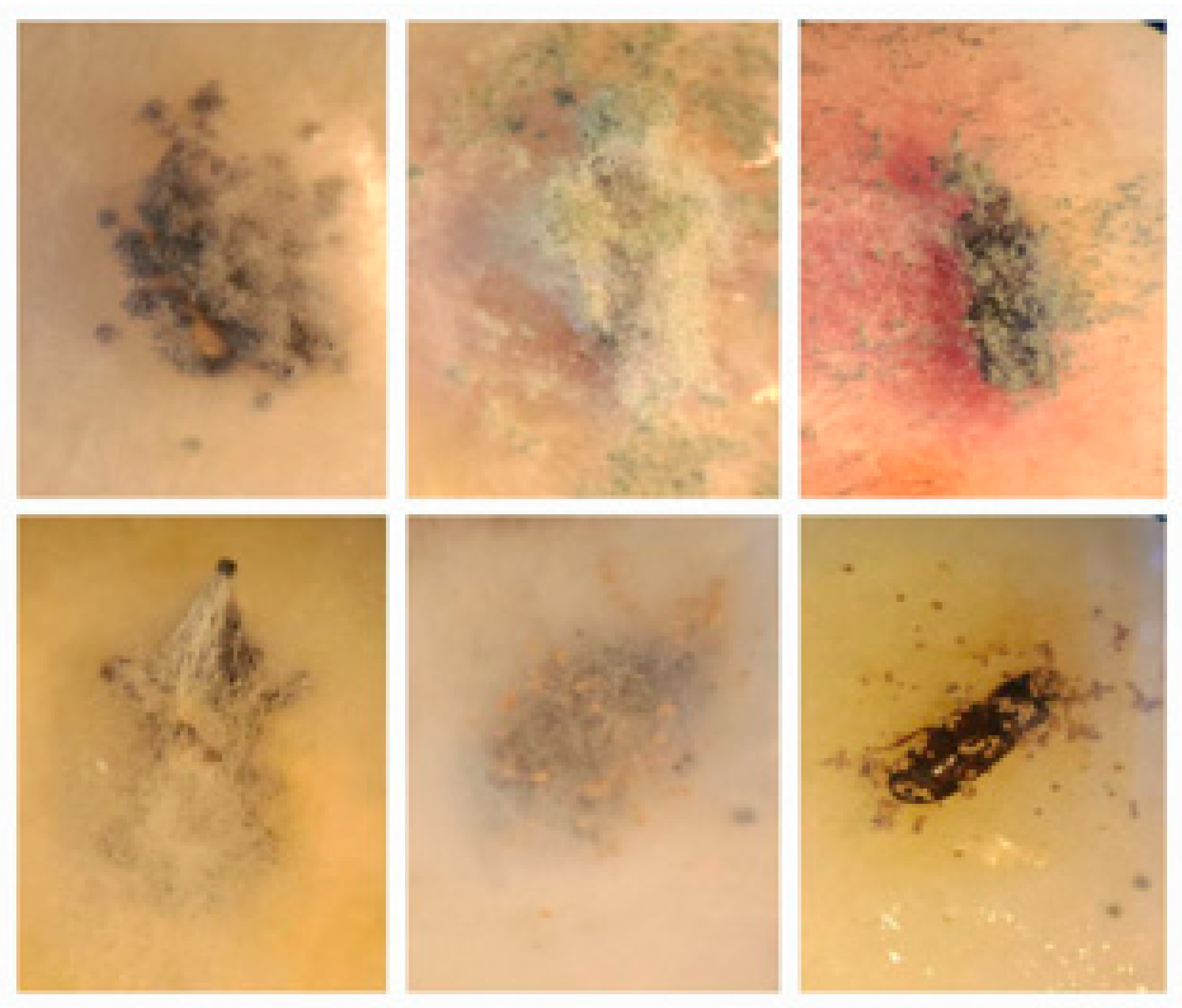
3.1. Insect Baiting Efficacy and Fungal Recovery Rates
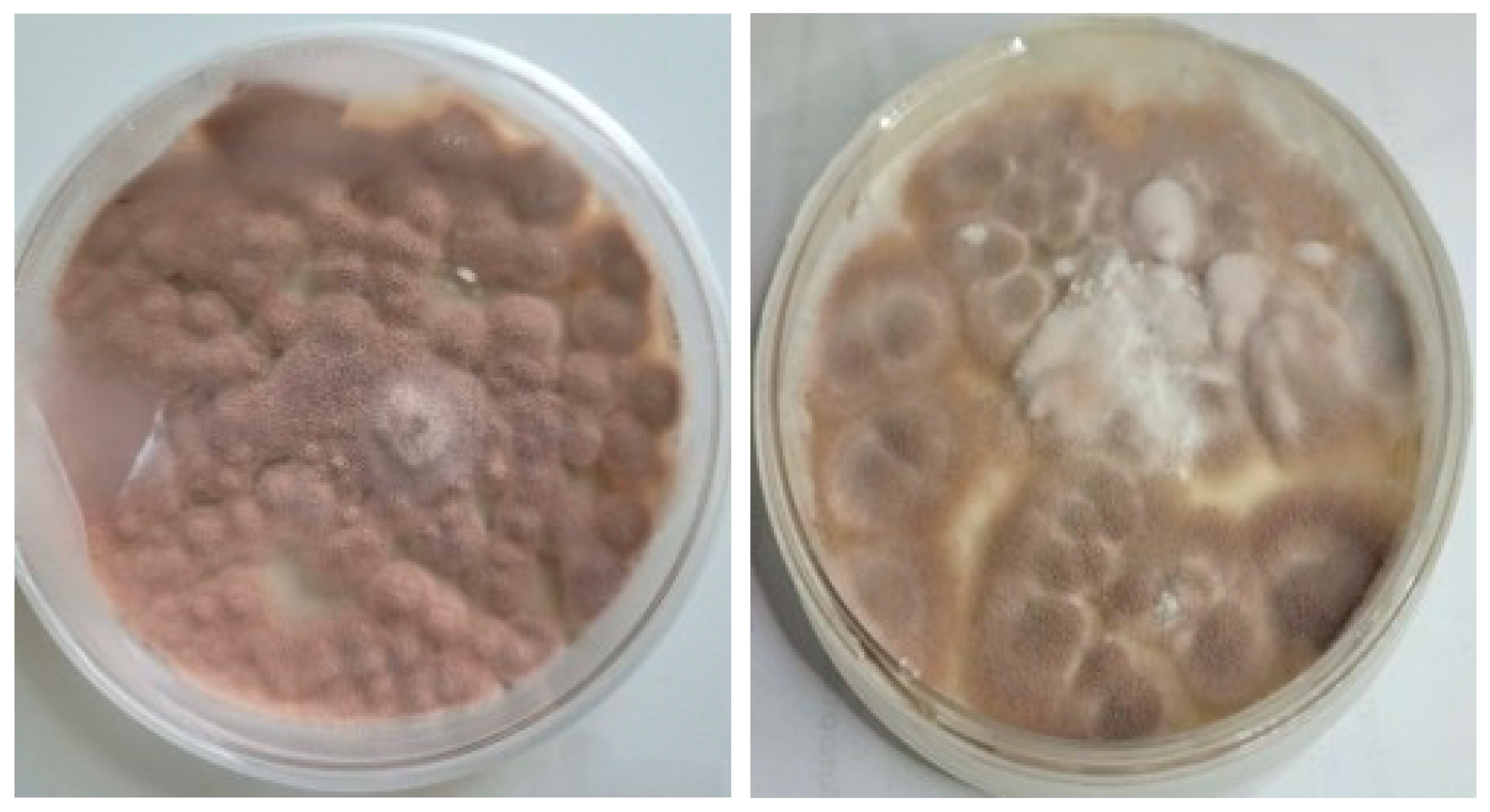
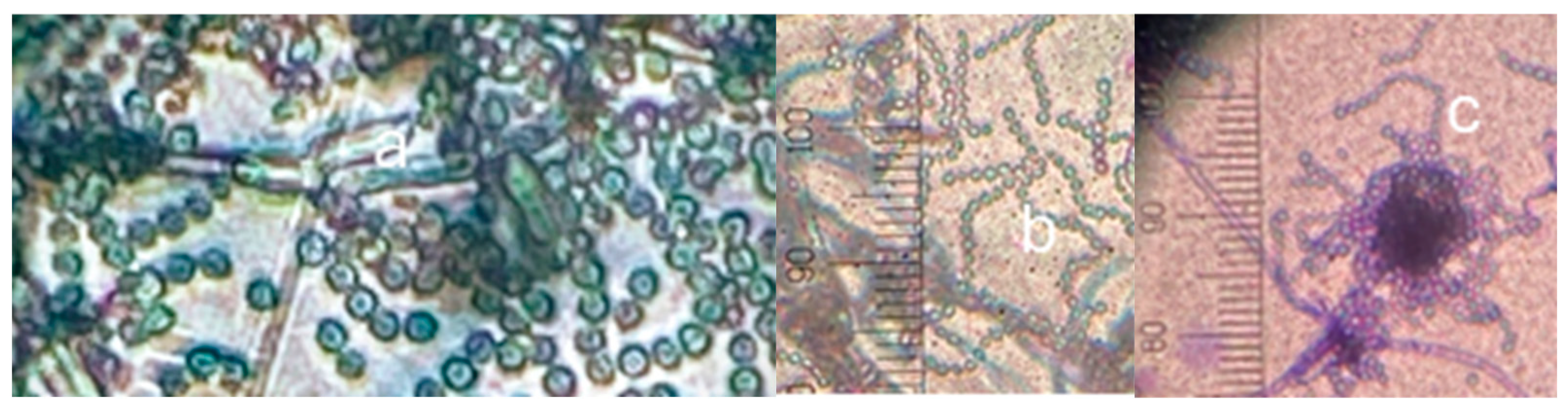
3.2. Morphological and Cultural Characterization
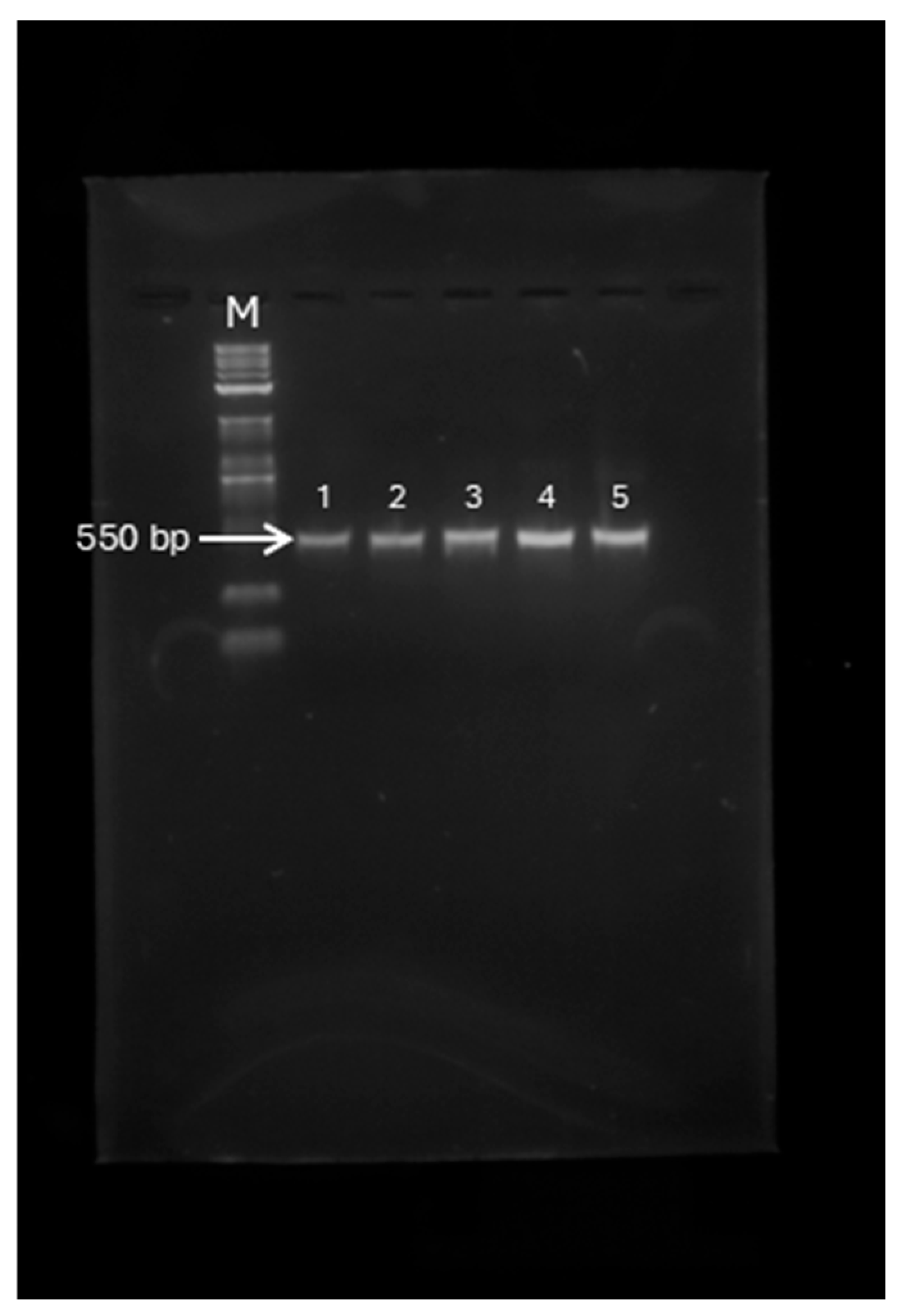
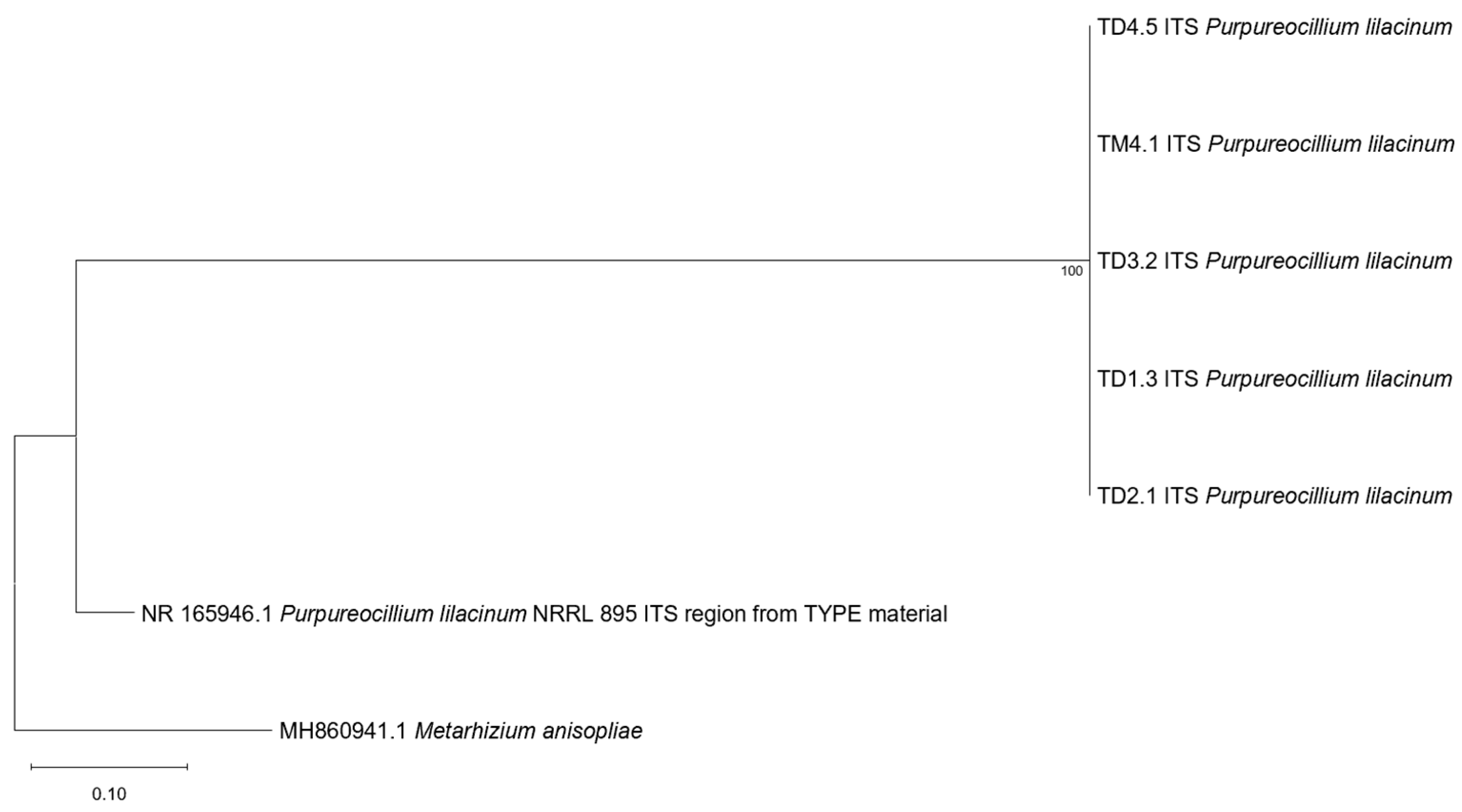
3.3. Molecular Identification and Phylogenetic Analysis
3.4. Species-Dependent Virulence of P. lilacinum Against Stored-Product Beetle Larvae
4. Discussion
5. Conclusions
Author Contributions
Funding
Data Availability Statement
Conflicts of Interest
References
- European Union. Regulation (EU) 2018/848 of the European Parliament and of the Council of 30 May 2018 on Organic Production and Labelling of Organic Products (Article 14). Off. J. Eur. Union 2018, L 150, 1–92. Available online: https://eur-lex.europa.eu/legal-content/EN/TXT/?uri=CELEX:32018R0848 (accessed on 3 March 2026).
- Likar, M.; Stres, B.; Rusjan, D.; Potisek, M.; Regvar, M. Ecological and conventional viticulture gives rise to distinct fungal and bacterial microbial communities in vineyard soils. Appl. Soil Ecol. 2017, 113, 86–95. [Google Scholar] [CrossRef]
- Okur, N.; Kayikcioglu, H.H.; Ates, F.; Yagmur, B. A comparison of soil quality and yield parameters under organic and conventional vineyard systems in Mediterranean conditions (West Turkey). Biol. Agric. Hortic. 2016, 32, 73–84. [Google Scholar] [CrossRef]
- Karimi, B.; Cahurel, J.Y.; Gontier, L.; Charlier, L.; Chovelon, M.; Mahé, H.; Ranjard, L. A meta-analysis of the ecotoxicological impact of viticultural practices on soil biodiversity. Environ. Chem. Lett. 2020, 18, 1947–1966. [Google Scholar] [CrossRef]
- Pertot, I.; Caffi, T.; Rossi, V.; Mugnai, L.; Hoffmann, C.; Grando, M.S.; Gary, C.; Lafond, D.; Duso, C.; Thiery, D.; et al. A critical review of plant protection tools for reducing pesticide use on grapevine and new perspectives for the implementation of IPM in viticulture. Crop Prot. 2017, 97, 70–84. [Google Scholar] [CrossRef]
- Lacey, L.A.; Grzywacz, D.; Shapiro-Ilan, D.I.; Frutos, R.; Brownbridge, M.; Goettel, M.S. Insect pathogens as biological control agents: Back to the future. J. Invertebr. Pathol. 2015, 132, 1–41. [Google Scholar] [CrossRef] [PubMed]
- Mantzoukas, S.; Lagogiannis, I.; Ntoukas, A.; Eliopoulos, P.A.; Kouretas, D.; Karpouzas, D.G.; Poulas, K. Trapping entomopathogenic fungi from vine terroir soil samples with insect baits for controlling serious pests. Appl. Sci. 2020, 10, 3539. [Google Scholar] [CrossRef]
- Rice, W.C.; Cogburn, R.R. Activity of the entomopathogenic fungus Beauveria bassiana (Deuteromycota: Hyphomycetes) against three coleopteran pests of stored grain. J. Econ. Entomol. 1999, 92, 691–694. [Google Scholar] [CrossRef]
- Schöller, M.; Flinn, P.W.; Grieshop, M.J.; Zdarkova, E. Biological control of stored product pests. In Insect Management for Food Storage and Processing; AACC International: St. Paul, MN, USA, 2006; pp. 67–87. [Google Scholar]
- Weinzierl, R.; Higgins, R. Insect pest management for stored grain. In Illinois Agricultural Pest Management Handbook: Serving Agriculture and the Environment; Cooperative Extension Service College of Agriculture, University of Illinois at Urbana-Champaign: Champaign, IL, USA, 2008; pp. 147–156. Available online: http://hdl.handle.net/2142/89687 (accessed on 3 March 2026).
- Shafighi, Y.; Ziaee, M.; Ghosta, Y. Diatomaceous earth used against insect pests, applied alone or in combination with Metarhizium anisopliae and Beauveria bassiana. J. Plant Prot. Res. 2014, 54, 62–66. [Google Scholar] [CrossRef]
- Arora, R. Microbial control in insect pest management: Achievements and challenges. In Biological and Molecular Approaches in Pest Management; Singh, B., Arora, R., Gosal, S.S., Eds.; Scientific Publishers: Jodhpur, India, 2015; pp. 97–152. [Google Scholar]
- Moore, D.; Lord, J.C.; Smith, S.M. Pathogens. In Alternatives to Pesticides in Stored-Product IPM; Subramanyam, B., Hagstrum, D.W., Eds.; Springer Science & Business Media: New York, NY, USA, 2000. [Google Scholar]
- Cherry, A.J.; Abalo, P.; Hell, K. A laboratory assessment of the potential of different strains of the entomopathogenic fungi Beauveria bassiana (Balsamo) Vuillemin and Metarhizium anisopliae (Metschnikoff) to control Callosobruchus maculatus (F.) (Coleoptera: Bruchidae) in stored cowpea. J. Stored Prod. Res. 2005, 41, 295–309. [Google Scholar] [CrossRef]
- Wakil, W.; Ghazanfar, M.U. Entomopathogenic fungus as a biological control agent against Rhyzopertha dominica f. (coleoptera: Bostrychidae) on stored wheat. Arch. Phytopathol. Pflanzenschutz 2010, 43, 1236–1242. [Google Scholar] [CrossRef]
- Riasat, T.; Wakil, W.; Ashfaq, M.; Sahi, S.T. Effect of Beauveria bassiana mixed with diatomaceous earth on mortality, mycosis and sporulation of Rhyzopertha dominica on stored wheat. Phytoparasitica 2011, 39, 325–331. [Google Scholar] [CrossRef]
- Abdel-Raheem, M.; Ismail, I.; Abdel-Rahman, R.; Farag, N.; Abdel-Rhman, I. Entomopathogenic fungi, Beauveria bassiana (Bals.) and Metarhizium anisopliae (Metsch.) as biological control agents on some stored product insects. J. Entomol. Zool. Stud. 2015, 3, 316–320. [Google Scholar]
- Batta, Y.A. Recent advances in formulation and application of entomopathogenic fungi for biocontrol of stored-grain insects. Biocontrol Sci. Technol. 2016, 26, 1171–1183. [Google Scholar] [CrossRef]
- Batta, Y.A.; Kavallieratos, N.G. The use of entomopathogenic fungi for the control of stored-grain insects. Int. J. Pest Manag. 2018, 64, 77–87. [Google Scholar] [CrossRef]
- Cox, P.D.; Wilkin, D.R. The potential use of biological control of pests of stored grain. In Home-Grown Cereals Authority Research Review 36; HGCA: London, UK, 1996; p. 53. [Google Scholar]
- Butt, T.M.; Tariq, M.; Jackson, C.; Magan, N. Fungi as Biocontrol Agents: Progress, Problems and Potential; CABI: Oxon, UK, 2001. [Google Scholar] [CrossRef]
- Hunter, D.M. Mycopesticides as part of integrated pest management of locusts and grasshoppers. J. Orthoptera Res. 2005, 14, 197–201. [Google Scholar] [CrossRef]
- Chandler, D.; Bailey, A.S.; Mark Tatchell, G.; Davidson, G.; Greaves, J.; Grant, W.P. The development, regulation and use of biopesticides for integrated pest management. Proc. R. Soc. B Biol. Sci. 2011, 366, 1987–1998. [Google Scholar] [CrossRef]
- Manivel, S.B.; Rajkumar, G.S. Mycopesticides: Fungal Based Pesticides for Sustainable Agriculture. In Fungi and Their Role in Sustainable Development: Current Perspectives; Springer: Singapore, 2018; pp. 183–203. [Google Scholar] [CrossRef] [PubMed]
- Subramanyam, B.; Hagstrum, D.W. (Eds.) Alternatives to Pesticides in Stored-Product IPM; Springer Science & Business Media: Berlin/Heidelberg, Germany, 2012. [Google Scholar]
- Lord, J.C. Low humidity, moderate temperature, and desiccant dust favor efficacy of Beauveria bassiana (Hyphomycetes: Moniliales) for the lesser grain borer, Rhyzopertha dominica (Coleoptera: Bruchidae). Biol. Control 2005, 34, 180–186. [Google Scholar] [CrossRef]
- Lord, J.C. Enhanced efficacy of Beauveria bassiana for red flour beetle with reduced moisture. J. Econ. Entomol. 2007, 100, 1071–1074. [Google Scholar] [CrossRef]
- Shams, G.; Safaralizadeh, M.H.; Imani, S.; Shojai, M.; Aramideh, S. A laboratory assessment of the potential of the entomopathogenic fungi Beauveria bassiana (Beauvarin®) to control Callosobruchus maculatus (F.) (Coleoptera: Bruchidae) and Sitophilus granarius (L.) (Coleoptera: Curculionidae). Afr. J. Microbiol. Res. 2011, 5, 1192–1196. [Google Scholar] [CrossRef]
- Wakil, W.; Riasat, T.; Ghazanfar, M.U.; Kwon, Y.J.; Shaheen, F.A. Aptness of Beauveria bassiana and enhanced diatomaceous earth (DEBBM) for control of Rhyzopertha dominica F. Entomol. Res. 2011, 41, 233–241. [Google Scholar] [CrossRef]
- Wakil, W.; Riasat, T.; Ashfaq, M. Residual efficacy of thiamethoxam, Beauveria bassiana (Balsamo) Vuillemin, and diatomaceous earth formulation against Rhyzopertha dominica F. (Coleoptera: Bostrychidae). J. Pest Sci. 2012, 85, 341–350. [Google Scholar] [CrossRef]
- Storm, C.; Scoates, F.; Nunn, A.; Potin, O.; Dillon, A. Improving efficacy of Beauveria bassiana against stored grain beetles with a synergistic co-formulant. Insects 2016, 7, 42. [Google Scholar] [CrossRef] [PubMed]
- Luangsa-Ard, J.; Houbraken, J.; van Doorn, T.; Hong, S.B.; Borman, A.M.; Hywel-Jones, N.L.; Samson, R.A. Purpureocillium, a new genus for the medically important Paecilomyces lilacinus. FEMS Microbiol. Lett. 2011, 321, 141–149. [Google Scholar] [CrossRef] [PubMed]
- Khan, M.; Tanaka, K. Purpureocillium lilacinum for plant growth promotion and biocontrol against root-knot nematodes infecting eggplant. PLoS ONE 2023, 18, e0283550. [Google Scholar] [CrossRef] [PubMed]
- Van Leeuwen, C.; Seguin, G. The concept of terroir in viticulture. J. Wine Res. 2006, 17, 1–10. [Google Scholar] [CrossRef]
- Mantzoukas, S.; Lagogiannis, I.; Mpousia, D.; Ntoukas, A.; Karmakolia, K.; Eliopoulos, P.A.; Poulas, K. Beauveria bassiana endophytic strain as plant growth promoter: The case of the grape vine Vitis vinifera. J. Fungi 2021, 7, 142. [Google Scholar] [CrossRef] [PubMed]
- Lagogiannis, I.; Mantzoukas, S.; Eliopoulos, P.A.; Poulas, K. First Record of Beauveria varroae, Cordyceps blackwelliae, and Purpureocillium lavendulum from Greece and Their Pathogenicity against Thaumetopoea pityocampa. Diversity 2023, 15, 312. [Google Scholar] [CrossRef]
- Mantzoukas, S.; Koutsogeorgiou, E.I.; Lagogiannis, I.; Gogolashvili, N.; Fifis, G.T.; Navrozidis, E.I.; Thomidis, T.; Andreadis, S.S. Effect of entomopathogenic fungi to eggs and nymphs survival of Halyomorpha halys (Hemiptera: Pentatomidae) under laboratory conditions. Curr. Microbiol. 2024, 81, 48. [Google Scholar]
- Zimmermann, G. The ‘Galleria bait method’for detection of entomopathogenic fungi in soil. J. Appl. Entomol. 1986, 102, 213–215. [Google Scholar] [CrossRef]
- Quesada-Moraga, E.; Navas-Cortés, J.A.; Maranhao, E.A.; Ortiz-Urquiza, A.; Santiago-Álvarez, C. Factors affecting the occurrence and distribution of entomopathogenic fungi in natural and cultivated soils. Mycol. Res. 2007, 111, 947–966. [Google Scholar] [CrossRef] [PubMed]
- Humber, R.A. Identification of entomopathogenic fungi. Man. Tech. Invertebr. Pathol. 2012, 2, 151–187. [Google Scholar] [CrossRef]
- White, T.J.; Bruns, T.; Lee, S.J.W.T.; Taylor, J. Amplification and direct sequencing of fungal ribosomal RNA genes for phylogenetics. PCR Protoc. Guide Methods Appl. 1990, 18, 315–322. [Google Scholar] [CrossRef] [PubMed]
- Tamura, K.; Stecher, G.; Kumar, S. MEGA11: Molecular Evolutionary Genetics Analysis version 11. Mol. Biol. Evol. 2021, 38, 3022–3027. [Google Scholar] [CrossRef] [PubMed]
- Abbott, W.S. A method of computing the effectiveness of an insecticide. J. Econ. Entomol. 1925, 18, 265–267. [Google Scholar] [CrossRef]
- Baron, N.C.; de Souza Pollo, A.; Rigobelo, E.C. Purpureocillium lilacinum and Metarhizium marquandii as plant growth-promoting fungi. PeerJ 2020, 8, e9005. [Google Scholar] [CrossRef] [PubMed]
- Chen, W.; Hu, Q. Secondary metabolites of Purpureocillium lilacinum. Molecules 2021, 27, 18. [Google Scholar] [CrossRef] [PubMed]
- Mantzoukas, S.; Lagogiannis, I.; Kitsiou, F.; Eliopoulos, P.A. Entomopathogenic action of wild fungal strains against stored product beetle pests. Insects 2023, 14, 91. [Google Scholar] [CrossRef] [PubMed]
- Mantzoukas, S.; Pettas, I.; Lagogiannis, I. Stored product pests as models for trapping entomopathogenic fungi from olive tree orchards in Western Greece. J. Stored Prod. Res. 2020, 87, 101584. [Google Scholar] [CrossRef]
- Barra, P.; Etcheverry, M.; Nesci, A. Improvement of the insecticidal capacity of two Purpureocillium lilacinum strains against Tribolium confusum. Insects 2015, 6, 206–223. [Google Scholar] [CrossRef] [PubMed]
- Ortiz-Urquiza, A.; Keyhani, N.O. Action on the surface: Entomopathogenic fungi versus the insect cuticle. Insects 2013, 4, 357–374. [Google Scholar] [CrossRef] [PubMed]
- Galambos, N.; Vincent-Monégat, C.; Vallier, A.; Parisot, N.; Heddi, A.; Zaidman-Rémy, A. Cereal weevils’ antimicrobial peptides: At the crosstalk between development, endosymbiosis and immune response. Philos. Trans. R. Soc. B Biol. Sci. 2024, 379, 20230062. [Google Scholar] [CrossRef] [PubMed]
- Masson, F.; Zaidman-Rémy, A.; Heddi, A. Antimicrobial peptides and cell processes tracking endosymbiont dynamics. Philos. Trans. R. Soc. B Biol. Sci. 2016, 371, 20150298. [Google Scholar] [CrossRef] [PubMed]
- Kanyile, S.N.; Engl, T.; Kaltenpoth, M. Nutritional symbionts confer structural defence against predation and fungal infection in a grain pest beetle. J. Exp. Biol. 2022, 225, jeb243593. [Google Scholar] [CrossRef] [PubMed]



| Bait Insect Species | Soil Origin | Mortality (%) | Mycosis (%) |
|---|---|---|---|
| Sitophilus spp. * | Vineyard A | 100.0 ± 0.0 | 93.75 |
| Tribolium confusum | Vineyard A | 95.0 ± 2.1 | 87.50 |
| Tribolium confusum | Vineyard B | 88.0 ± 3.4 | 75.00 |
| Isolate ID | Host Bait Species | Top BLAST Match (GenBank) | Max Identity (%) | Query Coverage (%) | E-Value |
|---|---|---|---|---|---|
| NEM-V1-PL01 | Tribolium confusum | Purpureocillium lilacinum NR_165946.1 | 100% | 100% | 0.0 |
| NEM-V1-PL02 | Sitophilus zeamais | Purpureocillium lilacinum NR_165946.1 | 99.8% | 100% | 0.0 |
| NEM-V2-PL03 | Sitophilus oryzae | Purpureocillium lilacinum NR_165946.1 | 99.6% | 99% | 0.0 |
| NEM-V2-PL04 | Sitophilus granarius | Purpureocillium lilacinum NR_165946.1 | 99.4% | 100% | 0.0 |
| NEM-V2-PL05 | Sitophilus granarius | Purpureocillium lilacinum NR_165946.1 | 99.8% | 100% | 0.0 |
| Source | SS | df | MS | F | p-Value | η2 |
|---|---|---|---|---|---|---|
| Species | 0.108 | 3 | 0.054 | 5.82 | 0.039 | 0.49 |
| Replicate | 0.042 | 2 | 0.021 | 2.26 | 0.185 | 0.19 |
| Species × Replicate | 0.082 | 6 | 0.020 | 2.21 | 0.184 | 0.37 |
| Parameter | Tribolium confusum (Trt) | Tribolium confusum (Ctrl) | Sitophilus granarius (Trt) | Sitophilus granarius (Ctrl) | Sitophilus oryzae (Trt) | Sitophilus oryzae (Ctrl) | Sitophilus zeamais (Trt) | Sitophilus zeamais (Ctrl) |
|---|---|---|---|---|---|---|---|---|
| Final survival (Day 7, %) | 43.3 | 100 | 23.3 | 100 | 50.0 | 100 | 38.9 | 100 |
| Final mortality (Day 7, %) | 56.7 | 0 | 76.7 | 0 | 50.0 | 0 | 61.1 | 0 |
| Median survival (days) | 3.2 | >7 | 2.8 | >7 | 4.0 | >7 | 3.3 | >7 |
| LT50 (days) | 2.8 (2.5–3.1) | >7 | 1.9 (1.7–2.1) | >7 | 3.5 (3.1–4.0) | >7 | 2.7 (2.4–3.0) | >7 |
| Hazard ratio (vs. Sitophilus oryzae) | 1.21 | – | 2.89 | – | 1.00 (ref) | – | 1.7 | – |
| 95% CI (HR) | 0.89–1.65 | – | 1.98–4.22 | – | – | – | 1.43–2.9 | – |
| p-value (HR) | 0.221 | – | <0.001 | – | – | – | 0.2 | – |
| Cumulative hazard (Day 7) | 0.835 | 0 | 1.455 | 0 | 0.693 | 0 | 0.99 | 0 |
| Mycosis confirmation (%) | 78% | N/A | 83% | N/A | 65% | N/A | 75% | N/A |
| Log-rank χ2 (vs. Sitophilus oryzae) | 1.50 | – | 18.34 | – | – | – | 1.70 | – |
| Cohen’s d (vs. Sitophilus oryzae) | 0.21 (small) | – | 1.45 (large) | – | – | – | 0.83 (large) | – |
Disclaimer/Publisher’s Note: The statements, opinions and data contained in all publications are solely those of the individual author(s) and contributor(s) and not of MDPI and/or the editor(s). MDPI and/or the editor(s) disclaim responsibility for any injury to people or property resulting from any ideas, methods, instructions or products referred to in the content. |
© 2026 by the authors. Licensee MDPI, Basel, Switzerland. This article is an open access article distributed under the terms and conditions of the Creative Commons Attribution (CC BY) license.
Share and Cite
Lagogiannis, I.; Kaloudi, C.; Dimou, D.; Patakioutas, G.; Eliopoulos, P.E.; Mantzoukas, S. Microbial Terroir of Nemea Vineyards: Isolation and Characterization of an Endemic Purpureocillium lilacinum Genotype with Biocontrol Potential. Horticulturae 2026, 12, 746. https://doi.org/10.3390/horticulturae12060746
Lagogiannis I, Kaloudi C, Dimou D, Patakioutas G, Eliopoulos PE, Mantzoukas S. Microbial Terroir of Nemea Vineyards: Isolation and Characterization of an Endemic Purpureocillium lilacinum Genotype with Biocontrol Potential. Horticulturae. 2026; 12(6):746. https://doi.org/10.3390/horticulturae12060746
Chicago/Turabian StyleLagogiannis, Ioannis, Christina Kaloudi, Dimitra Dimou, Giorgos Patakioutas, Panagiotis E. Eliopoulos, and Spyridon Mantzoukas. 2026. "Microbial Terroir of Nemea Vineyards: Isolation and Characterization of an Endemic Purpureocillium lilacinum Genotype with Biocontrol Potential" Horticulturae 12, no. 6: 746. https://doi.org/10.3390/horticulturae12060746
APA StyleLagogiannis, I., Kaloudi, C., Dimou, D., Patakioutas, G., Eliopoulos, P. E., & Mantzoukas, S. (2026). Microbial Terroir of Nemea Vineyards: Isolation and Characterization of an Endemic Purpureocillium lilacinum Genotype with Biocontrol Potential. Horticulturae, 12(6), 746. https://doi.org/10.3390/horticulturae12060746