Article

Cinnamon Essential Oil–Chitosan Composite Coating Delays Fruit Softening in Actinidia arguta by Inhibiting Cell Wall Metabolism


1
College of Food Science, Shenyang Agricultural University, Shenyang 110866, China
2
Liaoning Provincial Forestry Development Service Center, Dalian 116031, China
*
Authors to whom correspondence should be addressed.
Horticulturae 2026, 12(4), 440; https://doi.org/10.3390/horticulturae12040440

Submission received: 24 February 2026 / Revised: 21 March 2026 / Accepted: 1 April 2026 / Published: 3 April 2026

Abstract

Actinidia arguta fruits are highly perishable due to their thin, glabrous skin and high respiration rate. The primary objective of this study was to investigate the effects of a coating composed of 1.2% cinnamon essential oil (CEO) combined with 1% chitosan (CH) on the storage quality, cell wall structure, and cell wall metabolism in A. arguta fruits after subjecting them to 25 ± 1 and 4 °C. Results showed that this coating composition effectively maintained fruits’ postharvest appearance and firmness, reduced the rate of weight loss, and preserved the fruit’s original sensory flavor. Furthermore, the coating treatment significantly delayed the conversion of protopectin to soluble pectin, the increase in cellulose content, and the decrease in acid-insoluble solid (AIS) content. Furthermore, low activities of polygalacturonase (PG), pectin methylesterase (PME), pectin lyase (PL), cellulase (Cx), β-glucosidase (β-Glu), and β-galacturonidase (β-Gal) were found in the treatment during storage. Scanning electron microscopy (SEM) and transmission electron microscopy (TEM) observed that the composite coating treatment strongly maintained the integrity of fruit cell wall structure and exhibited positive effects under room temperature conditions, with its protective effects further enhanced and prolonged under refrigerated conditions. In conclusion, this combination treatment extended the postharvest storage life of A. arguta, possibly by inhibiting cell wall degradation, maintaining fruit firmness, and regulating the activity of cell wall metabolism.

1. Introduction

Actinidia arguta (Siebold & Zucc.) Planch. ex Miq., also known as kiwiberry or round jujube, belongs to the family Actinidiaceae and genus Actinidia [1,2]. A. arguta is also an emerging berry rich in nutrients. It can be eaten with its skin and serves as an important source of vitamin C [3]. Additionally, this fruit exhibits unique therapeutic effects, including pain relief, anti-inflammation, stomach tonification, lung moisturization, and the ability to lower blood glucose and lipid levels [4]. Due to its rich nutritional composition and diverse health benefits, it has gained increasing popularity and is now recognized as one of the most important emerging fruits [5].
The postharvest storage constraints of Actinidia arguta fruit are closely associated with its inherent physiological characteristics and current preservation practices. This fruit exhibits a high respiration metabolic rate, and the high temperatures during the harvest period further intensify its respiration. Moreover, its thin and glabrous skin is highly susceptible to invisible micro-mechanical damage caused by friction or compression during harvesting. Such wounds serve as major entry points for fungal infection during subsequent storage [6]. Furthermore, if infected fruits are stored under refrigeration under excessively high humidity, water condensation may occur, which accelerates the spread of fungal spores [7]. Collectively, these storage challenges lead to substantial economic losses during the postharvest storage, transportation, and marketing of A. arguta fruits [8].
Most fruit and vegetable storage relies on traditional chemical preservatives, which are often rejected by health-conscious consumers due to the risk of chemical residues. Although chemical preservation offers low cost and high efficiency, it poses potential risks to human health [9]. As alternatives to chemical preservatives, plant essential oils have been investigated for their antimicrobial properties. They are typically used in combination with edible coatings to maintain the freshness, color, and texture of fruits and vegetables [10,11]. Edible coatings are generally defined as edible materials applied in liquid form; fruits are typically sprayed or immersed in various edible coating solutions [9]. CEO, a transparent liquid ranging in color from yellow to reddish-brown, has been identified as a strong antioxidant with broad-spectrum antibacterial activity, a property primarily attributed to its major bioactive component, cinnamaldehyde [12,13]. However, CEO exhibits instability and poor water solubility. CH is a non-toxic, biodegradable polysaccharide with good film-forming properties, making it an excellent fruit coating material [14]. When combined, the resulting composite coating exhibits improved film-forming performance for fruit preservation.
Currently, coating preservation technology has been applied to the postharvest storage of various fruits, including apples [15], kiwifruit [16], tomatoes [17], and loquats [18], yielding favorable results. Coating films can also reduce damage caused by impact and friction during harvesting, transportation, and marketing, thereby preserving the structural integrity and commercial value of fruits and vegetables while extending their shelf life [19]. Specifically, edible coatings for fruit and vegetable preservation can inhibit microbial spoilage, reduce quality loss, lower respiration rates, and regulate enzyme activities. Additionally, they help maintain the natural color and flavor of fruits [20]. Furthermore, the incorporation of natural antimicrobial agents and antioxidants can enhance the preservation capabilities of edible coatings. Due to their convenience, safety, eco-friendliness, and cost-effectiveness, edible coatings and films have garnered significant interest in fruit and vegetable postharvest preservation [14,15,16,17,18].
Current research on cinnamon essential oil–chitosan (CEO-CH) composite coatings has primarily focused on their antimicrobial activity and fruit quality preservation. However, research at the cell wall level remains insufficient, particularly regarding A. arguta. Preliminary experiments involving chitosan-only and CEO-only treatments were performed to optimize the composite coating formulation and verify the effectiveness of its components. Therefore, this study aimed to investigate the effects of CEO-CH composite coatings on the postharvest quality and cell wall metabolism of A. arguta, and to elucidate the underlying preservation mechanism. The results could provide theoretical support for the development of efficient and green postharvest preservation technologies for A. arguta.

2. Materials and Methods

2.1. Fruit Materials

The experimental materials were obtained from a commercial orchard in Yingkou City, Liaoning Province, China. After harvest, the fruits were placed in foam boxes with ice packs and immediately transported to the Food Science Laboratory of Shenyang Agricultural University. The variety used in this study was ‘Longcheng II’. Fruits were selected for the experiment based on uniform size, consistent maturity, and intact surfaces free of disease, insect damage, or mechanical injury (average harvest firmness: 11 ± 0.5 N; average harvest soluble solid content: 9 ± 0.5%).
A total of 720 fruits were selected for this experiment and randomly divided into four groups. Two groups were placed in plastic bags and stored in a constant-temperature chamber at (25 ± 1) ℃ and a 4 °C refrigerator, respectively, serving as the control groups. The other two groups were subjected to coating treatment, then placed in plastic bags and stored in the (25 ± 1) ℃ constant-temperature chamber and 4 °C refrigerator, respectively.

2.2. Coating Treatment

The composite coating solution was prepared as follows: 1.2 g of CH (degree of deacetylation: 95%) was weighed and dissolved in a 1.5% (v/v) aqueous acetic acid. Then, 0.2% glycerol (w/w) was added, and the mixture was stirred at 8000 rpm for 1 h until CH was completely dissolved, resulting in a 1.2% (w/w) CH solution. The solution was cooled to room temperature and adjusted to a final volume of 100 mL with the 1.5% (v/v) aqueous acetic acid.
Subsequently, 70 mL of the prepared CH solution was transferred. To this portion, 1 mL of CEO was added, followed by 0.4% (v/v) Tween-80 as an emulsifier. The mixture was homogenized at 10,000 rpm for 15 min, then allowed to stand and degas naturally before adjusting the final volume to 100 mL to obtain the CEO-CH composite coating solution. For the film-coating treatment, A. arguta fruits were immersed in the prepared composite coating mixture for 13 s, then removed and air-dried at room temperature. After air-drying, the coated fruits were packed into blueberry preservation containers and stored in the (25 ± 1 °C) constant-temperature chamber and 4 °C refrigerator, respectively, consistent with the storage conditions of the corresponding control groups.
After coating and packaging, the fruits were stored for 10 days in the (25 ± 1) °C constant-temperature chamber and for 25 d in the 4 °C refrigerator, with daily observation of phenotypic changes. Sample collection was performed every 2 d under room temperature storage and every 5 d under refrigerated storage, with 10 fruits randomly selected from each group for index determination. Subsequently, the pulp of A. arguta fruits was rapidly frozen in liquid nitrogen and immediately stored at −80 °C for subsequent enzyme activity determination.

2.3. Sensory Quality

Fruit appearance was photographed using a SANOTO photo box (SANOTO, China) on each specified sampling day for A. arguta fruits under different treatments. Fruit color was measured using a colorimeter (CR-400, Konica Minolta Sensing, Tokyo, Japan), and L*, a*, and b* values were recorded. Fruit firmness was determined using a Brookfield CT3 10K texture analyzer (AMETEK Brookfield, Middleborough, MA, USA) with a probe penetration speed of 1 mm s−1. The maximum force recorded during penetration was used as the firmness index, expressed in Newtons (N) (The probe diameter was 15 mm. For each analysis, 10 fruits were randomly selected from each group for texture determination. Measurements were performed at the equatorial region of each fruit. Two replicate measurements were taken at different axes of the equatorial part, and the average value was used to represent each fruit.). Electronic tongue analysis of the fruits was conducted using an Insent SA402B electronic tongue, with the evaluated sensory attributes including sweetness, umami, saltiness, sourness, bitterness, astringency, richness, aftertaste-B, and aftertaste-A. The weight loss rate of the fruits during storage was calculated by weighing the fruits at each sampling interval, using the following formula: Weight loss (%) = [(Initial mass − Mass after storage)/Initial mass] × 100%.

2.4. Microstructural Changes

2.4.1. Scanning Electron Microscopy (SEM)

Fruit samples from each treatment group were dissected with a sterile scalpel to obtain thin pulp sections no larger than 3 mm2. After fixation in a fixative solution, the sections were stored at 4 °C and subsequently freeze-dried under vacuum. The dried samples were sputter-coated with approximately 20 nm of gold using an ion sputter coater and then observed using SEM.

2.4.2. Transmission Electron Microscope (TEM)

TEM observations of the fruits were performed according to the method described by Liu et al. [21]. A. arguta fruits were cut into small cubes (1 mm × 1 mm × 3 mm) and rinsed three times with phosphate buffer containing glutaraldehyde as the primary fixative. After gradient elution and dehydration, the samples were embedded, sectioned at room temperature, and observed using transmission electron microscopy (TEM).

2.5. Cell Wall Components

Protopectin and soluble pectin contents were determined using methods adapted from Ren et al. [22], and pectin content was measured by the azurecel colorimetric method. The ADS-F-TDX032 kit was used to determine the cellulose and acid-insoluble solid (AIS) contents in fruit cell walls, with results expressed as mg/g.

2.5.1. Pectin-Degrading Enzyme Activity

The activity of polygalacturonase (PG) was determined according to the method described by Shi et al. [23]. Activity is expressed as the conversion rate of polygalacturonic acid to galacturonic acid at 37 °C, in units of μg/h/g. The activity of pectin methylesterase (PME) was determined following the method of Tang et al. [24], using a 10 g/L pectin solution as the substrate, and expressed as the mass of methanol released per gram of sample per hour at 37 °C (U/g). Pectin lyase (PL) activity was assayed using the ADS-F-TDX023-48 kit, with the results expressed in U/g. Each biological replicate consisted of 10 fruits.

2.5.2. Cellulose-Degrading Enzyme Activity

Cellulase (Cx) activity was determined according to the method of Ge et al. [25] using the DNS colorimetric assay. β-Gal activity was measured following the method of Zhao et al. [26] (using p-nitrophenyl-β-D-galactopyranoside as the substrate; one unit of enzyme activity was defined as 1 nmol of p-nitrophenol produced per gram of tissue per hour). β-Glu activity was determined according to the method of Ji et al. [27].

2.6. Statistical Analysis

All experiments were performed with three independent biological and technical replicates. The experimental unit was defined as one biological replicate consisting of 10 individual fruits. Raw data were processed and analyzed using Microsoft Excel software (Microsoft Corporation, Redmond, WA, USA). Independent samples t-test and Pearson’s correlation analysis were performed using IBM SPSS Statistics 24.0 software (IBM Corp., Armonk, NY, USA), with statistical significance defined at * p < 0.05 and ** p < 0.01. Graphs of the experimental results were plotted using OriginPro 2018 software (OriginLab Corp., Springfield, MA, USA).

3. Results

3.1. Visual Appearance

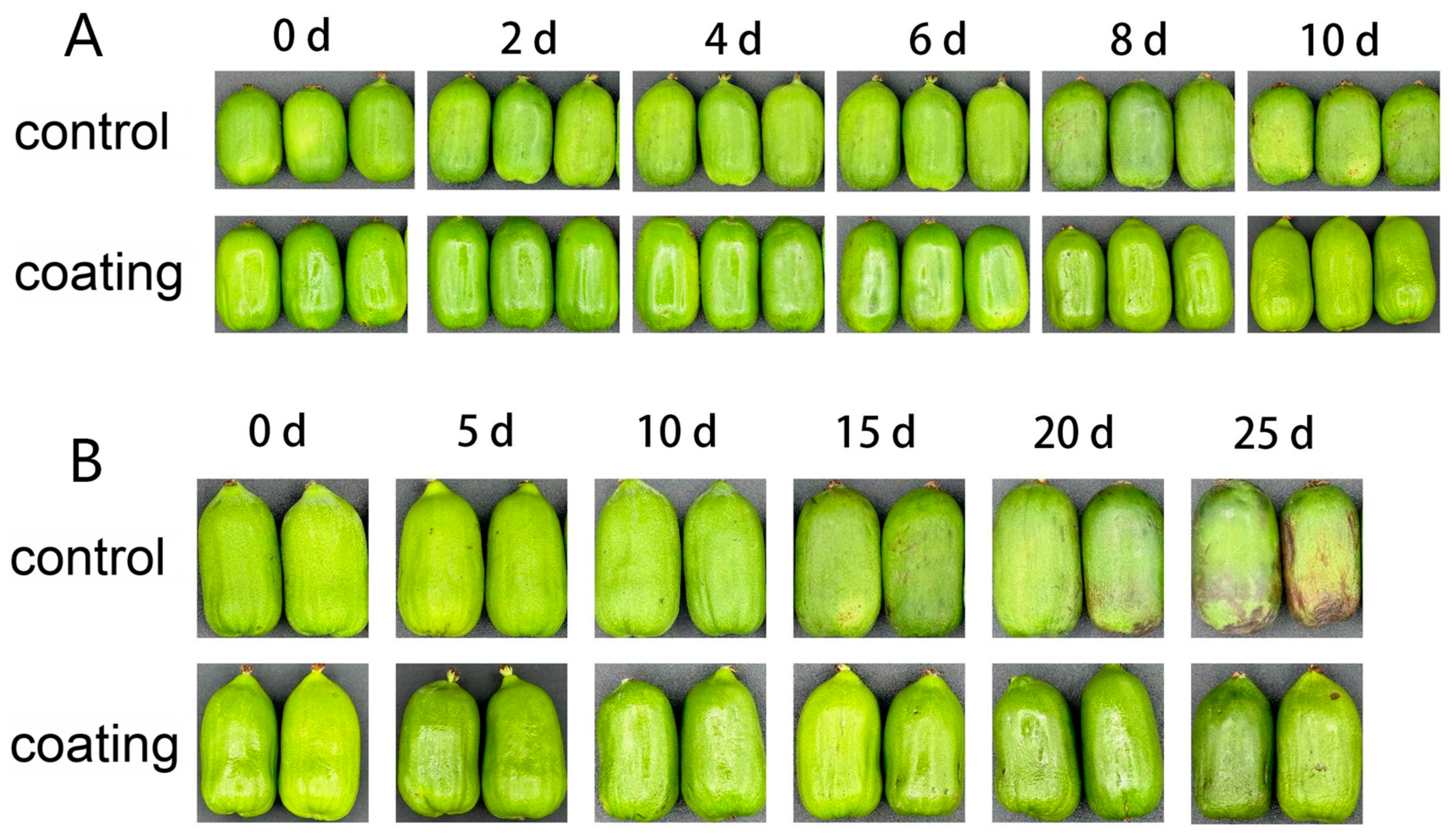
Actinidia arguta has a thin, glabrous peel and high pulp water content. During storage, changes in fruit skin appearance are readily observable and pronounced, making it a core sensory indicator for evaluating storage quality and shelf life. As shown in Figure 1A,B, postharvest A. arguta fruits exhibited varying degrees of deterioration in appearance quality with prolonged storage, with the control groups showing the most severe deterioration. At the late storage stage, A. arguta fruits in the control groups stored at room temperature and under refrigeration displayed a yellowish-green skin color, accompanied by wrinkling and browning; notably, browning was more severe in the refrigerated control group. In contrast, the coated fruits maintained a glossy color and smooth skin throughout the storage period. These results indicate that the CEO-CH composite coating not only preserves the fruit skin color without noticeable wrinkling or browning but also effectively extends the storage life of A. arguta fruits.
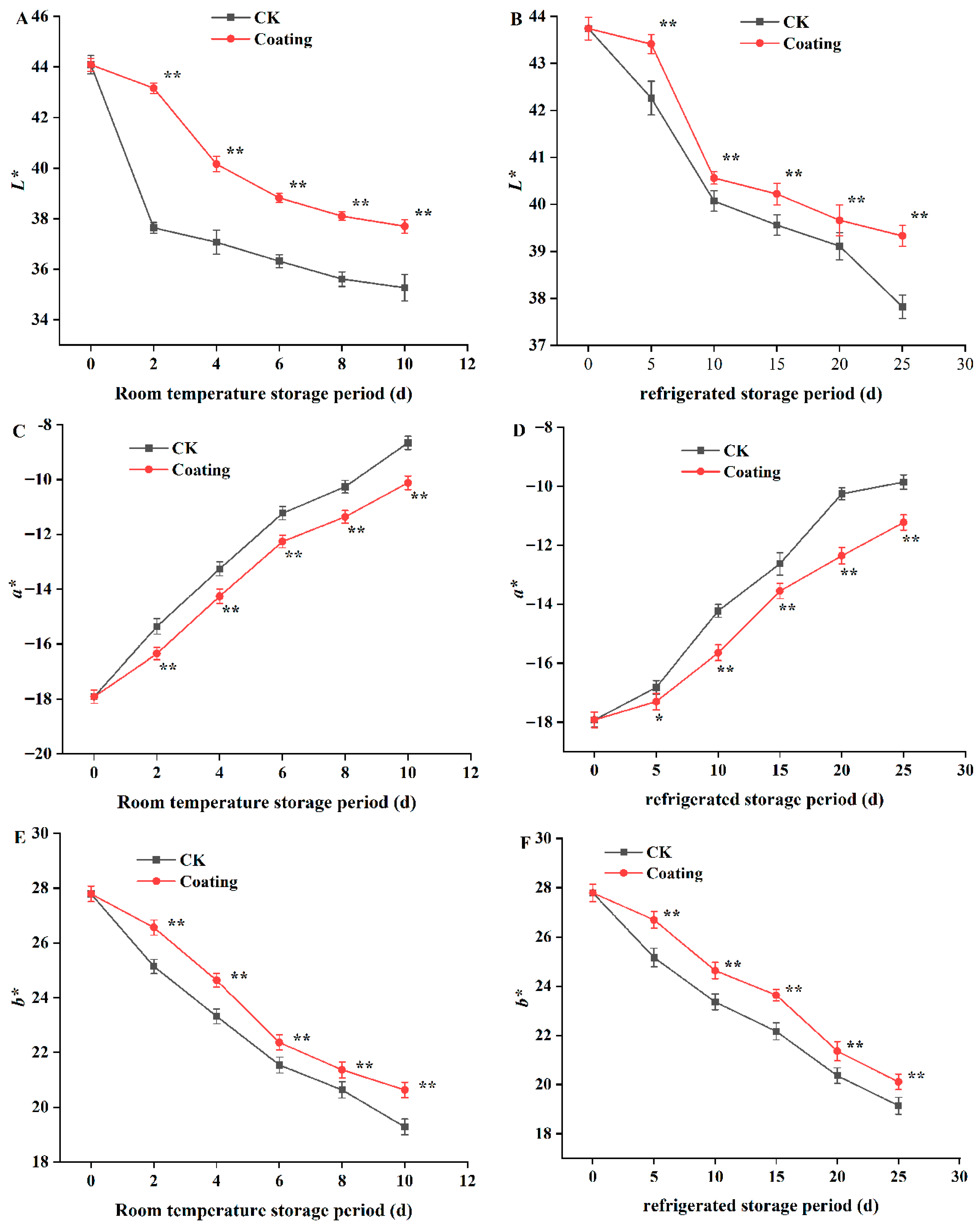
Figure 2 illustrates the color changes in A. arguta fruit during storage. During the storage period, the L*, a*, and b* values of the coated group were significantly superior to those of the control group (p < 0.05). Under refrigerated conditions, the coated A. arguta fruit exhibited better color quality. This demonstrates that the coating treatment effectively delays the decline in brightness and maintains optimal fruit color.

3.2. Fruit Weight Loss Rate and Firmness

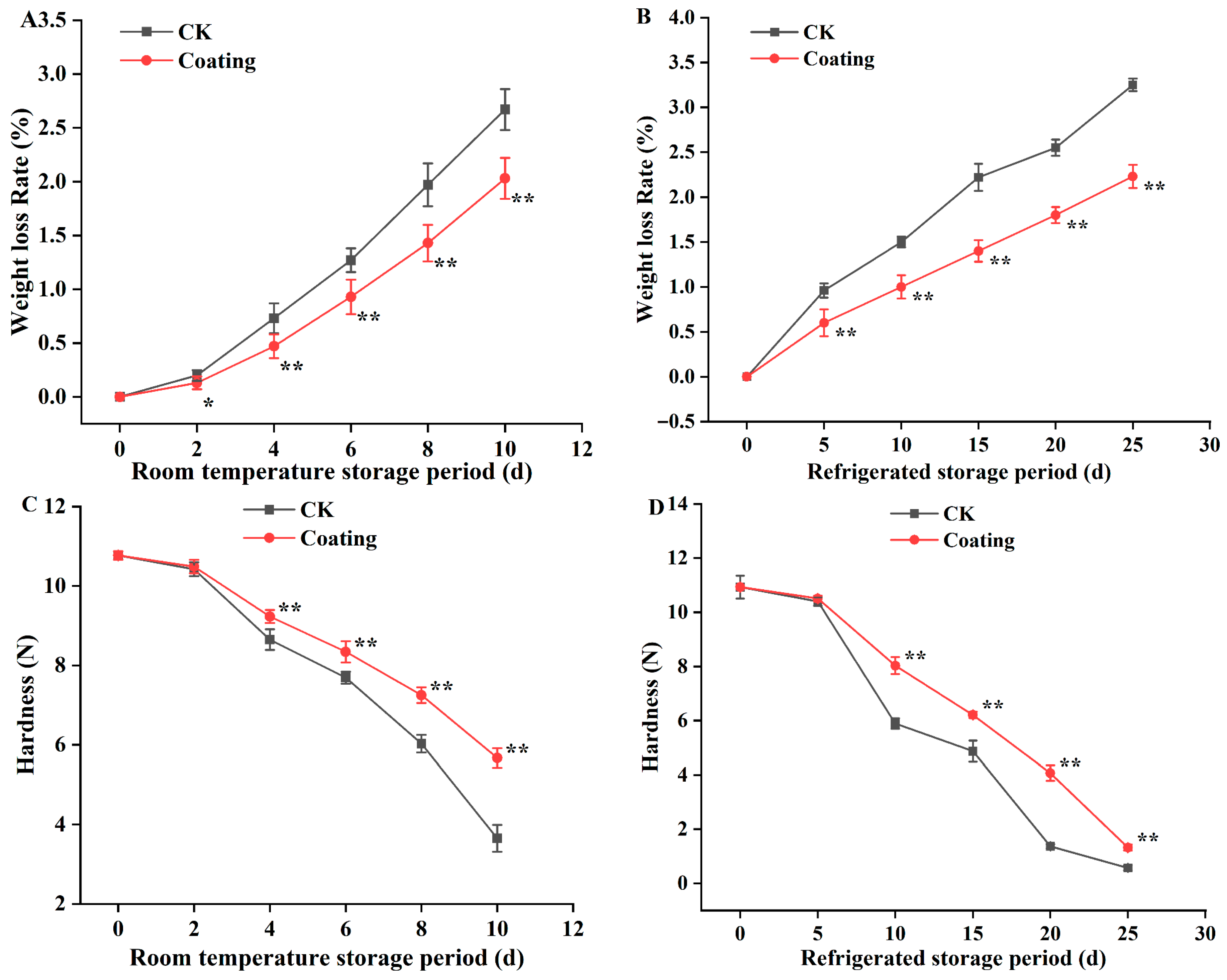
The weight loss rates of A. arguta fruits in the coating treatment and control groups at the two storage temperatures are shown in Figure 3A,B. With prolonged storage, the weight loss rate of fruits increased under both temperature conditions, and the control groups consistently exhibited a significantly higher weight loss rate than the coating group (p < 0.05). On day 10 of room temperature storage, the weight loss rate of the coating group was 2.03%, which was significantly lower than that of the control group by 0.64% (p < 0.05). By day 25 of refrigerated storage, the weight loss rate of the coating group was 2.23%, representing a significant reduction of 1.02% compared with the control group (p < 0.05). These results suggest that the composite coating formed a dense protective layer on the fruit surface, which reduced water evaporation and slowed the gas exchange between the fruit and the external environment, thereby effectively minimizing water loss.
The firmness of coated fruits at the two storage temperatures is shown in Figure 3C,D. Fruit firmness decreased in all groups during storage. On day 10 of storage, the firmness of coated fruits in the room temperature group was 5.76 N. In the refrigerated group, the firmness of coated fruits was 8.03 N. These values were significantly higher than those of their respective control groups by 2.02 N and 2.14 N (p < 0.05). Under refrigerated conditions, coated fruits could be stored for 15 days longer than those under room temperature conditions. This indicates that coating treatment combined with refrigerated conditions better maintains fruit firmness and delays fruit softening.

3.3. Fruit Flavor

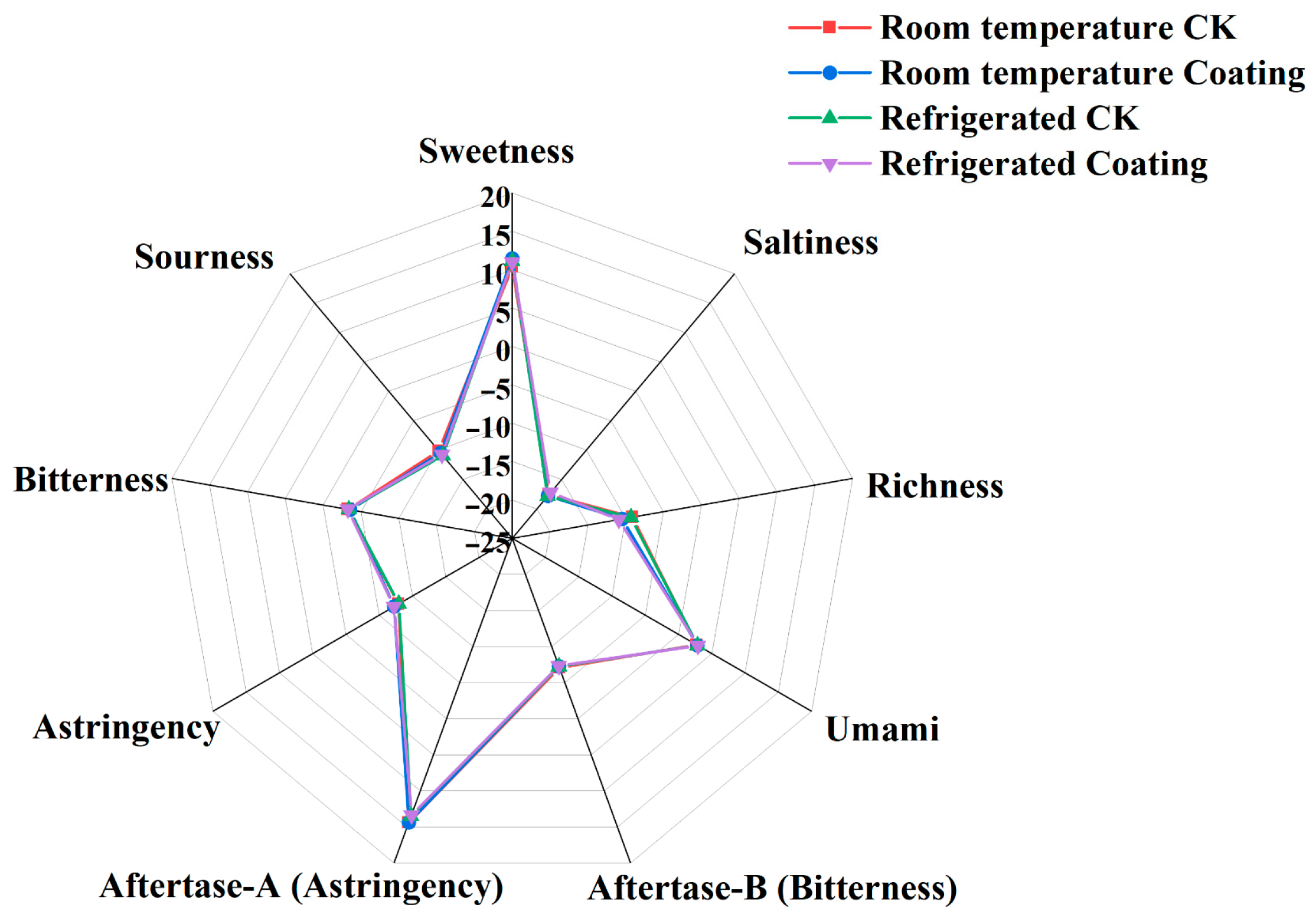
As shown in Figure 4, the coating treatment did not alter the taste of A. arguta and had no adverse effect on their edible quality. After coating, an extremely thin protective film (1–5 μm) formed on the fruit surface. This film did not form a noticeable covering on the fruit surface and did not change the tactile properties of the peel. At the molecular level, CH selectively bound to the wax layer on the peel surface without interfering with the flesh texture or the release of flavor compounds. In addition, the antioxidant components in the composite film effectively preserved the original aromatic compounds of the fruit.

3.4. Microstructure Changes

3.4.1. SEM

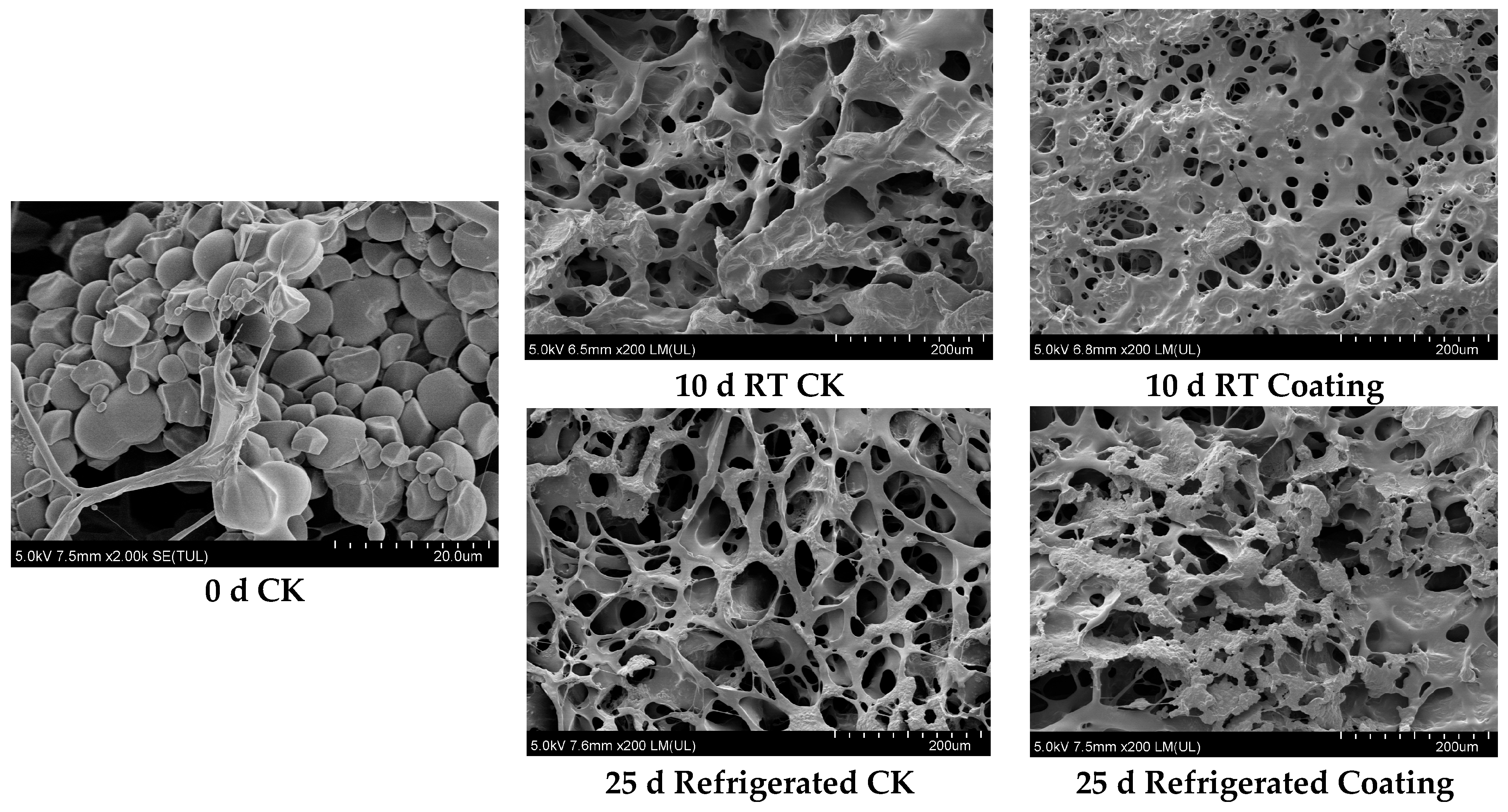
SEM images show the structural and morphological changes in A. arguta fruits between untreated (control) and coated samples at room temperature (0 d, 10 d) and refrigerated (25 d) storage (Figure 5). SEM analysis demonstrated that, at 0 d (initial storage), the fruit surfaces were smooth and flat, with well-defined cell structures and abundant starch granules. By 10 d of room temperature storage and 25 d of refrigerated storage, starch granules had disappeared in the control fruits; their cell structures became loose and porous, with enlarged intercellular spaces and severe softening. At this storage stage, the control cells were deformed and completely disrupted and thus unable to maintain normal metabolic activities. In contrast, the coated fruits maintained relatively intact cell structures. These results indicate that the composite coating can reduce the degradation rate of fruit cell walls, thereby delaying fruit softening and senescence.

3.4.2. TEM

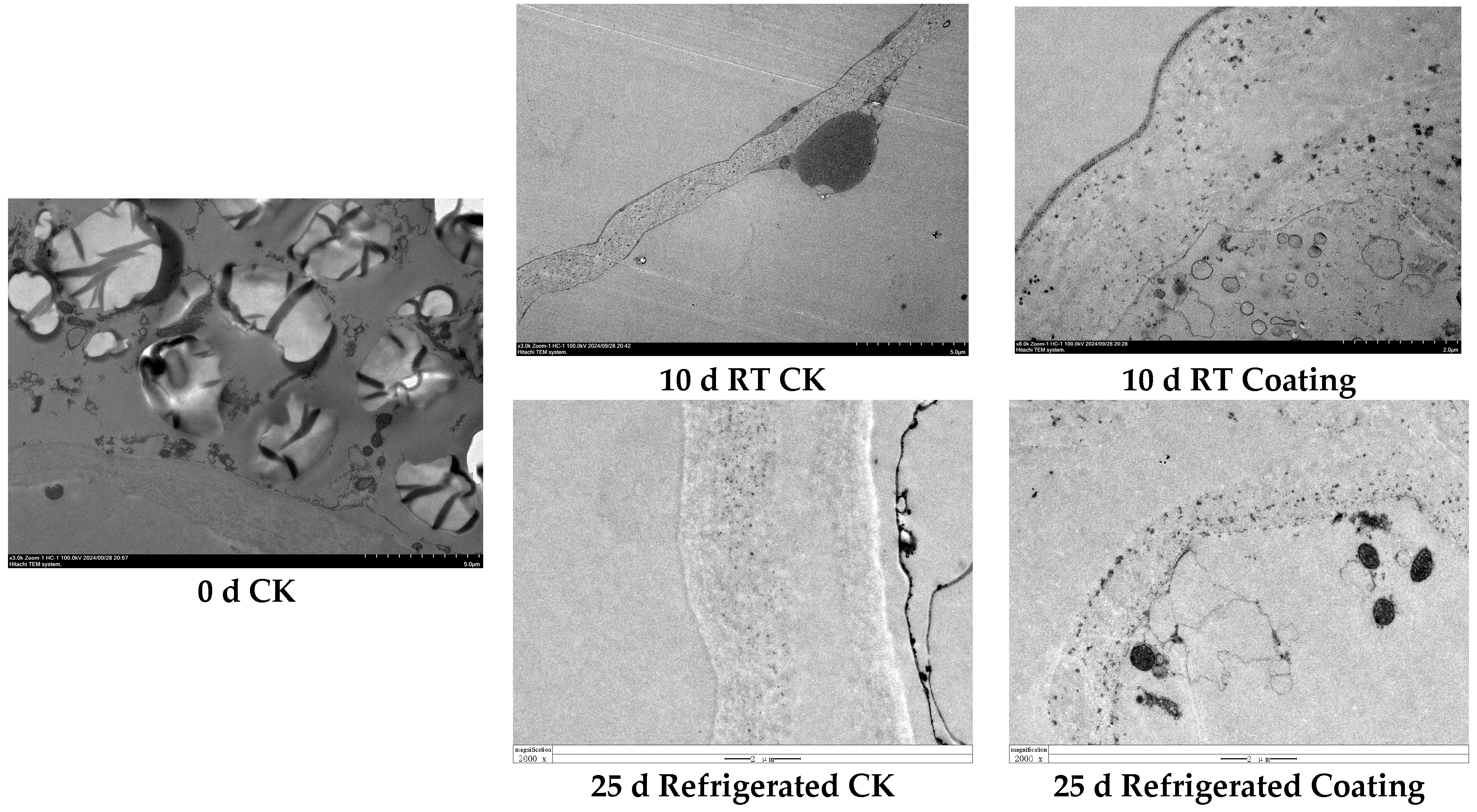
TEM observations of A. arguta during storage are shown in Figure 6. At 0 d (initial storage), the fruit cells had intact cell walls and plasma membranes. The cytoplasm, plasma membrane, and cell wall were closely connected, with starch granules attached near the cell walls. The apical region was clearly defined, and the mitochondrial structure was intact. In the late storage stage, severe vacuolization occurred in both the control and coated groups, and the structure became incomplete. In the coated group, the structure loosened, and organelles degenerated. In the control group, the middle lamella and fiber strands disappeared, and the cell walls were severely damaged. These results indicate that the composite coating treatment can slow down the senescence rate of A. arguta fruits and effectively maintain fruit quality.

3.5. Changes in Fruit Protopectin and Soluble Pectin Content

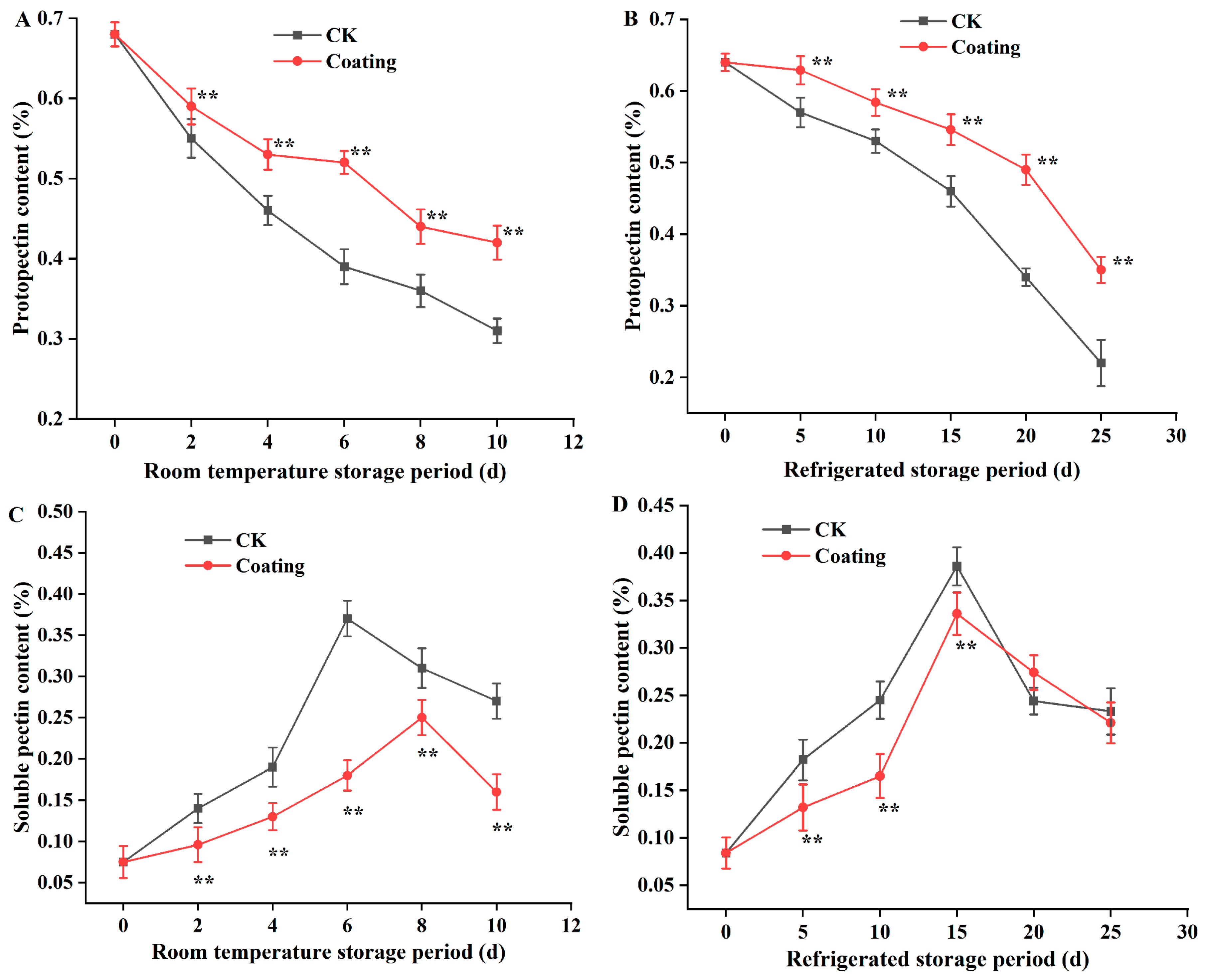
The effect of the composite coating treatment on the pectin content of A. arguta fruits is shown in Figure 7. With prolonged storage, both the control and coated fruits showed a gradual decrease in protopectin content and a gradual increase in soluble pectin content at both storage temperatures. After 10 d of room temperature storage, the protopectin content in the control group decreased from 0.68% to 0.31%, while that in the coated group decreased to 0.42% (Figure 7A). By day 25 of refrigerated storage, the protopectin content in the coated fruits was significantly higher than that in the control group by 59.1% (p < 0.05) (Figure 7B). These results indicate that the composite coating treatment can slow down the conversion of protopectin to soluble pectin, thereby delaying the senescence of A. arguta fruits.

3.6. Changes in Fruit Cellulose and AIS Content

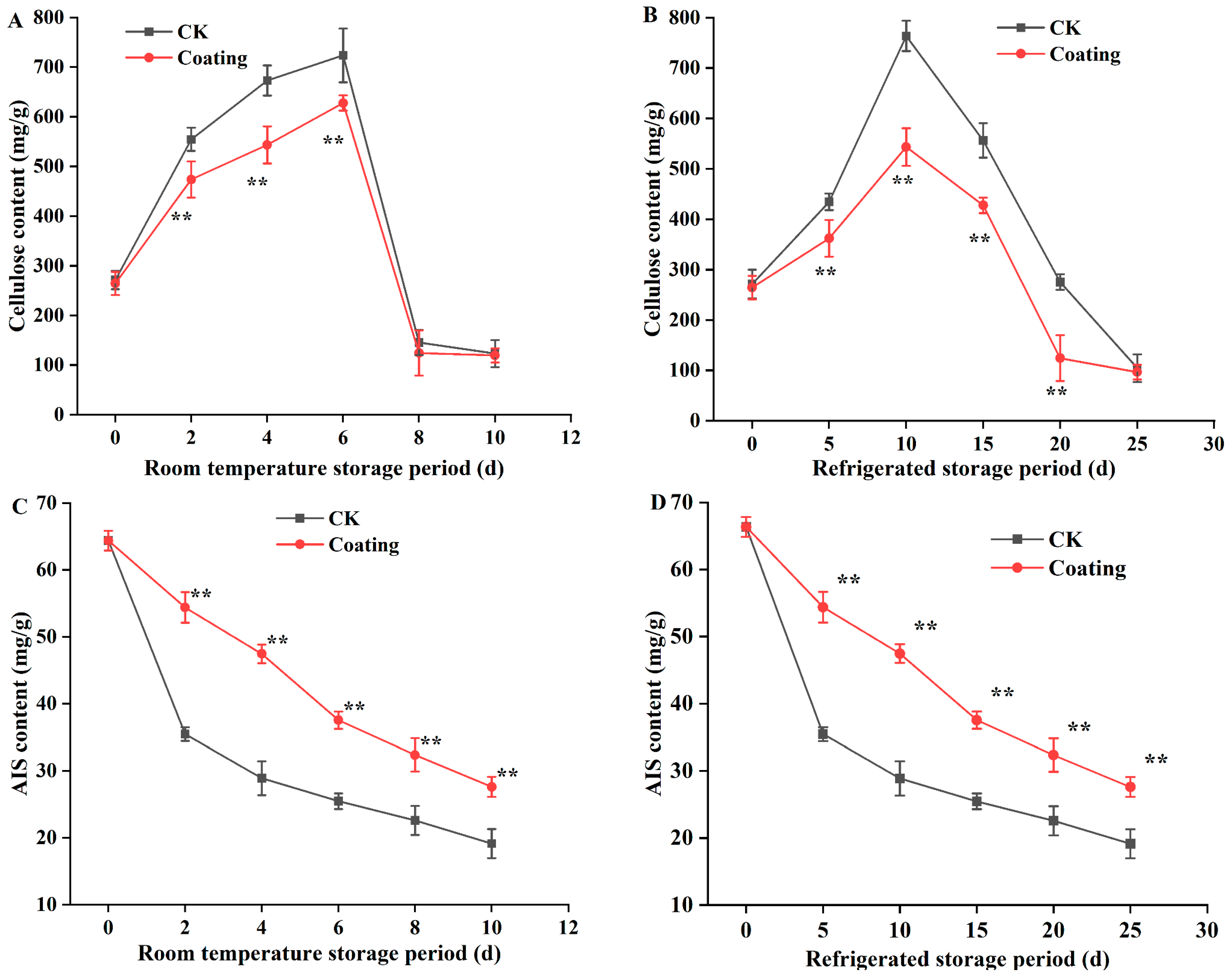
Figure 8 shows the changes in cellulose and AIS contents of fruits during storage. At both storage temperatures, the fruit cellulose content first increased and then decreased. On day 6 of room temperature storage, the cellulose content in the coated group was 627.54 mg/g, which was significantly lower than that in the control group (763.61 mg/g) by 13.27% (p < 0.05) (Figure 8A). On day 10 of refrigerated storage, the cellulose content in the coated group was 543.37 mg/g, which was significantly lower than that in the control group (763.61 mg/g) by 28.84% (p < 0.05) (Figure 8B).
AIS is a key indicator reflecting cell wall degradation and fruit softening. Overall, the AIS content showed a declining trend throughout the storage period. Under both room and refrigerated storage conditions, the coated fruits maintained significantly higher AIS levels than the control group (p < 0.05), thus delaying the decrease in AIS content. These results indicate that the composite coating treatment inhibits the degradation of cell wall components in A. arguta fruits.

3.7. Changes in Pectin-Degrading Activity in Fruit

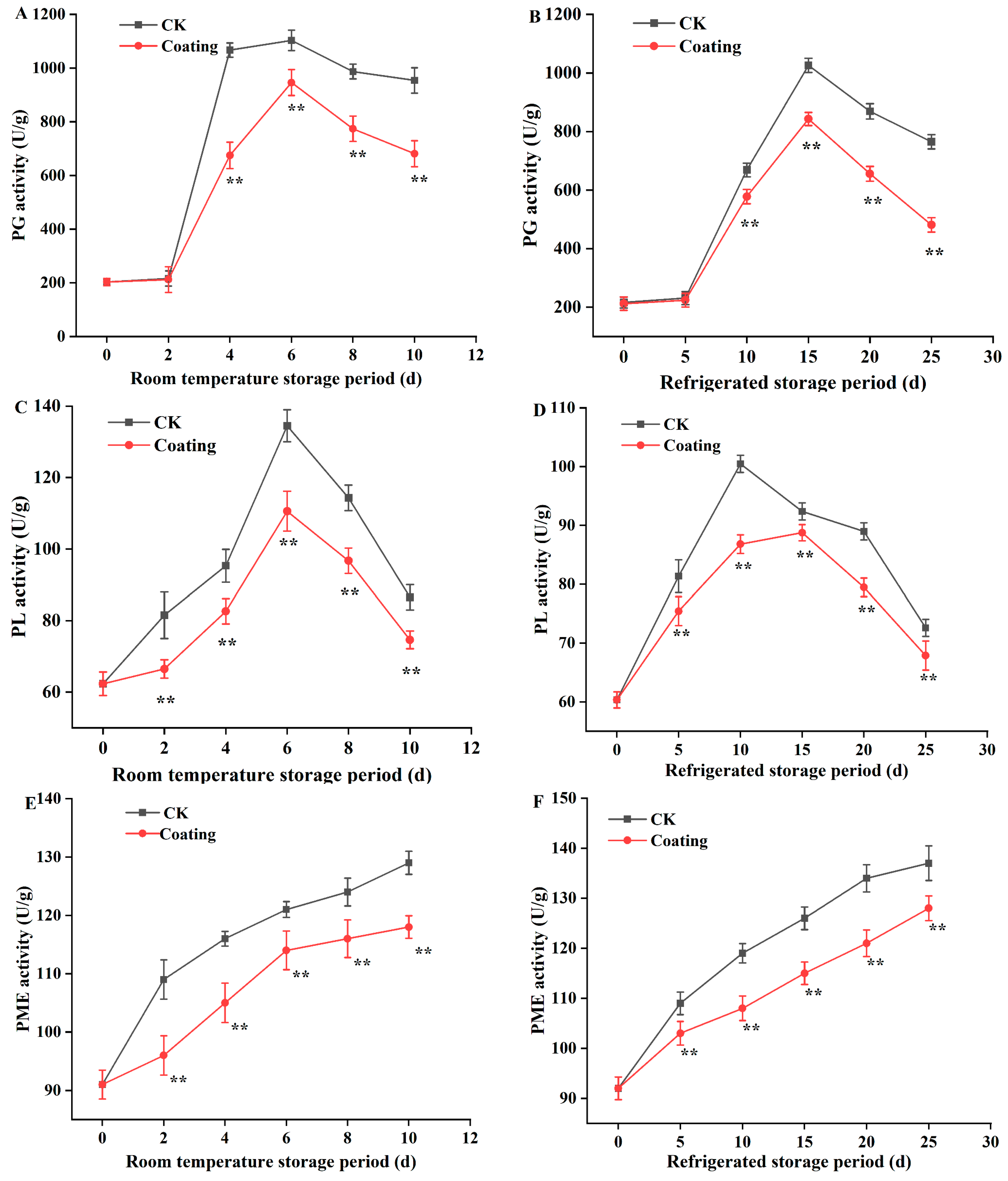
PG activity in fruits at both temperatures exhibited an initial increase followed by a decline (Figure 9A,B). PG activity in coated fruits remained consistently lower than that in control fruits throughout the storage period. PL activity regulation is closely linked to oxidative stress. By day 10 of storage at room temperature, PL activity in the coated group (74.60 U/g) was 11.9 U/g lower than in the control (86.50 U/g). The effect was more pronounced under refrigerated conditions. After 25 days of cold storage, the PL activity of coated fruits was 67.87 U/g, 6.73 U/g lower than that of coated fruits stored at room temperature (74.60 U/g) (Figure 9C,D). PME activity increased with prolonged storage (Figure 9E,F). At 10 days of storage at room temperature, PME activity in the coated group was 118 U/g, while the control group recorded 129 U/g. After 25 days of cold storage, PME activity in the coated group was 128 U/g, 5.8% lower than the control (137 U/g). This indicates that cold storage and coating act synergistically to maintain pectin structural stability.

3.8. Changes in Cell Wall-Degrading Enzyme Activity in Fruit

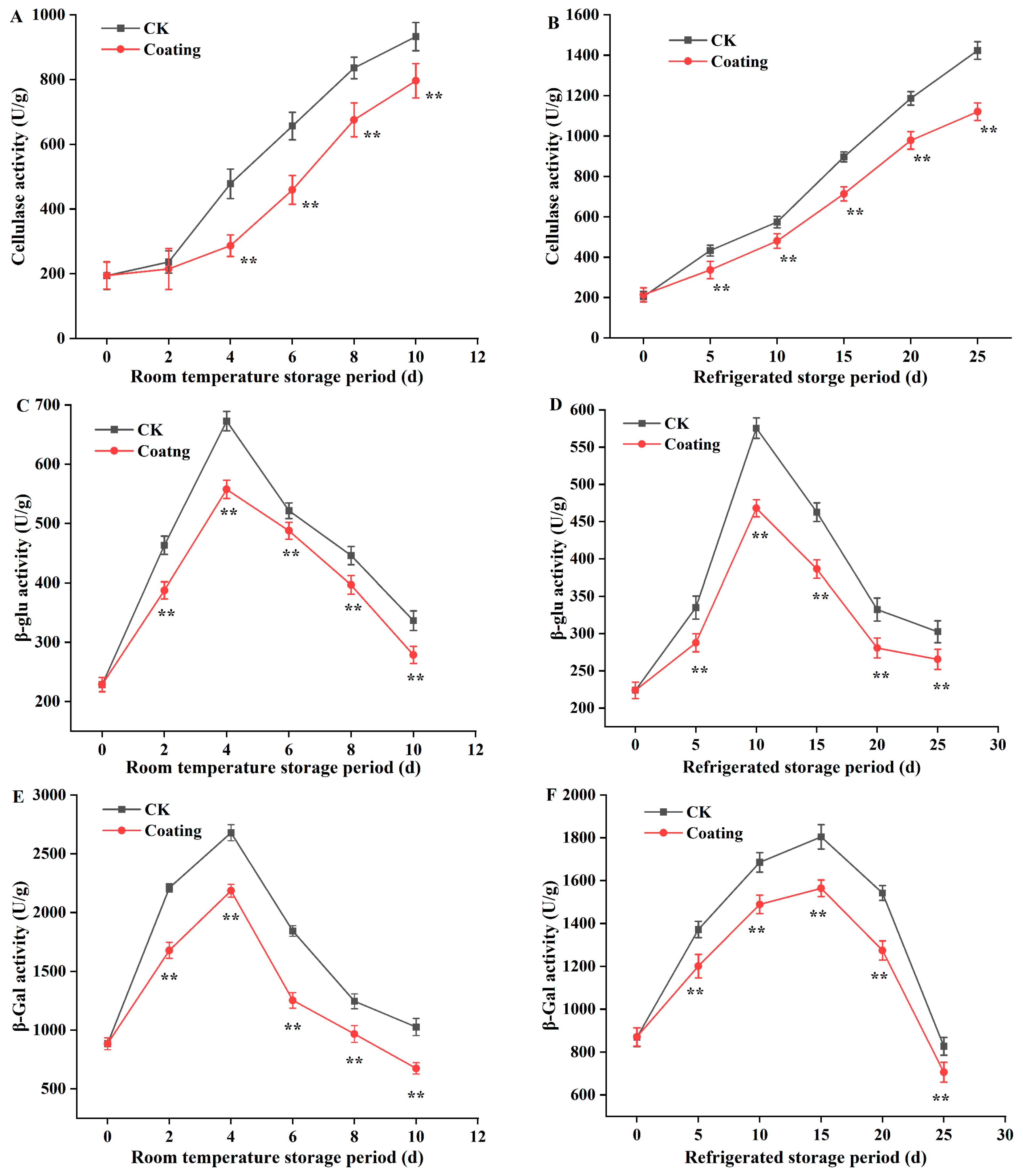
Cellulase (Cx) is one of the key enzymes involved in cell wall degradation, and changes in its activity directly reflect the metabolic state of fruit cell walls. Figure 10A,B shows the Cx enzyme activity in fruits at the two storage temperatures. Overall, the Cx activity in the control group was significantly higher than that in the coated group (p < 0.05). On day 10 of room temperature storage and day 25 of refrigerated storage, the Cx activity in the coated group reached 796.2 U/g and 1120.5 U/g, respectively. Compared with the initial Cx activity (214.3 U/g), these values represented significant increases of 581.9 U/g and 906.2 U/g, respectively (p < 0.05).
β-Glu activity in A. arguta fruits exhibited an initial increase followed by a decline during storage (Figure 10C,D). The peak β-Glu activity occurred on day 4 of room temperature storage and day 10 of refrigerated storage, with values of 278.6 U/g and 280.6 U/g, respectively. These peak values were 17.1% and 15.5% lower than those of the control group at the corresponding time points (p < 0.05). The β-Gal activity of A. arguta showed a similar changing trend to β-Glu activity (Figure 10E,F). These results indicate that the composite coating suppresses the accumulation of β-Glu, β-Gal, and Cx activities.

3.9. Correlation Analysis

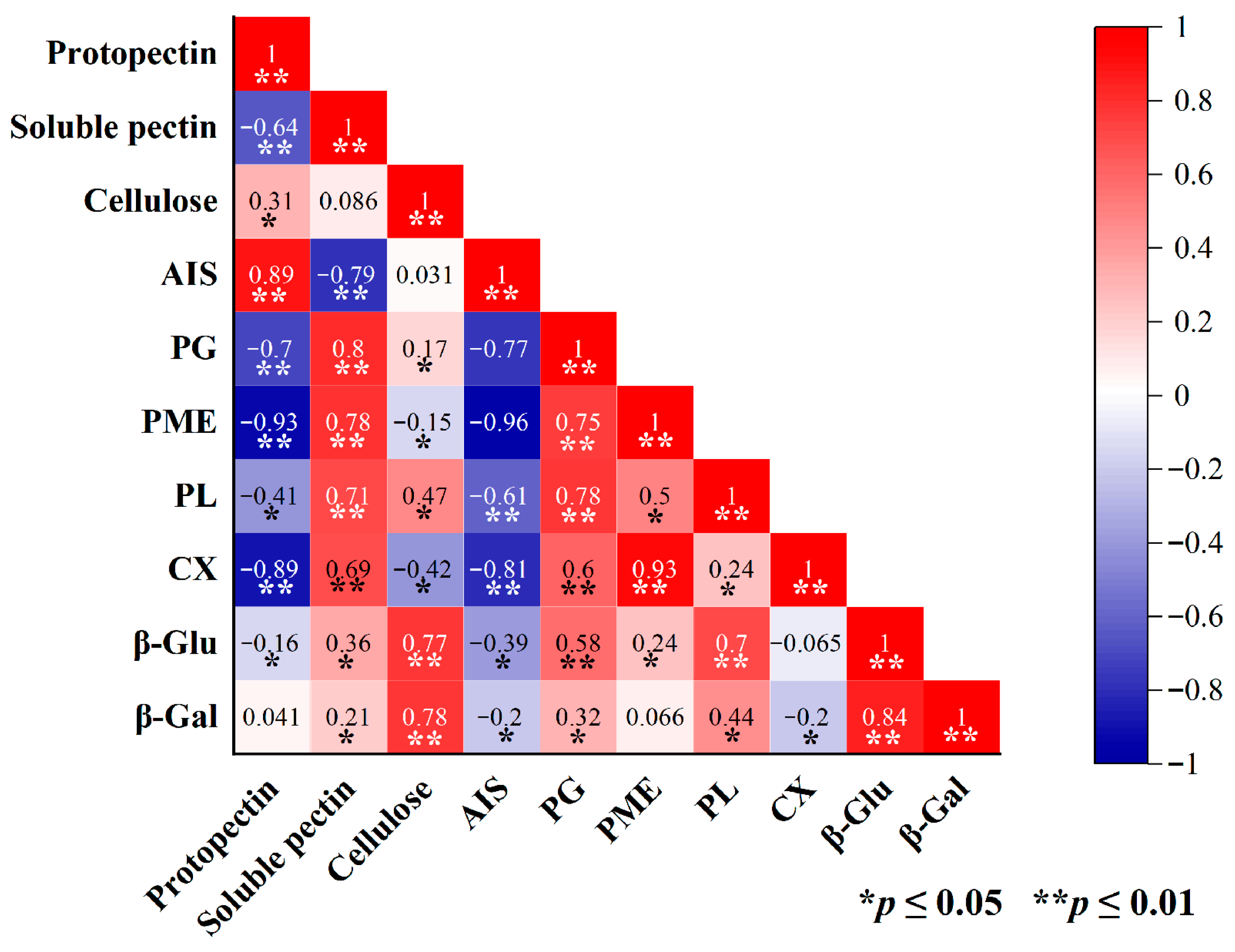
Figure 11 shows the correlation analysis results between fruit cell wall components and cell wall metabolism-related enzyme activities in A. arguta fruits. Protopectin showed significant negative correlations with PME and Cx, with correlation coefficients of −0.93 and −0.89, respectively (p < 0.01). AIS also exhibited significant negative correlations with PME and Cx, with correlation coefficients (r) of −0.96 and −0.81, respectively (p < 0.01). Additionally, protopectin was significantly positively correlated with AIS (r = 0.89), PG was significantly positively correlated with soluble pectin (r = 0.80), Cx was significantly positively correlated with PME (r = 0.93), and β-Glu was significantly positively correlated with β-Gal (r = 0.84) (all p < 0.01). These results indicate close associations between cell wall components and enzyme activities during fruit softening but do not imply direct regulatory or causal relationships.

4. Discussion

This study found that treatment with a CEO-CH composite coating significantly delayed the rate of firmness decline in fruits, reduced weight loss (p < 0.05) and effectively maintained the fruits’ original flavor characteristics (Figure 2 and Figure 3). These results are consistent with previous reports on chitosan-based edible coatings in climacteric fruits, which have been shown to improve firmness retention and reduce weight loss during storage [28]. However, compared with the study by Batista et al. [28], which focused on guava fruit, the present study further demonstrates that the CEO–CH composite coating can also effectively delay quality deterioration in A. arguta. The proposed moisture-retention mechanism may involve CH forming a dense physical barrier on the fruit surface, which could reduce internal water transpiration and gas exchange with the external environment. Meanwhile, the CEO may enhance the hydrophobicity of the fruit surface membrane, thereby further inhibiting water loss to a certain extent. This synergistic interaction between CH and CEO is suggested to contribute to the maintenance of fruit quality during refrigerated storage.
The cell walls of immature A. arguta primarily consist of polysaccharide components such as pectin and cellulose. As the fruit matures and senesces, protopectin in the cell walls gradually degrades and converts into soluble pectin, leading to loosening and disintegration of the cell wall structure. This study found that fruits treated with a CEO-CH composite coating exhibited significantly higher protopectin and AIS contents compared to the control group (p < 0.05), which is consistent with the findings of Zeng [29]. These results indicate that the CEO-CH composite coating effectively slows protopectin degradation and maintains high structural polysaccharide content in fruit during storage. The coating enhances cell wall stability by inhibiting pectin-degrading enzyme activities, thereby reducing protopectin breakdown and loss. This contributes to maintaining cell wall integrity, delaying fruit softening, and preserving fruit firmness and texture quality.
Cell wall-degrading enzymes (cellulase, β-Gal, β-Glu) play a key regulatory role in the fruit ripening and softening process [30]. The transient cellulose peak at day 10 may reflect a cold acclimation response in A. arguta, in which potentially upregulated CesA activity could help reinforce cell walls against chilling stress. From a methodological perspective, this peak might also partially arise from sample heterogeneity. The coated group exhibited a lower peak (p < 0.05), suggesting that the composite coating could alleviate cold stress-induced cell wall changes. The results of this study indicate that treatment with the CEO-CH composite coating significantly reduces cellulase activity in A. arguta fruits and inhibits the accumulation of β-Gal and β-Glu (p < 0.05). This outcome may be closely related to the synergistic effect of the composite coating and the physical barrier it forms on the fruit surface, which together may help maintain the stability of the fruit’s internal microenvironment.
PME, PG, and PL are three key enzymes involved in fruit pectin degradation. This study found that as fruit softening progressed during storage, PG and PL activities initially increased and then decreased, while PME activity exhibited a continuously increasing trend, consistent with the findings of Liu et al. [21]. However, subtle differences in the peak timing and magnitude of PG/PL activity were observed compared with their study, which may be attributed to the unique physiological characteristics of A. arguta—a fruit with thinner cell walls and higher initial pectin content than that used in Liu’s work. Furthermore, after composite coating treatment, the activities of all three enzymes in the fruit were significantly lower than those in the control group (p < 0.05). These results might suggest that the CEO-CH composite coating could potentially inhibit PME and PG activities while possibly alleviating the antagonistic relationship between PME and PL. By blocking the initiation and core steps of pectin degradation at the source, the composite coating may effectively maintain the protopectin content in the A. arguta fruits and delay postharvest quality deterioration.
SEM and TEM provided direct microscopic evidence for the regulatory mechanism of composite coatings on fruit cell wall metabolism. After treatment with the CEO-CH composite coating, the destruction of the cell wall structure of A. arguta fruits was significantly delayed during the late storage period (p < 0.05). Furthermore, the fruit cell walls remained tightly connected to the plasma membrane, with intact starch granules attached, confirming that the composite coating is beneficial for maintaining the integrity of the fruit cell wall structure, thereby delaying postharvest senescence and rot of the fruits. Nevertheless, differences in the degree of structural protection may exist among studies, which could be attributed to variations in fruit species, cell wall composition, coating formulation, and concentration.
Additionally, we observed a synergistic effect between the composite coating and refrigerated storage, which significantly enhanced the fruit preservation efficacy. Compared to fruits stored at room temperature, coated fruits maintained superior quality during refrigeration and exhibited a significantly delayed softening process (p < 0.05).
The CEO-CH composite coating exhibits strong versatility, being suitable for the postharvest preservation of A. arguta in both large-scale industrial production lines and small-scale orchard workshops. It effectively extends the storage life of A. arguta fruits while maintaining their excellent appearance and flavor. This study developed a novel CEO-chitosan composite coating to address the limitations of single-component or binary coatings. It elucidated the softening-delaying mechanism via cell wall metabolism and pectin degradation, considering climacteric fruit physiology that was overlooked in previous studies. This study only initially explored the regulatory effect of the composite coating on fruit cell wall metabolism. In future research, changes in the internal structure of fruit cells could be further integrated to thoroughly investigate the regulatory mechanism of the composite coating combined with refrigerated fruit cell metabolism. This will provide more comprehensive microscopic evidence for the further modification of the composite coating and the popularization of the synergistic preservation technology.

5. Conclusions

The CEO-CH composite coating treatment effectively maintained the postharvest quality of A. arguta fruits stored at room temperature for 10 d, with even better preservation effects under refrigerated conditions. Specifically, it delayed the decline in fruit firmness and appearance quality, reduced the weight loss rate, and preserved the fruits’ good flavor and texture. Additionally, this treatment suppressed the decrease in pectin content and the increase in cellulose content while reducing the activities of pectin-degrading enzymes (PG, PL, PME) and cell wall-degrading enzymes (β-Glu, β-Gal, cellulase). Collectively, the composite coating effectively maintained the integrity of fruit cell walls, delayed fruit senescence and softening, and extended the commercial shelf life of A. arguta fruits. These results confirm that the CEO-CH composite coating is a practical and effective postharvest preservation technique for A. arguta fruits.

Author Contributions

Conceptualization, X.M. and R.W.; methodology, B.W.; software, D.Z.; validation, Q.Z., X.M. and D.Z.; formal analysis, X.L.; investigation, B.W.; resources, Q.Z.; data curation, H.G.; writing—original draft preparation, X.L.; writing—review and editing, X.L.; visualization, X.L.; supervision, H.G. and S.C.; project administration, S.C.; funding acquisition, S.C. All authors have read and agreed to the published version of the manuscript.

Funding

This work was supported by the Liaoning Provincial Forestry Science and Technology Promotion Demonstration Project (2024TG11) and the First Batch of Liaoning ‘Unveiling Leader’ Scientific and Technological Projects (2021JH1/10400036).

Data Availability Statement

The original contributions presented in this study are included in the article. Further inquiries can be directed to the corresponding authors.

Conflicts of Interest

The authors declare that they have no known competing financial interests or personal relationships that could have appeared to influence the work reported in this paper.

References

  1. Zhang, H.F.; Teng, K.; Zang, H. Actinidia arguta (Sieb. et Zucc.) Planch. Ex Miq.: A Review of Phytochemistry and Pharmacology. Molecules 2023, 28, 7820. [Google Scholar] [CrossRef]
  2. Debersaques, F.; Mekers, O.; Decorte, J.; Decorte, J.; Van Labeke, M.; Schoedl-Hummel, K.; Latocha, P. Challenges faced by commercial kiwiberry (Actinidia arguta Planch.) production. Acta Hortic. 2015, 1096, 435–442. [Google Scholar] [CrossRef]
  3. Baranowska-Wójcik, E.; Szwajgier, D. Characteristics and Pro-Health Properties of Mini Kiwi (Actinidia arguta). Hortic. Environ. Biotechnol. 2019, 60, 217–225. [Google Scholar] [CrossRef]
  4. Almeida, D.; Pinto, D.; Santos, J.; Vinha, A.F.; Palmeira, J.; Ferreira, H.N.; Rodrigues, F.; Oliveira, M.B.P. Hardy Kiwifruit Leaves (Actinidia arguta): An Extraordinary Source of Value-Added Compounds for Food Industry. Food Chem. 2018, 259, 113–121. [Google Scholar] [CrossRef]
  5. Pinto, D.; Delerue-Matos, C.; Rodrigues, F. Bioactivity, Phytochemical Profile and pro-Healthy Properties of Actinidia arguta: A Review. Food Res. Int. 2020, 136, 109449. [Google Scholar] [CrossRef] [PubMed]
  6. Michailides, T.J.; Elmer, P.A.G. Botrytis Gray Mold of Kiwifruit Caused by Botrytis Cinerea in the United States and New Zealand. Plant Dis. 2000, 84, 208–223. [Google Scholar] [CrossRef] [PubMed]
  7. Wang, Q.X.; Yu, X.Y.; Wang, J.Y.; Wei, B.; Zhou, Q.; Cheng, S.; Sun, Y.; Li, B. Slight Water Loss Affects the Quality of ‘Longcheng 2’ Kiwiberry Fruit Infected with Gray Mold Disease. Sci. Hortic. 2024, 328, 112932. [Google Scholar] [CrossRef]
  8. Manning, M.; Burdon, J.; De Silva, N.; Meier, X.; Pidakala, P.; Punter, M.; Billing, D. Maturity and Postharvest Temperature Management Affect Rot Expression in ‘Hort16A’ Kiwifruit. Postharvest Biol. Technol. 2016, 113, 40–47. [Google Scholar] [CrossRef]
  9. Chen, D.X.; Zhang, Y.; Zhao, J.S.; Liu, L.; Zhao, L. Research Progress on Physical Preservation Technology of Fresh-Cut Fruits and Vegetables. Horticulturae 2024, 10, 1098. [Google Scholar] [CrossRef]
  10. Koh, P.; Noranizan, M.; Karim, R.; Hanani, Z.A.N.; Yusof, N.L. Enzymatic activity of alginate coated and pulsed light treated fresh-cut cantaloupes (Cucumis melo L. var. reticulatus cv. Glamour) during chilled storage. Int. Food Res. J. 2019, 26, 547–556. [Google Scholar]
  11. Khan, M.R.; Vapenka, L.; Sadiq, M.B.; Torrieri, E.; Rajchl, A. Comparative Influence of Active PLA and PP Films on the Quality of Minimally Processed Cherry Tomatoes. Food Packag. Shelf Life 2024, 44, 101313. [Google Scholar] [CrossRef]
  12. Solís-Contreras, G.A.; Rodríguez-Guillermo, M.C.; de la Luz Reyes-Vega, M.; Aguilar, C.N.; Rebolloso-Padilla, O.N.; Corona-Flores, J.; Soriano-Melgar, L.d.A.A.; Ruelas-Chacon, X. Extending Shelf-Life and Quality of Minimally Processed Golden Delicious Apples with Three Bioactive Coatings Combined with Cinnamon Essential Oil. Foods 2021, 10, 597. [Google Scholar] [CrossRef] [PubMed]
  13. Paudel, S.K.; Bhargava, K.; Kotturi, H. Antimicrobial Activity of Cinnamon Oil Nanoemulsion against Listeria Monocytogenes and Salmonella Spp. on Melons. LWT 2019, 111, 682–687. [Google Scholar] [CrossRef]
  14. Lan, W.J.; Wang, S.W.; Chen, M.R.; Sameen, D.E.; Lee, K.; Liu, Y. Developing Poly(Vinyl Alcohol)/Chitosan Films Incorporate with d-Limonene: Study of Structural, Antibacterial, and Fruit Preservation Properties. Int. J. Biol. Macromol. 2020, 145, 722–732. [Google Scholar] [CrossRef] [PubMed]
  15. Zhang, W.L.; Goksen, G.; Zhou, Y.P.; Yang, J.; Khan, M.R.; Ahmad, N.; Fei, T. Application of a Chitosan–Cinnamon Essential Oil Composite Coating in Inhibiting Postharvest Apple Diseases. Foods 2023, 12, 3518. [Google Scholar] [CrossRef]
  16. Iqbal, S.Z.; Haider, A.; Rehman, F.U.; Cui, G.; Waseem, M.; Iqbal, M.; Khaneghah, A.M. Application of Carboxymethylcellulose in Combination with Essential Oils Nano-Emulsions Edible Coating for the Preservation of Kiwifruit. Int. J. Biol. Macromol. 2024, 261, 129947. [Google Scholar] [CrossRef]
  17. Sree, K.P.; Sree, M.S.; Supriya, P.; Samreen, P.S. Application of Chitosan Edible Coating for Preservation of Tomato. Int. J. Chem. Stud. 2020, 8, 3281–3285. [Google Scholar] [CrossRef]
  18. Kahramanoğlu, İ. Black Cumin Oil-Enriched Edible Coating Application Improves the Storability of Fresh Loquat Fruits. Acta Hortic. 2022, 1349, 473–482. [Google Scholar] [CrossRef]
  19. Paudel, S.; Regmi, S.; Janaswamy, S. Effect of Glycerol and Sorbitol on Cellulose-Based Biodegradable Films. Food Packag. Shelf Life 2023, 37, 101090. [Google Scholar] [CrossRef]
  20. Sapper, M.; Chiralt, A. Starch-Based Coatings for Preservation of Fruits and Vegetables. Coatings 2018, 8, 152. [Google Scholar] [CrossRef]
  21. Liu, X.Q.; Yu, X.Y.; Wu, Y.H.; Wei, B.; Zhou, Q.; Cheng, S.; Sun, Y. Light Water Loss Delays Simulation of Mechanical Injuries from Transportation Vibration of Actinidia arguta by Inhibiting Cell Wall Metabolism. Technol. Hortic. 2025, 5, e023. [Google Scholar] [CrossRef]
  22. Ren, Y.Y.; Sun, P.P.; Wang, X.X.; Zhu, Z.-Y. Degradation of Cell Wall Polysaccharides and Change of Related Enzyme Activities with Fruit Softening in Annona Squamosa during Storage. Postharvest Biol. Technol. 2020, 166, 111203. [Google Scholar] [CrossRef]
  23. Shi, Z.J.; Yang, H.Y.; Jiao, J.Y.; Wang, F.; Lu, Y.; Deng, J. Effects of Graft Copolymer of Chitosan and Salicylic Acid on Reducing Rot of Postharvest Fruit and Retarding Cell Wall Degradation in Grapefruit during Storage. Food Chem. 2019, 283, 92–100. [Google Scholar] [CrossRef]
  24. Tang, Q.; Li, C.Y.; Ge, Y.H.; Li, X.; Cheng, Y.; Hou, J.; Li, J. Exogenous Application of Melatonin Maintains Storage Quality of Jujubes by Enhancing Anti-Oxidative Ability and Suppressing the Activity of Cell Wall-Degrading Enzymes. LWT 2020, 127, 109431. [Google Scholar] [CrossRef]
  25. Ge, Y.H.; Chen, Y.R.; Li, C.Y.; Wei, M.; Lv, J.; Meng, K. Inhibitory Effects of Sodium Silicate on the Fungal Growth and Secretion of Cell Wall-degrading Enzymes by Trichothecium Roseum. J. Phytopathol. 2017, 165, 620–625. [Google Scholar] [CrossRef]
  26. Zhao, Y.; Zhu, X.; Hou, Y.; Wang, X.; Li, X. Effects of nitric oxide fumigation treatment on retarding cell wall degradation in winter jujube. Postharvest Biol. Technol. 2019, 156, 110954. [Google Scholar] [CrossRef]
  27. Ji, Y.R.; Hu, W.Z.; Liao, J.; Xiu, Z.; Jiang, A.; Guan, Y.; Yang, X.; Feng, K. Ethanol Vapor Delays Softening of Postharvest Blueberry by Retarding Cell Wall Degradation during Cold Storage and Shelf Life. Postharvest Biol. Technol. 2021, 177, 111538. [Google Scholar] [CrossRef]
  28. Batista Silva, W.; Cosme Silva, G.M.; Bortolini Santana, D.; Salvador, A.R.; Medeiros, D.B.; Belghith, I.; da Silva, N.M.; Cordeiro, M.H.M.; Misobutsi, G.P. Chitosan Delays Ripening and ROS Production in Guava (Psidium guajava L.) Fruit. Food Chem. 2018, 242, 232–238. [Google Scholar] [CrossRef] [PubMed]
  29. Zeng, Z. Effects of 1-MCP and CaCl2 Treatment on Softening of Actinidia arguta Fruit. Master’s Thesis, Yanbian University, Yanbian, China, 2014, unpublished. [Google Scholar]
  30. Brummell, D.A. Cell Wall Disassembly in Ripening Fruit. Funct. Plant Biol. 2006, 33, 103–119. [Google Scholar] [CrossRef]
Figure 1. Effects of room temperature (A) (25 °C, 60–70% RH) and refrigerated (B) (4 °C, 85–95% RH) coating treatment on the appearance quality of postharvest Actinidia arguta.
Horticulturae 12 00440 g001
Figure 2. Effects of room temperature (25 °C, 60–70% RH) (A) L*; (C) a*; (E) b* and refrigerated (4 °C, 85–95% RH) coating treatments (B) L*; (D) a*; (F) b* on color (L*, a*, and b*) of A. arguta fruit. Statistical significance is determined by t-test: * p < 0.05, ** p < 0.01.
Horticulturae 12 00440 g002
Figure 3. Effects of room temperature (25 °C, 60–70% RH) (A) Water loss Rate; (C) Hardness and refrigerated (4 °C, 85–95% RH) coating treatments (B) Water loss Rate; (D) Hardness on postharvest water loss rate and firmness of A. arguta fruit. Statistical significance is determined by t-test: * p < 0.05, ** p < 0.01.
Horticulturae 12 00440 g003
Figure 4. Effects of room temperature and refrigerated coating treatments on postharvest flavor of A. arguta fruits.
Horticulturae 12 00440 g004
Figure 5. Postharvest A. arguta treated with a coating film is observed using SEM at 0, 10, and 25 days at room temperature (25 °C, 60–70% RH) and refrigerated (4 °C, 85–95% RH), and compared with the control group.
Horticulturae 12 00440 g005
Figure 6. Postharvest A. arguta treated with a coating film is observed using TEM at 0, 10, and 25 days at room temperature (25 °C, 60–70% RH) and refrigerated (4 °C, 85–95% RH), and compared with the control group.
Horticulturae 12 00440 g006
Figure 7. Effects of room temperature (25 °C, 60–70% RH) (A) Protopectin content; (C) Soluble pectin content and refrigerated (4 °C, 85–95% RH) coating treatments (B) Protopectin content; (D) Soluble pectin content on postharvest protopectin and soluble pectin content of A. arguta fruits. Statistical significance is determined by t-test: ** p < 0.01.
Horticulturae 12 00440 g007
Figure 8. Effects of room temperature (25 °C, 60–70% RH) (A) Cellulose content; (C) AIS content and refrigerated (4 °C, 85–95% RH) coating treatments (B) Cellulose content; (D) AIS contenton postharvest cellulose and AIS content of A. arguta fruits. Statistical significance is determined by t-test: ** p < 0.01.
Horticulturae 12 00440 g008
Figure 9. Effects of room temperature (25 °C, 60–70% RH) (A) PG activity; (C) PL activity; (E) PME activity and refrigerated (4 °C, 85–95% RH) coating treatments (B) PG activity; (D) PL activity; (F) PME activity on postharvest PG, PL, PME activities of A. arguta fruits. Statistical significance is determined by t-test: ** p < 0.01.
Horticulturae 12 00440 g009
Figure 10. Effects of room temperature (25 °C, 60–70% RH) (A) Cellulase activity; (C) β-glu activity; (E) β-Gal activity and refrigerated (4 °C, 85–95% RH) coating treatments (B) Cellulase activity; (D) β-glu activity; (F) β-Gal activityon postharvest Cellulase, β-Glu, β-Gal activities of A. arguta fruits. Statistical significance is determined by t-test: ** p < 0.01.
Horticulturae 12 00440 g010
Figure 11. Pearson’s correlation analysis of postharvest cell wall-related indicator indexes of A. arguta fruits during storage. The values are the mean of three independent biological and technical replicates. Significance levels: * p ≤ 0.05; ** p ≤ 0.01.
Horticulturae 12 00440 g011
Disclaimer/Publisher’s Note: The statements, opinions and data contained in all publications are solely those of the individual author(s) and contributor(s) and not of MDPI and/or the editor(s). MDPI and/or the editor(s) disclaim responsibility for any injury to people or property resulting from any ideas, methods, instructions or products referred to in the content.