Article

Expression Characteristics and Functional Analysis of Prunus persica Gene PpNAC036

1
College of Horticulture, Hebei Agricultural University, Baoding 071000, China
2
Tongliao Forestry and Grassland Science Research Institute, Tongliao 028000, China
3
Key Laboratory of Horticulture Crops Germplasm Resources Utilization, Ministry of Agriculture, Research Institute of Pomology, Chinese Academy of Agricultural Sciences (CAAS), Xingcheng 125100, China
4
National Engineering Research Center for Agriculture in Northern Mountainous Areas, Agricultural Technology Innovation Center in Mountainous Areas of Hebei Province, Hebei Agricultural University, Baoding 071000, China
*
Author to whom correspondence should be addressed.
These authors contributed equally to this work.
Horticulturae 2026, 12(2), 247; https://doi.org/10.3390/horticulturae12020247

Submission received: 9 January 2026 / Revised: 14 February 2026 / Accepted: 16 February 2026 / Published: 19 February 2026

Abstract

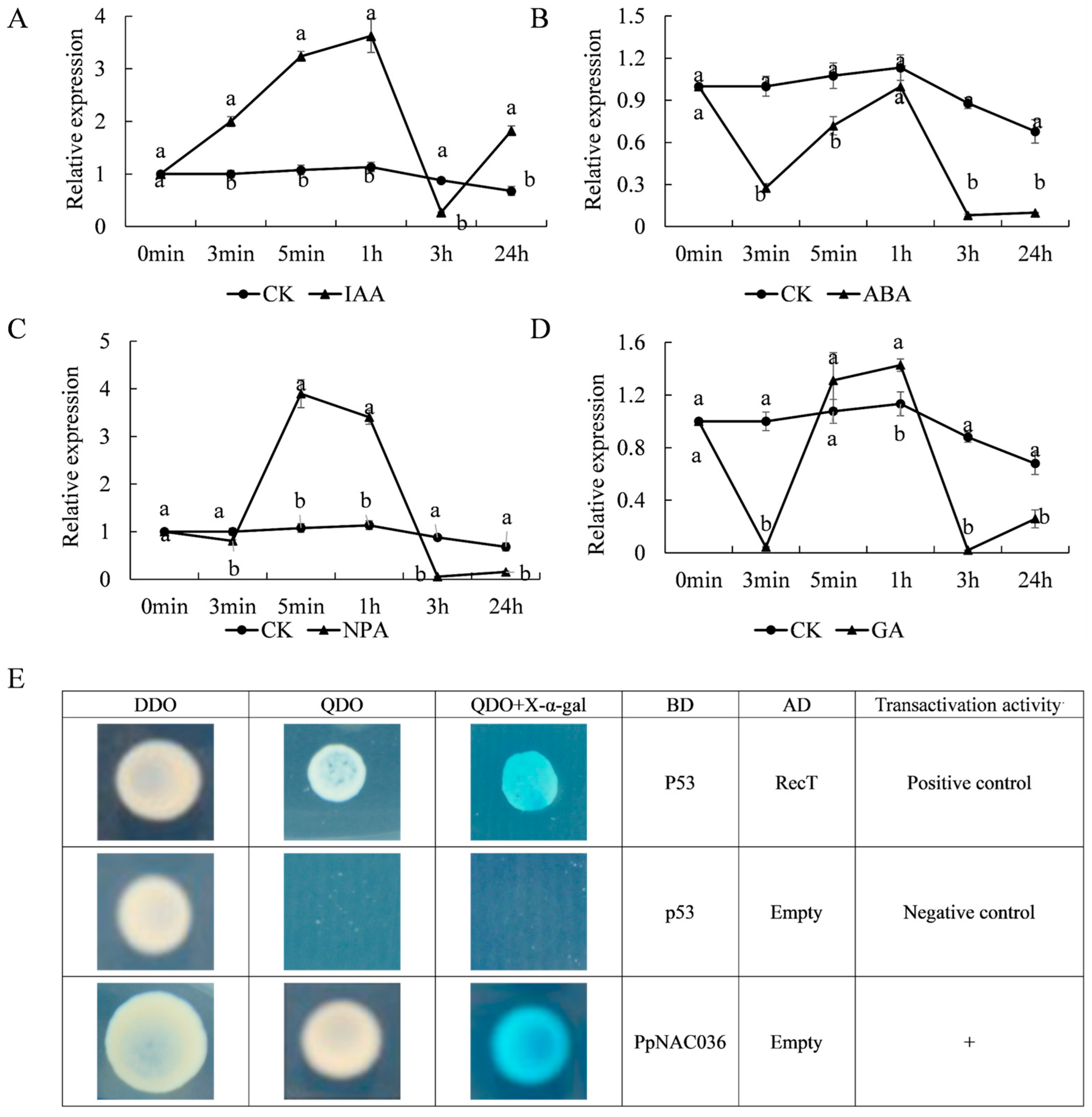
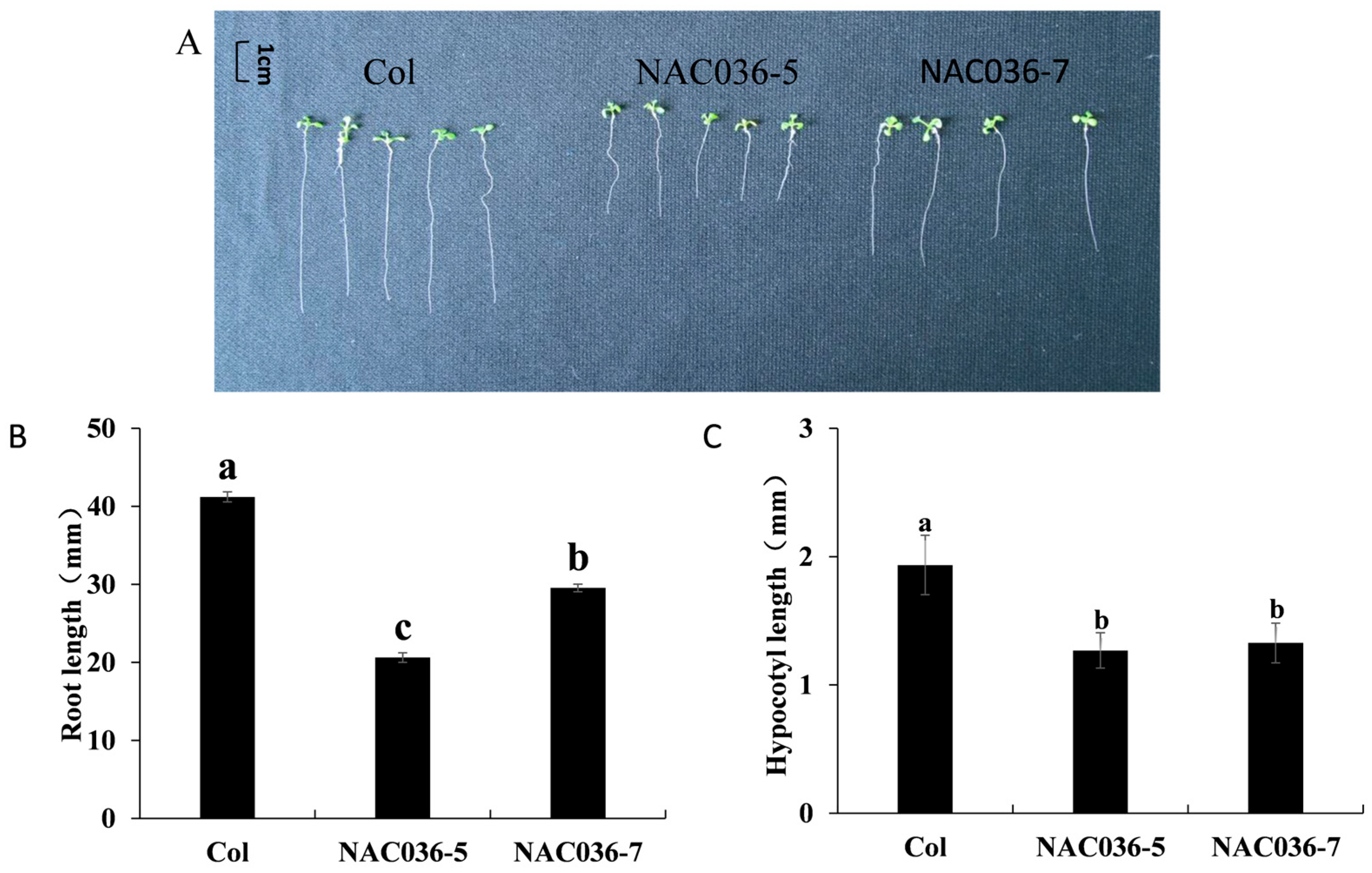
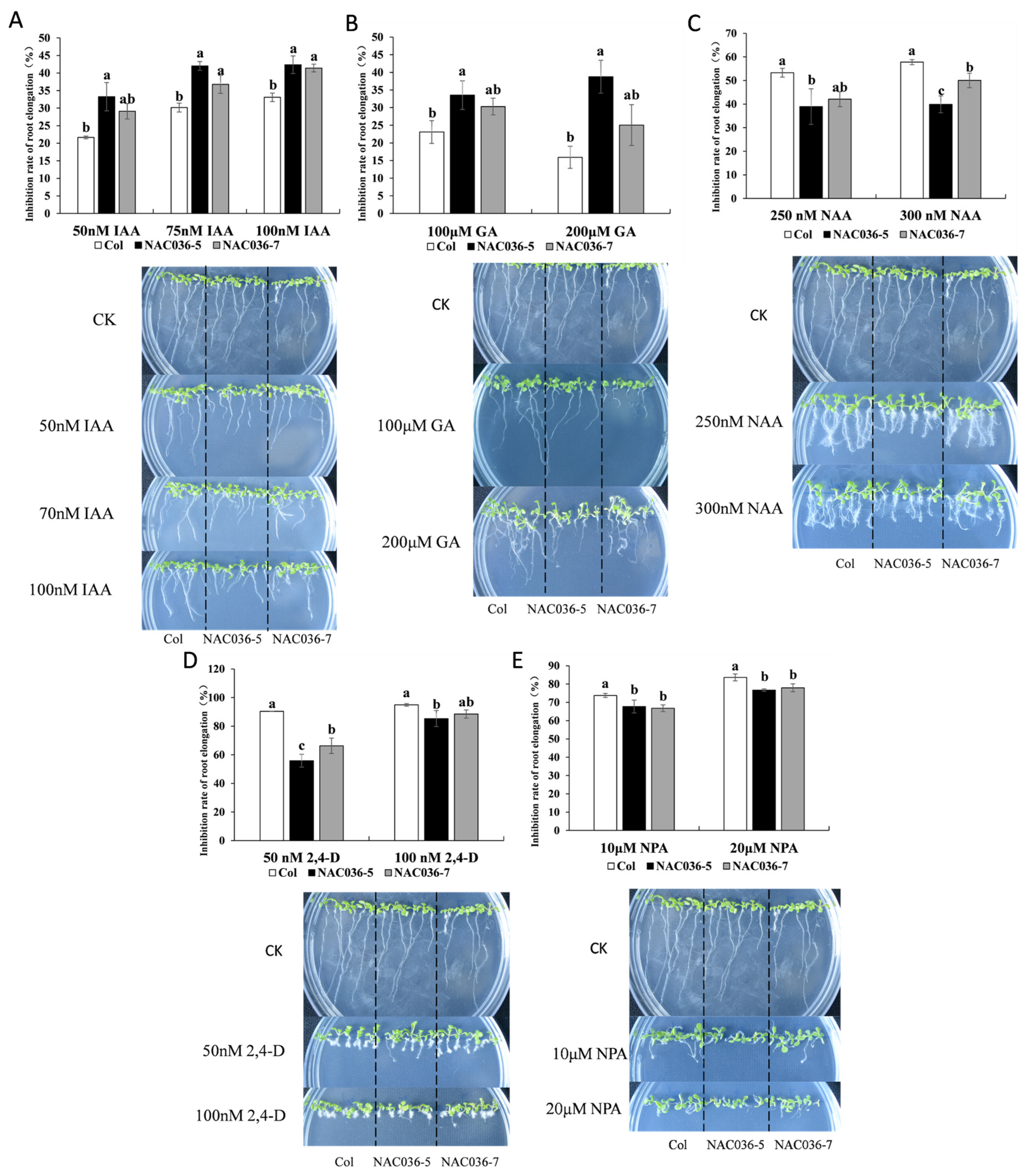
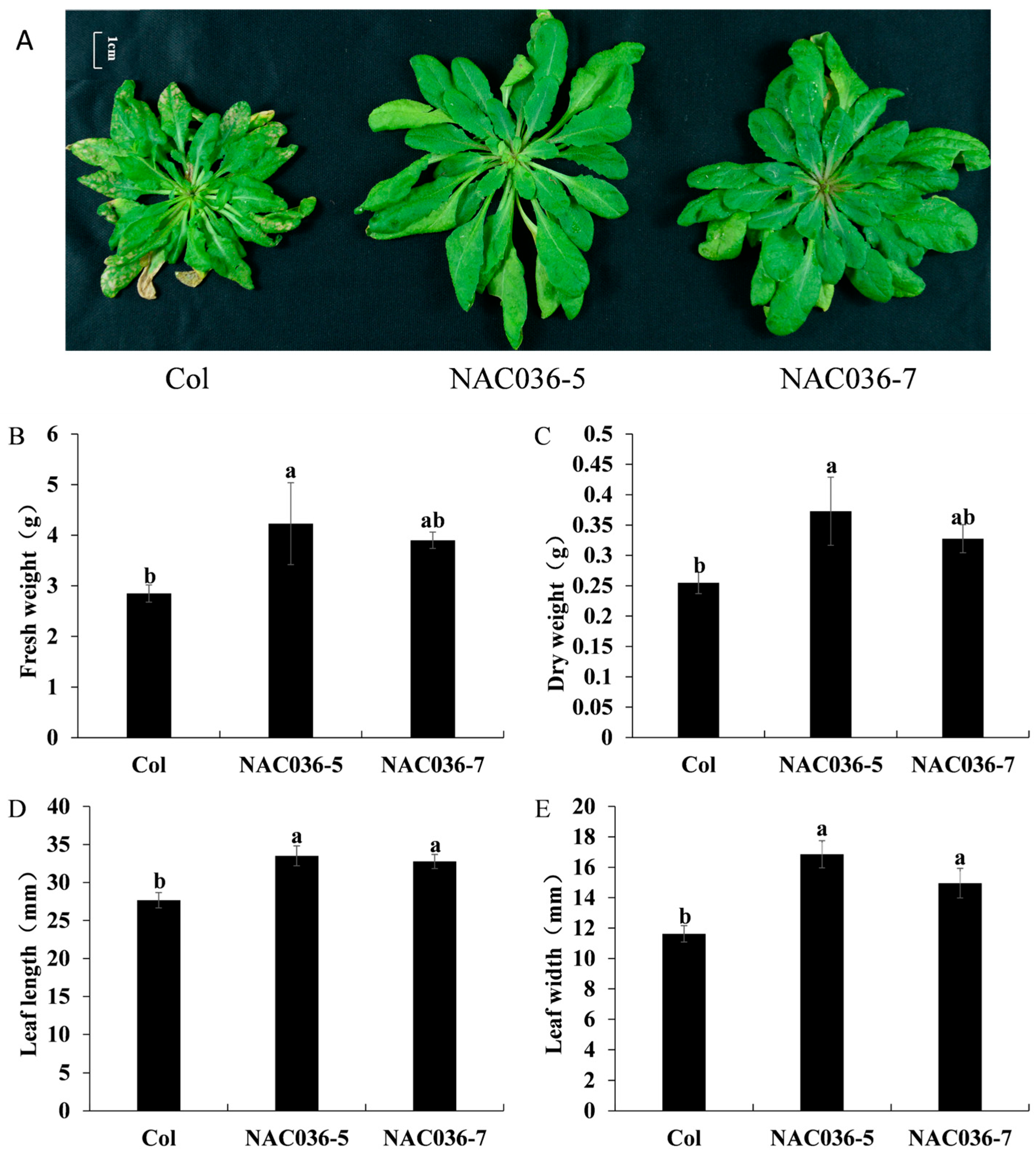
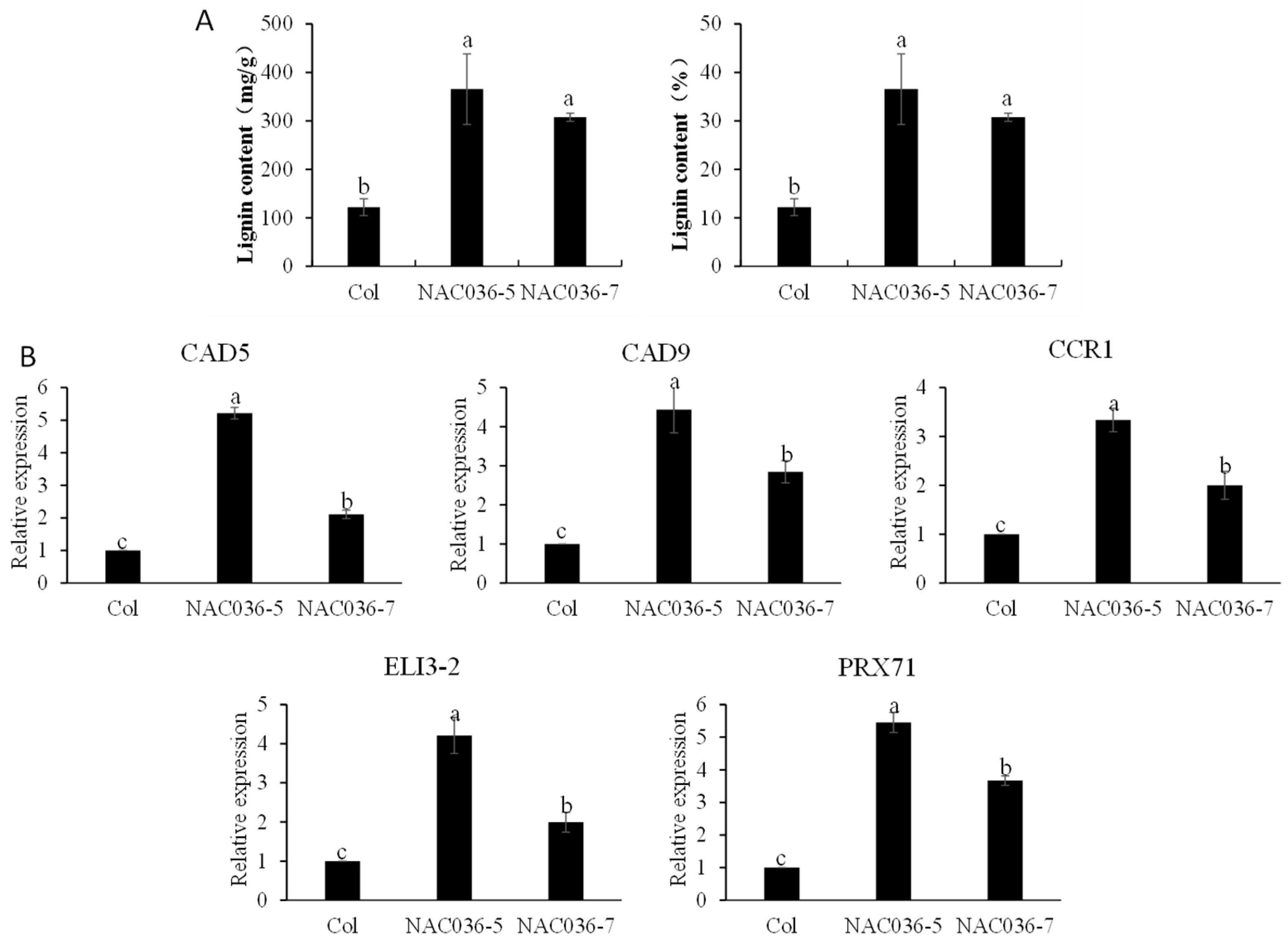
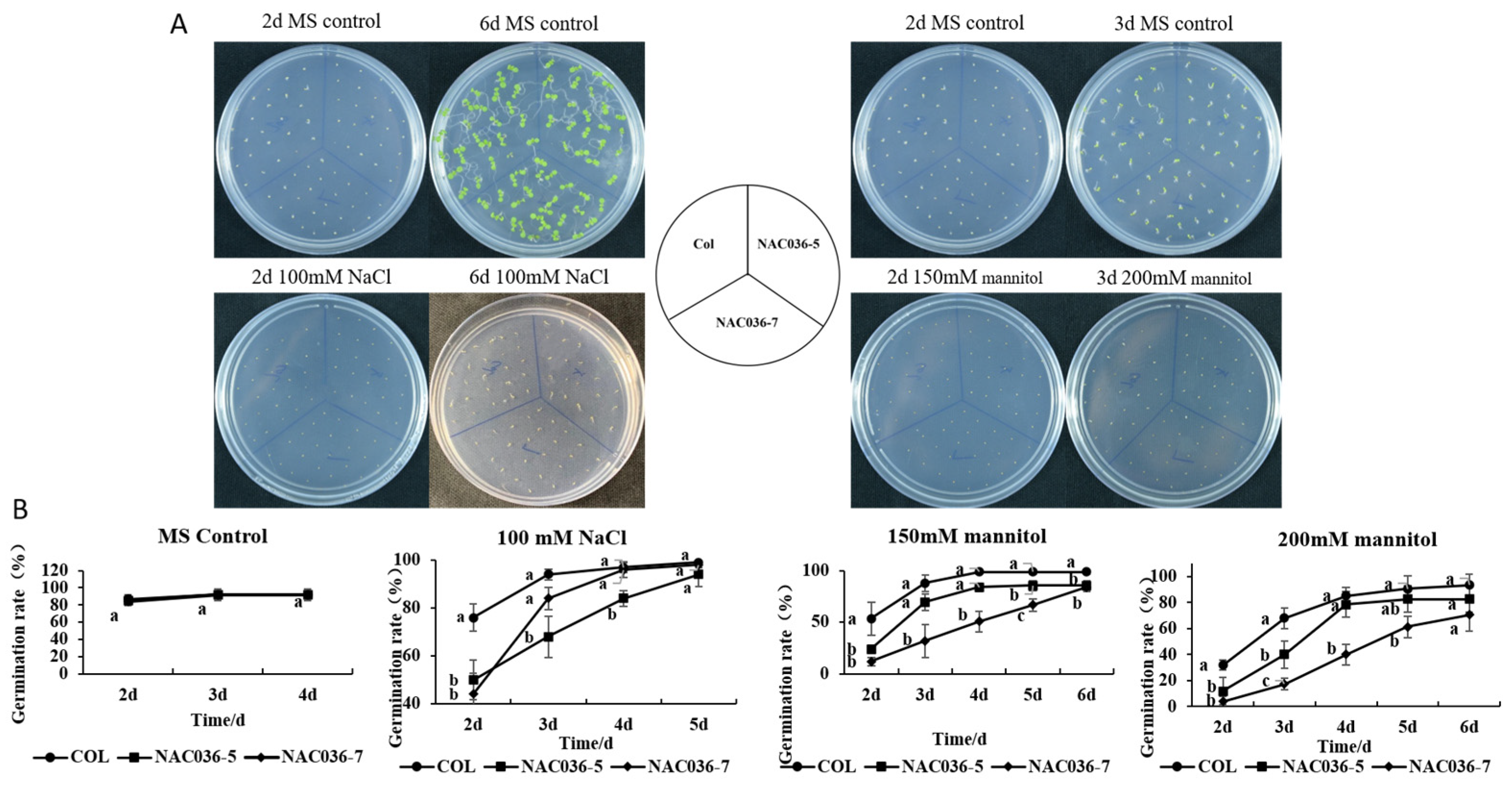
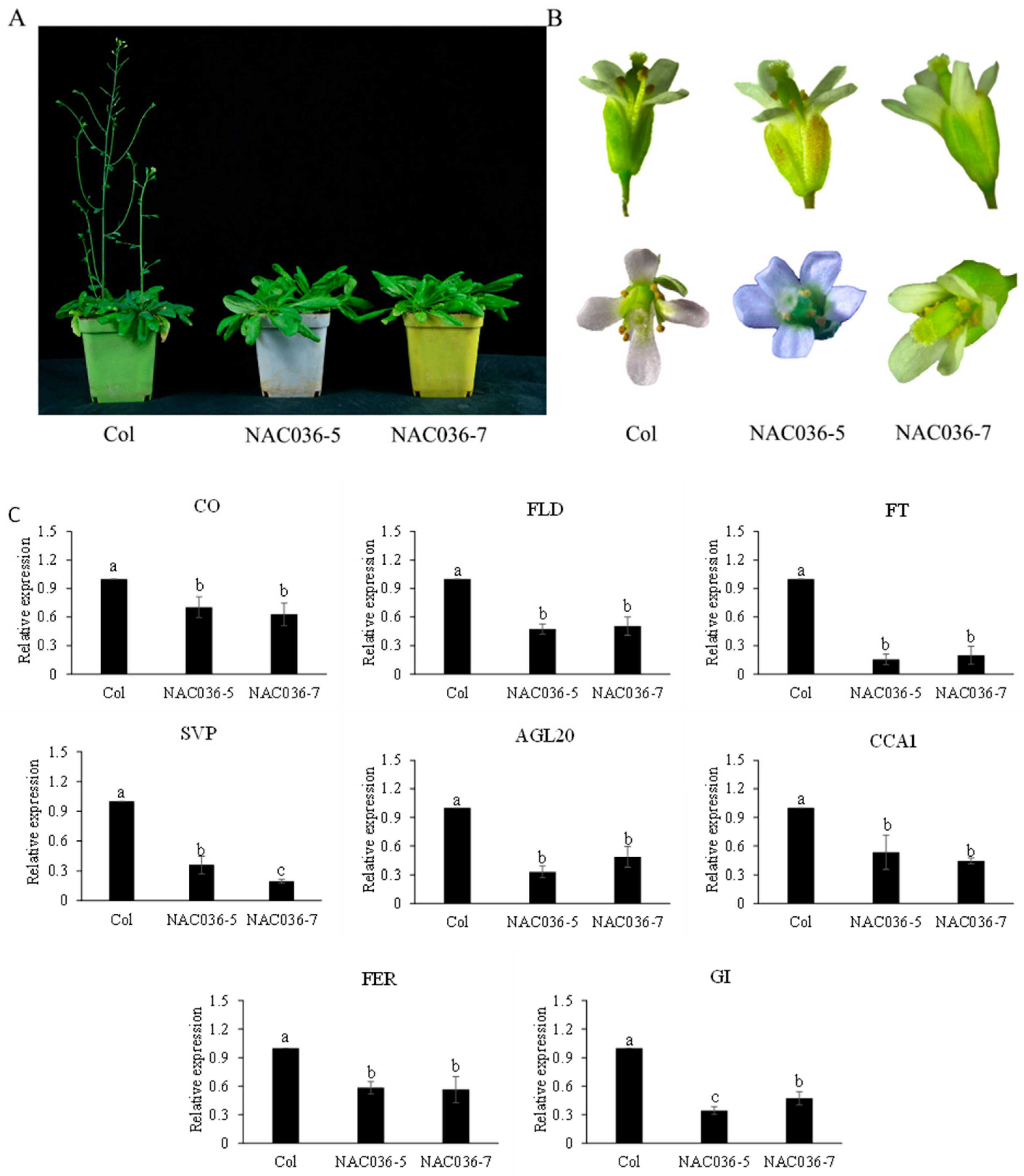
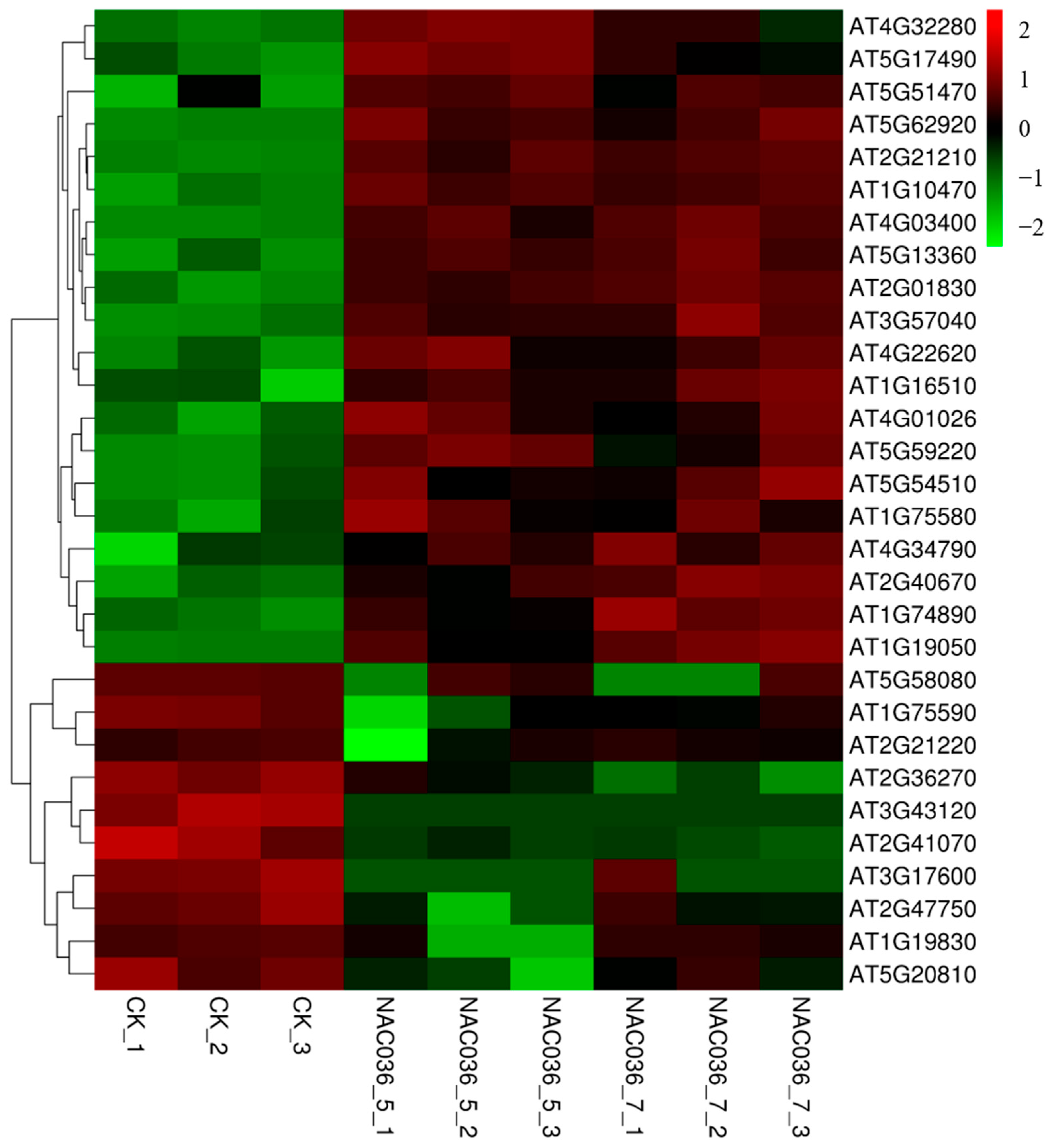
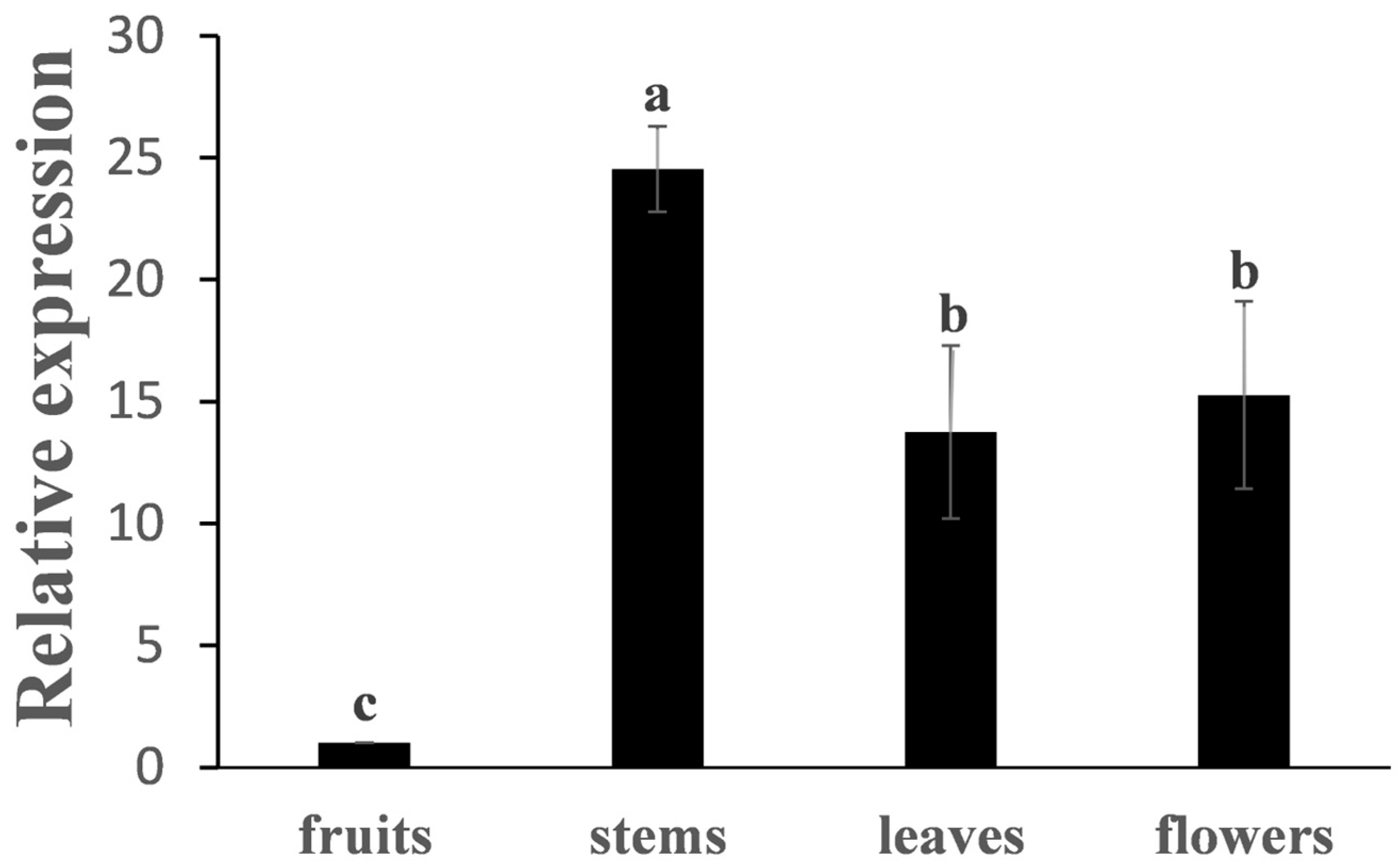
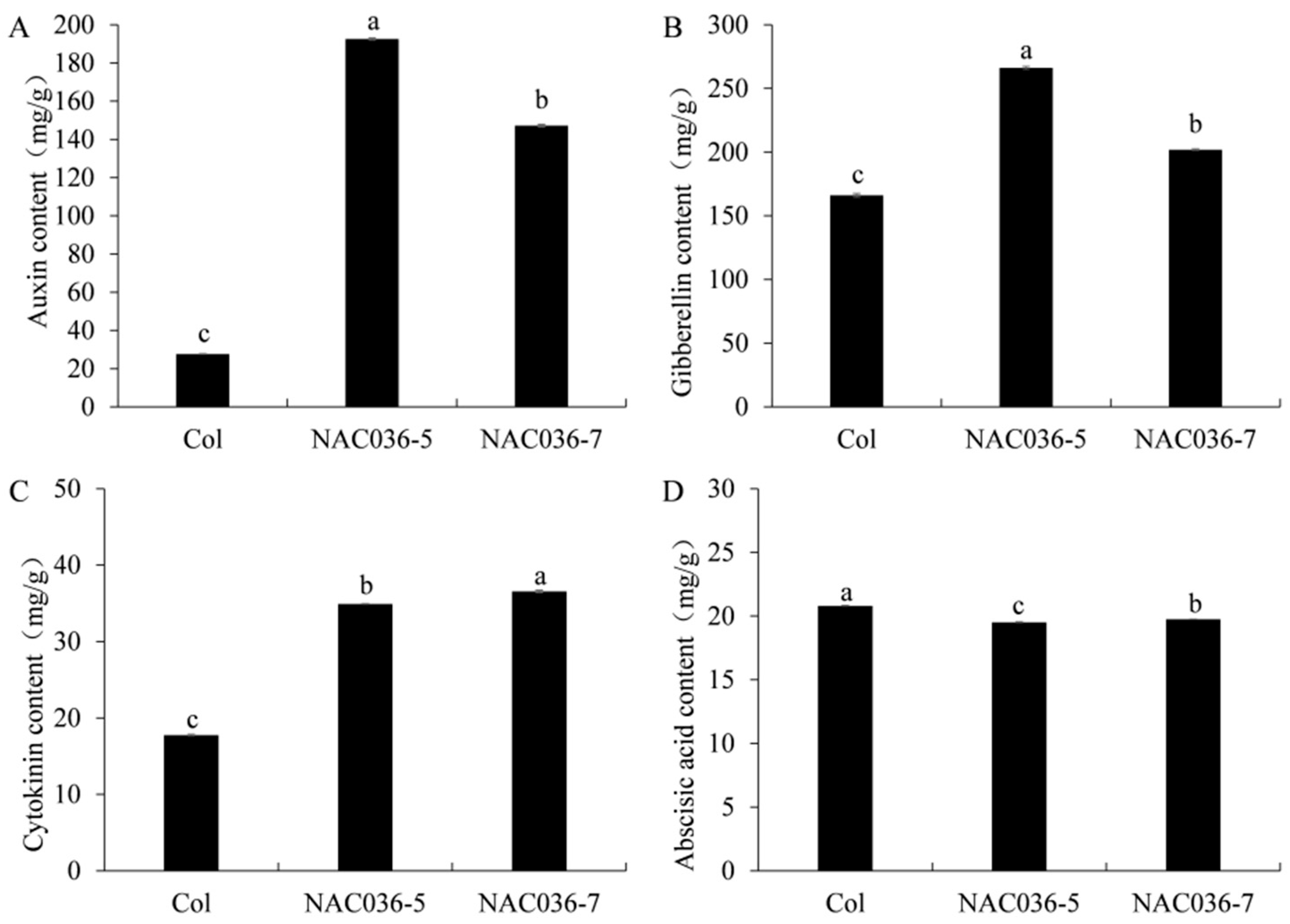
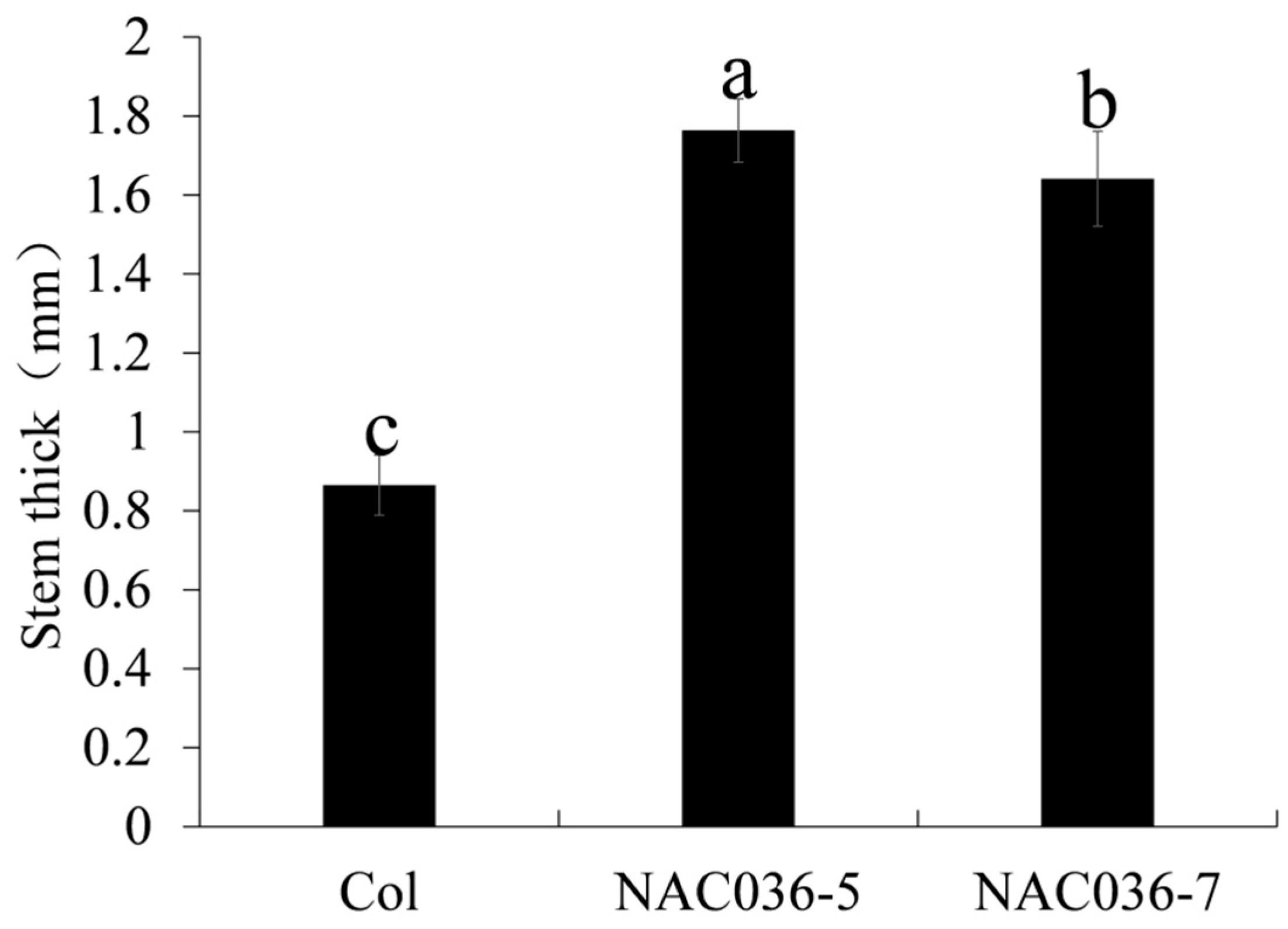
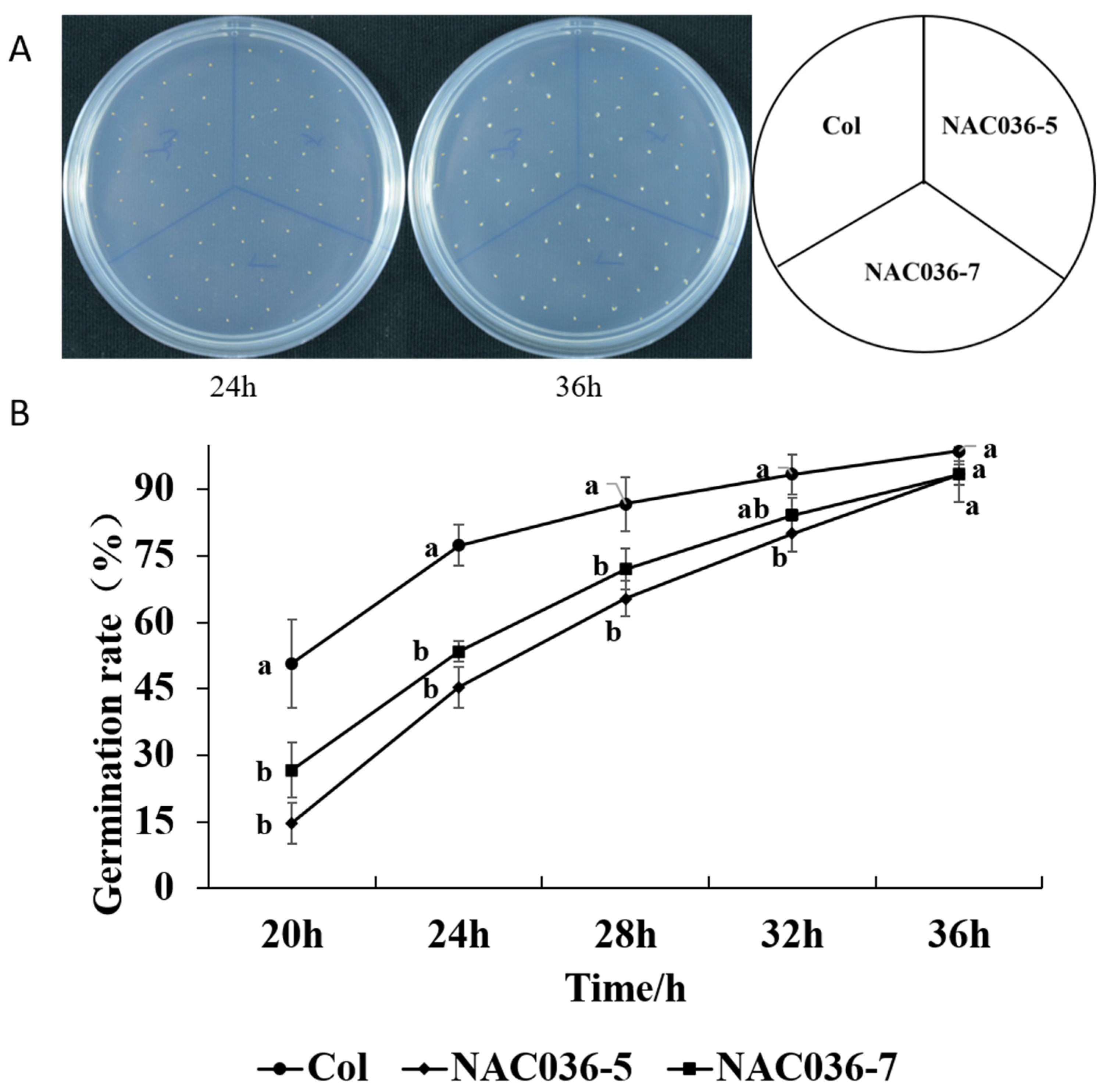
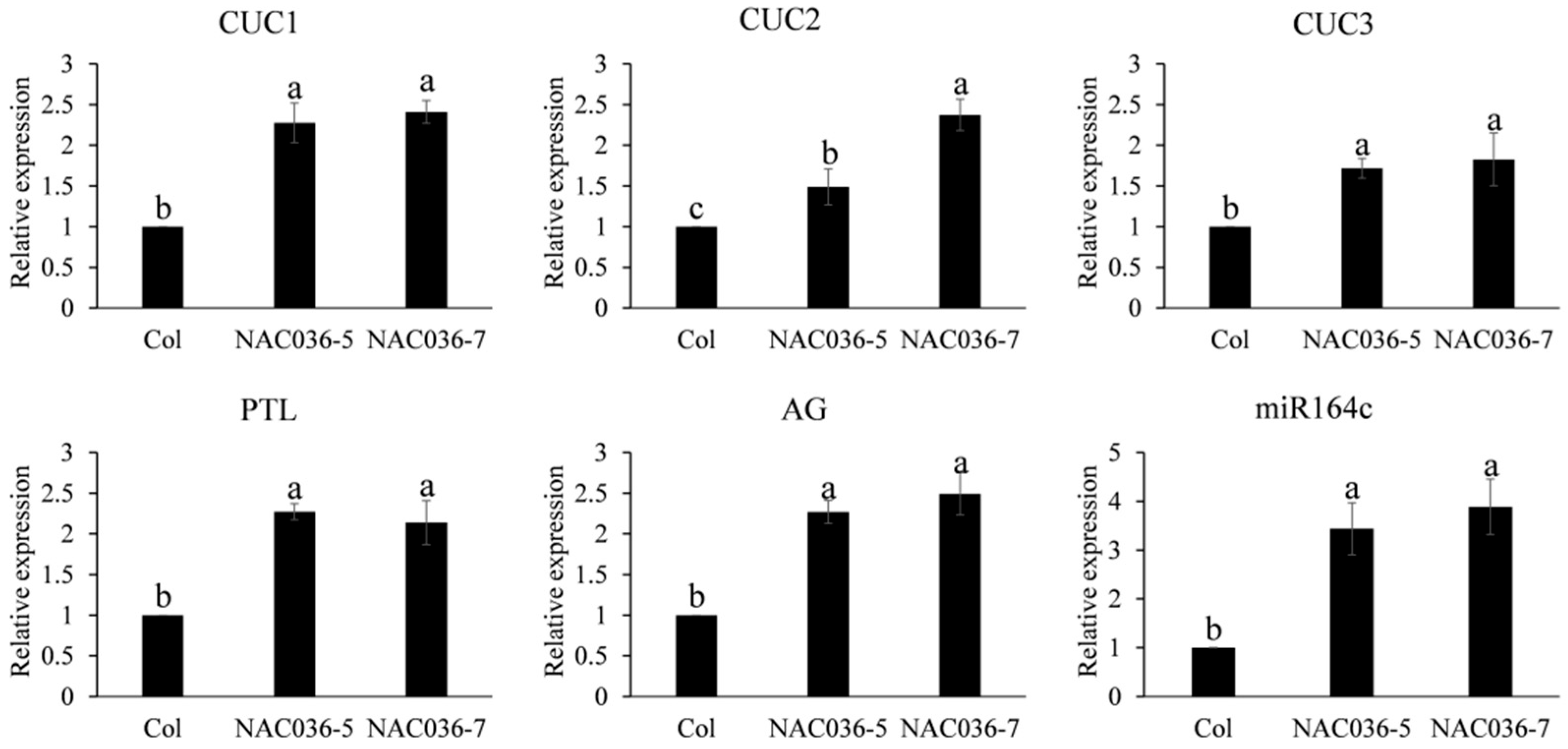
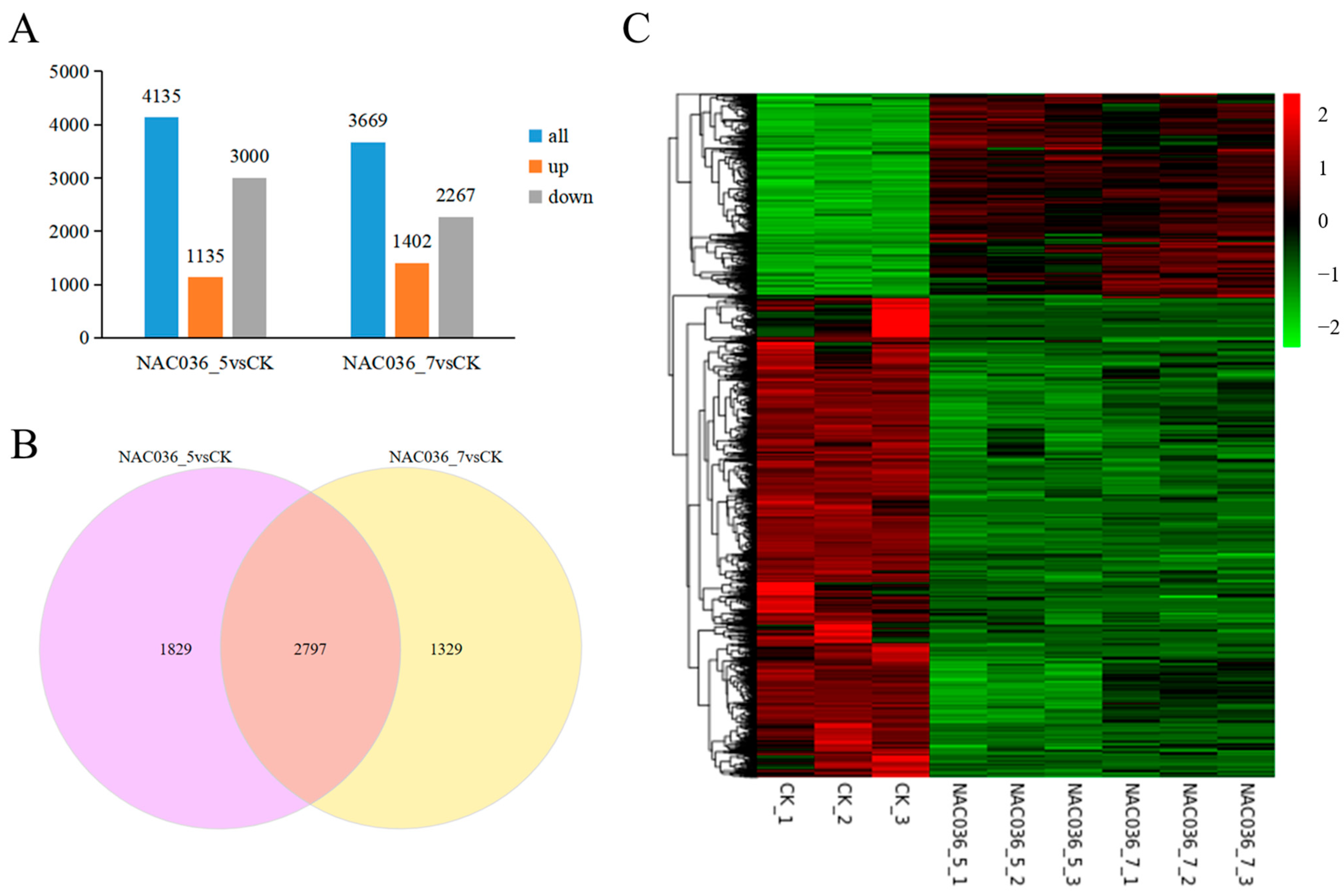
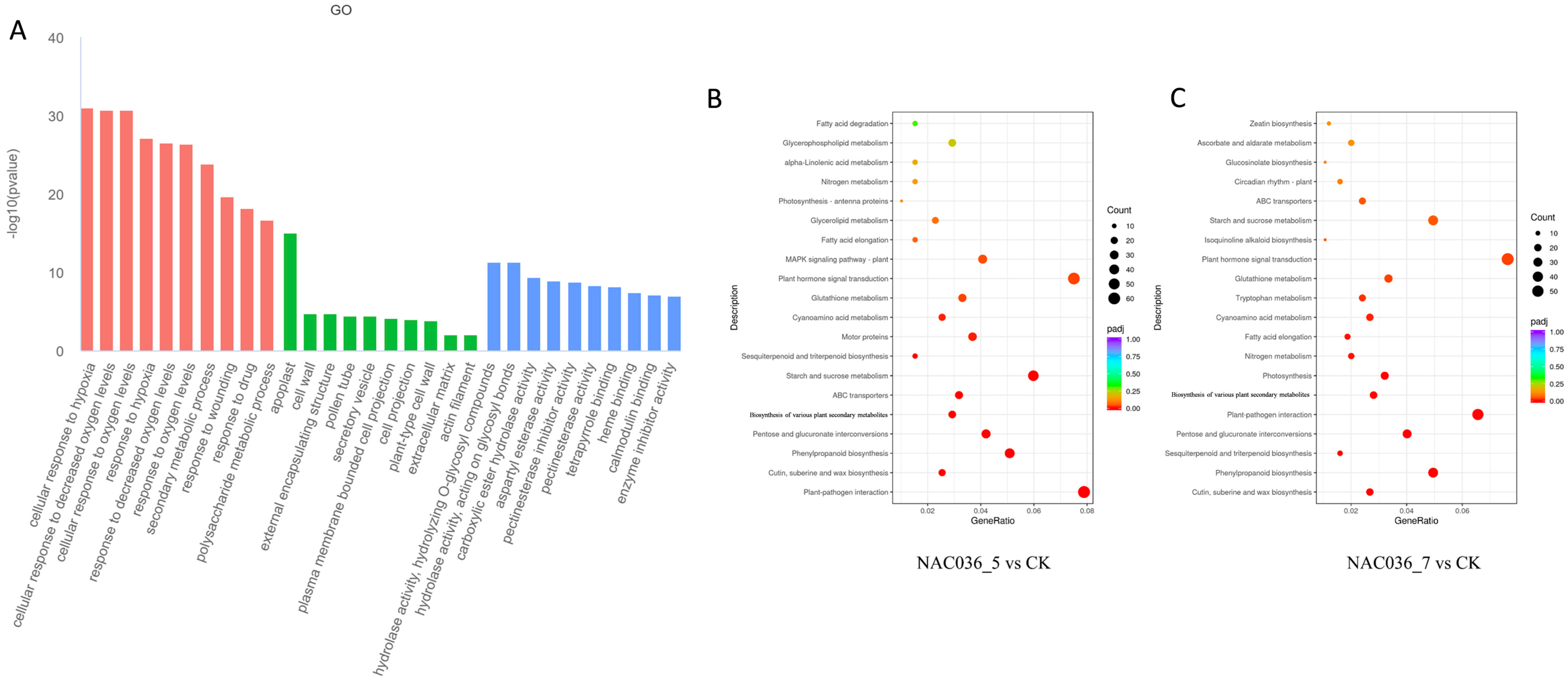
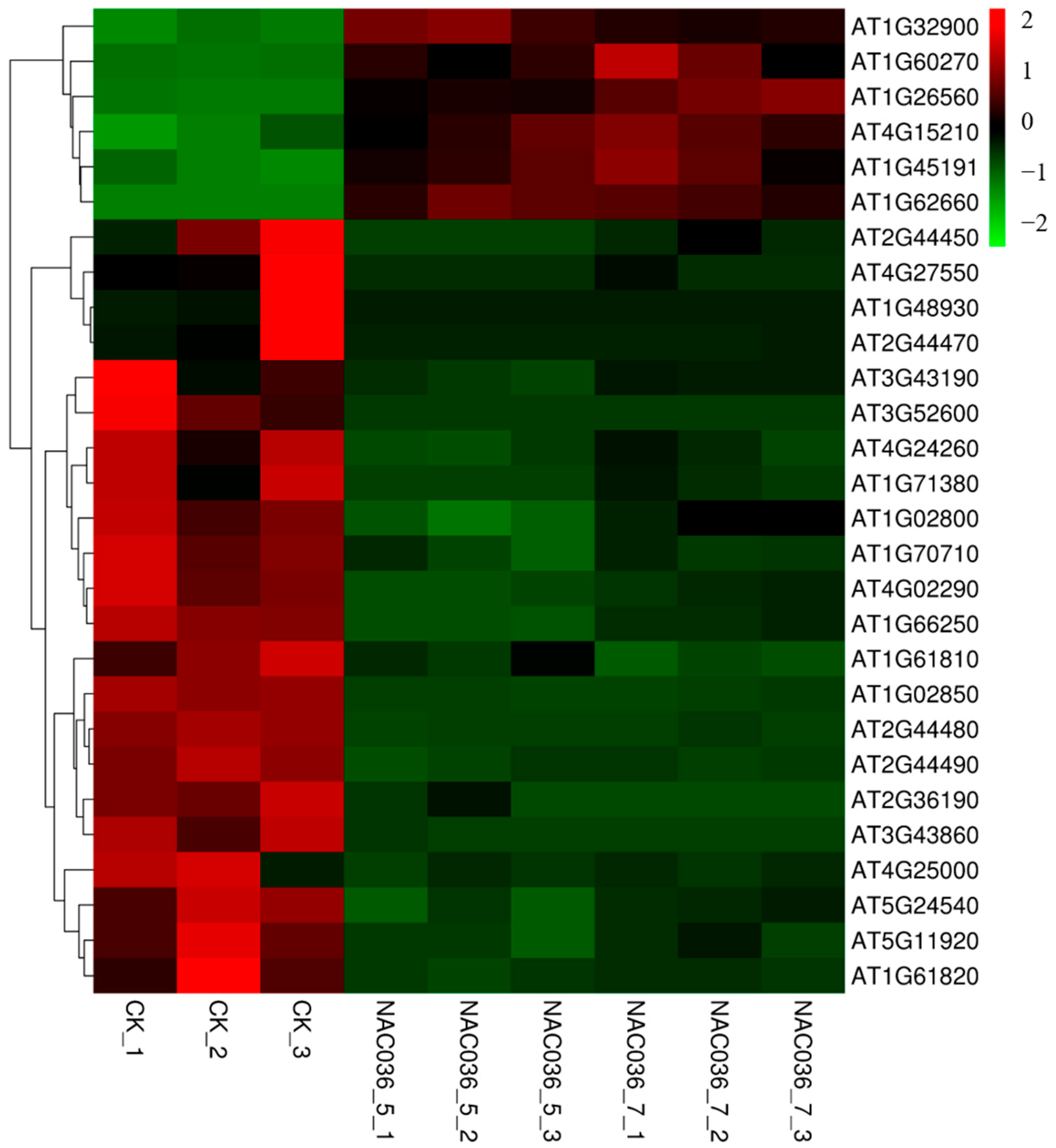
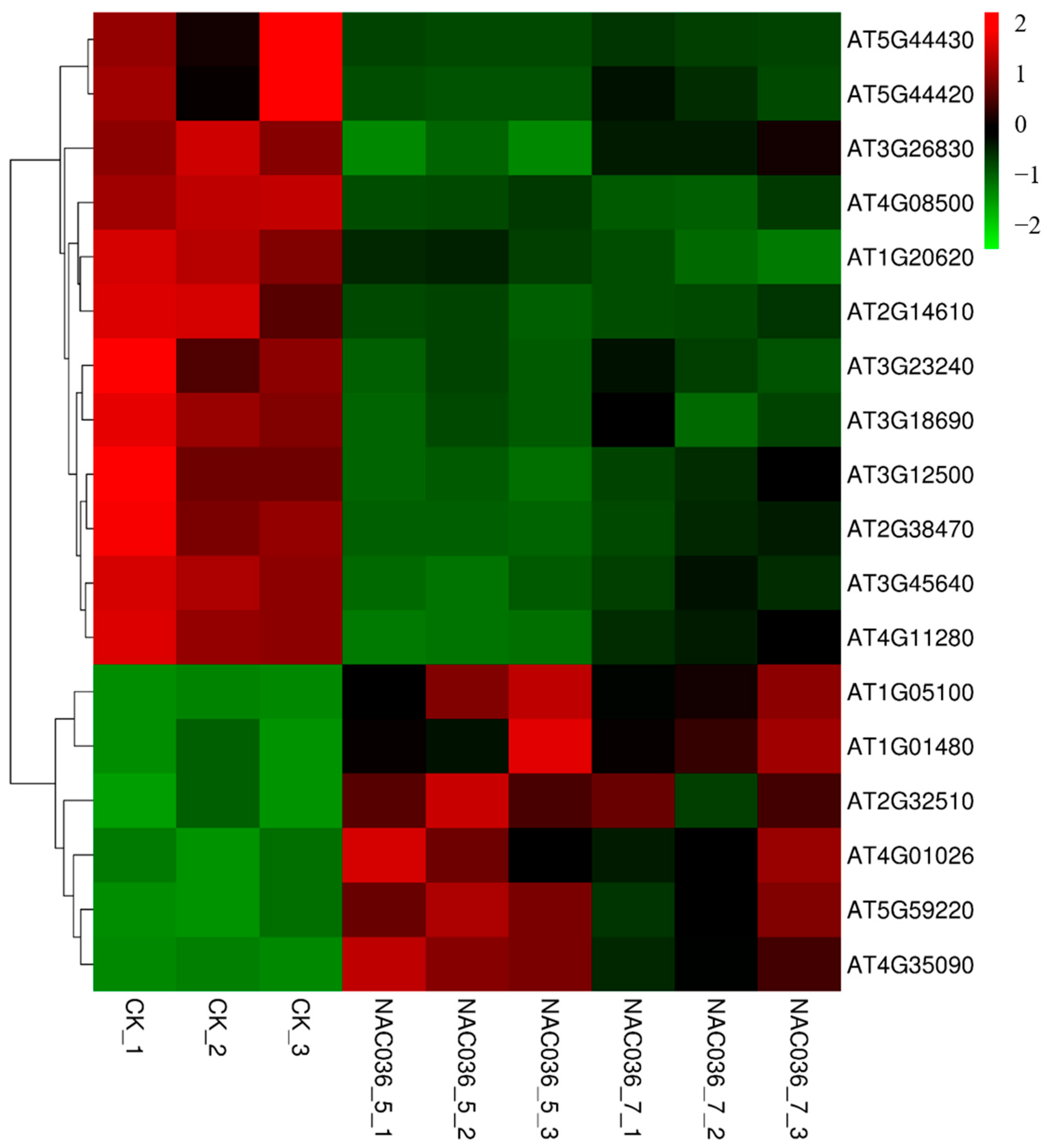
Peach trees exhibit vigorous growth that is often difficult to manage, frequently leading to canopy closure and the outward migration of fruiting positions, which ultimately results in diminished yield and fruit quality. Therefore, it is of great importance to study the key genes regulating peach tree vigor. Preliminary experiments identified PpNAC036 as a candidate gene potentially associated with vigor. In this study, we characterized the expression profile of PpNAC036 across various peach tissues. Our results demonstrate that PpNAC036 is most highly expressed in stems and responds rapidly to hormonal treatments, with expression levels increasing 3.6-fold and 3.9-fold under IAA and NPA treatments, respectively (5 min to 1 h). Subsequently, the PpNAC036 gene was cloned and overexpressed in Arabidopsis thaliana. Compared to the wild type, transgenic Arabidopsis exhibited a 28–50% reduction in primary root length and a 31.6–36.8% decrease in hypocotyl length. Conversely, at maturity, the transgenic Arabidopsis displayed enhanced vegetative vigor, with fresh and dry weights increasing by 37–48% and 29–46%, respectively. This growth was accompanied by a nearly two-fold increase in stem diameter and a 1.5- to 2-fold elevation in lignin content; simultaneously, genes related to lignin biosynthesis were upregulated. Hormonal profiling revealed that PpNAC036 overexpression led to a 7-fold increase in IAA, a 22–60% rise in GAs, and a 97–106% increase in CTKs, whereas ABA levels decreased by 5–6%. Furthermore, the transgenic Arabidopsis exhibited delayed germination and flowering, along with alterations in the number of floral organs. Transcriptomic analysis identified 2797 common DEGs, which were enriched in pathways related to cell wall organization and hormone signaling. Collectively, these findings elucidate the function of PpNAC036 as a pivotal regulator of plant vigor and secondary cell wall development, positioning it as a promising candidate gene for molecular breeding and architectural optimization in peach.
Keywords: peach; PpNAC036; tree vigor; phytohormone; lignin peach; PpNAC036; tree vigor; phytohormone; lignin