Integrated Physiological and Transcriptomic Analyses Reveal the Mechanism of Salt Acclimation-Induced Salinity Tolerance in Tomato Seedlings
 ,
, 
Abstract
1. Introduction
2. Materials and Methods
2.1. Plant Materials and Growth Conditions
2.2. Experimental Design and Treatments
- (1)
- Determination of optimal acclimation concentration
- (2)
- Determination of optimal acclimation duration
- (3)
- Evaluation acclimation effect across tomato cultivars
- (4)
- Transcriptomic analysis
2.3. Measurement of Growth Parameters
2.4. Measurement of Chlorophyll Content and Pn
2.5. Measurement of Electrolyte Leakage (EL), Malondialdehyde (MDA), Proline, and Soluble Protein Content
2.6. Measurement of Antioxidant Enzyme Activity
2.7. Measurement of Na+ and K+ Content
2.8. Transcriptome Analysis DEGs
2.9. Validation of Gene Expression
2.10. Statistical Analysis
3. Results
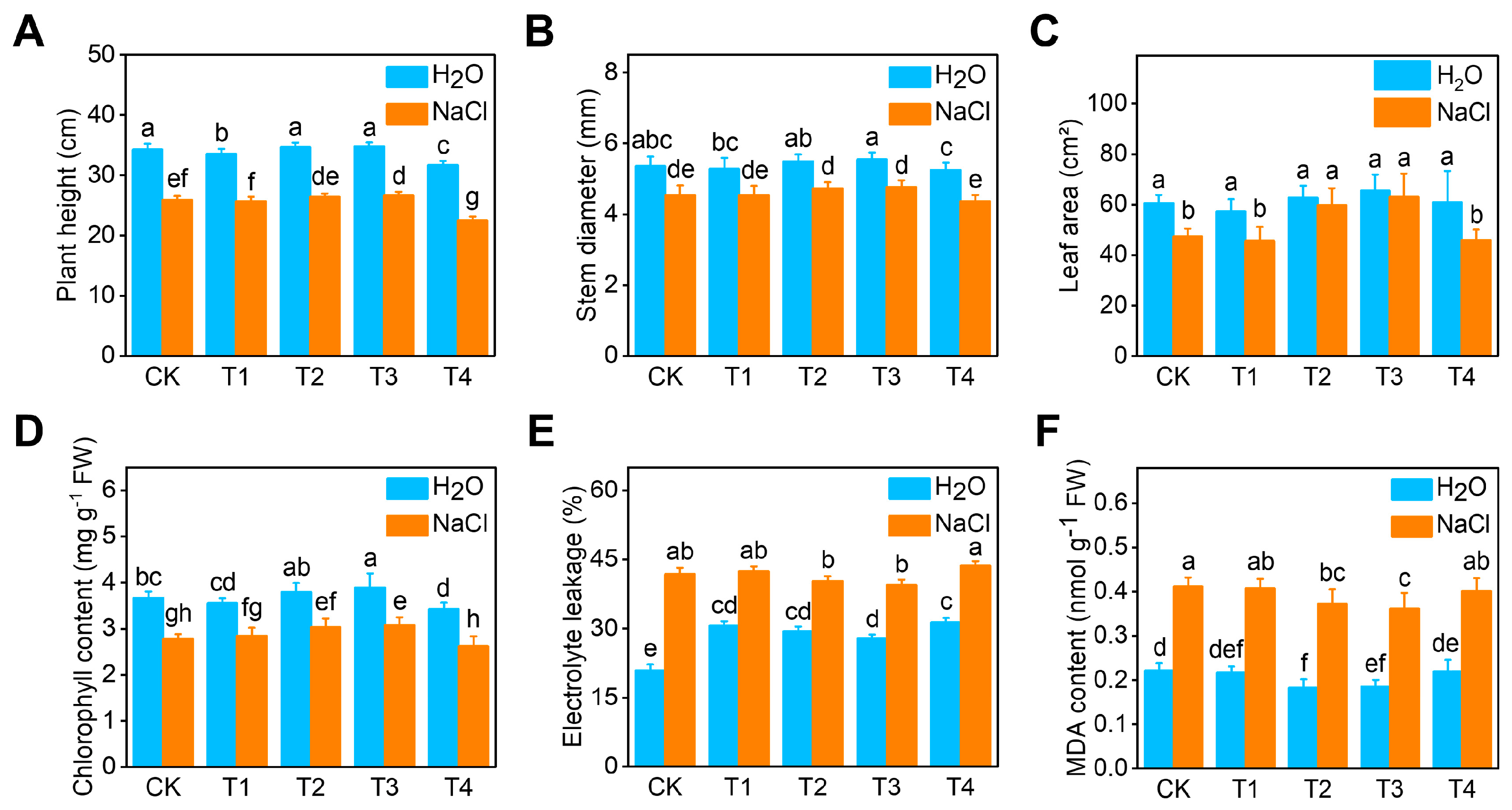
3.1. Effects of Different Salt Acclimation Concentrations on the Growth and Salt Tolerance of Tomato Seedlings
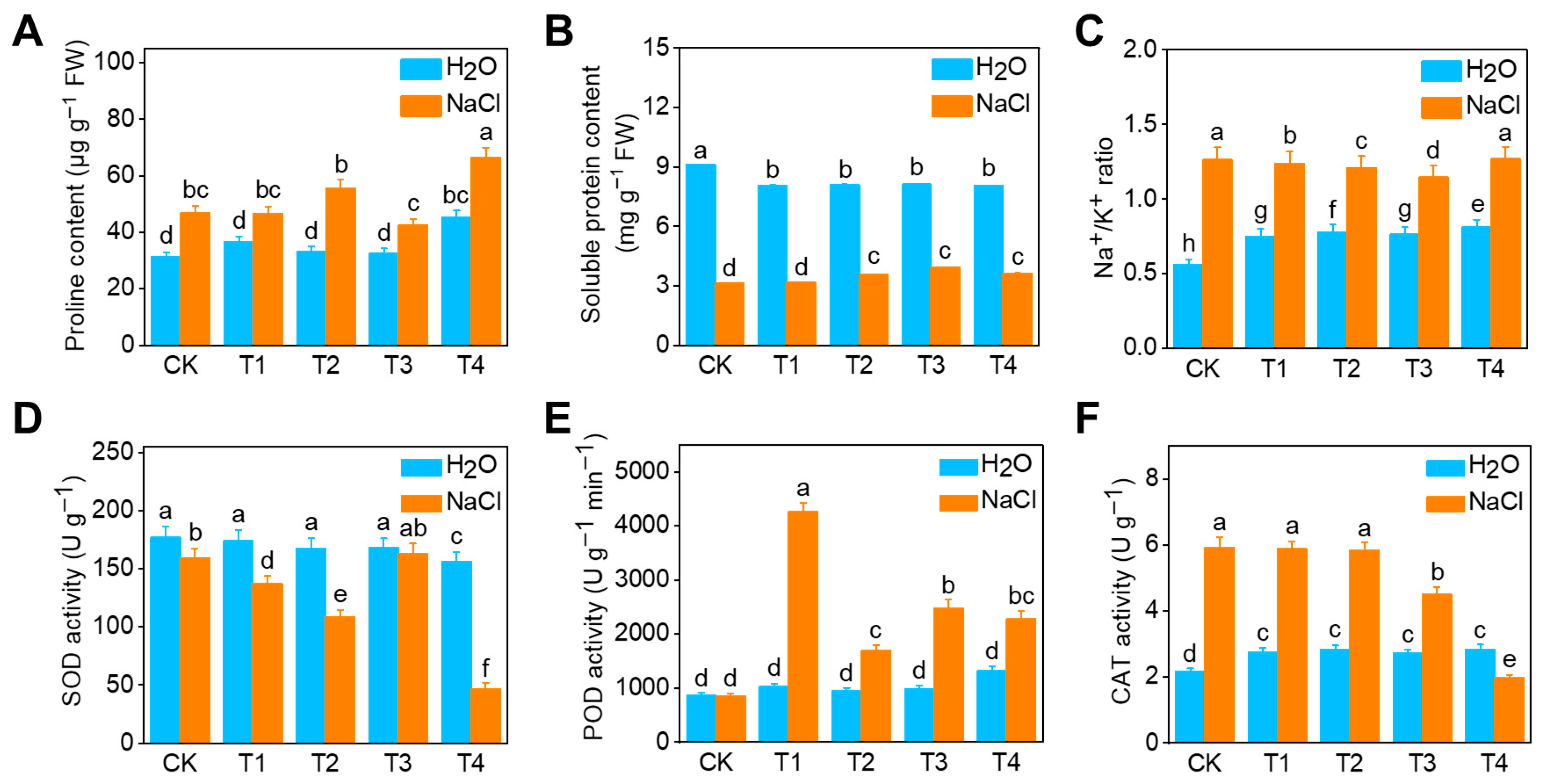
3.2. Effects of Different Salt Acclimation Concentrations on Proline and Soluble Protein Content, Na+/K+ Ratio, and Antioxidant Enzyme Activity in Tomato Seedlings
3.3. Analysis of the Membership Function of Salt Tolerance Physiological Parameters Under Different Salt Acclimation Concentrations in Tomato Seedlings
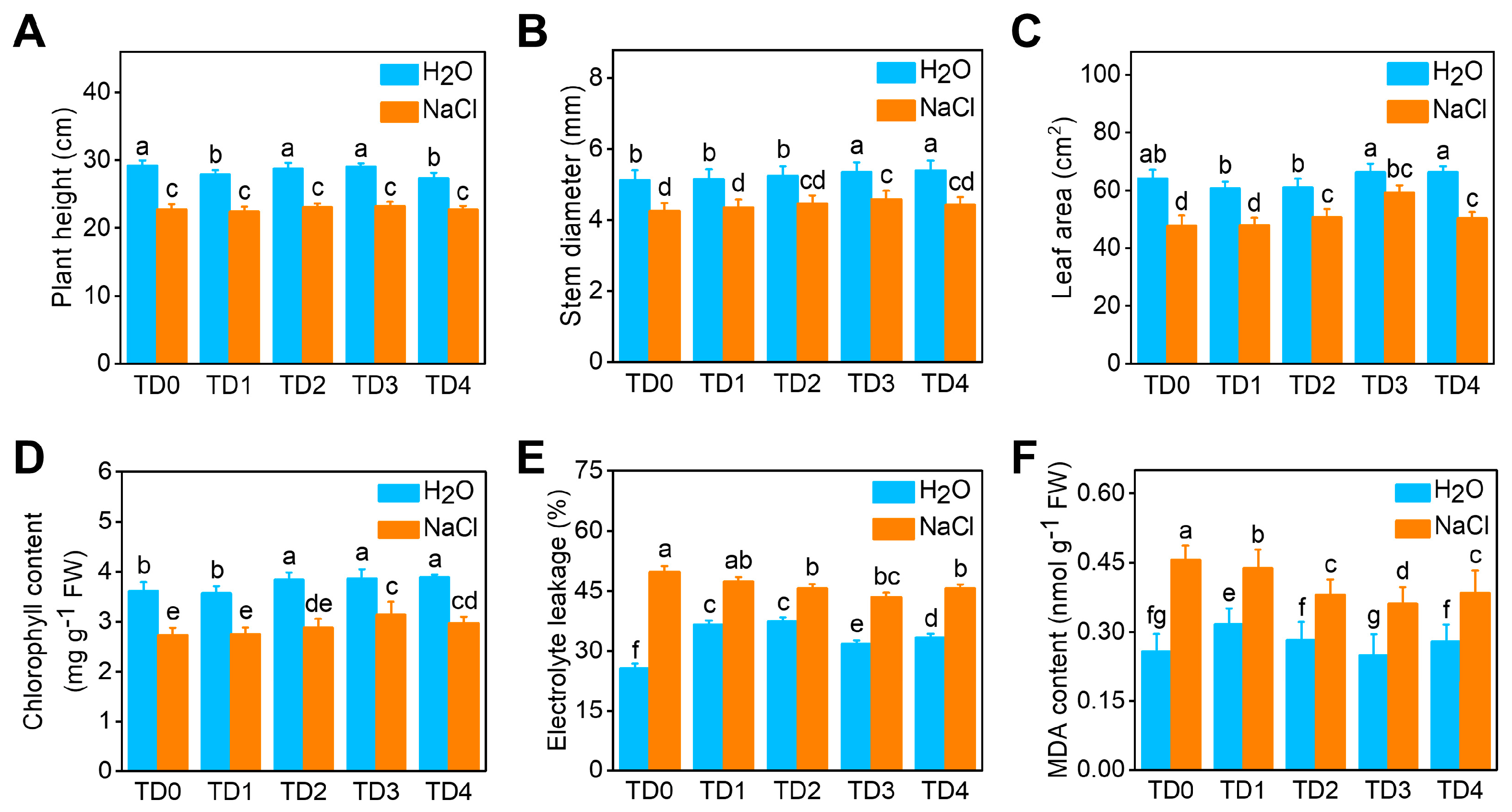
3.4. Effects of Different Salt Acclimation Durations on the Growth and Salt Tolerance of Tomato Seedlings
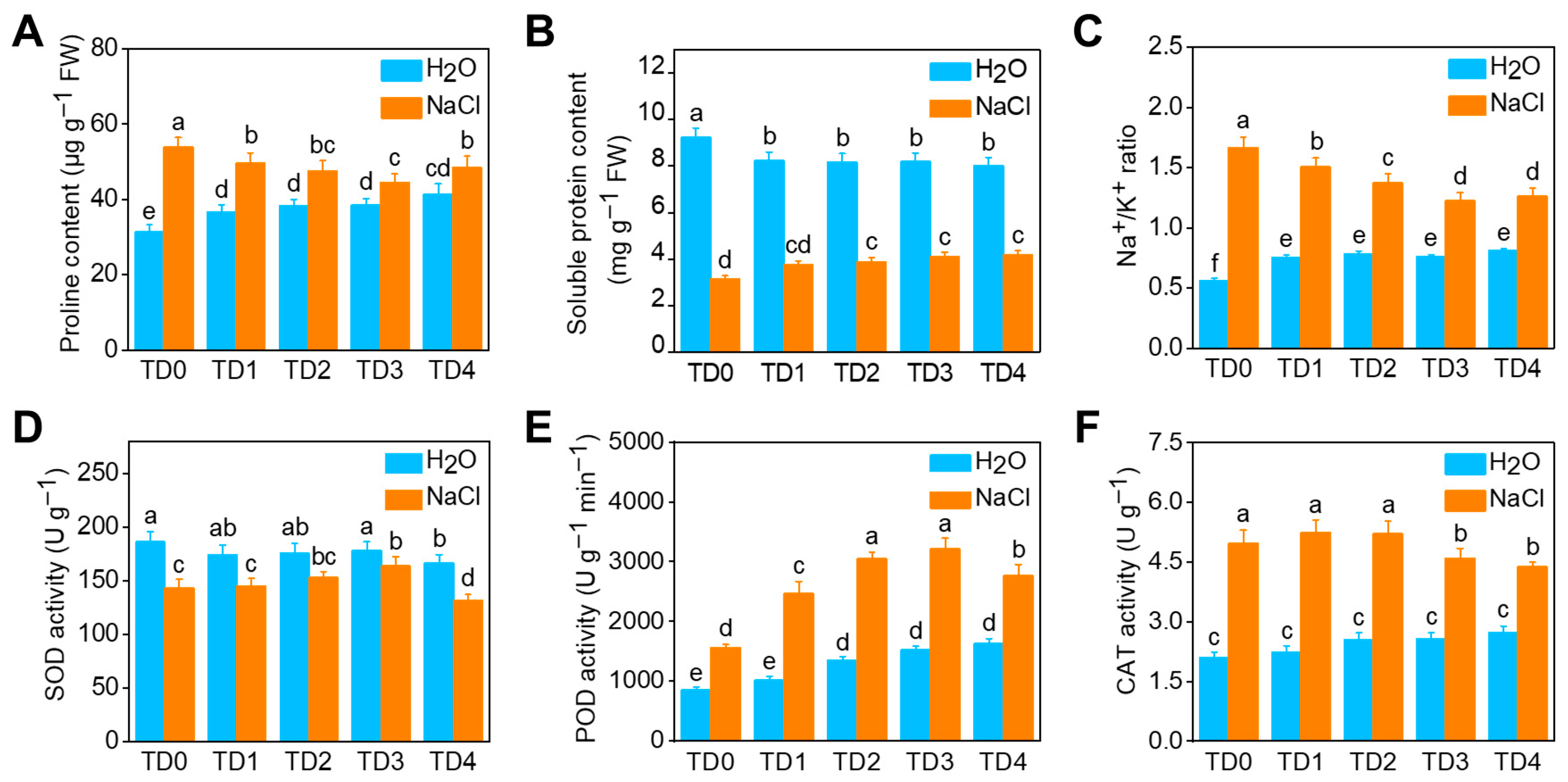
3.5. Effects of Different Salt Acclimation Durations on the Content of Proline and Soluble Protein, Na+/K+ Ratio, and Antioxidant Enzyme Activity in Tomato Seedlings
3.6. Analysis of the Membership Function of Salt Tolerance Physiological Parameters Under Different Salt Acclimation Durations in Tomato Seedlings
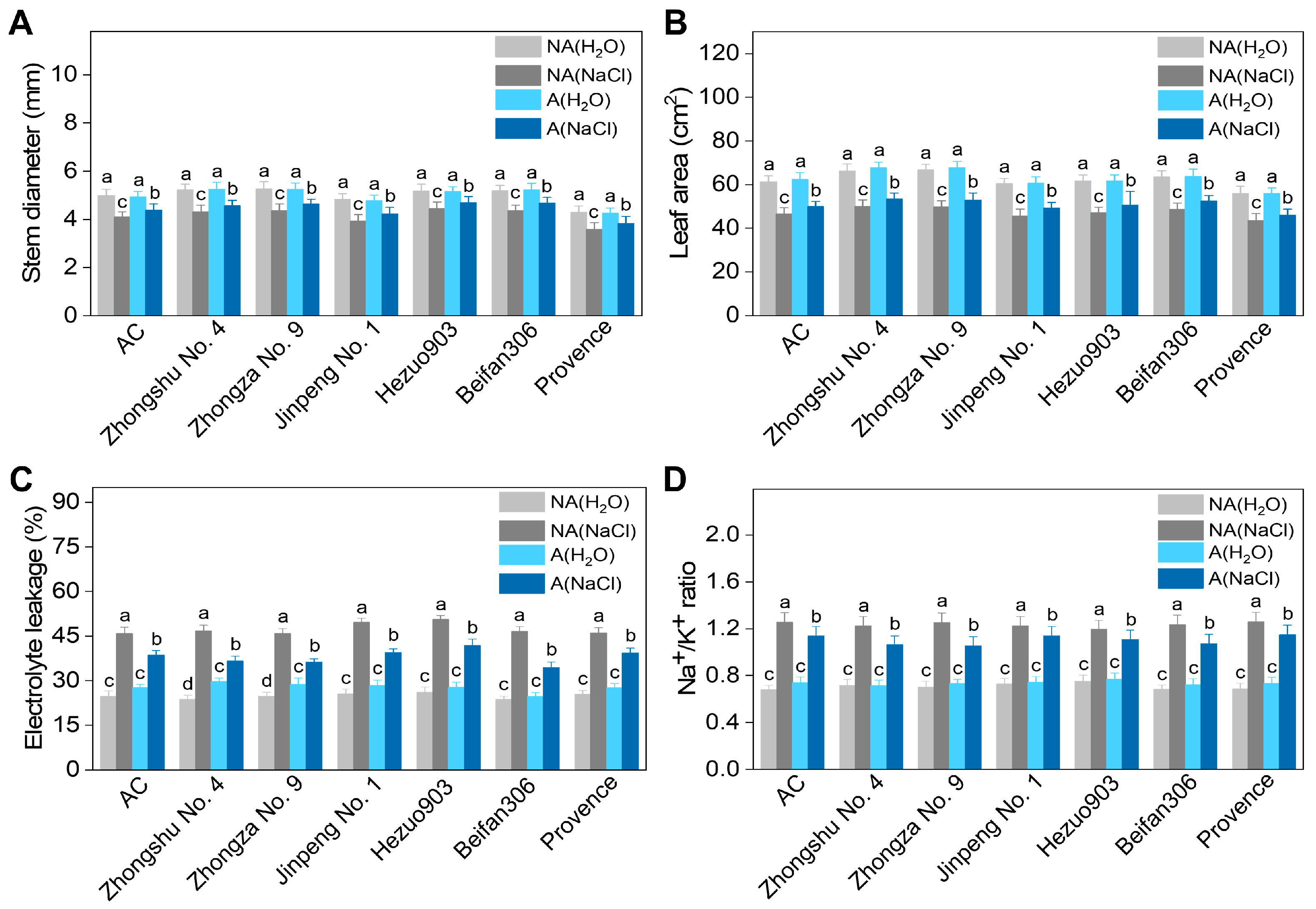
3.7. Effects of Salt Acclimation on Salt Tolerance in Different Tomato Cultivars
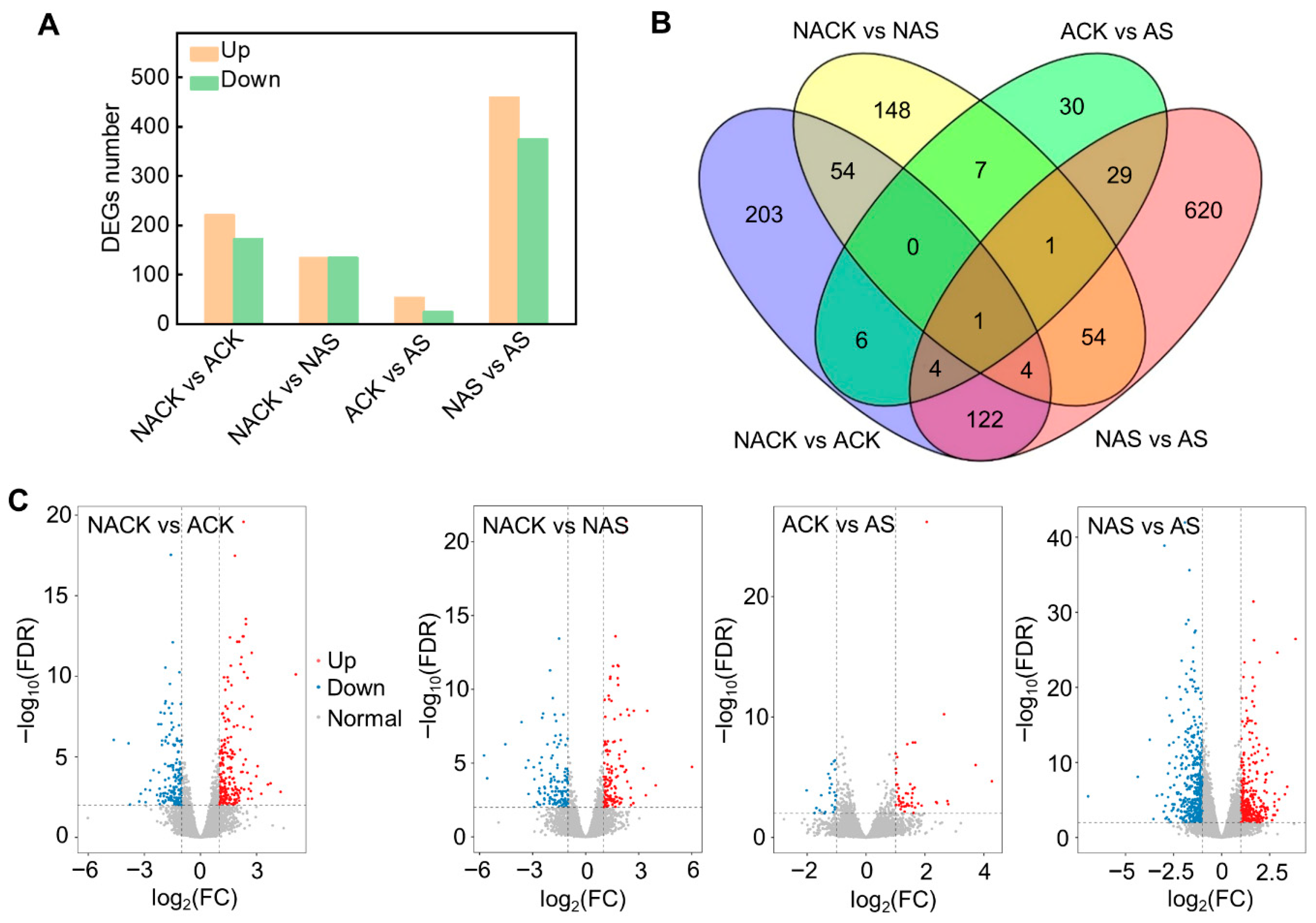
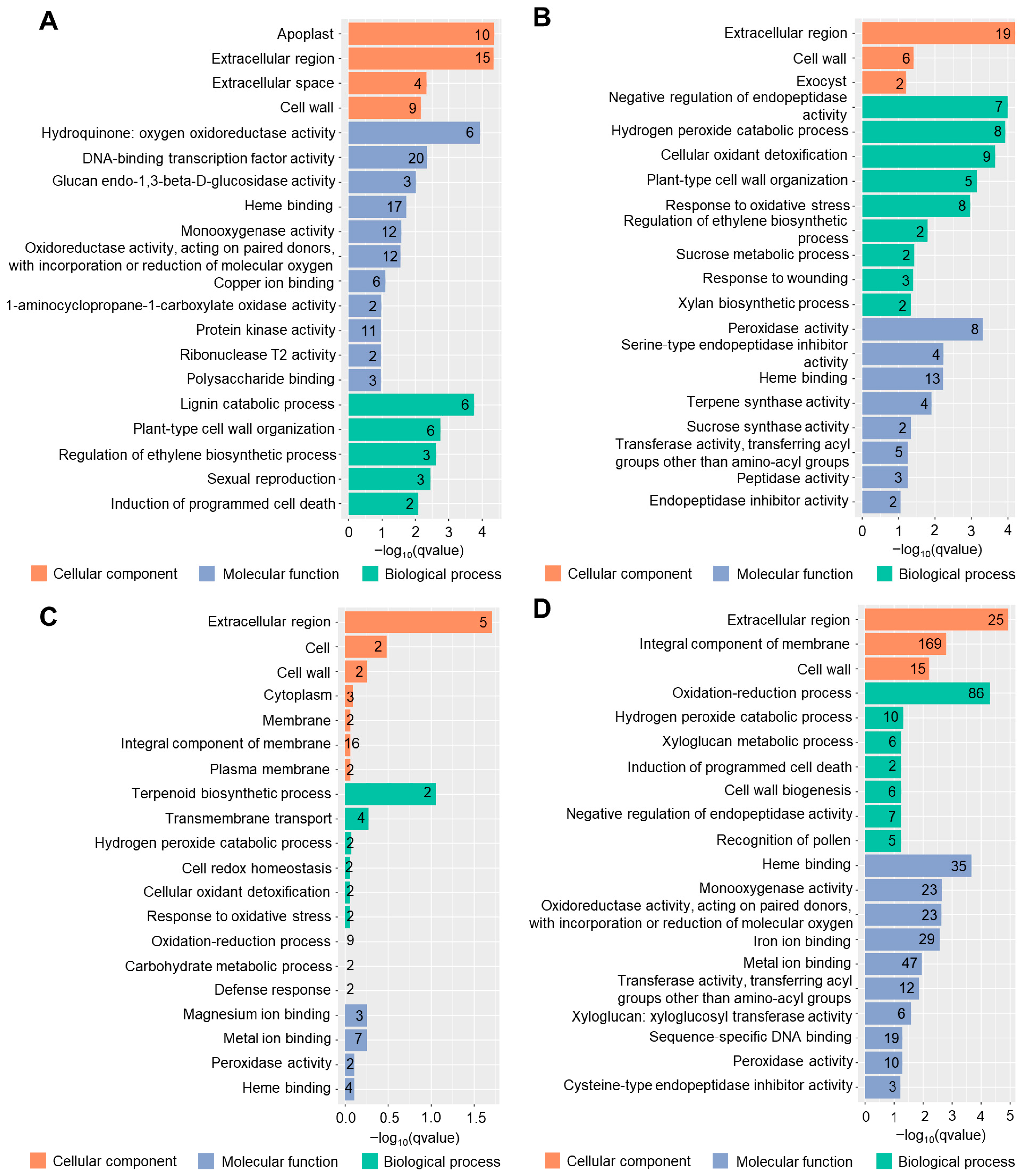
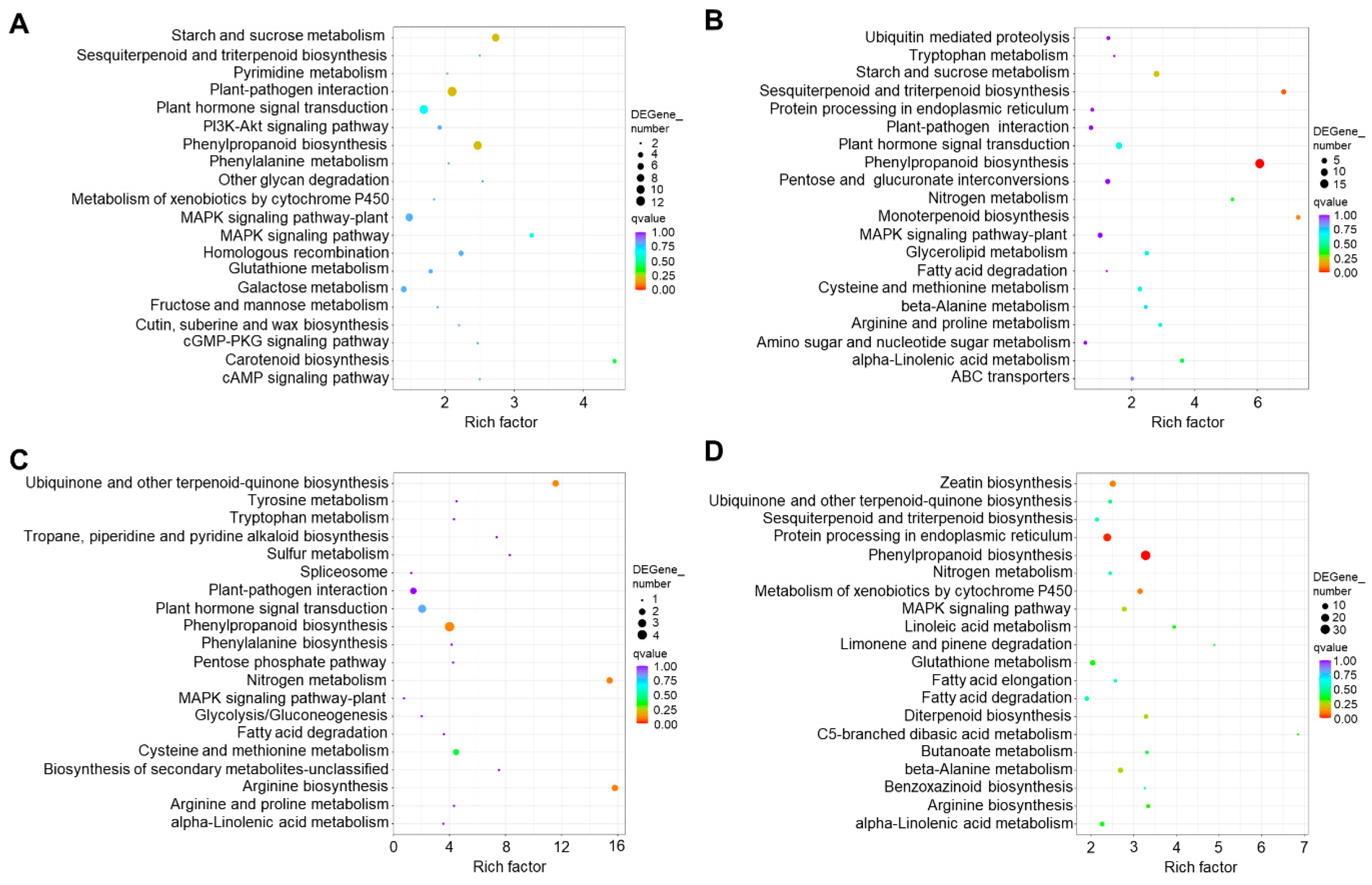
3.8. Transcriptome Analysis of DEGs in Salt Stressed Tomato Seedlings
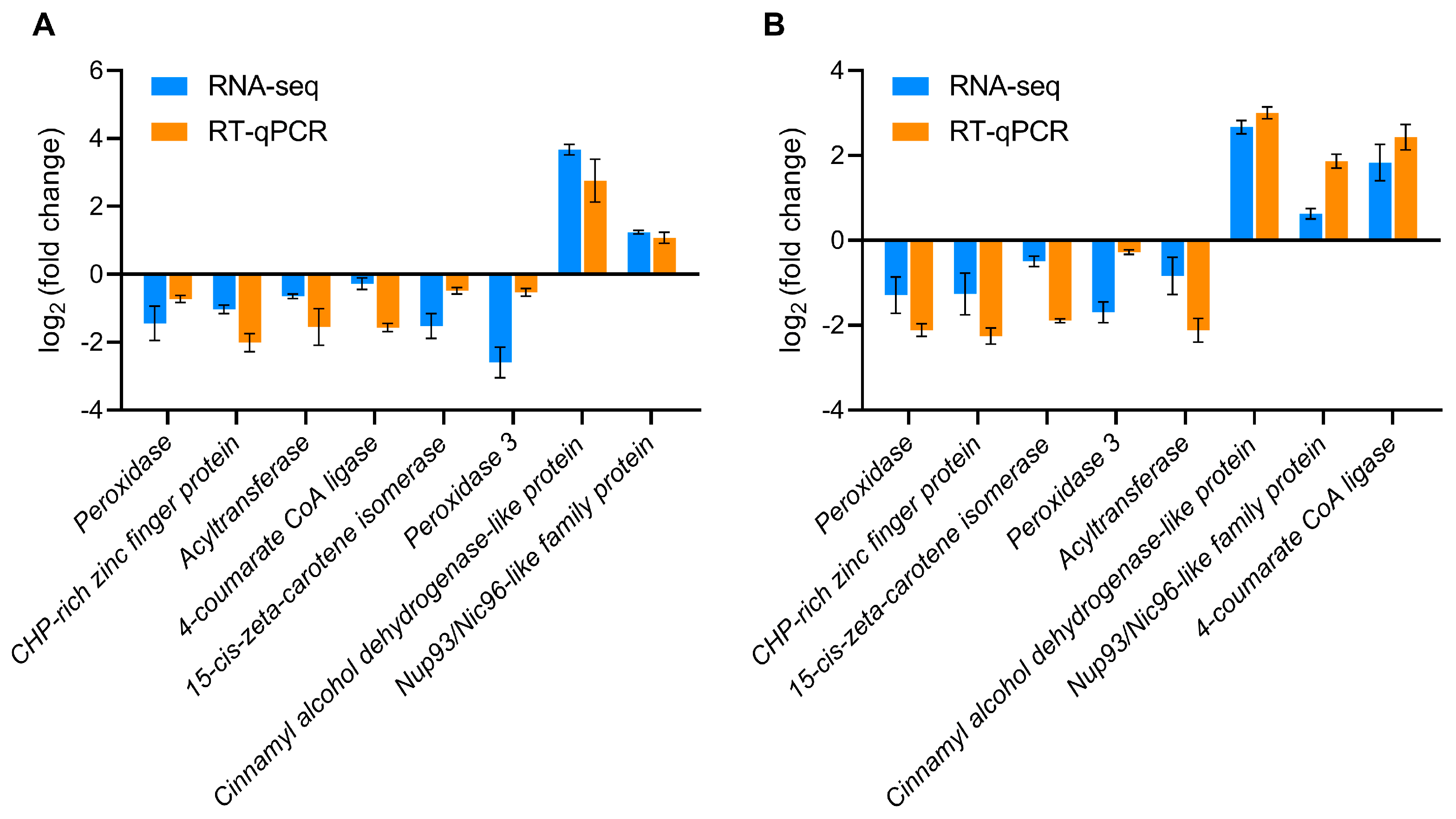
3.9. Validation of DEGs by RT-qPCR
4. Discussion
5. Conclusions
Supplementary Materials
Author Contributions
Funding
Data Availability Statement
Conflicts of Interest
Abbreviations
| A | Acclimated |
| AC | Ailsa craig |
| CAT | Catalase |
| COMT | Caffeic acid 3-O-methyltransferase |
| DEGs | Differentially expressed genes |
| EL | Electrolyte leakage |
| FKPM | Fragments Per Kilo-base of exon Per Million Fragments mapped |
| FW | Fresh weight |
| GO | Gene ontology |
| KEGG | Kyoto Encyclopedia of Genes and Genomes |
| MDA | Malondialdehyde |
| NA | Non-acclimated |
| Pn | Net photosynthetic rate |
| POD | Peroxidase |
| ROS | Reactive oxygen species |
| RT-qPCR | Quantitative real-time PCR |
| SOD | Superoxide dismutase |
References
- Peng, Y.; Zhu, H.; Wang, Y.; Kang, J.; Hu, L.; Li, L.; Zhu, K.; Yan, J.; Bu, X.; Wang, X.; et al. Revisiting the role of light signaling in plant responses to salt stress. Hortic. Res. 2025, 12, uhae262. [Google Scholar] [CrossRef]
- Wei, L.; Xu, D.; Zhou, L.; Chen, H.; Peng, Z.; Chen, G.; Wang, L.; Cao, H.; Peng, Y.; Geng, S.; et al. The critical role of CmCIPK1-CmRbohD1/D2 complexes in generating H2O2 signals for enhancing salt tolerance in pumpkin. Hortic. Plant J. 2025, 11, 804–815. [Google Scholar] [CrossRef]
- Zhao, C.; Zhang, H.; Song, C.; Zhu, J.K.; Shabala, S. Mechanisms of plant responses and adaptation to soil salinity. Innovation 2020, 1, 100017. [Google Scholar] [CrossRef]
- Pandolfi, C.; Azzarello, E.; Mancuso, S.; Shabala, S. Acclimation improves salt stress tolerance in Zea mays plants. J. Plant Physiol. 2016, 201, 1–8. [Google Scholar] [CrossRef]
- Forlani, G. Enhancement of antioxidant enzymatic defenses in salt-adapted rice seedlings. Agriculture 2025, 15, 1234. [Google Scholar] [CrossRef]
- Janda, T.; Darko, E.; Shehata, S.; Kovacs, V.; Pal, M.; Szalai, G. Salt acclimation processes in wheat. Plant Physiol. Biochem. 2016, 101, 68–75. [Google Scholar] [CrossRef] [PubMed]
- Zuo, Z.; Guo, J.; Xin, C.; Liu, S.; Mao, H.; Wang, Y.; Li, X. Salt acclimation induced salt tolerance in wild-type and abscisic acid-deficient mutant barley. Plant Soil Environ. 2019, 65, 516–521. [Google Scholar] [CrossRef]
- Tyburski, J.; Mucha, N. Antioxidant response in the salt-acclimated red beet (Beta vulgaris) callus. Agronomy 2023, 13, 2284. [Google Scholar] [CrossRef]
- Umezawa, T.; Shimizu, K.; Kato, M.; Ueda, T. Enhancement of salt tolerance in soybean with NaCl pretreatment. Physiol. Plant. 2000, 110, 59–63. [Google Scholar] [CrossRef]
- Pandolfi, C.; Mancuso, S.; Shabala, S. Physiology of acclimation to salinity stress in pea (Pisum sativum). Environ. Exp. Bot. 2012, 84, 44–51. [Google Scholar] [CrossRef]
- Sriskantharajah, K.; Chuamnakthong, S.; Osumi, S.; Nampei, M.; Ueda, A. Varietal differences in salt acclimation ability of rice. Cereal Res. Commun. 2022, 50, 419–427. [Google Scholar] [CrossRef]
- Pandolfi, C.; Bazihizina, N.; Giordano, C.; Mancuso, S.; Azzarello, E. Salt acclimation process: A comparison between a sensitive and a tolerant Olea europaea cultivar. Tree Physiol. 2017, 37, 380–388. [Google Scholar] [CrossRef]
- Shaukat, M.; Wu, J.; Fan, M.; Hussain, S.; Yao, J.; Serafim, M.E. Acclimation improves salinity tolerance capacity of pea by modulating potassium ions sequestration. Sci. Hortic. 2019, 254, 193–198. [Google Scholar] [CrossRef]
- Arnon, D.I. Copper enzymes in isolated chloroplasts. Polyphenoloxidase in Beta vulgaris. Plant Physiol. 1949, 24, 1–15. [Google Scholar] [CrossRef] [PubMed]
- Zhong, M.; Cui, Q.; Yang, Y.; Zhang, K.; Liu, X.; Pang, G.; Yang, L.; Guo, S.; Sun, J.; Wang, Y. Tomato TGase positively regulates thermotolerance by inducing polyamine to activate autophagy. J. Integr. Plant Biol. 2025, 67, 2350–2365. [Google Scholar] [CrossRef]
- Hodges, D.M.; DeLong, J.M.; Forney, C.F.; Prange, R.K. Improving the thiobarbituric acid-reactive-substances assay for estimating lipid peroxidation in plant tissues containing anthocyanin and other interfering compounds. Planta 1999, 207, 604–611. [Google Scholar] [CrossRef]
- Bates, L.S.; Waldren, R.P.; Teare, I.D. Rapid determination of free proline for water-stress studies. Plant Soil 1973, 39, 205–207. [Google Scholar] [CrossRef]
- Bradford, M.M. A rapid and sensitive method for the quantitation of microgram quantities of protein utilizing the principle of protein-dye binding. Anal. Biochem. 1976, 72, 248–254. [Google Scholar] [CrossRef] [PubMed]
- Lv, Y.; Xu, N.; Ha, M.; Tan, Z.; Guo, S.; Wang, J.; Wang, Y.; Sang, T.; Shu, S. Bacillus cereus enhances salt tolerance of cucumber seedlings by improving antioxidant metabolism and decreasing the ion toxicity. Sci. Hortic. 2024, 328, 112885. [Google Scholar] [CrossRef]
- Trapnell, C.; Roberts, A.; Goff, L.; Pertea, G.; Kim, D.; Kelley, D.R.; Pimentel, H.; Salzberg, S.L.; Rinn, J.L.; Pachter, L. Differential gene and transcript expression analysis of RNA-seq experiments with TopHat and Cufflinks. Nat. Protoc. 2012, 7, 562–578. [Google Scholar] [CrossRef]
- Love, M.I.; Huber, W.; Anders, S. Moderated estimation of fold change and dispersion for RNA-seq data with DESeq2. Genome Biol. 2014, 15, 550. [Google Scholar] [CrossRef] [PubMed]
- Xie, C.; Mao, X.; Huang, J.; Ding, Y.; Wu, J.; Dong, S.; Kong, L.; Gao, G.; Li, C.Y.; Wei, L. KOBAS 2.0: A web server for annotation and identification of enriched pathways and diseases. Nucleic Acids Res. 2011, 39, W316–W322. [Google Scholar] [CrossRef]
- Livak, K.J.; Schmittgen, T.D. Analysis of relative gene expression data using real-time quantitative PCR and the 2−ΔΔCT method. Methods 2001, 25, 402–408. [Google Scholar] [CrossRef] [PubMed]
- Habibi, N.; Tayobong, R.R.P.; Parneel, N.; Terada, N.; Sanada, A.; Koshio, K. Novel insights into seed priming for tomato plants: Restoring root vitality in the face of salt stress. Hortic. Environ. Biotechnol. 2025, 66, 361–380. [Google Scholar] [CrossRef]
- Zhang, X.; Han, C.; Liang, Y.; Yang, Y.; Liu, Y.; Cao, Y. Combined full-length transcriptomic and metabolomic analysis reveals the regulatory mechanisms of adaptation to salt stress in asparagus. Front. Plant Sci. 2022, 13, 1050840. [Google Scholar] [CrossRef]
- Butt, M.; Sattar, A.; Abbas, T.; Sher, A.; Ijaz, M.; Ul-Allah, S.; Shaheen, M.R.; Kaleem, F. Foliage applied proline induces salt tolerance in chili genotypes by regulating photosynthetic attributes, ionic homeostasis, and antioxidant defense mechanisms. Hortic. Environ. Biotechnol. 2020, 61, 693–702. [Google Scholar] [CrossRef]
- Nakhaie, A.; Habibi, G.; Vaziri, A. Exogenous proline enhances salt tolerance in acclimated Aloe vera by modulating photosystem II efficiency and antioxidant defense. S. Afr. J. Bot. 2022, 147, 1171–1180. [Google Scholar] [CrossRef]
- Feng, J.; He, Y.; Bai, P.; Wang, J.; Chen, J.; Shang, X.; Wu, Y.; Yu, J.; Tang, Z.; Liu, Z.; et al. Methyl jasmonate mediates ALA-induced salt tolerance in tomato seedlings. Horticulturae 2025, 11, 1363. [Google Scholar] [CrossRef]
- Hu, E.; Liu, M.; Zhou, R.; Jiang, F.; Sun, M.; Wen, J.; Zhu, Z.; Wu, Z. Relationship between melatonin and abscisic acid in response to salt stress of tomato. Sci. Hortic. 2021, 285, 110176. [Google Scholar] [CrossRef]
- Dong, H.; Di, Y.; Guo, Z.; Lou, S.; Ji, Z.; Wang, Z.; Li, P.; Zhou, Y.; Yu, J.; Hu, C. The CRYPTOCHROME 1a–ELONGATED HYPOCOTYL 5 module regulates blue light-induced salt stress tolerance in tomato. Plant Physiol. 2025, 199, kiaf538. [Google Scholar] [CrossRef]
- Naliwajski, M.; Sklodowska, M. The relationship between the antioxidant system and proline metabolism in the leaves of cucumber plants acclimated to salt stress. Cells 2021, 10, 609. [Google Scholar] [CrossRef]
- Yan, F.; Wei, H.; Ding, Y.; Li, W.; Liu, Z.; Chen, L.; Tang, S.; Ding, C.; Jiang, Y.; Li, G. Melatonin regulates antioxidant strategy in response to continuous salt stress in rice seedlings. Plant Physiol. Biochem. 2021, 165, 239–250. [Google Scholar] [CrossRef] [PubMed]
- Yao, Y.; Yang, Y.; Pan, Y.; Liu, Z.; Hou, X.; Li, Y.; Zhang, H.; Wang, C.; Liao, W. Crucial roles of trehalose and 5-azacytidine in alleviating salt stress in tomato: Both synergistically and independently. Plant Physiol. Biochem. 2023, 203, 108075. [Google Scholar] [CrossRef]
- Alinia, M.; Kazemeini, S.A.; Meftahizadeh, H.; Mastinu, A. Alleviating salinity stress in Cyamopsis tetragonoloba L. seedlings through foliar application of silicon or melatonin in arid and semi-desert environments. S. Afr. J. Bot. 2024, 174, 347–359. [Google Scholar] [CrossRef]
- Liu, X.; Shang, C.; Duan, P.; Yang, J.; Wang, J.; Sui, D.; Chen, G.; Li, X.; Li, G.; Hu, S.; et al. The SlWRKY42-SlMYC2 module synergistically enhances tomato saline-alkali tolerance by activating the jasmonic acid signaling and spermidine biosynthesis pathway. J. Integr. Plant Biol. 2025, 67, 1254–1273. [Google Scholar] [CrossRef]
- Yang, X.; Qin, H.; Zhou, Y.; Mai, Z.; Chai, X.; Guo, J.; Kang, Y.; Zhong, M. HB52-PUT2 module-mediated polyamine shoot-to-root movement regulates salt stress tolerance in tomato. Plant Cell Environ. 2025, 48, 5148–5163. [Google Scholar] [CrossRef]
- Saleem, N.; Noreen, S.; Akhter, M.S.; Alshaharni, M.O.; Athar, H.; Alzuaibr, F.M.; Al-zoubi, O.M.; Mahmood, S. Ascorbic acid-mediated enhancement of antioxidants and photosynthetic efficiency: A strategy for enhancing canola yield under salt stress. S. Afr. J. Bot. 2024, 173, 196–207. [Google Scholar] [CrossRef]
- Chang, J.; Wang, Y.; Chu, J.; Huang, Y.; Ling, Y.; Jiang, X. Comparative salt stress responses in two turnip cultivars: Insights into ion homeostasis, osmotic regulation, and antioxidant capacity. Hortic. Environ. Biotechnol. 2025, 66, 615–626. [Google Scholar] [CrossRef]
- Cao, Y.H.; Lu, Z.L.; Li, Y.H.; Jiang, Y.; Zhang, J.L. Integrated metabolomic and transcriptomic analysis reveals the role of root phenylpropanoid biosynthesis pathway in the salt tolerance of perennial ryegrass. BMC Plant Biol. 2024, 24, 1225. [Google Scholar] [CrossRef]
- Yuan, L.; Dang, J.; Zhang, J.; Wang, L.; Zheng, H.; Li, G.; Li, J.; Zhou, F.; Khan, A.; Zhang, Z.; et al. A glutathione S-transferase regulates lignin biosynthesis and enhances salt tolerance in tomato. Plant Physiol. 2024, 196, 2989–3006. [Google Scholar] [CrossRef]
- Yao, T.; Feng, K.; Xie, M.; Barros, J.; Tschaplinski, T.J.; Tuskan, G.A.; Muchero, W.; Chen, J.G. Phylogenetic occurrence of the phenylpropanoid pathway and lignin biosynthesis in plants. Front. Plant Sci. 2021, 12, 704697. [Google Scholar] [CrossRef] [PubMed]
- Ho, W.W.H.; Hill, C.B.; Doblin, M.S.; Shelden, M.C.; van de Meene, A.; Rupasinghe, T.; Bacic, A.; Roessner, U. Integrative multi-omics analyses of barley rootzones under salinity stress reveal two distinctive salt tolerance mechanisms. Plant Commun. 2020, 1, 100031. [Google Scholar] [CrossRef] [PubMed]
- Zhu, Y.; Wang, Q.; Wang, Y.; Xu, Y.; Li, J.; Zhao, S.; Wang, D.; Ma, Z.; Yan, F.; Liu, Y. Combined transcriptomic and metabolomic analysis reveals the role of phenylpropanoid biosynthesis pathway in the salt tolerance process of Sophora alopecuroides. Int. J. Mol. Sci. 2021, 22, 2399. [Google Scholar] [CrossRef] [PubMed]
- Zhang, Q.; Wang, S.; Qin, B.; Sun, H.; Yuan, X.; Wang, Q.; Xu, J.; Yin, Z.; Du, Y.; Du, J.; et al. Analysis of the transcriptome and metabolome reveals phenylpropanoid mechanism in common bean (Phaseolus vulgaris) responding to salt stress at sprout stage. Food Energy Secur. 2023, 12, e481. [Google Scholar] [CrossRef]
- Chun, H.J.; Baek, D.; Cho, H.M.; Jung, H.S.; Jeong, M.S.; Jung, W.H.; Choi, C.W.; Lee, S.H.; Jin, B.J.; Park, M.S.; et al. Metabolic adjustment of Arabidopsis root suspension cells during adaptation to salt stress and mitotic stress memory. Plant Cell Physiol. 2019, 60, 612–625. [Google Scholar] [CrossRef]
- Chun, H.J.; Baek, D.; Cho, H.M.; Lee, S.H.; Jin, B.J.; Yun, D.J.; Hong, Y.S.; Kim, M.C. Lignin biosynthesis genes play critical roles in the adaptation of Arabidopsis plants to high-salt stress. Plant Signal. Behav. 2019, 14, 1625697. [Google Scholar] [CrossRef]
- Cao, B.; Li, N.; Xu, K. Crosstalk of phenylpropanoid biosynthesis with hormone signaling in Chinese cabbage is key to counteracting salt stress. Environ. Exp. Bot. 2020, 179, 104209. [Google Scholar] [CrossRef]
- Liu, C.; Pan, Z.; Wang, X.; Gao, J.; He, J.; Liao, Z.; Zhang, H.; Xia, N.; Yu, Y.; Li, Y.; et al. Overexpression of phosphatidylserine synthase IbPSS1 enhances salt tolerance by stimulating ethylene signaling-dependent lignin synthesis in sweetpotato roots. Plant Physiol. Biochem. 2024, 212, 108727. [Google Scholar] [CrossRef]
- Wang, Z.; Hong, Y.; Li, D.; Wang, Z.; Chao, Z.F.; Yu, Y.; Zhu, G.; Zhu, J.K. Association analysis provides insights into molecular evolution in salt tolerance during tomato domestication. Plant Physiol. 2024, 196, 2721–2729. [Google Scholar] [CrossRef]
- Kamanga, R.M.; Echigo, K.; Yodoya, K.; Mekawy, A.M.M.; Ueda, A. Salinity acclimation ameliorates salt stress in tomato (Solanum lycopersicum L.) seedlings by triggering a cascade of physiological processes in the leaves. Sci. Hortic. 2020, 270, 109434. [Google Scholar] [CrossRef]
- Zhong, M.; Song, R.; Wang, Y.; Shu, S.; Sun, J.; Guo, S. TGase regulates salt stress tolerance through enhancing bound polyamines-mediated antioxidant enzymes activity in tomato. Environ. Exp. Bot. 2020, 179, 104191. [Google Scholar] [CrossRef]


Disclaimer/Publisher’s Note: The statements, opinions and data contained in all publications are solely those of the individual author(s) and contributor(s) and not of MDPI and/or the editor(s). MDPI and/or the editor(s) disclaim responsibility for any injury to people or property resulting from any ideas, methods, instructions or products referred to in the content. |
© 2026 by the authors. Licensee MDPI, Basel, Switzerland. This article is an open access article distributed under the terms and conditions of the Creative Commons Attribution (CC BY) license.
Share and Cite
Fan, N.; Li, R.; Liu, H.; Zhang, K.; Pang, G.; Liu, X.; Yang, L.; Sun, J.; Wang, Y. Integrated Physiological and Transcriptomic Analyses Reveal the Mechanism of Salt Acclimation-Induced Salinity Tolerance in Tomato Seedlings. Horticulturae 2026, 12, 159. https://doi.org/10.3390/horticulturae12020159
Fan N, Li R, Liu H, Zhang K, Pang G, Liu X, Yang L, Sun J, Wang Y. Integrated Physiological and Transcriptomic Analyses Reveal the Mechanism of Salt Acclimation-Induced Salinity Tolerance in Tomato Seedlings. Horticulturae. 2026; 12(2):159. https://doi.org/10.3390/horticulturae12020159
Chicago/Turabian StyleFan, Nuo, Ruiqing Li, Huixin Liu, Ke Zhang, Guan Pang, Xiaoying Liu, Lifei Yang, Jin Sun, and Yu Wang. 2026. "Integrated Physiological and Transcriptomic Analyses Reveal the Mechanism of Salt Acclimation-Induced Salinity Tolerance in Tomato Seedlings" Horticulturae 12, no. 2: 159. https://doi.org/10.3390/horticulturae12020159
APA StyleFan, N., Li, R., Liu, H., Zhang, K., Pang, G., Liu, X., Yang, L., Sun, J., & Wang, Y. (2026). Integrated Physiological and Transcriptomic Analyses Reveal the Mechanism of Salt Acclimation-Induced Salinity Tolerance in Tomato Seedlings. Horticulturae, 12(2), 159. https://doi.org/10.3390/horticulturae12020159