Article

Influence of Agricultural Practices on Soil Physicochemical Properties and Rhizosphere Microbial Communities in Apple Orchards in Xinjiang, China


1
Department of Horticulture, College of Agriculture, Shihezi University, Shihezi 832003, China
2
Key Laboratory of Special Fruits and Vegetables Cultivation Physiology and Germplasm Resources Utilization of Xinjiang Production and Construction Corps, Department of Horticulture, College of Agriculture, Shihezi University, Shihezi 832003, China
3
Department of Agronomy, College of Agriculture, Shihezi University, Shihezi 832003, China
*
Authors to whom correspondence should be addressed.
These authors contributed equally to this work.
Horticulturae 2025, 11(8), 891; https://doi.org/10.3390/horticulturae11080891

Submission received: 24 June 2025 / Revised: 22 July 2025 / Accepted: 22 July 2025 / Published: 1 August 2025
(This article belongs to the Section Fruit Production Systems)

Abstract

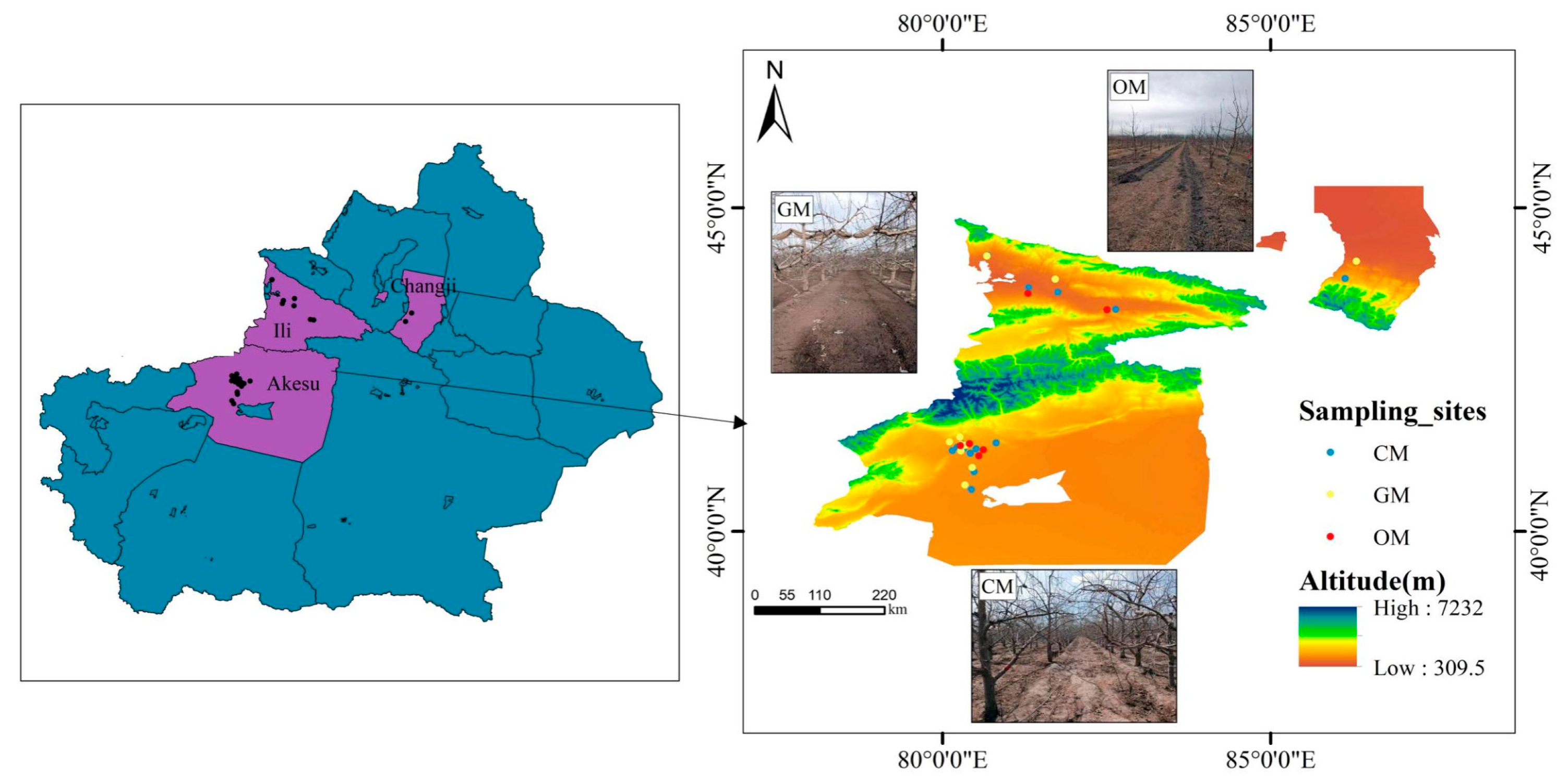
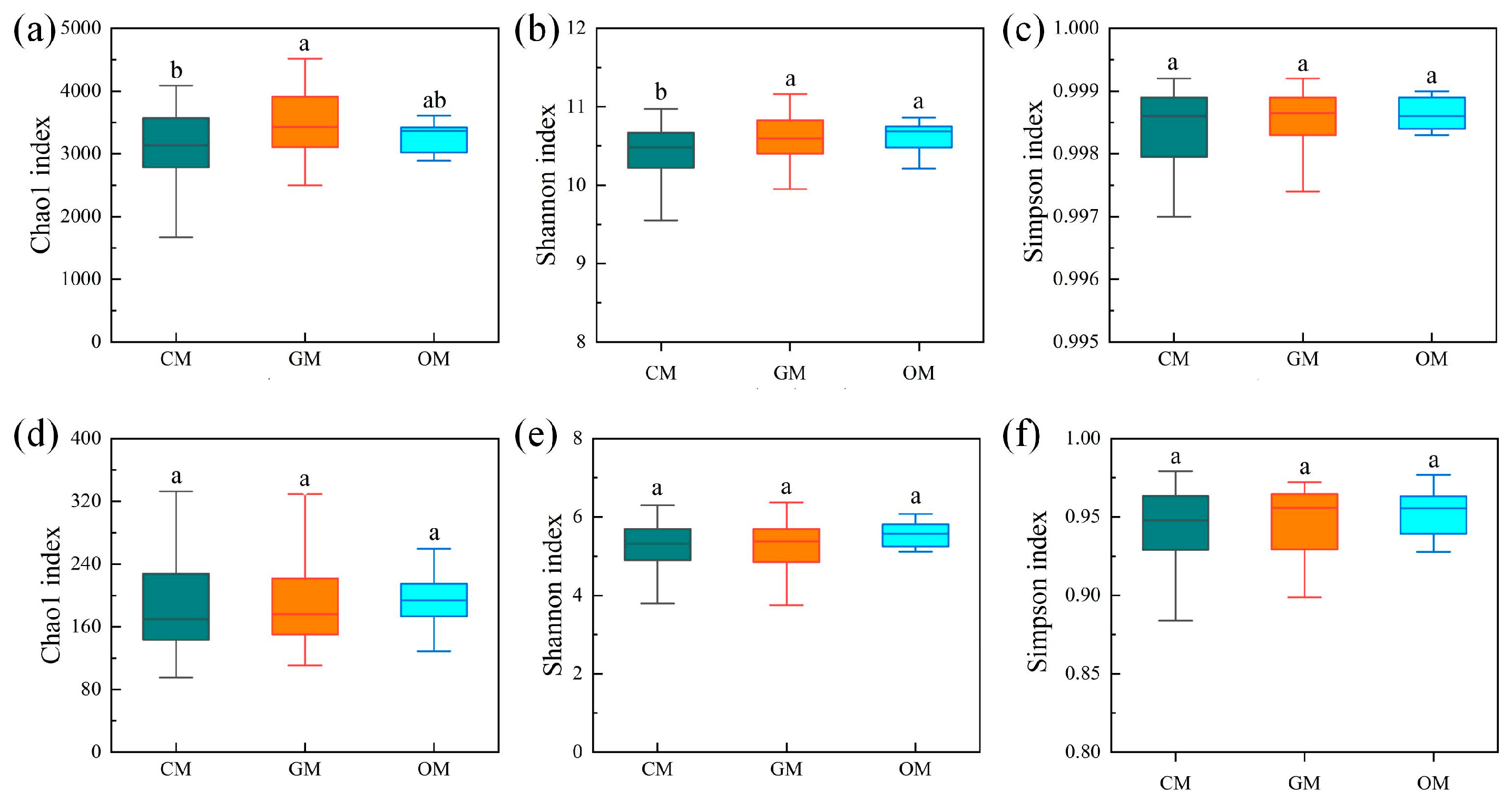
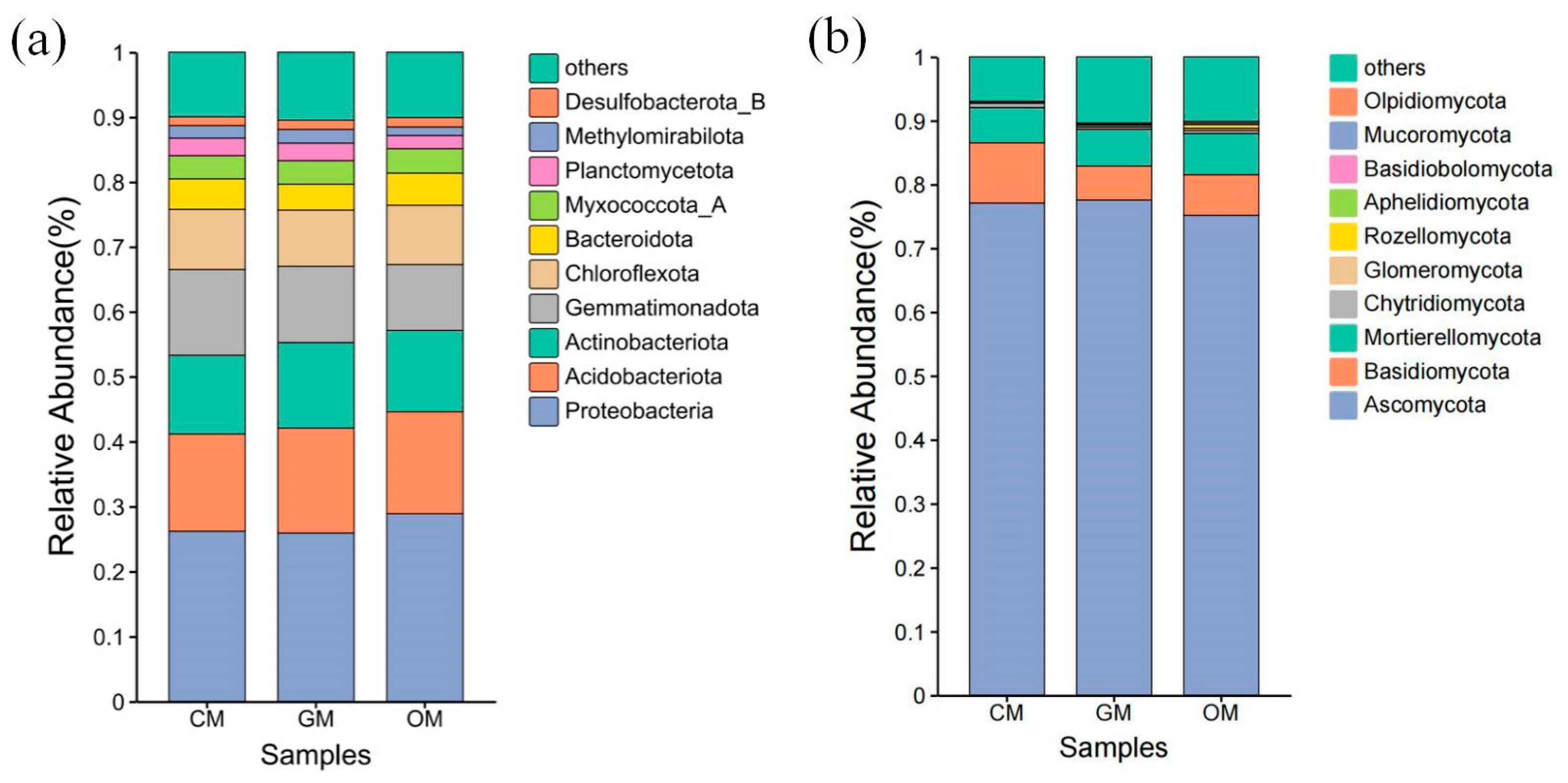
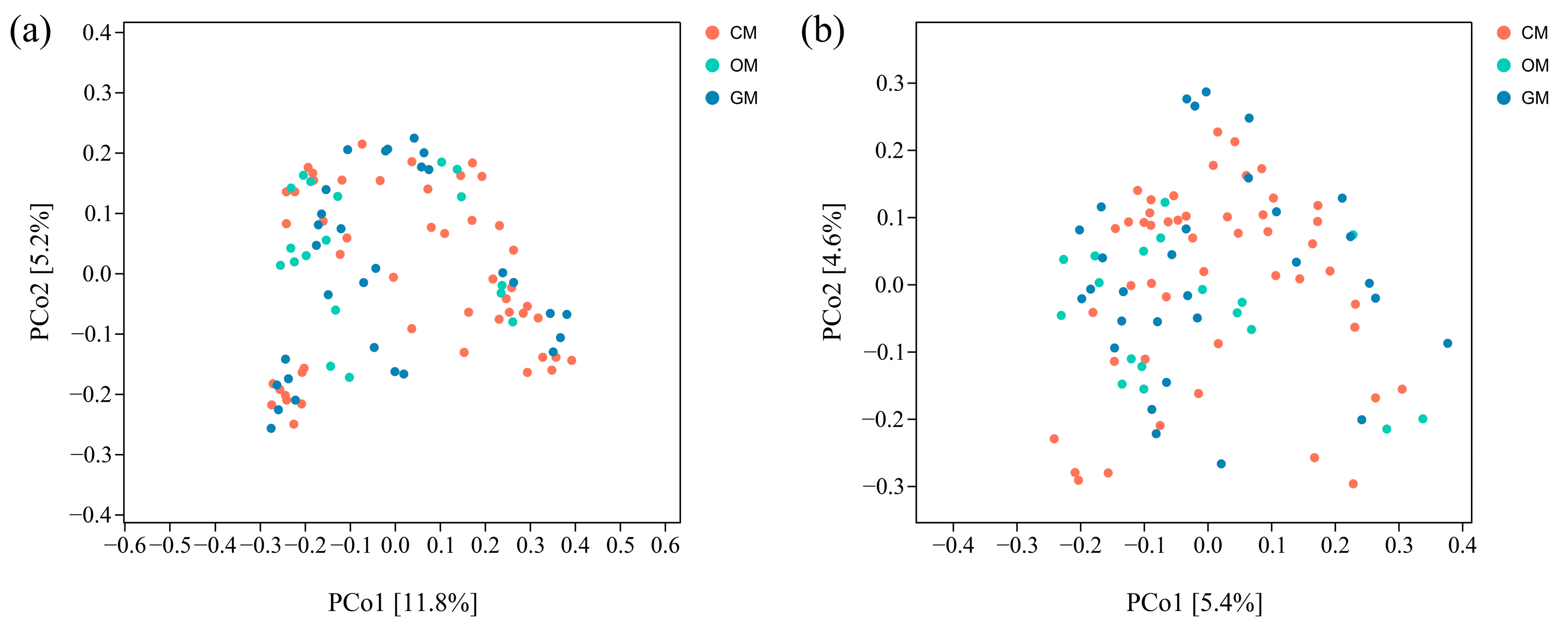
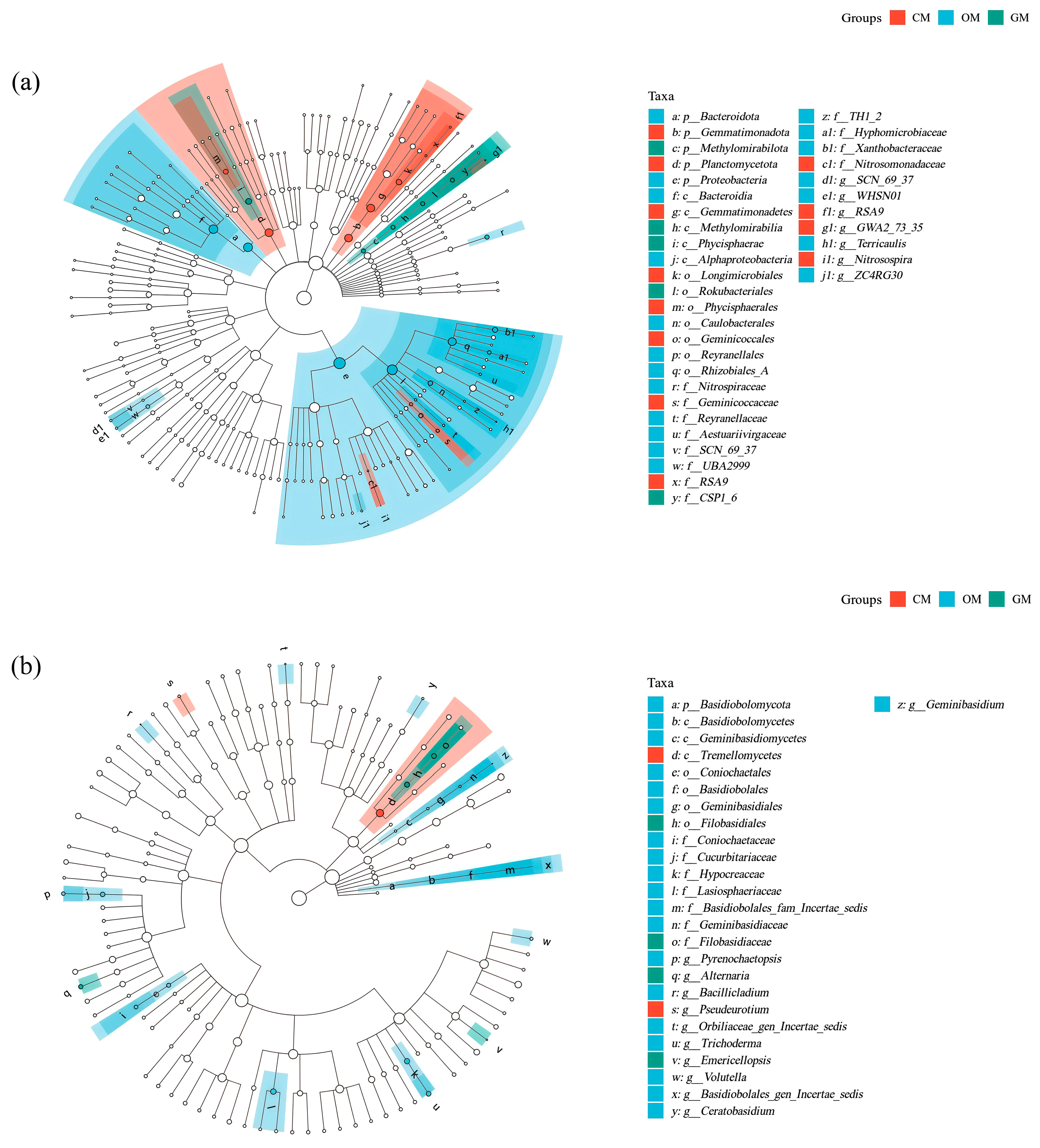
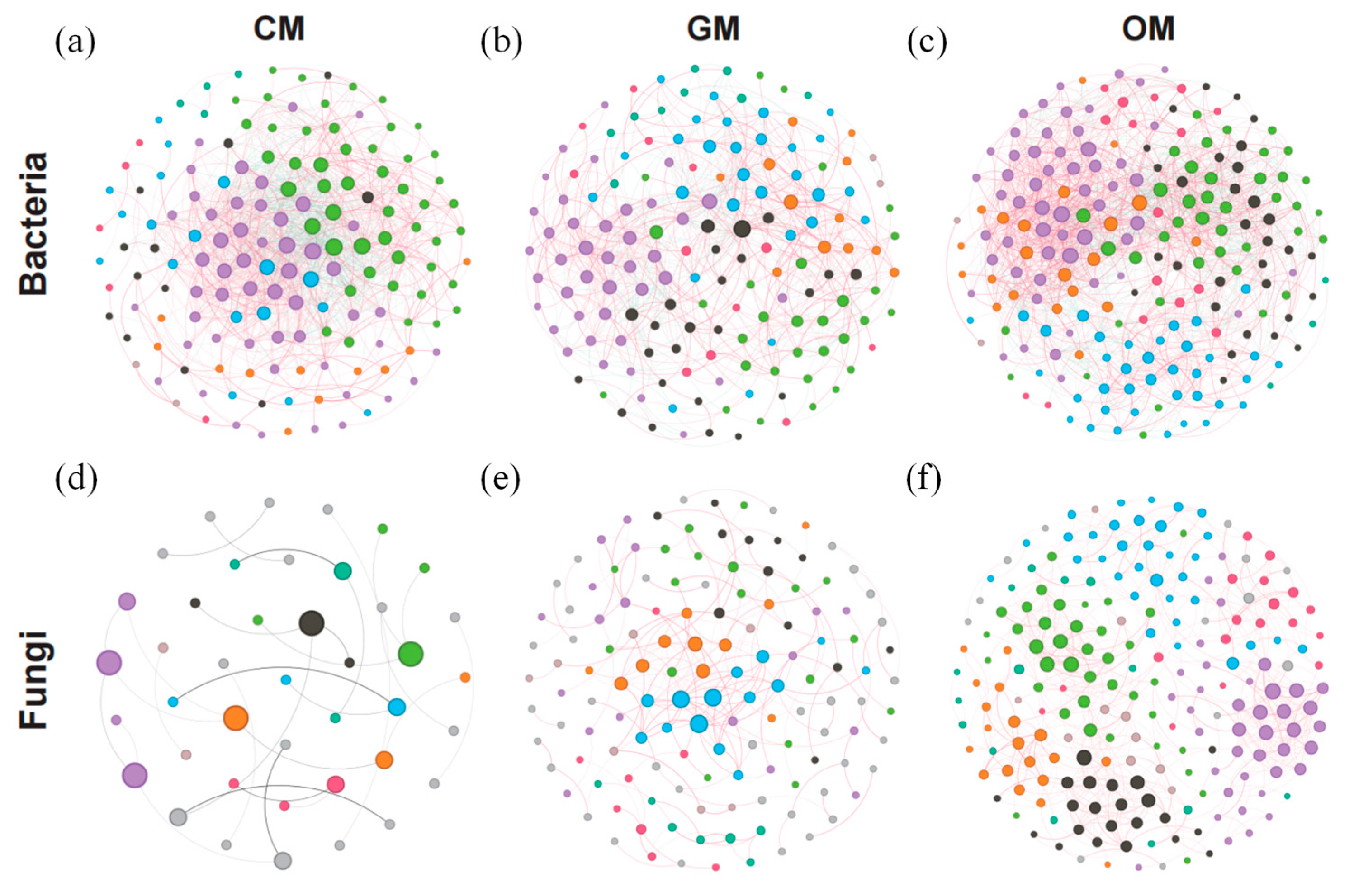
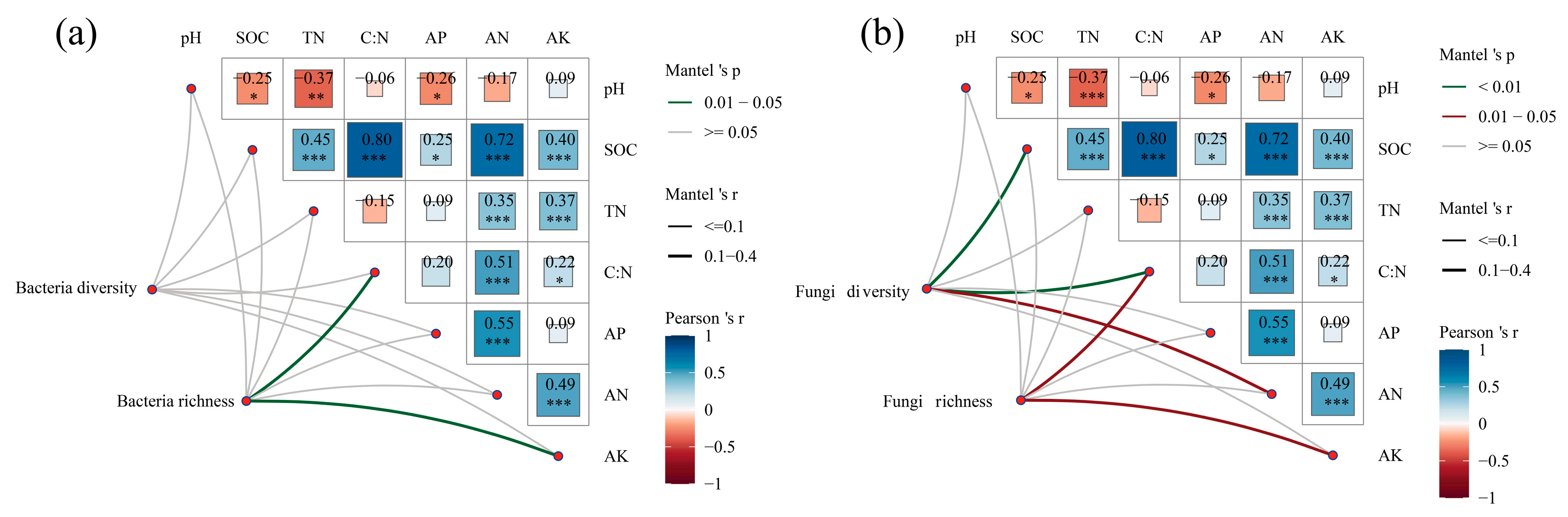
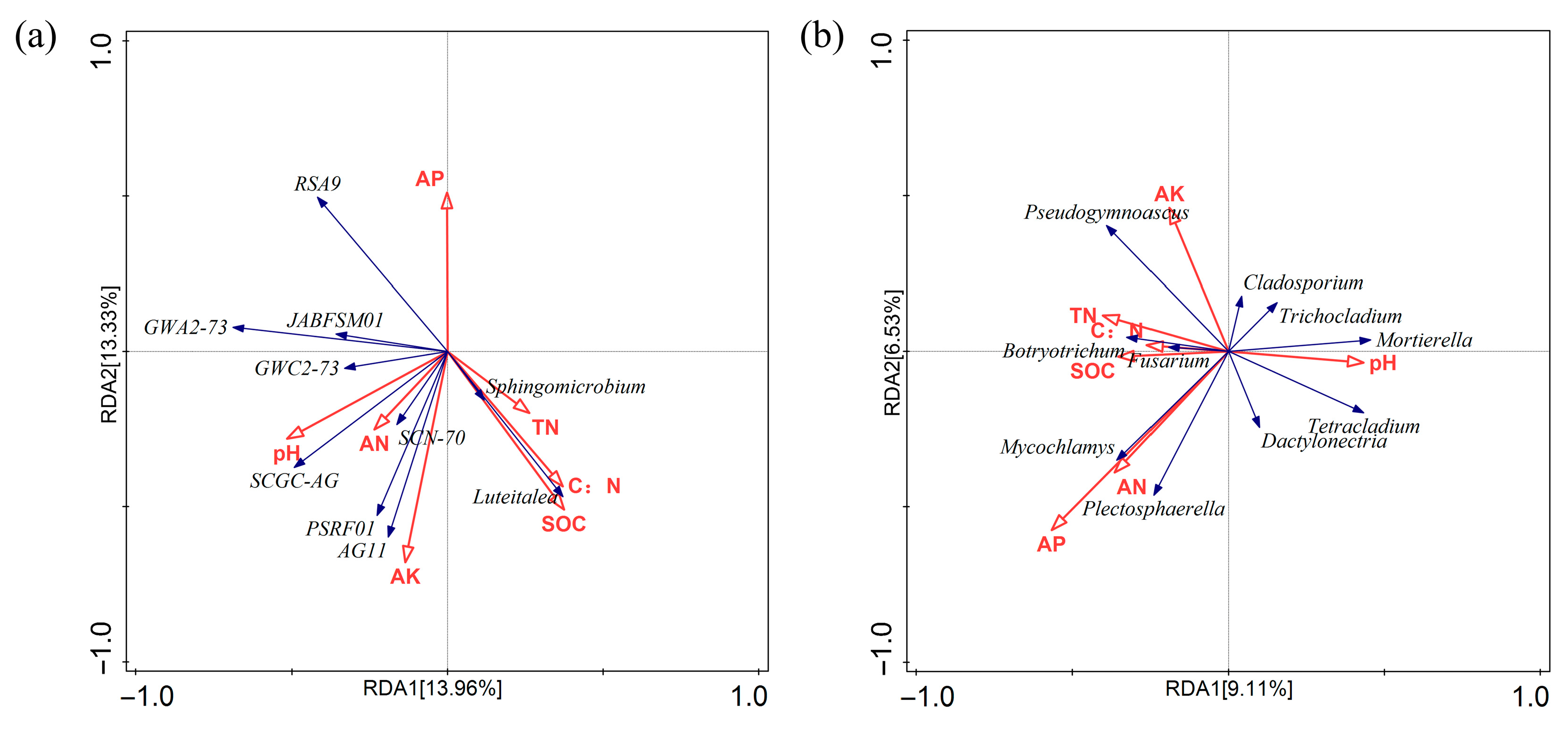
In response to the challenges posed by soil degradation in the arid regions of Xinjiang, China, green and organic management practices have emerged as effective alternatives to conventional agricultural management methods, helping to mitigate soil degradation by promoting natural soil recovery and ecological balance. However, most of the existing studies focus on a single management practice or indicator and lack a systematic assessment of the effects of integrated orchard management in arid zones. This study aims to investigate how different agricultural management practices influence soil physicochemical properties and inter-root microbial communities in apple orchards in Xinjiang and to identify the main physicochemical factors affecting the composition of inter-root microbial communities. Inter-root soil samples were collected from apple orchards under green management (GM), organic management (OM), and conventional management (CM) in major apple-producing regions of Xinjiang. Microbial diversity and community composition of the samples were analyzed using high-throughput amplicon sequencing. The results revealed significant differences (p < 0.05) in soil physicochemical properties across different management practices. Specifically, GM significantly reduced soil pH and C:N compared with OM. Both OM and GM significantly decreased soil available nutrient content compared with CM. Moreover, GM and OM significantly increased bacterial diversity and changed the community composition of bacteria and fungi. Proteobacteria and Ascomycota were identified as the dominant bacteria and fungi, respectively, in all management practices. Linear discriminant analysis (LEfSe) showed that biomarkers were more abundant under OM, suggesting that OM may contribute to ecological functions through specific microbial taxa. Co-occurrence network analysis (building a network of microbial interactions) demonstrated that the topologies of bacteria and fungi varied across different management practices and that OM increased the complexity of microbial co-occurrence networks. Mantel test analysis (analyzing soil factors and microbial community correlations) showed that C:N and available potassium (AK) were significantly and positively correlated with the community composition of bacteria and fungi, and that C:N, soil organic carbon (SOC), and alkaline hydrolyzable nitrogen (AN) were significantly and positively correlated with the diversity of fungi. Redundancy analysis (RDA) further indicated that SOC, C:N, and AK were the primary soil physicochemical factors influencing the composition of microbial communities. This study provides theoretical guidance for the sustainable management of orchards in arid zones.
Keywords: apple orchard; organic agriculture; soil quality; bacteria; fungi apple orchard; organic agriculture; soil quality; bacteria; fungi