Article

Strawberry Fruit Deformity Detection and Symmetry Quantification Using Deep Learning and Geometric Feature Analysis


1
Shandong Institute of Pomology, Tai’an 271018, China
2
School of Agricultural Engineering, Jiangsu University, Zhenjiang 212013, China
*
Author to whom correspondence should be addressed.
Horticulturae 2025, 11(6), 652; https://doi.org/10.3390/horticulturae11060652

Submission received: 12 May 2025 / Revised: 2 June 2025 / Accepted: 7 June 2025 / Published: 9 June 2025
(This article belongs to the Section Fruit Production Systems)

Abstract

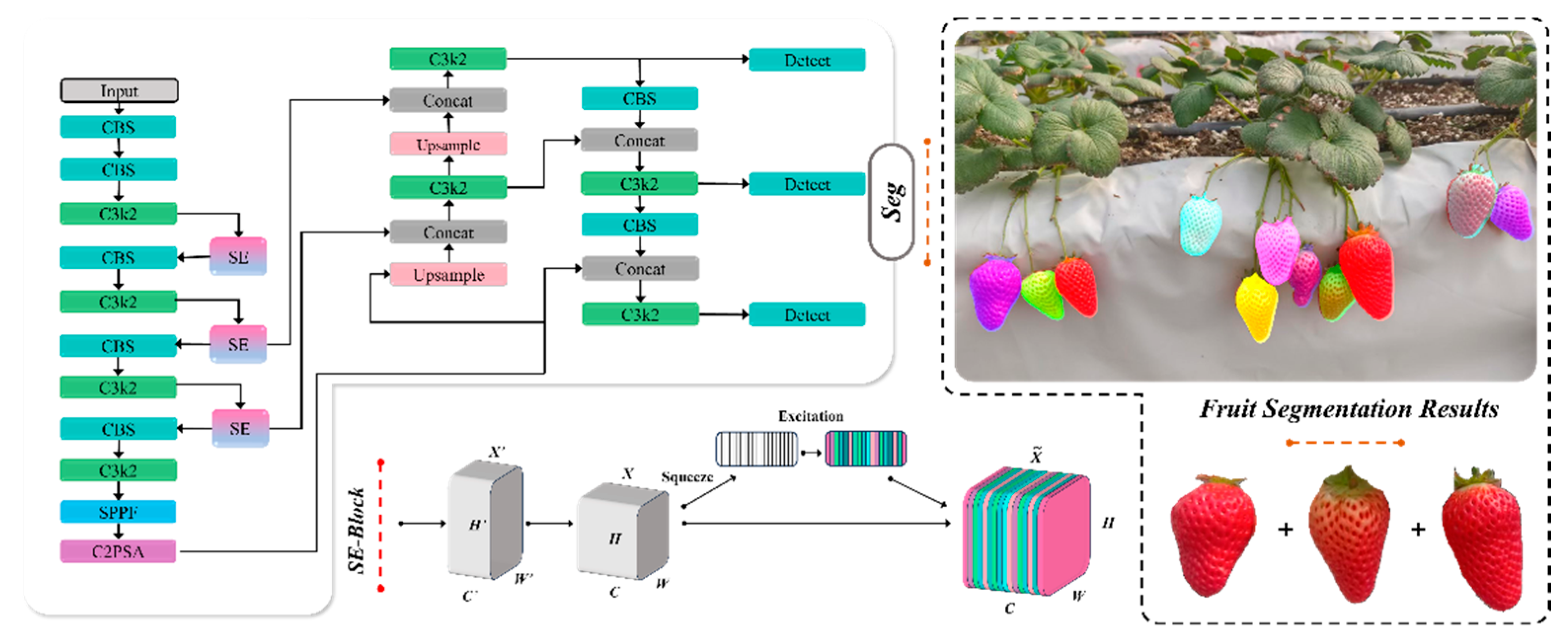
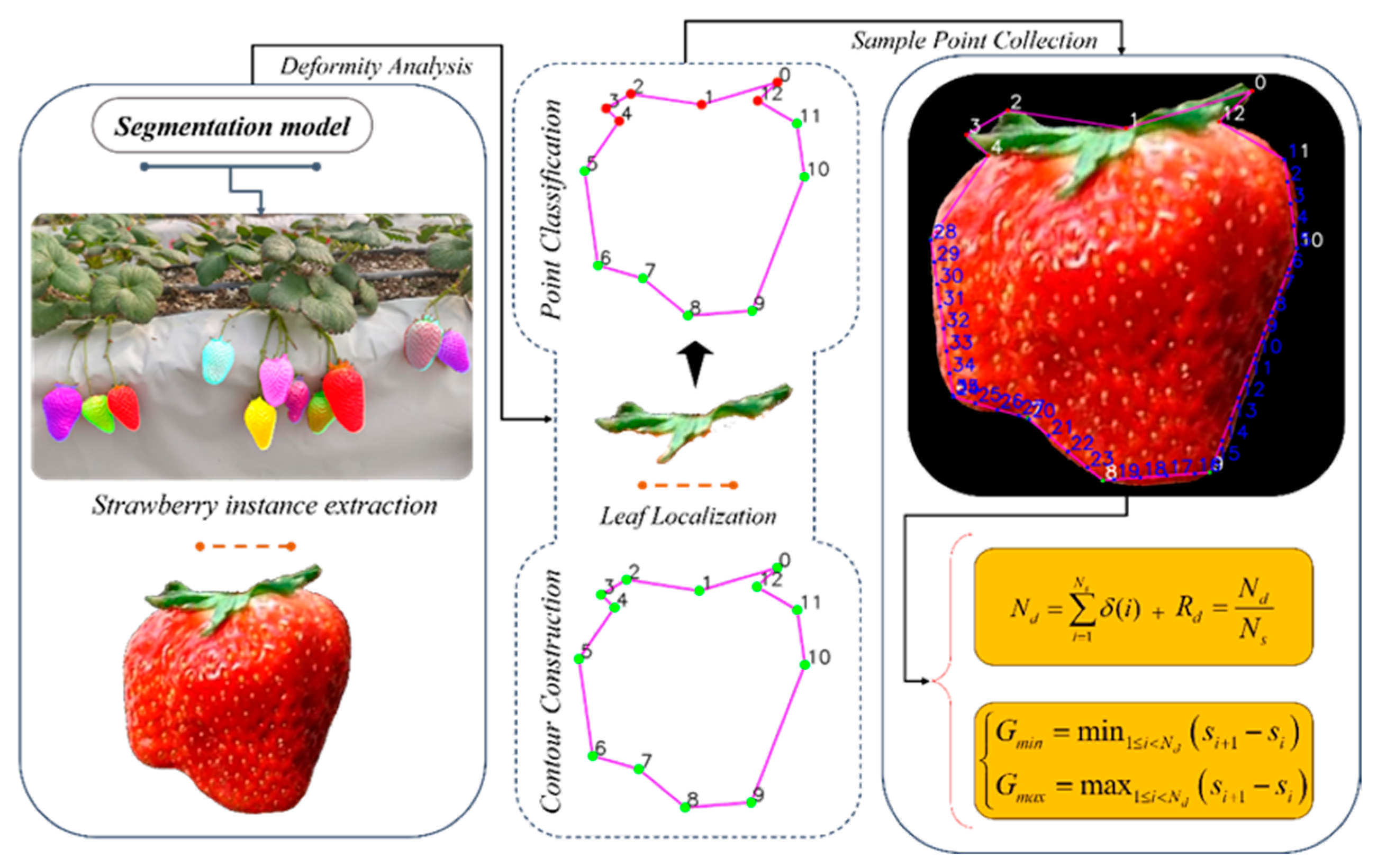
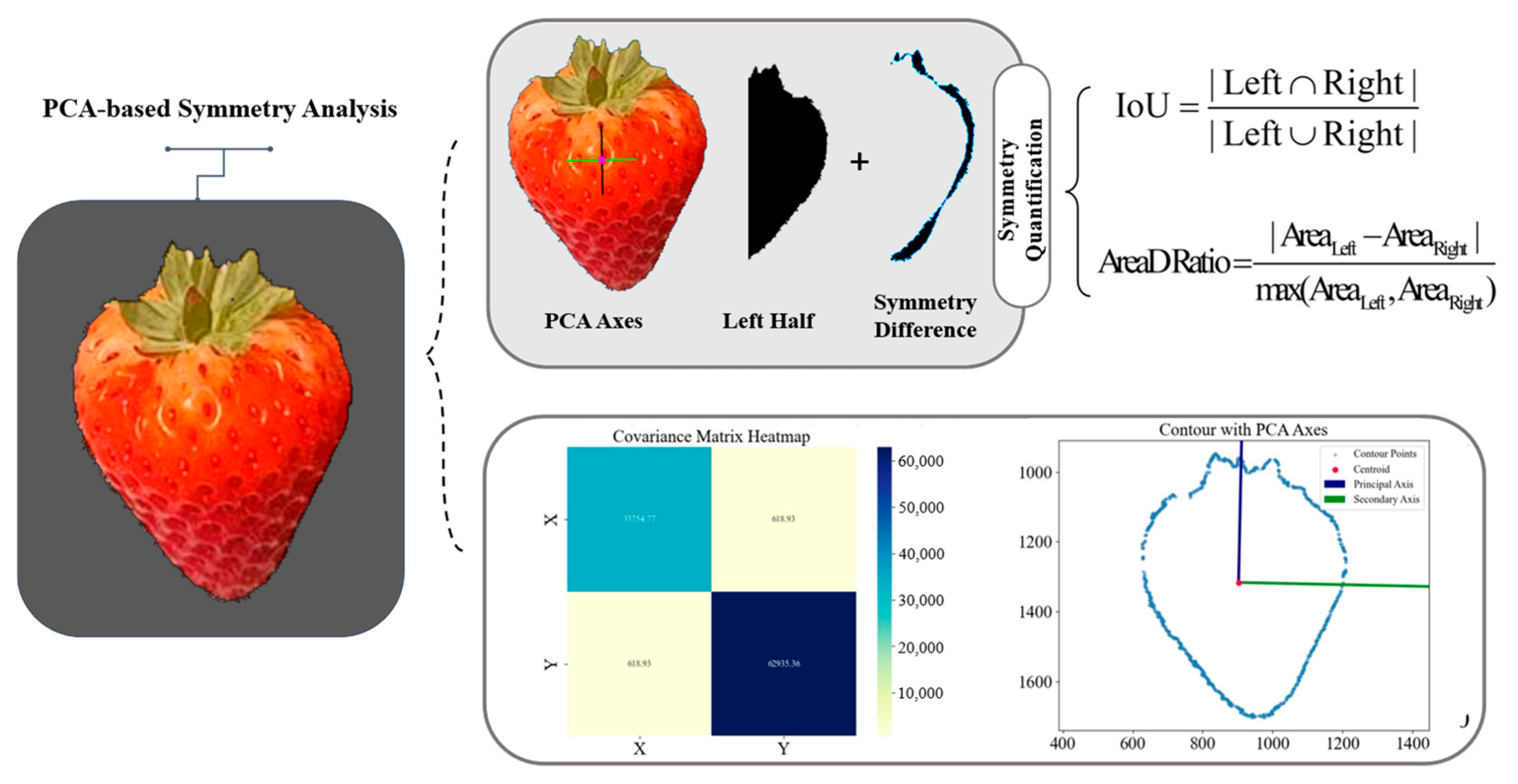
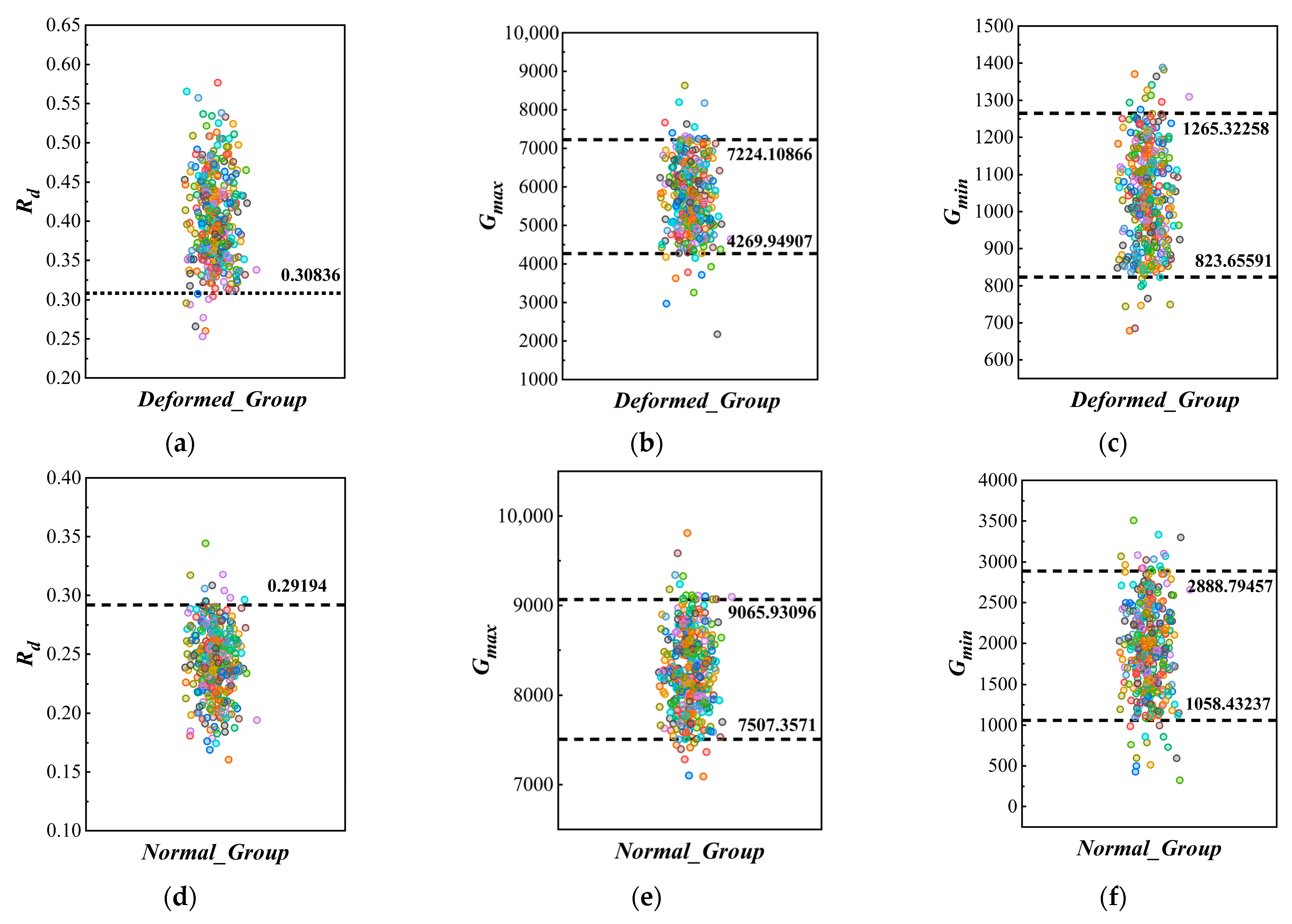
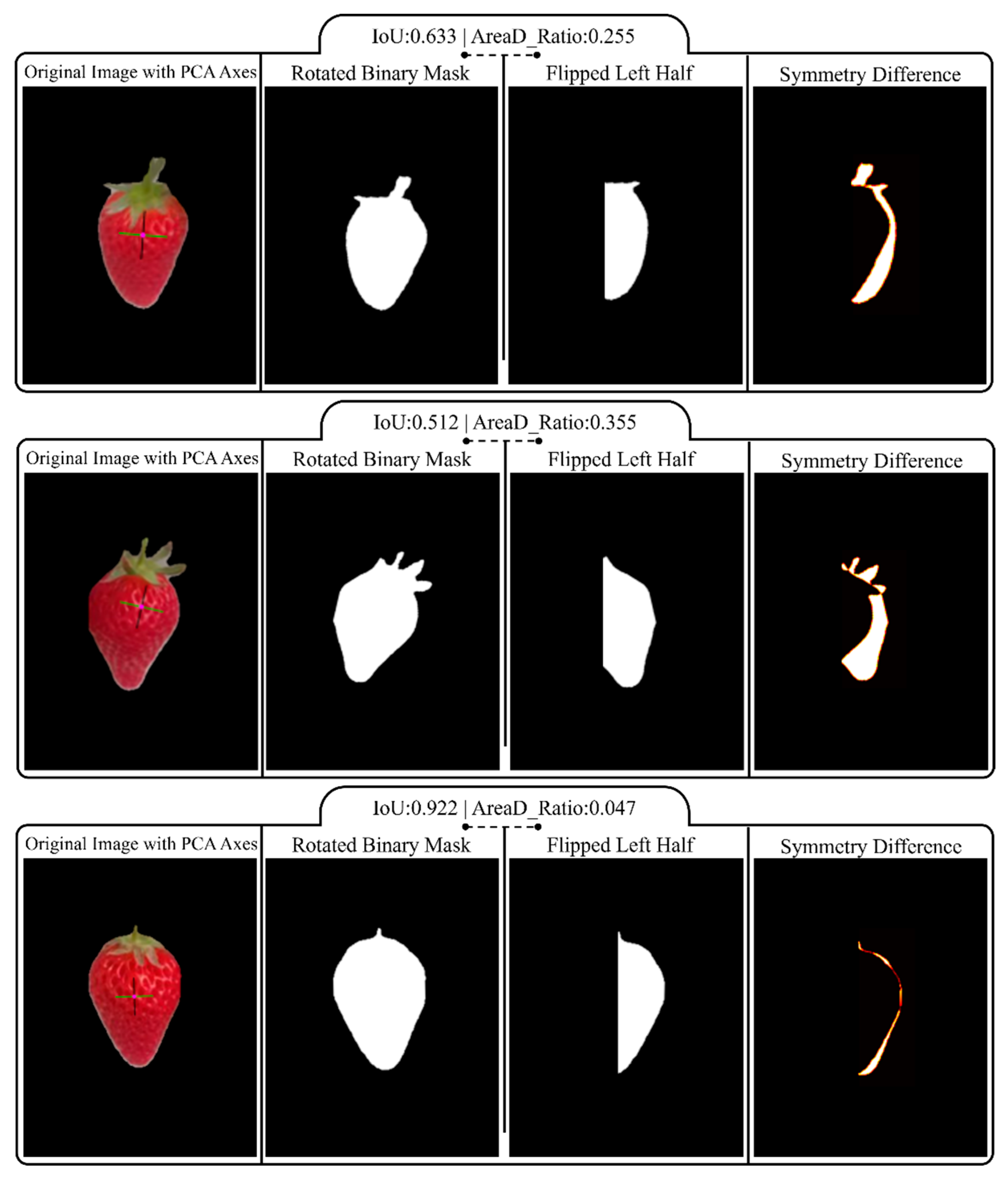
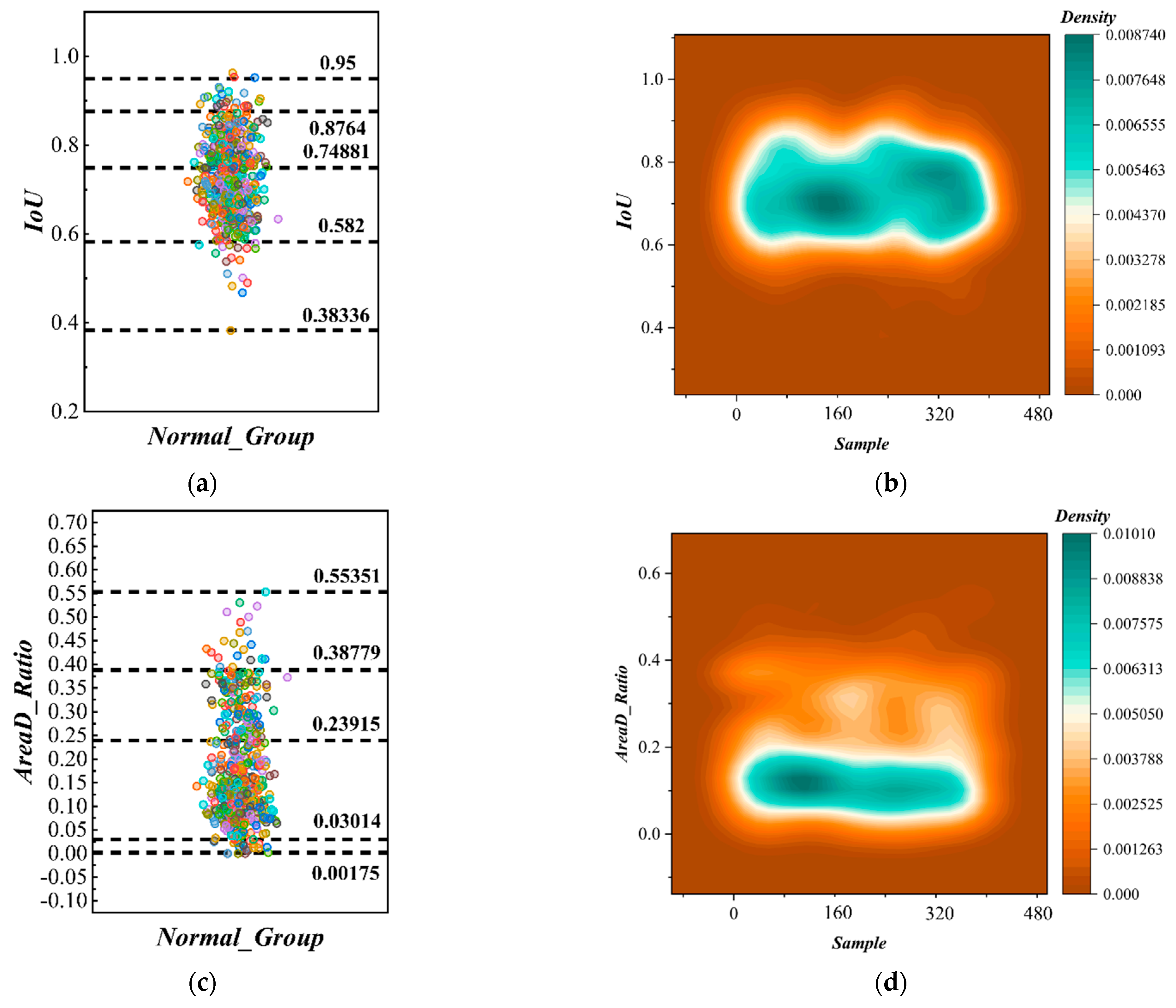
The external appearance of strawberry fruits serves as a critical criterion for their commercial value and grading standards. However, current research primarily emphasizes ripeness and surface defects, with limited attention given to the quantitative analysis of geometric characteristics such as deformity and symmetry. To address this gap, this study proposes a comprehensive evaluation framework that integrates deep learning-based segmentation with geometric analysis for strawberry appearance quality assessment. First, an enhanced YOLOv11 segmentation model incorporating a Squeeze-and-Excitation attention mechanism was developed to enable high-precision extraction of individual fruits, achieving Precision, Recall, AP50, and F1 scores of 91.11%, 87.46%, 92.90%, and 88.45%, respectively. Second, a deformity quantification method was designed based on the number of deformity points (Nd), deformity rate (Rd), and spatial distance metrics (Gmin and Gmax). Experimental results demonstrated significant differences in Rd and Gmax between deformed and normal strawberries, indicating strong classification capability. Finally, principal component analysis (PCA) was employed to extract the primary axis direction, and morphological symmetry was quantitatively evaluated using Intersection over Union (IoU) and Area Difference Ratio (AreaD_Ratio). The results revealed that most samples fell within an IoU range of 0.6–0.8 and AreaD_Ratio below 0.4, indicating noticeable inter-individual differences in fruit symmetry. This study aims to establish a three-stage analytical framework—segmentation, deformity quantification, and symmetry evaluation—for assessing strawberry appearance quality, with the goal of supporting key applications in automated grading and precision quality inspection.
Keywords: strawberry fruit; segmentation model; deformity detection; symmetry quantification analysis strawberry fruit; segmentation model; deformity detection; symmetry quantification analysis