
Characterization of the Bacterial Development and Antifungal Properties of Bacillus thuringiensis var. kurstaki HD-1 Obtained by Bioconversion of Agroindustrial Effluents

 ,
,  , , ,
, , ,
Abstract
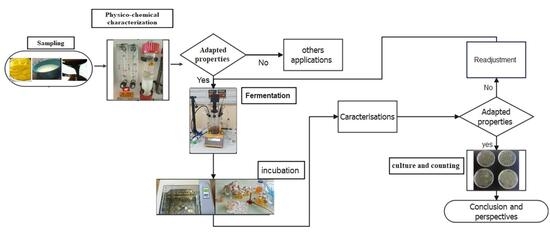
1. Introduction
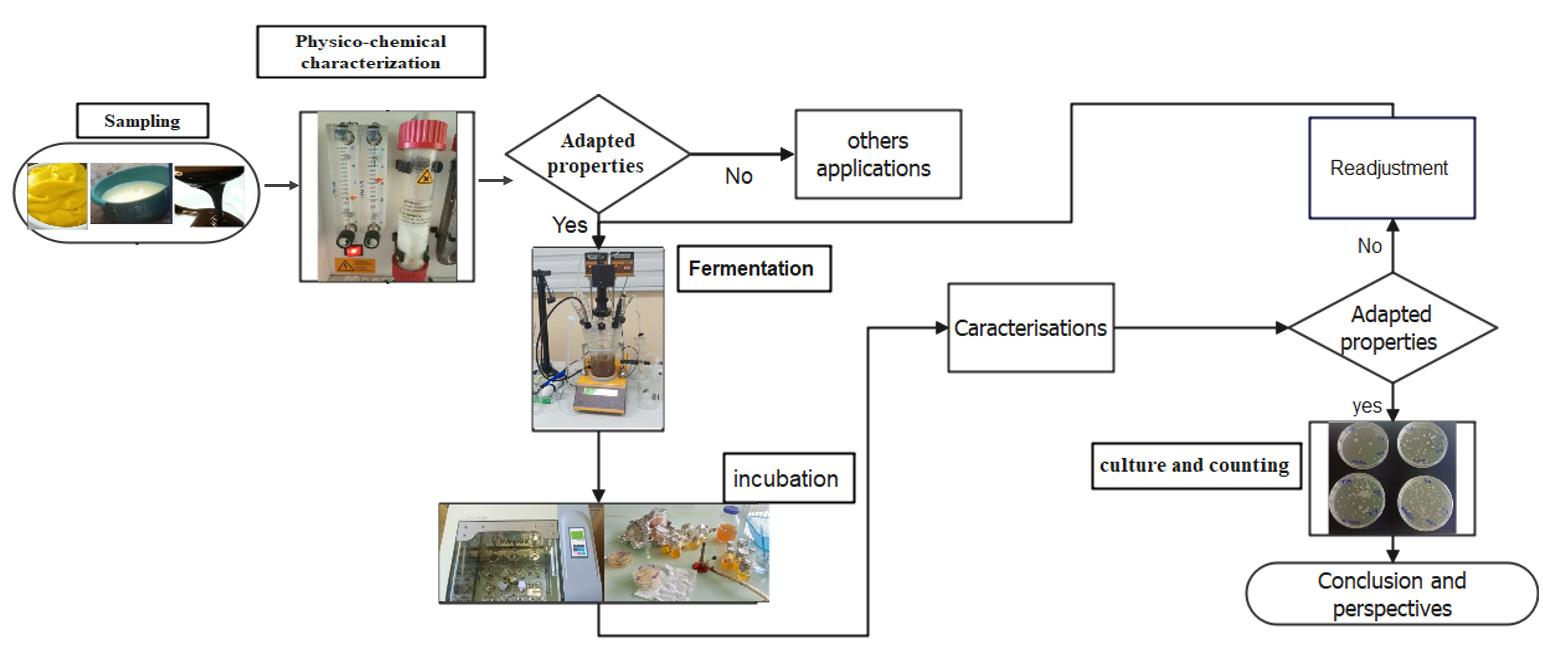
2. Materials and Methods
2.1. Collection of Agro-Industrial Effluents
- (i).
- Fermented cassava paste water (EFM);
- (ii).
- Ripe mango pulp (CM);
- (iii).
- Cashew apple juice (JPC).
2.2. Physicochemical Characterization of Agro-Industrial Effluents
2.3. Preparation of Fermentation Substrates
2.4. Bacterial Strain and Inoculum Preparation
2.5. Submerged Fermentation Process
2.6. Macroscopic Observation of Colony Morphology of B. thuringiensis var. kurstaki HD-1 Following the Fermentation Media
2.7. Enumeration of Viable Cells and Spores
2.8. Quantification of Bioactive Lipopeptides
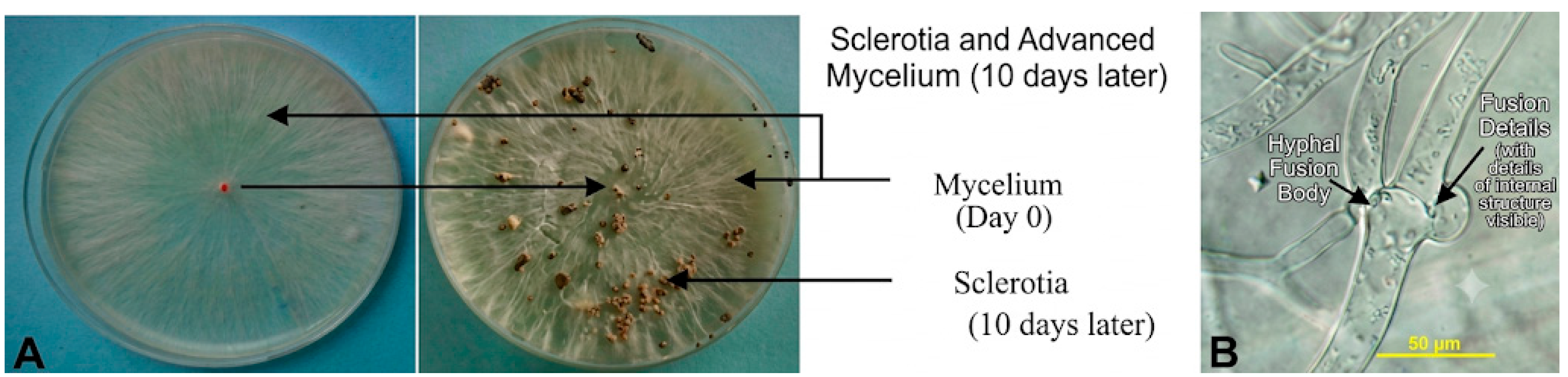
2.9. Phytopathogenic Agent Used in Bioefficacy Tests
2.10. Preparation of B. thuringiensis var. kurstaki HD-1 Extracts for Efficacy Testing
2.11. Evaluation of the Antifungal Effect of Treatments
- -
- Method of incorporating
- -
- Soaking method
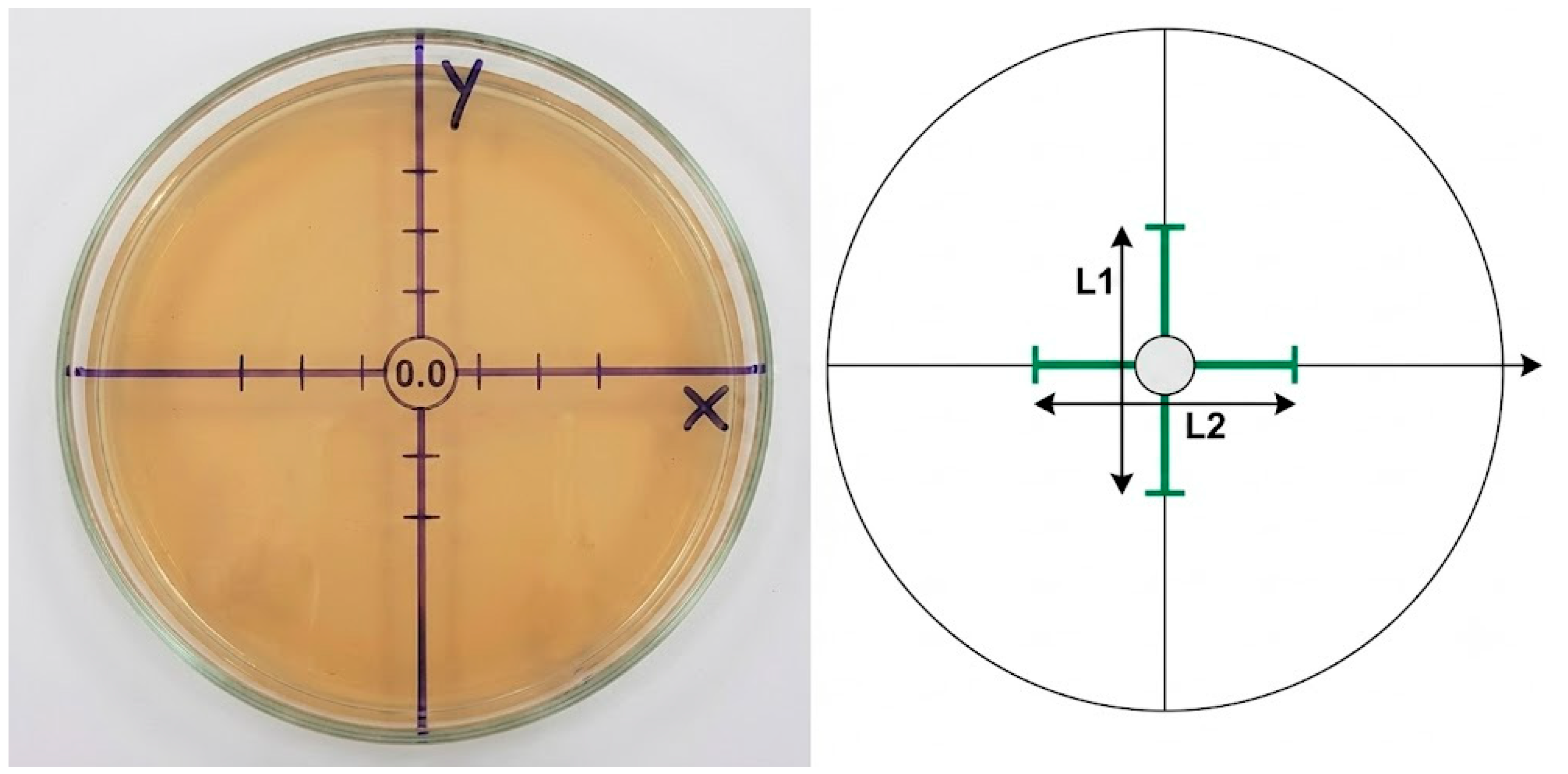
2.12. Evaluation of the Mean Diameter of Mycelial Growth and the Inhibition Rate of S. rolfsii According to the Treatments
2.13. Statistical Analyses
3. Results
3.1. Physicochemical Characteristics of Agro-Industrial Effluents
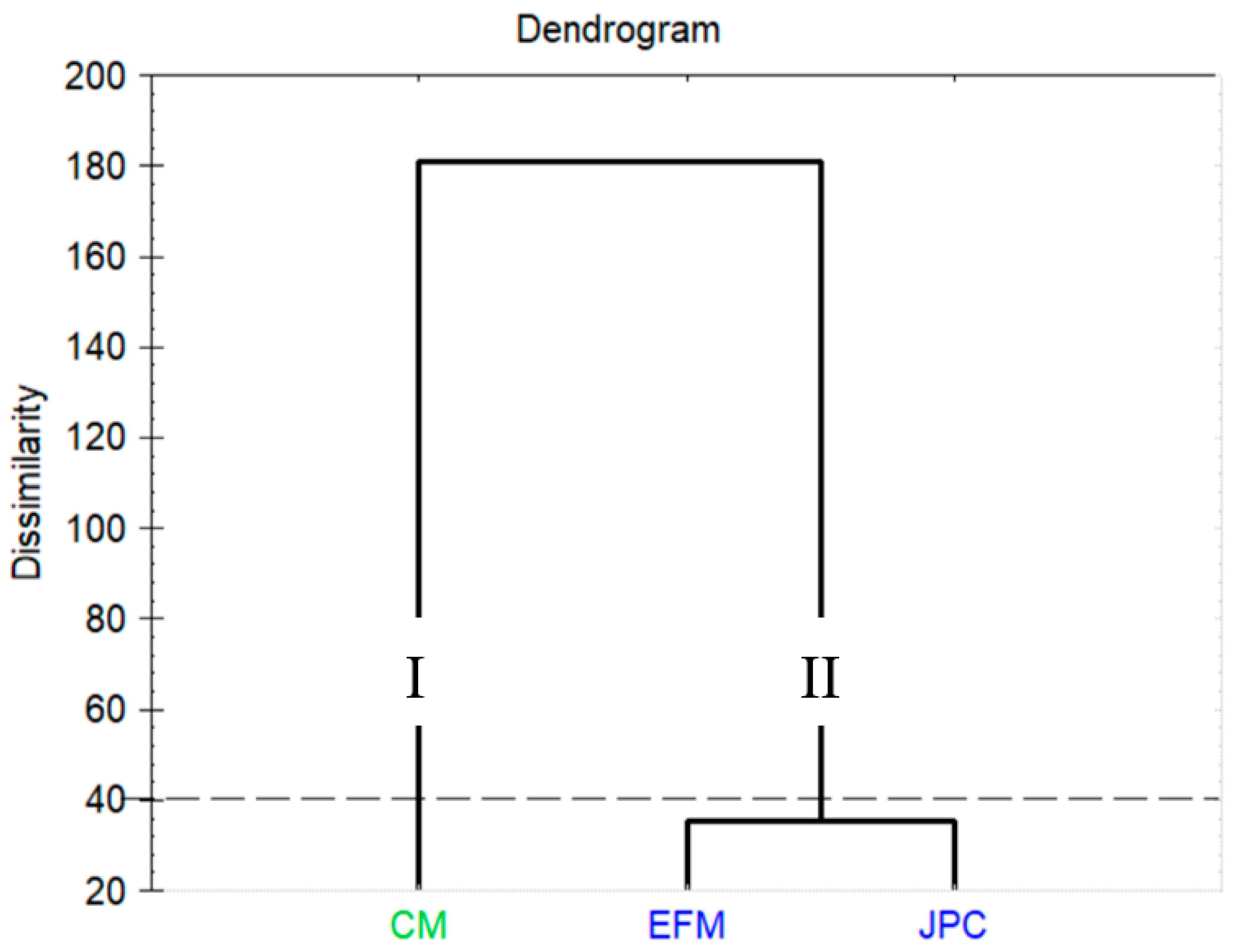
3.2. Hierarchical Cluster Analysis of Agro-Industrial Effluents
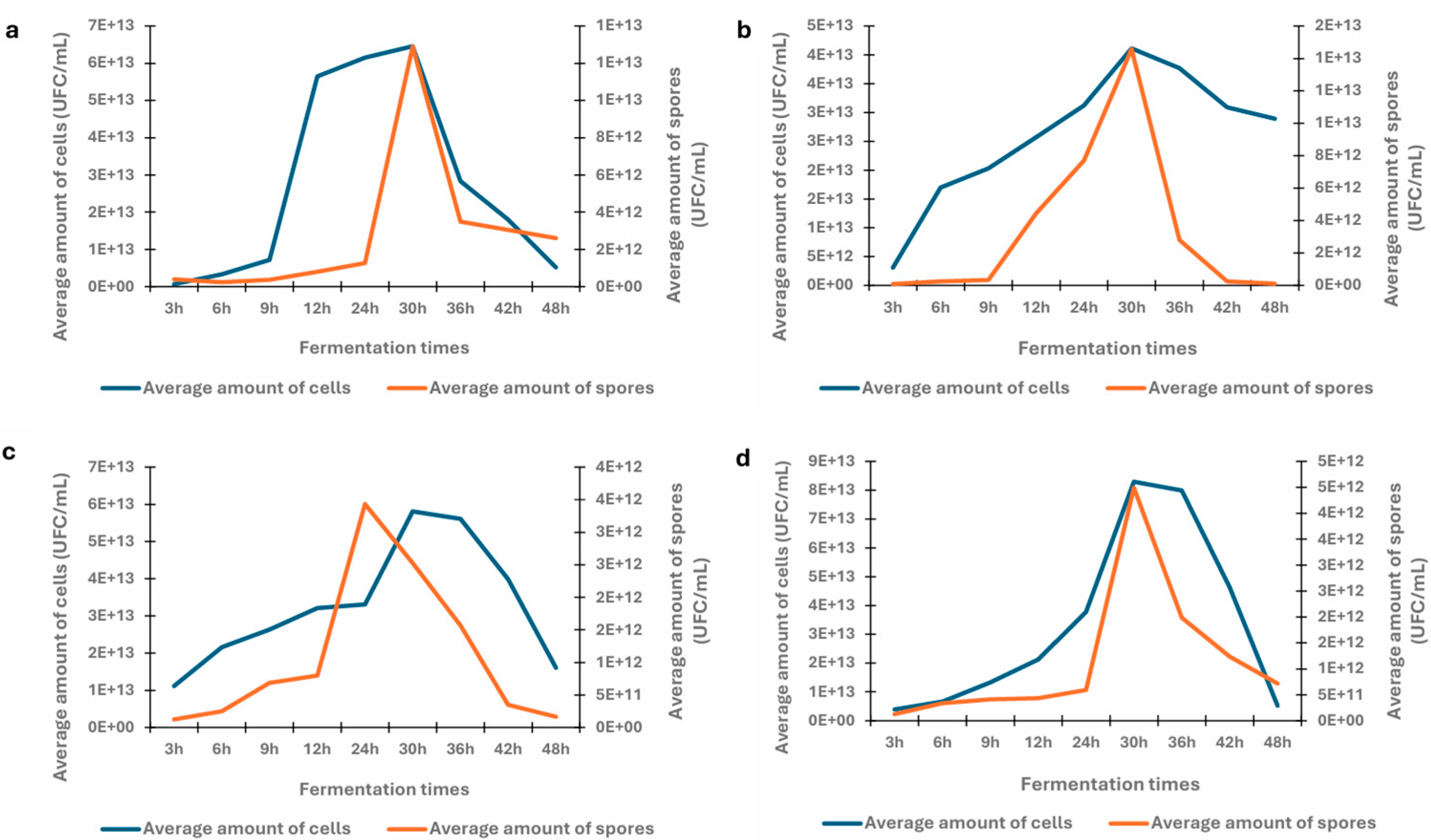
3.3. Total Viable Cell and Spore Counts During Fermentation
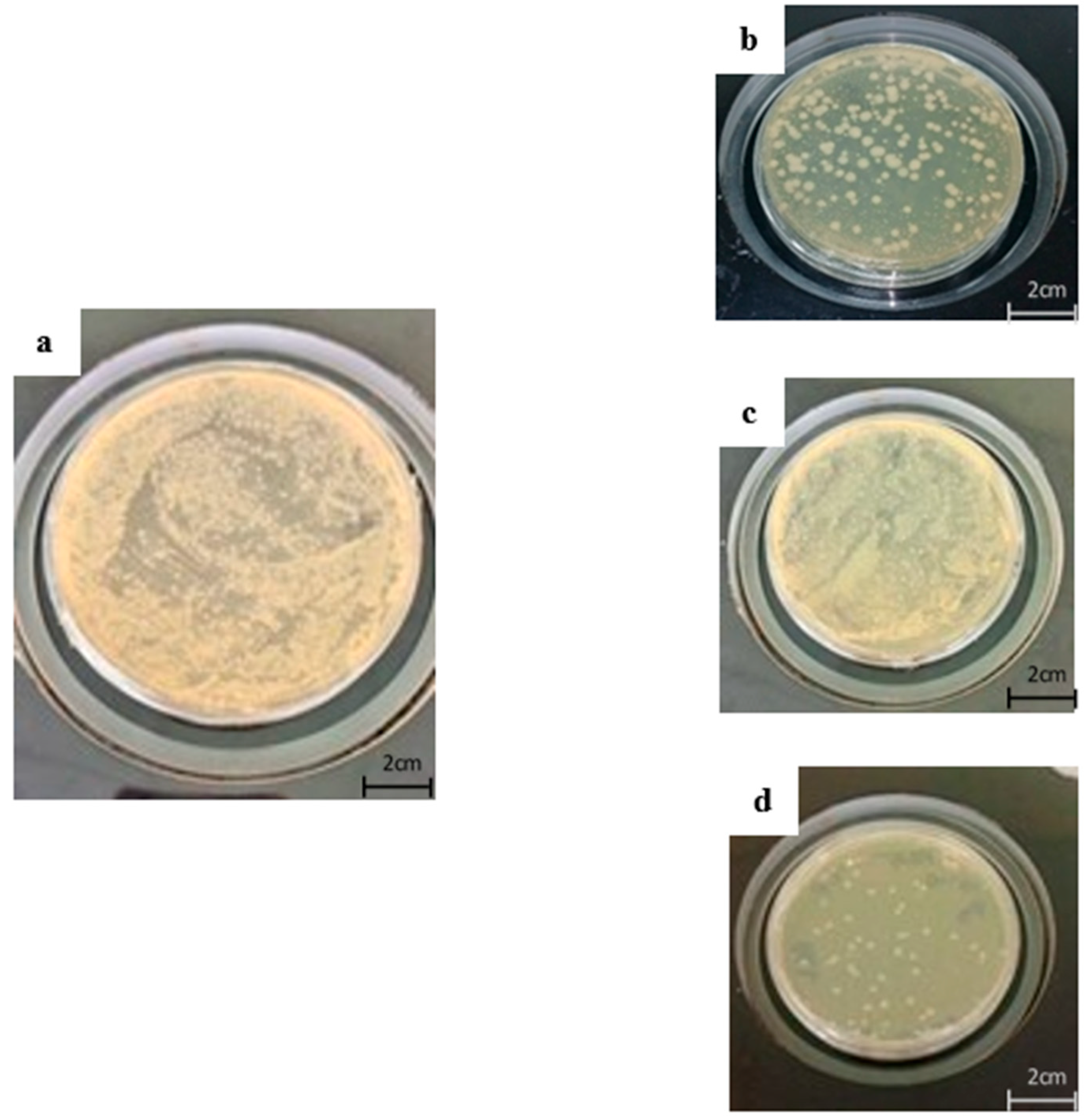
3.4. Influence of Culture Media on the Colony Morphology of B. thuringiensis var. kurstaki HD-1
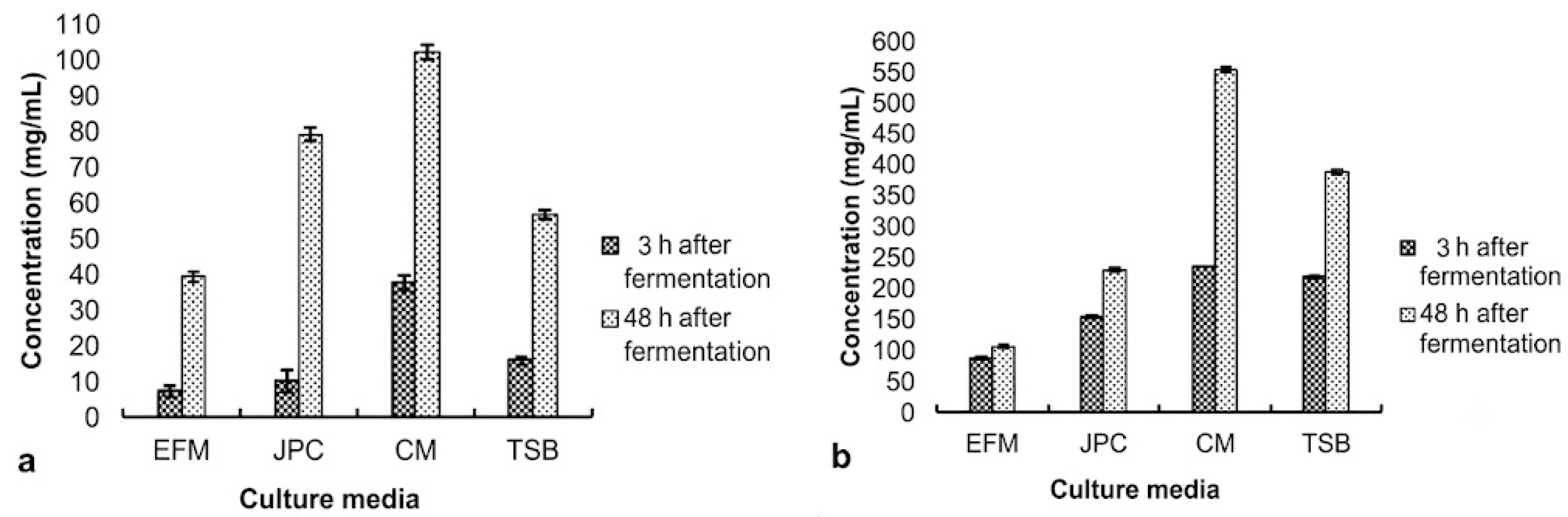
3.5. Production of Iturin and Surfactin
- Limit of quantification (LOQ) for iturin: 5 mg/L; measurement uncertainty: 2%.
- Limit of quantification (LOQ) for surfactin: 15 mg/L; measurement uncertainty: 1.5%.
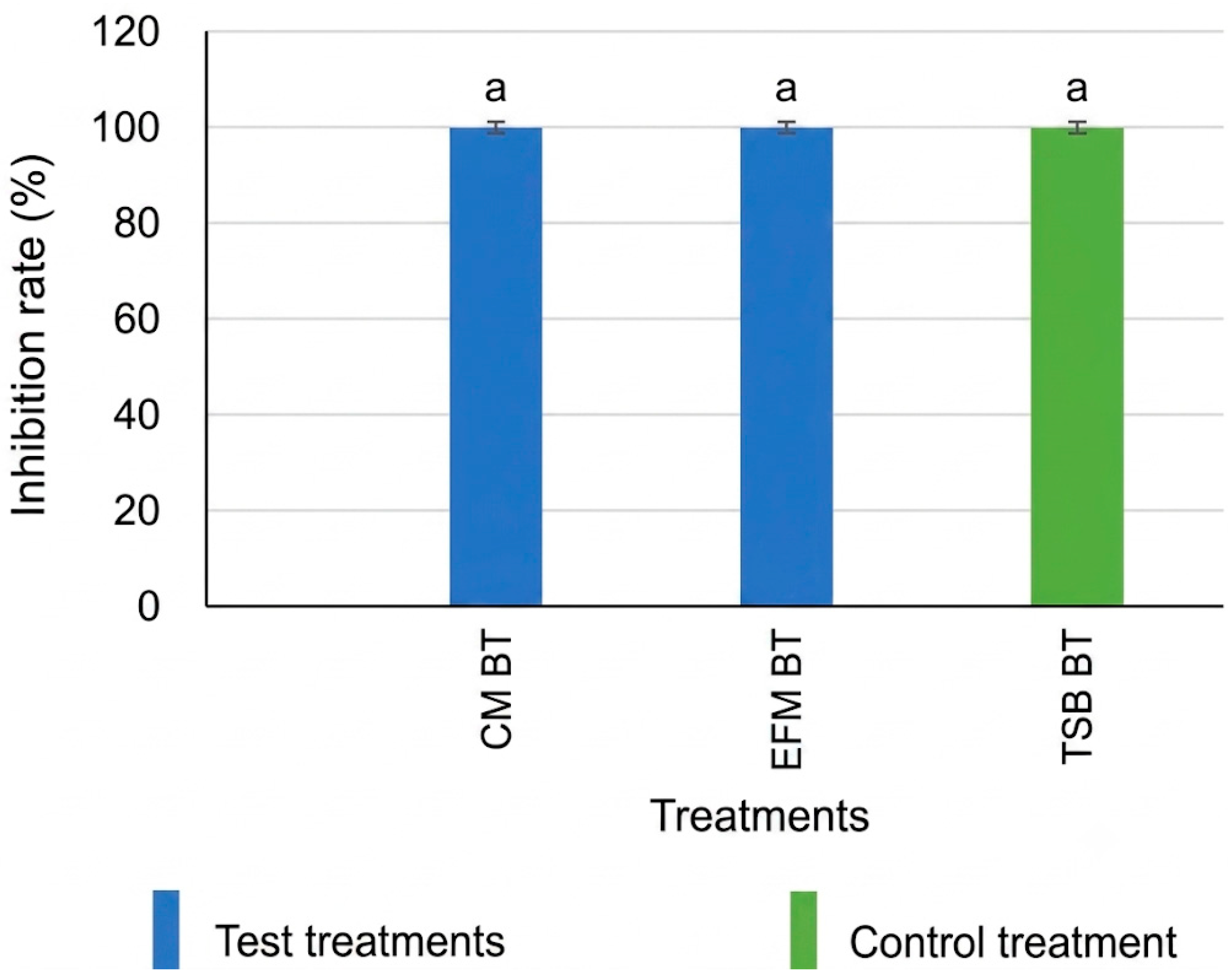
3.6. Antifungal Activity of B. thuringiensis var. kurstaki HD-1 Against S. rolfsii
4. Discussion
5. Conclusions
Author Contributions
Funding
Institutional Review Board Statement
Informed Consent Statement
Data Availability Statement
Acknowledgments
Conflicts of Interest
References
- FAO. FAOSTAT Statistical Database—Crops Production (Tomatoes, Côte d’Ivoire). 2025. Available online: https://www.fao.org/faostat/ (accessed on 2 May 2026).
- Carvalho, F.P. Pesticides, environment, and food safety. Food Energy Secur. 2017, 6, 48–60. [Google Scholar] [CrossRef]
- Chagnon, M.; Kreutzweiser, D.; Mitchell, E.A.D.; Morrissey, C.A.; Noome, D.A.; Van Der Sluijs, J.P. Risks of large-scale use of systemic insecticides to ecosystem functioning and services. Environ. Sci. Pollut. Res. 2015, 22, 119–134. [Google Scholar] [CrossRef]
- Kim, K.-H.; Kabir, E.; Jahan, S.A. Exposure to pesticides and the associated human health effects. Sci. Total Environ. 2017, 575, 525–535. [Google Scholar] [CrossRef] [PubMed]
- Mostafalou, S.; Abdollahi, M. Pesticides: An update of human exposure and toxicity. Arch. Toxicol. 2017, 91, 549–599. [Google Scholar] [CrossRef] [PubMed]
- Sparks, T.C.; Nauen, R. IRAC: Mode of action classification and insecticide resistance management. Pestic. Biochem. Physiol. 2015, 121, 122–128. [Google Scholar] [CrossRef] [PubMed]
- Pretty, J.; Pervez Bharucha, Z. Integrated pest management for sustainable intensification of agriculture in Asia and Africa. Insects 2015, 6, 152–182. [Google Scholar] [CrossRef] [PubMed]
- Dara, S.K. The new integrated pest management paradigm for the modern age. J. Integr. Pest Manag. 2019, 10, 12. [Google Scholar] [CrossRef]
- Huang, P.-C.; Yuan, P.; Grunseich, J.M.; Taylor, J.; Tiénébo, E.-O.; Pierson, E.A.; Bernal, J.S.; Kenerley, C.M.; Kolomiets, M.V. Trichoderma virens and Pseudomonas chlororaphis differentially regulate maize resistance to anthracnose leaf blight and insect herbivores when grown in sterile versus non-sterile soils. Plants 2024, 13, 1240. [Google Scholar] [CrossRef] [PubMed]
- Tienebo, E.-O. Effect of Inoculation of Pseudomonas chlororaphis 30-84 and/or Rhizophagus irregularis DAOM 197198 on Maize Anthracnose Leaf Blight and Tomato Zebra Chip Disease. Master’s Thesis, Texas A&M University, College Station, TX, USA, 2016. Available online: https://oaktrust.library.tamu.edu/items/3178eb66-421c-44fb-b443-52120e6500a8 (accessed on 30 April 2026).
- Ashiq, A.; Usama, M.; Zulfiqar, U.; Sarwar, F.; Maryam; Areej, A. Biopesticides in Sustainable Agriculture: Enhancing Targeted Pest Control and Ecosystem Health. Appl. Agric. Sci. 2024, 2, 1–6. [Google Scholar] [CrossRef]
- Chakraborty, N.; Mitra, R.; Pal, S.; Ganguly, R.; Acharya, K.; Minkina, T.; Sarkar, A.; Keswani, C. Biopesticide consumption in India: Insights into the current trends. Agriculture 2023, 13, 557. [Google Scholar] [CrossRef]
- Tabashnik, B.E.; Carrière, Y. Surge in insect resistance to transgenic crops and prospects for sustainability. Nat. Biotechnol. 2017, 35, 926–935. [Google Scholar] [CrossRef] [PubMed]
- Gadji, A.A.G.; Kwadjo, K.E.; N’Guessan, W.P.; Brar, S.K.; Abo, K.; Yapo, O.B.; Tyagi, R.D. Assessment of the Entomotoxic Potential of the Bacillus thuringiensis var. kurstaki HD-1-Based Biopesticide against Sahlbergella singularis (Hemiptera: Miridae): A Cocoa Mirid in Côte d’Ivoire. Int. J. Agric. Biol. 2024, 31, 218–226. [Google Scholar] [CrossRef]
- Vu, K.D. Development of Strategies for the Production of a Biopesticide based on Bacillus thuringiensis var. kurstaki HD-1 with Strong Insecticidal Activity Using Starch Industry Wastewater as Raw Material. Ph.D. Thesis, Université du Québec, Institut National de la Recherche Scientifique, Québec, QC, Canada, 2009. [Google Scholar]
- Heredia-Guerrero, J.A.; Heredia, A.; Domínguez, E.; Cingolani, R.; Bayer, I.S.; Athanassiou, A.; Benítez, J.J. Cutin from agro-waste as a raw material for the production of bioplastics. J. Exp. Bot. 2017, 68, 5401–5410. [Google Scholar] [CrossRef] [PubMed]
- Madurwar, M.V.; Ralegaonkar, R.V.; Mandavgane, S.A. Application of agro-waste for sustainable construction materials: A review. Constr. Build. Mater. 2013, 38, 872–878. [Google Scholar] [CrossRef]
- Ardolino, F.; Arena, U. Biowaste-to-Biomethane: An LCA study on biogas and syngas roads. Waste Manag. 2019, 87, 441–453. [Google Scholar] [CrossRef] [PubMed]
- Sodhi, A.S.; Sharma, N.; Bhatia, S.; Verma, A.; Soni, S.; Batra, N. Insights on sustainable approaches for production and applications of value added products. Chemosphere 2022, 286, 131623. [Google Scholar] [CrossRef] [PubMed]
- Vandenberghe, L.P.S.; Pandey, A.; Carvalho, J.C.; Letti, L.A.J.; Woiciechowski, A.L.; Karp, S.G.; Thomaz-Soccol, V.; Martínez-Burgos, W.J.; Penha, R.O.; Herrmann, L.W.; et al. Solid-state fermentation technology and innovation for the production of agricultural and animal feed bioproducts. Syst. Microbiol. Biomanufact. 2021, 1, 142–165. [Google Scholar] [CrossRef]
- Balasubramanian, S.; Tyagi, R.D. Value-added bio-products from sewage sludge. In Current Developments in Biotechnology and Bioengineering; Elsevier: Amsterdam, The Netherlands, 2017; pp. 27–42. [Google Scholar] [CrossRef]
- Dhakal, R.; Singh, D.N. Biopesticides: A key to sustainable agriculture. Int. J. Pure Appl. Biosci. 2019, 7, 391–396. [Google Scholar] [CrossRef]
- Thangavelu, R.; Palaniswami, A.; Velazhahan, R. Mass production of Trichoderma harzianum for managing fusarium wilt of banana. Agric. Ecosyst. Environ. 2004, 103, 259–263. [Google Scholar] [CrossRef]
- Yezza, A.; Tyagi, R.D.; Valero, J.R.; Surampalli, R.Y. Bioconversion of industrial wastewater and wastewater sludge into Bacillus thuringiensis based biopesticides in pilot fermentor. Bioresour. Technol. 2006, 97, 1850–1857. [Google Scholar] [CrossRef] [PubMed]
- Sanchis, V. From microbial sprays to insect-resistant transgenic plants: History of the biospesticide Bacillus thuringiensis. A review. Agron. Sustain. Dev. 2011, 31, 217–231. [Google Scholar] [CrossRef]
- Ruiu, L. Microbial biopesticides in agroecosystems. Agronomy 2018, 8, 235. [Google Scholar] [CrossRef]
- Chavan, S.; Yadav, B.; Atmakuri, A.; Tyagi, R.D.; Wong, J.W.C.; Drogui, P. Bioconversion of organic wastes into value-added products: A review. Bioresour. Technol. 2022, 344, 126398. [Google Scholar] [CrossRef] [PubMed]
- Bilé, E.E.J.; Gadji, A.A.G.; Tienebo, E.-O.; Kambiré, O.; Kouadia, M.-J.A.; Kouadio, T.K.; Nganko, J.M.; Abo, K. Valorization of Agricultural and Industrial Wastes to Produce Trichoderma virens, an Effective Plant Disease Biocontrol Agent. Waste Biomass Valorization 2025, 16, 4365–4380. [Google Scholar] [CrossRef]
- Alex, P.G.; Elisée, A.L.-N.D.G.; Kouabenan, A.; Nakpalo, S.; Edwige, C.A.; Daouda, K. Valorisation of Cassava Wastewater as Substrate for Trichoderma virens Production, Bio-control Agent Cocoa Black Pod Disease. Curr. J. Appl. Sci. Technol. 2018, 30, 1–8. [Google Scholar] [CrossRef]
- Glare, T.; Caradus, J.; Gelernter, W.; Jackson, T.; Keyhani, N.; Köhl, J.; Marrone, P.; Morin, L.; Stewart, A. Have biopesticides come of age? Trends Biotechnol. 2012, 30, 250–258. [Google Scholar] [CrossRef] [PubMed]
- Mishra, J.; Arora, N.K. Secondary metabolites of fluorescent pseudomonads in biocontrol of phytopathogens for sustainable agriculture. Appl. Soil Ecol. 2018, 125, 35–45. [Google Scholar] [CrossRef]
- Sparks, D.L.; Page, A.L.; Helmke, P.A.; Loeppert, R.H. Methods of Soil Analysis, Part 3: Chemical Methods; John Wiley & Sons: Hoboken, NJ, USA, 2020; Available online: https://acsess.onlinelibrary.wiley.com/doi/book/10.2136/sssabookser5.3 (accessed on 30 April 2026).
- American Public Health Association. Standard Methods for the Examination of Water and Wastewater; American Public Health Association: Washington, DC, USA, 1926; Volume 6. [Google Scholar]
- Jones, J.B., Jr. Laboratory Guide for Conducting Soil Tests and Plant Analysis; CRC Press: Boca Raton, FL, USA, 2001; Available online: https://books.google.com/books?hl=fr&lr=&id=V6E2EQAAQBAJ&oi=fnd&pg=PA1984&dq=Jones,+J.+B.+(2018).+Laboratory+Guide+for+Conducting+Soil+Tests+and+Plant+Analysis.+CRC+Press.&ots=Bby-6DRU-P&sig=rlYpPWFYzdNiy7J09pomY6N96x8 (accessed on 2 May 2026).
- Lowry, O.; Rosebrough, N.; Farr, A.L.; Randall, R.J. Protein measurement with the Folin phenol reagent. J. Biol. Chem. 1951, 193, 265–275. [Google Scholar] [CrossRef]
- AOAC. Official Methods of Analysis; AOAC: Washington, DC, USA, 1990. [Google Scholar]
- Huygens, D.; Saveyn, H.G.M. Agronomic efficiency of selected phosphorus fertilisers derived from secondary raw materials for European agriculture. A meta-analysis. Agron. Sustain. Dev. 2018, 38, 52. [Google Scholar] [CrossRef]
- Thomas, L.; Larroche, C.; Pandey, A. Current developments in solid-state fermentation. Biochem. Eng. J. 2013, 81, 146–161. [Google Scholar] [CrossRef]
- HD-1-S-1971; Primary U.S. Reference Standard for the Standardization of Formulations of the δ-Endotoxin Produced by Bacillus thuringiensis. Cotton Insects Laboratory, Agricultural Research Service, U.S. Department of Agri-culture (USDA): Brownsville, TX, USA, 1973.
- Vu, K.D.; Tyagi, R.D.; Valéro, J.R.; Surampalli, R.Y. Impact of different pH control agents on biopesticidal activity of Bacillus thuringiensis during the fermentation of starch industry wastewater. Bioprocess Biosyst. Eng. 2009, 32, 511–519. [Google Scholar] [CrossRef] [PubMed]
- Alain, Y.A.; Akpo, A.S.M.; Théodore, D.N.D.; Gabaze, G.A.A.; Julien, C.K.; Robert, G.J.; Bernard, Y.O.; Rajeshwar, T.D. Use of sugar cane molasses enriched with yeast extract for the production of biopesticide from Bacillus thuringiensis var. kurstaki HD-1. Int. J. Curr. Microbiol. Appl. Sci. 2020, 9, 3590–3599. [Google Scholar] [CrossRef]
- Brar, S.K.; Verma, M.; Tyagi, R.D.; Valéro, J.R.; Surampalli, R.Y. Efficient centrifugal recovery of Bacillus thuringiensis biopesticides from fermented wastewater and wastewater sludge. Water Res. 2006, 40, 1310–1320. [Google Scholar] [CrossRef] [PubMed]
- Zhao, X.; Höfte, M.; Spanoghe, P.; Rajkovic, A.; Uyttendaele, M. Biofilm-forming Ability of Bacillus thuringiensis Strains from Biopesticides on Polystyrene and their Attachment on Spinach. J. Food Prot. 2024, 87, 100321. [Google Scholar] [CrossRef] [PubMed]
- Chen, Z.; Lu, Y.; Cui, J.; Feng, Y.; Dong, H.; Huang, X.; Zhu, C.; Xiong, X.; Chen, H.; Wang, Q.; et al. Monitoring of Bacillus spore-forming dynamics through flow cytometry. Front. Microbiol. 2024, 15, 1450913. [Google Scholar] [CrossRef] [PubMed]
- Zhang, W.; Qiu, L.; Gong, A.; Cao, Y.; Wang, B. Solid-state fermentation of kitchen waste for production of Bacillus thuringiensis-based bio-pesticide. BioResources 2013, 8, 1124–1135. [Google Scholar]
- Camara, B. Contribution to the Characterization of Foliar and Telluric Fungal Parasites in Côte d’Ivoire in Banana (Musa spp.) and Research on Control Methods. Ph.D. Thesis, Université de Cocody, Abidjan, Côte d’Ivoire, 2011. [Google Scholar]
- Kwazou, N.L.; Dongmo, P.M.J.; Ngoune, L.T.; Sameza, M.L.; Dongmo, B.N.; Zollo, P.H.A.; Menut, C. Antifungal properties of essential oils of some plants of the genus Aframomum from Cameroon against Aspergillus flavus. Cameroon J. Exp. Biol. 2009, 5, 44–51. [Google Scholar] [CrossRef]
- Brar, S.K.; Verma, M.; Tyagi, R.D.; Surampalli, R.Y. Value Addition of Wastewater Sludge: Future Course in Sludge Reutilization. Pract. Period. Hazard. Toxic. Radioact. Waste Manag. 2009, 13, 59–74. [Google Scholar] [CrossRef]
- Zhang, W.; Alvarez-Gaitan, J.P.; Dastyar, W.; Saint, C.P.; Zhao, M.; Short, M.D. Value-added products derived from waste activated sludge: A biorefinery perspective. Water 2018, 10, 545. [Google Scholar] [CrossRef]
- Awasthi, M.K.; Wong, J.W.; Kumar, S.; Awasthi, S.K.; Wang, Q.; Wang, M.; Ren, X.; Zhao, J.; Chen, H.; Zhang, Z. Biodegradation of food waste using microbial cultures producing thermostable α-amylase and cellulase under different pH and temperature. Bioresour. Technol. 2018, 248, 160–170. [Google Scholar] [PubMed]
- Awodi, P.S.; Ogbonna, J.C.; Nwagu, T.N. Bioconversion of mango (Mangifera indica) seed kernel starch into bioethanol using various fermentation techniques. Heliyon 2022, 8, e09707. [Google Scholar] [CrossRef] [PubMed]
- Içgen, Y.; Içgen, B.; Özcengiz, G. Regulation of crystal protein biosynthesis by Bacillus thuringiensis: I. Effects of mineral elements and pH. Res. Microbiol. 2002, 153, 599–604. [Google Scholar] [CrossRef] [PubMed]
- Liu, W.-M.; Bajpai, R.; Bihari, V. High-density cultivation of sporeformers. Ann. N. Y. Acad. Sci. 1994, 721, 310–325. [Google Scholar] [PubMed]
- Zouari, N.; Jaoua, S. The effect of complex carbon and nitrogen, salt, Tween-80 and acetate on delta-endotoxin production by a Bacillus thuringiensis subsp kurstaki. J. Ind. Microbiol. Biotechnol. 1999, 23, 497–502. [Google Scholar] [CrossRef]
- Nickerson, K.W.; Bulla, L.A. Physiology of Sporeforming Bacteria Associated with Insects: Minimal Nutritional Requirements for Growth, Sporulation, and Parasporal Crystal Formation of Bacillus thuringiensis. Appl. Microbiol. 1974, 28, 124–128. [Google Scholar] [CrossRef] [PubMed]
- Yang, X.; Wang, S.S. Phase--specific optimization of multiple endotoxin--protein production with genetically engineered Bacillus thuringiensis. Biotechnol. Appl. Biochem. 2000, 31, 71–76. [Google Scholar] [CrossRef] [PubMed]
- Farrera, R.R.; Pérez-Guevara, F.; De La Torre, M. Carbon:nitrogen ratio interacts with initial concentration of total solids on insecticidal crystal protein and spore production in Bacillus thuringiensis HD-73. Appl. Microbiol. Biotechnol. 1998, 49, 758–765. [Google Scholar] [CrossRef]
- Liu, H.; Yang, X.; Mai, L.; Lin, J.; Zhang, L.; Wang, D.; Li, Q. Comparative Proteomic Analysis of Bacillus subtilis and Aspergillus niger in Black Soldier Fly Co-Fermentation. Fermentation 2022, 8, 593. [Google Scholar] [CrossRef]
- Zhang, W. Metabolic Engineering of Bt for Enhanced Production of Insecticidal Proteins. Bt Res. 2024, 15, 204–214. [Google Scholar] [CrossRef]
- Barakissa, B.; Seydou, T.U.O.; Antoine, B.B.B.; Noël, K.K.; Bertrand, G.N.; Daouda, K. Evaluation of the antifungal efficacy of biopesticides on the growth of Sclerotium rolfsii isolates from vegetable crops in Côte d’Ivoire. Am. J. Microbiol. Res. 2023, 11, 64–72. [Google Scholar] [CrossRef]
- Sansinenea, E.; Ortiz, A. Secondary metabolites of soil Bacillus spp. Biotechnol. Lett. 2011, 33, 1523–1538. [Google Scholar] [CrossRef] [PubMed]
- Pérez-García, A.; Romero, D.; De Vicente, A. Plant protection and growth stimulation by microorganisms: Biotechnological applications of Bacilli in agriculture. Curr. Opin. Biotechnol. 2011, 22, 187–193. [Google Scholar] [CrossRef] [PubMed]
- Koumoutsi, A.; Chen, X.-H.; Henne, A.; Liesegang, H.; Hitzeroth, G.; Franke, P.; Vater, J.; Borriss, R. Structural and Functional Characterization of Gene Clusters Directing Nonribosomal Synthesis of Bioactive Cyclic Lipopeptides in Bacillus amyloliquefaciens Strain FZB42. J. Bacteriol. 2004, 186, 1084–1096. [Google Scholar] [CrossRef] [PubMed]
- Ongena, M.; Jacques, P. Bacillus lipopeptides: Versatile weapons for plant disease biocontrol. Trends Microbiol. 2008, 16, 115–125. [Google Scholar] [CrossRef] [PubMed]
- Mnif, I.; Ghribi, D. Potential of bacterial derived biopesticides in pest management. Crop Prot. 2015, 77, 52–64. [Google Scholar] [CrossRef]
- Romero, D.; De Vicente, A.; Rakotoaly, R.H.; Dufour, S.E.; Veening, J.-W.; Arrebola, E.; Cazorla, F.M.; Kuipers, O.P.; Paquot, M.; Pérez-García, A. The Iturin and Fengycin Families of Lipopeptides Are Key Factors in Antagonism of Bacillus subtilis Toward Podosphaera fusca. Mol. Plant-Microbe Interact. 2007, 20, 430–440. [Google Scholar] [CrossRef] [PubMed]
- Raaijmakers, J.M.; De Bruijn, I.; Nybroe, O.; Ongena, M. Natural functions of lipopeptides from Bacillus and Pseudomonas: More than surfactants and antibiotics. FEMS Microbiol. Rev. 2010, 34, 1037–1062. [Google Scholar] [CrossRef] [PubMed]



| Raw Material | Collected Waste | Identification Code |
|---|---|---|
| Cashew fruit | Cashew apple juice | JPC |
| Cassava tuber | Water from fermented cassava tuber paste | EFM |
| Mango | ripe mango pulp | CM |
| Parameter | Method | Reference |
|---|---|---|
| Relative humidity | Gravimetric method | [32] |
| pH | Electrometric method | [33] |
| Total carbon (Ct) | Walkley–Black method | [34] |
| Total nitrogen (Nt) | Colorimetric method | [34] |
| Total proteins | Biuret colorimetric method | [35] |
| Organic matter (OM) | AOAC((Association of Official Analytical Collaboration) method | [36] |
| Dry matter (DM) | — | — |
| Volatile solids (VSs) | — | — |
| Ash | — | — |
| Fiber | Organic matter characterization method | [37] |
| Density | Measured by weighing in a graduated cylinder | [38] |
| Minerals | Atomic absorption spectrometry (AAS) | [37] |
| Treatment Type | ID | Concentrations |
|---|---|---|
| Test controls | Btk HD-1/CM | 10% (v/v) |
| 15% (v/v) | ||
| 20% (v/v) | ||
| Btk HD-1/EFM | 10% (v/v) | |
| 15% (v/v) | ||
| 20% (v/v) | ||
| Positive control | Btk HD-1/TSB | 10% (v/v) |
| 15% (v/v) | ||
| 20% (v/v) |
| Raw Material | pH | RH (%) | St (%) | MSV (%) | Ct (%) | Nt (%) | C/N | MS (%) | Ash (%) | OM (%) | Fiber (%) | Total Protein (%) |
|---|---|---|---|---|---|---|---|---|---|---|---|---|
| Cashew apple juice (JPC) | 4.10 ± 0.05 | 98.66 ± 0.21 | 5.60 ± 0.32 | 76.41 ± 1.24 | 1.56 ± 0.08 | 0.28 ± 0.02 | 5.57 ± 0.41 | 1.34 ± 0.11 | 23.59 ± 1.18 | 2.69 ± 0.14 | 0.00 ± 0.00 | 0.78 ± 0.06 |
| Fermented cassava paste water (EFM) | 3.80 ± 0.04 | 90.84 ± 0.35 | 10.40 ± 0.45 | 99.86 ± 0.08 | 2.63 ± 0.11 | 0.98 ± 0.04 | 2.68 ± 0.18 | 9.16 ± 0.23 | 0.14 ± 0.02 | 4.53 ± 0.19 | 0.00 ± 0.00 | 0.68 ± 0.05 |
| Ripe mango pulp (CM) | 4.50 ± 0.06 | 6.82 ± 0.18 | 46.00 ± 1.52 | 79.65 ± 1.37 | 54.68 ± 1.89 | 0.70 ± 0.03 | 78.12 ± 3.45 | 93.18 ± 1.45 | 20.35 ± 0.98 | 94.05 ± 2.11 | 7.55 ± 0.42 | 4.74 ± 0.21 |
| Raw Material | Na | Mg | P | K | Ca | Mn | Fe | Cu | Zn |
|---|---|---|---|---|---|---|---|---|---|
| Cashew apple juice (JPC) | 0.11 ± 0.01 | 0.00 ± 0.00 | 0.01 ± 0.002 | 0.05 ± 0.01 | 0.20 ± 0.02 | 0.01 ± 0.001 | 0.02 ± 0.003 | 0.02 ± 0.002 | 0.26 ± 0.03 |
| Cassava paste water (EFM) | 0.14 ± 0.02 | 0.00 ± 0.00 | 0.01 ± 0.001 | 0.04 ± 0.01 | 0.22 ± 0.02 | 0.00 ± 0.00 | 0.01 ± 0.001 | 0.03 ± 0.003 | 0.17 ± 0.02 |
| Ripe mango pulp (CM) | 0.13 ± 0.02 | 0.00 ± 0.00 | 0.02 ± 0.003 | 0.07 ± 0.02 | 0.19 ± 0.02 | 0.02 ± 0.002 | 0.02 ± 0.002 | 0.01 ± 0.001 | 0.20 ± 0.02 |
Disclaimer/Publisher’s Note: The statements, opinions and data contained in all publications are solely those of the individual author(s) and contributor(s) and not of MDPI and/or the editor(s). MDPI and/or the editor(s) disclaim responsibility for any injury to people or property resulting from any ideas, methods, instructions or products referred to in the content. |
© 2026 by the authors. Licensee MDPI, Basel, Switzerland. This article is an open access article distributed under the terms and conditions of the Creative Commons Attribution (CC BY) license.
Share and Cite
Bilé, E.E.J.; Gadji, A.A.G.; Tiénébo, E.-O.; N’Ganko, M.J.; Kouadia, A.M.-J.; Kouadio, K.T.; Yapo, O.B.; Tyagi, R.D.; Abo, K. Characterization of the Bacterial Development and Antifungal Properties of Bacillus thuringiensis var. kurstaki HD-1 Obtained by Bioconversion of Agroindustrial Effluents. Fermentation 2026, 12, 286. https://doi.org/10.3390/fermentation12060286
Bilé EEJ, Gadji AAG, Tiénébo E-O, N’Ganko MJ, Kouadia AM-J, Kouadio KT, Yapo OB, Tyagi RD, Abo K. Characterization of the Bacterial Development and Antifungal Properties of Bacillus thuringiensis var. kurstaki HD-1 Obtained by Bioconversion of Agroindustrial Effluents. Fermentation. 2026; 12(6):286. https://doi.org/10.3390/fermentation12060286
Chicago/Turabian StyleBilé, Echua Elisabeth Jasmine, Alahou André Gabaze Gadji, Eric-Olivier Tiénébo, Maïmou Junior N’Ganko, Adjoa Marie-Joséphine Kouadia, Kouakou Théodore Kouadio, Ossey Bernard Yapo, Rajeshwar D. Tyagi, and Kouabenan Abo. 2026. "Characterization of the Bacterial Development and Antifungal Properties of Bacillus thuringiensis var. kurstaki HD-1 Obtained by Bioconversion of Agroindustrial Effluents" Fermentation 12, no. 6: 286. https://doi.org/10.3390/fermentation12060286
APA StyleBilé, E. E. J., Gadji, A. A. G., Tiénébo, E.-O., N’Ganko, M. J., Kouadia, A. M.-J., Kouadio, K. T., Yapo, O. B., Tyagi, R. D., & Abo, K. (2026). Characterization of the Bacterial Development and Antifungal Properties of Bacillus thuringiensis var. kurstaki HD-1 Obtained by Bioconversion of Agroindustrial Effluents. Fermentation, 12(6), 286. https://doi.org/10.3390/fermentation12060286