Article

Caproate Production from Yellow Water Fermentation: The Decisive Roles of Electron Donors

1
Jiangsu Key Laboratory of Anaerobic Biotechnology, School of Environment and Ecology, Jiangnan University, Wuxi 214122, China
2
Wuxi Zero Carbon Environmental Management Co., Ltd., Wuxi 214000, China
3
Jiangsu Collaborative Innovation Center of Technology and Material of Water Treatment, Suzhou University of Science and Technology, Suzhou 215011, China
4
Department of Chemistry, Faculty of Science, Sakarya University, Sakarya 54187, Türkiye
5
Biomedical, Magnetic and Semiconductor Materials Research Center (BIMAS-RC), Sakarya University, Sakarya 54187, Türkiye
*
Authors to whom correspondence should be addressed.
These authors contributed equally to this work.
Fermentation 2025, 11(12), 689; https://doi.org/10.3390/fermentation11120689
Submission received: 21 October 2025 / Revised: 8 December 2025 / Accepted: 10 December 2025 / Published: 12 December 2025

Abstract

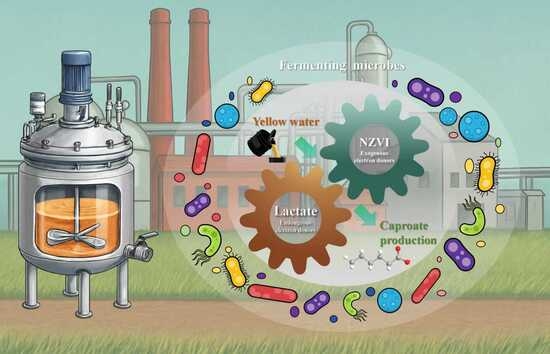
Caproate is a valuable medium-chain fatty acid (MCFA) that is found to be extensively used in biofuel production, food preservation, and the pharmaceutical industries. Short-chain fatty acids (SCFAs) from waste streams can be upgraded sustainably through their biological synthesis via anaerobic chain elongation. However, caproate production is frequently limited in real-world systems due to low carbon conversion efficiency and a lack of electron donors. In this study, we developed a two-stage fermentation strategy employing yellow water—a high-strength organic wastewater from liquor manufacturing—as a novel substrate. During primary fermentation, Lactobacillus provided endogenous electron donors by converting the residual carbohydrates in the yellow water into lactic acid. Nano zero-valent iron (NZVI) was introduced to the secondary fermentation to enhance power reduction and electron flow, further promoting caproate biosynthesis. The caproate production increased significantly due to the synergistic action of lactic acid and NZVI, reaching a maximum concentration of 20.41 g·L−1 and a conversion efficiency of 69.50%. This strategy enhances carbon recovery and electron transport kinetics while lowering dependency on expensive external donors like hydrogen or ethanol. Microbial community analysis using 16S rRNA sequencing revealed enrichment of chain-elongating bacteria such as Clostridium kluyveri. These findings demonstrate the feasibility of employing an integrated fermentation–electron management technique to valorize industrial yellow water into compounds with added value. This study offers a scalable and environmentally sound pathway for MCFA production from waste-derived resources.

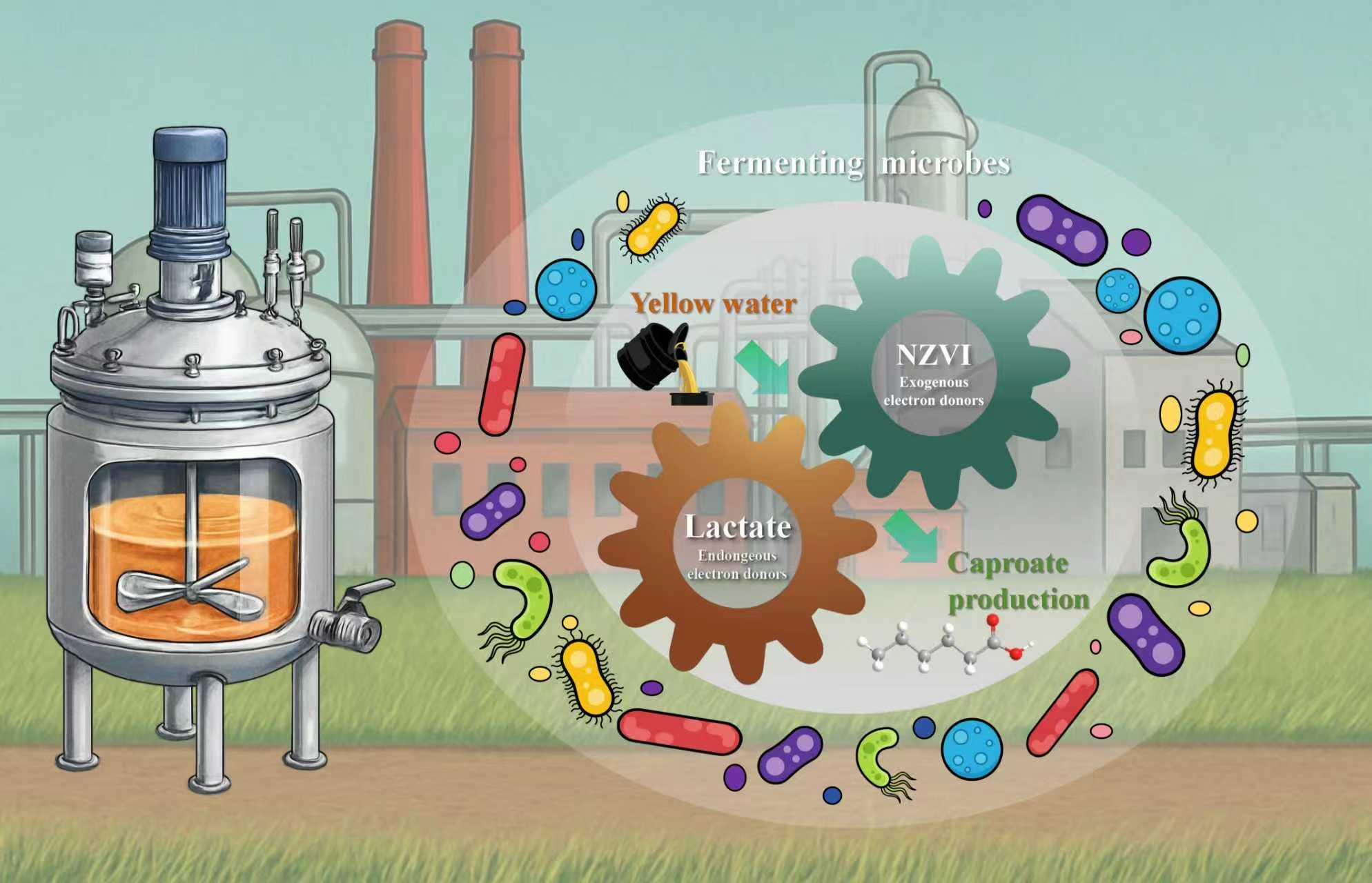
Graphical Abstract

1. Introduction

The conversion of organic waste into high-value bioproducts has gained more attention due to the global transition toward sustainable and circular bioeconomy practices [1,2]. One promising route is the biological production of medium-chain fatty acids (MCFAs), such as caproate (C6), which hold potential as platform chemicals for biofuels, antimicrobial agents, and industrial solvents [3]. Anaerobic fermentation procedures for chain elongation (CE) can be used to synthesize these chemicals. These processes utilize low-value feedstocks such as food waste, ethanol-rich effluents, or volatile fatty acid mixtures to extend carbon chains [4,5]. The CE process addresses the environmental issues related to traditional waste disposal while offering a viable path toward resource recovery from waste streams [6,7].
Chain elongation (CE) is an anaerobic bioprocess wherein short-chain carboxylates (SCCAs, C2–C5) are extended to medium-chain carboxylates (MCCAs, C6–C12) using reduced compounds, such as ethanol or lactate, as electron donors (EDs). The core metabolic pathway driving this process is the reverse β-oxidation (RBO) pathway, which creates carbon-carbon bonds by cyclically adding acetyl-CoA units to carboxylate chains, utilizing energy (ATP) and reducing equivalents (NADH) derived from ED oxidation [8]. Key functional bacteria identified in CE include Clostridium kluyveri, a model organism utilizing ethanol, and lactate-utilizing species such as Megasphaera elsdenii and Caproiciproducens spp. In mixed-culture systems, microbiomes are often dominated by the class Clostridia (e.g., Clostridium cluster IV). Optimum conditions for CE typically involve a mesophilic temperature (30–40 °C) and a slightly acidic pH (5.0–6.0). The acidic pH is crucial not only for CE bacterial activity but also for suppressing competing methanogens. Unlike traditional anaerobic digestion (AD) which degrades organics into methane and CO2, CE is a biosynthesis process that upgrades low-value substrates into energy-dense chemicals. Furthermore, distinct from hydrolysis or primary acidogenesis that breaks down complex biomass, CE requires a specific supply of electron donors and strict inhibition of methanogenesis to direct carbon flux toward chain elongation [9].
Yellow water, an effluent generated during fermentation and distillation of liquor production, is distinguished from other organic waste sources by its high ethanol concentrations, residual sugars and short-chain organic acids [10,11]. As a significant by-product of the Baijiu industry with an enormous annual output, its resource utilization has garnered increasing attention. Despite its challenges, this complex matrix offers a rich substrate base suitable for microbial fermentation. Conventional biological treatment of yellow water typically relies on anaerobic digestion for methane production, which, while reducing organic matter, yields a relatively low-value energy product. More recently, acidogenic or dark fermentation strategies have been explored to valorize yellow water into hydrogen and volatile fatty acids (VFAs) such as acetate and butyrate. While these processes recover energy and chemical precursors, the resulting short-chain products still possess limited economic value and energy density compared to medium-chain fatty acids (MCFAs) [12]. Consequently, chain elongation (CE) has emerged as a promising upgrading technology. Although direct caproate production from yellow water shows promise, its efficiency and selectivity are limited by fluctuating substrate quality, inhibitory compounds, and an imbalance in the electron donor–acceptor balance [13,14].
The lack of electron donors is a significant drawback in CE systems. An adequate amount of reducing equivalents is necessary for the reverse β-oxidation pathway, which is responsible for caproate synthesis [15]. Acetate is the primary electron acceptor, whereas ethanol and lactic acid are common electron donors [16]. Due to the insufficient native donor-to-acceptor ratio in many complex substrates, it results in incomplete elongation and accumulation of intermediate products like butyrate [17]. Although exogenous ethanol supplementation has increased yields in lab-scale systems, its high cost and instability make it impractical on a broad scale [18]. Therefore, new approaches are required to utilize both endogenous and exogenous sources of reducing power to enhance the performance of CE.
Researchers have explored novel redox-enhancing agents to address this challenge, namely nano zero-valent iron (NZVI), which has emerged as a promising additive [19]. NZVI can continuously donate electrons during corrosion, thus increasing the reduction in anaerobic systems [20,21]. Furthermore, NZVI can facilitate favorable microbial shifts and promote syntrophic relationships among chain-elongating bacteria [22]. Numerous studies have demonstrated its potential to stimulate MCFA production, suppress methanogenesis, and stabilize fermentation systems [23,24]. However, excessive NZVI dosages may cause microbial inhibition due to iron ion accumulation, oxidative stress, or shifts in pH [25]. Thus, a balanced donor supply and a precisely calibrated NZVI dosage are necessary to ensure optimal conditions for CE.
In this regard, we devised a two-stage fermentation strategy integrating endogenous and exogenous enhancements. In the initial phase, the bioconversion of residual sugars in yellow water to lactic acid is achieved by lactic acid bacteria (LAB). This lactic acid-rich broth was then served as the feed for a secondary CE fermentation. NZVI and ethanol were introduced to reduce equivalents further and redirect metabolic flux toward caproate. This study aims to solve the drawbacks of single-phase systems by enhancing electron availability, stabilizing fermentation dynamics, and improving overall caproate selectivity and yield. Moreover, 16S rRNA sequencing was used to profile the microbial community in addition to process optimization to investigate the effects of various supplementation techniques (such as ethanol, lactic acid, NZVI) on microbial structure and function. Crucial information about the CE’s metabolic pathways and taxa can be gained by comprehending the microbial shifts under different redox conditions [26,27]. The key innovation of this work lies in the active integration of endogenous and exogenous electron donors. Unlike previous approaches that relied on the substrate’s native composition, our strategy proactively engineers the electron donor pool via lactic acid fermentation and enhances it with NZVI, creating a synergistic effect that significantly boosts caproate yield and provides a novel valorization pathway for yellow water. This study comprehensively evaluates a scalable, economically viable method for converting ethanol-rich industrial effluents like yellow water into high-value MCFAs, thereby contributing to the development of integrated waste-to-resource biotechnologies.

2. Materials and Methods

2.1. Substrate

The yellow water utilized in this experiment was collected from the high-strength wastewater stream of a strong-flavor liquor distillery situated in Wuxi, China. After sampling, the yellow water was sealed and stored at 4 °C. Prior to use, it was subjected to centrifugal filtration (3000 rpm, 2.0 min) to remove impurities and partial microorganisms. The yellow water is diluted with deionized water according to the experimental setup. The typical physicochemical properties of the yellow water in this study were as follows: a chemical oxygen demand (COD) of approximately 123.76 g·L−1, and a pH value of 3.5. Its organic matter composition was dominated by ethanol (14.53 g·L−1), acetic acid (11.18 g·L−1), lactic acid (12.20 g·L−1), and carbohydrates (23.20 g·L−1), accompanied by residual sugars and volatile fatty acids. Yellow water is a desirable substrate for chain elongation because of its intrinsic richness in electron donors and acceptors [2,10].

2.2. Inoculum

For caproate production via fermentation, the chain elongation enrichment culture was derived from the microbial strain maintained in our research group, and the inoculum-to-substrate ratio was 10% (v/v); that is, 30 mL enrichment culture was added into 300 mL of yellow water. After activating the strain, it was sub-cultured and enriched. The medium was refreshed every 7 days to sustain the viability of chain elongating bacteria. Lactic acid bacteria (Lactobacillus) were acquired from a commercial supplier and were directly incorporated into the experimental setup during the fermentation experiments.

2.3. Experimental Setup and Fermentation Procedure

All experiments were conducted in 500 mL serum bottles with 300 mL substrate and 3-day sampling interval. pH was adjusted with 3 M NaOH. Methanogens were inhibited by adding 2-bromoethanesulfonate (BES) at 2 g·L−1. An anaerobic environment was established via sparging nitrogen gas for 10 min. Then, six fermentation tests proceeded. Firstly, in the direct fermentation procedure, the centrifuged yellow water was used as the substrate and in order to avoid the possible inhibition of the high-concentration substrates on the fermentation process, the centrifuged yellow water was diluted with deionized water by 0, 2, 5, and 8 times, respectively. The chain elongation culture was inoculated at the rate of 10% (v/v), pH was controlled at about 6.5, temperature was controlled at around 37 °C and the duration was 30 days. Secondly, in the fermentation procedures with ethanol or lactic acid addition, the centrifuged yellow water with 2-fold dilutions was used as the substrate, ethanol or lactic acid with concentrations of 0, 2, 7 and 12 g·L−1 was added in each bottle as the electron donors, respectively, and other conditions were kept the same as those in the direct fermentation. Also, in the fermentation procedures with the additions of zero valent nano iron (NZVI), the conditions were kept the same as the direct fermentation, except that NZVI was added in each bottle with 0, 2.5, 5 and 8 g·L−1, respectively, and the centrifuged yellow water without dilutions was used as the substrate. Fourthly, in the fermentation procedure for lactic acid production, the centrifuged yellow water without dilution was used as the substrate and commercial bacteria for yogurt production were inoculated at the rate of 10% (v/v), pH was controlled at 4.5–6.5, temperature was controlled at around 35 °C and the duration was 15 days. Fifthly, in the procedure of secondary fermentation for caproate acid, the conditions were kept the same as the direct fermentation. Finally, in the procedure of secondary fermentation coupled with NZVI addition, the centrifuged yellow water post lactic acid fermentation was diluted 2 times and then used as the substrate. NZVI was added in each bottle with 0, 2.5, 5 and 8 g·L−1, respectively, and other conditions were kept the same as the direct fermentation. All experiments were conducted in triplicate.

2.4. Culture Medium Composition

In selected synthetic media experiments, a basal growth medium was prepared to support microbial growth during primary or secondary fermentation. The medium contained (per liter): 0.5 g NH4Cl, 0.3 g KH2PO4, 0.3 g K2HPO4, 0.1 g MgCl2·6H2O, 0.1 g CaCl2·2H2O, and 1.0 mL trace element solution. The trace element solution contained the following, FeCl2·4H2O (2 mg·L−1), ZnCl2 (1 mg·L−1), MnCl2·4H2O (0.5 mg·L−1), CuCl2·2H2O (0.1 mg·L−1), CoCl2·6H2O (0.1 mg·L−1), and H3BO3 (0.05 mg·L−1). Before sterilization, the medium was adjusted to pH 6.5 using 1 M NaOH or HCl. For lactic acid fermentation, Lactobacillus strains, glucose (20 g·L−1) and yeast extract (5 g·L−1) were used as carbon and nitrogen sources, respectively.

2.5. Analytical Methods

Before analysis, samples were collected periodically and filtered through 0.22 μm membranes. Caproate, butyric acid, acetic acid, ethanol, and lactic acid were quantified using gas chromatography (Agilent 7890A, Santa Clara, CA, USA) equipped with a flame ionization detector (FID) and a DB-FFAP capillary column (30 m × 0.25 mm × 0.25 μm). The injector and detector temperatures were set at 250 °C, and nitrogen was used as the carrier gas at a flow rate of 1.0 mL/min [28]. COD, TN, TP, and pH were measured using standard methods [29]. Microbial community analysis was conducted via 16S rRNA gene sequencing.

2.6. Microbial Community Analysis

Microbial DNA was extracted from sludge samples at the end of fermentation using the FastDNA™ Spin Kit for Soil (MP Biomedicals, Solon, OH, USA) per the manufacturer’s protocol. The V3-V4 hypervariable regions of the bacterial 16S rRNA gene were amplified using universal primers 341F and 806R. Sequencing was performed on the Illumina MiSeq platform (PE300), and raw reads were processed using the QIIME2 pipeline. Taxonomic assignment was carried out using the SILVA 138 reference database. Alpha diversity (Shannon, Simpson indices) and beta diversity (PCoA) were calculated to evaluate community richness and structure. Functional prediction was conducted using PICRUSt2 based on identified operational taxonomic units (OTUs) [30].

2.7. Analysis of Metal Ions

The concentrations of total iron (Fe), ferrous iron (Fe2+), and ferric iron (Fe3+) were determined using the 1,10-phenanthroline colorimetric method according to standard procedures. Samples were filtered through 0.22 μm membranes and appropriately diluted. Fe2+ was measured directly by complexation with 1,10-phenanthroline at 510 nm. Total iron was determined after reduction of Fe3+ to Fe2+ with hydroxylamine hydrochloride. Fe3+ concentration was calculated as the difference between total iron and Fe2+. All measurements were performed in triplicate.

2.8. Caproate Production Yield

Due to the complex composition of yellow water and the presence of multiple organic components, it is difficult to accurately determine the actual consumption of various organics. To address this issue, this study employed the caproate production yield as an evaluation metric to characterize the conversion efficiency of substrates into caproate. The specific calculation method is shown as Formula (1), where the caproate production was normalized by its chemical oxygen demand (COD) equivalent. The conversion efficiency is represented by the ratio of the COD equivalent of caproate in the products to the total COD concentration of the substrate. The COD equivalent of caproate was 2.21.
Caproate   production   yield = Caproate   concentration   ·   COD   equivalent   of   caproate Total   S C O D

3. Results and Discussion

3.1. Direct Fermentation of Yellow Water for Caproate Production

Producing caproate from yellow water is feasible, though limited by low concentration and conversion rates. High substrate concentrations inhibit caproate synthesis. The variations in organic product concentrations during fermentation under different dilution conditions are depicted in Figure 1. After 18 days, the final caproate concentration and yield in undiluted yellow water were 2.70 g·L−1 and 5.75%, respectively, with no discernible changes in organic components (Figure 1a). The undiluted system was around three times lower than the 2-fold dilution, which produced a yield of 16.23% and a final caproate concentration of 3.81 g·L−1 (Figure 1b). Insufficient substrate levels caused insignificant changes in organic concentrations with further dilution (5 and 8 folds) (Figure 1c,d) [31].
Microbial adaptation to the complex substrate required approximately six days. The concentrations of ethanol and lactic acid rapidly decreased throughout fermentation, resulting in the accumulation of caproate. At the same time, the quantities of acetate, propionate, and butyrate rose as the sugars became more acidic. Reduced ethanol and lactate were converted mainly to acetate, which was subsequently elongated to butyrate and caproate via intermediates of acetyl-CoA. Caproate levels increased significantly after about 15 days. Due to lactic acid and ethanol depletion, caproate production in the 2-fold diluted system (Figure 1b) slowed and stabilized after 24 days. In summary, caproate production from yellow water is viable, with optimal results observed in a 2-fold dilution. However, challenges remain, including low caproate concentrations, insufficient conversion efficiency, and significant butyrate accumulation.

3.2. Impact of Exogenous Electron Donors on Caproate Production by Yellow Water Fermentation

One significant limiting factor in caproate production from yellow water is the imbalance between electron donors and electron acceptors. A comprehensive investigation addressed this issue by supplementing external electron donors, specifically ethanol, lactic acid, and nano zero-valent iron (NZVI). Prior research has shown that by boosting reducing power and encouraging caproate-selective microbial pathways, such electron-rich substrates can improve reverse β-oxidation and medium-chain fatty acid (MCFA) biosynthesis [26].

3.2.1. Ethanol Addition

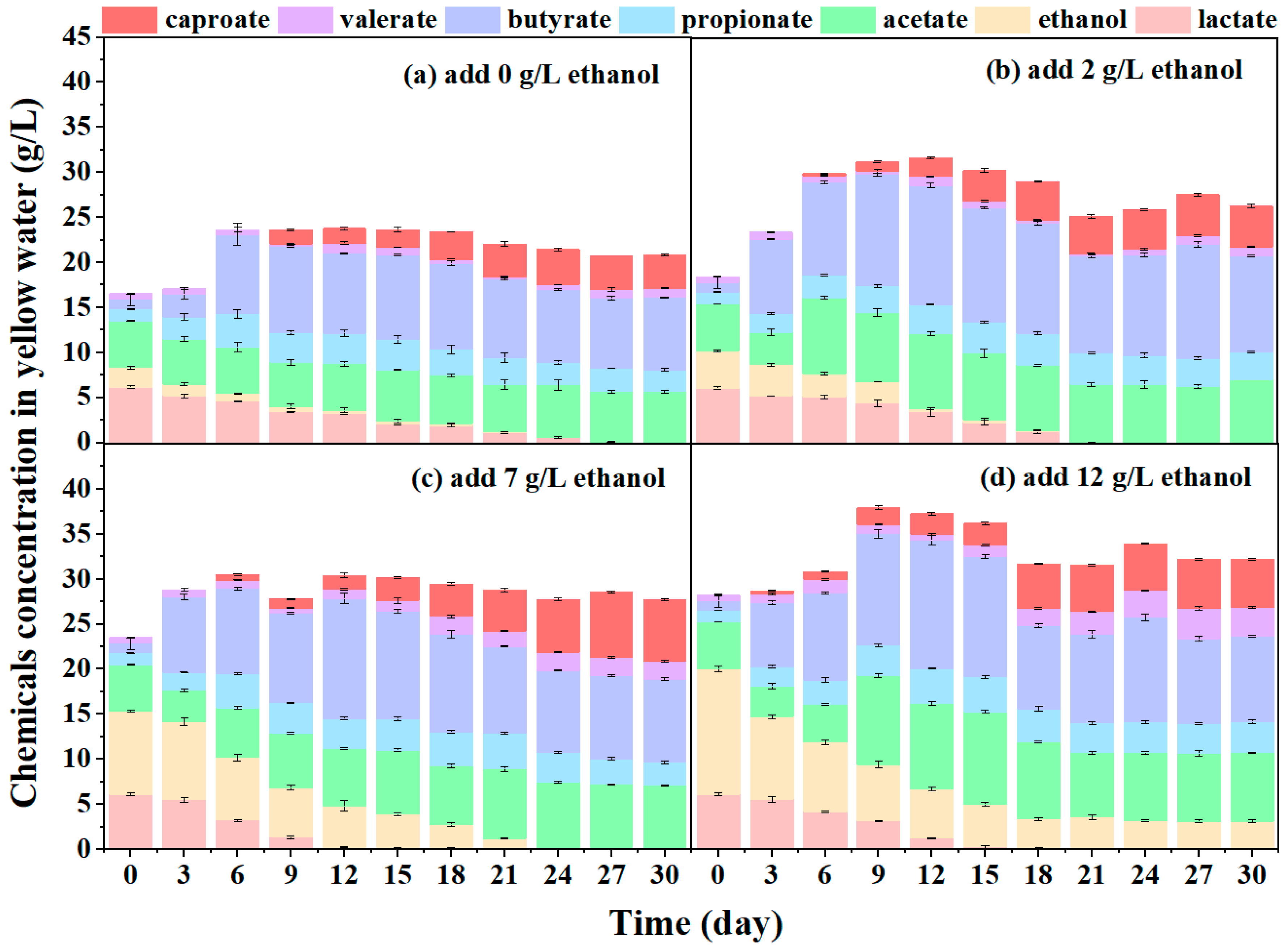
This set of experiments was conducted using 2-fold diluted yellow water as the baseline medium. The impact of ethanol supplementation on fermentation performance is seen in Figure 2. With an initial ethanol concentration of 9.5 g·L−1, caproate production peaked at 6.94 g·L−1 with a yield of 25.92% after 7 g·L−1 of ethanol was added. Compared to unsupplemented controls, this indicates a 2.6-fold rise in caproate concentration. However, caproate concentrations plateaued at 5.43 g·L−1, indicating microbial inhibition caused by higher ethanol dosages (e.g., 12 g·L−1, initial ethanol 17.5 g·L−1). According to these findings, adding ethanol increases caproate concentration and yield; excessively high ethanol concentrations hindered caproate production by inhibiting fermentation. Although there was an improvement in caproate concentration and conversion rates, the overall improvements were not considerable, and the problem of high butyrate accumulation remained [32,33].

3.2.2. Lactic Acid Addition

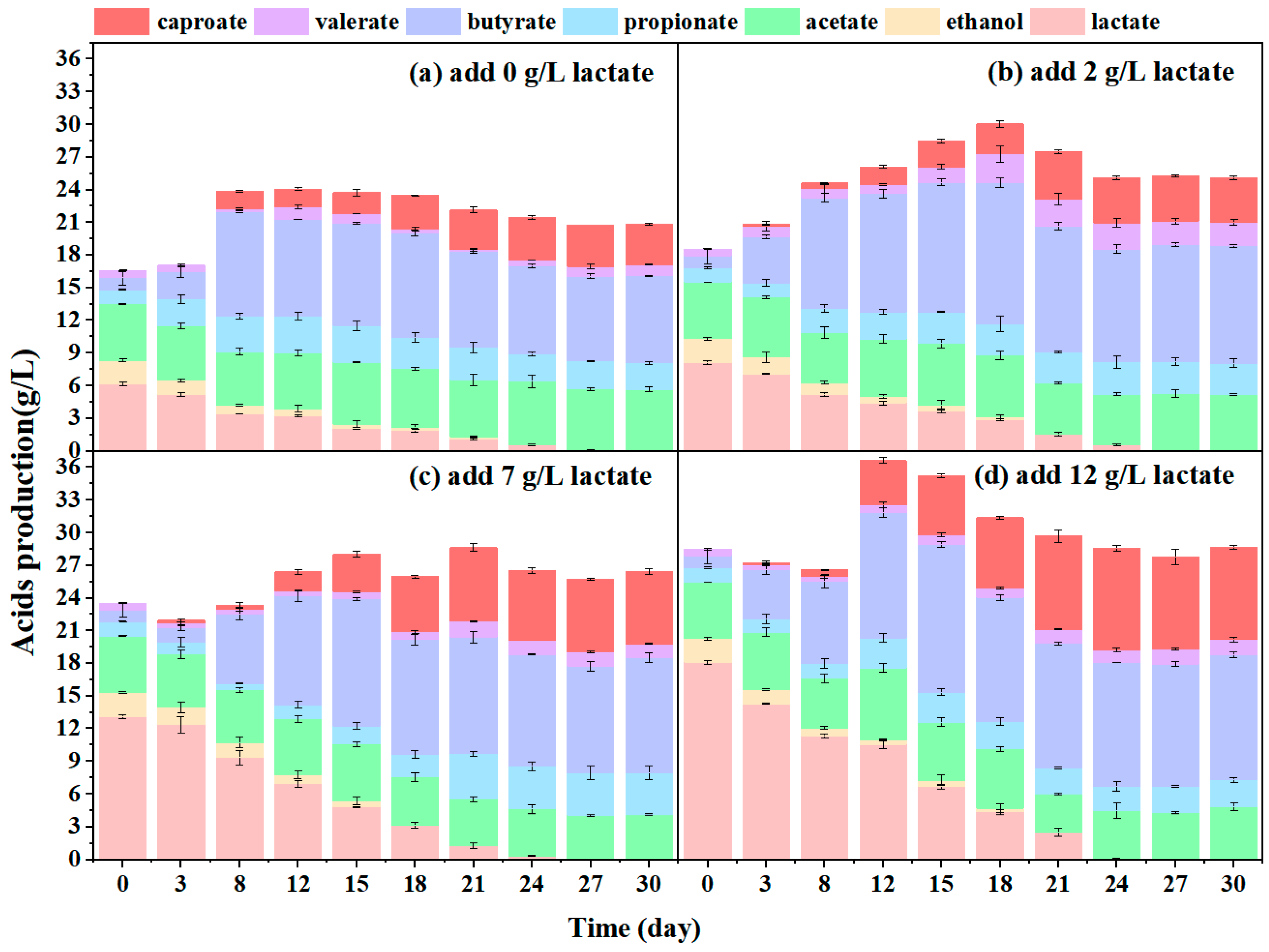
Carbon chain-extending bacteria had superior tolerance to higher lactic acid concentrations without exhibiting any negative effects, indicating that adding lactic acid during yellow water fermentation increased caproate production. The changes in organic product concentrations and compositions during fermentation with different lactic acid additions are shown in Figure 3. With an increase in lactic acid concentration from 0 to 12 g·L−1, the final concentration and yield of caproate rose from 3.76 g·L−1 and 16.02% to 8.31 g·L−1 and 31.51%, respectively, as illustrated in Figure 3. According to Figure 3c, the caproate yield in the system with 7 g·L−1 lactic acid was 26.90%, which was marginally greater than the system with 7 g·L−1 ethanol addition. However, significant butyrate accumulation persisted in all groups as seen in previous experiments. As shown in Figure 3a–c, the system’s reducing power increased with rising lactic acid concentration, facilitating increased caproate production. These results align with earlier research highlighting lactate’s exceptional electron-donating capabilities in microbial chain elongation systems [34].

3.2.3. Zero-Valent Nano-Iron Addition

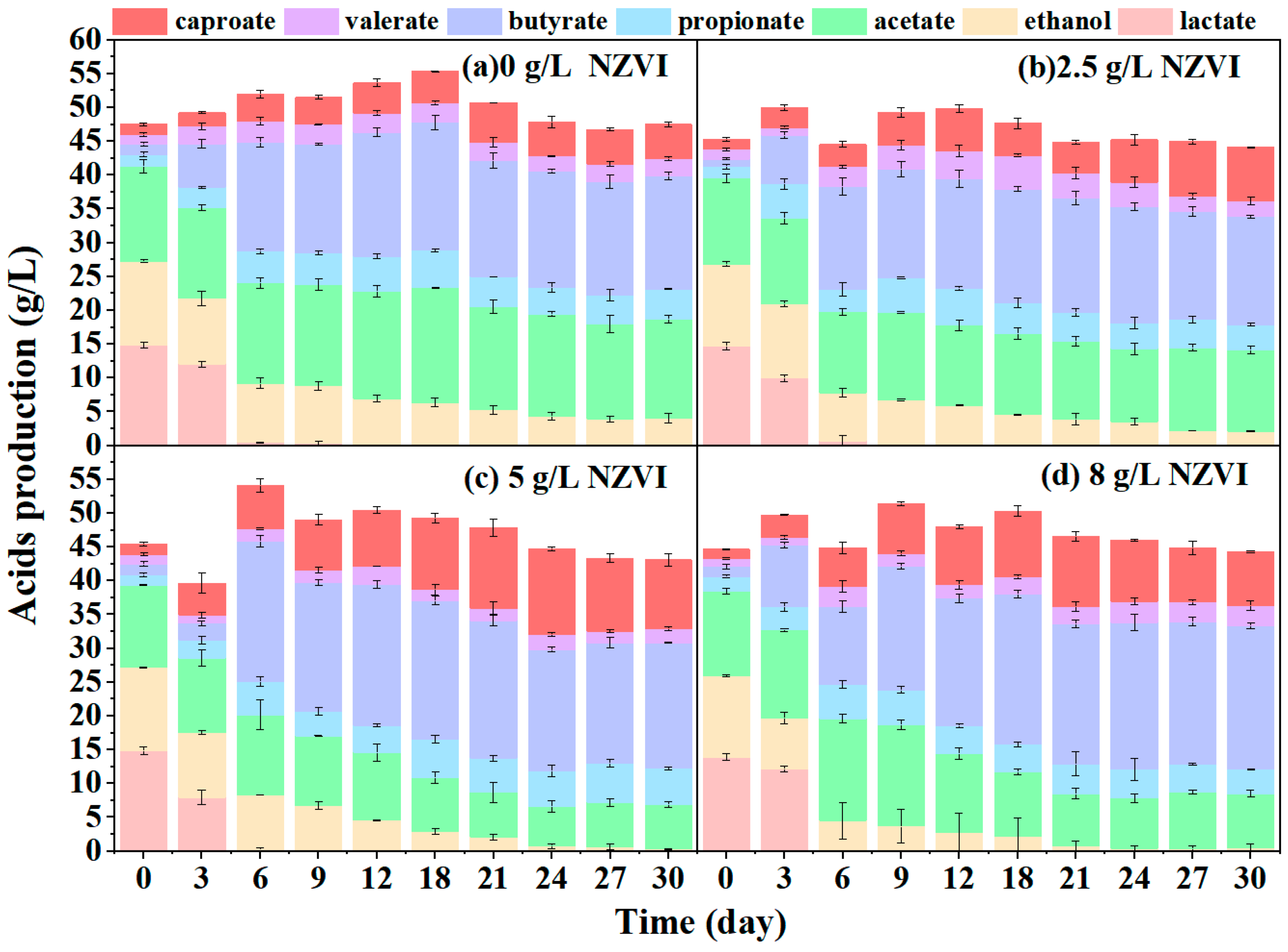
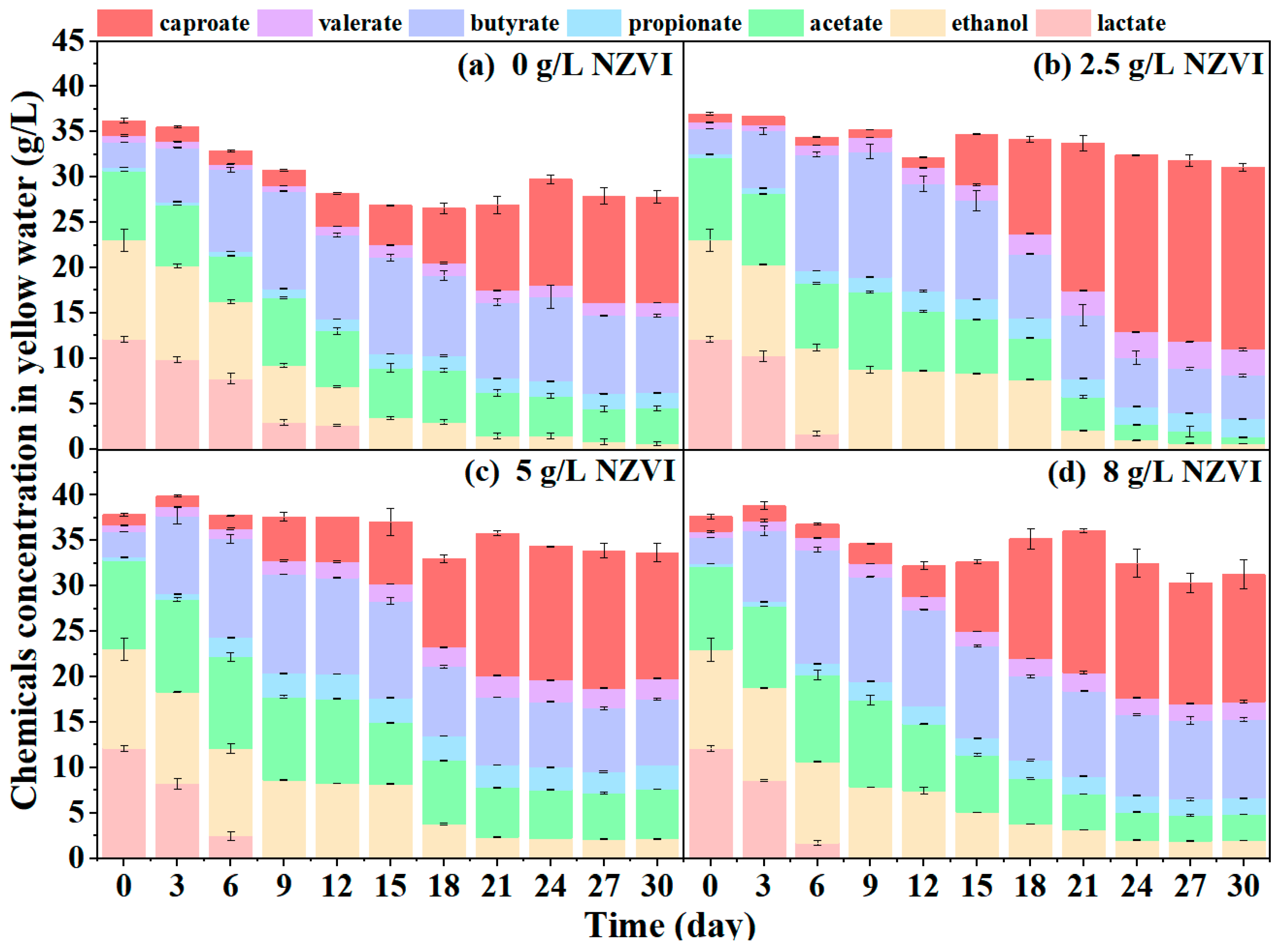
This set of tests was performed without additional ethanol supplementation. Adding a moderate amount of NZVI can significantly promote caproate production by yellow water fermentation. However, the excessive addition results in a substantial accumulation of butyric acid and is detrimental to the carbon chain extension. The pH stability improved with the addition of NZVI [35]. The changes in concentration and composition of organic products during yellow water fermentation with different NZVI additions are depicted in Figure 4. When 2.50 g·L−1 of NZVI was added, the highest concentration and yield of caproate, 5.90 g·L−1 and 7.36%, rose to 8.25 g·L−1 and 11.45%, as illustrated in Figure 4a,b. Notably, as shown in Figure 4c, the highest caproate concentration reached 12.50 g·L−1 and the yield of caproate was 20.05%, which were about 2.2 times and 2.7 times higher than the highest concentration and yield of the blank group, respectively.
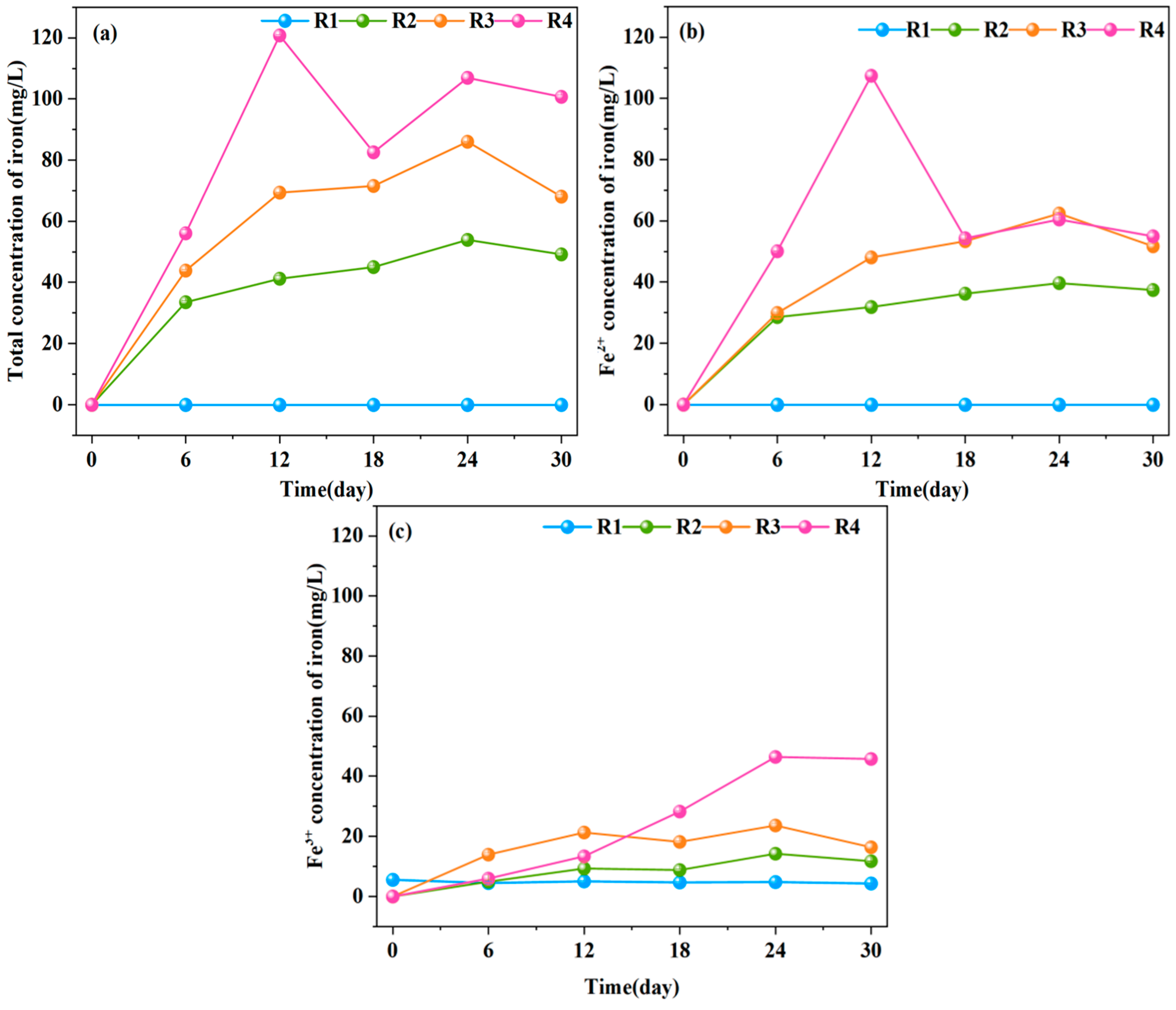
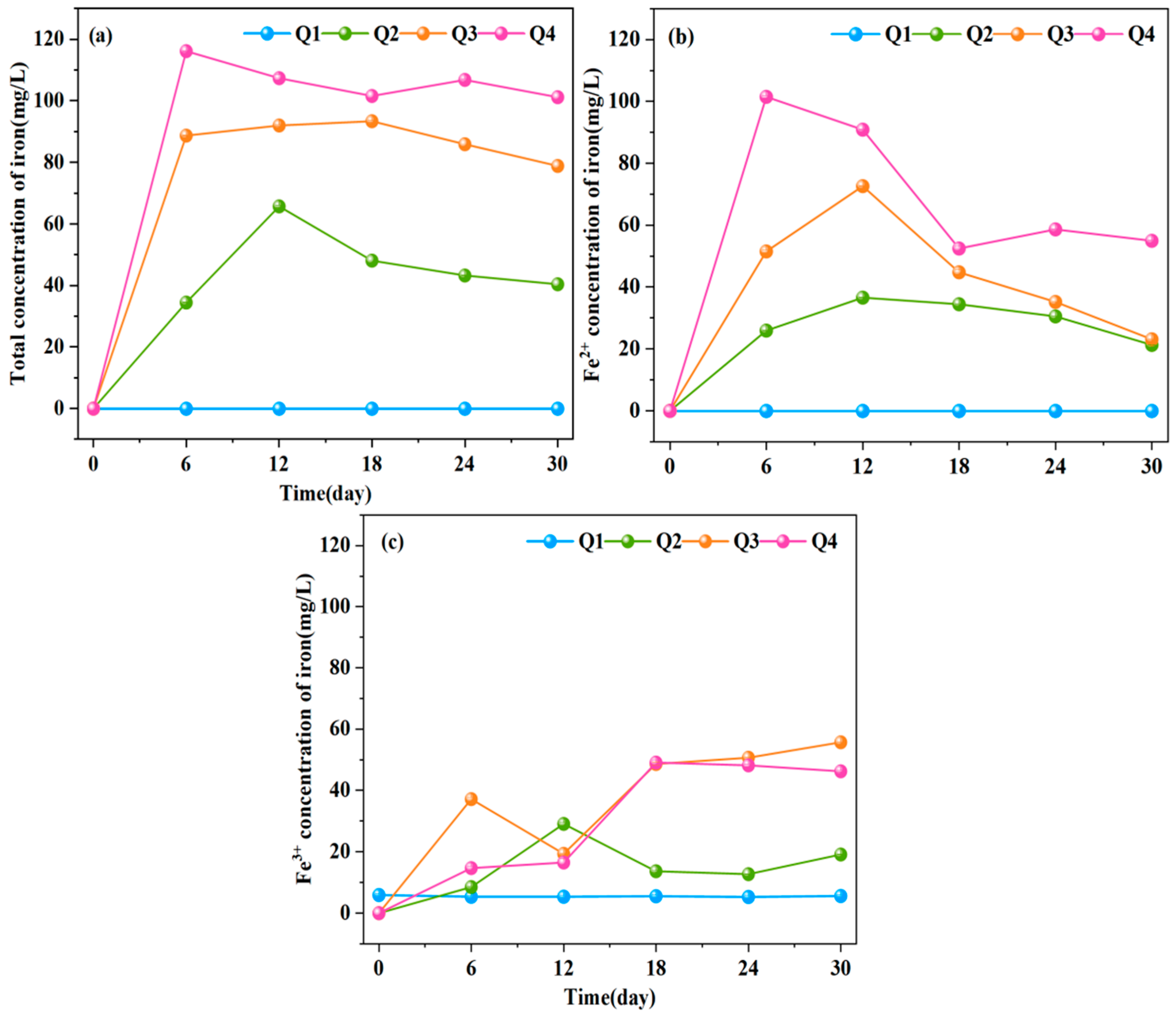
The dynamic equilibrium of Fe2+ and Fe3+ ions was discovered through analysis of Fe species during fermentation. Ferrous ions released by NZVI corrosion undergo additional in situ oxidation (Figure 5). These redox changes were essential for controlling the pH buffer and the fermentation environment. Redox coupling reactions within the system are thought to promote electron flow and carbon chain elongation, as evidenced by the formation of [Fe2+/Fe3+] ion pairs and their correlation with improved caproate yields [20]. A reasonable addition of NZVI can significantly improve the caproate production from yellow water. In contrast, an excessive amount of NZVI resulted in resource loss and a significant accumulation of butyric acid. NZVI supplementation is also beneficial for pH stabilization. However, the issue of butyric acid accumulation persisted, and the yield of caproate was marginally increased.

3.3. Developing Endogenous Electron Donor to Promote Caproate Production from Yellow Water Fermentation

The conversion of residual sugars in yellow water into lactic acid was investigated as an endogenous electron donor to improve caproate yield further and reduce dependency on costly external additives. This strategy aimed to reduce acetate accumulation and other byproducts in the secondary fermentation process, followed by internally enriching the system with electron donors to promote carbon chain elongation.

3.3.1. Lactic Acid Production from Yellow Water Fermentation to Improve Endogenous Reducing Power

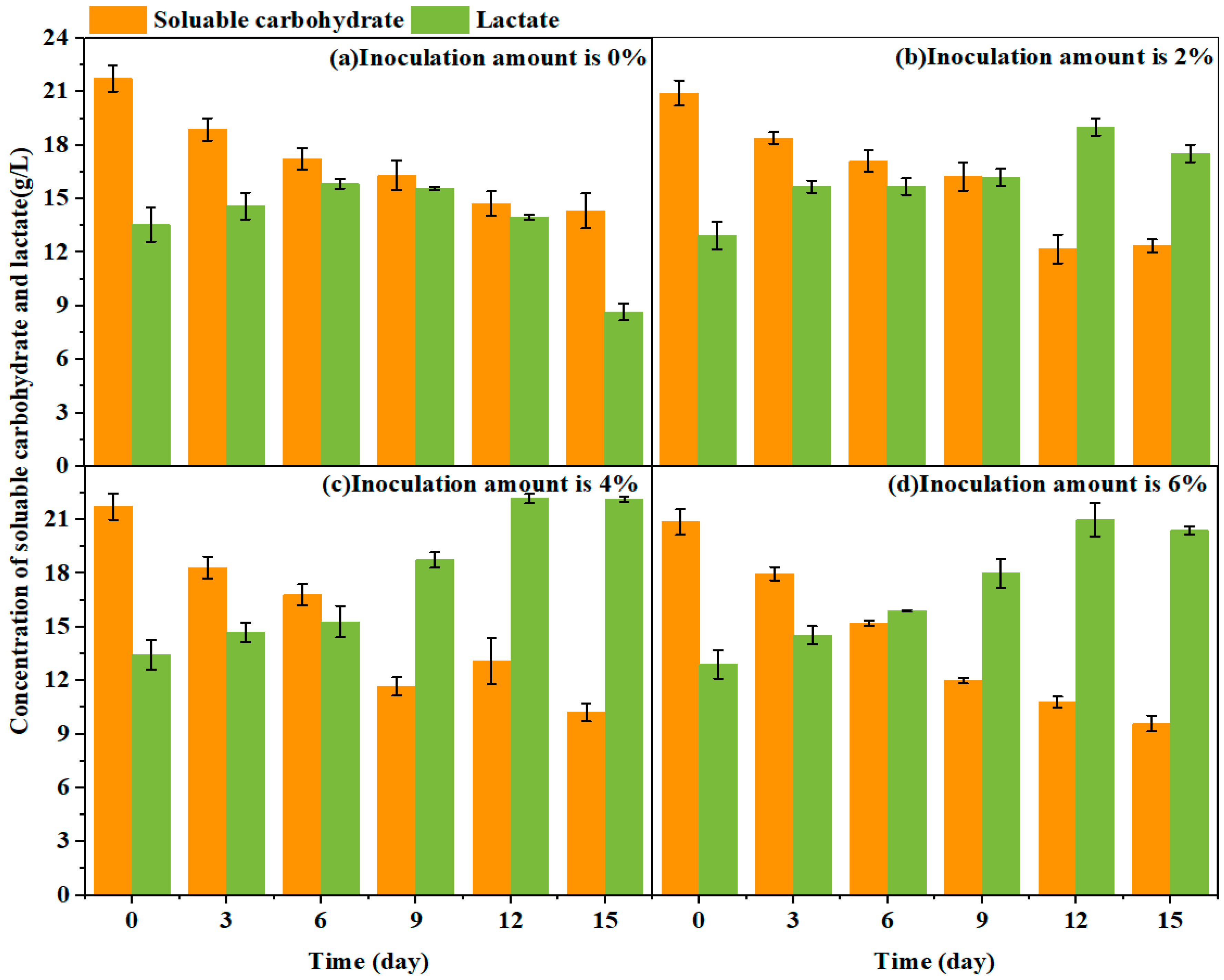
The inoculum concentration and fermentation pH were two crucial parameters thoroughly examined during the primary fermentation process, which was carried out using Lactobacillus to convert remaining sugars in the yellow water into lactic acid. As shown in Figure 6, lactic acid concentration increased significantly with the Lactobacillus inoculum size. Lactic acid accumulation was minimal at 0% inoculation (control), and residual carbohydrates remained high, indicating insufficient microbial activity. The final lactic acid concentration was 18.21 g·L−1 when the inoculum was increased to 2%, and the highest lactic acid concentration of 22.15 g·L−1 was obtained when the inoculum was increased to 4%. The lactic acid yield was maximized at this stage, and a significant amount of carbohydrates was consumed overall. However, there were no further advantages to increasing the inoculum to 6%. Instead, lactic acid concentration decreased slightly to 21.26 g·L−1, most likely due to metabolic stress, substrate competition, or feedback inhibition brought on by an excess of biomass [36]. According to these findings, the optimal inoculation amount was 4%, which balanced microbial growth, substrate conversion, and fermentation efficiency. In all cases, lactic acid production followed a pattern of rapid increase within the first 6–9 days, followed by stabilization, reflecting the exhaustion of available sugars.
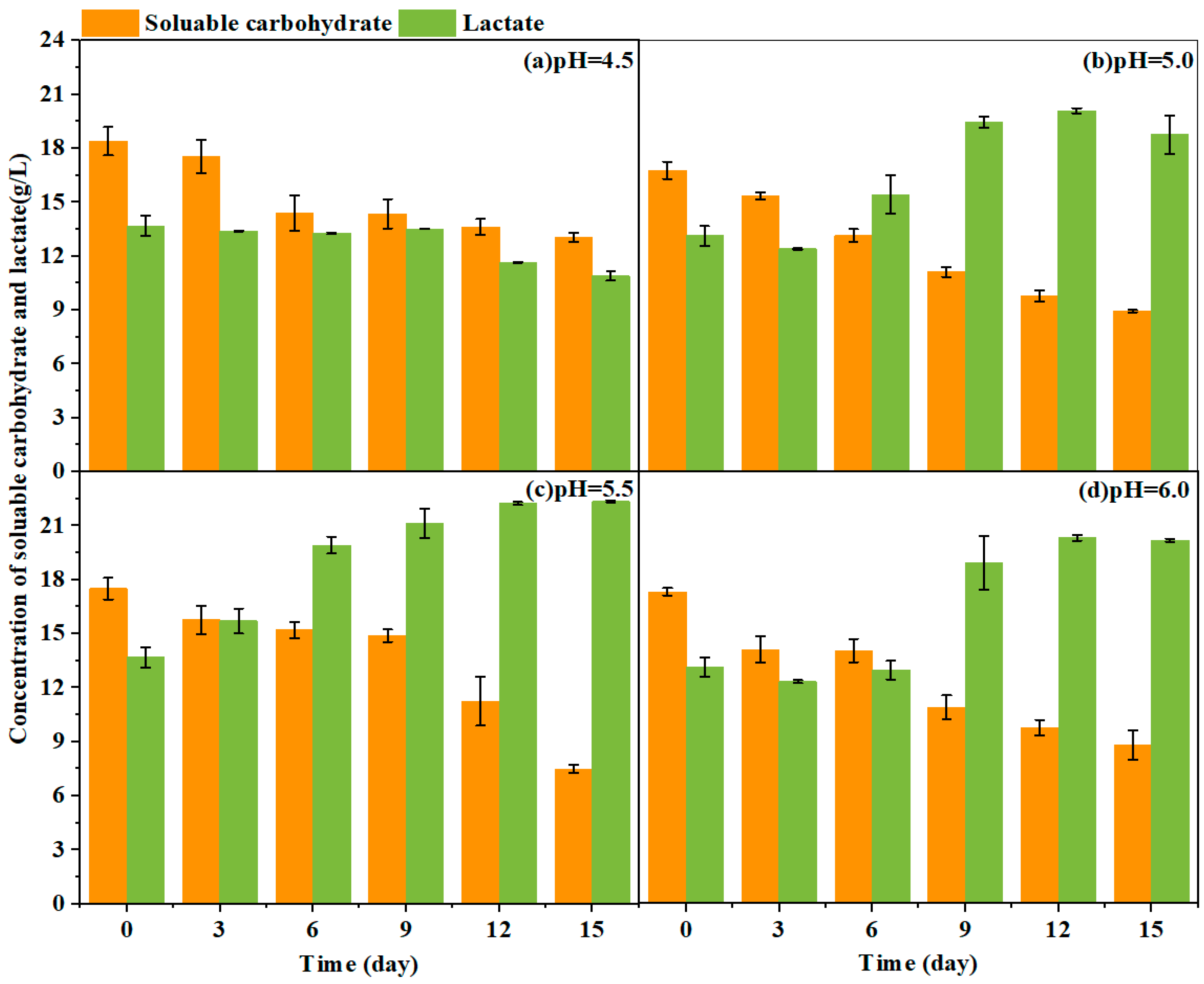
The performance of lactic acid production was significantly impacted by fermentation pH and inoculum size. The optimum pH value was 5.5, as illustrated in Figure 7, where lactic acid concentration reached 22.35 g·L−1, and net lactic acid production was 8.67 g·L−1. Lactic acid accumulation decreased due to the considerable suppression of microbial activity at pH 4.5. Conversely, although pH 6.0 supported microbial growth, it yielded lower lactic acid concentrations than pH 5.5. The results suggested that pH 5.5 provided a favorable environment for Lactobacillus metabolism, maintaining enzymatic activity and cellular stability. Residual carbohydrate levels at this pH were roughly 6.91 g·L−1, suggesting efficient sugar utilization without complete depletion [37]. This is advantageous for subsequent secondary fermentation, as moderate residual sugar levels prevent over-acidification while retaining substrate availability for chain elongation bacteria.

3.3.2. Caproate Production by Secondary Fermentation of Yellow Water

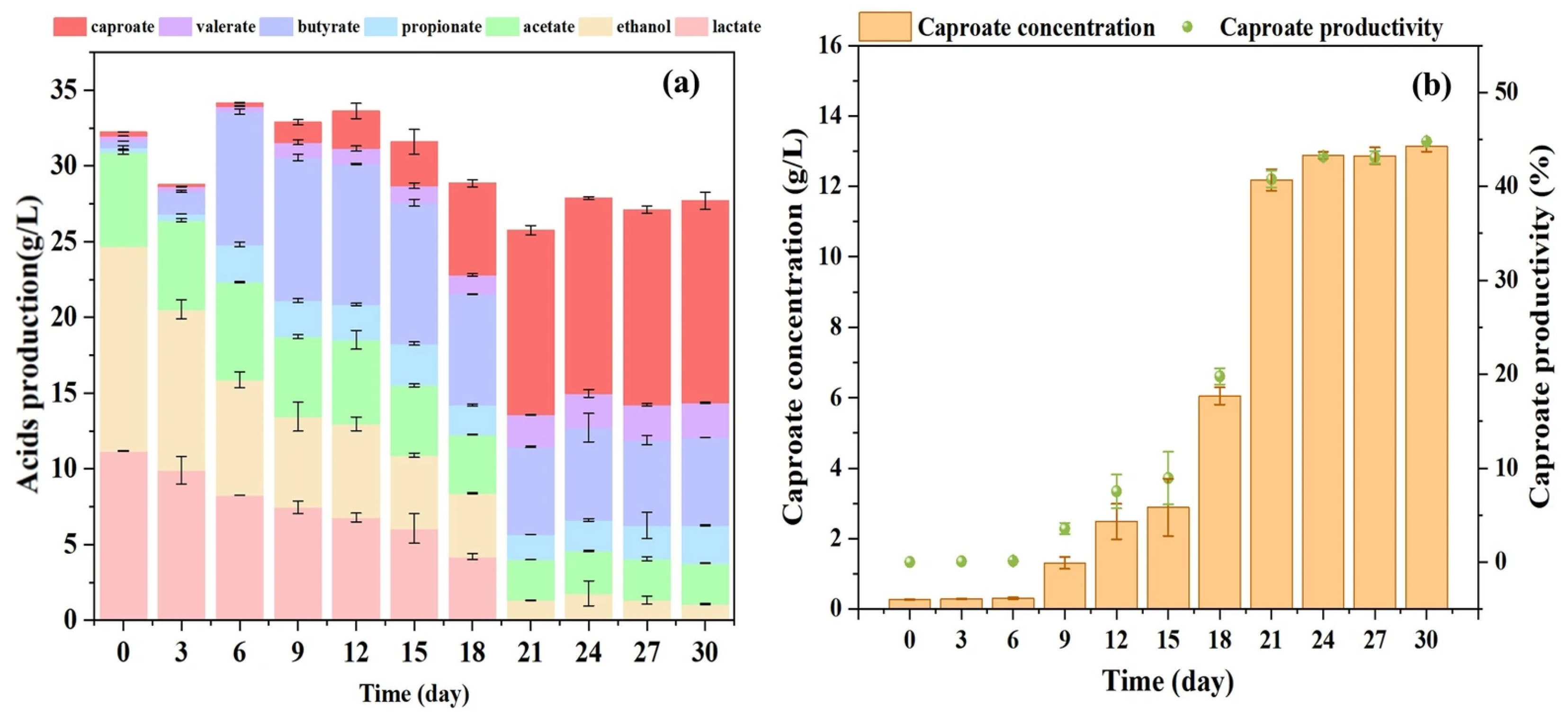
The lactate-rich broth obtained from the primary fermentation step was subjected to secondary fermentation under anaerobic conditions to evaluate its efficacy in caproate production. The secondary fermentation was conducted using the same chain elongation consortium as in previous phases, without any external electron donor supplementation. The caproate concentration reached 13.13 g·L−1 with a yield of 44.78% as shown in Figure 8. In contrast to direct fermentation with untreated yellow water (3.81 g·L−1, 16.23% yield), the two-stage fermentation process had yield and concentration improvements of approximately 3.4-fold and 2.9-fold, respectively. The substantial improvement is explained by the large amount of lactic acid acting as an internal electron donor and the reduced formation of acetate and butyrate byproducts [38].
The enhanced caproate selectivity suggested a well-balanced electron donor-acceptor ratio in the secondary fermentation, which was attained by converting residual carbohydrates into lactic acid in the primary stage. Notably, the accumulation of acetate, a typical byproduct in donor-deficient systems, was substantially reduced, and butyrate levels were minimal. The product spectrum shifts suggested a more favorable redox environment and metabolic routing toward caproate biosynthesis via reverse β-oxidation [31]. Furthermore, the system’s pH remained relatively stable throughout the secondary fermentation, which might be partially attributed to the buffering effects of lactic acid metabolism. The consistent pH profile also promoted microbial stability and sustained MCFA production. The endogenous enrichment of lactic acid via Lactobacillus-mediated fermentation provided a sustainable and cost-effective electron donor pool that significantly enhanced caproate production in subsequent stages. This two-stage method has distinct benefits in selectivity, resource efficiency, and suitability for low-value, high-strength wastewater streams such as yellow water, despite requiring more steps and a more extended fermentation period.

3.4. Promoted Caproate Production from Yellow Water Fermentation by Complexing Exogenous and Endogenous Electron Donors

Building upon the promising results of endogenous lactic acid enrichment (Figure 8) and the demonstrated efficacy of NZVI in enhancing reducing power (Figure 4), we investigated the synergistic potential between these approaches during the secondary fermentation of yellow water. The lactate-rich broth from optimized primary fermentation was subjected to secondary fermentation with varying NZVI additions. As shown in Figure 9, NZVI addition significantly enhanced caproate production in this pre-enriched system. The highest caproate concentration reached 20.41 g·L−1 which is one of the highest concentrations reported in relevant studies [3,4,8,32,33,36]. The yield reached 69.50% with the addition of 2.50 g·L−1 NZVI (Figure 9b), which is also higher than the results of most previous studies [3,4,8,32,33,36]. This represented an increase of 8.26 g·L−1 in concentration and 26.74% in yield compared to the secondary fermentation control without NZVI (Figure 9a). This performance significantly surpassed all previous configurations, including direct fermentation with NZVI.
Patterns aligned with direct NZVI-supplemented fermentation were found in the analysis of Fe species dynamics (Figure 10). The dynamic [Fe2+/Fe3+] ion pairs formed when NZVI corrosion liberated Fe2+, which was then partially oxidized in situ to yield Fe3+. Notably, the reactor with 2.5 g·L−1 NZVI (Q2) exhibited the most balanced [Fe2+/Fe3+] ratio (1.12–3.10), suggesting efficient redox coupling reactions that likely contributed to the enhanced caproate production and system stability. While higher NZVI dosages (5 and 8 g·L−1) also improved caproate production compared to the NZVI-free secondary fermentation control, they yielded lower concentrations and yields than the 2.5 g·L−1 NZVI group (Figure 9c,d) and were associated with higher butyrate accumulation. This confirms the importance of optimizing NZVI dosage, as excessive amounts provide diminishing returns and can negatively impact product spectrum [19]. The highest recorded caproate concentration (20.41 g·L−1) and yield (69.50%) from yellow water were obtained through the synergistic integration of endogenous lactate enrichment (via primary fermentation) and optimized exogenous NZVI supplementation (2.5 g·L−1) during secondary fermentation. This showed how effective it is to co-regulate internal and external electron donor sources for targeted caproate biosynthesis.

3.5. Microbial Community

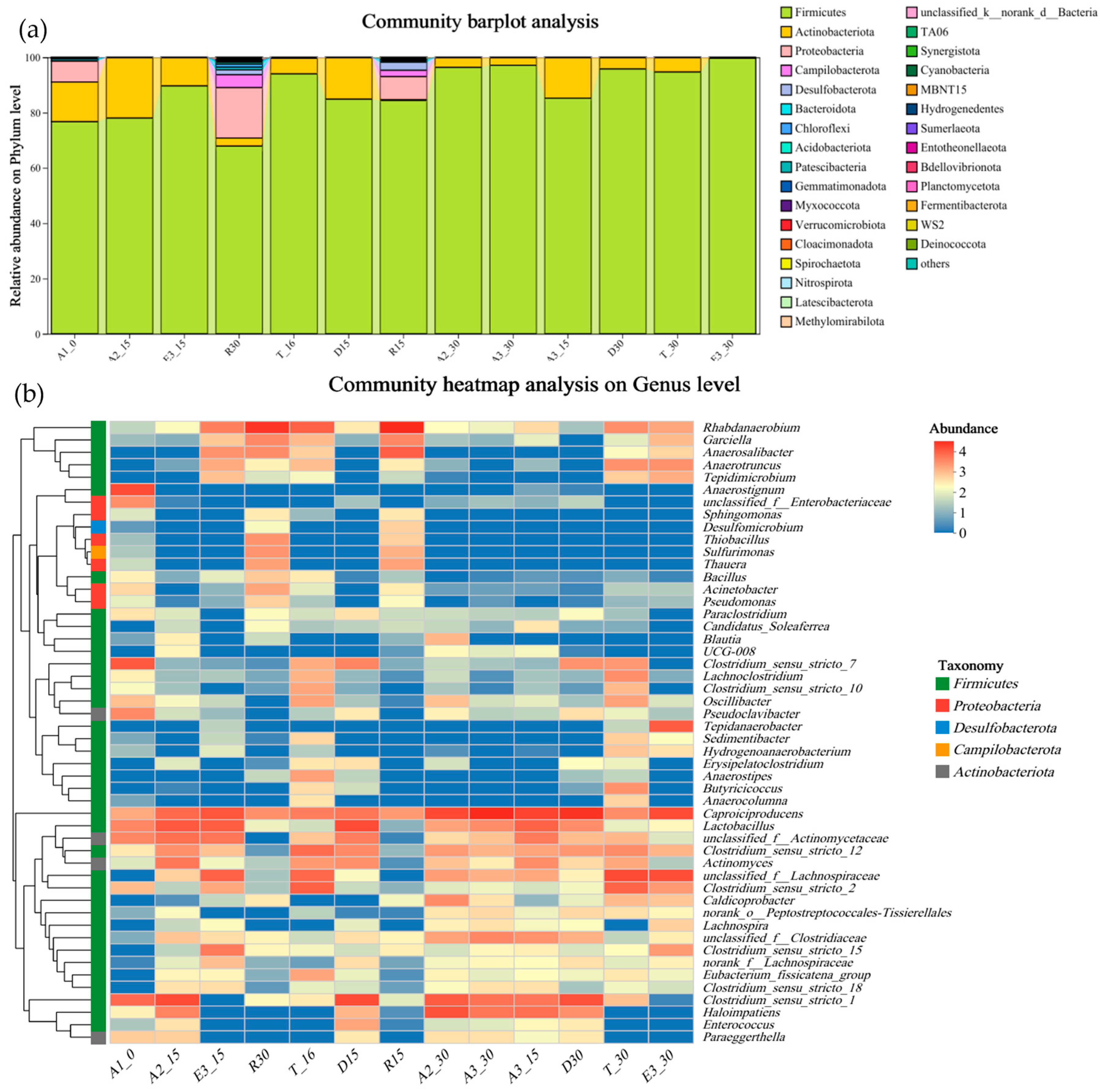
Microbial community structure across selected fermentation systems was analyzed to understand the microbial mechanisms underlying improved caproate production with different electron donor strategies. Samples were collected from five representative reactors, namely the control (direct fermentation), lactic acid-enriched secondary fermentation, NZVI-supplemented fermentation, and the combined NZVI–secondary fermentation system. Taxonomic profiles were evaluated at the phylum, order, and genus levels.

3.5.1. Phylum-Level Distribution and Shifts

The three major phyla in all systems were Firmicutes, Proteobacteria, and Actinobacteria, as illustrated in Figure 11a. Firmicutes emerged as the predominant group, especially abundant in systems supplemented with NZVI and lactic acid. In the secondary fermentation and NZVI-coupled systems, the relative abundance of Firmicutes rose from below 30% in the direct fermentation group to over 70% [39]. The enrichment of Firmicutes reflects the selection of anaerobic, fermentative, and chain-elongating bacteria that thrive under reducing conditions. However, Actinobacteria, which are usually linked to aerobic or facultatively anaerobic carbohydrate metabolism, drastically decreased from 20% in the control to less than 5% in the optimized systems. This shift suggests the community’s transformation from general carbohydrate degraders to strict anaerobic caproate-producing consortia [19,30].

3.5.2. Enrichment of Caproate-Producing Genera

Caproiciproducens and Clostridium sensu stricto were highly enriched in all enhanced fermentation systems at the genus level (Figure 11b). These genera are well-known for potentially using lactate and ethanol as electron donors to synthesize reverse β-oxidation and medium-chain fatty acid (MCFA). The relative abundance of Caproiciproducens rose to 4.3–4.5% in NZVI and lactate-enriched systems, compared to <1% in the control. Clostridium sensu stricto 1 and 12, capable of converting acetate and lactate into longer-chain products, were also prominent in the enhanced groups. This suggests that they play a crucial role in the elongation of carbon chains toward caproate. Better carbon recovery and caproate selectivity are highly correlated with their enrichment.

3.5.3. Supporting Taxa’s Functional Contribution

In addition to the primary chain elongators, several genera played supporting roles. The lactic acid enrichment stage’s dominant Lactobacillus was also found in secondary fermentation systems, suggesting carryover and continued lactate production. Despite not being directly involved in the caproate synthesis, Lactobacillus helps to generate caproate from residual carbohydrates sustainably. The NZVI-supplemented group had moderate amounts of Oscillibacter. This facultative anaerobe can convert lactate and ethanol into short-chain fatty acids detected at moderate levels in the NZVI-supplemented group [31,40]. Its existence could support the chain elongation route by aiding in the recycling of acetate or intermediate transformation. The combined NZVI-secondary fermentation system’s microbial community exhibited the highest diversity and specialization, with chain-elongating Clostridia predominating, lactate fermenters moderately present, and suppression of competing pathways such as butyrate or propionate producers. This community configuration aligned with the noted increases in caproate yield, selectivity, and electron donor utilization efficiency.

3.5.4. Ecological Implications

The data suggested that electron donor type and availability were key in shaping microbial composition and functionality. Endogenous lactate enrichment favored a Clostridia-dominated consortia optimized for chain elongation. Simultaneously, NZVI supplementation created a reductive environment that suppressed undesirable pathways while promoting caproate synthesis. These findings confirm that targeted manipulation of microbial communities through electronic donor engineering and redox control can effectively steer the metabolism toward desirable products such as caproate, supporting process intensification for industrial-scale MCFA production.

3.6. Quantitative Analysis of Electron Donors-Acceptor Balance Regulating Caproate Production from Yellow Water Fermentation

A fundamental limitation in the synthesis of medium-chain fatty acid (MCFA) from yellow water is the mismatch between electron donors (such as ethanol, lactate, and hydrogen) and acceptors (mainly acetate). A carbon balance analysis was conducted across four process configurations, namely direct fermentation, secondary fermentation after lactic acid enrichment, NZVI-assisted fermentation, and NZVI-coupled secondary fermentation. This was done to quantitatively evaluate how various strategies affected caproate production and carbon flow.

3.6.1. Carbon Recovery from Organic Fractions

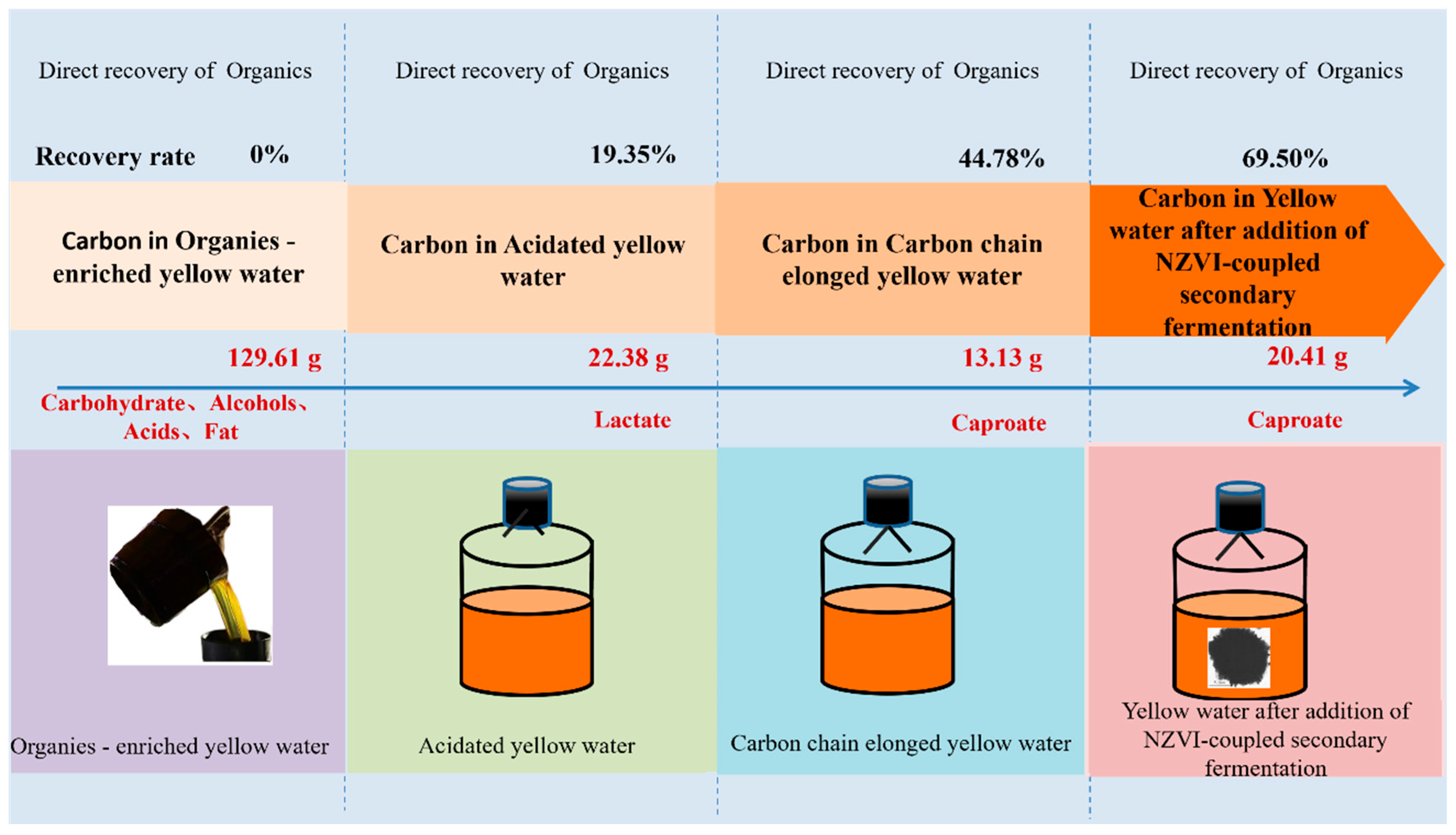
Direct fermentation of yellow water yielded a caproate concentration of 3.81 g·L−1 with a carbon recovery rate of 16.23% as shown in Figure 12. This process served as the baseline. Secondary fermentation enhanced carbon recovery to 44.78% and enhanced caproate production to 13.13 g·L−1 following lactic acid enrichment via primary fermentation. A more favorable redox environment and increased availability of electron donors are responsible for this rise, which translates into a 2.9-fold boost in carbon utilization efficiency. When NZVI (2.5 g·L−1) was added to untreated yellow water, the caproate concentration increased to 8.25 g·L−1, with a corresponding carbon recovery of 20.05%. However, when NZVI was coupled with secondary fermentation, the final caproate concentration reached 20.41 g·L−1, and carbon recovery increased to 69.50%, the highest of all treatment methods. This result underscores the synergistic effect of combining endogenous donor enrichment and exogenous redox enhancement.

3.6.2. Transformation of Carbohydrates into Functional Electron Donors

Lactic acid levels in the yellow water rose from 8.30 g·L−1 to 22.35 g·L−1 during primary fermentation, while the residual sugar content dropped from 12.80 g·L−1 to 5.47 g·L−1. The net gain of 7.18 g·L−1 was determined to be the overall lactic acid production efficiency. With this conversion, carbon was successfully diverted from undesirable acidification products (like acetate) and into a more usable electron donor pool for ensuing reverse β-oxidation reactions [41]. Interestingly, excess carbohydrates in the direct fermentation setup were prone to acidogenic pathways, accumulating acetate and butyrate. These products consume carbon inefficiently and disrupt redox balance by overloading electron acceptors [42]. In contrast, pre-conversion of carbohydrates to lactate established a more balanced donor-acceptor ratio, facilitating efficient chain elongation toward caproate.

3.6.3. Impact of Electron Donor Strategies on Caproate Selectivity

Comparison with previous studies further underscores the critical role of optimizing the electron donor-acceptor balance. For instance, Wu et al. [12] utilized Chinese liquor-making wastewater as a substrate and demonstrated that co-electron donors (ethanol and lactate) could achieve a caproate concentration of 12.33 g·L−1. However, they noted that reliance on lactate alone often leads to carbon diversion via the acrylate pathway toward propionate, limiting the conversion efficiency. In contrast, our study achieved a significantly higher caproate concentration of 20.41 g·L−1. This superior performance can be attributed to the synergistic strategy of endogenously enriching lactate in the primary stage and supplementing NZVI in the secondary stage. Unlike simple exogenous supplementation, this approach establishes a robust reducing environment that effectively suppresses side reactions (e.g., butyrate/propionate accumulation) and maximizes the thermodynamic driving force for chain elongation, thereby overcoming the donor limitations observed in conventional systems.

4. Conclusions

A comprehensive plan for increasing caproate production from yellow water by coordinated regulation of endogenous and external electron donors was developed and validated in the present study. Findings demonstrate a robust and scalable framework for efficiently converting high-strength organic wastewater into value-added medium-chain fatty acids. In addition to addressing the underlying constraint of electron donor imbalance, the dual-pathway approach offers new theoretical and practical directions for advancing sustainable biorefinery and wastewater valorization technologies. Conclusions are below.
(1)
Substrate overloading hindered the direct fermentation of yellow water for caproate production, which could be alleviated by dilution, two-fold dilution obtaining 3.81 g·L−1 of caproate with a 16.23% conversion efficiency.
(2)
Lack of electron donors also hindered caproate production from yellow water fermentation, which could be alleviated by adding external electron donors, such as ethanol, lactic acid and NZVI. However, butyrate accumulation or microbial inhibition resulted after over-supplementation of external electron donors. The maximum performance of 12.50 g·L−1 caproate and a yield of 20.05% was achieved with 5 g·L−1 NZVI.
(3)
Developing endogenous electron donors was a promising approach to solve the shortage of electron donors during yellow water fermentation for caproate production. Endogenous lactic acid enrichment could yield 13.13 g·L−1 caproate with a 44.78% conversion efficiency, which even further improved to 20.41 g·L−1 and 69.50%, respectively, by integrating with NZVI addition.
(4)
Lactic acid enrichment and NZVI-mediated redox enhancement reconfigured microbial community structure toward increased medium-chain fatty acid productivity, including enrichments of Firmicutes and Clostridium species, particularly Caproiciproducens and Clostridium sensu stricto.

Author Contributions

Conceptualization, H.L. (Hongbo Liu) and H.L. (He Liu); methodology, K.S. and H.L. (Hongbo Liu); software, K.S. and X.C.; validation, K.S., X.C. and Y.S.; formal analysis, K.S. and X.Z.; investigation, X.C., Y.S. and H.L. (Hongbo Liu); resources, H.L. (He Liu) and J.S.; data curation, H.L. (He Liu) and X.Z.; writing—original draft preparation, K.S., X.C., Y.S. and S.T.; writing—review and editing, S.T.; visualization, K.S.; supervision, H.L. (Hongbo Liu) and H.L. (He Liu); project administration, H.L. (He Liu); funding acquisition, H.L. (He Liu). All authors have read and agreed to the published version of the manuscript.

Funding

This work was supported by the National Natural Science Foundation of China (No. 51978313).

Institutional Review Board Statement

Not applicable.

Informed Consent Statement

Not applicable.

Data Availability Statement

The original contributions presented in this study are included in the article. Further inquiries can be directed to the corresponding author.

Conflicts of Interest

Author Jiasheng Shi was employed by the company Wuxi Zero Carbon Environmental Management Co., Ltd. The remaining authors declare that the research was conducted in the absence of any commercial or financial relationships that could be construed as a potential conflict of interest.

References

  1. Dahiya, S.; Sarkar, O.; Swamy, Y.V.; Mohan, S.V. Acidogenic fermentation of food waste for volatile fatty acid production with co-generation of biohydrogen. Bioresour. Technol. 2015, 182, 103–113. [Google Scholar] [CrossRef] [PubMed]
  2. Zhang, X.; Zhang, H.; Zhang, Z.; Wang, R.; Zhang, J. Recent Advances in Resource Utilization of Huangshui from Baijiu Production. Fermentation 2024, 10, 310. [Google Scholar] [CrossRef]
  3. Gao, M.; Lin, Y.; Wang, P.; Jin, Y.; Wang, Q.; Ma, H.; Sheng, Y.; Van Le, Q.; Xia, C.; Lam, S.S. Production of medium-chain fatty acid caproate from Chinese liquor distillers’ grain using pit mud as the fermentation microbes. J. Hazard. Mater. 2021, 417, 126037. [Google Scholar] [CrossRef]
  4. Wang, Y.; Zhou, Y.; Wang, P.; Wu, B.; Li, X.; Liu, H.; Ghasimi, D.S.M.; Zhang, X. Alleviation of Organic Load Inhibition and Enhancement of Caproate Biosynthesis via Fe3O4 Addition in Anaerobic Fermentation of Food Waste. Fermentation 2025, 11, 160. [Google Scholar] [CrossRef]
  5. Tshemese, Z.; Buzón-Durán, L.; García-González, M.C.; Deenadayalu, N.; Molinuevo-Salces, B. A Novel Food Wastewater Treatment Approach: Developing a Sustainable Fungicide for Agricultural Use. Fermentation 2025, 11, 189. [Google Scholar] [CrossRef]
  6. Candry, P.; Ganigué, R. Chain elongators, friends, and foes. Curr. Opin. Biotechnol. 2021, 67, 99–110. [Google Scholar] [CrossRef]
  7. Shen, S.; Liu, J.; Luo, R.; Zhang, J.; Zhao, D.; Xue, X.; Zheng, J.; Qiao, Z.; Zhang, Q.; Feng, Z.; et al. Analysis of the Influence of Microbial Community Structure on Flavor Composition of Jiang-Flavor Liquor in Different Batches of Pre-Pit Fermented Grains. Fermentation 2022, 8, 671. [Google Scholar] [CrossRef]
  8. Wu, Q.; Bao, X.; Guo, W.; Wang, B.; Li, Y.; Luo, H.; Wang, H.; Ren, N. Medium chain carboxylic acids production from waste biomass: Current advances and perspectives. Biotechnol. Adv. 2019, 37, 599–615. [Google Scholar] [CrossRef]
  9. Wang, J.; Yin, Y. Biological production of medium-chain carboxylates through chain elongation: An overview. Biotechnol. Adv. 2022, 55, 107882. [Google Scholar] [CrossRef] [PubMed]
  10. Li, J.; Zhang, Q.; Sun, B. Chinese Baijiu and Whisky: Research Reservoirs for Flavor and Functional Food. Foods 2023, 12, 2841. [Google Scholar] [CrossRef]
  11. Yang, S.; Duan, J.; Lv, S.; Xu, L.; Li, H. Revealing the Changes in Compounds When Producing Strong-Flavor Daqu by Statistical and Instrumental Analysis. Fermentation 2022, 8, 720. [Google Scholar] [CrossRef]
  12. Wu, Q.; Guo, W.; Bao, X.; Meng, X.; Yin, R.; Du, J.; Zheng, H.; Feng, X.; Luo, H.; Ren, N. Upgrading liquor-making wastewater into medium chain fatty acid: Insights into co-electron donors, key microflora, and energy harvest. Water Res. 2018, 145, 650–659. [Google Scholar] [CrossRef]
  13. Ma, H.; Wu, W.; Yu, Z.; Zhao, J.; Fu, P.; Xia, C.; Lam, S.S.; Wang, Q.; Gao, M. Medium-chain fatty acid production from Chinese liquor brewing yellow water by electro-fermentation: Division of fermentation process and segmented electrical stimulation. Bioresour. Technol. 2022, 360, 127510. [Google Scholar] [CrossRef]
  14. Cui, J.; Du, Z.; Zhao, L.; Li, H.; Wang, Z.; Huo, Z.; Du, Y.; Zhang, Z. Continuous production of aromatic esters from Chinese liquor yellow water by immobilized lipase in a packed-bed column bioreactor. J. Environ. Chem. Eng. 2024, 12, 112887. [Google Scholar] [CrossRef]
  15. Li, D.; Zhou, A.; Mei, J.; Liu, Z.; Duan, H.; Luo, J.; He, Z.; Liu, W.; Ni, B.-J.; Yue, X. Synergy among multiple electron donors in electro-fermentation chain elongation: Accelerated directional electron transfer and enhanced microbial functions. Bioresour. Technol. 2025, 434, 132817. [Google Scholar] [CrossRef]
  16. Montecchio, D.; Gazzola, G.; Gallipoli, A.; Gianico, A.; Braguglia, C.M. Medium chain Fatty acids production from Food Waste via homolactic fermentation and lactate/ethanol elongation: Electron balance and thermodynamic assessment. Waste Manag. 2024, 177, 289–297. [Google Scholar] [CrossRef]
  17. Ning, Z.; Wang, X.; Zhong, W.; Yang, T.; Dou, D.; Huang, Y.; Kong, Q.; Xu, X. Influence of acetate-to-butyrate ratio on carbon chain elongation in anaerobic fermentation. Bioresour. Technol. 2024, 395, 130326. [Google Scholar] [CrossRef] [PubMed]
  18. Zhao, J.; Ma, H.; Gao, M.; Qian, D.; Wang, Q.; Liu, L. Production of caproate from lactate by chain elongation under electro-fermentation: Dual role of exogenous ethanol electron donor. Bioresour. Technol. 2025, 424, 132272. [Google Scholar] [CrossRef] [PubMed]
  19. Ji, X.; Zhu, K.; Zhang, L. Biocarrier-driven enhancement of caproate production via microbial chain elongation: Linking metabolic redirection and microbiome assembly. Bioresour. Technol. 2025, 438, 133272. [Google Scholar] [CrossRef] [PubMed]
  20. Fu, X.; Jin, X.; Ye, R.; Lu, W. Nano zero-valent iron: A pH buffer, electron donor and activator for chain elongation. Bioresour. Technol. 2021, 329, 124899. [Google Scholar] [CrossRef]
  21. Angenent, L.T.; Richter, H.; Buckel, W.; Spirito, C.M.; Steinbusch, K.J.J.; Plugge, C.M.; Strik, D.P.B.T.B.; Grootscholten, T.I.M.; Buisman, C.J.N.; Hamelers, H.V.M. Chain Elongation with Reactor Microbiomes: Open-Culture Biotechnology to Produce Biochemicals. Environ. Sci. Technol. 2016, 50, 2796–2810. [Google Scholar] [CrossRef]
  22. Li, Z.; Qiu, S.; Xu, S.; Lu, X.; Wang, Y.; Ge, S. Nano zero valent iron stimulated acetaldehyde oxidation, electron transfer, and RBO pathway for enhanced medium-chain carboxylic acids production. Water Res. 2024, 262, 122103. [Google Scholar] [CrossRef]
  23. Zhang, Q.; Yang, Y.; Lee, C.-H.; Graham, N.J.D.; Ng, H.Y. Enhanced methane production and biofouling mitigation by Fe2O3 nanoparticle-biochar composites in anaerobic membrane bioreactors. Water Res. 2025, 280, 123522. [Google Scholar] [CrossRef]
  24. Stefaniuk, M.; Oleszczuk, P.; Ok, Y.S. Review on nano zerovalent iron (nZVI): From synthesis to environmental applications. Chem. Eng. J. 2016, 287, 618–632. [Google Scholar] [CrossRef]
  25. Wu, P.; Zhang, J.; Li, J.; Zhang, Y.; Fu, B.; Xu, M.-Y.; Zhang, Y.-F.; Liu, H. Deciphering the role and mechanism of nano zero-valent iron on medium chain fatty acids production from CO2 via chain elongation in microbial electrosynthesis. Sci. Total Environ. 2023, 863, 160898. [Google Scholar] [CrossRef]
  26. Johnson, J.S.; Spakowicz, D.J.; Hong, B.-Y.; Petersen, L.M.; Demkowicz, P.; Chen, L.; Leopold, S.R.; Hanson, B.M.; Agresta, H.O.; Gerstein, M.; et al. Evaluation of 16S rRNA gene sequencing for species and strain-level microbiome analysis. Nat. Commun. 2019, 10, 5029. [Google Scholar] [CrossRef] [PubMed]
  27. Liu, M.-K.; Tian, X.-H.; Liu, C.-Y.; Liu, Y.; Tang, Y.-M. Microbiologic surveys for Baijiu fermentation are affected by experimental design. Int. J. Food Microbiol. 2024, 413, 110588. [Google Scholar] [CrossRef] [PubMed]
  28. Zhao, D.; Shi, D.; Sun, J.; Li, A.; Sun, B.; Zhao, M.; Chen, F.; Sun, X.; Li, H.; Huang, M.; et al. Characterization of key aroma compounds in Gujinggong Chinese Baijiu by gas chromatography–olfactometry, quantitative measurements, and sensory evaluation. Food Res. Int. 2018, 105, 616–627. [Google Scholar] [CrossRef]
  29. Jiang, F.; Zhang, R.; Ding, Y.; Huang, J.; Li, X.; Sun, Y.; Liu, H.; Zhang, X.; Tabassum, S.; Yang, F.; et al. Novel Approaches for the Dewatering of Anaerobic Digestate from Food Waste: EPS Stripping Coupled Skeletal Reconstruction. ACS Sustain. Chem. Eng. 2025, 13, 9302–9315. [Google Scholar] [CrossRef]
  30. Lu, Y.; Li, Y.; Wan, B.; Li, Y.; Su, J.; Zheng, J.; Zhao, D.; Xu, Y. Correlation Analysis Between Volatile Flavor Compounds and Microbial Communities During the Fermentation from Different Ages Mud Pits of Wuliangye Baijiu. Fermentation 2025, 11, 388. [Google Scholar] [CrossRef]
  31. Agler, M.T.; Wrenn, B.A.; Zinder, S.H.; Angenent, L.T. Waste to bioproduct conversion with undefined mixed cultures: The carboxylate platform. Trends Biotechnol. 2011, 29, 70–78. [Google Scholar] [CrossRef]
  32. Qian, D.-K.; Geng, Z.-Q.; Sun, T.; Dai, K.; Zhang, W.; Zeng, R.J.; Zhang, F. Caproate production from xylose by mesophilic mixed culture fermentation. Bioresour. Technol. 2020, 308, 123318. [Google Scholar] [CrossRef]
  33. Kucek, L.A.; Nguyen, M.; Angenent, L.T. Conversion of l-lactate into n-caproate by a continuously fed reactor microbiome. Water Res. 2016, 93, 163–171. [Google Scholar] [CrossRef] [PubMed]
  34. Gildemyn, S.; Molitor, B.; Usack, J.G.; Nguyen, M.; Rabaey, K.; Angenent, L.T. Upgrading syngas fermentation effluent using Clostridium kluyveri in a continuous fermentation. Biotechnol. Biofuels 2017, 10, 83. [Google Scholar] [CrossRef] [PubMed]
  35. Weimer, P.J.; Stevenson, D.M. Isolation, characterization, and quantification of Clostridium kluyveri from the bovine rumen. Appl. Microbiol. Biotechnol. 2012, 94, 461–466. [Google Scholar] [CrossRef] [PubMed]
  36. Lou, T.; Yin, Y.; Wang, J. Enhancement of medium-chain fatty acids production from sewage sludge fermentation by zero-valent iron. Chemosphere 2025, 370, 143912. [Google Scholar] [CrossRef]
  37. Tang, J.; Wang, X.C.; Hu, Y.; Zhang, Y.; Li, Y. Effect of pH on lactic acid production from acidogenic fermentation of food waste with different types of inocula. Bioresour. Technol. 2017, 224, 544–552. [Google Scholar] [CrossRef]
  38. Zhu, X.; Tao, Y.; Liang, C.; Li, X.; Wei, N.; Zhang, W.; Zhou, Y.; Yang, Y.; Bo, T. The synthesis of n-caproate from lactate: A new efficient process for medium-chain carboxylates production. Sci. Rep. 2015, 5, 14360. [Google Scholar] [CrossRef]
  39. Tang, J.; Pu, Y.; Huang, J.; Pan, S.; Wang, X.C.; Hu, Y.; Ngo, H.H.; Li, Y.; Abomohra, A. Caproic acid production through lactate-based chain elongation: Effect of lactate-to-acetate ratio and substrate loading. Environ. Technol. Innov. 2022, 28, 102918. [Google Scholar] [CrossRef]
  40. Flaiz, M.; Baur, T.; Brahner, S.; Poehlein, A.; Daniel, R.; Bengelsdorf, F.R. Caproicibacter fermentans gen. nov., sp. nov., a new caproate-producing bacterium and emended description of the genus Caproiciproducens. Int. J. Syst. Evol. Microbiol. 2020, 70, 4269–4279. [Google Scholar] [CrossRef] [PubMed]
  41. Bakari, O.; Njau, K.N.; Noubactep, C. Effects of zero-valent iron on sludge and methane production in anaerobic digestion of domestic wastewater. Case Stud. Chem. Environ. Eng. 2023, 8, 100377. [Google Scholar] [CrossRef]
  42. Jiang, F.; Mu, Z.; Zhang, C.; Deng, L.; Zhang, X.; Sun, Y.; Liu, H.; Zhang, X.; Tabassum, S.; Liu, H. A comprehensive review on nature-inspired redox systems based on humic acids: Bridging microbial electron transfer and high-performance supercapacitors. Prog. Mater. Sci. 2026, 156, 101563. [Google Scholar] [CrossRef]
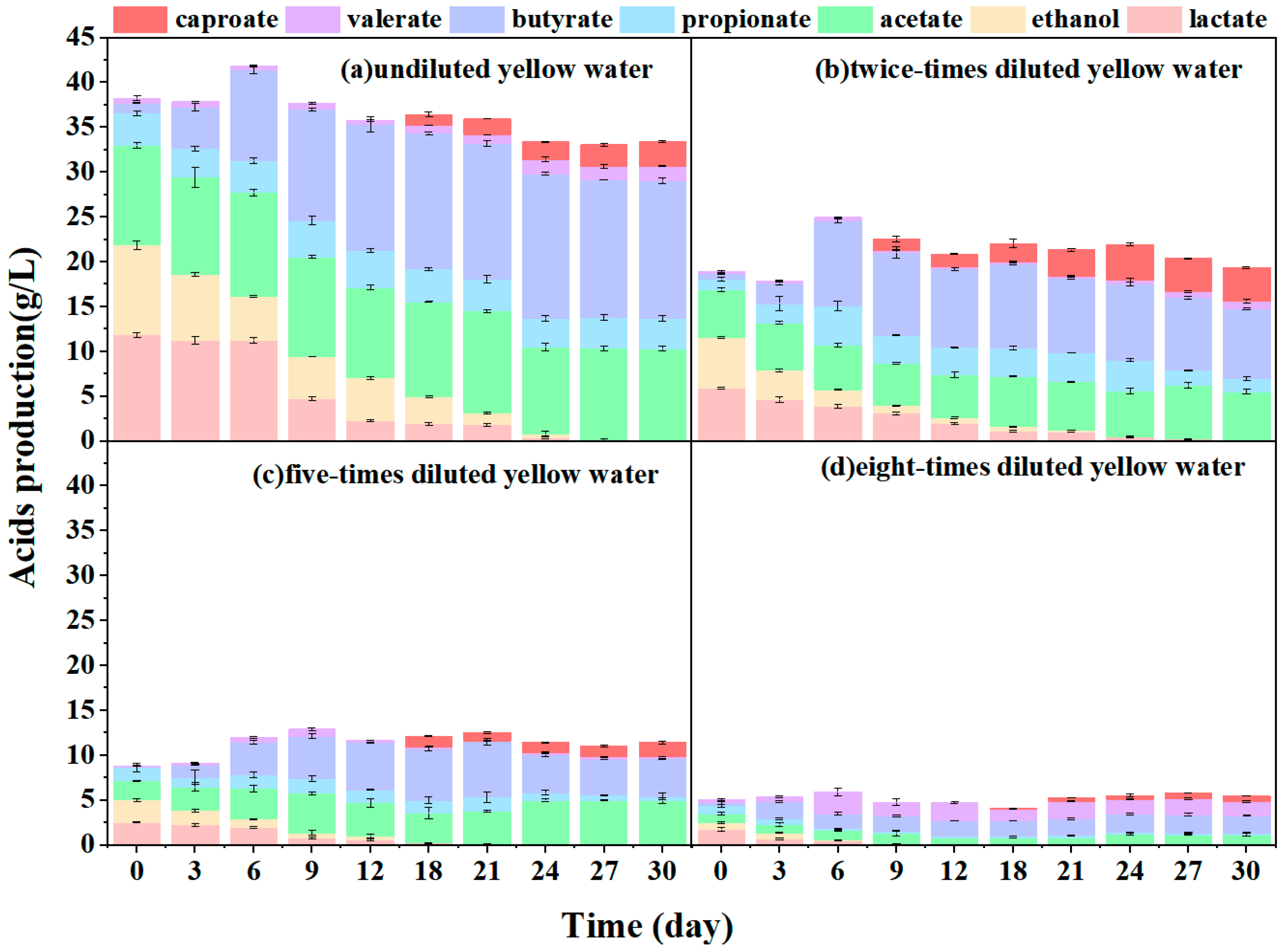
Figure 1. Caproate production from yellow water under different dilution factors: (a) undiluted, (b) 2-fold dilution, (c) 5-fold dilution, and (d) 8-fold dilution.
Fermentation 11 00689 g001
Figure 2. Impact of ethanol supplementation on caproate production, (a) 0 g·L−1, (b) 2 g·L−1, (c) 7 g·L−1, and (d) 12 g·L−1.
Fermentation 11 00689 g002
Figure 3. Effect of lactate addition on caproate fermentation performance, (a) 0 g·L−1, (b) 2 g·L−1, (c) 7 g·L−1, and (d) 12 g·L−1.
Fermentation 11 00689 g003
Figure 4. Effect of zero-valent nano-iron addition on caproate fermentation performance, (a) 0 g·L−1, (b) 2.5 g·L−1, (c) 5 g·L−1 and (d) 8 g·L−1.
Fermentation 11 00689 g004
Figure 5. Total iron, Fe2+, and Fe3+ concentration changes during yellow water fermentation with different NZVI dosages, (a) Total iron, (b) Fe2+ and (c) Fe3+.
Fermentation 11 00689 g005
Figure 6. Lactic acid production at varying Lactobacillus inoculum levels, namely mass concentrations of (a) 0%, (b) 2%, (c) 4% and (d) 6%.
Fermentation 11 00689 g006
Figure 7. The pH optimization for lactic acid fermentation, (a) pH 4.5, (b) pH 5.0, (c) pH 5.5, and (d) pH 6.0.
Fermentation 11 00689 g007
Figure 8. Secondary fermentation performance after lactic acid enrichment, (a) Acids production, (b) Caproate concentration and productivity.
Fermentation 11 00689 g008
Figure 9. Caproate production during secondary fermentation of yellow water with NZVI additions, (a) 0 g·L−1, (b) 2.5 g·L−1, (c) 5 g·L−1, and (d) 8 g·L−1.
Fermentation 11 00689 g009
Figure 10. Changes in total iron, Fe2+, and Fe3+ concentrations during yellow water fermentation. (a) Total iron, (b) Fe2+ and (c) Fe3+.
Fermentation 11 00689 g010
Figure 11. Microbial community structure under different electron donor strategies, (a) Phylum-level distribution, (b) Genus-level profiling of key caproate producers.
Fermentation 11 00689 g011
Figure 12. Carbon recovery and caproate selectivity across treatment strategies.
Fermentation 11 00689 g012
Disclaimer/Publisher’s Note: The statements, opinions and data contained in all publications are solely those of the individual author(s) and contributor(s) and not of MDPI and/or the editor(s). MDPI and/or the editor(s) disclaim responsibility for any injury to people or property resulting from any ideas, methods, instructions or products referred to in the content.