Article

Dynamic Regulation Engineering of Plasmid Copy Number Based on CRISPRi in Saccharomyces cerevisiae


1
Shandong Provincial Key Laboratory of Biosensing and Microbial Intelligent Metabolic Regulation, Biolog Institute, Qilu University of Technology (Shandong Academy of Sciences), Jinan 250103, China
2
State Key Laboratory of Bioreactor Engineering, School of Biotechnology, East China University of Science and Technology, Shanghai 200237, China
*
Authors to whom correspondence should be addressed.
Fermentation 2026, 12(4), 177; https://doi.org/10.3390/fermentation12040177
Submission received: 26 February 2026 / Revised: 27 March 2026 / Accepted: 30 March 2026 / Published: 1 April 2026

Abstract

Plasmid copy number (PCN) is a key factor limiting the expression level of heterologous proteins in yeast. Static strategies for enhancing PCN, such as reducing the transcriptional intensity of selection markers or increasing selection pressure, only maintain PCN at a single fixed level and struggle to achieve dynamic, precise, and reversible copy number regulation. This study established a dynamic plasmid copy number regulation strategy based on CRISPR interference (CRISPRi). Flexible control of PCN was achieved by designing specific guide RNAs (gRNAs) and integrating them into the inducible CRISPRi system. Optimization of the gRNA target site, inducer concentration, and induction timing resulted in a >2-fold increase in the fluorescence intensity of yeast-enhanced green fluorescent protein (yeGFP) compared with the group without induction. Using naringenin synthesis as proof-of-concept, this regulatory tool was applied to modulate the expression of chalcone synthase (CHS), the rate-limiting enzyme in naringenin biosynthesis. Finally, the yield of naringenin increased by 35.62% under the optimal induction conditions.

Graphical Abstract

1. Introduction

In recent years, microbial cell factories have emerged as a sustainable and efficient platform for the industrial production of heterologous proteins, with S. cerevisiae establishing itself as the principal host due to its distinct advantages [1]. It combines ease of culture and rapid growth with the ability to perform eukaryotic post-translational modifications, such as glycosylation and phosphorylation [2,3]. S. cerevisiae has been extensively utilized in the production of various recombinant proteins, industrial enzyme preparations and large-scale synthesis of natural products, and has become the core biomanufacturing platform for production [4,5]. Plasmid-mediated heterologous protein expression constitutes one of the most prevalent strategies employed within S. cerevisiae cell factories [6], and plasmid copy number (PCN) is a key limiting factor in determining the expression level of heterologous proteins [7,8]. An insufficient copy number directly results in diminished efficiency of heterologous protein synthesis, thereby constraining the yield of target products [9].
Plasmid backbone engineering typically employs truncated promoters of selectable markers (e.g., antibiotic resistance genes) to modulate the plasmid copy number [10,11,12]. However, these static regulation methods have problems such as imprecise control of plasmid copy number and high economic cost, which impede their broader application in industrial production [13].
Currently, the commonly used expression plasmids in S. cerevisiae mainly include high-copy plasmids based on 2μ plasmids and low-copy plasmids based on CEN/ARS elements [14,15], among which 2μ plasmids can independently maintain a certain copy number because they contain regulatory genes such as rep1, rep2, and raf1, but their copy number regulation mechanism is complex and affected by multiple host factors, making it difficult to achieve precise regulation [16,17]. A low copy of CEN/ARS itself leads to insufficient template amounts of target genes [18]. At the same time, the selectable marker promoters of plasmids (such as URA3p and LEU2p) are mostly yeast endogenous strong constitutive promoters, which continuously compete with target genes for transcriptional resources and further inhibit the expression of target proteins [19]. At present, there is a lack of a universal regulation tool that can adapt to different replicators and different selectable marker promoters. Commonly used plasmid copy number regulation methods such as chemical inducers or metabolic feedback regulate PCN, but there are problems such as lag in response and high cost [20]. Plasmid skeleton modification predominantly employs truncated resistance gene promoters to achieve copy number adjustment, but its versatility and stability remain inadequate, thereby complicating adaptation to diverse expression plasmids and heterologous proteins [21,22]. In summary, the current methods are complex, poorly targeted, and insufficiently versatile, which cannot accurately regulate plasmid copy number, and may affect the normal physiological metabolism of yeast, limiting its application in cell factory optimization.
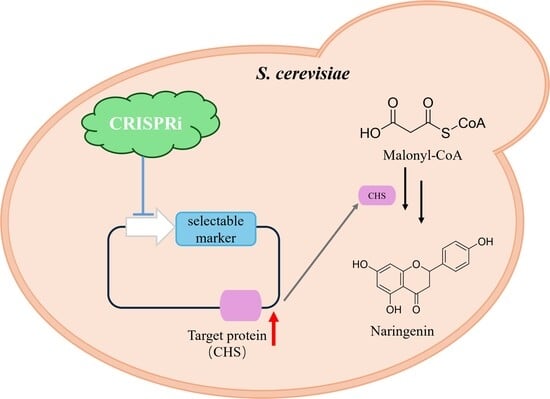
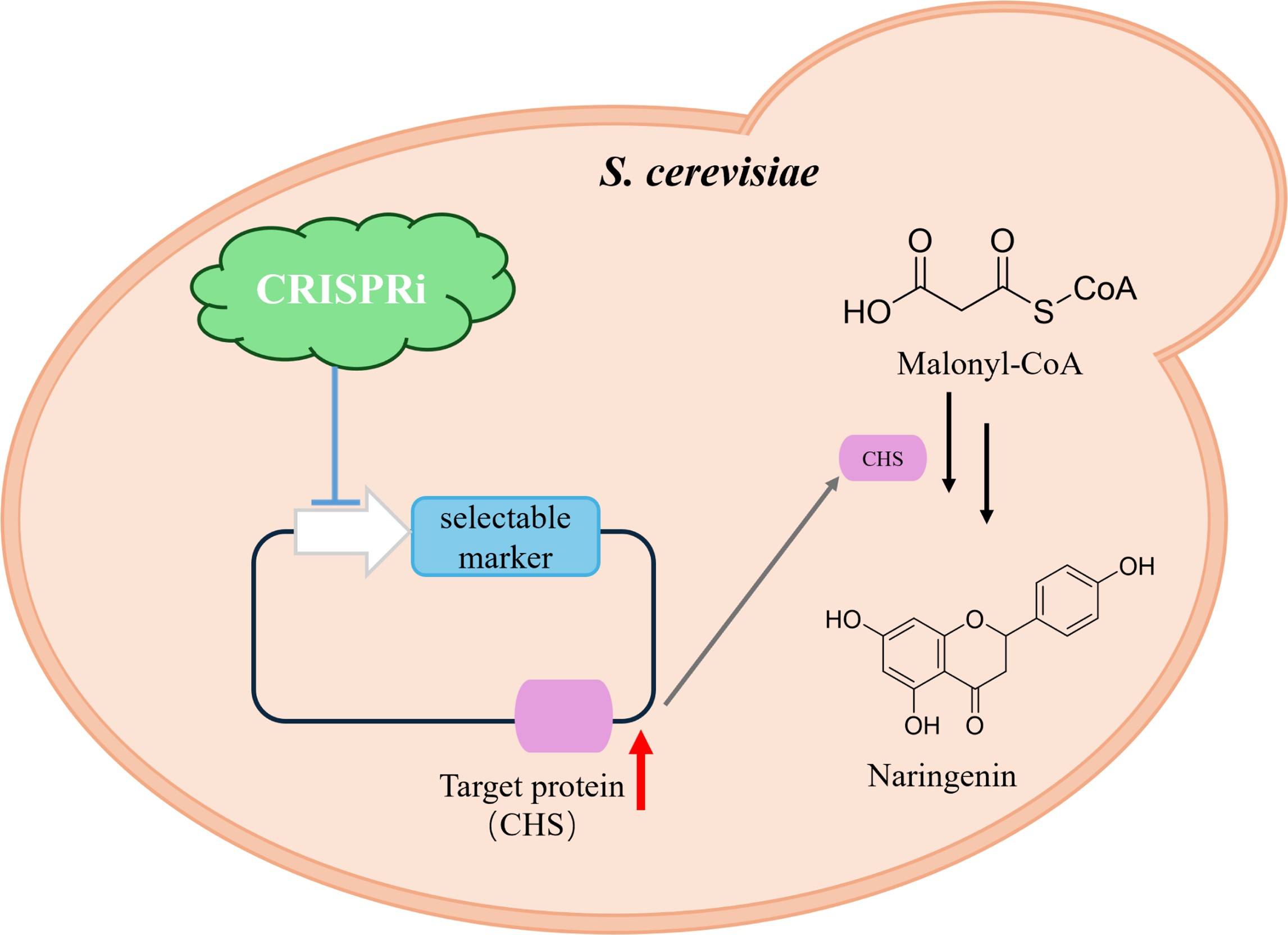
In recent years, CRISPRi (clustered regularly spaced short palindromic repeat interference) has been widely adopted for fine regulation of gene expression owing to its high programmability and minimal off-target effects [23,24]. CRISPRi is a gene-regulatory technology derived from the CRISPR/Cas system. Its central mechanism involves guide RNA (gRNA)-directed recruitment of a catalytically inactive Cas protein (dCas9) to specifically bind target regions without cleaving genomic DNA, does not cleave genomic DNA, but specifically inhibits the expression of target genes by hindering the transcription process [25]. This approach enables high-precision inhibition at the transcriptional level without changing the genome sequence, providing a powerful tool for elucidating complex regulatory networks [26,27]. However, most previous studies have focused on the regulation of chromosomal genes, and the application of CRISPRi to the systematic regulation of plasmid copy number has not been fully explored. Here, we propose a CRISPRi-based strategy for regulating plasmid copy number by constructing a galactose-inducible CRISPRi repression screening platform to systematically assess the effects of targeting distinct replicons and promoter-associated regulatory elements on protein expression. Further enhancement of plasmid-encoded protein expression was achieved by optimizing both the timing and concentration of galactose induction (Figure 1). Finally, using the key enzyme of the naringenin biosynthetic pathway as a model, we observed a significant increase in naringenin production, thereby demonstrating the utility of this strategy for enhancing protein expression.

2. Materials and Methods

2.1. Strains and Plasmids

All strains and plasmids utilized in this study are listed in Table 1.
For the integration of genes in subsequent research, the IMX581 strain was purchased as the initial strain. The IMX581 strain is derived from the classic S. cerevisiae CEN.PK 113-5D [28]. On its basis, the CRISPR gene is integrated, and its genotype is MATa ura3-52 can1Δ:cas9-natNT2 TRP1 LEU2 HIS3.
For the convenience of investigating the validation and application of the tools, this study selected the naringenin-producing strain KD01, which was previously constructed from the IMX581 strain. These two well-characterized neutral loci (XII-2 and XII-4) on chromosome XII were chosen due to their high stability, single-copy integration efficiency, and reliable performance in the EasyClone system [29,30]. In KD01, the gene cassettes (GPM1p-AtPAL2-FBA1t) + (TDH3p-AtC4H-CYC1t) + (tHXT7p-AtATR2-pYX212t) + (PGK1p-CYB5-ADH1t) were integrated into the XII-2 neutral locus of chromosome XII, while the gene cassettes (TDH3p-At4CL1-ADH1t) + (TDH2t-RsCHS-CCW12p) + (tHXT7p-PsCHI1-FBA1t) were integrated into the XII-4 neutral locus of chromosome XII.
The main primers used for constructing the above plasmids and strains are shown in Table A1.

2.2. Medium and Culture Conditions

The Escherichia coli TOP10 competent cells used for constructing the plasmid (purchased from Shanghai Sangon, Shanghai, China) were cultured in Luria–Bertani medium (yeast extract 5 g/L, peptone 10 g/L, NaCl 10 g/L) supplemented with 100 μg/mL ampicillin at 37 °C for 12 h. The S. cerevisiae strain carrying the recombinant plasmid was cultured separately in Synthetic Dextrose (SD) URA Medium (Yeast Nitrogen Base, DO-URA, sugar), SD-LEU-URA, and SD + URA + G418 at 30 °C for 24 h. The recombinant strain was cultured in 5-FoA Medium (SD + URA + 5-FoA 1g/L) at 30 °C for 72 h to eliminate the plasmid. The recombinant strain was then cultured in Yeast Extract Peptone Dextrose Medium (YPD) at 30 °C for 12 h. Naringenin production engineering strain was cultured in SD-URA + 2% glycerol, 30 °C cultured for 72 h.

2.3. CRISPR-Mediated Genomic Integration Method

(1)
Design and construction of gRNA plasmids
The online tool CHOPCHOP (https://chopchop.cbu.uib.no/, accessed on 19 November 2025) was used to predict target sites for selecting the optimal gRNA. Primers were designed with a 20-nt gRNA spacer added to the 5′ end of both upstream and downstream primers to amplify the plasmid fragment for constructing the expression vector. Following successful recombinant verification, the vector was transformed into S. cerevisiae cells to achieve expression.
(2)
Design and construction of donor repair fragments
Homologous arms, each approximately 500 base pairs in length, were meticulously designed to flank the Cas protein cleavage site in accordance with the characteristics of S. cerevisiae. The target gene was strategically inserted between the upper and lower homologous arms, and the repair fragment was subsequently constructed by fusing these three components. This was subsequently co-transformed along with the gRNA plasmid into the target strain to achieve gene integration or knockout.

2.4. Measurement and Analysis of Fluorescence Data

Single colonies from the sample were inoculated into a sterile 96-well plate with an opaque black exterior and clear bottom, containing 200 μL of liquid medium, and incubated with shaking at 900 rpm for 24 h until all cultures reached a comparable optical density (OD). Subsequently, the cultures were inoculated into a new microplate at a 2.5% (v/v) inoculum ratio, followed by shaking incubation at 30 °C and 1200 rpm for a defined duration prior to fluorescence intensity measurement. GFP fluorescence was detected using a microplate reader with the following settings: excitation wavelength 487 nm, emission wavelength 520 nm, and manual gain set to 150. Each sample was analyzed in biological replicates, with blank medium and wild-type (WT) strain included as controls.

2.5. Data Statistical Methods

All experiments in this study were conducted in triplicate, and experimental data are expressed as ‘mean ± standard deviation (mean ± SD)’; statistical analysis was performed using GraphPad Prism 8 software. The fluorescence intensity (a.u.) of yeast-enhanced green fluorescent protein (yeGFP) or superfolder green fluorescent protein (sfGFP) refers to the relative fluorescence intensity per unit OD600, calculated as (sample fluorescence value − plasmid-free control strain fluorescence value)/(sample OD600 − pure medium OD600).

2.6. HPLC Analysis of Naringenin Metabolites

Single colonies were inoculated into the corresponding liquid medium and cultured for 24 h as a seed culture. Then, 200 μL of the seed culture was inoculated into a 100 mL Erlenmeyer flask containing 15 mL of the corresponding liquid medium (SD-URA + 2% glycerol + 0.2% galactose or SD + URA + 2% glycerol + 0.2% galactose) and cultured for 72 h. 500 μL of the fermentation broth was added with an equal volume of anhydrous ethanol for extraction. The mixture was vortexed for 5 min to mix, then centrifuged at 12,000 rpm for 5 min at room temperature. The supernatant was filtered using a 0.22 μm organic filter membrane and analyzed using Shimadzu high-performance liquid chromatography (LC-20A, Shimadzu Corporation, Kyoto, Japan). The column used was a C18 reverse-phase column (Agilent Technologies, Inc., Santa Clara, CA, USA; 250 mm × 4.6 mm, 5 μm, PN: A3000250X046, SN: 731514), with a column temperature of 40 °C. Mobile phase A was aqueous phase (with 1‰ trifluoroacetic acid), and mobile phase B was acetonitrile. The flow rate was 1 mL/min. The injection volume was 10 μL. The gradient elution conditions were 10–40% acetonitrile gradient elution within 0–10 min, 40–60% acetonitrile gradient elution within 10–15 min, 60–10% acetonitrile gradient elution within 15–18 min, and 10% acetonitrile elution within 18–25 min. Detection was performed at 290 nm using UV.

3. Results

3.1. Construction of Plasmid Copy Number Regulation Tool Based on CRISPRi

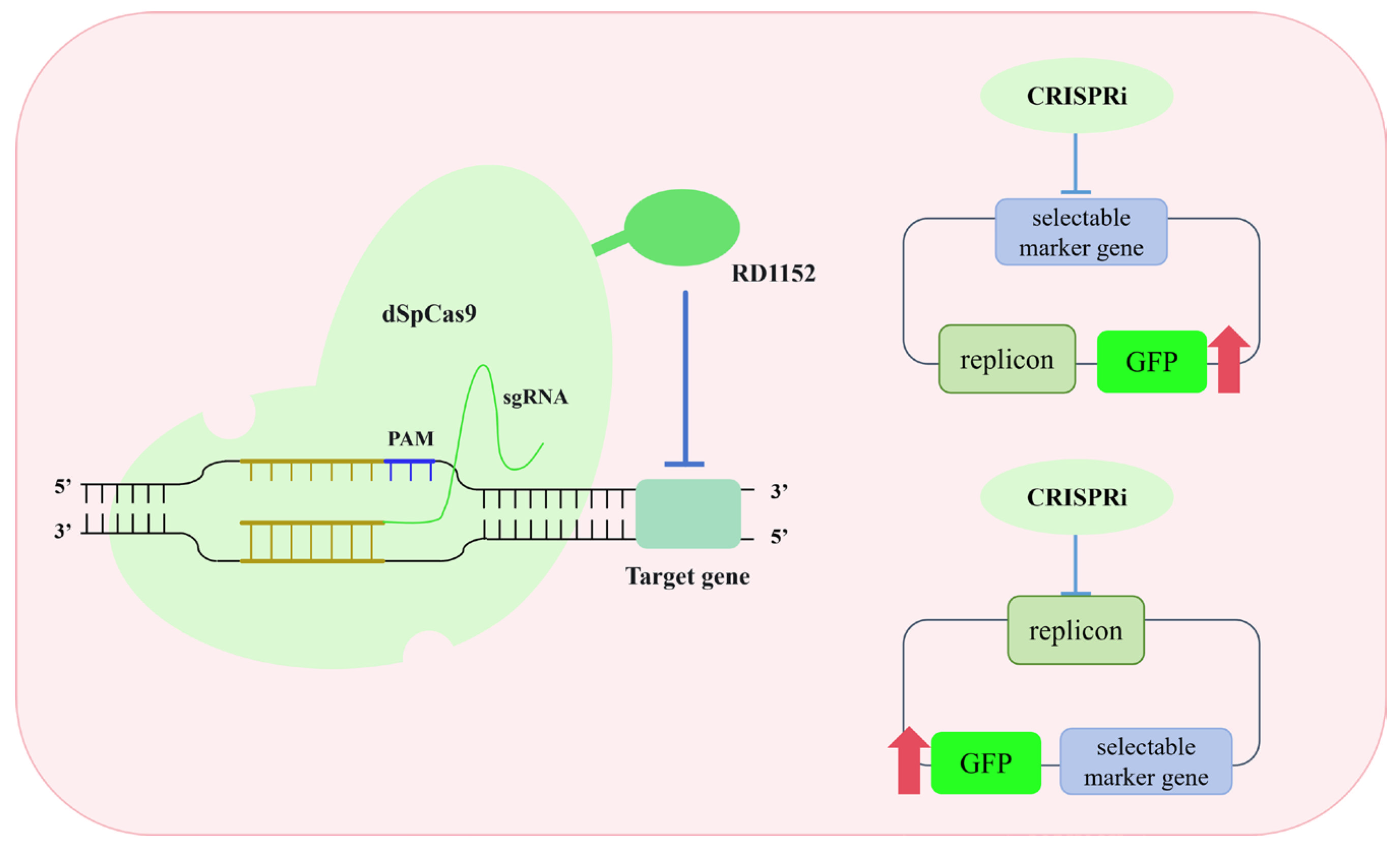
To construct a CRISPRi tool capable of precisely regulating the copy number of plasmids in S. cerevisiae and the expression of heterologous proteins, the two key nuclease domains of the wild-type SpCas9 protein, RuvC (D10A) and HNH (H840A, N863A), were first subjected to site-directed mutagenesis to obtain catalytically inactive SpCas9 (dSpCas9) [31]. This mutant can still specifically bind target DNA sequences under the mediation of gRNA, but its nuclease activity is completely lost, rendering it unable to cleave target DNA [32]. To achieve precise and flexible control of the CRISPRi tool, the galactose-inducible promoter GAL1p was used to drive the expression of an RD1152-dSpCas9 fusion protein, enabling galactose-dependent inducible expression of the CRISPRi system. The complete CRISPRi expression cassette described above was integrated into the genome of the host strain to replace the endogenous SpCas9 gene. This strategy ensures the stable expression of the CRISPRi system and eliminates interference from endogenous SpCas9 protein on CRISPRi function.
To facilitate the subsequent precise regulation and efficient expression of heterologous genes from two plasmids harboring the URA3 and LEU2 selectable markers, the genomic ura3 gene in strain XY010 and the genomic leu2 gene in strain XY011 were knocked out. These modifications enable two strains to specifically adapt to plasmids containing the URA3 and LEU2 selection markers.
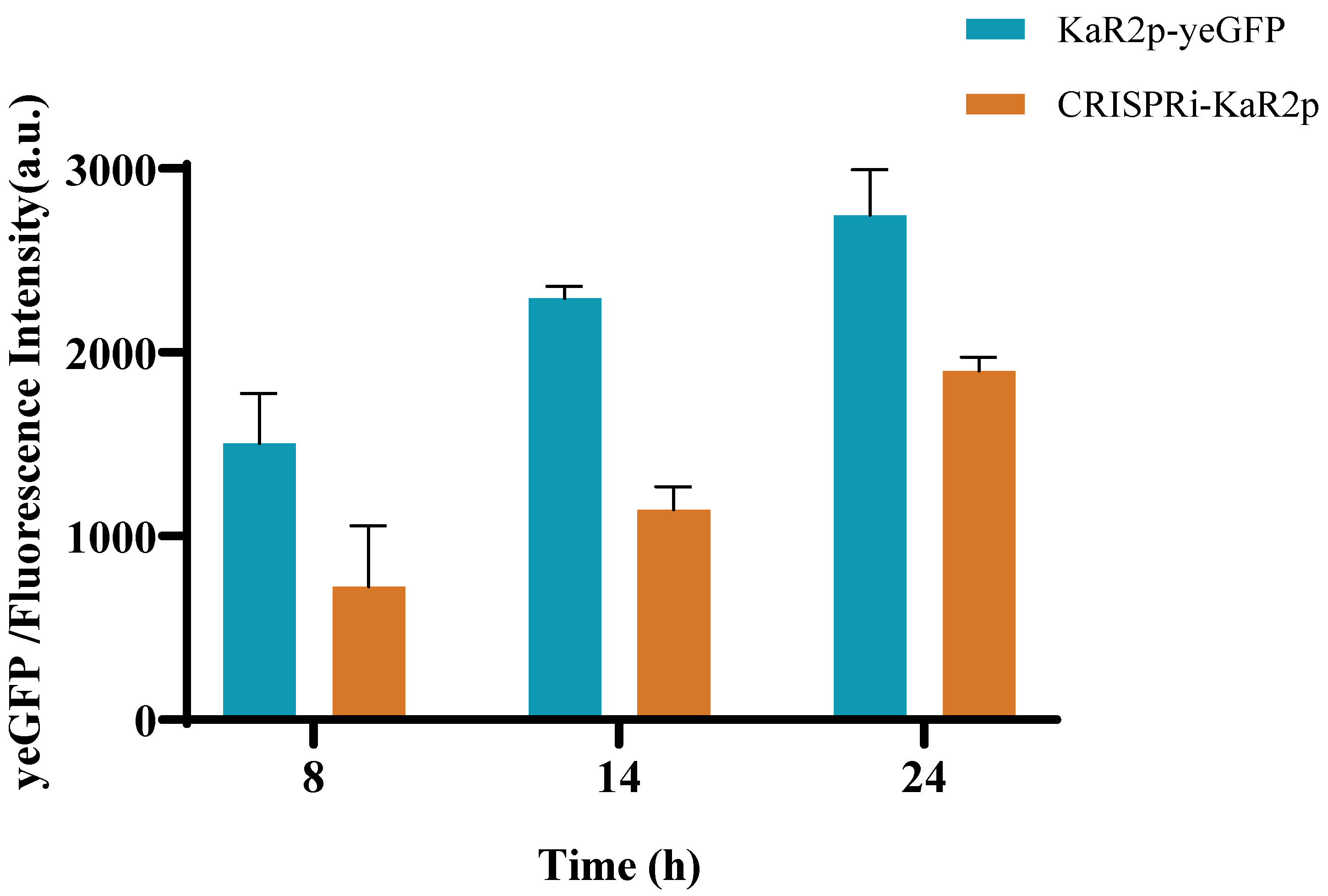
To elucidate the regulatory impact of the constructed CRISPRi tool, yeGFP was employed as a reporter gene; gRNA was designed to target the promoter KaR2p of yeGFP, with a strain without CRISPRi regulation as a blank control. The results demonstrated that the fluorescence intensity of yeGFP in the experimental group was reduced by 50.17% compared to the blank control group (Figure 2), thereby indicating the efficacy of the constructed CRISPRi tool.
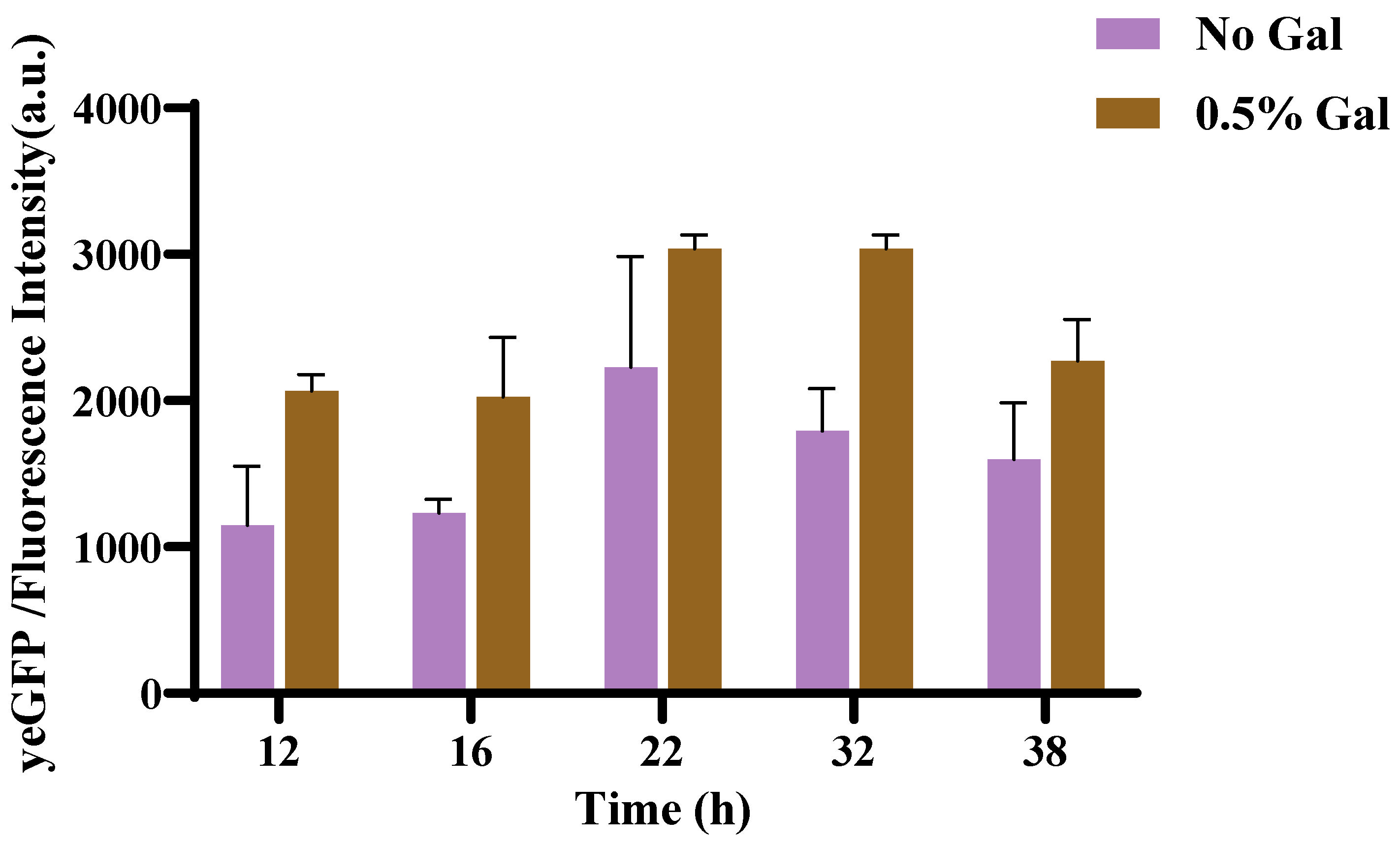
To further verify the regulatory effect of the CRISPRi system on plasmid-mediated heterologous protein expression, a specific gRNA was designed to target the promoter region of the selectable marker gene kanR, which is used for plasmid selection and maintenance. An untreated group without CRISPRi targeting (No Gal) was set as the control, while CRISPRi was induced with 0.5% galactose (0.5% Gal) in the experimental group. As shown in Figure 3, compared with the control group, the yeGFP fluorescence intensity in the experimental group was consistently and significantly higher at all detected time points, with an average increase of 69.48%. These results indicate that CRISPRi-mediated repression of kanR expression effectively enhances the expression of the exogenous protein encoded by the plasmid.
The CRISPRi system significantly inhibits the transcription of kanR, leading to insufficient expression of the resistance marker. Under antibiotic selection, random segregation error of the CEN/ARS-based plasmid during cell division produce a small fraction of cells with higher plasmid copy numbers. These cells express enough KanR to survive the selection and are gradually enriched in the population, resulting in an increased average plasmid copy number and a moderately elevated gene dosage of yeGFP on the plasmid [19]. Conversely, the repression of kanR transcription diminishes the synthesis of its associated mRNA and protein, potentially reducing the consumption of vital cellular resources, including RNA polymerase, amino acids, and nucleotides. This alleviation of metabolic burden facilitates a greater allocation of cellular resources toward the expression of the heterologous protein of interest [33]. These interpretations align with prior studies; however, they remain speculative in the present investigation owing to the absence of direct experimental measurements pertaining to cellular resource allocation or metabolic burden.

3.2. Optimization of Plasmid Copy Number Regulation Tool

3.2.1. Screening of Targeted Sites for Inhibition

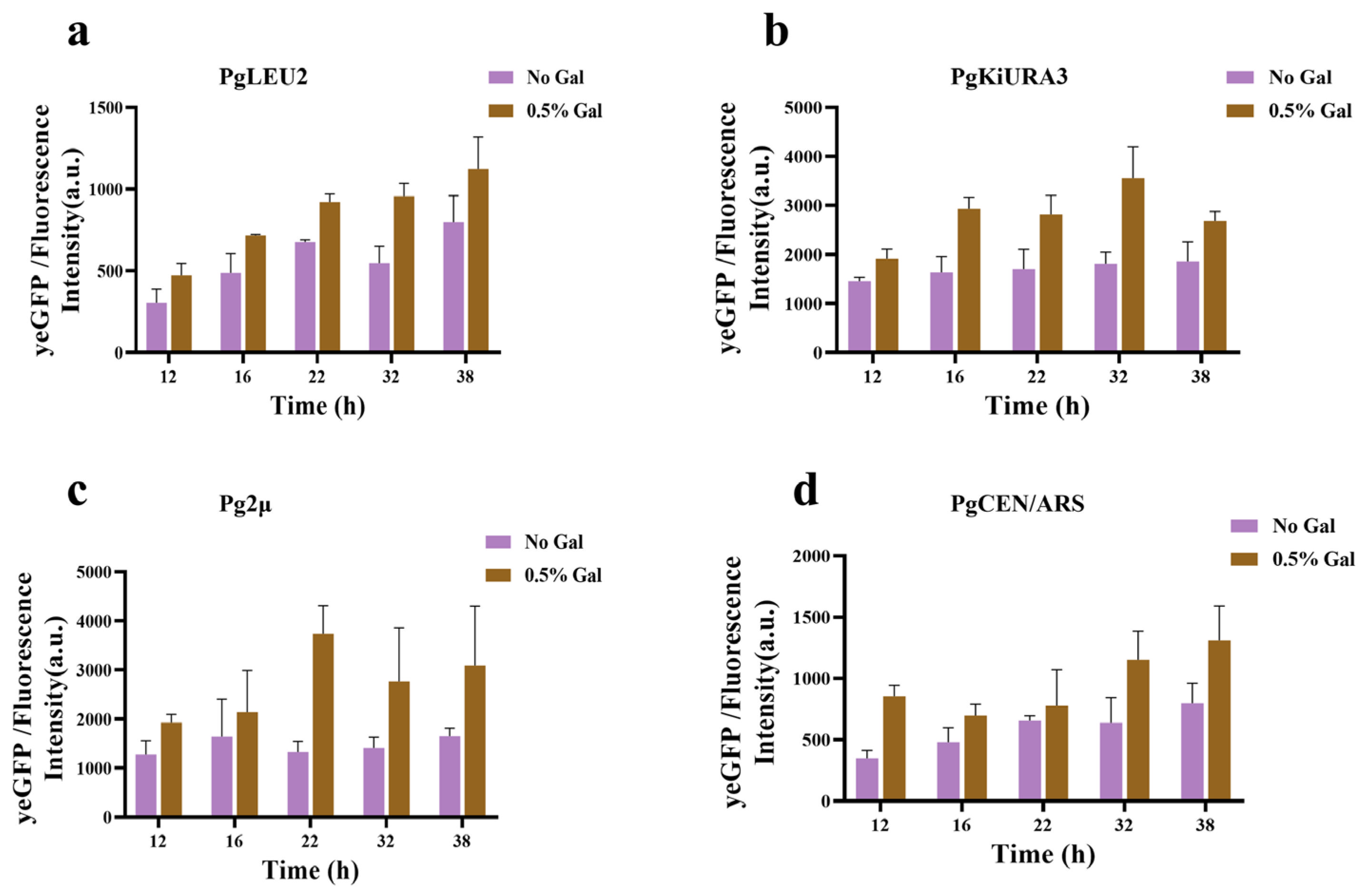
To investigate the targeting and regulatory efficacy of the CRISPRi tool constructed for systematic exploration on different plasmid components, and to clarify its generality in regulating plasmid copy number and heterologous protein expression, multiple sets of specific gRNAs were designed to target the four core regulatory elements of the plasmid: the promoter of the selection marker gene (leu2, kiura3) and the plasmid replicon (2μ ori, CEN/ARS). Corresponding recombinant plasmids were constructed. Meanwhile, a group of recombinant plasmids without CRISPRi targeting treatment was set up as a blank control. The results showed that under galactose (Gal) induction, CRISPRi targeting of all plasmid targets achieved a significant increase in yeGFP expression levels, with varying regulatory efficacies among different targets: for the selection marker gene promoter targets, the CRISPRi-targeted LEU2 promoter experimental group showed a 74.65% increase in relative yeGFP expression compared to the blank control group (Figure 4a); the CRISPRi-targeted KiURA3 promoter experimental group showed a 95.84% increase (Figure 4b). For plasmid replicon targets, the CRISPRi group targeting the 2μ ori region directly exhibited a 96.12% elevation in relative protein expression relative to the blank control (Figure 4c), representing the strongest regulatory effect among all tested targets; the CRISPRi-targeted CEN/ARS region experimental group showed an 80.47% increase in relative yeGFP expression compared to the blank control group (Figure 4d).
The above results confirm that the constructed CRISPRi tool can broadly target plasmid selectable marker promoters and replicon components, achieving increased expression of heterologous proteins by precisely regulating plasmid copy numbers, and is adaptable to different types of plasmid components, demonstrating good regulatory generality and effectiveness. The vectors used in this study were a 2μ ori high-copy plasmid (carrying the KiURA3 selectable marker) and a CEN/ARS low-copy plasmid (carrying the LEU2 selectable marker). In the 2μ ori high-copy plasmid, CRISPRi targeting the 2μ ori replication region increased yeGFP expression by 96.12%, the best in the group; targeting the KiURA3 promoter on the same plasmid also achieved a significant 95.84% increase. This is due to the high-copy nature of 2μ plasmids themselves, where copy number regulation and transcriptional suppression of selectable markers can significantly release metabolic resources and increase gene template amounts, thus demonstrating a very strong expression enhancement effect [34]. In the CEN/ARS low-copy plasmid, targeting the CEN/ARS region increased yeGFP expression by 80.47%, while targeting the LEU2 promoter increased it by 74.65%.
Since the copy number of CEN/ARS plasmids is strictly regulated by the host and has limited room for improvement, the regulatory effects mainly come from the suppression of marker gene transcription and the reduction in metabolic burden. However, the protein expression levels still showed a significant increase, further indicating that CRISPRi has good adaptability to different types of plasmids.
In the CEN/ARS low-copy plasmids, targeting the CEN/ARS region increased yeGFP expression by 80.47%, while targeting the LEU2 promoter increased yeGFP expression by 74.65%. It is speculated that, since the copy number of CEN/ARS plasmids is strictly regulated by the host and has limited room for improvement, the regulatory effect primarily stems from the suppression of marker gene transcription, which may alleviate the metabolic burden on host cells. However, protein expression levels still increased significantly, further indicating that CRISPRi exhibits good adaptability to different types of plasmids.

3.2.2. Optimization of the Inhibition Initiation Time

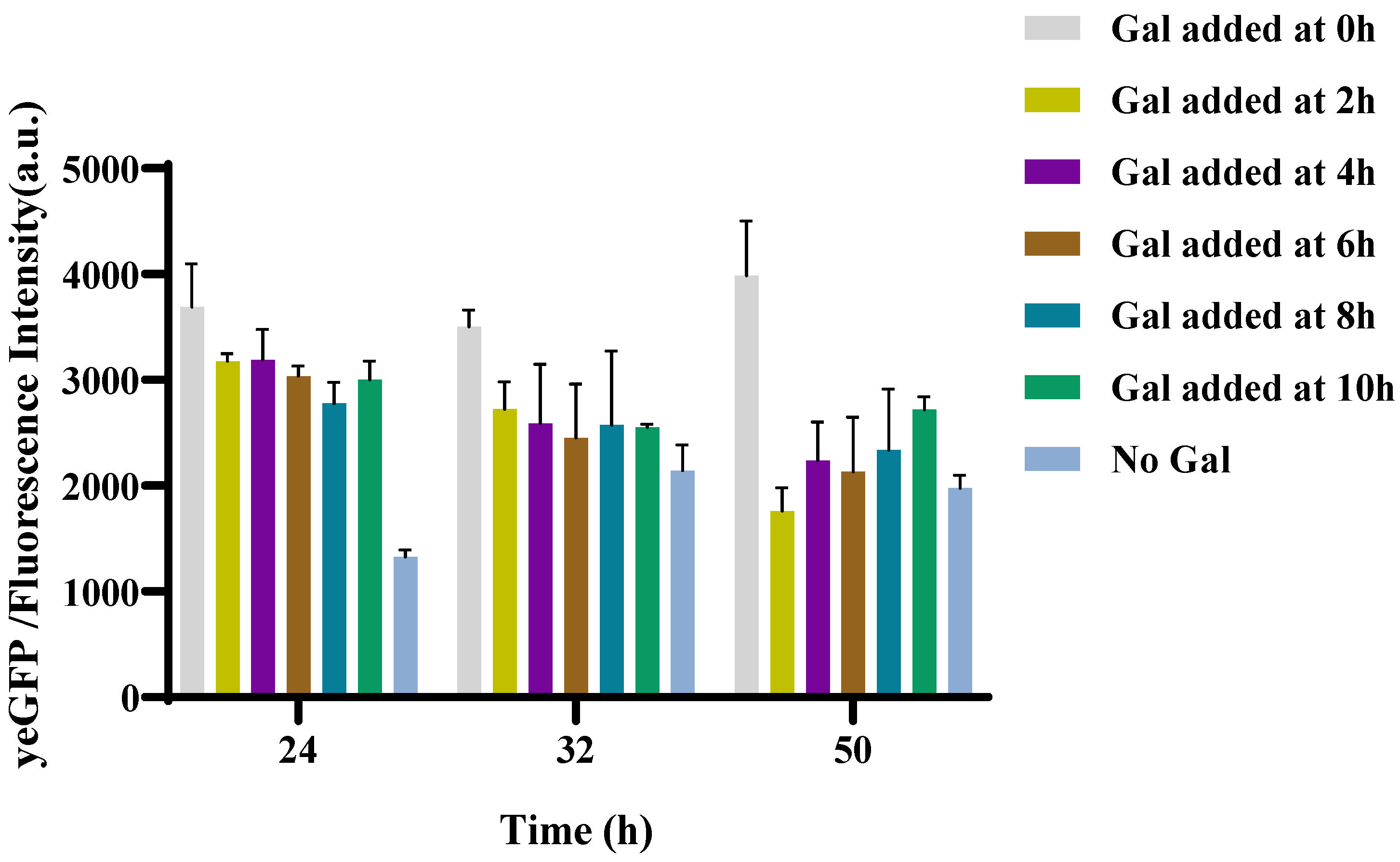
Given that the regulatory efficiency of the CRISPRi system depends on galactose-induced expression mediated by the GAL1p promoter, to determine its optimal regulatory time and enhance the expression level of heterologous proteins, this study selected the Pg2μ plasmid with the highest regulatory efficiency from previous screening as the research object. A gradient of galactose addition times was set to systematically investigate the effect of inducer addition time on the regulatory effect of CRISPRi. The group without galactose addition was used as the blank control group (CRISPRi system not activated). The results showed significant differences in the regulatory effect of the CRISPRi system depending on the galactose addition time, with the target protein expression levels in different induction time groups showing obvious changes. Among these, the group supplemented with galactose at the beginning of fermentation (0 h) exhibited a 101.53% increase in the relative expression level of the target protein yeGFP compared with the blank control, representing the highest improvement among all induction time groups (Figure 5).
In contrast, the regulatory effects of the groups with delayed galactose addition were all significantly lower than those of the 0 h addition group. Compared to delayed induction, the immediate addition of galactose at the initial stage of fermentation allows the CRISPRi system to activate earlier and function stably, achieving sustained and efficient regulation of plasmid copy numbers, avoiding insufficient regulatory timeliness due to delayed induction, thereby more significantly enhancing protein expression levels.

3.2.3. Optimization of Inducer Concentration

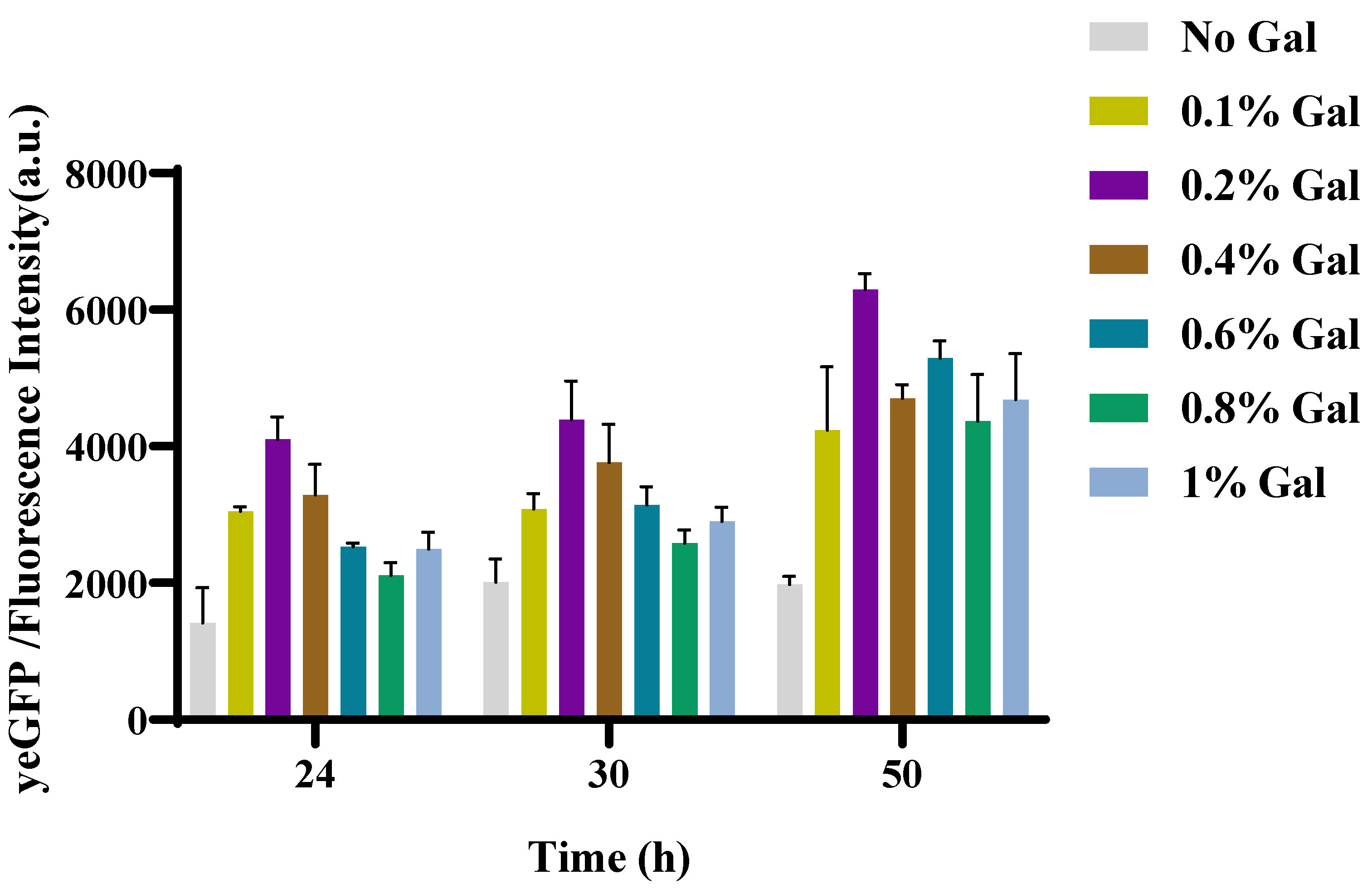
The regulatory intensity of the CRISPRi system is determined by the inducibility of the GAL1p, while galactose, as a specific inducer of this promoter, directly affects the expression level and regulatory efficiency of the CRISPRi system through its added concentration. To determine the optimal regulatory intensity of the CRISPRi system and maximize the expression of heterologous proteins, seven gradient groups of galactose addition concentrations were set. The results showed significant differences in the regulatory effects of galactose induction on the CRISPRi system. The expression level of the target protein exhibited a trend of first increasing and then decreasing with the change in galactose concentration, and the regulatory efficiency varied significantly among the groups. Among them, the experimental group with 0.2% galactose addition showed the highest regulatory efficiency, with the relative expression level of the target protein yeGFP increasing by 218.48% compared to the blank control group, representing the largest increase among all gradient groups (Figure 6). This indicates that when the galactose concentration is too low, the inducible signal strength is insufficient to fully activate the transcriptional activity of the GAL1p, leading to low expression levels and insufficient regulatory activity of the CRISPRi system, making it difficult to effectively regulate plasmid copy number and thus failing to achieve a significant increase in target protein expression. Conversely, excessive galactose concentrations impose a metabolic burden on host cells, diverting intracellular resources toward galactose catabolism and potentially disrupting cellular growth, reproduction, and protein synthesis pathways. This metabolic stress diminishes the regulatory capacity of the CRISPRi system, causing a decline in target protein expression at higher inducer levels. These observations corroborate prior findings in microbial induction systems, which emphasize that an optimal inducer concentration is critical to balancing system activation with host metabolic stress.

3.3. The Application of Plasmid Copy Number Regulation Tool

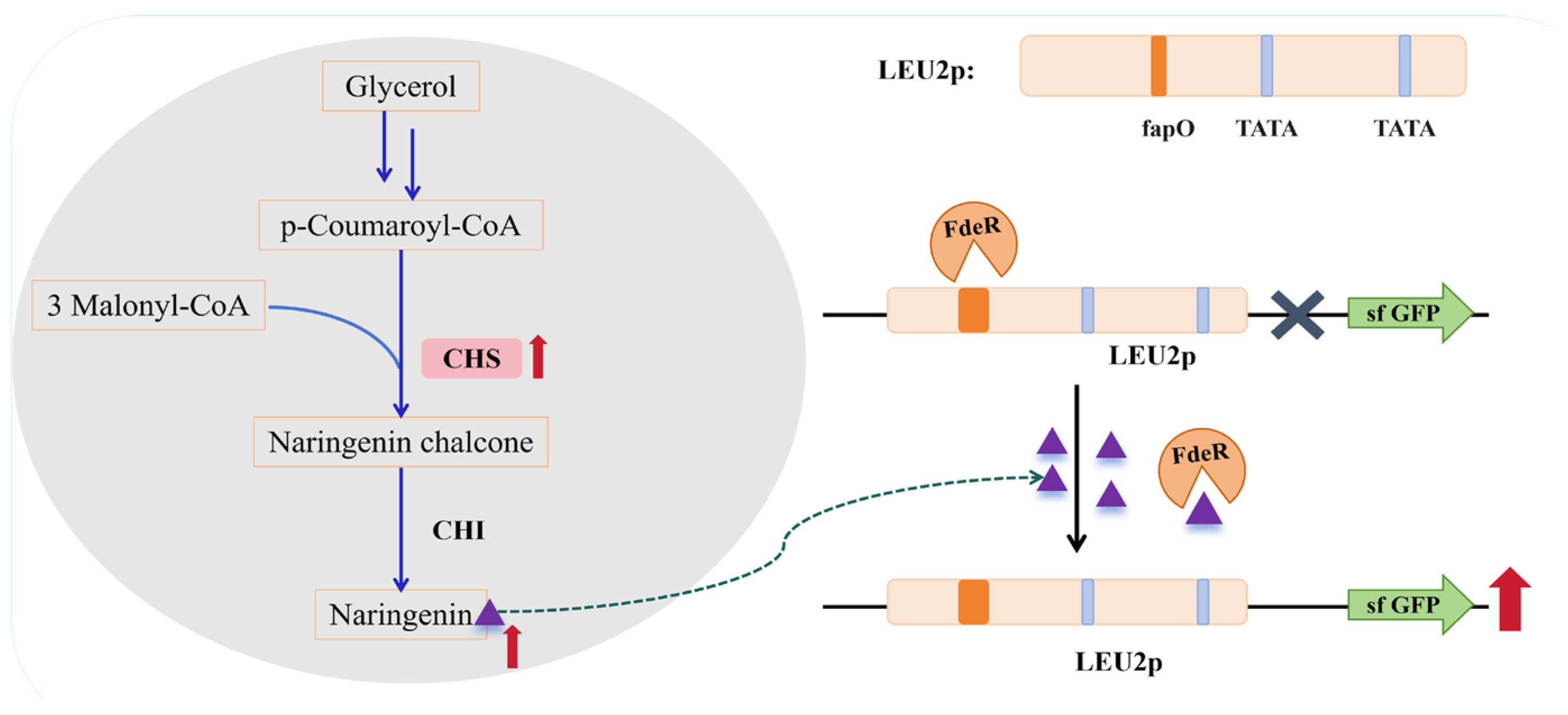
To verify the practical utility and feasibility of the CRISPRi plasmid copy number regulation tool in the construction of cell factories, we implemented this tool to optimize a naringenin-producing cell factory in S. cerevisiae. This optimization employed a naringenin-specific biosensor (Leu2p-sfGFP) [35], which specifically responds to intracellular naringenin concentration, enabling real-time visualization of naringenin production, facilitating rapid screening of high-yield strains (Figure 7).
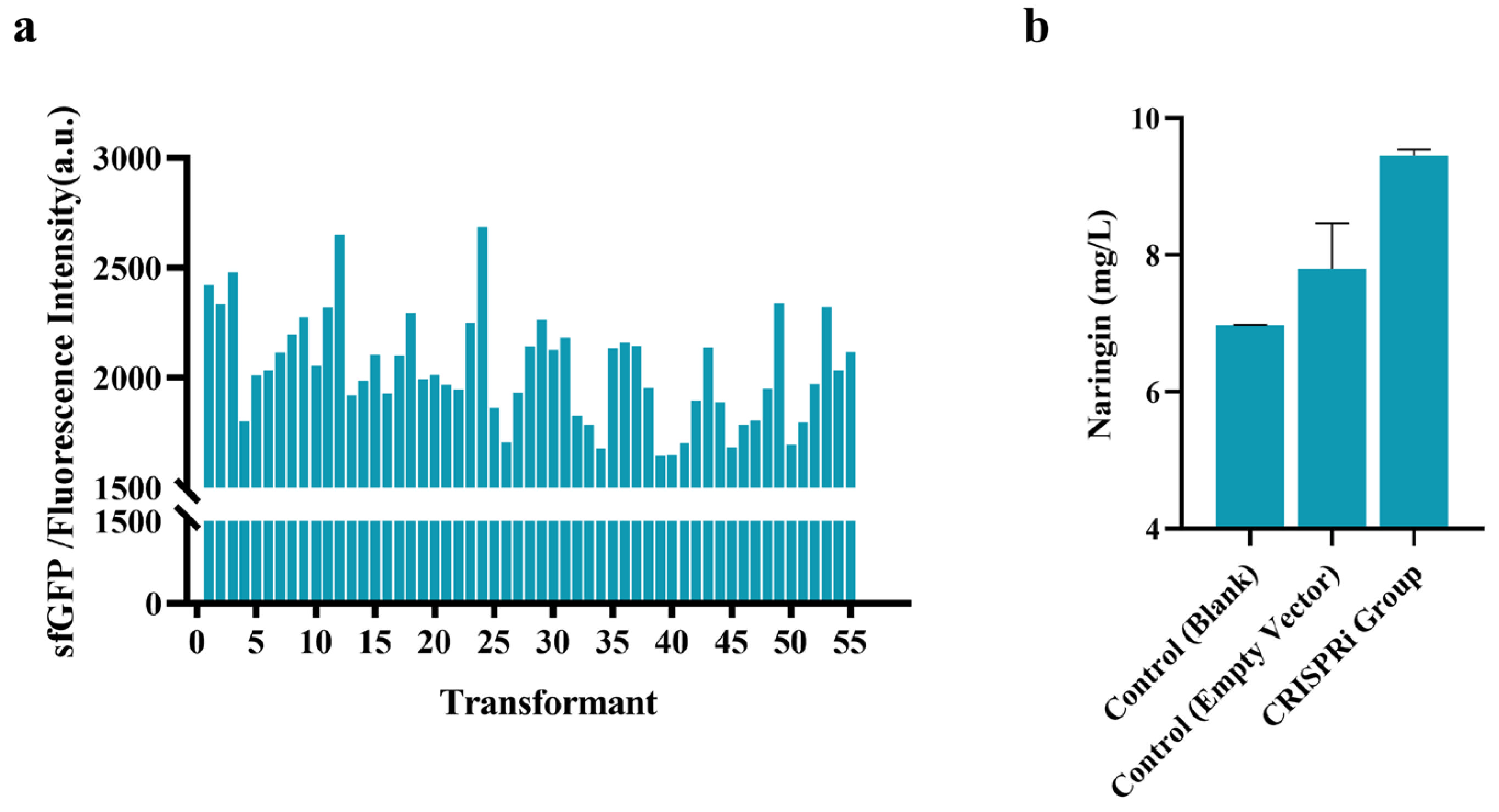
Utilizing the system constructed to express the key rate-limiting enzyme in the biosynthesis pathway of naringenin—Chalcone synthase (CHS) [36], the expression level of CHS was increased by optimizing plasmid copy number, thereby removing the rate-limiting bottleneck in the naringenin synthesis process. In this study, the engineered strains of S. cerevisiae were cultured using glycerol as a carbon source. Compared to glucose, glycerol as a carbon source can provide more NADPH, alleviate carbon catabolite repression, reduce byproduct formation, thereby effectively improving the production of naringenin and carbon flux distribution. Additionally, glycerol is a low-cost and sustainable non-food feedstock, making it a more promising carbon source for industrial production of naringenin. We set up a blank control group (naringenin production engineering strain not transformed with any CRISPRi-related plasmids), a negative control group (transformed with an empty plasmid lacking CRISPRi regulatory elements), and an experimental group, for preliminary screening of high-yield strains. Differences in naringenin production among individual transformants arise from the random integration of plasmids, spontaneous fluctuations in plasmid copy number during yeast transformation, and variable levels of galactose-induced CRISPRi expression in different clonal isolates. Based on the fluorescence intensity measurements, the positive transformants 3, 12, and 24, which exhibited the highest fluorescence values, were selected for subsequent shake-flask fermentation validation (Figure 8a). The naringenin yield was precisely determined using high-performance liquid chromatography (HPLC). The results revealed significant differences among the three groups: the experimental group achieved an average naringenin yield of 9.52 mg/L, representing a 35.62% increase relative to the blank control group (6.97 mg/L) and a 24.79% increase compared to the negative control group (7.58 mg/L) (Figure 8). Collectively, these findings demonstrate the successful construction of a naringenin biosynthetic pathway in S. cerevisiae utilizing glycerol as a carbon source, enabling de novo synthesis of naringenin from an inexpensive and renewable non-food feedstock. This work establishes a robust chassis for the efficient production of flavonoids in subsequent applications.
The aforementioned results unequivocally affirm that the previously constructed and meticulously optimized CRISPRi regulatory tool can be effectively deployed to enhance the naringenin synthesis cell factory. By precisely regulating the copy number of the recombinant plasmid, the expression level of the key rate-limiting enzyme CHS is significantly enhanced, effectively relieving the rate-limiting bottleneck in naringenin biosynthesis, thereby achieving a significant increase in naringenin yield. This finding further substantiates the practicality, feasibility, and universality of the CRISPRi regulatory tool in the development of cell factories dedicated to the synthesis of natural products.

4. Conclusions

This study successfully constructed a CRISPRi plasmid copy number regulation tool, achieving a significant increase in plasmid copy number and its protein expression levels. Through target screening, it was demonstrated that CRISPRi targeting different plasmid components (replicons and selection marker genes) can significantly enhance plasmid protein expression levels, proving the generality of this system for different replication types of plasmids. Combined with single-factor optimization of galactose addition conditions, the expression efficiency of heterologous proteins was further improved. Finally, this tool was used to express CHS, the rate-limiting enzyme in naringenin production, which successfully increased the yield of naringenin by 35.62%. In summary, the constructed genome integration-type CRISPRi regulatory system can efficiently enhance heterologous protein expression through precise targeting of key plasmid components, providing a universal and stable new tool for plasmid-mediated heterologous protein synthesis and metabolic regulation in S. cerevisiae.

Author Contributions

Conceptualization, Y.X.; methodology, T.X. and T.J.; software, X.W.; data curation, K.X.; writing—original draft preparation, Y.X.; writing—review and editing, K.X. and P.Z.; supervision, X.X. and L.Z. All authors have read and agreed to the published version of the manuscript.

Funding

This work was supported by the Young Scientists Fund of the National Natural Science Foundation of China (Grant No. 22308367) and Shandong Provincial Innovation Capacity Enhancement Project for Science and Technology-Based Small and Medium-Sized Enterprises (Grant No. 2025TSGCCZZB0442).

Institutional Review Board Statement

Not applicable.

Informed Consent Statement

Not applicable.

Data Availability Statement

The original contributions presented in this study are included in the article. Further inquiries can be directed to the corresponding authors.

Conflicts of Interest

The authors declare no conflicts of interest.

Abbreviations

The following abbreviations are used in this manuscript:
PCNPlasmid copy number
CRISPRiCRISPR interference
GalGalactose

Appendix A

All primers utilized in this study are listed in Table A1.
Table A1. Main primers used in this study.
NameSequenceFunction
-ig-TEF1p-KanR-FATATGAAAGAAGAACCTCAGgttttagagctagaaatagcaagttaaaataagFor the construction of the PgKanR plasmid
-ig-TEFp-KanR-RCTGAGGTTCTTCTTTCATATgatcatttatctttcactgcggag
ADH1t: 0Fagcgacctcatgctatac
ADHt-TEF1t: 0Rgtatagcatgaggtcgctatagcgccgatcaaagtatttg
KaR2p-0Rtgagtcctctagtttttaccgc
p41-T3-Fgcggtaaaaactagaggactcacccgggcagcttttgttc
-igLEU2-315-FAACATAACGAGAACACACAGgttttagagctagaaatagcaagttaaaataagFor the construction of the PgLEU2 plasmid
-igLEU2-315-RCTGTGTGTTCTCGTTATGTTgatcatttatctttcactgcggag
ADHt-CYC1t: 0Rggtatagcatgaggtcgctgcaaattaaagccttcgagcg
DC 16-T7p-FtaaaaactagaggactcaggccggtacccaattcgFor the construction of the PgKiURA3 plasmid
-ig-URA3-66-FTGACGGGAGTGTATTGACGCgttttagagctagaaatagcaagttaaaataag
-ig-URA3-66-RGCGTCAATACACTCCCGTCAgatcatttatctttcactgcggag
+ig-2uori-621-FctgcattatagagcgcacaagttttagagctagaaatagcaagttaaaataagFor the construction of the Pg2μ plasmid
+ig-2uori-621-Rttgtgcgctctataatgcaggatcatttatctttcactgcggag
+ig-CEN/ARS-374-RcctagagtcttttacatcttgatcatttatctttcactgcggagFor the construction of the PgCEN/ARS plasmid
-ig-CEN/ARS-374-Faagatgtaaaagactctagggttttagagctagaaatagcaagttaaaataag
CHS-0RATGGTTACTGTTGAAGATGTTAGAAGAGCFor the construction of the Pg2μ-CHS plasmid
CHS-KaR2p-FCATCTTCAACAGTAACCATatttgtaattaaaacatggtatgtttgatacgc
TDH2t-0FGCGAAAAGCCAATTAGTGTGATAC
TDH2t-CYC1t-RCACACTAATTGGCTTTTCGCgcaaattaaagccttcgagcg

References

  1. Wu, Z.; Gao, J.; Gao, N.; Zhao, Y.; Zhou, Y.J. Engineering chronological lifespan toward a robust yeast cell factory. Proc. Natl. Acad. Sci. USA 2025, 122, e2515324122. [Google Scholar] [CrossRef]
  2. Miao, Z.; Ren, Y.; Tarabini, A.; Yang, L.; Li, H.; Ye, C.; Liti, G.; Fischer, G.; Li, J.; Yue, J. ScRAPdb: An integrated pan-omics database for the Saccharomyces cerevisiae reference assembly panel. Nucleic Acids Res. 2025, 53, D852–D863. [Google Scholar] [CrossRef] [PubMed]
  3. Li, H.; Chen, T.; Zhang, Z.; Jiang, Q.; Yuwen, W.; Qu, L.; Fu, R.; Zhu, C.; Lei, H.; Fan, D. Engineering yeast expression platforms: Advanced strategies for heterologous protein production and glycosylation modification. Chem. Eng. J. 2025, 526, 171510. [Google Scholar] [CrossRef]
  4. Yang, S.; Song, L.; Wang, J.; Zhao, J.; Tang, H.; Bao, X. Engineering Saccharomyces cerevisiae for efficient production of recombinant proteins. Eng. Microbiol. 2024, 4, 100122. [Google Scholar] [CrossRef]
  5. Yu, A.; Mao, J.; Xu, N. Metabolic Engineering of Yeasts: A Key Cell Factory Platform for Advanced Biomanufacturing. J. Fungi 2025, 11, 863. [Google Scholar] [CrossRef]
  6. Zhao, M.; Ma, J.; Zhang, L.; Qi, H. Engineering strategies for enhanced heterologous protein production by Saccharomyces cerevisiae. Microb. Cell Factories 2024, 23, 32. [Google Scholar] [CrossRef] [PubMed]
  7. Rouches, M.V.; Xu, Y.; Cortes, L.B.G.; Lambert, G. A plasmid system with tunable copy number. Nat. Commun. 2022, 13, 3908. [Google Scholar] [CrossRef]
  8. Ramiro-Martínez, P.; de Quinto, I.; Lanza, V.F.; Gama, J.A.; Rodríguez-Beltrán, J. Universal rules govern plasmid copy number. Nat. Commun. 2025, 16, 6022. [Google Scholar] [CrossRef]
  9. Son, Y.J.; Ryu, A.J.; Li, L.; Han, N.S.; Jeong, K.J. Development of a high-copy plasmid for enhanced production of recombinant proteins in Leuconostoc citreum. Microb. Cell Factories 2016, 15, 12. [Google Scholar] [CrossRef]
  10. Chen, Y.; Partow, S.; Scalcinati, G.; Siewers, V.; Nielsen, J. Enhancing the copy number of episomal plasmids in Saccharomyces cerevisiae for improved protein production. FEMS Yeast Res. 2012, 12, 598–607. [Google Scholar] [CrossRef]
  11. Wang, G.; Wang, Q.; Qi, Q.; Wang, Q. Dynamic plasmid copy number control for synthetic biology. Trends Biotechnol. 2024, 42, 147–150. [Google Scholar] [CrossRef] [PubMed]
  12. Roux, I.; Woodcraft, C.; Sbaraini, N.; Pepper, A.; Wong, E.; Bracegirdle, J.; Chooi, Y. Next-generation AMA1-based plasmids for enhanced heterologous expression in filamentous fungi. Microb. Biotechnol. 2024, 17, e70010. [Google Scholar] [CrossRef] [PubMed]
  13. Park, G.; Yang, J.; Seo, S.W. Dynamic control of the plasmid copy number maintained without antibiotics in Escherichia coli. J. Biol. Eng. 2024, 18, 71. [Google Scholar] [CrossRef] [PubMed]
  14. Weiss, F.; Requena-Moreno, G.; Pichler, C.; Valero, F.; Glieder, A.; Garcia-Ortega, X. Scalable protein production by Komagataella phaffii enabled by ARS plasmids and carbon source-based selection. Microb. Cell Factories 2024, 23, 116. [Google Scholar] [CrossRef] [PubMed]
  15. Anzalone, A.V.; Randolph, P.B.; Davis, J.R.; Sousa, A.A.; Koblan, L.W.; Levy, J.M.; Chen, P.J.; Wilson, C.; Newby, G.A.; Raguram, A.; et al. Search-and-replace genome editing without double-strand breaks or donor DNA. Nature 2019, 576, 149–157. [Google Scholar] [CrossRef]
  16. McQuaid, M.E.; Pinder, J.B.; Arumuggam, N.; Lacoste, J.S.C.; Chew, J.S.K.; Dobson, M.J. The yeast 2-μm plasmid Raf protein contributes to plasmid inheritance by stabilizing the Rep1 and Rep2 partitioning proteins. Nucleic Acids Res. 2017, 45, 10518–10533. [Google Scholar] [CrossRef]
  17. Mereshchuk, A.; Johnstone, P.S.; Chew, J.S.K.; Dobson, M.J. The yeast 2-micron plasmid Rep2 protein has Rep1-independent partitioning function. Nucleic Acids Res. 2022, 50, 10571–10585. [Google Scholar] [CrossRef]
  18. Mereshchuk, A.; Chew, J.S.K.; Dobson, M.J. Use of Yeast Plasmids: Transformation and Inheritance Assays. Methods Mol. Biol. 2021, 2196, 1–13. [Google Scholar]
  19. Lian, J.; Jin, R.; Zhao, H. Construction of plasmids with tunable copy numbers in Saccharomyces cerevisiae and their applications in pathway optimization and multiplex genome integration. Biotechnol. Bioeng. 2016, 113, 2462–2473. [Google Scholar] [CrossRef]
  20. Herman-Antosiewicz, A.; Obuchowski, M.; Węgrzyn, G. A plasmid cloning vector with precisely regulatable copy number in Escherichia coli. Mol. Biotechnol. 2001, 17, 193–199. [Google Scholar] [CrossRef]
  21. Hohnholz, R.; Pohlmann, K.J.; Achstetter, T. Impact of plasmid architecture on stability and yEGFP3 reporter gene expression in a set of isomeric multicopy vectors in yeast. Appl. Microbiol. Biotechnol. 2017, 101, 8455–8463. [Google Scholar] [CrossRef]
  22. Segall-Shapiro, T.H.; Sontag, E.D.; Voigt, C.A. Engineered promoters enable constant gene expression at any copy number in bacteria. Nat. Biotechnol. 2018, 36, 352–358. [Google Scholar] [CrossRef]
  23. Byun, G.; Yang, J.; Seo, S.W. CRISPRi-mediated tunable control of gene expression level with engineered single-guide RNA in Escherichia coli. Nucleic Acids Res. 2023, 51, 4650–4659. [Google Scholar] [CrossRef] [PubMed]
  24. Lee, J.; Jeon, H.H.; Seo, E.; Park, S.; Choe, D.; Cho, B.-K.; Lee, J.W. Direct mRNA-to-sgRNA conversion generates design-free ultra-dense CRISPRi libraries for systematic phenotypic screening. Metab. Eng. 2025, 89, 108–120. [Google Scholar] [CrossRef] [PubMed]
  25. Lian, J.; HamediRad, M.; Hu, S.; Zhao, H. Combinatorial metabolic engineering using an orthogonal tri-functional CRISPR system. Nat. Commun. 2017, 8, 1688. [Google Scholar] [CrossRef] [PubMed]
  26. Shaw, W.M.; Studená, L.; Roy, K.; Hapeta, P.; McCarty, N.S.; Graham, A.E.; Ellis, T.; Ledesma-Amaro, R. Inducible expression of large gRNA arrays for multiplexed CRISPRai applications. Nat. Commun. 2022, 13, 4984. [Google Scholar] [CrossRef]
  27. Chen, Y.; Duan, Q.; Wang, L.; He, Q.; Fang, L.; Xiao, L.; Song, H.; Cao, Y. Genome-scale CRISPRi and base-editing libraries for genetic decoding and strain engineering in Shewanella. Trends Biotechnol. 2026, 44, 496–520. [Google Scholar] [CrossRef]
  28. Mans, R.; van Rossum, H.M.; Wijsman, M.; Backx, A.; Kuijpers, N.G.A.; van den Broek, M.; Daran-Lapujade, P.; Pronk, J.T.; van Maris, A.J.A.; Daran, J.-M.G. CRISPR/Cas9: A molecular Swiss army knife for simultaneous introduction of multiple genetic modifications in Saccharomyces cerevisiae. FEMS Yeast Res. 2015, 15, fov004. [Google Scholar] [CrossRef]
  29. Stovicek, V.; Borja, G.M.; Forster, J.; Borodina, I. EasyClone 2.0: Expanded toolkit of integrative vectors for stable gene expression in industrial Saccharomyces cerevisiae strains. J. Ind. Microbiol. Biotechnol. 2015, 42, 1519–1531. [Google Scholar] [CrossRef]
  30. Jessop-Fabre, M.M.; Jakočiūnas, T.; Stovicek, V.; Dai, Z.; Jensen, M.K.; Keasling, J.D.; Borodina, I. EasyClone-MarkerFree: A vector toolkit for marker-less integration of genes into Saccharomyces cerevisiae via CRISPR-Cas9. Biotechnology 2016, 11, 1110–1117. [Google Scholar] [CrossRef]
  31. Lee, J.; Lim, K.; Kim, A.; Mok, Y.G.; Chung, E.; Cho, S.-I.; Lee, J.M.; Kim, J.-S. Prime editing with genuine Cas9 nickases minimizes unwanted indels. Nat. Commun. 2023, 14, 1786. [Google Scholar] [CrossRef]
  32. Gilbert, L.A.; Larson, M.H.; Morsut, L.; Liu, Z.; Brar, G.A.; Torres, S.E.; Stern-Ginossar, N.; Brandman, O.; Whitehead, E.H.; Doudna, J.A.; et al. CRISPR-mediated modular RNA-guided regulation of transcription in eukaryotes. Cell 2013, 154, 442–451. [Google Scholar] [CrossRef]
  33. Márquez, D.L.; García, L.M. Evaluation of Plasmid Stability by Negative Selection in Gram-negative Bacteria. BioProtocol 2017, 7, e2261. [Google Scholar]
  34. Cai, Q.A.-O.; Wang, M.; Zhu, J.; Ye, B.; Chu, X.; Wu, J. Modular RNAi Pathway Engineering Enhances Plasmid Copy Number Control in Yeast Bioproduction System. Biotechnol. Bioeng. 2025, 122, 2888–2898. [Google Scholar] [CrossRef]
  35. Wang, R.; Cress, B.F.; Yang, Z.; Hordines, J.C., III; Zhao, S.; Jung, G.Y.; Wang, Z.; Koffas, M.A.G. Design and Characterization of Biosensors for the Screening of Modular Assembled naringenin Biosynthetic Library in Saccharomyces cerevisiae. ACS Synth. Biol. 2019, 8, 2121–2130. [Google Scholar] [CrossRef]
  36. Tong, Y.; Li, N.; Zhou, S.; Zhang, L.; Xu, S.; Zhou, J. Improvement of Chalcone Synthase Activity and High-Efficiency Fermentative Production of (2S)-naringenin via In Vivo Biosensor-Guided Directed Evolution. ACS Synth. Biol. 2024, 13, 1454–1466. [Google Scholar] [CrossRef]
Figure 1. Mechanism of CRISPRi-mediated plasmid control. The catalytically dead Streptococcus pyogenes Cas9 (dSpCas9) fused to the RD1152 domain (composed of RD11, RD5, and RD2) is guided by a single guide RNA (sgRNA) to the target sequence adjacent to the protospacer adjacent motif (PAM), forming a stable complex that sterically blocks the transcription machinery, thereby repressing the expression of the target gene (either the selectable marker gene or the plasmid replicon). This targeted inhibition enables tunable control of plasmid copy number, ultimately leading to enhanced expression of the reporter gene GFP.
Fermentation 12 00177 g001
Figure 2. Validation of CRISPRi tool. The yeGFP Fluorescence intensity (a.u.) of the control strain (KaR2p-yeGFP, blue bars) and the CRISPRi-regulated strain (CRISPRi-KaR2p, orange bars) was measured at 8 h, 14 h, and 24 h of culture. All data are presented as the mean ± standard deviation (SD) from three independent biological replicates.
Fermentation 12 00177 g002
Figure 3. Verification of CRISPRi plasmid copy number regulation. The yeGFP fluorescence intensity in the control (No Gal, purple) and CRISPRi-induced (0.5% Gal, brown) groups at different culture times. Data are presented as mean ± SD (n = 3).
Fermentation 12 00177 g003
Figure 4. Changes in plasmid protein expression levels targeted at different sites by CRISPRi. (a) Targeting the LEU2 promoter; (b) Targeting the KiURA3 promoter; (c) Targeting the 2μ ori; (d) Targeting CEN/ARS; Error bars represent the standard deviation (SD) of parallel samples in each group.
Fermentation 12 00177 g004
Figure 5. GFP expression levels under different galactose addition times. The yeGFP Fluorescence intensity in groups with galactose added at different fermentation times and the no-galactose control. Data are presented as mean ± SD (n = 3).
Fermentation 12 00177 g005
Figure 6. Effect of galactose concentration on yeGFP expression level. The yeGFP fluorescence intensity (a.u.) in groups with different galactose concentrations and the no-galactose control. Data are presented as mean ± SD (n = 3).
Fermentation 12 00177 g006
Figure 7. Schematic diagram of naringenin biosensor. The naringenin biosynthetic pathway, where chalcone synthase (CHS) expression is upregulated (red upward arrow) to enhance the conversion of p-coumaroyl-CoA and malonyl-CoA into naringenin chalcone, which is further isomerized to naringenin by chalcone isomerase (CHI), leading to elevated naringenin accumulation (red upward arrow). The FdeR-based biosensor circuit: In the absence of naringenin, the flavonoid-responsive repressor FdeR binds to the fapO site within the LEU2p to repress sfGFP transcription. Upon naringenin accumulation, the molecule binds to FdeR, causing the repressor to dissociate from the promoter, thereby relieving transcriptional inhibition and driving the expression of the reporter protein sfGFP. Abbreviations: CHS, chalcone synthase; CHI, chalcone isomerase; FdeR, flavonoid-responsive repressor; sfGFP, superfolder green fluorescent protein.
Fermentation 12 00177 g007
Figure 8. Comparison of naringenin production. (a) Transformant Fluorescence intensity. The sfGFP fluorescence intensity of 55 independent transformants is shown, which correlates with the expression level of the naringenin biosynthetic pathway. (b) Naringenin production comparison.
Fermentation 12 00177 g008
Table 1. S. cerevisiae strains and plasmids used in this study.
NameDescription or Relevant GenotypeSource
IMX581parent strainPurchased from Euroscarf (Scientific Research and Development GmbH), Frankfurt, Hesse, Germany; accno = Y40593
KD01IMX581-derived naringenin-producing strainThis study
XY002KD01 Δleu2This study
XY010KD01, SpCas9::CRISPRiThis study
XY011XY002, SpCas9::CRISPRiThis study
XY012XY003 inserted Leu2p-sfGFPThis study
XY013XY012, SpCas9::CRISPRiThis study
pXY0162μ-based plasmid, KiURA3 selectable markerLab stock
pXY018CEN/ARS -based plasmid, LEU2 selectable markerLab stock
pXY041CEN/ARS -based plasmid, KanR selectable markerLab stock
pXY016-2Constructed by integrating the KAR2p-yeGFP expression cassette into pXY016This study
pXY018-2Constructed by integrating the KAR2p-yeGFP expression cassette into pXY018This study
pXY041-2Constructed by integrating the KAR2p-yeGFP expression cassette into pXY041This study
PgKanRpXY041-2-derived plasmid with an extra gRNA cassette targeting position 265–284 nt of the TEF1p (KanR promoter)This study
PgLEU2pXY018-2-derived plasmid with an extra gRNA cassette targeting position 72–91 nt of the LEU2pThis study
PgKiURA3pXY016-2-derived plasmid with an extra gRNA cassette targeting position 69–88 nt of the KiURA3 promoterThis study
Pg2μpXY016-2-derived plasmid with an extra gRNA cassette targeting position 621–640 nt of the 2μ origin of replicationThis study
PgCEN/ARSpXY018-2-derived plasmid with an extra gRNA cassette targeting position 72–91 nt of CEN/ARSThis study
Pg2μ-CHSPg2μ-derived plasmid with yeGFP replaced by CHSThis study
Disclaimer/Publisher’s Note: The statements, opinions and data contained in all publications are solely those of the individual author(s) and contributor(s) and not of MDPI and/or the editor(s). MDPI and/or the editor(s) disclaim responsibility for any injury to people or property resulting from any ideas, methods, instructions or products referred to in the content.