


Abstract
The global functional food market continues to expand, and edible mushrooms are emerging as high-value ingredients due to their rich nutritional profile, particularly their high protein content, balanced amino acid composition, and dietary fiber. This growing industrial interest is reflected in the registration of more than 322 patents in the past five years according to the Derwent Innovation patent database. Recent advances include the integration of precision mycology (PM) and omics-based approaches, such as CRISPR-Cas9, into solid-state fermentation and submerged fermentation, enabling improvements in natural umami flavor and bioactive composition. Innovative products, including meat analogues with fibrous textures, functional beverages such as kombucha and juices, and fermented dairy products such as yogurts and cheeses, have been formulated to deliver prebiotic, antioxidant, and immunomodulatory properties. Future trends indicate a shift towards the production of high-value nutraceutical peptides and biomass, together with the adoption of artificial intelligence (AI) and the Internet of Things (IoT) to enhance bioreactor automation and scalability. Nevertheless, significant challenges remain, including regulatory constraints, the scarcity of clinical validation in humans, and the need for strict control over the bioaccumulation of heavy metals in mushroom-derived raw materials. Addressing these gaps will be critical for advancing regulatory frameworks, improving industrial standardization, and supporting the translational development of mushroom-based functional foods.
1. Introduction
The growing public interest in health and well-being has significantly driven the demand for functional foods [1]. Global estimates indicate that this market will expand from approximately USD 388.8 billion in 2025 to around USD 901 billion by 2035, with a Compound Annual Growth Rate (CAGR) of about 8.8% over this period [2]. This expansion also reflects a shift in consumer behavior towards natural ingredients, bioactive compounds, and sustainably sourced options [3]. Within this context, notable trends include the increased consumption of foods rich in macro- and micronutrients, prebiotics, immunomodulatory compounds, and ingredients with antioxidant activity. These attributes are widely recognized in many edible and medicinal mushrooms [4,5].
Edible fungi, commonly referred to as mushrooms, along with their mycelial biomass, represent a promising source of functional food ingredients. Mushrooms are macrofungi that include more than 140,000 documented species, of which roughly 2000 are deemed edible, and approximately 35 are cultivated commercially for consumption [6,7]. The global edible mushroom market attained a value of USD 42.42 billion in 2018 and is anticipated to expand to USD 72.5 billion by 2027, exhibiting a CAGR between 7% and 7.9% [8]. The elevated market value is partly attributed to the nutritional profile of mushrooms, which is notable for their low caloric content and balanced composition of proteins, lipids, minerals, carbohydrates, and dietary fiber. Additionally, mushrooms contain B-complex vitamins, phenolic compounds, β-glucans, and other bioactive metabolites that enhance their potential as functional foods [6,7,9].
Given their bioactive properties, mushrooms have been incorporated into various segments of the food industry, where the addition of fruiting bodies or mycelial derivatives enhances the functional profile of products and contributes to the development of foods with higher added value and a lower environmental impact associated with production [5,10]. Among the most widely studied and commercially relevant applications include breads, biscuits, and muffins [11]; yogurts, cheeses, and dairy beverages [12]; meat substitutes [13]; functional beverages [14]; snacks [15]; and formulations designed for infant and geriatric nutrition and dietary supplements [16].
Given their nutritional richness and bioactive composition, there is an increasing interest in strategies that expand, standardize, and optimize the production of these organisms and their bioactive compounds. In this context, fermentative processes have become crucial for increasing the accessibility of fungal biomass and metabolites relevant to the advancement of functional foods. Among these approaches, submerged fermentation (SmF) and solid-state fermentation (SSF) are particularly noteworthy [7]. SSF employs low-moisture agricultural substrates and offers advantages in terms of cost and sustainability, although it requires stricter control of cultivation conditions [17,18,19]. SmF, which is conducted in liquid media, allows greater precision in environmental control and improved process standardization, although it entails higher operational costs and processing challenges [7,20,21].
These processes not only increase the availability of bioactive compounds but also enable greater process standardization and innovation in food products, thereby contributing to the development of foods with a higher added value and reported health benefits. Thus, this review aims to examine recent advances in the bioactive composition of edible mushrooms and the fermentation strategies used to enhance their functional properties. Particular attention is given to their applications in functional foods and the associated health-promoting effects, while briefly addressing current market trends and regulatory considerations in the mushroom-based functional food sector.
2. Fermentative Processes Applied to Mycology
2.1. Solid-State Fermentation Versus Submerged Fermentation: Optimal Growth Conditions
In general, the cultivation of mushrooms for food, medicinal, and environmental application purposes is a versatile and continually evolving practice. The methods employed vary according to the species, the objective of the process, and the technological resources available, ranging from agricultural residues as solid substrates in SSF, through SmF techniques, to fully automated digital environmental control systems with digital control of environmental parameters (Figure 1). The choice of method directly influences productivity, quality, and process sustainability and significantly affects the nutritional composition of mushrooms [22,23,24].
Figure 1.
Fermentation processes from the fungal matrix to product development.
Solid-state fermentation is a relatively inexpensive and sustainable method, owing to its use of agricultural residues, low levels of wastewater generation, and the ease of recovering enzymes of interest. However, controlling parameters such as temperature and pH is more challenging due to the low thermal conductivity and heterogeneous nature of the solid matrix. The main bioreactors used for this method typically include tray bioreactors and fixed-bed systems [25,26,27].
Submerged fermentation offers efficient and precise control of environmental parameters such as temperature, pH, agitation, and aeration, which facilitates large-scale industrial applications. For this purpose, systems such as stirred tank bioreactors, airlift bioreactors, and bubble column bioreactors can be employed, all of which ensure medium homogeneity and adequate mass transfer. Nevertheless, compared to SSF, SmF often generates larger volumes of wastewater, and yields of some enzymes may be lower, as the ideal conditions for fungal gene expression are not always reproduced in liquid media [28,29,30].
SSF is a bioconversion process that uses moist, insoluble solid substrates with minimal free water and a continuous gas phase. It is widely utilized in the development of bioprocesses and products. The substrate used in this process may comprise agricultural or agro-industrial residues or other organic materials, serving simultaneously as a physical support and a nutrient source for microbial growth [31,32]. Special attention should be paid to the origin and composition of the substrate, which must be known both in terms of nutrient supply for the fungus and in verifying the absence of toxins and heavy metals, since these elements will be absorbed by the fungus produced, in addition to the presence of harmful compounds or inhibitors of fungal growth [33,34].
The SSF system consists of three phases: a solid phase (the substrate, including wheat bran, sugarcane bagasse, sawdust, and rice husk), a liquid phase (absorbed moisture), and a gaseous phase (air occupying the interparticle spaces). This system requires meticulous regulation of temperature, humidity, and ventilation. Under optimal conditions for fungal growth, these variables promote substrate colonization by degrading components like cellulose and lignin, which release nutrients and generate bioactive biomolecules [31]. For mushrooms, SSF is a multifactorial process in which the optimization of operational variables can significantly affect both the yield and quality of the basidiomata produced. The main factors influencing these stages are presented in Table 1. Among them, the substrate and its composition are the most critical, as they determine nutrient availability and the physical structure required for fungal growth. In addition, the composition of the mushroom exerts a significant influence, since the organism must possess the enzymatic profile necessary to degrade the solid substrate and thereby enable the production of the target metabolite or the desired nutritional enrichment [35].
Table 1.
Main variables and their influence on fungal development in solid-state fermentation.
SSF is advantageous due to the use of agro-industrial residues, low water consumption, high productivity per unit of substrate, and elevated concentrations of the metabolites produced. However, controlling key variables, particularly temperature and oxygen availability, is technologically complex on a large scale. To overcome these limitations, a system was developed that enables homogeneous and precise control of temperature, pH, oxygenation, and nutrients, in addition to facilitating automation, kinetic modeling, and industrial scale-up. This approach is SmF, a process in which the mycelium grows suspended in a nutrient-rich liquid medium, typically in shaken flasks or bioreactors, without basidioma formation [40,41,42].
Basidiomata or mycelium produced via SSF or SmF can be applied in various industrial sectors. Each of these processes offers unique benefits and drawbacks regarding yield, functional composition, operational costs, and scalability for industrial application. Table 2 presents a comparative analysis of performance metrics and qualitative attributes between the two methodologies.
Table 2.
Performance comparison between SSF and SmF.
The production of mushrooms through SSF and SmF is widely applied on an industrial scale using bioreactors, with the aim of generating functional and sustainable food ingredients and products. The application of these processes enables the production of fungal biomass (mycelium), mycoproteins, bioactive polysaccharides, antioxidants, enzymes, and natural flavor compounds, as well as ingredients for functional foods, nutraceuticals, and even meat analogues. The choice between SSF and SmF depends on the target product, the mushroom species, and the production conditions. It is important to emphasize that yields are also dependent on these criteria [47,48,49]. There is considerable flexibility in production strategies, and in addition to the approaches highlighted, it is also possible to employ techniques such as co-fermentation, which involves the simultaneous use of different auxiliary microorganisms to enhance the fermentation of edible fungi, thereby improving yield, nutritional composition, and sensory attributes [50,51].
Another line of work within SSF and SmF involves the application of precision mycology, which integrates genetic and computational tools to enhance fungal strains, increasing their yield and nutritional and functional properties, as well as optimizing production and product quality [52,53]. Precision mycology can be used in the selection of strains based on their enzymatic profile, the use of sensors with a computational approach to continuously and automatically adjust parameters, and the operation of systems that maximize access to nutrients [54,55]. By using these approaches, it is possible to increase the protein content, including essential amino acids, as well as highlight desirable sensory attributes [56].
2.2. Auxiliary Microorganisms in Production Processes
Auxiliary microorganisms enhance contribute to the co-fermentation of mushrooms by facilitating cell wall degradation, organic acid production, and vitamin synthesis in both solid substrates and liquid media. These activities improve the nutritional value, functional characteristics, and safety of the product obtained via co-fermentation [51,57].
The degradation of the mycelial cell wall occurs via the production and secretion of enzymes synthesized by auxiliary microorganisms. This wall primarily consists of chitin and β-glucans; thus, these microorganisms generate chitinases that hydrolyze the glycosidic bonds of chitin and β-glucanases that cleave β-glycosidic linkages, consequently liberating structural β-glucans from the cellular matrix [58]. The enzymatic degradation processes in solid-state fermentation enhance the production and secretion of hydrolytic enzymes owing to the increased surface area and higher substrate concentration [59].
In SmF, although cultivation conditions can be controlled with greater precision, the production of hydrolytic enzymes may be lower compared with SSF, as the auxiliary microorganisms are not exposed to the same level of stress that induces enzymatic synthesis. Nevertheless, in both systems, the metabolism of these auxiliary microorganisms increases the availability and extractability of intracellular bioactive compounds. Microorganisms such as Bacillus subtilis, Pediococcus acidilactici, and Saccharomyces cerevisiae are commonly employed in this process, ensuring that biomass degradation improves digestibility and nutrient availability while also facilitating the extraction of functional compounds [57].
Organic acids are produced with the aid of microorganisms (lactic acid bacteria—LAB, yeasts, and filamentous fungi) via their energy-generating metabolic pathways under microaerophilic conditions. The sugars released during the initial degradation of substrate components are utilized and converted into organic acids as byproducts of energy metabolism. The production of organic acids can be classified into three primary types of fermentation [60]:
- Lactic fermentation: lactic acid bacteria transform glucose (or other sugars) into lactic acid via glycolysis, followed by the reduction of pyruvate. Two types of fermentation may occur during this process, homofermentative fermentation, which exclusively produces lactic acid, and heterofermentative fermentation, which produces lactic acid alongside other metabolites.
- Alcoholic and acetic fermentation (yeasts and acetic acid bacteria): yeasts generate ethanol, which acts as the substrate for the subsequent aerobic oxidation of ethanol into acetic acid.
- Fermentation by filamentous fungi: species such as Aspergillus niger can generate substantial amounts of citric acid or oxalic acid [61].
The concentration of these organic acids during co-fermentation on solid substrates may rise due to the low moisture content and high substrate concentration. Moreover, the presence of mineral additives like limestone or gypsum can act as buffering agents, mitigating substrate acidification and facilitating the continued growth of microorganisms. The same pH regulation mechanism occurs in liquid media. This technique promotes the suppression of contaminants and facilitates the formation of volatile and intermediate compounds that enrich the flavor and aroma profile of the final product, while also producing mineral-rich substrates. Lactiplantibacillus plantarum and Leuconostoc mesenteroides are frequently used in this process [62,63].
The synthesis of vitamins during SSF can be optimized due to elevated substrate concentrations and conditions that closely mimic the natural environment, thereby inducing the expression of genes involved in vitamin biosynthesis as a mechanism of survival or ecological interaction. Conversely, controlled SmF optimizes synthesis processes, such as vitamin production by propionic bacteria, which requires meticulously regulated anaerobic conditions. Furthermore, auxiliary microorganisms facilitate vitamin synthesis during co-fermentation via two primary mechanisms: direct vitamin production (biosynthesis) and the increase in the bioavailability of vitamin precursors. Their primary contribution is the enhancement of B-vitamin production, which mushrooms inherently possess but whose concentrations can be markedly increased. These vitamins are typically released into the medium, subsequently absorbed by the mushrooms, and retained in the final product [64].
Microorganisms do not synthesize vitamin D; however, they can enhance the accessibility of its precursor, ergosterol. Co-fermentation can increase cell membrane permeability, thereby exposing this compound, which can subsequently be transformed into vitamin D2 (ergocalciferol) through ultraviolet light irradiation [65]. These activities increase nutrient bioavailability, enhance digestion and sensory attributes, enrich the organoleptic profile of the product, and optimize the extraction of fungal bioactive compounds. Simultaneously, the vitamins generated facilitate bioenrichment via nutritional biofortification, resulting in a product of increased functional value, with bioavailability being essential for the creation of high-quality functional foods.
3. Composition of Bioactive Fungal Matrix
3.1. Nutritional, Chemical, and Functional Composition of Fungi
Whereas beef provides approximately 102–125 kcal/100 g, mushrooms are notable for their low caloric content, supplying only 22–33 kcal/100 g and consisting predominantly of water, which represents about 80 to 90% of their fresh mass. Mushrooms serve as alternative sources of proteins, which range from 19 to 35% on a dry weight basis, and they contain low levels of lipids, typically between 2 and 6%. Moreover, a substantial proportion of their carbohydrates consists of dietary fiber, which may represent 16–53% of the total dry weight [9,66,67,68].
This profile is complemented by minerals, which constitute roughly 6–9% of the dry weight, and by essential vitamins, particularly those of the B complex [9,68]. Overall, mushrooms contain a diverse range of macro- and micronutrients, although their chemical composition varies considerably depending on factors such as fungal species, substrate characteristics, environmental conditions, and the developmental stage at harvest. Among these constituents, proteins stand out as an important nutritional component [69,70].
3.1.1. Proteins
Proteins are essential macronutrients required for growth and physiological maintenance. Although traditional sources remain dominant in the human diet, they face challenges related to sustainability and quality. Animal protein, while complete and highly digestible, has a high production cost (33.72 € per kilogram of edible protein), imposes substantial environmental burdens, and excessive consumption is associated with obesity, hypertension, and other health problems [71]. In contrast, plant proteins typically exhibit lower digestibility and incomplete amino acid profiles, particularly due to deficiencies in lysine and sulfur-containing amino acids, such as methionine and cysteine [72,73].
Mushrooms represent promising alternative protein sources because of their rapid production cycle (e.g., Pleurotus ostreatus: two months from inoculation to harvest), low production cost (USD 29.56 per kilogram of edible protein), and do not directly compete with staple crops for arable land or food resources, enhancing the circular economy [9,73,74]. Mushrooms generally supply essential amino acids (EAAs), although concentrations vary by species and are especially abundant in branched-chain amino acids (BCAAs) [75,76]. Mushroom proteins and peptides have also shown diverse biological activities, functioning as antiviral, antioxidant, antibacterial, immunomodulatory, antitumor, and antihypertensive agents [75,76].
Research on nutritional composition reveals significant variability in protein content across different species and among individuals of the same species. Inter-species variability is significant, with protein concentrations documented at 10.53% for Calocybe sp., 15.45% for Ganoderma lucidum, 23.29% for Pleurotus ostreatus, and 31.30% for Agaricus bisporus [77]. Effiong et al. [78] identified five essential amino acids (leucine, threonine, methionine, phenylalanine, and lysine) and eight non-essential amino acids (alanine, aspartic acid, proline, serine, asparagine, hydroxyproline, cysteine, and glutamine) in P. ostreatus. Total concentrations reached 67.83 mg/100 g for essential amino acids and 564.17 mg/100 g for non-essential amino acids, on a dry weight basis.
3.1.2. Carbohydrates
Mushrooms contain a wide range of digestible and non-digestible carbohydrates, such as simple sugars like glucose, mannose and xylose, as well as α- and β-glucan polysaccharides. Their consumption has been linked to enhanced immune responses against upper respiratory tract infections, as well as the alleviation of comorbidities such as osteoarthritis and obesity-related conditions [69,79]. Additionally, polysaccharides derived from mushrooms exhibit distinctive structural architectures compared with those from other sources, including backbone length, degree of branching, and three-dimensional conformation. These variations give rise to a broad spectrum of biological activities, including antioxidant, anti-inflammatory, antitumor, antiviral, antidiabetic, and immunomodulatory effects [79].
P. ostreatus cultivated on rice straw and sawdust demonstrated a robust carbohydrate profile. Among the simple sugars, glucose was the predominant monosaccharide, representing 55.09 g/100 g of total simple sugars, followed by fructose (19.70 g/100 g), galactose (17.47 g/100 g), xylose (7.19 g/100 g), and erythrose (0.48 g/100 g). Among the disaccharides, sucrose was the most abundant (51.60 g/100 g of total disaccharides), followed by maltose (29.21 g/100 g), chitobiose (11.90 g/100 g), and trehalose (7.37 g/100 g) [78].
A comparative analysis of the yields of water-soluble polysaccharides (WSPs) and their β-linked fractions revealed significant interspecies variations. P. ostreatus demonstrated the highest total WSP yield among the species analyzed, achieving 17.20 g/100 g, with a β-linked WSP proportion of 11.12 g/100 g. Calocybe sp. exhibited the highest concentration of β-linked water-soluble polysaccharides (12.45 g/100 g) with an overall yield of 14.43 g/100 g. A. bisporus exhibited total yields of 9.16 g/100 g for WSPs and 6.34 g/100 g for β-linked fractions. The lowest values in both categories were recorded for G. lucidum, exhibiting 4.43 g/100 g total WSP and 1.12 g/100 g β-linked WSP [77]. In addition to carbohydrates, the lipids found in mushroom mycelia and basidioma (fruiting bodies) also possess advantageous properties.
3.1.3. Lipids
Mushrooms represent a suitable dietary component for weight management due to their low caloric density but with nutritional quality. The lipid profile comprises monounsaturated fatty acids (MUFAs) and polyunsaturated fatty acids (PUFAs), with a predominance of oleic acid (ω-9) and linoleic acid (ω-6) [9,69], of which ω-6 fatty acids are essential for the integrity of cell membranes, while ω-3 fatty acids are associated with anti-inflammatory effects. These essential fatty acids cannot be synthesized by the human body, requiring daily intake in balanced proportions (ideally a 1:1 or 2:1 ω-6 to ω-3 ratio) for promoting cardiovascular health and the mitigation of obesity risk, since an imbalance in the ω-6 to ω-3 ratio is associated with adipogenesis [80].
Variability in lipid composition was demonstrated in a study that characterized lipid profiles of fifteen edible mushrooms, including Lentinula edodes, Pleurotus spp., Hericium erinaceus, Auricularia polytricha and A. bisporus. Regarding fatty acids, linoleic acid was the predominant component in most of the species assessed, with concentrations ranging from 0.326 to 1.385 g/100 g dry weight, observed in A. polytricha and P. ostreatus, respectively. The second most abundant fatty acid was palmitic acid, with levels between 0.0445 g/100 g (A. polytricha) and 0.5578 g/100 g (H. erinaceus). This was followed by oleic acid (0.0008 g/100 g to 0.0257 g/100 g, for A. bisporus and H. erinaceus), and stearic acid (0.0014 g/100 g to 0.0248 g/100 g, for A. polytricha and H. erinaceus) [81].
With respect to sterols, the highest levels were found in A. bisporus (0.9046 g/100 g), P. ostreatus cultivar Baekseon (0.8826 g/100 g), P. ostreatus cultivar Konji 7 (0.7529 g/100 g), and L. edodes (0.7029 g/100 g). Ergosterol was the most abundant sterol, ranging from 0.7742 g/100 g in A. bisporus to 0.7624 g/100 g in A. polytricha [81]. It is important to note that ergosterol is the precursor of vitamin D2 [82], one of the several vitamins present in both the basidioma and the mycelium.
3.1.4. Vitamins and Minerals
The vitamin content of mushrooms represents another factor that renders them particularly valuable in nutritional and functional contexts. These macrofungi are sources of several vitamins, including fat-soluble vitamins such as A, E, and D2, as well as water-soluble vitamins, particularly those of the B-complex group and vitamin C. The vitamin B12 present in mushrooms is comparable to that found in animal-derived products and exhibits relatively high bioavailability, similar to that observed in conventional sources. Moreover, mushrooms are distinguished as the primary non-animal dietary source of vitamin D [68,72].
Mushrooms have high concentrations of potassium, phosphorus, and magnesium, moderate levels of calcium, and low sodium content. This composition contributes significantly to their functional value, particularly due to potassium, which regulates blood pressure, making mushrooms a suitable option for managing hypertension [9,69]. Depending on the growth substrate and the production process, the micronutrient profiles of the mycelium may also vary, indicating that the production must be carefully optimized and thoroughly investigated [83].
4. Process Optimization: Enhancing Bioavailability
The bioavailability of nutrients and functional compounds in mushrooms is limited by a combination of structural, processing, and chemical factors. Low bioavailability is primarily caused by two components of the fungal cell wall. Chitin constitutes the main physical barrier, as humans and animals possess limited chitinase activity, and β-glucans, although they constitute the principal functional compound, possess complex, high-molecular-weight, and branched structures that result in low solubility in digestive fluids [84].
The requirement of harsh conditions in traditional extraction methods, including elevated temperatures (50–80 °C), prolonged processing durations, and elevated concentrations of organic solvents, underscores the significant resilience of the fungal cell wall. These conditions may also compromise the functional and nutritional efficacy of the product due to the potential denaturation or degradation of thermolabile compounds [12]. Consequently, bioprocess optimization is essential for addressing these constraints and maintaining the biological activity of the compounds, thereby maximizing the realization of their advantages.
4.1. Extraction and Pretreatment Methods
The optimization of extraction processes depends on methods that prioritize environmentally friendly solvents and energy-efficient performance. In this context, ultrasound-assisted extraction (UAE) and supercritical carbon dioxide extraction (Sc-CO2) are identified as efficient alternative. The extraction with Sc-CO2 has a green and rapid method. Yields were lower than those of the conventional Soxhlet method, but Sc-CO2 proved to be a faster process with higher purity and uniformity [85]. Huo et al. [86] used UAE with a surfactant to improve the recovery of bioactive polyphenols from F. velutipes stipe residues. This method resulted in a 27.35% improvement in extraction efficiency and a 66.67% reduction in energy consumption, while also enhancing antioxidant activity.
The choice of extraction technique must be tailored according to the type of compound and the desired quality. A comparative study on protein extraction from Lentinula edodes demonstrated clear differences in protein integrity among methods. Enzyme-assisted extraction (EAE) was the most productive technique in terms of yield (23 to 24%), with a higher degree of hydrolysis (45.9 to 49.9%). Eco-friendly agent-assisted extraction (EFAE) produced pure protein extracts, as indicated by the lower degree of hydrolysis (4.9 to 8%), but yielded lower extraction efficiency (2 to 4%). UAE showed an efficiency of 17% and a lower degree of hydrolysis (20.8%) compared with EAE [87].
In the same way, pretreatment is equally critical in the process. In a study with Lactarius deliciosus, blanching in water for 2 min resulted in the highest dietary fiber content (68.88 ± 2.84 g/100 g dry matter) and improved the content of vitamins B1 (from 1.50 ± 0.08 to 2.78 ± 0.15 mg/100 g dry matter) and B2 (from 4.24 ± 0.38 to 7.58 ± 0.11 mg/100 g dry matter), whereas the same pretreatment applied for 30 s increased antioxidant activity by 20% and raised vitamin C and phenolic contents by 48%, respectively, in addition to highest levels of β-glucans (17.49 ± 0.46 to 30.38 ± 0.26 g/100 g dry matter) and phenolic compounds (1126.7 ± 52.2 to 1613.1 ± 40.4 mg/100 g dry matter) [88]. However, apparent increases in some components, including dietary fiber or vitamins, may reflect relative concentration effects caused by the leaching of water-soluble compounds during blanching, which reduces the mass of the treated material [89,90,91].
Pretreatment is also pivotal for retaining bioactive compounds. For example, the combined application of pulsed electric fields (PEF) and ultrasound (US) prior to hot air drying in Lentinula edodes enhanced compound retention and antioxidant activity compared with individual treatments and the untreated control. The PEF–US treatment yielded the highest total phenolic content (224.17 µg/mL), representing an increase of approximately 38% relative to the control, as well as the highest soluble sugar content (3.90 µg/mL), highlighting its potential for industrial application [92].
Another example is steam explosion, an efficient and sustainable pretreatment technique used for extraction in the food industry. This technique increased the polysaccharide yield of Agrocybe aegerita (AaP) and A. bisporus (AbP) by 2.47 and 1.91-fold, respectively, while also improving antioxidant capacity via structural modifications. Beyond optimizing extraction strategies, nanoencapsulation has emerged as a promising approach to safeguard extracted compounds and preserve their biological efficacy [93,94,95].
4.2. Encapsulation Strategies for Stabilization and Controlled Release
The efficacy of bioactive compounds in functional foods is often impaired by environmental stressors during processing and storage, as well as by physiological barriers along the gastrointestinal tract. The challenges posed by the limited bioavailability and thermodynamic instability of these compounds have motivated the development of optimized formulations based on nanotechnology and microencapsulation systems, to effective delivery [96,97].
Lin et al. [94] exemplified this optimization through the design of an emulsion system based on soybean oil and mushroom-derived chitosan. By functionalizing chitosan with caffeic acid, the authors increased the grafting rate from 5.02% to 8.26%, which directly improved matrix properties such as viscosity and elasticity. Moreover, this approach increased the encapsulation efficiency (EE) of β-carotene to 87.46% and its bioavailability to 52.13%, demonstrating a promising strategy for functional foods.
Reinforcing the importance of nanostructuring, the study by Dhasmana et al. [93] investigated the nanoencapsulation of L. edodes crude extract to circumvent therapeutic limitations associated with low bioavailability and stability. A nanoemulsion was developed using a biopolymeric blend of zein and chitosan, resulting in increased bioavailability and enhanced therapeutic efficacy in in vitro assays. The observed benefits included an enhanced immune response, increased antioxidant activity, and improved modulation of lipid metabolism, preserving the functional properties of the mushroom.
Stanoiu et al. [98] employed polymer-based systems to optimize the functionality of extracts from the medicinal mushroom Inonotus obliquus, using maltodextrin-based microencapsulation (MIO) and a sequential hybrid system with silver nanoparticles (MIO-AgNPs). While MIO demonstrated an EE of 77.65% and a yield of 74.58%, the MIO-AgNPs system, despite a slightly lower EE (71.77%), showed greater uniformity and superior bioactivity against cancer cell lines.
Collectively, these findings indicate that the production of high-quality fungal biomass, combined with the application of tailored delivery systems, enables the incorporation of mushroom-derived materials into a wide range of industrial formulations while ensuring retained biological efficacy. Such strategies not only enhance the stability and bioavailability of bioactive compounds but also support their reproducible performance in functional food applications.
5. Applications and Strategic Industrial Processes for the Development of Fungal Functional Foods
5.1. Beverages and Fermented Dairy Products
Functional beverages have gained prominence due to their health benefits, especially when produced through fermentation processes that enhance sensory, nutritional, and bioactive properties. Fermented dairy products demonstrate significant global consumption and have shown continuous growth, driven by increasing consumer interest in health-promoting foods. This expansion is mainly attributed to the beneficial effects of fermentation on the intestinal microbiota, leading to enhanced health outcomes and prolonged longevity [99,100].
The development of novel mushroom-based beverages and fermented dairy products has attracted increasing attention, as it combines the benefits of fermentation with the bioactive properties of these fungi, thereby strengthening the functional potential of the resulting products [100]. Table 3 compiles studies that investigate the application of different mushroom species in the formulation of beverages and fermented dairy products, highlighting the positive impact of these ingredients on the functional and sensory properties of foods. A variety of mushroom-derived compounds, including polysaccharides, aqueous extracts, flours, β-glucans, and mycelia, have been integrated into matrices such as yogurts, fermented beverages, kombucha, fresh cheeses, and kefir (Table 3).
Table 3.
Applications of mushrooms in beverages and fermented dairy products and their effects.
Aljumayi et al. [114] demonstrated that the hyperlipidemic rats consuming a diet supplemented with 5% A. bisporus powder and 5% kefir exhibited the most favorable metabolic responses among the experimental groups. A reduction of 33 g in body weight was noted in this group, accompanied by significantly lower glucose levels, which decreased by 52.36 mg/dL compared to the positive control group. Furthermore, improvements in the lipid profile were observed, with total cholesterol at 64.03 mg/dL, triglycerides at 41.13 mg/dL, high-density lipoprotein cholesterol at 43.91 mg/dL, and low-density lipoprotein cholesterol reduced to 11.90 mg/dL. The metabolic effects were associated with favorable alterations of the intestinal microbiota, marked by elevated levels of Bifidobacterium (approximately 4.99 log10 cells per mL) and Lactobacillus (4.92 log10 cells per mL), coupled with a decrease in Clostridium histolyticum (4.09 log10 cells per mL), approaching values comparable to those in the healthy control group.
Alongside scientific progress, there is increasing industrial interest in using mushrooms and mycelia to produce beverages and fermented dairy products. In this context, initiatives like Four Sigmatic® are notable, as the company offers coffee infused with organic extracts from various mushrooms, including G. lucidum (Reishi), I. obliquus (Chaga), and H. erinaceus (Lion’s mane) [115]. ImaginDairy® has engineered milk proteins via precision fermentation using fungi, facilitating the creation of various dairy products without relying on cows [116]. Furthermore, Nature’s Fynd® has introduced a yogurt derived from fungi through fermentative technology, wherein the fungal protein encompasses all 20 amino acids. This positions it as a sustainable and functional substitute for traditional dairy products, offering 8 g of protein and 4 g of fiber per 100 g [117].
In addition to the nutritional and functional benefits associated with the incorporation of mushrooms into beverages and fermented dairy products, another important sensory aspect involves the volatile compounds characteristic of these macrofungi. Mushrooms exhibit a complex aromatic profile composed of a wide range of volatile compounds, including aldehydes, alcohols, ketones, esters, acids, and alkanes, which directly contribute to the development of their characteristic aroma [118].
In a study in which a non-alcoholic fermented beverage was produced based on L. edodes, it was demonstrated that the incorporation of this mushroom can generate highly attractive fruity aromatic profiles. The beverage exhibited fruity, mildly acidic, sweet, fresh, and plum-like notes, resulting from the biotransformation carried out by Shiitake pellets used as biocatalysts during fermentation. These pellets synthesized key aroma esters, particularly methyl 2-methylbutanoate and 2-phenylethanol, derived from amino acids and organic acids present in the wort [119].
Recent research has shown that this same aromatic potential can also be exploited in fermented dairy products. In a study investigating volatile profiles associated with lactic fermentation, two key compounds were identified, linalool and octenol (mushroom alcohol), which showed significant correlations with desirable and undesirable sensory characteristics, respectively. The identification of these compounds provides useful markers for the development of high-quality fermented dairy products and enables their monitoring throughout processing and storage [120]. Thus, in addition to serving as sources of bioactive compounds, mushrooms also function as sensory modulators, enhancing aroma and improving the flavor of beverages and fermented dairy products, thereby reinforcing their potential as innovative ingredients within the functional food industry.
Mushroom-based beverages and fermented dairy products represent a promising field, as they integrate the sensory profile and functional attributes of macrofungi with the inherent benefits of fermentation. Alongside these products, meat analogues also emerge as a promising segment within the food industry.
5.2. Meat Analogues and the Exploitation of Umami Flavor
Consumers have adjusted their eating habits to make healthier choices, driven by a greater understanding of the relationship between nutrition and health. In this context, a balanced diet prioritizes the intake of essential nutrients, such as vitamins, minerals, and nutraceutical compounds, while seeking to reduce the intake of sugars, salt, and saturated fats. As a result, there has been a decrease in the consumption of meat and animal-based products, accompanied by the adoption of eating patterns such as flexitarianism, vegetarianism, and veganism, which are associated with more sustainable and environmentally responsible choices [13].
In response to this shift in dietary behavior and the growing demand for healthier and more sustainable alternatives, there is increasing interest in identifying new natural sources of ingredients and additives capable of replacing those traditionally used. A wide range of matrices, including plant-based by-products, legumes, cereals, tubers, edible seeds, and less conventional sources such as algae and insects, have been investigated as promising alternatives for proteins and dietary fibers with the potential to enhance the nutritional and functional properties of foods [121].
Edible mushrooms have emerged as a promising alternative for the formulation of functional foods, including meat analogues. Their nutritional composition is rich in proteins, dietary fibers, and essential minerals. In addition, these macrofungi exhibit a favorable lipid profile, characterized by a higher proportion of polyunsaturated fatty acids relative to saturated fatty acids [121,122].
Meat analogues consist of products formulated to mimic, with a high degree of fidelity, the sensory and aesthetic attributes of conventional meat, including texture, flavor, appearance, and specific chemical properties characteristic of different meat matrices. These products can be manufactured in various formats, such as slices, patties, burgers, and strips [123]. Recent evidence indicates that mushrooms represent particularly suitable matrices for the formulation of meat analogues, owing to their technological performance, favorable nutritional profile, and sensory acceptance. Table 4 summarizes the main applications of different fungal species in the development of these products, highlighting the type of analogue, the ingredients used in the formulation, and the predominant technological effects.
Table 4.
Mushroom and mycelium-based meat analogues and their characteristics.
As summarized in Table 4, several studies have investigated the incorporation of edible fungi into meat-based products to improve product quality and functionality. Mushrooms such as P. ostreatus, P. eryngii, G. lucidum, L. edodes, and H. erinaceus have gained prominence in the formulation of meat analogues due to their technological and nutritional properties. The effects observed vary according to the type of product developed and the form in which the mushroom is incorporated, whether as powder, mycelial biomass, or isolated protein. Among the main reported impacts, a high water-holding capacity, reaching values of up to 99.5% [125], and an improvement in nutritional value, particularly reflected by a high dietary fiber content (5 to 7.4 g/100 g) and a low energy value (129 to 144 kcal/100 g) [133]. In addition to significant improvements in textural properties, the incorporation of H. erinaceus promoted a marked reduction in hardness, from 7044.55 to 3665.08, and in chewiness, from 5394.12 to 2536.08, in the formulated products [127].
A key sensory attribute provided by mushrooms is the intensity of their umami flavor. This characteristic taste arises from the interaction of umami compounds with the T1R1 and T1R3 taste receptors, which are responsible for triggering umami perception. In mushrooms, umami is the predominant taste and plays a fundamental role in the ability of these mushrooms to enhance or modulate the overall flavor of foods [140].
This sensory effect is directly related to the distinctive chemical composition of mushrooms, which exhibit high concentrations of umami substances, including naturally occurring glutamate, umami amino acids (glutamic acid and aspartic acid), and 5′ nucleotides, as well as peptides and related derivatives with umami activity. These compounds, predominantly water-soluble and of low molecular weight, exhibit an intrinsic umami taste and act synergistically to enhance the overall gustatory response when present together [140,141,142]. This synergistic contribution of amino acids and nucleotides can be quantified using the Equivalent Umami Concentration (EUC) [143].
In a study by Xue et al. [144], eight mushroom species were assessed, demonstrating that A. bisporus displayed the highest EUC value and the most significant umami sensory profile. Enzymatic hydrolysis significantly increased the levels of umami compounds compared with non-enzymatic treatment. Optimization of hydrolysis conditions, including a temperature of 50 °C and pH 5.5, further enhanced the release of umami-related compounds. The authors also suggested that, in addition to amino acids and nucleotides, umami peptides may contribute to the flavor profile of A. bisporus hydrolysates, highlighting the need for further studies to identify and characterize these peptides [144].
The presence and intensity of compounds responsible for umami flavors in mushrooms are determined by a range of intrinsic and extrinsic factors. The species used and the stage of maturation are particularly relevant, as basidiomata at different developmental stages may exhibit distinct concentrations of these compounds. In addition, storage time significantly affects the stability and degradation of umami compounds. Mushroom morphological parts, such as the pileus and stipe, also influence this sensory attribute due to structural and metabolic differences between tissues [140,142].
6. Health Benefits Associated with the Consumption of Fermented Functional Foods Based on Edible Fungi
As discussed in the section addressing the nutritional, chemical, and functional composition of fungi, mushrooms synthesize a wide range of biomolecules capable of conferring health benefits to humans. However, within the context of mushroom-derived functional foods, substantial variability exists in both the presence and biological effects of these biomolecules. When the mushroom acts as the fermentative agent, it hydrolyzes the substrate, resulting in mycelial biomass enriched with its inherent bioactive compounds (polysaccharides, proteins, and secondary metabolites). Conversely, when the mushroom and/or its extracts are used as fermentation substrates, the biomolecules originally present undergo hydrolysis and/or biotransformation, leading to the formation of other compounds, such as amino acids, peptides, proteoglycans, oligosaccharides, organic acids, and biotransformed secondary metabolites [55,63]. In this context, three main categories can be distinguished; their bioactivities are summarized in the following sections:
- Crops and their by-products fermented by mushrooms;
- Fermented mushroom fruiting bodies and/or mycelium;
- Inclusion of mushroom extracts in food fermentation processes.
6.1. Modulation of the Microbiota: Prebiotic Potential
More than 1000 microbial species inhabit the human digestive system, forming a complex ecological network known as the gut microbiota, which exerts a significant influence on multiple metabolic and immunological processes [145]. In this context, prebiotics are defined as food components that are not digested in the upper gastrointestinal tract and instead serve as substrates for probiotic bacteria, such as Lactobacillus and Bifidobacterium species. Consequently, prebiotics promote beneficial modifications in gastrointestinal dynamics while simultaneously reducing levels of bacterial endotoxins [146].
Modulation of the human gut microbiome has been recognized as a key factor in disease management, including cardiometabolic diseases, type 2 diabetes mellitus (T2DM), obesity, psychiatric disorders, non-alcoholic fatty liver disease, inflammatory bowel disease, and malnutrition [147]. In this regard, several mushroom species have been described in recent years as potential beneficial modulators of the gut microbiota, acting as prebiotics while also providing bioactive compounds that contribute to improved immune function [148]. During this process, dietary fibers present in mushrooms are fermented by the gut microbiota, stimulating the growth of beneficial bacteria and the production of Short-Chain Fatty Acids (SCFAs), such as acetate, propionate, and butyrate. Notably, different mushroom species and fiber types may result in distinct SCFA production profiles [149].
P. djamor powder, evaluated using an in vitro colonic fermentation model, exhibited prebiotic potential comparable to the fructooligosaccharide (FOS) standard, with increased abundances of Lactobacillus/Enterococcus (from 1.12% to 4.83%), Bifidobacterium spp. (from 0.59% to 1.85%) and Ruminococcus albus/R. flavefaciens (from 0.37% to 1.88%), while Clostridium histolyticum was reduced (from 2.89% to 1.22%) after 48 h. In addition, increased levels of lactic acid and SCFAs (acetic, propionic, and butyric acids) were observed, particularly propionate and butyrate, which increased approximately 6.5- and 3.7-fold, respectively, as well as BCAAs [150].
Supplementation with P. ostreatus and G. lucidum (in powder or extract form) demonstrated in vitro prebiotic effects, increasing Bifidobacterium spp. populations by two- to three-fold and enhancing SCFA production, particularly butyrate. In treatments with P. ostreatus powder, butyrate accounted for approximately 40–50% of total SCFAs, showing butyrate production levels comparable to or exceeding that of the positive control (inulin). These effects were more pronounced in fecal samples from osteopenic women, in which mushroom powders exhibited the highest prebiotic indices, suggesting that the fibers and β-glucans present in these mushrooms act as substrates for beneficial microorganisms, with potential implications for intestinal and bone health [151].
Lyophilized P. eryngii powder showed in vitro prebiotic effects on the fecal microbiota of older adults, enriching beneficial bacteria such as the families Lactobacillaceae and Bifidobacteriaceae, while increasing SCFA production, particularly butyrate and propionate. Higher levels of several amino acids were also detected, including BCAAs (leucine and isoleucine), phenylalanine, tyrosine, alanine, methionine, threonine, and lysine, as well as γ-aminobutyric acid (GABA), choline, trimethylamine (TMA), formate, and uracil, suggesting a more active and favorable metabolic profile [152].
Within the context of mushroom-based formulated foods, relatively few studies have addressed prebiotic activity. Nevertheless, Soodpakdee et al. [153] evaluated the enrichment of germinated Riceberry rice through fermentation with P. ostreatus. Solid-state fermentation increased β-glucan levels and stimulated the growth of Streptococcus lactis, while also promoting Pediococcus sp. and Lactobacillus acidophilus in a manner comparable to the commercial standard inulin. Subsequently, the same research group isolated β-glucan from this fermentation and confirmed its prebiotic effect, demonstrating that the crude polysaccharide (1 mg/mL) markedly enhanced the growth of Lacticaseibacillus rhamnosus (PI = 6.36) and Bacillus coagulans (Prebiotic Index (PI) = 115.70), outperforming both the standard β-glucan (PI = 1.84 and 102.49) and inulin (PI = 0.41 and 90.53) for these strains [154].
The incorporation of P. ostreatus powder as a prebiotic ingredient in yogurt increased lactic acid production by up to 1.5-fold, reduced pH, and enhanced lactic acid bacteria viability [155]. Similar results were reported for yogurt formulated with aqueous extracts of P. ostreatus, which promoted greater growth of starter cultures (Streptococcus thermophilus and Lactobacillus delbrueckii subsp. bulgaricus) throughout fermentation and refrigerated storage compared with control formulations lacking Pleurotus extract [102].
Enrichment of a fermented dairy beverage based on P. ostreatus extract with Trametes versicolor mycelium enhanced prebiotic activity, increasing the cell density of Lactobacillus plantarum to 11.5 log Colony-Forming Units (CFU)/mL in mycelium-containing treatments, compared with 10.9–11.4 log CFU/mL in formulations without mycelium. Moreover, increasing the mycelium concentration from 0.6% to 1.0% enlarged inhibition zones against Escherichia coli ATCC 85,922 and Staphylococcus aureus ATCC 25023, reaching approximately 13.4 mm (E. coli, 48 h) and 16.7 mm (S. aureus, 24 h) in the 1.0% mycelium formulation [105].
Available data indicate that most evidence regarding the prebiotic effects of mushroom-based supplements and foods is concentrated on species of the genus Pleurotus, whose polysaccharides, particularly β-glucans, act as key modulators of the gut microbiota. Compounds present in these mushrooms consistently demonstrate the ability to stimulate beneficial bacteria, promote the production of SCFAs, and improve fermentative parameters across different food matrices. This field presents significant opportunities for development, particularly in the formulation of mushroom-based foods and in the clinical validation of effects observed in vitro. Another promising avenue lies in the use of functional foods derived from mushrooms and fungal mycelium to promote health and support the management of metabolic diseases, which are increasingly prevalent in modern societies.
6.2. Metabolic Control: Glycemia and Blood Pressure
The term metabolic diseases refer to a group of disorders affecting physiological and biochemical metabolism, which may be congenital or acquired throughout life, with the latter being the most common. Lifestyle changes in contemporary societies, particularly reduced physical activity and shifts in dietary habits, such as inadequate diets characterized by excessive energy intake relative to individual requirements, have contributed significantly to this scenario [156]. In this context, available data indicate that approximately one quarter of the global population has been affected by metabolic diseases in recent decades [157].
A set of metabolic alterations whose prevalence has increased exponentially, particularly in countries with emerging economies, is referred to as ‘diabesotension’, which encompasses the triad of diabetes, obesity, and hypertension [158]. Under these conditions, insulin resistance interferes with adipose tissue remodeling, pancreatic β-cell function, and the regulation of energy metabolism, leading to a vicious cycle of glucose and lipid metabolic dysfunction, accompanied by oxidative stress and chronic inflammation, thereby doubling the risk of cardiovascular diseases. Against this background, diets rich in fiber and minerals such as potassium, calcium, and magnesium, and low in sodium and lipids, have been strongly recommended [157]. Mushrooms represent model foods within this framework, as they exhibit low levels of glucose, fats, and sodium, an lack cholesterol, and are rich in mannitol, β-glucans, and antioxidant compounds, features that contribute to body weight reduction, assist in glycemic control, and help mitigate inflammatory processes [159].
In carbohydrate metabolism, mushroom polysaccharides enhance glycogen synthesis and glucose uptake by regulating glycogen synthase kinase 3 beta (GSK-3β), glycogen synthase, and glucose transporter type 4 (GLUT4) in the liver and muscle, through activation of the phosphatidylinositol 3-kinase/protein kinase B (PI3K/Akt) signaling pathway. Secondary metabolites, in turn, inhibit enzymes such as α-glucosidase and α-amylase, thereby reducing monosaccharide release and attenuating postprandial hyperglycemia. Ergosterol present in the fungal cell wall is converted into vitamin D2, promoting insulin secretion through modulation of intracellular calcium in β cells, mediated by proteins such as calbindin, protein kinase A (PKA), and phospholipase C (PLC) [160].
In the regulation of blood pressure, mushrooms modulate multiple pathways related to lipid metabolism, hormonal function, endothelial activity, and inflammation. Compounds such as lovastatin, eritadenine, β-glucans, chitosan, and ergosterol reduce cholesterol levels by inhibiting 3-hydroxy-3-methylglutaryl coenzyme A reductase (HMG-CoA reductase) and limiting lipid absorption, thereby decreasing vascular resistance and atherosclerotic risk. Peptides and triterpenes with inhibitory activity against angiotensin-converting enzyme (ACE) reduce angiotensin II formation, favoring vasodilation; for example, the tripeptide Ser-Tyr-Pro isolated from Ganoderma lingzhi has demonstrated significant ACE inhibitory activity [161].
Polysaccharides capable of activating the protein kinase B/endothelial nitric oxide synthase (Akt/eNOS) pathway increase nitric oxide production and improve endothelial function. Minerals and compounds with mild diuretic effects support sodium and water excretion, reducing circulating volume. In addition, polysaccharides and enzymes exert antiplatelet and fibrinolytic effects comparable to those of aspirin, reducing thrombus formation and improving hemodynamics. Collectively, these mechanisms act synergistically with antioxidant and anti-inflammatory effects, contributing to a robust antihypertensive profile [162].
The incorporation of P. pulmonarius powder into wheat flour for biscuit production not only improved nutritional quality and physical and antioxidant properties but also reduced the postprandial glycemic response in healthy Wistar rats, an effect attributed to decreased α-glucosidase and α-amylase activities [163]. In male Sprague–Dawley rats with streptozotocin-induced diabetes, administration of fermented milk produced using extracts of L. edodes, G. lucidum, P. ostreatus, and F. velutipes reduced fasting blood glucose levels by 75.3% compared with the diabetic control group. This intervention also increased insulin secretion, improved oral glucose tolerance, and attenuated pancreatic weight loss observed in diabetic animals [164].
Fermentation of Pulu Mandoti rice with different oyster mushrooms (P. ostreatus, P. cystidiosus and P. djamor) resulted in increased inhibitory activity against α-glucosidase, with the P. cystidiosus-fermented product exhibiting the highest inhibition (81.11%) [165]. α-Glucosidase inhibition was also observed in Kombucha extract produced with G. lucidum powder, reaching 74.12% inhibition at a concentration of 8 mg/mL [166]. An extract of L. edodes fermented with Lactobacillus plantarum exhibited inhibitory effects against α-amylase, α-glucosidase, and pancreatic lipase, with inhibition ranging from 23% to 43% at a concentration of 400 μg/mL [167]. Furthermore, fermentation of edible insects (Bombyx mori, Protaetia brevitarsis, Caelifera, Gryllus bimaculatus, Tenebrio molitor, and Allomyrina dichotoma) with the medicinal fungus C. militaris reduced carbohydrate content and demonstrated antidiabetic activity by promoting glucose uptake in L6-GLUT4myc cells, with T. molitor showing the most pronounced effect at 10 μg/mL [168].
In the context of hypertension, extracts obtained from F. velutipes root residues fermented by Bifidobacterium longum exhibited in vitro ACE-inhibitory activity. A fermentation period of 48 h yielded the highest phenolic compound content and an IC50 value of 2.1 mg/L, compared with 2.4 mg/L for the non-fermented extract, suggesting enrichment in bioactive biomolecules [169]. Similarly, fermentation of black beans, soybeans, chickpeas, and mung beans by C. militaris resulted in enhanced ACE-inhibitory activity, with increases ranging from 2.14- to 4.22-fold depending on legume type and fermentation duration [170].
Protein hydrolysates from Pleurotus florida, A. bisporus, and C. indica fermented by Lactobacillus acidophilus (MTCC 10307) and L. brevis (MTCC 4463) exhibited high ACE-inhibitory activity, with IC50 values ranging from 0.01 to 0.55 mg/mL. These values were significantly lower than those observed for protein concentrates (4.53–5.45 mg/mL) and mushroom powders (5.49–5.90 mg/mL). Among these, the P. florida hydrolysate was the most potent (IC50 = 0.01 mg/mL), suggesting that lactic fermentation of mushroom proteins is particularly promising for the generation of ACE-inhibitory peptides [171]. In addition, whole milk fermented by the wood-decay fungus Peniophora sp. exhibited ACE-inhibitory activity of approximately 70%, representing an increase of about 14% compared with skimmed milk [172].
6.3. Antioxidant, Anti-Inflammatory, and Other Bioactivities
In addition to prebiotic activities and metabolic regulation, mushroom-derived food products may exhibit therapeutic properties, including antioxidant, anti-inflammatory, immunomodulatory, antitumor, antimicrobial effects, among others (Figure 2). Antioxidant mechanisms typically involve free radical scavenging, metal chelation, and protection against lipid peroxidation and hemolysis. Anti-inflammatory activity, in turn, arises from the reduction in mediators such as nitric oxide (NO), cyclooxygenase-2 (COX-2), tumor necrosis factor-α (TNF-α), and other pro-inflammatory cytokines. These effects are closely associated with modulation of the mitogen-activated protein kinase (MAPK) and nuclear factor kappa B (NF-κB) signaling pathways by mushroom-derived compounds (Figure 2) [63,173,174].
Figure 2.
Beneficial effects of diets incorporating mushroom-based formulations.
Immunomodulatory and antitumor properties are primarily attributed to the action of biological response modifiers, which activate macrophages, natural killer (NK) cells, and lymphocytes, thereby enhancing phagocytosis and the production of cytokines such as IL-2, IL-6, IFN-γ, and TNF-α. In addition, a broad antimicrobial spectrum has been reported, with activity against Gram-positive and Gram-negative bacteria, filamentous fungi, yeasts, and viruses [63,173]. In this context, a comprehensive summary of the biological activities associated with various mushroom and mycelium-based food products is presented in Table 5.
Table 5.
Functional applications of mushroom-derived ingredients in different food systems.
7. Perspectives, Innovations, Markets, and Challenges for the Functional Food Industry
Given the undeniable relevance of fungi in the development of functional foods and their benefits to human health, understanding the current landscape is essential for the sector’s expansion. The transition from benchtop research to large-scale industrial application requires expertise in advanced precision mycology tools and product innovation, as evidenced by the growing number of registered patents. Furthermore, any analysis of innovation perspectives within this industry must consider regulatory barriers and scalability challenges. It is also imperative to acknowledge that consumer trends play a decisive role in shaping the strategic direction of this food niche [187,188,189].
7.1. Patents and Innovations in the Production of Mycelium and Mushroom-Based Products
Technological innovation in mushroom- and mycelium-derived functional foods has intensified in recent years. To evaluate this trend, a systematic analysis of patents published between 2020 and 2025 was conducted using the Derwent Innovation database. Patent monitoring is particularly relevant for identifying emerging technologies, novel formulations, industrial stakeholders, and research directions in the development of functional foods derived from fungal biomass [190].
The search using the keywords (TS = Functional Foods and Mushrooms) yielded 380 records, of which 322 patents were selected after manual screening of titles and abstracts (Figure 3). Patent filings were distributed across the years 2020–2025 as follows: 25, 71, 73, 77, 48, and 29 applications, respectively. The apparent reduction in filings in the most recent years may be associated with the confidentiality period of approximately 18 months between patent submission and public disclosure [191,192].
Figure 3.
Main countries holding the technology for functional foods derived from mushrooms or mycelia.
Geographically, innovation in this sector is strongly concentrated in Asia. South Korea accounts for approximately 53% of patent filings, followed by China with 27.8%, while the United States and Japan represent smaller shares (4.6% and 3.4%, respectively). Collectively, Asian countries, including South Korea, China, Japan, the Philippines, and Indonesia, account for approximately 86% of the identified patents, reflecting the historical cultural importance of mushrooms and the strong biotechnology investment in these regions.
South Korea emerges as the leading technological stakeholder, supported by extensive national investments in biotechnology, specialized research centers, and a well-established functional food market. Data from the Korea Health Functional Food Association indicate that more than 80% of South Korean households regularly consume functional foods, demonstrating both industrial maturity and strong cultural integration of food-based health strategies [193]. In addition, the regulatory framework requires rigorous scientific validation, including clinical studies, for the approval of functional ingredients [194]. China also represents a major innovation hub, holding approximately 27.95% of patent filings. As the world’s largest producer of edible mushrooms, accounting for approximately 87.5% of global production, China has developed a highly consolidated value chain that strongly emphasizes technological protection through patenting strategies [195].
Overall, the patents identified focus primarily on the development of novel formulations and processing technologies. Examples include functional dairy products enriched with mushroom polysaccharides [196], immunomodulatory formulations based on Phellinus linteus extracts [197,198,199,200], multi-component functional foods combining mushrooms, medicinal plants, and probiotics [201], and nutraceutical formulations designed to modulate gut microbiota and neurological responses [202]. These developments illustrate the growing technological interest in fungal bioactive compounds such as β-glucans, polysaccharides, terpenoids, and phenolic metabolites.
Collectively, the patent landscape indicates that innovation in mushroom- and mycelium-based functional foods is increasingly oriented toward controlled biotechnological processes capable of directing the extraction, release, and bioactivity of specific fungal compounds. Within this context, precision mycology has emerged as a strategic approach for optimizing fungal cultivation and metabolic expression, enabling the production of standardized functional ingredients with enhanced nutritional and bioactive properties [190,203].
7.2. Precision Mycology and Controlled Fermentation in the Optimization of Functionality
Precision mycology (PM) or Precision Fermentation, particularly through controlled fermentation, enables the expansion and innovation of functional food production by integrating fungal organisms with advanced biotechnological techniques [52]. This approach aims to develop ingredients with high nutritional value and enhanced functionality, addressing the growing demand for healthier and more sustainable products. PM utilizes fungal organisms as bio-factories for high-value compounds, employing genetic and metabolic engineering tools, such as Clustered Regularly Interspaced Short Palindromic Repeats (CRISPR-Cas9), to optimize production.
Within the functional food industry, these processes may be applied in the production of mycoproteins with high fiber, protein, and essential amino acid content, as well as in the generation of vitamins, antioxidants, and high-value carbohydrates, such as β-glucans, polyphenols, and vitamin B12. Furthermore, enzymes and flavoring agents can be obtained to enhance the textural characteristics of the resulting foods, mimic meat-like flavors, and improve nutrient bioavailability [52,204].
The commercial application of PM already features established market products. A prominent example is mycoprotein derived from the fungus Fusarium venenatum (Quorn® brand), representing a primary example of large-scale biomass fermentation. This process achieved a production capacity of at least 40,000 tons in 2018, with the product being marketed in over 17 countries and incorporated into more than 100 different formulations. Further examples include companies such as Perfect Day®, Formo®, and The EVERY Company®, which produce proteins (including β-lactoglobulin and albumin) using genetically modified fungi to replicate the sensory and functional properties of dairy and eggs without animal involvement. One of the principal fungal hosts employed for this production is Trichoderma reesei [52,205,206].
Through the implementation of precision fermentation processes, it is possible to rigorously control the conditions necessary for optimizing target compound yields and maintaining stringent quality standards. Parameters such as temperature, pH, dissolved oxygen, agitation, and culture medium composition ensure enhanced productivity and redirect metabolic pathways towards the synthesis of the target compound. Compared to traditional agriculture and livestock farming, this mode of fermentation offers high production capacity with reduced land use and low to zero greenhouse gas emissions. Furthermore, controlled fermentation enables the attainment of compounds with predictable, standardized compositions and high degrees of purity, facilitating innovation in the development of functional ingredients that emulate conventional counterparts in flavor, texture, and nutritional profile [207,208].
At present, precision methods are increasingly being adopted, although traditional fermentation maintains its role in the production of fermented beverages and foodstuffs such as wine and bread. These modern techniques aim to accelerate bioprocesses, enhance yields, and improve the quality and composition of the resulting products. Potential strategies include the screening of novel, high-yield microorganisms and the implementation of genome editing tools such as CRISPR-Cas9, alongside multi-omics approaches applied to controlled fermentation [52].
CRISPR-Cas9 is a genome-editing tool that enables precise DNA modifications; when applied within precision mycology, it can optimize the organism’s biochemical pathways to maximize the yield of the target functional compound. CRISPR-Cas9 allows for the isolation and upregulation of metabolites of interest—a critical factor for the formulation and standardization of functional foods with high purity levels, thereby minimizing production variability. Furthermore, CRISPR can silence the production of undesirable metabolites by inactivating genes responsible for off-flavors or natural toxins, redirecting metabolic flux and directing the fungus’s energy towards alternative protein synthesis. It also facilitates the introduction of novel metabolic pathways for the production of unprecedented compounds, enabling the insertion of heterologous genes from other organisms to synthesize specific compounds from different species or groups [52].
Approaches such as proteomics, metabolomics, and transcriptomics can accelerate the identification of bioactive compounds and the monitoring of fermentation processes. Furthermore, the integration of Artificial Intelligence (AI) with precision mycology and microbial consortia enables the creation of foods with customized sensory and functional profiles. A successful example within the plant-based sector is the company NotCo®, which employs an AI platform named ‘Giuseppe’ to molecularly compare plant-derived ingredients with the signatures of animal-based products. By combining extensive databases with machine learning, this technology develops plant-based foods that more faithfully replicate the flavor and texture of animal products; it is highly probable that such technologies will expand similarly to fungal-based systems [206].
The integration of emerging technologies, such as the Internet of Things (IoT), smart sensors, and Artificial Intelligence (AI), into fermentation processes represents a significant advancement for the food industry. This synergy facilitates enhanced real-time monitoring of critical parameters (including temperature, humidity, pH, CO2, and oxygen levels), achieving superior efficiency through automated adjustments. Real-time monitoring and automation, supported by protocols such as Zigbee, reduce variability and increase process predictability. Concurrently, mathematical modeling tools, including digital twins, artificial neural networks, and genetic algorithms, alongside AI, enable continuous optimization by anticipating outcomes, identifying failures, and fine-tuning parameters [209,210,211,212].
Despite the potential efficiency of these processes, the implementation of PM faces significant barriers that may directly influence growth projections for the functional food sector utilizing fungal biomass. The regulation of novel foods and the use of genetically modified microorganisms (GMMs) for ingredient production require stringent approval from regulatory agencies, and these factors are decisive in determining the pace at which such innovative functional foods enter the market. Forecasts for fermentation-based production suggest a transition from traditional methods to precision approaches, which will encompass high-yield strain screening, metabolomics, and in silico modelling to develop health-promoting products with superior flavor profiles and enhanced production efficiency [52]. Regarding the deployment of AI and IoT tools, there remains a lack of standardized comparative studies evaluating the performance of diverse sensor systems, IoT integration protocols, and their economic impacts across various production scales and substrate types. Consequently, it is essential to weigh current trends and projections against the existing barriers and challenges, balancing the relative merits and drawbacks of the field.
7.3. Consumer Trends and Growth Projections
Compared to animal proteins, mycoproteins remain undervalued within the protein market, whereas animal-based sources continue to dominate global consumption. However, driven by the burgeoning global demand for protein and the environmental impacts of livestock farming (Figure 4), the risks of exacerbating these ecological footprints and failing to meet nutritional requirements may be mitigated through the adoption of alternative sources, such as fungal mycelium or edible mushrooms [213]. Consequently, there is immense potential for the application of mycoproteins within the food industry, underpinned by their nutritional profile and unique structural properties, such as texturization and emulsification, which facilitate the development of both liquid and solid food formulations, where they can optimize the rheological properties of foods and beverages [214].
Figure 4.
Production of traditional and fungi-based meat production.
The mushroom market was valued at US$ 18 million in 2023, with projections indicating a compound annual growth rate (CAGR) of 6.8% until 2030. In this regard, consumer trends point toward a market expansion driven not only by the necessity imposed by environmental degradation and the potential for the bioconversion of agro-industrial by-products (wastes), but also by the escalating demand for protein sources and the diverse opportunities these fungi offer the market. There is an increasing shift toward nutraceutical and functional foods, a sector where mushrooms and mycelium can provide numerous properties and nutrients that remain underexplored [215]. This scenario converges with the advancement of the fermentation sector for alternative protein production, which received US$ 515 million in investment in 2023 alone, totaling US$ 4.1 billion since 2014. Currently, 158 companies operate in this segment, comprising 80 focused on biomass fermentation, 73 on precision fermentation, and 5 on traditional fermentation, thereby demonstrating the consolidation and technological diversity of the industry [216].
Within this context, the plant-based market has witnessed a burgeoning demand for meat analogs, aimed not only at the vegan demographic but also at individuals seeking health-promoting foods. In a market saturated with various botanical alternatives, the future points toward the expanded utilization of fungi. This shift is attributed to their fibrous texture, which mimics the organoleptic experience of meat consumption, their robust nutritional profile, and their umami flavor [217].
There is also a segment of consumers increasingly concerned about the environmental impacts of their dietary choices, driving eco-conscious consumption alongside the rising popularity of plant-based alternatives. Concerns regarding palatability and the sensory experience remain paramount and will continue to dictate consumer preferences. Furthermore, the cost–benefit ratio, encompassing affordability and quality, is a critical factor in the search for strategies to achieve competitive pricing and facilitate market expansion. Conversely, certain mycelium-based products may remain niche items targeted at specific audiences, where premium pricing is justified by superior sensory attributes, nutritional properties, and a reduced environmental footprint, catering to value-based consumer profiles. Additionally, consumer acceptance is influenced by social factors, including the impact of peer networks and public figures on social media, transcending traditional advertising or the strategic design of packaging for foods manufactured from, or fortified with, fungal mycelium [218].
Beyond mycelium-derived foods, the mushroom basidiocarp itself has also been recognized as a potential prebiotic ingredient [219]. Compounds present in mushrooms can modulate gut microbiota composition and contribute to intestinal homeostasis. In recent years, interest in mushroom-based functional foods has increased, particularly following the COVID-19 pandemic, amid growing consumer demand for products associated with immune support and overall health [220].
Taken together, these trends highlight the growing interest in integrating mushrooms into fermentation-based food systems. The use of fungal biomass or derivatives in fermentative processes can enhance flavor development while contributing bioactive compounds and nutritional value. This convergence between fermentation technologies and fungal ingredients represents a promising strategy for the development of novel functional foods and beverages [100].
The application of mycelium across various products in the food industry depends on the efficacy of fermentation processes and the precise selection of parameters and raw materials. Current trends point toward strategies such as increasing the concentration of umami-enhancing amino acids, producing high-quality bioactive substances, and controlling undesirable compounds, as fermentation itself can reduce antinutritional factors and harmful substances [219].
Mushrooms also serve as a natural source of umami peptides, offering significant potential for food industry applications. Future prospects indicate an expansion in this field through the integration of crude extract purification and fractionation aimed at removing antinutritional components, bitterness, and impurities, as well as the evaluation of synergy with other flavoring compounds. Moreover, the standardization of extraction sequences for large-scale production is essential to prevent fluctuations in the yield and quality of the obtained peptides [221].
Another relevant trend is the use of natural antioxidants to prevent damage caused by oxidative stress within the organism. Mushroom extracts can be utilized as functional additives or integrated into the diet as complementary food sources. This expansion is driven by preventive medicine and consumer demand, which now constitute a mandate for the food industry, with consumers showing an increasing preference for natural sources over synthetic antioxidants. Among various biomass sources, mushrooms offer a distinct advantage due to the shorter time required for fungal biomass production [220].
Emerging perspectives for the food industry increasingly emphasize the integration of mushroom-derived ingredients with nutrigenomic approaches. This strategy may enable the development of foods and beverages designed to modulate metabolic pathways and support disease prevention through diet [220]. Furthermore, the nutraceutical market continues to expand due to the growing demand for functional foods. This trend is expected to stimulate research and development (R&D), both in the formulation of innovative products and in the scientific validation of their health benefits, particularly in response to the increasing preference for natural supplements and foods for disease prevention [8].
7.4. Regulatory Barriers and Challenges in Large-Scale Production
To achieve the predicted market expansion, the primary barrier to the wider adoption of mushrooms and mycelia as functional foods is ensuring food safety and rigorous quality control. Despite the advantages associated with mushroom use, several challenges regarding raw material quality, as well as production and processing methods, necessitate the adoption of Good Manufacturing Practices (GMP) and a Hazard Analysis and Critical Control Points (HACCP) system (Figure 5). These are essential not only to maintain desirable characteristics but also to prevent contamination. The intrinsic microbial load and contamination by spoilage and pathogenic microorganisms must be managed through pretreatments, enhanced control of fermentation conditions, and the implementation of robust quality control measures [100].
Figure 5.
Trends and barriers in fungi products market.
The initial critical factors for the development and expansion of mushroom and/or mycelium-based products include the selection of suitable fungal strains, the optimization of fermentation conditions (such as temperature, pH, dissolved oxygen, inoculum size, and nutrients), and product safety during storage. Special attention must be paid to substances posing risks to consumer health, as fungi are efficient bioaccumulators. This characteristic renders them susceptible to heavy metal contamination; studies have reported the presence of arsenic, cadmium, mercury, and lead in certain mushrooms, reinforcing the need for quality control and monitoring during product development (Figure 5) [100,219,222]. Since mushrooms can absorb both beneficial and deleterious compounds from substrates, accumulating them in the basidiocarp, the selection of appropriate substrate biomass for production is essential [223].
It is essential that regulatory agencies, such as the US Food and Drug Administration (FDA) and the European Food Safety Authority (EFSA), establish specific safety and quality standards for fungal biomass, similar to those already in place for basidiocarps. Such standards are crucial for monitoring the presence of undesirable substances, including tannins and cyanogens, thereby enhancing the reliability of mycelium-derived products, facilitating imports, and supporting the growth of the food industry [219].
In this context, an evaluation conducted by the EFSA assessed the fungal biomass of Fusarium sp. strain flavolapis as a Novel Food under Regulation (EU) 2015/2283 [224]. Although the product was deemed adequately characterized in terms of its production process, composition, and stability, toxicological analysis revealed significant safety limitations. Based on a 90-day oral study in rats, the No-Observed-Adverse-Effect Level (NOAEL) was established at 2744 mg/kg body weight per day (in dried form). However, the estimated margins of exposure for the proposed consumption levels were considered insufficient, particularly for adolescents and infants. In addition, a potential risk of allergic reactions was identified. Consequently, the EFSA concluded that the safety of Fusarium sp. strain flavolapis biomass could not be established for dietary use [224], highlighting the need for further studies and standardization to address these concerns.
Another important aspect regarding regulatory challenges and industrial scalability concerns the clinical validation of bioactivity attributed to mushroom- and mycelium-based supplements. Although extensive research describes the properties of these organisms, most studies remain at the pre-clinical stage (in vitro assays and in vivo rodent models), providing insufficient scientific evidence for direct human application. Furthermore, numerous mushroom supplements available on the market are produced through highly variable processes. In the absence of greater product and methodological standardization, even batches from the same manufacturer may differ significantly, hindering comparisons, verification of effects, and industrial upscaling [225].
A further critical consideration involves modifications to the composition of mushrooms and mycelia. The design and formulation of the cultivation substrate represent the primary factors that significantly influence the development and composition of cultivated mushroom species, as the efficacy of elemental bioaccumulation depends directly on the concentration and bioavailability of compounds within the substrate [226]. Beyond the substrate, factors such as genotype, origin, and processing may also alter the chemical composition of the fungi.
Consequently, understanding how metabolic and cultivation variables can modify the composition and characteristics of mushrooms and/or mycelia is essential for facilitating production aligned with consumer requirements. One of the most promising tools in the coming years is metabolomics, which serves as a strategic resource for metabolic engineering at the molecular level. This approach enables the modulation and optimization of organoleptic and physicochemical profiles [227].
8. Conclusions and Perspectives
Edible mushrooms and mycelia combine nutritional, biotechnological, and sensory characteristics, making them a promising source for functional foods. These organisms possess a unique nutritional profile, comprising high protein content, dietary fibers, β-glucans, vitamins, minerals, and various bioactive compounds, supporting a balanced diet with health-promoting effects. Such functionalities can be significantly enhanced through fermentative processes, including SSF and SmF. The application of these bioprocesses enables the maximization of production, optimization of fermentative parameters, and enhancement of scalability, thereby driving innovation in the generation of novel ingredients.
The use of these techniques has enabled the formulation of fungi-based functional foods, spanning segments such as fermented beverages, dairy products, meat analogs, and natural flavorings, which provide advantageous alternatives for consumers seeking health-promoting foods with a low environmental impact. Key potential health effects include modulation of the microbiota, antioxidant activity, improvement of metabolic parameters, and anti-inflammatory effects, reinforcing the nutraceutical value of these ingredients, despite the current lack of robust clinical trials to consolidate such benefits, as highlighted by recent systematic reviews indicating that the available human studies on mushroom consumption and cardiometabolic outcomes remain limited [228].
Trend analyses indicate a surge in demand for fungal-derived products, with significant growth projected over the coming decades, driven by the pursuit of alternative proteins, clean-label products, and sustainability [216]. In this context, precision mycology emerges as a viable approach, enabling higher yields, improved standardization and the production of functionally superior compounds, including proteins, vitamins, enzymes, and specialized metabolites.
Despite this potential, significant challenges persist, including regulatory hurdles, clinical validation, process standardization, and food safety assurance, particularly regarding the risk of contamination or the bioaccumulation of undesirable compounds. These barriers may be addressed through the integration of scientific research, safe industrial practices, and established regulatory frameworks.
Within this framework, edible mushrooms and mycelia provide a versatile and sustainable platform for the production of next-generation functional foods. As scientific advancements progress and regulatory frameworks become more consolidated, fungi-based products are expected to become an integral part of the daily diet, contributing to the development of healthy foods that are expected to become cost-effective as production scales, while maintaining a reduced environmental impact.
Author Contributions
L.V.B.d.A., L.B.d.N.S., G.L.-S., D.B.P., V.A.P., A.d.S.V. and W.J.M.-B.: Investigation, Data curation, Writing—original draft preparation, Visualization. W.J.M.-B. and L.V.B.d.A.: Conceptualization, Writing—review and editing. L.R.C., R.P. and J.L.S.: Writing—review and editing. C.S.-C.: Supervision, review and editing. All authors have read and agreed to the published version of the manuscript.
Funding
This study was funded by the Fundação de Amparo à Pesquisa do Estado do Amazonas (Resolution No. 015/2026—CD/FAPEAM and EDITAL N. 014/2024—BIO CT&I/FAPEAM 01.02.016301.00737/2025-22), Coordenação de Aperfeiçoamento de Pessoal de Nível Superior—CAPES (Process number 88887.994959/2024-00, 88887.941186/2024-00 and 88887.151528/2025-00) and Conselho Nacional de Desenvolvimento Científico e Tecnológico—CNPq (Process number 141036/2022-2). Iniciativa Amazônia +10, Resolução N. 023/2022, n° 01.02.016301.04655/2022-04. Ministério da Ciência, Tecnologia e Inovação (MCTI)/Financiadora de Estudos e Projetos (FINEP)/Fundo Nacional de Desenvolvimento Científico e Tecnológico (FNDCT)—Pesquisa, desenvolvimento e inovação focada nos sistemas alimentares contemporâneos, novos ingredientes, proteínas alternativas e novas tecnologias de alimentos, Ref. n°2881/22.
Institutional Review Board Statement
Not applicable.
Informed Consent Statement
Not applicable.
Data Availability Statement
No new data were created or analyzed in this study. Data sharing is not applicable to this article.
Acknowledgments
To the National Institute for Amazonian Research (INPA) and the Edible Fungi Cultivation Laboratory (LCFC). During the preparation of this manuscript, the authors used ChatGPT 5, QuillBot Premium and Gemini 3 for the purposes of assisting with English translation and text revision. Canva tools and Gemini 3 were used for the creation and refinement of the figures presented in this article. The authors have reviewed and edited the output and take full responsibility for the content of this publication.
Conflicts of Interest
The authors declare no conflicts of interest.
Abbreviations
The following abbreviations are used in this manuscript:
| AaP | Agrocybe aegerita Polysaccharide |
| AbP | Agaricus bisporus Polysaccharide |
| ACE | Angiotensin-Converting Enzyme |
| ABTS | 2,2′-Azino-Bis(3-Ethylbenzothiazoline-6-Sulfonic Acid |
| Akt/eNOS | Protein Kinase B/Endothelial Nitric Oxide Synthase |
| AI | Artificial Intelligence |
| ATCC | American Type Culture Collection |
| BCAA | Branched-Chain Amino Acids |
| BDNF | Brain-Derived Neurotrophic Factor |
| CAGR | Compound Annual Growth Rate |
| CFU | Colony-Forming Units |
| CNS | Central Nervous System |
| COX-2 | Cyclooxygenase-2 |
| CRISPR-Cas9 | Clustered Regularly Interspaced Short Palindromic Repeats |
| DPPH | 2,2-Diphenyl-1-Picrylhydrazyl |
| DW | Dry Weight |
| EAAs | Essential Amino Acids |
| EAE | Enzyme-Assisted Extraction |
| EE | Encapsulation Efficiency |
| EFAE | Eco-Friendly Agent-Assisted Extraction |
| EFSA | European Food Safety Authority |
| EUC | Equivalent Umami Concentration |
| FDA | US Food and Drug Administration |
| FIPs | Fungal Immunomodulatory Proteins |
| FOS | Fructooligosaccharide |
| FRAP | Ferric Reducing Antioxidant Power |
| GABA | Γ-Aminobutyric Acid |
| GLUT4 | Glucose Transporter Type 4 |
| GMMs | Genetically Modified Microorganisms |
| GMP | Good Manufacturing Practices |
| GSK-3β | Glycogen Synthase Kinase 3 Beta |
| HACCP | Hazard Analysis and Critical Control Point |
| HDL | High-Density Lipoprotein |
| HMG-CoA reductase | 3-Hydroxy-3-Methylglutaryl Coenzyme A Reductase |
| IC50 | Half-Maximal Inhibitory Concentration |
| IoT | Internet of Things |
| IL-1β | Interleukin-1 Beta |
| IL-6 | Interleukin-6 |
| IFN γ | Interferon-Gama |
| KHFFA | Korea Health Functional Food Association |
| LAB | Lactic Acid Bacteria |
| L6-GLUT4myc | Rat Myoblast Cell Line |
| MAPK | Mitogen-Activated Protein Kinase |
| MIO | Maltodextrin-Based Microencapsulation |
| MIO-AgNPs | Maltodextrin-Based Microencapsulation Incorporating Silver Nanoparticles |
| MTCC | Microbial Type Culture Collection and Gene Bank |
| MUFAs | Monounsaturated Fatty Acids |
| NF-κB | Nuclear Factor Kappa B |
| NK | Natural Killer Cell |
| NO | Nitric Oxide |
| NOAEL | No-Observed-Adverse-Effect Level |
| ORAC | Oxygen Radical Absorbance Capacity |
| PEF | Pulsed Electric Field |
| PI | Prebiotic Index |
| PI3K/Akt | Phosphatidylinositol 3-Kinase/Protein Kinase B |
| PKA | Protein Kinase A |
| PLC | Phospholipase C |
| PM | Precision Mycology |
| ppm | Parts per million |
| PUFAs | Polyunsaturated Fatty Acids |
| ROS | Reactive Oxygen Species |
| R&D | Research and Development |
| SCFAs | Short-Chain Fatty Acids |
| Sc-CO2 | Supercritical Carbon Dioxide Extraction |
| SFAs | Saturated Fatty Acids |
| SmF | Submerged Fermentation |
| SSF | Solid-State Fermentation |
| T1R1 | Taste Receptor Type 1 Member 1 |
References
- Christodoulou, E.; Laoutari, S.; Athanasiou, F.; Poutli, E.; Andreou, D.; Kourkoutas, Y.; Koutelidakis, A.E. Bridging Science and Lifestyle: A Feasibility Study for Developing a Novel Functional Food to Support Well-Being. Nutraceuticals 2025, 5, 10. [Google Scholar] [CrossRef] [Scilit]
- Functional Foods Market Report Functional Foods Market|Global Market Analysis Report—2035. Available online: https://www.factmr.com/report/functional-foods-market (accessed on 5 January 2026).
- Sgroi, F.; Sciortino, C.; Baviera-Puig, A.; Modica, F. Analyzing Consumer Trends in Functional Foods: A Cluster Analysis Approach. J. Agric. Food Res. 2024, 15, 101041. [Google Scholar] [CrossRef] [Scilit]
- Ma, G.; Du, H.; Hu, Q.; Yang, W.; Pei, F.; Xiao, H. Health Benefits of Edible Mushroom Polysaccharides and Associated Gut Microbiota Regulation. Crit. Rev. Food Sci. Nutr. 2022, 62, 6646–6663. [Google Scholar] [CrossRef] [Scilit] [PubMed]
- Navarro-Simarro, P.; Gómez-Gómez, L.; Ahrazem, O.; Rubio-Moraga, Á. Food and Human Health Applications of Edible Mushroom By-Products. New Biotechnol. 2024, 31, 43–56. [Google Scholar] [CrossRef] [Scilit] [PubMed]
- Rathore, H.; Prasad, S.; Sharma, S. Mushroom Nutraceuticals for Improved Nutrition and Better Human Health: A Review. PharmaNutrition 2017, 5, 35–46. [Google Scholar] [CrossRef] [Scilit]
- Hamza, A.; Mylarapu, A.; Krishna, K.V.; Kumar, D.S. An Insight into the Nutritional and Medicinal Value of Edible Mushrooms: A Natural Treasury for Human Health. J. Biotechnol. 2024, 381, 86–89. [Google Scholar] [CrossRef] [Scilit]
- Niego, A.G.; Rapior, S.; Thongklang, N.; Raspé, O.; Jaidee, W.; Lumyong, S.; Hyde, K.D. Macrofungi as a Nutraceutical Source: Promising Bioactive Compounds and Market Value. J. Fungi 2021, 7, 397. [Google Scholar] [CrossRef] [Scilit]
- Singh, A.; Saini, R.K.; Kumar, A.; Chawla, P.; Kaushik, R. Mushrooms as Nutritional Powerhouses: A Review of Their Bioactive Compounds, Health Benefits, and Value-Added Products. Foods 2025, 14, 741. [Google Scholar] [CrossRef] [Scilit]
- Lu, X.; Brennan, M.A.; Brennan, C.S. Harnessing the Multifaceted Potential of Mushrooms: Sustainable Development, Health Promotion, and Industrial Innovation. Int. J. Food Sci. Technol. 2025, 60, vvaf159. [Google Scholar] [CrossRef] [Scilit]
- Dhillon, G.K.; Kour, A.; Salazar, B.M. Potential of Pleurotus ostreatus as a Novel Protein Source in Rice-Millet-Based Gluten-Free Muffins. Cogent Food Agric. 2023, 9, 2191888. [Google Scholar] [CrossRef] [Scilit]
- Kumar, K.; Mehra, R.; Guiné, R.P.F.; Lima, M.J.; Kumar, N.; Kaushik, R.; Ahmed, N.; Yadav, A.N.; Kumar, H. Edible Mushrooms: A Comprehensive Review on Bioactive Compounds with Health Benefits and Processing Aspects. Foods 2021, 10, 2996. [Google Scholar] [CrossRef] [Scilit] [PubMed]
- Panda, J.; Nath, P.C.; Mishra, A.K.; Rustagi, S.; Nayak, D.; Blundell, R.; Mohanta, Y.K. Mushroom: An Emerging Source for next Generation Meat Analogues. Front. Nutr. 2025, 12, 1638121. [Google Scholar] [CrossRef] [Scilit] [PubMed]
- Yulianti, R.; Shih, Y.-C. Mixture Design Approach on Mushroom-Berry Drink Formulation: Optimization Based on Physicochemical Characteristics, Antioxidant Activities and Sensory Properties. Res. Innov. Food Sci. Technol. 2024, 13, 129–134. [Google Scholar] [CrossRef]
- Kim, S.; Lee, J.-W.; Heo, Y.; Moon, B. Effect of Pleurotus Eryngii Mushroom β-Glucan on Quality Characteristics of Common Wheat Pasta. J. Food Sci. 2016, 81, C835–C840. [Google Scholar] [CrossRef] [Scilit]
- Hirsch, K.R.; Smith-Ryan, A.E.; Roelofs, E.J.; Trexler, E.T.; Mock, M.G. Cordyceps militaris Improves Tolerance to High-Intensity Exercise After Acute and Chronic Supplementation. J. Diet. Suppl. 2017, 14, 42–53. [Google Scholar] [CrossRef] [Scilit]
- Koutrotsios, G.; Mountzouris, K.C.; Chatzipavlidis, I.; Zervakis, G.I. Bioconversion of Lignocellulosic Residues by Agrocybe cylindracea and Pleurotus ostreatus Mushroom Fungi—Assessment of Their Effect on the Final Product and Spent Substrate Properties. Food Chem. 2014, 161, 127–135. [Google Scholar] [CrossRef] [Scilit]
- Melanouri, E.-M.; Dedousi, M.; Diamantopoulou, P. Cultivating Pleurotus ostreatus and Pleurotus eryngii Mushroom Strains on Agro-Industrial Residues in Solid-State Fermentation. Part I: Screening for Growth, Endoglucanase, Laccase and Biomass Production in the Colonization Phase. Carbon Resour. Convers. 2022, 5, 61–70. [Google Scholar] [CrossRef] [Scilit]
- Wang, J.; Jiang, Q.; Huang, Z.; Wang, Y.; Roubik, H.; Yang, K.; Cai, M.; Sun, P.; Wang, J.; Jiang, Q.; et al. Solid-State Fermentation of Soybean Meal with Edible Mushroom Mycelium to Improve Its Nutritional, Antioxidant Capacities and Physicochemical Properties. Fermentation 2023, 9, 322. [Google Scholar] [CrossRef] [Scilit]
- Iram, A.; Özcan, A.; Yatmaz, E.; Turhan, İ.; Demirci, A.; Iram, A.; Özcan, A.; Yatmaz, E.; Turhan, İ.; Demirci, A. Effect of Microparticles on Fungal Fermentation for Fermentation-Based Product Productions. Processes 2022, 10, 2681. [Google Scholar] [CrossRef] [Scilit]
- Xv, W.; Zheng, Q.; Ye, Z.-W.; Wei, T.; Guo, L.-Q.; Lin, J.-F.; Zou, Y. Submerged Culture of Edible and Medicinal Mushroom Mycelia and Their Applications in Food Products: A Review. Int. J. Med. Mushrooms 2024, 26, 1–13. [Google Scholar] [CrossRef] [Scilit]
- Bakratsas, G.; Polydera, A.; Nilson, O.; Chatzikonstantinou, A.V.; Xiros, C.; Katapodis, P.; Stamatis, H.; Bakratsas, G.; Polydera, A.; Nilson, O.; et al. Mycoprotein Production by Submerged Fermentation of the Edible Mushroom Pleurotus ostreatus in a Batch Stirred Tank Bioreactor Using Agro-Industrial Hydrolysate. Foods 2023, 12, 2295. [Google Scholar] [CrossRef] [Scilit] [PubMed]
- Rukhiran, M.; Sutanthavibul, C.; Boonsong, S.; Netinant, P.; Rukhiran, M.; Sutanthavibul, C.; Boonsong, S.; Netinant, P. IoT-Based Mushroom Cultivation System with Solar Renewable Energy Integration: Assessing the Sustainable Impact of the Yield and Quality. Sustainability 2023, 15, 13968. [Google Scholar] [CrossRef] [Scilit]
- Barua, B.S.; Nigaki, A.; Kataoka, R.; Barua, B.S.; Nigaki, A.; Kataoka, R. A New Recycling Method through Mushroom Cultivation Using Food Waste: Optimization of Mushroom Bed Medium Using Food Waste and Agricultural Use of Spent Mushroom Substrates. Recycling 2024, 9, 58. [Google Scholar] [CrossRef] [Scilit]
- Leite, P.; Sousa, D.; Fernandes, H.; Ferreira, M.; Costa, A.R.; Filipe, D.; Gonçalves, M.; Peres, H.; Belo, I.; Salgado, J.M. Recent Advances in Production of Lignocellulolytic Enzymes by Solid-State Fermentation of Agro-Industrial Wastes. Curr. Opin. Green Sustain. Chem. 2021, 27, 100407. [Google Scholar] [CrossRef] [Scilit]
- Oiza, N.; Moral-Vico, J.; Sánchez, A.; Oviedo, E.R.; Gea, T. Solid-State Fermentation from Organic Wastes: A New Generation of Bioproducts. Processes 2022, 10, 2675. [Google Scholar] [CrossRef] [Scilit]
- Sentís-Moré, P.; Romero-Fabregat, M.-P.; Rodríguez-Marca, C.; Guerra-Sánchez, A.-J.; Ortega-Olivé, N.; Sentís-Moré, P.; Romero-Fabregat, M.-P.; Rodríguez-Marca, C.; Guerra-Sánchez, A.-J.; Ortega-Olivé, N. Design Optimization of a Tray Bioreactor for Solid-State Fermentation: Study of Process Parameters through Protein Modification of By-Products. Fermentation 2023, 9, 921. [Google Scholar] [CrossRef] [Scilit]
- Catalán, E.; Sánchez, A.; Catalán, E.; Sánchez, A. Solid-State Fermentation (SSF) versus Submerged Fermentation (SmF) for the Recovery of Cellulases from Coffee Husks: A Life Cycle Assessment (LCA) Based Comparison. Energies 2020, 13, 2685. [Google Scholar] [CrossRef] [Scilit]
- Usuldin, S.R.A.; Ilham, Z.; Jamaludin, A.A.; Ahmad, R.; Wan-Mohtar, W.A.A.Q.I.; Usuldin, S.R.A.; Ilham, Z.; Jamaludin, A.A.; Ahmad, R.; Wan-Mohtar, W.A.A.Q.I. Enhancing Biomass-Exopolysaccharides Production of Lignosus rhinocerus in a High-Scale Stirred-Tank Bioreactor and Its Potential Lipid as Bioenergy. Energies 2023, 16, 2330. [Google Scholar] [CrossRef] [Scilit]
- Myeong, S.; Lee, Y.-Y.; Yun, J.; Myeong, S.; Lee, Y.-Y.; Yun, J. Optimization and Bioreactor Scale-Up of Cellulase Production in Trichoderma sp. KMF006 for Higher Yield and Performance. Int. J. Mol. Sci. 2025, 26, 3731. [Google Scholar] [CrossRef] [Scilit]
- López-García, C.L.; Legorreta-Castañeda, A.J.; Sansón-Temich, R.; Guerra-Sánchez, G.; Olicón-Hernández, D.R.; López-García, C.L. Design of Solid-State Fermentation Systems for Polymer Hydrolytic Extracellular Enzyme Production by Filamentous Fungi. J. Vis. Exp. 2025, 220, e68296. [Google Scholar] [CrossRef] [Scilit]
- Yafetto, L. Application of Solid-State Fermentation by Microbial Biotechnology for Bioprocessing of Agro-Industrial Wastes from 1970 to 2020: A Review and Bibliometric Analysis. Heliyon 2022, 8, e09173. [Google Scholar] [CrossRef] [Scilit]
- Jasinska, A.; Stoknes, K.; Niedzielski, P.; Budka, A.; Mleczek, M. Mushroom Production on Digestate: Mineral Composition of Cultivation Compost, Mushrooms, Spent Mushroom Compost and Spent Casing. J. Agric. Food Res. 2024, 18, 101518. [Google Scholar] [CrossRef] [Scilit]
- Siwulski, M.; Rzymski, P.; Budka, A.; Kalač, P.; Budzyńska, S.; Dawidowicz, L.; Hajduk, E.; Kozak, L.; Budzulak, J.; Sobieralski, K.; et al. The Effect of Different Substrates on the Growth of Six Cultivated Mushroom Species and Composition of Macro and Trace Elements in Their Fruiting Bodies. Eur. Food Res. Technol. 2019, 245, 419–431. [Google Scholar] [CrossRef] [Scilit]
- Santos, P.S.d.; Solidade, L.S.; Souza, J.G.B.; Sampaio, G.; Braga, A.C.R., Jr.; Assis, F.G.d.V.d.; Leal, P.L. Fermentação Em Estado Sólido Em Resíduos Agroindustriais Para A Produção De Enzimas: Uma Revisão Sistemática. J. Eng. Exact. Sci. 2018, 4, 0181–0188. [Google Scholar] [CrossRef] [Scilit]
- Jatuwong, K.; Kumla, J.; Suwannarach, N.; Matsui, K.; Lumyong, S.; Jatuwong, K.; Kumla, J.; Suwannarach, N.; Matsui, K.; Lumyong, S. Bioprocessing of Agricultural Residues as Substrates and Optimal Conditions for Phytase Production of Chestnut Mushroom, Pholiota adiposa, in Solid State Fermentation. J. Fungi 2020, 6, 384. [Google Scholar] [CrossRef] [Scilit]
- Sánchez, Ó.J.; Montoya, S. Assessment of Polysaccharide and Biomass Production from Three White-Rot Fungi by Solid-State Fermentation Using Wood and Agro-Industrial Residues: A Kinetic Approach. Forests 2020, 11, 1055. [Google Scholar] [CrossRef] [Scilit]
- Montoya, S.; Patiño, A.; Sánchez, Ó.J.; Montoya, S.; Patiño, A.; Sánchez, Ó.J. Production of Lignocellulolytic Enzymes and Biomass of Trametes Versicolor from Agro-Industrial Residues in a Novel Fixed-Bed Bioreactor with Natural Convection and Forced Aeration at Pilot Scale. Processes 2021, 9, 397. [Google Scholar] [CrossRef] [Scilit]
- Rettore, V.; Giovanni, R.N.; da Paz, M.F. Influência da luz na produção do cogumelo hiboukitake em bagaço de uva. Evidência 2011, 11, 29–36. [Google Scholar]
- Campestrini, L.H.; Salles-Campos, C. Aspects of Mushroom Cultivation to Obtain Polysaccharides in Submerged Cultivation. Afr. J. Biotechnol. 2021, 20, 100–107. [Google Scholar] [CrossRef] [Scilit]
- López-Gómez, J.P.; Venus, J.; López-Gómez, J.P.; Venus, J. Potential Role of Sequential Solid-State and Submerged-Liquid Fermentations in a Circular Bioeconomy. Fermentation 2021, 7, 76. [Google Scholar] [CrossRef] [Scilit]
- Milcarz, A.; Harasym, J.; Milcarz, A.; Harasym, J. Solid State Fermentation—A Promising Approach to Produce Meat Analogues. Foods 2025, 14, 1820. [Google Scholar] [CrossRef] [Scilit] [PubMed]
- Leadbeater, D.R.; Setchfield, A.T.; Dowle, A.A.; Bruce, N.C. Comparative Exo-Proteomics of Solid and Submerged State Fermentation Using the Lignocellulose Degrading Ascomycete Parascedosporium putredinis NO1. Bioresour. Technol. 2025, 435, 132864. [Google Scholar] [CrossRef] [Scilit] [PubMed]
- Romero, J.C.F.; Oprea, O.B.; Gaceu, L.; Diego, S.M.M.; Quevedo, H.J.M.; Alonso, L.G.; Ramírez, L.R.; Badea, M.; Romero, J.C.F.; Oprea, O.B.; et al. Edible Mushroom Cultivation in Liquid Medium: Impact of Microparticles and Advances in Control Systems. Processes 2025, 13, 2452. [Google Scholar] [CrossRef] [Scilit]
- Mascarin, G.M.; Golo, P.S.; de Souza Ribeiro-Silva, C.; Muniz, E.R.; de Oliveira Franco, A.; Kobori, N.N.; Fernandes, É.K.K. Advances in Submerged Liquid Fermentation and Formulation of Entomopathogenic Fungi. Appl. Microbiol. Biotechnol. 2024, 108, 451. [Google Scholar] [CrossRef] [Scilit]
- Hsu, J.-Y.; Chen, M.-H.; Lai, Y.-S.; Chen, S.-D. Antioxidant Profile and Biosafety of White Truffle Mycelial Products Obtained by Solid-State Fermentation. Molecules 2021, 27, 109. [Google Scholar] [CrossRef] [Scilit]
- Amara, A.A.; El-Baky, N.A.; Amara, A.A.; El-Baky, N.A. Fungi as a Source of Edible Proteins and Animal Feed. J. Fungi 2023, 9, 73. [Google Scholar] [CrossRef] [Scilit]
- Borkertas, S.; Viskelis, J.; Viskelis, P.; Streimikyte, P.; Gasiunaite, U.; Urbonaviciene, D.; Borkertas, S.; Viskelis, J.; Viskelis, P.; Streimikyte, P.; et al. Fungal Biomass Fermentation: Valorizing the Food Industry’s Waste. Fermentation 2025, 11, 351. [Google Scholar] [CrossRef] [Scilit]
- Yan, M.-Q.; Feng, J.; Liu, Y.-F.; Hu, D.-M.; Zhang, J.-S.; Yan, M.-Q.; Feng, J.; Liu, Y.-F.; Hu, D.-M.; Zhang, J.-S. Functional Components from the Liquid Fermentation of Edible and Medicinal Fungi and Their Food Applications in China. Foods 2023, 12, 2086. [Google Scholar] [CrossRef] [Scilit]
- Yang, J.; Huang, Y.; Xu, H.; Gu, D.; Xu, F.; Tang, J.; Fang, C.; Yang, Y. Optimization of Fungi Co-Fermentation for Improving Anthraquinone Contents and Antioxidant Activity Using Artificial Neural Networks. Food Chem. 2020, 313, 126138. [Google Scholar] [CrossRef] [Scilit]
- Yang, Z.; Su, C.; Xu, Z.; Liu, Y.; Chen, J.; Wu, X.; Yang, Z.; Su, C.; Xu, Z.; Liu, Y.; et al. Mechanistic and Functional Studies on the Microbial Induction of Wolfiporia cocos Liquid Fermentation Products. Foods 2024, 13, 1578. [Google Scholar] [CrossRef] [Scilit]
- Chai, K.F.; Ng, K.R.; Samarasiri, M.; Chen, W.N. Precision Fermentation to Advance Fungal Food Fermentations. Curr. Opin. Food Sci. 2022, 47, 100881. [Google Scholar] [CrossRef] [Scilit]
- Pereira, A.A.; Yaverino-Gutierrez, M.A.; Monteiro, M.C.; Souza, B.A.; Bachheti, R.K.; Chandel, A.K. Precision Fermentation in the Realm of Microbial Protein Production: State-of-the-Art and Future Insights. Food Res. Int. 2025, 200, 115527. [Google Scholar] [CrossRef] [Scilit] [PubMed]
- Gupta, A.; Jana, A.K. Effects of Wheat Straw Solid Contents in Fermentation Media on Utilization of Soluble/Insoluble Nutrient, Fungal Growth and Laccase Production. 3 Biotech 2017, 8, 35. [Google Scholar] [CrossRef] [Scilit] [PubMed]
- Wang, J.; Huang, Z.; Jiang, Q.; Roubík, H.; Xu, Q.; Gharsallaoui, A.; Cai, M.; Yang, K.; Sun, P. Fungal Solid-State Fermentation of Crops and Their by-Products to Obtain Protein Resources: The next Frontier of Food Industry. Trends Food Sci. Technol. 2023, 138, 628–644. [Google Scholar] [CrossRef] [Scilit]
- Jung, N.; Meyer, A.S. Solid-State Fungal Fermentation for Better Plant Foods. Food Sci. Nutr. Cases 2025, 2025, fsncases20250001. [Google Scholar] [CrossRef] [Scilit]
- Zhang, Z.; Zang, M.; Chen, J.; Zhang, K.; Wang, S.; Li, D.; Li, X.; Liu, M.; Pan, X. Effect of the Mycelium of Oyster Mushrooms on the Physical and Flavor Properties of a Plant-Based Beef Analogue. LWT 2024, 198, 116029. [Google Scholar] [CrossRef] [Scilit]
- Samlali, K.; Alves, C.L.; Jezernik, M.; Shih, S.C.C. Droplet Digital Microfluidic System for Screening Filamentous Fungi Based on Enzymatic Activity. Microsyst. Nanoeng. 2022, 8, 123. [Google Scholar] [CrossRef] [Scilit]
- Aita, B.C.; Spannemberg, S.S.; Schmaltz, S.; Zabot, G.L.; Tres, M.V.; Kuhn, R.C.; Mazutti, M.A. Production of Cell-Wall Degrading Enzymes by Solid-State Fermentation Using Agroindustrial Residues as Substrates. J. Environ. Chem. Eng. 2019, 7, 103193. [Google Scholar] [CrossRef] [Scilit]
- Jabłońska-Ryś, E.; Sławińska, A.; Skrzypczak, K.; Goral, K.; Jabłońska-Ryś, E.; Sławińska, A.; Skrzypczak, K.; Goral, K. Dynamics of Changes in pH and the Contents of Free Sugars, Organic Acids and LAB in Button Mushrooms during Controlled Lactic Fermentation. Foods 2022, 11, 1553. [Google Scholar] [CrossRef] [Scilit]
- Książek, E. Citric Acid: Properties, Microbial Production, and Applications in Industries. Molecules 2023, 29, 22. [Google Scholar] [CrossRef] [Scilit]
- Ma, X.; Gao, M.; Wang, N.; Liu, S.; Wang, Q.; Sun, X. Lactic Acid Production from Co-Fermentation of Food Waste and Spent Mushroom Substance with Aspergillus niger Cellulase. Bioresour. Technol. 2021, 337, 125365. [Google Scholar] [CrossRef] [Scilit] [PubMed]
- Sivamaruthi, B.S.; Sisubalan, N.; Kesika, P.; Sureka, I.; Chaiyasut, C. A Concise Review of the Nutritional Profiles, Microbial Dynamics, and Health Impacts of Fermented Mushrooms. J. Food Sci. 2024, 89, 3973–3994. [Google Scholar] [CrossRef] [Scilit] [PubMed]
- Olanbiwoninu, A.; Greppi, A.; Awotundun, T.; Adebayo, E.A.; Spano, G.; Mora, D.; Russo, P. Microbial-Based Biofortification to Mitigate African Micronutrients Deficiency: A Focus on Plant-Based Fermentation as Source of B-Group Vitamins. Food Biosci. 2023, 55, 102996. [Google Scholar] [CrossRef] [Scilit]
- Farag, M.A.; Kamal, N.; Hamezah, H.S.; Saleh, M.; Zhang, J.; Mediani, A.; Baky, M.H. The Role of Microorganisms and Microbial Enzymes in Commercial Fermented Mushroom Production: A Comprehensive Review of Their Action Mechanisms, Quality Attributes and Health Benefits. Food Prod. Process Nutr. 2025, 7, 8. [Google Scholar] [CrossRef] [Scilit]
- Domaradzki, P.; Żółkiewski, P.; Litwińczuk, A.; Florek, M.; Dmoch, M. Profile and Nutritional Value of Fatty Acids in Selected Skeletal Muscles of Polish Holstein-Friesian Bu. Med. Weter. 2019, 75, 310–315. [Google Scholar] [CrossRef] [Scilit]
- Agarwal, S.; Iii, V.L.F. Nutritional Impact of Adding a Serving of Mushrooms to USDA Food Patterns—A Dietary Modeling Analysis. Food Nutr. Res. 2021, 65, 5618. [Google Scholar] [CrossRef] [Scilit]
- Łysakowska, P.; Sobota, A.; Wirkijowska, A.; Łysakowska, P.; Sobota, A.; Wirkijowska, A. Medicinal Mushrooms: Their Bioactive Components, Nutritional Value and Application in Functional Food Production—A Review. Molecules 2023, 28, 5393. [Google Scholar] [CrossRef] [Scilit]
- Yadav, D.; Negi, P.S. Bioactive Components of Mushrooms: Processing Effects and Health Benefits. Food Res. Int. 2021, 148, 110599. [Google Scholar] [CrossRef] [Scilit]
- Assemie, A.; Abaya, G. The Effect of Edible Mushroom on Health and Their Biochemistry. Int. J. Microbiol. 2022, 2022, 8744788. [Google Scholar] [CrossRef] [Scilit]
- Arini, H.R.B.; Leech, R.M.; Tan, S.-Y.; McNaughton, S.A. Plant and Animal Protein Intakes Are Differentially Associated with Diet Quality and Obesity: Findings from the Australian National Nutrition and Physical Activity Survey of Australian Adults. Br. J. Nutr. 2025, 133, 1133–1144. [Google Scholar] [CrossRef] [Scilit]
- Azarkamand, S.; Fernández Ríos, A.; Batlle-Bayer, L.; Bala, A.; Sazdovski, I.; Roca, M.; Margallo, M.; Aldaco, R.; Laso, J.; Puig, R.; et al. Calculating the True Costs of Protein Sources by Integrating Environmental Costs and Market Prices. Sustain. Prod. Consum. 2024, 49, 28–41. [Google Scholar] [CrossRef] [Scilit]
- Yuan, S.; Huang, C.; Gao, W. Unlocking the Potential of Edible Mushroom Proteins: A Sustainable Future in Food and Health. Food Chem. 2025, 481, 144026. [Google Scholar] [CrossRef] [Scilit] [PubMed]
- Risner, D.; McDonald, K.A.; Jones, C.; Spang, E.S. A Techno-Economic Model of Mycoprotein Production: Achieving Price Parity with Beef Protein. Front. Sustain. Food Syst. 2023, 7, 1204307. [Google Scholar] [CrossRef] [Scilit]
- Sousa, A.S.; Araújo-Rodrigues, H.; Pintado, M.E. The Health-Promoting Potential of Edible Mushroom Proteins. Curr. Pharm. Des. 2023, 29, 804–823. [Google Scholar] [CrossRef] [Scilit]
- Pashaei, K.H.A.; Irankhah, K.; Namkhah, Z.; Sobhani, S.R. Edible Mushrooms as an Alternative to Animal Proteins for Having a More Sustainable Diet: A Review. J. Health Popul. Nutr. 2024, 43, 205. [Google Scholar] [CrossRef] [Scilit]
- Wickramasinghe, M.A.; Nadeeshani, H.; Sewwandi, S.M.; Rathnayake, I.; Kananke, T.C.; Liyanage, R. Comparison of Nutritional Composition, Bioactivities, and FTIR- ATR Microstructural Properties of Commercially Grown Four Mushroom Species in Sri Lanka; Agaricus bisporus, Pleurotus ostreatus, Calocybe sp. (MK-White), Ganoderma lucidum. Food Prod. Process Nutr. 2023, 5, 43. [Google Scholar] [CrossRef] [Scilit]
- Effiong, M.E.; Umeokwochi, C.P.; Afolabi, I.S.; Chinedu, S.N. Assessing the Nutritional Quality of Pleurotus ostreatus (Oyster Mushroom). Front. Nutr. 2024, 10, 1279208. [Google Scholar] [CrossRef] [Scilit]
- Maity, P.; Sen, I.K.; Chakraborty, I.; Mondal, S.; Bar, H.; Bhanja, S.K.; Mandal, S.; Maity, G.N. Biologically Active Polysaccharide from Edible Mushrooms: A Review. Int. J. Biol. Macromol. 2021, 172, 408–417. [Google Scholar] [CrossRef] [Scilit]
- Tan, R.Y.; Ilham, Z.; Wan-Mohtar, W.A.A.Q.I.; Abdul Halim-Lim, S.; Ahmad Usuldin, S.R.; Ahmad, R.; Adlim, M. Mushroom Oils: A Review of Their Production, Composition, and Potential Applications. Heliyon 2024, 10, e31594. [Google Scholar] [CrossRef] [Scilit]
- Saini, R.K.; Rauf, A.; Khalil, A.A.; Ko, E.-Y.; Keum, Y.-S.; Anwar, S.; Alamri, A.; Rengasamy, K.R.R. Edible Mushrooms Show Significant Differences in Sterols and Fatty Acid Compositions. S. Afr. J. Bot. 2021, 141, 344–356. [Google Scholar] [CrossRef] [Scilit]
- Thakur, A.; Pandey, K.K.; Kharka, K.; Borker, S.S.; Kumar, B.; Bhatt, A.; Kumar, R. Comparative Analysis of Substrate Components, Nutritive Value, Ergosterol Distribution, and Vitamin D2 Enrichment in Shiitake Mushrooms Cultivated on Wood Substrates. J. Food Compos. Anal. 2024, 134, 106508. [Google Scholar] [CrossRef] [Scilit]
- Holt, R.R.; Munafo, J.P.J.; Salmen, J.; Keen, C.L.; Mistry, B.S.; Whiteley, J.M.; Schmitz, H.H. Mycelium: A Nutrient-Dense Food to Help Address World Hunger, Promote Health, and Support a Regenerative Food System. J. Agric. Food Chem. 2024, 72, 2697–2707. [Google Scholar] [CrossRef] [Scilit] [PubMed]
- Flores, G.A.; Cusumano, G.; Venanzoni, R.; Angelini, P.; Flores, G.A.; Cusumano, G.; Venanzoni, R.; Angelini, P. The Glucans Mushrooms: Molecules of Significant Biological and Medicinal Value. Polysaccharides 2024, 5, 212–224. [Google Scholar] [CrossRef] [Scilit]
- Krivošija, S.; Nastić, N.; Banjac, M.K.; Kovačević, S.; Podunavac-Kuzmanović, S.; Vidović, S.; Krivošija, S.; Nastić, N.; Banjac, M.K.; Kovačević, S.; et al. Supercritical Extraction and Compound Profiling of Diverse Edible Mushroom Species. Foods 2025, 14, 107. [Google Scholar] [CrossRef] [Scilit]
- Huo, H.; Bao, H.; Yin, H. Optimization of Bioactive Polyphenols Recovery from Flammulina velutipes Stem Waste Using Nonionic Surfactant-Integrated Ultrasound-Assisted Extraction. Ultrason. Sonochem. 2025, 119, 107408. [Google Scholar] [CrossRef] [Scilit]
- Prandi, B.; Cigognini, I.M.; Faccini, A.; Zurlini, C.; Rodríguez, Ó.; Tedeschi, T. Comparative Study of Different Protein Extraction Technologies Applied on Mushrooms By-Products. Food Bioprocess Technol. 2023, 16, 1570–1581. [Google Scholar] [CrossRef] [Scilit]
- Venugopal, K.; Satora, P.; Bernaś, E. Evaluation of Sensory and Functional Compounds in Fermented Lactarius deliciosus Mushrooms. J. Food Process. Preserv. 2024, 2024, 2577580. [Google Scholar] [CrossRef] [Scilit]
- Venugopal, K.; Bernaś, E. Effect of Blanching Methods and Probiotic Bacteria on the Bioactive Compounds and Physicochemical Parameters of Fermented Brown Agaricus Bisporus and Imleria Badia Mushrooms. Acta Univ. Cibiniensis. Ser. E Food Technol. 2024, 28, 115–128. [Google Scholar] [CrossRef] [Scilit]
- Xiao, H.-W.; Pan, Z.; Deng, L.-Z.; El-Mashad, H.M.; Yang, X.-H.; Mujumdar, A.S.; Gao, Z.-J.; Zhang, Q. Recent Developments and Trends in Thermal Blanching—A Comprehensive Review. Inf. Process. Agric. 2017, 4, 101–127. [Google Scholar] [CrossRef] [Scilit]
- Falandysz, J.; Meloni, D.; Fernandes, A.R.; Saniewski, M. Effect of Drying, Blanching, Pickling and Maceration on the Fate of 40K, Total K and 137Cs in Bolete Mushrooms and Dietary Intake. Env. Sci. Pollut. Res. 2022, 29, 742–754. [Google Scholar] [CrossRef] [Scilit]
- Li, X.; Li, J.; Wang, R.; Rahaman, A.; Zeng, X.-A.; Brennan, C.S. Combined Effects of Pulsed Electric Field and Ultrasound Pretreatments on Mass Transfer and Quality of Mushrooms. LWT 2021, 150, 112008. [Google Scholar] [CrossRef] [Scilit]
- Dhasmana, A.; Dobhal, P.; Sati, A.; Santhanam, A.; Preetam, S.; Malik, S.; Joshi, N.; Rustagi, S.; Deshwal, R.K. Synthesis of Fungal Polysaccharide-Based Nanoemulsions for Cancer Treatment. RSC Adv. 2025, 15, 13300–13312. [Google Scholar] [CrossRef] [Scilit] [PubMed]
- Lin, J.; Zeng, J.; Shi, G.; Zhuo, Z.; Guan, Y.; Li, Z.; Ni, H.; Fei, P.; Huang, B.; Lin, J.; et al. Caffeic Acid-Modified Mushroom Chitosan as a Natural Emulsifier for Soybean Oil-Based Emulsions and Its Application in β-Carotene Delivery. Foods 2025, 14, 1108. [Google Scholar] [CrossRef] [Scilit] [PubMed]
- Zheng, P.; Dai, W.; Tan, B.K.; Zhang, Y.; Lin, S.; Hu, J. Combination of Steam Explosion Pretreatment and Mixture Design Optimization as a Strategy to Enhance the Antioxidant Activity of Crude Polysaccharides Isolated from Edible Mushrooms. LWT 2024, 200, 116215. [Google Scholar] [CrossRef] [Scilit]
- Pateiro, M.; Gómez, B.; Munekata, P.E.S.; Barba, F.J.; Putnik, P.; Kovačević, D.B.; Lorenzo, J.M.; Pateiro, M.; Gómez, B.; Munekata, P.E.S.; et al. Nanoencapsulation of Promising Bioactive Compounds to Improve Their Absorption, Stability, Functionality and the Appearance of the Final Food Products. Molecules 2021, 26, 1547. [Google Scholar] [CrossRef] [Scilit]
- Taouzinet, L.; Djaoudene, O.; Fatmi, S.; Bouiche, C.; Amrane-Abider, M.; Bougherra, H.; Rezgui, F.; Madani, K.; Taouzinet, L.; Djaoudene, O.; et al. Trends of Nanoencapsulation Strategy for Natural Compounds in the Food Industry. Processes 2023, 11, 1459. [Google Scholar] [CrossRef] [Scilit]
- Stanoiu, A.-M.; Bejenaru, C.; Segneanu, A.-E.; Vlase, G.; Bradu, I.A.; Vlase, T.; Mogoşanu, G.D.; Ciocîlteu, M.V.; Biţă, A.; Kostici, R.; et al. Design and Evaluation of a Inonotus Obliquus–AgNP–Maltodextrin Delivery System: Antioxidant, Antimicrobial, Acetylcholinesterase Inhibitory and Cytotoxic Potential. Polymers 2025, 17, 2163. [Google Scholar] [CrossRef] [Scilit]
- García-Burgos, M.; Moreno-Fernández, J.; Alférez, M.J.M.; Díaz-Castro, J.; López-Aliaga, I. New Perspectives in Fermented Dairy Products and Their Health Relevance. J. Funct. Foods 2020, 72, 104059. [Google Scholar] [CrossRef] [Scilit]
- Renzo, T.D.; Reale, A.; Nazzaro, S.; Marena, P.; Rahim, M.H.A.; Zaini, N.A.M.; Daud, N.A.; Wan-Mohtar, W.A.A.Q.I.; Renzo, T.D.; Reale, A.; et al. Performance of Mushrooms in Fermented Beverages: A Narrative Review. Beverages 2025, 11, 19. [Google Scholar] [CrossRef] [Scilit]
- Radzki, W.; Skrzypczak, K.; Sołowiej, B.; Jabłońska-Ryś, E.; Gustaw, W. Properties of Yogurts Enriched with Crude Polysaccharides Extracted from Pleurotus ostreatus Cultivated Mushroom. Foods 2023, 12, 4033. [Google Scholar] [CrossRef] [Scilit]
- Pelaes Vital, A.C.; Goto, P.A.; Hanai, L.N.; Gomes-da-Costa, S.M.; de Abreu Filho, B.A.; Nakamura, C.V.; Matumoto-Pintro, P.T. Microbiological, Functional and Rheological Properties of Low Fat Yogurt Supplemented with Pleurotus ostreatus Aqueous Extract. LWT-Food Sci. Technol. 2015, 64, 1028–1035. [Google Scholar] [CrossRef] [Scilit]
- Francisco, C.R.L.; Heleno, S.A.; Fernandes, I.P.M.; Barreira, J.C.M.; Calhelha, R.C.; Barros, L.; Gonçalves, O.H.; Ferreira, I.C.F.R.; Barreiro, M.F. Functionalization of Yogurts with Agaricus bisporus Extracts Encapsulated in Spray-Dried Maltodextrin Crosslinked with Citric Acid. Food Chem. 2018, 245, 845–853. [Google Scholar] [CrossRef] [Scilit] [PubMed]
- Dimitrova-Shumkovska, J.; Kosharkoska-Spasovska, F.; Krstanoski, L.; Karadelev, M. Antioxidant Properties of Fortified Yogurt with Medicinal Mushrooms from Phellinus Species. J. Food Biochem. 2022, 46, e14364. [Google Scholar] [CrossRef] [Scilit] [PubMed]
- Hang, N.T.-B.; Van Minh, V.; Munehiro, T.; Thang, B.D.; Toan, N.-S.; Nhat, D.M.; Cuong-Doan, C. Optimization of Lactic Fermented Beverages: Integrating Trametes versicolor Mycelium and Pleurotus ostreatus Extract for Enhanced Functional Properties. Mycobiology 2025, 53, 379–392. [Google Scholar] [CrossRef] [Scilit]
- Qiu, L.; Zhang, M.; Chang, L. Effects of Lactic Acid Bacteria Fermentation on the Phytochemicals Content, Taste and Aroma of Blended Edible Rose and Shiitake Beverage. Food Chem. 2023, 405, 134722. [Google Scholar] [CrossRef] [Scilit]
- Ontawong, A.; Pengnet, S.; Thim-Uam, A.; Munkong, N.; Narkprasom, N.; Narkprasom, K.; Kuntakhut, K.; Kamkeaw, N.; Amornlerdpison, D. A Randomized Controlled Clinical Trial Examining the Effects of Cordyceps militaris Beverage on the Immune Response in Healthy Adults. Sci. Rep. 2024, 14, 7994. [Google Scholar] [CrossRef] [Scilit]
- Sknepnek, A.; Tomić, S.; Miletić, D.; Lević, S.; Čolić, M.; Nedović, V.; Nikšić, M. Fermentation Characteristics of Novel Coriolus versicolor and Lentinus edodes Kombucha Beverages and Immunomodulatory Potential of Their Polysaccharide Extracts. Food Chem. 2021, 342, 128344. [Google Scholar] [CrossRef] [Scilit]
- Sittisart, P.; Mahidsanan, T.; Yuvanatemiya, V.; Srinamngoen, P. Technological Quality and Fungal Community of Kombucha Fermented with Hemp Leaves and Milky Mushroom Flour (Calocybe indica). PeerJ 2024, 12, e18116. [Google Scholar] [CrossRef] [Scilit]
- Jovanović, M.; Vojvodić, P.; Tenji, D.; Tomić, N.; Nešić, J.; Mitić-Ćulafić, D.; Miočinović, J.; Jovanović, M.; Vojvodić, P.; Tenji, D.; et al. Cheese Fermented with Human-Derived Limosilactobacillus reuteri DSM 17938 and Mushroom Powders: A Novel Psychobiotic Food with Enhanced Bioactivity and Sensory Acceptability. Fermentation 2023, 9, 745. [Google Scholar] [CrossRef] [Scilit]
- Kondyli, E.; Pappa, E.C.; Arapoglou, D.; Metafa, M.; Eliopoulos, C.; Israilides, C.; Kondyli, E.; Pappa, E.C.; Arapoglou, D.; Metafa, M.; et al. Effect of Fortification with Mushroom Polysaccharide β-Glucan on the Quality of Ovine Soft Spreadable Cheese. Foods 2022, 11, 417. [Google Scholar] [CrossRef] [Scilit]
- Farzana, T.; Mohajan, S.; Hossain, M.N.; Ahmed, M. Formulation of a Protein and Fibre Enriched Soy-Mushroom Health Drink Powder Compared to Locally Available Health Drink Powders. Malays. J. Nutr. 2017, 23, 129–138. [Google Scholar]
- Chaiyasut, C.; Woraharn, S.; Sivamaruthi, B.S.; Lailerd, N.; Kesika, P.; Peerajan, S. Lactobacillus Fermentum HP3-Mediated Fermented Hericium Erinaceus Juice as a Health Promoting Food Supplement to Manage Diabetes Mellitus. J. Evid. Based Integr. Med. 2018, 23, 2515690X18765699. [Google Scholar] [CrossRef] [Scilit] [PubMed]
- Aljumayi, H.; Alrasheedi, A.A.; Aljutaily, T.; Mohamed Ahmed, I.A.; Khalil, N.A. Mushroom and Kefir Functional Characterizations: Hypolipidemia and Gut Microbiota Modulations in Rat Models. Food Sci. Nutr. 2024, 12, 10181–10193. [Google Scholar] [CrossRef] [Scilit] [PubMed]
- Four Sigmatic Coffees & Creamers. Available online: https://us.foursigmatic.com/collections/all (accessed on 7 January 2026).
- NoCamels, I. Companies Unite to Make More Milk from Mushrooms. Available online: https://nocamels.com/2024/03/israeli-us-companies-unite-to-make-more-milk-from-mushrooms/ (accessed on 7 January 2026).
- SupplySide Food and Beverage Journal Fermented Fungi Disrupt Alt-Dairy, Protein Markets. Available online: https://www.supplysidefbj.com/food-ingredients/fermented-fungi-disrupts-alternative-dairy-protein-markets (accessed on 7 January 2026).
- Deng, G.; Li, J.; Liu, H.; Wang, Y. Volatile Compounds and Aroma Characteristics of Mushrooms: A Review. Crit. Rev. Food Sci. Nutr. 2024, 64, 13175–13192. [Google Scholar] [CrossRef] [Scilit]
- Özdemir, S.; Heerd, D.; Quitmann, H.; Zhang, Y.; Fraatz, M.A.; Zorn, H.; Czermak, P.; Özdemir, S.; Heerd, D.; Quitmann, H.; et al. Process Parameters Affecting the Synthesis of Natural Flavors by Shiitake (Lentinula edodes) during the Production of a Non-Alcoholic Beverage. Beverages 2017, 3, 20. [Google Scholar] [CrossRef] [Scilit]
- Chi, X.; Zhang, Y.; Yang, Q.; Zhang, J.; Sun, B.; Ai, N. An Insight into Specific Flavor Sensation in Fermented Milk: Linalool and Mushroom Alcohol. J. Dairy Sci. 2025, 108, 5741–5753. [Google Scholar] [CrossRef] [Scilit]
- Rangel-Vargas, E.; Rodriguez, J.A.; Domínguez, R.; Lorenzo, J.M.; Sosa, M.E.; Andrés, S.C.; Rosmini, M.; Pérez-Alvarez, J.A.; Teixeira, A.; Santos, E.M.; et al. Edible Mushrooms as a Natural Source of Food Ingredient/Additive Replacer. Foods 2021, 10, 2687. [Google Scholar] [CrossRef] [Scilit]
- Fernández-López, J.; Viuda-Martos, M.; Botella-Martínez, C.; Muñoz-Bas, C.; Bermúdez-Gómez, P.; Lucas-González, R.; Pérez-Álvarez, J.Á.; Fernández-López, J.; Viuda-Martos, M.; Botella-Martínez, C.; et al. The Potential of Cultivated Mushrooms as Salt Substitutes in Meat Products. Foods 2025, 14, 977. [Google Scholar] [CrossRef] [Scilit]
- Fetriyuna, F.; Rafi, A.Z.; Zaida, Z.; Purwestri, R.C.; Sikin, A.M. From Forest to Fork: A Systematic Review of Mushroom-Based Meat Analogues. Int. J. Food Sci. Technol. 2025, 60, vvaf030. [Google Scholar] [CrossRef] [Scilit]
- Demircan, E.; Aydar, E.F.; Mertdinc, Z.; Kasapoglu, K.N.; Ozcelik, B. 3D Printable Vegan Plant-Based Meat Analogue: Fortification with Three Different Mushrooms, Investigation of Printability, and Characterization. Food Res. Int. 2023, 173, 113259. [Google Scholar] [CrossRef] [Scilit]
- Santhapur, R.; Jayakumar, D.; McClements, D.J.; Santhapur, R.; Jayakumar, D.; McClements, D.J. Development and Characterization of Hybrid Meat Analogs from Whey Protein-Mushroom Composite Hydrogels. Gels 2024, 10, 446. [Google Scholar] [CrossRef] [Scilit]
- Ketnawa, S.; Chaijan, M.; Grossmann, L.; Rawdkuen, S. High-Moisture Soy Protein-Mushroom-Based Meat Analogue: Physicochemical, Structural Properties and Its Application. Int. J. Food Sci. Technol. 2024, 59, 596–614. [Google Scholar] [CrossRef] [Scilit]
- Gao, Y.; Yan, S.; Chen, K.; Chen, Q.; Li, B.; Li, J.; Gao, Y.; Yan, S.; Chen, K.; Chen, Q.; et al. Application Potential of Lion’s Mane Mushroom in Soy-Based Meat Analogues by High Moisture Extrusion: Physicochemical, Structural and Flavor Characteristics. Foods 2025, 14, 3402. [Google Scholar] [CrossRef] [Scilit]
- Khapudang, R.; Siddiqui, S. Physicochemical and Structural Characteristics of Rice and Mushroom Protein-Based Meat Analogue Developed Using Steaming Process. ACS Food Sci. Technol. 2025, 5, 4219–4230. [Google Scholar] [CrossRef] [Scilit]
- Kim, Y.-J.; Choi, Y.-J.; Kim, J.-H.; Cha, J.Y.; Kim, T.-K.; Jung, S.; Kim, D.-H.; Choi, Y.-S. Enhancing Technofunctional Properties of an Emulsion-Type Meat Analog Formulated with Mealworm and TVP: Mushroom Incorporation at the Optimal Concentration. Food Sci. Biotechnol. 2025, 35, 347–357. [Google Scholar] [CrossRef] [Scilit] [PubMed]
- Nian, L.; Zhou, K.; Li, Q.; Hu, X.; Su, X.; Yan, X.; Tian, L.; Xu, B. Incorporation of Yeast Protein Improves the Textural Properties of a Fungal Meat Analogue from Pleurotus eryngii Mycelium. Innov. Food Sci. Emerg. Technol. 2026, 107, 104322. [Google Scholar] [CrossRef] [Scilit]
- Cho, S.Y.; Ryu, G.H. Effects of Oyster Mushroom Addition on Quality Characteristics of Full Fat Soy-Based Analog Burger Patty by Extrusion Process. J. Food Process Eng. 2023, 46, e14128. [Google Scholar] [CrossRef] [Scilit]
- Moorthi, P.; Bakar, C.A.A.; Ismail-Fitry, M.R.; Ismail, I. Physicochemical and Sensory Characteristics of Meatless Nuggets of Boiled Chickpea and in Combination with Oyster Mushroom. Malays. Appl. Biol. 2022, 51, 17–25. [Google Scholar] [CrossRef] [Scilit]
- Bakara, T.L.; Rumida. Oyster Mushroom as a Main Ingredient in Nuggets Alternative Formulation Combined with Red Bean and Catfish Powder: Preliminary Study. Food Humanit. 2025, 4, 100526. [Google Scholar] [CrossRef] [Scilit]
- Yusof, N.N.M.; Mazli, N.S.; Nordin, R.; Madzuki, I.N.; Nor, S.M. Optimisation and Sensory Evaluation of Nuggets Formulated with Grey Oyster Mushroom (Pleurotus pulmonarius) and Corn Flour. AIP Conf. Proc. 2023, 2703, 080005. [Google Scholar] [CrossRef] [Scilit]
- Mazumder, M.A.R.; Sujintonniti, N.; Chaum, P.; Ketnawa, S.; Rawdkuen, S.; Mazumder, M.A.R.; Sujintonniti, N.; Chaum, P.; Ketnawa, S.; Rawdkuen, S. Developments of Plant-Based Emulsion-Type Sausage by Using Grey Oyster Mushrooms and Chickpeas. Foods 2023, 12, 1564. [Google Scholar] [CrossRef] [Scilit] [PubMed]
- Boylu, M.; Hitka, G.; Kenesei, G.; Boylu, M.; Hitka, G.; Kenesei, G. Sausage Quality during Storage under the Partial Substitution of Meat with Fermented Oyster Mushrooms. Foods 2024, 13, 2115. [Google Scholar] [CrossRef] [Scilit] [PubMed]
- Galih, J.R.; Chin, K.B. Evaluation of Product Quality of Chicken Sausages with Added Cinnamon (Cinnamomum cassia) and Mushroom (Pleurotus sajur-caju) Powders at Various Concentrations. J. Food Process. Preserv. 2022, 46, e16958. [Google Scholar] [CrossRef] [Scilit]
- Zahia-Azizan, N.A.; Yee, C.S.; Ushidee-Radzi, M.A.; Ilham, Z.; Rahim, M.H.A.; Raseetha, S.; Hamid, N.; Jamaludin, A.A.; Wan-Mohtar, W.A.A.Q.I.; Zahia-Azizan, N.A.; et al. Development of Antimicrobial and Antioxidative Chicken Patties Using Liquid-Fermented Ganoderma lucidum and Pleurotus djamor Fruiting Body Biomass. Fermentation 2025, 11, 393. [Google Scholar] [CrossRef] [Scilit]
- Wan-Mohtar, W.A.A.Q.I.; Halim-Lim, S.A.; Kamarudin, N.Z.; Rukayadi, Y.; Abd Rahim, M.H.; Jamaludin, A.A.; Ilham, Z. Fruiting-Body-Base Flour from an Oyster Mushroom Waste in the Development of Antioxidative Chicken Patty. J. Food Sci. 2020, 85, 3124–3133. [Google Scholar] [CrossRef] [Scilit]
- Zhang, L.; Zhang, L.; Pérez-Moreno, J.; Bin, L.; Zhang, F.; Yu, F. Novel Umami Peptides from Two Termitomyces Mushrooms and Molecular Docking to the Taste Receptor T1R1/T1R3. Food Sci. Hum. Wellness 2024, 13, 1055–1064. [Google Scholar] [CrossRef] [Scilit]
- Sun, L.; Zhang, Z.; Xin, G.; Sun, B.; Bao, X.; Wei, Y.; Zhao, X.; Xu, H. Advances in Umami Taste and Aroma of Edible Mushrooms. Trends Food Sci. Technol. 2020, 96, 176–187. [Google Scholar] [CrossRef] [Scilit]
- Wang, X.; Ye, S.; Yan, X.; Zhang, Q.; Lu, Q.; Liang, H. Prospects and Challenges of Umami in Edible Fungi: Biological Sources, Structure-Function Relationship, Production, Mechanism, and Evaluation. Compr. Rev. Food Sci. Food Saf. 2026, 25, e70305. [Google Scholar] [CrossRef] [Scilit]
- Kido, S.; Tanaka, R. Umami-Enhancing Effect of Mushroom Stocks on Japanese Fish Stock Based on the Equivalent Umami Concentration (EUC) Value. Int. J. Gastron. Food Sci. 2023, 34, 100832. [Google Scholar] [CrossRef] [Scilit]
- Xue, L.; Shi, K.; Zhang, Y.; Song, H.; Liao, Y.; Shi, H.; Shi, W. Evaluation of the Umami in Edible Fungi and Study on Umami Extraction of Agaricus bisporus. J. Food Compos. Anal. 2024, 128, 106069. [Google Scholar] [CrossRef] [Scilit]
- Yoo, S.; Jung, S.-C.; Kwak, K.; Kim, J.-S.; Yoo, S.; Jung, S.-C.; Kwak, K.; Kim, J.-S. The Role of Prebiotics in Modulating Gut Microbiota: Implications for Human Health. Int. J. Mol. Sci. 2024, 25, 4834. [Google Scholar] [CrossRef] [Scilit]
- Araújo-Rodrigues, H.; Sousa, A.S.; Relvas, J.B.; Tavaria, F.K.; Pintado, M. An Overview on Mushroom Polysaccharides: Health-Promoting Properties, Prebiotic and Gut Microbiota Modulation Effects and Structure-Function Correlation. Carbohydr. Polym. 2024, 333, 121978. [Google Scholar] [CrossRef] [Scilit] [PubMed]
- Yin, C.; Noratto, G.D.; Fan, X.; Chen, Z.; Yao, F.; Shi, D.; Gao, H. The Impact of Mushroom Polysaccharides on Gut Microbiota and Its Beneficial Effects to Host: A Review. Carbohydr. Polym. 2020, 250, 116942. [Google Scholar] [CrossRef] [Scilit] [PubMed]
- Törős, G.; El-Ramady, H.; Prokisch, J.; Velasco, F.; Llanaj, X.; Nguyen, D.H.H.; Peles, F.; Törős, G.; El-Ramady, H.; Prokisch, J.; et al. Modulation of the Gut Microbiota with Prebiotics and Antimicrobial Agents from Pleurotus ostreatus Mushroom. Foods 2023, 12, 2010. [Google Scholar] [CrossRef] [Scilit] [PubMed]
- Yu, C.; Dong, Q.; Chen, M.; Zhao, R.; Zha, L.; Zhao, Y.; Zhang, M.; Zhang, B.; Ma, A. The Effect of Mushroom Dietary Fiber on the Gut Microbiota and Related Health Benefits: A Review. J. Fungi 2023, 9, 1028. [Google Scholar] [CrossRef] [Scilit]
- Andrade, G.M.; Souza, E.L.d.; Zárate-Salazar, J.R.; Oliveira, J.N.d.; Tavares, J.F.; Dos Santos Lima, M.; de Medeiros, R.L.; de Albuquerque, T.M.R.; Pereira, F.d.O. Unveiling the Potential Prebiotic Effects of Edible Mushroom Pleurotus djamor During In Vitro Colonic Fermentation. J. Agric. Food Chem. 2024, 72, 26722–26732. [Google Scholar] [CrossRef] [Scilit]
- Kerezoudi, E.N.; Mitsou, E.K.; Gioti, K.; Terzi, E.; Avgousti, I.; Panagiotou, A.; Koutrotsios, G.; Zervakis, G.I.; Mountzouris, K.C.; Tenta, R.; et al. Fermentation of Pleurotus ostreatus and Ganoderma lucidum Mushrooms and Their Extracts by the Gut Microbiota of Healthy and Osteopenic Women: Potential Prebiotic Effect and Impact of Mushroom Fermentation Products on Human Osteoblasts. Food Funct. 2021, 12, 1529–1546. [Google Scholar] [CrossRef] [Scilit]
- Christodoulou, P.; Vlassopoulou, M.; Zervou, M.; Xanthakos, E.; Moulos, P.; Koutrotsios, G.; Zervakis, G.I.; Kerezoudi, E.N.; Mitsou, E.K.; Saxami, G.; et al. In Vitro Fermentation of Pleurotus eryngii Mushrooms by Human Fecal Microbiota: Metataxonomic Analysis and Metabolomic Profiling of Fermentation Products. J. Fungi 2023, 9, 128. [Google Scholar] [CrossRef] [Scilit]
- Soodpakdee, K.; Nacha, J.; Rattanachart, N.; Owatworakit, A.; Chamyuang, S. Fermentation with Pleurotus ostreatus Enhances the Prebiotic Properties of Germinated Riceberry Rice. Front. Nutr. 2022, 9, 839145. [Google Scholar] [CrossRef] [Scilit]
- Nacha, J.; Chen, H.; Owatworakit, A.; Saharat, K.; Makeudom, A.; Chamyuang, S.; Nacha, J.; Chen, H.; Owatworakit, A.; Saharat, K.; et al. Solid-State Fermentation of Riceberry Rice with Mushroom Mycelium for Enhanced Beta-Glucan Production and Health Applications. Molecules 2025, 30, 3879. [Google Scholar] [CrossRef] [Scilit]
- Tupamahu, I.P.C.; Budiarso, T.Y. The Effect of Oyster Mushroom (Pleurotus ostreatus) Powder as Prebiotic Agent on Yoghurt Quality. AIP Conf. Proc. 2017, 1844, 030006. [Google Scholar] [CrossRef] [Scilit]
- Garus-Pakowska, A. Metabolic Diseases—A Challenge for Public Health in the 21st Century. Int. J. Environ. Res. Public Health 2023, 20, 6789. [Google Scholar] [CrossRef] [Scilit] [PubMed]
- Liu, K.; Liu, S.; Wang, D.; Qiao, H. The DASH Diet in Diabetes Related Complications or Comorbidities: An Unexpected Friend. Front. Nutr. 2025, 12, 1689467. [Google Scholar] [CrossRef] [Scilit] [PubMed]
- Abdullah-Zawawi, M.-R.; Abdul Jalal, M.I.; Afiqah-Aleng, N.; Kamal-Chinakarppen, S.-J.; Md Shahri, N.A.A.; Sulaiman, S.A.; Chin, S.F.; Mohamed-Hussein, Z.-A.; Jamal, R.; Abdul Murad, N.A. Bioinformatics-Led Identification of Pathophysiological Hallmark Genes in Diabesotension via Graph Clustering Method. J. Diabetes Metab. Disord. 2025, 24, 141. [Google Scholar] [CrossRef] [Scilit] [PubMed]
- Mustafa, F.; Chopra, H.; Baig, A.A.; Avula, S.K.; Kumari, S.; Mohanta, T.K.; Saravanan, M.; Mishra, A.K.; Sharma, N.; Mohanta, Y.K. Edible Mushrooms as Novel Myco-Therapeutics: Effects on Lipid Level, Obesity and BMI. J. Fungi 2022, 8, 211. [Google Scholar] [CrossRef] [Scilit] [PubMed]
- Das, A.; Chen, C.-M.; Mu, S.-C.; Yang, S.-H.; Ju, Y.-M.; Li, S.-C. Medicinal Components in Edible Mushrooms on Diabetes Mellitus Treatment. Pharmaceutics 2022, 14, 436. [Google Scholar] [CrossRef] [Scilit]
- Wu, Q.; Luo, F.; Huang, J.; Huang, P.; Liu, Y.; Wang, X.; Liu, G. Discovery and Mechanism of Anti-Hypertensive Effect of a Novel Tripeptide (SYP) from Medicinal Fungus Ganoderma Lingzhi. Food Sci. Hum. Wellness 2025, 14, 9250032. [Google Scholar] [CrossRef] [Scilit]
- Rauf, A.; Joshi, P.B.; Ahmad, Z.; Hemeg, H.A.; Olatunde, A.; Naz, S.; Hafeez, N.; Simal-Gandara, J. Edible Mushrooms as Potential Functional Foods in Amelioration of Hypertension. Phytother. Res. 2023, 37, 2644–2660. [Google Scholar] [CrossRef] [Scilit]
- Owheruo, J.O.; Edo, G.I.; Oluwajuyitan, D.T.; Faturoti, A.O.; Martins, I.E.; Akpoghelie, P.O.; Agbo, J.J. Quality Evaluation of Value-Added Nutritious Biscuit with High Antidiabetic Properties from Blends of Wheat Flour and Oyster Mushroom. Food Chem. Adv. 2023, 3, 100375. [Google Scholar] [CrossRef] [Scilit]
- Cha, J.-Y.; Jeon, B.-S.; Park, J.-W.; Shin, G.-G.; Kim, B.-K.; Kim, H.-K.; Cho, Y.-S. Hypoglycemic Effect of Mushroom Fermented Milk in Streptozotocin-Induced Diabetic Rats. J. Life Sci. 2004, 14, 676–682. [Google Scholar] [CrossRef] [Scilit]
- Nurjannah, K.A.I.; Mustopa, A.Z.; Masniawati, A.; Fatimah, F.; Irawan, H.; Wibowo, D.S.; Manguntungi, B.; Mamangkey, J.; Juanssilfero, A.B.; Mahrup, Z.; et al. Nutritional Profiling and in Silico Analysis of Pharmacological Activities from Local Rice Pulu mandoti Fermented with Pleurotus spp. World J. Microbiol. Biotechnol. 2024, 40, 187. [Google Scholar] [CrossRef] [Scilit] [PubMed]
- Pavlović, M.O.; Stajić, M.; Gašić, U.; Duletić-Laušević, S.; Ćilerdžić, J. The Chemical Profiling and Assessment of Antioxidative, Antidiabetic and Antineurodegenerative Potential of Kombucha Fermented Camellia Sinensis, Coffea Arabica and Ganoderma Lucidum Extracts. Food Funct. 2023, 14, 262–276. [Google Scholar] [CrossRef] [Scilit] [PubMed]
- Choi, J.-H.; Lee, H.-J.; Park, S.-E.; Kim, S.; Seo, K.-S.; Kim, K.-M. Cytotoxicity, Metabolic Enzyme Inhibitory, and Anti-Inflammatory Effect of Lentinula edodes Fermented Using Probiotic Lactobacteria. J. Food Biochem. 2021, e13838. [Google Scholar] [CrossRef] [Scilit] [PubMed]
- Kim, B.S.; Turk, A.; Lee, S.; Lee, H.H.; Kim, M.H.; Jeong, S.Y.; Kwon, E.-B.; Hwang, B.Y.; Lee, M.K. Anti-Diabetic Activity of Cordyceps-Fermented Edible Insects by the Promotion of Glucose Absorption. J. Med. Food 2025, 28, 105–111. [Google Scholar] [CrossRef] [Scilit]
- Peasura, N.; Sinchaipanit, P.; Yodin, K. A Novel Source of Phytochemical and Bioactive Peptide from Fermented Mushroom Trimming Waste Extract by Bifidobacterium longum. Appl. Food Res. 2025, 5, 100714. [Google Scholar] [CrossRef] [Scilit]
- Liu, W.; Dun, M.; Liu, X.; Zhang, G.; Ling, J. Effects on Total Phenolic and Flavonoid Content, Antioxidant Properties, and Angiotensin I-Converting Enzyme Inhibitory Activity of Beans by Solid-State Fermentation with Cordyceps militaris. Int. J. Food Prop. 2022, 25, 477–491. [Google Scholar] [CrossRef] [Scilit]
- Zahoor, A.; Gupta, M.; Kour, P.; Sheikh, Z.N.; Gupta, S.; Al-Ghamdi, K.M.S.; Zari, A.T.; Muhammad, M.; Hakeem, K.R. Unlocking the Potential of Fermentation in Elevating Bioactive and Functional Properties of Mushroom Protein Hydrolysate. J. Food Sci. Technol. 2025, 25, e2020186. [Google Scholar] [CrossRef] [Scilit]
- Okamoto, K.; Ito, R.; Hayashi, J.; Tagawa, M.; Okamoto, K.; Ito, R.; Hayashi, J.; Tagawa, M. Production of the Antihypertensive Peptide Tyr-Pro from Milk Using the White-Rot Fungus Peniophora sp. in Submerged Fermentation and a Jar Fermentor. Dairy 2021, 2, 452–461. [Google Scholar] [CrossRef] [Scilit]
- Shen, H.-S.; Shao, S.; Chen, J.-C.; Zhou, T. Antimicrobials from Mushrooms for Assuring Food Safety. Compr. Rev. Food Sci. Food Saf. 2017, 16, 316–329. [Google Scholar] [CrossRef] [Scilit]
- Zhao, F.; Gao, J.; Li, H.; Huang, S.; Wang, S.; Liu, X. Identification of Peptides from Edible Pleurotus Eryngii Mushroom Feet and the Effect of Delaying D-Galactose-Induced Senescence of PC12 Cells Through TLR4/NF-κB/MAPK Signaling Pathways. Foods 2024, 13, 3668. [Google Scholar] [CrossRef] [Scilit]
- Baliyan, N.; Goel, A.; Sharma, S.K.; Gupta, M.; Padwad, Y.; Kumar, R. Integration of Conjugated Linoleic Acid-Producing Probiotic Strains Having Anti-Adipogenic Properties with Honey and Oyster Mushrooms for the Formulation of Non-Dairy Probiotic Beverage. Probiotics Antimicrob. Proteins 2025, 18, 395–410. [Google Scholar] [CrossRef] [Scilit]
- Patinho, I.; Saldaña, E.; Selani, M.M.; de Camargo, A.C.; Merlo, T.C.; Menegali, B.S.; de Souza Silva, A.P.; Contreras-Castillo, C.J. Use of Agaricus Bisporus Mushroom in Beef Burgers: Antioxidant, Flavor Enhancer and Fat Replacing Potential. Food Prod. Process Nutr. 2019, 1, 7. [Google Scholar] [CrossRef] [Scilit]
- Singla, R.; Ghosh, M.; Ganguli, A. Phenolics and Antioxidant Activity of a Ready-to-eat Snack Food Prepared from the Edible Mushroom (Agaricus bisporous). Nutr. Food Sci. 2009, 39, 227–234. [Google Scholar] [CrossRef] [Scilit]
- He, X.; Rong, P.; Liu, H.; Gan, B.; Wu, D.; Li, H.; Gan, R. Co-Fermentation of Edible Mushroom By-Products with Soybeans Enhances Nutritional Values, Isoflavone Aglycones, and Antioxidant Capacity of Douchi Koji. Foods 2022, 11, 2943. [Google Scholar] [CrossRef] [Scilit] [PubMed]
- Chiang, S.-S.; Ulziijargal, E.; Chien, R.-C.; Mau, J.-L. Antioxidant and Anti-Inflammatory Properties of Solid-State Fermented Products from a Medicinal Mushroom, Taiwanofungus salmoneus (Higher Basidiomycetes) from Taiwan. Int. J. Med. Mushrooms 2015, 17, 21–32. [Google Scholar] [CrossRef] [Scilit] [PubMed]
- Hunthayung, K.; Bhawamai, S. Anti-Inflammatory Effects of Snow Mushroom (Tremella fuciformis) Drinks with Different Types of Natural Sweeteners on RAW 264.7 Macrophages Stimulated with Lipopolysaccharide. Agric. Nat. Resour. 2024, 58, 295–302. [Google Scholar] [CrossRef] [Scilit]
- Caponio, G.R.; Difonzo, G.; Troilo, M.; Marcotuli, I.; Gadaleta, A.; Tamma, G.; Gargano, M.L.; Cirlincione, F.; Caponio, G.R.; Difonzo, G.; et al. Enhancing the Nutritional and Health-Related Properties of Taralli Through the Use of Pleurotus Eryngii: Focus on Antioxidant and Anti-Inflammatory Properties. Antioxidants 2025, 14, 550. [Google Scholar] [CrossRef] [Scilit]
- Lu, X.; Brennan, M.A.; Guan, W.; Zhang, J.; Yuan, L.; Brennan, C.S.; Lu, X.; Brennan, M.A.; Guan, W.; Zhang, J.; et al. Enhancing the Nutritional Properties of Bread by Incorporating Mushroom Bioactive Compounds: The Manipulation of the Pre-Dictive Glycaemic Response and the Phenolic Properties. Foods 2021, 10, 731. [Google Scholar] [CrossRef] [Scilit]
- Kobus, Z.; Krzywicka, M.; Blicharz-Kania, A.; Bosacka, A.; Pecyna, A.; Ivanišová, E.; Kozłowicz, K.; Kovačiková, E.; Kobus, Z.; Krzywicka, M.; et al. Impact of Incorporating Dried Chaga Mushroom (Inonotus obliquus) into Gluten-Free Bread on Its Antioxidant and Sensory Characteristics. Molecules 2024, 29, 3801. [Google Scholar] [CrossRef] [Scilit]
- Ngan, N.; Nguyen, T.H.D. Chemical Composition and Bioactivities of Phellinus pini Extracts, and Quality Evaluation of Healthy Drinks Prepared from the Mushroom. J. Serbian Chem. Soc. 2024, 90, 201–214. [Google Scholar] [CrossRef] [Scilit]
- Muchimapura, S.; Thukham-Mee, W.; Tong-Un, T.; Sangartit, W.; Phuthong, S. Effects of a Functional Cone Mushroom (Termitomyces fuliginosus) Protein Snack Bar on Cognitive Function in Middle Age: A Randomized Double-Blind Placebo-Controlled Trial. Nutrients 2024, 16, 3616. [Google Scholar] [CrossRef] [Scilit]
- Yi, W.; Wang, J.; Ge, L.; Liu, Y.; Cai, Z.; Tao, R.; Ren, A.; Jiang, A.; He, Q. Improved Functional Components and Anti-Inflammatory and Anti-Oxidant Activity of Coconut Water by Bidirectional Fermentation Using Ganoderma lucidum. J. Food Sci. 2025, 90, e70728. [Google Scholar] [CrossRef] [Scilit] [PubMed]
- Meyer, V.; Basenko, E.Y.; Benz, J.P.; Braus, G.H.; Caddick, M.X.; Csukai, M.; de Vries, R.P.; Endy, D.; Frisvad, J.C.; Gunde-Cimerman, N.; et al. Growing a Circular Economy with Fungal Biotechnology: A White Paper. Fungal Biol. Biotechnol. 2020, 7, 5. [Google Scholar] [CrossRef] [Scilit] [PubMed]
- Valverde, M.E.; Hernández-Pérez, T.; Paredes-López, O. Edible Mushrooms: Improving Human Health and Promoting Quality Life. Int. J. Microbiol. 2015, 2015, 376387. [Google Scholar] [CrossRef] [Scilit] [PubMed]
- Grimm, D.; Wösten, H.A.B. Mushroom Cultivation in the Circular Economy. Appl. Microbiol. Biotechnol. 2018, 102, 7795–7803. [Google Scholar] [CrossRef] [Scilit]
- Cerimi, K.; Akkaya, K.C.; Pohl, C.; Schmidt, B.; Neubauer, P. Fungi as Source for New Bio-Based Materials: A Patent Review. Fungal Biol. Biotechnol. 2019, 6, 17. [Google Scholar] [CrossRef] [Scilit]
- Martínez-Burgos, W.J.; Serra, J.L.; MarsigliaF, R.M.; Montoya, P.; Sarmiento-Vásquez, Z.; Marin, O.; Gallego-Cartagena, E.; Paternina-Arboleda, C.D. Aloe vera: From Ancient Knowledge to the Patent and Innovation Landscape—A Review. S. Afr. J. Bot. 2022, 147, 993–1006. [Google Scholar] [CrossRef] [Scilit]
- Vandenberghe, L.P.S.; Pandey, A.; Carvalho, J.C.; Letti, L.A.J.; Woiciechowski, A.L.; Karp, S.G.; Thomaz-Soccol, V.; Martínez-Burgos, W.J.; Penha, R.O.; Herrmann, L.W.; et al. Solid-State Fermentation Technology and Innovation for the Production of Agricultural and Animal Feed Bioproducts. Syst. Microbiol. Biomanuf. 2021, 1, 142–165. [Google Scholar] [CrossRef] [Scilit]
- KHFF. What Is Health Functional Food? Available online: https://www.khff.or.kr/assets/images/userEng/contents/KHFF_Brochure_20250910.pdf (accessed on 25 January 2026).
- Boukhari, R.E.; Fatimi, A.; Boukhari, R.E.; Fatimi, A. Advancing Functional Food Innovation: A Patent Landscape Analysis of Lamiaceae Bioactives Through Cooperative Patent Classification Systems. Biol. Life Sci. Forum 2024, 38, 1. [Google Scholar] [CrossRef] [Scilit]
- Ling, Z.; Ma, X.; Zhao, R.; Cao, B.; Huang, C.; Zhao, Q.; Tan, H.; Kong, F.; He, M.; Hyde, K. Overview of the Chinese Edible Fungi Industry of and Developing Trends Analysis. Mycosphere 2025, 16, 2712–2775. [Google Scholar] [CrossRef] [Scilit]
- Liu, G. Milk Containing Edible Fungus Polysaccharide Extract and Preparation Method Thereof. Patent CN112690336A, 9 January 2022. [Google Scholar]
- Konno, S.; Chu, K.; Feuer, N.; Phillips, J.; Choudhury, M. Potent Anticancer Effects of Bioactive Mushroom Extracts (Phellinus linteus) on a Variety of Human Cancer Cells. J. Clin. Med. Res. 2015, 7, 76–82. [Google Scholar] [CrossRef] [Scilit] [PubMed]
- Tsuji, T.; Du, W.; Nishioka, T.; Chen, L.; Yamamoto, D.; Chen, C.Y. Phellinus Linteus Extract Sensitizes Advanced Prostate Cancer Cells to Apoptosis in Athymic Nude Mice. PLoS ONE 2010, 5, e9885. [Google Scholar] [CrossRef] [Scilit] [PubMed]
- Chen, W.; Tan, H.; Liu, Q.; Zheng, X.; Zhang, H.; Liu, Y.; Xu, L.; Chen, W.; Tan, H.; Liu, Q.; et al. A Review: The Bioactivities and Pharmacological Applications of Phellinus Linteus. Molecules 2019, 24, 1888. [Google Scholar] [CrossRef] [Scilit] [PubMed]
- Park, J.; Park, J.M. Manufacturing Method of Health Food Containing Sanghwang Mushroom Extract. Patent KR2864710-B1, 29 September 2025. [Google Scholar]
- Xuexun, F.; Zhiguo, L.; Dahai, Y.; Guangluan, L. Chinese Medicinal Composition, YISHENG Composition, and Its Application in Treating Type II Diabetes. Patent CN115737757A, 7 March 2023. [Google Scholar]
- First, E. Dosage Forms and Methods of Preparation and Use Thereof. Patent US20230180810A1, 15 June 2023. [Google Scholar]
- Hyde, K.D.; Xu, J.; Rapior, S.; Jeewon, R.; Lumyong, S.; Niego, A.G.T.; Abeywickrama, P.D.; Aluthmuhandiram, J.V.S.; Brahamanage, R.S.; Brooks, S.; et al. The Amazing Potential of Fungi: 50 Ways We Can Exploit Fungi Industrially. Fungal Divers. 2019, 97, 1–136. [Google Scholar] [CrossRef] [Scilit]
- Augustin, M.A.; Hartley, C.J.; Maloney, G.; Tyndall, S. Innovation in Precision Fermentation for Food Ingredients. Crit. Rev. Food Sci. Nutr. 2024, 64, 6218–6238. [Google Scholar] [CrossRef] [Scilit]
- Aro, N.; Ercili-Cura, D.; Andberg, M.; Silventoinen, P.; Lille, M.; Hosia, W.; Nordlund, E.; Landowski, C.P. Production of Bovine Beta-Lactoglobulin and Hen Egg Ovalbumin by Trichoderma Reesei Using Precision Fermentation Technology and Testing of Their Techno-Functional Properties. Food Res. Int. 2023, 163, 112131. [Google Scholar] [CrossRef] [Scilit]
- Nascimento, A.P.S.; Barros, A.N.; Nascimento, A.P.S.; Barros, A.N. Sustainable Innovations in Food Microbiology: Fermentation, Biocontrol, and Functional Foods. Foods 2025, 14, 2320. [Google Scholar] [CrossRef] [Scilit]
- Chai, W.Y.; Teo, K.T.K.; Tan, M.K.; Tham, H.J. Fermentation Process Control and Optimization. Chem. Eng. Technol. 2022, 45, 1731–1747. [Google Scholar] [CrossRef] [Scilit]
- Teng, T.S.; Chin, Y.L.; Chai, K.F.; Chen, W.N. Fermentation for Future Food Systems. EMBO Rep. 2021, 22, EMBR202152680. [Google Scholar] [CrossRef] [Scilit]
- Wang, M.; Pang, S.; Ding, T.; Qiao, S.; Zhai, X.; Wang, S.; Xiong, N.N.; Huang, Z. IUP: An Intelligent Utility Prediction Scheme for Solid-State Fermentation in 5G IoT. arXiv 2021, arXiv:2103.15073. [Google Scholar] [CrossRef] [Scilit]
- Hassoun, A.; Bekhit, A.E.-D.; Jambrak, A.R.; Regenstein, J.M.; Chemat, F.; Morton, J.D.; Gudjónsdóttir, M.; Carpena, M.; Prieto, M.A.; Varela, P.; et al. The Fourth Industrial Revolution in the Food Industry—Part II: Emerging Food Trends. Crit. Rev. Food Sci. Nutr. 2024, 64, 407–437. [Google Scholar] [CrossRef] [Scilit] [PubMed]
- Jin, G.; Zhao, Y.; Xin, S.; Li, T.; Xu, Y.; Jin, G.; Zhao, Y.; Xin, S.; Li, T.; Xu, Y. Solid-State Fermentation Engineering of Traditional Chinese Fermented Food. Foods 2024, 13, 3003. [Google Scholar] [CrossRef] [Scilit] [PubMed]
- Zhao, S.; Jiao, T.; Adade, S.Y.-S.S.; Wang, Z.; Ouyang, Q.; Chen, Q. Digital Twin for Predicting and Controlling Food Fermentation: A Case Study of Kombucha Fermentation. J. Food Eng. 2025, 393, 112467. [Google Scholar] [CrossRef] [Scilit]
- Fischer, A.R.H.; Hilboesen, O. Consumer Acceptance of Mycelium as Protein Source. Food Qual. Prefer. 2025, 122, 105304. [Google Scholar] [CrossRef] [Scilit]
- Choi, H.; Gwon, H.-G.; Kim, D.; Kim, M.; You, S.; Jo, Y.-J. Structural Characterization and Rheological Analysis of Lentinus edodes Mycelium (Mycoprotein)–Hydrocolloid Composites for Food Formulation. Future Foods 2025, 11, 100568. [Google Scholar] [CrossRef] [Scilit]
- Scholtmeijer, K.; van den Broek, L.A.M.; Fischer, A.R.H.; van Peer, A. Potential Protein Production from Lignocellulosic Materials Using Edible Mushroom Forming Fungi. J. Agric. Food Chem. 2023, 71, 4450–4457. [Google Scholar] [CrossRef] [Scilit]
- Heidemann, M.S.; Pereira, I.d.O.; Maske, B.L.; Massaki, S.; Manzoki, M.C.; Valentini, N.; Prado Júnior, S.T.; Reis, G.G. Fermentation in Brazil: Potential for Alternative Protein Production; Tikibooks: São Paulo, Brazil, 2025. [Google Scholar]
- Singh, A.; Sit, N. Fungi-Based Meat Analogs. In Handbook of Plant-Based Meat Analogs; Academic Press: Cambridge, MA, USA, 2024; pp. 99–119. [Google Scholar]
- Popa, B.A.; Pîrvu, M.-M.; Defta, N. Feasting on Fungi: Exploring Future Perspectives of Consumers Preferences and Commercial Practices on the Growing Market of Plant-Based Foods. Sci. Papers Ser. D. Anim. Sci. 2024, LXVII, 499–506. [Google Scholar]
- Perveen, I.; Bukhari, B.; Sarwar, A.; Aziz, T.; Koser, N.; Younis, H.; Ahmad, Q.; Sabahat, S.; Tzora, A.; Skoufos, I. Applications and Efficacy of Traditional to Emerging Trends in Lacto-Fermentation and Submerged Cultivation of Edible Mushrooms. Biomass Conv. Bioref. 2024, 14, 29283–29302. [Google Scholar] [CrossRef] [Scilit]
- Sharma, E.; Bairwa, R.; Lal, P.; Pattanayak, S.; Chakrapani, K.; Poorvasandhya, R.; Kumar, A.; Altaf, M.A.; Tiwari, R.K.; Lal, M.K.; et al. Edible Mushrooms Trending in Food: Nutrigenomics, Bibliometric, from Bench to Valuable Applications. Heliyon 2024, 10, e36963. [Google Scholar] [CrossRef] [Scilit]
- Cheng, X.; Zhang, L.; Hu, B.; Wang, C.; Fang, Z.; Wu, W.; Liu, Y.; Zeng, Z. Advances in Edible Mushroom-Derived Umami Peptides: Preparation, Screening, Evaluation, Resource Exploration and Synergistic Effects. Crit. Rev. Food Sci. Nutr. 2025, 10, 1–25. [Google Scholar] [CrossRef] [Scilit]
- Zou, H.; Zhou, C.; Li, Y.; Yang, X.; Wen, J.; Hu, X.; Sun, C. Occurrence, Toxicity, and Speciation Analysis of Arsenic in Edible Mushrooms. Food Chem. 2019, 281, 269–284. [Google Scholar] [CrossRef] [Scilit]
- Sithole, S.C.; Agboola, O.O.; Mugivhisa, L.L.; Amoo, S.O.; Olowoyo, J.O. Elemental Concentration of Heavy Metals in Oyster Mushrooms Grown on Mine Polluted Soils in Pretoria, South Africa. J. King Saud. Univ. Sci. 2022, 34, 101763. [Google Scholar] [CrossRef] [Scilit]
- EFSA Panel on Nutrition, Novel Foods and Food Allergens (NDA); Turck, D.; Bohn, T.; Cámara, M.; Castenmiller, J.; De Henauw, S.; Jos, Á.; Maciuk, A.; Mangelsdorf, I.; McArdle, H.J.; et al. Safety of the Fungal Biomass from Fusarium Species Strain Flavolapis as a Novel Food Pursuant to Article 10 of Regulation (EU) 2015/2283. EFSA J. 2025, 23, e9536. [Google Scholar] [CrossRef] [Scilit]
- Venturella, G.; Ferraro, V.; Cirlincione, F.; Gargano, M.L. Medicinal Mushrooms: Bioactive Compounds, Use, and Clinical Trials. Int. J. Mol. Sci. 2021, 22, 634. [Google Scholar] [CrossRef] [Scilit]
- Mleczek, M.; Gąsecka, M.; Budka, A.; Niedzielski, P.; Siwulski, M.; Kalač, P.; Mleczek, P.; Rzymski, P. Changes in Mineral Composition of Six Strains of Pleurotus after Substrate Modifications with Different Share of Nitrogen Forms. Eur. Food Res. Technol. 2021, 247, 245–257. [Google Scholar] [CrossRef] [Scilit]
- Yuliana, N.D.; Saraswati, H.; Regiyana, Y.; Nora, A.; Hutabarat, D.J.C.; Lioe, H.N. Advances in Metabolomics to Optimize Quality Parameters of Culinary Mushrooms. Trends Food Sci. Technol. 2024, 145, 104378. [Google Scholar] [CrossRef] [Scilit]
- Hong, J.Y.; Kim, M.K.; Yang, N. Mushroom Consumption and Cardiometabolic Health Outcomes in the General Population: A Systematic Review. Nutr. Res. Pract. 2024, 18, 165–179. [Google Scholar] [CrossRef] [Scilit]
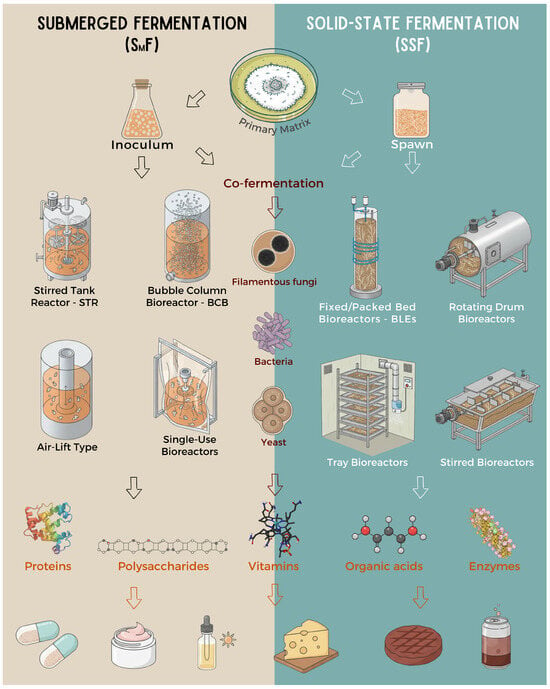
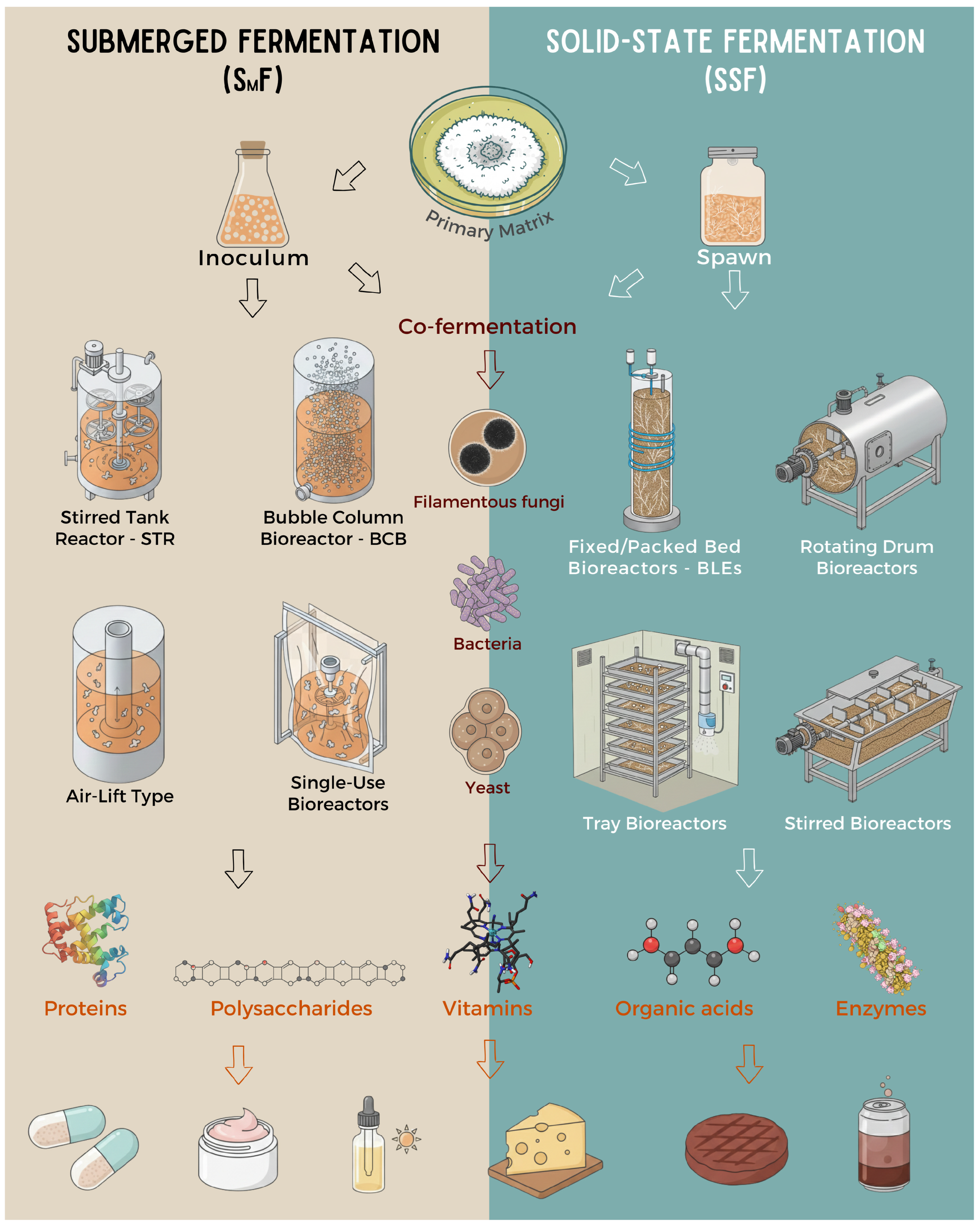
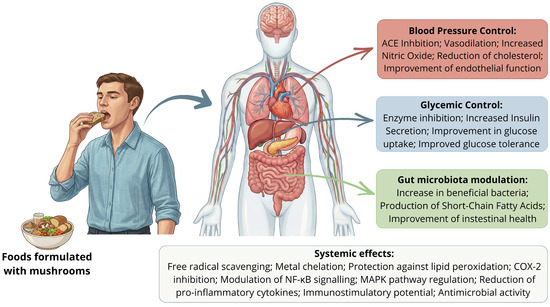
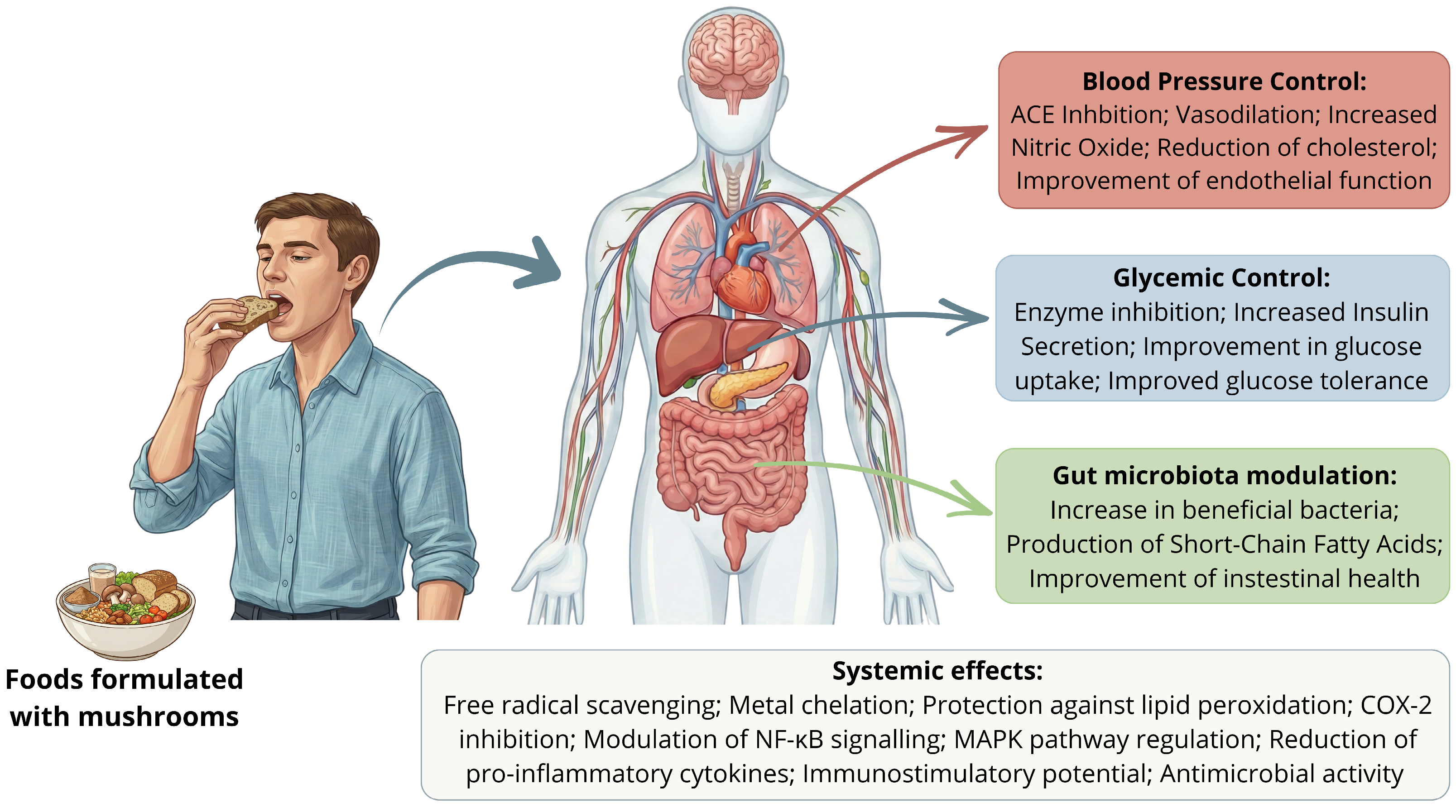
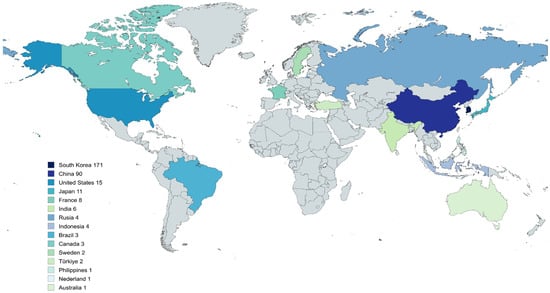
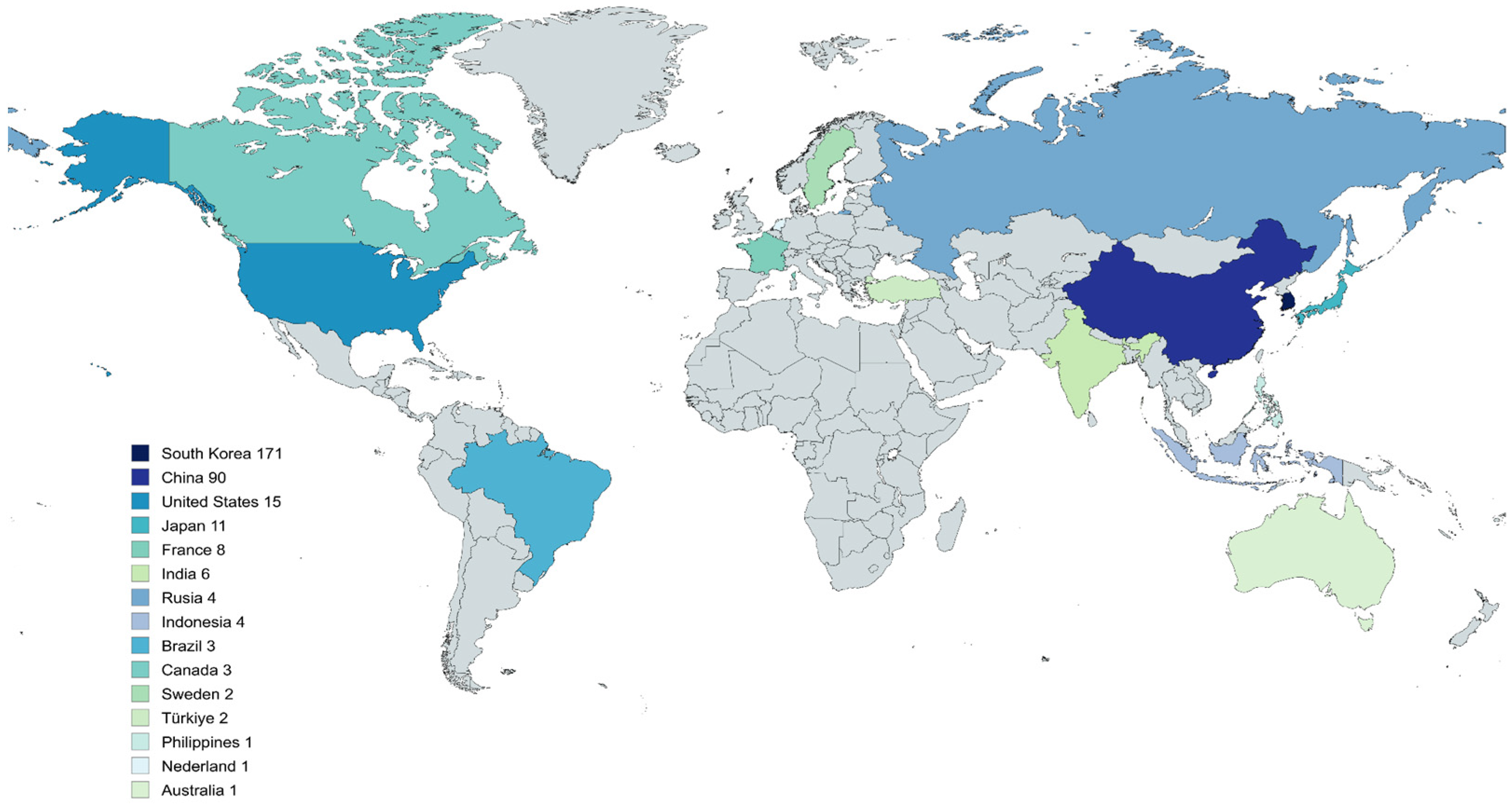
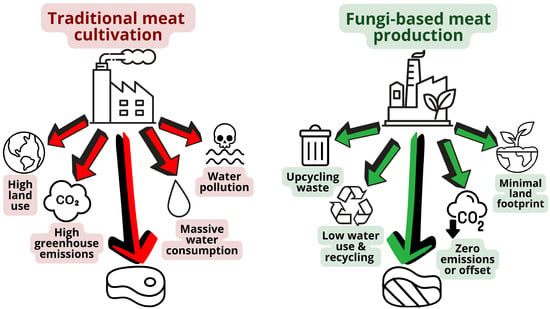
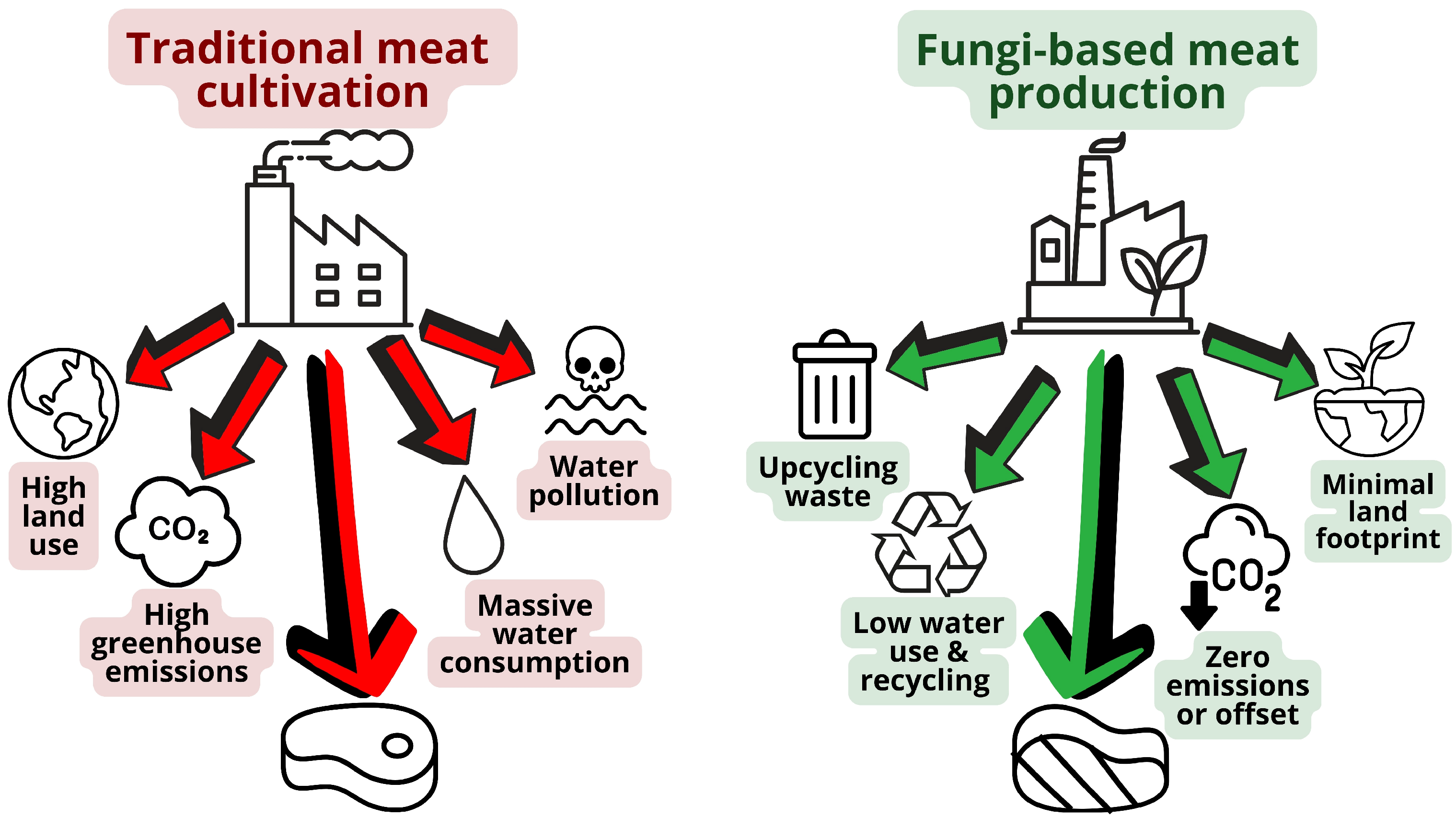
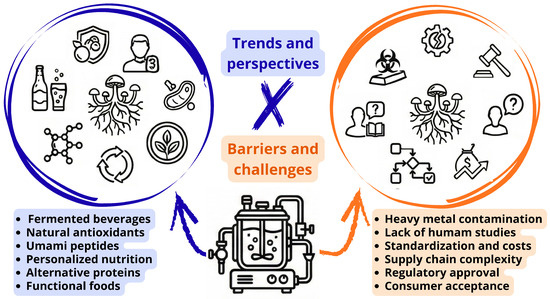
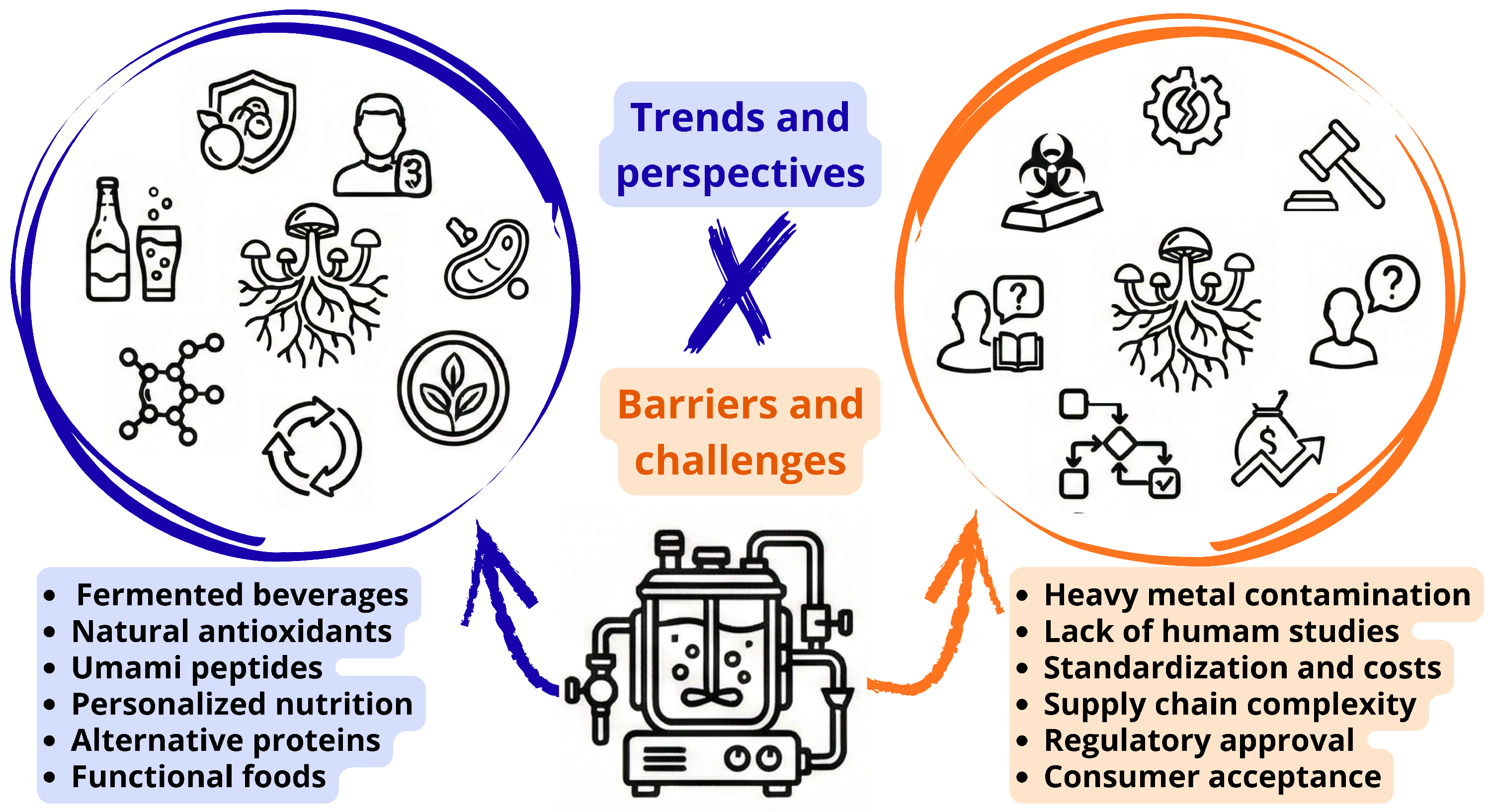

Disclaimer/Publisher’s Note: The statements, opinions and data contained in all publications are solely those of the individual author(s) and contributor(s) and not of MDPI and/or the editor(s). MDPI and/or the editor(s) disclaim responsibility for any injury to people or property resulting from any ideas, methods, instructions or products referred to in the content. |
© 2026 by the authors. Licensee MDPI, Basel, Switzerland. This article is an open access article distributed under the terms and conditions of the Creative Commons Attribution (CC BY) license.