Article

Effects of Different Electric-Field Intensities on Nitrogen Transformation and Bacterial Community Structure During Biochar Aerobic Composting


1
College of Mechanical and Electrical Engineering, Tarim University, Alar 843300, China
2
Xinjiang Production and Construction Corps Key Laboratory of Utilization and Equipment of Special Agricultural and Forestry Products in Southern Xinjiang, Alar 843300, China
3
Modern Agricultural Engineering Key Laboratory, Universities of Education Department of Xinjiang Uygur Autonomous Region, Alar 843300, China
4
College of Engineering, Nanjing Agricultural University, Nanjing 210031, China
*
Authors to whom correspondence should be addressed.
Fermentation 2026, 12(1), 60; https://doi.org/10.3390/fermentation12010060
Submission received: 16 December 2025 / Revised: 15 January 2026 / Accepted: 18 January 2026 / Published: 20 January 2026

Abstract

In this study, the effects of electric-field intensity on N transformation during aerobic composting of biochar/pig manure were investigated. Four experimental groups were established under different applied voltages: 0 V (Group CK); 2 V (Group L); 4 V (Group M); and 5 V (Group H). The physicochemical properties of compost, as well as the nitrogen content and its existing forms in the compost, were systematically analyzed. The underlying mechanisms were further explored from the microscopic perspective by analyzing the pore structure of biochar and the microbial diversity in compost. The results showed that the total nitrogen content in compost increased by 5.66–20.87% with the application of the electric field. Cumulative NH3 emissions decreased by 37.43%, 31.35%, and 40.95% in groups L, M, and H, respectively, while the NO2 content decreased by 40.73%, 87.93%, and 94.44%, respectively, reducing the N losses during composting. The electric field significantly promoted the migration of nutrients from the compost to the surface of cotton stalk biochar. It also enhanced the microporous structure and adsorption capacity of cotton stalk biochar, thereby facilitating interfacial deposition and N immobilization. The amplification and sequencing of 16S rRNA gene further revealed that Ruminofilibacter, norank_f_MWH-CFBk5, and HN-HF0106 were the key bacterial genera affecting the gas emissions during aerobic composting. Among them, Ruminofilibacter and HN-HF0106 promoted the emission of N2O, while norank_f_MWH-CFBk5 and Planktosalinus reduced NH3 emission. This finding indicates that the electric field regulated N transformation and promoted N retention in compost by inhibiting the reproduction of denitrifying bacteria and increasing the abundance of nitrifying and nitrogen-fixing bacteria. This study confirms that electric field and biochar synergistically affect the nitrogen immobilization and waste resource utilization by optimizing the metabolic pathways of microorganisms and the structural characteristics of biochar.

1. Introduction

Agricultural wastes are generated in substantial quantities across China each year. Under the national “dual-carbon” strategy, the management of agricultural residues and livestock/poultry breeding offers considerable potential for reducing carbon emissions from the agricultural sector [1]. As one of the world’s largest agricultural producers and consumers, China contributes nearly one-third of global straw resources and is the world’s leading producer of crop straw [2]. Cotton, an essential cash crop and a key raw material for the textile industry, accounts for approximately one-quarter of global production [3]. However, cotton stalks—produced abundantly during harvesting—remain severely underutilized, with current uses largely limited to field incorporation or burning. The conversion of agricultural residues into biochar provides an effective strategy for resource recycling while simultaneously improving environmental outcomes [4]. Livestock and poultry farming is also a major contributor to agricultural pollution, making the resource-efficient utilization of animal manure a critical component of China’s agricultural transformation. Aerobic composting, driven by microbially mediated biochemical reactions, is a widely adopted method for converting organic waste into humified products through high-temperature fermentation. The incorporation of biochar during composting can enhance the physicochemical properties of the composting matrix, modulate microbial activity and community composition, accelerate organic matter degradation and humification, and reduce the ecological toxicity of contaminants, ultimately improving compost quality and safety [5]. Despite these benefits, biochar-amended aerobic composting often experiences substantial nitrogen loss due to harsh composting conditions, including high temperature, elevated pH, and localized anaerobic zones. Nitrogen is predominantly lost as NH3 (46.8–7.4%) and N2O (0.2–9.9%), leading to reduced fertilizer value and adverse ecological impacts [6]. Thus, effective mitigation of nitrogen loss is imperative for improving the performance of aerobic composting systems. Aerobic composting is fundamentally a biological redox process in which microorganisms oxidize organic matter and transfer electrons, with O2 acting as the terminal electron acceptor. The application of an external electric field enhances electron transfer, thereby improving composting efficiency and environmental performance. Elevated electrical potential accelerates electron flow, increases O2 utilization, and reduces the internal electrical resistance of the compost, collectively contributing to suppressed greenhouse gas emissions [7]. Compared with conventional composting, electric field-assisted composting can shorten the composting period by at least 30% and reduce total greenhouse gas emissions by up to 70% [8]. Additionally, bio-electrochemically assisted composting has been shown to accelerate organic matter decomposition and improve overall composting efficiency. External electric fields may further inhibit nitrification, suppress N2O production, enhance compost maturity, and reduce NH3 and N2O emissions, thereby mitigating nitrogen loss [9]. Li et al. [10] reported that applying a 2 V direct current to a composting system promoted the proliferation of electroactive microorganisms while inhibiting nitrifying and denitrifying communities and their functional genes. Xing et al. [11] proposed that electroactive bacteria enhance organic matter decomposition by facilitating electron transfer and stimulating hydroxyl radical formation. Nevertheless, insufficient aeration or poor conductivity within composting materials can restrict electron transfer, resulting in increased greenhouse gas emissions. Shen et al. [12] demonstrated that applying a 5 V electric field during aerobic co-composting of chicken manure and kitchen waste reduced NH3 emissions by 48.73% compared with conventional biochar composting. The combined effects of reduced acidity and the electric field inhibited microbial processes related to ammonification and ammonia conversion. However, challenges such as inadequate oxygen supply, low electron transfer efficiency, and poor material conductivity can still lead to nitrogen loss and elevated greenhouse gas emissions during electro-composting [13]. To address these limitations, integrating biochar with electric field-assisted composting has emerged as a promising strategy. Biochar’s porous structure, graphite-like aromatic framework, and conjugated π-electron system confer high electrical conductivity and favorable electron transfer properties [14], enabling enhanced electron migration and improved O2 utilization. The pore architecture of biochar determines its specific surface area, which strongly influences adsorption capacity [15]. For instance, cotton stalk biochar, characterized by an exceptionally high surface area and abundant micro- and mesopores, provides short ion diffusion pathways and exhibits strong adsorption capacity for small molecules, such as lithium polysulfides [16]. However, biochar aging leads to the accumulation of organic matter on and within pores, resulting in pore blockage, reduced microbial habitat, diminished adsorption capacity, and compromised composting performance [17]. Existing studies predominantly focus on single electric field intensities and overlook how varying electric field conditions influence the porous structure, surface chemistry, and adsorption properties of biochar. Cotton stalk biochar—owing to its high specific surface area, abundant mesopores, and semi-graphitized structure—integrates strong adsorption capacity (via pore capture) with efficient electron transfer (via π-conjugated networks).
Therefore, this study aims to investigate the synergistic effect of cotton stalk biochar and an electric field on nitrogen retention during the aerobic composting of livestock and poultry manure. It seeks to clarify how this synergy regulates nitrogen transformation processes and drives microbial succession, thereby mitigating nitrogen loss in the form of NH3 and N2O. Concurrently, the influence of different electric field intensities on the porous structure of cotton stalk biochar and its nitrogen adsorption capacity during composting will be analyzed. Ultimately, the research aims to optimize the key parameters of the electric field–biochar synergistic composting system, enhance compost pile conductivity, and maximize nitrogen retention efficiency and greenhouse gas reduction while ensuring compost quality and maturity. It is expected that this study will provide theoretical data and technical support for electric field-assisted aerobic composting systems utilizing biochar for livestock manure treatment.

2. Materials and Methods

2.1. Raw Material Preparation

Fresh pig manure was collected from a certain pig farm in Alar City. The rice straw and cotton stalks were taken from the paddy fields near Alar City and crushed. During the preparation of cotton stalk biochar, the following steps were taken to achieve pyrolysis under oxygen-limited conditions: First, the cotton stalks were crushed and loaded into an iron box, which was then sealed with a lid. The sealed box was quickly transferred into a preheated box-type resistance furnace (Model KRD-SX3-15-13; Shandong Kerui Electric Furnace Co., Ltd., Weifang, China) and subjected to continuous pyrolysis at 300 °C for 2 h. The basic properties of raw materials are shown in Table 1.

2.2. Experiment Design and Sampling

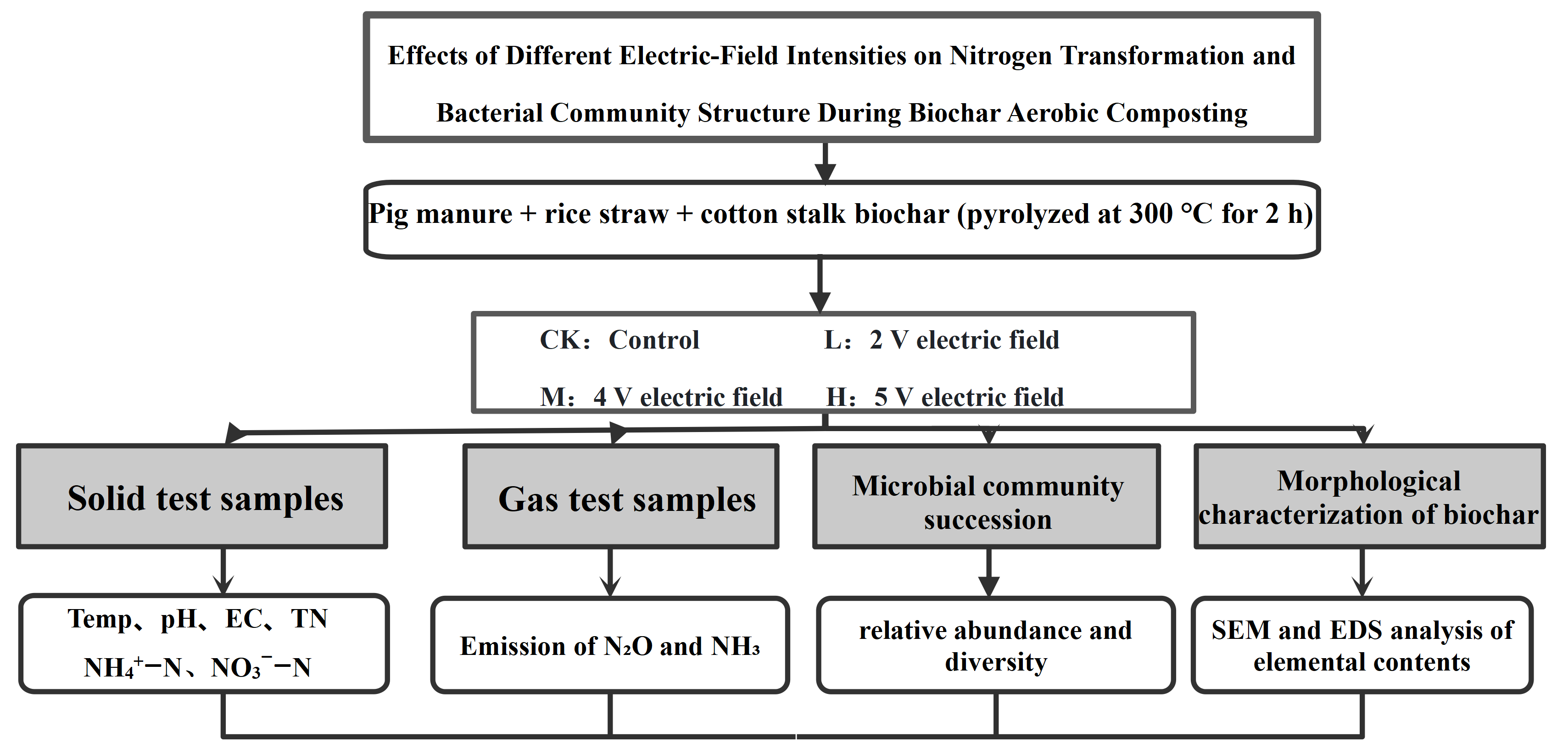
In July 2024, a 40-day aerobic composting experiment was conducted using rectangular wooden reactors measuring 40 cm (L) × 40 cm (W) × 80 cm (H). As shown in Figure 1, the composting feedstock was prepared by mixing fresh pig manure, cotton stalk biochar, and rice straw at a ratio of 10:1:1 (w/w). The initial C/N ratio and moisture content of the mixture were adjusted to approximately 25:1 and 60%, respectively. Four treatment groups were established by applying different direct-current (DC) voltages: 0 V (CK), 2 V (L), 4 V (M), and 5 V (H). For the electric-field treatments (Groups L, M, and H), an electro-assisted aerobic composting (EAAC) system was implemented. A stainless-steel plate (150 cm in length, 35 cm in width, and 0.3 cm in thickness) served as the anode, while a graphite rod (10 cm in diameter and 60 cm in height) was positioned at the center of the compost pile as the cathode. A saturated calomel electrode was installed near the reactor center to function as a reference electrode. All electrodes were connected to a DC power supply (Model MP1530D, Meisheng Power Technology Co., Ltd., Shenzhen, China), following the procedure described previously [18]. Aeration was provided through a perforated PVC pipe installed at the bottom of each reactor. Intermittent aeration was conducted every other day at a flow rate of 0.2 L·min−1·kg−1 (based on the initial fresh weight). In addition, the compost was manually turned every 5 days throughout the experiment.
Gas sampling: The gas samples were collected once a day for the first 4 days, and then on the 7th, 9th, 12th, 17th, 22nd, 28th, 33rd, and 40th days. Before collection of gas sample, air sample was collected as a control. Subsequently, the static sampling box was placed on the surface of compost and inserted to a certain depth for gas sampling and analysis.
Collection of compost samples: Samples were collected from the middle part of compost at different depths (15 cm, 45 cm, and 75 cm) on the 1st, 3rd, 7th, 9th, 12th, 17th, 22nd, 28th, 33rd, and 40th days. A portion of fresh samples collected on the 3rd, 7th, 28th, and 40th days were placed in 10 mL cryotubes. Three replicates of each fresh sample were stored at −80 °C in a refrigerator and later used for microbial diversity analysis. The rest of the samples were dried, ground, passed through a 100-mesh sieve, and then stored in a refrigerator at 4 °C. These samples were used for the analysis of physicochemical properties of compost.

2.3. Analysis of Samples

The ambient temperature and compost temperature were measured every day using a thermometer (GJD-200LCD, JINGD, Hengshui Zhengxu Electronic Technology Co., Ltd., Shanghai, China). Total organic carbon (TOC) was determined using the potassium dichromate oxidation method with sulfuric acid. The pH of compost suspension was measured using a S-3C pH meter, while EC was determined using a DJS-IC conductivity electrode [19]. The moisture content was determined after drying the samples in a constant-temperature oven at 105 °C for 24 h. It was calculated using the following formula: Moisture Content = [(Wet Weight − Dry Weight)/Wet Weight] × 100%. The total nitrogen content (TN) in the compost was determined by digestion with H2SO4-H2O2, followed by measurement using a Kjeldahl apparatus (Model Kjeltec 8400; FOSS A/S, Hillerød, Denmark). Flow analyzer was used to determine the contents of NH4+-N and NO3-N in compost [20]. Scanning electron microscopy (SEM), coupled with energy-dispersive X-ray spectroscopy (EDS), was used to analyze the morphology and composition of biochar. The specific surface area and pore size of biochar at different stages of composting were determined using the fully automated high-throughput specific surface area and pore size analyzer (BSD-660 series, Beishide Instrument Technology (Beijing) Co., Ltd., China). The specific surface area of biochar particles was calculated using the BET equation. The micropore data were derived from the T-plot theory, while the mesoporous and macropore data were derived from the Barrett–Joyner–Halenda theory. Ammonia emission during composting was measured using the static chamber-boric acid absorption method [21]. N2O emission was measured using an Agilent 7890A gas chromatograph. Microbial diversity and abundance were analyzed by performing gene sequencing on the Illumina Nextseq 2000 platform (Shanghai Meiji Biomedical Technology Co., Ltd., Shanghai, China).

2.4. Data Analysis

Data entry, organization, and chart plotting were performed using Excel 2024 and Origin 2022, respectively. Statistical analyses were conducted in SPSS 22.0, with differences among groups evaluated by one-way analysis of variance (ANOVA), and results were expressed as “mean ± standard deviation.” All data analyses were conducted on the Shanghai Majorbio Bio-Cloud Platform (https://www.majorbio.com/ accessed on 16 December 2025). To eliminate bias caused by sequencing depth, random sampling of sequences was applied, and the number of sequences for all samples was standardized to 35,000. After standardization, the average coverage (Good’s coverage) for each sample remained at 99.09%. Microbial community structure analyses, including taxonomic composition analysis, environmental factor correlation analysis, and network correlation analysis, were all performed on the Majorbio Bio-Cloud Platform.

3. Results and Discussion

3.1. Effects of Electric Field Intensity on the Physicochemical Properties of Compost

3.1.1. Influence of Electric Field Intensity on the Temperature of Compost

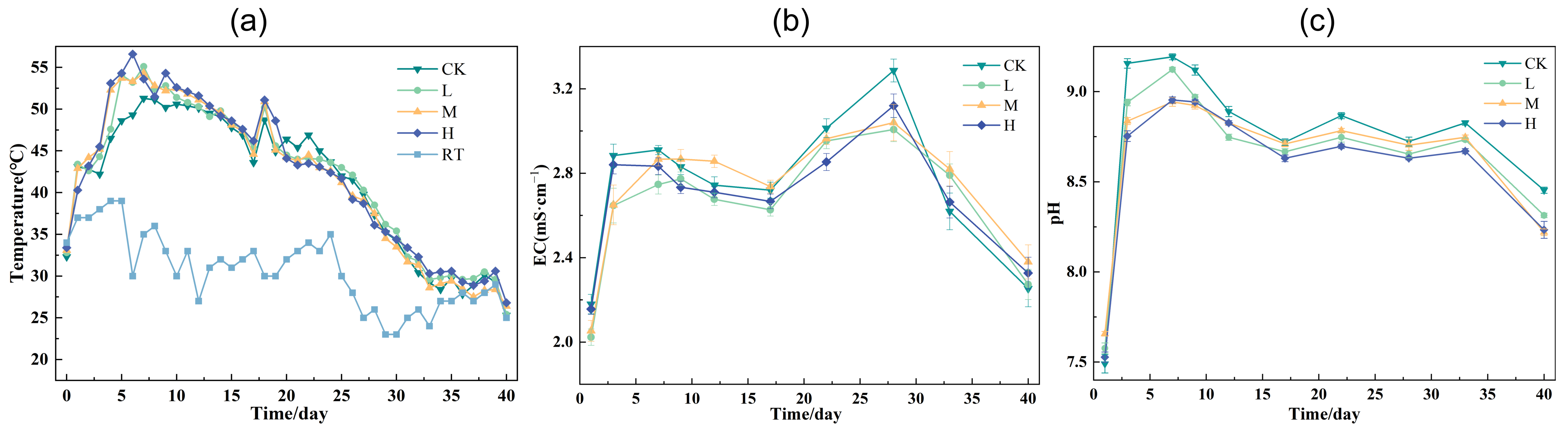
Temperature of compost is a key indicator of the performance of composting system, reflecting organic matter degradation and microbial activity. The changes in the temperature of compost during the composting process under different experimental conditions are shown in Figure 2a, where the curve labeled room temperature (RT) is presented. Group CK entered the high-temperature stage on the 7th day, and the temperature remained above 50 °C for 6 days. In Group L, the temperature exceeded 50 °C on the 5th day, and the high-temperature stage lasted for 8 days. Both Group M and Group H reached high-temperature stage on the 4th day, which lasted for 10 days. All treatment groups met the sanitary safety standards for compost maturity, with the temperature of compost reaching above 55 °C or being at 50 °C for more than 4 days [22]. Compared with Group CK, the electric field prompted the compost to enter the high-temperature stage 2–3 days earlier, and this stage was prolonged by 2–4 days. Moreover, the maximum temperature in the electric-field treatment groups was higher than that in Group CK. Among them, Group M and Group H had the same heating rate and the duration of high-temperature stage. However, the maximum temperature in Group H was higher than that in Group M. These results indicate that the electric field can significantly accelerate the composting process, which may be conducive to microbial activity and reproduction.

3.1.2. Influence of Electric Field Intensity on the EC of Compost

EC represents the soluble salt content in compost and is one of the criteria for measuring the toxic effect of compost on plant growth [23]. As shown in Figure 2b, the EC first increased and then decreased in all treatment groups. In the early stage of composting, the water-soluble products in the compost mainly came from free water; thus, EC was at a lower level. As the composting progressed, organic matter decomposed rapidly and water evaporated, leading to a rise in the EC of compost. In the later stage of composting, Ca2+ and Mg2+ ions formed insoluble substances [24], which led to a decline in the EC of compost. By the end of composting, the EC values of composts in groups CK, L, M, and H were 2.25, 2.27, 2.38, and 2.32 mS·cm−1, respectively. With EC values below 4 mS·cm−1, all groups complied with the national organic fertilizer regulations “NY/T 525-2021” [25]. Overall, the electric field improved the EC of compost, with Group M showing the most obvious increase in EC, followed by Group H. With the progression of organic matter degradation, the applied electric field enhanced the accumulation of soluble ions, thereby increasing the electrical conductivity. This effect was achieved by stimulating microbial proliferation, accelerating the degradation of organic matter, and promoting the accumulation of inorganic substances [26].

3.1.3. Influence of Electric Field Intensity on the pH of Compost

The effect of electric field intensity on the pH of compost is shown in Figure 2c. In all treatment groups, pH of compost showed a trend of rapid increase, followed by slight decrease, slight increase, and then decline. In the initial stage of composting, the pH increased rapidly, which may be due to the rapid decomposition of organic matter, ammoniation and mineralization of organic nitrogen, and increased production of basic amino acid in NH4+-N [27]. Later, with the accumulation of low-molecular weight organic acids and CO2, the ammoniation of compost weakened and the nitrification gradually increased, leading to a gradual decline in the pH of compost. Afterwards, the pH slightly increased with the continuous degradation of organic acids. In the later stage of composting, the organic matter degraded slowly and the pH of compost dropped. At the end of composting, the pH values of composts in CK, L, M, and H groups were 8.45, 8.31, 8.22, and 8.23, respectively, which met the industry standard NY/T525-2021(5.5–8.5) in China. Overall, the electric field reduced the pH of compost, especially in M and H groups. This may be because the electric field promoted the transfer of electrons in the compost. The stronger electric field resulted in higher current, which promotes electrochemical reactions and accelerates the decomposition of organic matter, thereby causing a decrease in the pH of compost.
In summary, compared with the control group, the electric field treatment groups entered the thermophilic phase 2–3 days earlier, with the duration of the high-temperature period extended by 2–4 days, thus accelerating the composting process. The EC of all treatment groups showed a trend of first increasing and then decreasing; the EC of the electric field groups was slightly higher than that of the control group, and all met the organic fertilizer standards. Meanwhile, the pH of the electric field groups was lower than that of the control group and satisfied the composting requirements. Therefore, the electric field improves the physicochemical environment of the compost pile by enhancing microbial activity and accelerating organic matter degradation.

3.2. Influence of Electric Field Intensity on Nitrogen Retention in Compost

3.2.1. Influence of Electric Field Intensity on Nitrogen Retention in Solid Samples

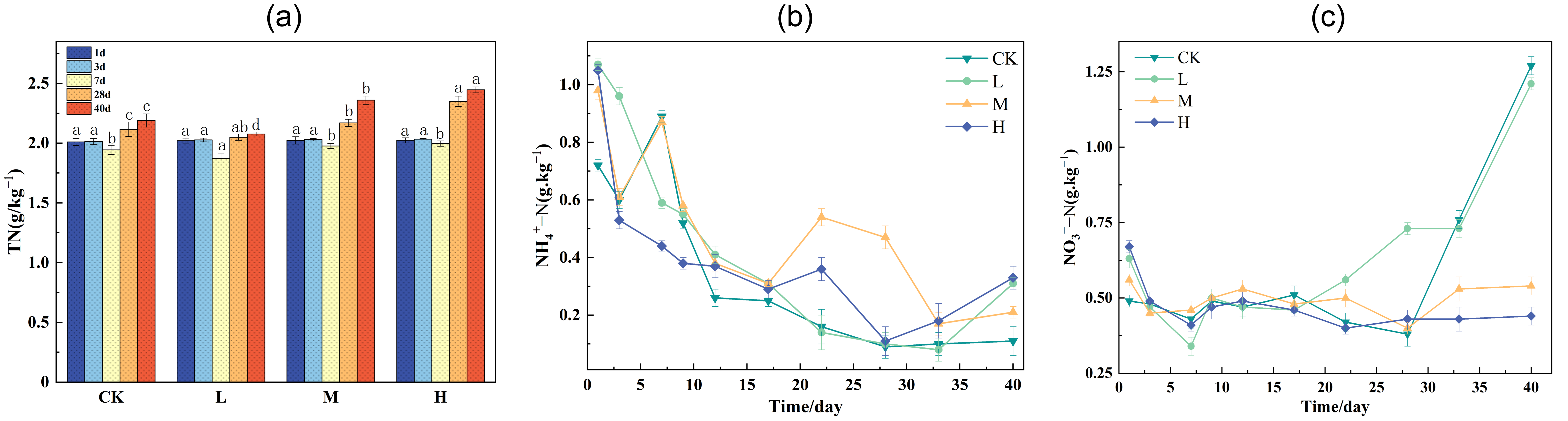
Total nitrogen content is an important parameter for evaluating the quality of compost products. The changes in the total nitrogen content during the four stages of composting are shown in Figure 3a. In all treatment groups, total nitrogen content first decreased and then gradually increased. This may be because the NH4+-N, produced from organic matter decomposition during the composting process, generates NH3 in the alkaline environment of compost, while the high temperature promotes NH3 volatilization, thereby reducing the total nitrogen content. In the later stages of composting, both pH and temperature of compost decreased, leading to decline in NH3 volatilization. Furthermore, organic matter decomposition in compost produced a “concentration effect”, which led to an increase in the total nitrogen content. At the end of composting, the total nitrogen contents in CK, L, M, and H groups were 2.19, 2.08, 2.36, and 2.45 g kg−1, respectively. Compared with the initial stage of composting, the total nitrogen content increased by 8.94%, 5.66%, 16.66%, and 20.87% in CK, L, M, and H groups, respectively, at the end of composting.
M and H groups showed significant increase in the total nitrogen content in compost, with Group H exhibiting the best performance.
As shown in Figure 3b, the NH4+-N contents in CK and M groups increased from the 3rd to 7th day, then declined. A similar increase was observed in the M and H groups from 17th to 22nd day, with decreasing trends at other time points. Additionally, the L and H groups exhibited another rise in NH4+-N content from the 28th to 40th day. In this experiment, the NH4+-N content was mainly affected by the pH and temperature of compost. During the composting process, the NH4+-N content in compost fluctuated due to the competition between organic matter decomposition, nitrification, and NH3 evaporation. At the end of composting, the NH4+-N contents in CK, L, M, and H groups were 0.11, 0.31, 0.21, and 0.33 g kg−1, respectively. The final compost products of each treatment group met the maturity standard of organic fertilizers (less than 0.4 g kg−1) [28]. The results revealed that the electric field increased the NH4+-N content in the compost, with Group H showing the most significant increase. This may be because the electric field increased the temperature of compost and the duration of high-temperature stage, thereby accelerating the decomposition of organic matter to produce NH4+-N. At the same time, the electric field reduced the pH of compost, which led to a decrease in the generation rate of NH3.
The effect of electric field intensity on the NO3-N content in compost is shown in Figure 3c. In the early stage of composting, the temperature, pH, and NH4+-N content of compost were high, which inhibited the activity and growth of nitrifying bacteria, and the NO3-N content was low. As the temperature and pH of compost decreased, NH4+-N gradually transformed into NO3-N, causing a rise in the NO3-N content [29]. In the later stage, the NO3-N concentrations in groups CK and L increased sharply. This may be because the nitrifying bacteria recovered their activities at the end of composting and converted a part of NH4+-N into NO3-N [30]. The NO3-N concentrations in Group M and Group H were significantly lower than those in Group CK and Group L. This finding was consistent with the results reported by Caceres et al. [31]. These results indicate the reduction in the precursor substrates available for microbial denitrification during the later stages of composting. The decline in NO3-N content during the cooling and maturation stages led to decrease in the N2O emissions during the composting process. At the end of composting, the NO3-N contents in CK, L, M, and H groups were 1.27, 1.21, 0.54, and 0.44 g·kg−1, respectively. Overall, the electric field reduced the NO3-N content in compost, and the most obvious reduction was observed in Group H. Overall, the electric field reduced the NO3-N content in compost, and the most obvious reduction was observed in Group H. Moreover, as long as the final compost product exhibits high total nitrogen content and adequate decomposition, it can still provide long-term stable fertility in the field through mineralization. This reduction in NO3-N can be regarded as a positive transformation that secures environmental benefits while maintaining agronomic quality.
Furthermore, the electric field strength had a significant effect on nitrogen retention in the solid compost samples. Regarding TN content, all treatment groups exhibited a trend of first decreasing and then increasing. At the end of composting, the M and H groups significantly increased the TN content, with the H group achieving the best effect. Simultaneously, the NH4+-N content of all treatment groups showed a fluctuating trend; the electric field could increase its content, and the H group performed optimally. The NO3-N content was low in the early stage and increased in the later stage in the CK and L groups, while the M and H groups were significantly lower than the previous two groups.

3.2.2. The Influence of Electric Field Intensity on the Nitrogen Level in Gaseous Samples

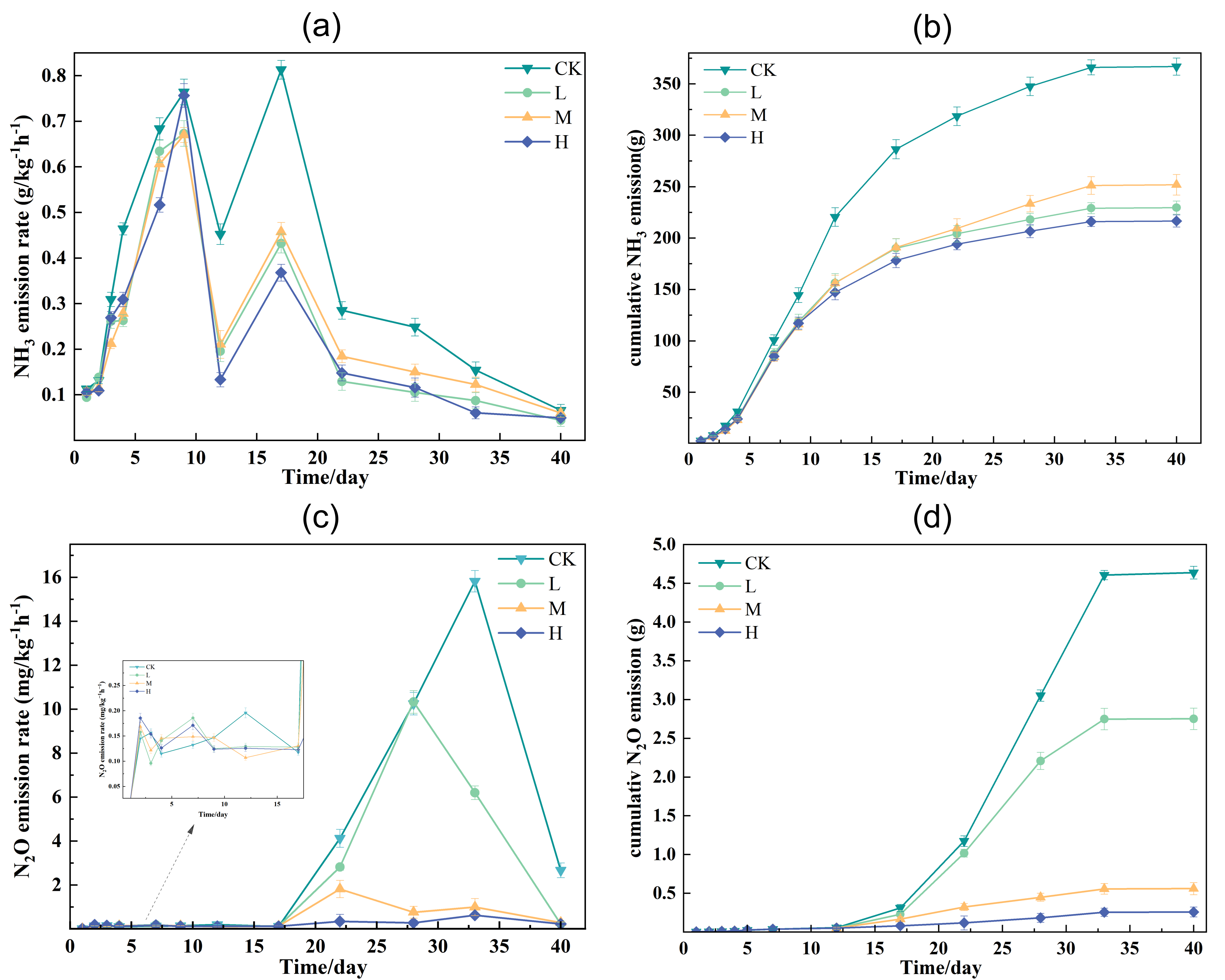
As shown in Figure 4a, the highest NH3 emission rate (0.683 ± 0.024 g·h−1 kg−1) was observed in Group CK. The NH3 emission rates in L, M, and H groups were 0.633 ± 0.021 g·h−1 kg−1, 0.606 ± 0.015 g·h−1 kg−1, and 0.516 ± 0.013 g·h−1 kg−1, respectively. Figure 4b further shows that the cumulative NH3 emissions in CK, L, M, and H groups were 366.8 ± 8.33 g·kg−1, 229.5 ± 6.33 g·kg−1, 251.8 ± 10.11 g·kg−1, and 216.6 ± 5.83 g·kg−1, respectively. Compared with Group CK, the cumulative emissions in L, M, and H groups decreased by 37.43%, 31.35%, and 40.95%, respectively. Thus, the electric field reduced the NH3 emission rate and cumulative emission during composting, with Group H exhibiting the most significant performance. This may be because the electric field inhibited organic matter ammoniation during composting, while the high temperature and acidic pH conditions reduced the NH3 emission [32]. Previously, Shou et al. [33] also reported an increase in NH4+-N assimilation and a decline in NH3 emission under low pH and high levels of soluble carbon in the composting system.
As shown in Figure 4c, a large amount of N2O was released from CK and L groups from the 23rd to 33rd day, which may be related to the nitrification of nitrogen compounds and the increase in NO3-N concentration [34]. The final N2O emission rates in CK and L groups were 15.82 ± 0.33 mg·h−1 kg−1 and 6.20 ± 0.28 mg·h−1 kg−1, respectively. On the other hand, groups M and H did not show any significant change in N2O emission rates from beginning to end, and the final emission rates in these groups were 0.289 ± 0.044 mg·h−1 kg−1 and 0.234 ± 0.011 mg·h−1 kg−1, respectively. This may be because the electric field inhibited the denitrification induced by nitrifying bacteria, and this inhibitory effect increased with the increase in DC voltage [35]. As shown in Figure 4d, the cumulative N2O emissions in groups CK, L, M, and H were 4.64±0.08 g·kg−1, 2.75 ±0.75 g·kg−1, 0.56 ± 0.08 g·kg−1, and 0.26 ± 0.06 g·kg−1, respectively. Compared to Group CK, cumulative N2O emissions in groups L, M, and H reduced by 40.73%, 87.93%, and 94.44%, respectively. Since the electric field can directly change the dynamics of microorganisms involved in nitrification and denitrification process, it can reduce the concentrations of NO3-N and NO2-N by inhibiting the nitrification and denitrification process, thereby causing a significant decline in N2O emission [36]. Therefore, the voltage application not only reduced the concentration of NO3 in the compost, but also changed other physicochemical properties of compost, thereby reducing the N2O emission.
In conclusion, composting with electric field treatment can significantly reduce NH3 and N2O emissions from the compost pile. Compared with the control group, both the emission peak and cumulative emission of NH3 in the electric field treatment groups were reduced, among which the H group had the best emission reduction effect. For N2O emissions, the CK and L groups showed an emission peak in the later stage, while the cumulative emission of the H group decreased by as much as 94.44%. The electric field achieves efficient emission reduction of nitrogen-containing gases by inhibiting nitrification and denitrification processes.

3.3. Analysis of the Influence Mechanism of Electric Field

Biochar Characterization

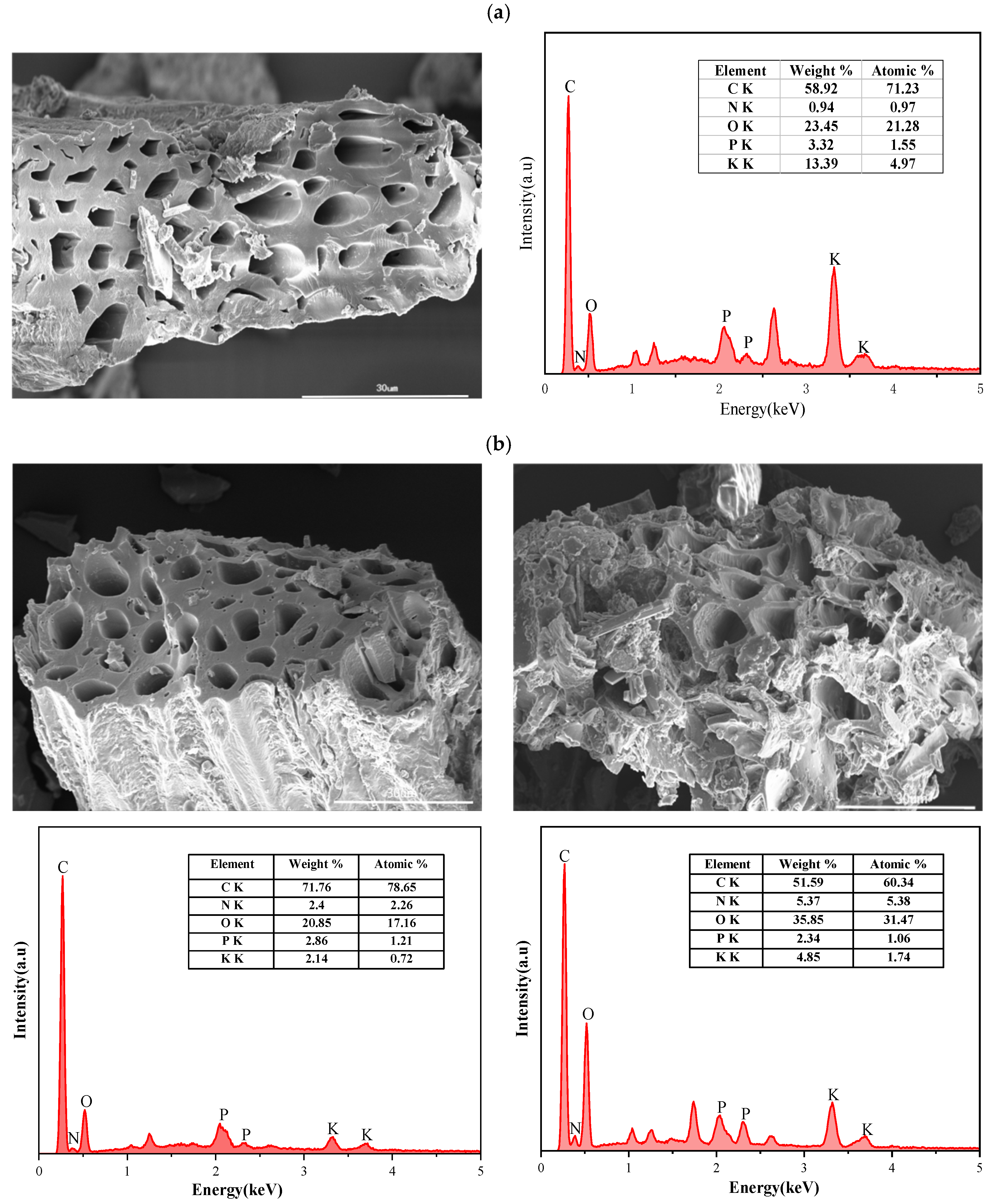
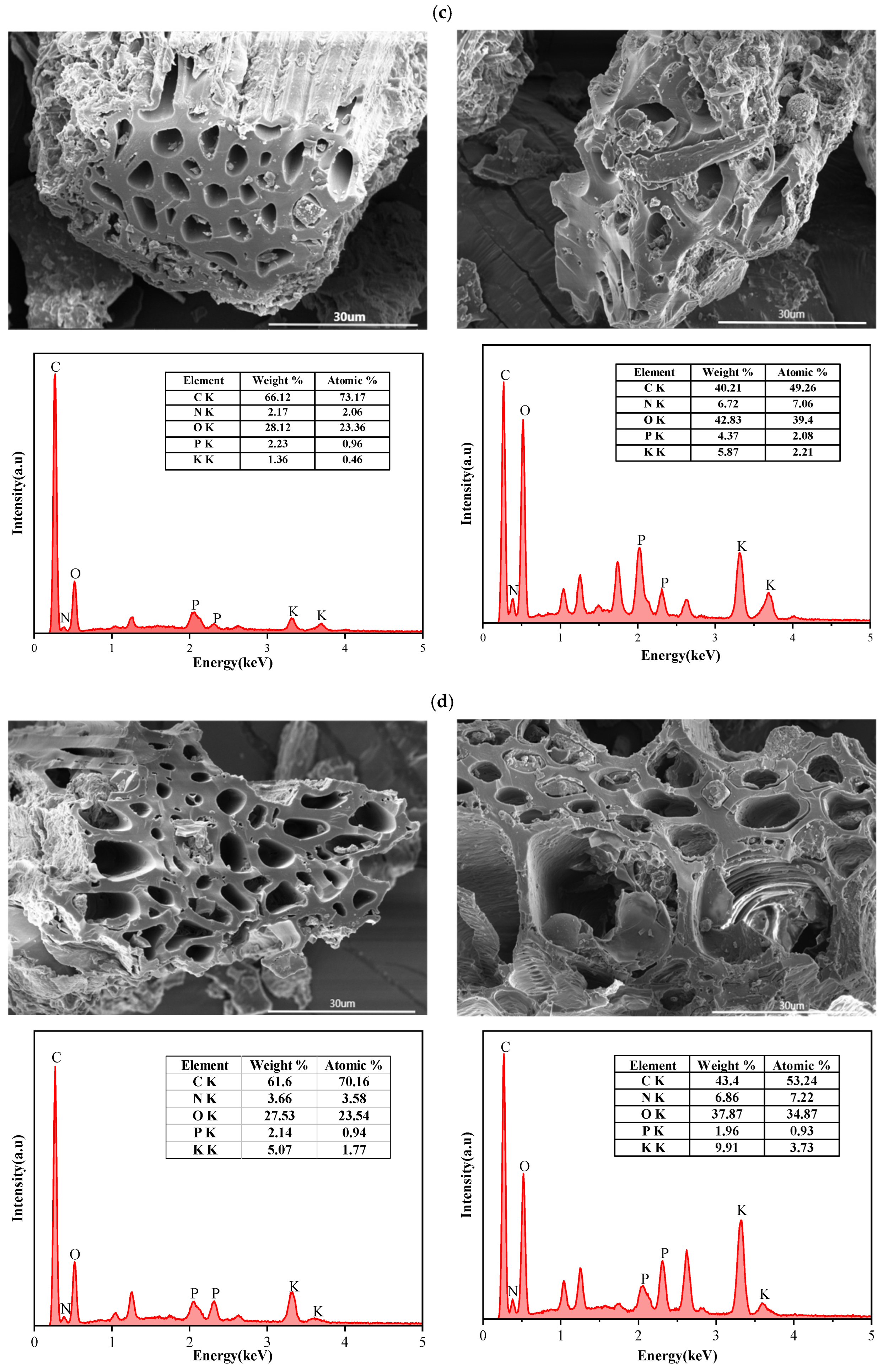
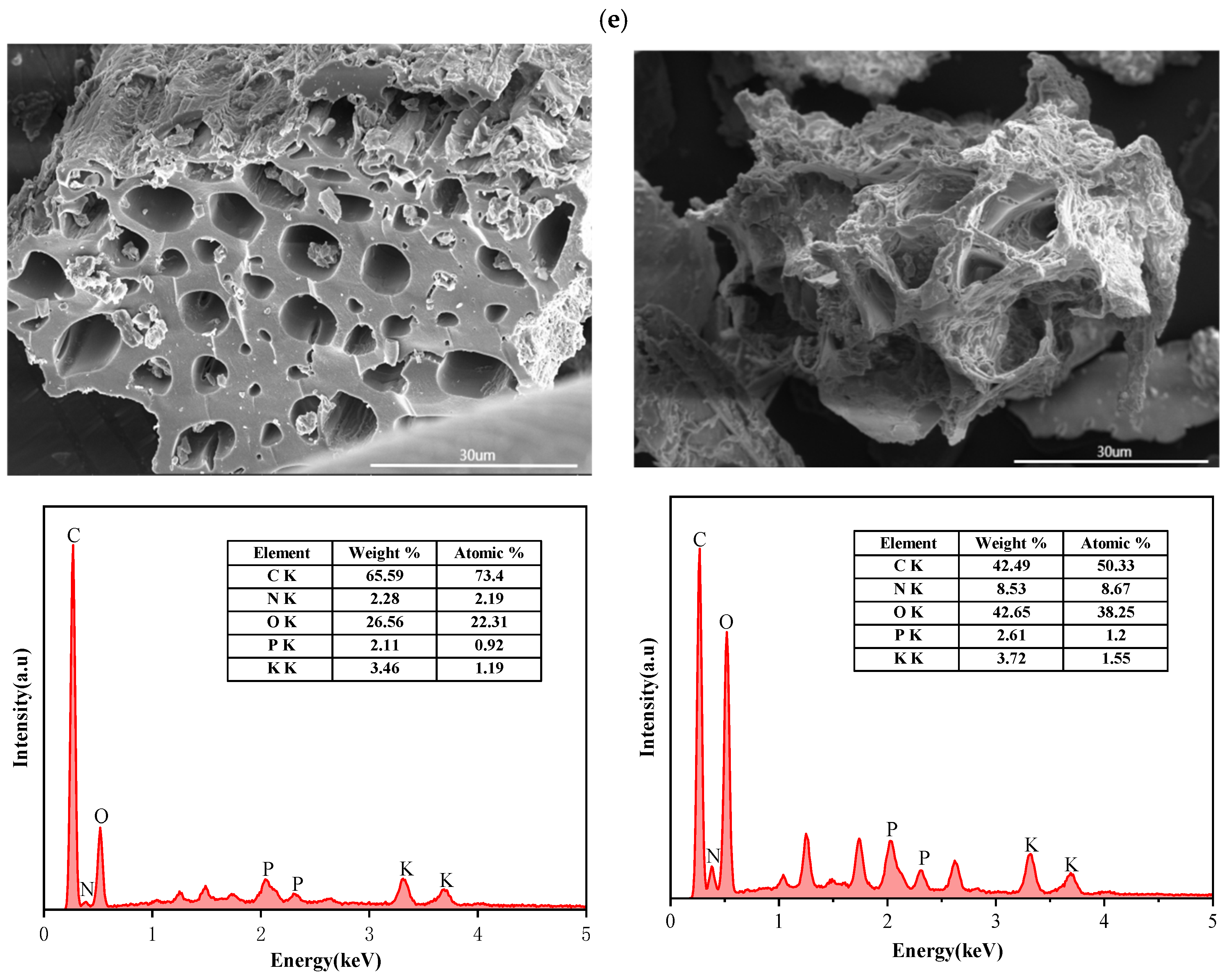
To analyze the influence of electric field intensity on the performance of cotton stalk-char during composting, SEM-EDS characterization was conducted on the raw cotton stalk-char and the used cotton stalk-char collected from each treatment group on the 1st day and the 40th day. The results are shown in Figure 5a–e. At the initial stage of composting, the cotton stalk-char had a smooth surface, with a small amount of granular substances in its pores. At the end of composting, the amount of granular substances in the pores increased, and some of the pores were damaged. This may be because nitrogen particles aggregated and underwent a series of reactions under the action of biochar during the composting process [37]. In the presence of an electric field, oxidation-reduction reactions occurred on the surface of cotton stalk-char, which promoted the destruction of cotton stalk-char and its pore structure. The EDS results in Figure 5a–e show that the nitrogen adsorption increased in all groups at the end of composting. Among the four groups, Group H showed the largest increase in nitrogen adsorption from 2.19% to 8.67%.
This result indicates that the electric field promoted the diffusion and deposition of nutrients into the cotton stalk-char. At the same time, the C/O ratio in each treatment group on the 40th day was lower than that on the 1st day. The decrease in C/O ratio was more significant in the electric-field treatment groups L, M, and H. This may be because the compost has more complete oxidation conditions than the soil in the short term, which leads to lower C content and higher O content at the end of composting [38]. The findings indicated that the application of electric field accelerated the flow of oxygen in the compost.

3.4. N2 Adsorption–Desorption Curve and Pore-Size Evolution of Biochar

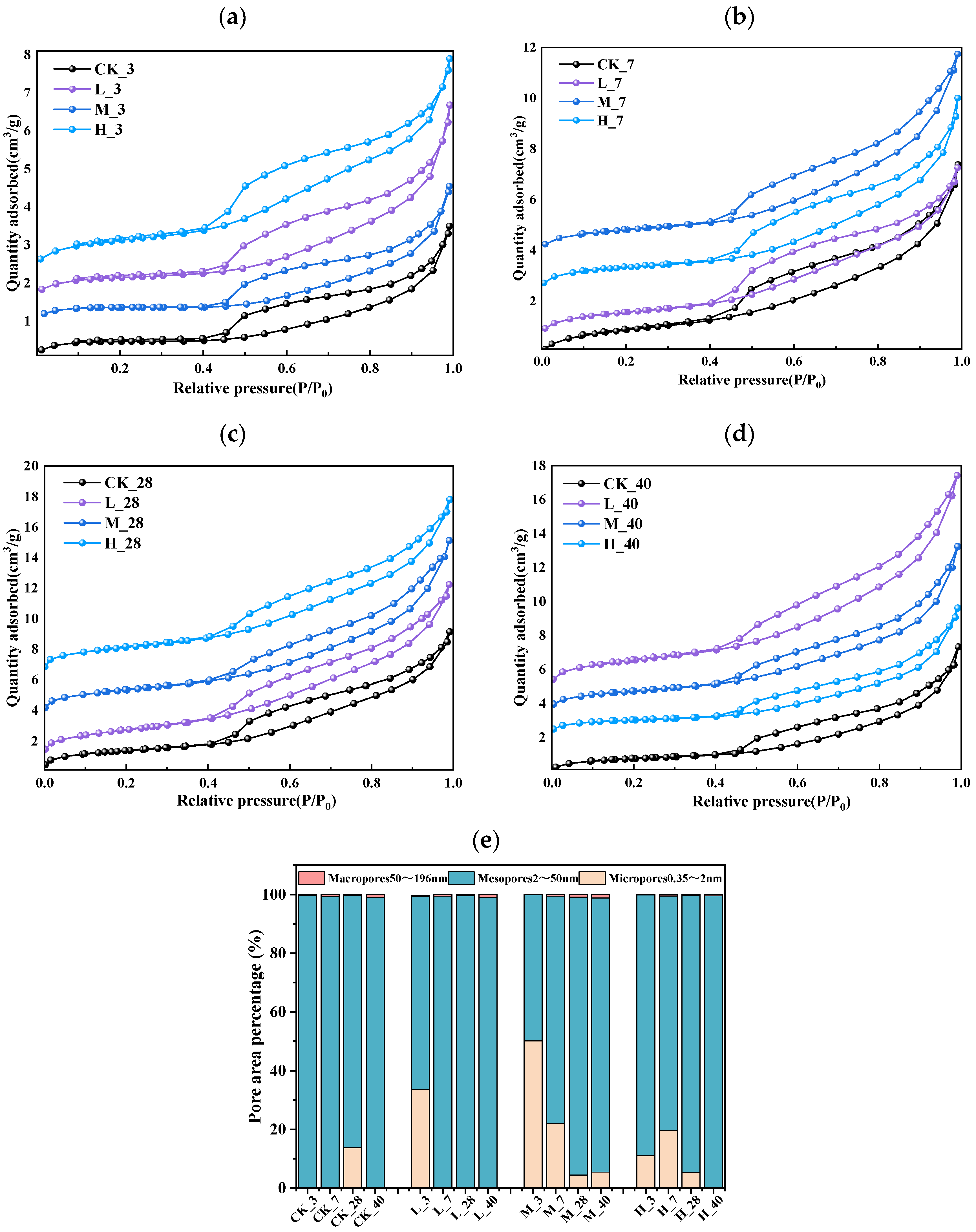
To further analyze the effect of electric field intensity on the pore size of cotton stalk-char during composting, the N2 adsorption–desorption performance and distribution of pore size were analyzed at different composting stages. As shown in Figure 6a–d, the N2 adsorption–desorption isotherms of cotton stalk-char in all treatment groups exhibit an upward convex shape at high relative pressure, forming a hysteresis loop due to capillary condensation. According to the IUPAC-IV type curve based on UPAC classification standard [39], the interior of cotton stalk-char is mainly mesoporous. At the same time, the electric field improved the N2 adsorption performance of cotton stalk-char by changing its specific surface area, generating more active sites, and promoting the adsorption of nitrogenous substances in its pores. Therefore, the nitrogen substances existing in the compost were adsorbed in the pores of cotton stalk-char and combined with ammonium ions, which led to a decline in NH3 emission [40]. Figure 6e shows the changes in the distribution of pore sizes in cotton stalk-char during the composting process. This may be because the microbes consumed C and N elements in the cotton stalk-char during composting for growth and reproduction, causing the degradation of cotton stalk-char and generation of new pores. Figure 6e also shows that the ratio of biochar micropore area in groups M and H was relatively large. It is generally believed that micropores can provide more adsorption sites for charge storage and improve the specific capacitance of carbon materials [41]. Therefore, the electric field significantly improved the micropore ratio, as well as the adsorption capacity of cotton stalk-char, by enhancing the microbial mineralization and pyrolysis effects.

3.5. Influence of Electric Field/Biochar on the Microbial Communities in Compost

3.5.1. Electric Field/Biochar Application Enhanced the Microbial Diversity in Compost

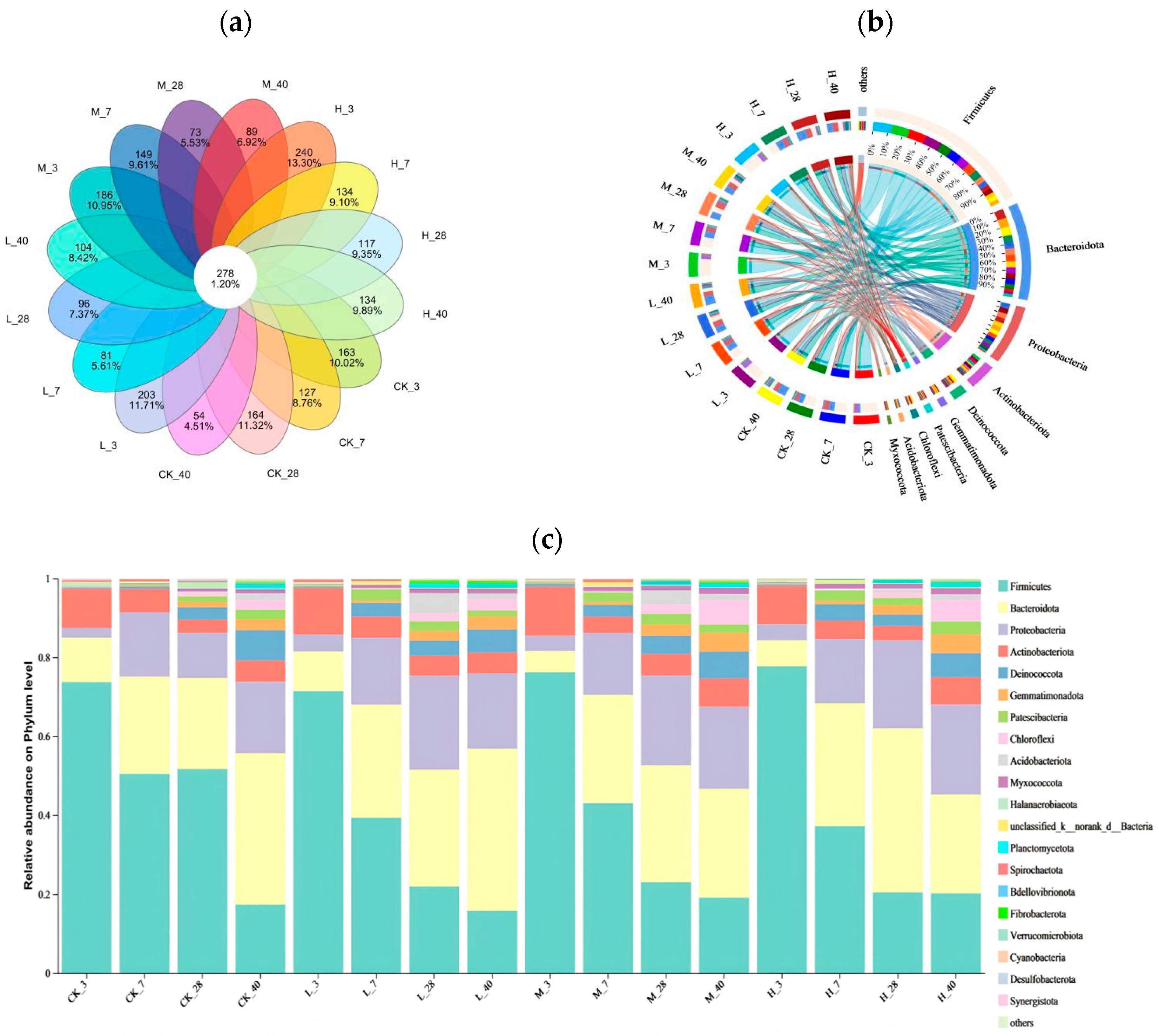
To further reveal the microbial mechanism by which electric field affected the aerobic composting of biochar/pig manure, the microbial diversity in the compost was analyzed at different composting stages. The microbial sequences of each sample were clustered into operational taxonomic units (OTUs) at a 97% similarity level, and bioinformatic statistical analysis of OTUs was performed. The Venn diagram in Figure 7a presents the number of unique and common species in different groups, revealing the changes in microbial community across different groups. The overlapping area shows the number of common species in multiple groups, while the non-overlapping area presents the number of species specific to the corresponding groups. There were 278 common microbial species in the four groups, accounting for 1.2% of the total microbial abundance. After electric field/biochar application, the number of unique species increased by 2.41–5.38% compared to the CK group in the later stage of composting. These results showed that electric field and biochar significantly affected the species composition, and microbial diversity was more conducive to the biological processes involved in substrate degradation [42]. Figure 7b further indicates that the application of electric field led to higher diversity of microorganisms in the compost.

3.5.2. Influence of Electric Field/Biochar Composting on the Dynamics of Microbial Succession in Compost

Figure 7c shows the dynamic changes in microbial relative abundance and community structure at the phylum level during composting. The transformation of nitrogen forms in compost is mainly driven by microorganisms such as Proteobacteria and Actinobacteria [43]. Bacteri of Firmicutes, Proteobacteria, and Bacteroidota phyla can promote the degradation of cellulose and lignin to generate carbon sources for their growth and metabolic activities [44]. Notably, insufficient carbon source supply is a key inducement of nitrogen loss during composting [45], which also highlights the core role of carbon-to-nitrogen ratio regulation in composting control. The carbon-to-nitrogen ratio (C/N) is a key parameter affecting the efficiency and maturity quality of aerobic composting, which is directly related to the metabolic activity of microorganisms and the nutrient conversion efficiency of the compost pile [46]. Given the significant differences in the physicochemical properties of different composting materials, it is usually necessary to adjust the C/N ratio of the compost pile to maintain the normal degradation activity of microorganisms. Generally speaking, the optimal C/N ratio range for efficient aerobic composting is 20:1–30:1 [47]. This ratio range can provide a balanced carbon and nitrogen source for microorganisms, which not only ensures the vigorous growth of microorganisms to promote the rapid maturation of the compost pile, but also reduces nitrogen loss caused by excessive mineralization. This study found that all treatment groups were dominated by Firmicetes (22–25%), Actinobacteriota (22–32%), Bacteroidota (22–27%), and Proteobacteria (21–27%) phyla. At the initial stage of composting, Firmicutes was the most dominant phylum in all treatment groups. However, its abundance gradually decreased with time. During the high-temperature stage, the abundance of Firmicutes in Group CK was higher than that in L, M, and H groups, which may be due to the increase in the abundance of other bacterial species under the electric field. Compared to CK, the three electric-field treatment groups showed higher abundance of Proteobacteria, which was consistent with the reduced N2O and NH3 emissions and increased total Kjeldahl nitrogen content in the compost of these groups. However, in the later stage of composting, the abundance of Chloroflexi increased in all treatments, which may be due to the ability of Chloroflexi to utilize the metabolites and cellular compounds derived from dead biomass [48]. However, groups CK and L did not show a significant increase in the abundance of Chloroflexi.
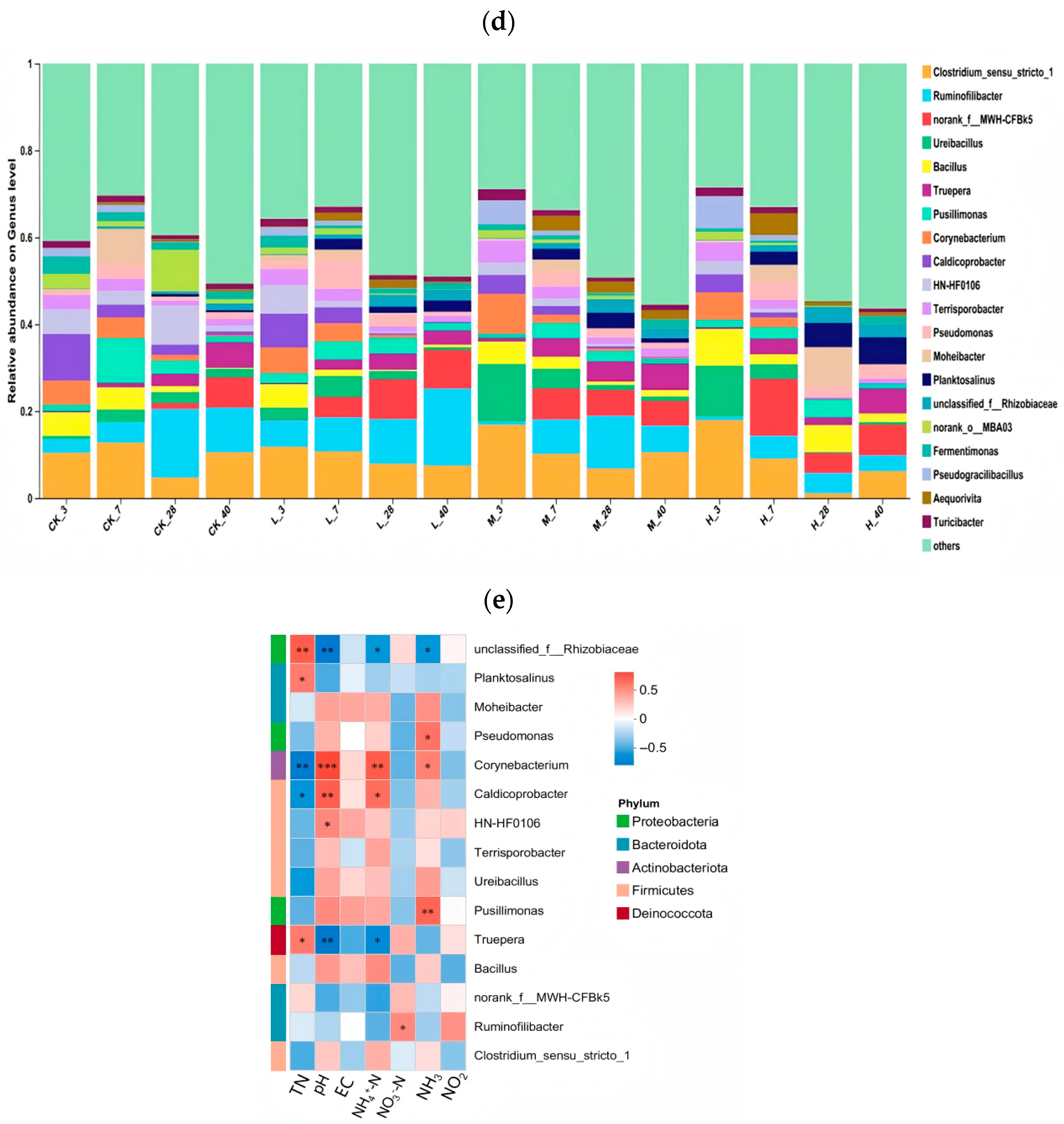
Figure 7d shows the succession of microbial genera during the composting process. Throughout the process, Group CK was dominated by Clostridium_sensu_stricto, Ruminofilibacter, and HN_HF0106, while the electric-field treatment groups were dominated by Clostridium_sensu_stricto, Ruminofilibacter and norank_f_MWH-CFBk5. Ruminofilibacter genus is mainly responsible for N2O emission during composting [49]. The cumulative abundances of Ruminofilibacter during all composting stages in groups CK, L, M, and H were 40.66%, 41.96%, 25.72%, and 14.12%, respectively. This indicated that the electric field inhibited the activity of Ruminofilibacter. Consequently, the overall N2O emission in Group CK was higher than that in the other three treatment groups. Furthermore, the increase in the abundance of norank_f_MWH-CFBk5 during composting resulted in a decrease in NH3 and NOX emissions [50]. During the high-temperature stage, Clostridium_sensu_stricto, Pusillimonas, Moheibacter, Bacillus, Corynebacterium, and Ruminofilibacter were the dominant genera in Group CK, accounting for more than 46% of total microbial abundance. Clostridium_Sensu_stricto, Ruminofilibacter, norank_f_MWH-CFBk5, and Pseudomonas were the dominant genera in L, M, and H groups, accounting for 30.86–30.21% of total microbial abundance. Planktosalinus has been reported to have the ability to reduce N2O emission [51]. The abundances of Planktosalinus in groups CK, L, M, and H were 0.0%, 2.49%, 2.47%, and 3.02%, respectively. This result further indicates that the electric field regulated the intensity of nitrogen transformation reactions during the high-temperature stage by increasing the abundance of nitrifying bacteria and nitrogen-fixing bacteria, which led to higher nitrogen retention in the compost. From the cooling stage to the maturation stage, the dominant genera in Group CK were Clostridium_sensu_stricto, norank_f_MWH-CFBk5, and Truepera, whose abundances first decreased and then increased. On the other hand, the abundances of Ruminofilibacter and HN_HF0106 first increased and then decreased. The dominant genera in L, M, and H groups were Clostridium_sensu_stricto, Ruminofilibacter, and Truepera, and all showed a decreasing trend of abundance, while norank_f_MWH-CFBk5, Planktosalinus, and Pseudomonas showed an upward trend of abundance. HN_HF0106 bacteria are sensitive to voltage [52], and the electric field may induce them to convert H2 and CO2 into CH4, thereby inhibiting the pathway of N2O production in denitrifying bacteria. Overall, the electric field activated the functional bacteria involved in nitrogen cycle by increasing the complexity of microbial community structure.
To explore the influence of microbial diversity and abundance on nitrogen transformation, the correlations between microorganisms, physicochemical indicators of compost, and the contents of different nitrogen forms were analyzed. As shown in Figure 7e Ruminofilibacter, norank_f_MWH-CFBk5, and Truepera exhibited significant negative correlations with NH4+-N. Truepera showed positive correlation with NO3-N. These results indicated the possible involvement of these strains in nitrification or denitrification processes and in promoting nitrogen oxidation and transformation. Ruminofilibacter showed positive correlation with N2O. In L, M, and H groups, electric field reduced the activity of Ruminofilibacter, thereby promoting the flow of oxygen and reducing the production of N2O. Norank_f__MWH-CFBk5, Truepera, and Planktosalinus were negatively correlated with N2O. Among them, norank_f__MWH-CFBk5 was involved in reduction in NH3 and NOx emissions. HN-HF0106 exhibited significant positive correlation with NH3, and its cumulative abundance in Group CK (23.59%) was significantly higher than those in groups L, M, and H (8.54%, 4.64%, and 4.02%). This was also an important reason of the higher NH3 emission observed in Group CK. Ruminofilibacter, norank_f__MWH-CFBk56, and HN-HF010 were mainly responsible for the nitrogen loss in Group CK. High pH promoted the growth of alkali-tolerant bacteria, such as Caldicoprobacter, and inhibited the growth of NH3 producing bacteria. The electric field regulated the EC values of compost, enhanced the nitrification capacity of Pusillimonas, and inhibited the activity of anaerobic bacteria, such as Clostridium. The biochar additive adsorbed NH3 and reduced the activity of Moheibacter. Meanwhile, the slow release of nitrogen source supported Truepera-led nitrification, thereby promoting the efficient transformation of nitrogen during composting.

4. Conclusions

This study investigated the effects of different electric field intensities on nitrogen transformation and retention in the biochar/swine manure composting system. The results showed that electric field treatment promoted the compost pile to enter the thermophilic phase 2–3 days earlier, effectively prolonged the duration of the thermophilic period, and simultaneously reduced the pH of the composting system. Moreover, with the increase in voltage, TN content of the compost pile significantly increased, with the H group showing a 20.87% increase compared to the CK group. The final NH4+-N contents in the electric field treatment groups (0.21–0.33 g·kg−1) were all higher than that in the CK group (0.11 g·kg−1), while the NO3-N content was significantly reduced. In terms of gas emissions, electric field treatment decreased NH3 emissions by 31.35–40.95% and N2O emissions by 40.73–94.44%, thereby reducing nitrogen volatilization. Meanwhile, the electric field optimized the microporous structure of biochar and enhanced its nitrogen adsorption capacity. From a microbial perspective, the electric field reduced NH3 and N2O emissions by inhibiting the activity of Ruminofilibacter and HN-HF0106 and increasing the abundance of norank_f_MWH-CFBk5 and Planktosalinus, while activating more functional microbial groups involved in nitrogen cycling. In summary, the auxiliary electric field achieved effective nitrogen retention by reducing the production and emission of NH3 and NO2 gases, regulating the microbial community structure, and optimizing the pore structure of biochar in the composting system.

Author Contributions

X.L.: Writing—review and editing, Writing—original draft, Validation, Software, Resources, Methodology, Conceptualization. L.C.: Writing—review and editing, Validation. H.Z.: Writing—review and editing, Validation, Project administration, Funding acquisition. D.K.: Validation, Resources, Project administration, Funding acquisition. L.Z.: Writing—review and editing, Validation, Funding acquisition. W.X.: Writing—review and editing, Validation. D.G.: Resources, Validation. K.L.: Resources, Validation. M.C.: Resources, Validation. All authors have read and agreed to the published version of the manuscript.

Funding

The authors gratefully acknowledge the financial support provided by Key Science and Technology Research Project in Priority Areas of the Corps: Research and Demonstration of Key Technologies for Salt-Alkali Tolerant Carbon-Based Slow-Release Functional Fertilizer (2025AB005), Bingtuan Science and Technology Program “Effects of Biochar on nutrient evolution in pig manure aerobic composting” (2023CB009-03), Effects of wood vinegar on nutrient evolution and fertilizer efficiency evaluation in chicken manure aerobic composting (2024ZD116), Postgraduate Research and Innovation Project of Tarim University (TDGRI2024078).

Institutional Review Board Statement

Not applicable.

Informed Consent Statement

Not applicable.

Data Availability Statement

The original contributions presented in this study are included in the article. Further inquiries can be directed to the corresponding authors.

Conflicts of Interest

The authors declare that they have no known competing financial interests or personal relationships that could have appeared to influence the work reported in this paper.

References

  1. Zhou, X.; Zheng, H. Research progress on agricultural carbon emission reduction potential in China under the “Dual Carbon” background. J. Biol. 2024, 41, 1–7. [Google Scholar]
  2. Xie, J.; Blagodatskaya, E.; Zhang, Y.; Wan, Y.; Hu, Q.J.; Zhang, C.M.; Wang, J.; Zhang, Y.Q.; Shi, X.J. Substituting Nitrogen and Phosphorus Fertilizer with Optimal Amount of Crop Straw Improves Rice Grain Yield, Nutrient Use Efficiency and Soil Carbon Sequestration. J. Integr. Agric. 2022, 21, 3345–3355. [Google Scholar] [CrossRef]
  3. Zhang, Z.G.; Li, Y.M.; Yuan, Z.; Liu, X.H.; Shu, X.Y.; Liu, J.Y.; Guo, C.F. Cotton production pattern and contributing factors in Xinjiang during 1988–2020. J. Agric. Resour. Environ. 2024, 41, 1192–1200. [Google Scholar]
  4. Joseph, S.; Camps-Arbestain, M.; Lin, Y.; Munroe, P.; Chia, C.; Hook, J.; Van-Zwieten, L.; Kimber, S.; Cowie, A.; Singh, B.; et al. An investigation into the reactions of biochar in soil. Soil Res. 2010, 48, 501–515. [Google Scholar] [CrossRef]
  5. Huang, X.; He, Y.Y.; Zhang, Y.D.; Yang, D.H.; Dai, X.H.; Xie, L. Research progress on resource utilization of aerobic composting of organic solid waste enhanced by biochar. Chem. Ind. Eng. Prog. 2022, 41, 4544–4554. [Google Scholar]
  6. Lei, L.; Gu, J.; Wang, X.; Song, Z.; Yu, J.; Wang, J.; Dai, X.; Zhao, W. Effects of phosphogypsum and medical stone on nitrogen transformation, nitrogen functional genes, and bacterial community during aerobic composting. Sci. Total Environ. 2021, 753, 141746. [Google Scholar] [CrossRef]
  7. Cao, Y.; Wang, X.; Zhang, X.; Misselbrook, T.H.; Bai, Z.; Wang, H.; Ma, L. The Effects of Electric Field Assisted Composting on Ammonia and Nitrous Oxide Emissions Varied with Different Electrolytes. Bioresour. Technol. 2022, 344, 126194. [Google Scholar] [CrossRef]
  8. Tang, J.; Li, X.; Zhao, W.; Wang, Y.; Cui, P.; Zeng, R.; Li, Y.; Zhou, S. Electric field induces electron flow to simultaneously enhance the maturity of aerobic composting and mitigate greenhouse gas emissions. Bioresour. Technol. 2019, 279, 234–242. [Google Scholar] [CrossRef]
  9. Cao, Y.; Wang, X.; Zhang, M.; Misselbrook, T.; Bai, Z.; Ma, L. An electric field immobilizes heavy metals through promoting combination with humic substances during composting. Bioresour. Technol. 2021, 330, 124996. [Google Scholar] [CrossRef]
  10. Li, X. Mechanism of Electric Field Promoting Aerobic Composting Maturity and Reducing N2O Emissions. Master’s Thesis, Fujian Agriculture and Forestry University, Fuzhou, China, 2020. [Google Scholar] [CrossRef]
  11. Xing, R.; Yin, K.; Du, X.; Lin, Y.; Zhang, Y.; Chen, Z.; Zhou, S. Enhanced organic matter humification by hydroxyl radical generation during electric field-assisted aerobic composting. Chem. Eng. J. 2024, 482, 148910. [Google Scholar] [CrossRef]
  12. Shen, C.; Shangguan, H.; Fu, T.; Mi, H.; Lin, H.; Huang, L.; Tang, J. Electric field-assisted aerobic co-composting of chicken manure and kitchen waste: Ammonia mitigation and maturation enhancement. Bioresour. Technol. 2024, 391, 129931. [Google Scholar] [CrossRef] [PubMed]
  13. Fu, T.; Shangguan, H.; Wu, J.; Tang, J.; Yuan, H.; Zhou, S. Insight into the Synergistic Effects of Conductive Biochar for Accelerating Maturation During Electric Field-Assisted Aerobic Composting. Bioresour. Technol. 2021, 337, 125359. [Google Scholar] [CrossRef] [PubMed]
  14. Sun, T.; Levin, B.; Schmidt, M.; Guzman, J.; Enders, A.; Martínez, C.; Muller, D.; Angenent, L.; Lehmann, J. Simultaneous quantification of electron transfer by carbon matrices and functional groups in pyrogenic carbon. Environ. Sci. Technol. 2018, 52, 8538–8547. [Google Scholar] [CrossRef] [PubMed]
  15. Mei, S.; Lu, X.; Zhu, Y.; Wang, S. Thermodynamic assessment of a system configuration strategy for a cogeneration system combining SOFC, thermoelectric generator, and absorption heat pump. Appl. Energy 2021, 302, 117573. [Google Scholar] [CrossRef]
  16. Dai, J.T. Preparation and Conductive Properties of Cotton Stalk-Based Biochar. Master’s Thesis, Tarim University, Alar, China, 2021. [Google Scholar] [CrossRef]
  17. Kaudal, B.B.; Weatherley, A.J. Agronomic effectiveness of urban biochar aged through co-composting with food waste. Waste Manag. 2018, 77, 87–97. [Google Scholar] [CrossRef]
  18. Wang, X.; Bai, Z.H.; Yao, Y.; Gao, B.B.; Chadwick, D.; Chen, Q.; Hu, C.S.; Ma, L. Composting with negative pressure aeration for the mitigation of ammonia emissions and global warming potential. J. Clean. Prod. 2018, 195, 448–457. [Google Scholar] [CrossRef]
  19. Liu, L.; Kong, D.; Zhou, L.; Fu, X.; Lu, S.; Wang, L.; Zhang, H. Effects of biochar particle size on nutrients in aerobic composting of pig manure. Water Sav. Irrig. 2023, 34–40. [Google Scholar] [CrossRef]
  20. Zhao, L.; Wang, J.; Yin, J.; Yuan, J.; Li, G.; Zhou, H.; Ma, R. Effects of biochar from different sources on maturity and humification in co-composting of multivariate materials. Trans. Chin. Soc. Agric. Eng. 2025, 41, 249–259. [Google Scholar] [CrossRef]
  21. Li, Y.; Huang, Y.; Wang, C.; Ye, J.; Wang, Y. Effects of different C/N ratios on greenhouse gas emissions during fermentation of Agaricus bisporus cultivation substrates. Trans. Chin. Soc. Agric. Eng. 2016, 32, 279–284. [Google Scholar] [CrossRef]
  22. Bernal, M.; Sommer, S.; Chadwick, D.; Chen, Q.; Li, G.; Michel, F. Current approaches and future trends in compost quality criteria for agronomic, environmental, and human health benefits. Adv. Agron. 2017, 144, 143–233. [Google Scholar] [CrossRef]
  23. Gao, M.; Liang, F.; Yu, A.; Li, B.; Yang, L. Evaluation of stability and maturity during forced-aeration composting of chicken manure and sawdust at different C/N ratios. Chemosphere 2010, 78, 614–619. [Google Scholar] [CrossRef] [PubMed]
  24. Gao, B.; Wang, X.; Wang, J.; Fan, B.; Chang, R.; Chen, Q. Effects of chemical and clay mineral passivators on phosphorus speciation transformation in cattle manure and straw composting. Trans. Chin. Soc. Agric. Eng. 2019, 35, 242–249. [Google Scholar] [CrossRef]
  25. NY 525-2021; Ministry of Agriculture and Rural Affairs of the People’s Republic of China. China Agriculture Press: Beijing, China, 2021.
  26. Li, X.; Zhao, Y.; Xu, A.; Chang, H.; Lin, G.; Li, R. Conductive biochar promotes oxygen utilization to inhibit greenhouse gas emissions during electric field-assisted aerobic composting. Sci. Total Environ. 2022, 842, 156929. [Google Scholar] [CrossRef] [PubMed]
  27. Bao, M.; Cui, H.; Liu, Y.; Wang, L.; Ou, Y.; Hussain, N. Greenhouse gas emission during swine manure aerobic composting: Insight from the dissolved organic matter associated microbial community succession. Bioresour. Technol. 2023, 373, 128729. [Google Scholar] [CrossRef]
  28. Wang, Z.; Yang, X.; Yang, T.; Liu, Y.; Zheng, T.; Zheng, C. Effects of biochar carried microbial agent on compost quality, greenhouse gas emission and bacterial community during sheep manure composting. Biochar 2023, 5, 3. [Google Scholar] [CrossRef]
  29. Chung, W.J.; Chang, S.W.; Chaudhary, D.K.; Shin, J.D.; Kim, H.; Karmegam, N.; Govarthanan, M.; Chandrasekaran, M.; Ravindran, B. Effect of biochar amendment on compost quality, gaseous emissions and pathogen reduction during in-vessel composting of chicken manure. Chemosphere 2021, 283, 131129. [Google Scholar] [CrossRef]
  30. Liu, N.; Zhou, J.; Ma, S.; Han, L.; Huang, G. Effects of biochar on main nitrogen forms content and nitrogen retention mechanism in aerobic composting of chicken manure. J. Agric. Mach. 2016, 47, 233–239. [Google Scholar] [CrossRef]
  31. Cáceres, R.; Flotats, X.; Marfà, O. Changes in the chemical and physicochemical properties of the solid fraction of cattle slurry during composting using different aeration strategies. Waste Manag. 2006, 26, 1081–1091. [Google Scholar] [CrossRef]
  32. Mo, J.; Xin, L.; Zhao, C.; Qin, Y.; Nan, Q.; Mei, Q.; Wu, W. Reducing nitrogen loss during kitchen waste composting using a bioaugmented mechanical process with low pH and enhanced ammonia assimilation. Bioresour. Technol. 2024, 372, 128664. [Google Scholar] [CrossRef]
  33. Shou, Z.; Zhu, N.; Yuan, H.; Dai, X.; Shen, Y. Buffering phosphate mitigates ammonia emission in sewage sludge composting: Enhanced organics removal coupled with microbial ammonium assimilation. J. Clean. Prod. 2019, 227, 189–198. [Google Scholar] [CrossRef]
  34. Wang, C.; Dong, D.; Wang, H.; Müller, K.; Qin, Y.; Wang, H.; Wu, W. Metagenomic analysis of microbial consortia enriched from compost: New insights into the role of Actinobacteria in lignocellulose decomposition. Biotechnol. Biofuels 2016, 9, 22. [Google Scholar] [CrossRef]
  35. Cao, Y.; Wang, X.; Zhang, M.; Misselbrook, T.; Bai, Z.; Ma, L. Nitrifier denitrification dominates nitrous oxide production in composting and can be inhibited by a bioelectrochemical nitrification inhibitor. Bioresour. Technol. 2021, 341, 125851. [Google Scholar] [CrossRef] [PubMed]
  36. Tang, J.; Li, X.; Cui, P.; Lin, J.; Zeng, R.; Lin, H.; Zhou, S. Nitrification plays a key role in N2O emission in electric-field assisted aerobic composting. Bioresour. Technol. 2020, 297, 122470. [Google Scholar] [CrossRef] [PubMed]
  37. Xu, Y.K.; Sun, X.Y.; Luan, Y.N. Effects of compost with different exogenous additives on growth of gazania sunshine. J. Henan Agric. Sci. 2014, 43, 87–91. [Google Scholar]
  38. Wiedner, K.; Fischer, D.; Walther, S.; Criscuoli, I.; Favilli, F.; Nelle, O.; Glaser, B. Acceleration of Biochar Surface Oxidation during Composting. J. Agric. Food Chem. 2015, 63, 3830–3837. [Google Scholar] [CrossRef]
  39. He, L.; Lin, B.; Yang, W.; Zheng, C.; Hong, Y.; Gao, Y.; Liu, T.; Wu, S. Experimental Study on the Petrophysical Variation of Different Rank Coals with Microwave Treatment. Int. J. Coal Geol. 2016, 154, 82–91. [Google Scholar] [CrossRef]
  40. Yin, Y.; Yang, C.; Li, M.; Zheng, Y.; Ge, C.; Gu, J.; Li, H.; Duan, M.; Wang, X.; Chen, R. Research progress and prospects for using biochar to mitigate greenhouse gas emissions during composting: A review. Sci. Total Environ. 2021, 798, 149294. [Google Scholar] [CrossRef]
  41. Huang, J.; Xie, Y.; You, Y.; Yuan, J.; Xu, Q.; Xie, H.; Chen, Y. Rational design of electrode materials for advanced supercapacitors: From lab research to commercialization. Adv. Funct. Mater. 2023, 33, 2213095. [Google Scholar] [CrossRef]
  42. Walling, E.; Trémier, A.; Vaneeckhaute, C. A review of mathematical models for composting. Waste Manag. 2020, 113, 379–394. [Google Scholar] [CrossRef]
  43. Qi, H.; Zhao, Y.; Wang, X.; Wei, Z.; Zhang, X.; Wu, J.; Xie, X.; Kang, K.; Yang, H.; Shi, M.; et al. Manganese dioxide driven the carbon and nitrogen transformation by activating the complementary effects of core bacteria in composting. Bioresour. Technol. 2021, 330, 124960. [Google Scholar] [CrossRef]
  44. Mao, H.; Zhang, H.; Fu, Q.; Zhong, M.; Li, R.; Zhai, B.; Wang, Z.; Zhou, L. Effects of four additives in pig manure composting on greenhouse gas emission reduction and bacterial community change. Bioresour. Technol. 2019, 292, 121896. [Google Scholar] [CrossRef]
  45. Meng, L. Carbon Source Regulation of Nitrogen Transformation and Nitrogenous Gas Release Mechanisms in Sludge Composting. Ph.D. Thesis, Harbin Institute of Technology, Harbin, China, 2019. [Google Scholar] [CrossRef]
  46. Robledo-Mahón, T.; Aranda, E.; Pesciaroli, C.; Rodríguez-Calvo, A.; Silva-Castro, G.A.; González-López, J.; Calvo, C. Effect of semi-permeable cover system on the bacterial diversity during sewage sludge composting. J. Environ. Manag. 2018, 215, 57–67. [Google Scholar] [CrossRef] [PubMed]
  47. Qiao, C.; Penton, C.R.; Liu, C.; Shen, Z.; Ou, Y.; Liu, Z.; Xu, X.; Li, R.; Shen, Q. Key extracellular enzymes triggered high-efficiency composting associated with bacterial community succession. Bioresour. Technol. 2019, 288, 121576. [Google Scholar] [CrossRef] [PubMed]
  48. Xu, Z.; Li, G.; Huda, N.; Zhang, B.; Wang, M.; Luo, W. Effects of moisture and carbon/nitrogen ratio on gaseous emissions and maturity during direct composting of cornstalks used for filtration of anaerobically digested manure centrate. Bioresour. Technol. 2020, 298, 122503. [Google Scholar] [CrossRef]
  49. Yang, X.; Mazarji, M.; Li, M.; Li, A.; Li, R.; Zhang, Z.; Pan, J. Mechanism of magnetite-assisted aerobic composting on the nitrogen cycle in pig manure. Bioresour. Technol. 2024, 391, 129985. [Google Scholar] [CrossRef]
  50. Zhou, S.; He, Y.; Jiao, M.; Li, Q.; Ren, X.; Awasthi, M.; Li, R.; Zhang, Z. Simultaneous mitigation of greenhouse gases and ammonia by boric acid during composting: Emission reduction potentials and microbial mechanisms. J. Clean. Prod. 2024, 451, 142139. [Google Scholar] [CrossRef]
  51. Zhang, H.; Fang, Y.; Chen, Y.; Li, Y.; Lin, Y.; Wu, J.; Cai, Y.; Chang, S. Enhanced soil potential N2O emissions by land-use change are linked to AOB-amoA and nirK gene abundances and denitrifying enzyme activity in subtropics. Sci. Total. Environ. 2022, 850, 158032. [Google Scholar] [CrossRef]
  52. Xie, Z.; Meng, X.; Ding, H.; Cao, Q.; Chen, Y.; Liu, X.; Dong, L. The synergistic effect of rumen cellulolytic bacteria and activated carbon on thermophilic digestion of cornstalk. Bioresour. Technol. 2021, 338, 125566. [Google Scholar] [CrossRef] [PubMed]
Figure 1. Research technology roadmap.
Fermentation 12 00060 g001
Figure 2. Changes in the physicochemical properties of compost during composting: (a) Temperature; (b) Electrical conductivity (EC); (c) pH.
Fermentation 12 00060 g002
Figure 3. The changes in the contents of (a) TN, with different lowercase letters indicating significant differences (p < 0.05); (b) NH4+-N; (c) NO3-N during the composting process.
Fermentation 12 00060 g003
Figure 4. (a) NH3 emission rate; (b) Cumulative NH3 emission; (c) N2O emission rate; (d) Cumulative N2O emission.
Fermentation 12 00060 g004
Figure 5. SEM and EDS results of the biochar collected from different treatment groups on the 1st day and 40th day. (a) Initial raw biochar. (b) SEM and EDS results of biochar in Group CK on the 1st day and 40th day. (c) SEM and EDS results of biochar in Group L on the 1st day and 40th day. (d) SEM and EDS results of biochar in Group M on the 1st day and 40th day. (e) SEM and EDS results of biochar in Group H on the 1st day and 40th day.
Fermentation 12 00060 g005aFermentation 12 00060 g005bFermentation 12 00060 g005c
Figure 6. (ad) Isothermal curves of biochar adsorption–desorption; (e) pore area percentage in different composting stages.
Fermentation 12 00060 g006
Figure 7. (a) Venn diagram showing the number of common and unique species (such as OTUs) in different groups. (b) Circos diagram displaying the distribution of microbial species across different groups. One side of the circle shows the sample and the group it belongs to, while the other side shows the main dominant species in the groups. The connections of inner color bands show the abundance of different species in the samples. (c) Dominant microbial phyla in different groups and (d) dominant microbial genera in different groups. (e) Heatmap presenting the correlations of multiple environmental factors with different microbial species. The R value has been displayed in different colors in the figure. p < 0.05 indicates significant differences. The legend on the right shows the color coding of different R values. The clustering trees of species and environmental factor are shown on the left and top sides). * indicates p ≤ 0.05; ** indicates p ≤ 0.01; and *** indicates p ≤ 0.001.
Fermentation 12 00060 g007aFermentation 12 00060 g007b
Table 1. Basic properties of raw materials.
MaterialTotal Nitrogen (g·kg−1)Organic Carbon
(g kg−1)
C/NMoisture Content
%
Electrical Conductivity (mS·cm−1)pH
Pig manure16.3120212.3942.103.277.4
Straw4.5030467.605.913.615.8
Cotton stalk-char9.8861362.041.209.498.3
Disclaimer/Publisher’s Note: The statements, opinions and data contained in all publications are solely those of the individual author(s) and contributor(s) and not of MDPI and/or the editor(s). MDPI and/or the editor(s) disclaim responsibility for any injury to people or property resulting from any ideas, methods, instructions or products referred to in the content.