Article

Patient-Specific Computational Hemodynamic Modeling of the Right Pulmonary Artery Using CardioMEMS Data: Validation, Simplification, and Sensitivity Analysis


1
Department of Continuum Mechanics and Theory of Structures, Universidad Politécnica de Madrid, 28040 Madrid, Spain
2
Biomedical Image Technologies, ETSI Telecomunicación, Universidad Politécnica de Madrid, 28040 Madrid, Spain
3
Centro de Investigación Biomédica en Red de Bioingeniería, Biomateriales y Nanomedicina (CIBER-BBN), Instituto de Salud Carlos III, 28029 Madrid, Spain
4
Hospital Puerta de Hierro, Majadahonda, 28222 Madrid, Spain
*
Author to whom correspondence should be addressed.
Fluids 2026, 11(3), 83; https://doi.org/10.3390/fluids11030083
Submission received: 20 February 2026 / Accepted: 14 March 2026 / Published: 19 March 2026
(This article belongs to the Special Issue Advances in Hemodynamics and Related Biological Flows, 2nd Edition)

Abstract

This study investigates the application of computational hemodynamic modeling, involving both FSI and CFD models, using SimVascular to simulate blood flow in the right pulmonary artery for patient-specific cardiovascular assessment. The artery’s three-dimensional geometry was reconstructed from a computed tomography (CT) image, and pressure measurements from a CardioMEMS™ device were used as clinical ground truth for validation. To represent the arterial hemodynamics, we initially formulated a fluid–structure interaction (FSI) approach to capture wall mechanics. However, given the high computational cost of fully patient-specific FSI simulations for routine clinical decision-making, we evaluated the validity of key simplifications by assuming rigid vessel walls coupled with a three-element Windkessel (3WK) model and applying a half-sine inflow waveform derived from the patient’s cardiac output. These simplifications yielded results with minimal error: the rigid-wall assumption introduced a 1.1% deviation, while the idealized waveform resulted in a 0.56 mmHg offset. Crucially, while wall rigidity was acceptable, we found that arterial compliance in the boundary conditions is non-negotiable; reducing the model to a pure resistance approach resulted in non-physiological pressures (130 mmHg). A subsequent parametric analysis examined how varying resistance (R) and compliance (C) distinctively alter the pressure waveform morphology. The results underscore the potential of combining remote monitoring data with validated computational simulations to deepen the understanding of cardiovascular dynamics and enhance diagnostic and therapeutic approaches for cardiovascular diseases.

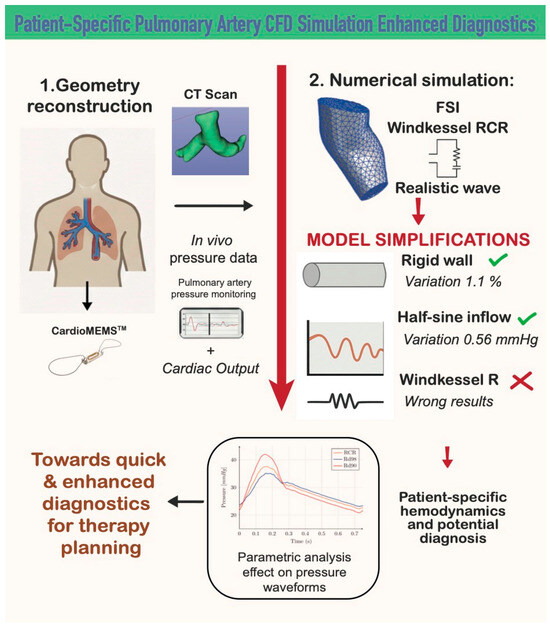
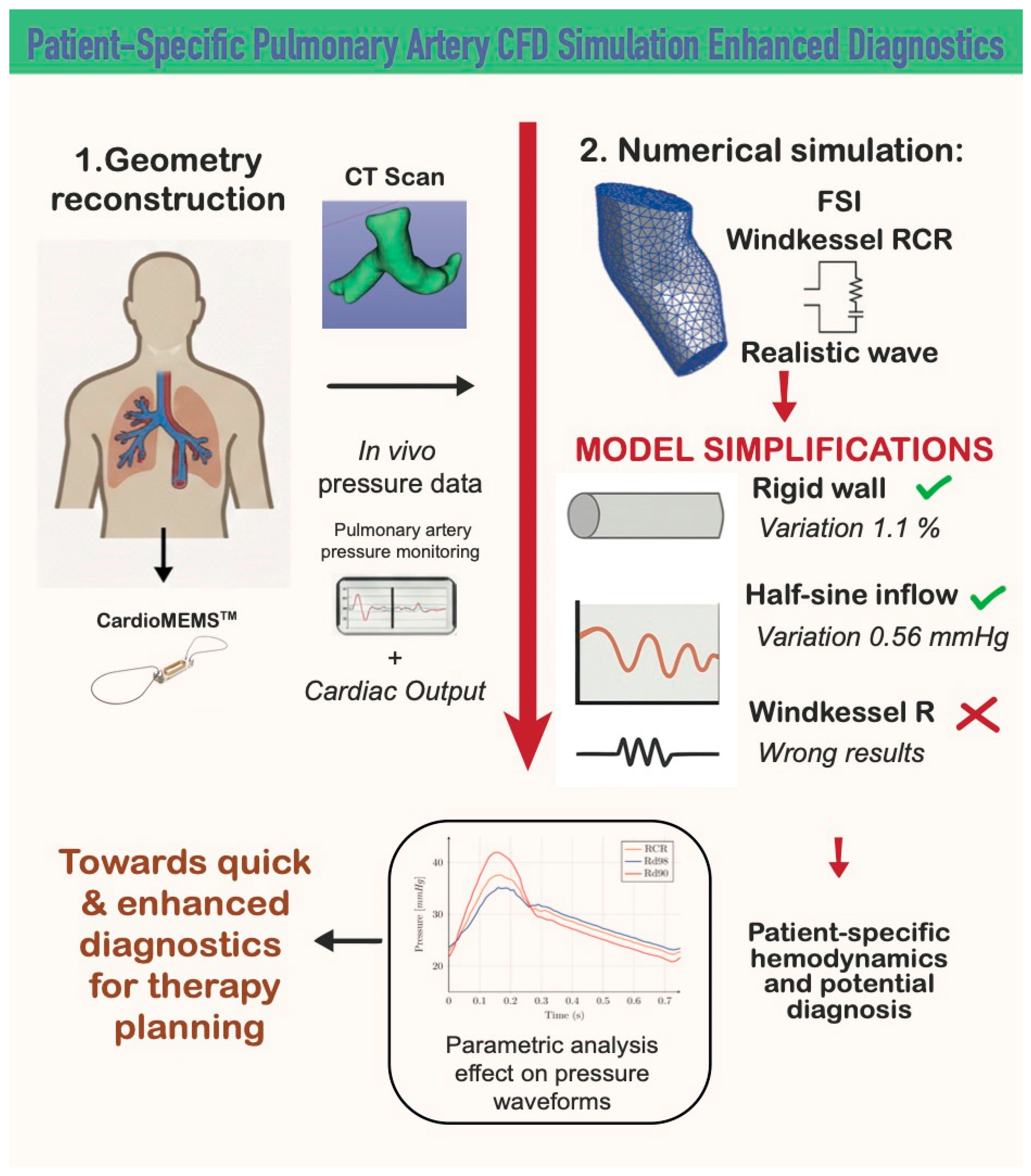
Graphical Abstract

1. Introduction

Cardiovascular diseases (CVDs) are among the leading causes of death globally, affecting millions of individuals each year [1]. The intricate nature of the cardiovascular system and the often subtle early symptoms pose significant challenges for timely diagnosis. Advances in technology, particularly with implantable monitoring devices like CardioMEMS™ and computational methods such as computational fluid dynamics (CFD) models [2,3], have opened new avenues for understanding cardiovascular physiology.
This study leverages these advancements to investigate the right pulmonary artery (RPA), a key component of the circulatory system involved in pulmonary and systemic interactions. Specifically, our objectives were to: (i) develop a patient-specific computational model of RPA hemodynamics using CFD, integrating data from CardioMEMS™ devices (Abbott, 6101 Stoneridge Dr., Pleasanton, CA, USA); (ii) identify early indicators of pathological changes in pulmonary vascular conditions; and (iii) evaluate simplified modeling strategies to balance computational efficiency with physiological accuracy. By doing so, we aim to provide a framework that enhances diagnostic precision, supports personalized medicine, and aligns with current trends in cardiovascular care.
The RPA is crucial for transporting deoxygenated blood from the heart to the lungs, making it a key site for studying hemodynamic conditions, especially in patients with pulmonary hypertension or other pulmonary vascular diseases. Direct measurements of parameters like blood flow velocity, pressure gradients, and vessel compliance can be invasive and risky. The CardioMEMS™ device provides a minimally invasive alternative by enabling periodic measurements of pulmonary arterial pressure [4]. This remotely collected data is invaluable for tracking disease progression and assessing treatment efficacy.
Previous research has employed various approaches to study pulmonary artery blood flow. For instance, Kheyfets et al. [5] used CFD modeling to analyze hemodynamic stress, while Capuano et al. [6] focused on the pulmonary artery bifurcation using generalized geometries. Liu et al. [7] emphasized the relevance of fluid–structure interaction (FSI) for physiological accuracy, especially in pathological conditions such as pulmonary hypertension. Chen et al. [8] explored fractional flow reserve (FFR) using Windkessel models, showing that simpler models can achieve significant accuracy. Gundelwein et al. [9] integrated personalized geometry and FSI for stent design using SimVascular (version 22-07-20) and ParaView (version 5-12-0-RC3), although this study was made through pediatric patients. Their inclusion of FSI highlights the importance of vessel wall mechanics in stent design.
Building on these insights, our study introduces a personalized computational approach to pulmonary hemodynamics by integrating patient-specific CardioMEMS™ data with CFD simulations. By combining simplified CFD frameworks validated in previous studies [8,9] with personalized data, our model balances computational efficiency and physiological realism. This approach aims to identify early indicators of pathological changes, improve diagnostic precision, and support early detection and optimized treatment in personalized cardiovascular care [3].
Bordones et al. [10] demonstrated the reliability of CFD simulations for pulmonary artery studies by validating their model against experimental data obtained using particle image velocimetry (PIV). Their work also incorporated FSI, further enhancing physiological realism. In parallel, recent research has considerably expanded patient-specific modeling of pulmonary circulation. Kong et al. [11] introduced a highly parallel monolithically coupled FSI algorithm that accounts for arterial compliance in unsteady flow simulations. Similarly, Liu et al. [7] applied a unified continuum and variational multiscale formulation to model the interaction between blood flow and arterial walls. Furthermore, Zambrano et al. [12] developed a patient-specific computational model to study pulmonary arterial hypertension.
The structure of this paper is as follows: Section 2 presents the methodology, including the segmentation process, mesh generation, and problem definitions; Section 3 presents the core numerical experiments, beginning with RCR Windkessel model validation, followed by simplifications, concluding with an investigation of the Windkessel model’s performance by varying its components; and Section 4 provides the concluding remarks and insights from this study.

2. Methods

In the following, the essential tools employed by this model are described. In Section 2.1, the numerical assumptions to model the fluid are presented; the boundary conditions of the computational domain, with especial emphasis on the Windkessel model, are explained in Section 2.2 and the segmentation and mesh generation are finally detailed in Section 2.3.
The patient-specific geometry was derived from anonymized medical images provided by Hospital Universitario Puerta de Hierro Majadahonda, under the approval of their ethical committee. All clinical data were fully anonymized in accordance with the hospital’s protocols to protect patient confidentiality. Specific demographics such as patient age and gender were not available for this case, other than the clinical diagnosis of heart disease resulting in heart failure, which necessitates the use of the CardioMEMS™ device.
The pulmonary artery pressure waveform, acquired from the patient’s CardioMEMS™ device, was designated as the clinical ground truth reference for the model’s validation (which will be detailed in the Section 3).
Raw clinical waveforms obtained from real patients could not be reproduced due to strict patient confidentiality regulations and ethical approval constraints. However, all quantitative results reported in this study were computed directly from the original recordings, and representative examples are shown to illustrate the signal characteristics without revealing identifiable patient information. Therefore, to illustrate the target physiological waveform for the model, the classic shape presented in [13] is used as a representative qualitative example.

2.1. Blood Properties and Flow Assumptions

Simulating blood flow in a computational environment requires a precise understanding of the characteristics and behavior of the fluid within the cardiovascular system to create accurate and realistic models. Blood is a complex fluid consisting of red blood cells, white blood cells, platelets, and plasma, with water making up about 55% of its total volume. It has a density ρ of 1060 kg / m 3 and a viscosity μ of 0.004 Pa·s, which is approximately four times higher than that of water [14,15].
Two key characteristics can be deduced from this composition [16]:
  • The suspended solid particles in the blood offer resistance to flow, leading to increased viscosity compared to water due to energy dissipation.
  • The high water content of blood makes it incompressible, ensuring that its density remains nearly constant regardless of the applied pressure.
Any constitutive model at the macroscopic level must account for these two characteristics: viscosity and incompressibility. For incompressible flow ( d ρ / d t = 0 ), the kinematic condition becomes · v = 0 . As a result, the Navier–Stokes equation becomes the simplified form shown in Equation (1), which is widely adopted in biomedical CFD models [17,18].
ρ v ˙ = ρ v t + v · v = p + μ 2 v + ρ b
where v denotes the velocity vector field, t is time, ρ is the fluid density, p is the pressure field, μ is the dynamic viscosity, and b represents the body force per unit mass (e.g., gravity). The operator denotes the spatial gradient and 2 is the Laplacian operator. The term v ˙ represents the material (substantial) derivative of the velocity field.
Although blood is a non-Newtonian fluid, this study assumed it to be Newtonian ( μ = constant ) for the sake of mathematical simplification. Newtonian fluids exhibit a linear relationship between stress and strain rate, which simplifies calculations compared to non-Newtonian fluids, whose viscosity can vary [19,20]. While this assumption allowed for approximate and practical results, it may have introduced deviations from the true behavior of blood, especially under low shear conditions, where non-Newtonian effects become significant [21].
To evaluate whether blood flow was laminar or turbulent, the Reynolds Number (Re) was calculated using Equation (5). The flow velocity was determined based on cardiac output, which represents the volume of blood pumped by the heart per unit time. The main pulmonary artery bifurcates into the right and left pulmonary arteries. Based on physiological data, approximately 55% of total cardiac output is directed to the right pulmonary artery and 45% to the left [6].
The cardiac output value of 6.183 × 10 5 m3/s used in this study was obtained from hospital data.
Clinical measurements followed a catheterization procedure. Therefore, this value corresponded to a patient-specific physiological condition rather than a standardized reference value for healthy subjects.
Based on this measured cardiac output, the volumetric flow rate Q for the right pulmonary artery (RPA) was defined as follows:
Cardiac Output = 6.183 × 10 5 m 3 s
Q = 0.55 × Cardiac Output = 3.4 × 10 5 m 3 s
The cross-sectional area A of the entrance of the artery was calculated using the radius r of 1.33 cm , which gives an area of 0.00055636 m 2 .
The flow velocity v was then given by
v = Q A = 0.061 m / s .
Using the given values of density ρ , velocity v, diameter D, and viscosity μ = 0.004 Pa · s , the Reynolds number was calculated as
Re = ρ · v · D μ = 1060 kg / m 3 × 0.061 m / s × 0.0266 m 0.004 Pa · s 429.025 .
Under nominal conditions, the Reynolds number in the pulmonary artery was approximately 400, corresponding to the mean volumetric flow rate. In a conservative limit case, a peak volumetric flow rate of 140 cm3/s was considered, resulting in a Reynolds number of approximately 1770.
The peak flow value of 140 cm3/s was derived from the maximum systolic flow measured during the cardiac cycle following catheterization and therefore represented the upper bound of physiological flow conditions for the analyzed case.
Although the Reynolds number remained below the classical transition threshold for fully developed turbulence in straight pipes, it was acknowledged that the complex geometry of the pulmonary artery bifurcation may have induced localized flow separation and transient disturbed flow structures. Nevertheless, given the Reynolds number range and the absence of sustained turbulent kinetic energy, the flow was assumed to be predominantly laminar, which is consistent with previous computational and experimental studies in pulmonary hemodynamics [17,22].
To determine whether a quasi-steady assumption would be fine for the blood flow, the Womersley number α was calculated using Equation (6). The Womersley number provided insight into the pulsatile nature of blood flow [23]. It was calculated as
α = ω · ρ · r 2 μ = 8.38 rad / s × 1060 kg / m 3 × ( 0.0133 m ) 2 0.004 Pa · s 8.33 ,
where r is the radius, ρ the density, μ is the viscosity, and ω is the angular frequency calculated using a heart rate value of H R = 80 min 1 as ω = 2 π × H R 60 rad / s . A Womersley number α of approximately 8.33 suggested that the blood flow in the artery was significantly influenced by pulsatile effects, indicating that unsteady (transient) flow characteristics were dominant, it not being possible to assume quasi-steady conditions.
Given these considerations and parameter estimations, the present blood flow simulation model adopted several key assumptions to ensure both physiological relevance and computational feasibility:
  • The fluid was assumed to be incompressible, characterized by a constant density.
  • The fluid exhibited Newtonian behavior, characterized by a constant viscosity.
  • The flow in the pulmonary artery was classified as laminar, with a Reynolds number of approximately 429, indicating negligible turbulent effects.
  • The flow was strongly pulsatile, with a Womersley number α of approximately 8.33, reflecting the need to consider the input of the oscillatory nature of the blood flow.
To model the pulsatile inlet condition, two different waveform models were defined and compared. Both were modulated using a custom MATLAB script (version R2025a) to match the patient’s specific cardiac output (CO) and heart rate (HR).
The first waveform was based on the physiological template proposed by Wehrum et al. [24]. This curve was scaled via an adaptive procedure until its time integral over one cardiac cycle (T = 60/HR) equaled the patient’s stroke volume (SV = CO/HR). This waveform was morphologically similar to the theoretical curves presented in [13].
The second waveform employed a half-sine function as a simplified representation of the pulsatile nature of blood flow. The flow rate Q was defined as a function of time t, following Equation (7):
Q = A · s i n ( ω · t )
To ensure physiological accuracy, the amplitude A was computed by integrating the waveform over the systolic period, so that the total blood volume delivered during one cardiac cycle matched the prescribed cardiac output, as shown in Equation (8):
Blood volume = s y s t o l e A · s i n ( ω · t ) d t
Given a heart rate of 80 beats per minute, the cardiac cycle period was 0.75 s, with systole accounting for 37.5% of this duration. After 0.28125 s, the flow rate was set to zero during diastole. This resulted in a time series that models pulsatile flow.
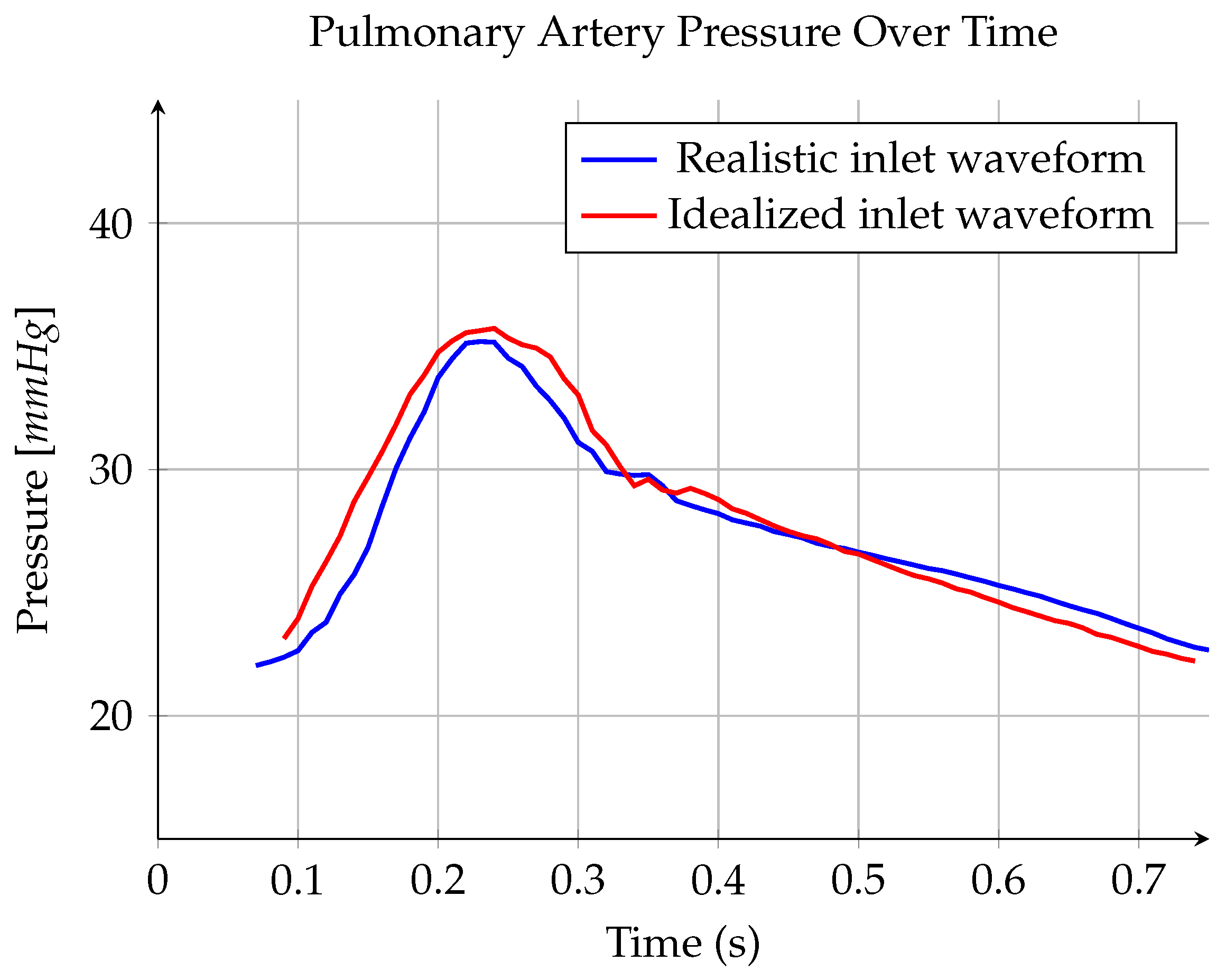
Both idealized and litarature-based inflow waveforms are compared in Figure 1. It can be seen that in the literature-based waveforms, the duration of the systole is larger.

2.2. Computational Framework for Blood Flow Simulation: Windkessel Model

Computational fluid dynamics (CFD) simulations are typically organized into three main stages [25]: pre-processing, flow simulation, and post-processing. In this study, both the pre-processing and flow simulation stages were conducted using the finite element-based software SimVascular [26], while the post-processing stage was performed with ParaView software.
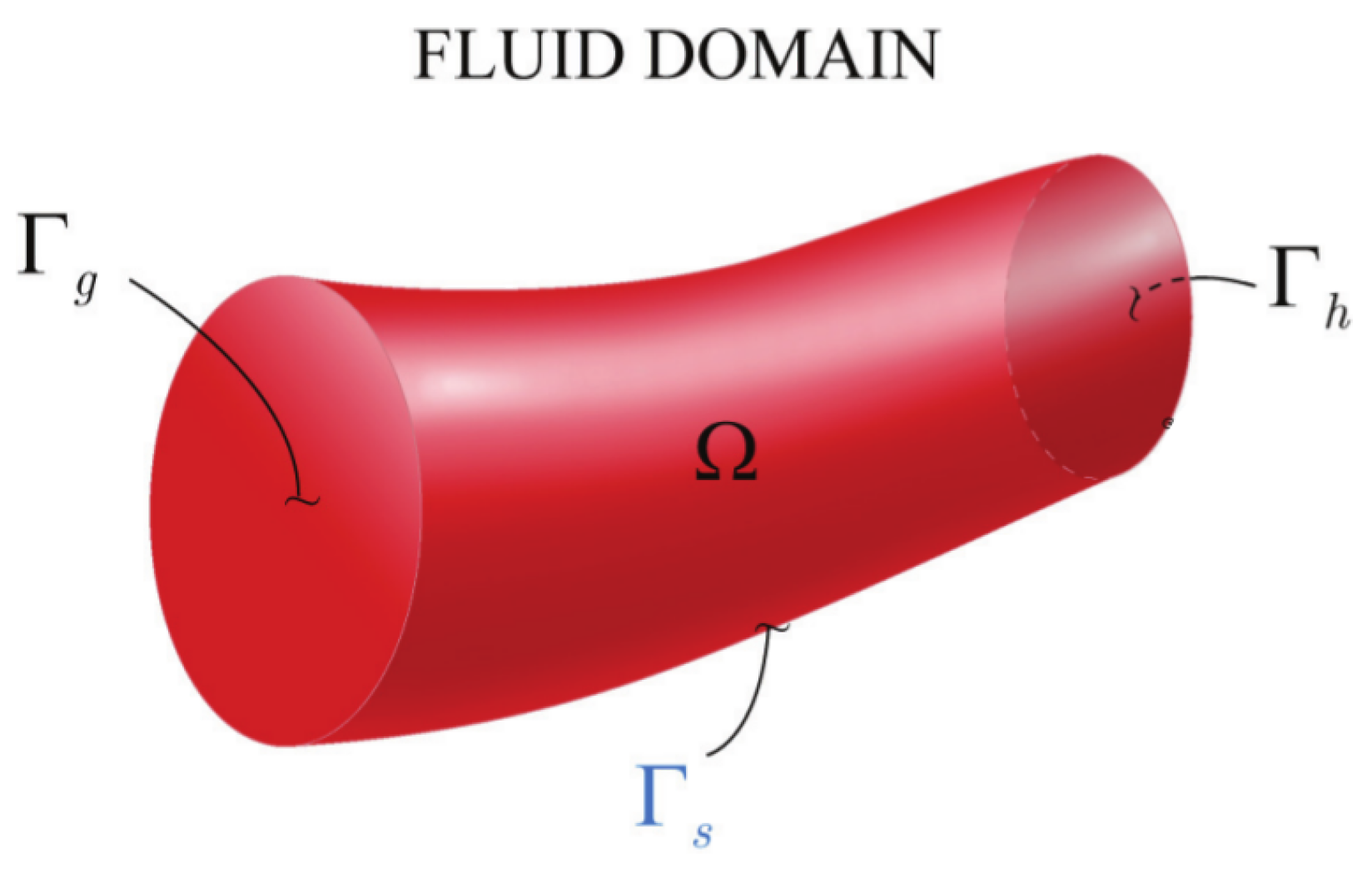
Figure 2 presents a simplified representation of the boundary conditions applied to the vascular model Ω in this study.
In the present study, following the standards of SimVascular [26], the boundary conditions were classified into three main categories:
  • Inflow boundary ( Γ g ): A flow waveform, derived from clinical measurements, was applied at this boundary to replicate the physiological conditions of blood entering the pulmonary artery. This waveform was essential for accurately simulating the flow dynamics within the artery. In this study, the term “blood flow” refers to the volumetric flow rate (volume per unit time) imposed at the inlet. The spatial velocity distribution was obtained as a result of the CFD simulation.
  • Vessel wall boundary ( Γ s ): This boundary defined the interface between the blood flow and the vessel wall. In our model, a fluid–structure interaction was considered. In abscence of more data on the artery’s behavior, a linear elastic wall was considered. Moreover, a no-slip boundary condition was applied at the vessel walls, where the blood velocity was set to zero at the interface between the fluid and the wall, ensuring that there was no relative motion between the two. In a secondary simulation, the vessel wall was assumed to be rigid, which simplified the simulation. It was important to check if this assumption provided an accurate representation of the flow dynamics.
  • Outflow boundary ( Γ h ): Instead of prescribing a spatially uniform pressure at the outlet, which is a common simplification in CFD, our study employed a more physiologically accurate boundary condition based on the Windkessel model. Specifically, we implemented a three-element Windkessel, or RCR, which allowed us to capture the dynamic behavior of the downstream vasculature. In this study, a 1 element Windkessel model was also analyzed to assess the possible simplification.
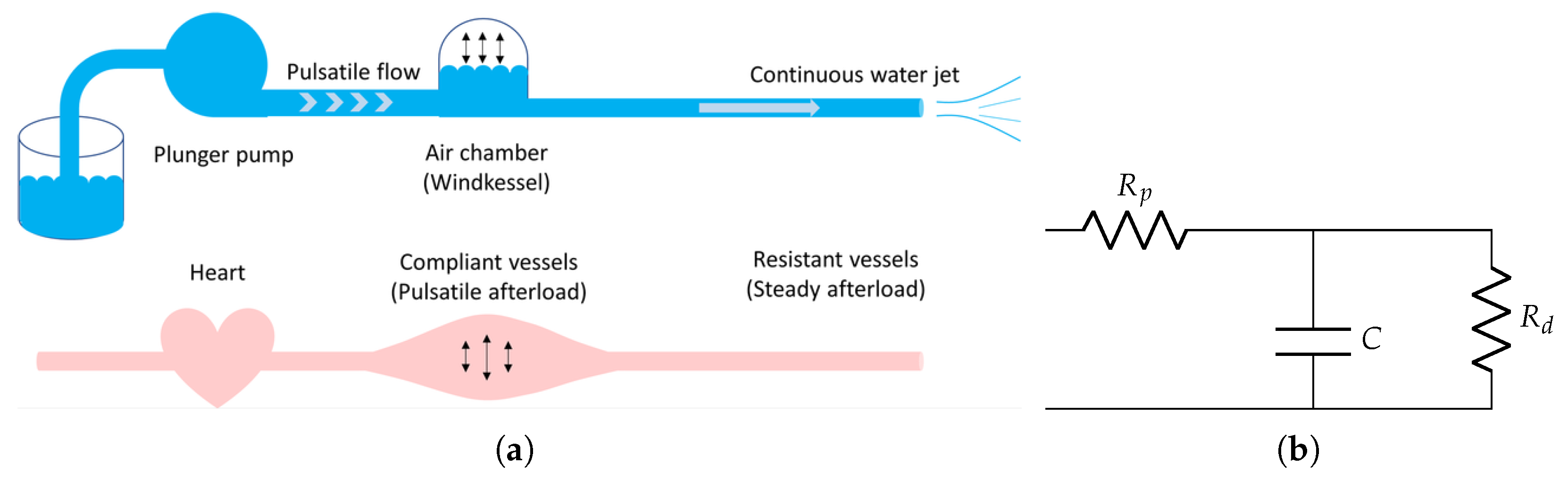
The Windkessel model offers a physiologically relevant representation of the human cardiovascular system by modeling it as a closed hydraulic circuit. This conceptualization was first introduced by Otto Frank in 1899, who likened the arterial system to a water pump connected to a chamber containing an air pocket. As the pump activates, it compresses the air and expels water, mimicking the pulsatile action of the heart [27,28,29]. This analogy captures the heart’s behavior and is illustrated in Figure 3a.
Mathematically, this system is represented by an equivalent circuit (Figure 3b), where R p is the proximal resistance, R d the distal resistance, and C is the arterial compliance. This configuration corresponds to the three-element Windkessel model, also known as the RCR model, which has been widely adopted in hemodynamic simulations to represent the impedance characteristics of the arterial system [3,28,31].
The relationship between flow Q ( t ) and pressure P ( t ) in the cardiovascular system is described by Equation (9), derived from the principles of fluid dynamics and electrical circuit analogies:
d P ( t ) d t = R d + R p R p C Q ( t ) + R c d Q ( t ) d t P ( t ) R p C
The final step in defining the model involved specifying the parameters for the Windkessel model to match the simulated physiological scenarios. Each model was characterized by specific parameter sets derived from predefined baselines values. To define boundary conditions, a resistence simulating the downstream pressure and an input flow profile were defined.
To define the model parameters for simulating physiological scenarios, it was essential to determine values that reflected the patient’s specific hemodynamic conditions. Using the flow value calculated for the right pulmonary artery from Equation (2), and knowing that the mean pressure was 28 mmHg from the patient data, the total resistance R T could be determined as [28]:
R T = P mean Q RPA
where P mean is the mean pressure and Q RPA is the flow rate at the right pulmonary artery (RPA).
In the advanced models incorporating RCR boundary conditions, the total resistance was divided into proximal and distal components. This partition was not arbitrary but followed standard three-element Windkessel modeling principles. In such models, the proximal resistance ( R c , or characteristic impedance) represents the local stiffness of the vessel at the outlet and plays a key role in reducing non-physiological wave reflections. Previous hemodynamic studies, such as those reported by Westerhof et al. [32], indicate that R c is significantly smaller than the total peripheral resistance. Accordingly, the total resistance obtained from the hemodynamic calculations described in the previous section was distributed using a 95–5% ratio between distal and proximal resistances, respectively. This choice ensured numerical stability and preserved physiologically realistic pressure waveform morphology.
Based on this assumption, the resulting values were R d = 1041.44   dyn · s / cm 5 and R p = 54.81   dyn · s / cm 5 , respectively. Compliance was calculated as
C = Q R P A [ cm 3 / s ] H R [ s 1 ] · ( P S P D ) [ dyn / cm 2 ]
where H R is the heart rate and P S and P D are the systolic and diastolic pressures, respectively. Table 1 summarizes the RCR values for the Windkessel model of the right pulmonary artery.
This modeling approach provides a robust framework for simulating arterial hemodynamics, facilitating the analysis of pressure–flow relationships and the assessment of vascular properties under various physiological and pathological conditions [33].

2.3. Segmentation and Mesh Generation

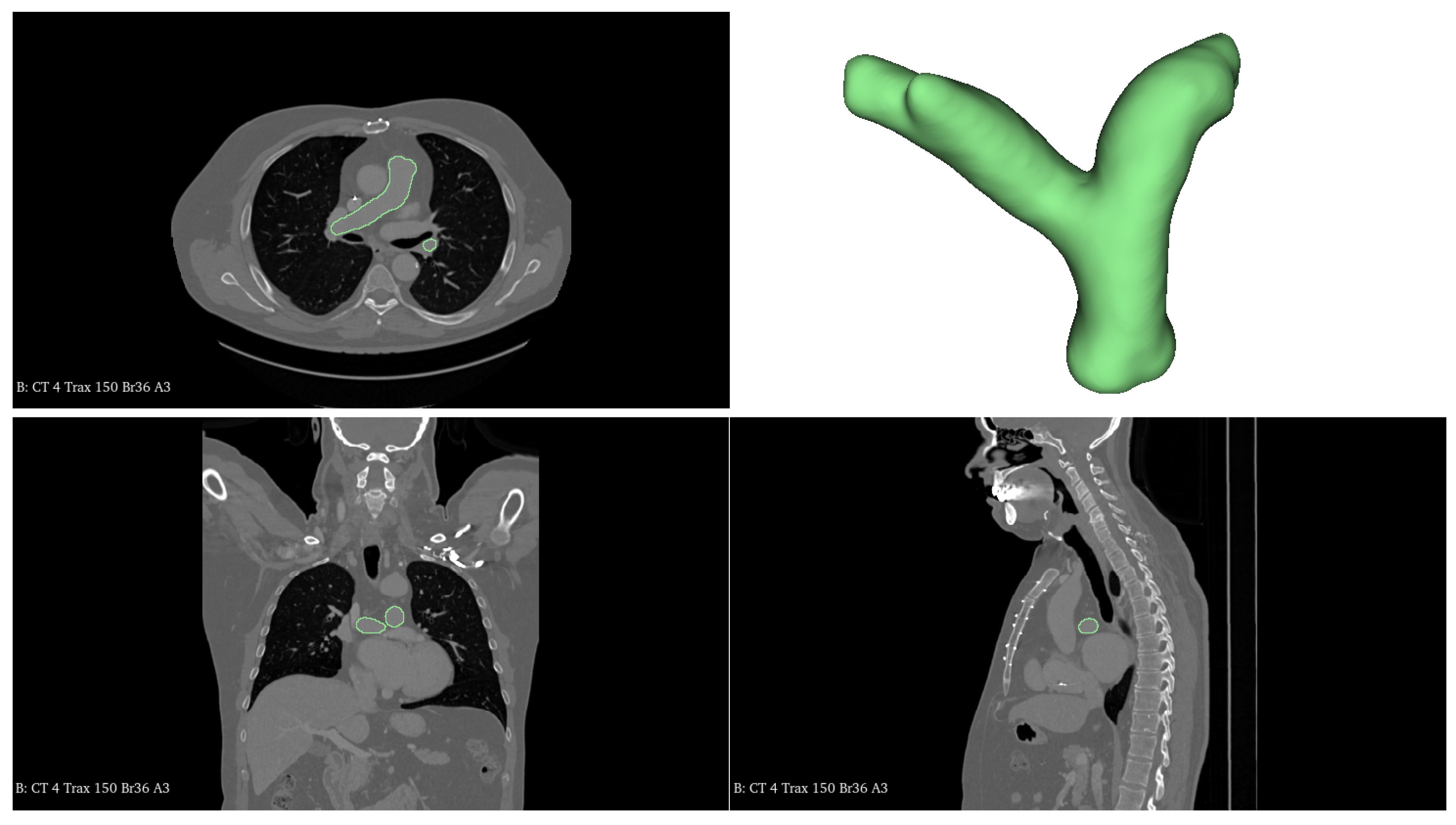
The pulmonary artery model was derived from a Computed Tomography (CT) scan. The in-plane resolution was 0.812 mm × 0.812 mm with a slice spacing of 0.837 mm (image dimensions: 512 × 512 × 590 voxels), which provided sufficient spatial fidelity to reconstruct the main pulmonary branches accurately. The pulmonary artery segmentation was initially obtained using TotalSegmentator [34]. The resulting segmented structure is shown in Figure 4.
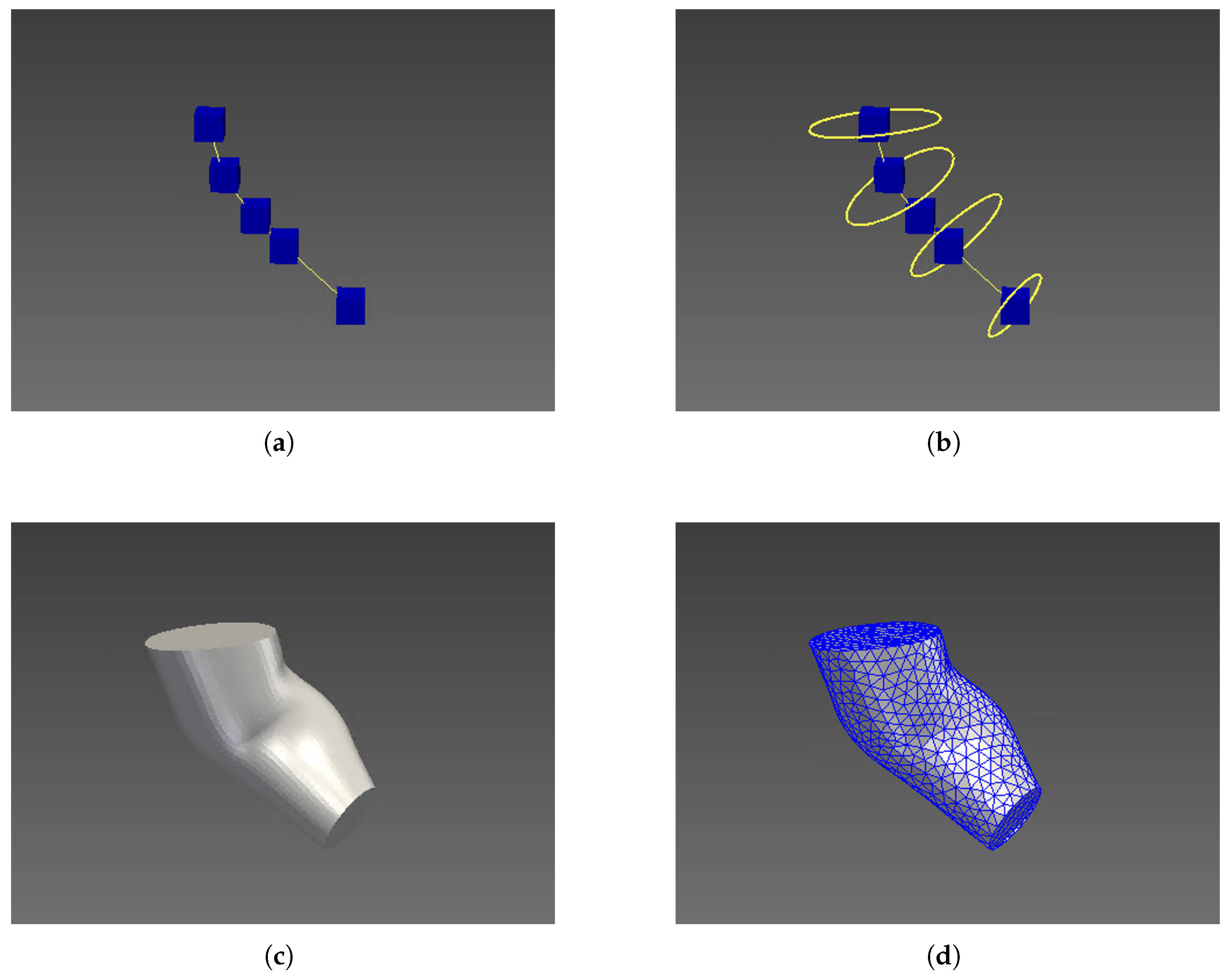
To accurately reconstruct the vascular geometry, a centerline path was first manually defined through the region of interest, focusing on a selected portion of the segmented anatomy where the CardioMEMS™ device is usually located. Subsequently, cross-sectional contours were created along this path to delineate the vessel walls. These contours served as the basis for generating a high-fidelity mesh of the domain. Since the artery’s cross-section deviated from a perfect circle, the Interpolation tool in SimVascular [26]—a cardiovascular modeling platform developed at the Center for Computational Medicine, University of California San Diego, USA—was applied to refine the contours further (Figure 5b). These interpolated contours were then used to reconstruct a 3D model of the artery (Figure 5c). The final volumetric mesh consisted of 1826 nodes and 9151 tetrahedral elements. A maximum edge length of 0.30 cm was used, providing sufficient resolution to accurately capture the anatomical features of the pulmonary artery (Figure 5d). This mesh was chosen depending on the accuracy, which is discussed in Section 3.2.4.
To assess the impact of geometric simplification, simulations were first performed using a complete pulmonary artery model including both downstream bifurcations. The results obtained from this complete model were practically identical to those obtained with a simplified model containing only a single bifurcation. Based on this observation, and in order to reduce computational time and simplify the simulation setup, we adopted the single-bifurcation model for all simulations presented in this study. This approach preserved accuracy while improving computational efficiency.
The complete meshing workflow within SimVascular is illustrated in Figure 5.

3. Results and Discussion

In this section, we present a structured analysis of the computational model, progressing from validation to optimization and sensitivity. First, Section 3.1 details the validation of our primary patient-specific model against the available clinical data. Following this, Section 3.2 explores simplifications of this validated model, aiming to develop a computationally efficient framework suitable for a patient-specific, quick intervention context. Finally, Section 3.3 investigates the model’s robustness by studying how its hemodynamic outputs are affected by variations in the RCR (Windkessel) parameters.

3.1. Validation Results

This section presents the comprehensive model designed to accurately replicate real-world conditions, incorporating the complexities of blood flow, pulmonary vascular resistance, and vessel distensibility as well as fluid–structure interaction. To achieve this, we defined pulsatile inlet flow and integrated a resistance–capacitance–resistance (RCR) model that accounted for these factors.
The simulation was conducted over 7500 time steps with a step size of 0.001 s , resulting in a total simulation time of 7.5 s.
The realistic pulsatile flow, as described in Section 2.1 and illustrated in Figure 1, was applied in this model. The resistances R D and R P and compliance C, listed in Table 1, were used to model the afterload on the right ventricle and the elastic properties of the pulmonary arteries. The solver parameters were consistent with those outlined in Section 2.1. Regarding the solid, in the absence of more data, we considered a linear elastic material with a Poisson’s ratio of 0.5 and Young’s modulus of 0.61 MPa, which fits very well with several studies on the right pulmonary artery tissues [35,36].
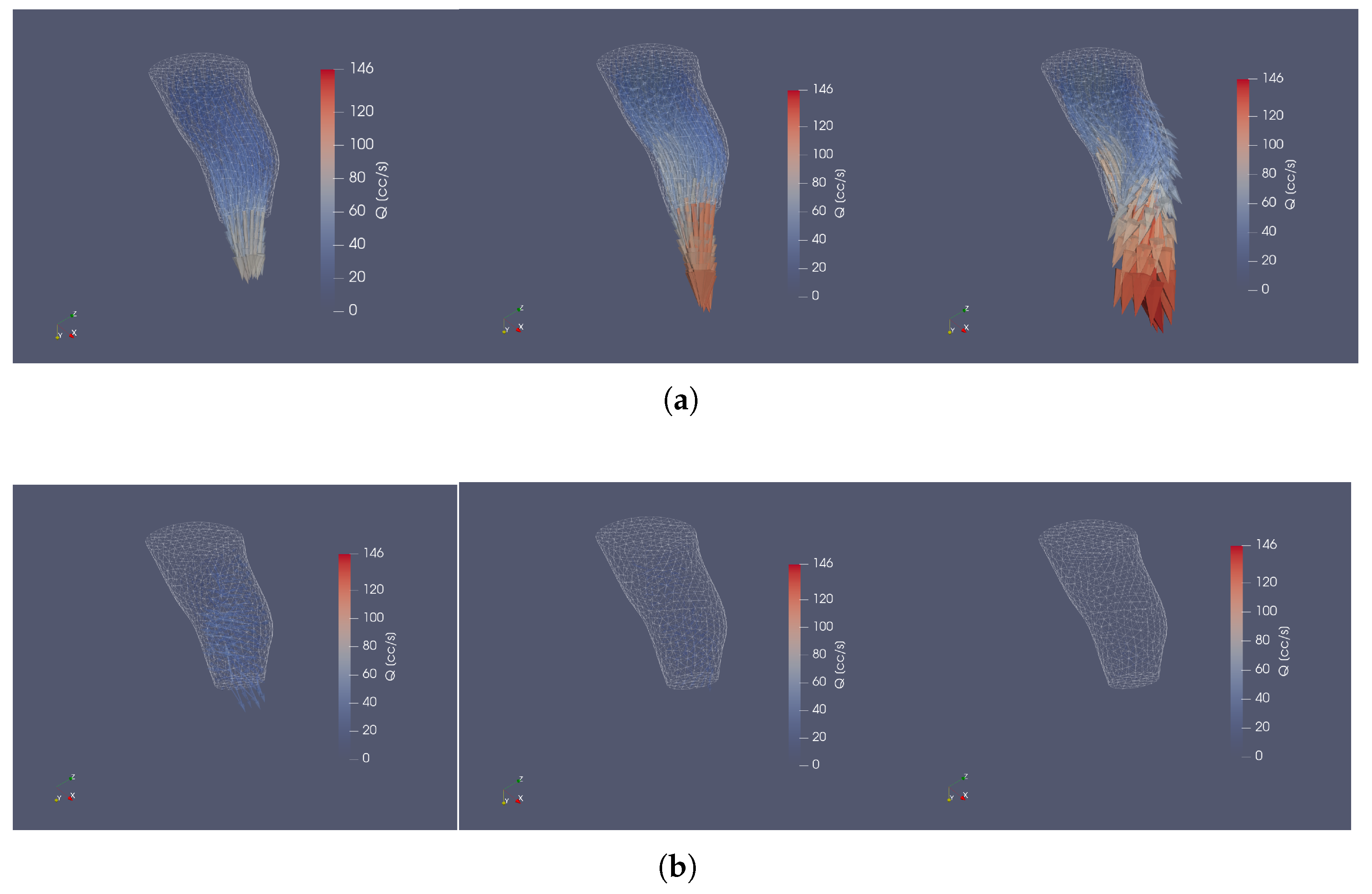
The results of the blood flow simulation are shown in Figure 6a and Figure 6b, which illustrate the flow dynamics during systole and diastole, respectively. Figure 6a presents three sequential snapshots of the flow within the right pulmonary artery during the systolic phase. The glyphs represent the magnitude and direction of flow vectors, with red areas indicating higher flow rates. The most intense red regions, seen in the third image, occurred at the peak systolic pressure of P S = 35 mmHg, while blue areas represent regions of lower flow. In contrast, Figure 6b depicts the diastolic phase, with three images showing minimal flow in the pulmonary artery. These images highlight the reduced blood movement as the heart relaxed and refilled, consistent with the physiological expectation of minimal flow during this phase.
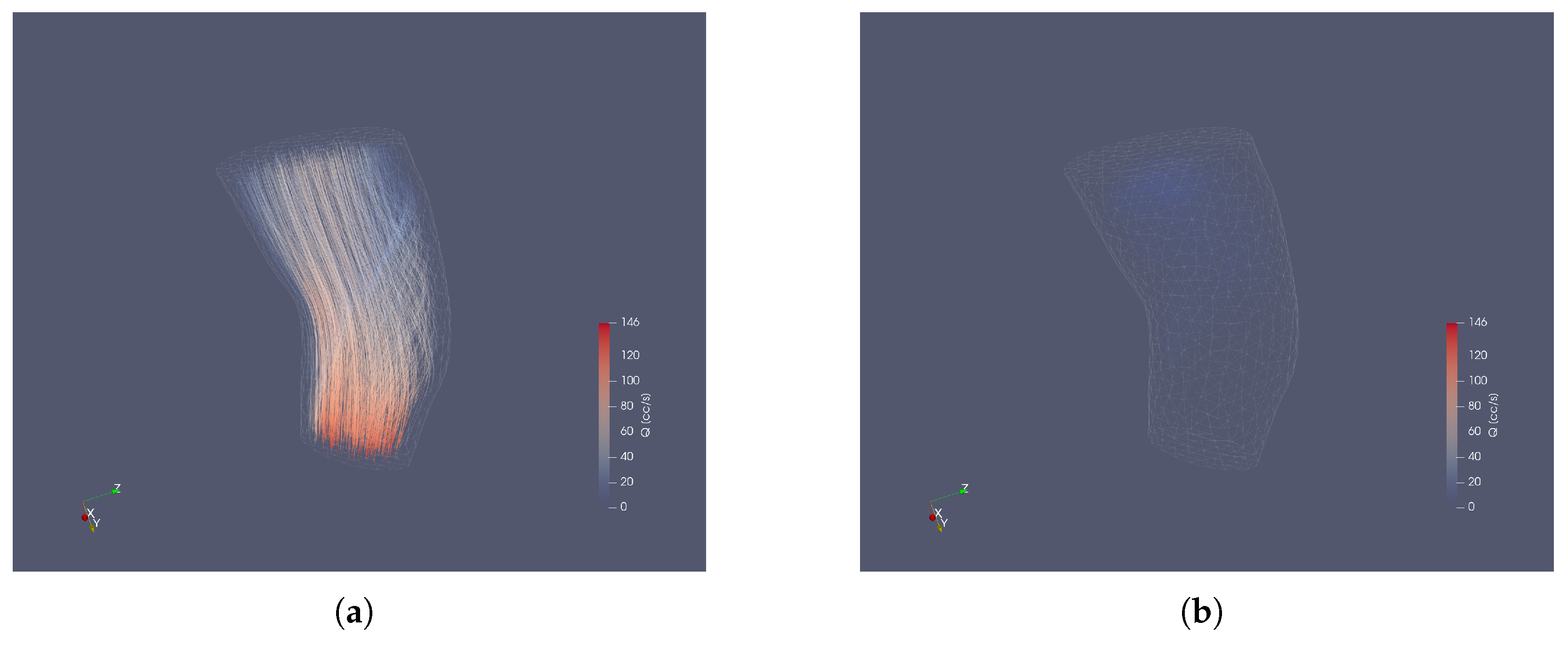
Figure 7 shows flow streamlines during systole and diastole. In the first image, at peak systolic pressure ( P S 35 mmHg), a high density of streamlines indicated significant flow in the pulmonary artery, as expected during systole, when the right ventricle pumps blood. In contrast, the second image shows fewer streamlines at the end of diastole ( P D 20 mmHg), reflecting the reduced flow as the heart filled with blood. The streamlines were aligned and orderly in both phases, indicating predominantly laminar flow, as described in Section 2.1.
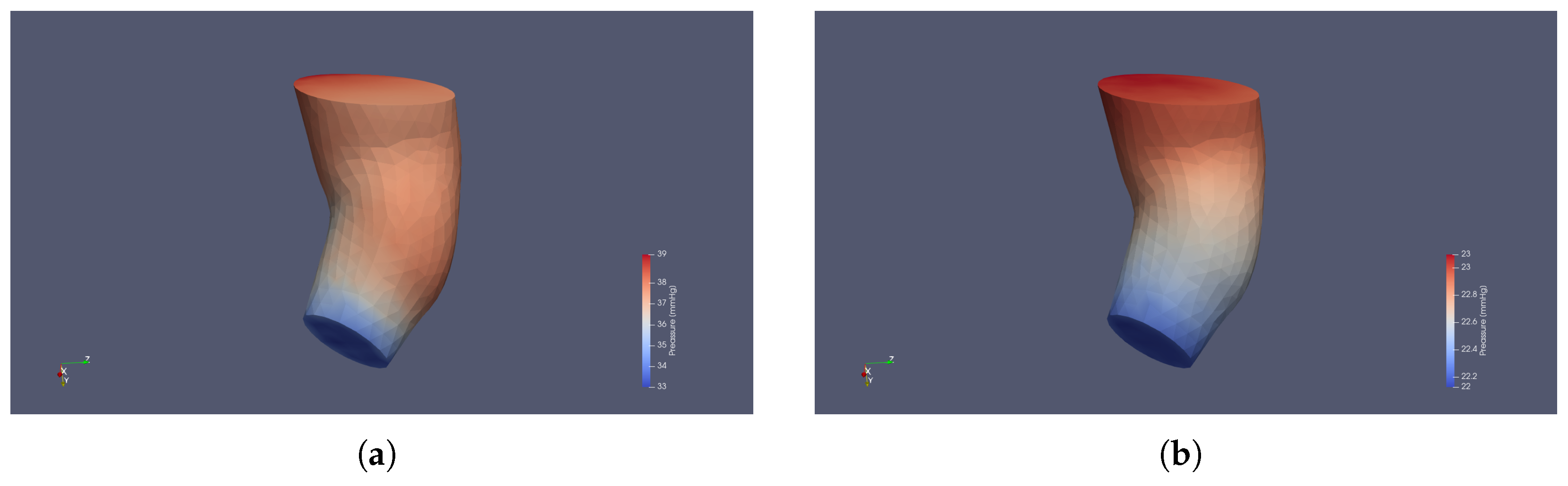
Figure 8 illustrates the pressure distribution within the pulmonary artery during both systole and diastole, using a color-coded scale to visualize spatial variations. Pressures ranged from about 39 mmHg during systole to 22 mmHg in diastole, with the highest pressures occurring near the artery’s entrance from the right ventricle, shown in red. As blood moved further along the artery, the pressure gradually decreased, transitioning through orange and yellow hues, and finally reached a blue hue at the distal end.
This pressure gradient reflects the expected physiological drop as blood traveled away from the heart toward the lungs. The distribution is consistent with normal pulmonary artery dynamics, where systolic pressure peaks help propel blood forward, while lower diastolic pressures ensure smooth and continuous blood flow through the pulmonary circulation, ultimately delivering blood to the lung capillaries for oxygenation.
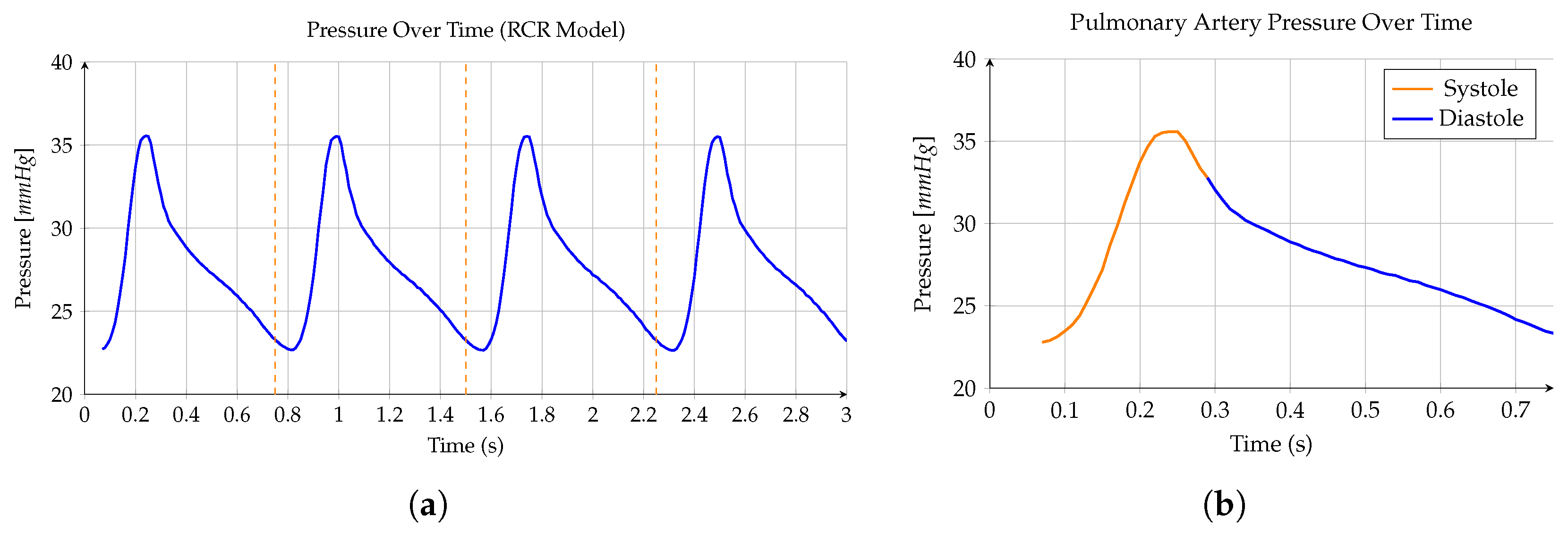
Figure 9a displays the pressure curve in the right pulmonary artery over four cardiac cycles, with each beat separated by orange dashed lines. A more detailed view of the pressure during one cardiac cycle is provided in Figure 9b, distinguishing between the systolic (orange) and diastolic (blue) phases.
During systole (0 to 0.3 s), the pressure rose rapidly, peaking at 35 mmHg, corresponding to right ventricular contraction and blood ejection into the pulmonary artery. In diastole (0.3 to 0.75 s), the pressure gradually decreased to around 20 mmHg, reflecting heart relaxation and refilling, while maintaining continuous blood flow for gas exchange in the lungs. The simulated pressure values closely matched those recorded by the CardioMEMS™sensor [37,38], with a precise heart rate of 80 beats per minute, resulting in a pulse duration of 0.75 s, as shown in Figure 9b.
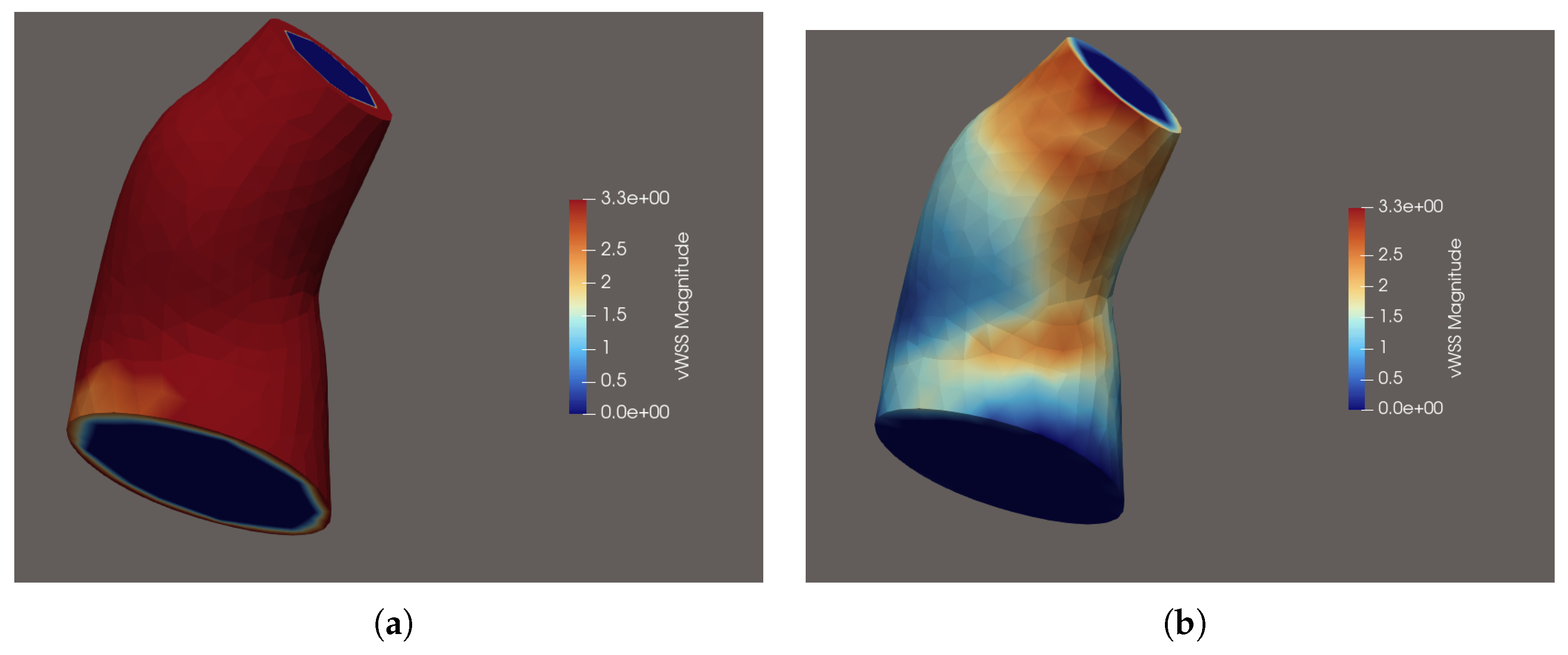
Figure 10a and Figure 10b present the wall shear stress (WSS) magnitude distribution during systole and diastole, respectively. A clear temporal variation was observed throughout the cardiac cycle. During systole, WSS reached its maximum values (approximately 3.3 in simulation units), particularly in the proximal region of the pulmonary artery and along regions influenced by flow acceleration and vessel curvature. This increase was directly associated with the rapid ventricular ejection, which generated steep velocity gradients at the arterial wall and, consequently, elevated tangential stresses. In contrast, during diastole, the overall WSS magnitude decreased significantly as flow velocity diminished. Extensive regions of the arterial wall exhibited low WSS values, especially in distal areas and along the outer curvature, reflecting reduced velocity gradients and flow deceleration. The spatial distribution became more heterogeneous and less intense compared to systole. These results highlight the strong pulsatile nature of wall shear stress in the pulmonary artery. The endothelium was therefore subjected to a dynamic mechanical environment, characterized by peak tangential stresses during systolic acceleration and substantially lower stresses during diastolic relaxation. This temporal variability is consistent with physiological pulmonary hemodynamics and supports the realism of the implemented fluid–structure interaction model.
The hemodynamic results obtained demonstrated strong qualitative agreement with both the clinical reference data and the representative physiological waveform [13], thus validating the model’s approach.

3.2. Simplifications

While the comprehensive model detailed in Section 3.1 provides a validated, patient-specific hemodynamic baseline, its computational cost can be a barrier for applications requiring rapid decision-making. For a model to be feasible within a patient-specific, quick intervention framework, a significant reduction in simulation time is necessary.
Therefore, this section investigates the hemodynamic impact of several key model simplifications to evaluate the trade-off between computational efficiency and physiological accuracy. We systematically isolated and analyzed the effects of (I) modeling the arteries as rigid structures (Section 3.2.1), (II) replacing the patient-adapted physiological waveform with the simplified half-sine function (Section 3.2.2), and (III) reducing the 3-element RCR outlet model to a simpler, single-element representation (Section 3.2.3).

3.2.1. Rigid Vessel Walls

One of the major computational challenges of this project was the employment of a fluid–structure interaction model. However, it was demonstrated that it provides higher accuracy since it reproduced the behavior of the interaction of the fluid and the vessel walls. In this section we compare this approach with a simpler one that considers rigid vessel walls, which, in some cases, can be a valid assumption, depending on the type of problems to be addressed.
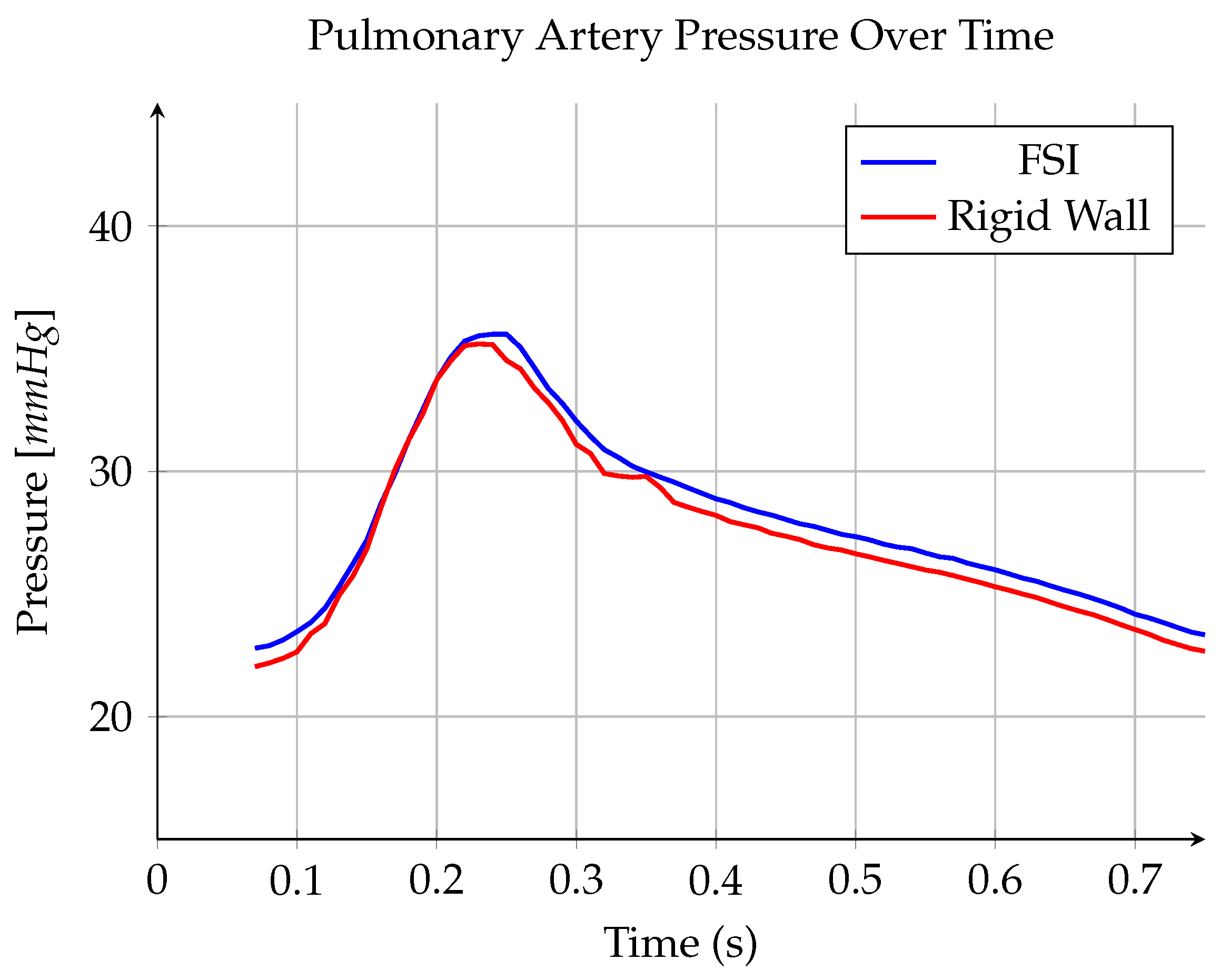
In Figure 11, both FSI and rigid wall results are compared for a cardiac cycle. It can be seen how both followed a very similar trend, with the FSI results being slightly higher. Such a small difference cannot provide any physical information. In any case, the difference in the peak value between FSI (35.59 mmHg) and rigid wall solution (35.19 mmHg) was only of 0.4 mmHg, 1.1% of error. We can conclude that the assumption of employing the rigid wall model was valid for the studied cases.

3.2.2. Idealized Inlet Curves

The second simplification built upon the previous assumption, maintaining rigid vessel walls as lateral boundary conditions. Here, we tested the feasibility of employing a less realistic inlet waveform, as mentioned in Section 2.1 and illustrated in Figure 1. The benefit of employing this curve was that it was mathematically simpler to generate than the one we call realistic, as it did not require an external data template.
Figure 12 compares the results obtained with both inlet waveforms over one cardiac cycle. In this case, both pressure curves shapes were qualitatively different. The idealized curve provided a sharper increment in the systolic part and lower pressure in the diastolic part, as was expected. Quantitatively, however, the maximum offset between curves was 0.56 mmHg, which makes this an interesting approach, taking into account the fact that this simplification can be automatized.

3.2.3. Constant Outlet Resistance

The final simplification consisted of employing a single-element Windkessel model (pure resistance), which has the advantage of requiring only one parameter for calibration. This resistance (R) was defined as 1096.25 dyn · s/cm5, calculated based on the patient’s mean cardiac output and mean arterial pressure. This model was cumulative, assuming that the first two simplifications (rigid vessel walls and the idealized inlet curve) were valid, as established in the previous sections.
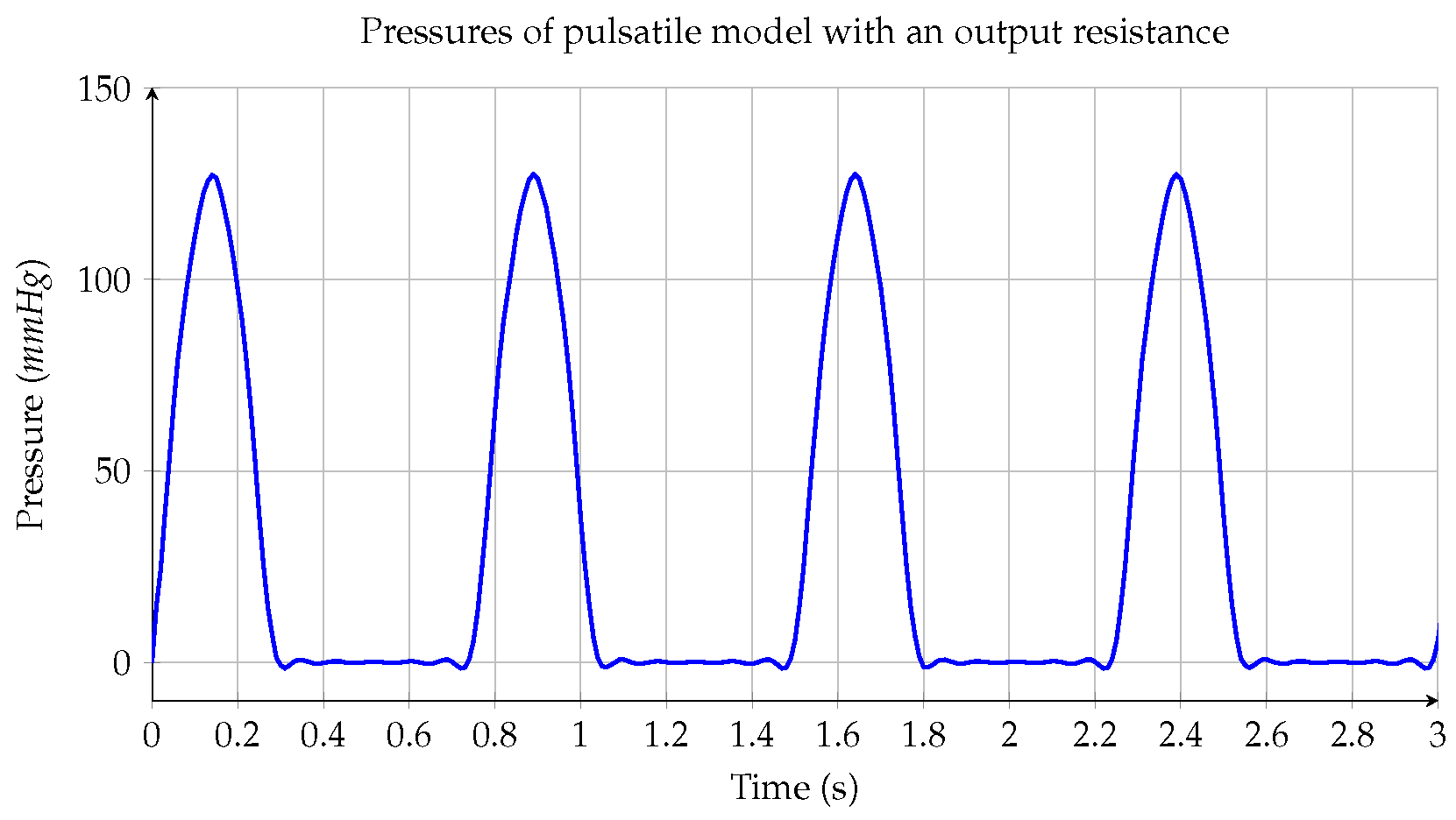
Although the flow values were apparently consistent, the pressure values obtained from the simulation revealed that the model did not show the expected results. The pressure curves, shown in Figure 13, revealed several discrepancies. The first notable aspect was the maximum value, representing the systolic pressure, which reached 130 mmHg, three to four times higher than expected. Additionally, the minimum values, corresponding to the diastolic pressure, were near 0 mmHg, whereas the expected diastolic pressure was around 20 mmHg.
This result was due to the type of model used for the outlet boundary condition. As previously mentioned, a simple resistance was employed, neglecting the compliance (C) that accounted for the ability of the downstream vasculature to expand. As a result, without the elastic capacity to stretch and accommodate the increase in blood volume, pressure rose dramatically. Conversely, during diastole, the lack of stored energy caused the pressure to drop to 0 in the absence of inflow.

3.2.4. Mesh Sensitivity Analysis

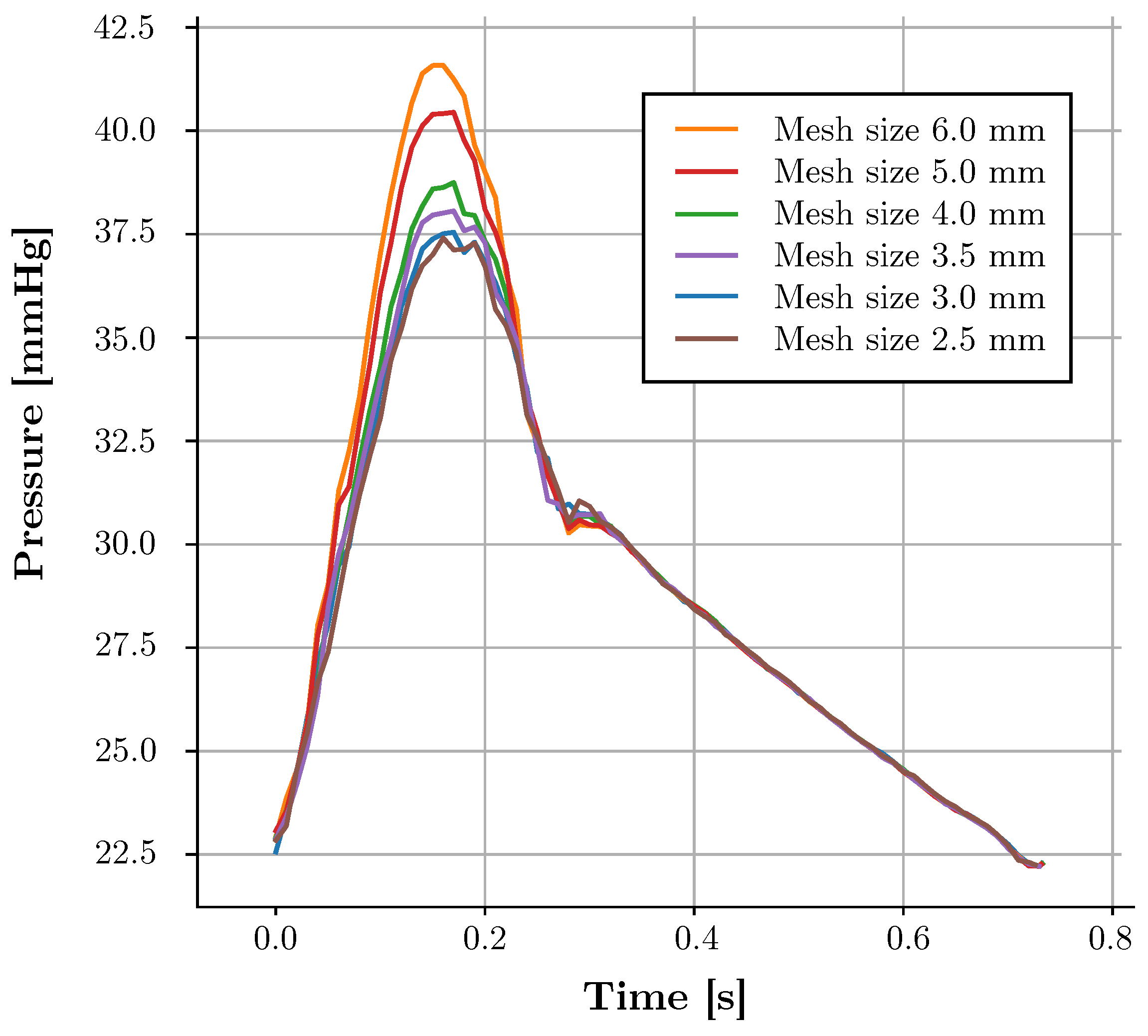
A mesh sensitivity analysis was performed to assess the influence of spatial discretization on the hemodynamic predictions, with a particular focus on pressure values. Taking into account previous findings, rigid vessel walls and an idealized inlet curve were considered, as well as the complete RCR Windkessel boundary condition downstream. Several meshes with different maximum edge lengths were evaluated while keeping all other model parameters unchanged. The tested mesh sizes included a maximum edge length of 0.30 cm, which was selected as the reference mesh, as well as coarser discretizations with edge sizes of 0.35, 0.40, 0.50, and 0.60 cm. In order to test finer meshes, an edge size of 0.25 cm was evaluated.
The results demonstrated a strong dependency of the predicted pressure on mesh resolution, with progressively coarser meshes consistently yielding higher pressure values. This behavior indicates that insufficient spatial resolution introduces numerical artifacts that lead to a non-physiological overestimation of pressure. As the mesh was refined, the predicted pressure values decreased and converged towards physiologically plausible ranges.
Given the high sensitivity of the model to mesh size and observing that, below 0.30 cm, the results were not affected, a 0.30 cm mesh size was selected for all subsequent simulations. Although this choice entailed a higher computational cost, it was considered necessary to ensure numerical accuracy and obtain pressure results that were closer to physiological values, which is essential for reliable patient-specific cardiovascular modeling.
The mesh sensitivity analysis performed can be seen in Figure 14.

3.3. Windkessel Model Parameter Sensitivity Analysis

In this section, we analyze the behavior of the three-element Windkessel model (3WK) by varying its resistance (R) and compliance (C) parameters. Understanding the impact of these variations is essential, as pulmonary compliance is a key indicator of arterial distensibility. When considered alone or alongside pulmonary vascular resistance, it provides significant prognostic information for patients with heart failure or pulmonary hypertension. Due to its clinical relevance, the combined assessment of pulmonary arterial compliance and resistance is strongly recommended for improving patient risk stratification and management [39]. As mentioned before, the first two simplifications (rigid vessel walls and the idealized inlet curve) were assumed, deprecating the employment of a single-element Windkessel model (pure resistance).
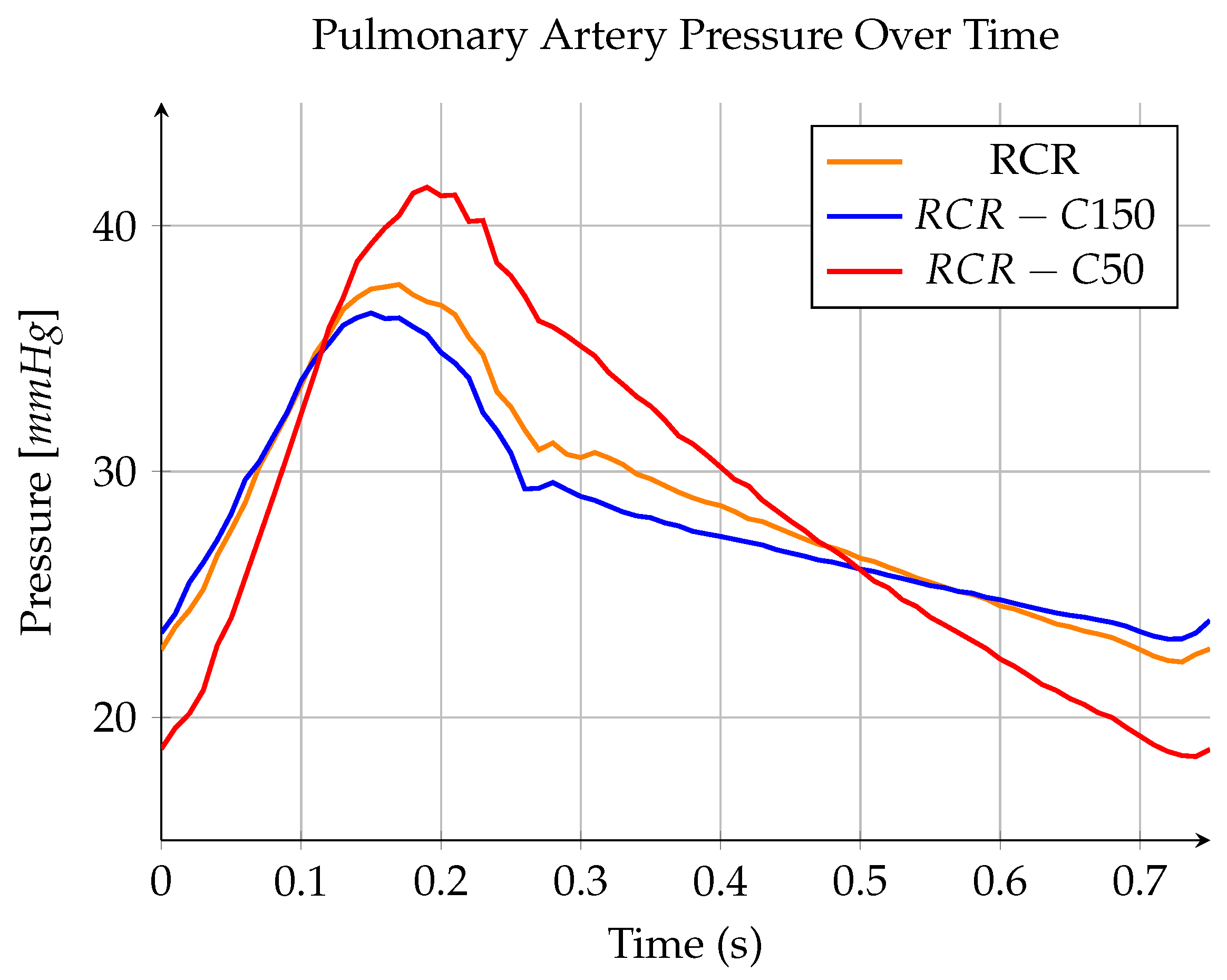
The effect of altering the compliance parameter C reflects structural changes in the pulmonary vasculature due to disease, leading to either stiffening or increased elasticity of the vessels. To investigate this, we simulated two scenarios: one with a 50% reduction in C and another with a 150% increase. As shown in Figure 15, the resulting pressure curves—red for reduced compliance and blue for increased compliance—were compared to the original patient-specific curve, illustrating how vessel stiffness or elasticity impacted the pressure profile.
Compared to the reference orange curve, the red curve had the highest peak and a more abrupt decline. Systolic pressure was elevated, and the fall was faster and more pronounced. This type of behavior represented a situation where the compliance of the pulmonary vessels was decreased by 50%. This decrease in compliance could indicate that the vessels were more rigid, resulting in a higher peak pressure and a rapid decline in pressure after the peak. Additionally, it can be observed that this curve did not present a pronounced dicrotic notch. This was because vascular stiffness can dampen the pressure oscillations that would normally cause the dicrotic notch.
In contrast, the blue curve shows lower systolic pressure compared to the reference orange curve. However, diastolic pressure was elevated, indicating a situation where the compliance of the pulmonary vessels increased by 150%. The vessels were more flexible, resulting in a lower peak pressure and a more gradual decline. This higher compliance allowed the vessels to accommodate more blood with less pressure, leading to the observed changes in the curve dynamics. This type of curve can be seen in conditions where the elasticity of the pulmonary vessels is enhanced, promoting smoother and more sustained pressure levels throughout the cardiac cycle.
Next, we examined the impact of altering the resistance parameters of the Windkessel model on pulmonary artery pressure. Modifying these values reflects changes in pulmonary vascular resistance, which may occur due to pathological remodeling or obstruction of the vascular bed.
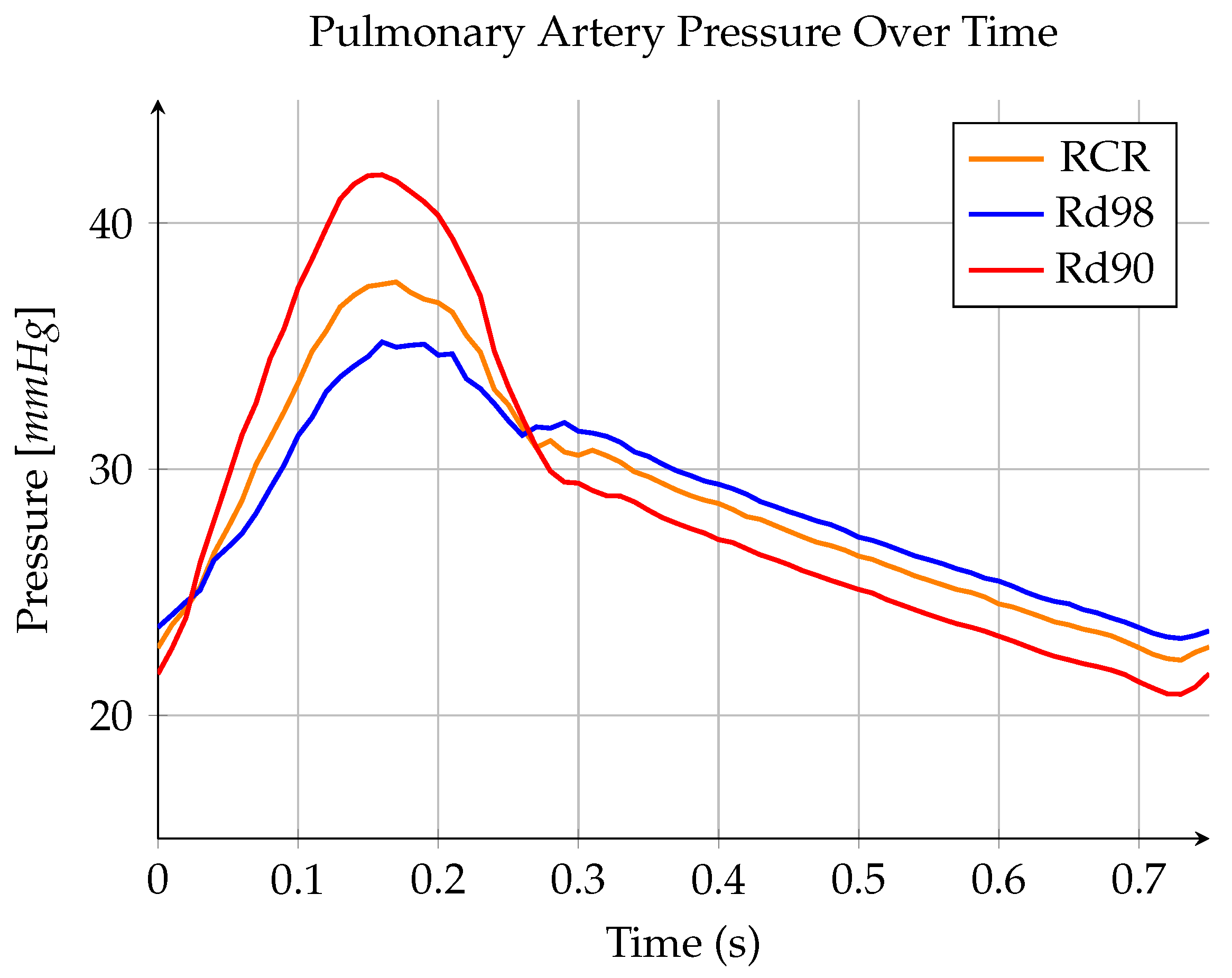
To evaluate the role of vascular resistance, two alternative resistance configurations were tested in addition to the baseline condition, where distal resistance ( R d ) accounted for 95% and proximal resistance ( R p ) for 5% of the total resistance. In the first scenario, R d was increased to 98% and R p reduced to 2%, simulating heightened distal resistance. In the second, R d was decreased to 90% and R p increased to 10%, representing reduced distal resistance. These values were selected semi-empirically to explore the physiological range of resistance distributions. In preliminary tests, configurations beyond these limits led to unstable or physiologically implausible pressure waveforms. The corresponding pressure curves are presented in Figure 16, with the baseline model in orange, the high-distal-resistance case in blue, and the low-distal-resistance case in red.
The blue curve shows a slightly lower systolic pressure but elevated diastolic pressure, which may reflect increased compliance in proximal vessels or distal vasoconstriction, both of which impede outflow and maintain pressure during diastole. In contrast, the red curve reveals an elevated systolic peak and a more rapid drop in diastolic pressure. This pattern suggests enhanced distal compliance or vessel dilation, allowing rapid blood outflow and a sharper pressure decay. These results highlight how subtle changes in resistance distribution can markedly influence pulmonary hemodynamics.
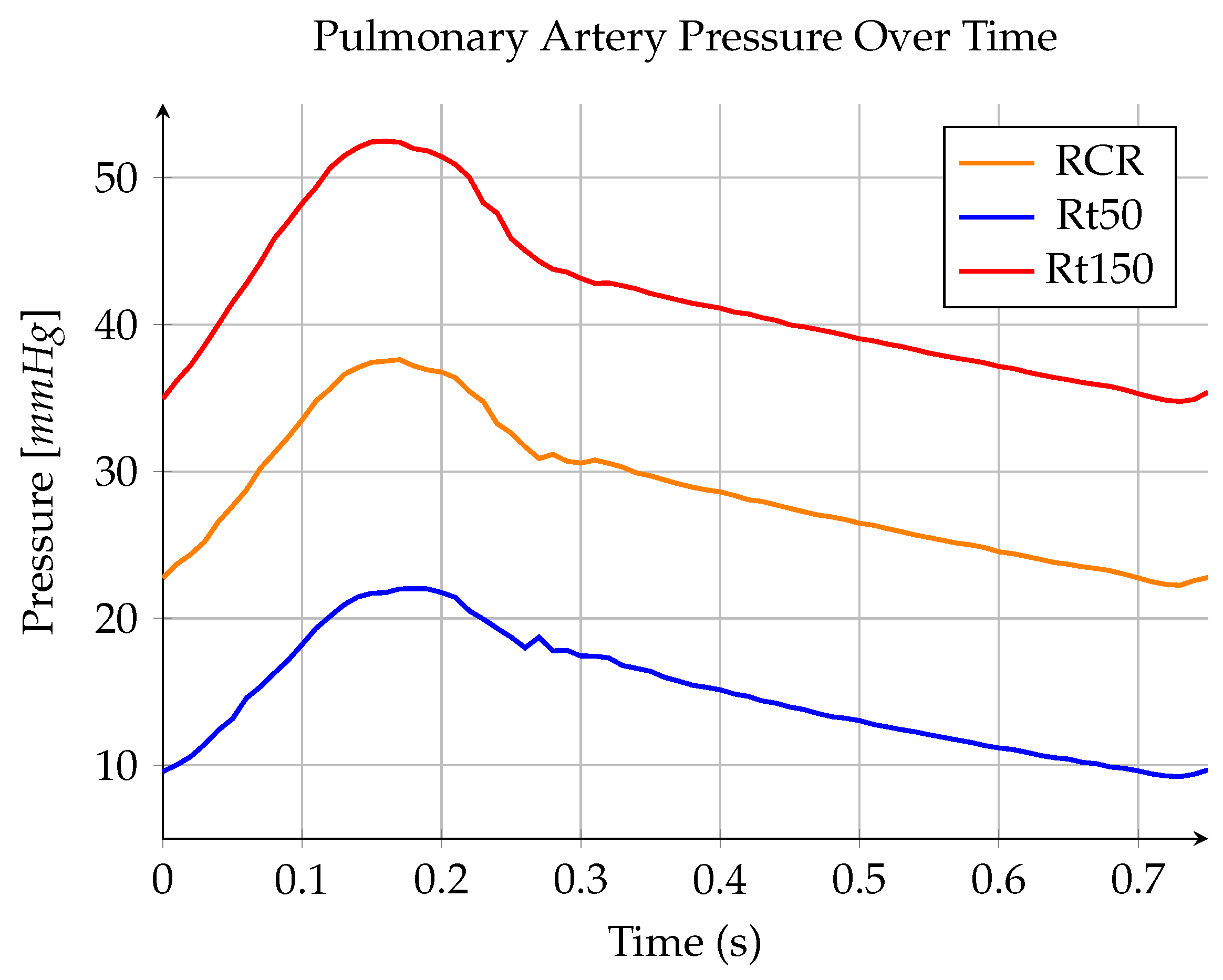
Finally, to investigate the impact of total vascular resistance, three scenarios were simulated by modifying the total resistance value ( R T ), which directly influenced the mean pulmonary artery pressure ( P M ) of the model.
The results are shown in Figure 17. Similar to the previous graphs, the orange curve corresponds to the original patient, the red curve represents the scenario where the total resistance was increased by 150%, and the blue curve represents the scenario where the total resistance was reduced by 50%.
Unlike the cases presented in Figure 15 and Figure 16, where alterations in systolic and diastolic pressure affected the waveform shape while maintaining a consistent mean pressure, the current comparison reveals a different trend. Here, the waveform shape is largely preserved across the three models, but there are substantial differences in the mean pressure values.
In the red curve, a marked elevation in mean pressure is observed, with systolic peaks slightly above 50 mmHg and diastolic levels around 35 mmHg, suggesting increased pulmonary vascular resistance.
In contrast, the blue curve shows a reduction in both systolic and diastolic pressures, reaching approximately 20 mmHg and 10 mmHg, respectively. This pressure drop may indicate decreased vascular resistance, potentially due to excessive vasodilation or diminished pulmonary arterial tone.

3.4. Physiological and Clinical Interpretation

The simulation results provide valuable insight into pulmonary hemodynamics, particularly the influence of pulmonary vascular resistance and arterial compliance on pressure waveforms. These parameters are crucial for cardiovascular assessment, as they directly affect right ventricular function and overall hemodynamic stability [40].
From a clinical translation perspective, this computational approach significantly enhances the diagnostic utility of remote monitoring devices. Currently, implantable sensors like CardioMEMS™ provide crucial real-time pressure readings but cannot autonomously isolate the underlying mechanical causes of pressure elevation. By employing the proposed framework, clinicians can use routine pressure data to back-calculate specific hemodynamic parameters. Specifically, our sensitivity analysis demonstrates how to differentiate whether elevated pulmonary pressures are primarily driven by high distal resistance ( R d ), indicative of distal vascular remodeling seen in pulmonary arterial hypertension (PAH), or by reduced proximal compliance (C), which reflects central vessel stiffening. Quantifying R and C separately supports precise differential diagnosis and enables better patient stratification for targeted therapies (such as distinguishing candidates for vasodilator therapies from those requiring alternative management strategies) in accordance with current pulmonary hypertension clinical guidelines [41].
One important physiological consideration is the effect of respiratory-induced intrathoracic pressure changes. During inspiration, negative intrathoracic pressure enhances venous return, increasing right ventricular filling and influencing pressure waveforms. Conversely, expiration may reduce filling, producing a noticeable impact on diastolic pressures [42]. Such variations are essential when analyzing right heart function and interpreting pressure trends. Moreover, in typical pulmonary circulation, systolic and diastolic pressures tend to increase in parallel. Exceptions to this pattern, such as a marked drop in diastolic pressure, may suggest pathological states like pulmonary valve insufficiency or hyperdynamic circulation.
Additionally, the closure notch of the pulmonary valve, more prominent in elevated pulmonary pressures, can provide a subtle but clinically useful sign of pulmonary hypertension, potentially detectable via auscultation. This observation aligns with simulated waveforms in high-resistance scenarios, supporting the model’s physiological relevance [43].

4. Conclusions

This study demonstrated the potential of advanced hemodynamic simulations to enhance the diagnosis and management of pulmonary vascular diseases. By combining computational fluid dynamics (CFD) with real-time pressure measurements from the CardioMEMS™ device, we provide a non-invasive framework for detailed assessment of pulmonary artery hemodynamics. The use of the three-element Windkessel (3WK) model enabled patient-specific analysis of pressure waveforms, effectively capturing variations in resistance and compliance.
Our analysis also evaluated the trade-off between accuracy and computational cost to support a patient-specific, quick intervention framework. We demonstrated that simplifying the model with rigid vessel walls and an idealized half-sine inlet waveform yielded results with minimal, acceptable error (1.1% and 0.56 mmHg offset, respectively). Conversely, the complete removal of compliance (i.e., a 1-element pure resistance model) resulted in non-physiological pressures (130 mmHg). This finding critically underscores that arterial compliance (C) is a non-negotiable parameter for realistic pulmonary hemodynamic modeling, even in simplified approaches.
Building on this finding, the parametric analysis confirmed that changes in pulmonary vascular resistance and arterial compliance significantly alter waveform morphology, offering a quantitative basis for distinguishing between different forms of pulmonary hypertension. These insights can inform therapeutic decisions, including the use of vasodilator therapies and risk stratification in patients with chronic thromboembolic pulmonary hypertension (CTEPH) or idiopathic pulmonary arterial hypertension (IPAH) [41].
From a methodological standpoint, the anatomical placement of pressure sensors is a critical factor. While CardioMEMS™ is implanted in the left pulmonary artery, this study focused on the right pulmonary artery. Differences in vascular resistance and compliance between the two branches may lead to pressure discrepancies, which should be accounted for when generalizing findings to the whole pulmonary circulation. Future studies should address this by validating simulations with bilateral measurements or by incorporating branching-specific models.
This modeling approach also shows promise for personalized medicine. Real-time integration of CFD with implantable sensor data could enable early detection of hemodynamic deterioration, optimize treatment strategies, and reduce hospitalization rates. Expanding this methodology with patient-specific anatomical and physiological data could further improve predictive accuracy and clinical relevance.
Future work should focus on validating the proposed framework in a broader patient population, correlating simulated parameters with clinical outcomes. The integration of this computational model into predictive and decision-support systems could significantly enhance personalized cardiovascular care, enabling a proactive and data-driven approach to managing right heart dysfunction and pulmonary hypertension.

Author Contributions

L.G.S.: Software, Conceptualization, Methodology, Validation, Formal analysis, and Investigation. F.A.: Software, Visualization, Conceptualization, and Writing—original draft. P.N.: Conceptualization, Methodology, Formal analysis, Resources, and Writing—original draft. A.C.: Software. J.F.O., C.A.-S., and M.G.-B.: Conceptualization and Investigation. All authors have read and agreed to the published version of the manuscript.

Funding

P. Navas and A. Casero were supported by DOCTORES-EMERGENTES-24-6R4VJE-38-PAQCQO (TuCoPINN).

Institutional Review Board Statement

This study was conducted in accordance with the Declaration of Helsinki and the protocol was approved by the Research Ethics Committee of the University Hospital Puerta de Hierro Majadahonda on 1 February 2024. This work was conducted within the framework of the academic internships of Laura García Sánchez (September–December 2022) and Angelica Casero Baeza (September–December 2023) at the Hospital Universitario Puerta de Hierro Majadahonda.

Informed Consent Statement

Informed consent was obtained from the subject exclusively for the use of anonymized medical imaging and inflow data.

Data Availability Statement

The original contributions presented in the study are included in the article, further inquiries can be directed to the corresponding author.

Acknowledgments

We would like to thank the administrative support of Universidad Politécnica de Madrid. We would also like to thank the cardiology and haemodynamics Department at Puerta de Hierro Hospital in Majadahonda. We also dedicate this paper to Jose Maria Goicolea on his 70th birthday, in recognition of his contributions to this research and to the field of computational biomechanics in general.

Conflicts of Interest

The authors declare no potential conflict of interests.

Abbreviations

CFDComputational Fluid Dynamics
RCRResistance–Compliance–Resistance
RPARight Pulmonary Artery
LPALeft Pulmonary Artery
MPAMain Pulmonary Artery
HRHeart Rate
WSSWall Shear Stress
ReReynolds Number
B.C.Boundary Condition
RTTotal Resistance
RpProximal Resistance
RdDistal Resistance
PSSystolic Pressure
PDDiastolic Pressure
PmeanMean Pressure
COCardiac Output

References

  1. World Health Organization. Cardiovascular Diseases (CVDs). 2024. Available online: https://www.who.int/news-room/fact-sheets/detail/cardiovascular-diseases-(cvds) (accessed on 5 May 2025).
  2. Kundu, P.K.; Cohen, I.M.; Dowling, D.R. Fluid Mechanics, 5th ed.; Academic Press: Burlington, MA, USA, 2012. [Google Scholar] [CrossRef]
  3. Fevola, E.; Bradde, T.; Triverio, P.; Grivet-Talocia, S. A Vector Fitting Approach for the Automated Estimation of Lumped Boundary Conditions of 1D Circulation Models. Cardiovasc. Eng. Technol. 2023, 14, 505–525. [Google Scholar] [CrossRef]
  4. Abraham, W.T.; Perl, L. Implantable Hemodynamic Monitoring for Heart Failure Patients. J. Am. Coll. Cardiol. 2017, 70, 389–398. [Google Scholar] [CrossRef] [PubMed]
  5. Kheyfets, V.O.; Rios, L.; Smith, T.; Schroeder, T.; Mueller, J.; Murali, S.; Lasorda, D.; Zikos, A.; Spotti, J.; Reilly, J.J.; et al. Patient-specific computational modeling of blood flow in the pulmonary arterial circulation. Comput. Methods Programs Biomed. 2015, 120, 88–101. [Google Scholar] [CrossRef]
  6. Capuano, F.; Loke, Y.H.; Balaras, E. Blood flow dynamics at the pulmonary artery bifurcation. Fluids 2019, 4, 190. [Google Scholar] [CrossRef]
  7. Liu, J.; Yang, W.; Lan, I.S.; Marsden, A.L. Fluid-structure interaction modeling of blood flow in the pulmonary arteries using the unified continuum and variational multiscale formulation. Mech. Res. Commun. 2020, 107, 103556. [Google Scholar] [CrossRef]
  8. Chen, Z.; Zhou, Y.P.; Liu, X.; Jiang, X.; Wu, T.; Ghista, D.; Xu, X.Q.; Zhang, H.; Jing, Z.C. A Personalized Pulmonary Circulation Model to Non-Invasively Calculate Fractional Flow Reserve for Artery Stenosis Detection. IEEE Trans. Biomed. Eng. 2022, 69, 1435–1448. [Google Scholar] [CrossRef]
  9. Gundelwein, L.; Miró, J.; Barlatay, F.G.; Lapierre, C.; Rohr, K.; Duong, L. Personalized stent design for congenital heart defects using pulsatile blood flow simulations. J. Biomech. 2018, 81, 68–75. [Google Scholar] [CrossRef]
  10. Bordones, A.D.; Leroux, M.; Kheyfets, V.O.; Wu, Y.A.; Chen, C.Y.; Finol, E.A. Computational Fluid Dynamics Modeling of the Human Pulmonary Arteries with Experimental Validation. Ann. Biomed. Eng. 2018, 46, 1309–1324. [Google Scholar] [CrossRef]
  11. Kong, F.; Kheyfets, V.; Finol, E.; Cai, X.C. Simulation of unsteady blood flows in a patient-specific compliant pulmonary artery with a highly parallel monolithically coupled fluid-structure interaction algorithm. Int. J. Numer. Methods Biomed. Eng. 2019, 35, e3208. [Google Scholar] [CrossRef]
  12. Zambrano, B.A.; McLean, N.; Zhao, X.; Tan, J.L.; Zhong, L.; Figueroa, C.A.; Lee, L.C.; Baek, S. Patient-Specific Computational Analysis of Hemodynamics and Wall Mechanics and Their Interactions in Pulmonary Arterial Hypertension. Front. Bioeng. Biotechnol. 2021, 8, 611149. [Google Scholar] [CrossRef] [PubMed]
  13. Vlachopoulos, C.; O’Rourke, M.; Nichols, W.W. McDonald’s Blood Flow in Arteries: Theoretical, Experimental and Clinical Principles, 7th ed.; CRC Press: Boca Raton, FL, USA, 2022. [Google Scholar] [CrossRef]
  14. Milnor, W. Hemodynamics, 2nd ed.; Williams & Wilkins: Baltimore, MD, USA, 1989. [Google Scholar]
  15. Ragosta, M. Textbook of Clinical Hemodynamics, 2nd ed.; Elsevier: Amsterdam, The Netherlands, 2017. [Google Scholar]
  16. Calvo-Plaza, F.J. Simulation of Blood Flow and Its Interaction with the Arterial Wall Using Finite Element Models. Ph.D. Thesis, Universidad Politécnica de Madrid, Madrid, Spain, 2006. [Google Scholar]
  17. Anderson, J.D. Computational Fluid Dynamics: An Introduction, 2nd ed.; McGraw-Hill: New York, NY, USA, 1995. [Google Scholar]
  18. Blazek, J. Computational Fluid Dynamics: Principles and Applications, 3rd ed.; Butterworth-Heinemann: Oxford, UK, 2015. [Google Scholar]
  19. Montaño, C.; Rodríguez, N.; Camargo, L.H. Modelos newtonianos y no newtonianos asociados al flujo sanguíneo: Revisión. Visión Electrónica 2018, 12, 115–123. [Google Scholar] [CrossRef]
  20. Beris, A.N.; Horner, J.S.; Jariwala, S.; Armstrong, M.J.; Wagner, N.J. Recent advances in blood rheology: A review. Soft Matter 2021, 17, 8388–8409. [Google Scholar] [CrossRef]
  21. Mella, H.; Galarce, F.; Sekine, T.; Sotelo, J.; Castillo, E. Enhancing Hemodynamic Parameter Estimations: Nonlinear Blood Behavior in 4D Flow MRI. arXiv 2024, arXiv:2402.09007. [Google Scholar] [CrossRef]
  22. Reynolds, O. An experimental investigation of the circumstances which determine whether the motion of water shall be direct or sinuous, and of the law of resistance in parallel channels. Philos. Trans. R. Soc. Lond. 1883, 174, 935–982. [Google Scholar] [CrossRef]
  23. Boumpouli, M.; Sauvage, E.L.; Capelli, C.; Schievano, S.; Kazakidi, A. Characterization of Flow Dynamics in the Pulmonary Bifurcation of Patients with Repaired Tetralogy of Fallot: A Computational Approach. Front. Cardiovasc. Med. 2021, 8, 703717. [Google Scholar] [CrossRef]
  24. Wehrum, T.; Hagenlocher, P.; Lodemann, T.; Vach, W.; Dragonu, I.; Hennemuth, A.; von Zur Mühlen, C.; Stuplich, J.; Ngo, B.T.T.; Harloff, A. Age dependence of pulmonary artery blood flow measured by 4D flow MRI. J. Magn. Reson. Imaging 2016, 44, 674–681. [Google Scholar] [CrossRef]
  25. Zawawi, M.H.; Saleha, A.; Salwa, A.; Hassan, N.H.; Zahari, N.M.; Ramli, M.Z.; Muda, Z.C. A review: Fundamentals of computational fluid dynamics (CFD). AIP Conf. Proc. 2018, 2030, 020252. [Google Scholar] [CrossRef]
  26. SimVascular Team. SimVascular Docs 2025. Available online: https://simvascular.github.io/ (accessed on 5 May 2025).
  27. Frank, O. Die Grundform des Arteriellen Pulses. Zeitschrift Für Biol. 1899, 37, 483–526. [Google Scholar]
  28. Tsanas, A.; Goulermas, J.Y.; Vartela, V.; Tsiapras, D.; Theodorakis, G.; Fisher, A.C.; Sfirakis, P. The Windkessel model revisited: A qualitative analysis of the circulatory system. Med. Eng. Phys. 2009, 31, 581–588. [Google Scholar] [CrossRef]
  29. Catanho, M.; Sinha, M.; Vijayan, V. Model of Aortic Blood Flow Using the Windkessel Effect. 2012. Available online: https://isn.ucsd.edu/courses/beng221/problems/2012/BENG221_Project%20-%20Catanho%20Sinha%20Vijayan.pdf (accessed on 5 May 2025).
  30. Muneuchi, J.; Ezaki, H.; Sugitani, Y.; Watanabe, M. Comprehensive assessments of pulmonary circulation in children with pulmonary hypertension associated with congenital heart disease. Front. Pediatr. 2022, 10, 1011631. [Google Scholar] [CrossRef]
  31. Westerhof, N.; Elzinga, G.; Sipkema, P. An artificial arterial system for pumping hearts. J. Appl. Physiol. 1971, 31, 776–781. [Google Scholar] [CrossRef]
  32. Westerhof, N.; Lankhaar, J.W.; Westerhof, B.E. The arterial Windkessel. Med. Biol. Eng. Comput. 2009, 47, 131–141. [Google Scholar] [CrossRef]
  33. Kizhisseri, M.; Gharaie, S.; Schluter, J. An analytical method informed by clinical imaging data for estimating outlet boundary conditions in computational fluid dynamics analysis of carotid artery blood flow. Sci. Rep. 2023, 13, 14973. [Google Scholar] [CrossRef]
  34. Akinci D’Antonoli, T.; Berger, L.K.; Indrakanti, A.K.; Vishwanathan, N.; Weiss, J.; Jung, M.; Berkarda, Z.; Rau, A.; Reisert, M.; Küstner, T.; et al. TotalSegmentator MRI: Robust Sequence-independent Segmentation of Multiple Anatomic Structures in MRI. Radiology 2025, 314, e241613. [Google Scholar] [CrossRef]
  35. Potlov, A.; Proskurin, S.; Frolov, S. Young’s Modulus Evaluation for the Blood Vessel Walls using Intravascular Optical Coherence Tomography. In Proceedings of the The 8th IEEE International Conference on E-Health and Bioengineering—EHB 2020, New York, NY, USA, 29–30 November 2020. [Google Scholar] [CrossRef]
  36. Learoyd, B.M.; Taylor, M.G. Alterations with Age in the Viscoelastic Properties of Human Arterial Walls. Circ. Res. 1966, 18, 278–292. [Google Scholar] [CrossRef] [PubMed]
  37. Emani, S. Remote Monitoring to Reduce Heart Failure Readmissions. Curr. Heart Fail. Rep. 2017, 14, 40–47. [Google Scholar] [CrossRef] [PubMed]
  38. Radhoe, S.P.; Brugts, J.J. CardioMEMSTM: A Tool for Remote Hemodynamic Monitoring of Chronic Heart Failure Patients. Future Cardiol. 2021, 18, 173–183. [Google Scholar] [CrossRef] [PubMed]
  39. Ghio, S.; Schirinzi, S.; Pica, S. Pulmonary arterial compliance: How and why should we measure it? Glob. Cardiol. Sci. Pract. 2015, 2015, 58. [Google Scholar] [CrossRef]
  40. Sanz, J.; Rios, J.; Garcia-Alvarez, A. Pulmonary vascular resistance and compliance: Their interaction and impact on right ventricular function and prognosis in pulmonary hypertension. Am. J.-Physiol.-Heart Circ. Physiol. 2020, 319, H888–H904. [Google Scholar] [CrossRef]
  41. Humbert, M.; Kovacs, G.; Hoeper, M.M.; Badagliacca, R.; Berger, R.M.F.; Brida, M.; Carlsen, J.; Coats, A.J.S.; Escribano-Subias, P.; Ferrari, P.; et al. 2022 ESC/ERS Guidelines for the diagnosis and treatment of pulmonary hypertension. Eur. Heart J. 2022, 43, 3618–3731. [Google Scholar] [CrossRef]
  42. Lalande, S.; Luoma, C.E.; Miller, A.D.; Johnson, B.D. Effect of changes in intrathoracic pressure on cardiac function at rest and during moderate exercise in health and heart failure. Exp. Physiol. 2012, 97, 248–256. [Google Scholar] [CrossRef] [PubMed]
  43. Kushwaha, S.P.; Zhao, Q.H.; Liu, Q.Q.; Wu, W.H.; Wang, L.; Yuan, P.; Zhang, R.; Jing, Z.C. Shape of the Pulmonary Artery Doppler-Flow Profile Predicts the Hemodynamics of Pulmonary Hypertension Caused by Left-Sided Heart Disease. Clin Cardiol. 2016, 39, 150–156. [Google Scholar] [CrossRef]
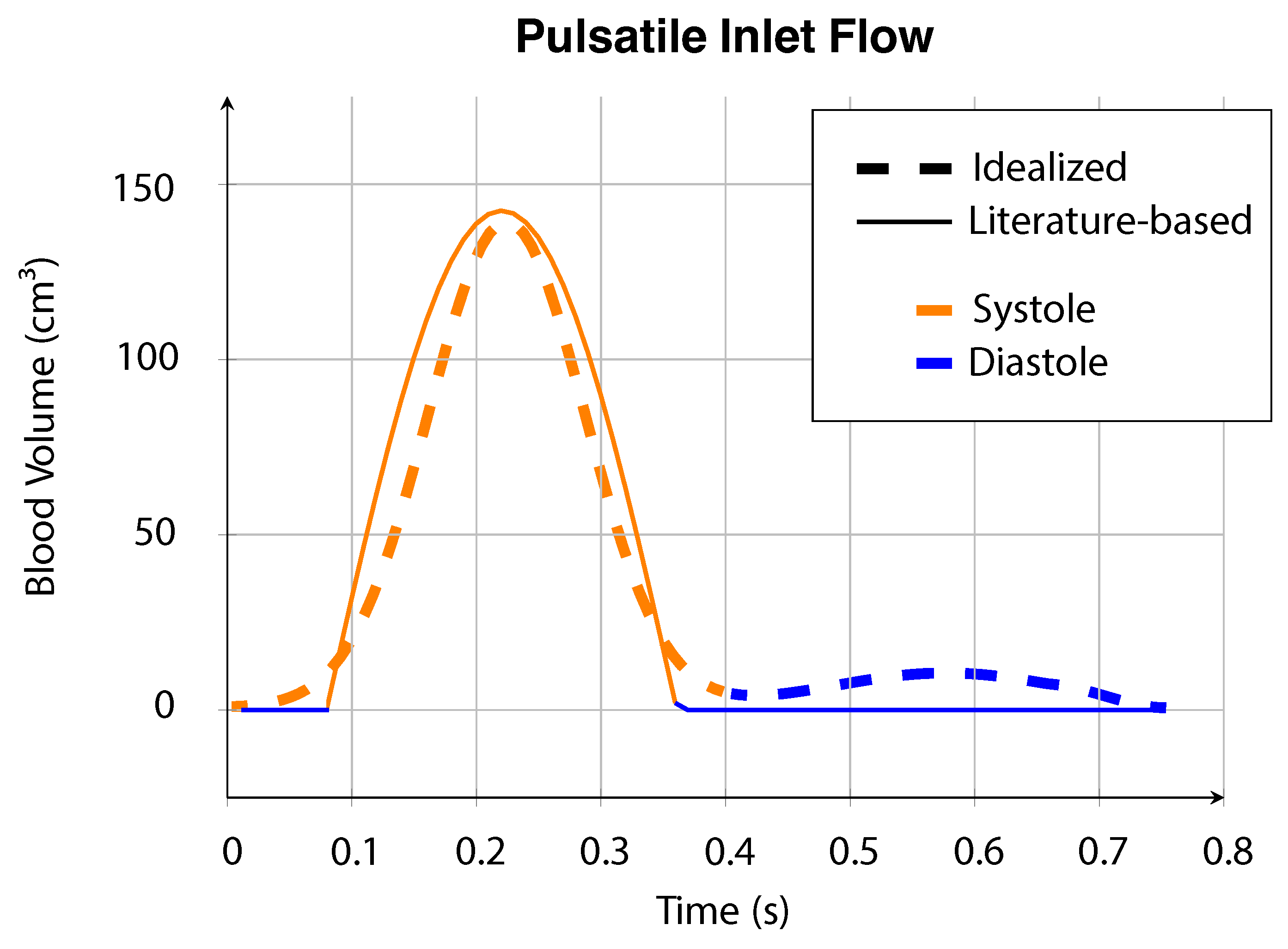
Figure 1. Comparison of idealized and literature-based inflow waveform used as inlet boundary conditions.
Fluids 11 00083 g001
Figure 2. Inflow, outflow, and wall characterization in a simple cylindrical vessel [26].
Fluids 11 00083 g002
Figure 3. Windkessel model. (a) Cardiovascular system as a closed hydraulic circuit [30]. (b) Circuit model.
Fluids 11 00083 g003
Figure 4. Pulmonary artery segmentation obtained using TotalSegmentator. (Top left): axial view; (bottom left): coronal view; (bottom right): sagittal view; (top right): 3D model of the pulmonary artery bifurcation.
Fluids 11 00083 g004
Figure 5. Right pulmonary artery (RPA) workflow from CT to mesh. (a) Path generation in SimVascular; (b) pulmonary artery segmentation; (c) 3D model of the artery; (d) final volumetric mesh. (Top left): axial view; (bottom left): coronal view; (bottom right): sagittal view; (top right): 3D model of the pulmonary artery bifurcation.
Fluids 11 00083 g005
Figure 6. Pulsatile results with the RCR model. (a) Systole flow simulation (RCR model) at 0.07 s, 0.12 s, and 0.18 s. (b) Diastole flow simulation (RCR model) at 0.35 s, 0.57 s, and 0.72 s.
Fluids 11 00083 g006
Figure 7. Flow lines in peak systole (a) and diastole (b) pressures.
Fluids 11 00083 g007
Figure 8. Systolic (a) and diastolic (b) pressures.
Fluids 11 00083 g008
Figure 9. Pulmonary artery pressure plots. (a) Pressure during 4 heartbeats. (b) Pressure in a cardiac cycle.
Fluids 11 00083 g009
Figure 10. Wall shear stress (WSS) magnitude distribution during systole and diastole. (a) Peak systole. (b) Diastole.
Fluids 11 00083 g010
Figure 11. Comparison of pressure in a cardiac cycle between FSI and rigid wall simulations.
Fluids 11 00083 g011
Figure 12. Comparison of pressure in a cardiac cycle between realistic and idealized inlet waveforms.
Fluids 11 00083 g012
Figure 13. Pressures of pulsatile model with an output resistance.
Fluids 11 00083 g013
Figure 14. Mesh sensitivity.
Fluids 11 00083 g014
Figure 15. Pressure in a cardiac cycle with compliance variations.
Fluids 11 00083 g015
Figure 16. Pressure in a cardiac cycle with resistance variations.
Fluids 11 00083 g016
Figure 17. Pressure in a cardiac cycle with total resistance variations.
Fluids 11 00083 g017
Table 1. RCR parameters.
RT [dyn·s/cm5]Rd [dyn/cm2]Rp [dyn/cm2]C [cm5/dyn]
1096.251041.4454.81 1.28 × 10 3
Disclaimer/Publisher’s Note: The statements, opinions and data contained in all publications are solely those of the individual author(s) and contributor(s) and not of MDPI and/or the editor(s). MDPI and/or the editor(s) disclaim responsibility for any injury to people or property resulting from any ideas, methods, instructions or products referred to in the content.