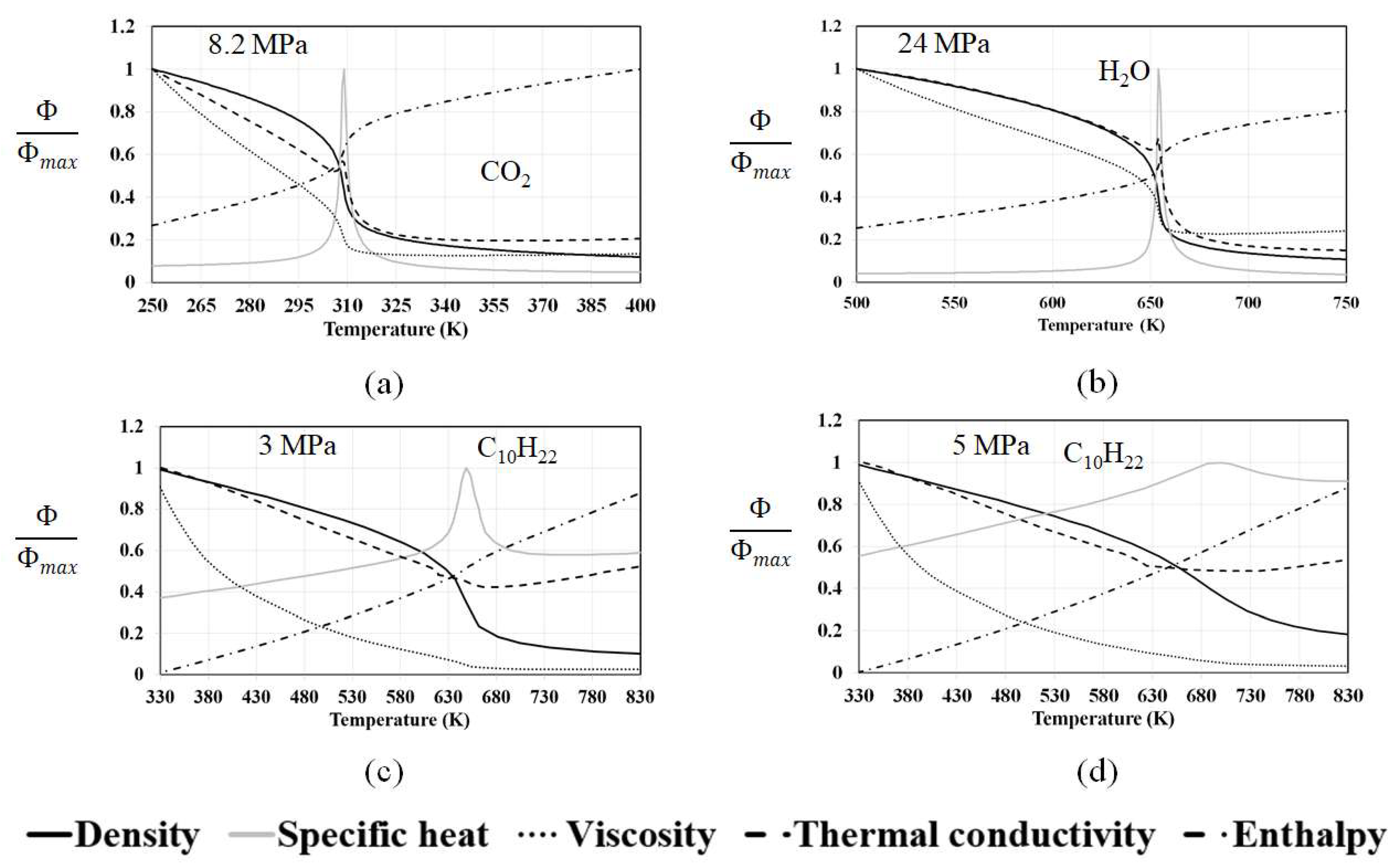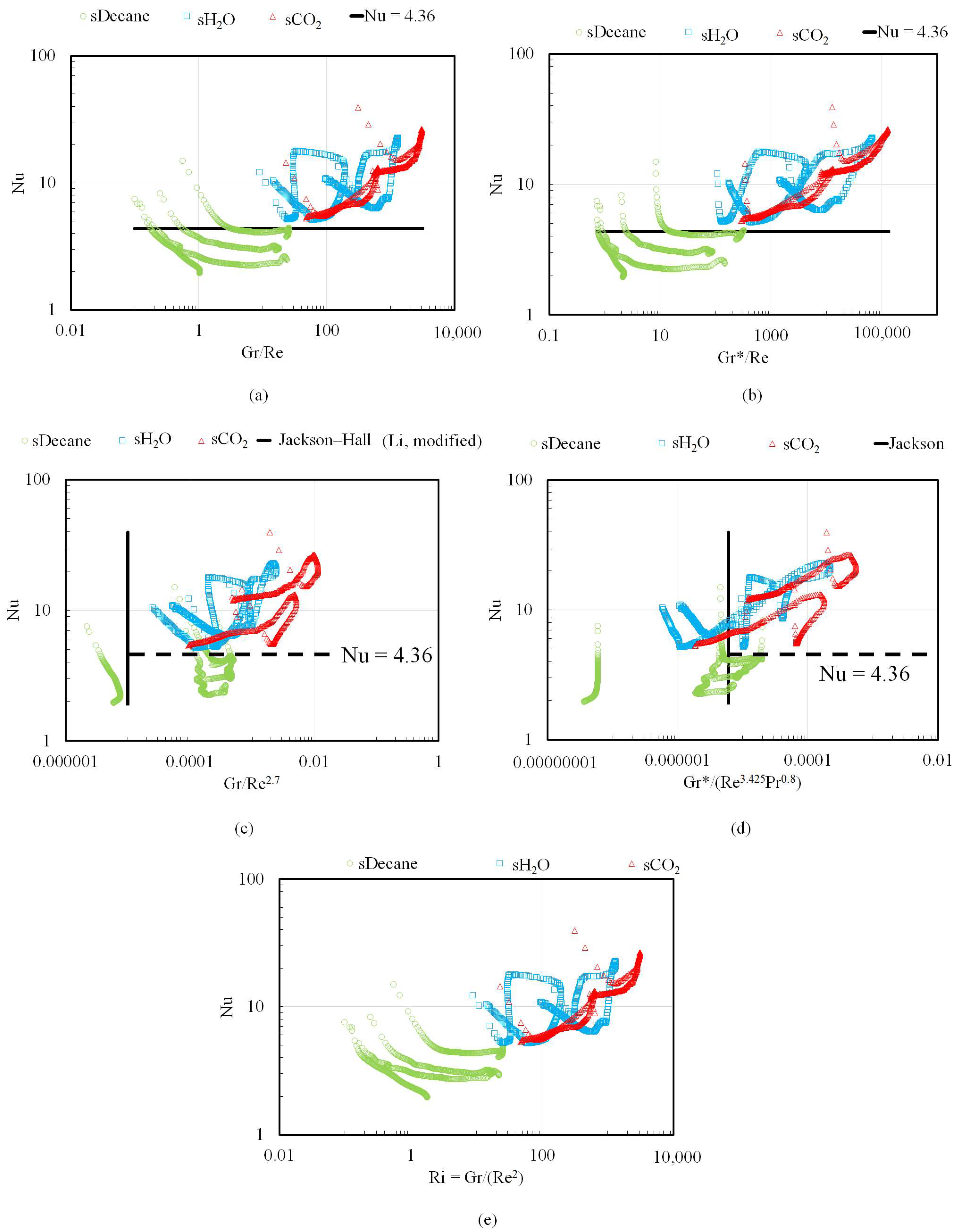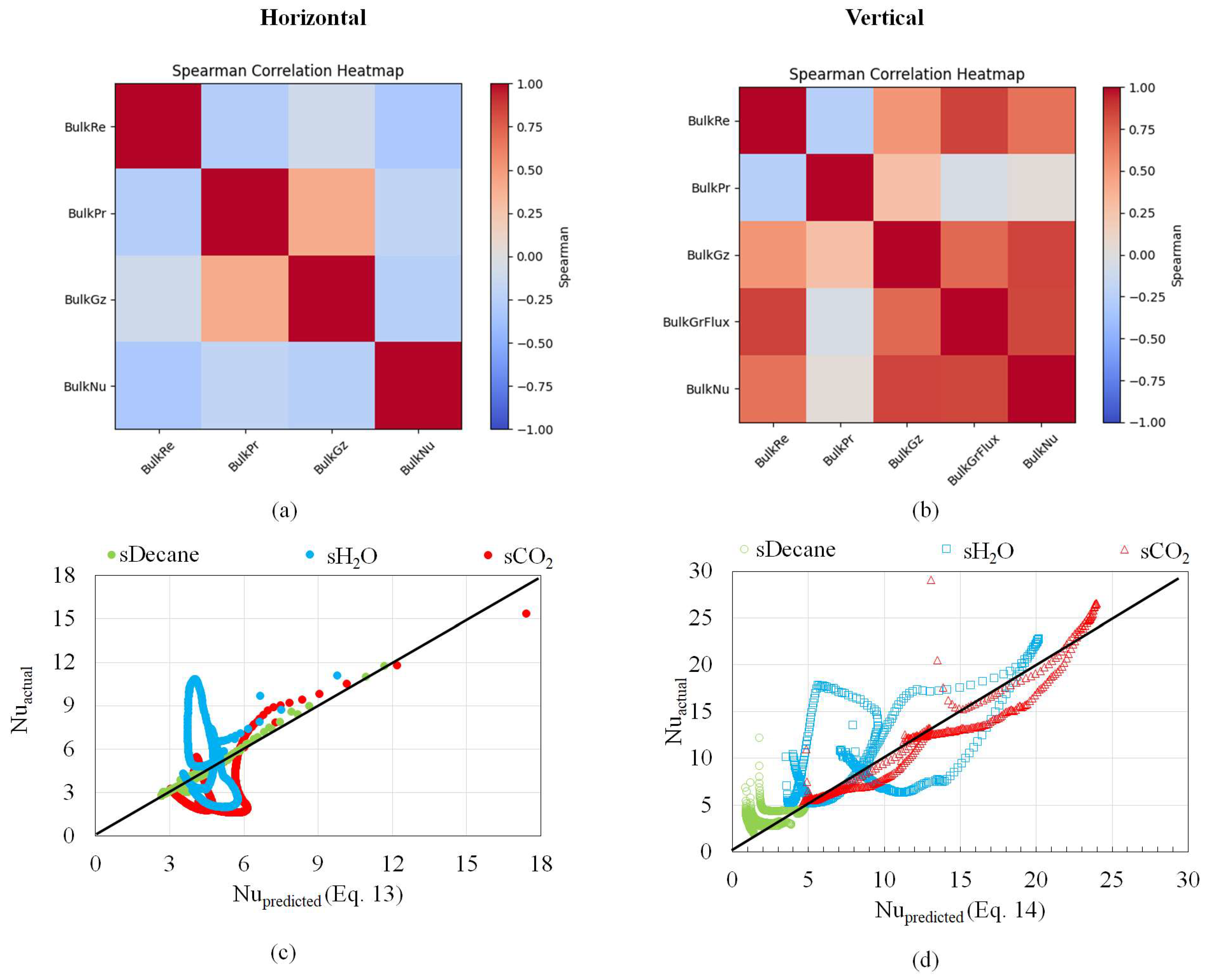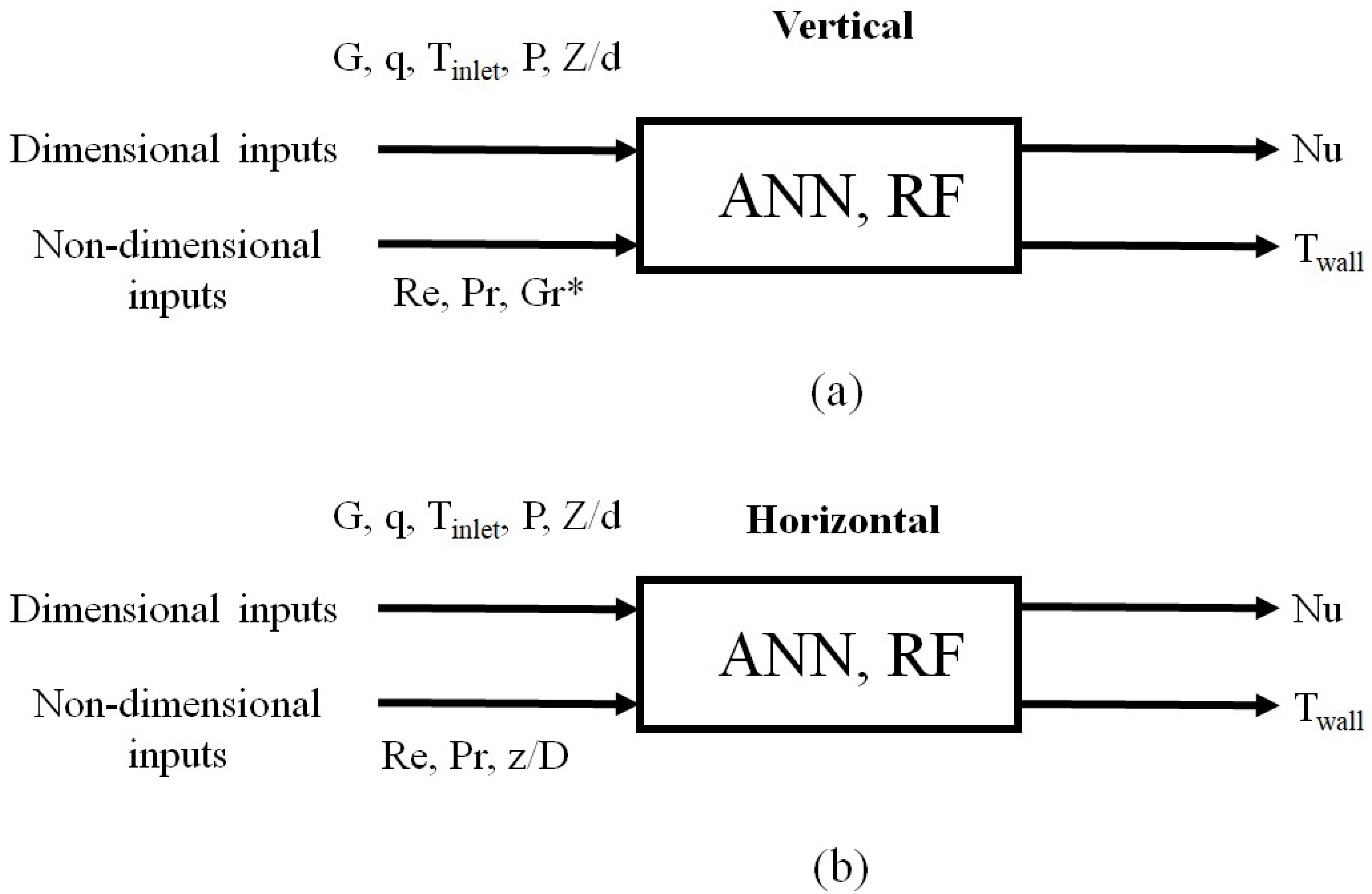

Machine Learning for Fluid-Agnostic Laminar Heat Transfer Predictions Under Supercritical Conditions


Abstract
1. Introduction
1.1. Motivation for Fluid Agnostic Heat Transfer Correlations
1.2. Wall Temperature and Heat Exchanger Design Under Constant Heat Flux
- (a)
- Calculate the variation in Tbulk along the length of the channel (z) using the relation:
- (b)
- Calculate the properties or non-dimensional variables that are relevant to Nu calculation (in Equation (2)) based on Tbulk: K, dynamic viscosity (µ), Cp, K, Reynolds number (Re), Prandtl number (Pr), flux-based Grashof number (Gr*), etc.
- (c)
- Use established correlations based on the variables determined in step (b) to compute Nu.
- (d)
- Compute Twall from Equation (2) and check to ensure that it falls within operation limits. If it does not meet the limits, then changes to any of the operating conditions can be made to ensure compliance: q, Dh, P and
1.3. Empirical Approaches to Predict Nu in Laminar Supercritical Heat Transfer Conditions
1.4. Machine Learning Approaches for Supercritical Heat Transfer Prediction
- Almost all of the studies involved turbulent regimes. But laminar flows may be encountered during thermal management in compact, high-power-density systems like data centers and advanced electronic devices [sCO2], mini/microchannels in specific regenerative cooling [sDecane], or nuclear reactors [sH2O].
- Most studies considered only a single tube orientation (horizontal/vertical). The challenges with directly extending the trained ML algorithm to a different orientation or configuration were highlighted in [21].
- Large datasets (>1000 data points) were employed to train ANNs or other ML algorithms.
- Both non-dimensional and dimensional (operating parameters) have been employed successfully to predict Twall or Nu using ML approaches. Therefore, the need to use non-dimensional/scaled variables to predict other challenging heat transfer phenomena, such as boiling/condensation, does not appear to be necessary [29].
2. Materials and Methods
2.1. Fluids and Conditions Investigated
2.2. Generation of Ground Truth Data
2.3. Attempts to Fit Ground Truth Data Using Correlations
2.4. Machine Learning (ML) Algorithms Employed
2.4.1. ANN
2.4.2. RF
3. Results and Discussion
3.1. Nu Predictions (Non-Dimensional Inputs)
3.2. Twall Predictions (Non-Dimensional Inputs)
3.3. Dimensional Inputs for Nu Predictions
3.4. Twall Predictions (Dimensional Inputs)
3.5. Twall Predictions (Dimensional Inputs) Across All Flow Configurations
4. Conclusions
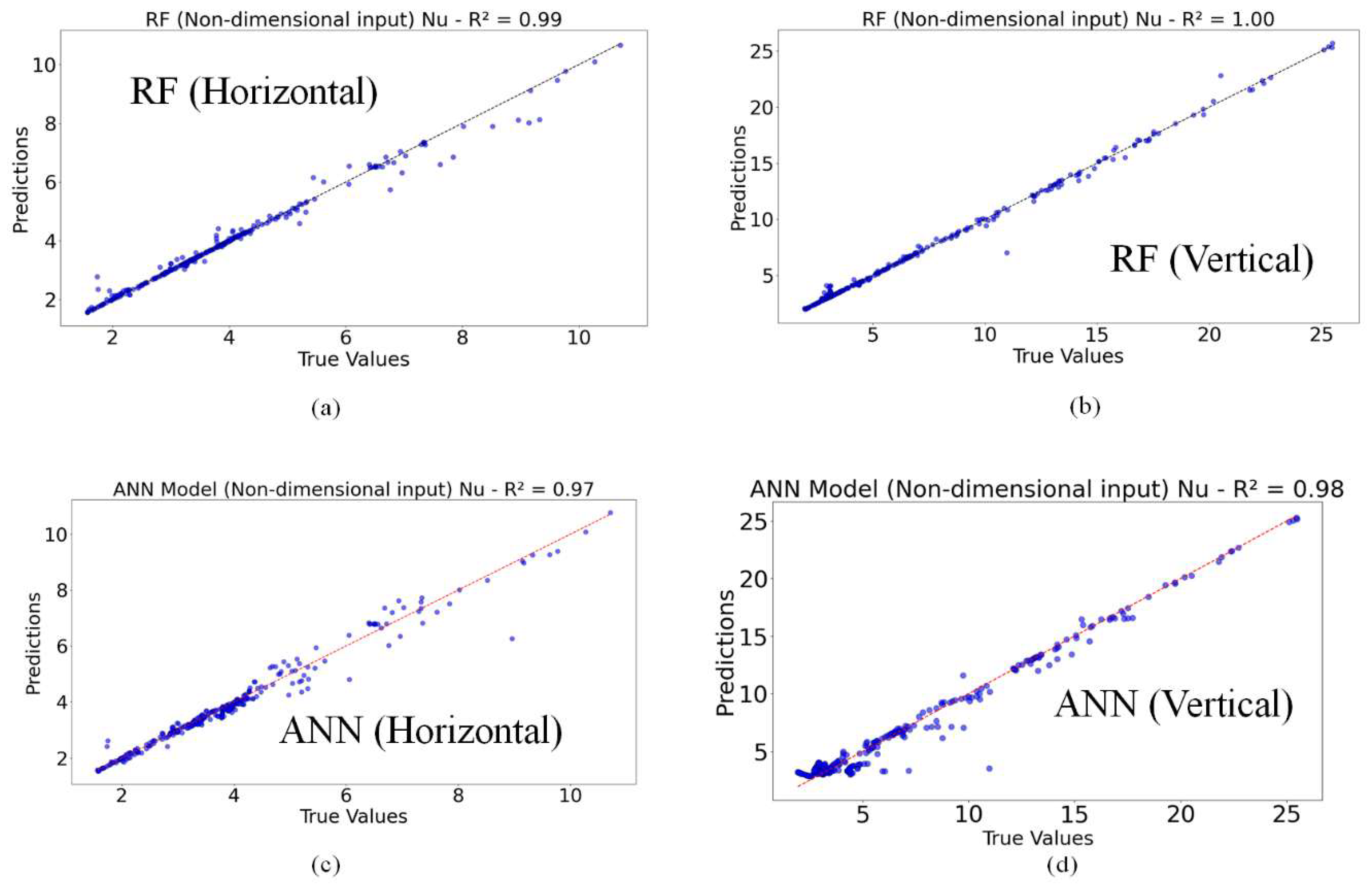
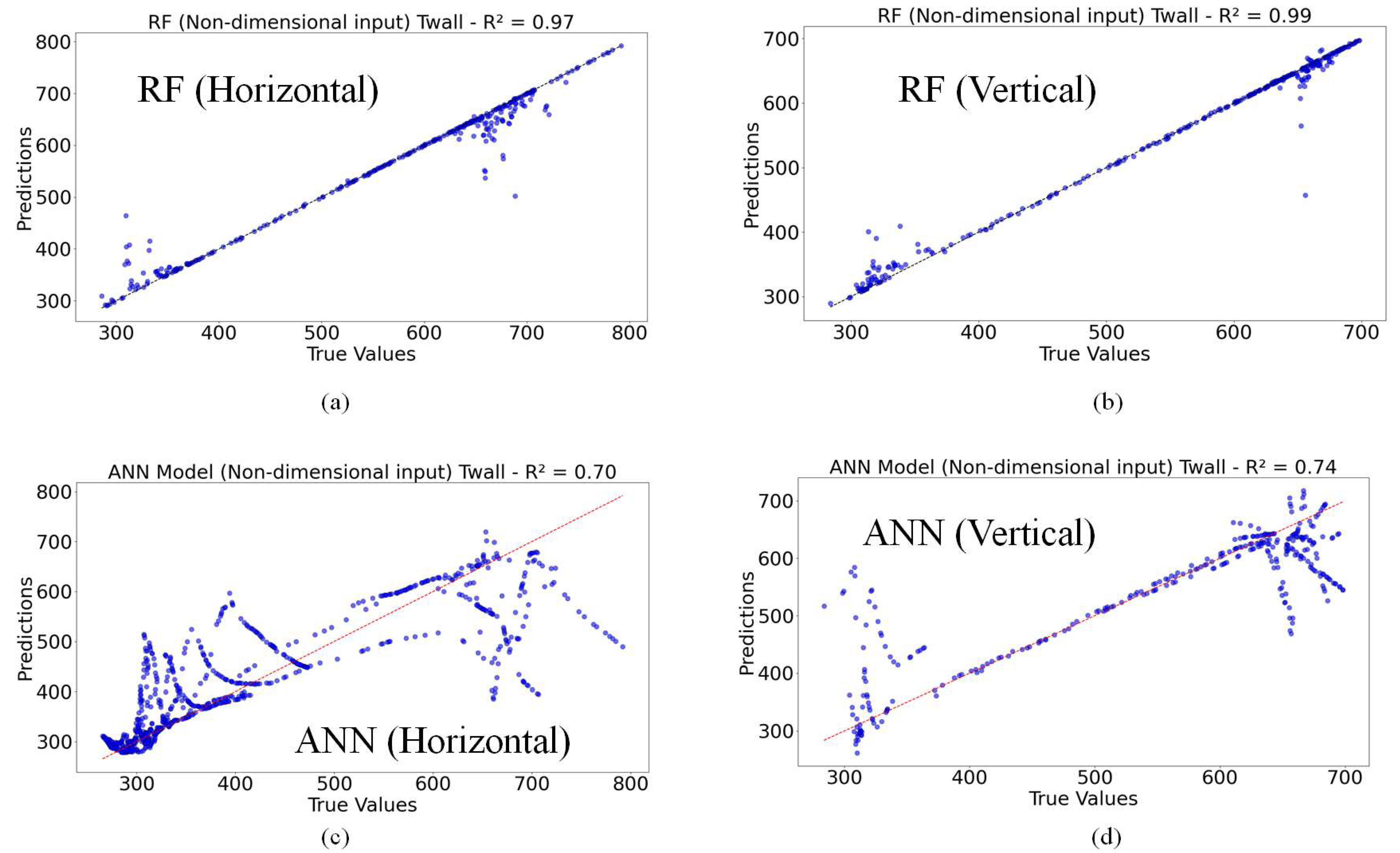
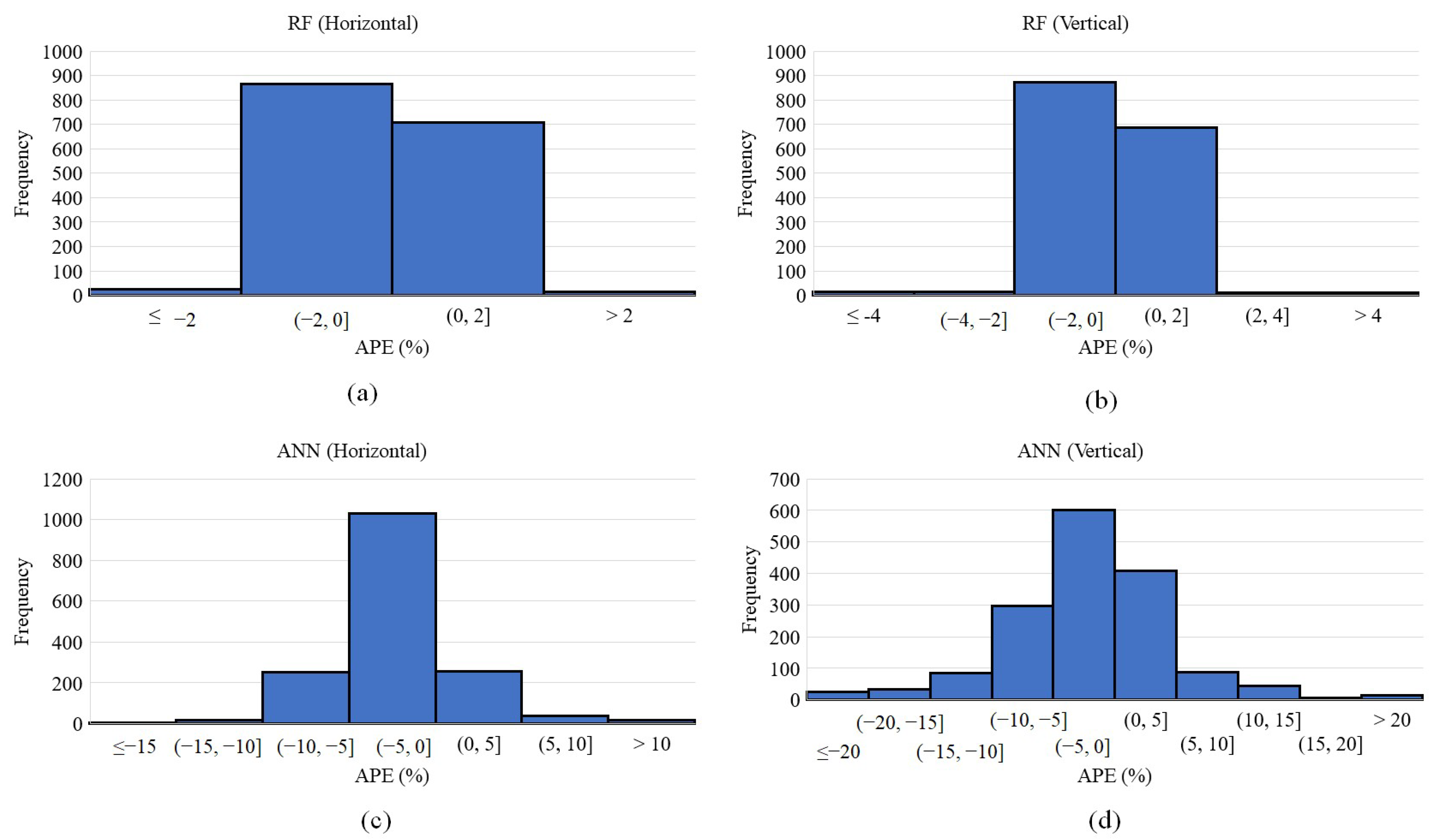
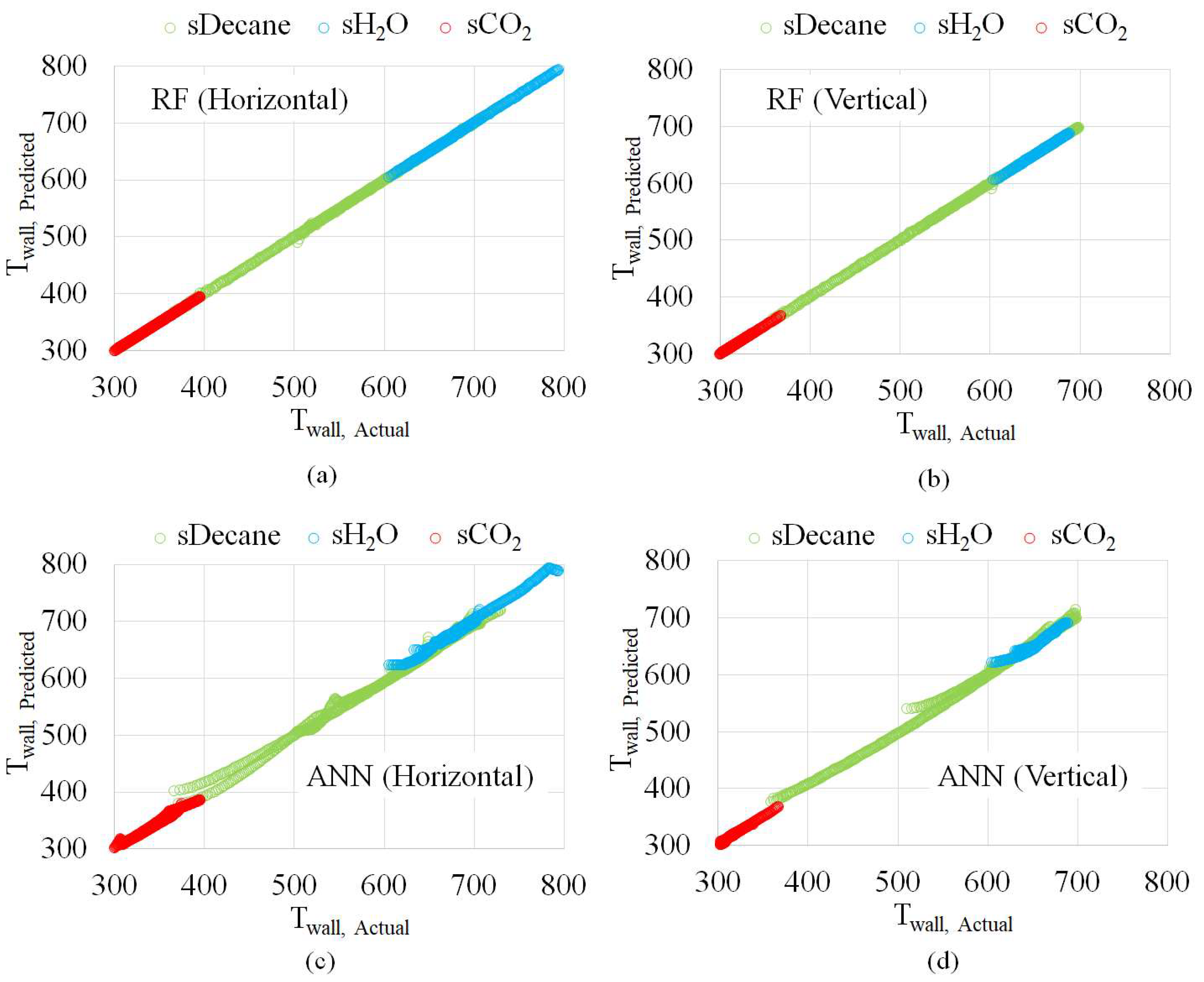
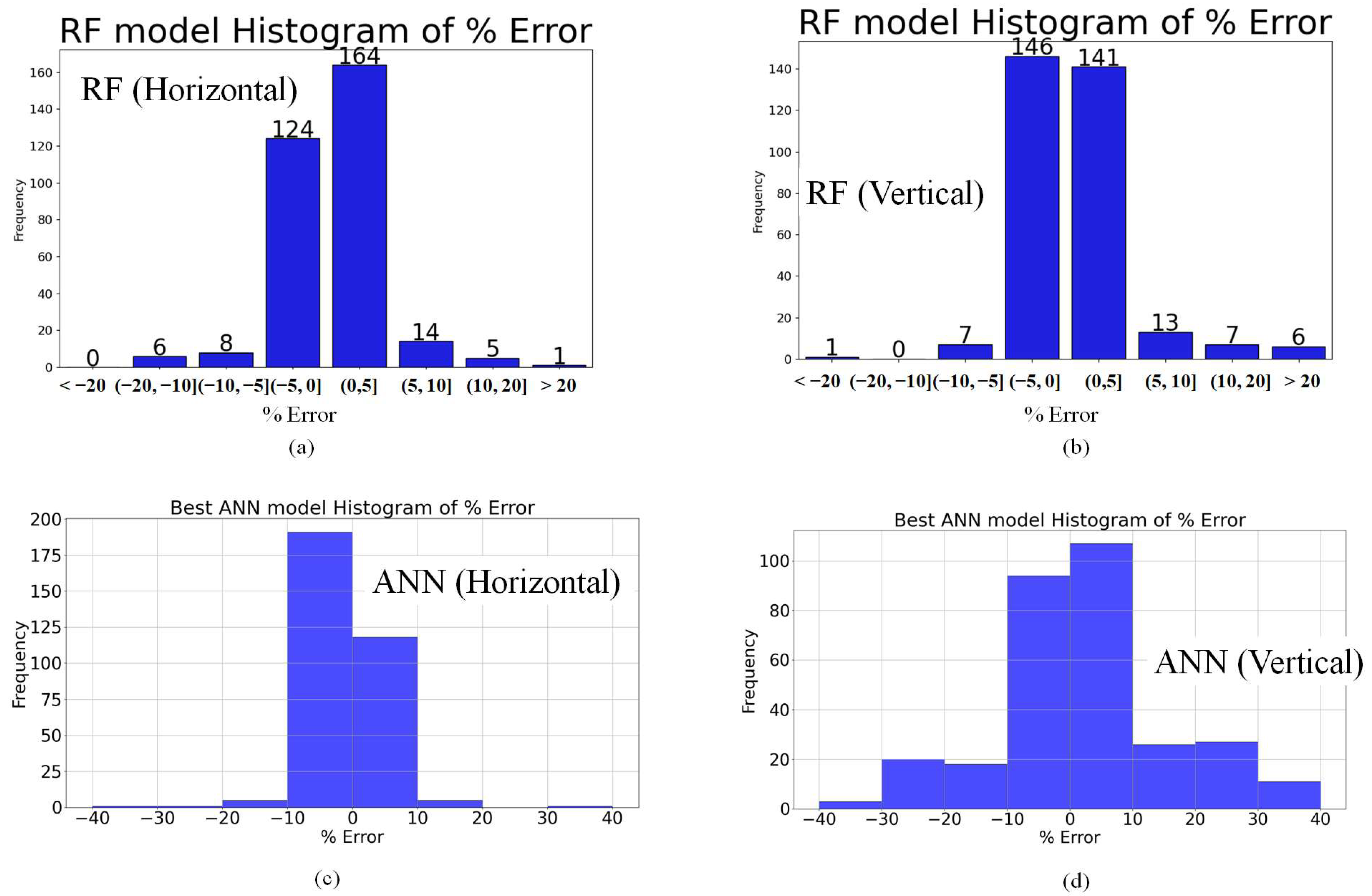
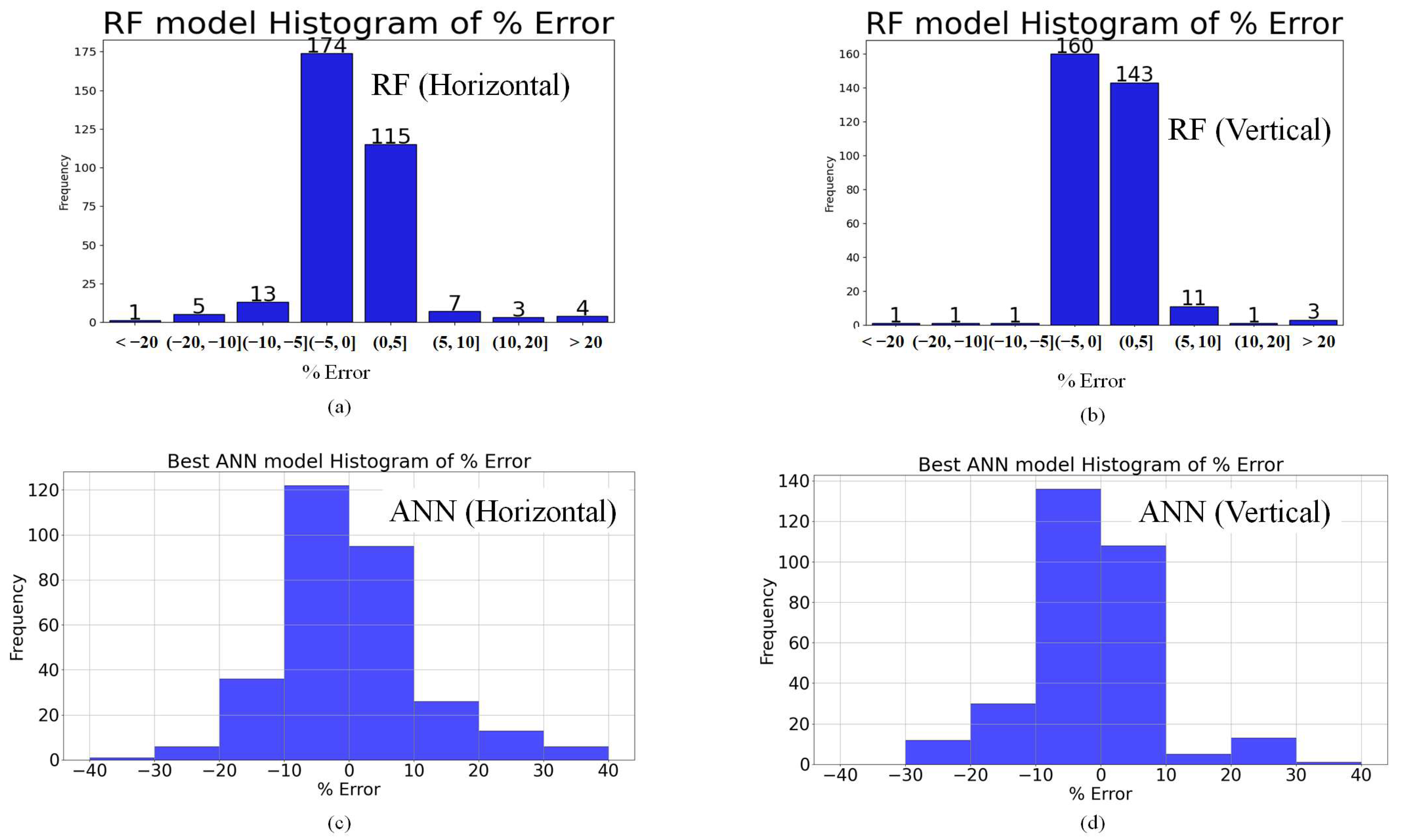
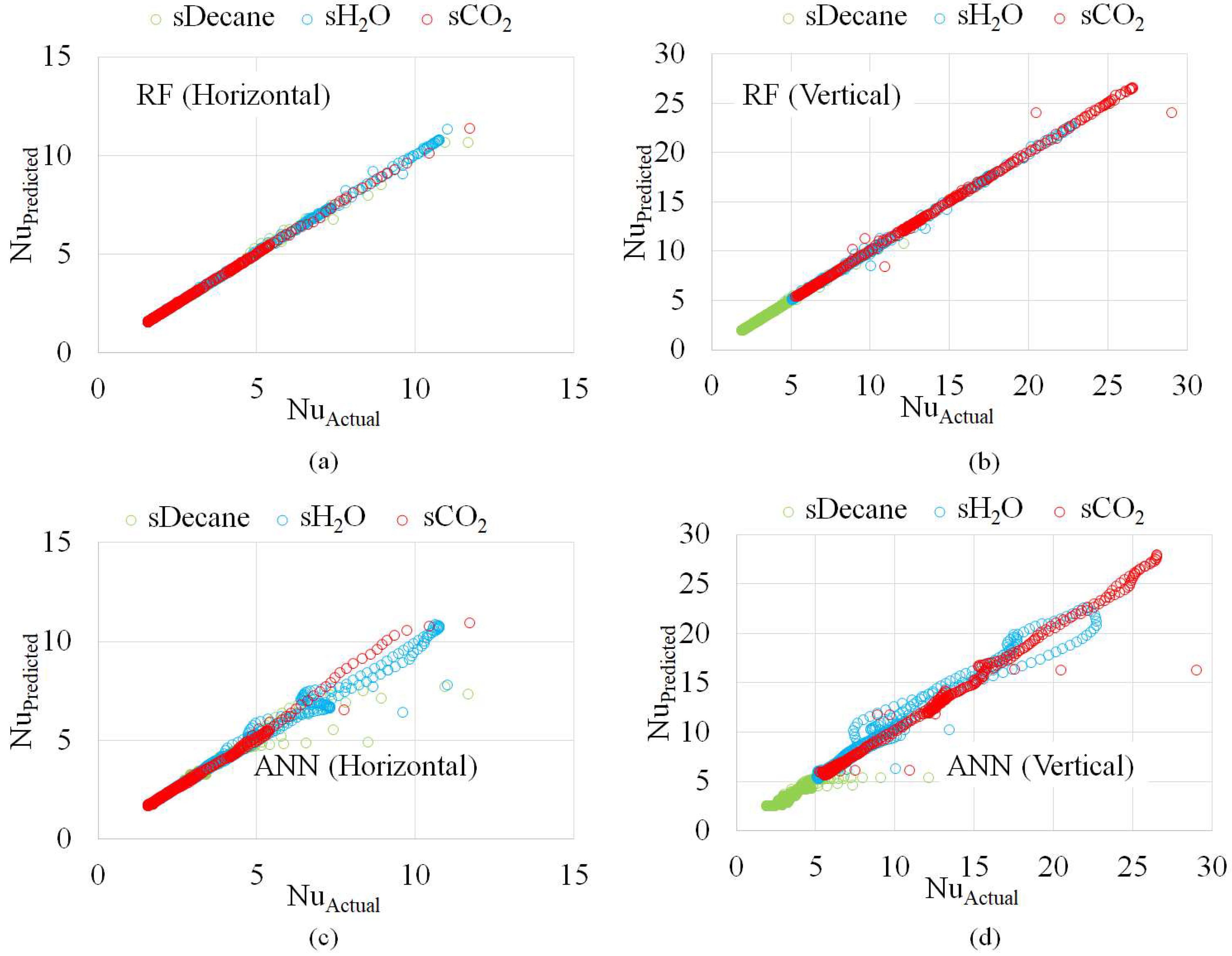
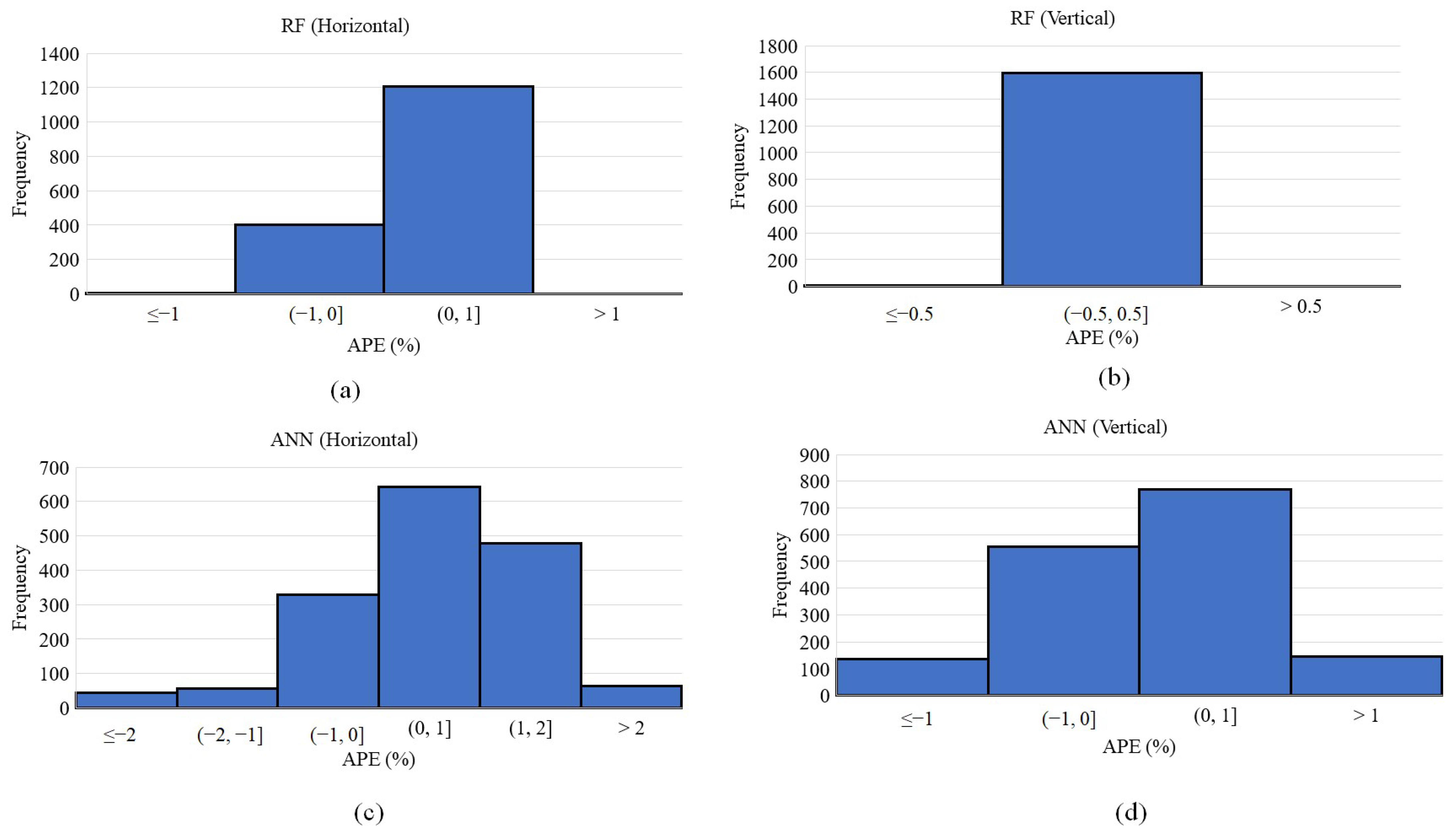
- The RF algorithm outperformed the ANN across all scenarios on the small mixed fluid datasets (~1600 data points) employed during the training process.
- When using non-dimensional parameters as inputs, Nu prediction fidelities were better than Twall predictions for both ML algorithms across both the horizontal and vertical configurations. The larger errors in Twall, especially at the extremes (maximum, minimum values), may be attributed to the scale of variation in the output parameters (temperature range spanned 500 K, while the maximum value of Nu was 25).
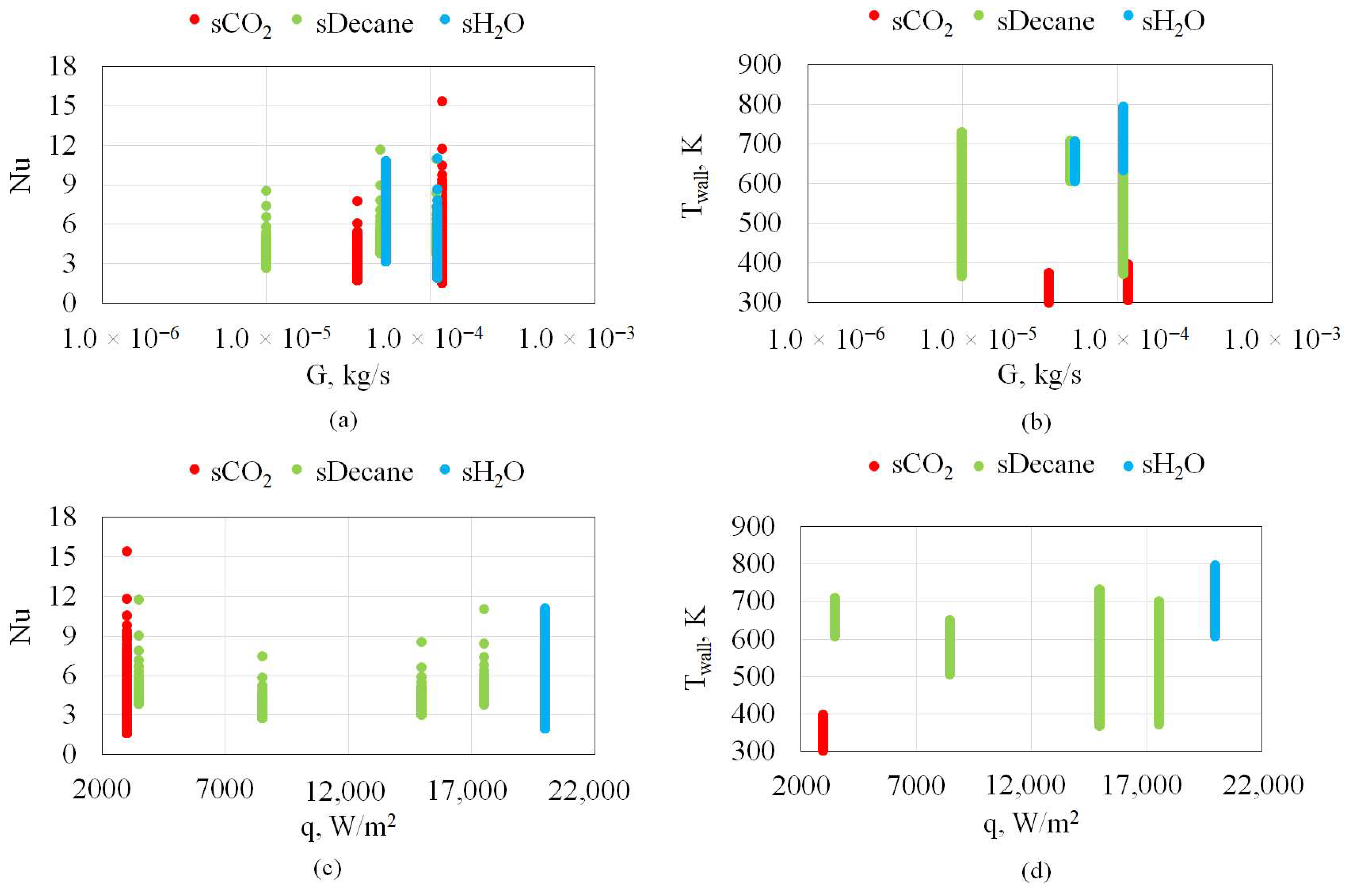
- To alleviate this shortcoming, dimensional variables in the form of operating conditions were employed to predict Nu and Twall. The RF model trained on data from a specific flow configuration (horizontal/vertical) could predict Twall within an accuracy of +/−1% with dimensional, operational parameters as inputs while being agnostic to the working fluid. This greatly facilitates the RF ML model integration into existing engineering workflows and control loops since operational parameters of interest can be directly obtained using measurement/sensor data to output Twall. In the event Twall exceeds the threshold for material compliance, the operational parameters (G or q, for instance) can be varied accordingly.
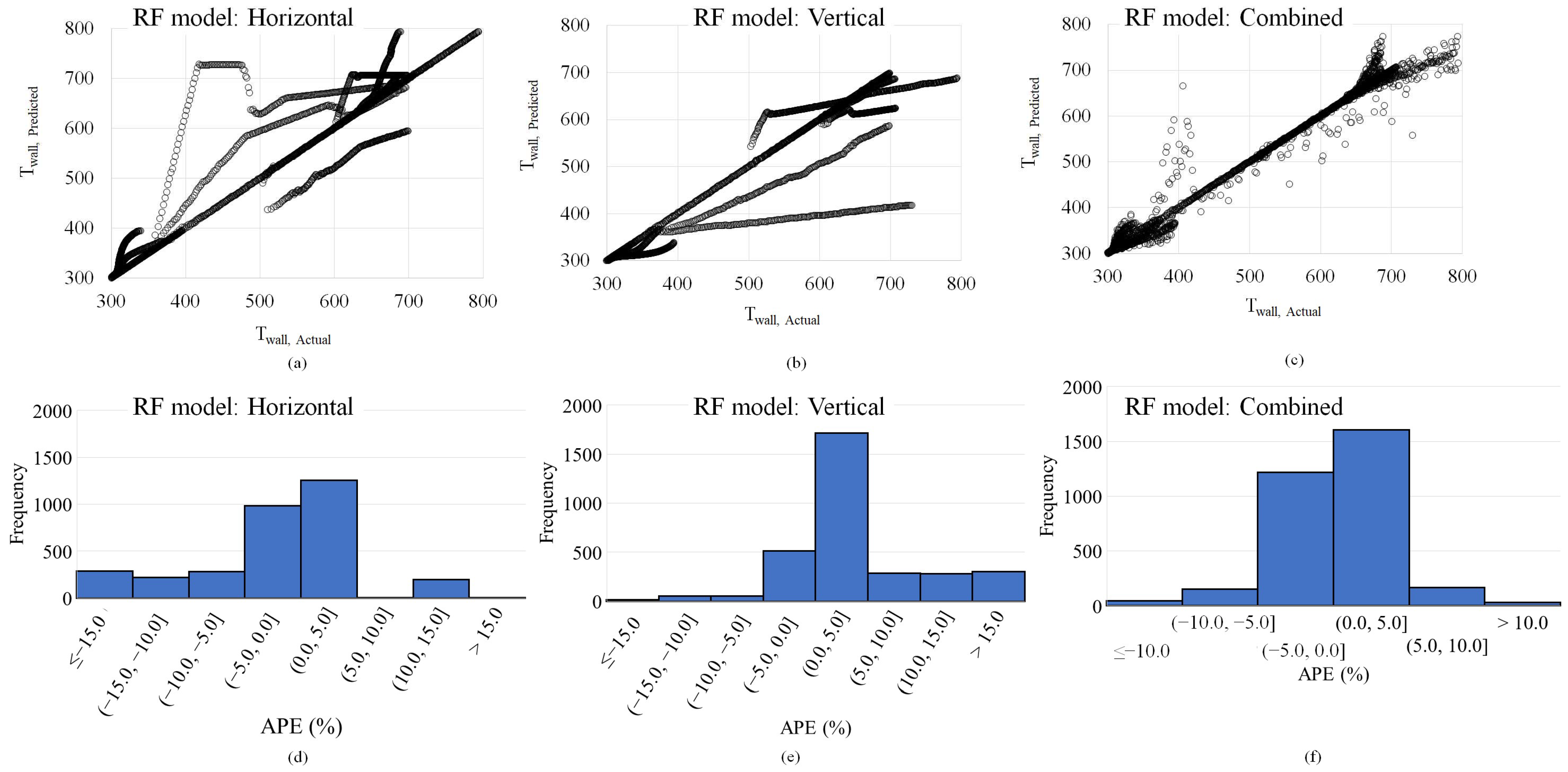
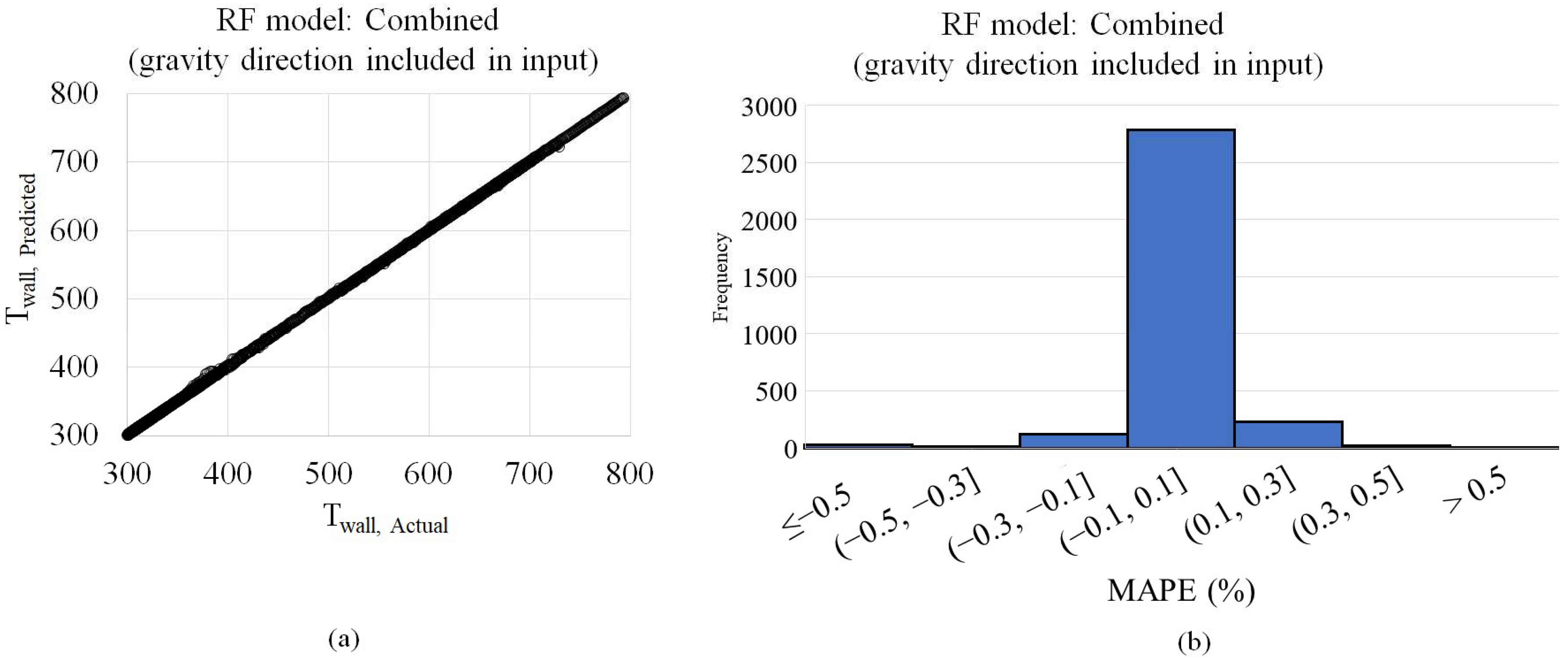
- While a fluid-agnostic ML model can be trained and developed in the laminar regime, the flow direction/tube orientation impacts its prediction fidelities. Twall prediction fidelities made using dimensional operational parameters as inputs are accurate only in the specific flow configuration corresponding to the data used to train the ML algorithm. This was ascertained by attempting to train and develop an ML model on a combined dataset encompassing both horizontal and vertical flow directions. This resulted in large errors. However, by including the gravity vector as an additional variable during the training process, the RF model could predict Twall accurately in a mixed, multi-fluid dataset containing data from both horizontal and vertical configurations.
Author Contributions
Funding
Institutional Review Board Statement
Informed Consent Statement
Data Availability Statement
Conflicts of Interest
References
- Zhang, S.; Li, X.; Zuo, J.; Qin, J.; Cheng, K.; Feng, Y.; Bao, W. Research progress on active thermal protection for hypersonic vehicles. Prog. Aerosp. Sci. 2020, 119, 100646. [Google Scholar] [CrossRef]
- Schulenberg, T. 25 Years of supercritical water-cooled reactor research in Europe: Lessons learned and future challenges. Nucl. Eng. Des. 2025, 443, 114317. [Google Scholar] [CrossRef]
- Zhang, S.; Xu, X.; Liu, C.; Dang, C. A review on application and heat transfer enhancement of supercritical CO2 in low-grade heat conversion. Appl. Energy 2020, 269, 114962. [Google Scholar] [CrossRef]
- Lopes, N.C.; Chao, Y.; Dasarla, V.; Sullivan, N.P.; Ricklick, M.A.; Boetcher, S.K. Comprehensive review of heat transfer correlations of supercritical CO2 in straight tubes near the critical point: A historical perspective. J. Heat Transf. 2022, 144, 120801. [Google Scholar] [CrossRef]
- Ehsan, M.M.; Guan, Z.; Klimenko, A.Y. A comprehensive review on heat transfer and pressure drop characteristics and correlations with supercritical CO2 under heating and cooling applications. Renew. Sustain. Energy Rev. 2018, 92, 658–675. [Google Scholar] [CrossRef]
- Huang, D.; Li, W. A brief review on the buoyancy criteria for supercritical fluids. Appl. Therm. Eng. 2018, 131, 977–987. [Google Scholar] [CrossRef]
- Jackson, J.D.; Hall, W.B. Influences of buoyancy on heat transfer to fluids flowing in vertical tubes under turbulent conditions. In Turbulent Forced Convection in Channels and Bundles; Hemisphere: New York, NY, USA, 1979; pp. 613–640. [Google Scholar]
- Viswanathan, K.; Krishnamoorthy, G. The effects of buoyancy on laminar heat transfer rates to supercritical CO2 in vertical upward flows. Fluids 2023, 8, 30. [Google Scholar] [CrossRef]
- Deng, H.; Zhu, K.; Xu, G.; Tao, Z.; Sun, J. Heat transfer characteristics of RP-3 kerosene at supercritical pressure in a vertical circular tube. J. Enhanc. Heat Transf. 2012, 19, 409–421. [Google Scholar] [CrossRef]
- Jackson, J.D.; Cotton, M.A.; Axcell, B.P. Studies of mixed convection in vertical tubes. Int. J. Heat Fluid Flow 1989, 10, 2–15. [Google Scholar] [CrossRef]
- Mokry, S.; Pioro, I.; Farah, A.; King, K.; Gupta, S.; Peiman, W.; Kirillov, P. Development of supercritical water heat-transfer correlation for vertical bare tubes. Nucl. Eng. Des. 2011, 241, 1126–1136. [Google Scholar] [CrossRef]
- Wu, D.; Wei, M.; Tian, R.; Zhao, Y.; Guo, J. A supercritical carbon dioxide cooling heat transfer machine learning prediction model based on direct numerical simulation. Int. Commun. Heat Mass Transf. 2025, 163, 108753. [Google Scholar] [CrossRef]
- Wen, Z.X.; Wu, J.L.; Cao, X.W.; Cheng, J.Q.; Wang, S.S.; Li, Q. Machine learning and prediction study on heat transfer of supercritical CO2 in pseudo-critical zone. Appl. Therm. Eng. 2024, 243, 122630. [Google Scholar] [CrossRef]
- Shi, X.; Liu, Y.; Xue, L.; Chen, W.; Chyu, M.K. Prediction of supercritical CO2 heat transfer behaviors by combining transfer learning and deep learning based on multi-fidelity data. Int. J. Heat Mass Transf. 2024, 218, 124802. [Google Scholar]
- Xiao, R.; Zhang, P.; Chen, L.; Hou, Y. Machine learning based prediction of heat transfer deterioration of supercritical fluid in upward vertical tubes. Appl. Therm. Eng. 2023, 228, 120477. [Google Scholar] [CrossRef]
- Zhang, R.; Tong, W.; Xu, S.; Qiu, Q.; Zhu, X. ANN model with feature selection to predict turbulent heat transfer characteristics of supercritical fluids: Take CO2 and H2O as examples. Int. J. Therm. Sci. 2023, 188, 108247. [Google Scholar] [CrossRef]
- Zhu, X.; Zhang, R.; Yu, X.; Qiu, Q.; Zhao, L. Study on artificial neural network-based prediction of thermal characteristics of supercritical CO2 in vertical channels. Int. Commun. Heat Mass Transf. 2022, 139, 106502. [Google Scholar] [CrossRef]
- Rajendra Prasad, K.S.; Krishna, V.; Bharadwaj, M.S.; Ponangi, B.R. Turbulent heat transfer characteristics of supercritical carbon dioxide for a vertically upward flow in a pipe using computational fluid dynamics and artificial neural network. J. Heat Transf. 2022, 144, 011802. [Google Scholar] [CrossRef]
- Sun, F.; Xie, G.; Song, J.; Li, S.; Markides, C.N. Thermal characteristics of in-tube upward supercritical CO2 flows and a new heat transfer prediction model based on artificial neural networks (ANN). Appl. Therm. Eng. 2021, 194, 117067. [Google Scholar] [CrossRef]
- Sun, F.; Xie, G.; Li, S. An artificial-neural-network based prediction of heat transfer behaviors for in-tube supercritical CO2 flow. Appl. Soft Comput. 2021, 102, 107110. [Google Scholar]
- Ye, K.; Zhang, Y.; Yang, L.; Zhao, Y.; Li, N.; Xie, C. Modeling convective heat transfer of supercritical carbon dioxide using an artificial neural network. Appl. Therm. Eng. 2019, 150, 686–695. [Google Scholar] [CrossRef]
- Cao, Y.; Xu, R.; Wang, Z.; Jiang, P. Experimental and machine learning study on mixed convection heat transfer to supercritical pressure CO2 under coupled buoyancy and flow acceleration effects. In Proceedings of the 11th International Symposium on Supercritical Water-Cooled Reactors, Pisa, Italy, 3-5 February 2025; Pisa University Press: Pisa, Italy, 2025; pp. 103–111. [Google Scholar]
- Wang, Y.; Shao, H.; Wang, J.; Shen, T.; Liao, M.; Liang, Z.; Zhao, Q. Study on artificial neural network prediction of heat transfer in vertically upward internally rifled tubes with supercritical water. Ann. Nucl. Energy 2025, 220, 111539. [Google Scholar] [CrossRef]
- Li, H.; Song, M.; Liu, X. Interpretable machine learning-based prediction and analysis of supercritical fluid heat transfer characteristics at different boundary conditions. Energy 2024, 308, 133035. [Google Scholar] [CrossRef]
- Lopes, N.C.; Dasarla, V.; Chao, Y.; Shekhar, P.; Boetcher, S.K.; Ricklick, M.A. Comparison of predictive tools for supercritical CO2 horizontal cooling and the impact of artificial neural network input–output parameter selection. Appl. Therm. Eng. 2025, 263, 125360. [Google Scholar] [CrossRef]
- Li, S.; Yang, H.; Zhang, X.; Sun, M.; Liu, Y.; Song, Y. Rapid prediction of heat transfer characteristics in regenerative cooling channels of ram/scramjet using machine learning. Aerosp. Sci. Technol. 2025, 168, 111088. [Google Scholar] [CrossRef]
- Gong, K.; Zhang, Y.; Cao, Y.; Feng, Y.; Qin, J. Deep learning approach for predicting the flow field and heat transfer of supercritical hydrocarbon fuels. Int. J. Heat Mass Transf. 2024, 219, 124869. [Google Scholar] [CrossRef]
- Tao, K.; Zhu, J.; Cheng, Z.; Li, D. Artificial neural network analysis of the Nusselt number and friction factor of hydrocarbon fuel under supercritical pressure. Propuls. Power Res. 2022, 11, 325–336. [Google Scholar] [CrossRef]
- Loyola-Fuentes, J.; Mancin, S.; Diaz-Bejarano, E.; Coletti, F. Application of machine learning algorithms to predict the condensation heat transfer coefficient inside microfin tubes. In International Heat Transfer Conference Digital Library; Begel House Inc.: Danbury, CT, USA, 2023. [Google Scholar]
- Berry, R.A.; Peterson, J.W.; Zhang, H.; Martineau, R.C.; Zhao, H.; Zou, L.; Andrs, D.; Hansel, J. Relap-7 Theory Manual (No. INL/EXT-14-31366-Rev003); Idaho National Lab. (INL): Idaho Falls, ID, USA, 2018. [Google Scholar]
- Grinsztajn, L.; Oyallon, E.; Varoquaux, G. Why do tree-based models still outperform deep learning on typical tabular data? Adv. Neural Inf. Process. Syst. 2022, 35, 507–520. [Google Scholar] [CrossRef]
- Lemmon, E.W.; Huber, M.L.; McLinden, M.O. NIST reference fluid thermodynamic and transport properties–REFPROP. In NIST Standard Reference Database; National Institute of Standards and Technology (NIST): Gaithersburg, MD, USA, 2002; Volume 23, p. v7. [Google Scholar]
- Liu, B.; Zhu, Y.; Yan, J.J.; Lei, Y.; Zhang, B.; Jiang, P.X. Experimental investigation of convection heat transfer of n-decane at supercritical pressures in small vertical tubes. Int. J. Heat Mass Transf. 2015, 91, 734–746. [Google Scholar] [CrossRef]
- ANSYS Inc. ANSYS Fluent Theory Guide, Release 19.1; ANSYS Inc.: Canonsburg, PA, USA, 2018. [Google Scholar]
- Incropera, F.P.; DeWitt, D.P.; Bergman, T.L.; Lavine, A.S. Fundamentals of Heat and Mass Transfer; Wiley: New York, NY, USA, 1996; Volume 6, p. 116. [Google Scholar]
- Liu, W.; Xu, G.; Fu, Y.; Wen, J.; Zhang, N. Numerical investigation on forced, natural, and mixed convective heat transfer of n-decane in laminar flow at supercritical pressures. Int. J. Heat Mass Transf. 2023, 209, 124129. [Google Scholar] [CrossRef]
- Li, H.; Wang, H.; Luo, Y.; Gu, H.; Shi, X.; Chen, T.; Laurien, E.; Zhu, Y. Experimental investigation on heat transfer from a heated rod with a helically wrapped wire inside a square vertical channel to water at supercritical pressures. Nucl. Eng. Des. 2009, 239, 2004–2012. [Google Scholar] [CrossRef]
- Cranmer, M. Interpretable machine learning for science with PySR and SymbolicRegression. jl. arXiv 2023, arXiv:2305.01582. [Google Scholar]










| Reference | Training Dataset [Fluid] | Input/Output Parameters | ML Algorithms |
|---|---|---|---|
| Wu et al. [12] | 8192 data points from direct numerical simulations (DNSs) [sCO2] | A total of 44 feature parameters. A new dimensionless parameter (based on Re) showed the strongest importance, followed by Pr for Nu prediction. | CatBoost algorithm showed best performance. |
| Wen et al. [13] | 11,032 experimental data points [sCO2] | Mass flow rate, wall heat flux, pressure, fluid enthalpy, and tube diameter to predict Twall. | Random Forest (RF), Extreme Gradient Boosting (XGBoost), Support Vector Machines (SVR), and artificial neural networks (ANNs). ANNs resulted in the best prediction performance |
| Shi et al. [14] | Multifidelity data: Low-fidelity data (empirical correlations), medium-fidelity data (RANS with the shear stress transport (SST) k–ω model), and high-fidelity data from (experiments) [sCO2] | Pressure, mass flux, wall heat flux, inner diameter and local specific enthalpy to predict Twall. | A transfer learning model based on multi-fidelity data performed the best. |
| Xiao et al. [15] | 4737 measurement data points [sCO2, sH2O] | Binary classification to predict HTD using inlet temperature, inlet pressure, diameter, mass flow rate, heat flux and bulk to pseudocritical enthalpy ratios as inputs. | K-fold cross-validation used to train and test the machine learning model. Several machine learning models (SVM, KNN, EC and ANN) were used to solve the binary classification of HTD and no-HTD. |
| Zhang et al. [16] | 11,589 data points, including circular and non-circular tubes [sCO2, sH2O] | A total of 17 feature variables (experimental conditions, thermo-physical property ratios, and dimensionless parameters) were normalized and used to predict both Twall and Nu. | ANN results were independent of the channel shape (circle/non-circle) and fluid type. |
| Zhu et al. [17] | 11,589 data points, including circular and non-circular tubes [sCO2]. | Effects of mass flux, heat flux, inlet temperature, and tube diameter on HTD and Nu prediction. | An ANN model with all features in the input parameters performed best. (number of input features ranged from six to 14) |
| Rajendra Prasad et al. [18] | 134,698 CFD-generated data points [sCO2] | Input parameters, including Pr, Re, Gr*, q, and P/Pc, used to predict Nu | A deep neural network with four hidden layers and 15 neurons in each layer gave the best performance. |
| Sun, et al. [19] | 5780 measurement data points [sCO2] | Inputs, including pressure, mass flux, heat flux, an inner diameter of tube, and bulk-specific enthalpy, used to predict Twall and the heat transfer coefficient. | ANN predictions were better than empirical correlations |
| Sun, et al. [20] | 5895 measurement data points [sCO2] | Inputs, including pressure, mass flux, heat flux, inner diameter of tube, and bulk-specific enthalpy, used to predict Twall. | GA-BP (Genetic Algorithm–Back Propagation) predictions were better than empirical correlations. |
| Ye, et al. [21] | 4354 filtered experimental data points out of 7313 data points collected from the published literature [sCO2] | Heat flux, mass flux, tube diameter, pressure and bulk-specific enthalpy used to predict Twall. | An ANN model can be used to predict heat transfer without significant buoyancy force and flow acceleration. |
| Cao, et al. [22] | Experimental measurements [sCO2] | Non-dimensional parameters including buoyancy and flow accelerations numbers used to predict Nu. | Ratio of near wall and bulk fluid properties are important; Re at wall and bulk are also important to predict Nu. |
| Yibo et al. [23] | 2071 experimental data points in internally rifled tubes [sH2O] | A combination of dimensional parameters, ratios of bulk to wall properties, non-dimensional parameters (including rib geometry) used to predict Nu and Twall. | An ANN model after optimization was able to perform well. |
| Li et al. [24] | 1598 data points [sH2O] | Dimensionless numbers to predict Nu and Twall. | Rebulk and Prbulk play an important role in heat transfer for HTE, while buoyancy and acceleration factors contribute to heat transfer deterioration. |
| Lopes et al. [25] | 25,010 individual data points from k-omega SST simulation [sCO2] (horizontal orientation) | TBulk, q, G both Twall and Nu predicted independently. | Emphasized the effort required to develop such a model—collecting and processing data, training, validating, and testing. |
| Li et al. [26] | SST K-omega CFD 8500 data points [sHydrocarbon] | Artificial neural network (ANN), Random Forest (RF), support vector regression (SVR), and k-nearest neighbor (kNN), used for local heat transfer coefficient prediction. | A one-dimensional simulation model incorporating machine learning algorithms was developed, enabling rapid prediction of heat transfer coefficient distributions along the channel. |
| Gong et al. [27] | 6275 data points, 2D slices of CFD simulation [sHydrocarbon] | Deep learning (DL) employed to map relationship between outer wall temperature Twall to Tbulk, velocity V and h. | The flow field and heat transfer predicted by the DL model match well with the CFD simulation while being orders of magnitude faster. |
| Tao et al. [28] | 4185 Nu data points, 327 friction factor data points, horizontal tube [sHydrocarbon] | T/Tc, P/Pc, mass flux, axial position used to predict Nu and friction factor. | Different combinations of transfer functions explored. ANN topology for high prediction accuracy was presented. |
| Case Number | Fluid | Tube Diameter (m) | Mass Flow Rate, G (kg/s) | Inlet Temperature Tinlet (K) | Wall-Flux (W/m2) | Pressure (MPa) | q > qDHT? (Equation (7)) |
|---|---|---|---|---|---|---|---|
| sC10H22—Case II | sC10H22 | 0.000375 | 1.0 × 10⁻⁵ | 350 | 15,000 | 3 | Yes |
| sC10H22—Case II | sC10H22 | 0.000375 | 1.0 × 10⁻⁵ | 498 | 35,000 | 3 | Yes |
| sC10H22—Case III | sC10H22 | 0.0003 | 1.0 × 10⁻⁵ | 600 | 3685 | 5 | No |
| sC10H22—Case IV | sC10H22 | 0.000375 | 8.0 × 10⁻⁶ | 350 | 30,000 | 5 | Yes |
| sCO2—Case I | sCO2 | 0.001 | 3.63 × 10⁻⁵ | 280 | 3000 | 8.2 | Yes |
| sCO2—Case II | sCO2 | 0.002 | 1.19 × 10⁻⁴ | 300 | 3000 | 8.2 | Yes |
| sH2O—Case I | sH2O | 0.001 | 5.39 × 10⁻⁵ | 600 | 20,000 | 24 | Yes |
| sH2O—Case II | sH2O | 0.002 | 1.11 × 10⁻⁴ | 625 | 20,000 | 24 | Yes |
| Case Number | Fluid | Tube Diameter (m) | Mass Flow Rate, G (kg/s) | Inlet Temperature Tinlet (K) | Wall-Flux (W/m2) | Pressure (MPa) | q > qDHT? (Equation (7)) |
|---|---|---|---|---|---|---|---|
| sC10H22—Case I | sC10H22 | 0.000375 | 1.0 × 10⁻⁵ | 498 | 8500 | 3 | Yes |
| sC10H22—Case II | sC10H22 | 0.001 | 1.0 × 10⁻⁵ | 350 | 15,000 | 3 | Yes |
| sC10H22—Case III | sC10H22 | 0.0015 | 1.1 × 10⁻⁴ | 350 | 17,550 | 5 | Yes |
| sC10H22—Case IV | sC10H22 | 0.0015 | 4.84 × 10⁻⁵ | 600 | 3500 | 5 | Yes |
| sCO2—Case I | sCO2 | 0.001 | 3.63 × 10⁻⁵ | 280 | 3000 | 8.2 | Yes |
| sCO2—Case II | sCO2 | 0.002 | 1.19 × 10⁻⁴ | 300 | 3000 | 8.2 | Yes |
| sH2O—Case I | sH2O | 0.001 | 5.39 × 10⁻⁵ | 600 | 20,000 | 24 | Yes |
| sH2O—Case II | sH2O | 0.002 | 1.11 × 10⁻⁴ | 625 | 20,000 | 24 | Yes |
Disclaimer/Publisher’s Note: The statements, opinions and data contained in all publications are solely those of the individual author(s) and contributor(s) and not of MDPI and/or the editor(s). MDPI and/or the editor(s) disclaim responsibility for any injury to people or property resulting from any ideas, methods, instructions or products referred to in the content. |
© 2026 by the authors. Licensee MDPI, Basel, Switzerland. This article is an open access article distributed under the terms and conditions of the Creative Commons Attribution (CC BY) license.
Share and Cite
Holtshouser, L.; Krishnamoorthy, G.; Viswanathan, K. Machine Learning for Fluid-Agnostic Laminar Heat Transfer Predictions Under Supercritical Conditions. Fluids 2026, 11, 81. https://doi.org/10.3390/fluids11030081
Holtshouser L, Krishnamoorthy G, Viswanathan K. Machine Learning for Fluid-Agnostic Laminar Heat Transfer Predictions Under Supercritical Conditions. Fluids. 2026; 11(3):81. https://doi.org/10.3390/fluids11030081
Chicago/Turabian StyleHoltshouser, Luke, Gautham Krishnamoorthy, and Krishnamoorthy Viswanathan. 2026. "Machine Learning for Fluid-Agnostic Laminar Heat Transfer Predictions Under Supercritical Conditions" Fluids 11, no. 3: 81. https://doi.org/10.3390/fluids11030081
APA StyleHoltshouser, L., Krishnamoorthy, G., & Viswanathan, K. (2026). Machine Learning for Fluid-Agnostic Laminar Heat Transfer Predictions Under Supercritical Conditions. Fluids, 11(3), 81. https://doi.org/10.3390/fluids11030081