Article

Effects of Transglutaminase on Myofibrillar Protein Composite Gels with Addition of Non-Meat Protein Emulsion


College of Food Science and Engineering, Yangzhou University, Yangzhou 225127, China
*
Author to whom correspondence should be addressed.
Gels 2023, 9(11), 910; https://doi.org/10.3390/gels9110910
Submission received: 20 October 2023 / Revised: 12 November 2023 / Accepted: 13 November 2023 / Published: 17 November 2023
(This article belongs to the Special Issue Food Gels: Gelling Process and Novel Applications)

Abstract

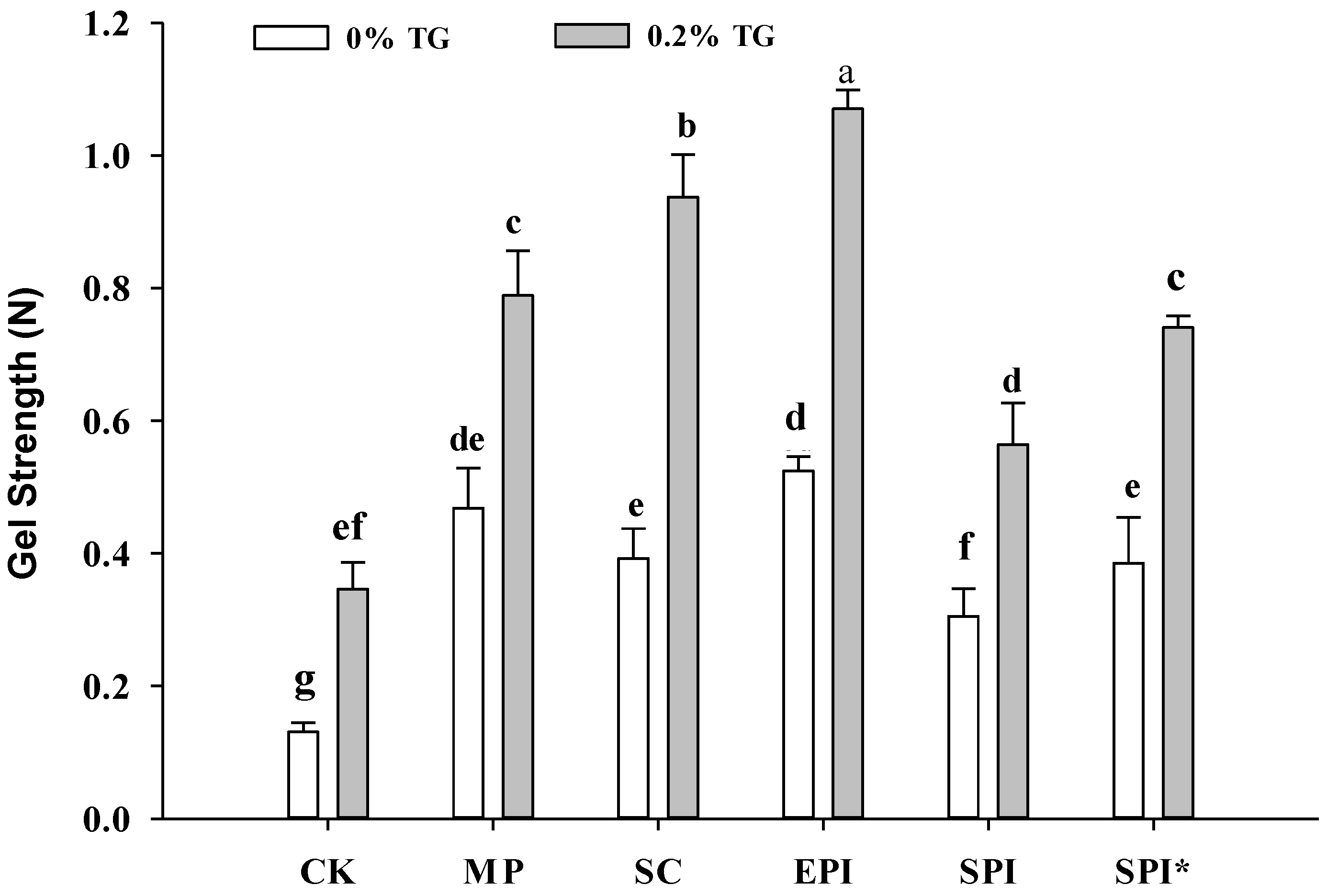
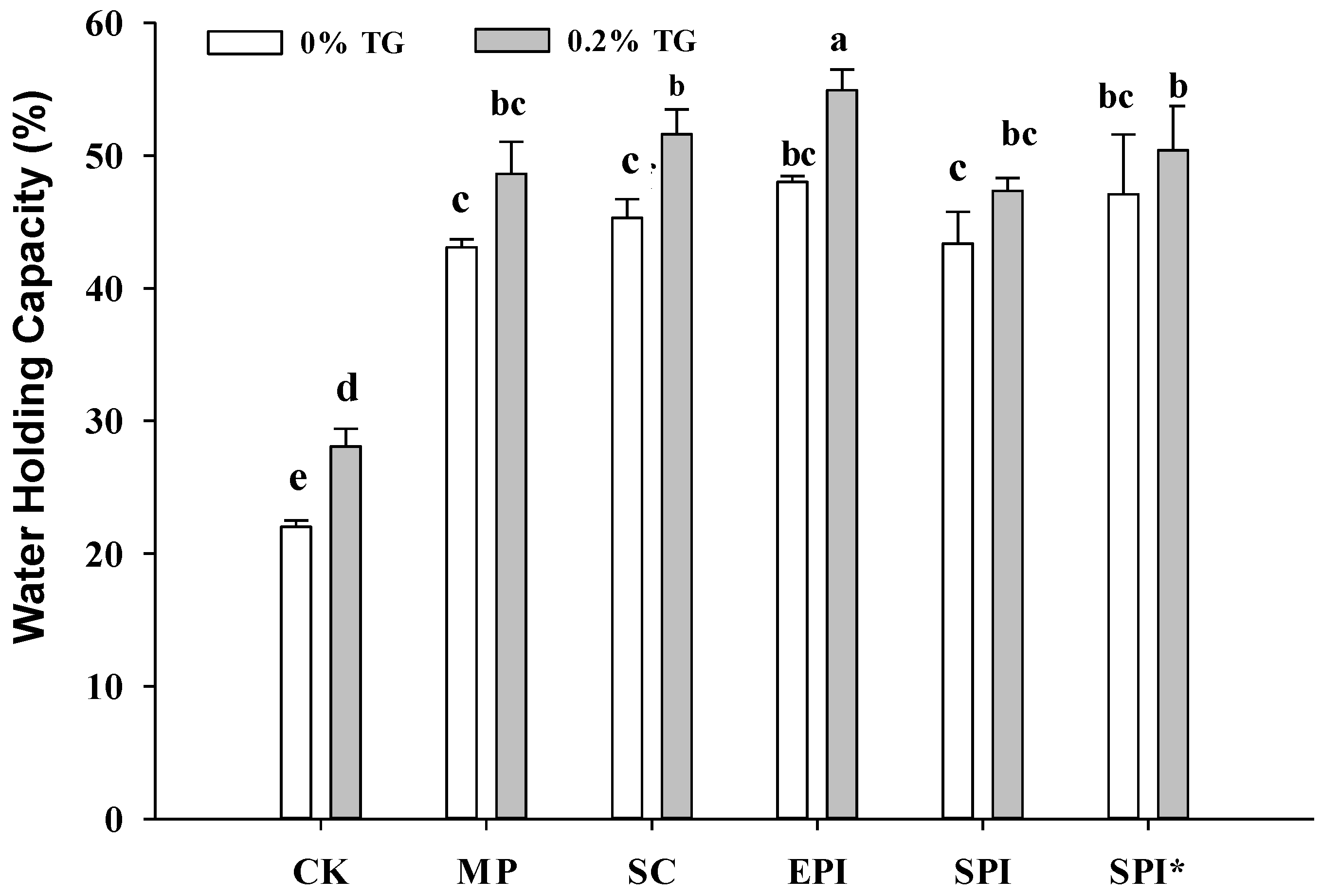
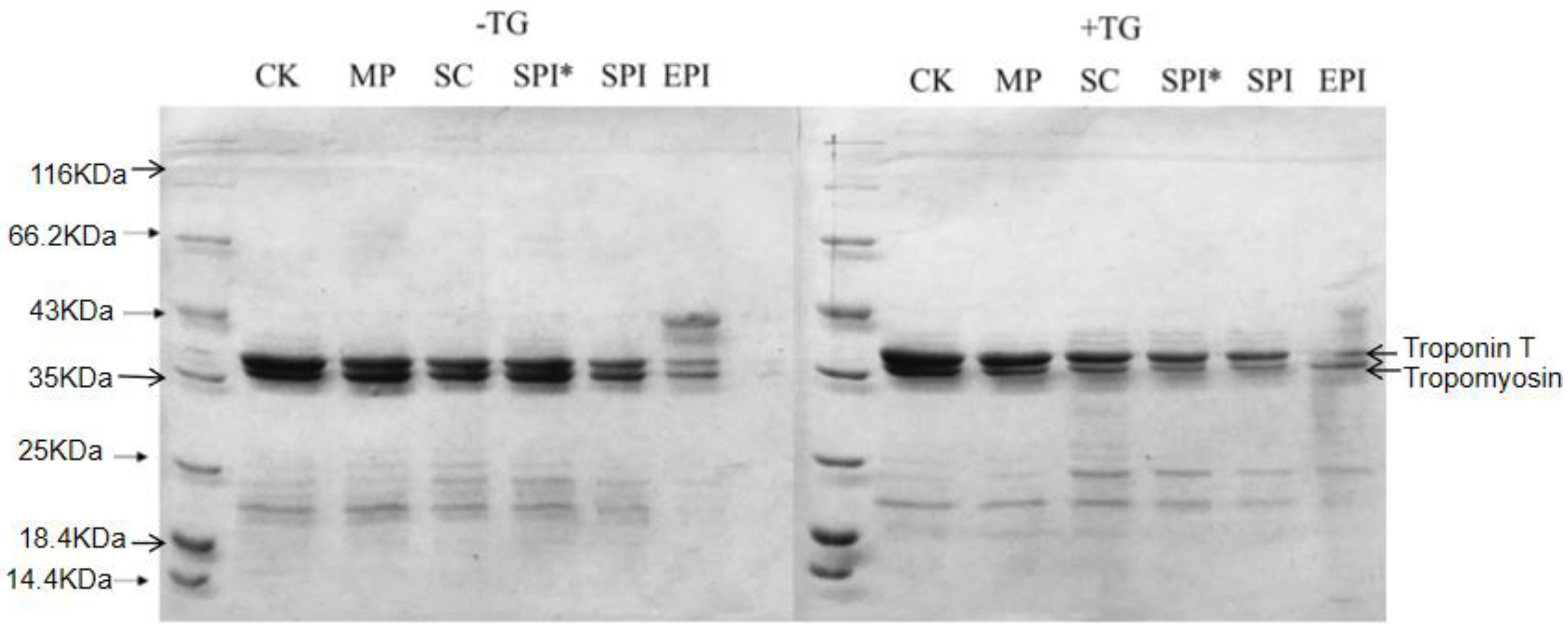
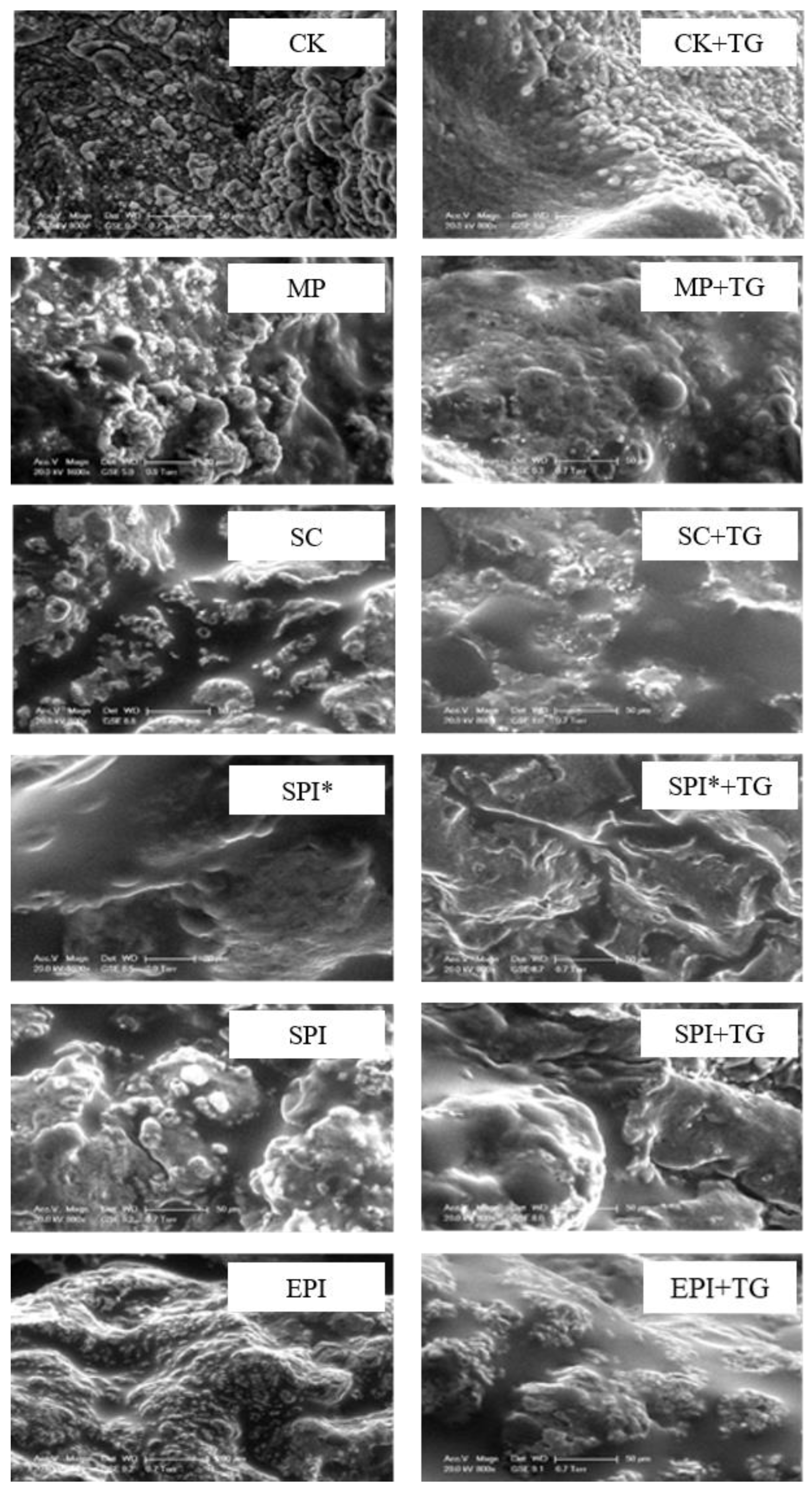
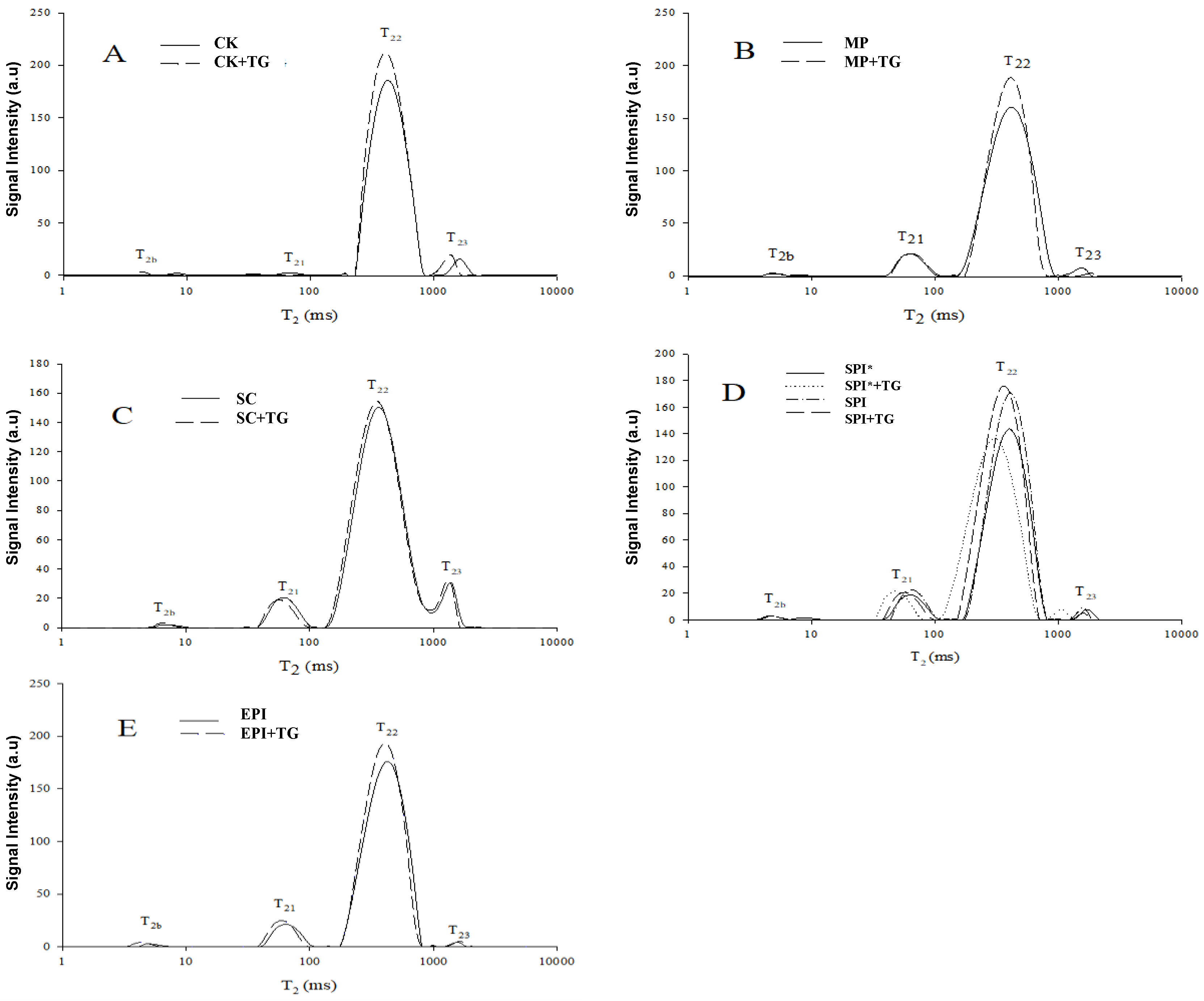
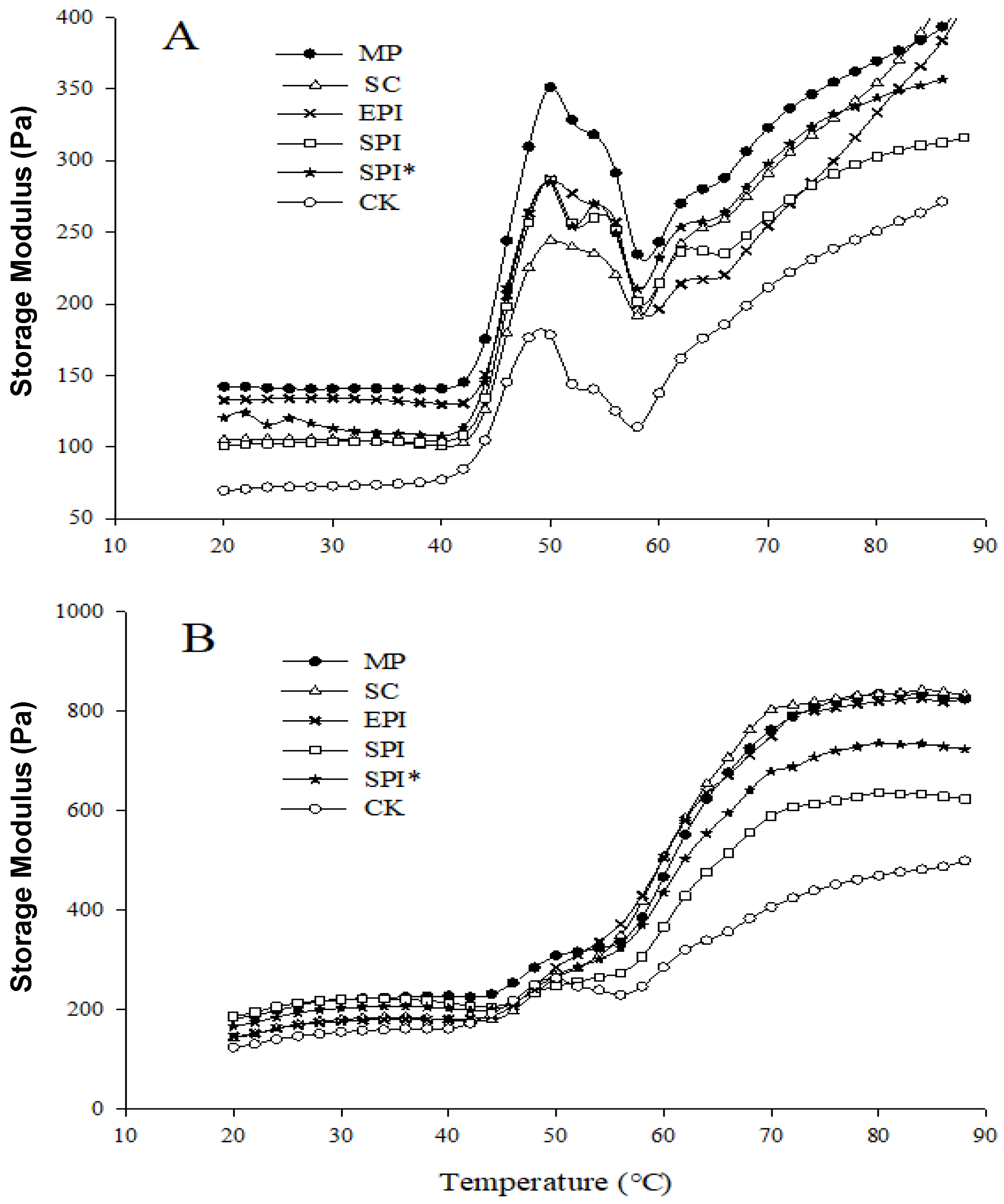
The emulsions prepared by three non-meat proteins, sodium caseinate (SC), soy protein isolate (SPI) and egg white protein (EPI), were individually added to the continuous phase of myofibrillar protein (MP) sol to form MP composite gels to simulate meat products. The research aimed to investigate the effects of Transglutaminase (TGase) on the physicochemical properties, microstructure and water phase distribution of non-meat protein emulsion MP composite gels. The results of this study revealed that TGase played a crucial role in forming a tight gel network structure in the composite gels. This enhanced their ability to retain water and improved their overall gel strength. Additionally, TGase increased the gel formation temperature of myofibrillar proteins. Electrophoresis analysis showed that when catalyzed by TGase, there was a lighter band compared to those not catalyzed by TGase. This indicated that the addition of TGase facilitated cross-linking interactions between meat proteins and non-meat proteins in the composite gels. Furthermore, microscopy observations demonstrated that composite gels treated with TGase exhibited a more uniform microstructure. This could be attributed to an acceleration in relaxation time T2. The uniform network structure restricted the movement of water molecules in the gel matrix, thereby improving its water-holding capacity. Overall, these findings highlight how incorporating non-meat proteins into myofibrillar systems can be effectively achieved through enzymatic treatment with TGase. Such modifications not only enhanced important functional properties but also contributed towards developing alternative meat products with improved texture and moisture retention abilities.
Keywords: TGase; non-meat proteins; myofibrillar protein; composite gel properties TGase; non-meat proteins; myofibrillar protein; composite gel properties