Article

Mussel Adhesive Protein/Hyaluronic Acid Hydrogels for EGF Delivery and MRSA-Infected Diabetic Wound Repair


School of Pharmaceutical Sciences, Nanjing Tech University, Nanjing 211816, China
*
Author to whom correspondence should be addressed.
These authors contributed equally to this work.
Gels 2026, 12(6), 492; https://doi.org/10.3390/gels12060492
Submission received: 30 April 2026 / Revised: 22 May 2026 / Accepted: 27 May 2026 / Published: 2 June 2026
(This article belongs to the Special Issue Polymeric Hydrogels for Biomedical Application (2nd Edition))

Abstract

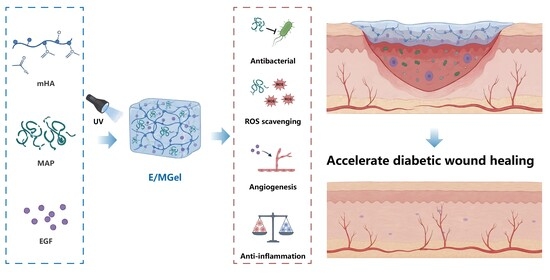
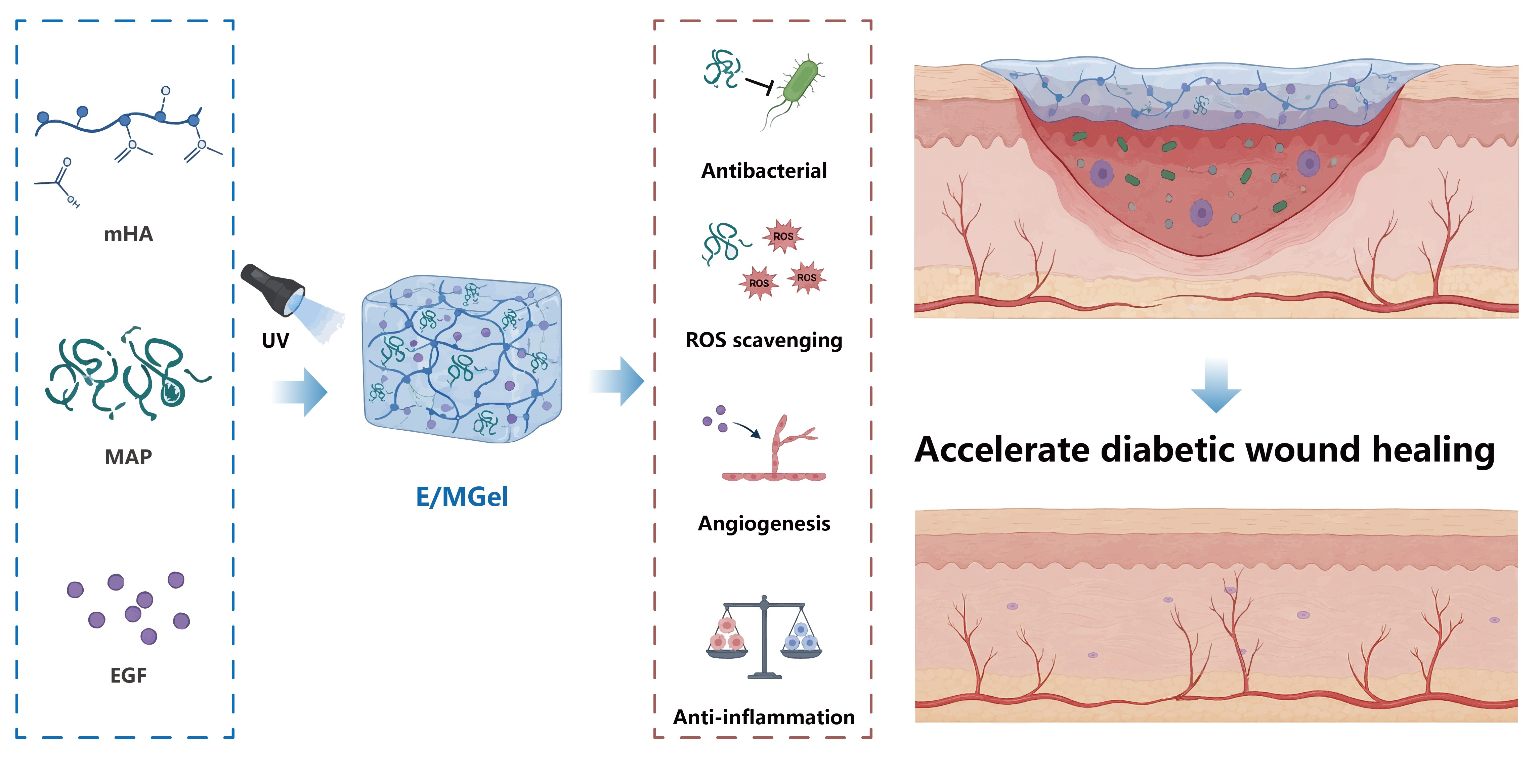
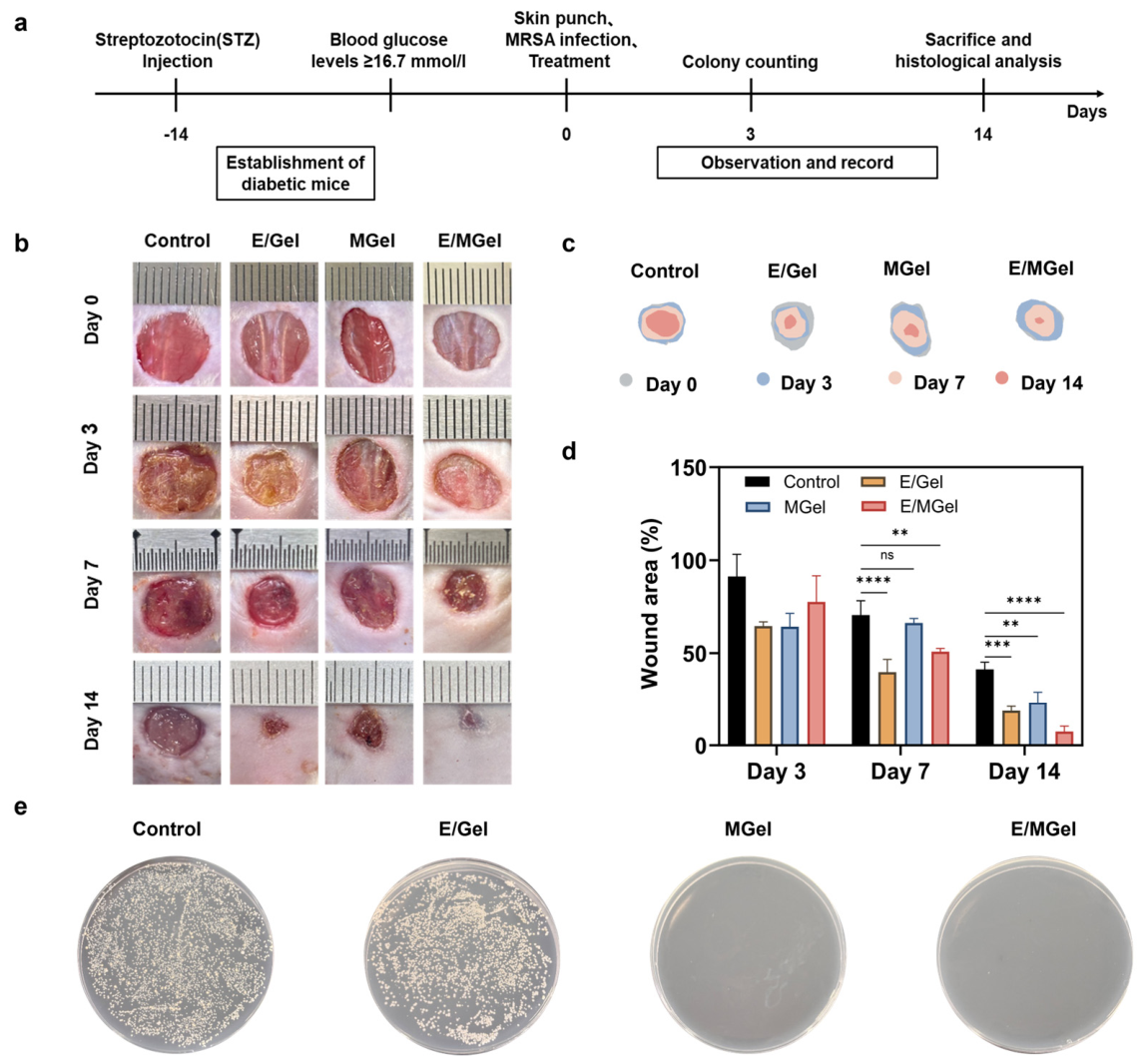
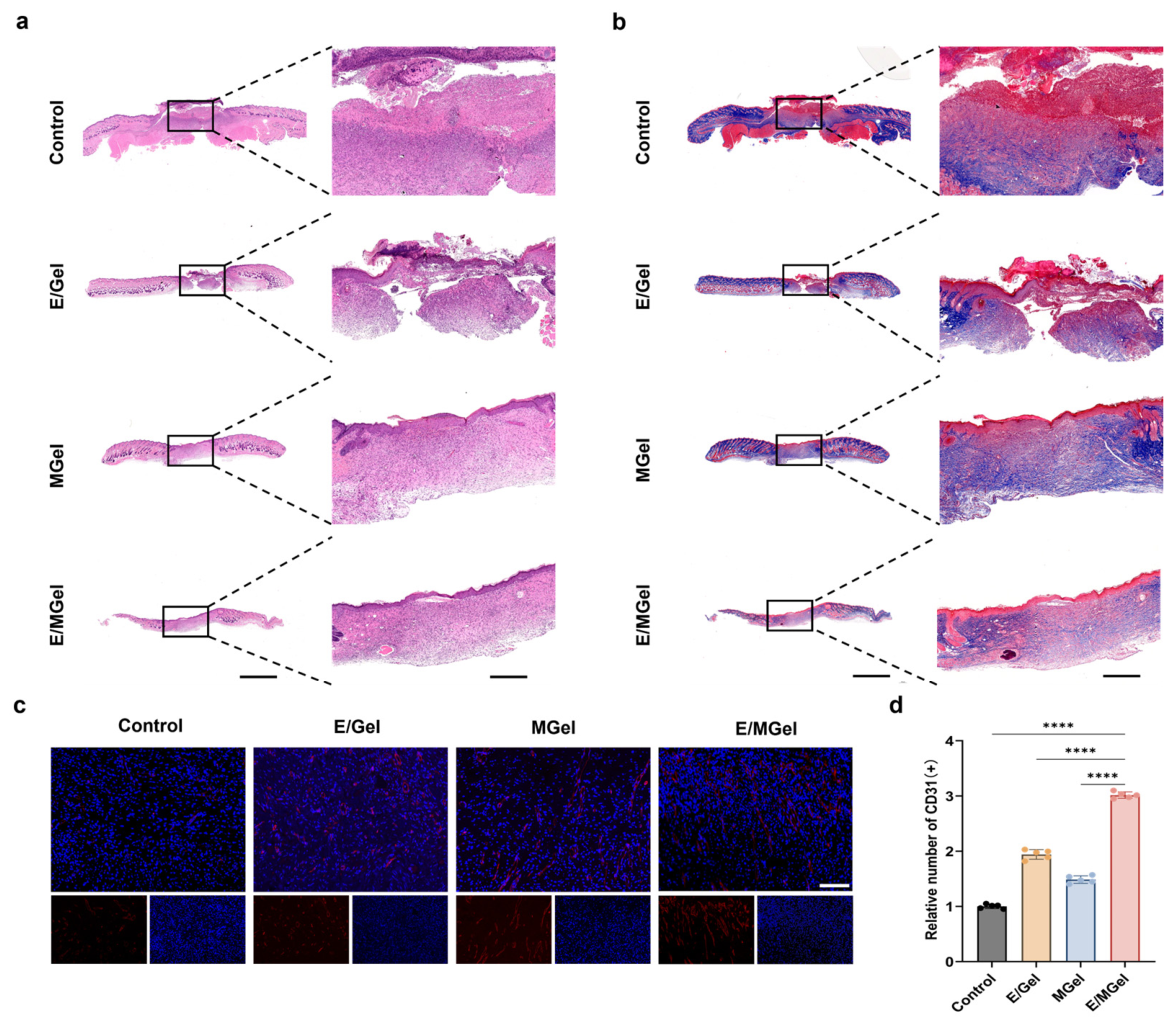
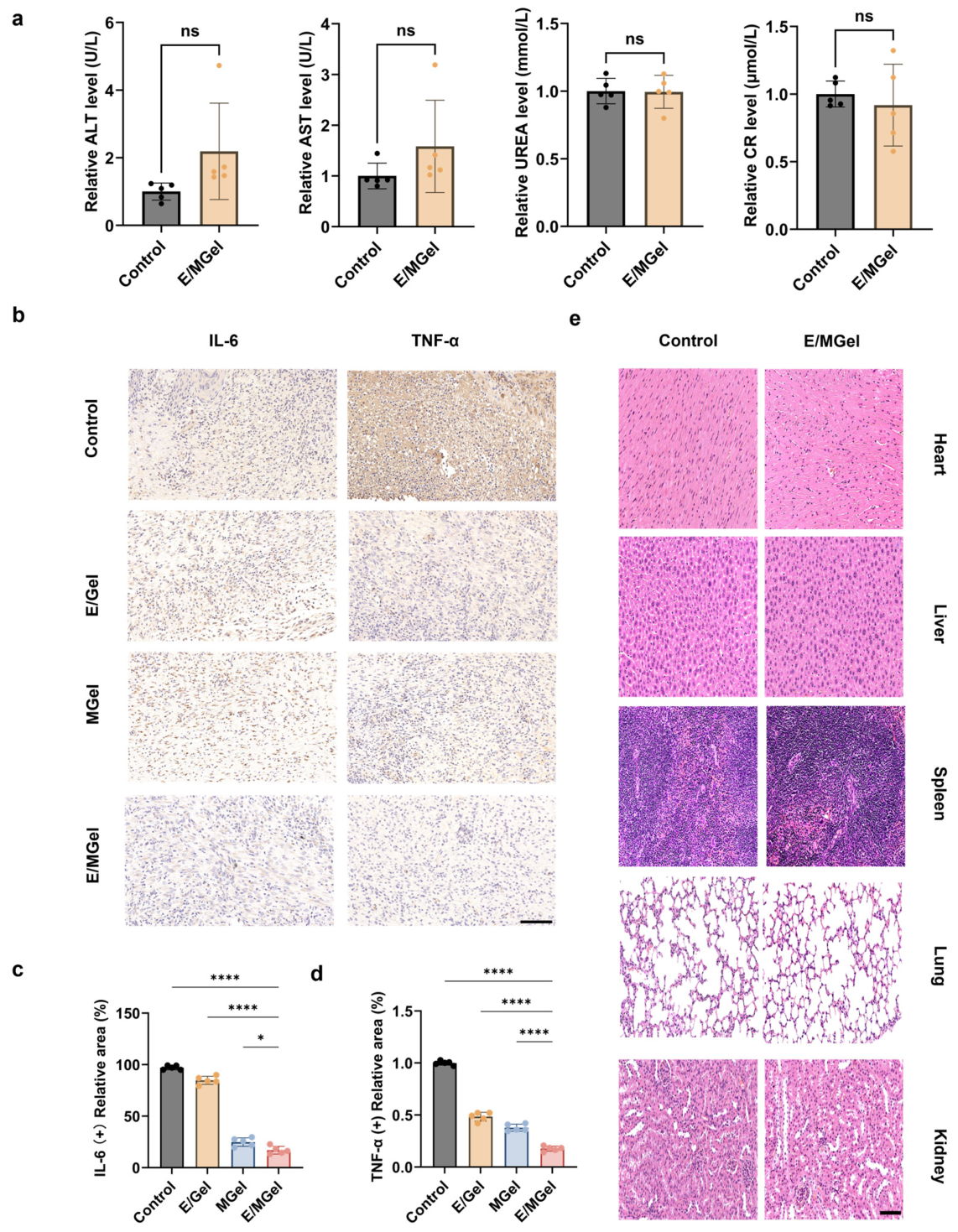
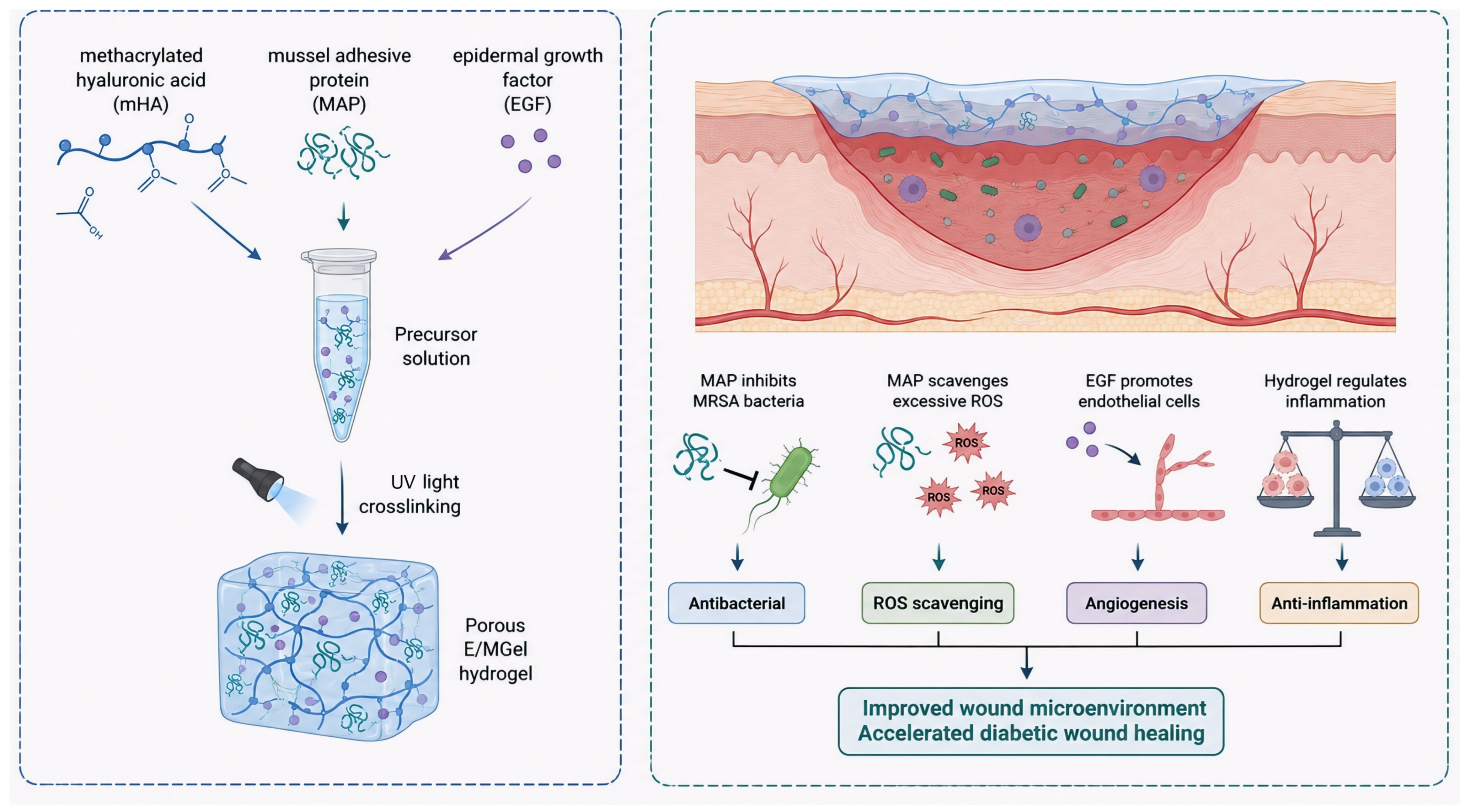
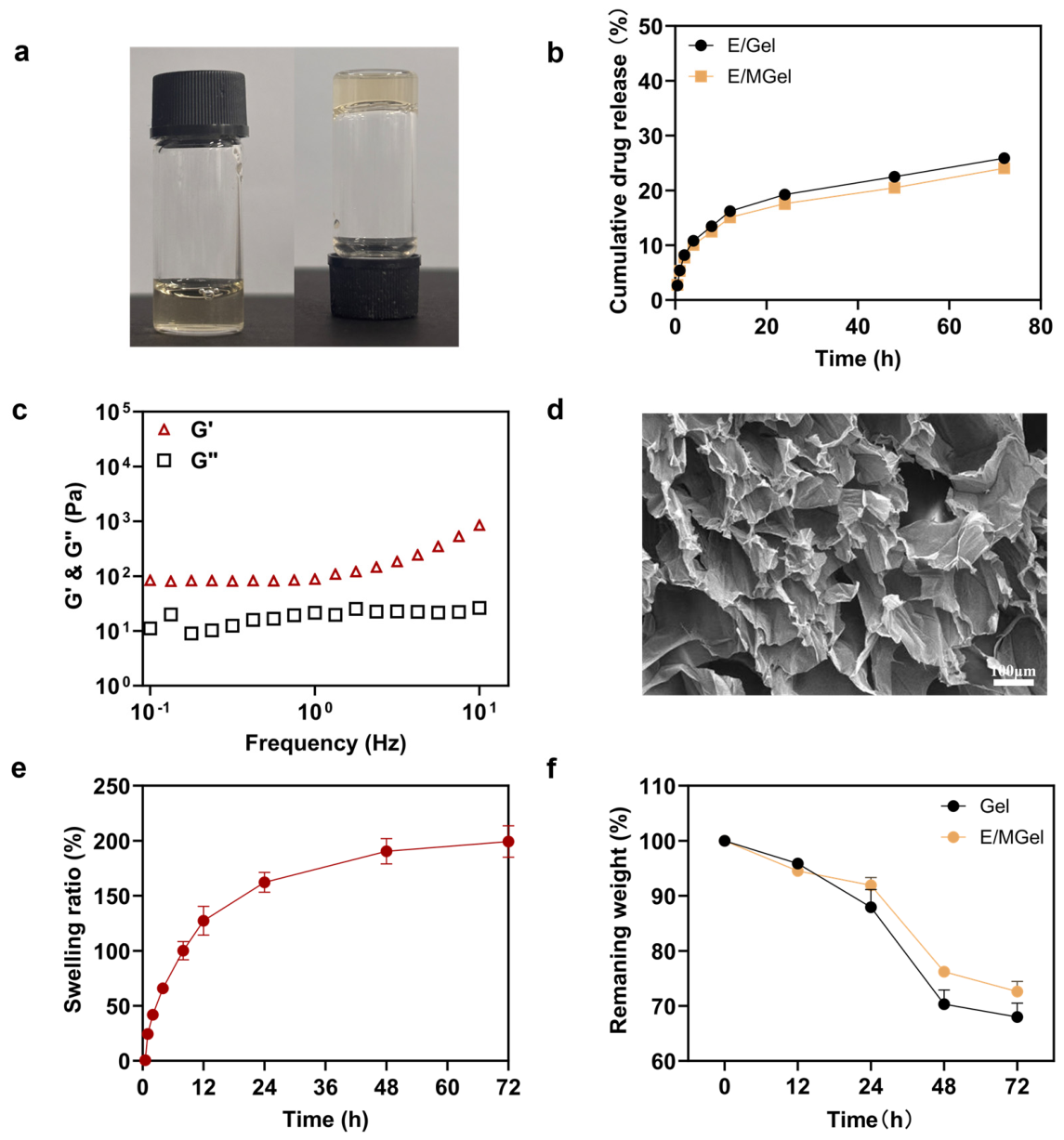
Diabetic foot ulceration is a severe and common chronic complication of diabetes, accompanied by excessive reactive oxygen species (ROS) accumulation, persistent bacterial infection, prolonged inflammation, and insufficient angiogenesis. Traditional single-function wound dressings fail to simultaneously resolve these pathological barriers, leading to unsatisfactory healing outcomes. In this study, we developed a multifunctional composite hydrogel (E/MGel) by introducing mussel adhesive protein (MAP) into methacrylated hyaluronic acid (mHA) to construct an antibacterial and antioxidant delivery system, which was further loaded with epidermal growth factor (EGF) to promote angiogenesis. The as-prepared E/MGel exhibited a uniform porous structure, favorable rheology, high swelling ratio, and sustained protein release behavior. In vitro results demonstrated that E/MGel exerted potent antibacterial activity against methicillin-resistant Staphylococcus aureus (MRSA) and Escherichia coli (E.coli), high ROS scavenging efficiency, good cytocompatibility, and remarkable pro-angiogenic effect on endothelial cells. In a mouse model of diabetic MRSA-infected full-thickness skin defect, E/MGel significantly accelerated wound closure, reduced bacterial burden, downregulated pro-inflammatory cytokines, promoted collagen deposition, and enhanced neovascularization. Meanwhile, no obvious systemic toxicity was observed. Taken together, this multifunctional hydrogel integrates antibacterial, antioxidant, and pro-angiogenic capacities to break the pathological vicious cycle of diabetic wounds, providing a promising and safe strategy for the clinical treatment of diabetic infected wounds.
Keywords: mussel adhesive protein; hydrogel dressing; diabetic wound healing; antibacterial; antioxidant mussel adhesive protein; hydrogel dressing; diabetic wound healing; antibacterial; antioxidant
Graphical Abstract