Communication

Extremely Rapid Gelling Curcumin Silk-Tyrosine Crosslinked Hydrogels

by
Aswin Sundarakrishnan
Department of Materials Science & Biomedical Engineering, University of Wisconsin Eau Claire, Eau Claire, WI 54701, USA
Gels 2025, 11(4), 288; https://doi.org/10.3390/gels11040288
Submission received: 17 February 2025 / Revised: 4 April 2025 / Accepted: 7 April 2025 / Published: 14 April 2025

Abstract

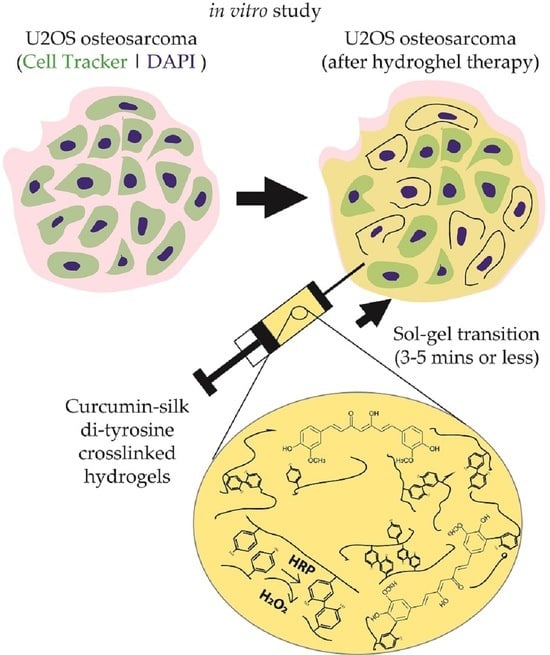
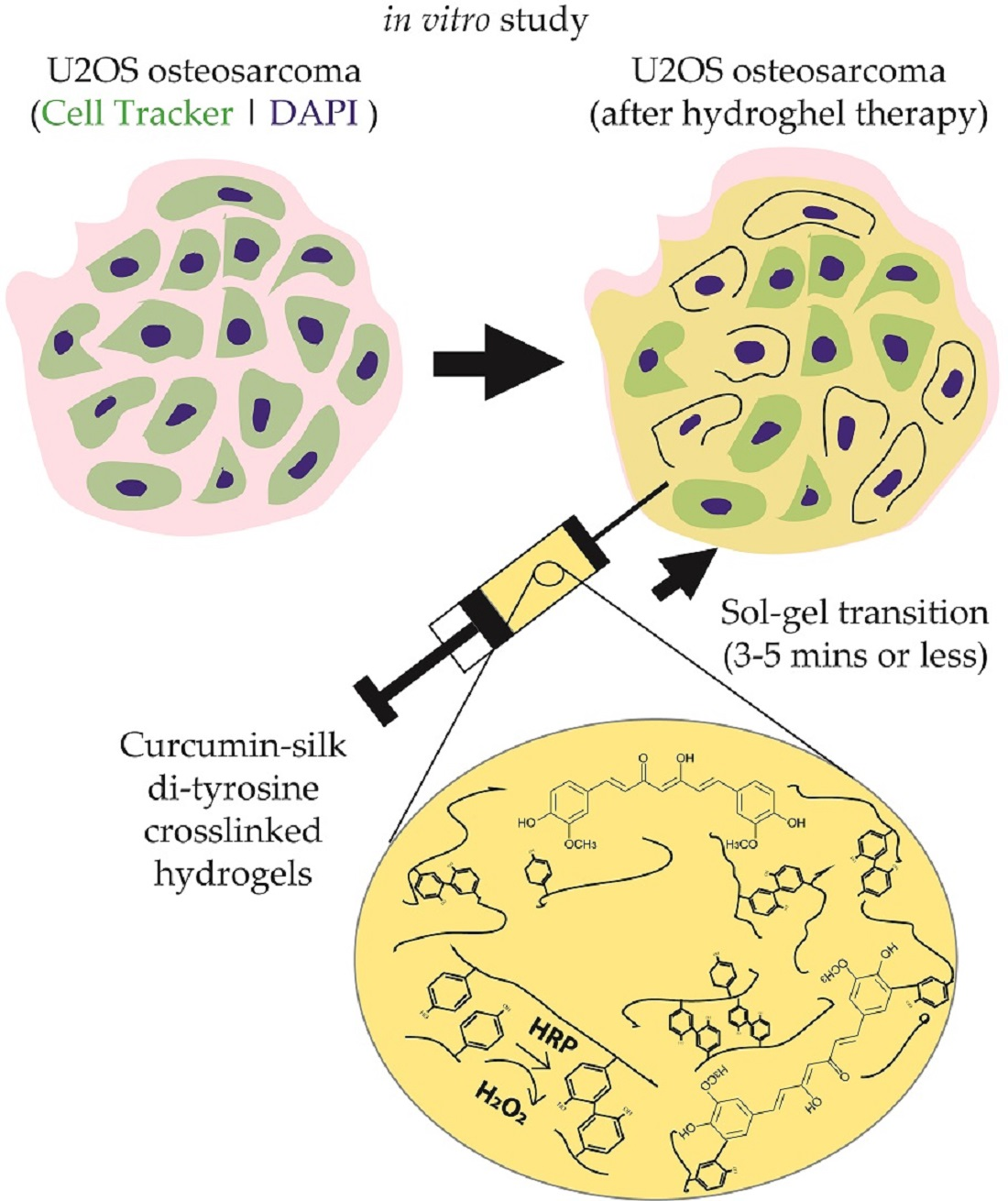
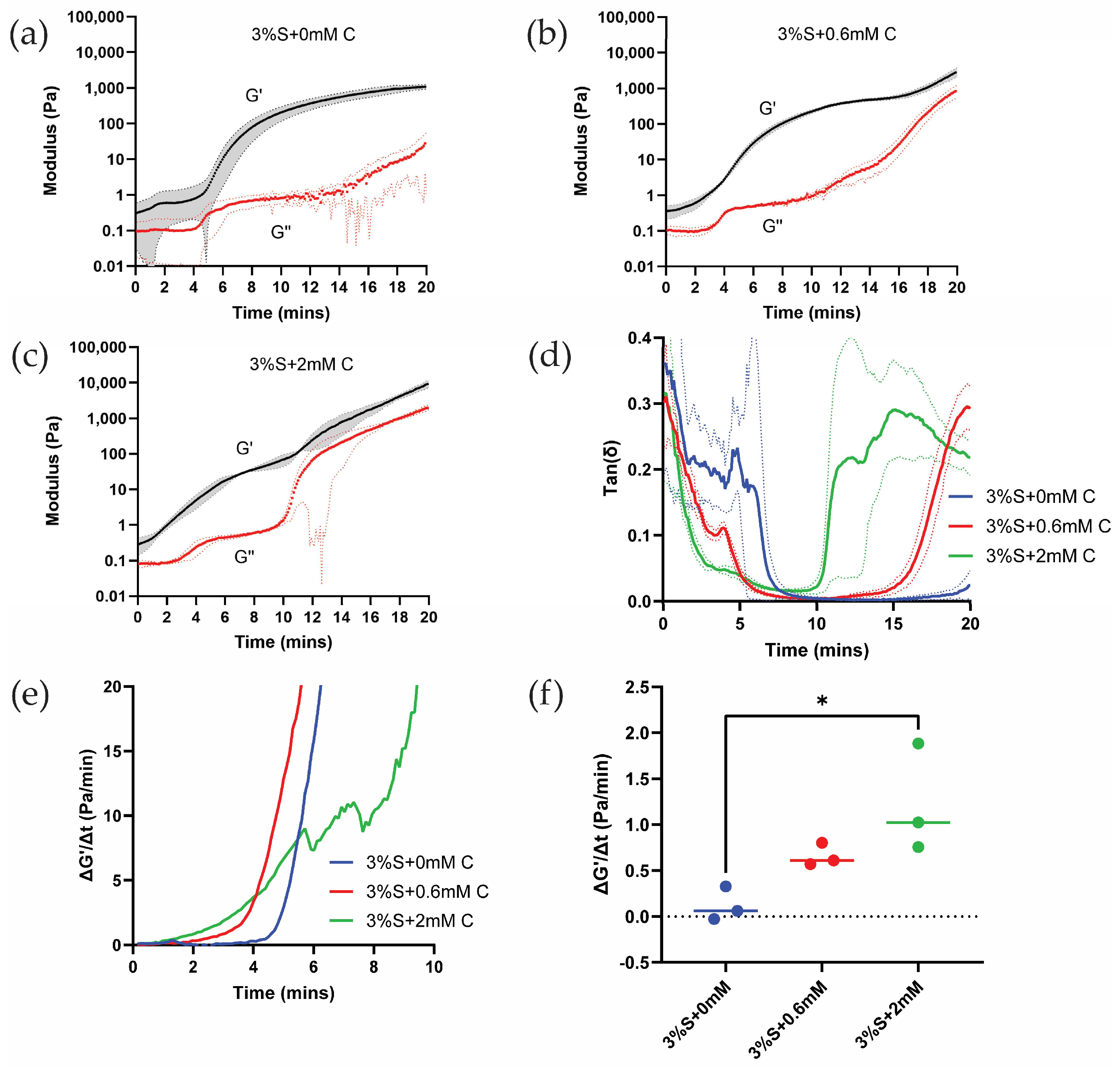
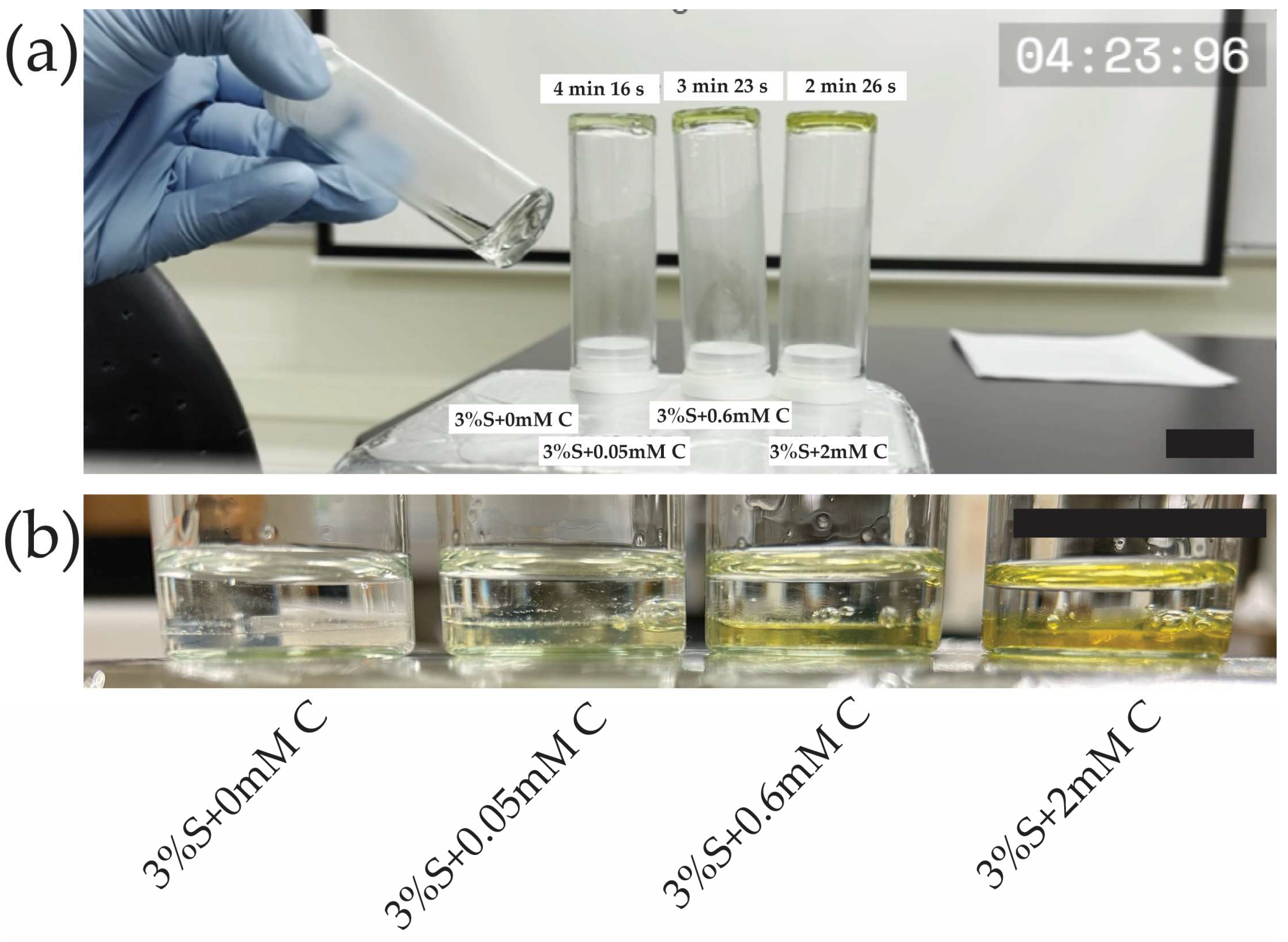
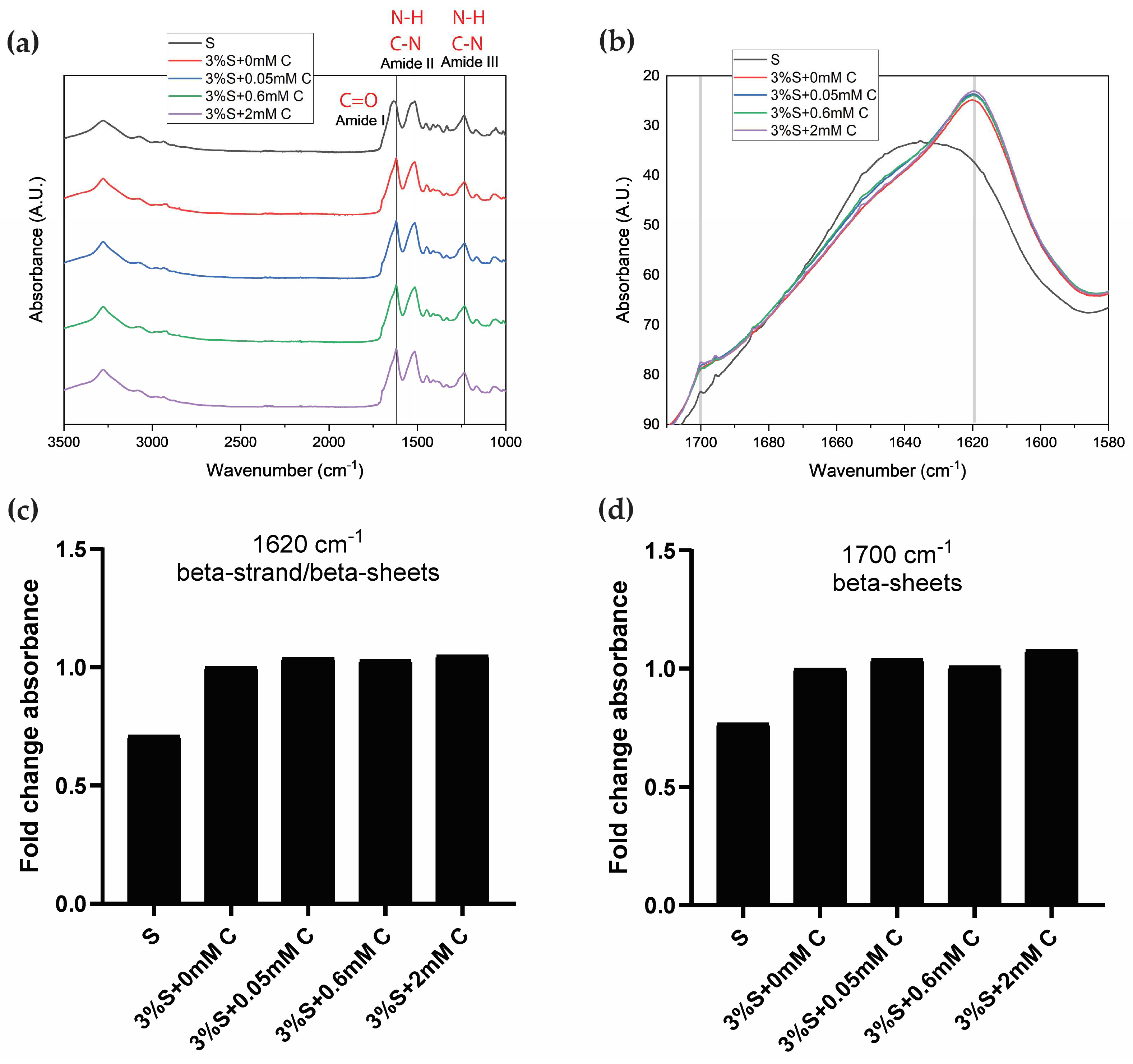
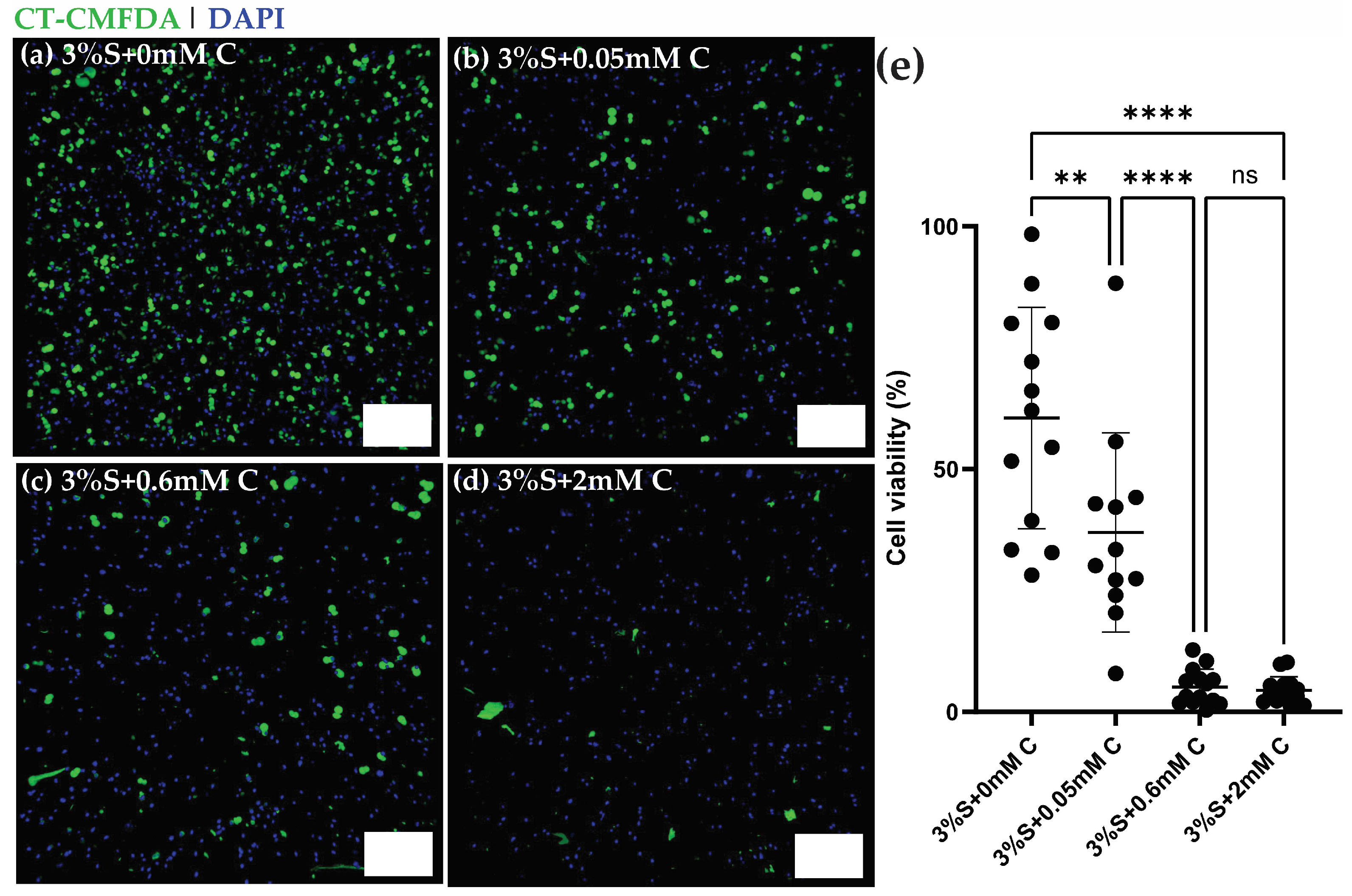
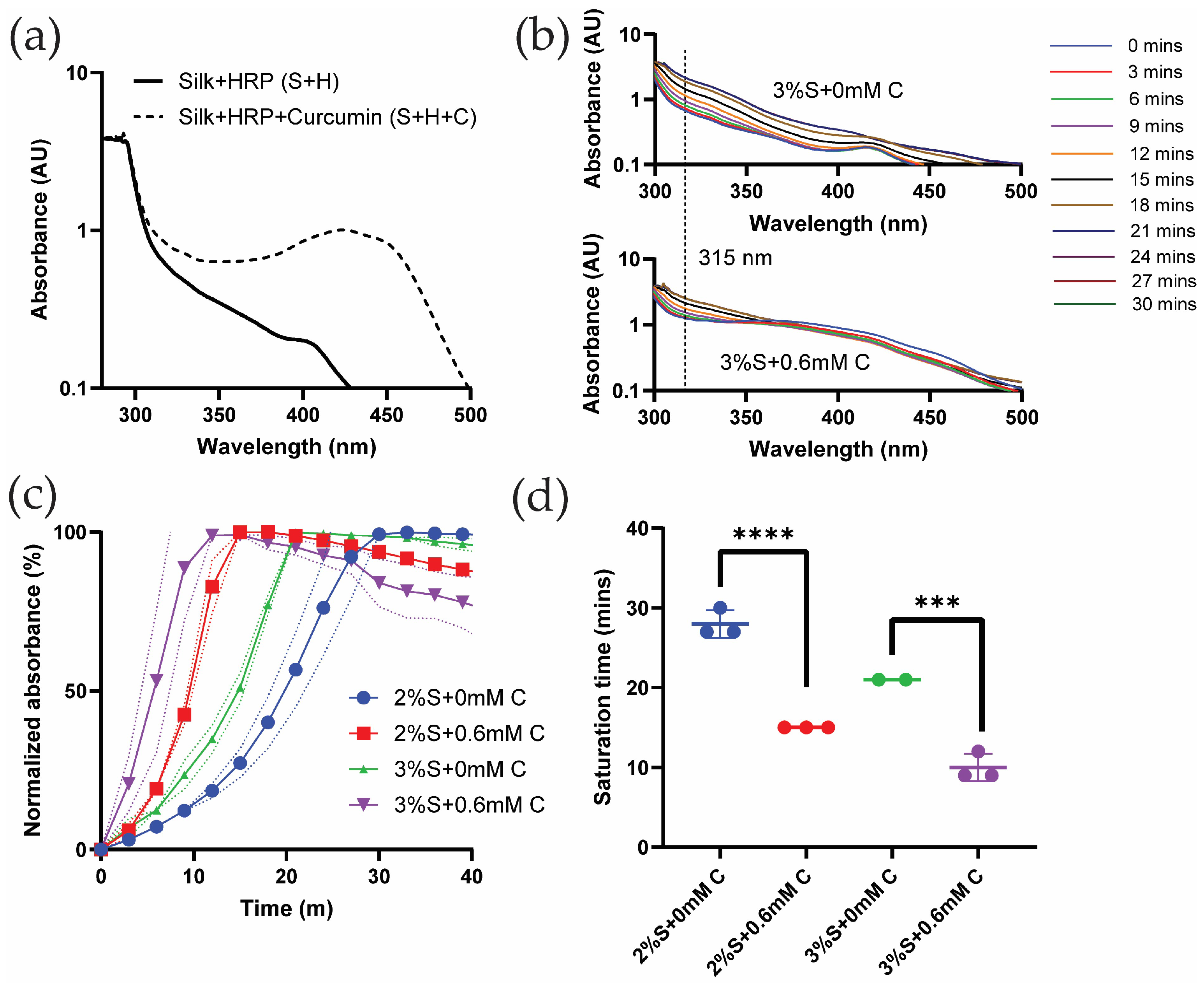
Systemic chemotherapy is still the first-line treatment for cancer, and it’s associated with toxic side effects, chemoresistance, and ultimately cancer recurrence. Rapid gelling hydrogels can overcome this limitation by providing localized delivery of anti-cancer agents to solid tumors. Silk hydrogels are extremely biocompatible and suitable for anti-cancer drug delivery, but faster gelling formulations are needed. In this study, we introduce a rapid gelling hydrogel formulation (<3 min gelling time) due to chemical crosslinking between silk fibroin and curcumin, initiated by the addition of minute quantities of horseradish peroxidase (HRP) and hydrogen peroxide (H2O2). The novel observation in this study is that curcumin, while being a free-radical scavenger, also participates in accelerating silk di-tyrosine crosslinking in the presence of HRP and H2O2. Using UV-Vis, rheology, and time-lapse videos, we convincingly show that curcumin accelerates silk di-tyrosine crosslinking reaction in a concentration-dependent manner, and curcumin remains entrapped in the hydrogel post-crosslinking. FTIR results show an increase in secondary beta-sheet structures within hydrogels, with increasing concentrations of curcumin. Furthermore, we show that curcumin-silk di-tyrosine hydrogels are toxic to U2OS osteosarcoma cells, and most cancer cells are dead within short time scales of 4 h post-encapsulation.
Keywords: silk fibroin; curcumin; di-tyrosine; hydrogel; osteosarcoma; anti-cancer; drug delivery; hydrogel crosslinking; biomaterial silk fibroin; curcumin; di-tyrosine; hydrogel; osteosarcoma; anti-cancer; drug delivery; hydrogel crosslinking; biomaterial
Graphical Abstract