Article

Upcycling Low-Quality Cotton Fibers into Mulch Gel Films in a Fast Closed Carbon Cycle

Department of Plant and Soil Science, Fiber and Biopolymer Research Institute, Texas Tech University, Lubbock, TX 79409, USA
*
Authors to whom correspondence should be addressed.
Gels 2024, 10(4), 218; https://doi.org/10.3390/gels10040218
Submission received: 5 March 2024 / Revised: 20 March 2024 / Accepted: 21 March 2024 / Published: 23 March 2024
(This article belongs to the Special Issue Advances in Cellulose-Based Hydrogels (3rd Edition))

Abstract

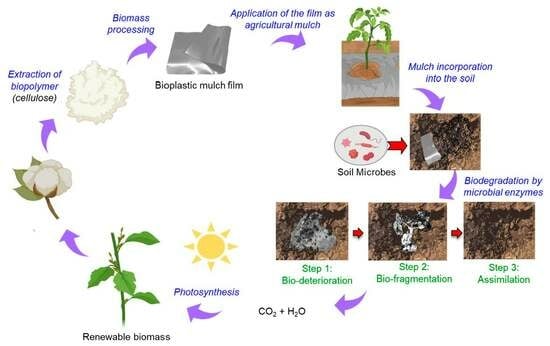
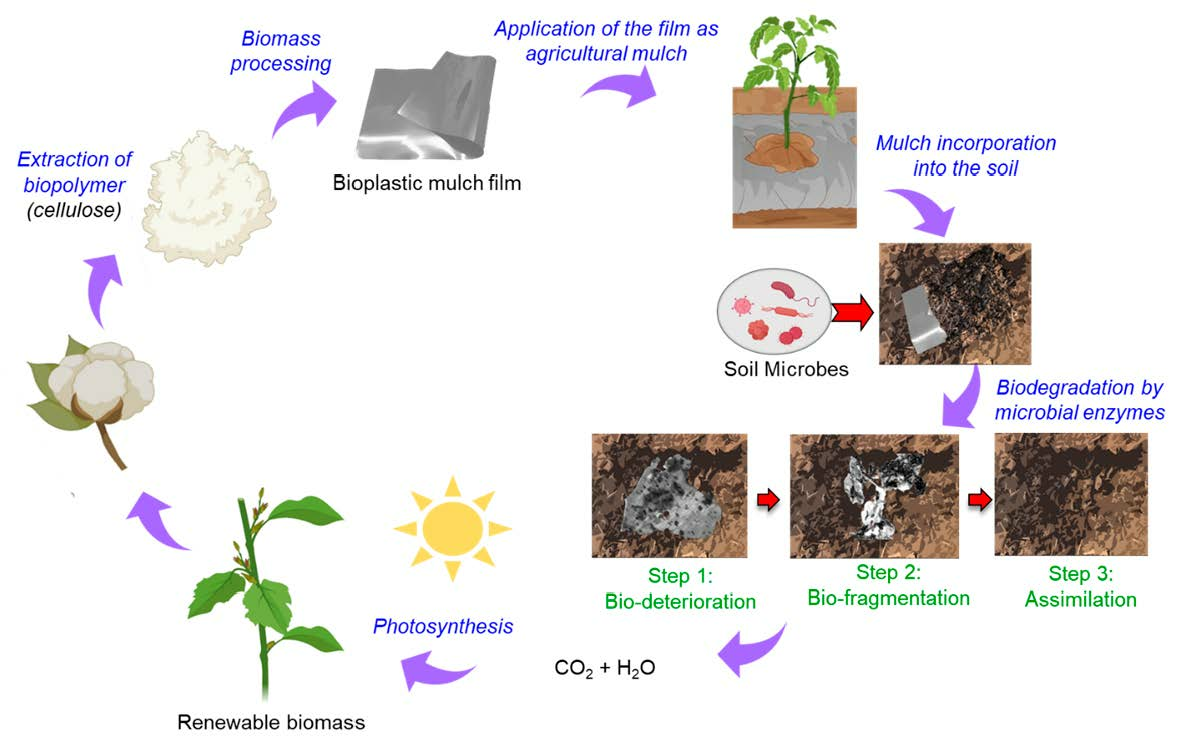
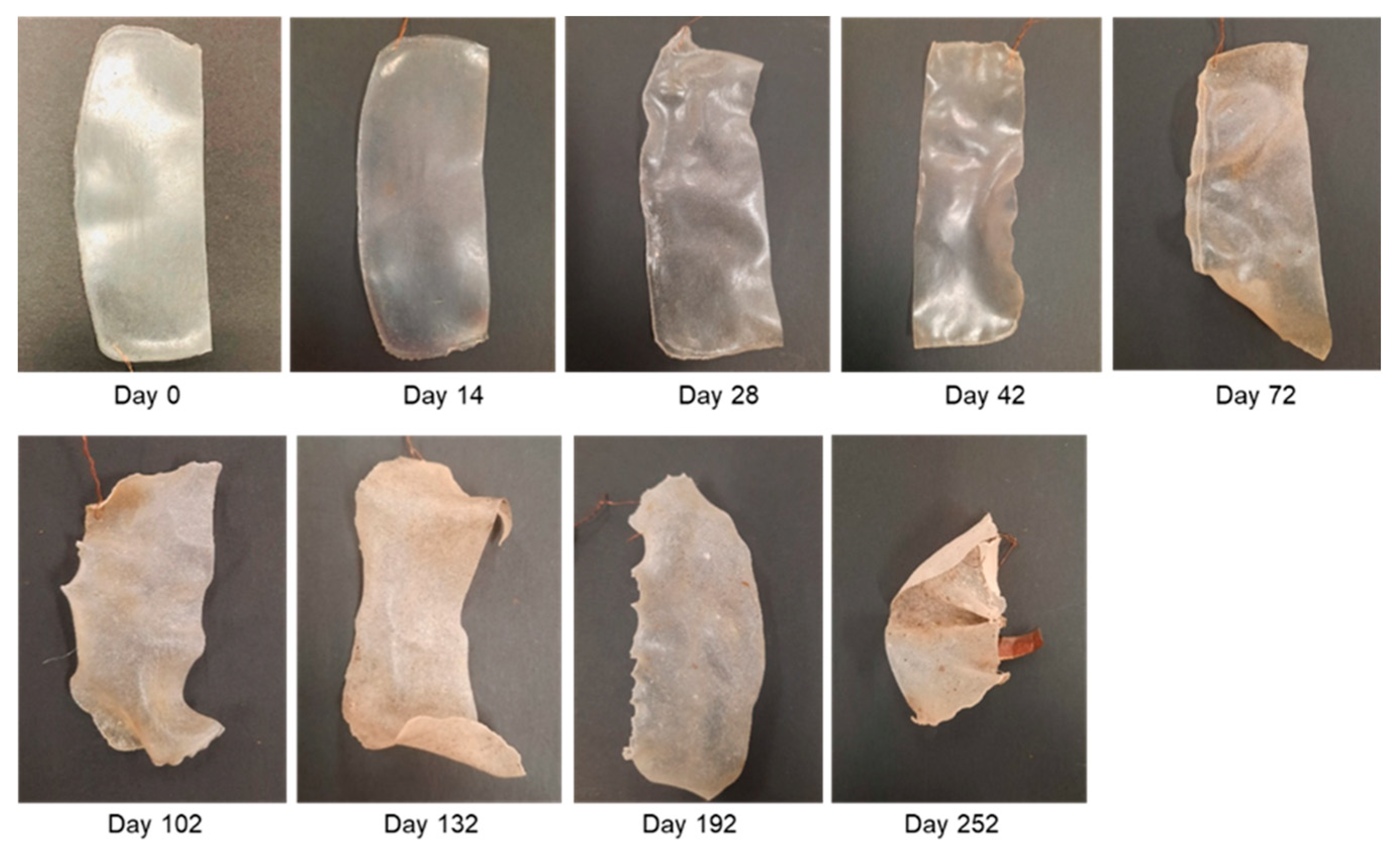
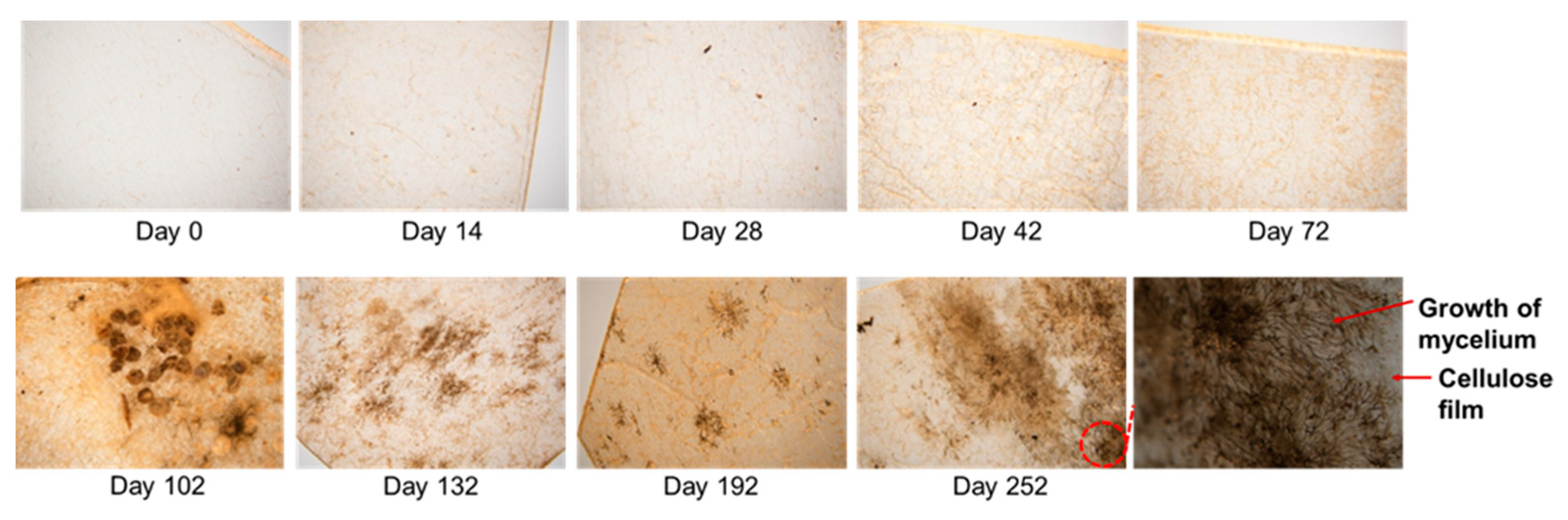
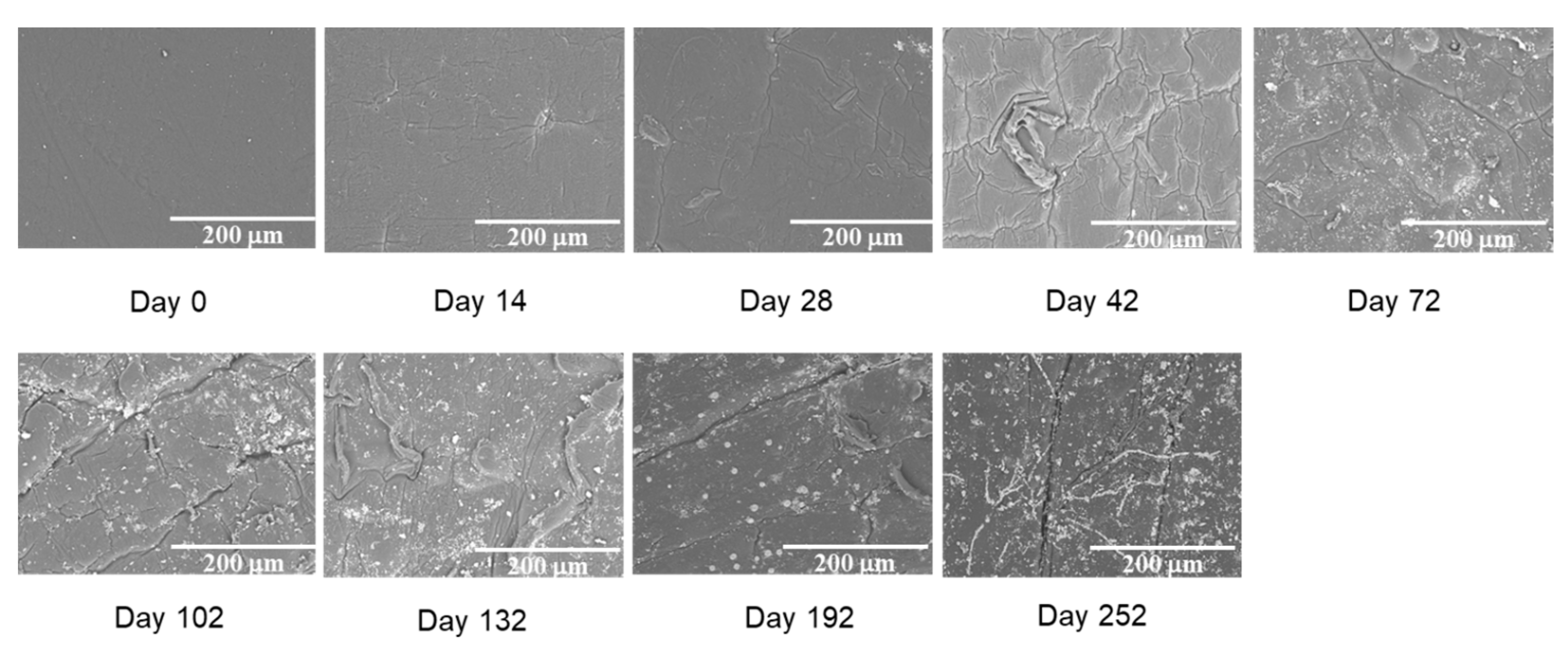
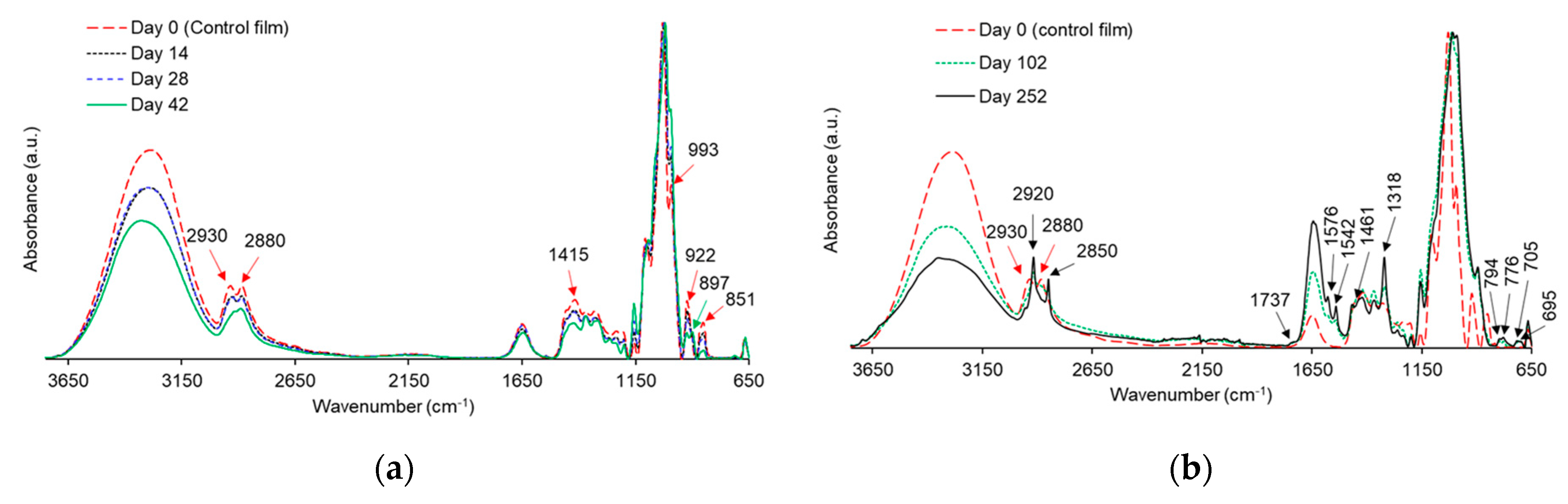
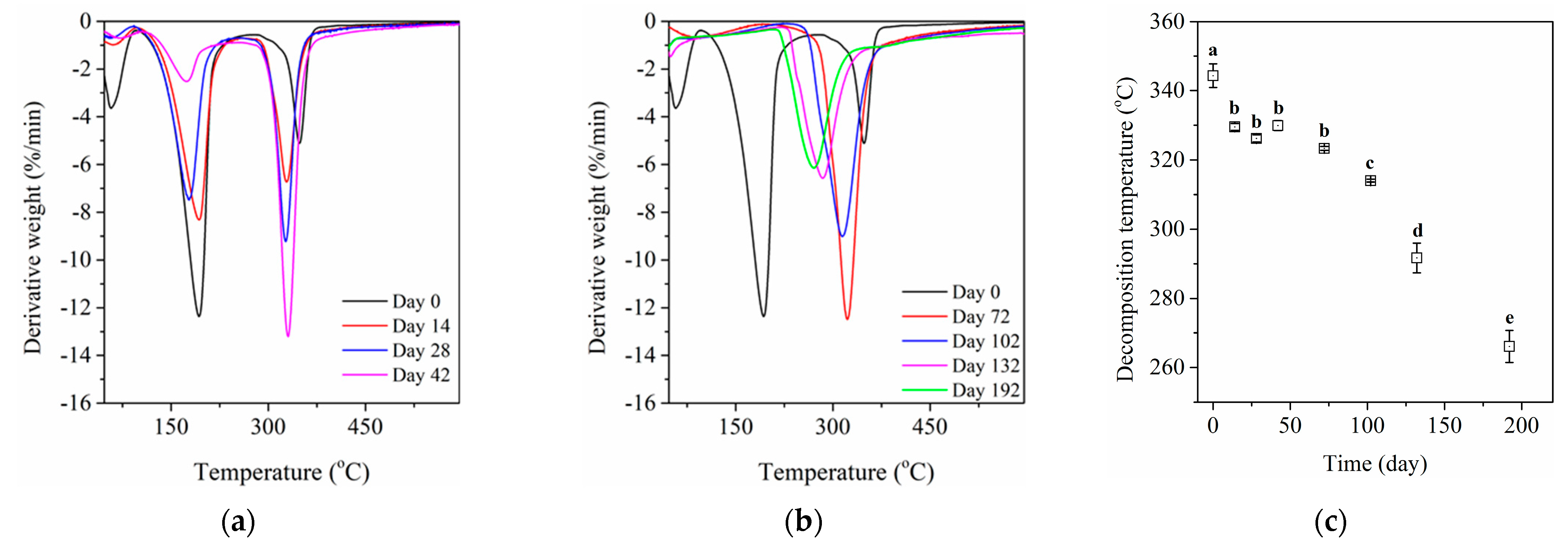
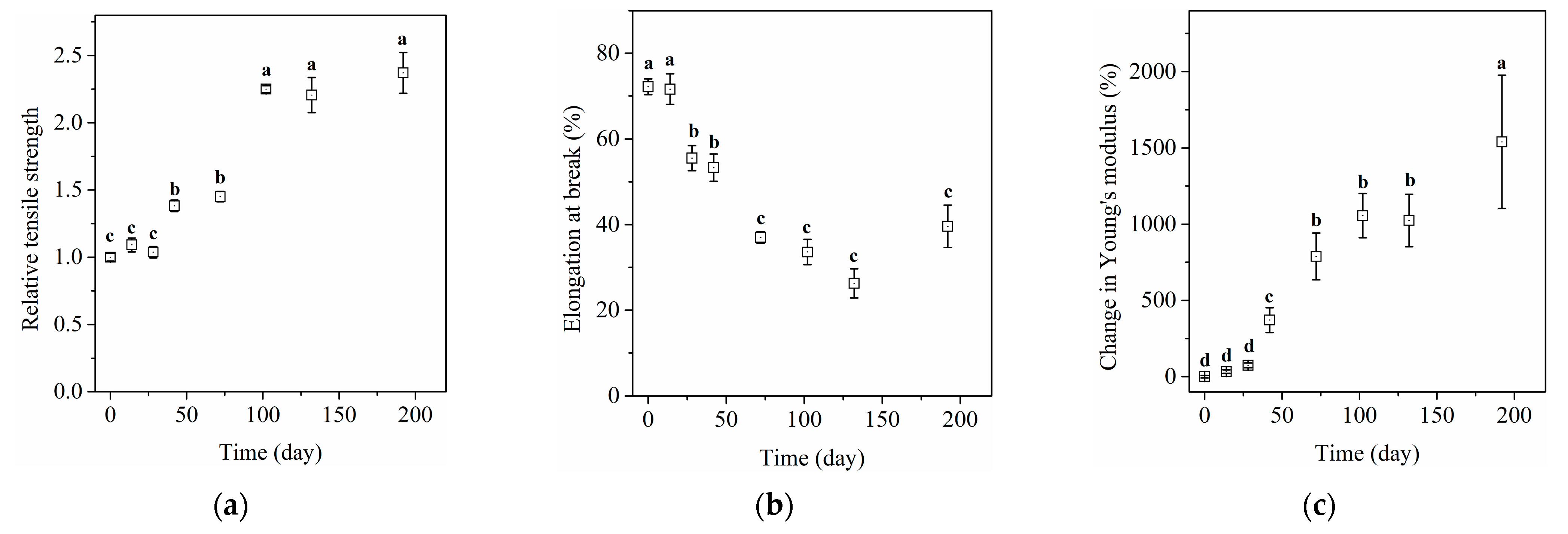
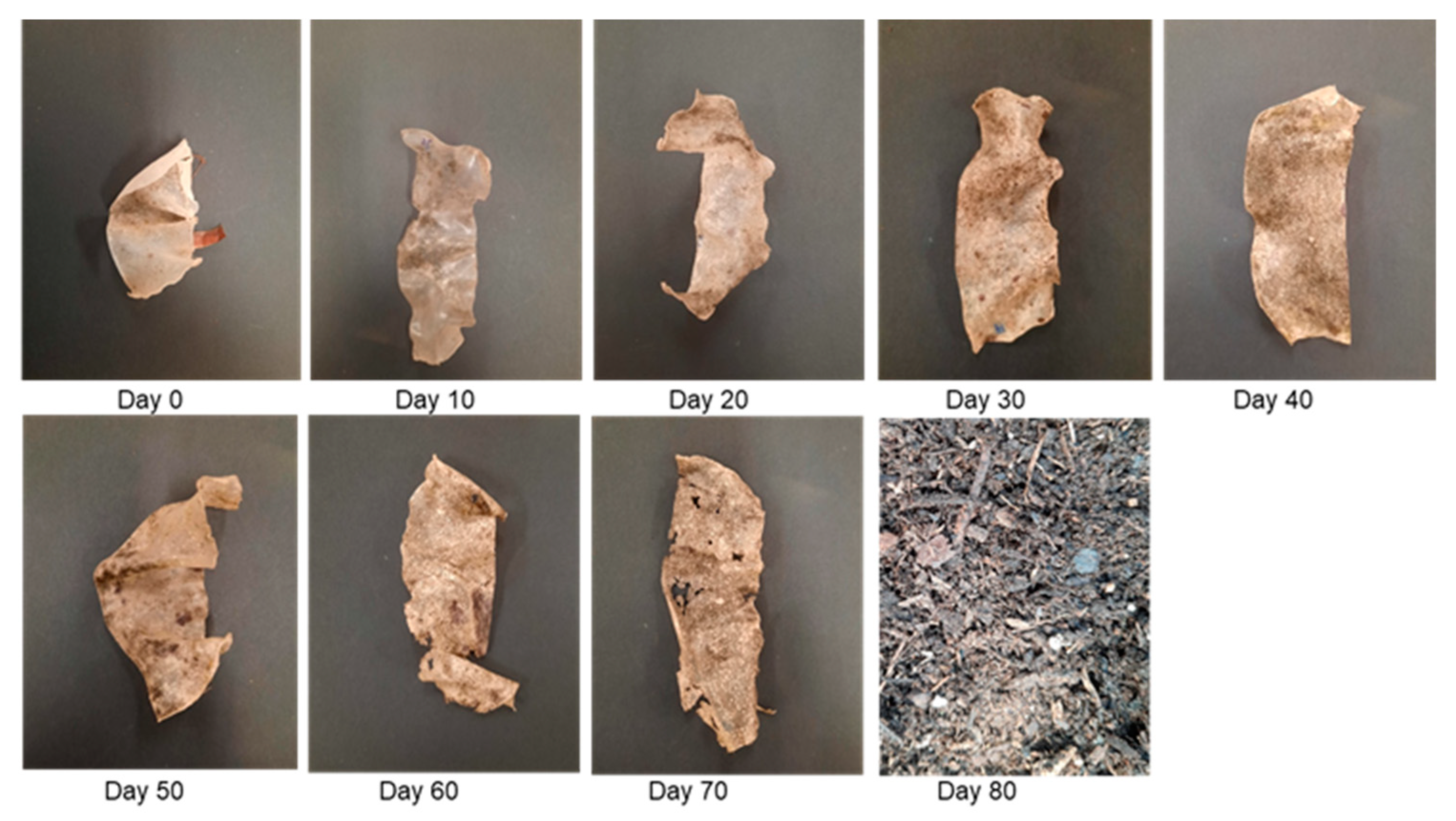
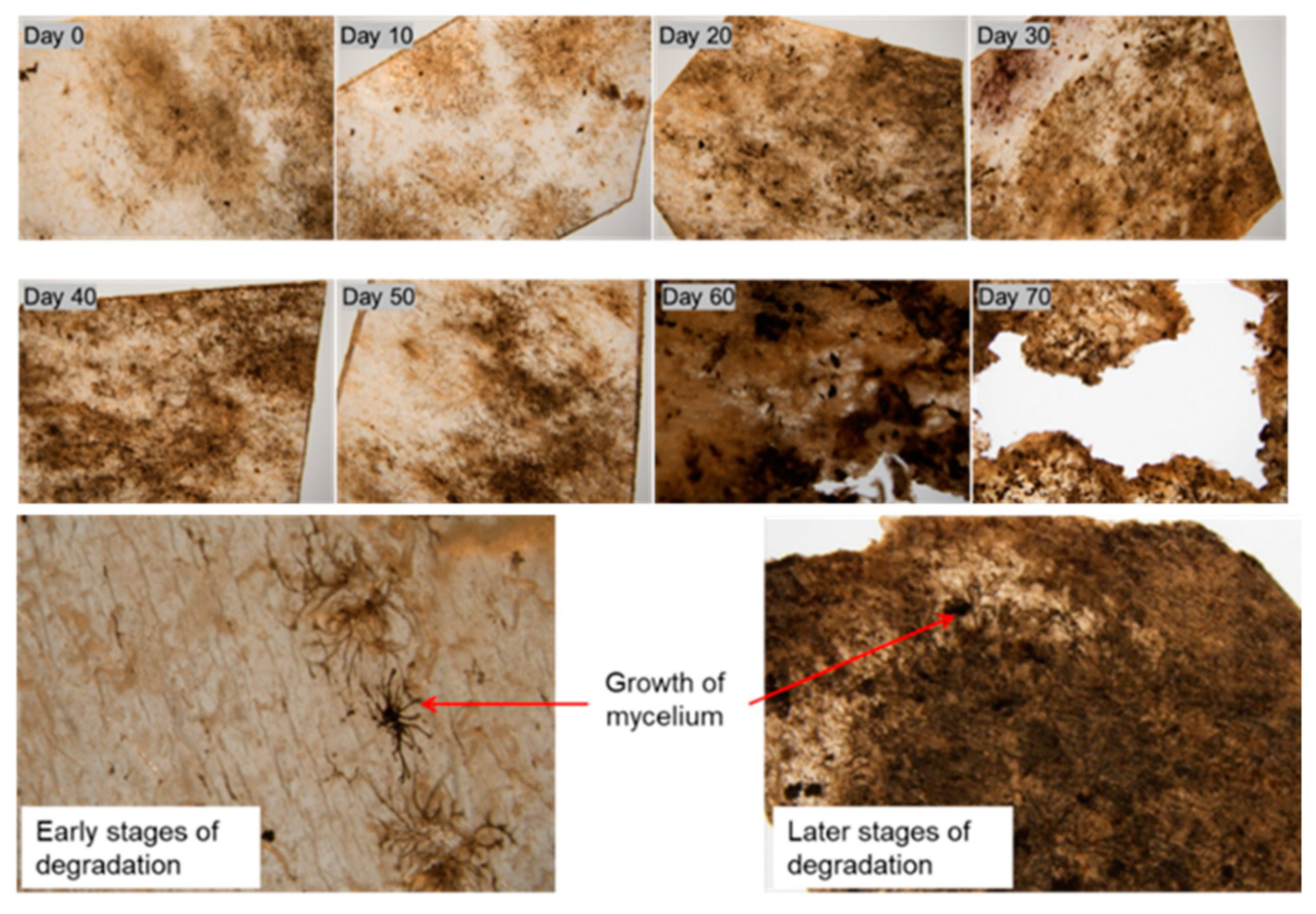
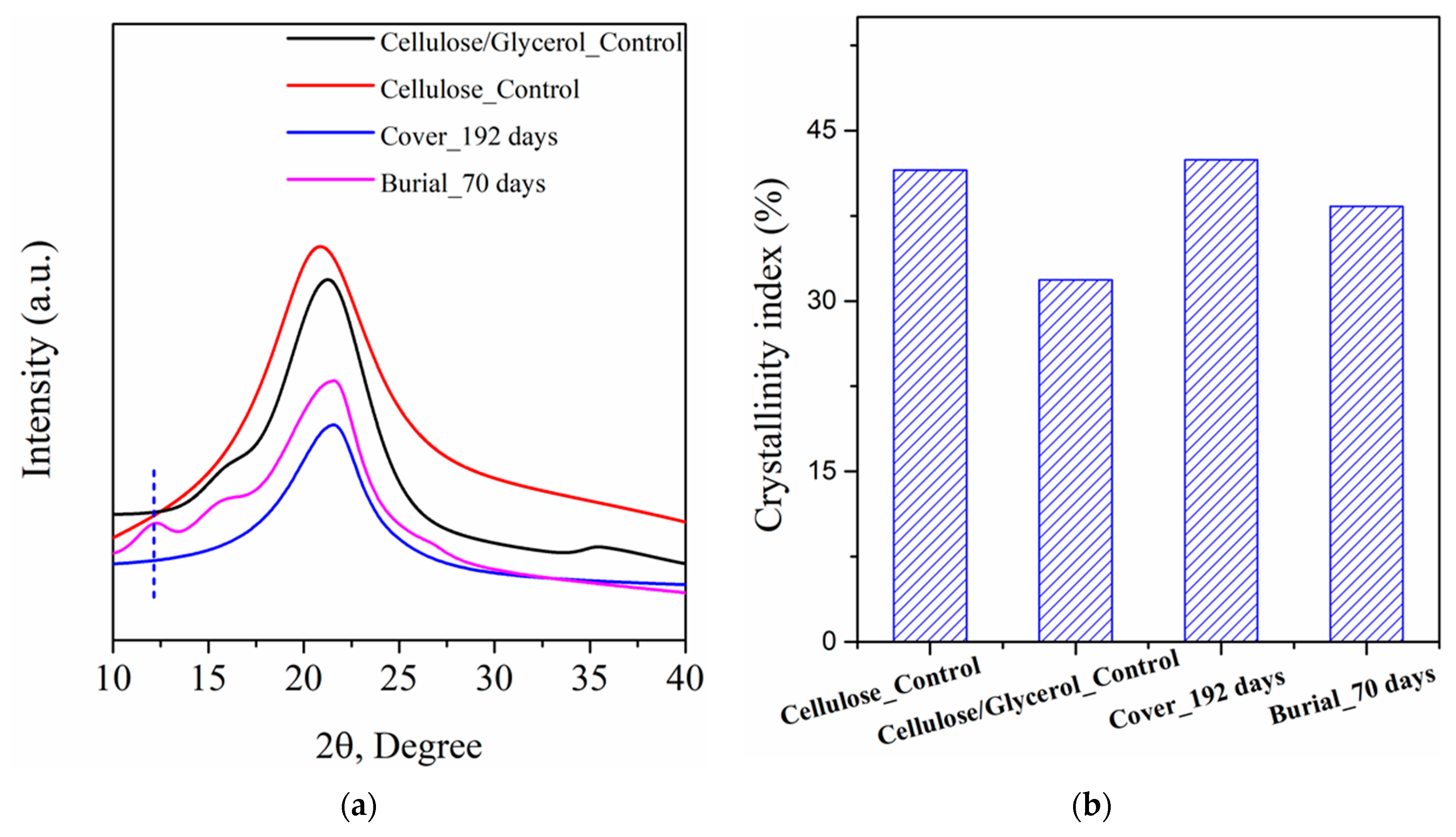
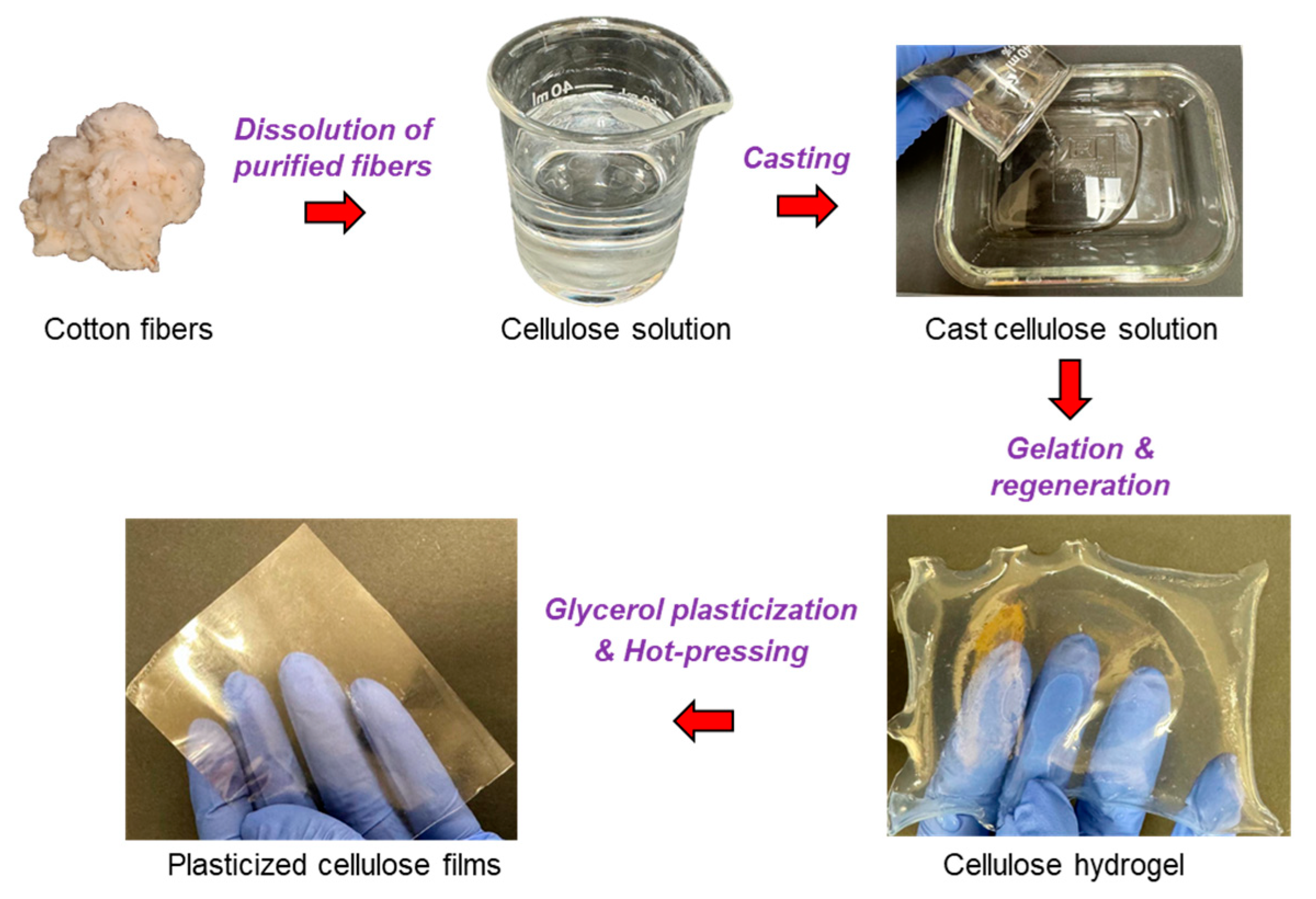
Low-quality cotton fibers, often overlooked as low-value materials, constitute a marginalized waste stream in the cotton industry. This study endeavored to repurpose these fibers into mulch gel films, specifically exploring their efficacy in covering moisture-controlled soil beds. Through a meticulously designed series of processing methods, cellulose/glycerol film was successfully fabricated by regenerating cellulose hydrogels in N,N-dimethylacetamide/lithium chloride solutions, followed by plasticization in glycerol/water solutions and hot pressing. The film was then employed to cover soil beds for a duration of up to 252 days, followed by soil burial assessments. Despite expectations of degradation, the film maintained structural integrity throughout the soil covering period but underwent complete biodegradation after 80 days of soil burial, thereby completing a closed carbon cycle. Intriguingly, both tensile strength and modulus exhibited no diminishment but instead increased after soil covering, contrary to expectations given the usual role of degradation. Mechanistic insights revealed that the removal of glycerol contributed to the mechanical enhancement, while microbial activity predominately decomposed the amorphous regions in soil covering and targeted the crystalline portions in soil burial, elucidating the main biodegradation mechanisms. In summary, this study presents, for the first time, the potential of upcycling low-quality cotton fibers into high-value mulch gel films for agricultural practices within a closed carbon cycle.
Keywords: cotton fibers; mulch gel films; soil degradation; cellulose; upcycle cotton fibers; mulch gel films; soil degradation; cellulose; upcycle
Graphical Abstract