
Article

Fungal Richness of Cytospora Species Associated with Willow Canker Disease in China
The Key Laboratory for Silviculture, Beijing Forestry University, Conservation of Ministry of Education, Beijing 100083, China
*
Author to whom correspondence should be addressed.
J. Fungi 2022, 8(4), 377; https://doi.org/10.3390/jof8040377
Submission received: 13 March 2022 / Revised: 3 April 2022 / Accepted: 5 April 2022 / Published: 7 April 2022
(This article belongs to the Special Issue Ascomycota: Diversity, Taxonomy and Phylogeny)

Abstract

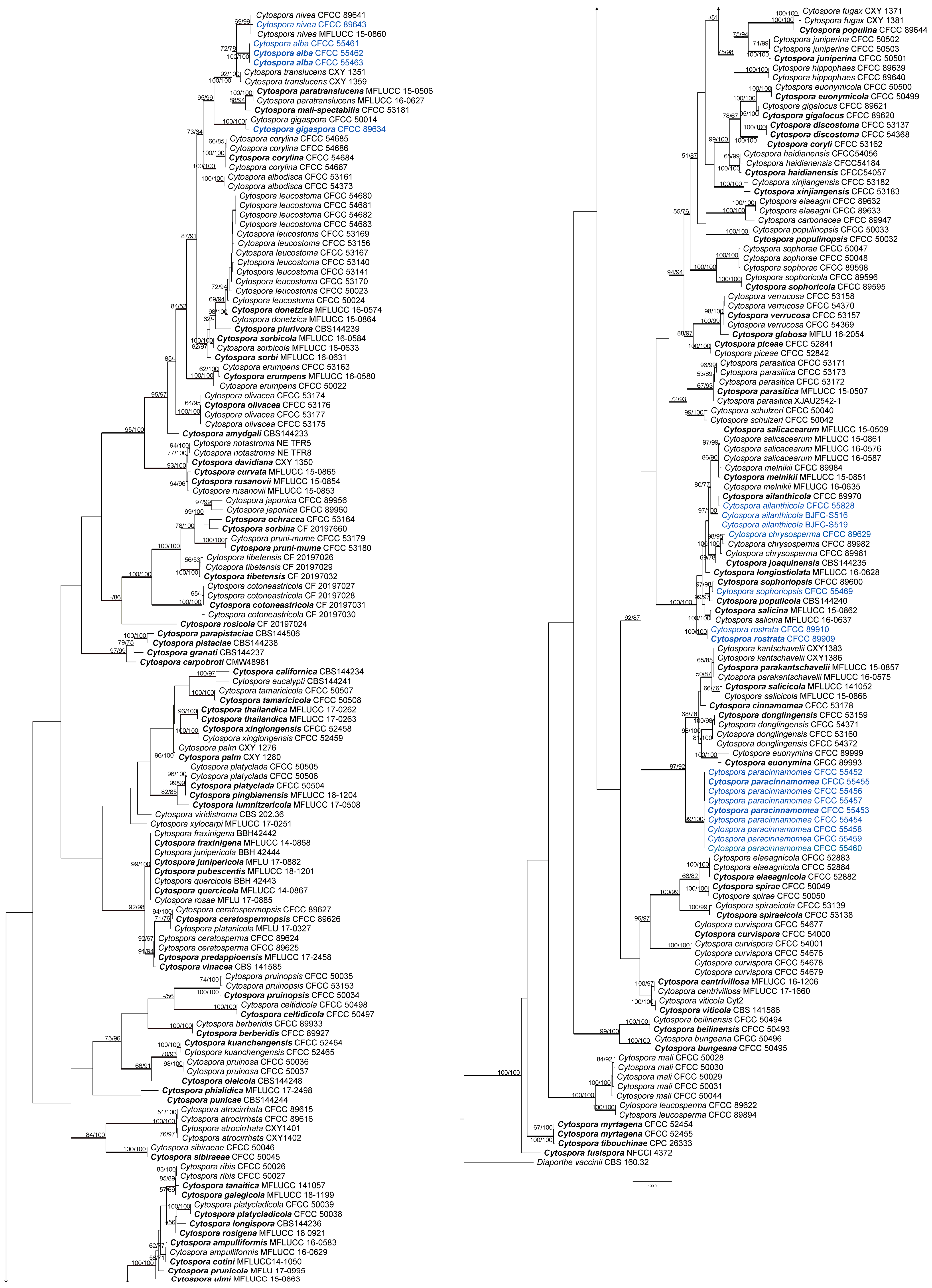
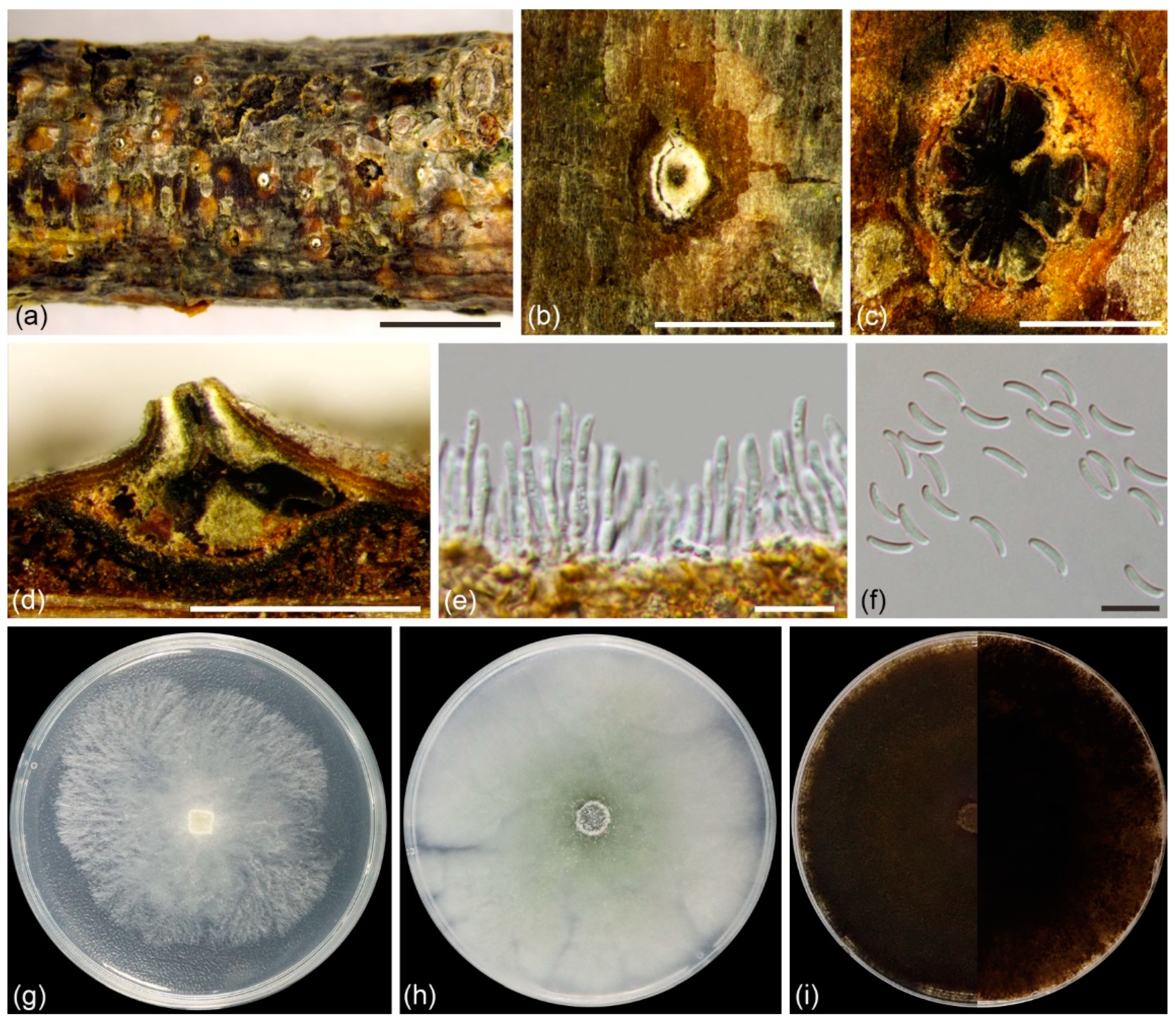
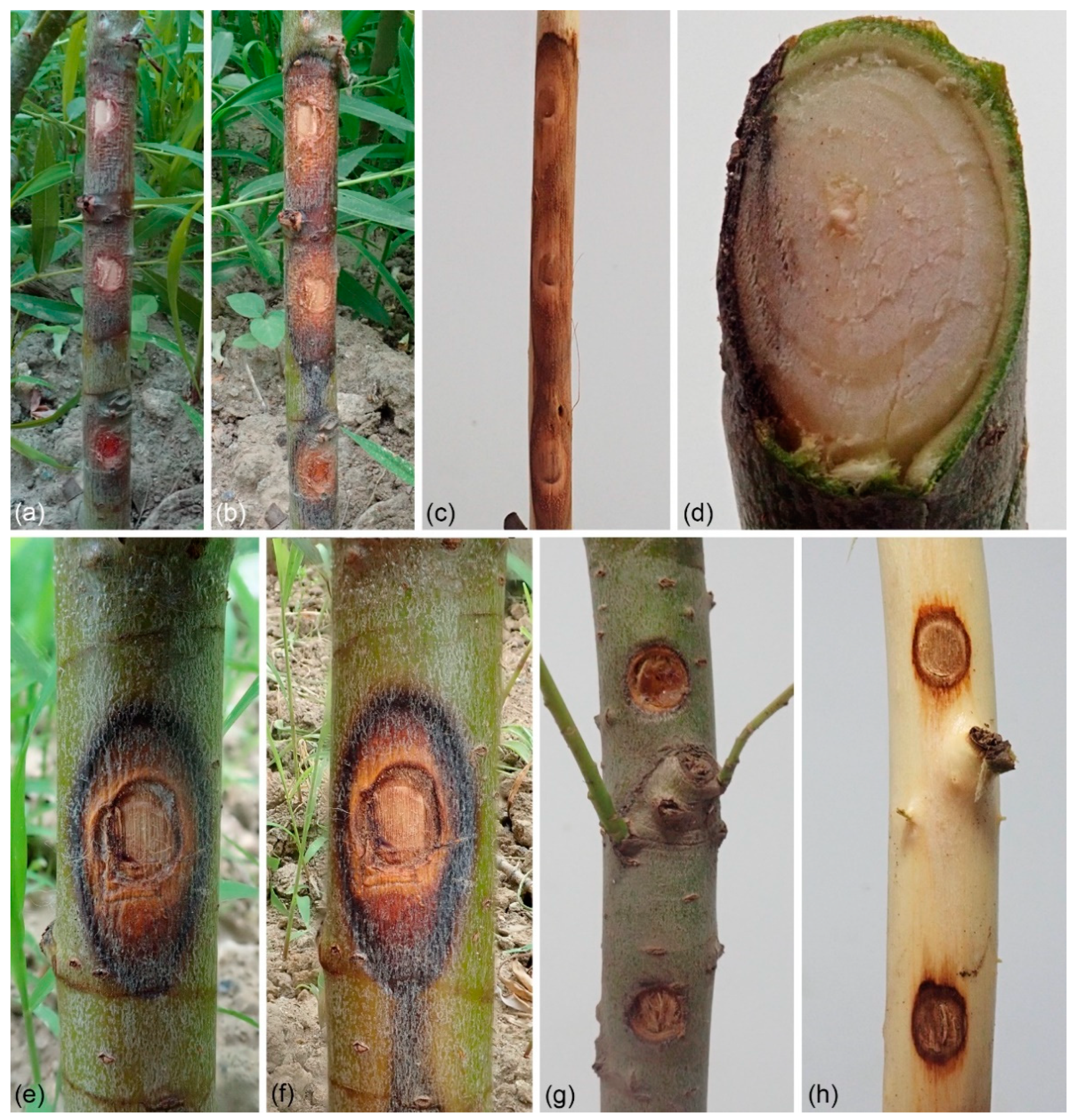
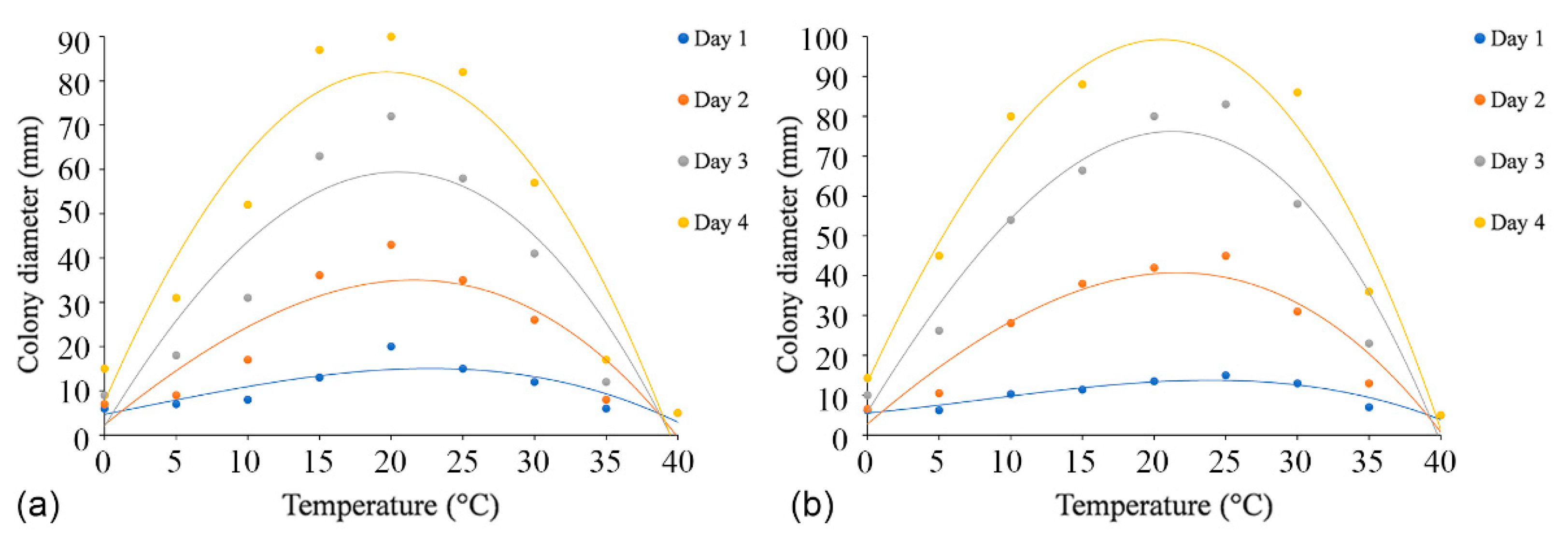
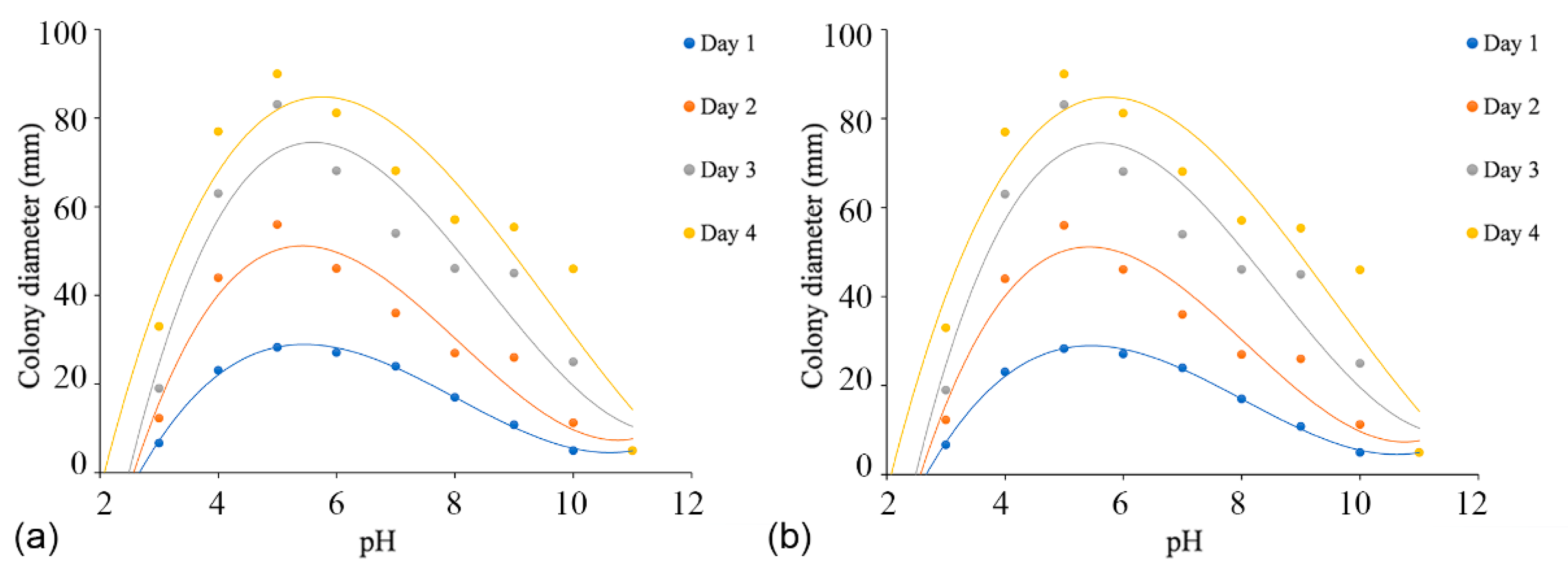
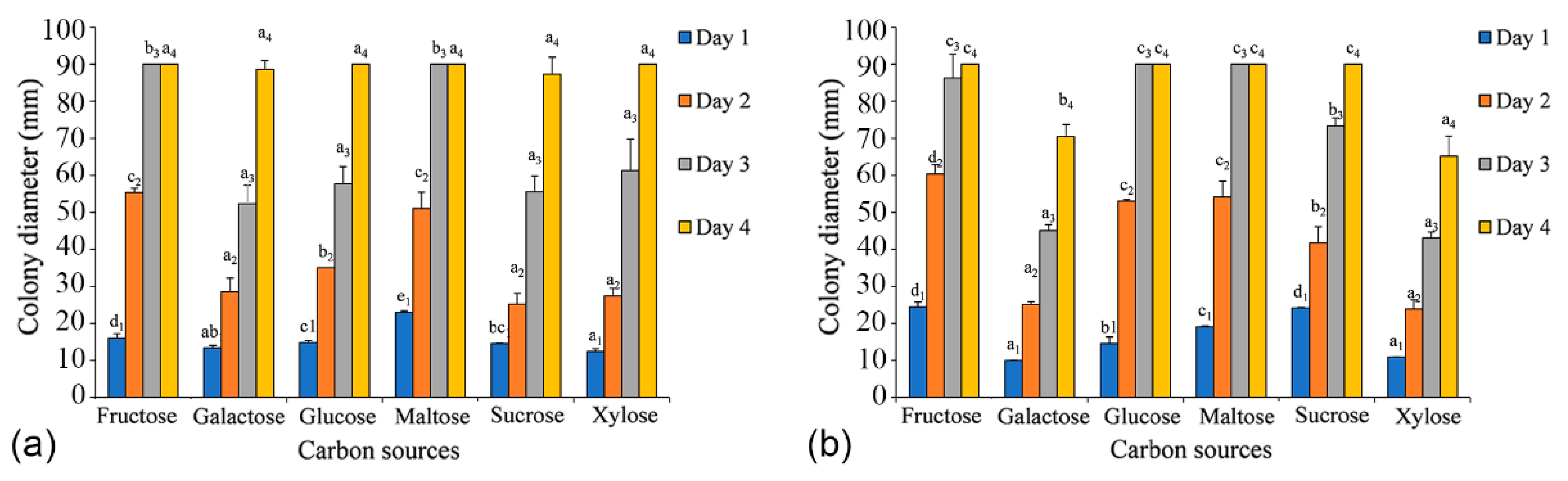
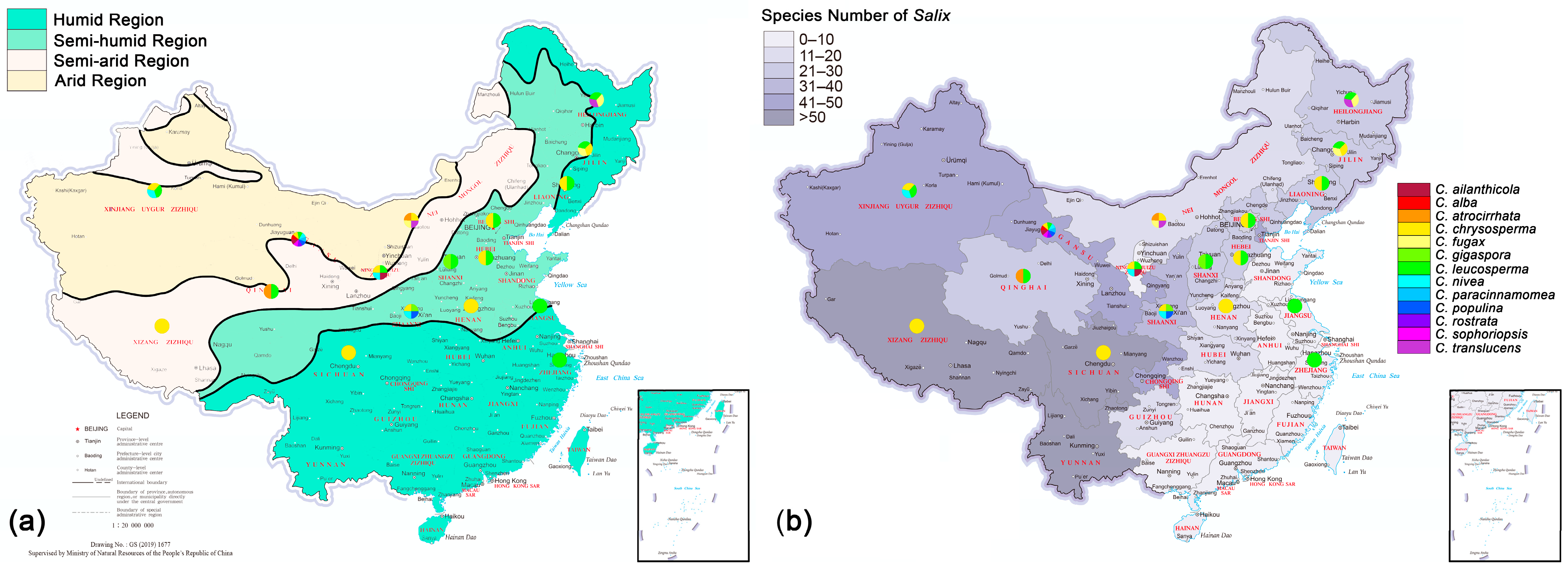
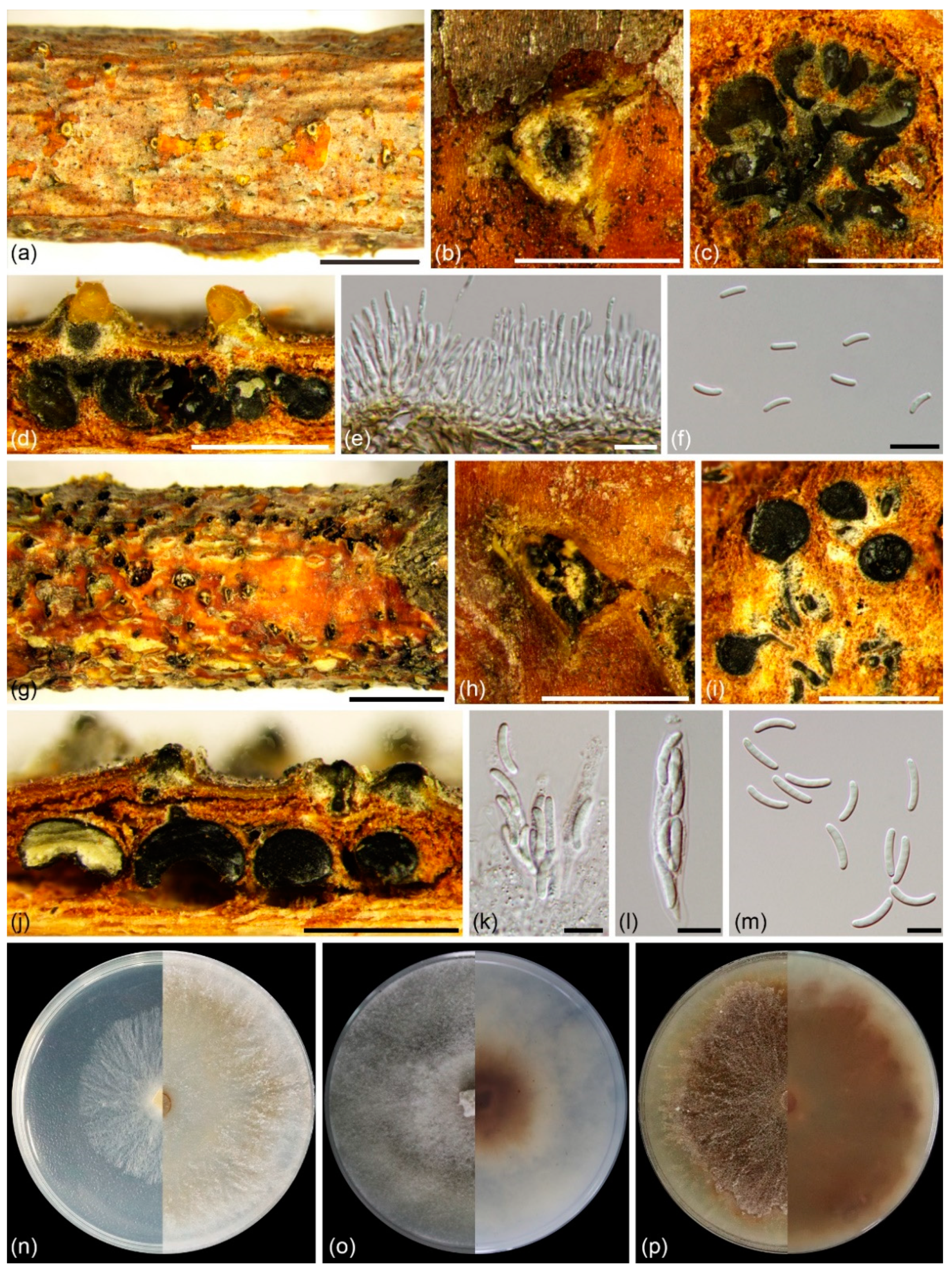
Species of Cytospora are considered important plant pathogens of a wide range of plant hosts, especially Salicaceae plants. Salix (Salicaceae, Malpighiales) has been widely cultivated in China because of its strong ecological adaptability, fast growth, and easy reproduction. In this study, a total of eight species of Cytospora were discovered on Salix in China, including C. ailanthicola, C. alba, C. chrysosperma, C. gigaspora, C. nivea, C. paracinnamomea, C. rostrata, and C. sophoriopsis. Among them, C. alba and C. paracinnamomea were identified as novel species based on morphology and phylogenetic analyses of ITS, act, rpb2, tef1-α, and tub2 gene sequences and were confirmed as pathogens of willow canker disease by pathogenicity tests. The mycelial growth rates of strains from these two novel species (C. alba and C. paracinnamomea) had optimum temperatures of 21 to 22 °C and an optimum pH value of 5 to 6. The effectiveness of six carbon sources on the mycelial growth showed that fructose and maltose had the highest influence. Cytospora species richness was significantly positively correlated with dry and wet areas. This study represents a significant evaluation of Cytospora associated with willow canker disease in China and provides a theoretical basis for predicting the potential risk of willow canker disease.
Keywords: biogeographic distribution; Diaporthales; new species; pathogens; phylogeny; Salix biogeographic distribution; Diaporthales; new species; pathogens; phylogeny; Salix