
Transposable Element-Driven Genomic Plasticity: Unveiling the Evolutionary Mechanisms of Lifestyle Transition and Ecological Adaptation in Endophytic Fungi


Abstract
1. Introduction
2. Materials and Methods
2.1. Data Acquisition and Quality Assessment
2.1.1. Data Sources
2.1.2. Genome Assembly Completeness Assessment
2.2. Phylogenetic and Evolutionary Analysis
2.2.1. Phylogenetic Tree Construction
2.2.2. Divergence Time Estimation
2.3. Genome Annotation
2.3.1. Repetitive Sequence Annotation
2.3.2. Gene Prediction and Functional Annotation
2.4. Statistical Analysis
3. Results
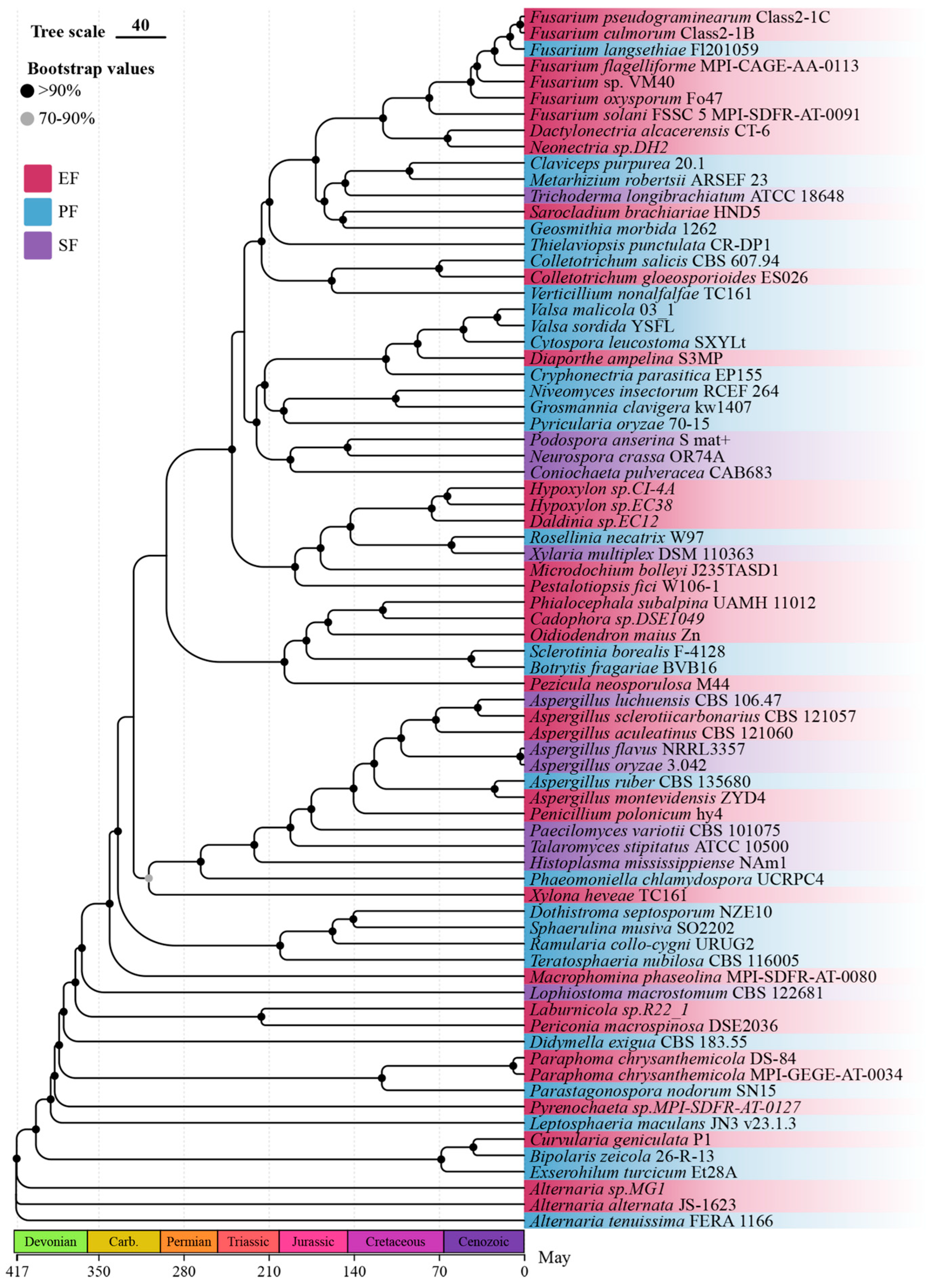
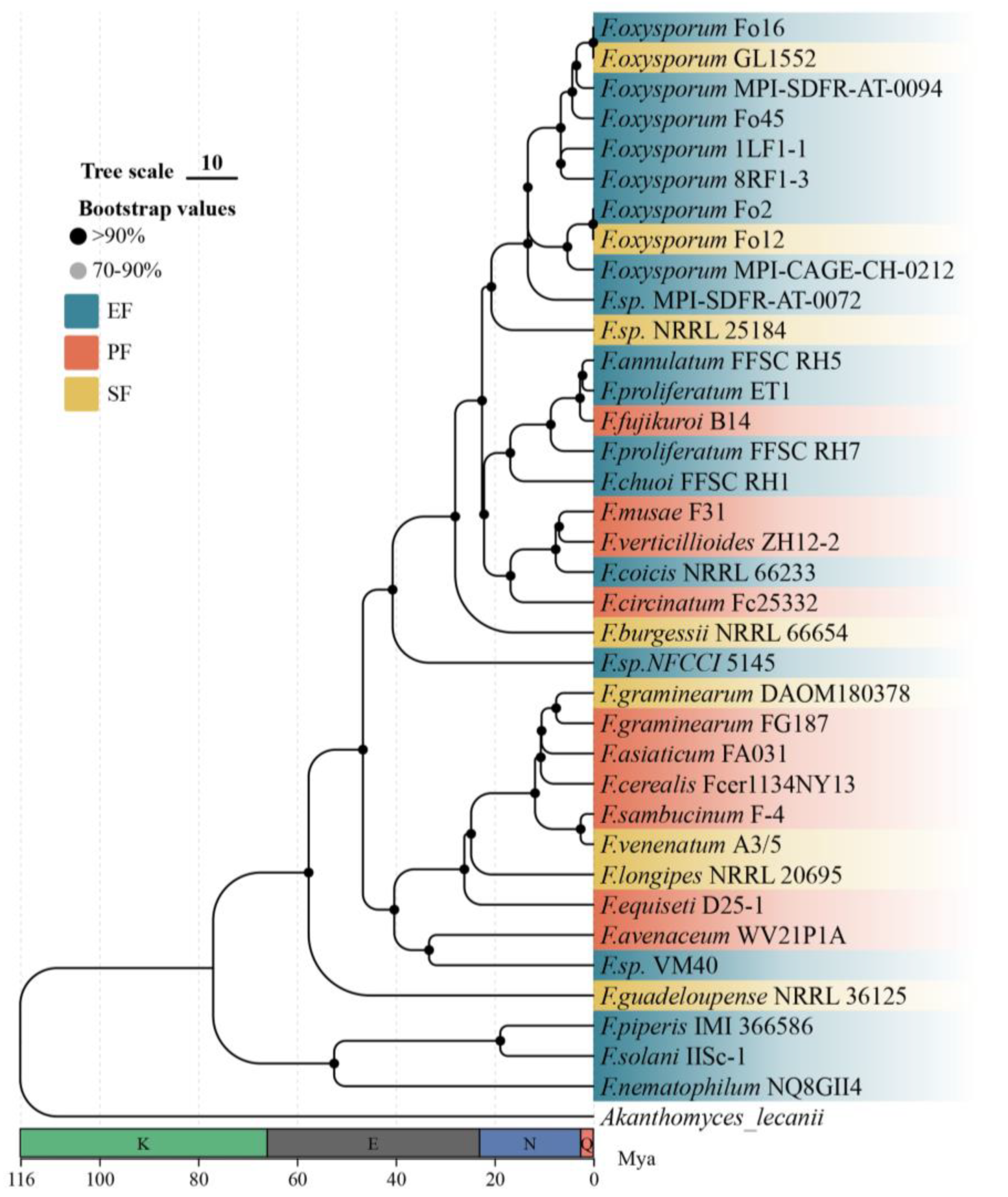
3.1. Phylogenetic Analysis and Divergence Time Estimation
3.2. Basic Genomic Characteristics and Transposable Element Analysis
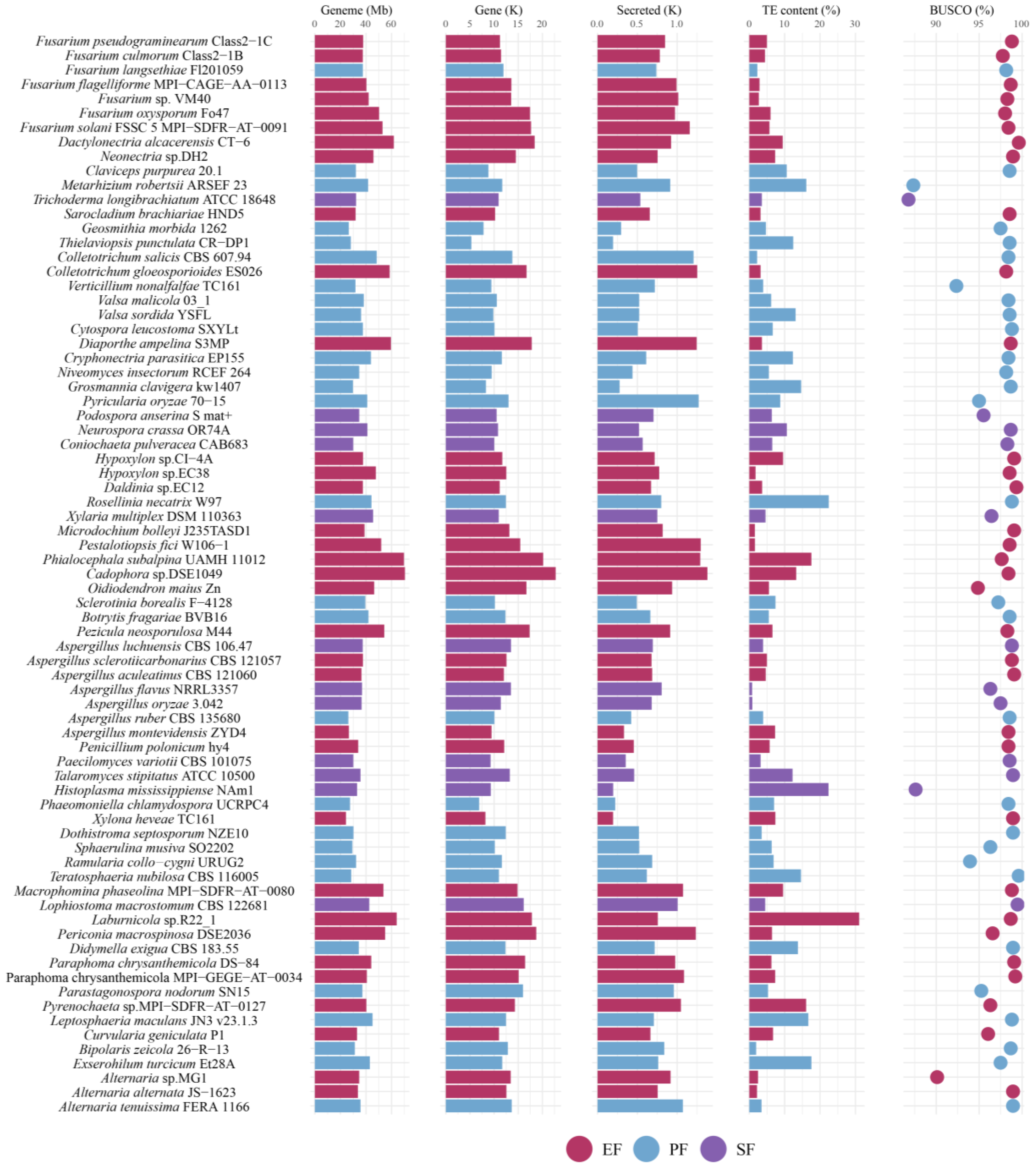
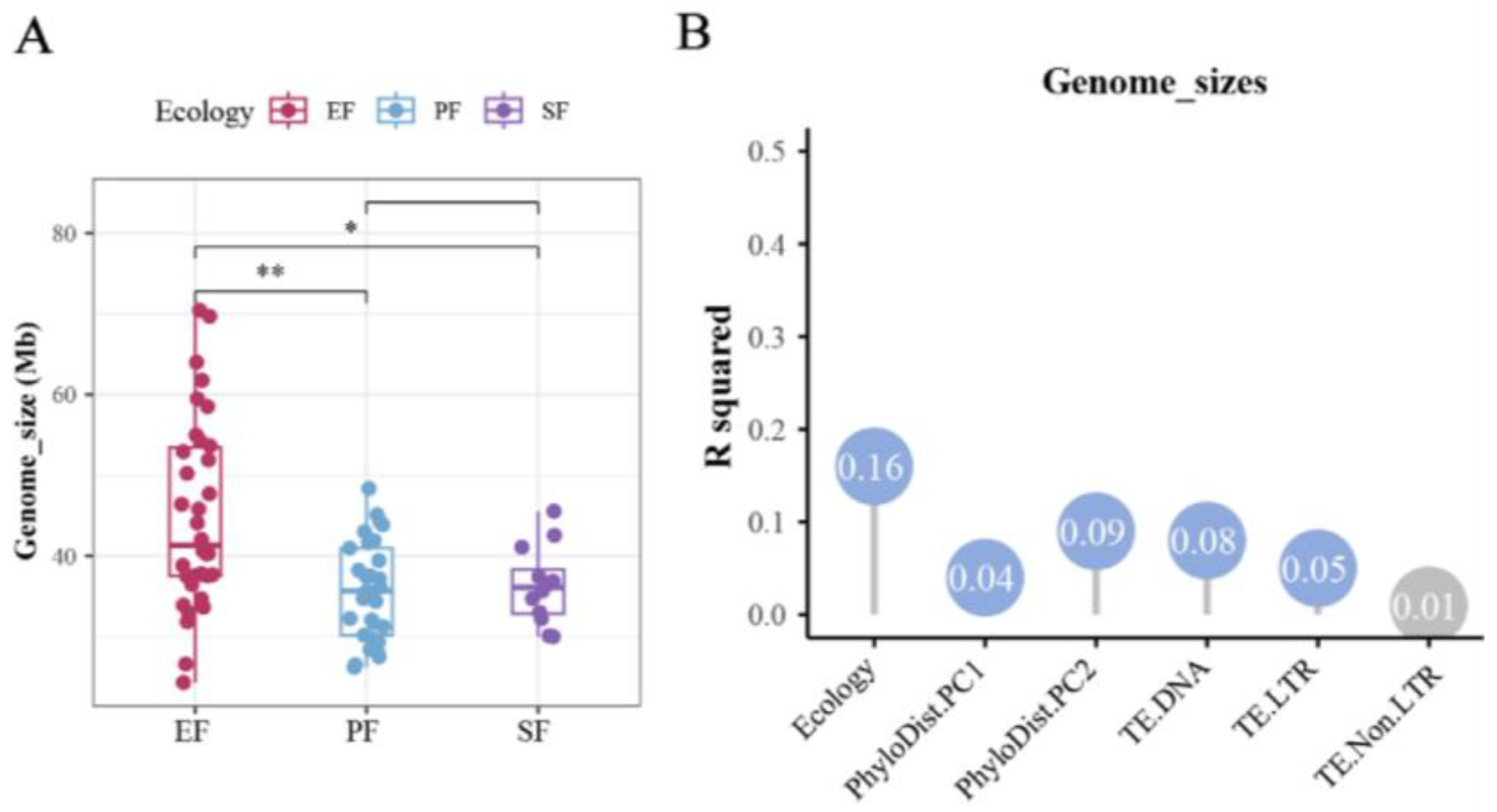
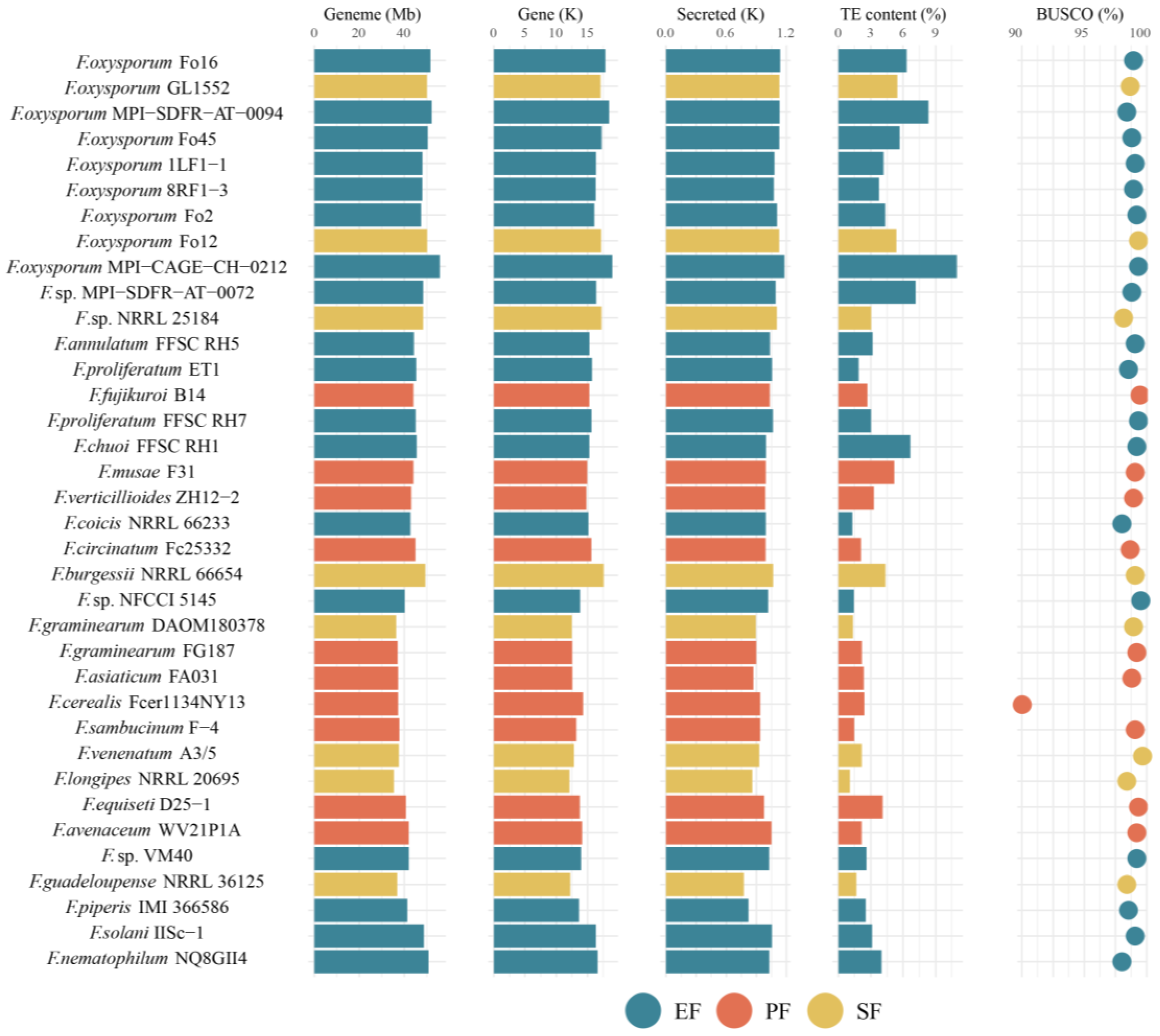
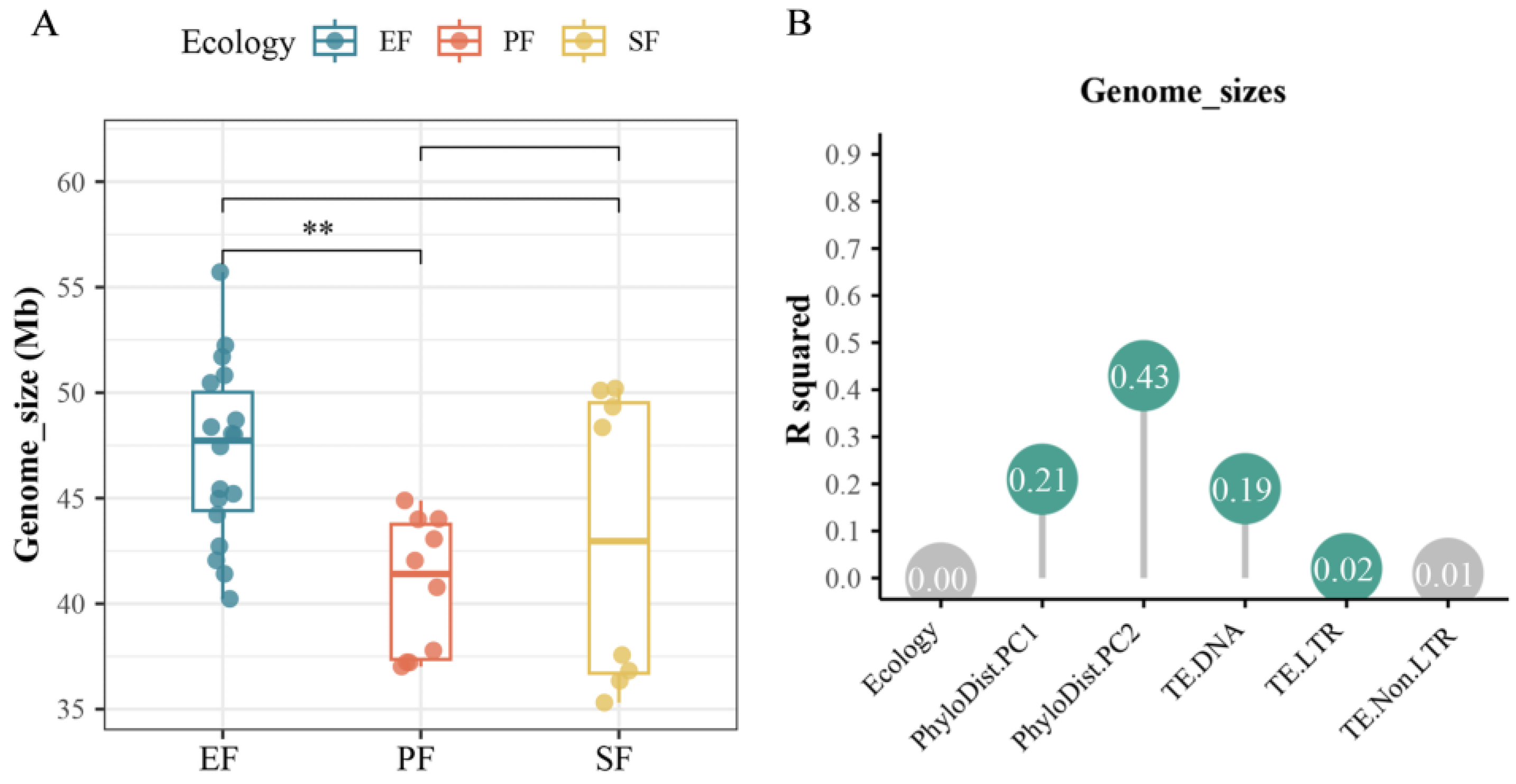
3.2.1. Genome Size and Assembly Quality
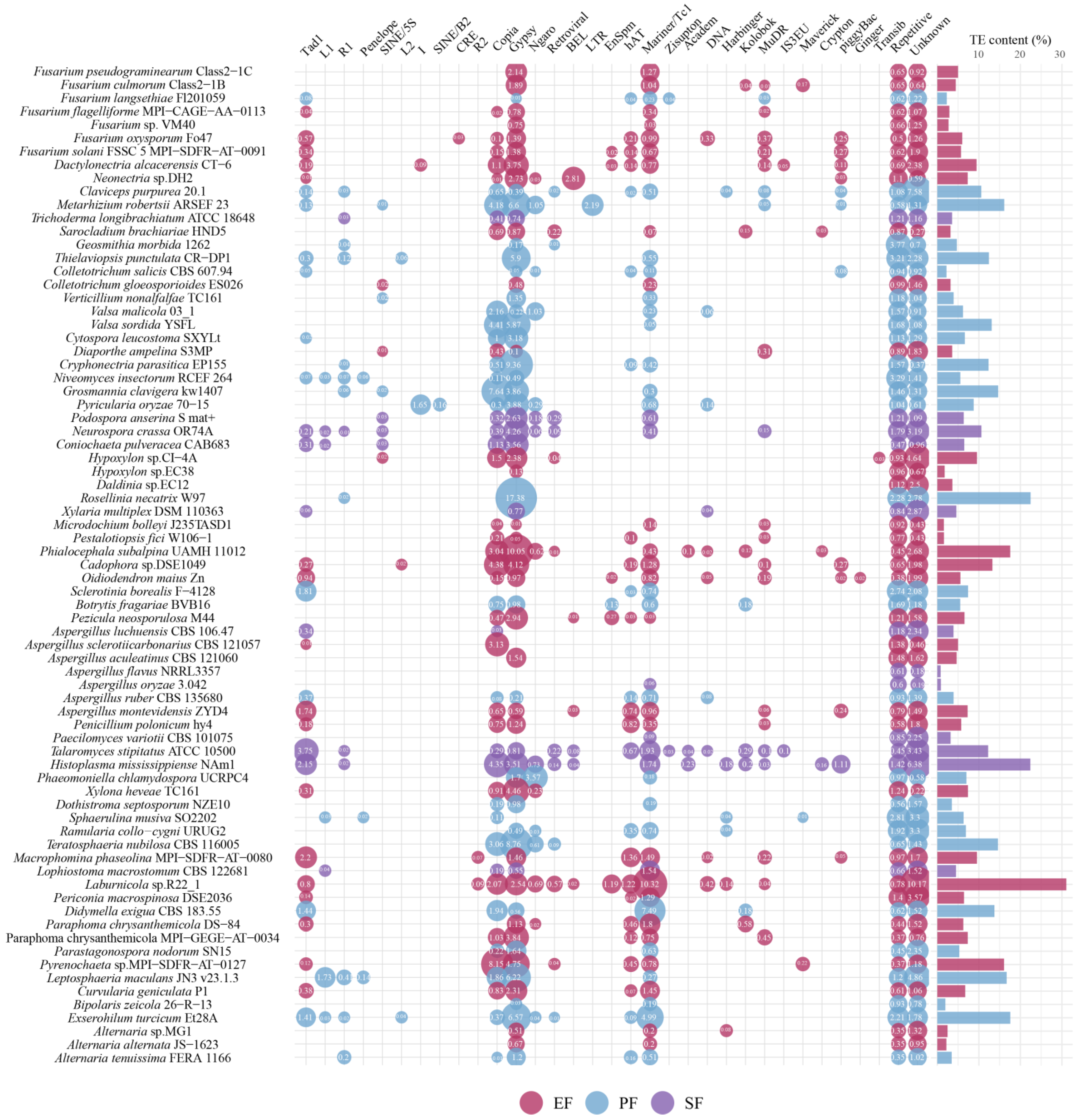
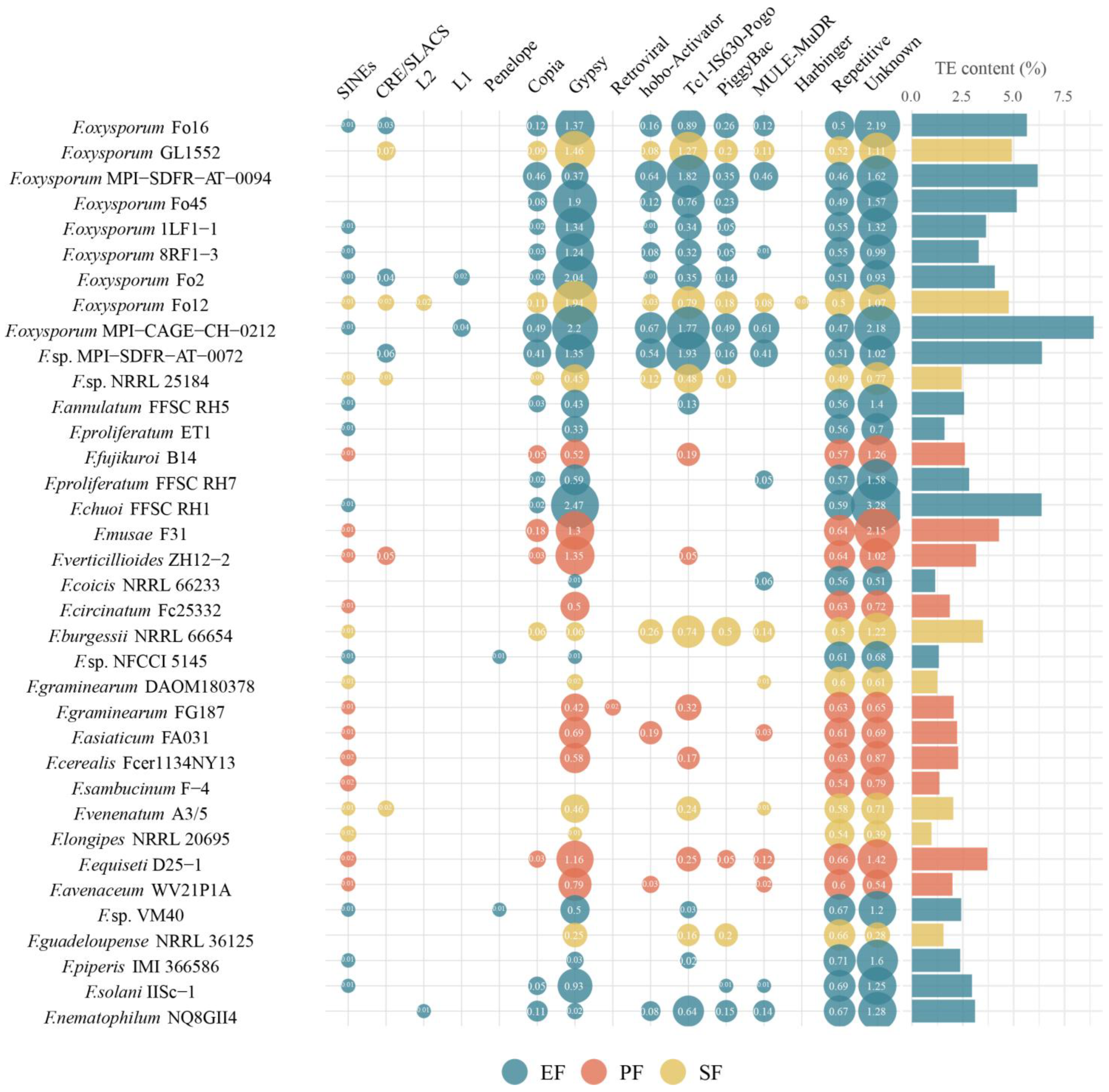
3.2.2. Transposable-Element Content and Distribution
3.3. Analysis of Functional Gene Family Expansion
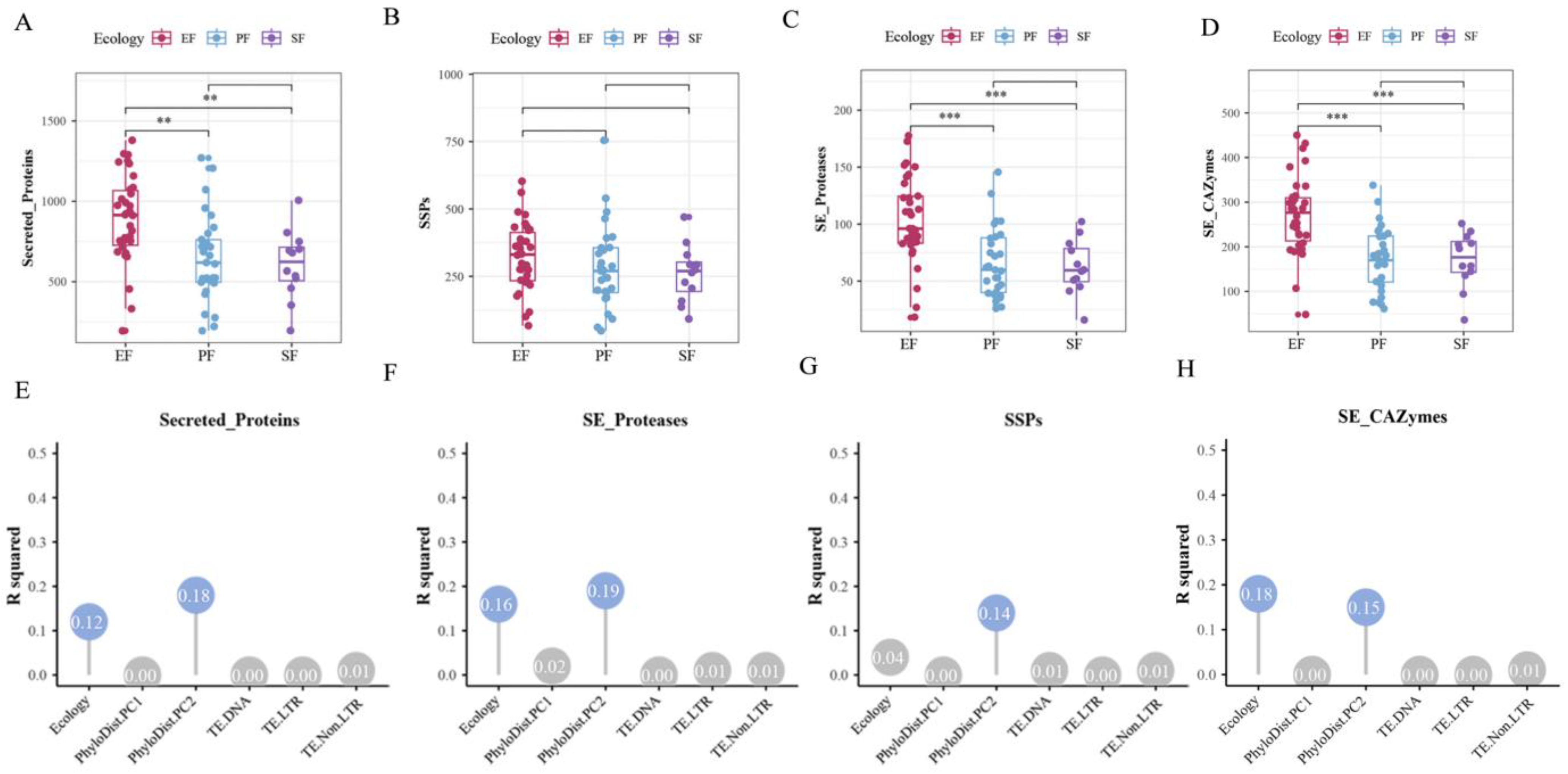
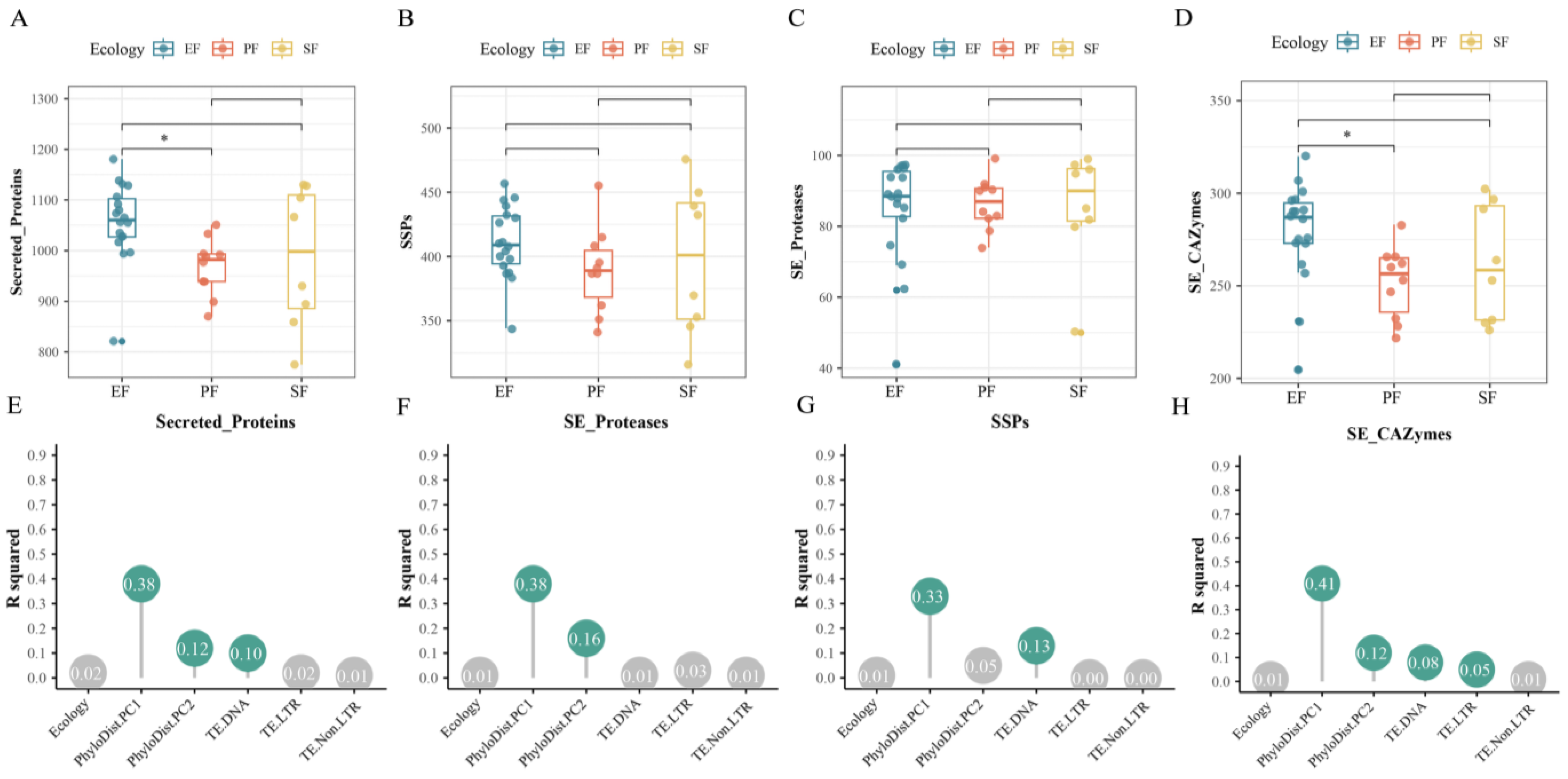
3.3.1. Secretome Characteristics
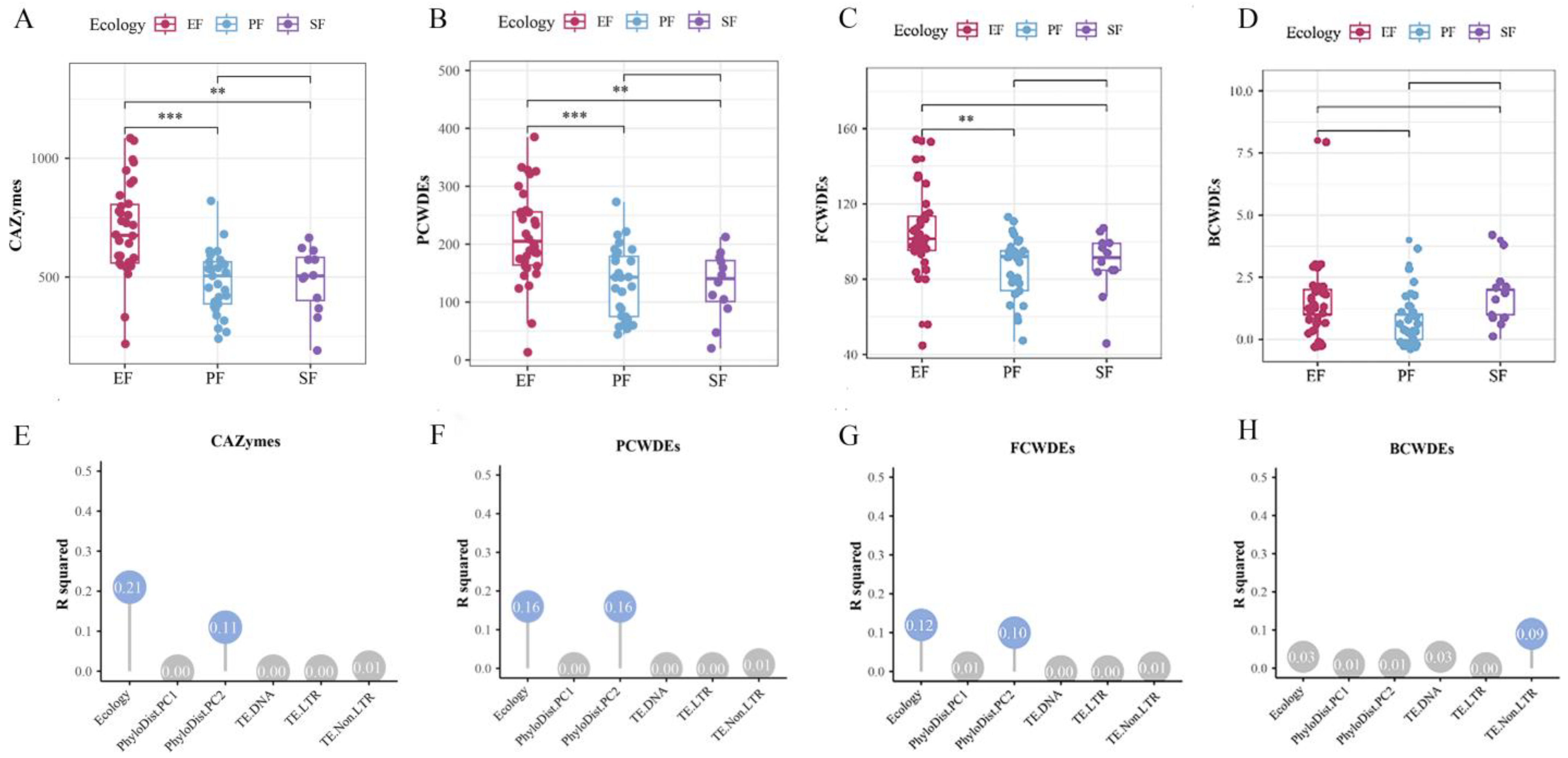
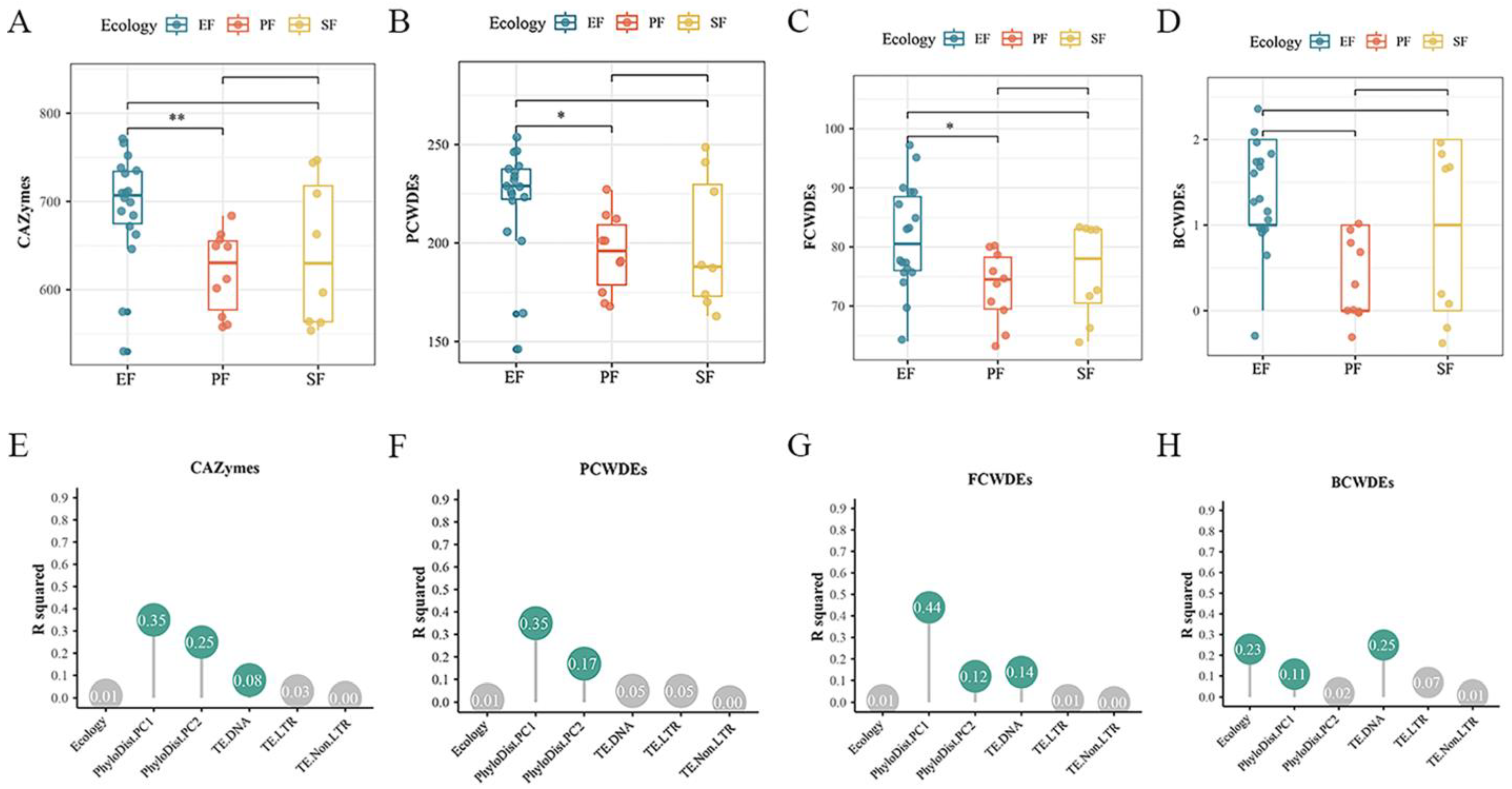
3.3.2. Comparative Analysis of CAZyme Gene Families
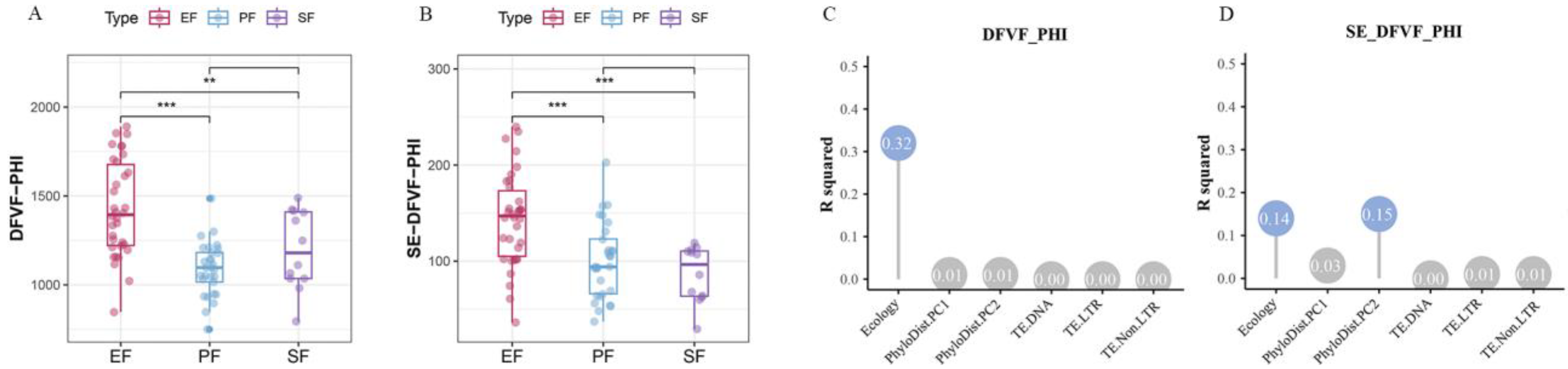
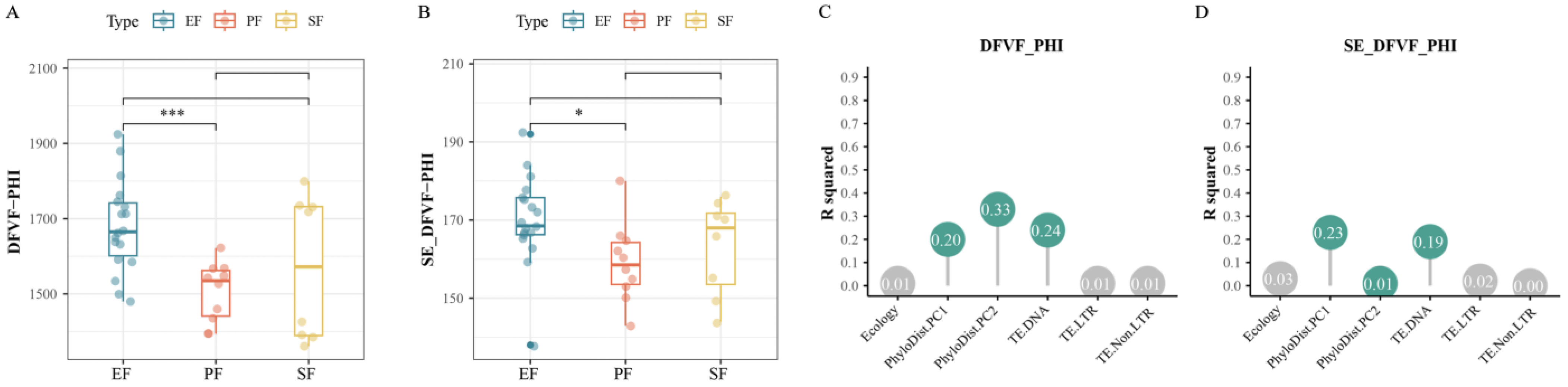
3.3.3. Expansion of Virulence Factors
4. Discussion
Author Contributions
Funding
Institutional Review Board Statement
Informed Consent Statement
Data Availability Statement
Acknowledgments
Conflicts of Interest
Abbreviations
| AA | Auxiliary Activity |
| BCWDE | Bacterial Cell Wall-Degrading Enzyme |
| BUSCO | Benchmarking Universal Single-Copy Orthologs |
| CAZymes | Carbohydrate-Active Enzymes |
| CBM | Carbohydrate-Binding Module |
| CE | Carbohydrate Esterase |
| CSEP | Candidate Secreted Effector Protein |
| DFVF | Database of Fungal Virulence Factors |
| EF | Endophytic Fungi |
| EFNR | Non-Root-Endophytic Fungi |
| EFR | Root-Endophytic Fungi |
| FCWDEs | Fungal Cell-Wall-Degrading Enzymes |
| GH | Glycoside Hydrolase |
| GT | Glycosyl Transferase |
| HMM | Hidden Markov Model |
| LiP | Lignin Peroxidase |
| LTR | Long Terminal Repeat |
| MCWDEs | Microbial Cell Wall-Degrading Enzymes |
| MnP | Manganese Peroxidase |
| NCBI | National Center for Biotechnology Information |
| non-LTR | Non-Long Terminal Repeat |
| PCWDE | Plant Cell Wall-Degrading Enzyme |
| PERMANOVA | Permutational Multivariate Analysis of Variance |
| PF | Pathogenic Fungi |
| PHI | Pathogen–Host Interaction database |
| PL | Polysaccharide Lyase |
| SF | Saprotrophic Fungi |
| SSP | Small Secreted Protein |
| TE | Transposable Element |
| TRF | Tandem Repeats Finder |
Appendix A

| GeneBank Assembly | Ecology | Strains |
|---|---|---|
| GCA_020744275.1 | EF (EFR) | Macrophomina phaseolina MPI-SDFR-AT-0080 |
| GCA_000340195.1 | PF | Dothistroma septosporum NZE10 |
| GCF_900074925.1 | PF | Ramularia collo-cygni URUG2 |
| GCF_000320565.1 | PF | Sphaerulina musiva SO2202 |
| GCA_010093825.1 | PF | Teratosphaeria nubilosa CBS 116005 |
| GCA_020747015.1 | EF (EFR) | Pyrenochaeta sp. MPI-SDFR-AT-0127 |
| GCF_010094145.1 | PF | Didymella exigua CBS 183.55 |
| GCA_014281115.1 | EF (EFR) | Laburnicola sp. R22_1 |
| GCF_000230375.1 | PF | Leptosphaeria maculans JN3 v23.1.3 |
| GCA_010405375.1 | SF | Lophiostoma macrostomum CBS 122681 |
| GCA_003073855.1 | EF (EFR) | Periconia macrospinosa DSE2036 |
| GCA_030544205.1 | EF (EFR) | Paraphoma chrysanthemicola DS-84 |
| GCA_020744225.1 | EF (EFR) | Paraphoma chrysanthemicola MPI-GEGE-AT-0034 |
| GCF_000146915.1 | PF | Parastagonospora nodorum SN15 |
| GCA_009650635.1 | EF (EFNR) | Alternaria alternata JS-1623 |
| GCA_003574525. | EF (EFNR) | Alternaria sp. MG1 |
| GCA_016162275.1 | EF (EFR) | Curvularia geniculata P1 |
| GCA_004156035.1 | PF | Alternaria tenuissima FERA 1166 |
| GCF_000523435.1 | PF | Bipolaris zeicola 26-R-13 |
| GCF_000359705.1 | PF | Exserohilum turcicum Et28A |
| GCF_003184765.1 | EF (EFNR) | Aspergillus aculeatinus CBS 121060 |
| GCA_020826735.1 | EF (EFNR) | Aspergillus montevidensis ZYD4 |
| GCA_003184635.1 | EF (EFNR) | Aspergillus sclerotiicarbonarius CBS 121057 |
| GCA_003344595.1 | EF (EFNR) | Penicillium polonicum hy4 |
| GCA_000600275.1 | PF | Aspergillus ruber CBS 135680 |
| GCF_014117465.1 | SF | Aspergillus flavus NRRL3357 |
| GCA_001890685.1 | SF | Aspergillus luchuensis CBS 106.47 |
| GCA_000269785.2 | SF | Aspergillus oryzae 3.042 |
| GCF_004022145.1 | SF | Paecilomyces variotii CBS 101075 |
| GCF_000003125.1 | SF | Talaromyces stipitatus ATCC 10500 |
| GCF_000149585.1 | SF | Histoplasma mississippiense NAm1 |
| GCA_001006345.1 | PF | Phaeomoniella chlamydospore UCRPC4 |
| GCA_000827325.1 | EF (EFR) | Oidiodendron maius Zn |
| GCA_003073865.1 | EF (EFR) | Cadophora sp. DSE1049 |
| GCA_009805495.1 | EF (EFNR) | Pezicula neosporulosa M44 |
| GCA_900073065.1 | EF (EFR) | Phialocephala subalpina UAMH 11012 |
| GCA_013461495.1 | PF | Botrytis fragariae BVB16 |
| GCA_000503235.1 | PF | Sclerotinia borealis F-4128 |
| GCF_001619985.1 | EF (EFNR) | Xylona heveae TC161 |
| GCA_003635345.1 | SF | Coniochaeta pulveracea CAB683 |
| GCA_011745365.1 | PF | Cryphonectria parasitica EP155 |
| GCA_001630405.1 | EF (EFR) | Diaporthe ampelina S3MP |
| GCA_003795295.1 | PF | Cytospora leucostoma SXYLt |
| GCA_003795315.1 | PF | Valsa malicola 03_1 |
| GCA_003795275.1 | PF | Valsa sordida YSFL |
| GCA_003568745.1 | EF (EFNR) | Colletotrichum gloeosporioides ES026 |
| GCA_001563125.1 | PF | Colletotrichum salicis CBS 607.94 |
| GCF_003724135.2 | PF | Verticillium nonalfalfae TC161 |
| GCF_012550715.1 | PF | Geosmithia morbida 1262 |
| GCA_000347355.1 | PF | Claviceps purpurea 20.1 |
| GCF_000187425.2 | PF | Metarhizium robertsii ARSEF 23 |
| GCA_001636815.1 | PF | Niveomyces insectorum RCEF 264 |
| GCA_003025155.1 | SF | Trichoderma longibrachiatum ATCC 18648 |
| GCA_029931735.1 | EF (EFNR) | Dactylonectria alcacerensis CT-6 |
| GCA_016952355.1 | EF (EFNR) | Fusarium culmorum Class2-1B |
| GCA_014324445.1 | EF (EFNR) | Fusarium oxysporum Fo47 |
| GCA_016952305.1 | EF (EFNR) | Fusarium pseudograminearum Class2-1C |
| GCA_954870535.1 | EF (EFNR) | Fusarium sp. VM40 |
| GCA_003934905.1 | EF (EFNR) | Neonectria sp. DH2 |
| GCA_020744385.1 | EF (EFR) | Fusarium flagelliforme MPI-CAGE-AA-0113 |
| GCA_020744495.1 | EF (EFR) | Fusarium solani FSSC 5 MPI-SDFR-AT-0091 |
| GCA_001292635.1 | PF | Fusarium langsethiae Fl201059 |
| GCA_008271525.1 | EF (EFNR) | Sarocladium brachiariae HND5 |
| GCF_000002495.2 | PF | Pyricularia oryzae 70-15 |
| GCA_000968615.1 | PF | Thielaviopsis punctulata CR-DP1 |
| GCF_000143105.1 | PF | Grosmannia clavigera kw1407 |
| GCF_000226545.1 | SF | Podospora anserina S mat+ |
| GCF_000182925.2 | SF | Neurospora crassa OR74A |
| GCA_002120325.1 | EF (EFNR) | Daldinia sp. EC12 |
| GCA_002120315.1 | EF (EFNR) | Hypoxylon sp. CI-4A |
| GCA_002120335.1 | EF (EFNR) | Hypoxylon sp. EC38 |
| GCA_001566295.1 | EF (EFR) | Microdochium bolleyi J235TASD1 |
| GCF_000516985.1 | EF (EFNR) | Pestalotiopsis fici W106-1 |
| GCA_001445595.3 | PF | Rosellinia necatrix W97 |
| GCA_011057905.1 | SF | Xylaria multiplex DSM 110363 |
| GeneBank Assembly | Ecology | Strains |
|---|---|---|
| GCA_014325065.1 | EF (EFR) | F. oxysporum Fo16 |
| GCA_016166015.1 | SF | F. oxysporum GL1552 |
| GCA_020744455.1 | EF (EFR) | F. oxysporum MPI-SDFR-AT-0094 |
| GCA_014324665.1 | EF (EFR) | F. oxysporum Fo45 |
| GCA_040285575.1 | EF (EFNR) | F. oxysporum 1LF1-1 |
| GCA_040285555.1 | EF (EFR) | F. oxysporum 8RF1-3 |
| GCA_014325295.1 | EF (EFR) | F. oxysporum Fo2 |
| GCA_014325035.1 | SF | F. oxysporum Fo12 |
| GCA_020744355.1 | EF (EFR) | F. oxysporum MPI-CAGE-CH-0212 |
| GCA_020744335.1 | EF (EFR) | F. sp. MPI-SDFR-AT-0072 |
| GCA_013755755.1 | SF | F. sp. NRRL 25184 |
| GCA_022627115.1 | EF (EFNR) | F. annulatum FFSC RH5 |
| GCA_900067095.1 | EF (EFR) | F. proliferatum ET1 |
| GCA_900096505.1 | PF | F. fujikuroi B14 |
| GCA_022627135.1 | EF (EFNR) | F. proliferatum FFSC RH7 |
| GCA_022627125.1 | EF (EFNR) | F. chuoi FFSC RH1 |
| GCA_019915245.1 | PF | F. musae F31 |
| GCA_037214365.1 | PF | F. verticillioides ZH12-2 |
| GCA_013781345.1 | EF (EFNR) | F. coicis NRRL 66233 |
| GCA_040114195.1 | PF | F. circinatum Fc25332 |
| GCA_002980515.1 | SF | F. burgessii NRRL 66654 |
| GCA_033439405.1 | EF (EFNR) | F. sp. NFCCI 5145 |
| GCA_001717915.1 | SF | F. graminearum DAOM180378 |
| GCA_025427445.1 | PF | F. graminearum FG187 |
| GCA_025427465.1 | PF | F. asiaticum FA031 |
| GCA_012600195.1 | PF | F. cerealis Fcer1134NY13 |
| GCA_001567575.1 | PF | F. sambucinum F-4 |
| GCA_019425555.1 | SF | F. venenatum A3/5 |
| GCA_003012285.1 | SF | F. longipes NRRL 20695 |
| GCA_003313175.1 | PF | F. equiseti D25-1 |
| GCA_025948275.1 | PF | F. avenaceum WV21P1A |
| GCA_954870535.1 | EF (EFNR) | F. sp. VM40 |
| GCA_021655875.1 | SF | F. guadeloupense NRRL 36125 |
| GCA_027946385.1 | EF (EFNR) | F. piperis IMI 366586 |
| GCA_013168735.1 | EF (EFNR) | F. solani IISc-1 |
| GCA_033030565.1 | EF (EFR) | F. nematophilum NQ8GII4 |
References
- Li, Q.X.; Lin, F.C.; Su, Z.Z. Endophytic fungi—Big player in plant-microbe symbiosis. Curr. Plant Biol. 2025, 42, 100481. [Google Scholar] [CrossRef] [Scilit]
- Alster, C.J.; Allison, S.D.; Johnson, N.G.; Glassman, S.I.; Treseder, K.K. Phenotypic plasticity of fungal traits in response to moisture and temperature. ISME Commun. 2021, 1, 43. [Google Scholar] [CrossRef] [Scilit]
- Chen, J. Composition and Biodiversity of Culturable Endophytic Fungi in the Roots of Alpine Medicinal Plants in Xinjiang, China. J. Fungi 2025, 11, 113. [Google Scholar] [CrossRef] [Scilit]
- Liao, C.; Doilom, M.; Jeewon, R.; Hyde, K.D.; Manawasinghe, I.S.; Chethana, K.T.; Balasuriya, A.; Thakshila, S.A.; Luo, M.; Mapook, A.; et al. Challenges and update on fungal endophytes: Classification, definition, diversity, ecology, evolution and functions. Fungal Divers. 2025, 131, 301–367. [Google Scholar] [CrossRef] [Scilit]
- Wang, Z.; Wang, L.; Pan, Y.; Zheng, X.; Liang, X.; Sheng, L.; Zhang, D.; Sun, Q.; Wang, Q. Research advances on endophytic fungi and their bioactive metabolites. Bioprocess Biosyst. Eng. 2023, 46, 165–170. [Google Scholar] [CrossRef] [Scilit]
- Shang, S.; Liang, X.; Liu, G.; Du, Y.; Zhang, S.; Meng, Y.; Zhu, J.; Rollins, J.A.; Zhang, R.; Sun, G. A fungal effector suppresses plant immunity by manipulating DAHPS-mediated metabolic flux in chloroplasts. New Phytol. 2024, 244, 1552–1569. [Google Scholar] [CrossRef] [Scilit]
- Tariqjaveed, M.; Mateen, A.; Wang, S.; Qiu, S.; Zheng, X.; Zhang, J.; Bhadauria, V.; Sun, W. Versatile effectors of phytopathogenic fungi target host immunity. J. Integr. Plant Biol. 2021, 63, 1856–1873. [Google Scholar] [CrossRef] [Scilit] [PubMed]
- Sugano, J.; Maina, N.; Wallenius, J.; Hildén, K. Enhanced Lignocellulolytic Enzyme Activities on Hardwood and Softwood during Interspecific Interactions of White- and Brown-Rot Fungi. J. Fungi 2021, 7, 265. [Google Scholar] [CrossRef] [Scilit] [PubMed]
- Singh Arora, D.; Kumar Sharma, R. Ligninolytic Fungal Laccases and Their Biotechnological Applications. Appl. Biochem. Biotechnol. 2010, 160, 1760–1788. [Google Scholar] [CrossRef] [Scilit]
- Petrini, O. Fungal Endophytes of Tree Leaves; Springer: New York, NY, USA, 1991; pp. 79–197. [Google Scholar]
- Rodrigues, K.F.; Petrini, O.; Leuchtmann, A. Variability among isolates of Xylaria cubensis as determined by isozyme analysis and somatic incompatibility tests. Mycologia 1995, 87, 592–596. [Google Scholar] [CrossRef] [Scilit]
- Omrane, S.; Audéon, C.; Ignace, A.; Duplaix, C.; Aouini, L.; Kema, G.; Walker, A.-S.; Fillinger, S. Plasticity of the MFS1 promoter peads to multidrug resistance in the wheat pathogen Zymoseptoria tritici. MSphere 2017, 2, E00393-17. [Google Scholar] [CrossRef] [Scilit]
- Hosseini, S.; Meunier, C.; Nguyen, D.; Reimegård, J.; Johannesson, H. Comparative analysis of genome-wide DNA methylation in Neurospora. Epigenetics 2020, 15, 972–987. [Google Scholar] [CrossRef] [Scilit]
- Torres-Martínez, S.; Ruiz-Vázquez, R.M. The RNAi universe in fungi: A varied landscape of small RNAs and biological functions. Annu. Rev. Microbiol. 2017, 71, 371–391. [Google Scholar] [CrossRef] [Scilit]
- Muszewska, A.; Steczkiewicz, K.; Stepniewska-Dziubinska, M.; Ginalski, K. Transposable elements contribute to fungal genes and impact fungal lifestyle. Sci. Rep. 2019, 9, 4307. [Google Scholar] [CrossRef] [Scilit] [PubMed]
- Kant, S.; Das, S.; Dutta, S.; Mandal, K.; Upadhyay, A.; Sarangi, A.N.; Majumder, R.; Tripathy, S. Comparative genomics of endophytic fungi Apiospora malaysiana with related ascomycetes indicates adaptation attuned to lifestyle choices with potential sustainable cellulolytic activity. DNA Res. 2025, 32, dsaf011. [Google Scholar] [CrossRef] [Scilit] [PubMed]
- Nicolás, C.; Martin-Bertelsen, T.; Floudas, D.; Bentzer, J.; Smits, M.; Johansson, T.; Troein, C.; Persson, P.; Tunlid, A. The soil organic matter decomposition mechanisms in ectomycorrhizal fungi are tuned for liberating soil organic nitrogen. ISME J. 2019, 13, 977–988. [Google Scholar] [CrossRef] [Scilit]
- Miyauchi, S.; Kiss, E.; Kuo, A.; Drula, E.; Kohler, A.; Sánchez-García, M.; Morin, E.; Andreopoulos, B.; Barry, K.W.; Bonito, G.; et al. Large-scale genome sequencing of mycorrhizal fungi provides insights into the early evolution of symbiotic traits. Nat. Commun. 2020, 11, 5125. [Google Scholar] [CrossRef] [Scilit]
- Lebreton, A.; Zeng, Q.; Miyauchi, S.; Kohler, A.; Dai, Y.-C.; Martin, F.M. Evolution of the mode of nutrition in symbiotic and saprotrophic fungi in forest ecosystems. Annu. Rev. Ecol. Evol. Syst. 2021, 52, 385–404. [Google Scholar] [CrossRef] [Scilit]
- Manni, M.; Berkeley, M.R.; Seppey, M.; A Simão, F.; Zdobnov, E.M. BUSCO update: Novel and streamlined workflows along with broader and deeper phylogenetic coverage for scoring of eukaryotic, prokaryotic, and viral genomes. Mol. Biol. Evol. 2021, 38, 4647–4654. [Google Scholar] [CrossRef] [Scilit]
- Manni, M.; Berkeley, M.R.; Seppey, M.; Zdobnov, E.M. BUSCO: Assessing Genomic Data Quality and Beyond. Curr. Protoc. 2021, 1, e323. [Google Scholar] [CrossRef] [Scilit]
- Tegenfeldt, F.; Kuznetsov, D.; Manni, M.; Berkeley, M.; Zdobnov, E.M.; Kriventseva, E.V. OrthoDB and BUSCO update: Annotation of orthologs with wider sampling of genomes. Nucleic Acids Res. 2024, 53, D516–D522. [Google Scholar] [CrossRef] [Scilit] [PubMed]
- Zhang, M.; Xu, W.; Mei, H.; Song, G.; Ge, N.; Tao, Y.; Liu, W.; Liang, G. Comparative genomics predict specific genes in potential mucorales identification. Arch. Microbiol. 2023, 205, 320. [Google Scholar] [CrossRef] [Scilit]
- Edgar, R.C. MUSCLE: Multiple sequence alignment with high accuracy and high throughput. Nucleic Acids Res. 2004, 32, 1792–1797. [Google Scholar] [CrossRef] [Scilit] [PubMed]
- Castresana, J. Selection of Conserved Blocks from Multiple Alignments for Their Use in Phylogenetic Analysis. Mol. Biol. Evol. 2000, 17, 540–552. [Google Scholar] [CrossRef] [Scilit]
- Höhler, D.; Pfeiffer, W.; Ioannidis, V.; Stockinger, H.; Stamatakis, A. RAxML Grove: An empirical phylogenetic tree database. Bioinformatics 2021, 38, 1741–1742. [Google Scholar] [CrossRef] [Scilit]
- Sanderson, M.J. r8s: Inferring absolute rates of molecular evolution and divergence times in the absence of a molecular clock. Bioinformatics 2003, 19, 301–302. [Google Scholar] [CrossRef] [Scilit]
- Kumar, S.; Suleski, M.; Craig, J.M.; E Kasprowicz, A.; Sanderford, M.; Li, M.; Stecher, G.; Hedges, S.B. TimeTree 5: An expanded resource for species divergence times. Mol. Biol. Evol. 2022, 39, msac174. [Google Scholar] [CrossRef] [Scilit]
- Rodriguez, M.; Makalowski, W. Mobilome of Apicomplexa Parasites. Genes 2022, 13, 887. [Google Scholar] [CrossRef] [Scilit]
- Abu-Libdeh, B.; Jhujh, S.S.; Dhar, S.; Sommers, J.A.; Datta, A.; Longo, G.M.; Grange, L.J.; Reynolds, J.J.; Cooke, S.L.; McNee, G.S.; et al. RECON syndrome is a genome instability disorder caused by mutations in the DNA helicase RECQL1. J. Clin. Investig. 2022, 132, e147301. [Google Scholar] [CrossRef] [Scilit] [PubMed]
- Morishita, S.; Ichikawa, K.; Myers, E.W. Finding long tandem repeats in long noisy reads. Bioinformatics 2020, 37, 612–621. [Google Scholar] [CrossRef] [Scilit] [PubMed]
- Masutani, B.; Kawahara, R.; Morishita, S. Decomposing mosaic tandem repeats accurately from long reads. Bioinformatics 2023, 39, btad185. [Google Scholar] [CrossRef] [Scilit] [PubMed]
- Brůna, T.; Lomsadze, A.; Borodovsky, M. GeneMark-EP+: Eukaryotic gene prediction with self-training in the space of genes and proteins. NAR Genom. Bioinform. 2020, 2, lqaa026. [Google Scholar] [CrossRef] [Scilit]
- Rawlings, N.D.; Morton, F.R.; Kok, C.Y.; Kong, J.; Barrett, A.J. MEROPS: The peptidase database. Nucleic Acids Res. 2008, 36, D320–D325. [Google Scholar] [CrossRef] [Scilit]
- Urban, M.; Cuzick, A.; Seager, J.; Wood, V.; Rutherford, K.; Venkatesh, S.Y.; Sahu, J.; Iyer, S.V.; Khamari, L.; De Silva, N.; et al. PHI-base in 2022: A multi-species phenotype database for Pathogen–Host Interactions. Nucleic Acids Res. 2021, 50, D837–D847. [Google Scholar] [CrossRef] [Scilit] [PubMed]
- Lu, T.; Yao, B.; Zhang, C. DFVF: Database of fungal virulence factors. Database J. Biol. Databases Curation 2012, 2012, bas032. [Google Scholar] [CrossRef] [Scilit] [PubMed]
- Zhang, H.; Yohe, T.; Huang, L.; Entwistle, S.; Wu, P.; Yang, Z.; Busk, P.K.; Xu, Y.; Yin, Y. dbCAN2: A meta server for automated carbohydrate-active enzyme annotation. Nucleic Acids Res. 2018, 46, W95–W101. [Google Scholar] [CrossRef] [Scilit] [PubMed]
- Almagro Armenteros, J.J.; Tsirigos, K.D.; Sønderby, C.K.; Petersen, T.N.; Winther, O.; Brunak, S.; Von Heijne, G.; Nielsen, H. SignalP 5.0 improves signal peptide predictions using deep neural networks. Nat. Biotechnol. 2019, 37, 420–423. [Google Scholar] [CrossRef] [Scilit]
- Kahsay, R.Y.; Gao, G.; Liao, L. An improved hidden Markov model for transmembrane protein detection and topology prediction and its applications to complete genomes. Bioinformatics 2005, 21, 1853–1858. [Google Scholar] [CrossRef] [Scilit]
- Pierleoni, A.; Martelli, P.L.; Casadio, R. PredGPI: A GPI-anchor predictor. BMC Bioinform. 2008, 9, 392. [Google Scholar] [CrossRef] [Scilit]
- Savojardo, C.; Martelli, P.L.; Fariselli, P.; Profiti, G.; Casadio, R. BUSCA: An integrative web server to predict subcellular localization of proteins. Nucleic Acids Res. 2018, 46, W459–W466. [Google Scholar] [CrossRef] [Scilit]
- Salvatore, S.; Dagestad Rand, K.; Grytten, I.; Ferkingstad, E.; Domanska, D.; Holden, L.; Gheorghe, M.; Mathelier, A.; Glad, I.; Sandve, G.K. Beware the Jaccard: The choice of similarity measure is important and non-trivial in genomic colocalisation analysis. Brief. Bioinform. 2020, 21, 1523–1530. [Google Scholar] [CrossRef] [Scilit]
- Hage, H.; Miyauchi, S.; Virágh, M.; Drula, E.; Min, B.; Chaduli, D.; Navarro, D.; Favel, A.; Norest, M.; Lesage-Meessen, L.; et al. Gene family expansions and transcriptome signatures uncover fungal adaptations to wood decay. Environ. Microbiol. 2021, 23, 5716–5732. [Google Scholar] [CrossRef] [Scilit]
- Haddad Momeni, M.; Fredslund, F.; Bissaro, B.; Raji, O.; Vuong, T.V.; Meier, S.; Nielsen, T.S.; Lombard, V.; Guigliarelli, B.; Biaso, F.; et al. Discovery of fungal oligosaccharide-oxidising flavo-enzymes with previously unknown substrates, redox-activity profiles and interplay with LPMOs. Nat. Commun. 2021, 12, 2132. [Google Scholar] [CrossRef] [Scilit] [PubMed]
- Mesny, F.; Miyauchi, S.; Thiergart, T.; Pickel, B.; Atanasova, L.; Karlsson, M.; Hüttel, B.; Barry, K.W.; Haridas, S.; Chen, C.; et al. Genetic determinants of endophytism in the Arabidopsis root mycobiome. Nat. Commun. 2021, 12, 7227. [Google Scholar] [CrossRef] [Scilit]
- Ota, T.; Saburi, W.; Jewell, L.E.; Hsiang, T.; Imai, R.; Mori, H. Identification and characterization of extracellular GH3 β-glucosidase from the pink snow mold fungus, Microdochium nivale. Biosci. Biotechnol. Biochem. 2023, 87, 707–716. [Google Scholar] [CrossRef] [Scilit] [PubMed]
- Rodriguez, R.J.; White, J.F., Jr.; Arnold, A.E.; Redman, A. Fungal endophytes: Diversity and functional roles. New Phytol. 2009, 182, 314–330. [Google Scholar] [CrossRef] [Scilit]
- Hardoim, P.R.; van Overbeek, L.S.; Berg, G.; Pirttilä, A.M.; Compant, S.; Campisano, A.; Döring, M.; Sessitsch, A. The Hidden World within Plants: Ecological and Evolutionary Considerations for Defining Functioning of Microbial Endophytes. Microbiol. Mol. Biol. Rev. 2015, 79, 293–320. [Google Scholar] [CrossRef] [Scilit] [PubMed]
- Khalmuratova, I.; Choi, D.H.; Kim, J.G.; Lee, I.S. Endophytic Fungi of Salt-Tolerant Plants: Diversity and Ability to Promote Plant Growth. J. Microbiol. Biotechnol. 2021, 31, 1526–1532. [Google Scholar] [CrossRef] [Scilit]
- Gómez, O.C.; Luiz, J.H.H. Endophytic fungi isolated from medicinal plants: Future prospects of bioactive natural products from Tabebuia/Handroanthus endophytes. Appl. Microbiol. Biotechnol. 2018, 102, 9105–9119. [Google Scholar] [CrossRef] [Scilit]
- Zhou, Z.Y.; Liu, X.; Cui, J.L.; Wang, J.H.; Wang, M.L.; Zhang, G. Endophytic fungi and their bioactive secondary metabolites in medicinal leguminosae plants: Nearly untapped medical resources. FEMS Microbiol. Lett. 2022, 369, fnac052. [Google Scholar] [CrossRef] [Scilit]
- Hess, J.; Skrede, I.; Wolfe, B.E.; LaButti, K.; Ohm, R.A.; Grigoriev, I.V.; Pringle, A. Transposable Element Dynamics among Asymbiotic and Ectomycorrhizal Amanita Fungi. Genome Biol. Evol. 2014, 6, 1564–1578. [Google Scholar] [CrossRef] [Scilit]
- Looney, B.; Miyauchi, S.; Morin, E.; Drula, E.; Courty, P.E.; Kohler, A.; Kuo, A.; LaButti, K.; Pangilinan, J.; Lipzen, A.; et al. Evolutionary transition to the ectomycorrhizal habit in the genomes of a hyperdiverse lineage of mushroom-forming fungi. New Phytol. 2022, 233, 2294–2309. [Google Scholar] [CrossRef] [Scilit]
- Zhao, H.; Dai, Y.C.; Wu, F.; Liu, X.-Y.; Maurice, S.; Krutovsky, K.V.; Pavlov, I.N.; Lindner, D.L.; Martin, F.M.; Yuan, Y. Insights into the Ecological Diversification of the Hymenochaetales based on Comparative Genomics and Phylogenomics With an Emphasis on Coltricia. Genome Biol. Evol. 2023, 15, evad136. [Google Scholar] [CrossRef] [Scilit]
- Hess, J.; Skrede, I.; Chaib De Mares, M.; Hainaut, M.; Henrissat, B.; Pringle, A. Rapid Divergence of Genome Architectures Following the Origin of an Ectomycorrhizal Symbiosis in the Genus Amanita. Mol. Biol. Evol. 2018, 35, 2786–2804. [Google Scholar] [CrossRef] [Scilit]
- Kuo, A.; Kohler, A.; Martin, F.M.; Grigoriev, I.V. Expanding genomics of mycorrhizal symbiosis. Front. Microbiol. 2014, 5, 582. [Google Scholar] [CrossRef] [Scilit] [PubMed]
- Chang, Y.; Desirò, A.; Na, H.; Sandor, L.; Lipzen, A.; Clum, A.; Barry, K.; Grigoriev, I.V.; Martin, F.M.; Stajich, J.E.; et al. Phylogenomics of Endogonaceae and evolution of mycorrhizas within Mucoromycota. New Phytol. 2019, 222, 511–525. [Google Scholar] [CrossRef] [Scilit] [PubMed]
- Schlegel, M.; Münsterkötter, M.; Güldener, U.; Bruggmann, R.; Duò, A.; Hainaut, M.; Henrissat, B.; Sieber, C.M.K.; Hoffmeister, D.; Grünig, C.R. Globally distributed root endophyte Phialocephala subalpina links pathogenic and saprophytic lifestyles. BMC Genom. 2016, 17, 1015. [Google Scholar] [CrossRef] [Scilit]
- Martino, E.; Morin, E.; Grelet, G.A.; Kuo, A.; Kohler, A.; Daghino, S.; Barry, K.W.; Cichocki, N.; Clum, A.; Dockter, R.B.; et al. Comparative genomics and transcriptomics depict ericoid mycorrhizal fungi as versatile saprotrophs and plant mutualists. New Phytol. 2018, 217, 1213–1229. [Google Scholar] [CrossRef] [Scilit]
- Almario, J.; Jeena, G.; Wunder, J.; Langen, G.; Zuccaro, A.; Coupland, G.; Bucher, M. Root-associated fungal microbiota of nonmycorrhizal Arabis alpina and its contribution to plant phosphorus nutrition. Proc. Natl. Acad. Sci. USA 2017, 114, E9403–E9412. [Google Scholar] [CrossRef] [Scilit] [PubMed]
- Kang, H.; Chen, X.; Kemppainen, M.; Pardo, A.G.; Veneault-Fourrey, C.; Kohler, A.; Martin, F.M. The small secreted effector protein MiSSP7.6 of Laccaria bicolor is required for the establishment of ectomycorrhizal symbiosis. Environ. Microbiol. 2020, 22, 1435–1446. [Google Scholar] [CrossRef] [Scilit]
- Hiruma, K.; Aoki, S.; Takino, J.; Higa, T.; Utami, Y.D.; Shiina, A.; Okamoto, M.; Nakamura, M.; Kawamura, N.; Ohmori, Y.; et al. A fungal sesquiterpene biosynthesis gene cluster critical for mutualist-pathogen transition in Colletotrichum tofieldiae. Nat. Commun. 2023, 14, 5288. [Google Scholar] [CrossRef] [Scilit] [PubMed]
- Sandell, L.; Forsythe, A.; Mirandola, A.; Jorayev, S.; Urquhart, A.S.; Granger Farbos, A.; Saupe, S.J.; Vogan, A.A. The role of toxin/antidote genes in the maintenance and evolution of accessory chromosomes in Fusarium. Genetics 2025, 231, iyaf197. [Google Scholar] [CrossRef] [Scilit] [PubMed]
- Gourlie, R.; McDonald, M.; Hafez, M.; Ortega-Polo, R.; Low, K.E.; Abbott, D.W.; Strelkov, S.E.; Daayf, F.; Aboukhaddour, R. The pangenome of the wheat pathogen Pyrenophora tritici-repentis reveals novel transposons associated with necrotrophic effectors ToxA and ToxB. BMC Biol. 2022, 20, 239. [Google Scholar] [CrossRef] [Scilit] [PubMed]


Disclaimer/Publisher’s Note: The statements, opinions and data contained in all publications are solely those of the individual author(s) and contributor(s) and not of MDPI and/or the editor(s). MDPI and/or the editor(s) disclaim responsibility for any injury to people or property resulting from any ideas, methods, instructions or products referred to in the content. |
© 2026 by the authors. Licensee MDPI, Basel, Switzerland. This article is an open access article distributed under the terms and conditions of the Creative Commons Attribution (CC BY) license.
Share and Cite
Lai, Y.; Fan, C.; Zhang, Z.; Yan, R.; Zhu, D.; Yang, H. Transposable Element-Driven Genomic Plasticity: Unveiling the Evolutionary Mechanisms of Lifestyle Transition and Ecological Adaptation in Endophytic Fungi. J. Fungi 2026, 12, 273. https://doi.org/10.3390/jof12040273
Lai Y, Fan C, Zhang Z, Yan R, Zhu D, Yang H. Transposable Element-Driven Genomic Plasticity: Unveiling the Evolutionary Mechanisms of Lifestyle Transition and Ecological Adaptation in Endophytic Fungi. Journal of Fungi. 2026; 12(4):273. https://doi.org/10.3390/jof12040273
Chicago/Turabian StyleLai, Yunfeng, Cunzhong Fan, Zhibin Zhang, Riming Yan, Du Zhu, and Huilin Yang. 2026. "Transposable Element-Driven Genomic Plasticity: Unveiling the Evolutionary Mechanisms of Lifestyle Transition and Ecological Adaptation in Endophytic Fungi" Journal of Fungi 12, no. 4: 273. https://doi.org/10.3390/jof12040273
APA StyleLai, Y., Fan, C., Zhang, Z., Yan, R., Zhu, D., & Yang, H. (2026). Transposable Element-Driven Genomic Plasticity: Unveiling the Evolutionary Mechanisms of Lifestyle Transition and Ecological Adaptation in Endophytic Fungi. Journal of Fungi, 12(4), 273. https://doi.org/10.3390/jof12040273