Dietary Astragalus Crude Extract Boosts Piglet Growth and Mitigates Weaning Stress by Enhancing Antioxidant Activity, Improving Immunity, and Modulating Intestinal Microbiota
by
 ,
,
Yuyan Che
1,2,3, 
Long Cai
2,3 ,
,
Longlong Zhu
2,3,
Lu Li
2,3,
Lufang Deng
4,
Guoshun Chen
1,* and
Jing Wang
2,3,* 1
College of Animal Science and Technology, Gansu Agricultural University, Lanzhou 730070, China
2
Institute of Animal Husbandry and Veterinary Medicine, Beijing Academy of Agriculture and Forestry Sciences, Beijing 100097, China
3
Joint Laboratory of Animal Science between IAHVM of BAAFS and Division of Agricultural Science and Natural Resources of Oklahoma State University, Beijing 100097, China
4
Department of Technology, Feed Branch of Beijing Sanyuan Breeding Technology Co., Ltd., Beijing 100163, China
*
Authors to whom correspondence should be addressed.
Vet. Sci. 2026, 13(3), 242; https://doi.org/10.3390/vetsci13030242
Submission received: 28 January 2026
/
Revised: 27 February 2026
/
Accepted: 27 February 2026
/
Published: 3 March 2026
(This article belongs to the Special Issue Swine Nutrition and Feed)
Simple Summary
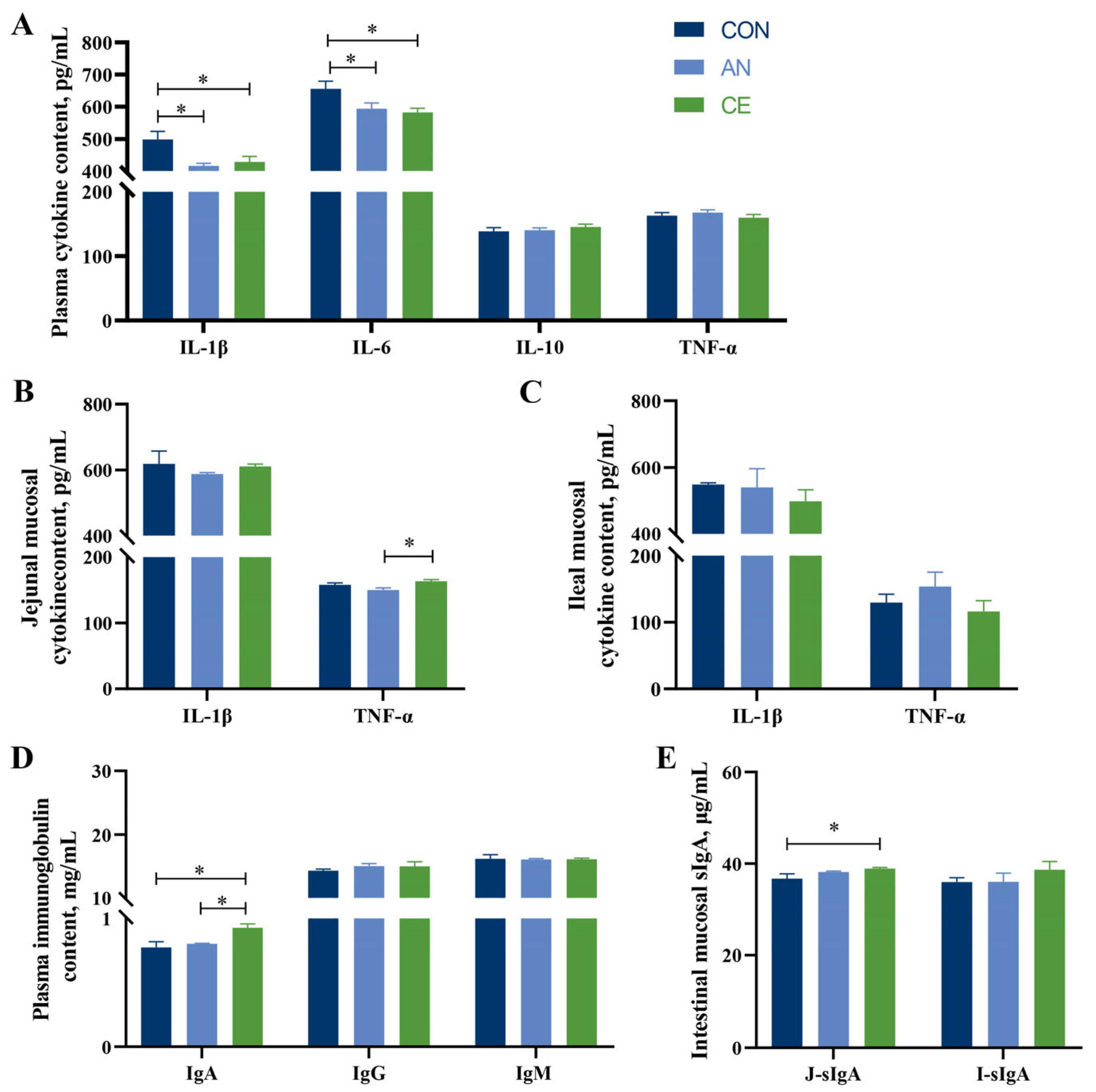
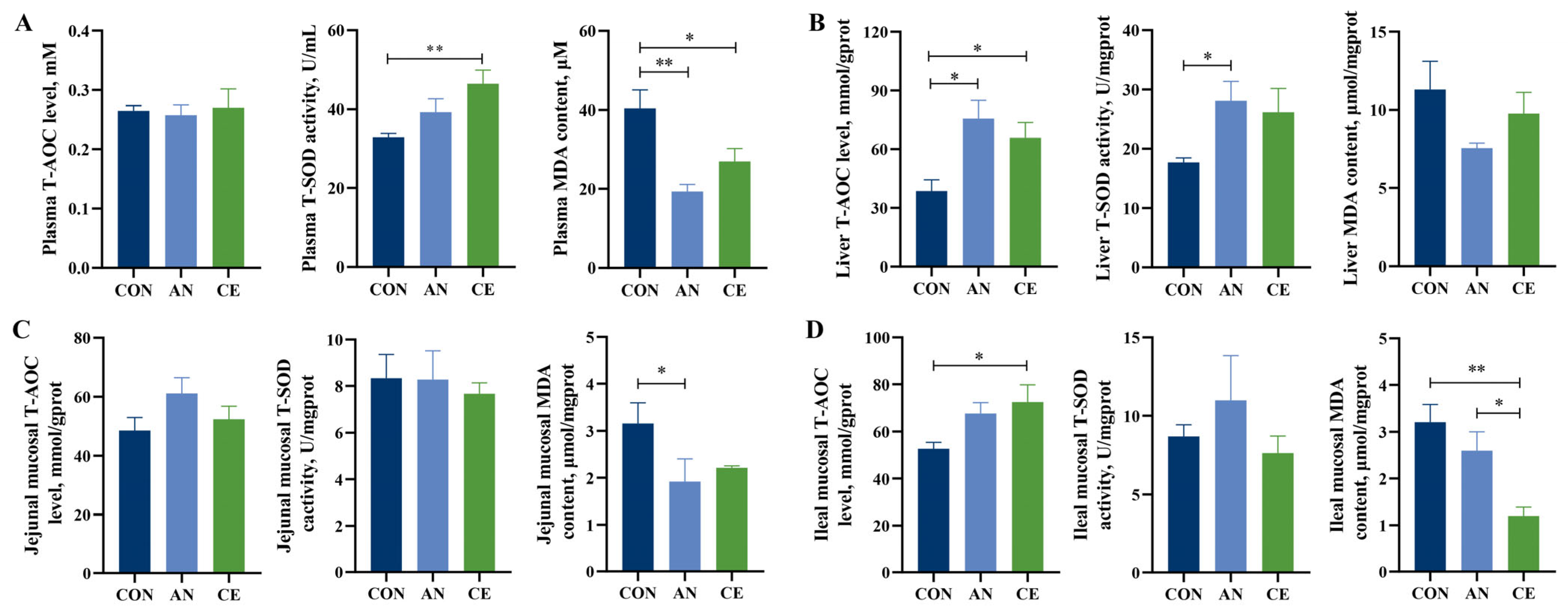
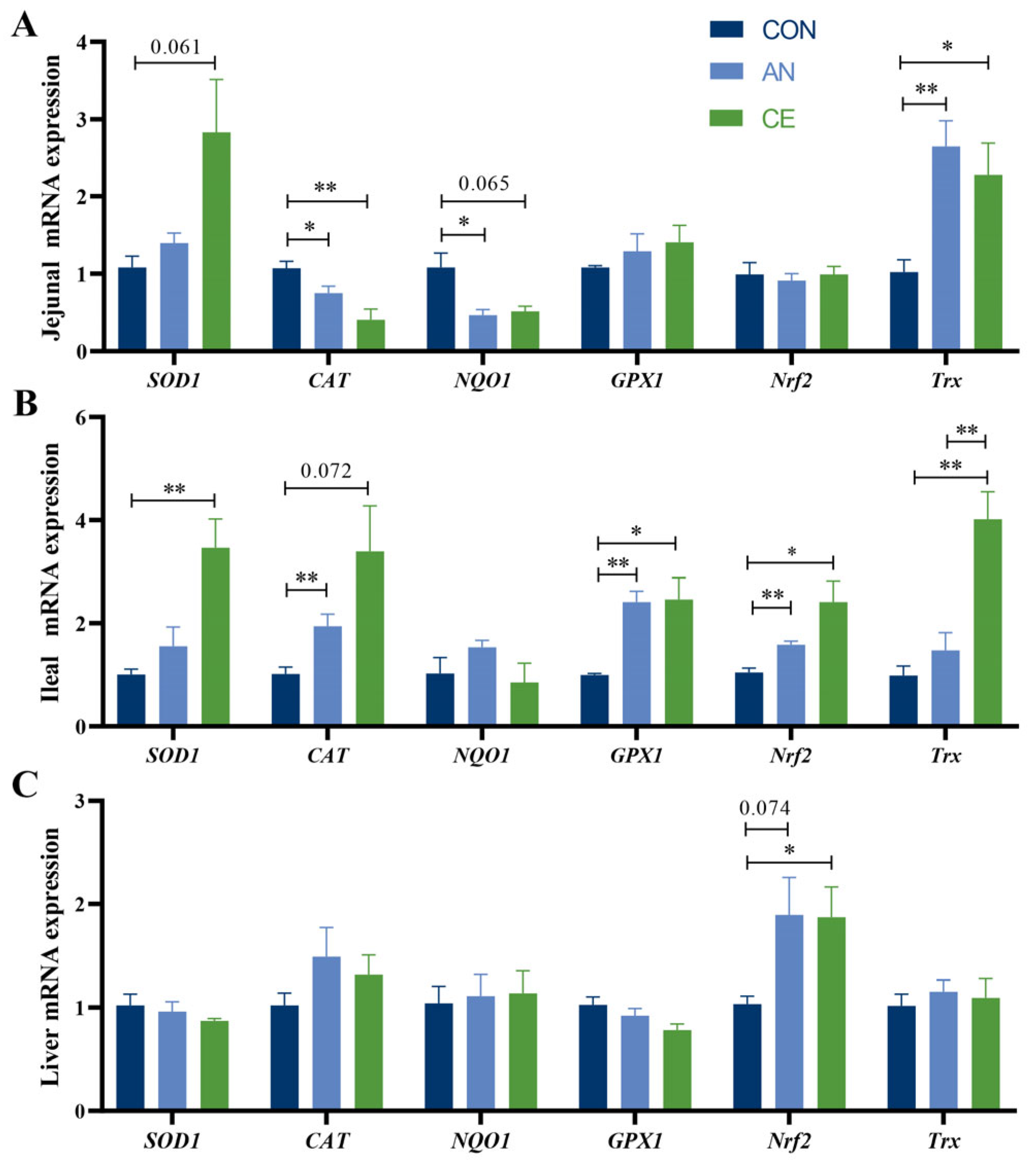
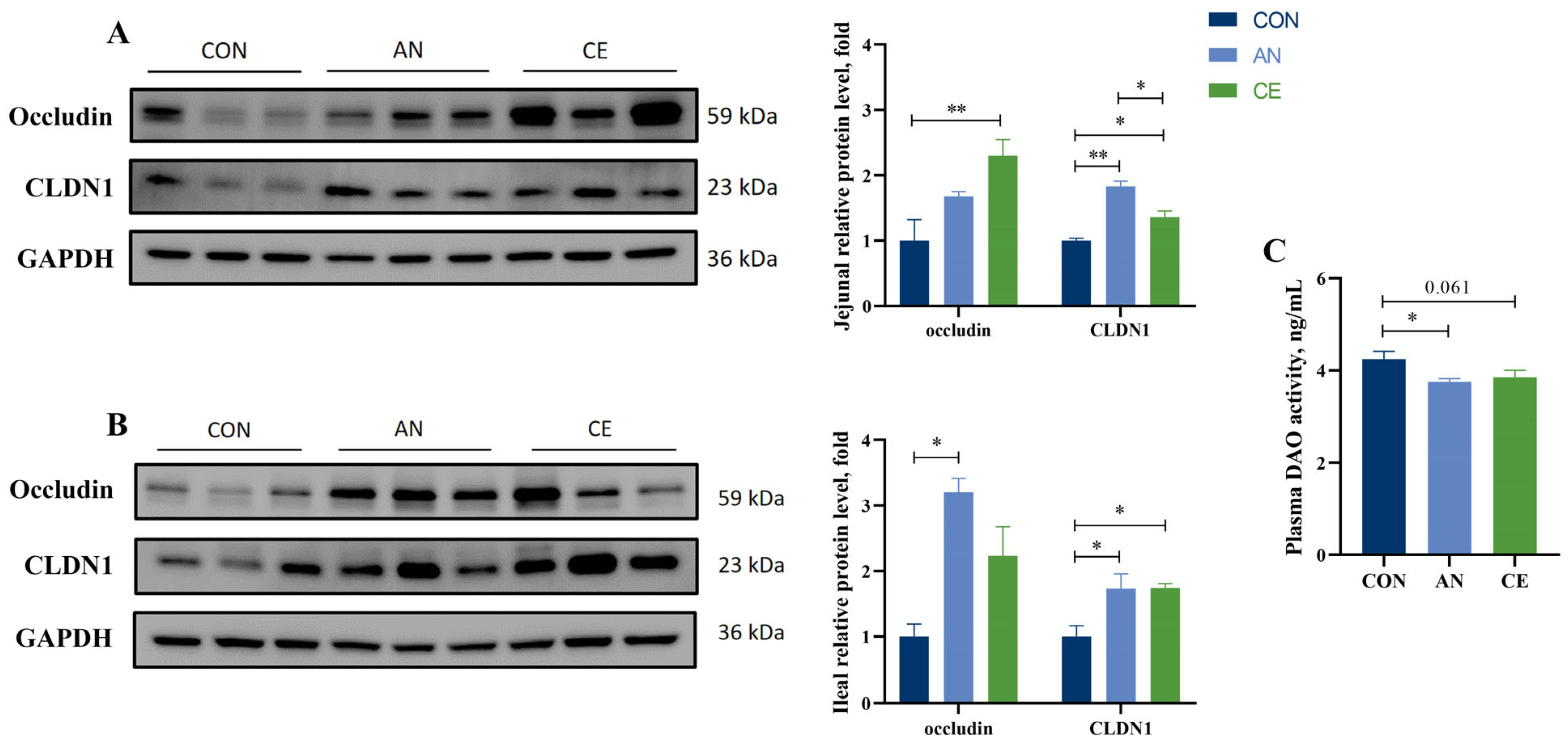
Weaning stress induces diarrhea and growth retardation in piglets. Astragalus has been demonstrated to exert bioactive properties, including antioxidant, anti-inflammatory, and immunomodulatory activities. This study investigated whether dietary supplementation with Astragalus crude extract could serve as a safe and effective alternative to antibiotics in weaned piglets. The results suggested that Astragalus crude extract supplementation mitigated weaning stress and improved the growth performance by enhancing antioxidant capacity, improving immune response, and modulating the microbiota composition in piglets. Its efficacy is comparable to that of antibiotics. This study provides a theoretical basis and practical support for the application of Astragalus to improve the intestinal health of weaned piglets.
Abstract
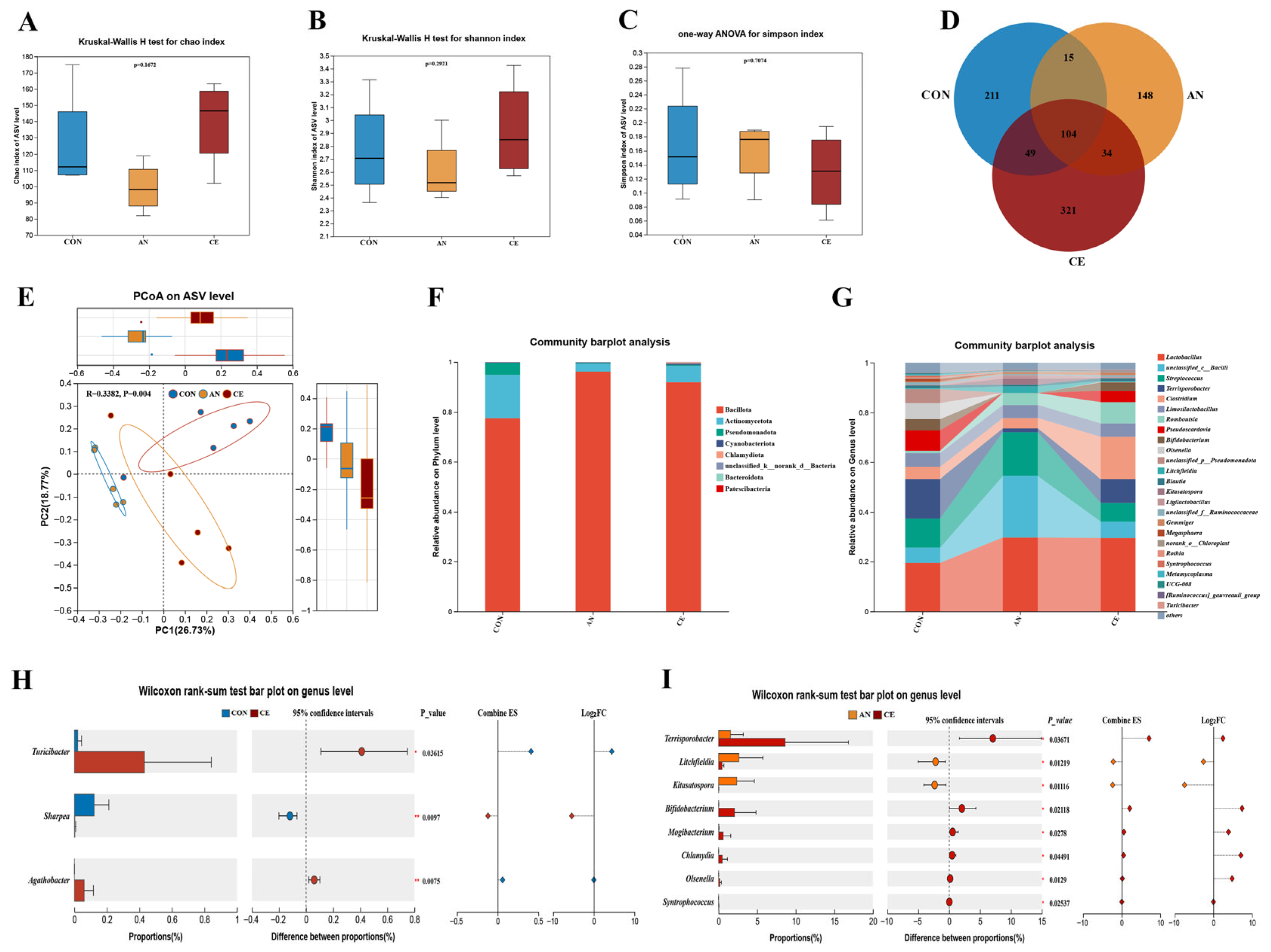
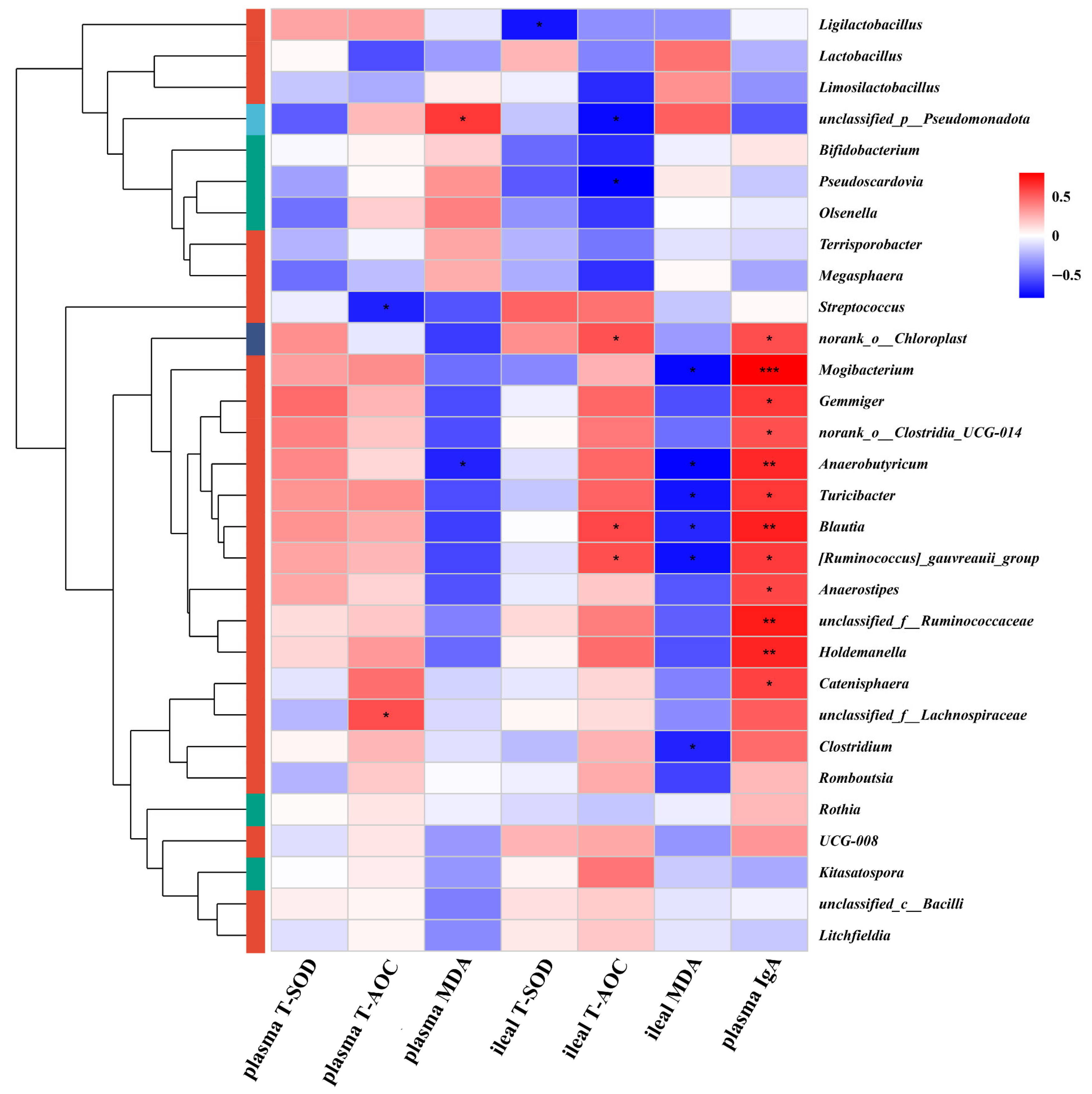
Astragalus is a traditional Chinese medicine that contains various bioactive compounds, which exert antioxidant and immunomodulatory properties. This research aimed to investigate the impacts of Astragalus crude extract on growth performance, nutrient digestibility, immune response, and intestinal health in weaned piglets. Sixty crossbred weaned piglets at 28 days of age (8.12 ± 0.14 kg) were allocated into three dietary treatments: a control group fed a corn–soybean meal-based diet (CON), an antibiotic group received the basal diet with 1000 mg/kg aureomycin (AN), and a treatment group administered the basal diet with 500 mg/kg Astragalus crude extract (CE), with 5 replicates per group, 4 piglets per replicate. The experimental trial lasted for 28 days. Feed intake and body weight were recorded to evaluate growth performance. Blood, intestine, and liver tissue samples were collected for the analysis of antioxidant capacity and gene expression. Compared to the CON group, supplementation with CE or AN significantly enhanced growth performance and decreased diarrhea incidence on days 0–14, whereas only CE tended to improve crude protein digestibility. Piglets supplemented with AN or CE showed improved antioxidant capacity and immune response relative to the CON group, as evidenced by increased liver and intestinal antioxidant enzyme activities, upregulated intestinal antioxidant gene expression, and enhanced plasma immunoglobulin A levels. Further, the upregulated intestinal tight junction protein expression was observed in CE or AN groups compared with the CON. Notably, dietary CE significantly modulated gut microbiota composition, particularly enriching the genera Blautia, Turicibacter, Agathobacter, and Clostridium. These findings indicate that dietary Astragalus crude extract promotes the gut health of weaned piglets by reducing oxidative stress and modulating gut microbiota composition, thereby decreasing diarrhea incidence and improving growth performance.