
Evaluating the Antioxidant Potential of Coumestrol in the Treatment of Tripterygium Glycoside-Induced Oligospermia in Rats and Its Potential Mechanisms


Simple Summary
Abstract
1. Introduction
2. Materials and Methods
2.1. Animals Experiment
2.2. TG Dosage Preparation and Administration
2.3. Administering and Preparing Dosages of COU and Levo-Carnitine (L-C)
2.4. Collection and Processing of Blood and Tissue Samples
2.5. Serum Biochemical and Hormonal Analyses
2.6. Measurement of Sex Hormones Within the Testicles
2.7. Evaluation of Sperm Quality
2.8. Assessment of Oxidative Stress Levels in Testicular Tissue
2.9. Identifying Potential Mechanisms via Network Pharmacology
2.10. Western Blotting Analysis
2.11. Data Analysis
3. Results
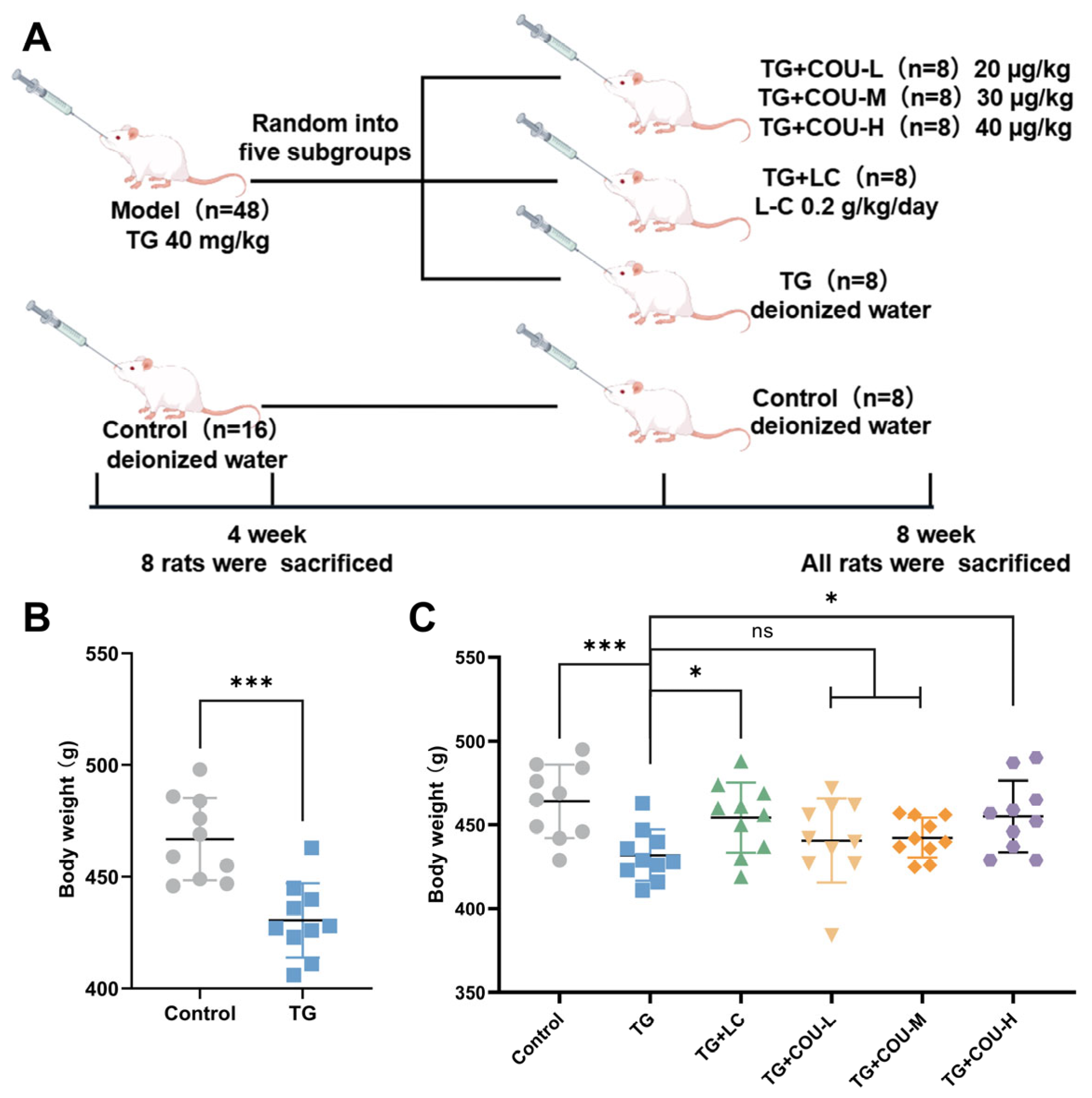
3.1. COU Attenuated TG-Induced Body Weight Loss in Rats
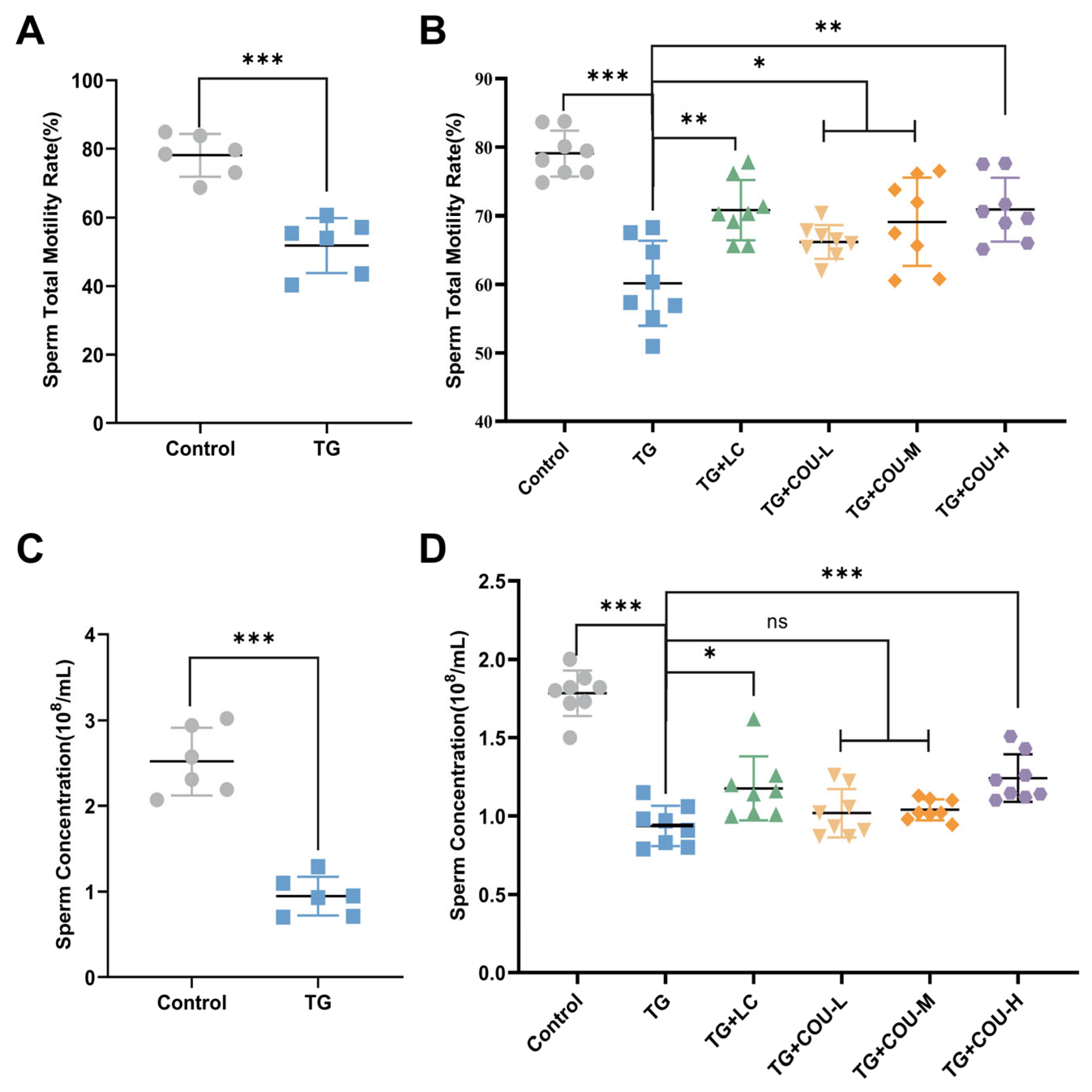
3.2. Sperm Quality Is Improved by COU


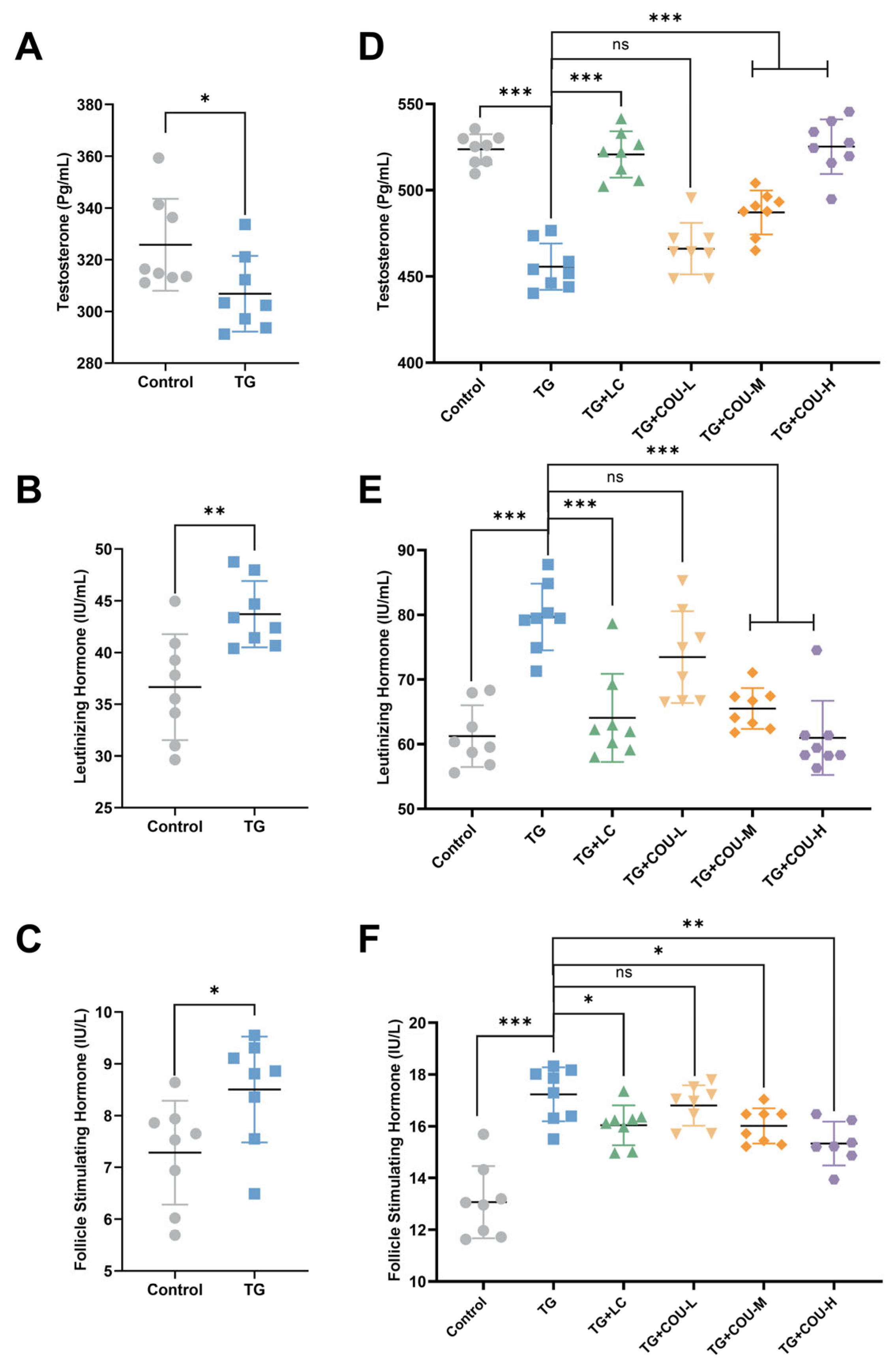
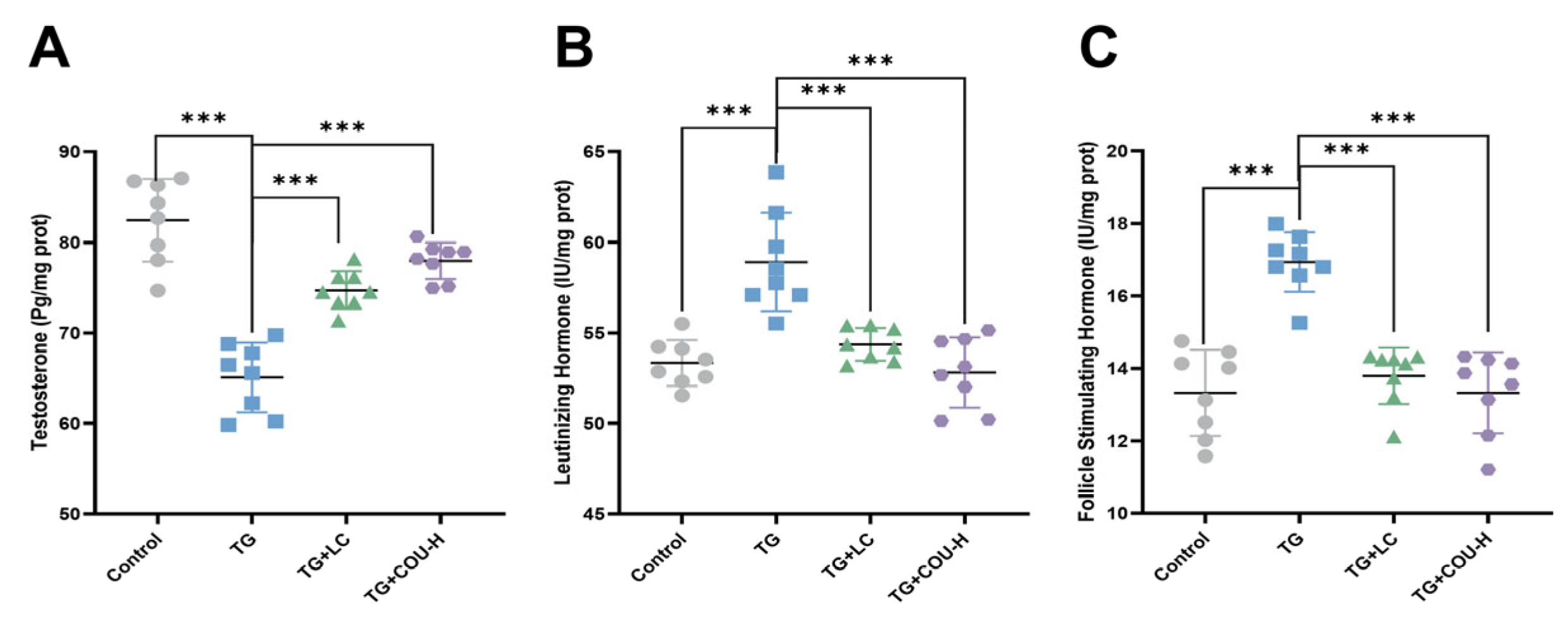
3.3. COU Ameliorates Hormonal Imbalance
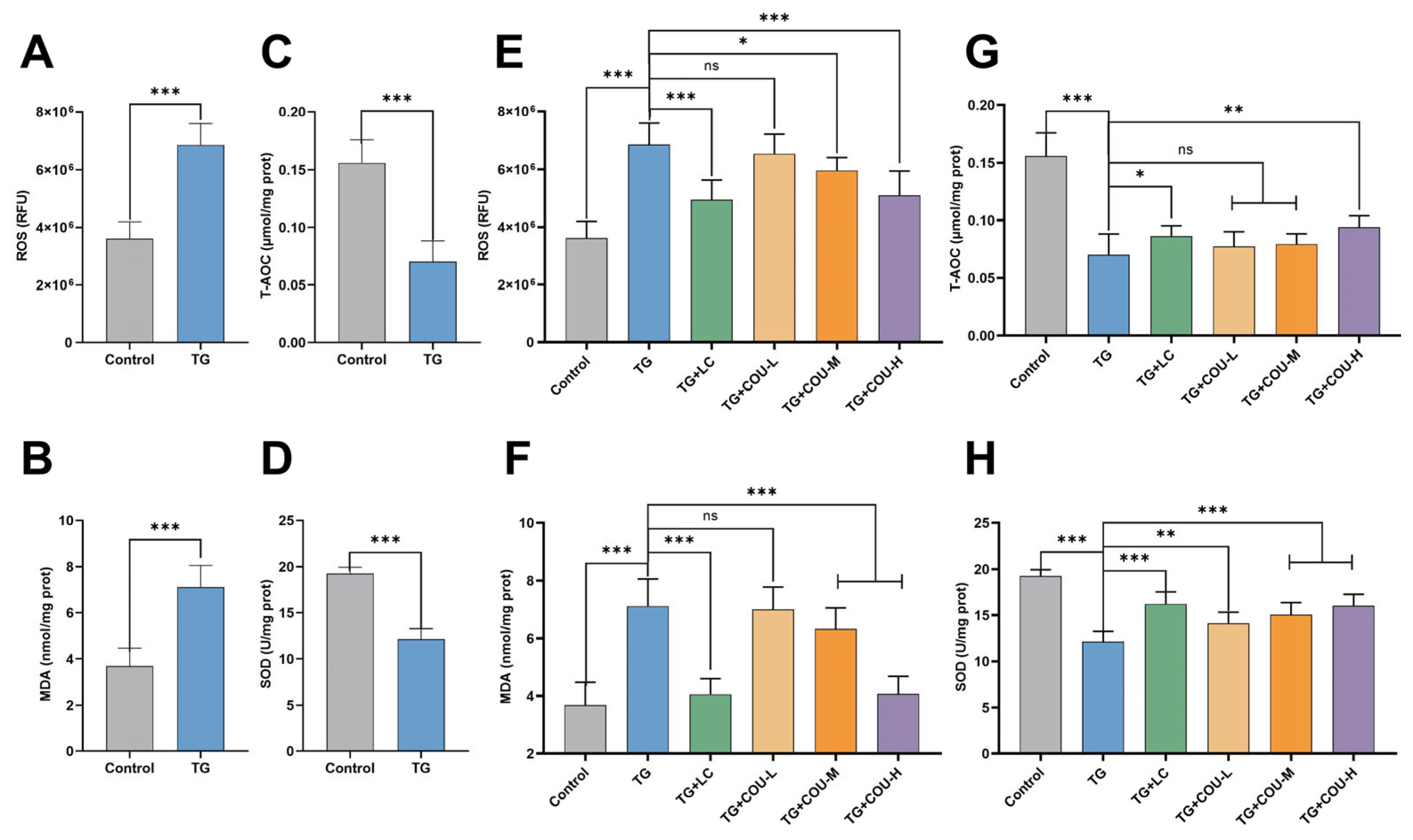
3.4. COU Enhances Antioxidant Ability and Reduces Oxidative Imbalance in Rat Testes
3.5. Biochemical and Physiological Parameters
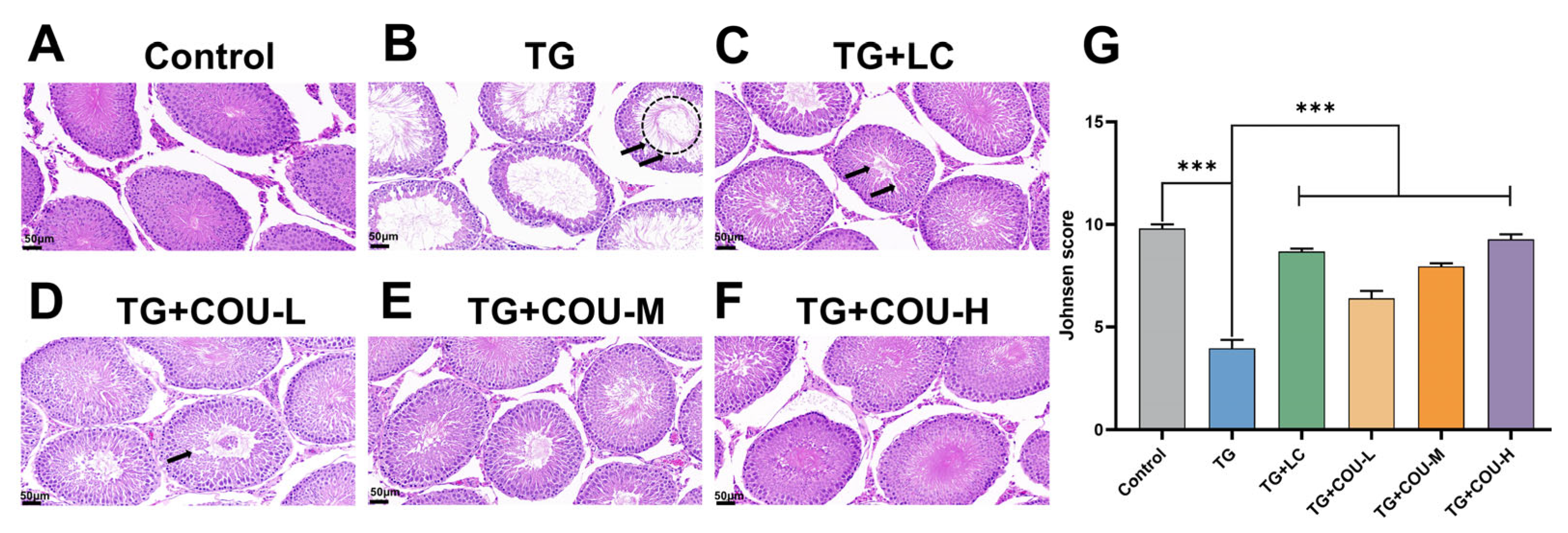
3.6. Evaluation of Testicular Tissues via Histopathological Analysis
3.7. COU Ameliorates Intra-Testicular Hormonal Concentrations
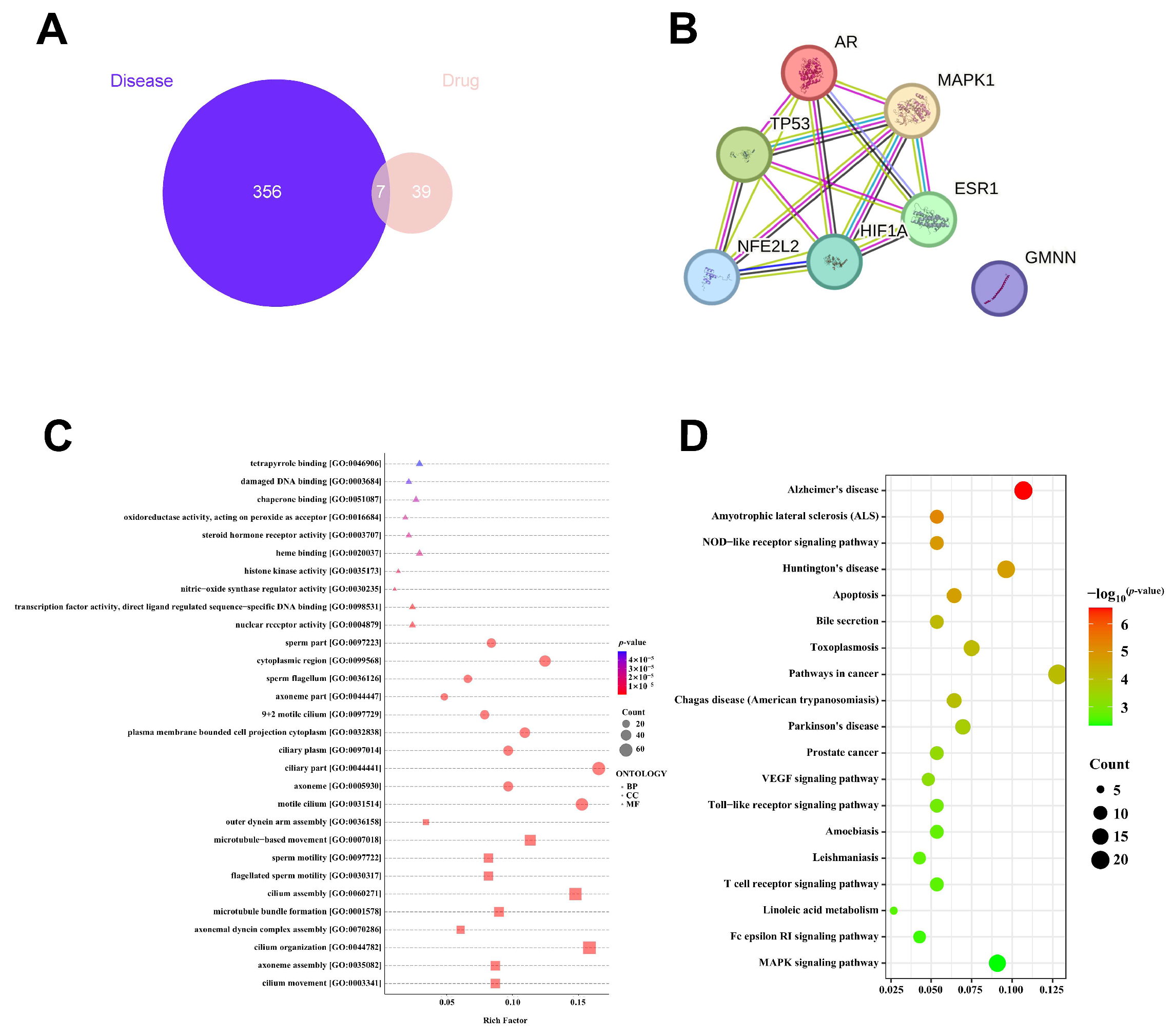
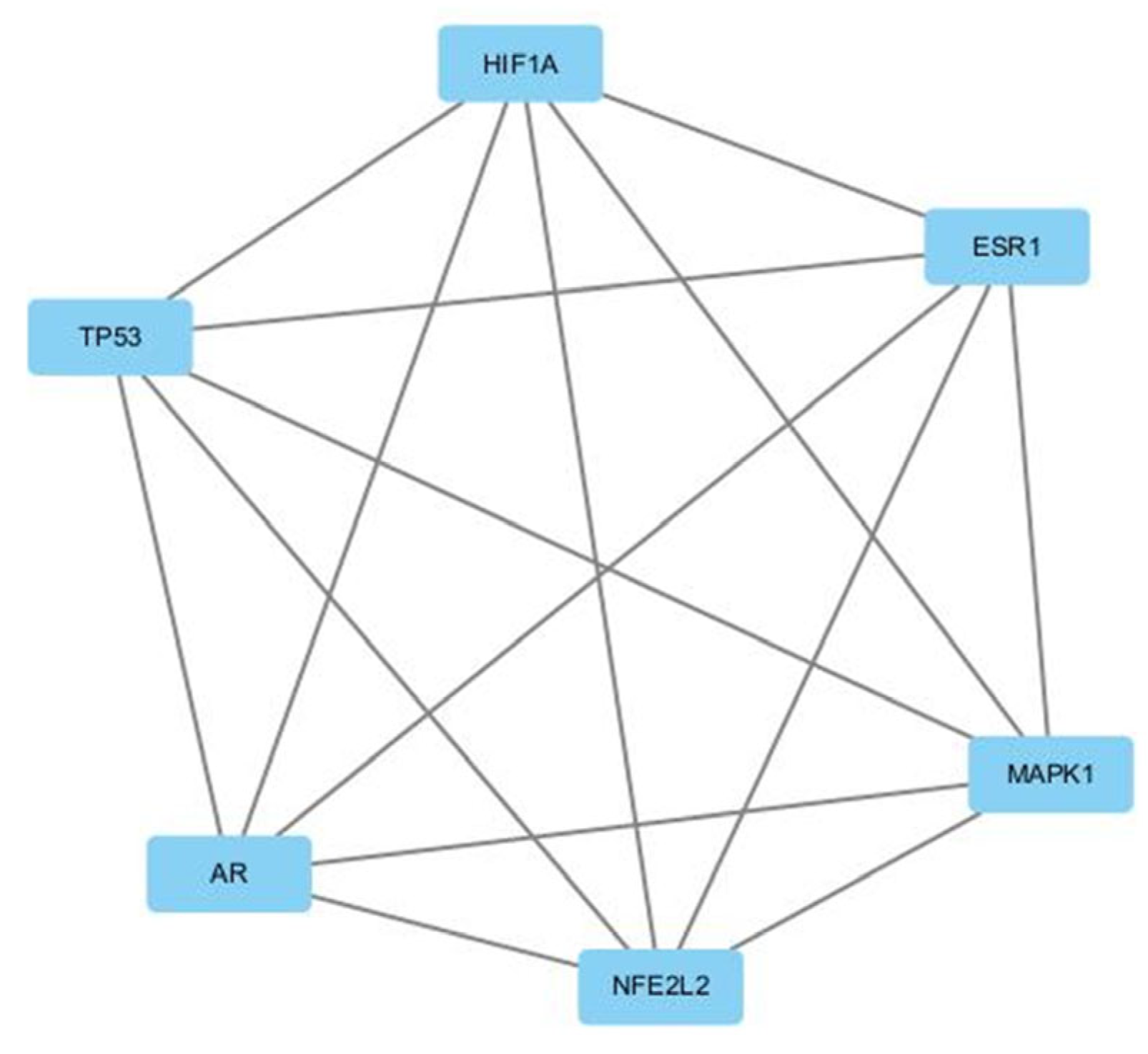
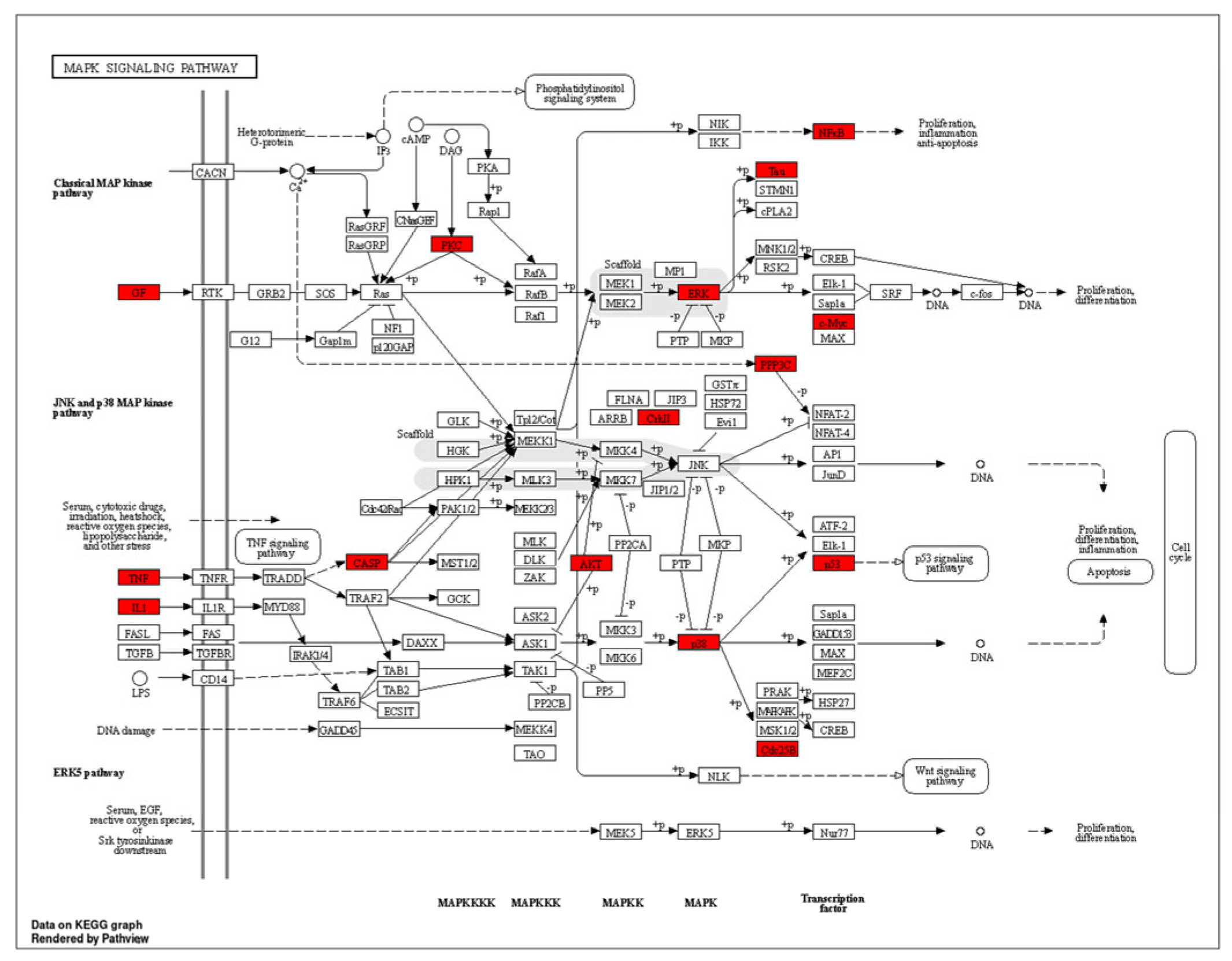
3.8. Potential Mechanisms Through Network Pharmacology
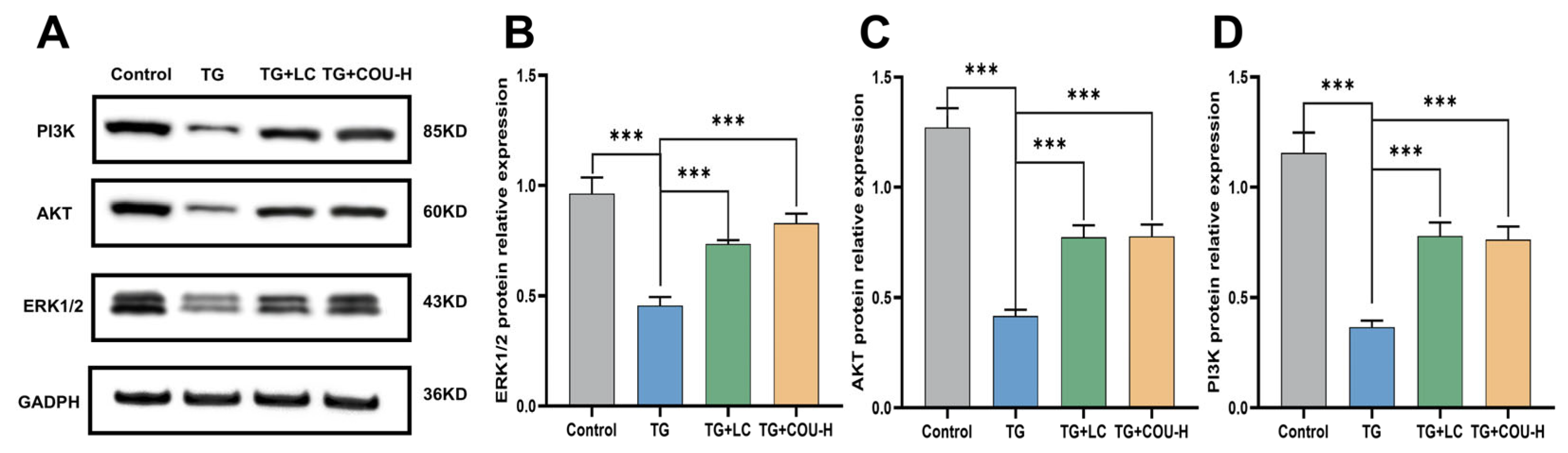
3.9. ERK1/2, PI3K, and AKT Expression Is Upregulated by COU
4. Discussion
5. Conclusions
Supplementary Materials
Author Contributions
Funding
Institutional Review Board Statement
Informed Consent Statement
Data Availability Statement
Conflicts of Interest
Abbreviations
| ALT | alanine aminotransferase |
| AR | androgen receptor |
| AST | Aspartate aminotransferase |
| AKT | Protein kinase B |
| BCL2 | B-Cell Lymphoma 2 |
| BUN | Blood urea nitrogen |
| CASP3 | Caspase 3 |
| CAT | Catalase |
| CCNB1 | Cyclin B1 |
| CDK2 | Cyclin-Dependent Kinase 2 |
| COU | Coumestrol |
| CRE | Creatinine |
| ESR1 | Estrogen Receptor 1 |
| FSH | Follicle-stimulating hormone |
| GO | Gene Ontology |
| GPX | Glutathione peroxidase |
| HSP90AA1 | Heat Shock Protein 90 Alpha Family Class A Member 1 |
| ITT | Intra-testicular Testosterone |
| LC | Levo Carnitine |
| LCs | Leydig cells |
| LH | Luteinizing hormone |
| MAPK1/ERK2 | Mitogen-Activated Protein Kinase 1/Extracellular Signal-Regulated Kinase 2 |
| MDA | Malondialdehyde |
| PARP1 | Poly (ADP-Ribose) Polymerase 1 |
| PI3K | Phosphoinositide 3-kinase |
| RIP1 | Receptor-Interacting Protein 1 |
| ROS | Reactive oxygen species |
| SOD | superoxide dismutase |
| T | Testosterone |
| T-AOC | Total antioxidant capacity |
| TCM | Traditional Chinese Medicine |
| TG | Tripterygium glycosides |
| TNF | Tumor Necrosis Factor |
| TRADD | TNF Receptor-Associated Death Domain |
| TRAF2 | TNF Receptor-Associated Factor 2 |
Appendix A


References
- Jiang, Q.; Tang, X.P.; Chen, X.C.; Xiao, H.; Liu, P.; Jiao, J. Will Chinese external therapy with compound Tripterygium wilfordii hook F gel safely control disease activity in patients with rheumatoid arthritis: Design of a double-blinded randomized controlled trial. BMC Complement. Altern. Med. 2017, 17, 444. [Google Scholar] [CrossRef] [Scilit]
- Xue, M.; Jiang, Z.Z.; Wu, T.; Yan, M.; Liu, J.P.; Mu, X.M.; Su, Y.W.; Zhang, L.Y. Protective effects of tripterygium glycoside-loaded solid lipid nanoparticles on male reproductive toxicity in rats. Arzneimittelforschung 2011, 61, 571–576. [Google Scholar] [CrossRef] [Scilit]
- Ma, J.; Tan, H.; Bi, J.; Sun, B.; Zhen, Y.; Lian, W.; Wang, S. Zinc Ameliorates Tripterygium Glycosides-Induced Reproductive Impairment in Male Rats by Regulating Zinc Homeostasis and Expression of Oxidative Stress-Related Genes. Biol. Trace Elem. Res. 2024, 202, 2111–2123. [Google Scholar] [CrossRef] [Scilit]
- Ma, B.; Qi, H.; Li, J.; Xu, H.; Chi, B.; Zhu, J.; Yu, L.; An, G.; Zhang, Q. Triptolide disrupts fatty acids and peroxisome proliferator-activated receptor (PPAR) levels in male mice testes followed by testicular injury: A GC-MS based metabolomics study. Toxicology 2015, 336, 84–95. [Google Scholar] [CrossRef] [Scilit]
- Hong, F.; Wang, Y.; Zhou, Y.; Zhang, Q.; Ge, Y.; Chen, M.; Hong, J.; Wang, L. Exposure to TiO2 Nanoparticles Induces Immunological Dysfunction in Mouse Testitis. J. Agric. Food Chem. 2016, 64, 346–355. [Google Scholar] [CrossRef] [Scilit]
- Xi, C.; Peng, S.; Wu, Z.; Zhou, Q.; Zhou, J. Toxicity of triptolide and the molecular mechanisms involved. Biomed. Pharmacother. 2017, 90, 531–541. [Google Scholar] [CrossRef] [Scilit]
- Niu, Z.; Zhang, H.; Cai, C.; Yang, T.; Ma, T.; Xu, D.; Cui, D.; Tang, Y. The mechanisms of tripterygium glycosides-induced reproductive toxicity and detoxification strategies. Reprod. Toxicol. 2025, 132, 108830. [Google Scholar] [CrossRef] [Scilit] [PubMed]
- Liu, J.; Zuo, X.; Bi, J.; Li, H.; Li, Y.; Ma, J.; Wang, S. Palliative Effect of Combined Application of Zinc and Selenium on Reproductive Injury Induced by Tripterygium Glycosides in Male Rats. Biol. Trace Elem. Res. 2024, 202, 5081–5093. [Google Scholar] [CrossRef] [Scilit] [PubMed]
- Cao, N.; Hu, C.; Xia, B.; He, Y.; Huang, J.; Yuan, Z.; Deng, J.; Duan, P. The Activated AMPK/mTORC2 Signaling Pathway Associated with Oxidative Stress in Seminal Plasma Contributes to Idiopathic Asthenozoospermia. Oxid. Med. Cell. Longev. 2022, 2022, 4240490. [Google Scholar] [CrossRef] [Scilit]
- Qin, Z.; Zhang, G.; Jiang, S.; Ning, F.; Zhao, Z.; Huang, M.; Jin, J. Integration of metabolomics and transcriptomics to reveal ferroptosis is involved in Tripterygium wilfordii polyglycoside tablet-induced testicular injury. J. Ethnopharmacol. 2023, 304, 116055. [Google Scholar] [CrossRef] [Scilit] [PubMed]
- Minai-Tehrani, A.; Jafarzadeh, N.; Gilany, K. Metabolomics: A state-of-the-art technology for better understanding of male infertility. Andrologia 2016, 48, 609–616. [Google Scholar] [CrossRef] [Scilit]
- Agarwal, A.; Makker, K.; Sharma, R. Clinical relevance of oxidative stress in male factor infertility: An update. Am. J. Reprod. Immunol. 2008, 59, 2–11. [Google Scholar] [CrossRef] [Scilit] [PubMed]
- Guerra-Carvalho, B.; Carrageta, D.F.; Maurício, T.; Pereira, S.C.; Barros, A.; Carvalho, R.A.; Alves, M.G.; Domingues, P.; Oliveira, P.F. Metabolomics analysis of human spermatozoa reveals impaired metabolic pathways in asthenozoospermia. Eur. J. Clin. Investig. 2024, 54, e14289. [Google Scholar] [CrossRef] [Scilit] [PubMed]
- Seong, S.H.; Kim, B.R.; Cho, M.L.; Kim, T.S.; Im, S.; Han, S.; Jeong, J.W.; Jung, H.A.; Choi, J.S. Phytoestrogen Coumestrol Selectively Inhibits Monoamine Oxidase-A and Amyloid β Self-Aggregation. Nutrients 2022, 14, 3822. [Google Scholar] [CrossRef] [Scilit] [PubMed]
- Kuiper, G.G.; Lemmen, J.G.; Carlsson, B.; Corton, J.C.; Safe, S.H.; van der Saag, P.T.; van der Burg, B.; Gustafsson, J.A. Interaction of estrogenic chemicals and phytoestrogens with estrogen receptor beta. Endocrinology 1998, 139, 4252–4263. [Google Scholar] [CrossRef]
- Whitten, P.L.; Patisaul, H.B. Cross-species and interassay comparisons of phytoestrogen action. Environ. Health Perspect. 2001, 109, 5–20. [Google Scholar]
- Wójciak, M.; Drozdowski, P.; Ziemlewska, A.; Zagórska-Dziok, M.; Nizioł-Łukaszewska, Z.; Kubrak, T.; Sowa, I. ROS Scavenging Effect of Selected Isoflavones in Provoked Oxidative Stress Conditions in Human Skin Fibroblasts and Keratinocytes. Molecules 2024, 29, 955. [Google Scholar] [CrossRef] [Scilit]
- Elsayed, D.H.; Kortam, L.E.; Abdelrazek, H.M.A.; Monir, A. Effect of Coumestrol Supplementation on Ovine Semen Cryopreservation. Iran. J. Vet. Med. 2025, 19, 191–202. [Google Scholar] [CrossRef] [Scilit]
- Zhu, Y.; Zhang, J.; Liu, Q.; Xin, X.; Dong, L.; Wang, B.; Li, H.; Li, D.; Wang, J.; Guan, S.; et al. Semen Cuscutae-Fructus Lycii attenuates tripterygium glycosides-induced spermatogenesis dysfunction by inhibiting oxidative stress-mediated ferroptosis via the Nrf2/HO-1 pathway. Phytomedicine 2024, 135, 156221. [Google Scholar] [CrossRef] [Scilit]
- Li, X.; Ding, J.; Wang, J.; He, J.; Sheng, W. Ginsenoside Rb1 combined with Lycium barbarum polysaccharide alleviate the Tripterygium wilfordii polyglycoside-induced oligoasthenozoospermia in mice by inhibiting ZnT3-mediated oxidative stress response. J. Trace Elem. Med. Biol. 2025, 89, 127646. [Google Scholar] [CrossRef] [Scilit]
- Casas, A.I.; Hassan, A.A.; Larsen, S.J.; Gomez-Rangel, V.; Elbatreek, M.; Kleikers, P.W.M.; Guney, E.; Egea, J.; López, M.G.; Baumbach, J.; et al. From single drug targets to synergistic network pharmacology in ischemic stroke. Proc. Natl. Acad. Sci. USA 2019, 116, 7129–7136. [Google Scholar] [CrossRef] [Scilit]
- Barabási, A.L.; Oltvai, Z.N. Network biology: Understanding the cell’s functional organization. Nat. Rev. Genet. 2004, 5, 101–113. [Google Scholar] [CrossRef] [Scilit]
- Albert, R.; Jeong, H.; Barabasi, A.L. Error and attack tolerance of complex networks. Nature 2000, 406, 378–382. [Google Scholar] [CrossRef] [Scilit]
- Ramaswamy, S. Rational design of cancer-drug combinations. N. Engl. J. Med. 2007, 357, 299–300. [Google Scholar] [CrossRef] [Scilit] [PubMed]
- Mayer, L.D.; Janoff, A.S. Optimizing combination chemotherapy by controlling drug ratios. Mol. Interv. 2007, 7, 216–223. [Google Scholar] [CrossRef] [Scilit]
- Chen, Y.; Zhu, J.; Lum, P.Y.; Yang, X.; Pinto, S.; MacNeil, D.J.; Zhang, C.; Lamb, J.; Edwards, S.; Sieberts, S.K.; et al. Variations in DNA elucidate molecular networks that cause disease. Nature 2008, 452, 429–435. [Google Scholar] [CrossRef] [Scilit]
- Percie du Sert, N.; Hurst, V.; Ahluwalia, A.; Alam, S.; Avey, M.T.; Baker, M.; Browne, W.J.; Clark, A.; Cuthill, I.C.; Dirnagl, U.; et al. The ARRIVE guidelines 2.0: Updated guidelines for reporting animal research. Br. J. Pharmacol. 2020, 177, 3617–3624. [Google Scholar] [CrossRef] [Scilit] [PubMed]
- Shang, X.J.; Wang, L.L.; Mo, D.S.; Cai, H.C.; Zheng, D.D.; Zhou, Y.Z. Effect and safety of L-carnitine in the treatment of idiopathic oligoasthenozoospermia: A systemic review. Zhonghua Nan Ke Xue = Natl. J. Androl. 2015, 21, 65–73. [Google Scholar]
- Liu, L.; Li, T.; Li, F.; Zhao, X.; Zhang, R.; Liu, J.; Zhang, W.; Lu, J.; Zhang, X.; Ma, X. The influence of l-carnitine on the expression of miRNAs in asthenospermia spermatozoa and the network regulation of the associated molecules. Andrologia 2020, 52, e13478. [Google Scholar] [CrossRef] [Scilit]
- Ma, J.; Sun, B.; Te, L.G.; Huang, X.; Zuo, X.; Han, X.K.; Wang, S.S. A Dietary Supplement Jinghuosu Ameliorates Reproductive Damage Induced by Tripterygium Glycosides. Chin. J. Integr. Med. 2024, 30, 330–338. [Google Scholar] [CrossRef] [Scilit]
- Zhang, K.; Ge, Z.; Fu, L.; An, Q.; Zhou, F.; Guo, Y.; Wang, X.; Lu, W.; Liang, X.; Wang, S.; et al. Qilin pills alleviate oligoasthenospermia by inhibiting Bax-caspase-9 apoptosis pathway in the testes of model rats. Oncotarget 2018, 9, 21770–21782. [Google Scholar] [CrossRef] [Scilit] [PubMed]
- Johnsen, S.G. Testicular biopsy score count–a method for registration of spermatogenesis in human testes: Normal values and results in 335 hypogonadal males. Hormones 1970, 1, 2–25. [Google Scholar] [CrossRef] [Scilit] [PubMed]
- Chen, L.; Bello-Onaghise, G.S.; Chen, M.; Li, S.; Zhang, Y.; Wang, H.; Qu, Q.; Li, Y. Efficacy of Chlorogenic Acid in Treating Tripterygium Glycoside-Induced Asthenozoospermia in Rats and Its Possible Mechanisms. Vet. Sci. 2025, 12, 66. [Google Scholar] [CrossRef] [Scilit]
- Guo, J.; Huang, Y.; Lei, X.; Zhang, H.; Xiao, B.; Han, Z.; Liang, C.; Yang, W. Reproductive Systemic Toxicity and Mechanism of Glucosides of Tripterygium wilfordii Hook. F. (GTW). Ann. Clin. Lab. Sci. 2019, 49, 36–49. [Google Scholar] [PubMed]
- Jing, X.; Cheng, W.; Guo, S.; Zou, Y.; Zhang, T.; He, L. Toxic effects of Tripterygium wilfordii Hook F on the reproductive system of adolescent male rats. Biomed. Pharmacother. 2017, 95, 1338–1345. [Google Scholar] [CrossRef] [Scilit]
- Du, X.; Nyagblordzro, M.; An, L.; Gao, X.; Du, L.; Wang, Y.; Ondieki, G.; Kikete, S.; He, X. Pharmacokinetic and Toxicological Characteristics of Tripterigium Glycosides and Their Derivatives. Curr. Drug Metab. 2018, 19, 605–627. [Google Scholar] [CrossRef] [Scilit]
- Mele, M.M.; Nachvak, M.; Asghari-Jafarabadi, M.; Alipour, B.; Zohourtabar, A.; Fasihi, M. The role of Tripterygium wilfordii extract in weight loss, energy expenditure, glucose and lipid metabolism. Prog. Nutr. 2018, 20, 549–553. [Google Scholar]
- Dai, Y.; Sun, L.; Han, S.; Xu, S.; Wang, L.; Ding, Y. Proteomic Study on the Reproductive Toxicity of Tripterygium Glycosides in Rats. Front. Pharmacol. 2022, 13, 888968. [Google Scholar] [CrossRef] [Scilit]
- Chen, W.Q.; Ding, C.F.; Yu, J.; Wang, C.Y.; Wan, L.Y.; Hu, H.M.; Ma, J.X. Wuzi Yanzong Pill-Based on Network Pharmacology and In Vivo Evidence-Protects Against Spermatogenesis Disorder via the Regulation of the Apoptosis Pathway. Front. Pharmacol. 2020, 11, 592827, Erratum in Front. Pharmacol. 2023, 13, 1129448. [Google Scholar] [CrossRef] [Scilit]
- Tronchon, V.; Vialard, F.; El Sirkasi, M.; Dechaud, H.; Rollet, J.; Albert, M.; Bailly, M.; Roy, P.; Mauduit, C.; Fenichel, P.; et al. Tumor necrosis factor-alpha− 308 polymorphism in infertile men with altered sperm production or motility. Hum. Reprod. 2008, 23, 2858–2866. [Google Scholar] [CrossRef] [Scilit]
- Petersen, C.; Fröysa, B.; Söder, O. Endotoxin and proinflammatory cytokines modulate Sertoli cell proliferation in vitro. J. Reprod. Immunol. 2004, 61, 13–30. [Google Scholar] [CrossRef] [Scilit]
- Comhaire, F.; Bosmans, E.; Ombelet, W.; Punjabi, U.; Schoonjans, F. Cytokines in semen of normal men and of patients with an-drological diseases. Am. J. Reprod. Immunol. 1994, 31, 99–103. [Google Scholar] [CrossRef] [Scilit]
- Liu, S.; Tang, Y.; Chen, B.; Zhao, Y.; Aguilar, Z.P.; Tao, X.; Xu, H. Inhibition of testosterone synthesis induced by oral TiO2 NPs is associated with ROS-MAPK(ERK1/2)-StAR signaling pathway in SD rat. Toxicol. Res. 2021, 10, 937–946. [Google Scholar] [CrossRef] [Scilit]
- Han, A.; Zou, L.; Gan, X.; Li, Y.; Liu, F.; Chang, X.; Zhang, X.; Tian, M.; Li, S.; Su, L.; et al. ROS generation and MAPKs activation contribute to the Ni-induced tes-tosterone synthesis disturbance in rat Leydig cells. Toxicol. Lett. 2018, 290, 36–45. [Google Scholar] [CrossRef] [Scilit]
- Sharafutdinova, L.; Fedorova, A.; Bashkatov, S.; Sinel’nikov, K.; Valiullin, V. Structural and functional analysis of the spermatogenic epithelium in rats exposed to titanium dioxide nanoparticles. Bull. Exp. Biol. Med. 2018, 166, 279–282. [Google Scholar] [CrossRef] [Scilit]
- Gao, G.; Ze, Y.; Zhao, X.; Sang, X.; Zheng, L.; Ze, X.; Gui, S.; Sheng, L.; Sun, Q.; Hong, J.; et al. Titanium dioxide nanoparticle-induced testicular damage, spermatogenesis suppression, and gene expression alterations in male mice. J. Hazard. Mater. 2013, 258, 133–143. [Google Scholar] [CrossRef] [Scilit] [PubMed]
- Jia, F.; Sun, Z.; Yan, X.; Zhou, B.; Wang, J. Effect of pubertal nano-TiO2 exposure on testosterone synthesis and spermatogenesis in mice. Arch. Toxicol. 2014, 88, 781–788. [Google Scholar] [CrossRef] [Scilit] [PubMed]
- Aitken, R.J.; Gibb, Z.; Baker, M.A.; Drevet, J.; Gharagozloo, P. Causes and consequences of oxidative stress in spermatozoa. Reprod. Fertil. Dev. 2016, 28, 1–10. [Google Scholar] [CrossRef] [Scilit]
- Keshani, M.; Alikiaii, B.; Babaei, Z.; Askari, G.; Heidari, Z.; Sharma, M.; Bagherniya, M. The effects of L-carnitine supplementation on inflam-mation, oxidative stress, and clinical outcomes in critically Ill patients with sepsis: A randomized, double-blind, controlled trial. Nutr. J. 2024, 23, 31. [Google Scholar] [CrossRef] [Scilit] [PubMed]
- Abd Elkader, H.-T.A.E.; Hussein, M.M.; Mohammed, N.A.; Abdou, H.M. The protective role of l-carnitine on oxidative stress, neu-rotransmitter perturbations, astrogliosis, and apoptosis induced by thiamethoxam in the brains of male rats. Naunyn-Schmiedeberg’s Arch. Pharmacol. 2024, 397, 4365–4379. [Google Scholar] [CrossRef] [Scilit]
- Sawicka, A.K.; Hartmane, D.; Lipinska, P.; Wojtowicz, E.; Lysiak-Szydlowska, W.; Olek, R.A. l-Carnitine supplementation in older women. A pilot study on aging skeletal muscle mass and function. Nutrients 2018, 10, 255. [Google Scholar] [CrossRef] [Scilit]
- Dehghani, F.; Hassanpour, A.; Poost-Pasand, A.; Noorafshan, A.; Karbalay-Doust, S. Protective effects of L-carnitine and homog-enized testis tissue on the testis and sperm parameters of busulfan-induced infertile male rats. Iran. J. Reprod. Med. 2013, 11, 693. [Google Scholar]
- Hafezi, H.; Vahdati, A.; Forouzanfar, M.; Shariatic, M. Ameliorate effects of resveratrol and l-carnitine on the testicular tissue and sex hormones level in busulfan induced azoospermia rats. Theriogenology 2022, 191, 47–53. [Google Scholar] [CrossRef] [Scilit]
- Mitchell, J.H.; Cawood, E.; Kinniburgh, D.; Provan, A.; Collins, A.R.; Irvine, D.S. Effect of a phytoestrogen food supplement on re-productive health in normal males. Clin. Sci. 2001, 100, 613–618. [Google Scholar] [CrossRef] [Scilit]
- Pool, K.R.; Kent, T.C.; Blache, D. Oestrogenic metabolite equol negatively impacts the functionality of ram spermatozoa in vitro. Theriogenology 2021, 172, 216–222. [Google Scholar] [CrossRef] [Scilit] [PubMed]
- Elsayed, D.H.; El-Shamy, A.A.; Abdelrazek, H.M.; El-Badry, D. Effect of genistein on semen quality, antioxidant capacity, caspase-3 expression and DNA integrity in cryopreserved ram spermatozoa. Small Rumin. Res. 2019, 177, 50–55. [Google Scholar] [CrossRef] [Scilit]
- Roth, M.Y.; Lin, K.; Amory, J.K.; Matsumoto, A.M.; Anawalt, B.D.; Snyder, C.N.; Kalhorn, T.F.; Bremner, W.J.; Page, S.T. Serum LH correlates highly with intratesticular steroid levels in normal men. J. Androl. 2010, 31, 138–145. [Google Scholar] [CrossRef] [Scilit]
- Grande, G.; Barrachina, F.; Soler-Ventura, A.; Jodar, M.; Mancini, F.; Marana, R.; Chiloiro, S.; Pontecorvi, A.; Oliva, R.; Milardi, D. The role of testosterone in spermatogenesis: Lessons from proteome profiling of human spermatozoa in testosterone deficiency. Front. Endocrinol. 2022, 13, 852661. [Google Scholar] [CrossRef] [Scilit] [PubMed]
- Turner, T.; Jones, C.; Howards, S.; Ewing, L.; Zegeye, B.; Gunsalus, G. On the androgen microenvironment of maturing spermatozoa. Endocrinology 1984, 115, 1925–1932. [Google Scholar] [CrossRef] [Scilit]
- Nurdiana, N.; Mayangsari, E.; Lestari, B.; Setiawan, B. Hormonal changes and spermatogenesis of male rat puppies born by mothers consuming soybean extract. Asian Pac. J. Reprod. 2016, 5, 506–509. [Google Scholar] [CrossRef] [Scilit]
- Bateman, H.L.; Patisaul, H.B. Disrupted female reproductive physiology following neonatal exposure to phytoestrogens or estrogen specific ligands is associated with decreased GnRH activation and kisspeptin fiber density in the hypothalamus. Neurotoxicology 2008, 29, 988–997. [Google Scholar] [CrossRef] [Scilit] [PubMed]
- Ezzat, W.; Abdelbasset, W.; Hussien, R.; Azab, A.; Sulieman, A.; Yousry, S. Effect of melatonin on reproductive function in propylthiouracil induced hypothyroidism in adult male rats. Eur. Rev. Med. Pharmacol. Sci. 2024, 28, 1920–1930. [Google Scholar]
- Vague, J.; Sardo, J. L’hypoandrogénisme avec spermatogénèse [Hypogonadism with spermatogenesis (fertile eunuch syndrome) (author’s transl)]. Sem. Hop. 1982, 58, 767–774. (In French) [Google Scholar]
- Jarow, J.P.; Zirkin, B.R. The androgen microenvironment of the human testis and hormonal control of spermatogenesis. Ann. N. Y. Acad. Sci. 2005, 1061, 208–220. [Google Scholar] [CrossRef] [Scilit]
- Coviello, A.D.; Bremner, W.J.; Matsumoto, A.M.; Herbst, K.L.; Amory, J.K.; Anawalt, B.D.; Yan, X.; Brown, T.R.; Wright, W.W.; Zirkin, B.R.; et al. Intratesticular testosterone concentra-tions comparable with serum levels are not sufficient to maintain normal sperm production in men receiving a hormonal contraceptive regimen. J. Androl. 2004, 25, 931–938. [Google Scholar] [CrossRef] [Scilit]
- Hayden, M.S.; Ghosh, S. Regulation of NF-κB by TNF family cytokines. Semin. Immunol. 2014, 26, 253–266. [Google Scholar] [CrossRef] [Scilit] [PubMed]
- van Loo, G.; Bertrand, M.J.M. Death by TNF: A road to inflammation. Nat. Rev. Immunol. 2023, 23, 289–303. [Google Scholar] [CrossRef] [Scilit] [PubMed]
- Kanayama, A.; Seth, R.B.; Sun, L.; Ea, C.K.; Hong, M.; Shaito, A.; Chiu, Y.H.; Deng, L.; Chen, Z.J. TAB2 and TAB3 activate the NF-kappaB pathway through binding to polyubiquitin chains. Mol. Cell 2004, 15, 535–548. [Google Scholar] [CrossRef] [Scilit]
- Adhikari, A.; Xu, M.; Chen, Z.J. Ubiquitin-mediated activation of TAK1 and IKK. Oncogene 2007, 26, 3214–3226. [Google Scholar] [CrossRef] [Scilit]
- Peyssonnaux, C.; Eychène, A. The Raf/MEK/ERK pathway: New concepts of activation. Biol. Cell 2001, 93, 53–62. [Google Scholar] [CrossRef] [Scilit]
- Cantley, L.C. The phosphoinositide 3-kinase pathway. Science 2002, 296, 1655–1657. [Google Scholar] [CrossRef] [Scilit] [PubMed]
- Lazari, M.F.M.; Lucas, T.F.G.; Yasuhara, F.; Gomes, G.R.O.; Siu, E.R.; Royer, C.; Fernandes, S.A.F.; Porto, C.S. Estrogen receptors and function in the male reproductive system. Arq. Bras. Endocrinol. Metabol. 2009, 53, 923–933. [Google Scholar] [CrossRef] [Scilit] [PubMed]




| Group | n | ALT ± SD | AST ± SD | BUN ± SD | CRE ± SD |
|---|---|---|---|---|---|
| (U·L−1) | (U·L−1) | (mmol·L−1) | (μmol·L−1) | ||
| Control | 8 | 9.86 ± 0.93 | 11.56 ± 1.38 | 8.12 ± 1.24 | 43.91 ± 3.42 |
| TG + LC | 8 | 15.11 ± 0.94 **## | 23.64 ± 1.87 **## | 9.775 ± 1.73 **## | 57.28 ± 4.94 **## |
| TG | 8 | 22.53 ± 1.90 ** | 35.13 ± 1.88 ** | 20.2 ± 2.90 ** | 136.30 ± 5.01 ** |
| TG + COU-L | 8 | 16.61 ± 1.23 **## | 37.74 ± 0.97 ** | 12.52 ± 1.98 **## | 50.05 ± 3.78 **## |
| TG + COU-M | 8 | 13.88 ± 0.94 **## | 12.79 ± 0.19 *## | 9.37 ± 1.70 ## | 44.46 ± 2.96 ## |
| TG + COU-H | 8 | 13.55 ± 0.67 **## | 14.3 ± 0.48 **## | 10.11 ± 1.98 *## | 52.71 ± 2.19 **## |
| Rank | Name | Degree |
|---|---|---|
| 1 | AR | 5 |
| 2 | MAPK1 | 5 |
| 3 | TP53 | 5 |
| 4 | NFE2L2 | 5 |
| 5 | HIF1A | 5 |
| 6 | ESR1 | 5 |
Disclaimer/Publisher’s Note: The statements, opinions and data contained in all publications are solely those of the individual author(s) and contributor(s) and not of MDPI and/or the editor(s). MDPI and/or the editor(s) disclaim responsibility for any injury to people or property resulting from any ideas, methods, instructions or products referred to in the content. |
© 2026 by the authors. Licensee MDPI, Basel, Switzerland. This article is an open access article distributed under the terms and conditions of the Creative Commons Attribution (CC BY) license.
Share and Cite
Liu, Y.; Chen, S.; An, K.; Chen, L.; Bello-Onaghise, G.; Zhang, Y.; Li, S.; Chen, M.; Wang, H.; Qu, Q.; et al. Evaluating the Antioxidant Potential of Coumestrol in the Treatment of Tripterygium Glycoside-Induced Oligospermia in Rats and Its Potential Mechanisms. Vet. Sci. 2026, 13, 224. https://doi.org/10.3390/vetsci13030224
Liu Y, Chen S, An K, Chen L, Bello-Onaghise G, Zhang Y, Li S, Chen M, Wang H, Qu Q, et al. Evaluating the Antioxidant Potential of Coumestrol in the Treatment of Tripterygium Glycoside-Induced Oligospermia in Rats and Its Potential Mechanisms. Veterinary Sciences. 2026; 13(3):224. https://doi.org/10.3390/vetsci13030224
Chicago/Turabian StyleLiu, Yongzheng, Sikai Chen, Kang An, Long Chen, God’spower Bello-Onaghise, Yu Zhang, Shunda Li, Mo Chen, Haoran Wang, Qianwei Qu, and et al. 2026. "Evaluating the Antioxidant Potential of Coumestrol in the Treatment of Tripterygium Glycoside-Induced Oligospermia in Rats and Its Potential Mechanisms" Veterinary Sciences 13, no. 3: 224. https://doi.org/10.3390/vetsci13030224
APA StyleLiu, Y., Chen, S., An, K., Chen, L., Bello-Onaghise, G., Zhang, Y., Li, S., Chen, M., Wang, H., Qu, Q., & Li, Y. (2026). Evaluating the Antioxidant Potential of Coumestrol in the Treatment of Tripterygium Glycoside-Induced Oligospermia in Rats and Its Potential Mechanisms. Veterinary Sciences, 13(3), 224. https://doi.org/10.3390/vetsci13030224