
Pulsatilla Powder Ameliorates Damp-Heat Diarrhea in Piglets Through the Regulation of Intestinal Mucosal Barrier and the Pentose Phosphate Pathway Involving G6PD and NOX

1
Department of Traditional Chinese Veterinary Medicine, College of Veterinary Medicine, Southwest University, Chongqing 402460, China
2
Institute of Traditional Chinese Veterinary Medicine, Southwest University, Chongqing 402460, China
*
Author to whom correspondence should be addressed.
Vet. Sci. 2025, 12(5), 403; https://doi.org/10.3390/vetsci12050403
Submission received: 10 January 2025
/
Revised: 15 April 2025
/
Accepted: 19 April 2025
/
Published: 25 April 2025
(This article belongs to the Special Issue Nutritional Regulation and Intestinal Health in Piglets)
Simple Summary
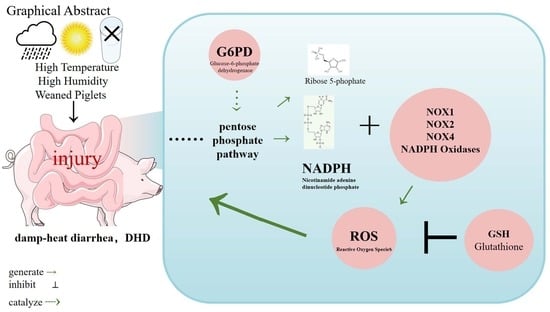
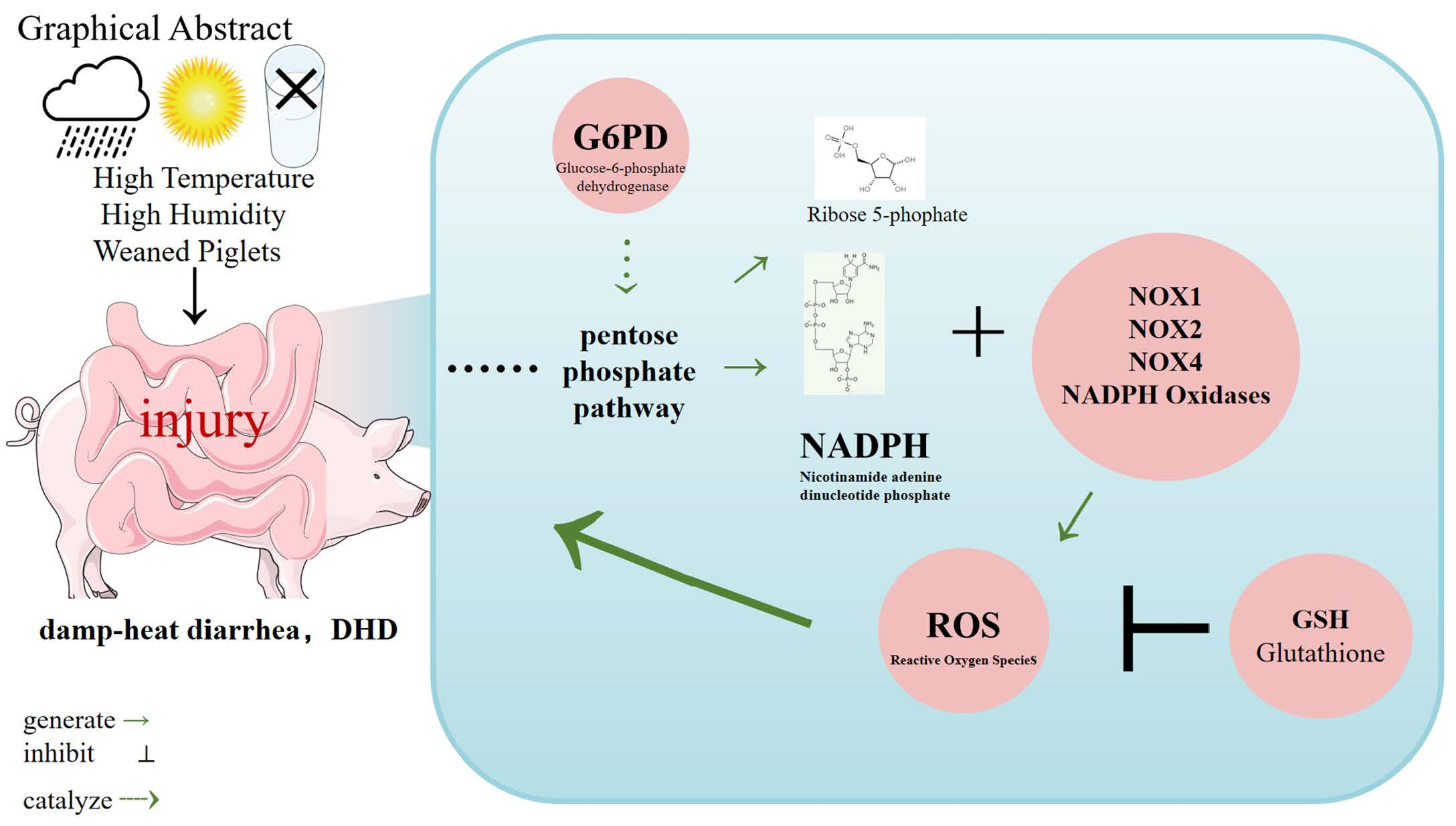
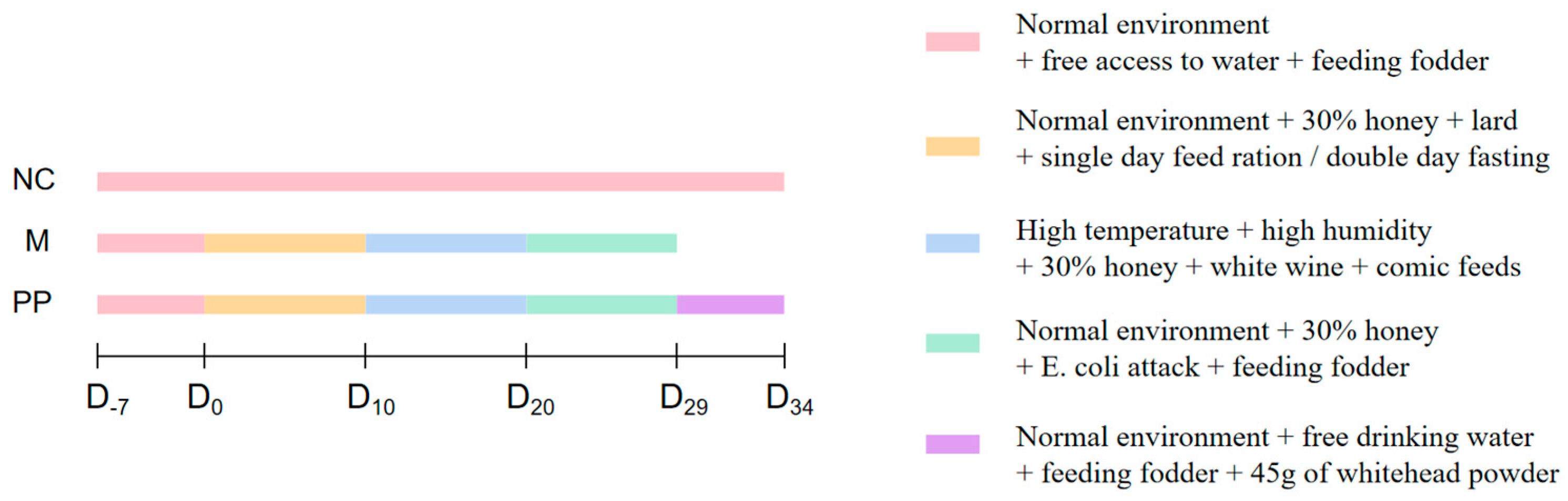
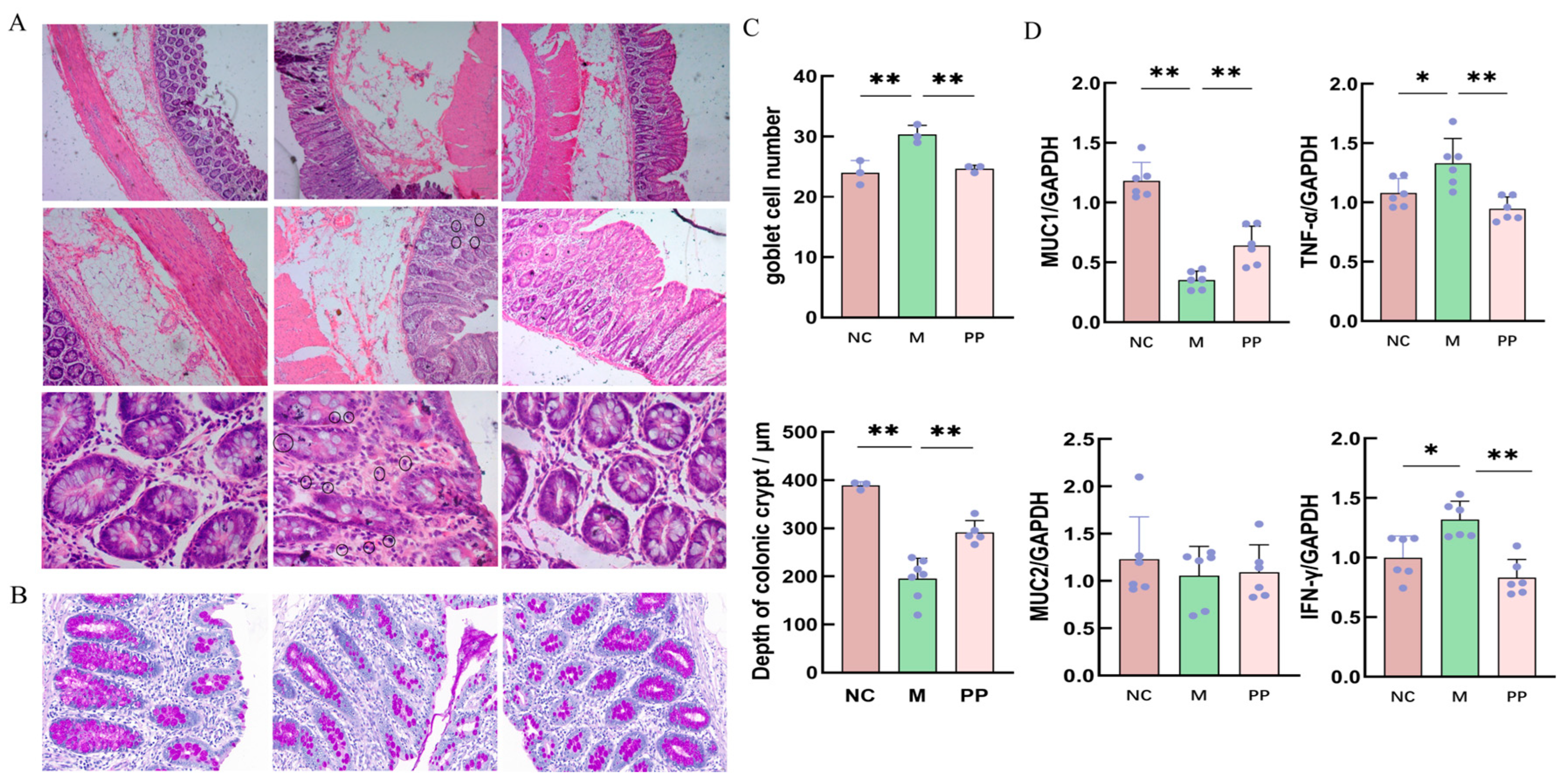
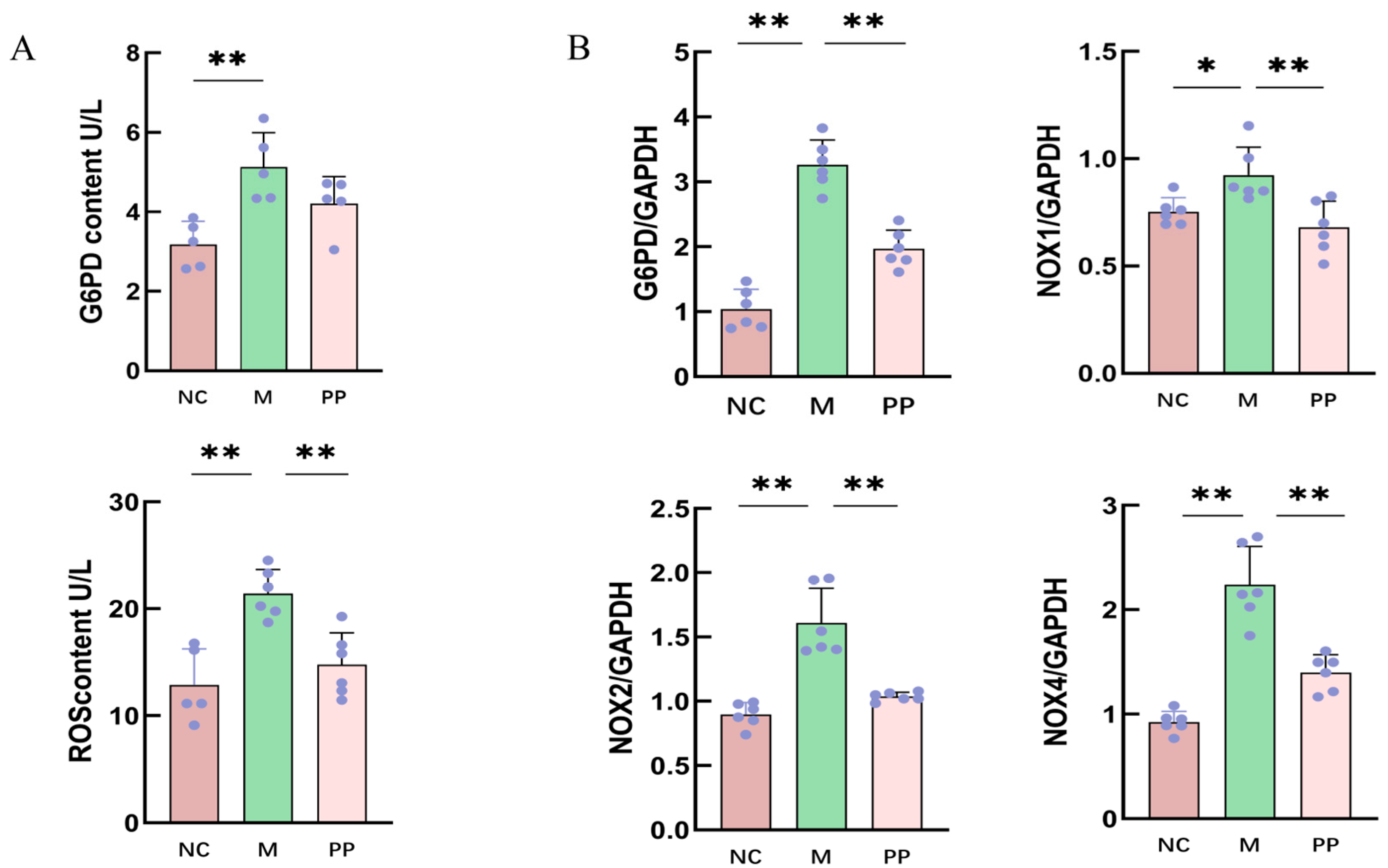
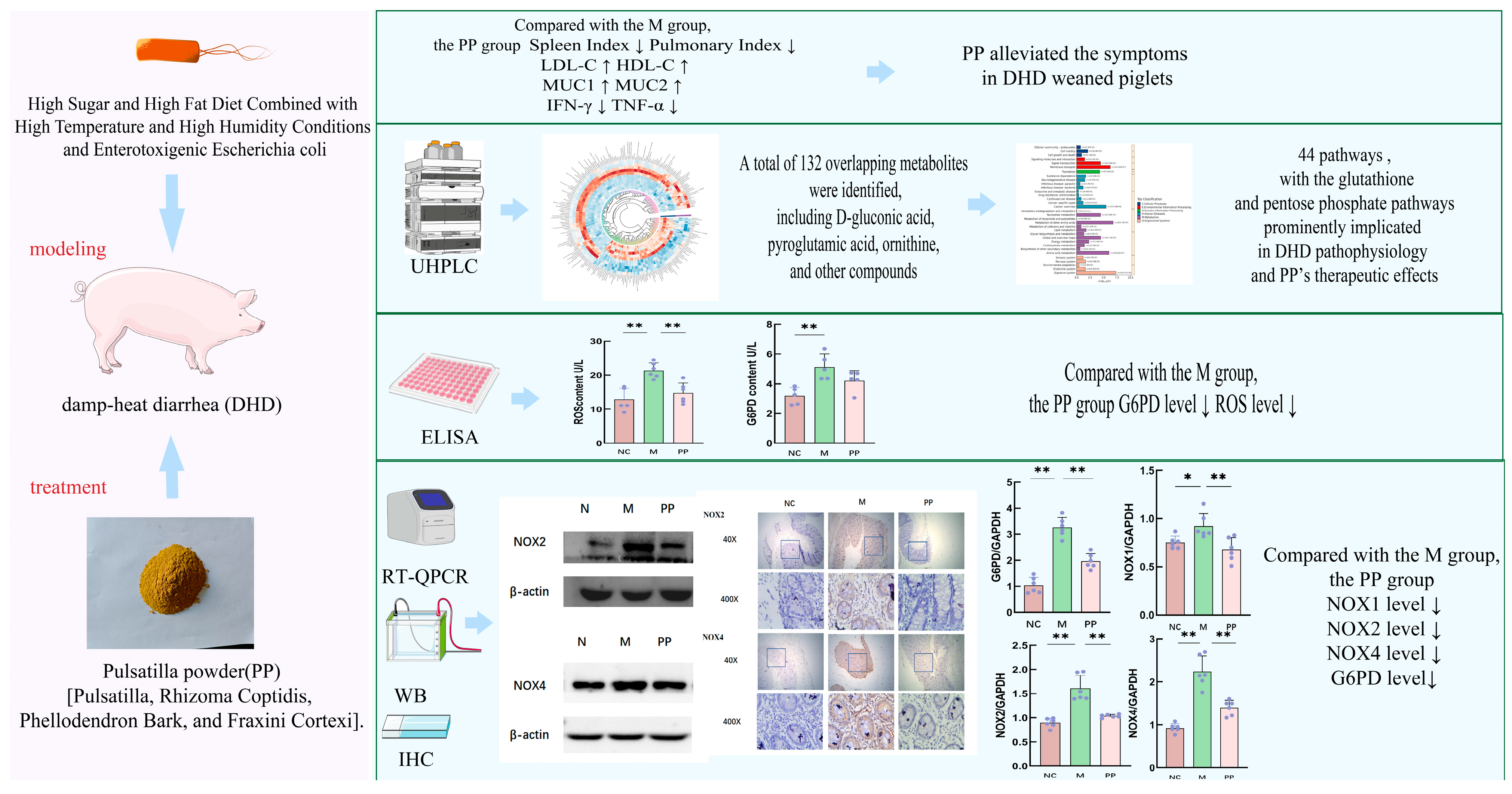
Damp-heat diarrhea (DHD) is a prevalent condition in piglets, characterized by a high morbidity rate. It is primarily caused by elevated temperature and humidity, which pose significant challenges to the swine industry. Pulsatilla powder (PP), a herbal formulation composed of Pulsatilla, Rhizoma Coptidis, Phellodendron Bark, and Fraxini Cortex, has demonstrated promising efficacy in treating this condition. Previous studies have identified the pentose phosphate pathway (PPP) as a critical therapeutic target. Utilizing a piglet model induced by a high-sugar and high-fat diet, improper feeding practices, elevated temperature and humidity, and Escherichia coli, this study validated the role of the PPP and explored its key enzymes and metabolites. The results indicated that PP improved the morphology of the colonic mucosa by regulating colonic metabolites, reduced inflammation by modulating inflammation-related genes, and effectively treated DHD by downregulating the PPP enzymes glucose-6-phosphate dehydrogenase (G6PD), nicotinamide adenine dinucleotide phosphate oxidase (NOX1, NOX2, NOX4), and levels of reactive oxygen species (ROS).
Abstract
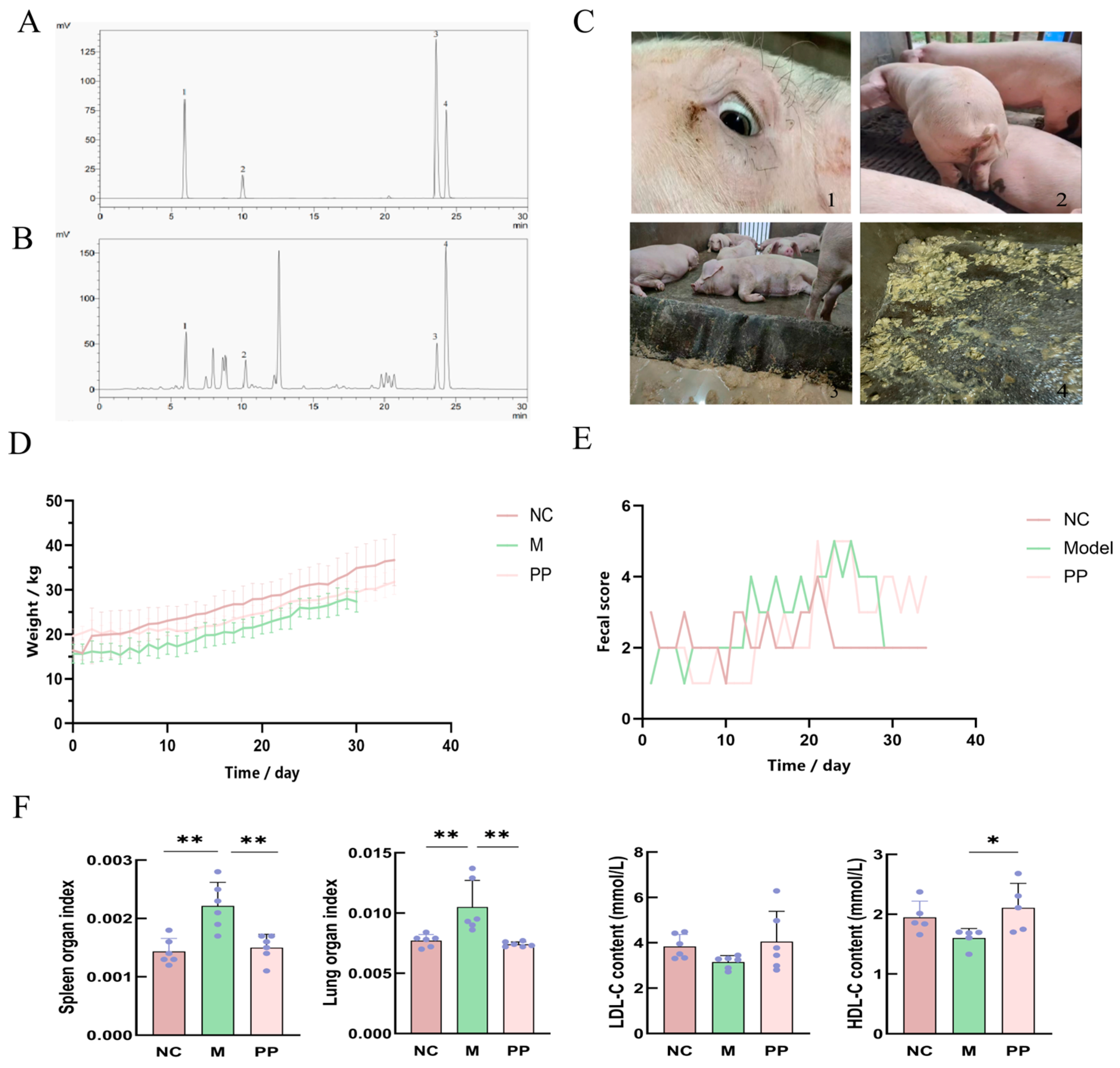
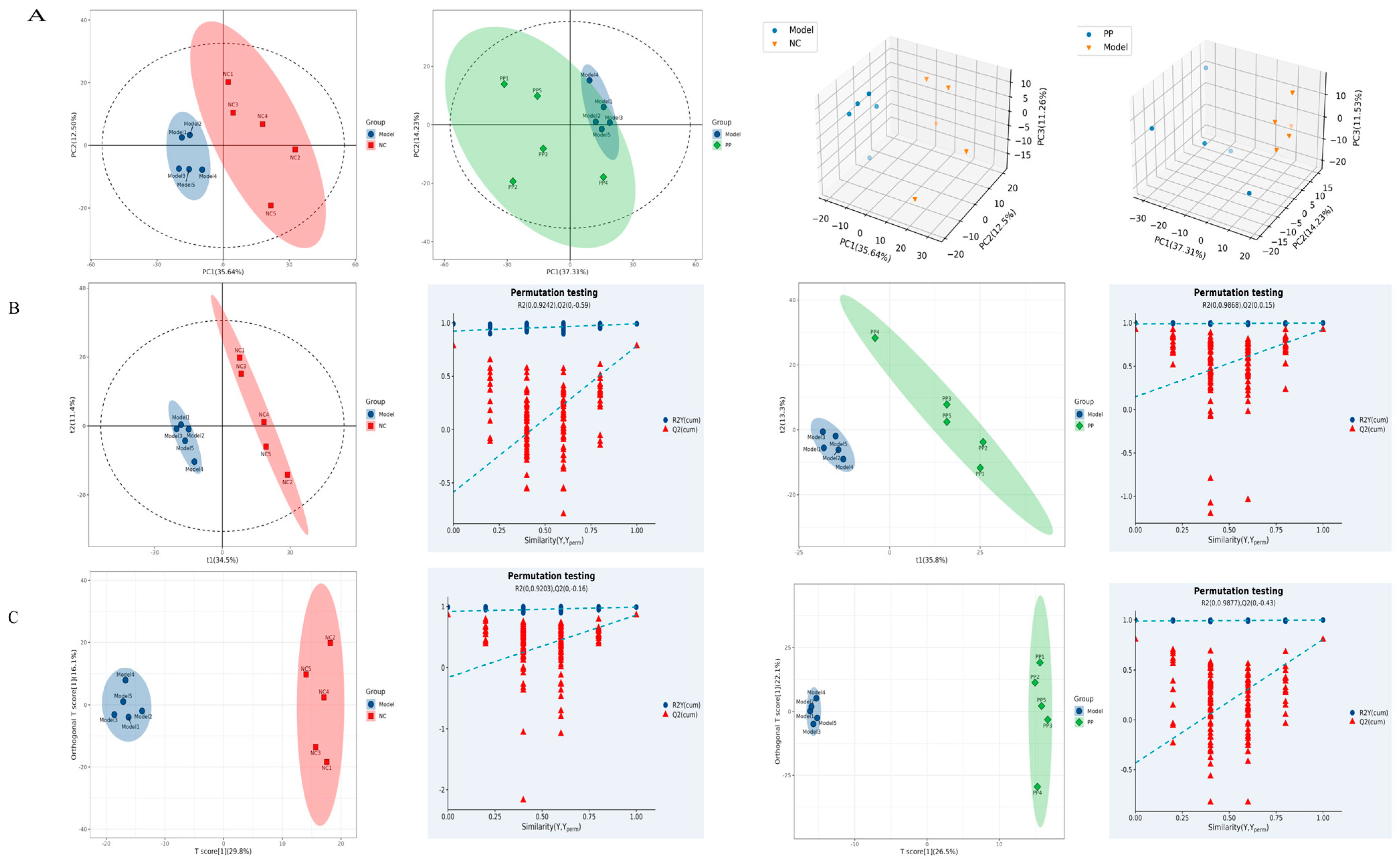
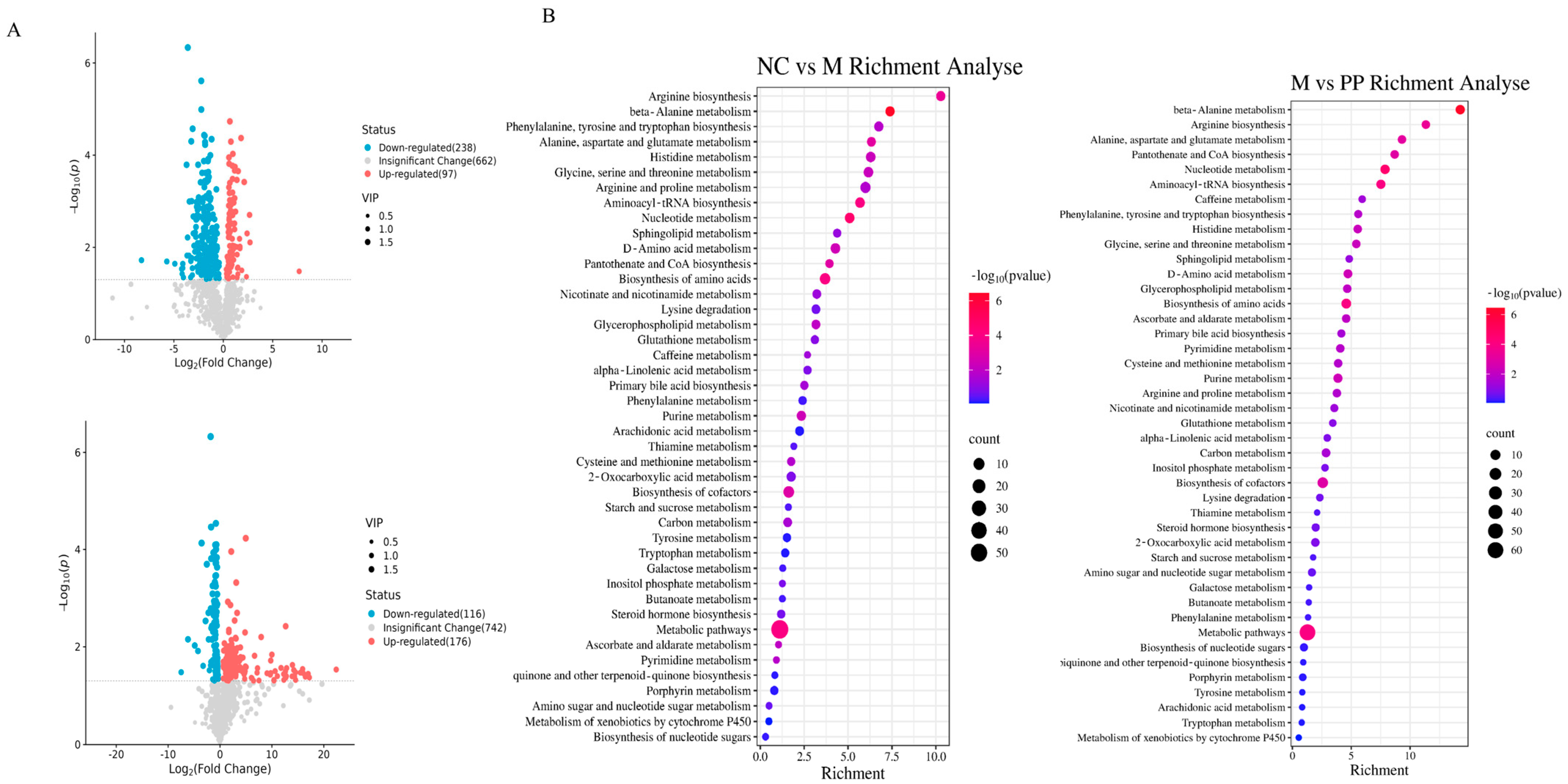
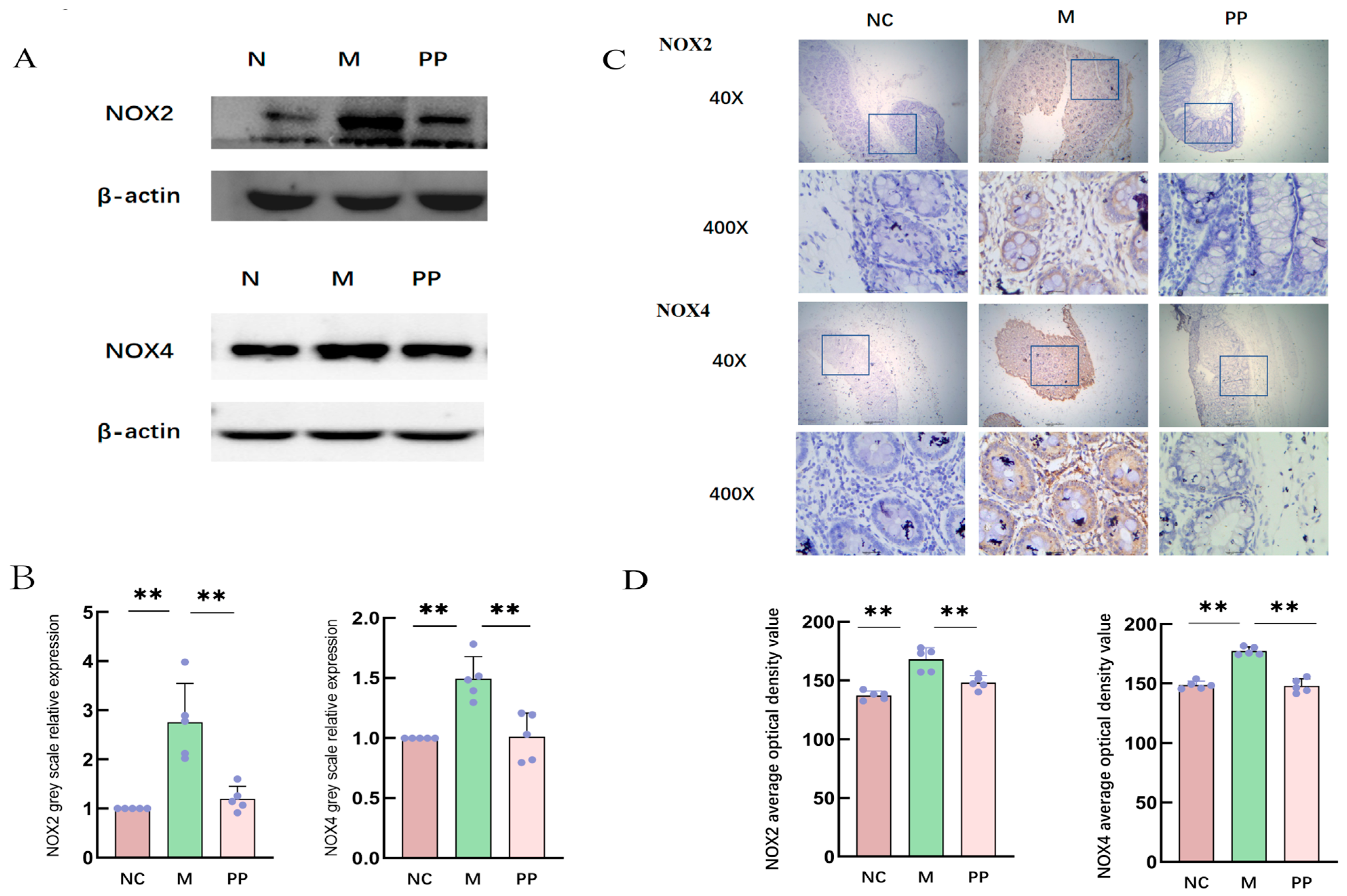
Damp-heat diarrhea (DHD) in piglets presents as diarrhea and intestinal bleeding, significantly affecting both piglet health and the pig industry. Pulsatilla powder (PP), a herbal formulation composed of Pulsatilla, Rhizoma Coptidis, Phellodendron Bark, and Fraxini Cortex, has proven to be an effective treatment for DHD. Although the pentose phosphate pathway (PPP) has been associated with its therapeutic effects, the exact mechanism of action remains unclear. In this study, the DHD model in piglets was established to evaluate clinical symptoms, organ index, serum index, histological changes, colonic metabolites, and molecular mechanisms using techniques such as QPCR, ELISA, WB and metabolomics. PP improved intestinal health by restoring spleen and lung index, increasing LDL-C and HDL-C levels (HDL-C: p < 0.05), decreasing mRNA expression levels of IFN-γ and TNF-α mRNA (p < 0.01), and increasing MUC1 and MUC2 expression. Metabolomics analysis has identified 44 pathways, including pentose phosphate and glutathione pathways, and 132 differential metabolites have involved in DHD treatment. PP significantly reduced G6PD (p < 0.01), inhibited the pentose phosphate pathway, reduced NOX production (p < 0.01), and suppressed ROS production (p < 0.01). These effects alleviated oxidative stress and intestinal damage, demonstrating PP’s effectiveness in treating DHD by targeting critical enzymes and ROS levels.