


Dietary Bacillus toyonensis BCT-7112T Supplementation Influences Performance, Egg Quality, Ammonia Emission, and Cecal Microbiome in Laying Ducks

 ,
,  , and
, and 
Simple Summary
Abstract
1. Introduction
2. Materials and Methods
2.1. Ethics Statement
2.2. Research Design and Animal Information
2.3. Data Collection for Laying Performance and Quality
2.4. Measurement of Ammonia Emission in Litter
2.5. DNA Extraction and PCR Amplification
2.6. Determination of Cecal Microbiome by Next-Generation Sequencing (NGS)
2.7. Statistical Analysis
3. Results
3.1. Laying Productivity and Egg Quality
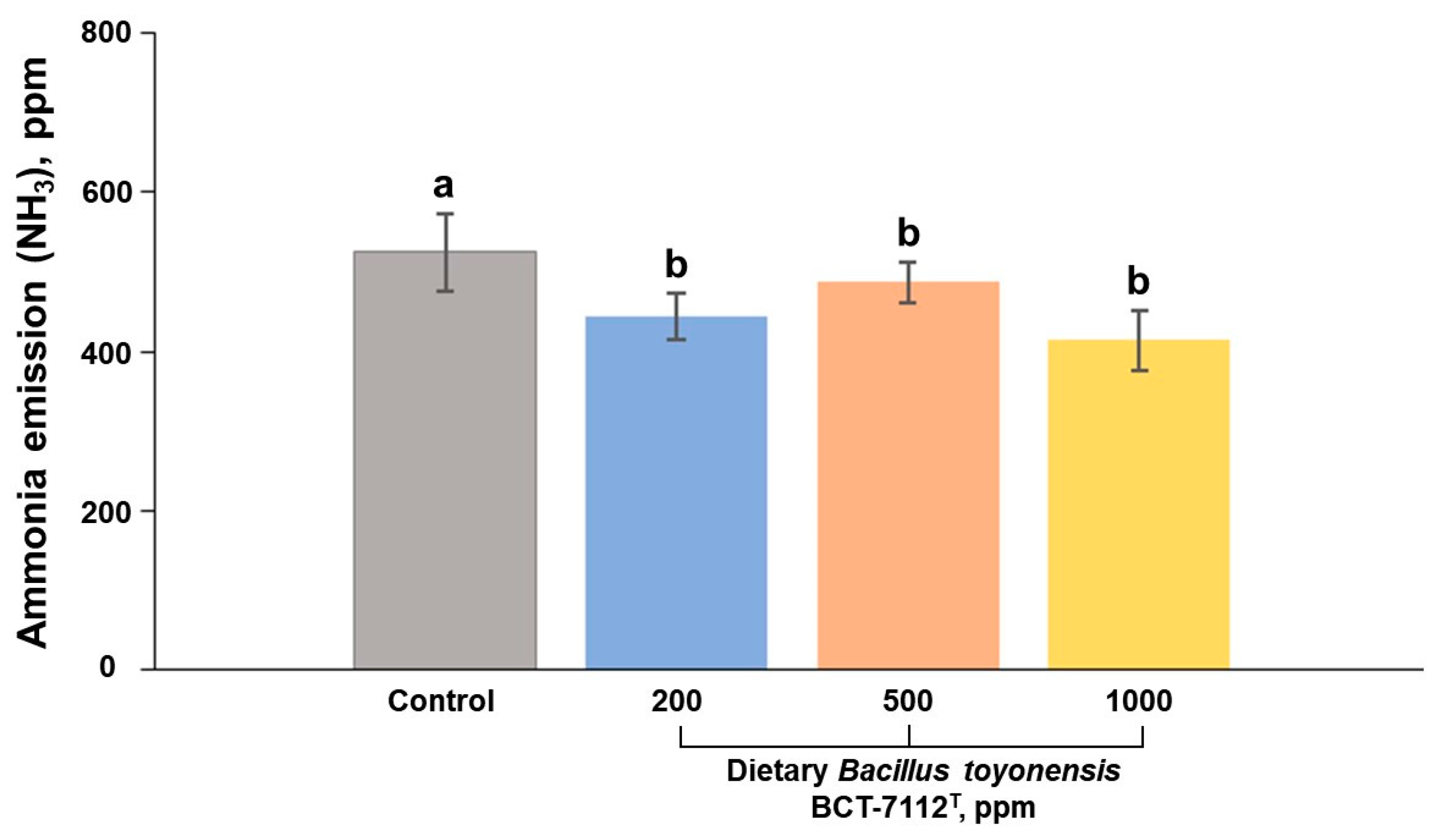
3.2. Quantity of Ammonia Emission in Litter
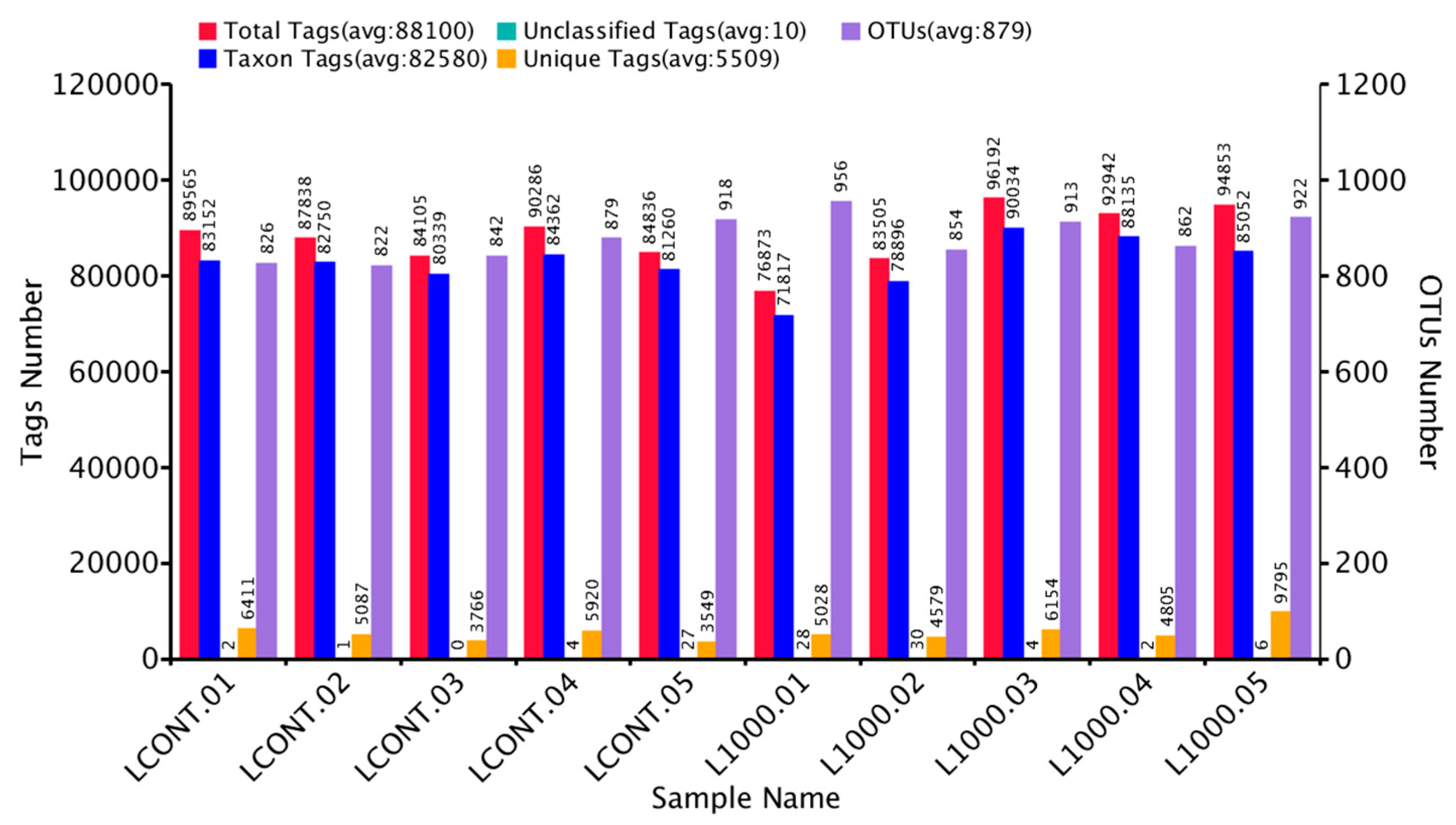
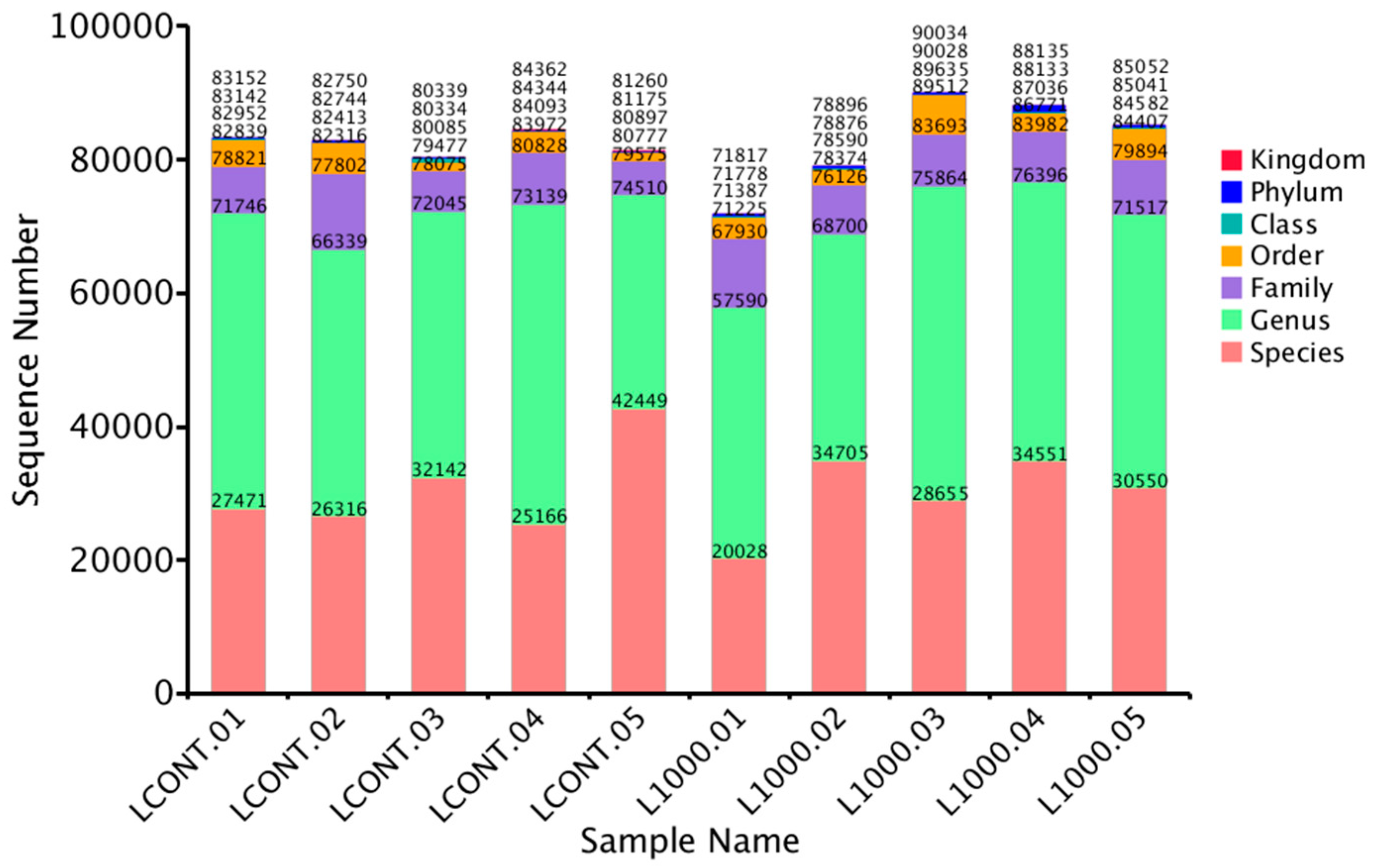
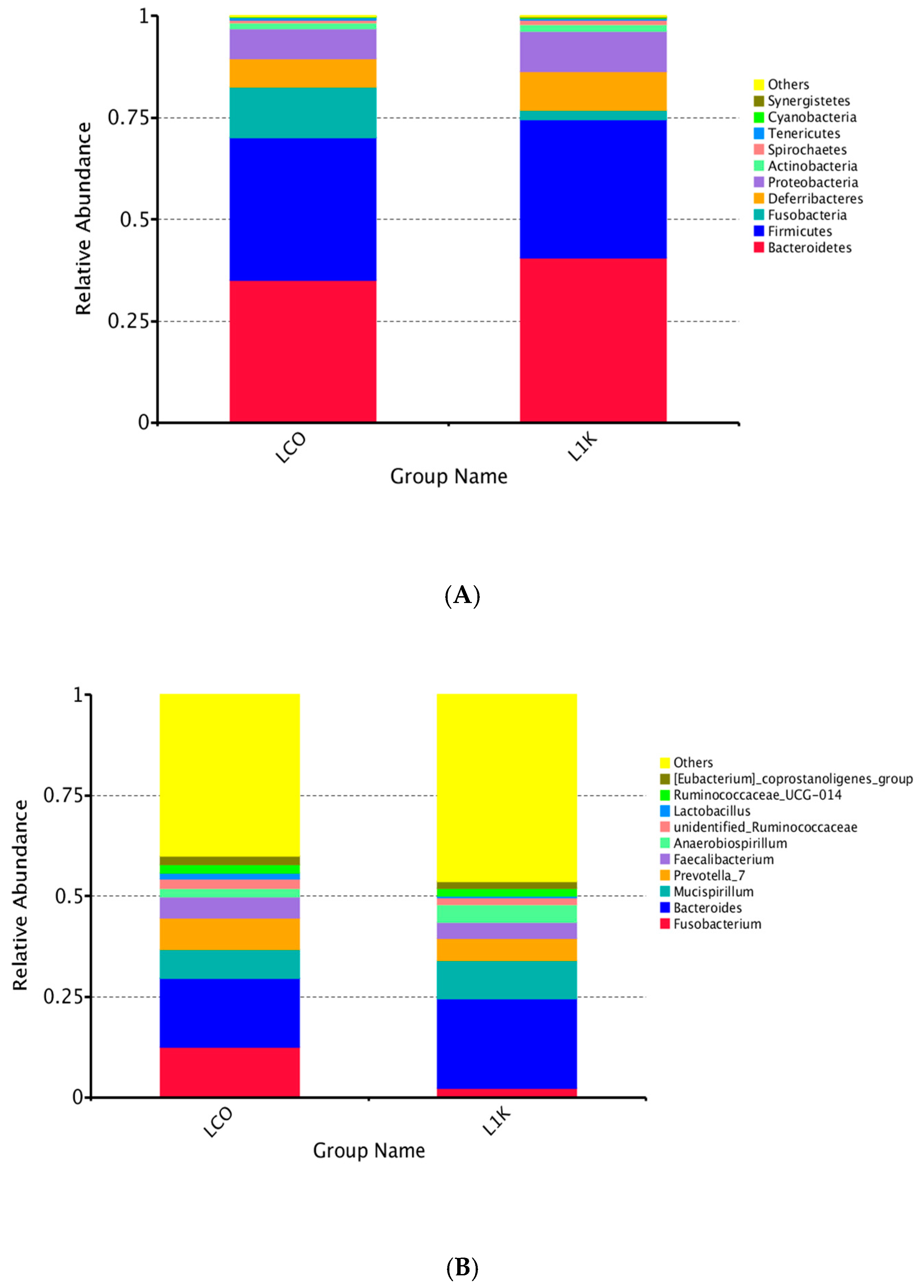
3.3. Analysis of Microbial Communities in Laying Duck Cecum
4. Discussion
5. Conclusions
Author Contributions
Funding
Institutional Review Board Statement
Informed Consent Statement
Data Availability Statement
Acknowledgments
Conflicts of Interest
References
- Likittrakulwong, W.; Moonsatan, S.; Incharoen, T. Enhancement of tibia bone and eggshell hardness through the supplementation of bio-calcium derived from fish bone mixed with chelated trace minerals and vitamin D3 in laying duck diet. Vet. Anim. Sci. 2021, 8, 100204. [Google Scholar] [CrossRef] [Scilit] [PubMed]
- Charoensook, R.; Knorr, C.; Brenig, B.; Gatphayak, K. Thai pigs and cattle production, genetic diversity of livestock and strategies for preserving animal genetic resources. Maejo Int. J. Sci. Technol. 2013, 7, 113–132. [Google Scholar]
- Pechrkong, T.; Incharoen, T.; Hwanhlem, N.; Kaewkong, W.; Subsoontorn, P.; Tartrakoon, W.; Numthuam, S.; Jiménez, G.; Charoensook, R. Effect of Bacillus toyonensis BCT-7112T supplementation on growth performance, intestinal morphology, immune-related gene expression, and gut microbiome in Barbary ducks. Poult. Sci. 2023, 102, 102991. [Google Scholar] [CrossRef] [Scilit] [PubMed]
- Incharoen, T.; Charoensook, R.; Onoda, S.; Tartrakoon, W.; Numthuam, S.; Pechkong, T. The effects of heat-killed Lactobacillus plantarum L-137 supplementation on growth performance, intestinal morphology, and immune-related gene expression in broiler chickens. Anim. Feed Sci. Technol. 2019, 257, 114272. [Google Scholar] [CrossRef] [Scilit]
- Tao, Z.; Xu, W.; Zhu, C.; Zhang, S.; Shi, Z.; Song, W.; Liu, H.; Li, H. Effects of ammonia on intestinal microflora and productive performance of laying ducks. Poult. Sci. 2019, 98, 1947–1959. [Google Scholar] [CrossRef] [Scilit]
- Hong, H.A.; Duc, L.H.; Cutting, S.M. The use of bacterial spore formers as probiotics. FEMS Microbiol. Rev. 2005, 29, 813–835. [Google Scholar] [CrossRef] [Scilit]
- Hwanhlem, N.; Salaipeth, L.; Charoensook, R.; Kanjan, P.; Maneerat, S. Lactic Acid Bacteria from Gamecock and Goat Originating from Phitsanulok, Thailand: Isolation, Identification, Technological Properties and Probiotic Potential. J. Microbiol. Biotechnol. 2022, 32, 355–364. [Google Scholar] [CrossRef] [Scilit]
- Jiménez, G.; Urdiain, M.; Cifuentes, A.; López-López, A.; Blanch, A.R.; Tamames, J.; Kämpfer, P.; Kolstø, A.B.; Ramón, D.; Martínez, J.F.; et al. Description of Bacillus toyonensis sp. nov., a novel species of the Bacillus cereus group, and pairwise genome comparisons of the species of the group by means of ANI calculations. Syst. Appl. Microbiol. 2013, 36, 383–391. [Google Scholar] [CrossRef] [Scilit]
- Pinheiro, V.; Mourão, J.; Jiménez, G. Influence of Toyocerin® (Bacillus cereus var. Toyoi) on breeding performance of primiparous rabbit does. World Rabbit Sci. 2007, 15, 178–188. [Google Scholar]
- Lodemann, U.; Lorenz, B.; Weyrauch, K.; Martens, H. Effects of Bacillus cereus var. Toyoi as probiotic feed supplement on intestinal transport and barrier function in piglets. Arch. Anim. Nutr. 2008, 62, 87–106. [Google Scholar]
- Kantas, D.; Papatsiros, V.; Tassis, P.; Giavasis, I.; Bouki, P.; Tzika, E. A feed additive containing Bacillus toyonensis (Toyocerin) protects against enteric pathogens in postweaning piglets. J. Appl. Microbiol. 2014, 118, 727–738. [Google Scholar] [CrossRef] [Scilit]
- Männer, K. Efficacy of Bacillus cereus var. toyoi on performance, faecal microflora and immune response in rearing calves. In 5th European Spores Conference Proceedings (Abstracts for Oral Presentations); Royal Holloway University of London: London, UK, 2012; p. 26. [Google Scholar]
- Roos, T.B.; de Moraes, C.M.; Sturbelle, R.T.; Dummer, L.A.; Fischer, G.; Leite, F.P.L. Probiotics Bacillus toyonensis and Saccharomyces boulardii improve the vaccine immune response to Bovine herpesvirus type 5 in sheep. Res. Vet. Sci. 2018, 117, 260–265. [Google Scholar] [CrossRef] [Scilit]
- Vilà, B.; Fontgibell, A.; Badiola, I.; Esteve-Garcia, E.; Jiménez, G.; Castillo, M.; Brufau, J. Reduction of Salmonella enterica var. Enteritidis colonization and invasion by Bacillus cereus var. toyoi inclusion in poultry feeds. Poult. Sci. 2009, 88, 975–979. [Google Scholar] [PubMed]
- Abou-Kassem, D.E.; Badr, M.; Abdel-Moneim, A.-M.; Mahgoub, S.; Elaraby, G.M.; Taha, A.E.; Elshafie, M.M.; Alkhawtani, D.; El-Hack, M.E.; Ashour, E.A. Growth, carcass characteristics, meat quality and microbial aspects of growing quail fed diets enriched with two different types of probiotics (Bacillus toyonensis and Bifidobacterium bifidum). Poult. Sci. 2020, 100, 84–93. [Google Scholar] [CrossRef] [Scilit] [PubMed]
- Batkowska, J.; Brodacki, A.; Tomczyk, G. The Influence of Probiotic Bacteria (Bacillus Toyoi) on Livability and Performance of Young Meat-Type Turkeys. Rev. Bras. Ciência Avícola 2015, 17, 433–438. [Google Scholar] [CrossRef] [Scilit]
- Chamani, M. Efficacy of Bactocell® and Toyocerin® as probiotics on growth performance, blood parameters and intestinal morphometry of Turkey poults. Iran. J. Appl. Anim. Sci. 2016, 6, 211–218. [Google Scholar]
- de Souza, D.M.; Suita, S.M.; Leite, F.P.L.; Romano, L.A.; Wasielesky, W.; Ballester, E.L.C. The use of probiotics during the nursery rearing of the pink shrimp Farfantepenaeus brasiliensis (Latreille, 1817) in a zero-exchange system. Aquac. Res. 2011, 43, 1828–1837. [Google Scholar] [CrossRef] [Scilit]
- Gisbert, E.; Castillo, M.; Skalli, A.; Andree, K.B.; Badiola, I. Bacillus cereus var. toyoi promotes growth, affects the histological organization and microbiota of the intestinal mucosa in rainbow trout fingerlings. J. Anim. Sci. 2013, 91, 2766–2774. [Google Scholar]
- Vasaï, F.; Ricaud, K.B.; Cauquil, L.; Daniel, P.; Peillod, C.; Gontier, K.; Tizaoui, A.; Bouchez, O.; Combes, S.; Davail, S. Lactobacillus sakei modulates mule duck microbiota in ileum and ceca during overfeeding. Poult. Sci. 2014, 93, 916–925. [Google Scholar] [CrossRef] [Scilit]
- Zhao, Y.; Li, X.; Sun, S.; Chen, L.; Jin, J.; Liu, S.; Song, X.; Wu, C.; Lu, L. Protective role of dryland rearing on netting floors against mortality through gut microbiota-associated immune performance in Shaoxing ducks. Poult. Sci. 2019, 98, 4530–4538. [Google Scholar] [CrossRef] [Scilit]
- NRC. Nutrient Requirements of Poultry; The National Academy Press: Washington, DC, USA, 1994. [Google Scholar]
- Yamauchi, K.; Ruttavut, J.; Takenoyama, S. Effect of dietary bamboo charcoal powder including vinegar liquid on chicken performance and histological alterations of intestine. J. Anim. Feed Sci. 2010, 19, 257–268. [Google Scholar] [CrossRef] [Scilit]
- Abdelqader, A.; Irshaid, R.; Al-Fataftah, A.R. Effects of dietary probiotic inclusion on performance, eggshell quality, cecal microflora composition, and tibia traits of laying hens in the late phase of production. Trop. Anim. Health Prod. 2013, 45, 1017–1024. [Google Scholar] [CrossRef] [Scilit] [PubMed]
- Li, C.L.; Wang, J.; Zhang, H.J.; Wu, S.G.; Hui, Q.R.; Yang, C.B.; Fang, R.J.; Qi, G.H. Intestinal morphologic and microbiota responses to dietary Bacillus spp. in a broiler chicken model. Front. Physiol. 2018, 9, 1968. [Google Scholar] [CrossRef] [Scilit]
- Suswoyo, I.; Ismoyowati, I.; Tugiyanti, E. Study on probiotic as antibiotic replacement to improve egg production in commercial duck farms. Tech. BioChemMed 2021, 2, 65–72. [Google Scholar] [CrossRef] [Scilit]
- Yang, J.; Zhan, K.; Zhang, M. Effects of the use of a combination of two Bacillus species on performance, egg quality, small intestinal mucosal morphology, and cecal microbiota profile in aging laying hens. Probiotics Antimicrob. Proteins 2020, 12, 204–213. [Google Scholar] [CrossRef] [Scilit] [PubMed]
- Souza, O.; Adams, C.; Rodrigues, B.; Krause, A.; Bonamigo, R.; Zavarize, K.; Stefanello, C. The impact of Bacillus subtilis PB6 and chromium propionate on the performance, egg quality and nutrient metabolizability of layer breeders. Animals 2021, 11, 3084. [Google Scholar] [CrossRef] [Scilit] [PubMed]
- Xu, C.; Wei, F.; Yang, X.; Feng, Y.; Liu, D.; Hu, Y. Lactobacillus salivarius CML352 isolated from Chinese local breed chicken modulates the gut microbiota and improves intestinal health and egg quality in late-phase laying hens. Microorganisms 2022, 10, 726. [Google Scholar] [CrossRef] [Scilit]
- Song, D.; Wang, Y.W.; Lu, Z.X.; Wang, W.W.; Miao, H.J.; Zhou, H.; Wang, L.; Li, A.K. Effects of dietary supplementation of microencapsulated Enterococcus fecalis and the extract of Camellia oleifera seed on laying performance, egg quality, serum biochemical parameters, and cecal microflora diversity in laying hens. Poult. Sci. 2019, 98, 2880–2887. [Google Scholar] [CrossRef] [Scilit]
- Elmer, G.W. Probiotics: “living drugs”. Am. J. Health Syst. Pharm. 2001, 58, 1101–1109. [Google Scholar] [CrossRef] [Scilit]
- Lutful Kabir, S.M. The role of probiotics in the poultry industry. Int. J. Mol. Sci. 2009, 10, 3531–3546. [Google Scholar] [CrossRef] [Scilit]
- Fathi, M.; Al-Homidan, I.; Al-Dokhail, A.; Ebeid, T.; Abou-Emera, O.; Alsagan, A. Effects of dietary probiotic (Bacillus subtilis) supplementation on productive performance, immune response and egg quality characteristics in laying hens under high ambient temperature. Ital. J. Anim. Sci. 2018, 17, 804–814. [Google Scholar] [CrossRef] [Scilit]
- Tsai, M.Y.; Shih, B.L.; Liaw, R.B.; Chen, W.T.; Lee, T.Y.; Hung, H.W.; Hung, K.H.; Lin, Y.F. Effect of dietary supplementation of Bacillus subtilis TLRI 211-1 on laying performance, egg quality and blood characteristics of Leghorn layers. Anim. Biosci. 2023, 36, 609–618. [Google Scholar] [CrossRef] [Scilit] [PubMed]
- Guo, J.R.; Dong, X.F.; Liu, S.; Tong, J.M. Effects of long-term Bacillus subtilis CGMCC 1.921 supplementation on performance, egg quality, and fecal and cecal microbiota of laying hens. Poult. Sci. 2017, 96, 1280–1289. [Google Scholar] [CrossRef] [Scilit]
- Sobczak, A.; Kozłowski, K. The effect of a probiotic preparation containing Bacillus subtilis ATCC PTA-6737 on egg production and physiological parameters of laying hens. Ann. Anim. Sci. 2015, 15, 711–723. [Google Scholar] [CrossRef] [Scilit]
- Mitin, H.; Zulkifli, I.; Che Jamri, M.H.; Zamzuri, N.A.; Samian, N.A.; Hussein, A.N.; Goh, Y.M.; Sazili, A.Q. Alleviation of catching and crating stress by dietary supplementation of Bacillus subtilis in Pekin ducks. Animals 2022, 12, 3479. [Google Scholar] [CrossRef] [Scilit]
- Cao, Y.; Xun, M.; Ren, S.; Wang, J. Effects of dietary organic acids and probiotics on laying performance, egg quality, serum antioxidants and expressions of reproductive genes of laying ducks in the late phase of production. Poult. Sci. 2022, 101, 102189. [Google Scholar] [CrossRef] [Scilit]
- Kurtoglu, V.; Kurtoglu, F.; Seker, E.; Coskun, B.; Balevi, T.; Polat, E.S. Effect of probiotic supplementation on laying hen diets on yield performance and serum and egg yolk cholesterol. Food Addit. Contam. 2004, 21, 817–823. [Google Scholar] [CrossRef] [Scilit] [PubMed]
- Zhan, H.Q.; Dong, X.Y.; Li, L.L.; Zheng, Y.X.; Gong, Y.J.; Zou, X.T. Effects of dietary supplementation with Clostridium butyricum on laying performance, egg quality, serum parameters, and cecal microflora of laying hens in the late phase of production. Poult. Sci. 2019, 98, 896–903. [Google Scholar] [CrossRef] [Scilit]
- Yıldırım, A.; Kraimi, N.; Constantin, P.; Mercerand, F.; Leterrier, C. Effects of tryptophan and probiotic supplementation on growth and behavior in quail. Poult. Sci. 2020, 99, 5206–5213. [Google Scholar] [CrossRef] [Scilit]
- Chen, P.; Xu, T.; Zhang, C.; Tong, X.; Shaukat, A.; He, Y.; Liu, K.; Huang, S. Effects of probiotics and gut microbiota on bone metabolism in chickens: A review. Metabolites 2022, 12, 1000. [Google Scholar] [CrossRef] [Scilit]
- Nishiyama, T.; Nakagawa, K.; Imabayashi, T.; Iwatani, S.; Yamamoto, N.; Tsushima, N. Probiotic Bacillus subtilis C-3102 improves eggshell quality after forced molting in aged laying hens. J. Poult. Sci. 2021, 58, 230–237. [Google Scholar] [CrossRef] [Scilit] [PubMed]
- Darsi, E.; Zhaghari, M. Effects of Bacillus subtilis PB6 supplementation on productive performance, egg quality and hatchability in broiler breeder hens under commercial farm condition. J. Appl. Anim. Res. 2021, 49, 109–117. [Google Scholar] [CrossRef] [Scilit]
- Swiatkiewicz, S.; Arczewska-Wlosek, A. Prebiotic fructans and organic acids as feed additives improving mineral availability. World Poult. Sci. J. 2012, 68, 269–279. [Google Scholar] [CrossRef] [Scilit]
- Chang, W.Y.; Yu, Y.H. Effect of Bacillus species-fermented products and essential oils on growth performance, gut morphology, cecal short-chain fatty acid levels, and microbiota community in broilers. Poult. Sci. 2022, 101, 101970. [Google Scholar] [CrossRef] [Scilit]
- Swelum, A.A.; El-Saadony, M.T.; El-Hack, M.E.A.; Ghanima, M.M.A.; Shukry, M.; Alhotan, R.A.; Hussein, E.O.S.; Suliman, G.M.; Ba-Awadh, H.; Ammari, A.A.; et al. Ammonia emissions in poultry houses and microbial nitrification as a promising reduction strategy. Sci. Total Environ. 2021, 781, 146978. [Google Scholar] [CrossRef] [Scilit]
- Such, N.; Mezőlaki, Á.; Rawash, M.A.; Tewelde, K.G.; Pál, L.; Wágner, L.; Schermann, K.; Poór, J.; Dublecz, K. Diet composition and using probiotics or symbiotics can modify the urinary and faecal nitrogen ratio of broiler chicken’s excreta and also the dynamics of in vitro ammonia emission. Animals 2023, 13, 332. [Google Scholar] [CrossRef] [Scilit] [PubMed]
- Nahm, K.H. Evaluation of the nitrogen content in poultry manure. World Poult. Sci. J. 2003, 59, 77–88. [Google Scholar] [CrossRef] [Scilit]
- De Laune, P.B.; Moore, P.A., Jr.; Daniel, T.C.; Lemunyon, J.L. Effect of chemical and microbial amendments on ammonia volatilization from composting poultry litter. J. Environ. Qual. 2004, 33, 728–734. [Google Scholar] [CrossRef] [Scilit]
- Wlazło, Ł.; Nowakowicz-Dębek, B.; Kapica, J.; Kwiecień, M.; Pawlak, H. Removal of ammonia from poultry manure by aluminosilicates. J. Environ. Manag. 2016, 183, 722–725. [Google Scholar] [CrossRef] [Scilit]
- van Emous, R.A.; Winkel, A.; Aarnink, A.J.A. Effects of dietary crude protein levels on ammonia emission, litter and manure composition, N losses, and water intake in broiler breeders. Poult. Sci. 2019, 98, 6618–6625. [Google Scholar] [CrossRef] [Scilit]
- Wang, J.; Ji, H. Influence of probiotics on dietary protein digestion and utilization in the gastrointestinal tract. Curr. Protein Pept. Sci. 2019, 20, 125–131. [Google Scholar] [CrossRef] [Scilit] [PubMed]
- Vilela, M.d.O.; Gates, R.S.; Souza, C.F.; Teles Junior, C.G.S.; Sousa, F.C. Nitrogen transformation stages into ammonia in broiler production: Sources, deposition, transformation, and emission into the environment. DYNA 2020, 87, 221–228. [Google Scholar] [CrossRef] [Scilit]
- Santoso, U.; Ohtani, S.; Tanaka, K.; Sakaida, M.; Ohtani, S.; Tanaka, K.; Sakaida, M. Dried Bacillus subtilis culture reduced ammonia gas release in poultry house. Asian-Australas. J. Anim. Sci. 1999, 12, 806–809. [Google Scholar] [CrossRef] [Scilit]
- Mi, J.; Chen, X.; Liao, X. Screening of single or combined administration of 9 probiotics to reduce ammonia emissions from laying hens. Poult. Sci. 2019, 98, 3977–3988. [Google Scholar] [CrossRef] [Scilit]
- Sun, H.; Du, X.; Zeng, T.; Ruan, S.; Li, G.; Tao, Z.; Xu, W.; Lu, L. Effects of compound probiotics on cecal microbiome and metabolome of Shaoxing duck. Front. Microbiol. 2022, 12, 813598. [Google Scholar] [CrossRef] [Scilit]
- Best, A.A.; Porter, A.L.; Fraley, S.M.; Fraley, G.S. Characterization of gut microbiome dynamics in developing Pekin ducks and impact of management system. Front. Microbiol. 2017, 7, 2125. [Google Scholar] [CrossRef] [Scilit]
- Wang, S.; Chen, L.; He, M.; Shen, J.; Li, G.; Tao, Z.; Wu, R.; Lu, L. Different rearing conditions alter gut microbiota composition and host physiology in Shaoxing ducks. Sci. Rep. 2018, 8, 7387. [Google Scholar] [CrossRef] [Scilit] [PubMed]
- Naumova, N.B.; Alikina, T.Y.; Zolotova, N.S.; Konev, A.V.; Pleshakova, V.I.; Lescheva, N.A.; Kabilov, M.R. Bacillus-based probiotic treatment modified bacteriobiome diversity in duck feces. Agriculture 2021, 11, 406. [Google Scholar] [CrossRef] [Scilit]
- Lan, P.T.N.; Sakamoto, M.; Sakata, S.; Benno, Y. Bacteroides barnesiae sp. nov., Bacteroides salanitronis sp. nov. and Bacteroides gallinarum sp. nov., isolated from chicken caecum. Int. J. Syst. Evol. Microbiol. 2006, 56, 2853–2859. [Google Scholar] [CrossRef] [Scilit]
- Line, J.E.; Hiett, K.L.; Guard-Bouldin, J.; Seal, B.S. Differential carbon source utilization by Campylobacter jejuni 11,168 in response to growth temperature variation. J. Microbiol. Methods 2010, 80, 198–202. [Google Scholar] [CrossRef] [Scilit]
- Polansky, O.; Sekelova, Z.; Faldynova, M.; Sebkova, A.; Sisak, F.; Rychlik, I. Important metabolic pathways and biological processes expressed by chicken cecal microbiota. Appl. Environ. Microbiol. 2015, 82, 1569–1576. [Google Scholar] [CrossRef] [Scilit] [PubMed]
- Kollarcikova, M.; Kubasova, T.; Karasova, D.; Crhanova, M.; Cejkova, D.; Sisak, F.; Rychlik, I. Use of 16S rRNA gene sequencing for prediction of new opportunistic pathogens in chicken ileal and cecal microbiota. Poult. Sci. 2019, 98, 2347–2353. [Google Scholar] [CrossRef] [Scilit] [PubMed]
- Bai, Y.; Wang, R.; Yang, Y.; Li, R.R.; Wu, X.T. Folic Acid Absorption Characteristics and Effect on Cecal Microbiota of Laying Hens. Front. Vet. Sci. 2021, 8, 720851. [Google Scholar] [CrossRef] [Scilit] [PubMed]

| Ingredients | g/kg, As-Fed Basis |
|---|---|
| Wheat grain | 280.0 |
| Casava chip | 130.0 |
| Wheat bran | 125.5 |
| Broken rice | 42.0 |
| Molasses | 30.0 |
| Rice bran oil | 19.8 |
| Rapeseed meal | 40.0 |
| Palm kernel meal | 30.0 |
| Soybean meal | 97.0 |
| Extruded soybean | 40.0 |
| Pork meal, 530 g/kg CP | 44.0 |
| Fish meal, 620 g/kg CP | 31.0 |
| Calcium carbonate | 81.2 |
| Salt | 2.0 |
| L-Lysine | 1.0 |
| DL-Methionine | 2.0 |
| Mycotoxin adsorbents | 1.8 |
| Pigment | 0.2 |
| Premix 1 | 2.5 |
| Total | 1000.0 |
| Calculated Chemical Composition Analysis 2 | |
| Metabolizable energy, kcal/kg | 2850 |
| Crude protein | 180.0 |
| Crude fiber | 40.2 |
| Calcium | 35.1 |
| Available phosphorus | 4.3 |
| Total lysine | 9.6 |
| Total methionine | 4.0 |
| Total methionine and cystine | 7.2 |
| Item | Dietary Bacillus toyonensis BCT-7112T, ppm | SEM 1 | p-Value | |||
|---|---|---|---|---|---|---|
| Control n = 55 | 200 n = 55 | 500 n = 55 | 1000 n = 55 | |||
| Egg performance | ||||||
| Average daily egg production, % | 80.3 | 81.0 | 80.4 | 82.9 | 1.21 | 0.876 |
| Average egg weight, g/egg | 69.3 a | 70.3 b | 70.8 b | 71.1 b | 0.16 | <0.001 |
| Egg mass, g/h/d | 55.7 a | 57.0 ab | 57.0 ab | 59.0 b | 0.40 | 0.031 |
| Average daily feed intake, g/h/d | 142.2 | 143.5 | 139.7 | 141.1 | 1.68 | 0.894 |
| Feed conversion ratio | 2.55 | 2.51 | 2.45 | 2.39 | 0.04 | 0.494 |
| Egg quality | ||||||
| Yolk ratio, % | 33.0 | 33.3 | 32.5 | 32.5 | 0.10 | 0.400 |
| Albumen ratio, % | 56.1 | 55.8 | 56.6 | 56.6 | 0.11 | 0.150 |
| Eggshell ratio, % | 10.9 | 10.9 | 10.9 | 10.9 | 0.04 | 0.998 |
| Eggshell thickness, μm | 344.5 b | 353.4 a | 351.5 a | 352.1 a | 1.00 | 0.007 |
| Albumen height, mm | 5.1 | 5.1 | 5.0 | 5.1 | 0.05 | 0.937 |
| Haugh units | 62.0 | 62.2 | 61.4 | 62.7 | 0.43 | 0.779 |
| Yolk color | 14.7 | 14.8 | 14.8 | 14.7 | 0.02 | 0.243 |
| Treatments | Observed Species | Shannon | Simpson | Chao1 | ACE |
|---|---|---|---|---|---|
| Control | 803.00 | 6.22 | 0.94 | 857.35 | 857.91 |
| 1000 ppm | 1760.80 | 7.46 | 0.97 | 1894.17 | 1878.61 |
| SEM | 28.11 | 0.12 | 0.17 | 20.57 | 53.31 |
| p-value | <0.01 | 0.02 | 0.13 | <0.01 | <0.01 |
Disclaimer/Publisher’s Note: The statements, opinions and data contained in all publications are solely those of the individual author(s) and contributor(s) and not of MDPI and/or the editor(s). MDPI and/or the editor(s) disclaim responsibility for any injury to people or property resulting from any ideas, methods, instructions or products referred to in the content. |
© 2025 by the authors. Licensee MDPI, Basel, Switzerland. This article is an open access article distributed under the terms and conditions of the Creative Commons Attribution (CC BY) license (https://creativecommons.org/licenses/by/4.0/).
Share and Cite
Incharoen, T.; Charoensook, R.; Tartrakoon, W.; Numthuam, S.; Sunanta, Y.; Jimenez, G.; Loor, J.J. Dietary Bacillus toyonensis BCT-7112T Supplementation Influences Performance, Egg Quality, Ammonia Emission, and Cecal Microbiome in Laying Ducks. Vet. Sci. 2025, 12, 259. https://doi.org/10.3390/vetsci12030259
Incharoen T, Charoensook R, Tartrakoon W, Numthuam S, Sunanta Y, Jimenez G, Loor JJ. Dietary Bacillus toyonensis BCT-7112T Supplementation Influences Performance, Egg Quality, Ammonia Emission, and Cecal Microbiome in Laying Ducks. Veterinary Sciences. 2025; 12(3):259. https://doi.org/10.3390/vetsci12030259
Chicago/Turabian StyleIncharoen, Tossaporn, Rangsun Charoensook, Wandee Tartrakoon, Sonthaya Numthuam, Yutthana Sunanta, Guillermo Jimenez, and Juan J. Loor. 2025. "Dietary Bacillus toyonensis BCT-7112T Supplementation Influences Performance, Egg Quality, Ammonia Emission, and Cecal Microbiome in Laying Ducks" Veterinary Sciences 12, no. 3: 259. https://doi.org/10.3390/vetsci12030259
APA StyleIncharoen, T., Charoensook, R., Tartrakoon, W., Numthuam, S., Sunanta, Y., Jimenez, G., & Loor, J. J. (2025). Dietary Bacillus toyonensis BCT-7112T Supplementation Influences Performance, Egg Quality, Ammonia Emission, and Cecal Microbiome in Laying Ducks. Veterinary Sciences, 12(3), 259. https://doi.org/10.3390/vetsci12030259

