Effects of γ-Aminobutyric Acid on Growth Performance, Immunity, Antioxidant Capacity, and Intestinal Microbiota of Growing Minks

College of Animal Science and Technology, Qingdao Agricultural University, Qingdao 266109, China
*
Author to whom correspondence should be addressed.
†
These authors contributed equally to this work.
Vet. Sci. 2024, 11(9), 398; https://doi.org/10.3390/vetsci11090398
Submission received: 30 May 2024
/
Revised: 16 July 2024
/
Accepted: 27 August 2024
/
Published: 29 August 2024
(This article belongs to the Section Nutritional and Metabolic Diseases in Veterinary Medicine)
Simple Summary
Previous studies in several species have demonstrated that dietary γ-aminobutyric acid (GABA) supplemented can improve the growth performance, immunity, and antioxidant activity of animals. However, the effects of GABA on growing minks are not well documented. Therefore, this study aimed to evaluate the effects of GABA on growth performance, immunity, and intestinal microbiota in growing minks, and to determine the optimal level of GABA supplementation for their development.
Abstract
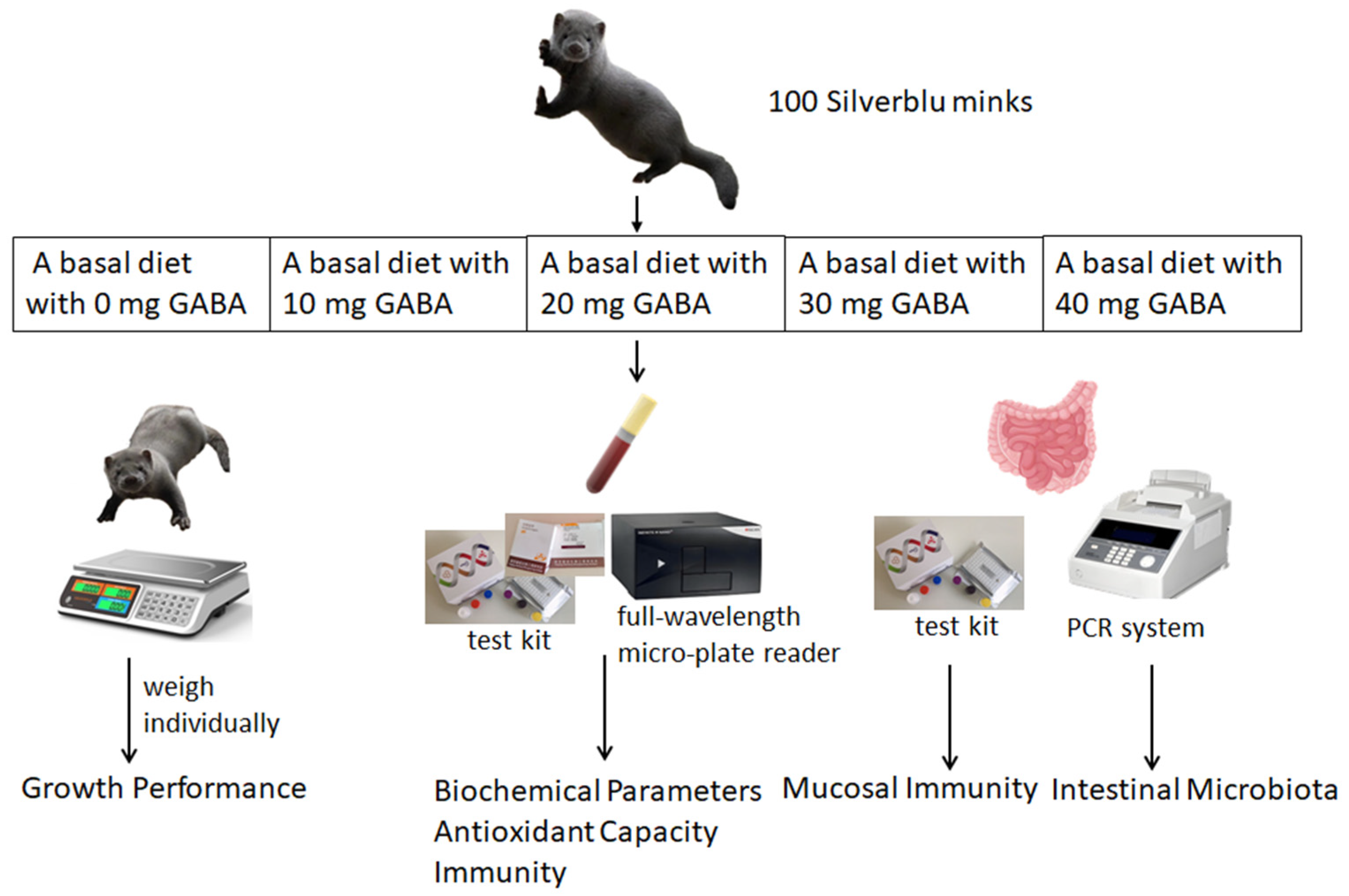
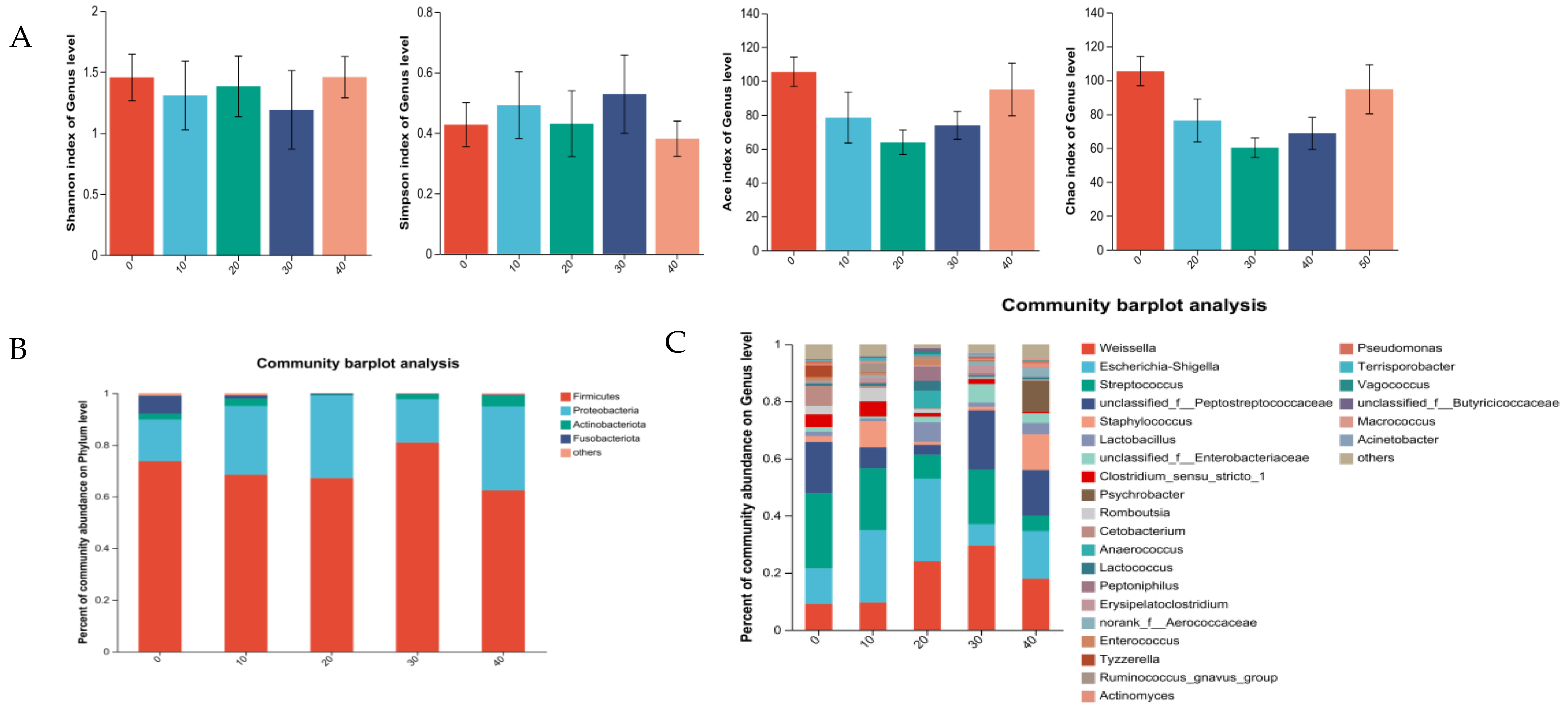
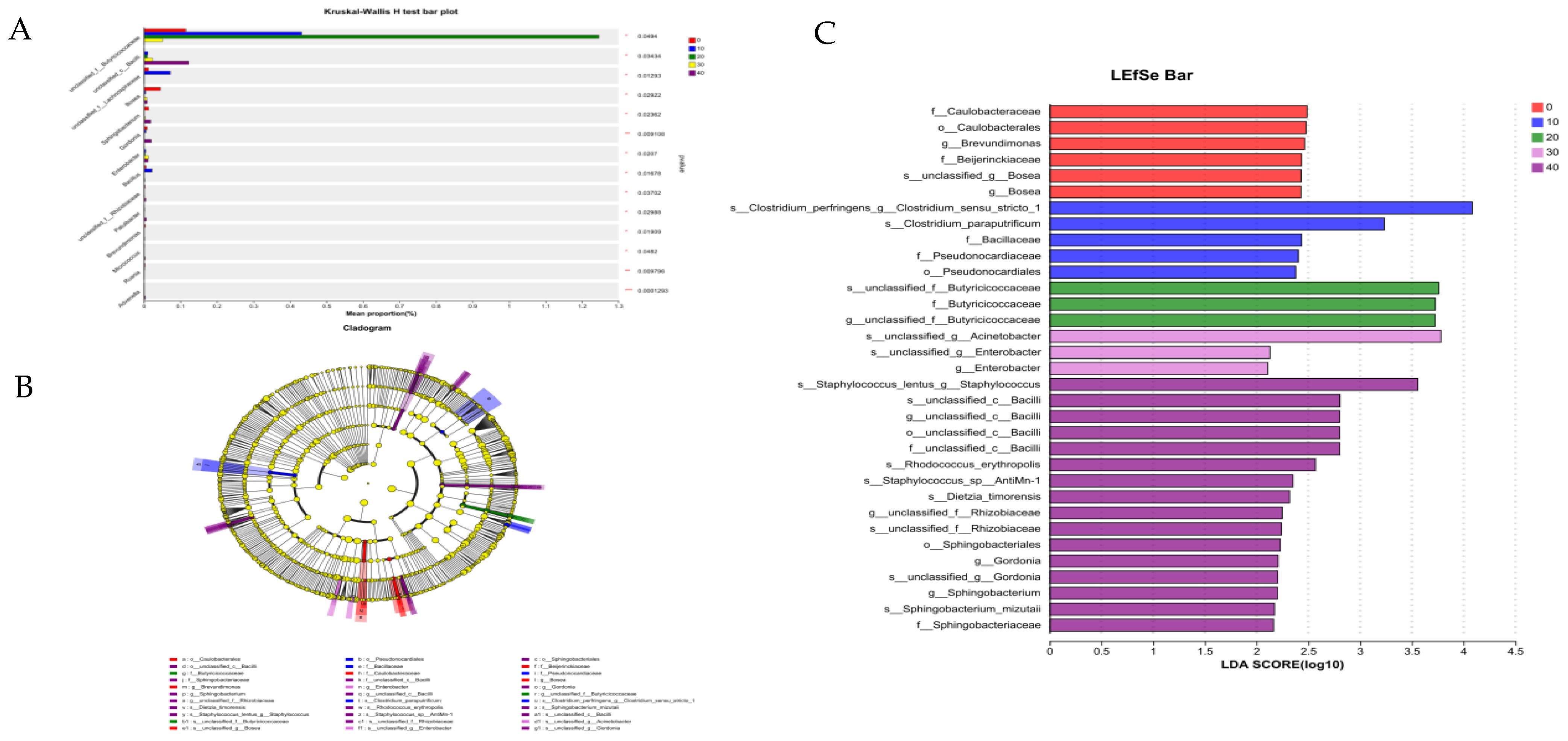
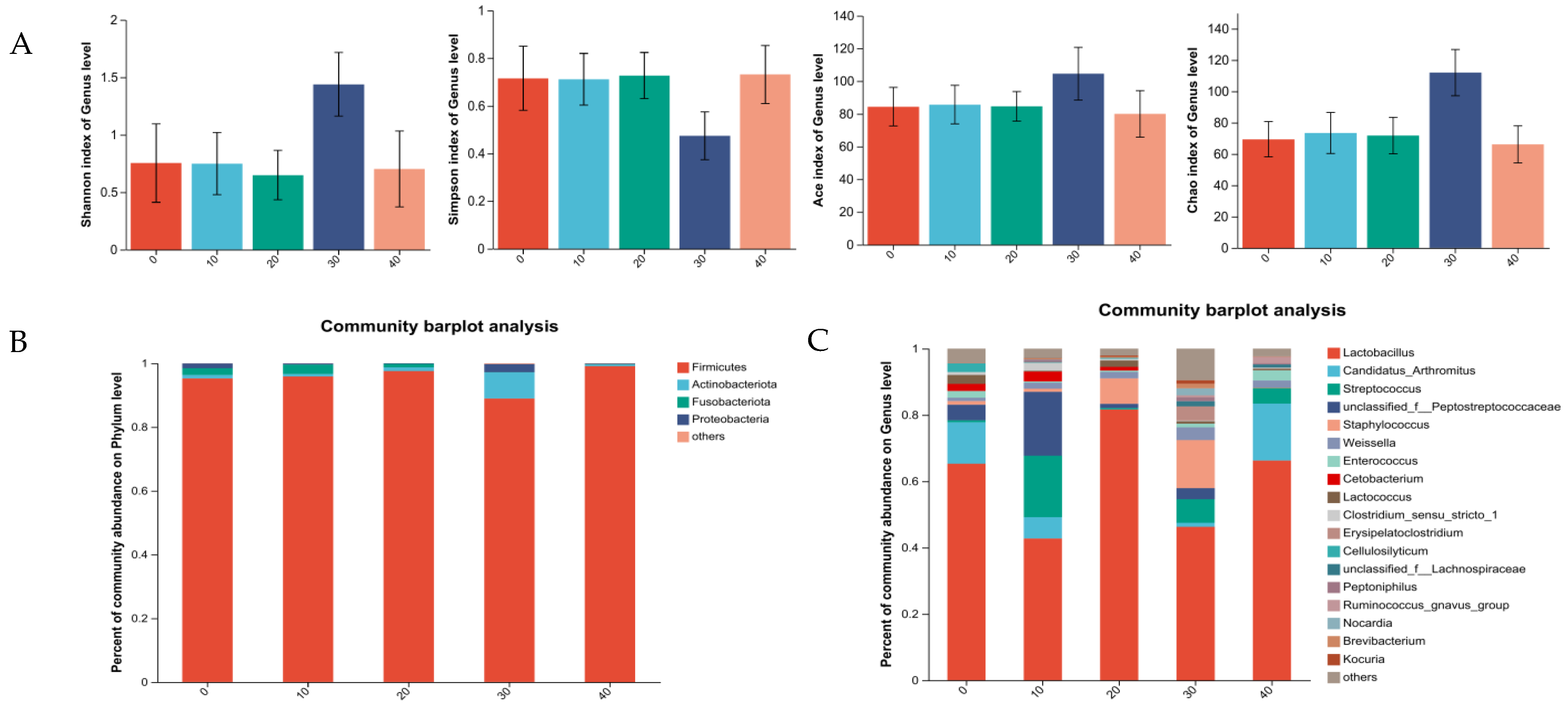
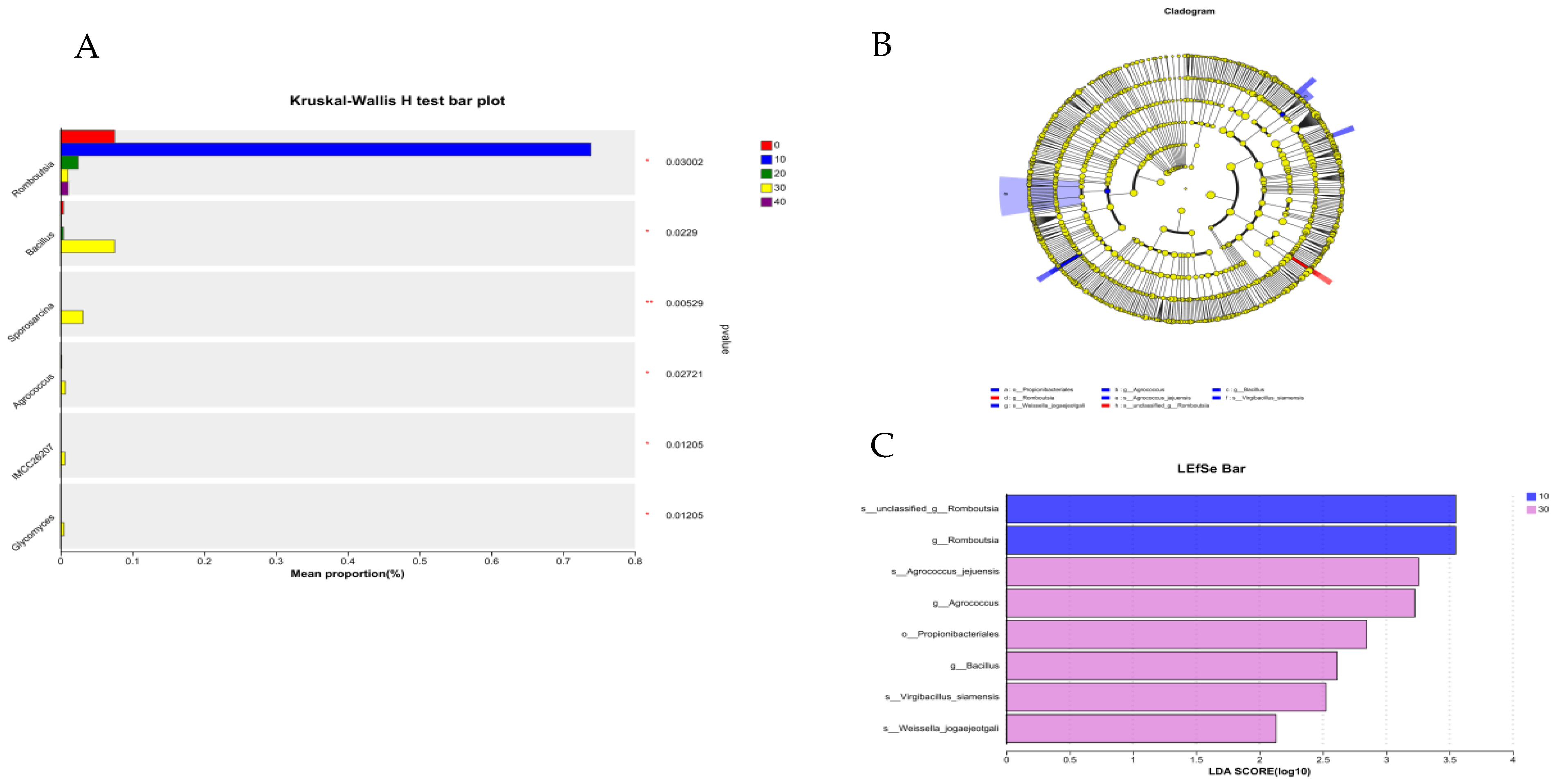
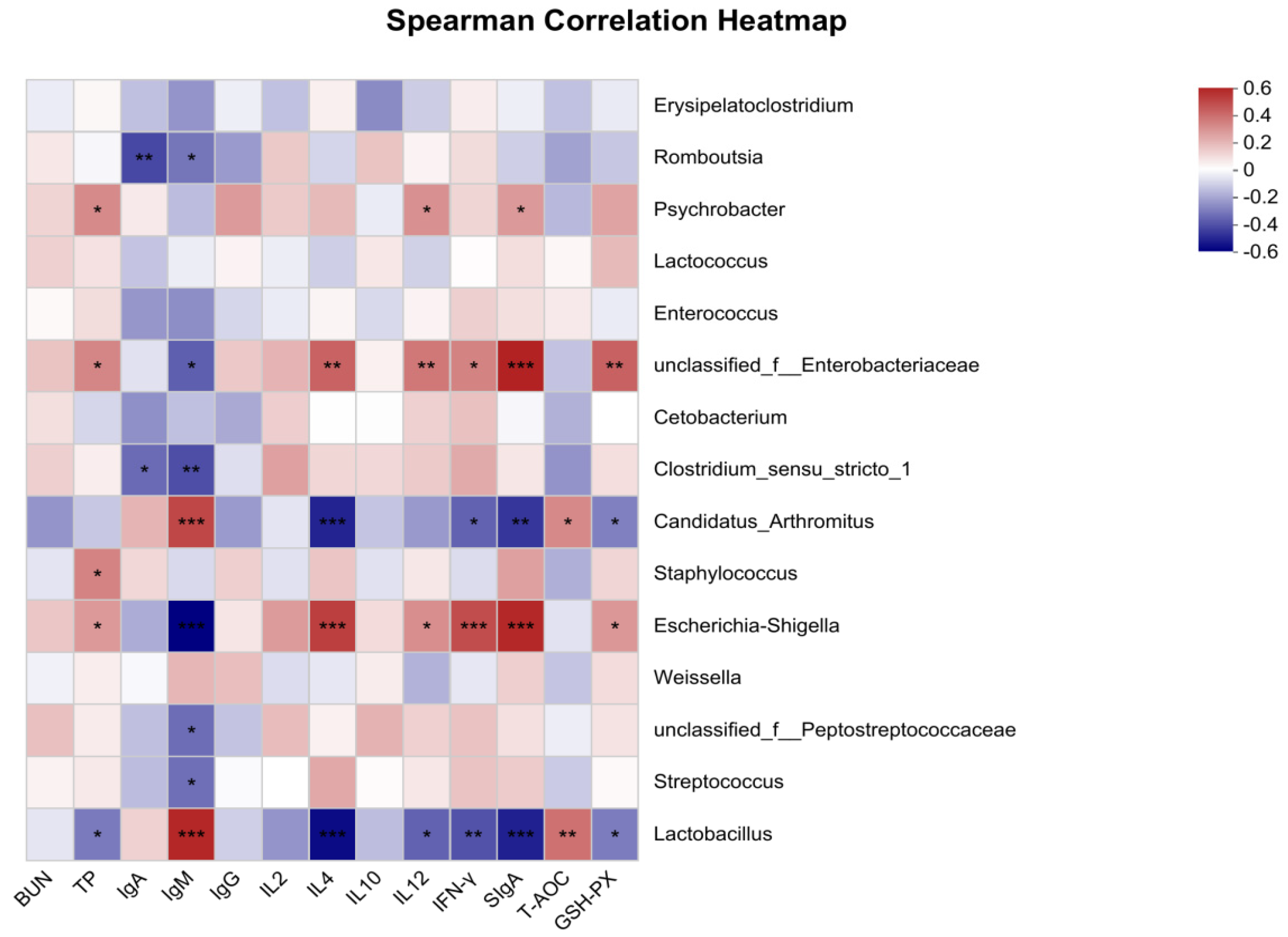
The present experiment was conducted to investigate the effects of γ-aminobutyric acid (GABA) on the growth performance, immunity, antioxidant capacity, and intestinal microbiota of growing minks. One hundred minks were evenly allocated across five groups, with each group consisting of 10 males and 10 females. The minks in these groups were fed a basal diet supplemented with γ-aminobutyric acid (GABA) at 0 (control), 10, 20, 30, and 40 mg/kg of diet, respectively. The experiment lasted for eight weeks. The results showed that GABA significantly affected immunity, antioxidant capacity, and intestinal microbiota (p < 0.05). Compared to the control minks, minks in 20, 30, and 40 mg/kg GABA group had greater total protein quantitative (TP), immunoglobulin A (IgA), immunoglobulin M (IgM) content, total antioxidant capacity (T-AOC), and glutathione peroxidase (GSH-Px) activities in serum as well as interleukin-4 (IL-4) level in jejunal mucosa (p < 0.05), and had less serum blood urea nitrogen (BUN) content (p < 0.05). Furthermore, compared with the control, the supplementation of GABA at 30 mg/kg of diet improved average daily feed intake (ADFI) (p < 0.05), increased immunoglobulin G (IgG) content in serum, interleukin-10 (IL-10) and secreted immunoglobulin A (SIgA) levels in jejunal mucosa, and decreased jejunal mucosal interleukin-2 (IL-2), interleukin-12 (IL-12), and interferon-γ (IFN-γ) levels (p < 0.05). The weight and feed intake of males were higher than females, and the feed/gain ratio (F/G) was lower than females (p < 0.05). Males also had greater serum superoxide dismutase (SOD) and GSH-Px activities, and jejunal mucosa IL-2, IL-4, IL-12, SIgA, and IFN-γ levels (p < 0.05), and males had less serum IgA, IgM, and T-AOC contents, and jejunal mucosal tumor necrosis factor-α (TNF-α) level (p < 0.05). The results suggest that the supplementation of GABA at 30 mg/kg of diet can improve immune status and antioxidant capacity, and modulate the intestinal microbiota abundance of growing minks.