
Canine Prostate Cancer: Current Treatments and the Role of Interventional Oncology


1
Department of Clinical Sciences and Advanced Medicine, School of Veterinary Medicine, University of Pennsylvania, Philadelphia, PA 19123, USA
2
Department of Veterinary Surgical and Radiological Sciences, School of Veterinary Medicine, University of California-Davis, Davis, CA 95616, USA
*
Author to whom correspondence should be addressed.
Vet. Sci. 2024, 11(4), 169; https://doi.org/10.3390/vetsci11040169
Submission received: 10 February 2024
/
Revised: 14 March 2024
/
Accepted: 2 April 2024
/
Published: 9 April 2024
(This article belongs to the Special Issue Spotlight on Interventional Radiology in Small Animals)
Simple Summary
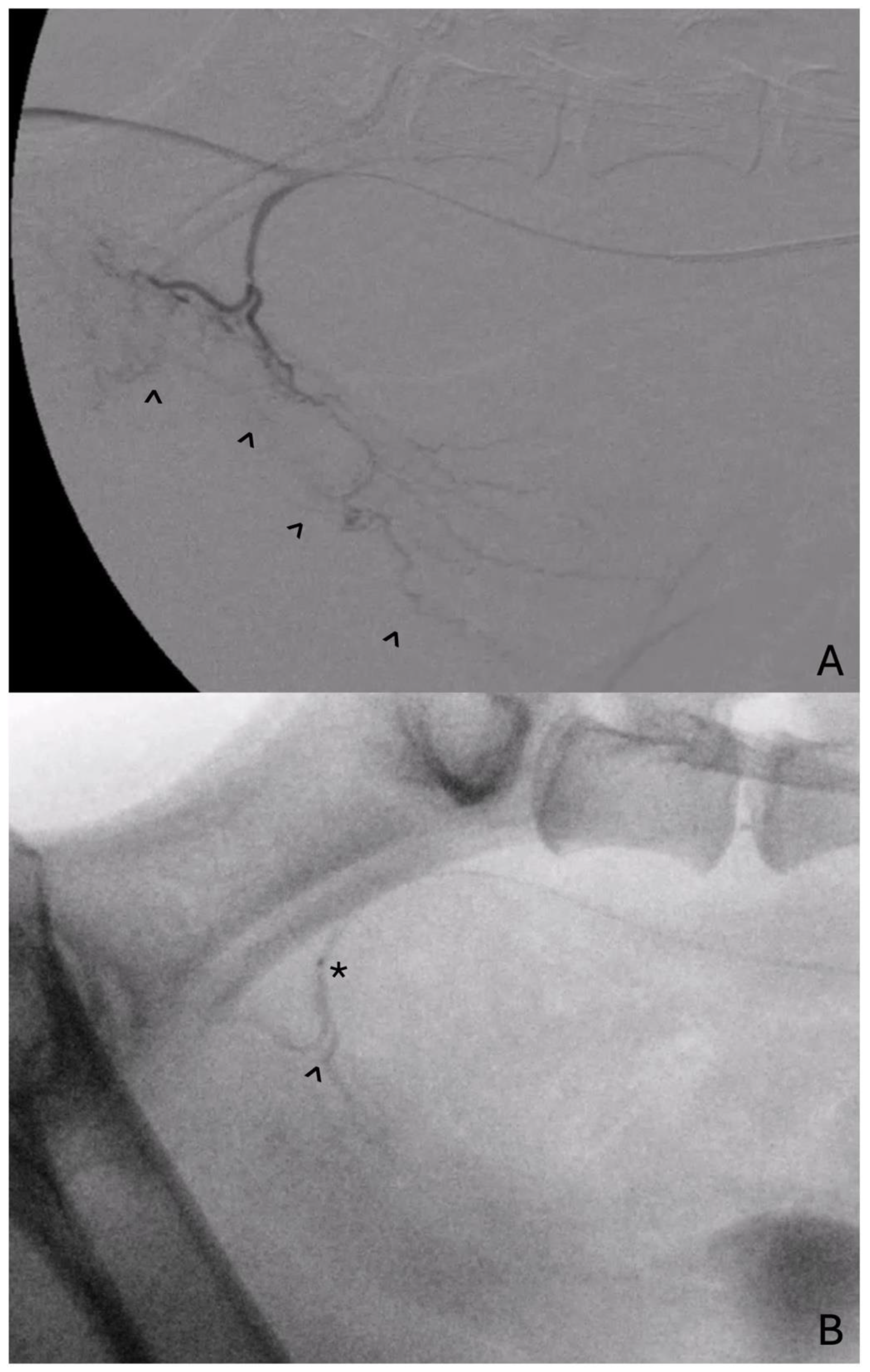
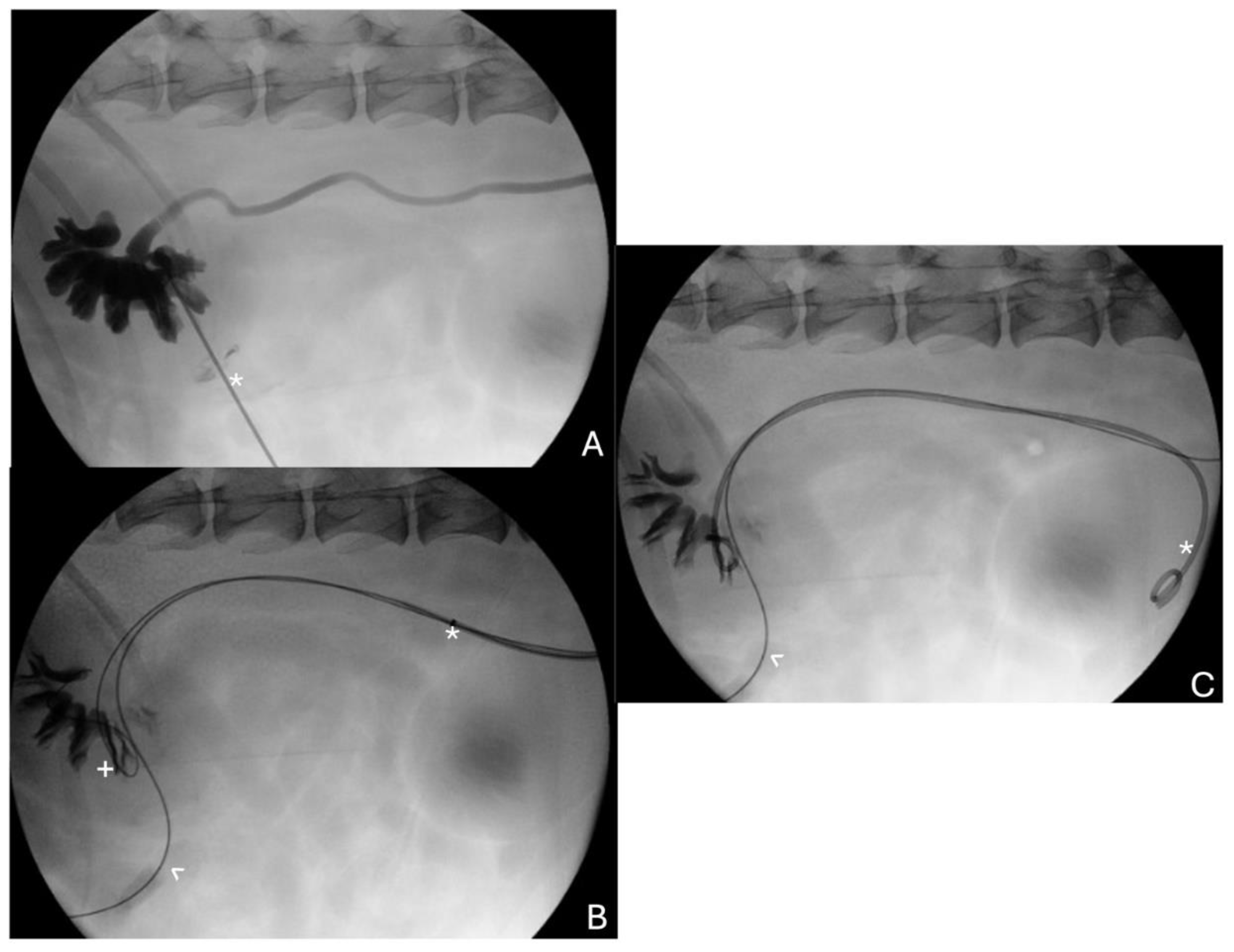
Prostate carcinoma remains a therapeutic challenge in veterinary medicine. Current treatment focuses on locoregional control ideally while minimizing morbidity, as well as systemic therapy for the management of distant disease progression. Below, the current treatment modalities, including the role of interventional oncology in the management of prostate carcinoma therapy in dogs, are reviewed. Additionally, the role of dogs as a translational model for research in people is acknowledged, as well as the consideration of using therapeutic strategies commonly utilized for people for dogs.
Abstract
Prostate carcinoma is one of the most common cancers worldwide in men, with over 3 million men currently living with prostate carcinoma. In men, routine screening and successful treatment schemes, including radiation, prostatectomy, or hormone therapy, have allowed for high survivability. Dogs are recognized as one of the only mammals to spontaneously develop prostate neoplasia and are an important translational model. Within veterinary medicine, treatment options have historically been limited in efficacy or paired with high morbidity. Recently, less invasive treatment modalities have been investigated in dogs and people and demonstrated promise. Below, current treatment options available in dogs and people are reviewed, as well as a discussion of current and future trends within interventional treatment for canine PC.
Keywords:
stent; embolization; radiotherapy; prostatectomy; interventional radiology