Article

Assessing Sustainability of the Capital and Emerging Secondary Cities of Cambodia Based on the 2018 Commune Database


by
Puthearath Chan
1,2
1
General Secretariat of the National Council for Sustainable Development, Phnom Penh 12301, Cambodia
2
Office of Sustainable Lifestyle, Ministry of Environment, Phnom Penh 12301, Cambodia
Submission received: 5 July 2020 / Revised: 25 July 2020 / Accepted: 3 September 2020 / Published: 7 September 2020

Abstract

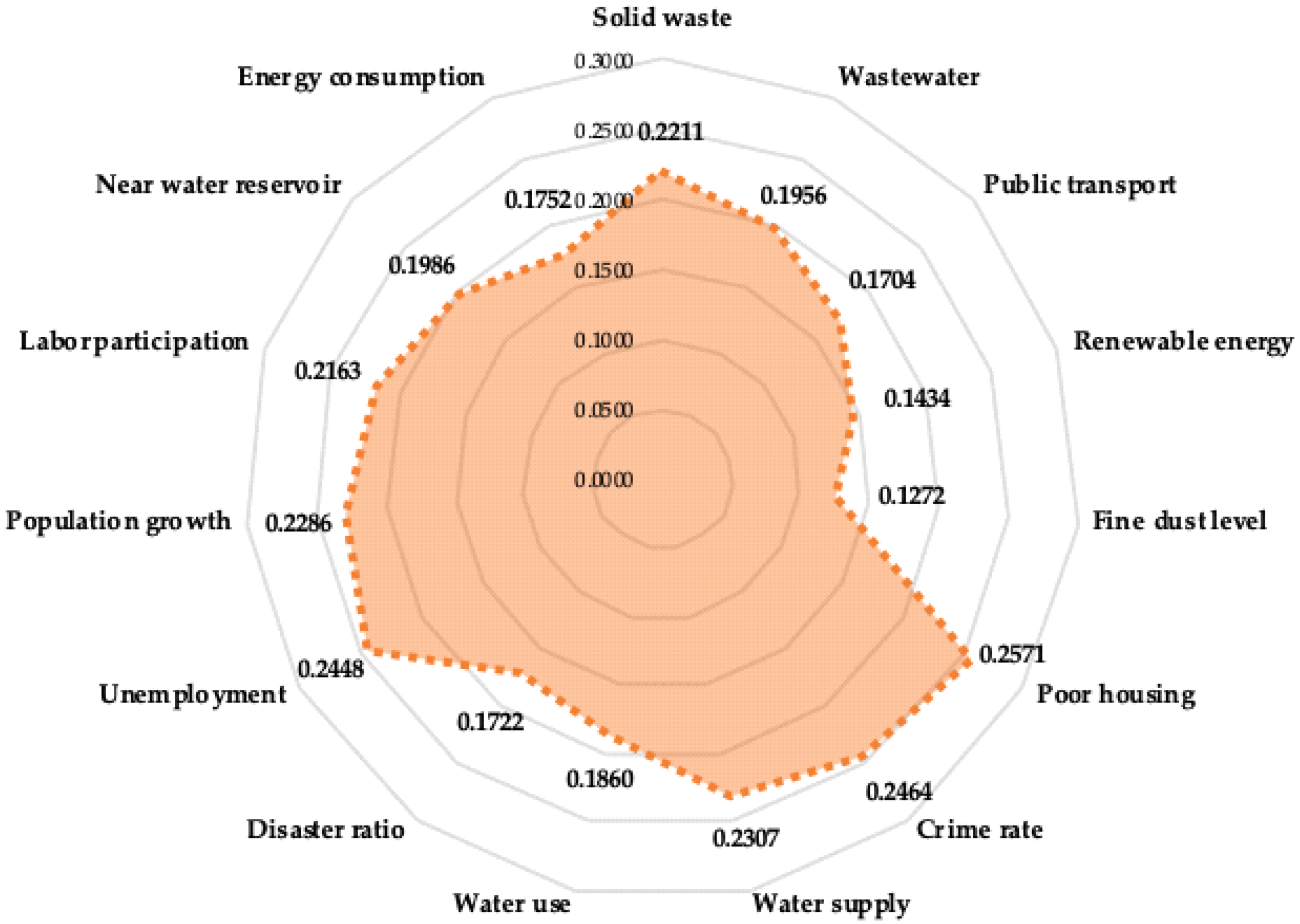
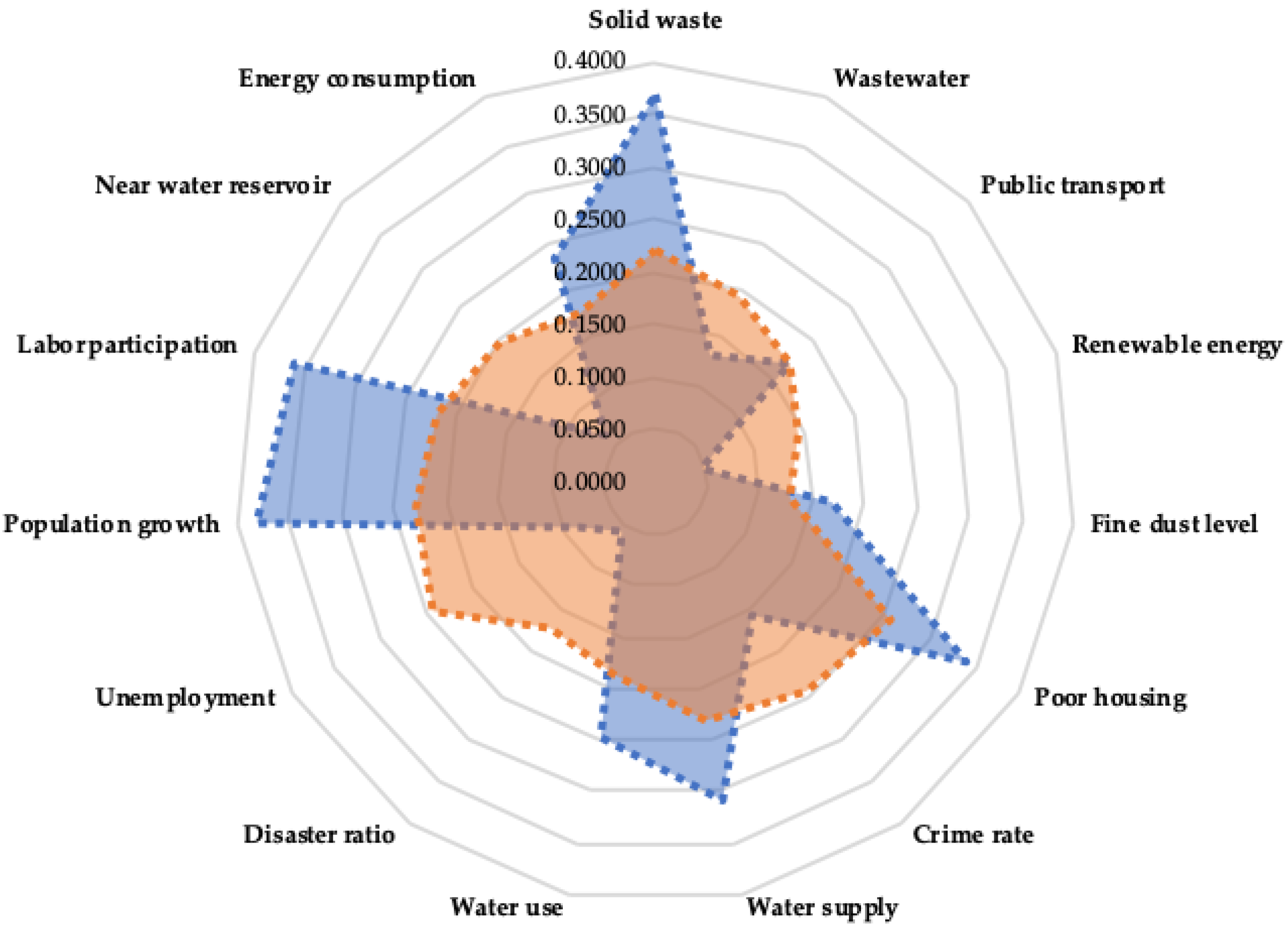
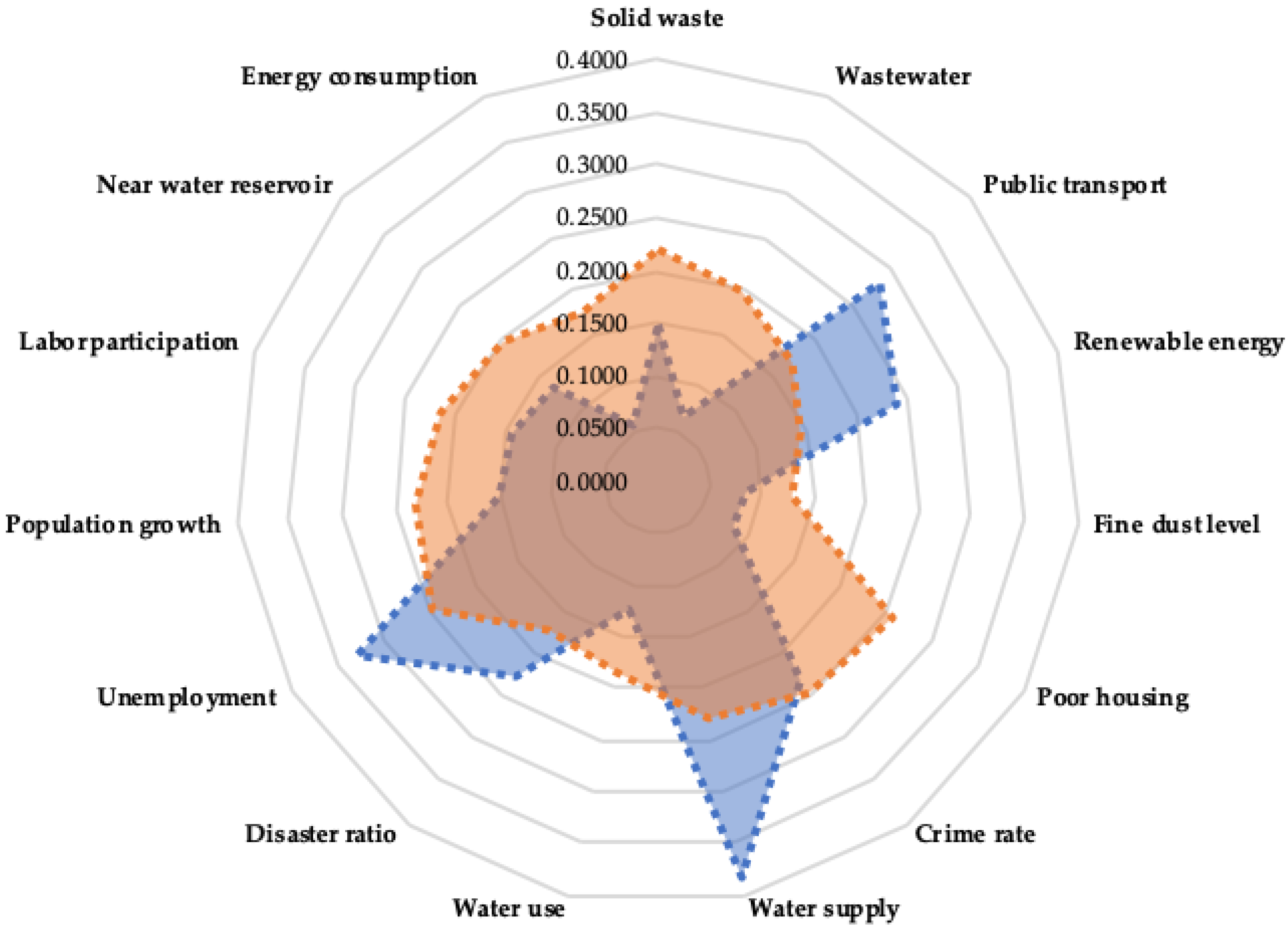
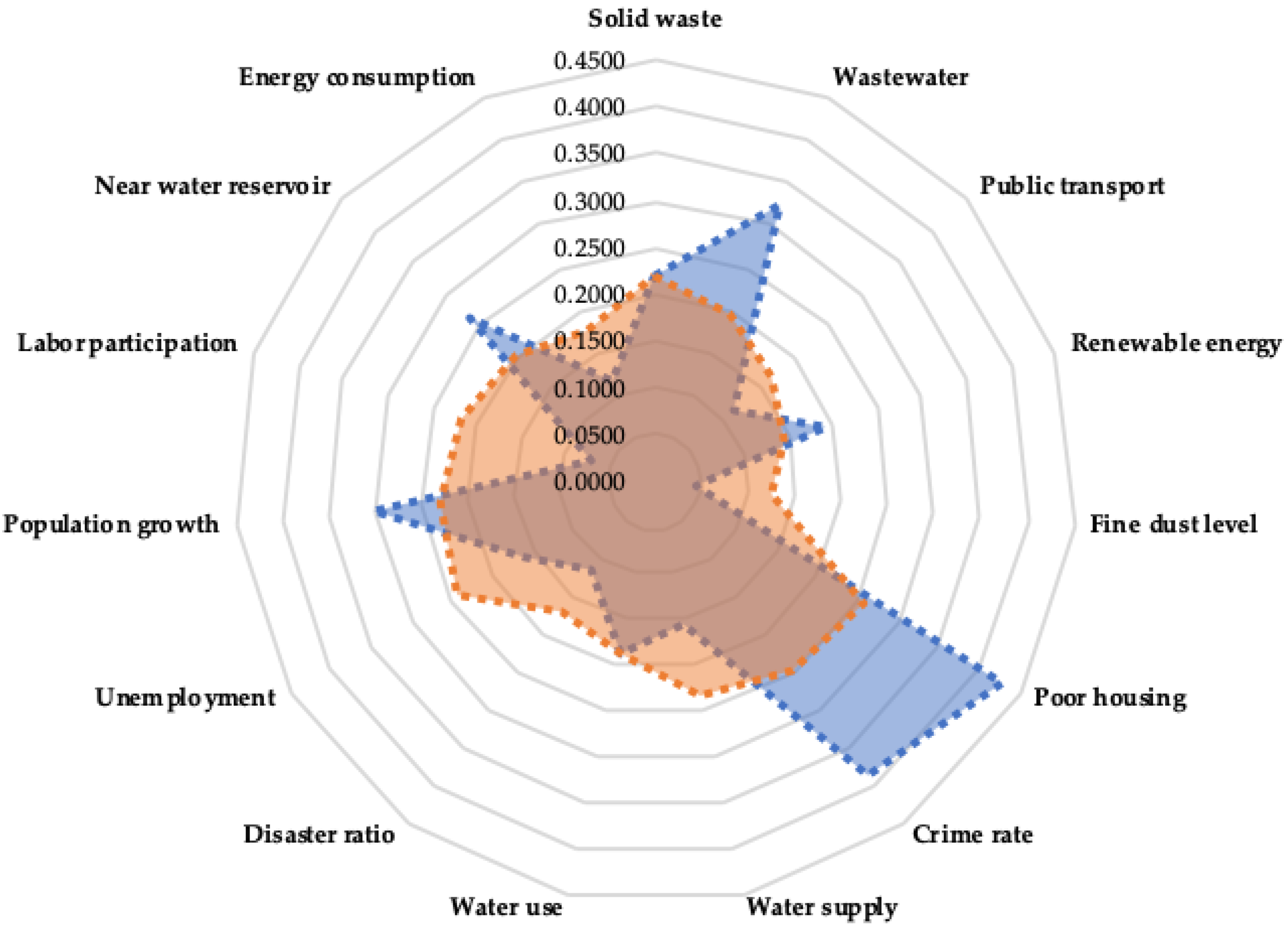
The world is rapidly urbanizing which 68% of its population is expected to live in urban areas by 2050. Likewise, secondary cities of Cambodia are rapidly emerging while the capital is the largest city with a population of more than two million. Improving urban sustainability is, therefore, necessary for the world, as well as Cambodia. Thus, Cambodia has launched clean city standard indicators, proposed sectoral green city indicators, and adapted one target of global sustainable development goal 11 (UN SDG 11), to improve its urban quality and sustainability. However, using these indicators is not sufficient towards achieving urban sustainability because these indicators are limited in social and economic dimensions. Hence, this study aims to develop all dimensional indicators of sustainability based on all targets of UN SDG 11 with the above indicators. This study focused on the priorities of indicators in Cambodia verified and prioritized by Delphi and analytic hierarchy process (AHP) techniques. Then, a priority-based urban sustainability index for Cambodia was formed based on the concept of sustainability in developing countries. Finally, the standard scores were applied to comparatively assess the sustainability of capital and emerging secondary cities of Cambodia based on the 2018 Commune Database. Through this application, the study also sought to find out whether the priority weights of indicators are necessary for the comparative assessment. The results showed that the sustainability levels of Phnom Penh and Sihanoukville were found to be strong in all environmental, social, and economic dimensions. Battambang is also strong although economic sustainability is slightly lower than the average. Siem Reap is low in economic sustainability level while Poi Pet is remarkably low in environmental and social sustainability. Furthermore, the ranks of sustainability levels of the five cities based on weighted scores are different from their ranks based on unweighted scores. Therefore, this study confirms that priority weights of indicators are necessary for the comparative assessment towards improving the accuracy of the comparison.
Keywords: sustainability assessment; sustainable development goals; sustainability in developing countries; sustainable cities; Cambodia; Delphi; AHP; Z-score; comparative assessment sustainability assessment; sustainable development goals; sustainability in developing countries; sustainable cities; Cambodia; Delphi; AHP; Z-score; comparative assessment