Article

Prioritization of Hydrological Restoration Areas Using AHP and GIS in Dulcepamba River Basin in Bolivar–Ecuador


by
Eddy Fernando Sanchez
and
Cesar Ivan Alvarez
*
Environmental Research Group for Sustainable Development (GIADES), Salesian Polytechnic University, Rumichaca y Moran Valverde, Quito 170702, Ecuador
*
Author to whom correspondence should be addressed.
Hydrology 2024, 11(6), 81; https://doi.org/10.3390/hydrology11060081

Submission received: 19 April 2024 / Revised: 18 May 2024 / Accepted: 21 May 2024 / Published: 12 June 2024
(This article belongs to the Topic Hydrology and Water Resources Management)

Abstract

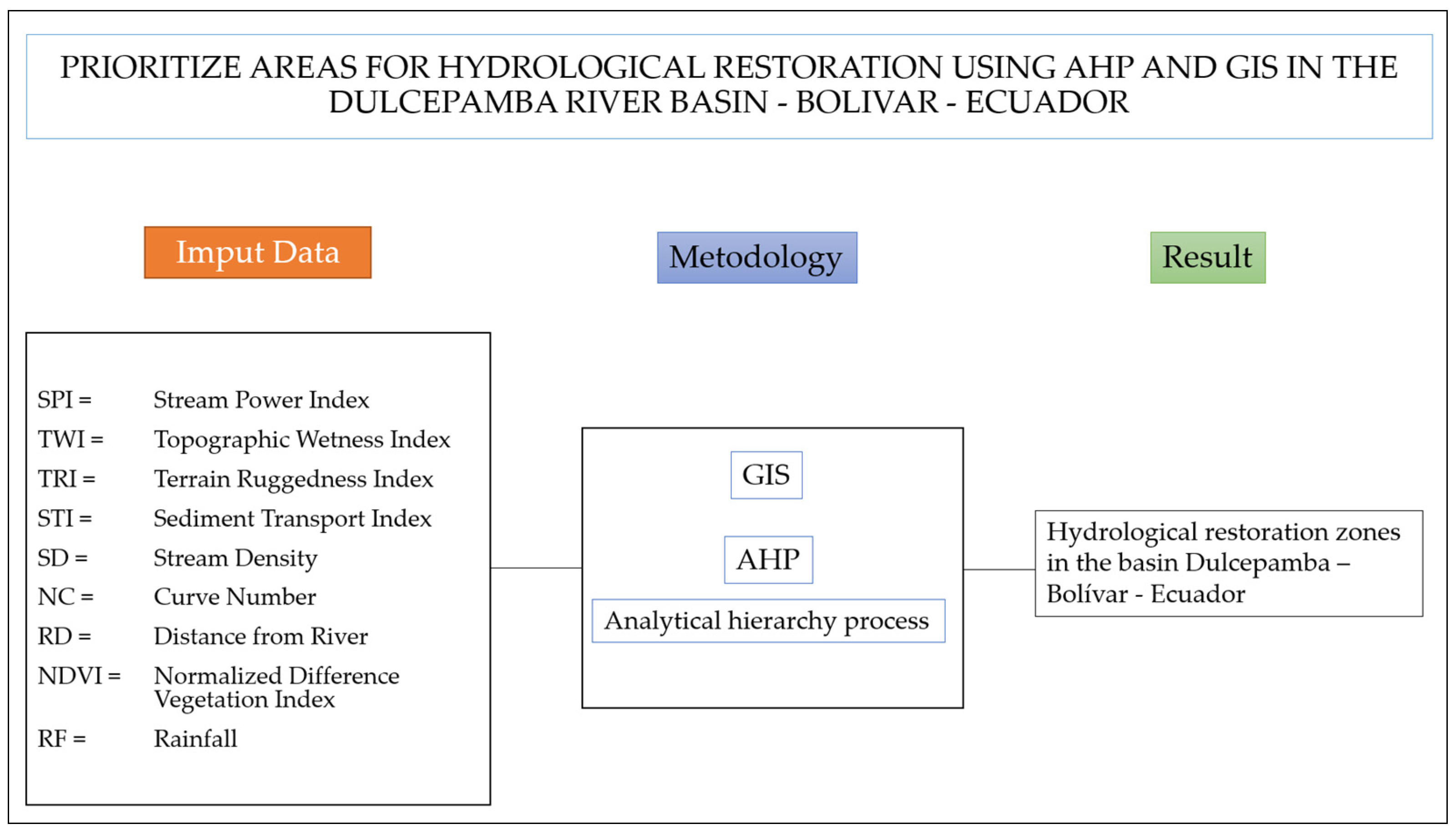
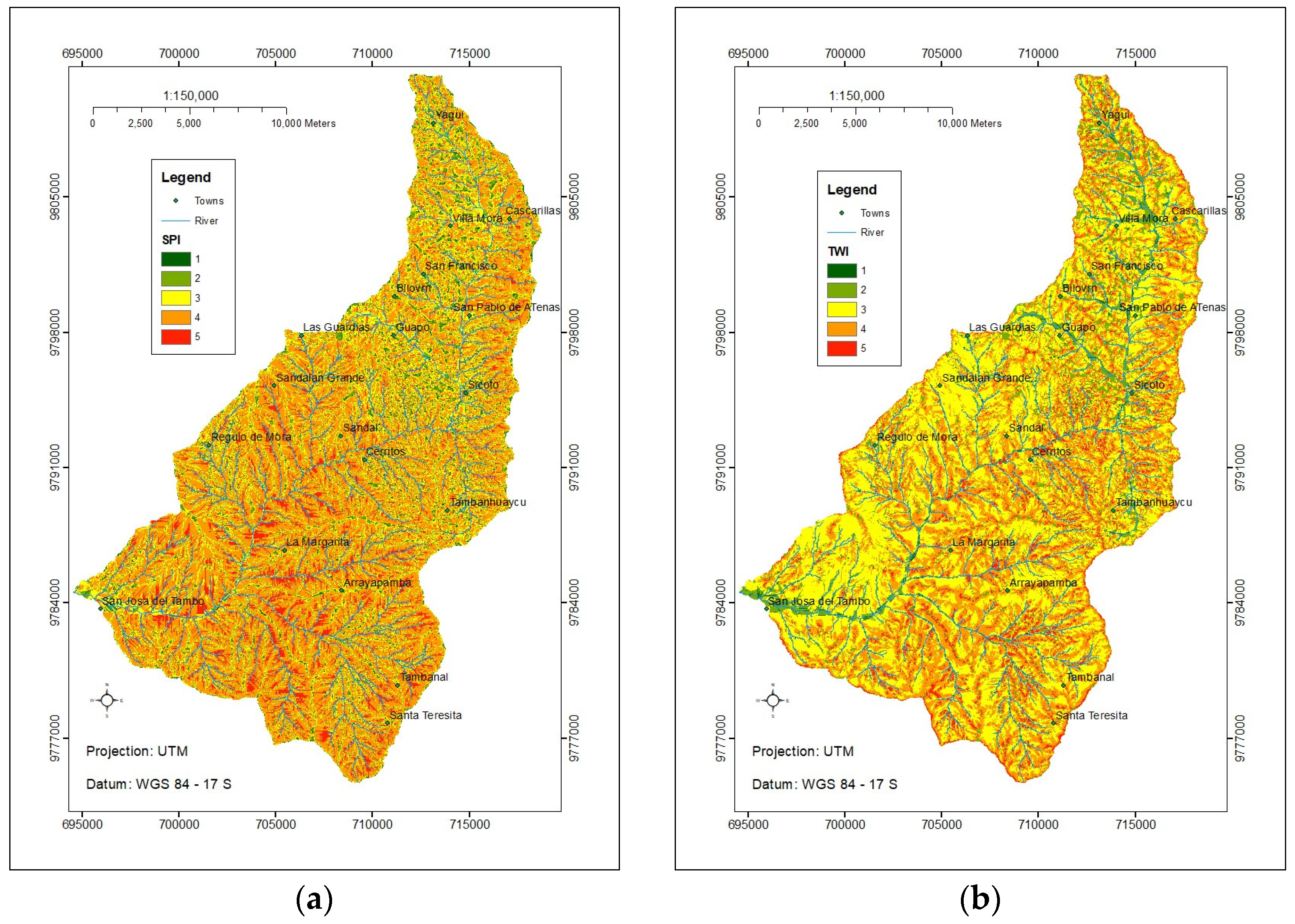
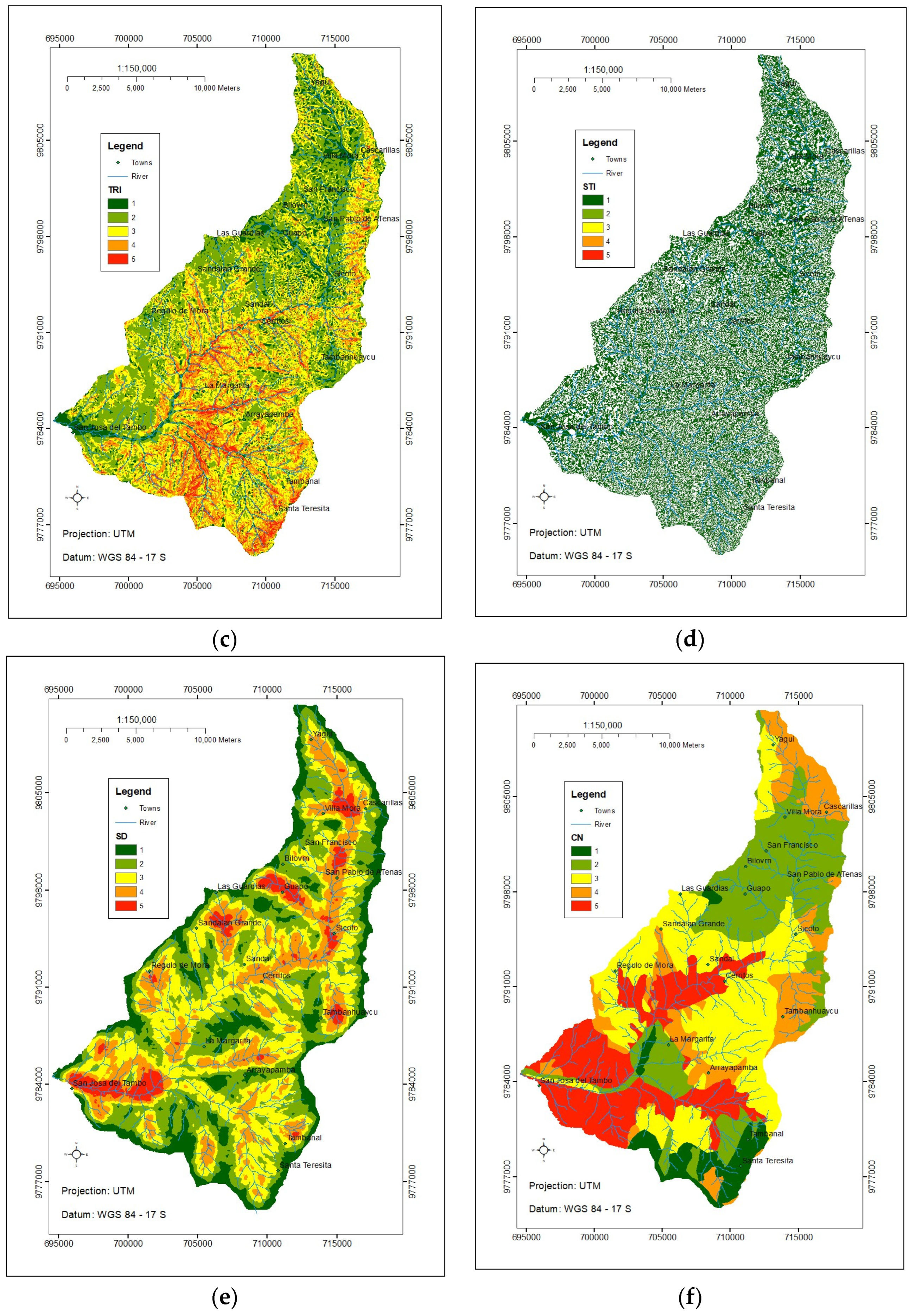
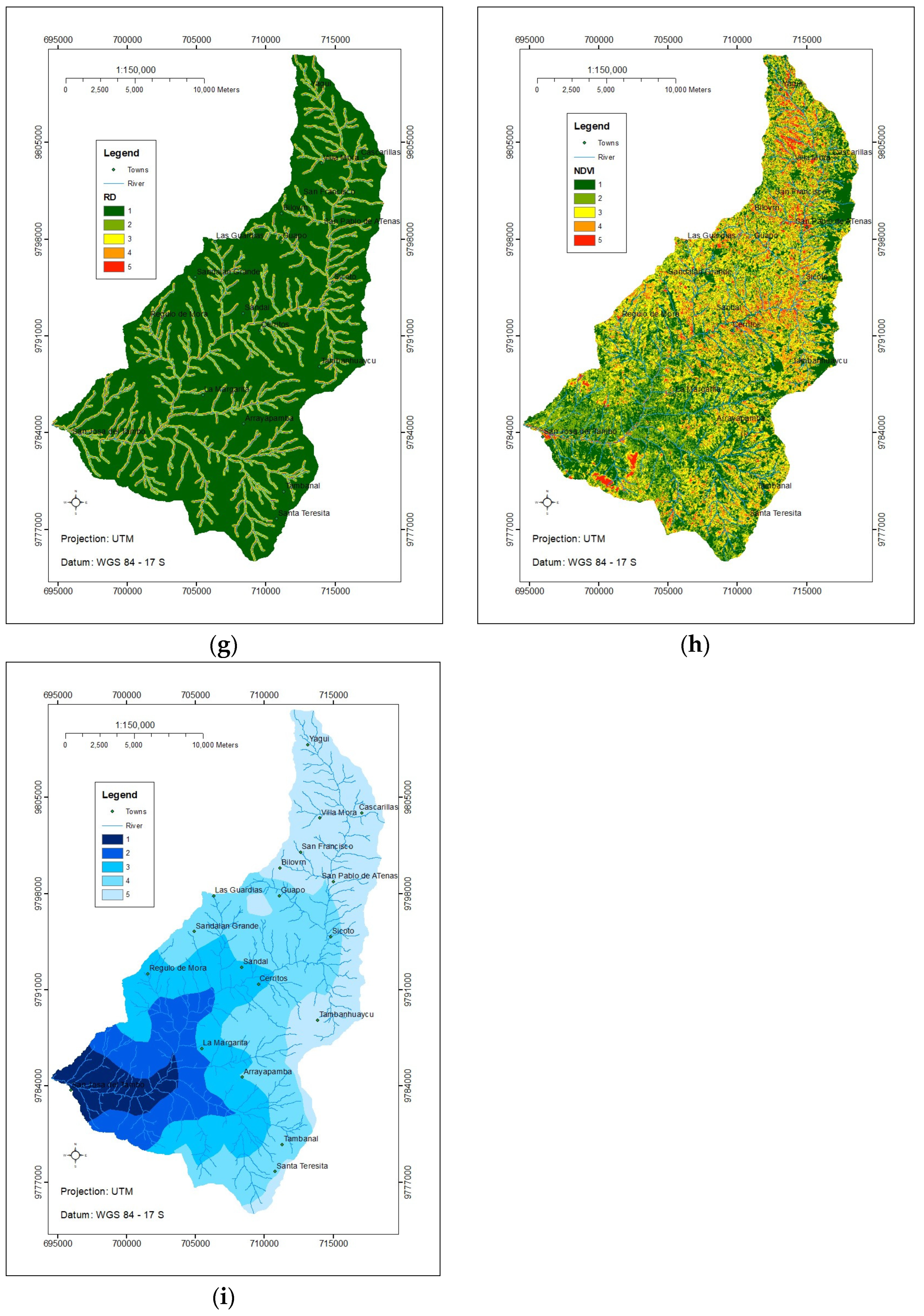
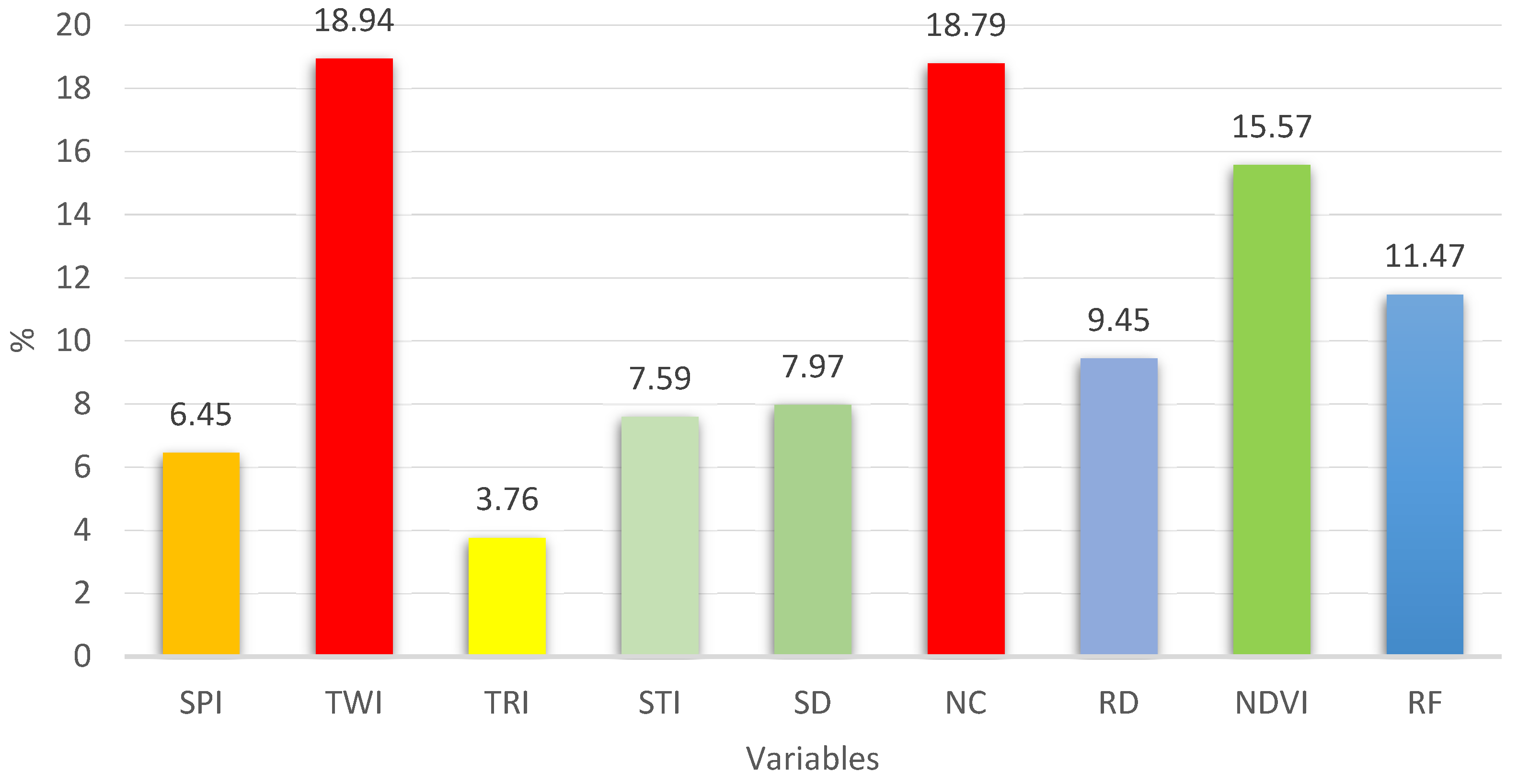
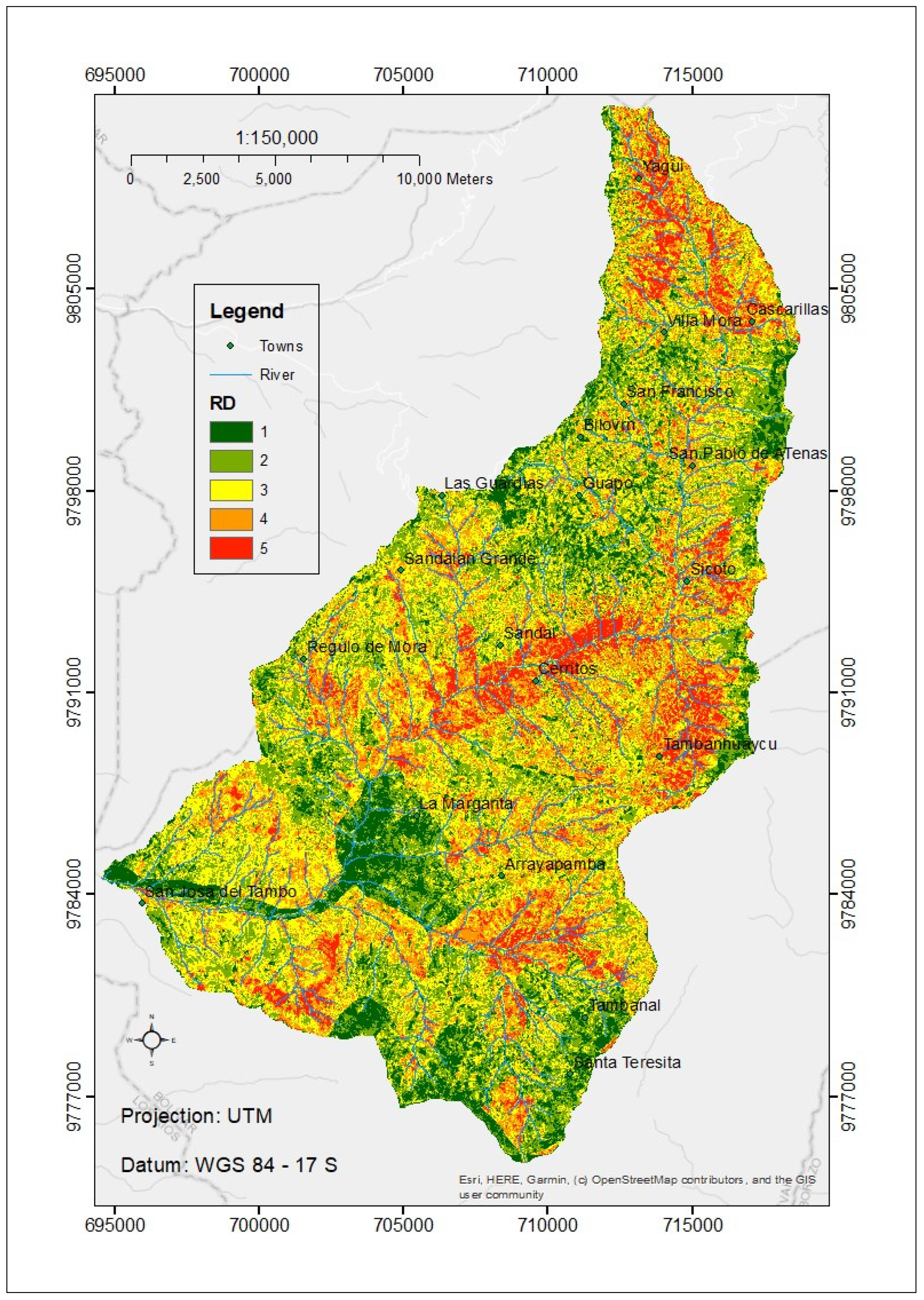
In this study, we performed a preliminary soil analysis and collected environmental data for the Dulcepamba River Basin in Bolivar–Ecuador, before carrying out its hydrological restoration (HR). A geographic information system (GIS) and the multicriterion Analytical Hierarchy Process (AHP) decision-making method were used. The comprehensive evaluation included morphological aspects, soil properties, climatic conditions, vegetation, and land use. The terrain conditions were investigated using indicators such as the flow capacity, topographic moisture, soil resistance, sediment transport, current density, curve number, NDVI, precipitation, and distance to rivers. The results and analysis are presented in a series of maps, which establish a starting point for the HR of the Dulcepamba watershed. The key factors for assessing soil degradation in the watershed include land use, vegetation cover, sedimentation, humidity, and precipitation. Of the studied territory, 10.7 do not require HR, while 20.28% demand HR in the long term. In addition, 30.67% require HR in the short term, and 33.35% require HR immediately. Based on the findings, it is suggested that authorities consider the environmental remediation of the watershed and propose various HR measures. This analytical approach could prove valuable as a tool for the environmental restoration of watersheds in Ecuador.
Keywords: hydrological restoration; analytical hierarchy process; GIS; soil degradation hydrological restoration; analytical hierarchy process; GIS; soil degradation