Environmental Concentrations of PFOS Accumulate in the Euglena Eyespot and Impair Chloroplast ATP Synthase Activity: A Dual Impairment of Phototaxis and Photosynthetic Light Reactions

 , , and
Abstract
1. Introduction
2. Materials and Methods
2.1. Cultivation of Euglena gracilis and PFOS Exposure
2.1.1. PFOS Quantification
2.1.2. Visualization of PFOS Accumulation in the Eyespot
2.1.3. AFM-IR Analysis of C–F Bond Signals in PFOS-Exposed Cells
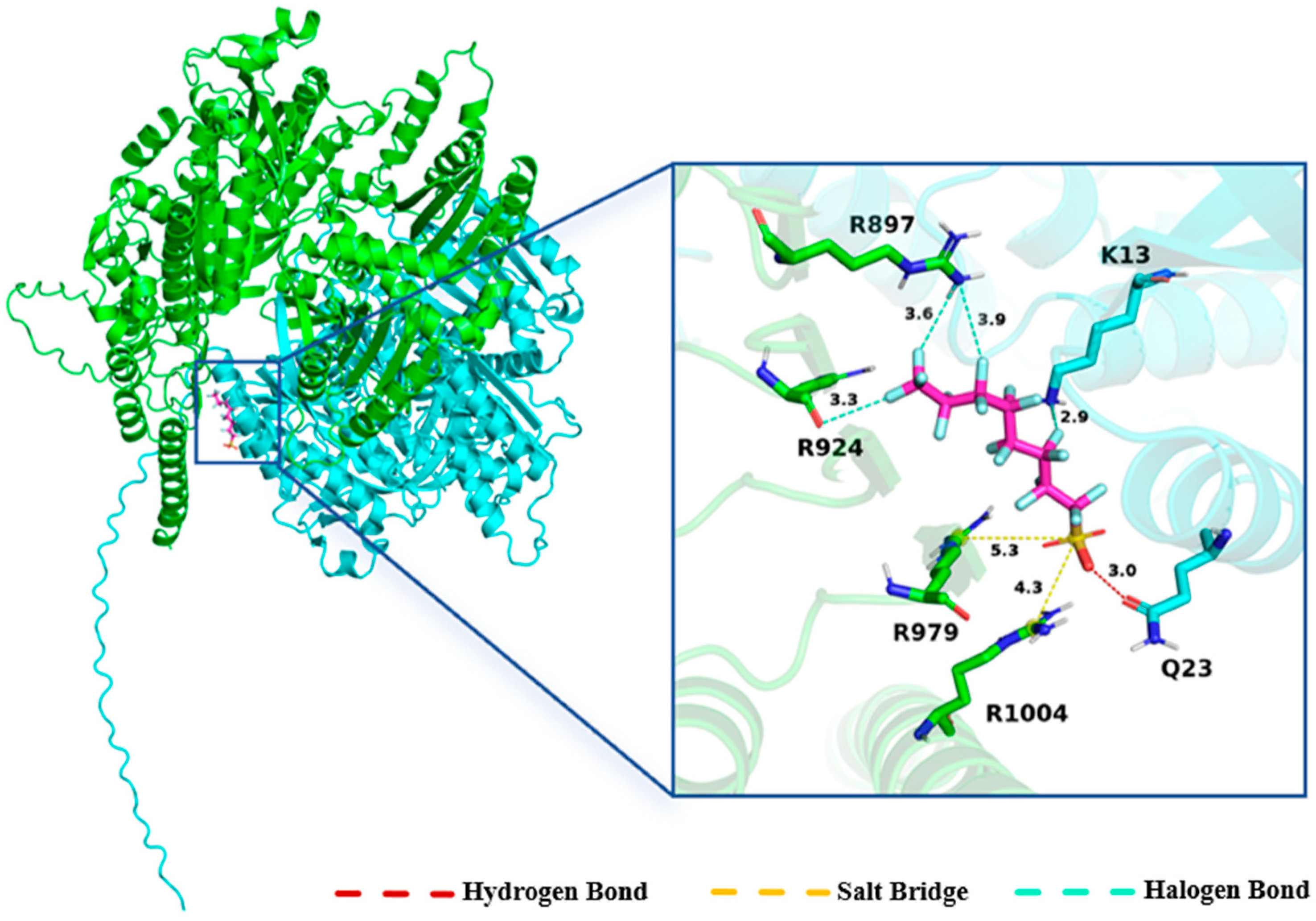
2.1.4. Molecular Docking Analysis
2.2. Phototactic Behavior Assays
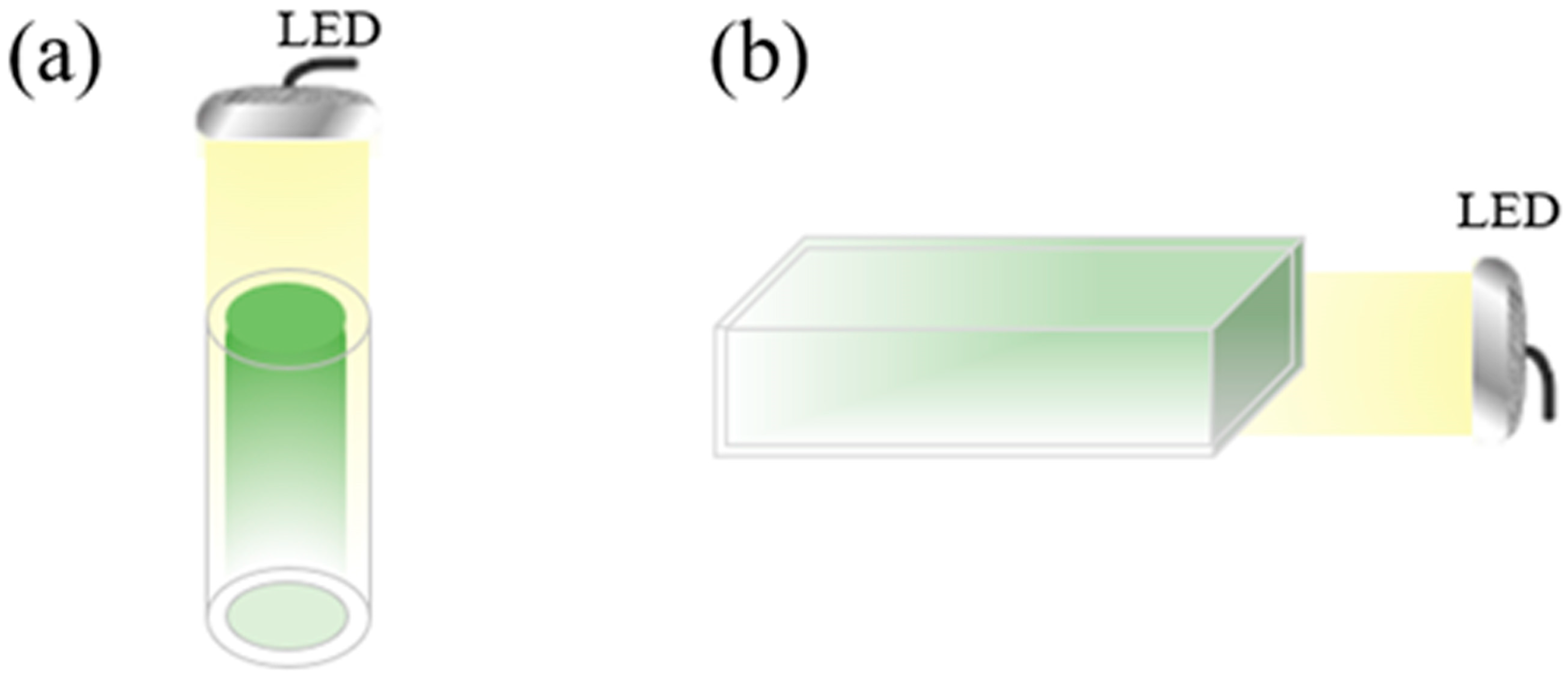
2.2.1. Determination of Apparent Vertical and Horizontal Migration Velocity

2.2.2. Phototactic Movement Assay
2.2.3. Determination of Flagellar Shedding Rate
2.3. Growth Curve and Photosynthetic Activity Measurement
2.4. Chlorophyll Extraction and Quantification
2.5. Intracellular ATP Level Measurement
2.6. Intracellular Reactive Oxygen Species (ROS) Level Measurement
2.7. Assays of Isolated Chloroplast Function
2.7.1. Photophosphorylation Assay
2.7.2. Mg2+-ATPase Activity Assay
2.7.3. Ca2+-ATPase Activity Assay
2.7.4. Cytochrome b6f Complex Activity Assay
2.7.5. Electron Transport Rate Assay
2.7.6. Cyclic Voltammetry (CV) Measurements
2.7.7. Electrochemical Impedance Spectroscopy (EIS) Measurements
2.8. Transcriptomic and Proteomic Analyses
2.8.1. Transcriptome Analysis
2.8.2. Quantitative Proteome Analysis
2.9. Statistical Analysis
3. Results and Discussion
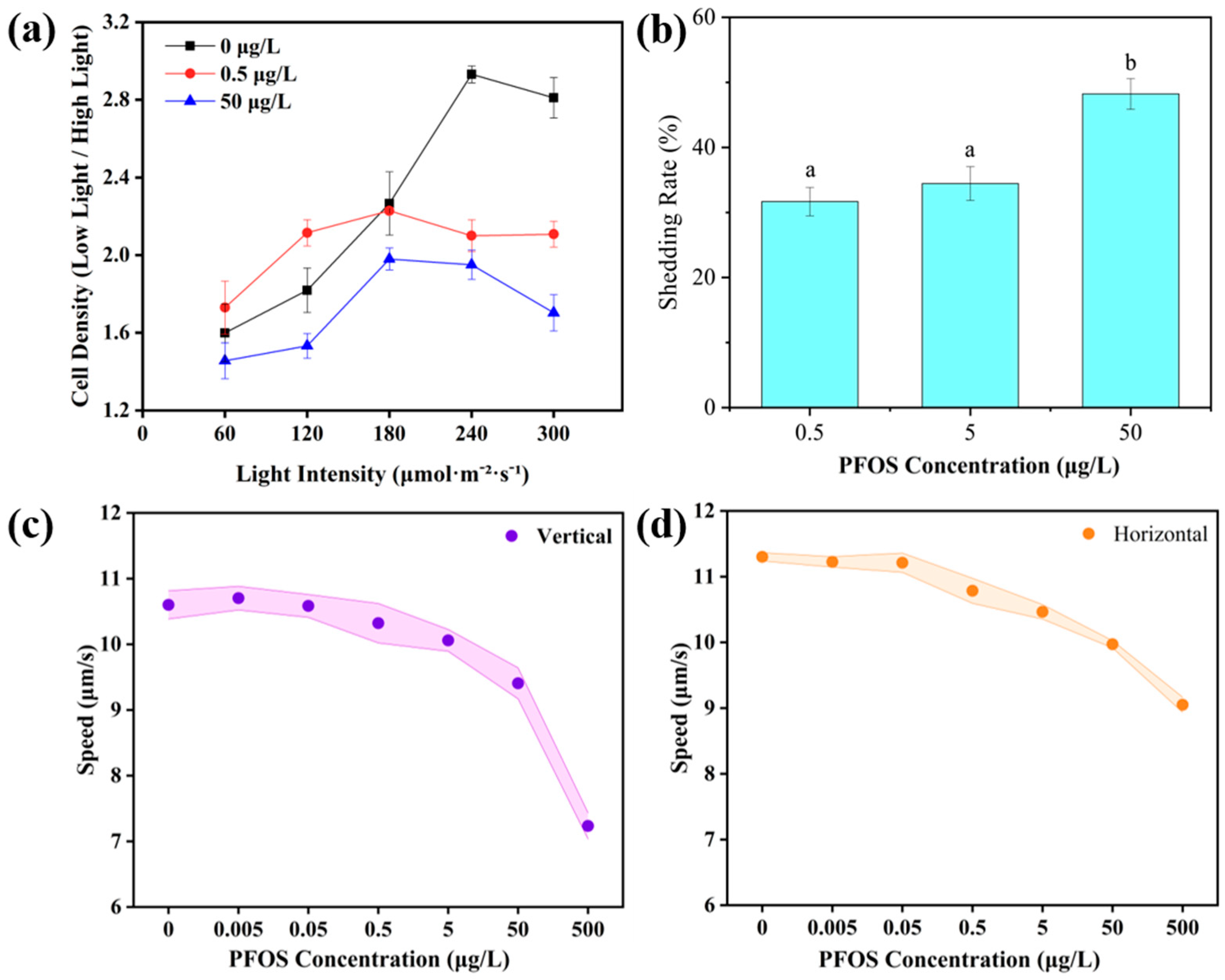
3.1. PFOS Accumulation in the Eyespot Impairs Phototaxis and Raises Light Threshold
3.2. PFOS Decouples Electron Transport from ATP Synthesis, Reducing ETR and ATP While Increasing NPQ
3.3. PFOS Inhibits Mg2+-Dependent ATP Hydrolytic Activity in the Chloroplast-Enriched Fraction, Accompanied by Reduced Electron Transport
3.4. PFOS Triggers Compensatory Photosynthetic Gene Expression but Suppresses ATP Synthesis and Redox Balance
4. Conclusions
- (i)
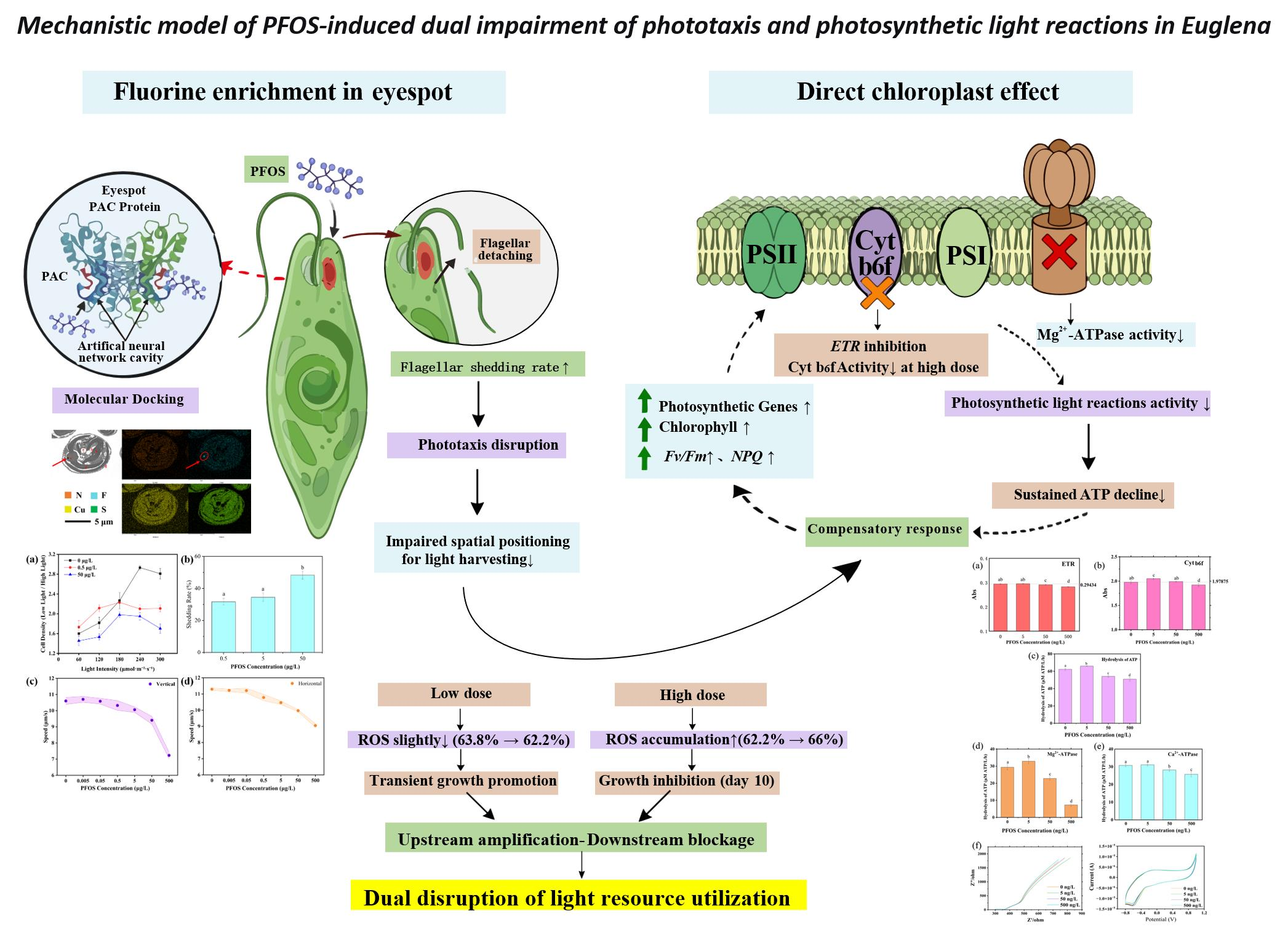
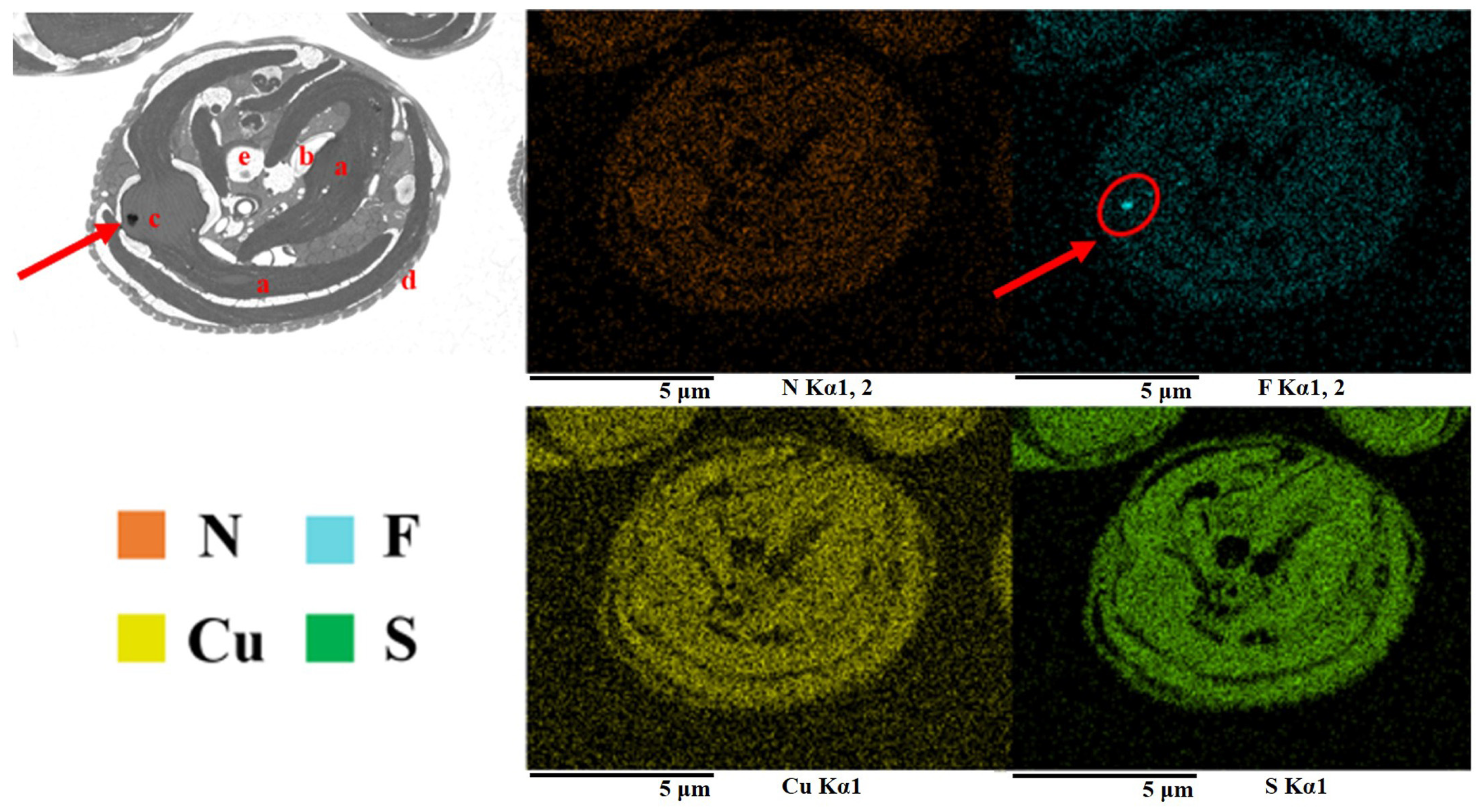
- TEM-EDS mapping revealed pronounced fluorine signal enrichment (attributable to PFOS) in the eyespot, chloroplasts, and mitochondria of PFOS-exposed cells. This enrichment was associated with altered phototactic responses, increased flagellar shedding, and reduced apparent migration velocity, indicating disturbance of the photoreceptive and motor systems. It should be noted that the TEM-EDS mapping is qualitative and indicates relative enrichment patterns rather than quantitative subcellular PFOS concentrations.
- (ii)
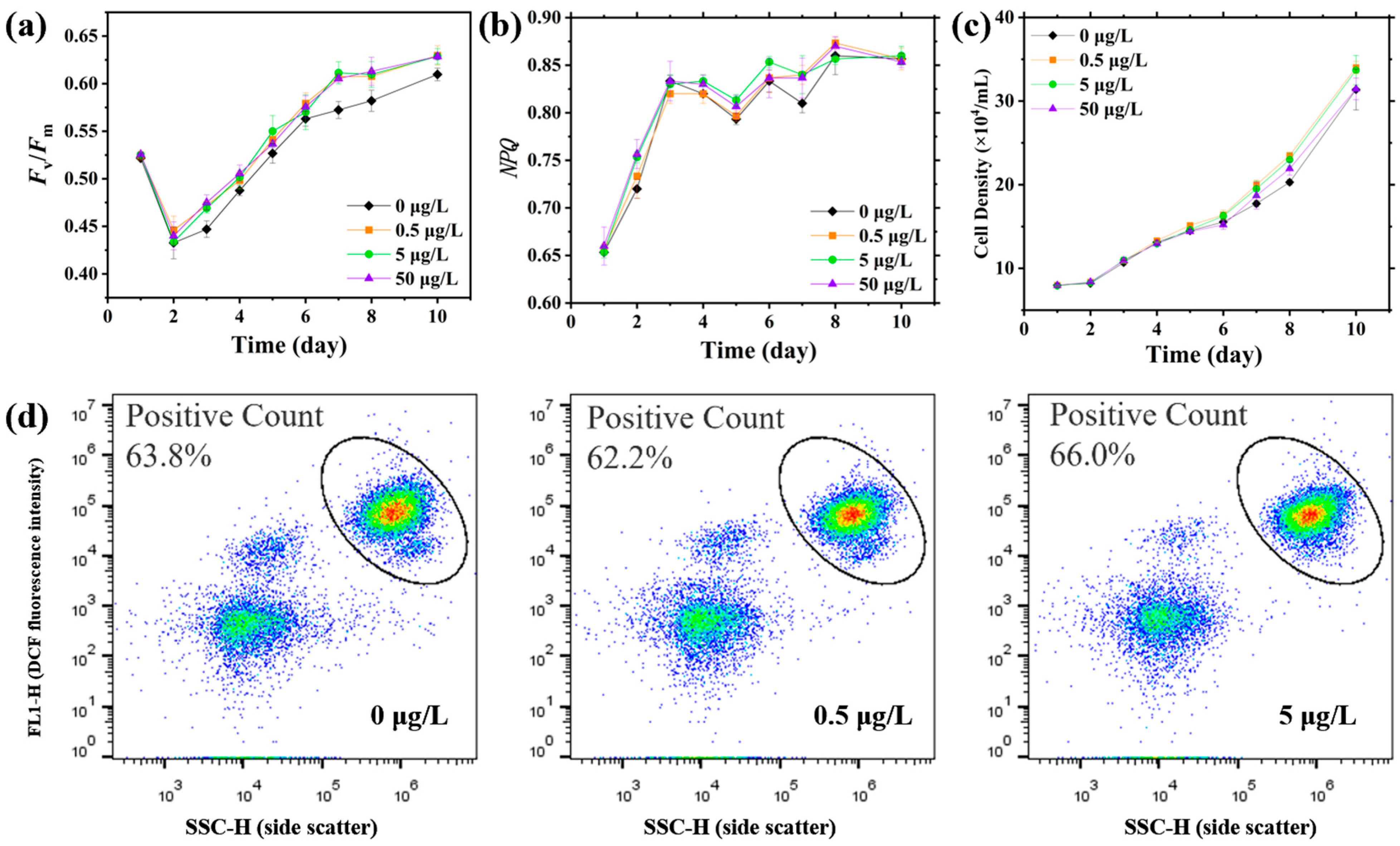
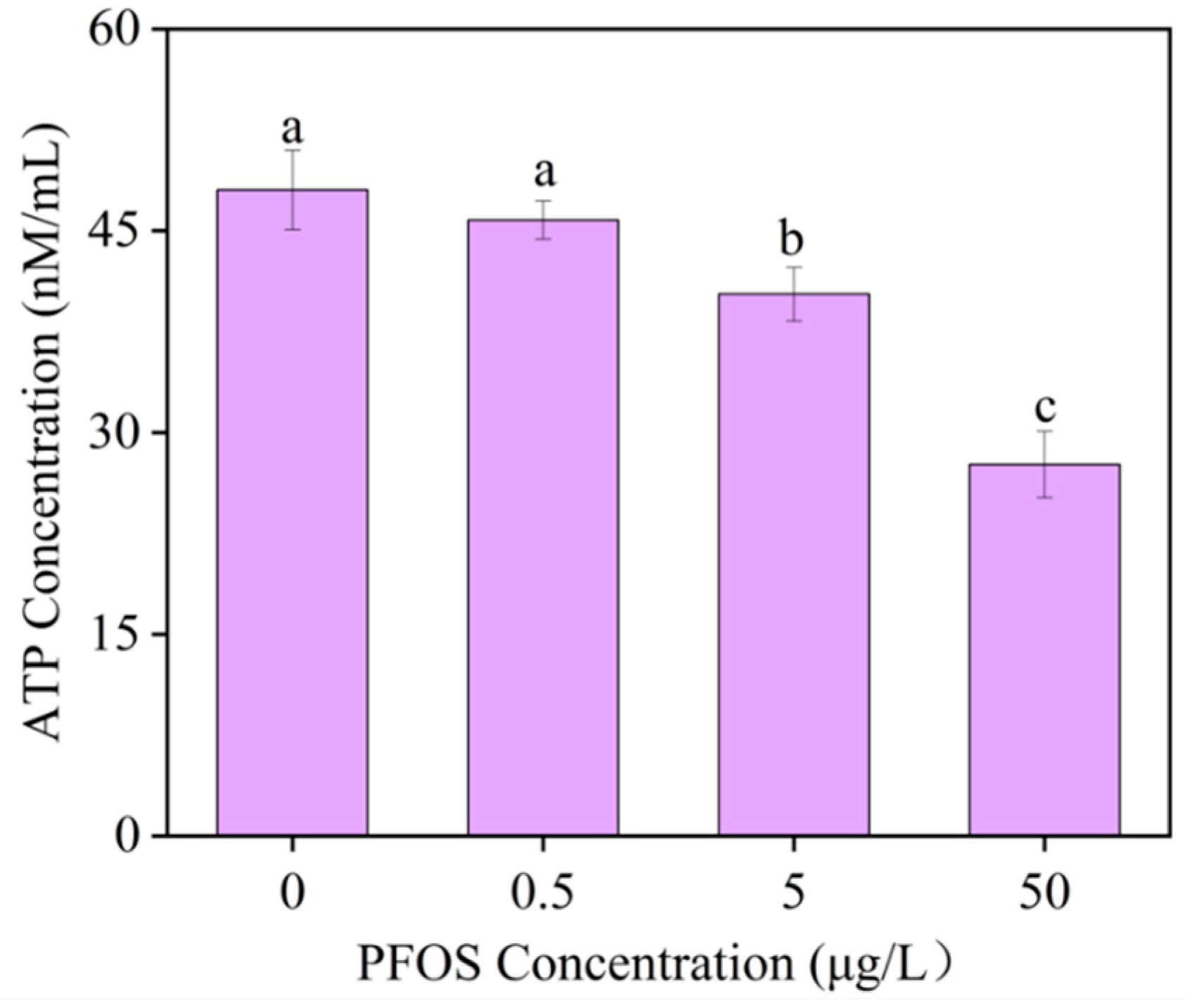
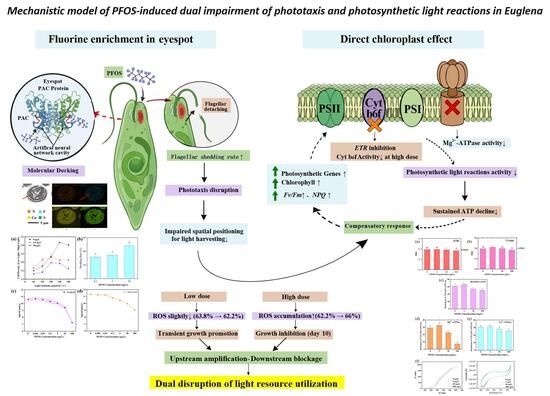
- At environmentally typical to hotspot-relevant concentrations (0.5–5 µg/L), PFOS did not acutely inhibit PSII photochemical efficiency; instead, chlorophyll content, Fv/Fm, and NPQ were elevated, suggesting activation of a compensatory photoprotective response at the PSII level. However, intracellular ATP levels progressively declined, while ROS showed a concentration-dependent biphasic pattern. Growth displayed weak promotion at low concentrations and an inhibitory trend only at the highest concentration (50.0 µg/L) by day 10. The divergence between enhanced PSII parameters and reduced ATP output indicates that the PFOS-induced upregulation represents stress-related compensation rather than genuine functional improvement.
- (iii)
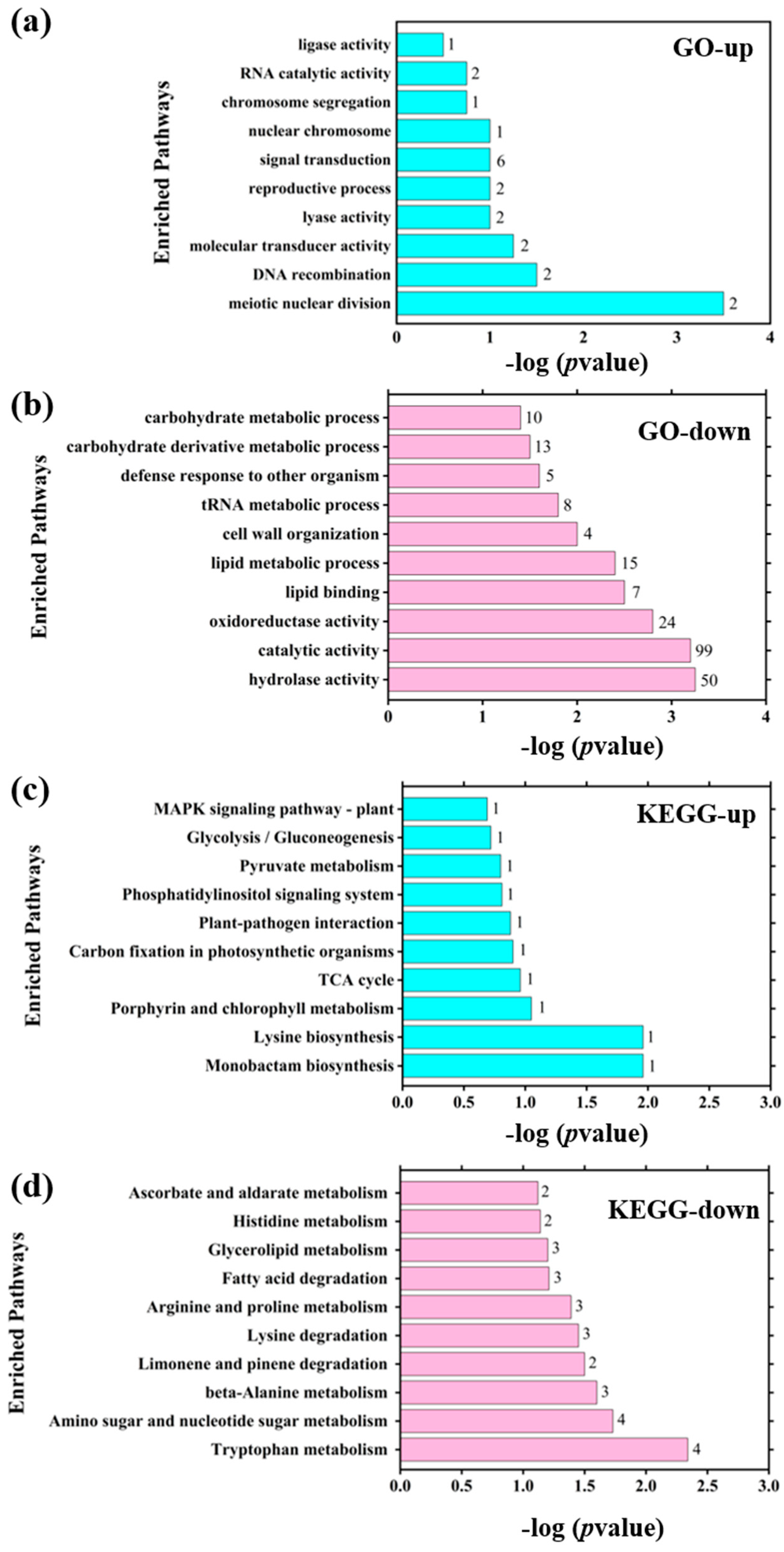
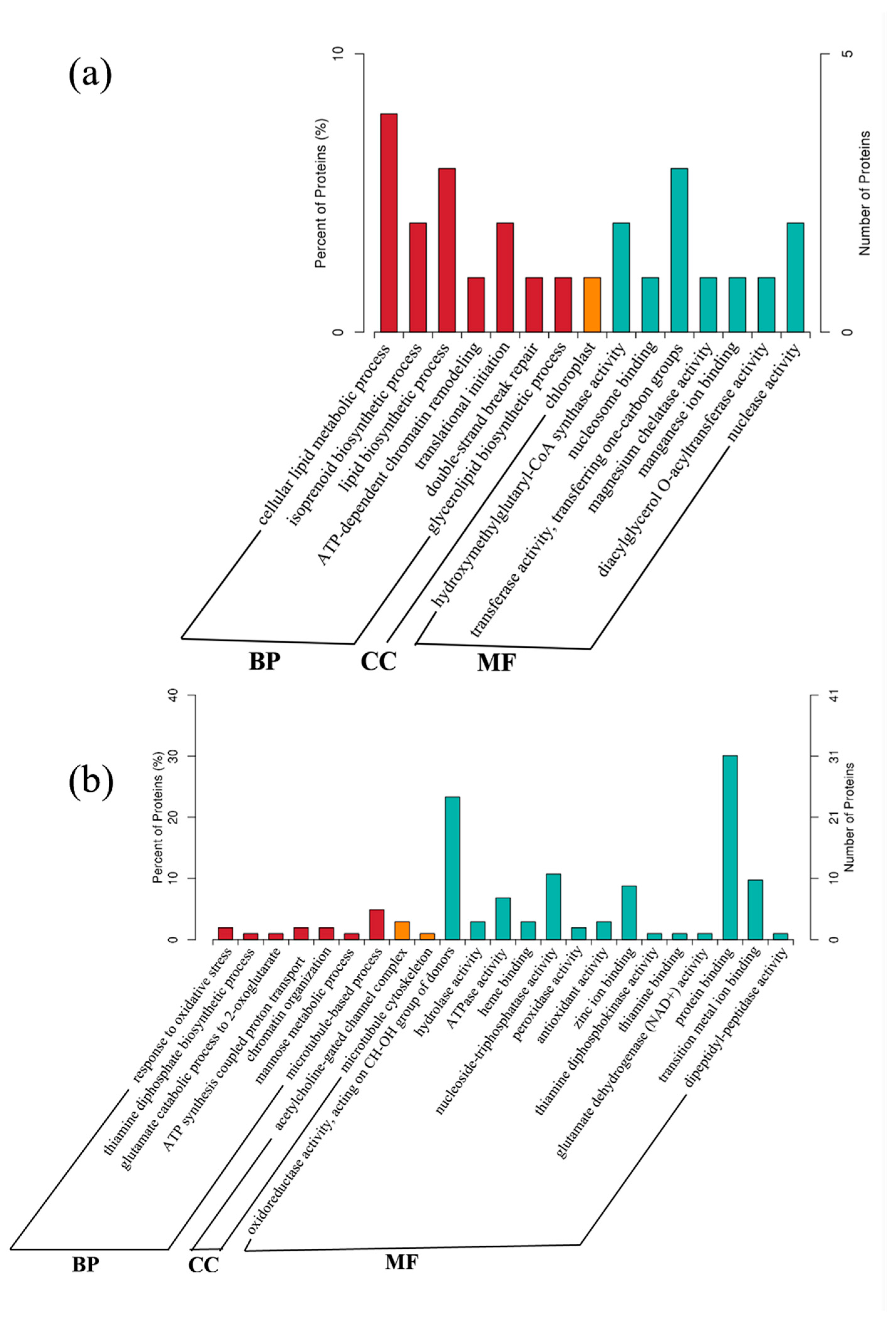
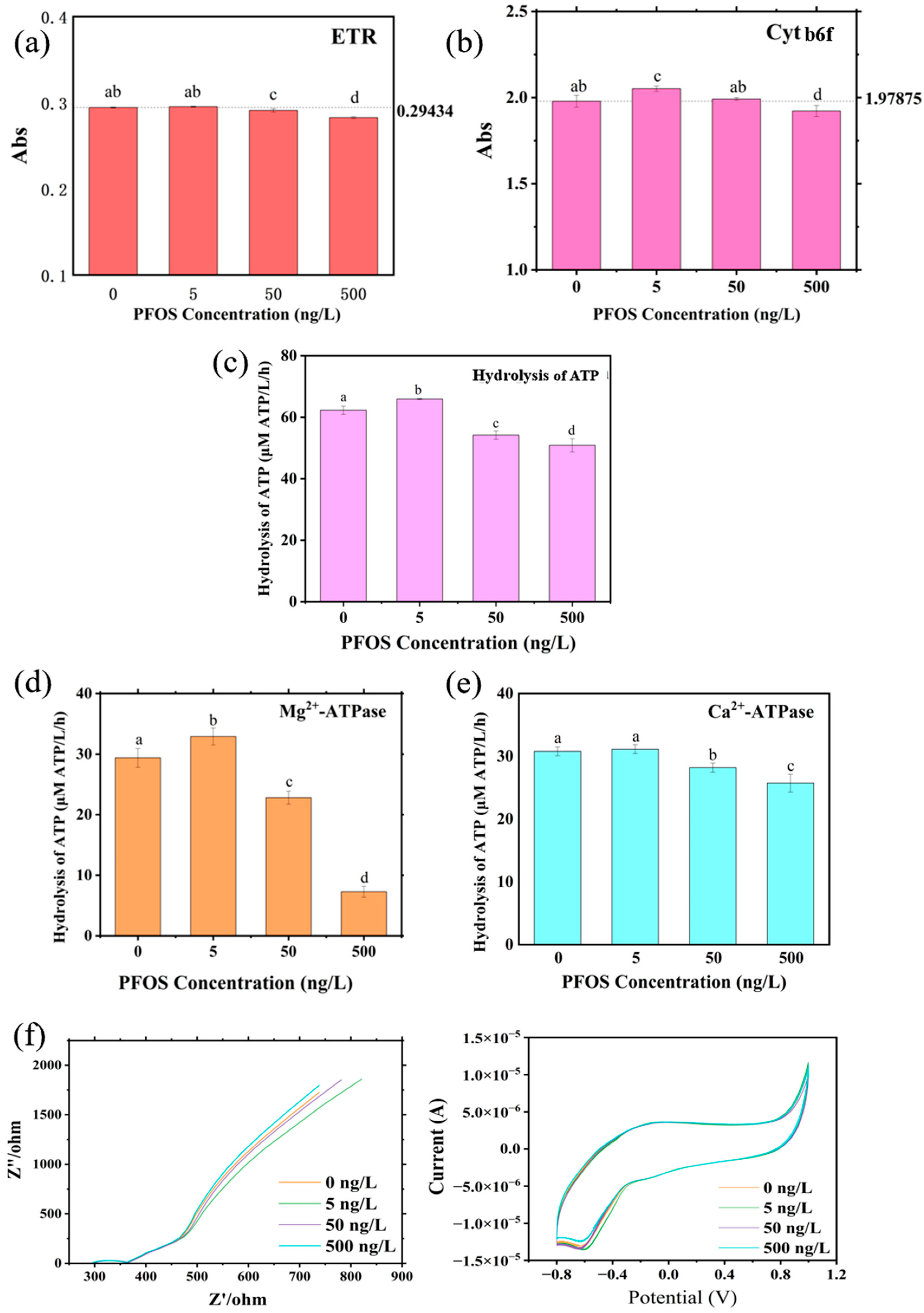
- Isolated chloroplast assays demonstrated that PFOS inhibits Mg2+-dependent ATP hydrolytic activity in the chloroplast-enriched fraction and impairs electron transport efficiency, accompanied by altered thylakoid membrane electrochemical characteristics. Integrative transcriptomic and proteomic analyses revealed a molecular pattern of upregulated photosynthesis- and chlorophyll metabolism-related genes/proteins alongside downregulated ATP synthesis-related proteins, reflecting a compensatory response of “upstream enhancement but downstream blockage.” The differential sensitivity of Mg2+-dependent versus Ca2+-dependent activities is consistent with impaired chloroplast ATP synthase function, though the specific molecular target and mechanism remain to be conclusively demonstrated.
Supplementary Materials
Author Contributions
Funding
Institutional Review Board Statement
Informed Consent Statement
Data Availability Statement
Conflicts of Interest
References
- Ge, X.F.; Wang, K.; Xiao, X.; Chu, C.H.; Zhu, X.Y.; Chen, B.L. Beyond molecules: In situ imaging unveils DOM-driven PFAS nanoclusters with mitigated phytotoxicity. Environ. Sci. Technol. 2026, 60, 7393–7404. [Google Scholar] [CrossRef] [PubMed]
- Xu, C.; Xu, C.; Zhou, Q.; Shen, C.; Peng, L.; Liu, S.; Yin, S.; Li, F. Spatial distribution, isomer signature and air-soil exchange of legacy and emerging poly- and perfluoroalkyl substances. Environ. Pollut. 2024, 343, 123222. [Google Scholar] [CrossRef] [PubMed]
- Chen, Y.; Wei, L.J.; Luo, W.; Jiang, N.; Shi, Y.L.; Zhao, P.; Ga, B.L.; Pei, Z.G.; Li, Y.M.; Yang, R.Q.; et al. Occurrence, spatial distribution, and sources of PFASs in the water and sediment from lakes in the Tibetan Plateau. J. Hazard. Mater. 2023, 443, 130170. [Google Scholar] [CrossRef] [PubMed]
- Liao, J.M.; Sun, B.; Wang, C.; Cao, Z.W.; Wu, Z.Y.; An, X.P.; Liang, Z.A.; Huang, X.Y.; Lu, Y.L. Uptake and cellular responses of Microcystis aeruginosa to PFOS in various environmental conditions. Ecotoxicol. Environ. Saf. 2024, 272, 116041. [Google Scholar] [CrossRef] [PubMed]
- Li, W.Z.; Li, H.Z.; Zhang, D.N.; Tong, Y.J.; Li, F.X.; Cheng, F.; Huang, Z.B.; You, J. Legacy and emerging per- and polyfluoroalkyl substances behave distinctly in spatial distribution and multimedia partitioning: A case study in the Pearl River, China. Environ. Sci. Technol. 2022, 56, 3492–3502. [Google Scholar] [CrossRef] [PubMed]
- Meng, L.Y.; Song, B.Y.; Zhong, H.F.; Ma, X.D.; Wang, Y.J.; Ma, D.H.; Lu, Y.; Gao, W.; Wang, Y.W.; Jiang, G.B. Legacy and emerging per- and polyfluoroalkyl substances (PFAS) in the Bohai Sea and its inflow rivers. Environ. Int. 2021, 156, 106735. [Google Scholar] [CrossRef] [PubMed]
- Xiao, S.K.; Wu, Q.; Pan, C.G.; Yin, C.; Wang, Y.H.; Yu, K.F. Distribution, partitioning behavior and potential source of legacy and alternative per- and polyfluoroalkyl substances (PFASs) in water and sediments from a subtropical Gulf, South China Sea. Environ. Res. 2021, 201, 111485. [Google Scholar] [CrossRef] [PubMed]
- Buck, R.C.; Franklin, J.; Berger, U.; Conder, J.M.; Cousins, I.T.; de Voogt, P.; Jensen, A.A.; Kannan, K.; Mabury, S.A.; van Leeuwen, S.P.J. Perfluoroalkyl and polyfluoroalkyl substances in the environment: Terminology, classification, and origins. Integr. Environ. Assess. Manag. 2011, 7, 513–541. [Google Scholar] [CrossRef] [PubMed]
- Wang, T.; Wang, Y.; Liao, C.; Cai, Y.; Jiang, G. Perspectives on the inclusion of perfluorooctane sulfonate into the Stockholm Convention on Persistent Organic Pollutants. Environ. Sci. Technol. 2009, 43, 5171–5175. [Google Scholar] [CrossRef] [PubMed]
- Liu, Z.; Lu, Y.; Wang, T.; Wang, P.; Li, Q.; Johnson, A.C.; Sarvajayakesavalu, S.; Sweetman, A.J. Risk assessment and source identification of perfluoroalkyl acids in surface and ground water: Spatial distribution around a mega-fluorochemical industrial park, China. Environ. Int. 2016, 91, 69–77. [Google Scholar] [CrossRef] [PubMed]
- Jones, P.D.; Hu, W.; De Coen, W.; Newsted, J.L.; Giesy, J.P. Binding of perfluorinated fatty acids to serum proteins. Environ. Toxicol. Chem. 2003, 22, 2639–2649. [Google Scholar] [CrossRef] [PubMed]
- Barsanti, L.; Evangelista, V.; Passarelli, V.; Frassanito, A.M.; Gualtieri, P. Fundamental questions and concepts about photoreception and the case of Euglena gracilis. Integr. Biol. 2011, 4, 22–36. [Google Scholar] [CrossRef]
- Iseki, M.; Matsunaga, S.; Murakami, A.; Ohno, K.; Shiga, K.; Yoshida, K.; Sugai, M.; Takahashi, T.; Hori, T.; Watanabe, M. A blue-light-activated adenylyl cyclase mediates photoavoidance in Euglena gracilis. Nature 2002, 415, 1047–1051. [Google Scholar] [CrossRef] [PubMed]
- Zhu, J.; Tan, X.; Hafid, H.S.; Wakisaka, M. Enhancement of biomass yield and lipid accumulation of freshwater microalga Euglena gracilis by phenolic compounds from basic structures of lignin. Bioresour. Technol. 2020, 321, 124441. [Google Scholar] [CrossRef] [PubMed]
- Xu, D.; Chen, X.; Shao, B. Oxidative Damage and Cytotoxicity of Perfluorooctane Sulfonate on Chlorella vulgaris. Bull. Environ. Contam. Toxicol. 2016, 98, 127–132. [Google Scholar] [CrossRef] [PubMed]
- Mojiri, A.; Vishkaei, M.N.; Ansari, H.K.; Vakili, M.; Farraji, H.; Kasmuri, N. Toxicity Effects of Perfluorooctanoic Acid (PFOA) and Perfluorooctane Sulfonate (PFOS) on Two Green Microalgae Species. Int. J. Mol. Sci. 2023, 24, 2446. [Google Scholar] [CrossRef] [PubMed]
- Brown, J.; Bril, C.; Urbach, W. Fractionation of Chlorophyll Forms from Euglena and Measurement of Light-Induced Absorbance Changes. Plant Physiol. 1965, 40, 1086–1090. [Google Scholar] [CrossRef] [PubMed]
- Pessoa, J.d.S.; Almeida, A.C.O.d.; Santos, L.F.d.; Oliveira, T.M.N.d.; Martins, C.C.; Matias, W.G.; Melegari, S.P. Optical Insight: Spectrophotometry as a Tool to Quantify Cell Density of Green Microalgae in Suspension, with Emphasis on Growing Conditions and Toxicological Evaluations. Bull. Environ. Contam. Toxicol. 2025, 114, 21. [Google Scholar] [CrossRef] [PubMed]
- Poothong, S.; Boontanon, S.K.; Boontanon, N. Determination of perfluorooctane sulfonate and perfluorooctanoic acid in food packaging using liquid chromatography coupled with tandem mass spectrometry. J. Hazard. Mater. 2012, 205–206, 139–143. [Google Scholar] [CrossRef] [PubMed]
- Kanna, S.D.; Domonkos, I.; Kobori, T.O.; Dergez, A.; Bode, K.; Nagyapati, S.; Zsiros, O.; Unnep, R.; Nagy, G.; Garab, G.; et al. Salt stress induces paramylon accumulation and fine-tuning of the macro-organization of thylakoid membranes in Euglena gracilis cells. Front. Plant Sci. 2021, 12, 725699. [Google Scholar] [CrossRef] [PubMed]
- Liu, Y.; Yang, X.; Gan, J.; Chen, S.; Xiao, Z.-X.; Cao, Y. CB-Dock2: Improved protein-ligand blind docking by integrating cavity detection, docking and homologous template fitting. Nucleic Acids Res. 2022, 50, W159–W164. [Google Scholar] [CrossRef] [PubMed]
- Schake, P.; Bolz, S.N.; Linnemann, K.; Schroeder, M. PLIP 2025: Introducing protein–protein interactions to the protein–ligand interaction profiler. Nucleic Acids Res. 2025, 53, W463–W465. [Google Scholar] [CrossRef] [PubMed]
- Wang, Y.; Fan, X.; Gao, G.; Beardall, J.; Inaba, K.; Hall-Spencer, J.M.; Xu, D.; Zhang, X.; Han, W.; McMinn, A.; et al. Decreased motility of flagellated microalgae long-term acclimated to CO2-induced acidified waters. Nat. Clim. Change 2020, 10, 561–567. [Google Scholar] [CrossRef]
- Kim, H.; Van Duong, H.; Kim, E.; Lee, B.G.; Han, S. Effects of phytoplankton cell size and chloride concentration on the bioaccumulation of methylmercury in marine phytoplankton. Environ. Toxicol. 2014, 29, 936–941. [Google Scholar] [CrossRef] [PubMed]
- Zheng, S.; Zhang, C.; Shi, K.; Wang, J.; Sun, G.; Hu, Q.; Zhao, F.; Wang, X. Bioaccumulation, subcellular distribution and chemical forms of yttrium in rice seedling. J. Rare Earths 2018, 36, 331–336. [Google Scholar] [CrossRef]
- Cara, B.; Lies, T.; Thimo, G.; Robin, L.; Lieven, B. Bioaccumulation and trophic transfer of perfluorinated alkyl substances (PFAS) in marine biota from the Belgian North Sea: Distribution and human health risk implications. Environ. Pollut. 2022, 311, 119907. [Google Scholar] [CrossRef] [PubMed]
- Li, J.; Sun, J.; Li, P. Exposure routes, bioaccumulation and toxic effects of per- and polyfluoroalkyl substances (PFASs) on plants: A critical review. Environ. Int. 2022, 158, 106891. [Google Scholar] [CrossRef] [PubMed]
- Heyno, E.; Ermakova, M.; Lopez-Calcagno, P.E.; Woodford, R.; Brown, K.L.; Matthews, J.S.A.; Osmond, B.; Raines, C.A.; von Caemmerer, S. Rieske FeS overexpression in tobacco provides increased abundance and activity of cytochrome b6f. Physiol. Plant 2022, 174, e13803. [Google Scholar] [CrossRef] [PubMed]
- Dwivedi, U.; Bhardwaj, R.; Sharma, M. Alteration in the acceptor side of photosystem II of chloroplast by high light. J. Biosci. 1996, 21, 527–533. [Google Scholar] [CrossRef]
- Richter, L.V.; Mansfeldt, C.B.; Kuan, M.M.; Cesare, A.E.; Menefee, S.T.; Richardson, R.E.; Ahner, B.A. Altered microbiome leads to significant phenotypic and transcriptomic differences in a lipid accumulating chlorophyte. Environ. Sci. Technol. 2018, 52, 6854–6863. [Google Scholar] [CrossRef] [PubMed]
- Gschloessl, B.; Dorkeld, F.; Berges, H.; Beydon, G.; Bouchez, O.; Branco, M.; Bretaudeau, A.; Burban, C.; Dubois, E.; Gauthier, P.; et al. Draft genome and reference transcriptomic resources for the urticating pine defoliator Thaumetopoea pityocampa (Lepidoptera: Notodontidae). Mol. Ecol. Resour. 2018, 18, 602–619. [Google Scholar] [CrossRef] [PubMed]
- Zhao, Y.; Zhang, Z.; Li, M.; Luo, J.; Chen, F.; Gong, Y.; Li, Y.; Wei, Y.; Su, Y.; Kong, L. Transcriptomic profiles of 33 opium poppy samples in different tissues, growth phases, and cultivars. Sci. Data 2019, 6, 66. [Google Scholar] [CrossRef] [PubMed]
- Muntel, J.; Xuan, Y.; Berger, S.T.; Reiter, L.; Bachur, R.; Kentsis, A.; Steen, H. Advancing urinary protein biomarker discovery by data-independent acquisition on a Quadrupole-Orbitrap Mass Spectrometer. J. Proteome Res. 2015, 14, 4752–4762. [Google Scholar] [CrossRef] [PubMed]
- Chiva, C.; Mendes Maia, T.; Panse, C.; Stejskal, K.; Douche, T.; Matondo, M.; Loew, D.; Helm, D.; Rettel, M.; Mechtler, K.; et al. Quality standards in proteomics research facilities: Common standards and quality procedures are essential for proteomics facilities and their users. Sci. Soc. 2021, 22, e52626. [Google Scholar] [CrossRef]
- Bischel, H.N.; MacManus-Spencer, L.A.; Luthy, R.G. Noncovalent interactions of long-chain perfluoroalkyl acids with serum albumin. Environ. Sci. Technol. 2010, 44, 5263–5269. [Google Scholar] [CrossRef] [PubMed]
- Li, Y.; Zhao, L.; Wang, L.; Zhang, H.; Xing, G.; Yuan, J.; Yang, Y.; Sun, P. Deciphering the acute toxicity mechanisms of PFAS in algae: A molecular descriptor and binding energy hierarchy perspective. J. Hazard. Mater. 2025, 140462. [Google Scholar] [CrossRef] [PubMed]
- Zhang, L.; Ren, X.-M.; Guo, L.-H. Structure-based investigation on the interaction of perfluorinated compounds with human liver fatty acid binding protein. Environ. Sci. Technol. 2013, 47, 634–641. [Google Scholar] [CrossRef] [PubMed]
- Ozasa, K.; Won, J.; Song, S.; Shinomura, T.; Maeda, M. Phototaxis and photo-shock responses of Euglena gracilis under gravitaxis. Algal Res. 2019, 41, 101563. [Google Scholar] [CrossRef]
- Hu, W.y.; Jones, P.D.; DeCoen, W.; King, L.; Fraker, P.; Newsted, J.; Giesy, J.P. Alterations in cell membrane properties caused by perfluorinated compounds. Comp. Biochem. Physiol. C Toxicol. Pharmacol. 2003, 135, 77–88. [Google Scholar] [CrossRef] [PubMed]
- Ozasa, K.; Won, J.; Song, S.; Tamaki, S.; Ishikawa, T.; Maeda, M. Temporal change of photophobic step-up responses of Euglena gracilis investigated through motion analysis. PLoS ONE 2017, 12, e0172813. [Google Scholar] [CrossRef] [PubMed]
- Giometto, A.; Altermatt, F.; Maritan, A.; Stocker, R.; Rinaldo, A. Receptor law for phototaxis in phytoplankton [Physics]. Proc. Natl. Acad. Sci. USA 2015, 112, 7045–7050. [Google Scholar] [CrossRef] [PubMed]
- Li, S.; Ma, Y.; Zheng, X.; He, G.; Xiong, J.; Lu, H.; Xu, Z.; Pan, X. Unveiling ecological risks of organophosphorus pesticides at environmental levels: Cyanobacterial bloom stimulation and toxin accumulation. J. Hazard. Mater. 2025, 140746. [Google Scholar] [CrossRef] [PubMed]
- Davis, S.N.; Klumker, S.M.; Mitchell, A.A.; Coppage, M.A.; Labonté, J.M.; Quigg, A. Life in the PFAS lane: The impact of perfluoroalkyl substances on photosynthesis, cellular exudates, nutrient cycling, and composition of a marine microbial community. Sci. Total Environ. 2024, 927, 171977. [Google Scholar] [CrossRef] [PubMed]
- Zheng, X.; Qiu, J.; Li, A. Effects of perfluorooctanesulfonic acid on Thalassiosira minima: Insights from growth, photosynthesis, oxidative stress, and toxin biosynthesis. J. Hazard. Mater. 2026, 141960. [Google Scholar] [CrossRef] [PubMed]
- Calabrese, E.J.; Baldwin, L.A. Hormesis: The dose-response revolution. Annu. Rev. Pharmacol. Toxicol. 2002, 43, 175–197. [Google Scholar] [CrossRef] [PubMed]
- Mitchell, P. Coupling of Phosphorylation to Electron and Hydrogen Transfer by a Chemi-Osmotic type of Mechanism. Nature 1961, 191, 144–148. [Google Scholar] [CrossRef] [PubMed]
- Desaiah, D. Interaction of chlordecone with biological membranes. J. Toxicol. Environ. Health Part A 1981, 8, 719–730. [Google Scholar] [CrossRef] [PubMed]
- Johnson, M.P. Structure, regulation and assembly of the photosynthetic electron transport chain. Nat. Rev. Mol. Cell Biol. 2025, 26, 667–690. [Google Scholar] [CrossRef] [PubMed]




Disclaimer/Publisher’s Note: The statements, opinions and data contained in all publications are solely those of the individual author(s) and contributor(s) and not of MDPI and/or the editor(s). MDPI and/or the editor(s) disclaim responsibility for any injury to people or property resulting from any ideas, methods, instructions or products referred to in the content. |
© 2026 by the authors. Licensee MDPI, Basel, Switzerland. This article is an open access article distributed under the terms and conditions of the Creative Commons Attribution (CC BY) license.
Share and Cite
Liu, P.; Wang, J.; Hong, Y.; Chen, Z.; Liu, X.; Chen, H.; Zeng, G.; Pan, X. Environmental Concentrations of PFOS Accumulate in the Euglena Eyespot and Impair Chloroplast ATP Synthase Activity: A Dual Impairment of Phototaxis and Photosynthetic Light Reactions. Toxics 2026, 14, 540. https://doi.org/10.3390/toxics14060540
Liu P, Wang J, Hong Y, Chen Z, Liu X, Chen H, Zeng G, Pan X. Environmental Concentrations of PFOS Accumulate in the Euglena Eyespot and Impair Chloroplast ATP Synthase Activity: A Dual Impairment of Phototaxis and Photosynthetic Light Reactions. Toxics. 2026; 14(6):540. https://doi.org/10.3390/toxics14060540
Chicago/Turabian StyleLiu, Peirui, Junfeng Wang, Yan Hong, Zilin Chen, Xiaoya Liu, Huayi Chen, Ganning Zeng, and Xiangliang Pan. 2026. "Environmental Concentrations of PFOS Accumulate in the Euglena Eyespot and Impair Chloroplast ATP Synthase Activity: A Dual Impairment of Phototaxis and Photosynthetic Light Reactions" Toxics 14, no. 6: 540. https://doi.org/10.3390/toxics14060540
APA StyleLiu, P., Wang, J., Hong, Y., Chen, Z., Liu, X., Chen, H., Zeng, G., & Pan, X. (2026). Environmental Concentrations of PFOS Accumulate in the Euglena Eyespot and Impair Chloroplast ATP Synthase Activity: A Dual Impairment of Phototaxis and Photosynthetic Light Reactions. Toxics, 14(6), 540. https://doi.org/10.3390/toxics14060540