1. Introduction
Caffeine (1,3,7-trimethylxanthine, CAF) is a purine alkaloid that acts as a potent stimulant on the central nervous system and is among the most widely consumed psychoactive substances found naturally in coffee, tea, and cocoa, as well as synthetically in pharmaceuticals, energy drinks, and personal care products (PCPs) [
1]. Globally, daily consumption exceeds 460 tons [
2].
Due to its widespread use, CAF has become ubiquitous in freshwater ecosystems, where it is commonly detected at varying concentrations depending on the water matrix [
3,
4,
5]. In wastewater influents and effluents, reported concentrations vary substantially, from as low as 0.02 to as high as 86,000 µg/L. In surface waters such as rivers and lakes, concentrations typically range from 0.05 to 33.2 µg/L, while groundwater concentrations occasionally reach up to 0.68 µg/L. Drinking water shows levels from 0.50 to 35 µg/L, and reservoirs have recorded concentrations as high as 27.7 µg/L [
6].
According to Nunes, B. et al. [
4], CAF in wastewater commonly ranges from 20 to 300 µg/L, and some of the highest surface water concentrations have been reported in Costa Rica, reaching 1.1 mg/L [
7], and in northwestern Spain, where levels reached up to 44.6 µg/L [
8]. Although CAF is considered safe for human consumption at typical dietary levels, it has emerged as an emergent contaminant of concern in aquatic environments due to its potential effects on non-target organisms, particularly invertebrates [
6].
This chemical exhibits remarkable stability under environmental conditions, such as fluctuations in salinity, light intensity, and temperature, which influence its degradation rates. In particular, photostability has been reported for up to three weeks under controlled conditions [
9]. It is highly water-soluble (20 g/L) and persists in aquatic systems, with half-lives ranging from 100–240 days up to 10 years [
6].
Ongoing inputs of human and industrial wastewaters often exceed their natural degradation rates, resulting in widespread detection not only in water but also in aquatic organisms, including fish species as
Gambusia holbrooki,
Gerres oyena,
Chanos chanos,
Lethrinus nebulosus, and
Oreochromis niloticus [
10]. Moreover, CAF can adsorb onto sediments and particulate matter, creating a secondary reservoir that prolongs its environmental persistence and allows gradual release back into the water column. Indeed, analysis of a 25 cm sediment core demonstrated that CAF was widely distributed throughout the profile, likely due to its high water solubility and mobility [
11].
Despite its widespread environmental presence and long-term persistence, the biological effects of CAF, particularly in aquatic invertebrates, remain poorly understood. Current knowledge mechanisms are largely extrapolated from vertebrate models, such as rodents and
Danio rerio, and from terrestrial invertebrates such as
Drosophila melanogaster. In these organisms, CAF exposure can induce cellular stress responses, including heat-shock protein induction and alterations in metabolic enzymes, which may affect organismal health even at low environmental concentrations [
6,
12,
13,
14].
Moreover, in vertebrates, CAF-mediated effects are strongly linked to cyclic adenosine monophosphate (cAMP) signaling, calcium homeostasis, and adenosine receptor-mediated (A
1 and A
2A) pathways, which influence nervous system activity, metabolism, and stress responses [
13,
15,
16]. Through these mechanisms, CAF modulates neurotransmission via adenosine receptor antagonism, indirectly influencing neurotransmitter release and affecting several signaling pathways, including cholinergic, dopaminergic, GABAergic, glutamatergic, and serotonergic systems [
6,
12,
14,
17]. The high affinity of CAF for adenosine receptors is considered central to its biological activity in mammals [
17].
Evidence from terrestrial invertebrates indicates that CAF can also disrupt neurotransmission and cellular homeostasis. For example, CAF exposure increases cAMP concentrations in the brain of
Drosophila, whereas direct application to the brain of honeybees elevates intracellular calcium levels [
17]. In invertebrates, only interactions with ryanodine receptors (RYRs) and phosphodiesterase’s (PDEs) have been experimentally confirmed [
17], highlighting potential differences in CAF’s molecular targets across taxa. However, comparable molecular-level studies in aquatic invertebrates remain limited, making it essential to elucidate how CAF affects these organisms to assess potential sub-lethal impacts and consequences for freshwater ecosystem health [
6].
To address this knowledge gap, freshwater snails such as
Physella acuta provide an ecologically relevant model to study CAF-induced molecular and physiological effects. This species is widely distributed in freshwater ecosystems, where it plays an important ecological role in periphyton grazing and nutrient cycling and is frequently used as a bioindicator of aquatic pollution. Its physiology, particularly its nervous and stress-response systems, makes it a suitable model for studying sub-lethal and molecular-level effects of environmental contaminants. Although CAF is widely detected in aquatic systems, its molecular effects on these organisms remain poorly characterized. It has previously been shown that
P. acuta exhibits physiological and behavioral alterations when exposed to CAF at environmental levels [
9]; however, the underlying molecular mechanisms have not yet been investigated. Given CAF’s known antagonist effects on adenosine receptors [
17,
18] and its broader modulation of neurotransmission and stress-related pathways, this study aimed to investigate the expression of genes associated with these biological systems in
P. acuta.
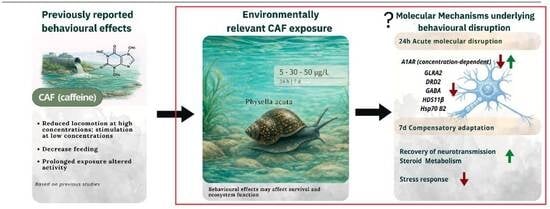
Therefore, it was hypothesized that CAF, despite being considered a low-priority contaminant, can elicit significant biological alterations in non-target aquatic species. Accordingly, this study was designed to elucidate the molecular responses of P. acuta to environmentally relevant concentrations of CAF.
By linking these molecular markers to previously reported physiological and behavioral effects [
9], this work suggests possible mechanistic connections to organism-level responses and could help inform a more comprehensive assessment of the ecological risks posed by CAF in freshwater environments.
2. Materials and Methods
2.1. Gene Characterization: Sequence Analysis and Domain Identification
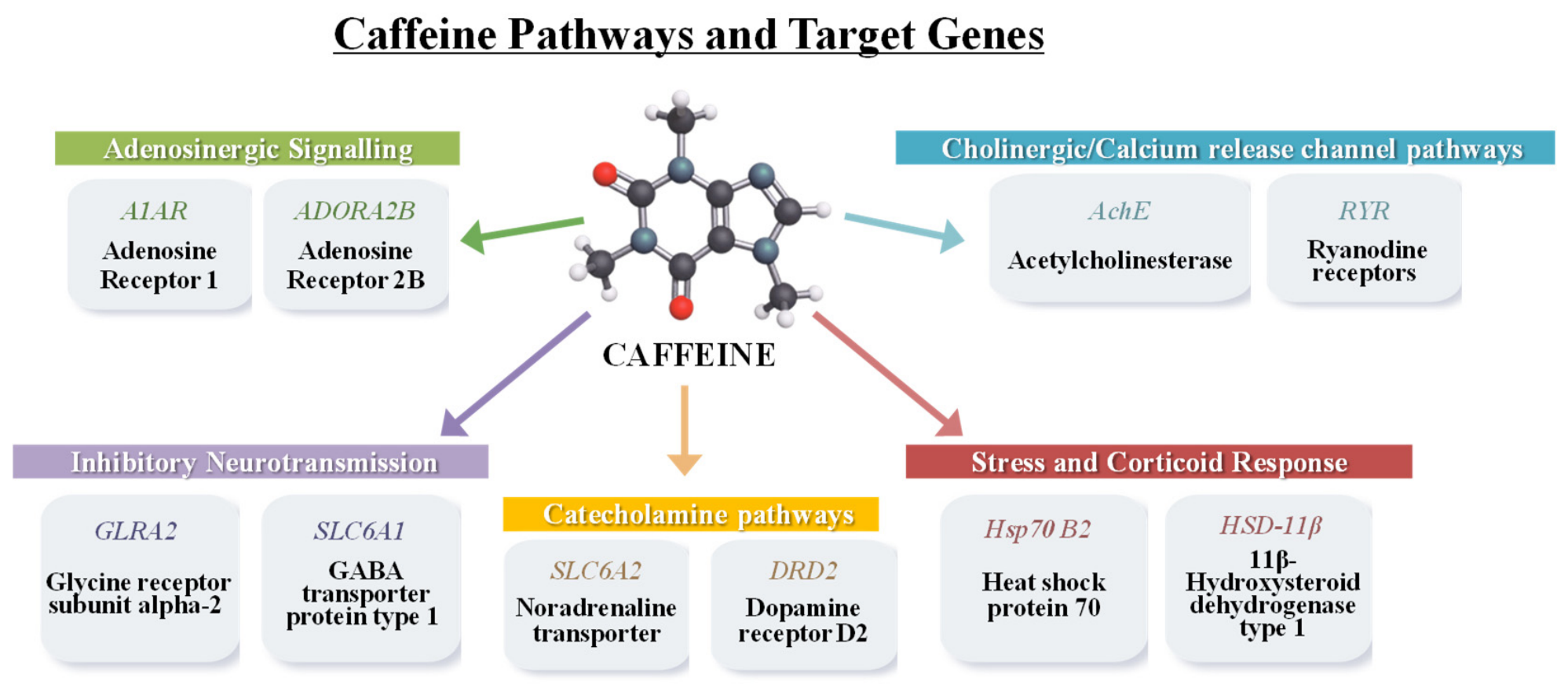
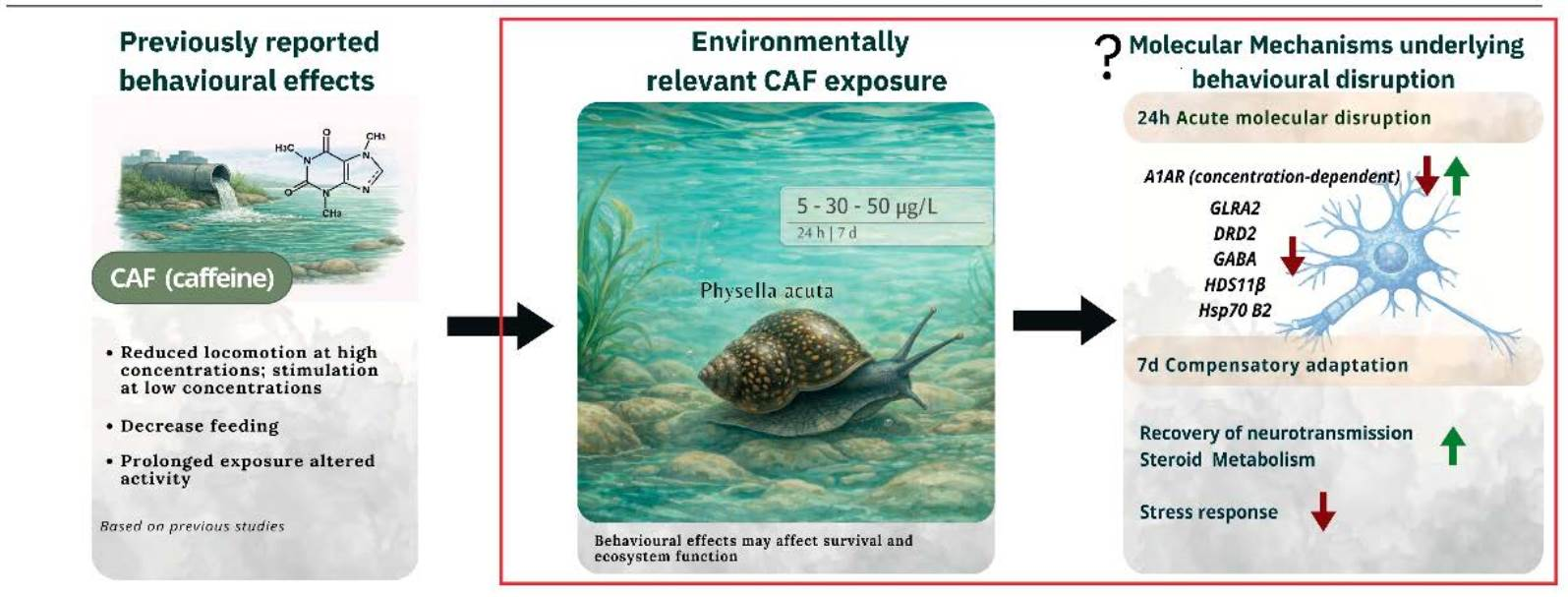
Selected target genes were chosen based on their established roles in neurotransmission, stress regulation, and glucorticoid signaling, all of which are known or suspected targets of CAF action (
Figure 1). Genes involved in adenosinergic signaling, including
adenosine receptor 1 (A1AR) and
adenosine A2B receptor (ADORA2B), were analyzed, given CAF’s primary mechanism as an adenosine receptor antagonist [
17,
18]. Markers of cholinergic and dopaminergic neurotransmission, such as
acetylcholinesterase (AChE) and
dopamine receptor D2 (DRD2), were included due to their roles in neurotoxicity and CAF-mediated modulation of motor and behavioral functions via adenosine–dopamine receptor interactions [
18,
19], while the
glycine receptor subunit alpha 2 (GLRA2) and
GABA transporter 1 (SLC6A1) were included to assess potential alterations in inhibitory neuro-transmission [
17]. In addition, the
sodium-dependent noradrenaline transporter (SLC6A2) and the
ryanodine receptor (RYR) were selected as indicators of catecholaminergic signaling, stress responses, and calcium-mediated neuronal and muscular excitation [
17]. To evaluate stress,
heat-shock protein 70 (HSP70 B2-like) was included as a molecular marker of cellular stress [
20], and
hydroxysteroid 11β-dehydrogenase1 (HSD11β) for its potential involvement in CAF-induced modulation of stress responses and anxiety-like behaviors through neuroendocrine signaling [
21].
These genes were initially identified by performing BLAST web server (NCBI) searches against a
Physella acuta transcriptome to select homologous sequences corresponding to the proteins of interest (
Table S1, Supplementary Material). Candidate sequences were validated against the NCBI database to confirm annotation, coding regions, and sequence identity. Only sequences with high similarity (low E-values), conserved functional regions, and complete or near-complete open reading frames (ORFs) were retained for further analyses.
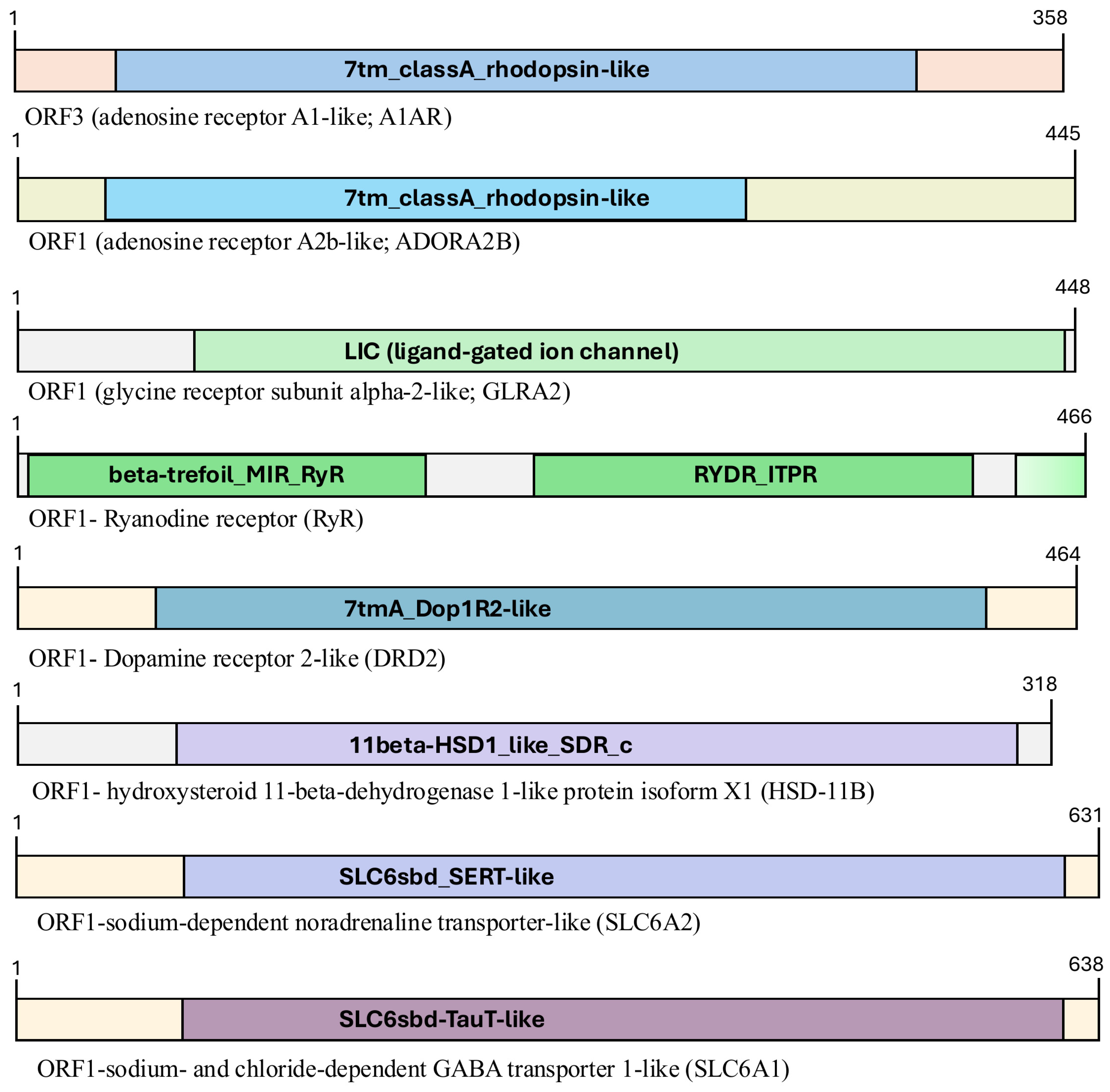
The deduced protein sequences were analyzed using Conserved Domain Database (CDD) of the National Center for Biotechnology Information (NCBI) to identify conserved motifs, functional domains, and structural features. Graphical representations of the domain architecture and motif organization were generated using Microsoft PowerPoint (Version 16.108.3, Microsoft Corporation, Redmond, WA, USA), providing a clear visualization of key structural elements across the protein sequences (
Figure 2). This workflow allowed comprehensive molecular characterization of the target genes and supported subsequent expression and functional studies.
2.2. Chemicals and Test Concentrations
Caffeine (C8H10N4O2, molecular weight 194.19 g/mol) was purchased from Sigma-Aldrich Chemical (St. Louis, MO, USA), with a degree of purity of 99%.
Nominal concentrations used were based on levels detected in environmental compartments, ranging from low nanograms to intermediate micrograms per liter [
4], and have previously been shown to affect behavior [
9]. Accordingly, three environmentally relevant caffeine concentrations were selected to expose the test organism,
P. acuta: 5, 30, and 50 μg/L (25.75, 154.49, and 257.48 nM).
Caffeine stability under the same storage and experimental conditions was previously confirmed by nuclear magnetic resonance (NMR), showing no degradation over a one-month period [
9].
2.3. Preparation Process of Concentrations Tested
Stock and exposure solutions were prepared according to the procedure described by [
9]. Briefly, working solutions were obtained by direct dilution of the CAF stock solution (3 mg mL
−1) in distilled water. The stock was stored at 4 °C and can be stored under refrigeration without light protection [
9]. The high solubility and low hydrophobicity of CAF prevent adsorption onto glass surfaces, ensuring that measured concentrations accurately represent the aqueous medium.
2.4. Test Organisms and Experimental Setup
Physella acuta (Gastropoda, Pulmonata, Basommatophora) is a hermaphroditic species that mainly practices outcrossing. Before the experiment, it was maintained in a climate-controlled environment at 18 °C for several generations. The culture conditions were defined previously [
22,
23]. In summary, mature snails were kept in 0.75 L of culture medium (2 mM CaCl
2, 0.5 mM MgSO
4, 0.77 mM NaHCO
3, and 0.08 mM KCl) at 18 °C under a 16:8 light–dark cycle for breeding purposes. Mature snails produced egg masses containing embryos, which developed directly into juveniles. As the juveniles matured into adults, their first oviposition occurred approximately two months after hatching.
To assess the effects of CAF exposure, short-term (24 h) and long-term (7 d) experimental conditions were established. For each exposure duration, a control group (non-exposed snails maintained under identical conditions without caffeine addition and non-solvent was used) and CAF-treated groups were included. Each treatment consisted of three independent experiments, with ten adult snails exposed per condition in glass vessels containing 100 mL of culture medium. Within each experiment, three snails per treatment were randomly selected for molecular analysis (n = 3), resulting in a total of nine biological replicates per treatment (n = 9) and an overall total of 72 samples.
This design was selected to ensure biological independence and capture inter-individual variability while minimizing pseudoreplication. Individual samples were analyzed separately (no pooling), allowing a more accurate assessment of variability in gene expression responses.
2.5. Behavioral Endpoints
Behavioral data, including feeding rate (as a proxy for appetite), exploration, speed, and trajectory parameters, were obtained from a previously published study [
9]. In that work, behavioral endpoints were assessed under controlled laboratory conditions using standardized experimental protocols and video-tracking analysis. Briefly, organisms were recorded under defined exposure conditions, and behavioral metrics were extracted using automated tracking software. Full methodological details regarding experimental setup, recording conditions, and analytical procedures are described in [
9].
2.6. RNA Isolation and Retrotranscription
Using TRIzol Reagent (Life Technologies, Carlsbad, CA, USA), total RNA was extracted following the manufacturer’s instructions. A final step was added using RNase-free DNase (Fisher, Madrid, Spain) for 45 min at 37 °C. RNase-free DNase was removed with a phenol:chloroform:isoamyl alcohol extraction (Fluka, Seelze, Germany). Isopropyl alcohol (0.5 v/v) was used to precipitate the total RNA, which was then washed with 75% ethanol and resuspended in 30 μL of DEPC water. RNA was quantified by absorbance spectrophotometry (Biophotomer Eppendorf, Hamburg, Germany). RNA samples were stored at −80 °C until reverse transcription (RT) was conducted. The RT reactions consisted of approximately 5 μg of RNA as template, 200 units of RevertAid Reverse Transcriptase (Thermo Fisher Scientific, Waltham, MA, USA), 0.5 μg of Oligo(dT)18 (Macrogen, Seoul, Republic of Korea), and 10 mM dNTPs (Biotools, Madrid, Spain). According to the manufacturer’s instructions, the reaction was made in a final volume of 40 μL at 42 °C for 60 min. The process was terminated by incubating at 70 °C for 10 min, and the cDNA was stored at −20 °C.
2.7. Real-Time PCR (qPCR)
Gene expression levels were analyzed using Real-Time PCR with primer pairs (
Table 1), designed using Primer-BLAST (NCBI). The reaction was performed on a CFX96 thermocycler (Bio-Rad, Hercules, CA, USA) in a total volume of 10 µL, using 0.5 unit of DNA polymerase (Biotools, Madrid, Spain), 0.4 mM dNTPs, 2 mM MgCl
2, and 0.5X EvaGreen (Biotium, Fremont, CA, USA). The RT-PCR conditions were described by [
24].
The Real-Time PCR was run in the following cycling conditions: initial denaturation at 95 °C for 30 s followed by 39 cycles of 95 °C denaturation for 15 s, 58 °C annealing for 15 s, and 72 °C elongation for 30 s. A melt curve analysis was performed at the end of each run, increasing the temperature from 72 °C to 90 °C with incremental increases of 0.5 °C, to confirm amplification specificity and absence of primer-dimer formation.
Glyceraldehyde 3-phosphate dehydrogenase (GAPDH) and
Actin-β (Act) genes were used as reference genes to normalize gene expression. Gene expression was analyzed using Bio-Rad Maestro software v.2.3, converting Ct values to relative expression levels via the 2
−ΔΔCt method [
25]. A set of 10 unexposed adults, directly drawn from the cultures, was used as the external normalization condition for both control and treated samples. The mean Ct value for each gene was calculated from duplicate measurements and independent replicates. The efficiency of each primer set was determined using five 1:2 dilutions of a mixture of samples’ cDNA of equal molarity, performed in duplicate.
The stability of GAPDH and Act was evaluated by analyzing Ct variability across all experimental groups. Both genes showed comparable Ct dispersion with coefficients of variation below 10%, and ΔCt values between both genes remained relatively constant across samples, indicating no evidence of systematic regulation under experimental conditions. Although both reference genes individually showed acceptable stability, normalization was performed using the geometric mean of GAPDH and Act Ct values to improve robustness in heterogeneous biological conditions.
Table 1.
Primer sequences described for the first time and PCR efficiencies for each gene. PCR efficiencies were calculated from standard curves. * Primer sequences for
AchE,
Hsp70 B2-like,
Actin and
GAPDH correspond to those reported by [
26].
Table 1.
Primer sequences described for the first time and PCR efficiencies for each gene. PCR efficiencies were calculated from standard curves. * Primer sequences for
AchE,
Hsp70 B2-like,
Actin and
GAPDH correspond to those reported by [
26].
| Gene | Primer | Sequence (5′ → 3′) | PCR Efficiency (%) |
|---|
| A1AR | F | CACGCATCTCGCTTGGAAGT | 73.35 |
| R | AAGACAAAAGCACCGTCGCA |
| GLRA2 | F | GACGGCGAACTCTCAGCTTC | 84.95 |
| R | AGGTGAAACTCGGCTTGCAG |
| ADORA2B | F | AGCGAAGTAGTCGAGGCTGT | 86.75 |
| R | CGACCTTTCGTCCGTCTGTG |
| HSD-11B | F | CAGGACAAGACCCTGCAAGC | 84.25 |
| R | CGTCCACGTCGTCCAGAAAG |
| DRD2 | F | GCAGCTCAAGCTCAGACAGA | 83.30 |
| R | CGTGGCCTGATCCAAATCGT |
| RYR | F | ACTGGCTGCCTTCTCAATCG | 86.90 |
| R | TCATCACTTGGCTGCTCCAC |
| SLC6A2 | F | ATCGATAAGGTCGCCACGGA | 90.02 |
| R | AGACCAAGGGAGAGCAGCAT |
| SLC6A1 | F | ATGGTGACGGAGGGTGGAAT | 94.65 |
| R | ATGTCCCGCAGGTCATCGTA |
| * HSP70 B2-like | F | CTGGAGGCGTTATGACTG | 95.0 |
| R | AGGTGAAATCGACCCAAG |
| * AchE | F | ATCAGTCGGGGCGAGATCAA | 89.8 |
| R | AGTGCCGTTGAGAGGGAAGT |
| * GAPDH | F | ATACATCAGGAACAGGGACTC | 93.9 |
| R | GACTTATGACAACCGTGCA |
| * Act | F | GAAGAGCTACGAGCTTCCCG | 102.1 |
| R | CATGGATACCGGCAGACTCC |
2.8. Statistical Analysis
The mRNA levels of A1AR, ADORA2B, AchE, GLRA2, DRD2, RYR, HSD11Β, SLC6A1, SLC6A2, and HSP70 B2-like genes in response to CAF exposure were normalized against reference genes using the standard 2−ΔΔCT. All statistical analyses were performed in R (version 4.1.2) using the RStudio graphical interface (Posit Software, PBC, Version 2024.04.2+764) together with the packages dplyr and tidyverse. The normality of the data was assessed using the Shapiro–Wilk test. The Kruskal–Wallis test was applied to data that were not normally distributed. When significant differences were detected (p < 0.05), pairwise comparisons were performed using Dunn’s post hoc test. Bonferroni correction was applied within each gene across all pairwise treatment comparisons to control for multiple testing. No data transformations or outlier removal procedures were applied.
3. Results
CAF modulated the expression of several target genes, including
A1AR,
AChE,
GLRA2,
DRD2,
HSD11β,
SLC6A2, and
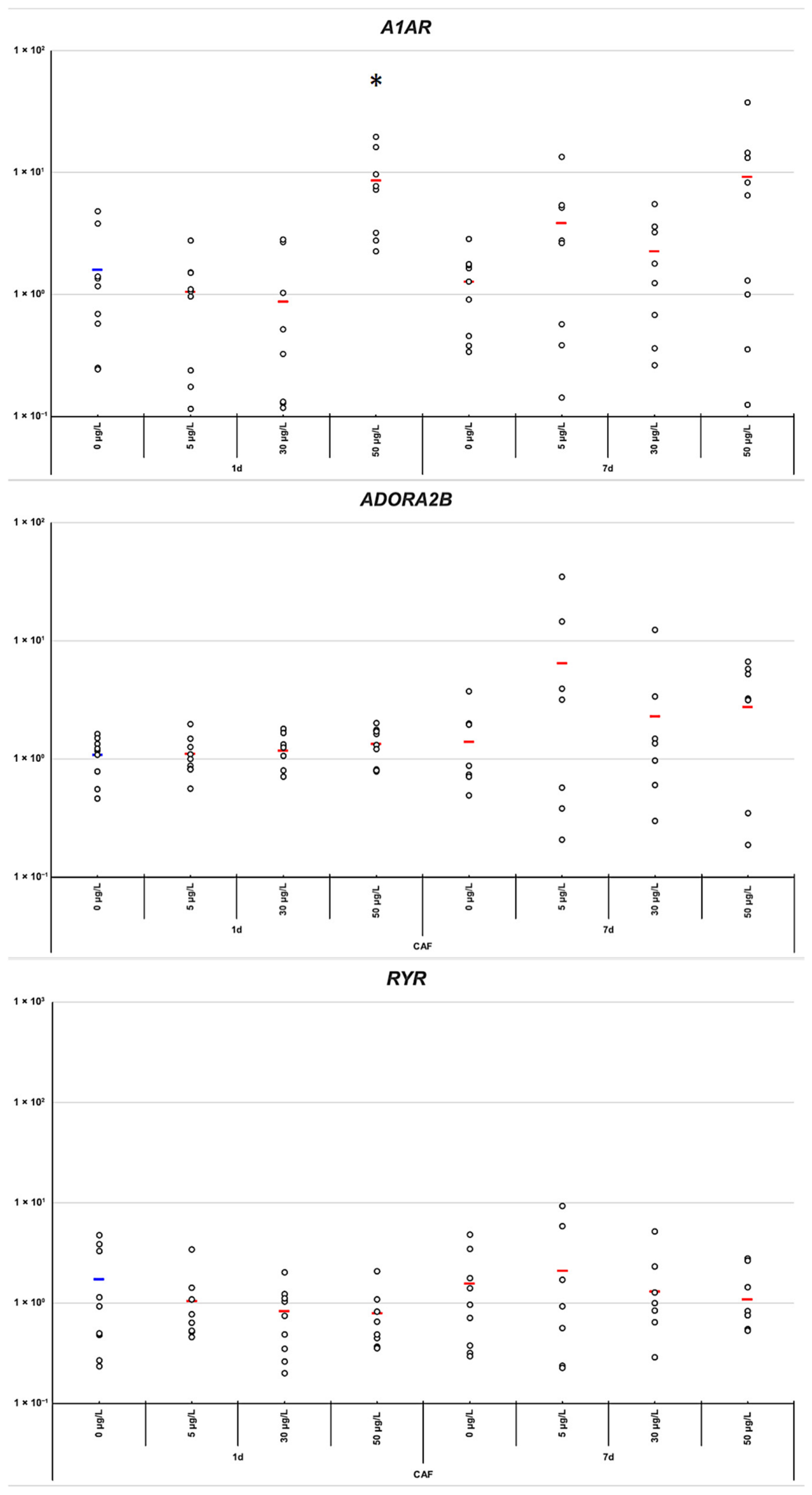
SLC6A1. After 24 h of exposure, the 50 µg/L concentration induced a significant upregulation of
A1AR (
p-value = 0.0377) (
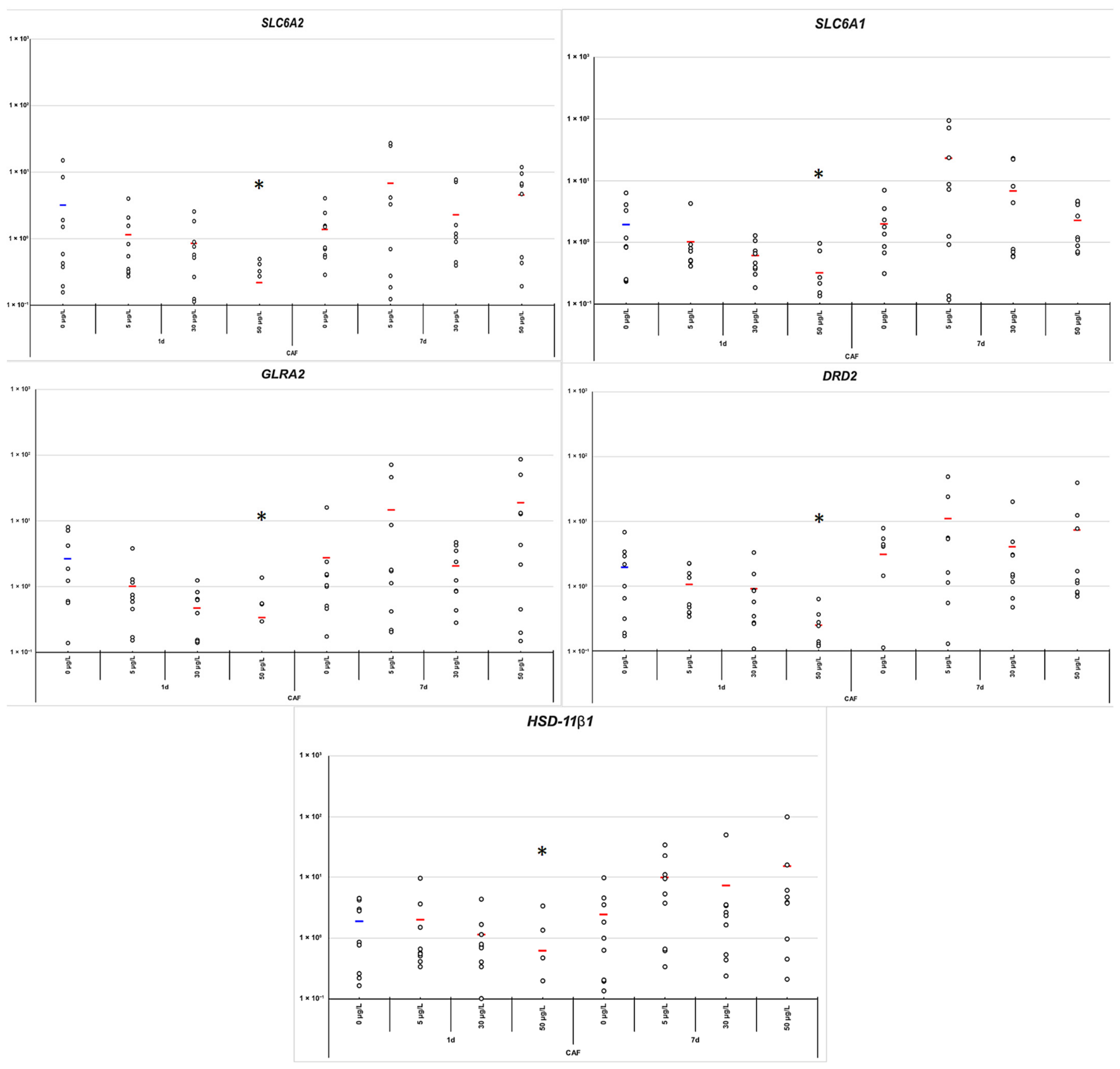
Figure 3). In contrast, at this same concentration, a consistent downregulation is observed for
HSD11β,
GLRA2,
AChE,
DRD2,
SLC6A2 and
SLC6A1 (
p-value = 0.0426, 0.0146, 0.0222, 0.0202, 0.0125, and 0.0285, respectively) (
Figure 4 and
Figure 5). No significant changes were observed in the expression of
ADORA2B or
RYR at any concentration and time point (
Figure 3).
After 7 days of exposure, gene expression patterns shifted substantially. Genes initially downregulated at 24 h, including
HSD11β,
GLRA2,
DRD2,
SLC6A2, and
SLC6A1, showed increased expression, particularly at 5 and 30 µg/L (
Figure 5), returning to levels similar to those of the control.
Among the neurotransmission-related genes,
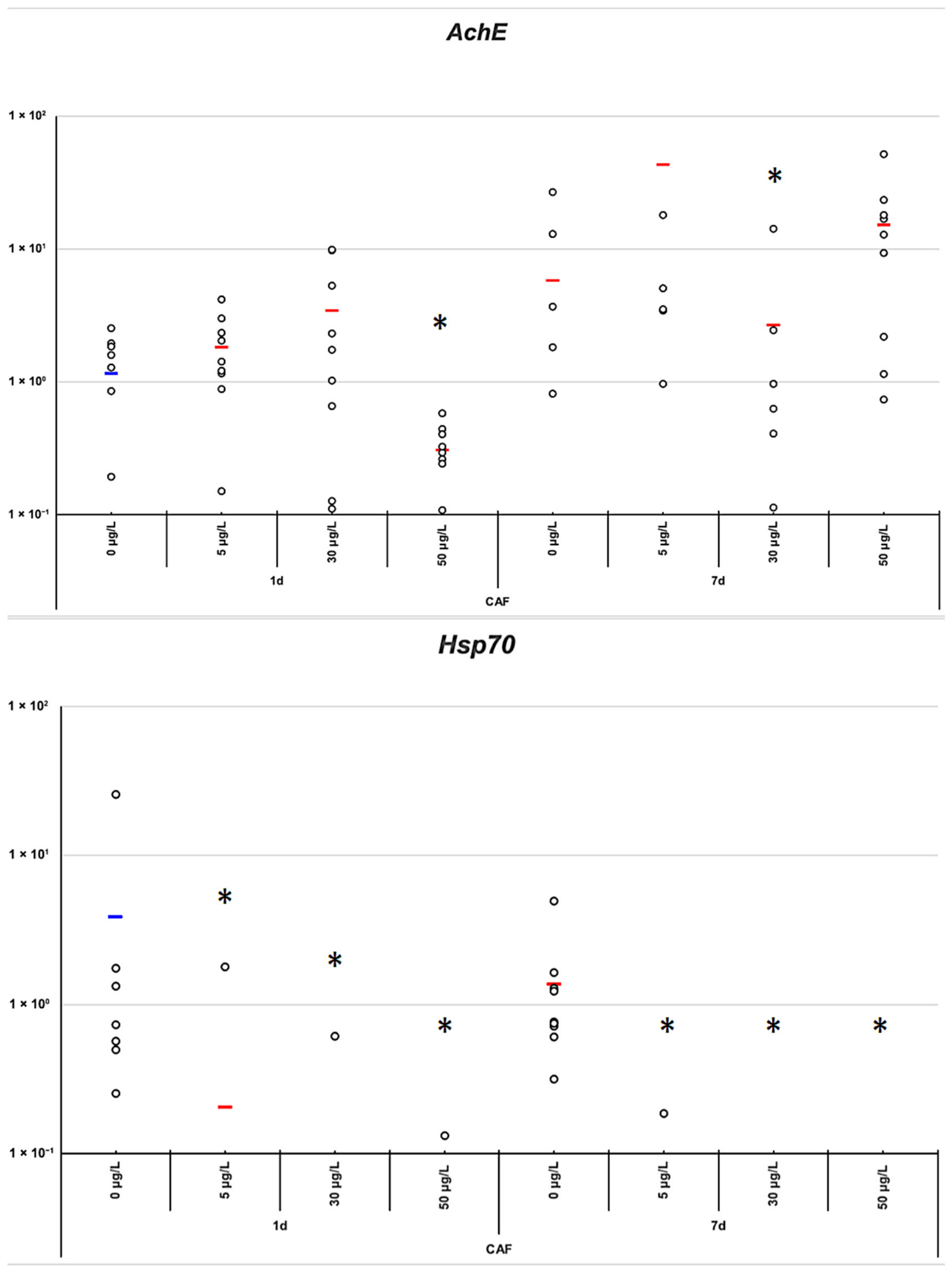
AChE exhibited concentration- and time-specific responses. At 5 µg/L,
AChE expression showed a tendency to increase at both 24 h and 7 days (
Figure 4) (
p-value = 0.0238 at 7 days), whereas at 30 µg/L, downregulation was observed at 7 days. Significantly, at 24h, concentration of 50 ug/L induced downregulation (
Figure 4) (
p-value = 0.0222). This pattern contrasts with other genes that exhibited a temporal inversion, suggesting that
AChE may respond differently to CAF depending on exposure concentration and duration.
In addition to genes related to neurotransmission and metabolism,
HSP70 B2-like displayed a distinct response profile. Across all concentrations and time points, CAF induced significant downregulation of
HSP70 B2-like (
Figure 4), which was more pronounced than the transcriptional changes observed for other genes (Kruskal–Wallis test,
p = 1.68 × 10
−6). This sharp downregulation was evident at both 24 h and 7 days, indicating that, unlike genes such as
HSD11β,
GLRA2,
AChE,
DRD2,
SLC6A2, and
SLC6A1,
HSP70 B2-like did not exhibit compensatory activation with prolonged exposure. The consistency and magnitude of this response suggest that
HSP70 B2-like may be one of the most sensitive molecular markers.
Consistent with the observed behavioral effects [
9], low and medium doses were associated with increased locomotion and exploration at 24 h, matching early molecular changes, principally for
A1AR and
AchE (
Figure 3 and
Figure 4). By 7 days, this stimulation diminished alongside gene-expression shifts, consistent with adaptation. In contrast, high-dose exposure reduced movement at both time points, paralleling the strong early
A1AR upregulation and
AchE,
HSP70 B2-like downregulation. Together, molecular and behavioral data suggest a dose- and time-dependent biphasic response to CAF.
In addition, the observed decrease in appetite at 24 h [
9] coincided with a temporary downregulation of
DRD2 expression (control vs. 50 μg/L;
p-value = 0.020). At 7 days, although appetite remained suppressed,
DRD2 expression recovered, suggesting a possible compensatory transcriptional response.
4. Discussion
Caffeine (CAF) modulated the mRNA expression of multiple target genes in P. acuta, including A1AR, AChE, GLRA2, DRD2, HSD11β, SLC6A2, and SLC6A1, eliciting apparent dose- and time-dependent responses. In contrast, no significant changes were detected in RYR expression at any concentration or time point, suggesting that mRNA levels of ryanodine receptor-mediated calcium signaling were not markedly affected under the experimental conditions tested.
Previous behavioral analyses in
P. acuta reported CAF-induced biphasic changes in locomotion, exploration, and distance travelled, characterized by short-term stimulation at low concentrations (5 and 30 µg/L) and inhibition at higher doses (50 µg/L) or longer exposure times [
9]. The present molecular results provide mechanistic support for these physiological responses, particularly through changes in adenosinergic, cholinergic, and glycinergic signaling pathways.
At low CAF concentrations, short-term stimulation of locomotion and overall behavior may be attributable to mild antagonism of adenosine receptors [
18,
27]. Adenosine normally exerts an inhibitory influence on locomotor activity; therefore, its blockade by CAF may reduce inhibitory tone, resulting in acute behavioral stimulation. Consistent with this,
A1AR expression did not follow a simple dose-dependent trend but instead exhibited a pronounced time-dependent compensatory pattern. Short-term CAF exposure produced limited transcriptional changes at low concentrations, whereas significant upregulation of
A1AR was observed at 50 µg/L after 24 h, indicating an early homeostatic response to strong receptor antagonism (
Figure 3). By day 7,
A1AR expression recovered and slightly exceeded control levels, consistent with sustained compensatory regulation of adenosinergic inhibitory signaling (
Figure 3). This delayed receptor upregulation likely counteracts the acute behavioral stimulation induced by CAF and may contribute to the biphasic locomotor effects observed in
P. acuta [
9]. The concurrent late recovery of
GLRA2 further supports the presence of coordinated neuroadaptive mechanisms (
Figure 5).
In addition to adenosinergic modulation, CAF exposure also affected genes associated with inhibitory glycinergic neurotransmission.
GLRA2 transcription exhibited a clear time-dependent pattern. After 24 h of exposure,
GLRA2 showed a tendency toward downregulation with increasing CAF concentrations, particularly at 5 and 30 µg/L, suggesting an acute reduction in glycinergic inhibitory signaling (
Figure 5). Glycine receptors are key mediators of neuronal inhibition, and their reduced expression may contribute to increased neuronal excitability [
28], which may be associated in turn with the short-term stimulation of locomotion and exploratory behavior observed at low CAF concentrations [
9]. This interpretation is consistent with reports indicating that CAF acts as a weak competitive antagonist at ionotropic glycine receptors, functionally resembling strychnine at much lower potency [
28].
By day 7,
GLRA2 mRNA levels were recovered at 5 and 50 µg/L (
Figure 5), indicating a compensatory response aimed at restoring inhibitory tone following sustained or repeated receptor antagonism. This delayed upregulation coincides with increased
A1AR transcriptional activity observed at later time points and is associated with adaptive neuroplastic mechanisms potentially related to the biphasic behavioral effects of CAF in
P. acuta [
9].
While adaptive changes were observed for
A1AR and
GLRA2,
HSP70 B2-like was downregulated across all CAF concentrations (
Figure 4). Unlike the receptors involved in inhibitory signaling,
HSP70 B2-like did not show compensatory recovery, and its suppression did not always match with behavioral inhibition, which was evident only at high CAF doses. These results highlight
HSP70 B2-like as a sensitive molecular marker of CAF-induced stress in
P. acuta.
Alterations in
AChE further support this interpretation. At 24 h, decreased
AChE activity at the highest CAF concentration (50 µg/L) (
Figure 4) coincided with locomotor suppression at this dose [
9], whereas slightly increased
AChE mRNA levels at 5 and 30 µg/L (
Figure 4) may enhance cholinergic transmission, contributing to increased locomotor activity at lower doses. In combination with the changes in
A1AR and
GLRA2, these molecular responses could underlie the dose-dependent behavioral stimulation at low CAF concentrations and the suppression observed at higher concentrations.
CAF also modulated feeding behavior in a time-dependent manner. A previous study [
9] reported that CAF may modulate feeding behavior in a dose-dependent manner; it was hypothesized that these effects may be mediated, at least in part, by dopaminergic signaling. Dopamine plays a central role in motivated behaviors, including feeding and locomotion, and disruption of dopaminergic pathways has been shown to reduce feeding drive across taxa [
29,
30]. In the present study, at 24 h, reduced feeding at 50 µg/L coincided with DRD2 downregulation in
P. acuta (
Figure 5), suggesting that early appetite suppression [
9] may involve transient modulation of dopaminergic pathways.
By day 7, feeding remained suppressed despite
DRD2 recovery, indicating that compensatory molecular responses were insufficient to restore normal feeding behavior.
HSD11β,
SLC6A1, and
SLC6A2 exhibited similar temporal changes (
Figure 5), supporting the interpretation that these genes are subject to coordinated homeostatic regulation under chronic CAF exposure. Persistent behavioral impairment despite transcriptional compensation suggests that additional mechanisms, such as altered presynaptic dopamine regulation, receptor sensitivity, or metabolic stress, may contribute to sustained feeding dysregulation.
This interpretation is consistent with previous reports indicating that feeding behaviors may be regulated by dopaminergic neural circuitry [
30]. Moreover, the high degree of conservation of dopamine biosynthesis and transport pathways across species, including humans,
Drosophila [
31], and
C. elegans [
30], may support the potential relevance of these findings.
In addition to neurophysiological mechanisms, sensory factors may contribute to reduced feeding. CAF has a bitter and aversive taste, and decreased intake has been reported even at low concentrations, although the molecular pathways underlying this effect remain unclear [
17]. Sensory avoidance may therefore act in parallel with neurochemical disruption to suppress feeding behavior under CAF exposure.
The similar dose- and time-dependent expression patterns observed for
DRD2 and
SLC6A1 suggest that CAF may elicit a coordinated homeostatic response within central neurotransmitter networks. Rather than reflecting opposing actions between dopaminergic and GABAergic pathways, these parallel changes likely reflect shared regulatory mechanisms that maintain neural stability under neurochemical stress. Such coordinated transcriptional adjustments could contribute to the modulation of behavioral state, without implying direct causal interactions between these genes. In parallel,
HSD11β and
SLC6A2 exhibited comparable temporal dynamics, indicating broader homeostatic adaptations across monoaminergic and inhibitory pathways (
Figure 5).
Although
DRD2,
HSD11β,
SLC6A1, and
SLC6A2 exhibited similar temporal expression patterns (
Figure 5), their functional roles in mediating CAF-related physiological effects are likely distinct.
DRD2 appears to be more directly involved in feeding-related motivation processes [
32,
33], whereas
HSD11β,
SLC6A1, and
SLC6A2 are involved in broader regulation of neurotransmission and behavioral state. Members of the
SLC6 transporter family regulate extracellular levels of key neurotransmitters, such as
GABA and norepinephrine, and have been associated with behavioral phenotypes in previous studies [
34,
35,
36], while
11β-HSD enzymes modulate local glucocorticoid availability in neural tissues, influencing neural and stress-related behavioral responses [
21].
Overall, CAF alters neurophysiological homeostasis in
P. acuta, primarily through adenosinergic and dopaminergic pathways. Changes in
AChE mRNA levels and
A1AR activity suggest disruptions in cholinergic and purinergic signaling, particularly at high doses, resembling effects reported in vertebrates and other invertebrates [
17]. CAF also induces coordinated, temporally structured molecular responses across inhibitory (
SLC6A1/GLRA2) and monoaminergic (
DRD2/SLC6A2) pathways, with
HSD11β and
HSP70 B2-like potentially serving as markers of metabolic or stress-related adaptations.
However, some genes showed limited or unclear responses, such as
RYR and
ADORA2B, highlighting important knowledge gaps. Additionally, information regarding the absorption, tissue distribution, and metabolites of CAF in invertebrates represents a significant gap in our understanding [
17].
This study identifies consistent changes in gene expression following CAF exposure that were observed alongside physiological and behavioral responses, providing an initial step toward understanding its effects in freshwater invertebrates. While integrating these responses within an Adverse Outcome Pathway (AOP) framework would help link molecular changes to higher-level outcomes, this lies beyond the scope of the present work. Overall, the findings emphasize the need for further research to clarify the mechanisms through which CAF influences neurotransmission and behavioral regulation.