


Highlights
What are the main findings?
- LC–MS enables the highly sensitive, specific, and multi-class detection of endocrine-disrupting chemicals (EDCs) in biomonitoring studies, facilitating the quantification of diverse EDCs and supporting exposome-wide assessments.
What is the implication of the main finding?
- LC–MS is crucial for large-scale exposome research. The growing adoption of automated and online sample preparation workflows enhances throughput and reproducibility in EDC biomonitoring.
Abstract
Endocrine-disrupting chemicals (EDCs) are widespread organic compounds that interfere with hormone signaling and are linked to reproductive, developmental, cardiovascular, and cancer-related health effects. Key EDCs include bisphenol-A and its analogs, phthalates, parabens, triclosan, and per-and polyfluoroalkyl substances (PFAS), which are commonly present in personal care products and plastics. Human exposure occurs via environmental exposure through ingestion, inhalation, and dermal contact, with persistent compounds such as PFAS accumulating in blood, while others are excreted in urine as free or conjugated metabolites. Accurate assessment of EDC exposure, particularly during pregnancy and early childhood, requires robust analytical methods. Liquid and gas chromatography coupled with mass spectrometry (LC-MS and GC-MS) are the most widely used techniques to date. LC-MS is favored for its sensitivity, specificity, and minimal sample preparation, whereas GC-MS provides adequate performance but often requires time-consuming derivatization. This review summarizes current LC-MS and GC-MS methodologies for multi-class EDC biomonitoring, emphasizing sample preparation, analyte coverage, and methodological strengths and limitations, providing a practical reference for human exposure studies using common biological matrices such as urine and blood.
1. Endocrine-Disrupting Chemicals
Endocrine-Disrupting Chemicals (EDCs) are a group of organic compounds that cause significant alterations to normal hormone function in humans and wildlife. EDCs interfere with hormone biosynthesis, metabolism, or action, leading to a deviation from normal homeostatic control or reproduction in humans [1]. They disrupt the endocrine system by competing with naturally occurring hormones, such as estradiol, or by altering the synthesis and metabolism of these hormones [2]. Furthermore, there is strong evidence of reproductive toxicity in laboratory animals and potential health effects in humans, including reproductive and developmental problems, cardiovascular diseases, and cancer [3,4,5]. The hydrophilic species are often extensively metabolized and further react mainly with glucuronide and sulfate groups through the detoxification mechanisms of human body, finally forming stable conjugates in varied proportions which are excreted via urine [6,7,8]. In order to assess the exposure to the initial chemicals, the stable conjugates are hydrolyzed enzymatically and the total levels, which are in the region of low ng/mL, are estimated by monitoring only the free species in the hydrolyzed urine [9,10]. The advantages of this approach include, apart from the experimental simplicity of a smaller target analyte list, the tackling of the scarcity/total absence of commercially available conjugate standards. The lipophilic species on the other hand do not undergo extensive chemical changes upon entering human body and in most cases bioaccumulate; exposure assessment can be performed by measuring them in blood. PFAS that circulate almost exclusively as the parent anionic acids also belong in this category. PFAS show minimal biotransformation and are mostly bound to serum proteins (mainly albumin). Therefore, PFAS biomonitoring targets the total unconjugated form in serum/plasma mainly, since long-chain PFAS are poorly excreted in urine, and they have long elimination half-lives [11,12].
Bisphenol-A (BPA) and other bisphenol substitutes (such as BPF, BPP, BPS, and BPAF), parabens (PBs), phthalates (PEs), triclosan (TCS), and per- and polyfluoroalkyl substances (PFAS) are well-recognized endocrine-disrupting chemicals (EDCs) (Figure 1).
Figure 1.
General chemical structures of the studied endocrine disruptors.
Approximately ten million tons of BPA are produced annually worldwide [13], and safety concerns over BPA have led to the widespread use of bisphenol substitutes, which have controversial toxicological profiles [14,15]. Phthalates, with a global market share of ten billion US dollars in 2020, are one of the world’s highest-production chemical families [16]. Parabens, excluding water, are considered the most abundant cosmetic ingredient and are found in approximately 80% of personal care products [3]. PFAS are a large class of highly persistent chemicals. Due to their oil-, water-, and stain-resistant properties, PFAS have been commonly utilized since the 1950s in diverse categories of consumer products, such as food packaging, cosmetics, and clothing [17].
Human exposure to these chemicals occurs through the environment, food intake, and the use of products containing them or coming into contact with them, via inhalation, dermal contact, and ingestion [1,3,5,13,18].
1.1. Bisphenols
2,2-Bis(4-hydroxyphenyl)propane, more commonly known as bisphenol-A (BPA), is the most extensively studied compound in this category. It is widely used in the industry for the production of various pesticides, epoxy resins, and polycarbonate plastics. BPA can be found in food and beverage processing, as well as in various products such as dental sealants, personal care products, baby drinking bottles, building materials, flame retardant materials, optical lenses, materials for the protection of window glazing, canned food, and household electronics. Especially when heated, BPA readily migrates from polycarbonate plastic or epoxy resins, for example, during microwaving food in plastic packaging [13]. BPA has shown anti-estrogenic and anti-androgenic effects on the hypothalamic–pituitary–gonadal hormone feedback system [19]. Human exposure to BPA has been associated with several adverse health effects, including cardiovascular diseases, brain and behavioral effects, obesity, diabetes, liver abnormalities, reproductive issues, and alterations in thyroid function [13]. BPA is excreted within several hours of exposure, mainly via urine, in its more hydrophilic glucuronide or sulfate conjugate forms, and partially in its free form [20].
Other bisphenol analogs with similar structures, such as 4,4′-dihydroxydiphenylmethane (BPF), 4,4′-sulfonyldiphenol (BPS), 4,4′-(1,4-phenylenediisopropylidene)bisphenol (BPP), and 4,4′-(hexafluoroisopropylidene)diphenol (BPAF), have started being widely used in recent years due to concerns about the health effects associated with BPA [14]. However, they have also attracted the attention of the scientific community due to their endocrine-disrupting chemical (EDC) activity and potentially adverse health outcomes [21,22]. Similarly to BPA, they are partially metabolized to glucuronates or sulfated analogs and mainly excreted via urine, where their levels serve as exposure biomarkers [10].
1.2. Parabens
Parabens (PBs) are a group of alkyl esters of p-hydroxybenzoic acid, characterized by their low production cost, high chemical stability, inertness, and low acute toxicity. These properties make them widely used in industry as antimicrobial preservatives against mold and yeast in cosmetics, pharmaceuticals, and food and beverage processing [3]. Additionally, methyl- and ethyl-PB are added as preservatives in food products [23]. PBs also occur naturally in certain foods, wine, and plants [8].
In vitro studies have shown that PBs induce the growth of MCF-7 human breast cancer cells and influence the expression of estrogen-dependent genes [3,24]. Moreover, there are indications that the estrogenic burden of parabens and their metabolites in blood may exceed the action of endogenous estradiol during childhood [23].
Metabolically, PBs are partially hydrolyzed by esterases to p-hydroxybenzoic acid and subsequently form glycine, glucuronide, or sulfate conjugates. These conjugates have increased water solubility, making them more amenable to urinary excretion than the free species [8].
1.3. Phthalate Esters
Phthalate esters (1,2-diesters; PEs) have a wide range of applications. High molecular weight (HMW) phthalates are used as plasticizers in various industrial products, including bags, carpets, building materials, medical equipment, clothing, toys, and food packaging. They are not chemically bound to the plastic and thus are ubiquitous in the environment. Low molecular weight (LMW) phthalates are used in pharmaceuticals, cosmetics, and personal care products such as nail polish and fragrances [16]. Animal studies have associated phthalate exposure with adverse effects on reproductive and developmental health, including an increased risk of cancer and anti-androgenic effects on male reproductive development after prenatal exposure, such as undescended testes, asthma, and decreased testes weight [25,26]. Furthermore, epidemiological studies in humans have linked phthalate exposure to delayed pubarche, reduced anogenital distance, decreased semen quality, and other effects [27,28].
Phthalates typically undergo a two-step metabolic pathway: hydrolysis (phase-I), where the phthalate diester is hydrolyzed into the primary metabolite monoester phthalate, and conjugation (phase-II), forming the more hydrophilic glucuronidated metabolite. In some cases, especially for HMW phthalates, further oxidation occurs before excretion. Conversely, LMW phthalate metabolites, such as mono-ethyl phthalate, may skip the glucuronidation step and be excreted directly in their free form [6]. Many phthalate esters yield phthalic acid as an end-product metabolite, which has been used as a biomarker, although it suffers from very low specificity [29].
1.4. Triclosan
Triclosan (TCS) is a biocidal compound with activity against bacteria and fungi, widely used as an additive in various personal care and hygiene products such as cosmetics, deodorants, disinfectants, antiperspirants, soaps, and toothpaste [30]. It has been detected in human blood, urine, breast milk, umbilical cord blood, and amniotic fluid [31,32,33,34]. Furthermore, TCS is widespread in the aquatic environment and has been found in urban effluent waters and surface waters [35,36,37]. TCS is considered more toxic than many other disinfectants and exhibits estrogenic activity [38,39,40]. In experimental animal models, TCS has been shown to act as an endocrine disruptor [41] and to affect thyroid hormone, testosterone, and estrogen levels [42,43,44,45,46]. Moreover, human exposure to TCS has been linked to an increased risk of asthma, cancer, and obesity [47,48]. The human body rapidly metabolizes TCS through hepatic uridine diphosphate-glucuronyltransferase facilitated conjugation to glucuronic acid, after which its glucuronidated form is eliminated in urine [7].
1.5. Per- and Polyfluoroalkyl Substances
Per- and polyfluoroalkyl substances (PFAS) comprise a wide range of synthetic fluorinated substances, including oligomers and polymers. To date, estimating the number of PFAS-related compounds remains challenging due to their extensive use in numerous commercial and consumer products. The most recent attempt to estimate the number of compounds in this class was reported in 2018 by the OECD/UNEP Global PFC Group, which identified 4730 CAS numbers as PFAS-related [49]. The difficulty in cataloging these compounds leads to uncertainty regarding the estimated global and regional emissions of such chemicals into the environment. To date, perfluorooctanoic acid (PFOA) and perfluorooctane sulfonate (PFOS) are the two most extensively investigated PFAS.
PFAS are considered potential endocrine-disrupting chemicals (EDCs) [50]. Different PFAS have been associated in vitro with effects on the estrogen receptor (ER), the androgen receptor (AR) [51], and/or the aryl hydrocarbon receptor (AhR) transactivation [52]. As an example, breast cancer epidemiology presents mixed association, with many studies reporting positive associations with PFAS [53], while others present inverse associations [54], as well as no associations [55]. Recently, the Monographs program of the International Agency for Research on Cancer (IARC) evaluated the carcinogenicity of PFOA and PFOS, classifying PFOA as carcinogenic to humans (group 1). The classification was based on the combination of sufficient evidence of cancer in experimental animals and strong mechanistic evidence in exposed humans (epigenetic alteration and immunosuppression). For humans, the evidence for cancer was considered limited, with the most consistent associations observed between PFOA and renal cell carcinoma and testicular cancer. On the other hand, PFOS is classified as possibly carcinogenic to humans (group 2B) with strong mechanistic evidence but limited or inadequate epidemiological and animal data [56,57].
2. Comprehensive Bibliographic Search of Endocrine Disruptors Biomonitoring
To broadly and unbiasedly review the existing literature, we conducted a comprehensive bibliographic search for mass spectrometric methods used in determining PBs, PEs, bisphenols, TCS in human urine, and PFAS in blood. Specifically, the literature search for comparable studies was carried in the PubMed database on 2 November 2024. The search and selection were performed by two researchers independently and all authors reviewed the findings.
The search criteria were as follows:
- (I)
- Journal articles with titles containing (“pfas”[Title] OR “perfluoroalkyl*”[Title] OR “phthalate*”[Title] OR “paraben*”[Title] OR “BPA”[Title] OR “bisphenol*”[Title] OR “BPS”[Title] OR “BPP”[Title] OR “BPF”[Title] OR “BPAF”[Title] OR “endocrine disruptor*”[Title]) AND (“urin*”[Title] OR “biomonitoring”[Title] OR “blood”[Title] OR “serum”[Title] OR “plasma”[Title]) AND (“method”[Title] OR “detection”[Title] OR “quantitat*”[Title] OR “determination”[Title] OR “*LC”[Title] OR “GC”[Title] OR “chromatograph*”[Title] OR “mass spectrometr*”[Title] OR “analysis*”[Title] OR “measurement”[Title]).
- (II)
- Publications from 1 January 2004, to October 2025.
The initial search yielded 362 papers. We included research articles written in English that presented mass spectrometric analytical methods for exposure assessment by quantifying total metabolite levels (free, glucuronated, and sulfated) of phthalates, parabens, triclosan, and bisphenols in human urine, or PFAS in blood. Of these, 81 papers met the search criteria and are summarized in Table 1, Table 2 and Table 3.
Table 1.
Liquid Chromatography–Mass Spectrometry-based methods for the determination of bisphenols, parabens, phthalate esters, and triclosan.
Table 2.
Gas Chromatography–Mass Spectrometry-based methods for the determination of bisphenols, parabens, phthalate esters, and triclosan.
Table 3.
Liquid Chromatography–Mass Spectrometry-based methods for the determination of PFAS.
3. Analysis of Endocrine-Disrupting Chemicals in Biological Samples Using Chromatography and Mass Spectrometry Methods Following Human Exposure
Several in vivo studies have been conducted on animals to investigate the health effects of exposure to endocrine disruptors (EDCs). These studies have indicated various potential health effects in humans, but they suffer from a major limitation that makes direct extrapolation to humans difficult. Human exposure is highly complex and challenging to model. EDCs are typically added to mixtures and are present in a wide variety of everyday products, exposing humans to multiple EDCs simultaneously. Since many EDCs share a similar mode of action, such as estrogenic activity, they may induce a biological effect, even at low individual doses [137]. A characteristic example of underestimated exposures is presented by a recent study which revealed that BPA exposure levels exceed the newly updated acceptable daily intake through regular beverage consumption [138]. For the aforementioned reasons, the exposure assessment of multiple classes of endocrine disruptors (EDCs) is very important. To evaluate human exposure to BPA and other bisphenols, PBs, PEs, TCS, and PFAS, it is essential to measure the urinary or blood concentration of free species and their conjugates [7,10,14,18]. For the non-persistent EDCs, human exposure is assessed by the total concentration of metabolites in urine, from which daily intake estimates can be extrapolated by reconstructing the initial exposure based on measured biomarker levels and toxicokinetic parameters [9,10]. For the persistent ones, such as PFAS, the concentrations in blood are indicative of the cumulative exposure [139]. Furthermore, special attention has been given to pregnant women and children, as the endocrine-disrupting effects are more intense during embryonic life and early childhood [1]. Thus, several studies have taken place in human mother–child cohorts where exposure levels are correlated with clinical, nutritional, socio-economic, etc., metadata [9,10,140] to either link with health outcomes or better understand the sources of exposure. Blood and serum analysis is often limited by small sample volumes, especially in pediatric patients, and by significant matrix effects caused by proteins and lipids. For PFAS, validated micro-volume and microsampling techniques (such as dried blood spots and volumetric absorptive microsampling) allow accurate quantification using only tens of microliters [141,142]. These methods have demonstrated good agreement with results obtained from venous serum and whole blood samples.
EDCs are found in very low concentrations in human urine, typically in the low ng/mL range. Moreover, some of them produce multiple metabolites through oxidation processes (e.g., HMW phthalates) [6]. Urine is also a complex matrix with a very high number of metabolites and salts at very high concentrations, a factor that makes the absolute and precise quantification of compounds at trace levels even more challenging [143]. It is a common practice to enzymatically hydrolyze glucuronide and sulfate conjugates in order to measure only the free form of the metabolites and practically estimate the total levels [6]. The analytical challenge here is to effectively remove the enzymes from the samples or use them in minimal amounts because they tend to block the chromatographic columns.
For the reasons outlined above, Liquid Chromatography–Tandem Mass Spectrometry (LC-MS/MS) has been primarily used, with Gas Chromatography–Mass Spectrometry (GC-MS) serving as an alternative method, for the determination of these compounds in human biofluids (see Table 1, Table 2 and Table 3). Through the use of chromatography, the metabolites are separated from any interfering signals, adding an extra dimension of identification beyond mass spectrometric detection, which is often necessary due to the presence of several common isobaric isomers such as, for example, mono-iso and n-butyl phthalates. In LC approaches especially, matrix effects are minimized. Concerning detection, mass spectrometers are employed—these are, more specifically, quadrupoles operated in single-ion-monitoring (SIM) or selected-reaction-monitoring (SRM) modes—due to their superior sensitivity. High-resolution spectrometers have not been extensively used since their sensitivity is insufficient for some metabolites, and the classic untargeted metabolomics approaches that typically follow minimal sample preparation do not allow detailed coverage of most EDCs.
4. Liquid Chromatography–Mass Spectrometry-Based Techniques
4.1. Sample Preparation
The primary goals of sample preparation in the protocols for human biomonitoring of environmental contaminants [143] are as follows:
(I) Removing solid particles and precipitating proteins to prevent column blockages (mostly in blood matrices). (II) Diluting samples and adjusting pH to enhance chromatographic performance. (III) Spiking with isotopically labeled standards to improve method accuracy. (IV) Removing enzymes used for hydrolyzing conjugates (mainly in urine matrices) to protect chromatographic columns, especially Ultra-Performance Liquid Chromatography (UPLC) columns with smaller particle sizes. (V) Cleaning up salts (either endogenous or added buffers) that suppress ionization and cause intense matrix effects. (VI) Derivatizing poorly ionizable compounds at low levels, such as BPA, to enhance sensitivity [9,59].
Given the high number of samples in human epidemiological studies, method throughput and simplicity are as important as analytical performance [72]. Automating sample preparation steps, or even the entire protocol, greatly enhances applicability for large-scale studies. For instance, using restricted access materials (RAM) for online cleanup in a column-switching system connected to the LC-MS instrument (Figure 2) [61] or employing within-a-single 96-well plate protein precipitation and sample injection methods [124] can minimize sample preparation steps and reduce consumables and solvent waste.
Figure 2.
Schemes of switching column procedure. (1) A mode—online cleanup, (2) B mode—concentration to trap-column, (3) A mode—separation by analytical column and injection to MS/MS detector. (Reprinted from Jeong et al., 2011 [61]).
Blank contamination is typically not a major concern, except in PFAS analyses, where certain solvents, SPE cartridges, or LC-MS tubing and components may introduce PFAS artifacts [124,125]. In contrast to phthalate ester (PE) metabolites, both BPA and TCS are environmentally ubiquitous. Standard bioanalytical laboratory precautions are therefore essential to mitigate contamination risks.
Depending on the endocrine disruptors (EDCs) and study goals, different enzymes can be used for hydrolyzing conjugated species, or samples can be analyzed without hydrolysis to determine only free levels. E. coli β-glucuronidase hydrolyzes glucuronated species, suitable for parabens (PEs), triclosan (TCS), and phthalate metabolites (PBs). However, bisphenol A (BPA) requires H. pomatia β-glucuronidase/sulfatase to hydrolyze both glucuronated and sulfated conjugates [9]. Including enzymatic hydrolysis in every study is advisable to determine total EDC metabolite levels reflecting exposure to parent compounds.
There are three main sample cleanup strategies. One strategy is dilute-and-shoot or protein-precipitation [144]: Samples are diluted with a cold organic solvent (acetonitrile, isopropanol, or methanol) and centrifuged. This approach is fast but may not effectively cleanup salts and can cause matrix effects, requiring more frequent column and ionization source maintenance [143].
The other two strategies are liquid–liquid extraction (LLE) [59] and solid-phase extraction (SPE) [9]. Several miniaturized sample preparation techniques have been proposed as appealing alternatives to address the limitations of conventional extraction methods. These include dispersive liquid–liquid microextraction (DLLME) [76,85], microextraction using packed sorbent (MEPS) [88], ultrasound-assisted emulsification microextraction [94], and vortex-assisted dispersive liquid–liquid microextraction (VADLLME) [97]. These techniques offer enhanced analytical performance by more effectively cleaning up samples, minimizing matrix effects, and reducing instrument maintenance downtime. Nevertheless, solid-phase extraction (SPE) remains the most widely used due to its superior selectivity, efficient sample cleanup, compatibility with liquid chromatography (LC) solvents, and greater potential for automation [127] and online analysis [132].
The most commonly used SPE sorbents are reversed-phase materials, such as C18 and N-vinylpyrrolidone/divinylbenzene copolymers. For PFAS, a large and diverse class of chemicals, different SPE sorbents may yield varying recovery rates for different PFAS species [125]. SPE is generally more expensive, labor-intensive, and requires more method development than liquid–liquid extraction (LLE); however, it has great automation potential and tends to be more reproducible and robust.
Due to intense matrix effects, using isotopically labeled analogs for as many target compounds as possible is a common and strongly recommended practice [143]. This is particularly critical in complex matrices where analyte extraction is challenging, such as dried blood spots (DBS). While isotopic dilution cannot entirely eliminate signal suppression and sensitivity loss, it can effectively correct for these effects, resulting in more robust and accurate measurements.
4.2. Instrumental Analysis
LC-MS/MS is the preferred platform for such analyses for several reasons. The most important is that it eliminates the need for derivatization (at least in modern instruments) and water removal from the samples, simplifying the sample preparation process. Most methods employ phenyl or C6-phenyl LC columns, often using HPLC or, in more recent approaches, UPLC. These columns offer excellent separation, with the added advantage of π-π interactions between the aromatic rings of the target analytes and the sorbent material. C18 LC columns have also been used effectively [9,60,72,83]. Generally, both phenyl and C18 columns provide satisfactory separation with conventional HPLC [9], but UPLC facilitates the baseline separation of certain structural isomers (e.g., isopropyl-PB and n-propyl-PB) more easily, often using shorter gradients and therefore ending up in higher throughputs with reduced analytical costs.
Electrospray ionization in negative mode is the most common ionization technique for these metabolites, as all of them contain labile hydroxyl or carboxyl hydrogens, making them prone to easily forming anions. The mobile phases often include formic or acetic acid, which can partially suppress negative ionization. However, this suppression is necessary to achieve proper retention of the target compounds in the chromatographic column, as many of these compounds are partially ionized at neutral pH. It is important to note that among the studied metabolites, BPA exhibits the poorest ionization and is detected at very low levels, often approaching the detection limits of certain instruments. For this reason, some studies include an additional derivatization step (e.g., forming dansyl analogs, as shown in Figure 3 and Figure 4) which significantly enhances its detection limit (by more than two orders of magnitude). The addition of two highly nucleophilic nitrogen atoms to the BPA molecule substantially improves positive ionization [9,142]. Furthermore, dansyl chloride reacts with any aromatic –OH group, making it applicable in multi-phenol methods (such as for PBs, BPA analogs, and TCS). Although these reactions are straightforward, one-step processes that do not require additional cleanup, they compromise the main advantage of LC over GC, which is the simplicity of sample preparation. The mass spectrometers, almost exclusively triple quadrupoles, operate in SRM mode, offering sufficient selectivity, particularly when combined with chromatography, and adequate sensitivity for the quantitative detection of EDC metabolites. Notably, for certain PFAS species such as PFOS and PFOA, a correlation between absolute plasma concentrations measured using a targeted UPLC-MS/MS method and relative abundances determined through an untargeted metabolomics platform has been reported [136].
Figure 3.
Derivatized BPA with dansyl chloride (reprinted from Myridakis et al., 2015) [9].
Figure 4.
Derivatized BPA—human urine chromatogram (reprinted from Myridakis et al., 2015) [9].
The monitored Selected Reaction Monitoring (SRM) transitions for bisphenols, phthalates, parabens, and triclosan, as reported in the cited publications using LC/MS-MS analysis, are summarized in Table 4. For PFAS, the corresponding data are reported in Table 4 as mass-to-charge ratio (m/z) ranges for both precursor and product ions for each PFAS category, given the large number (twenty-eight) of determined compounds. For a detailed report on the precursor and product ions used for quantitation and confirmation transitions for all analyzed PFAS, refer to Nakayama et al., 2020 [125].
Table 4.
Selected ions used in LC/MS-MS and GC/MS-MS.
5. Gas Chromatography–Mass Spectrometry-Based Techniques
5.1. Sample Preparation
The goals for Gas Chromatography–Mass Spectrometry (GC-MS) sample preparation are largely the same as those for LC-MS/MS. The primary difference is the necessity of complete water removal and the protection of labile hydrogens in target molecules to enhance their volatility and thermal stability, making them compatible and detectable with GC [145]. Cleanup steps typically involve liquid–liquid extraction (LLE) [64] or solid-phase extraction (SPE) [110], either in traditional forms or more contemporary variations such as ‘quick, easy, cheap, effective, rugged, and safe’ (QuEChERS) [116], magnetic SPE [107], and dispersive liquid–liquid microextraction (DLLME) [111]. Additionally, derivatization strategies include classic silylation reactions (such as those using N,O-Bis(trimethylsilyl)trifluoroacetamide (BSTFA) [108,109] and other approaches [111,113]. The studied metabolites are readily derivatized, with many well-established derivatization agents (especially the dominating silylating ones) being compatible. The main limitation of these techniques is their challenging automation and online integration with GC-MS systems to enhance method throughput, ensure consistent derivatization immediately prior to injection, and minimize human error. Notably, matrix effects are generally less pronounced in GC compared to electrospray ionization (ESI) in LC [143]; thus, the use of isotopically labeled standards for every target is not always mandatory.
5.2. Instrumental Analysis
In most cases, typical low-bleed GC columns are used, such as DB5-MS (phenyl-arylene polymer) [110] and HP5-MS (5%–phenyl-methylpolysiloxane) [111]. Since the samples are quite clean, they are usually injected in the split-less mode [111], where the entire volatile fraction of the injected sample is directed to the column and sensitivity is maximized. However, use of such approaches is more analytically challenging in achieving adequate chromatographic performance compared to the more “forgiving” high split injections. Regarding mass spectrometric analysis, single quadrupoles are used in most cases, operated in Selected Ion Monitoring (SIM) mode and with electron impact (EI) ionization. The target compounds yield characteristic and analyte-specific ions, and in combination with the superior chromatographic resolution of GC, there is no real need for triple quadrupoles or high-resolution mass analyzers. The selected ions monitored for the determination of the studied compounds, as reported in the cited publications using GC/MS-MS analysis, are also summarized in Table 4.
6. Conclusions
The bibliographic search reveals that LC-MS is the preferred choice for most analytical laboratories in determining these compounds (all but PFAS where exclusively LC-MS is employed), with 39 published methods (Table 1) compared to 17 GC-MS methods (Table 2). This preference can be attributed to the simplicity of sample preparation, the higher potential for automation and online analysis, and generally higher throughput, a critical parameter in large-scale epidemiological studies involving thousands of samples. Solutions employing Restricted Access Materials (RAM) with online column-switching systems connected to LC-MS instruments are expected to gain further traction [61,72,89] due to their simplicity, throughput, and effectiveness. The use of specialized extraction solvents enables direct, repetitive injection of urine onto these supports. Coupling RAMs with column-switching LC systems offers a highly attractive approach to biological sample preparation [146].
Moreover, Ultra-Performance Liquid Chromatography (UPLC) offers even faster analysis times [83], enhanced separations, and further strengthens the case for LC. Another crucial factor is metabolite coverage. Given the high cost of such analyses and the value of human cohort samples, the ability to analyze multiple categories of endocrine disruptors (EDCs) in a single run is highly desirable. This is especially important as humans are exposed to various EDC mixtures, many of which share similar modes of action [9,72,143]. LC facilitates this multi-class analysis, with numerous methods available (Table 1), compared to only two GC-MS methods (Table 3) [105,110].
This multi-class analysis directly resonates with the broader concept of the human exposome, which seeks to capture the totality of lifetime environmental exposures [147,148]. Embedding biomonitoring methods within this paradigm not only emphasizes their relevance for characterizing complex chemical mixtures but also creates a bridge to downstream approaches, such as multi-omics and pathway analyses, that can reveal the way these exposures translate into biological effects [149].
Despite these advantages, LC is not without limitations. Certain analytes, such as poorly ionizable compounds like BPA, may still pose challenges even with modern triple quadrupole instruments that offer improved sensitivity. In these cases, gas chromatography (GC) remains an attractive alternative, as it is less affected by matrix effects, can achieve selective detection without tandem mass spectrometry, and does not necessitate expensive isotopically labeled standards for each target metabolite.
High-resolution spectrometers like Orbitrap or Time-Of-Flight instruments have not been widely used, except in PFAS analysis, due to insufficient sensitivity for some metabolites and the inability of classic untargeted metabolomics approaches to quantitate these compounds effectively. Nevertheless, with recent advancements in MS technology and continuous improvements in detection limits [150], methods based on untargeted data acquisition with high-resolution or hybrid mass analyzers [151,152] are becoming more appealing. These methods exponentially increase metabolite coverage and enable the concurrent monitoring of known and the discovery of unknown EDC metabolites with applications such as SQUAD, where triple quadrupole-level sensitivity and specificity is combined with untargeted discovery on a high resolution orbitrap analyzer [151], paving the way for the future biomonitoring approaches and exposomics pipelines. Additionally, integrating endogenous metabolomic data acquired from the same samples can provide mechanistic insight into the underlying biology. However, the increased necessity for extensive sample pre-treatment (e.g., conjugate hydrolysis), cleanup (e.g., SPE), and more specific chromatographic conditions (e.g., not 0.1% formic acid in water/acetonitrile for UPLC applications) for the effective trace quantification and elimination of matrix effects, subsequently and substantially alter the metabolome/exposome and remain a challenge for the hybrid approaches.
To the best of our knowledge, no previous review has compared LC-MS and GC-MS biomonitoring methods across all major classes of endocrine disruptors. By consolidating these approaches into a unified framework, this work addresses a critical gap in the literature and provides a practical reference for laboratories seeking to optimize multi-class exposure assessment strategies in large-scale human studies.
Author Contributions
Conceptualization, formal analysis, investigation, methodology, visualization, writing—original draft, writing—review and editing, A.M.; conceptualization, methodology, writing—original draft, writing—review and editing, E.G.S.; investigation, writing—review and editing, A.C.C. All authors have read and agreed to the published version of the manuscript.
Funding
This research did not receive any specific grant from funding agencies in the public, commercial, or not-for-profit sectors.
Institutional Review Board Statement
Not applicable.
Informed Consent Statement
Not applicable.
Data Availability Statement
Not applicable.
Conflicts of Interest
The authors declare that they have no known competing financial interests or personal relationships that could have appeared to influence the work reported in this paper.
Disclaimer
Where authors are identified as personnel of the International Agency for Research on Cancer/World Health Organization, the authors alone are responsible for the views expressed in this article and they do not necessarily represent the decisions, policy or views of the International Agency for Research on Cancer/World Health Organization.
Abbreviations
| APCI | Atmospheric Pressure Chemical Ionization |
| BPA | Bisphenol-A |
| BPAF | Bisphenol-AF |
| BPF | Bisphenol-F |
| BPP | Bisphenol-P |
| BPS | Bisphenol-S |
| BSTFA | N,O-Bis(trimethylsilyl)trifluoroacetamide) |
| DBS | Dried Blood Spot |
| DLLME | Dispersive Liquid–Liquid Microextraction |
| EDCs | Endocrine-Disrupting Chemicals |
| ECNI | Electron Capture Negative Ionization |
| EI | Electron Impact Ionization |
| ESI | Electrospray Ionization |
| GC | Gas Chromatography |
| HF-LPME | Hollow Fiber-Assisted Liquid-phase Microextraction |
| HMW | High Molecular Weight |
| HPLC | High Performance Liquid Chromatography |
| LC | Liquid Chromatography |
| LLE | Liquid–Liquid Extraction |
| LMW | Low Molecular weight |
| MD-GC | Multidimensional Gas Chromatography |
| MEPS | Microextraction using Packed Sorbent |
| MS | Mass Spectrometry |
| MS/MS | Tandem Mass Spectrometry |
| Orbi | Orbitrap |
| PBs | Parabens |
| PEs | Phthalate Esters |
| PFAS | Per-and polyfluoroalkyl substances |
| PFCAs | Perfluoalkyl carboxylic acids |
| PFSAs | Perfluoroalkyl sulphonic acids |
| FASAs | Perfluoroalkane sulphanamids |
| FTS | Fluorotelomer sulphonic acids |
| PTV | Programmed Temperature Vaporizing |
| QuEChERS | Quick, Easy, Cheap, Effective, Rugged and Safe |
| RAM | Restricted Access Material |
| SBSS | Stir Bar Sorptive Extraction |
| SIM | Selected Ion Monitoring |
| SLE | Supported Liquid Extraction |
| SPE | Solid Phase Extraction |
| SPME | Solid Phase MicroExtraction |
| SRM | Selected Reaction Monitoring |
| TCS | Triclosan |
| TD-GC | Thermal Desorption Gas Chromatography |
| UPLC | Ultra Performance Liquid Chromatography |
| VADLLME | Vortex-Assisted Dispersive Liquid–Liquid Microextraction |
References
- Kabir, E.R.; Rahman, M.S.; Rahman, I. A Review on Endocrine Disruptors and Their Possible Impacts on Human Health. Environ. Toxicol. Pharmacol. 2015, 40, 241–258. [Google Scholar] [CrossRef] [Scilit] [PubMed]
- Amir, S.; Shah, S.T.A.; Mamoulakis, C.; Docea, A.O.; Kalantzi, O.-I.; Zachariou, A.; Calina, D.; Carvalho, F.; Sofikitis, N.; Makrigiannakis, A.; et al. Endocrine Disruptors Acting on Estrogen and Androgen Pathways Cause Reproductive Disorders through Multiple Mechanisms: A Review. Int. J. Environ. Res. Public Health 2021, 18, 1464. [Google Scholar] [CrossRef] [Scilit] [PubMed]
- Błędzka, D.; Gromadzińska, J.; Wąsowicz, W. Parabens. From Environmental Studies to Human Health. Environ. Int. 2014, 67, 27–42. [Google Scholar] [CrossRef] [Scilit] [PubMed]
- Duty, S.M.; Calafat, A.M.; Silva, M.J.; Ryan, L.; Hauser, R. Phthalate Exposure and Reproductive Hormones in Adult Men. Hum. Reprod. 2005, 20, 604–610. [Google Scholar] [CrossRef] [Scilit]
- Meeker, J.D. Exposure to Environmental Endocrine Disrupting Compounds and Men’s Health. Maturitas 2010, 66, 236–241. [Google Scholar] [CrossRef] [Scilit]
- Calafat, A.M.; Ye, X.; Silva, M.J.; Kuklenyik, Z.; Needham, L.L. Human Exposure Assessment to Environmental Chemicals Using Biomonitoring. Int. J. Androl. 2006, 29, 166–171. [Google Scholar] [CrossRef] [Scilit]
- Sandborgh-Englund, G.; Adolfsson-Erici, M.; Odham, G.; Ekstrand, J. Pharmacokinetics of Triclosan Following Oral Ingestion in Humans. J. Toxicol. Environ. Health A 2006, 69, 1861–1873. [Google Scholar] [CrossRef] [Scilit]
- Soni, M.G.; Carabin, I.G.; Burdock, G.A. Safety Assessment of Esters of P-Hydroxybenzoic Acid (Parabens). Food Chem. Toxicol. 2005, 43, 985–1015. [Google Scholar] [CrossRef] [Scilit]
- Myridakis, A.; Balaska, E.; Gkaitatzi, C.; Kouvarakis, A.; Stephanou, E.G. Determination and Separation of Bisphenol A, Phthalate Metabolites and Structural Isomers of Parabens in Human Urine with Conventional High-Pressure Liquid Chromatography Combined with Electrospray Ionisation Tandem Mass Spectrometry. Anal. Bioanal. Chem. 2015, 407, 2509–2518. [Google Scholar] [CrossRef] [Scilit]
- Myridakis, A.; Chalkiadaki, G.; Fotou, M.; Kogevinas, M.; Chatzi, L.; Stephanou, E.G. Exposure of Preschool-Age Greek Children (RHEA Cohort) to Bisphenol A, Parabens, Phthalates, and Organophosphates. Environ. Sci. Technol. 2015, 50, 932–941. [Google Scholar] [CrossRef] [Scilit]
- Agency for Toxic Substances and Disease Registry (US). Toxicological Profile for Perfluoroalkyls; Agency for Toxic Substances and Disease Registry: Atlanta, GA, USA, 2021. Available online: https://pubmed.ncbi.nlm.nih.gov/37220203/ (accessed on 11 November 2025).
- Worley, R.R.; Moore, S.M.; Tierney, B.C.; Ye, X.; Calafat, A.M.; Campbell, S.; Woudneh, M.B.; Fisher, J. Per- and Polyfluoroalkyl Substances in Human Serum and Urine Samples from a Residentially Exposed Community. Environ. Int. 2017, 106, 135–143. [Google Scholar] [CrossRef] [Scilit]
- Abraham, A.; Chakraborty, P. A Review on Sources and Health Impacts of Bisphenol A. Rev. Environ. Health 2020, 35, 201–210. [Google Scholar] [CrossRef] [Scilit]
- Chen, Y.; Fang, J.; Ren, L.; Fan, R.; Zhang, J.; Liu, G.; Zhou, L.; Chen, D.; Yu, Y.; Lu, S. Urinary Bisphenol Analogues and Triclosan in Children from South China and Implications for Human Exposure. Environ. Pollut. 2018, 238, 299–305. [Google Scholar] [CrossRef] [Scilit] [PubMed]
- Eladak, S.; Grisin, T.; Moison, D.; Guerquin, M.-J.; N’Tumba-Byn, T.; Pozzi-Gaudin, S.; Benachi, A.; Livera, G.; Rouiller-Fabre, V.; Habert, R. A New Chapter in the Bisphenol A Story: Bisphenol S and Bisphenol F are not Safe Alternatives to This Compound. Fertil. Steril. 2015, 103, 11–21. [Google Scholar] [CrossRef] [Scilit] [PubMed]
- Wang, Y.; Qian, H. Phthalates and Their Impacts on Human Health. Healthcare 2021, 9, 603. [Google Scholar] [CrossRef] [Scilit] [PubMed]
- Schrenk, D.; Bignami, M.; Bodin, L.; Chipman, J.K.; del Mazo, J.; Grasl-Kraupp, B.; Hogstrand, C.; Hoogenboom, L.; Leblanc, J.; Nebbia, C.S.; et al. Risk to Human Health Related to the Presence of Perfluoroalkyl Substances in Food. EFSA J. 2020, 18, e06223. [Google Scholar] [CrossRef] [Scilit]
- DeLuca, N.M.; Minucci, J.M.; Mullikin, A.; Slover, R.; Cohen Hubal, E.A. Human Exposure Pathways to Poly- and Perfluoroalkyl Substances (PFAS) from Indoor Media: A Systematic Review. Environ. Int. 2022, 162, 107149. [Google Scholar] [CrossRef] [Scilit]
- Lassen, T.H.; Frederiksen, H.; Jensen, T.K.; Petersen, J.H.; Joensen, U.N.; Main, K.M.; Skakkebaek, N.E.; Juul, A.; Jørgensen, N.; Andersson, A.-M. Urinary Bisphenol A Levels in Young Men: Association with Reproductive Hormones and Semen Quality. Environ. Health Perspect. 2014, 122, 478–484. [Google Scholar] [CrossRef] [Scilit]
- Kim, Y.-H.; Kim, C.-S.; Park, S.; Han, S.Y.; Pyo, M.-Y.; Yang, M. Gender Differences in the Levels of Bisphenol A Metabolites in Urine. Biochem. Biophys. Res. Commun. 2003, 312, 441–448. [Google Scholar] [CrossRef] [Scilit]
- Akash, M.S.H.; Rasheed, S.; Rehman, K.; Imran, M.; Assiri, M.A. Toxicological Evaluation of Bisphenol Analogues: Preventive Measures and Therapeutic Interventions. RSC Adv. 2023, 13, 21613–21628. [Google Scholar] [CrossRef] [Scilit]
- Rosenmai, A.K.; Dybdahl, M.; Pedersen, M.; Alice van Vugt-Lussenburg, B.M.; Wedebye, E.B.; Taxvig, C.; Vinggaard, A.M. Are Structural Analogues to Bisphenol A Safe Alternatives? Toxicol. Sci. 2014, 139, 35–47. [Google Scholar] [CrossRef] [Scilit] [PubMed]
- Boberg, J.; Taxvig, C.; Christiansen, S.; Hass, U. Possible Endocrine Disrupting Effects of Parabens and Their Metabolites. Reprod. Toxicol. 2010, 30, 301–312. [Google Scholar] [CrossRef] [Scilit] [PubMed]
- Byford, J.R.; Shaw, L.E.; Drew, M.G.B.; Pope, G.S.; Sauer, M.J.; Darbre, P.D. Oestrogenic Activity of Parabens in MCF7 Human Breast Cancer Cells. J. Steroid Biochem. Mol. Biol. 2002, 80, 49–60. [Google Scholar] [CrossRef] [Scilit] [PubMed]
- Howdeshell, K.L.; Wilson, V.S.; Furr, J.; Lambright, C.R.; Rider, C.V.; Blystone, C.R.; Hotchkiss, A.K.; Gray, L.E. A Mixture of Five Phthalate Esters Inhibits Fetal Testicular Testosterone Production in the Sprague-Dawley Rat in a Cumulative, Dose-Additive Manner. Toxicol. Sci. 2008, 105, 153–165. [Google Scholar] [CrossRef] [Scilit] [PubMed]
- Welsh, M.; Saunders, P.T.K.; Fisken, M.; Scott, H.M.; Hutchison, G.R.; Smith, L.B.; Sharpe, R.M. Identification in Rats of a Programming Window for Reproductive Tract Masculinization, Disruption of Which Leads to Hypospadias and Cryptorchidism. J. Clin. Investig. 2008, 118, 1479–1490. [Google Scholar] [CrossRef] [Scilit]
- Hauser, R. Urinary Phthalate Metabolites and Semen Quality: A Review of a Potential Biomarker of Susceptibility. Int. J. Androl. 2007, 31, 112–117. [Google Scholar] [CrossRef] [Scilit]
- Jensen, T.K.; Frederiksen, H.; Kyhl, H.B.; Lassen, T.H.; Swan, S.H.; Bornehag, C.-G.; Skakkebaek, N.E.; Main, K.M.; Lind, D.V.; Husby, S.; et al. Prenatal Exposure to Phthalates and Anogenital Distance in Male Infants from a Low-Exposed Danish Cohort (2010–2012). Environ. Health Perspect. 2016, 124, 1107–1113. [Google Scholar] [CrossRef] [Scilit]
- Kato, K.; Silva, M.J.; Needham, L.L.; Calafat, A.M. Determination of 16 Phthalate Metabolites in Urine Using Automated Sample Preparation and On-Line Preconcentration/High-Performance Liquid Chromatography/Tandem Mass Spectrometry. Anal. Chem. 2005, 77, 2985–2991. [Google Scholar] [CrossRef] [Scilit]
- Witorsch, R.J. Critical Analysis of Endocrine Disruptive Activity of Triclosan and Its Relevance to Human Exposure through the Use of Personal Care Products. Crit. Rev. Toxicol. 2014, 44, 535–555. [Google Scholar] [CrossRef] [Scilit]
- Dayan, A.D. Risk Assessment of Triclosan [Irgasan®] in Human Breast Milk. Food Chem. Toxicol. 2007, 45, 125–129. [Google Scholar] [CrossRef] [Scilit]
- Kim, K.; Park, H.; Yang, W.; Lee, J.H. Urinary Concentrations of Bisphenol A and Triclosan and Associations with Demographic Factors in the Korean Population. Environ. Res. 2011, 111, 1280–1285. [Google Scholar] [CrossRef] [Scilit] [PubMed]
- Philippat, C.; Wolff, M.S.; Calafat, A.M.; Ye, X.; Bausell, R.; Meadows, M.; Stone, J.; Slama, R.; Engel, S.M. Prenatal Exposure to Environmental Phenols: Concentrations in Amniotic Fluid and Variability in Urinary Concentrations during Pregnancy. Environ. Health Perspect. 2013, 121, 1225–1231. [Google Scholar] [CrossRef] [Scilit] [PubMed]
- Pycke, B.F.G.; Geer, L.A.; Dalloul, M.; Abulafia, O.; Jenck, A.M.; Halden, R.U. Human Fetal Exposure to Triclosan and Triclocarban in an Urban Population from Brooklyn, New York. Environ. Sci. Technol. 2014, 48, 8831–8838. [Google Scholar] [CrossRef] [Scilit] [PubMed]
- Calafat, A.M.; Ye, X.; Wong, L.-Y.; Reidy, J.A.; Needham, L.L. Urinary Concentrations of Triclosan in the U.S. Population: 2003–2004. Environ. Health Perspect. 2008, 116, 303–307. [Google Scholar] [CrossRef] [Scilit]
- Hovander, T.M.M.; Athanasia, L. Identification of Hydroxylated PCB Metabolites and Other Phenolic Halogenated Pollutants in Human Blood Plasma. Arch. Environ. Contam. Toxicol. 2002, 42, 105–117. [Google Scholar] [CrossRef] [Scilit]
- Hua, W.; Bennett, E.R.; Letcher, R.J. Triclosan in Waste and Surface Waters from the Upper Detroit River by Liquid Chromatography-Electrospray-Tandem Quadrupole Mass Spectrometry. Environ. Int. 2005, 31, 621–630. [Google Scholar] [CrossRef] [Scilit]
- Brausch, J.M.; Rand, G.M. A Review of Personal Care Products in the Aquatic Environment: Environmental Concentrations and Toxicity. Chemosphere 2011, 82, 1518–1532. [Google Scholar] [CrossRef] [Scilit]
- Foran, C.M.; Bennett, E.R.; Benson, W.H. Developmental Evaluation of a Potential Non-Steroidal Estrogen: Triclosan. Mar. Environ. Res. 2000, 50, 153–156. [Google Scholar] [CrossRef] [Scilit]
- Ishibashi, H.; Matsumura, N.; Hirano, M.; Matsuoka, M.; Shiratsuchi, H.; Ishibashi, Y.; Takao, Y.; Arizono, K. Effects of Triclosan on the Early Life Stages and Reproduction of Medaka Oryzias Latipes and Induction of Hepatic Vitellogenin. Aquat. Toxicol. 2004, 67, 167–179. [Google Scholar] [CrossRef] [Scilit]
- Christen, V.; Crettaz, P.; Oberli-Schrämmli, A.; Fent, K. Some Flame Retardants and the Antimicrobials Triclosan and Triclocarban Enhance the Androgenic Activity In Vitro. Chemosphere 2010, 81, 1245–1252. [Google Scholar] [CrossRef] [Scilit]
- Jung, E.-M.; An, B.-S.; Choi, K.-C.; Jeung, E.-B. Potential Estrogenic Activity of Triclosan in the Uterus of Immature Rats and Rat Pituitary GH3 Cells. Toxicol. Lett. 2012, 208, 142–148. [Google Scholar] [CrossRef] [Scilit]
- Kumar, V.; Chakraborty, A.; Kural, M.R.; Roy, P. Alteration of Testicular Steroidogenesis and Histopathology of Reproductive System in Male Rats Treated with Triclosan. Reprod. Toxicol. 2009, 27, 177–185. [Google Scholar] [CrossRef] [Scilit] [PubMed]
- Sankoda, K.; Matsuo, H.; Ito, M.; Nomiyama, K.; Arizono, K.; Shinohara, R. Identification of Triclosan Intermediates Produced by Oxidative Degradation Using TiO2 in Pure Water and Their Endocrine Disrupting Activities. Bull. Environ. Contam. Toxicol. 2011, 86, 470–475. [Google Scholar] [CrossRef] [Scilit] [PubMed]
- Stoker, T.E.; Gibson, E.K.; Zorrilla, L.M. Triclosan Exposure Modulates Estrogen-Dependent Responses in the Female Wistar Rat. Toxicol. Sci. 2010, 117, 45–53. [Google Scholar] [CrossRef] [Scilit]
- Zorrilla, L.M.; Gibson, E.K.; Jeffay, S.C.; Crofton, K.M.; Setzer, W.R.; Cooper, R.L.; Stoker, T.E. The Effects of Triclosan on Puberty and Thyroid Hormones in Male Wistar Rats. Toxicol. Sci. 2008, 107, 56–64. [Google Scholar] [CrossRef] [Scilit]
- Dinwiddie, M.; Terry, P.; Chen, J. Recent Evidence Regarding Triclosan and Cancer Risk. Int. J. Environ. Res. Public Health 2014, 11, 2209–2217. [Google Scholar] [CrossRef] [Scilit]
- Lankester, J.; Patel, C.; Cullen, M.R.; Ley, C.; Parsonnet, J. Urinary Triclosan Is Associated with Elevated Body Mass Index in NHANES. PLoS ONE 2013, 8, e80057. [Google Scholar] [CrossRef] [Scilit]
- OECD. Reconciling Terminology of the Universe of Per- and Polyfluoroalkyl Substances; OECD Series on Risk Management of Chemicals; OECD: Paris, France, 2021. [Google Scholar] [CrossRef] [Scilit]
- Kahn, L.G.; Philippat, C.; Nakayama, S.F.; Slama, R.; Trasande, L. Endocrine-Disrupting Chemicals: Implications for Human Health. Lancet Diabetes Endocrinol. 2020, 8, 703–718. [Google Scholar] [CrossRef] [Scilit]
- Kjeldsen, L.S.; Bonefeld-Jørgensen, E.C. Perfluorinated Compounds Affect the Function of Sex Hormone Receptors. Environ. Sci. Pollut. Res. 2013, 20, 8031–8044. [Google Scholar] [CrossRef] [Scilit]
- Long, M.; Ghisari, M.; Bonefeld-Jørgensen, E.C. Effects of Perfluoroalkyl Acids on the Function of the Thyroid Hormone and the Aryl Hydrocarbon Receptor. Environ. Sci. Pollut. Res. 2013, 20, 8045–8056. [Google Scholar] [CrossRef] [Scilit]
- Wielsøe, M.; Kern, P.; Bonefeld-Jørgensen, E.C. Serum Levels of Environmental Pollutants Is a Risk Factor for Breast Cancer in Inuit: A Case Control Study. Environ. Health 2017, 16, 56. [Google Scholar] [CrossRef] [Scilit]
- Itoh, H.; Harada, K.H.; Kasuga, Y.; Yokoyama, S.; Onuma, H.; Nishimura, H.; Kusama, R.; Yokoyama, K.; Zhu, J.; Harada Sassa, M.; et al. Serum Perfluoroalkyl Substances and Breast Cancer Risk in Japanese Women: A Case-Control Study. Sci. Total Environ. 2021, 800, 149316. [Google Scholar] [CrossRef] [Scilit] [PubMed]
- Jiang, H.; Liu, H.; Liu, G.; Yu, J.; Liu, N.; Jin, Y.; Bi, Y.; Wang, H. Associations between Polyfluoroalkyl Substances Exposure and Breast Cancer: A Meta-Analysis. Toxics 2022, 10, 318. [Google Scholar] [CrossRef] [Scilit] [PubMed]
- IARC. Perfluorooctanoic Acid (PFOA) and Perfluorooctanesulfonic Acid (PFOS); IARC Monographs on the Identification of Carcinogenic Hazards to Humans; IARC Publications: Lyon, France, 2025; Volume 135, pp. 1–754. [Google Scholar]
- Zahm, S.; Bonde, J.P.; Chiu, W.A.; Hoppin, J.; Kanno, J.; Abdallah, M.; Blystone, C.R.; Calkins, M.M.; Dong, G.-H.; Dorman, D.C.; et al. Carcinogenicity of Perfluorooctanoic Acid and Perfluorooctanesulfonic Acid. Lancet Oncol. 2024, 25, 16–17. [Google Scholar] [CrossRef] [Scilit]
- Dan, A.M.; John, M.W.; Martina, W.; Narayana, R.; Paul, C.; Jane, C.C.; Steven, H.; Ronald, N.S.; Stephen, D.; Anne, H.C. Development of a Method for the Determination of Bisphenol A at Trace Concentrations in Human Blood and Urine and Elucidation of Factors Influencing Method Accuracy and Sensitivity. J. Anal. Toxicol. 2010, 34, 293–303. [Google Scholar] [CrossRef] [Scilit]
- Fox, S.D.; Falk, R.T.; Veenstra, T.D.; Issaq, H.J. Quantitation of Free and Total Bisphenol A in Human Urine Using Liquid Chromatography-tandem Mass Spectrometry. J. Sep. Sci. 2011, 34, 1268–1274. [Google Scholar] [CrossRef] [Scilit]
- Frederiksen, H.; Jørgensen, N.; Andersson, A.-M. Parabens in Urine, Serum and Seminal Plasma from Healthy Danish Men Determined by Liquid Chromatography–Tandem Mass Spectrometry (LC–MS/MS). J. Expo. Sci. Environ. Epidemiol. 2010, 21, 262–271. [Google Scholar] [CrossRef] [Scilit]
- Jeong, J.Y.; Lee, J.H.; Kim, E.Y.; Kim, P.G.; Kho, Y.L. Determination of Phthalate Metabolites in Human Serum and Urine as Biomarkers for Phthalate Exposure Using Column-Switching LC-MS/MS. Saf. Health Work 2011, 2, 57–64. [Google Scholar] [CrossRef] [Scilit]
- Solymos, E.; Guddat, S.; Geyer, H.; Flenker, U.; Thomas, A.; Segura, J.; Ventura, R.; Platen, P.; Schulte-Mattler, M.; Thevis, M.; et al. Rapid Determination of Urinary Di(2-Ethylhexyl) Phthalate Metabolites Based on Liquid Chromatography/Tandem Mass Spectrometry as a Marker for Blood Transfusion in Sports Drug Testing. Anal. Bioanal. Chem. 2010, 401, 517–528. [Google Scholar] [CrossRef] [Scilit]
- Chen, M.; Tao, L.; Collins, E.M.; Austin, C.; Lu, C. Simultaneous Determination of Multiple Phthalate Metabolites and Bisphenol-A in Human Urine by Liquid Chromatography–Tandem Mass Spectrometry. J. Chromatogr. B 2012, 904, 73–80. [Google Scholar] [CrossRef] [Scilit]
- Gries, W.; Ellrich, D.; Küpper, K.; Ladermann, B.; Leng, G. Analytical Method for the Sensitive Determination of Major Di-(2-Propylheptyl)-Phthalate Metabolites in Human Urine. J. Chromatogr. B 2012, 908, 128–136. [Google Scholar] [CrossRef] [Scilit] [PubMed]
- Liao, C.; Kannan, K. Determination of Free and Conjugated Forms of Bisphenol A in Human Urine and Serum by Liquid Chromatography–Tandem Mass Spectrometry. Environ. Sci. Technol. 2012, 46, 5003–5009. [Google Scholar] [CrossRef] [Scilit]
- Monfort, N.; Ventura, R.; Balcells, G.; Segura, J. Determination of Five Di-(2-Ethylhexyl)Phthalate Metabolites in Urine by UPLC–MS/MS, Markers of Blood Transfusion Misuse in Sports. J. Chromatogr. B 2012, 908, 113–121. [Google Scholar] [CrossRef] [Scilit] [PubMed]
- Nicolucci, C.; Rossi, S.; Menale, C.; del Giudice, E.M.; Perrone, L.; Gallo, P.; Mita, D.G.; Diano, N. A High Selective and Sensitive Liquid Chromatography–Tandem Mass Spectrometry Method for Quantization of BPA Urinary Levels in Children. Anal. Bioanal. Chem. 2013, 405, 9139–9148. [Google Scholar] [CrossRef] [Scilit] [PubMed]
- Wang, H.; Wang, B.; Zhou, Y.; Jiang, Q. Rapid and Sensitive Analysis of Phthalate Metabolites, Bisphenol A, and Endogenous Steroid Hormones in Human Urine by Mixed-Mode Solid-Phase Extraction, Dansylation, and Ultra-Performance Liquid Chromatography Coupled with Triple Quadrupole Mass Spectrometry. Anal. Bioanal. Chem. 2013, 405, 4313–4319. [Google Scholar] [CrossRef] [Scilit]
- Asimakopoulos, A.G.; Wang, L.; Thomaidis, N.S.; Kannan, K. A Multi-Class Bioanalytical Methodology for the Determination of Bisphenol A Diglycidyl Ethers, p-Hydroxybenzoic Acid Esters, Benzophenone-Type Ultraviolet Filters, Triclosan, and Triclocarban in Human Urine by Liquid Chromatography–Tandem Mass Spectrometry. J. Chromatogr. A 2014, 1324, 141–148. [Google Scholar] [CrossRef] [Scilit]
- Battal, D.; Cok, I.; Unlusayin, I.; Tunctan, B. Development and Validation of an LC-MS/MS Method for Simultaneous Quantitative Analysis of Free and Conjugated Bisphenol A in Human Urine. Biomed. Chromatogr. 2013, 28, 686–693. [Google Scholar] [CrossRef] [Scilit]
- Markham, D.; Waechter, J.; Budinsky, R.; Gries, W.; Beyer, D.; Snyder, S.; Dimond, S.; Rajesh, V.N.; Rao, N.; Connolly, P.; et al. Development of a Method for the Determination of Total Bisphenol A at Trace Levels in Human Blood and Urine and Elucidation of Factors Influencing Method Accuracy and Sensitivity. J. Anal. Toxicol. 2014, 38, 194–203. [Google Scholar] [CrossRef] [Scilit]
- Moos, R.K.; Angerer, J.; Wittsiepe, J.; Wilhelm, M.; Brüning, T.; Koch, H.M. Rapid Determination of Nine Parabens and Seven Other Environmental Phenols in Urine Samples of German Children and Adults. Int. J. Hyg. Environ. Health 2014, 217, 845–853. [Google Scholar] [CrossRef] [Scilit]
- Zhou, X.; Kramer, J.P.; Calafat, A.M.; Ye, X. Automated On-Line Column-Switching High Performance Liquid Chromatography Isotope Dilution Tandem Mass Spectrometry Method for the Quantification of Bisphenol A, Bisphenol F, Bisphenol S, and 11 Other Phenols in Urine. J. Chromatogr. B 2014, 944, 152–156. [Google Scholar] [CrossRef] [Scilit]
- Li, X.; Franke, A.A. Improvement of Bisphenol A Quantitation from Urine by LCMS. Anal. Bioanal. Chem. 2015, 407, 3869–3874. [Google Scholar] [CrossRef] [Scilit] [PubMed]
- Sabaredzovic, A.; Sakhi, A.K.; Brantsæter, A.L.; Thomsen, C. Determination of 12 Urinary Phthalate Metabolites in Norwegian Pregnant Women by Core–Shell High Performance Liquid Chromatography with on-Line Solid-Phase Extraction, Column Switching and Tandem Mass Spectrometry. J. Chromatogr. B 2015, 1002, 343–352. [Google Scholar] [CrossRef] [Scilit] [PubMed]
- Rocha, B.A.; da Costa, B.R.B.; de Albuquerque, N.C.P.; de Oliveira, A.R.M.; Souza, J.M.O.; Al-Tameemi, M.; Campiglia, A.D.; Barbosa, F., Jr. A Fast Method for Bisphenol A and Six Analogues (S, F, Z, P, AF, AP) Determination in Urine Samples Based on Dispersive Liquid-Liquid Microextraction and Liquid Chromatography-Tandem Mass Spectrometry. Talanta 2016, 154, 511–519. [Google Scholar] [CrossRef] [Scilit] [PubMed]
- Wu, J.; Ye, Z.; Li, X.; Wang, X.; Luo, F.; Sheng, B.; Li, Y.; Lyu, J. Optimization of a NH4PF6-Enhanced, Non-Organic Solvent, Dual Microextraction Method for Determination of Phthalate Metabolites in Urine by High Performance Liquid Chromatography. J. Chromatogr. B 2016, 1014, 1–9. [Google Scholar] [CrossRef] [Scilit]
- Heffernan, A.L.; Thompson, K.; Eaglesham, G.; Vijayasarathy, S.; Mueller, J.F.; Sly, P.D.; Gomez, M.J. Rapid, Automated Online SPE-LC-QTRAP-MS/MS Method for the Simultaneous Analysis of 14 Phthalate Metabolites and 5 Bisphenol Analogues in Human Urine. Talanta 2016, 151, 224–233. [Google Scholar] [CrossRef] [Scilit]
- Ren, L.; Fang, J.; Liu, G.; Zhang, J.; Zhu, Z.; Liu, H.; Lin, K.; Zhang, H.; Lu, S. Simultaneous Determination of Urinary Parabens, Bisphenol A, Triclosan, and 8-Hydroxy-2′-Deoxyguanosine by Liquid Chromatography Coupled with Electrospray Ionization Tandem Mass Spectrometry. Anal. Bioanal. Chem. 2016, 408, 2621–2629. [Google Scholar] [CrossRef] [Scilit]
- Xiao, J.; Shao, B.; Wu, X.; Sun, X.; Wu, Y. A Study on Bisphenol A, Nonylphenol, and Octylphenol in Human Urine Smples Detected by SPE-UPLC-MS. Biomed. Environ. Sci. 2011, 24, 40–46. [Google Scholar] [CrossRef] [Scilit]
- Servaes, K.; Voorspoels, S.; Lievens, J.; Noten, B.; Allaerts, K.; Van De Weghe, H.; Vanermen, G. Direct Analysis of Phthalate Ester Biomarkers in Urine without Preconcentration: Method Validation and Monitoring. J. Chromatogr. A 2013, 1294, 25–32. [Google Scholar] [CrossRef] [Scilit]
- Anderson, D.J.; Brozek, E.M.; Cox, K.J.; Porucznik, C.A.; Wilkins, D.G. Biomonitoring Method for Bisphenol A in Human Urine by Ultra-High-Performance Liquid Chromatography–Tandem Mass Spectrometry. J. Chromatogr. B 2014, 953–954, 53–61. [Google Scholar] [CrossRef] [Scilit]
- Dewalque, L.; Pirard, C.; Dubois, N.; Charlier, C. Simultaneous Determination of Some Phthalate Metabolites, Parabens and Benzophenone-3 in Urine by Ultra High Pressure Liquid Chromatography Tandem Mass Spectrometry. J. Chromatogr. B 2014, 949–950, 37–47. [Google Scholar] [CrossRef] [Scilit]
- Provencher, G.; Bérubé, R.; Dumas, P.; Bienvenu, J.-F.; Gaudreau, É.; Bélanger, P.; Ayotte, P. Determination of Bisphenol A, Triclosan and Their Metabolites in Human Urine Using Isotope-Dilution Liquid Chromatography–Tandem Mass Spectrometry. J. Chromatogr. A 2014, 1348, 97–104. [Google Scholar] [CrossRef] [Scilit] [PubMed]
- Vela-Soria, F.; Ballesteros, O.; Zafra-Gómez, A.; Ballesteros, L.; Navalón, A. UHPLC–MS/MS Method for the Determination of Bisphenol A and Its Chlorinated Derivatives, Bisphenol S, Parabens, and Benzophenones in Human Urine Samples. Anal. Bioanal. Chem. 2014, 406, 3773–3785. [Google Scholar] [CrossRef] [Scilit] [PubMed]
- Venisse, N.; Grignon, C.; Brunet, B.; Thévenot, S.; Bacle, A.; Migeot, V.; Dupuis, A. Reliable Quantification of Bisphenol A and Its Chlorinated Derivatives in Human Urine Using UPLC–MS/MS Method. Talanta 2014, 125, 284–292. [Google Scholar] [CrossRef] [Scilit] [PubMed]
- Buscher, B.; van de Lagemaat, D.; Gries, W.; Beyer, D.; Markham, D.A.; Budinsky, R.A.; Dimond, S.S.; Nath, R.V.; Snyder, S.A.; Hentges, S.G. Quantitative Analysis of Unconjugated and Total Bisphenol A in Human Urine Using Solid-Phase Extraction and UPLC–MS/MS: Method Implementation, Method Qualification and Troubleshooting. J. Chromatogr. B 2015, 1005, 30–38. [Google Scholar] [CrossRef] [Scilit]
- Cristina Jardim, V.; de Paula Melo, L.; Soares Domingues, D.; Costa Queiroz, M.E. Determination of Parabens in Urine Samples by Microextraction Using Packed Sorbent and Ultra-Performance Liquid Chromatography Coupled to Tandem Mass Spectrometry. J. Chromatogr. B 2015, 974, 35–41. [Google Scholar] [CrossRef] [Scilit]
- Herrero, L.; Calvarro, S.; Fernández, M.A.; Quintanilla-López, J.E.; González, M.J.; Gómara, B. Feasibility of Ultra-High Performance Liquid and Gas Chromatography Coupled to Mass Spectrometry for Accurate Determination of Primary and Secondary Phthalate Metabolites in Urine Samples. Anal. Chim. Acta 2015, 853, 625–636. [Google Scholar] [CrossRef] [Scilit]
- ter Halle, A.; Claparols, C.; Garrigues, J.C.; Franceschi-Messant, S.; Perez, E. Development of an Extraction Method Based on New Porous Organogel Materials Coupled with Liquid Chromatography–Mass Spectrometry for the Rapid Quantification of Bisphenol A in Urine. J. Chromatogr. A 2015, 1414, 1–9. [Google Scholar] [CrossRef] [Scilit]
- Grignon, C.; Venisse, N.; Rouillon, S.; Brunet, B.; Bacle, A.; Thevenot, S.; Migeot, V.; Dupuis, A. Ultrasensitive Determination of Bisphenol A and Its Chlorinated Derivatives in Urine Using a High-Throughput UPLC-MS/MS Method. Anal. Bioanal. Chem. 2016, 408, 2255–2263. [Google Scholar] [CrossRef] [Scilit]
- Hauck, Z.Z.; Huang, K.; Li, G.; van Breemen, R.B. Determination of Bisphenol A-glucuronide in Human Urine Using Ultrahigh—Pressure Liquid Chromatography/Tandem Mass Spectrometry. Rapid Commun. Mass Spectrom. 2016, 30, 400–406. [Google Scholar] [CrossRef] [Scilit]
- Schlittenbauer, L.; Seiwert, B.; Reemtsma, T. Ultrasound-Assisted Hydrolysis of Conjugated Parabens in Human Urine and Their Determination by UPLC–MS/MS and UPLC–HRMS. Anal. Bioanal. Chem. 2016, 408, 1573–1583. [Google Scholar] [CrossRef] [Scilit]
- Zhou, H.-T.; Chen, H.-C.; Ding, W.-H. Accurate Analysis of Parabens in Human Urine Using Isotope-Dilution Ultrahigh-Performance Liquid Chromatography-High Resolution Mass Spectrometry. J. Pharm. Biomed. Anal. 2018, 150, 469–473. [Google Scholar] [CrossRef] [Scilit] [PubMed]
- Carrasco-Correa, E.J.; Vela-Soria, F.; Ballesteros, O.; Ramis-Ramos, G.; Herrero-Martínez, J.M. Sensitive Determination of Parabens in Human Urine and Serum Using Methacrylate Monoliths and Reversed-Phase Capillary Liquid Chromatography–Mass Spectrometry. J. Chromatogr. A 2015, 1379, 65–73. [Google Scholar] [CrossRef] [Scilit] [PubMed]
- Battal, D.; Sukuroglu, A.A.; Kocadal, K.; Cok, I.; Unlusayin, I. Establishment of Rapid, Sensitive, and Quantitative Liquid Chromatography-Electrospray Ionization-Tandem Mass Spectrometry Method Coupled with Liquid–Liquid Extraction for Measurement of Urinary Bisphenol A, 4-t-Octylphenol, and 4-Nonylphenol. Rapid Commun. Mass Spectrom. 2021, 35, e9084. [Google Scholar] [CrossRef] [Scilit] [PubMed]
- Bocato, M.Z.; Cesila, C.A.; Lataro, B.F.; de Oliveira, A.R.M.; Campíglia, A.D.; Barbosa, F., Jr. A Fast-Multiclass Method for the Determination of 21 Endocrine Disruptors in Human Urine by Using Vortex-Assisted Dispersive Liquid-Liquid Microextraction (VADLLME) and LC-MS/MS. Environ. Res. 2020, 189, 109883. [Google Scholar] [CrossRef] [Scilit]
- Chen, H.-C.; Chang, J.-W.; Sun, Y.-C.; Chang, W.-T.; Huang, P.-C. Determination of Parabens, Bisphenol A and Its Analogs, Triclosan, and Benzophenone-3 Levels in Human Urine by Isotope-Dilution-UPLC-MS/MS Method Followed by Supported Liquid Extraction. Toxics 2022, 10, 21. [Google Scholar] [CrossRef] [Scilit]
- Frigerio, G.; Campo, L.; Mercadante, R.; Santos, P.M.; Missineo, P.; Polledri, E.; Fustinoni, S. Development and Validation of a Liquid Chromatography-Tandem Mass Spectrometry Method to Quantify Metabolites of Phthalates, Including Di-2-Ethylhexyl Terephthalate (DEHTP) and Bisphenol A in Human Urine. Rapid Commun. Mass Spectrom. 2020, 34, e8796. [Google Scholar] [CrossRef] [Scilit]
- Jo, M.J.; Park, J.-H.; An, K.-A.; Choi, H.; Kang, Y.; Hwang, M. Quantification of Bisphenols in Korean Urine Using Online Solid-Phase Extraction-High-Performance Liquid Chromatography-Tandem Mass Spectrometry. Environ. Toxicol. Pharmacol. 2020, 80, 103491. [Google Scholar] [CrossRef] [Scilit]
- Pia Dima, A.; De Santis, L.; Verlengia, C.; Lombardo, F.; Lenzi, A.; Mazzarino, M.; Botrè, F.; Paoli, D. Development and Validation of a Liquid Chromatography-Tandem Mass Spectrometry Method for the Simultaneous Determination of Phthalates and Bisphenol a in Serum, Urine and Follicular Fluid. Clin. Mass Spectrom. 2020, 18, 54–65. [Google Scholar] [CrossRef] [Scilit]
- Sanchis, Y.; Coscollà, C.; Yusà, V. Analysis of Four Parabens and Bisphenols A, F, S in Urine, Using Dilute and Shoot and Liquid Chromatography Coupled to Mass Spectrometry. Talanta 2019, 202, 42–50. [Google Scholar] [CrossRef] [Scilit]
- Silveira, R.S.; Rocha, B.A.; Rodrigues, J.L.; Barbosa, F. Rapid, Sensitive and Simultaneous Determination of 16 Endocrine-Disrupting Chemicals (Parabens, Benzophenones, Bisphenols, and Triclocarban) in Human Urine Based on Microextraction by Packed Sorbent Combined with Liquid Chromatography Tandem Mass Spectrometry (MEPS-LC-MS/MS). Chemosphere 2020, 240, 124951. [Google Scholar] [CrossRef] [Scilit]
- Kawaguchi, M.; Ito, R.; Honda, H.; Endo, N.; Okanouchi, N.; Saito, K.; Seto, Y.; Nakazawa, H. Determination of Urinary Triclosan by Stir Bar Sorptive Extraction and Thermal Desorption–Gas Chromatography–Mass Spectrometry. J. Chromatogr. B 2008, 875, 577–580. [Google Scholar] [CrossRef] [Scilit]
- Geens, T.; Neels, H.; Covaci, A. Sensitive and Selective Method for the Determination of Bisphenol-A and Triclosan in Serum and Urine as Pentafluorobenzoate-Derivatives Using GC–ECNI/MS. J. Chromatogr. B 2009, 877, 4042–4046. [Google Scholar] [CrossRef] [Scilit]
- Kondo, F.; Ikai, Y.; Hayashi, R.; Okumura, M.; Takatori, S.; Nakazawa, H.; Izumi, S.; Makino, T. Determination of Five Phthalate Monoesters in Human Urine Using Gas Chromatography-Mass Spectrometry. Bull. Environ. Contam. Toxicol. 2010, 85, 92–96. [Google Scholar] [CrossRef] [Scilit] [PubMed]
- Rastkari, N.; Ahmadkhaniha, R. Magnetic Solid-Phase Extraction Based on Magnetic Multi-Walled Carbon Nanotubes for the Determination of Phthalate Monoesters in Urine Samples. J. Chromatogr. A 2013, 1286, 22–28. [Google Scholar] [CrossRef] [Scilit] [PubMed]
- Kim, M.; Song, N.R.; Choi, J.-H.; Lee, J.; Pyo, H. Simultaneous Analysis of Urinary Phthalate Metabolites of Residents in Korea Using Isotope Dilution Gas Chromatography–Mass Spectrometry. Sci. Total Environ. 2014, 470–471, 1408–1413. [Google Scholar] [CrossRef] [Scilit] [PubMed]
- Kubwabo, C.; Kosarac, I.; Lalonde, K.; Foster, W.G. Quantitative Determination of Free and Total Bisphenol A in Human Urine Using Labeled BPA Glucuronide and Isotope Dilution Mass Spectrometry. Anal. Bioanal. Chem. 2014, 406, 4381–4392. [Google Scholar] [CrossRef] [Scilit]
- Azzouz, A.; Rascón, A.J.; Ballesteros, E. Simultaneous Determination of Parabens, Alkylphenols, Phenylphenols, Bisphenol A and Triclosan in Human Urine, Blood and Breast Milk by Continuous Solid-Phase Extraction and Gas Chromatography–Mass Spectrometry. J. Pharm. Biomed. Anal. 2016, 119, 16–26. [Google Scholar] [CrossRef] [Scilit]
- Pastor-Belda, M.; Bastida, D.; Campillo, N.; Pérez-Cárceles, M.D.; Motas, M.; Viñas, P. A Study of the Influence on Diabetes of Free and Conjugated Bisphenol A Concentrations in Urine: Development of a Simple Microextraction Procedure Using Gas Chromatography–Mass Spectrometry. J. Pharm. Biomed. Anal. 2016, 129, 458–465. [Google Scholar] [CrossRef] [Scilit]
- Brigante, T.A.V.; Miranda, L.F.C.; de Souza, I.D.; Acquaro Junior, V.R.; Queiroz, M.E.C. Pipette Tip Dummy Molecularly Imprinted Solid-Phase Extraction of Bisphenol A from Urine Samples and Analysis by Gas Chromatography Coupled to Mass Spectrometry. J. Chromatogr. B 2017, 1067, 25–33. [Google Scholar] [CrossRef] [Scilit]
- Zhou, H.; Ding, E.M.C.; Ding, W.-H. Determination of Parabens in Human Urine by Optimal Ultrasound-Assisted Emulsification Microextraction and on-Line Acetylation Gas Chromatography–Mass Spectrometry. J. Chromatogr. B 2017, 1058, 14–18. [Google Scholar] [CrossRef] [Scilit]
- Yoshida, T. Analytical Method for Urinary Metabolites as Biomarkers for Monitoring Exposure to Phthalates by Gas Chromatography/Mass Spectrometry. Biomed. Chromatogr. 2017, 31, e3910. [Google Scholar] [CrossRef] [Scilit]
- Chung, S.-H.; Ding, W.-H. Isotope-Dilution Gas Chromatography-Mass Spectrometry Coupled with Injection-Port Butylation for the Determination of 4-t-Octylphenol, 4-Nonylphenols and Bisphenol A in Human Urine. J. Pharm. Biomed. Anal. 2018, 149, 572–576. [Google Scholar] [CrossRef] [Scilit] [PubMed]
- Correia-Sá, L.; Norberto, S.; Delerue-Matos, C.; Calhau, C.; Domingues, V.F. Micro-QuEChERS Extraction Coupled to GC–MS for a Fast Determination of Bisphenol A in Human Urine. J. Chromatogr. B 2018, 1072, 9–16. [Google Scholar] [CrossRef] [Scilit] [PubMed]
- Cunha, S.C.; Fernandes, J.O. Quantification of Free and Total Bisphenol A and Bisphenol B in Human Urine by Dispersive Liquid–Liquid Microextraction (DLLME) and Heart-Cutting Multidimensional Gas Chromatography–Mass Spectrometry (MD–GC/MS). Talanta 2010, 83, 117–125. [Google Scholar] [CrossRef] [Scilit]
- Elliani, R.; Naccarato, A.; Malacaria, L.; Tagarelli, A. A Rapid Method for the Quantification of Urinary Phthalate Monoesters: A New Strategy for the Assessment of the Exposure to Phthalate Ester by Solid-phase Microextraction with Gas Chromatography and Tandem Mass Spectrometry. J. Sep. Sci. 2020, 43, 3061–3073. [Google Scholar] [CrossRef] [Scilit]
- Küçük, M.; Osman, B.; Tümay Özer, E. Dummy Molecularly Imprinted Polymer-Based Solid-Phase Extraction Method for the Determination of Some Phthalate Monoesters in Urine by Gas Chromatography–Mass Spectrometry Analysis. J. Chromatogr. A 2024, 1713, 464532. [Google Scholar] [CrossRef] [Scilit]
- Polovkov, N.Y.; Starkova, J.E.; Borisov, R.S. A Simple, Inexpensive, Non-Enzymatic Microwave-Assisted Method for Determining Bisphenol-A in Urine in the Form of Trimethylsilyl Derivative by GC/MS with Single Quadrupole. J. Pharm. Biomed. Anal. 2020, 188, 113417. [Google Scholar] [CrossRef] [Scilit]
- Kotlarz, N.; McCord, J.; Collier, D.; Lea, C.S.; Strynar, M.; Lindstrom, A.B.; Wilkie, A.A.; Islam, J.Y.; Matney, K.; Tarte, P.; et al. Measurement of Novel, Drinking Water-Associated PFAS in Blood from Adults and Children in Wilmington, North Carolina. Environ. Health Perspect. 2020, 128, 077005. [Google Scholar] [CrossRef] [Scilit]
- Li, J.; Li, Q.; Li, J.; Zhang, Y. Simultaneous Determination of Poly- and Perfluoroalkyl Substances and Organophosphorus Flame Retardants in Serum by Ultra-performance Liquid Chromatography/Tandem Mass Spectrometry. Rapid Commun. Mass Spectrom. 2022, 36, e9312. [Google Scholar] [CrossRef] [Scilit]
- Salihović, S.; Dickens, A.M.; Schoultz, I.; Fart, F.; Sinisalu, L.; Lindeman, T.; Halfvarson, J.; Orešič, M.; Hyötyläinen, T. Simultaneous Determination of Perfluoroalkyl Substances and Bile Acids in Human Serum Using Ultra-High-Performance Liquid Chromatography–Tandem Mass Spectrometry. Anal. Bioanal. Chem. 2019, 412, 2251–2259. [Google Scholar] [CrossRef] [Scilit]
- Da Silva, B.F.; Ahmadireskety, A.; Aristizabal-Henao, J.J.; Bowden, J.A. A Rapid and Simple Method to Quantify Per- and Polyfluoroalkyl Substances (PFAS) in Plasma and Serum Using 96-Well Plates. MethodsX 2020, 7, 101111. [Google Scholar] [CrossRef] [Scilit]
- Nakayama, S.F.; Isobe, T.; Iwai-Shimada, M.; Kobayashi, Y.; Nishihama, Y.; Taniguchi, Y.; Sekiyama, M.; Michikawa, T.; Yamazaki, S.; Nitta, H.; et al. Poly- and Perfluoroalkyl Substances in Maternal Serum: Method Development and Application in Pilot Study of the Japan Environment and Children’s Study. J. Chromatogr. A 2020, 1618, 460933. [Google Scholar] [CrossRef] [Scilit]
- Jurado-Sánchez, B.; Ballesteros, E.; Gallego, M. Analytical Method for Biomonitoring of Perfluoroalkyl Acids in Human Urine. Talanta 2014, 128, 141–146. [Google Scholar] [CrossRef] [Scilit] [PubMed]
- Huber, S.; Brox, J. An Automated High-Throughput SPE Micro-Elution Method for Perfluoroalkyl Substances in Human Serum. Anal. Bioanal. Chem. 2015, 407, 3751–3761. [Google Scholar] [CrossRef] [Scilit] [PubMed]
- Ma, W.; Kannan, K.; Wu, Q.; Bell, E.M.; Druschel, C.M.; Caggana, M.; Aldous, K.M. Analysis of Polyfluoroalkyl Substances and Bisphenol A in Dried Blood Spots by Liquid Chromatography Tandem Mass Spectrometry. Anal. Bioanal. Chem. 2013, 405, 4127–4138. [Google Scholar] [CrossRef] [Scilit]
- Poothong, S.; Lundanes, E.; Thomsen, C.; Haug, L.S. High Throughput Online Solid Phase Extraction-Ultra High Performance Liquid Chromatography-Tandem Mass Spectrometry Method for Polyfluoroalkyl Phosphate Esters, Perfluoroalkyl Phosphonates, and Other Perfluoroalkyl Substances in Human Serum, Plasma, and Whole Blood. Anal. Chim. Acta 2017, 957, 10–19. [Google Scholar] [CrossRef] [Scilit] [PubMed]
- Yu, C.H.; Patel, B.; Palencia, M.; Fan, Z. A Sensitive and Accurate Method for the Determination of Perfluoroalkyl and Polyfluoroalkyl Substances in Human Serum Using a High Performance Liquid Chromatography-Online Solid Phase Extraction-Tandem Mass Spectrometry. J. Chromatogr. A 2017, 1480, 1–10. [Google Scholar] [CrossRef] [Scilit]
- Mosch, C.; Kiranoglu, M.; Fromme, H.; Völkel, W. Simultaneous Quantitation of Perfluoroalkyl Acids in Human Serum and Breast Milk Using On-Line Sample Preparation by HPLC Column Switching Coupled to ESI-MS/MS. J. Chromatogr. B 2010, 878, 2652–2658. [Google Scholar] [CrossRef] [Scilit]
- Bartolomé, M.; Gallego-Picó, A.; Huetos, O.; Lucena, M.Á.; Castaño, A. A Fast Method for Analysing Six Perfluoroalkyl Substances in Human Serum by Solid-Phase Extraction on-Line Coupled to Liquid Chromatography Tandem Mass Spectrometry. Anal. Bioanal. Chem. 2016, 408, 2159–2170. [Google Scholar] [CrossRef] [Scilit]
- Luque, N.; Ballesteros-Gómez, A.; van Leeuwen, S.; Rubio, S. A Simple and Rapid Extraction Method for Sensitive Determination of Perfluoroalkyl Substances in Blood Serum Suitable for Exposure Evaluation. J. Chromatogr. A 2012, 1235, 84–91. [Google Scholar] [CrossRef] [Scilit]
- Salihovic, S.; Kärrman, A.; Lindström, G.; Lind, P.M.; Lind, L.; van Bavel, B. A Rapid Method for the Determination of Perfluoroalkyl Substances Including Structural Isomers of Perfluorooctane Sulfonic Acid in Human Serum Using 96-Well Plates and Column-Switching Ultra-High Performance Liquid Chromatography Tandem Mass Spectrometry. J. Chromatogr. A 2013, 1305, 164–170. [Google Scholar] [CrossRef] [Scilit]
- Jiang, W.; Zhang, Y.; Zhu, L.; Deng, J. Serum Levels of Perfluoroalkyl Acids (PFAAs) with Isomer Analysis and Their Associations with Medical Parameters in Chinese Pregnant Women. Environ. Int. 2014, 64, 40–47. [Google Scholar] [CrossRef] [Scilit] [PubMed]
- Salihovic, S.; Dunder, L.; Lind, M.; Lind, L. Assessing the Performance of a Targeted Absolute Quantification Isotope Dilution Liquid Chromatograhy Tandem Mass Spectrometry Assay versus a Commercial Nontargeted Relative Quantification Assay for Detection of Three Major Perfluoroalkyls in Human Blood. J. Mass Spectrom. 2024, 59, e4999. [Google Scholar] [CrossRef] [Scilit] [PubMed]
- Kortenkamp, A. Low Dose Mixture Effects of Endocrine Disrupters: Implications for Risk Assessment and Epidemiology. Int. J. Androl. 2008, 31, 233–240. [Google Scholar] [CrossRef] [Scilit] [PubMed]
- Marchiandi, J.; Alghamdi, W.; Dagnino, S.; Green, M.P.; Clarke, B.O. Exposure to Endocrine Disrupting Chemicals from Beverage Packaging Materials and Risk Assessment for Consumers. J. Hazard. Mater. 2024, 465, 133314. [Google Scholar] [CrossRef] [Scilit]
- Calafat, A.M.; Kato, K.; Hubbard, K.; Jia, T.; Botelho, J.C.; Wong, L.-Y. Legacy and Alternative Per- and Polyfluoroalkyl Substances in the U.S. General Population: Paired Serum-Urine Data from the 2013–2014 National Health and Nutrition Examination Survey. Environ. Int. 2019, 131, 105048. [Google Scholar] [CrossRef] [Scilit]
- Vafeiadi, M.; Roumeliotaki, T.; Myridakis, A.; Chalkiadaki, G.; Fthenou, E.; Dermitzaki, E.; Karachaliou, M.; Sarri, K.; Vassilaki, M.; Stephanou, E.G.; et al. Association of Early Life Exposure to Bisphenol A with Obesity and Cardiometabolic Traits in Childhood. Environ. Res. 2016, 146, 379–387. [Google Scholar] [CrossRef] [Scilit]
- Partington, J.M.; Marchiandi, J.; Szabo, D.; Gooley, A.; Kouremenos, K.; Smith, F.; Clarke, B.O. Validating Blood Microsampling for Per- and Polyfluoroalkyl Substances Quantification in Whole Blood. J. Chromatogr. A 2024, 1713, 464522. [Google Scholar] [CrossRef] [Scilit]
- Carignan, C.C.; Bauer, R.A.; Patterson, A.; Phomsopha, T.; Redman, E.; Stapleton, H.M.; Higgins, C.P. Self-Collection Blood Test for PFASs: Comparing Volumetric Microsamplers with a Traditional Serum Approach. Environ. Sci. Technol. 2023, 57, 7950–7957. [Google Scholar] [CrossRef] [Scilit]
- Panuwet, P.; Hunter, R.E.; D’Souza, P.E.; Chen, X.; Radford, S.A.; Cohen, J.R.; Marder, M.E.; Kartavenka, K.; Ryan, P.B.; Barr, D.B. Biological Matrix Effects in Quantitative Tandem Mass Spectrometry-Based Analytical Methods: Advancing Biomonitoring. Crit. Rev. Anal. Chem. 2015, 46, 93–105. [Google Scholar] [CrossRef] [Scilit]
- Burgess, R.R. Chapter 20 Protein Precipitation Techniques. Methods Enzymol. 2009, 463, 331–342. [Google Scholar] [CrossRef] [Scilit] [PubMed]
- Schummer, C.; Delhomme, O.; Appenzeller, B.; Wennig, R.; Millet, M. Comparison of MTBSTFA and BSTFA in Derivatization Reactions of Polar Compounds Prior to GC/MS Analysis. Talanta 2009, 77, 1473–1482. [Google Scholar] [CrossRef] [Scilit] [PubMed]
- Sadílek, P.; Šatínský, D.; Solich, P. Using Restricted-Access Materials and Column Switching in High-Performance Liquid Chromatography for Direct Analysis of Biologically-Active Compounds in Complex Matrices. TrAC Trends Anal. Chem. 2007, 26, 375–384. [Google Scholar] [CrossRef] [Scilit]
- Wild, C.P. Complementing the Genome with an “Exposome”: The Outstanding Challenge of Environmental Exposure Measurement in Molecular Epidemiology. Cancer Epidemiol. Biomark. Prev. 2005, 14, 1847–1850. [Google Scholar] [CrossRef] [Scilit]
- Miller, G.W.; Jones, D.P. The Nature of Nurture: Refining the Definition of the Exposome. Toxicol. Sci. 2013, 137, 1–2. [Google Scholar] [CrossRef] [Scilit]
- Yang, O.; Kim, H.L.; Weon, J.-I.; Seo, Y.R. Endocrine-Disrupting Chemicals: Review of Toxicological Mechanisms Using Molecular Pathway Analysis. J. Cancer Prev. 2015, 20, 12–24. [Google Scholar] [CrossRef] [Scilit]
- Rochat, B. From Targeted Quantification to Untargeted Metabolomics: Why LC-High-Resolution-MS Will Become a Key Instrument in Clinical Labs. TrAC Trends Anal. Chem. 2016, 84, 151–164. [Google Scholar] [CrossRef] [Scilit]
- Amer, B.; Deshpande, R.R.; Bird, S.S. Simultaneous Quantitation and Discovery (SQUAD) Analysis: Combining the Best of Targeted and Untargeted Mass Spectrometry-Based Metabolomics. Metabolites 2023, 13, 648. [Google Scholar] [CrossRef] [Scilit]
- Feng, Y.-L.; Baesu, A. Influence of Data Acquisition Modes and Data Analysis Approaches on Non-Targeted Analysis of Phthalate Metabolites in Human Urine. Anal. Bioanal. Chem. 2022, 415, 303–316. [Google Scholar] [CrossRef] [Scilit]
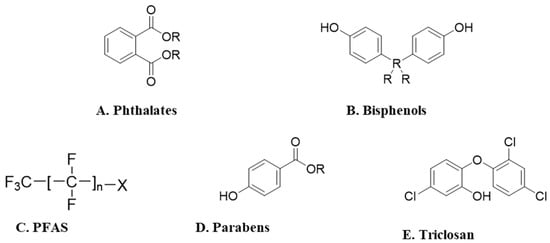
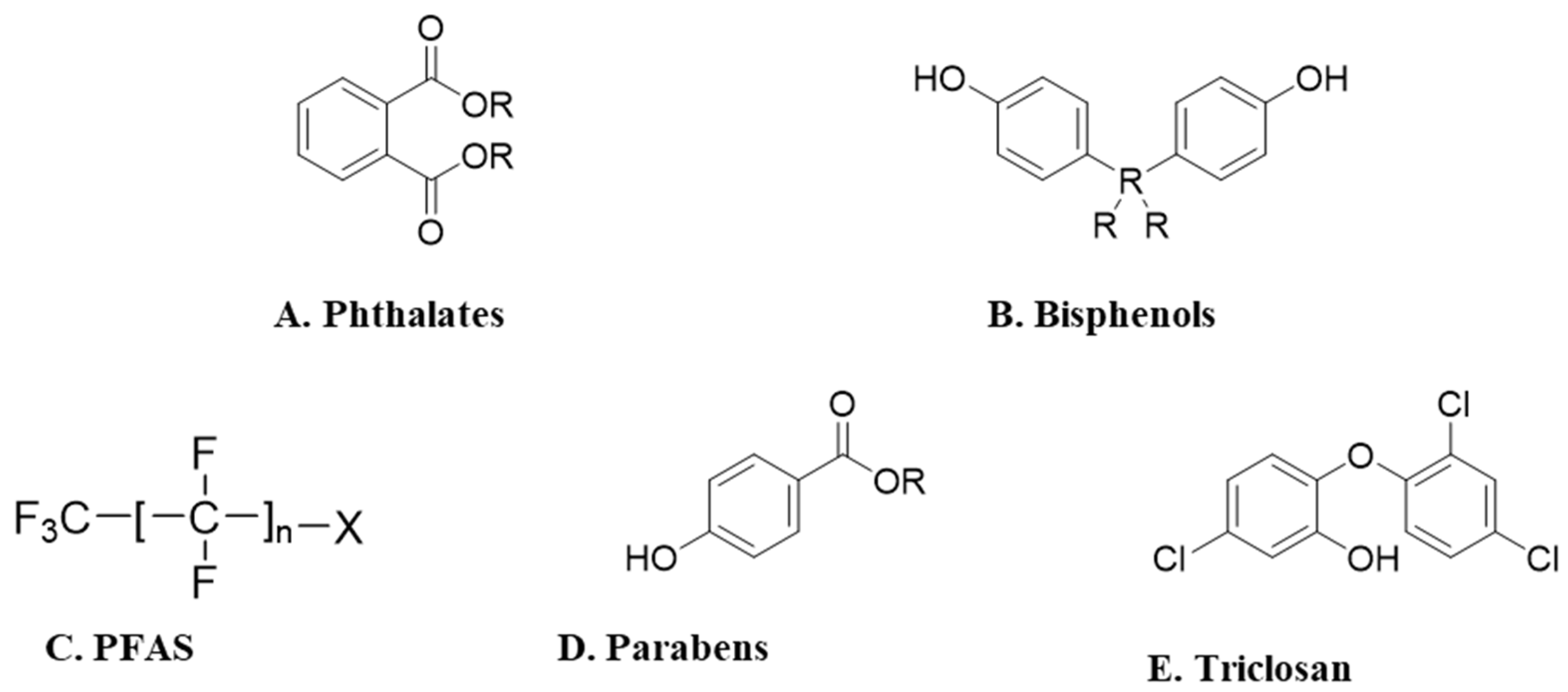
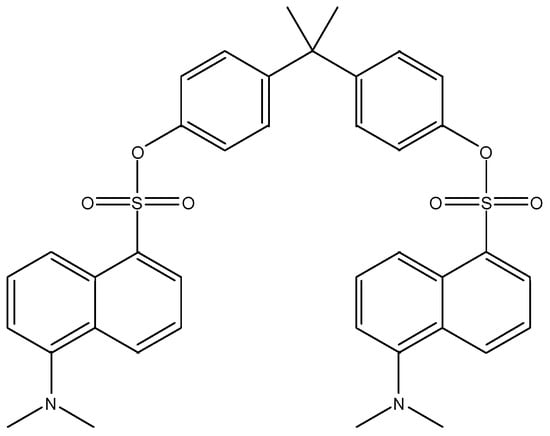
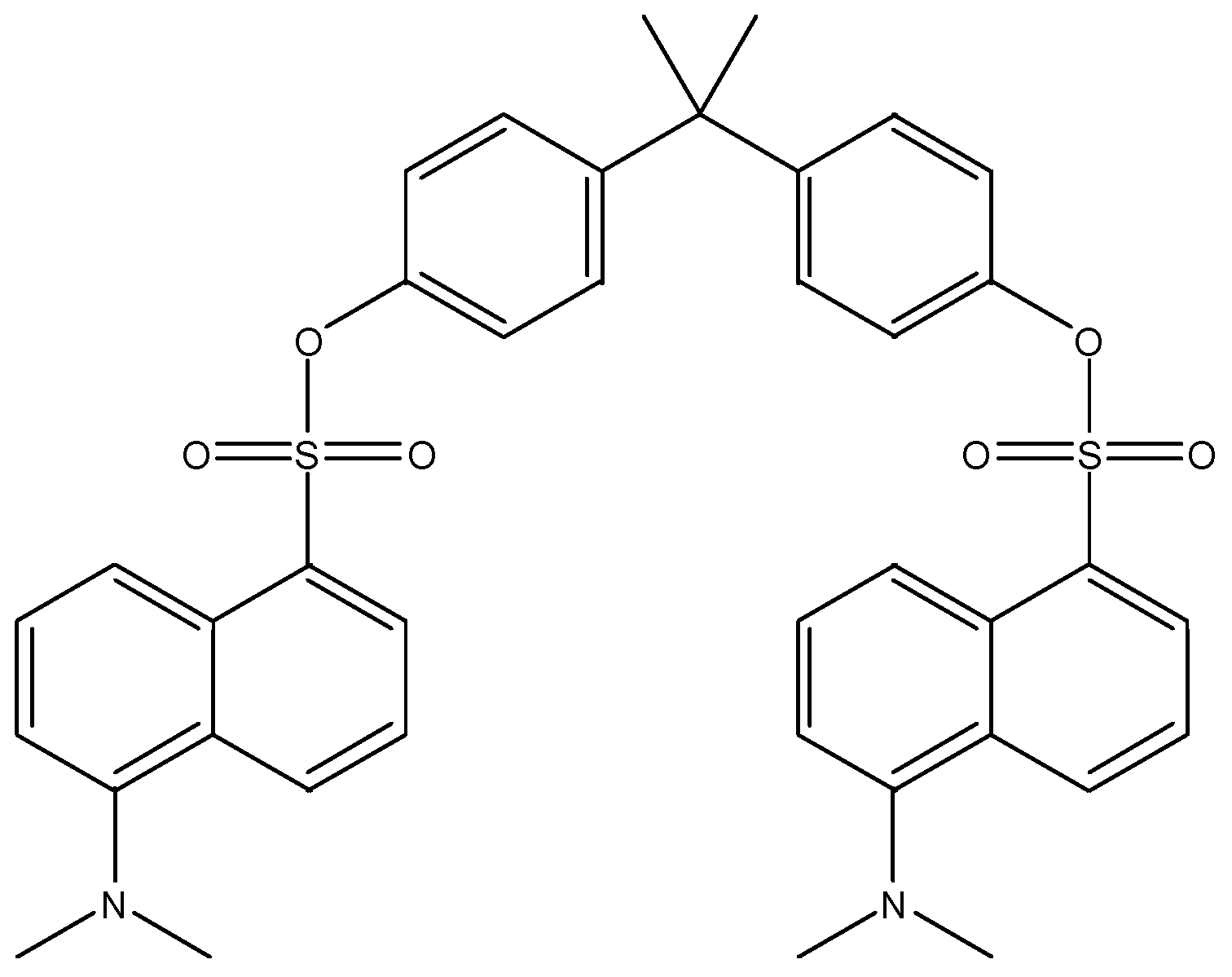
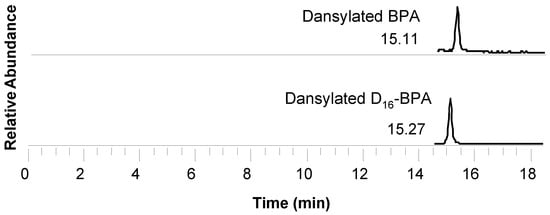
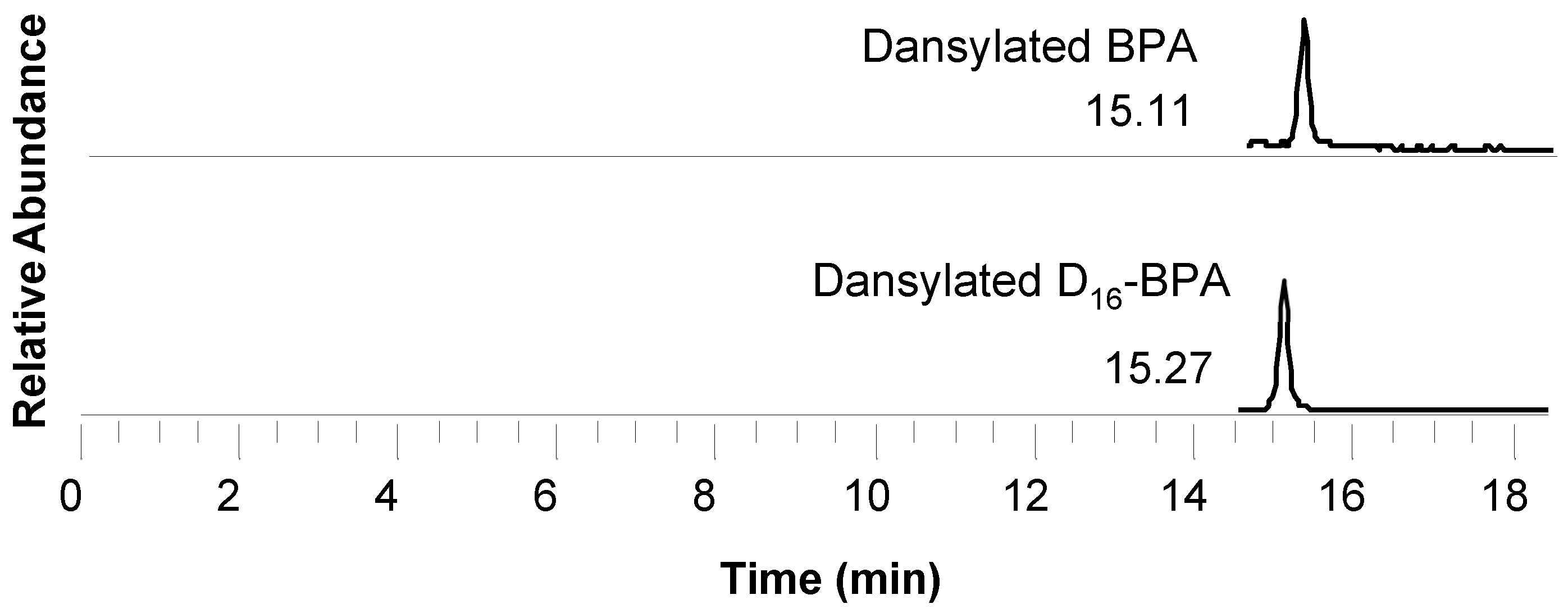

Disclaimer/Publisher’s Note: The statements, opinions and data contained in all publications are solely those of the individual author(s) and contributor(s) and not of MDPI and/or the editor(s). MDPI and/or the editor(s) disclaim responsibility for any injury to people or property resulting from any ideas, methods, instructions or products referred to in the content. |
© 2025 by the authors. Licensee MDPI, Basel, Switzerland. This article is an open access article distributed under the terms and conditions of the Creative Commons Attribution (CC BY) license (https://creativecommons.org/licenses/by/4.0/).