Article

Protein Extraction from Mealworm (Tenebrio molitor): Effects of Euthanasia and Drying on Yield and Composition


Centre of Expertise Sustainable Biomass and Chemistry, Thomas More University for Applied Sciences, Kleinhoefstraat 4, B-2440 Geel, Belgium
*
Author to whom correspondence should be addressed.
Foods 2026, 15(3), 585; https://doi.org/10.3390/foods15030585
Submission received: 19 December 2025 / Revised: 30 January 2026 / Accepted: 31 January 2026 / Published: 5 February 2026

Abstract

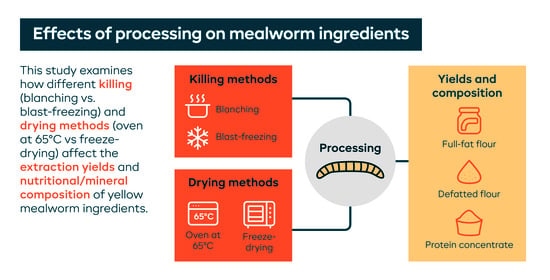
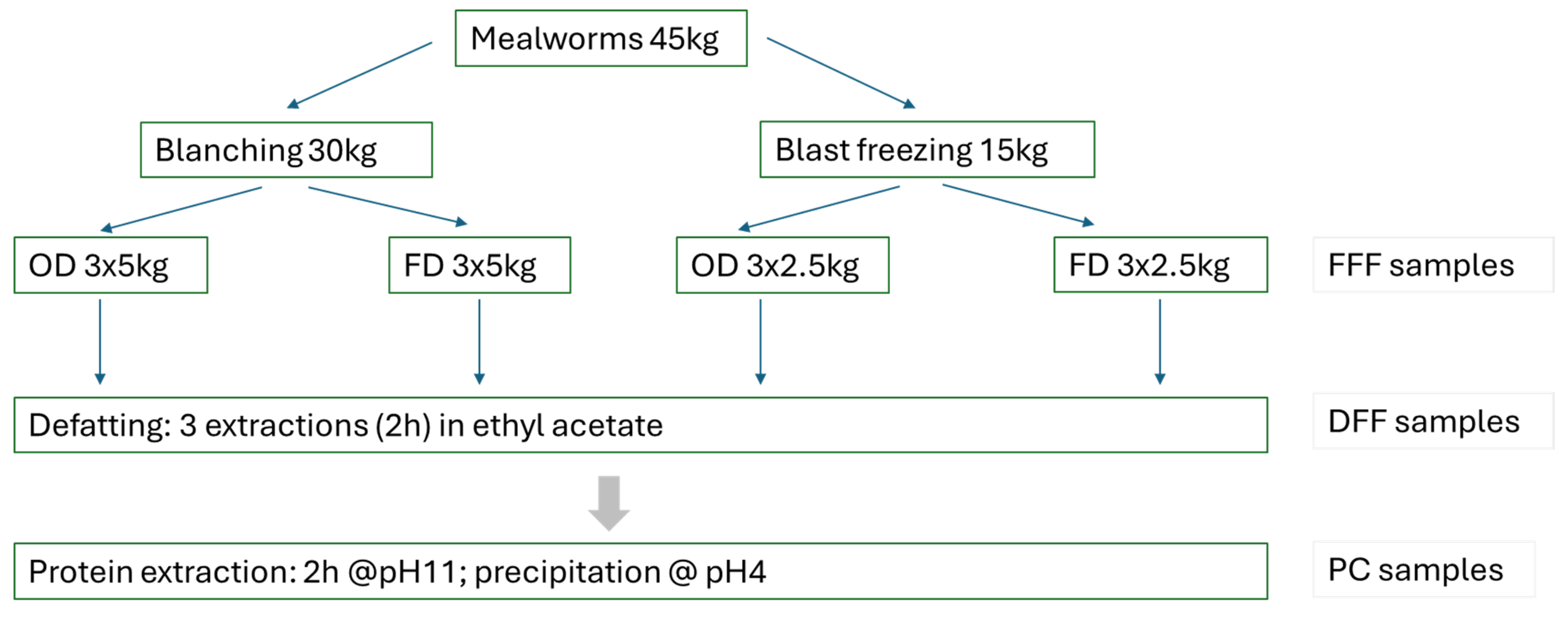
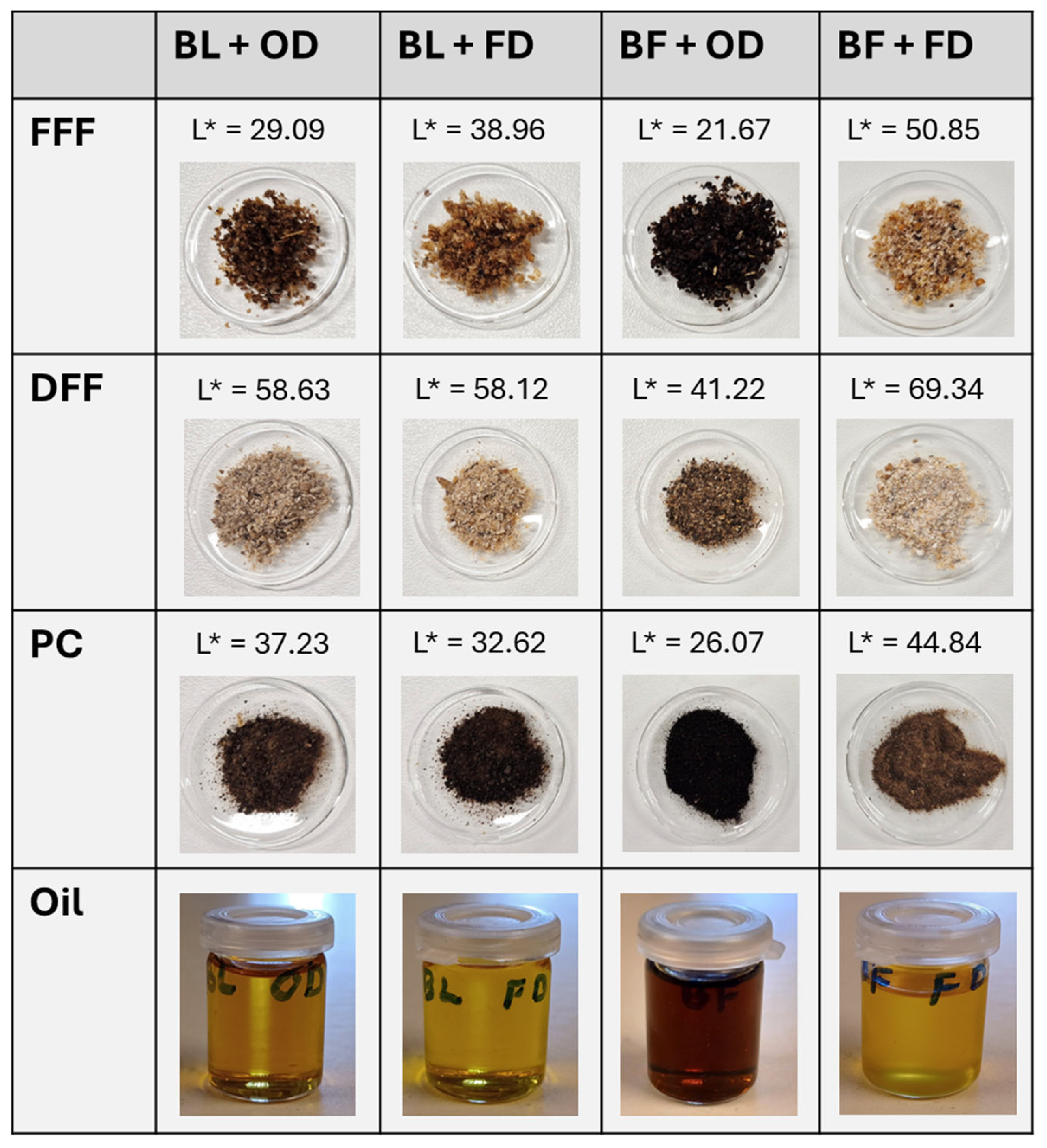
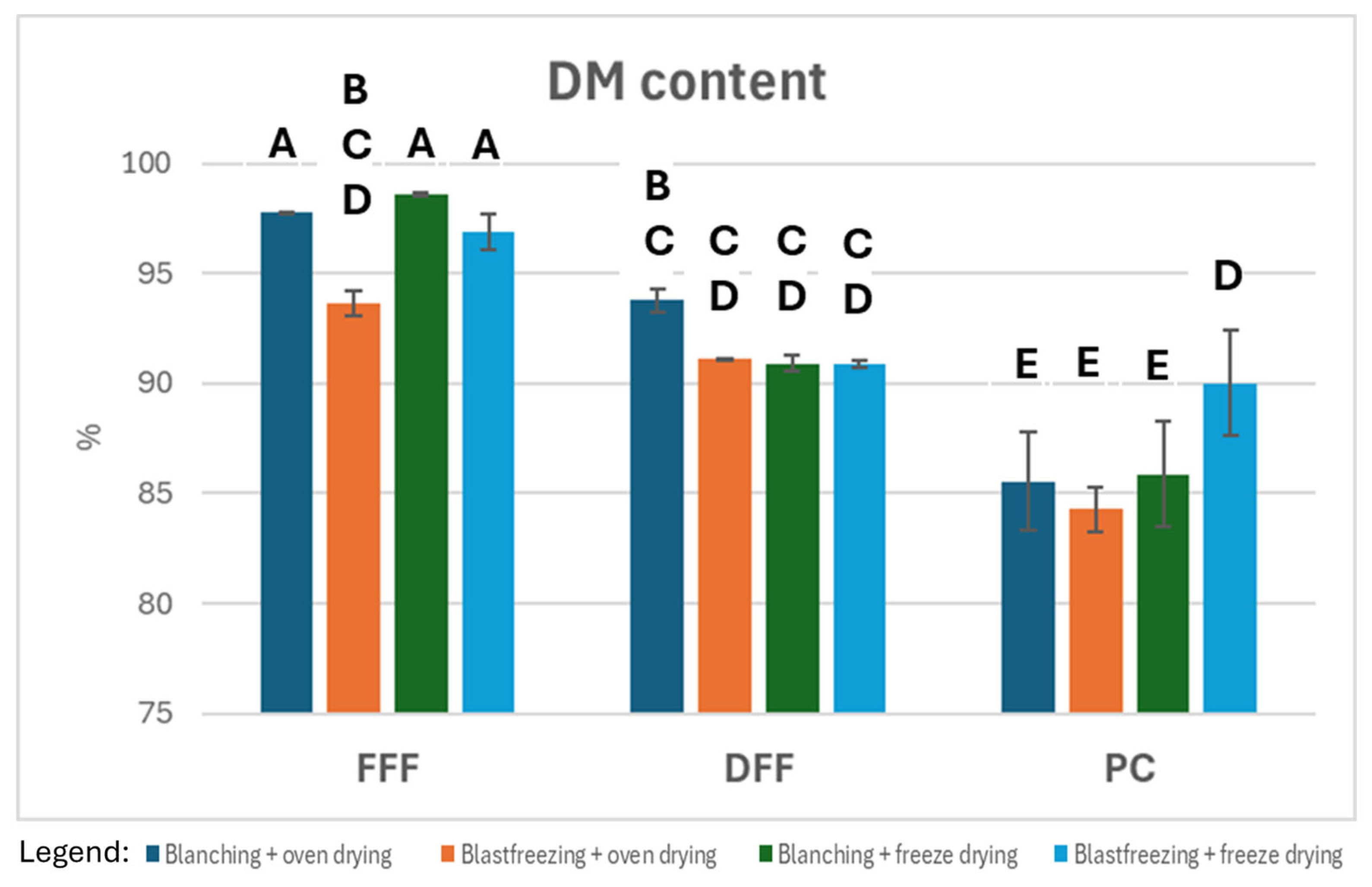
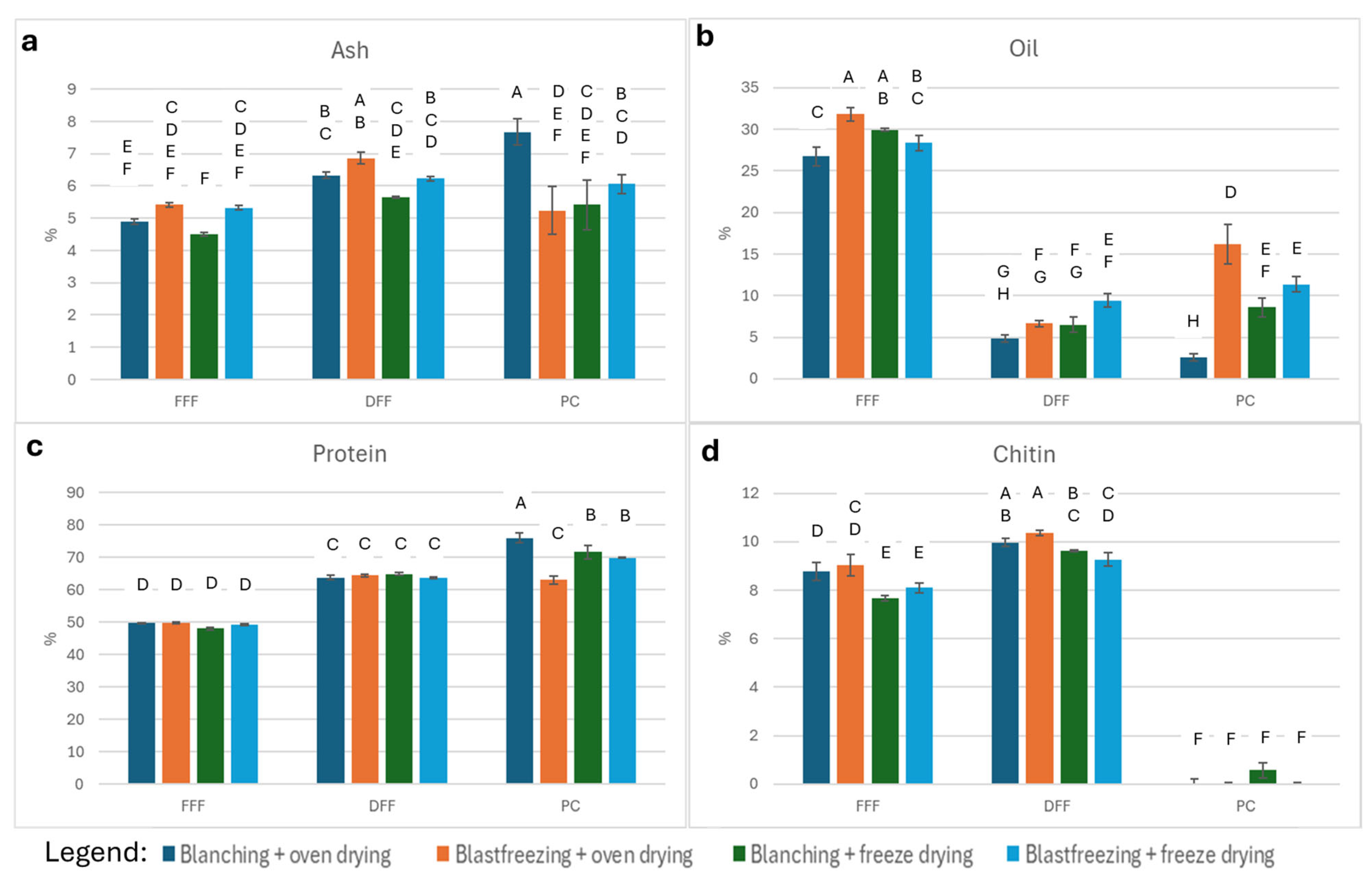
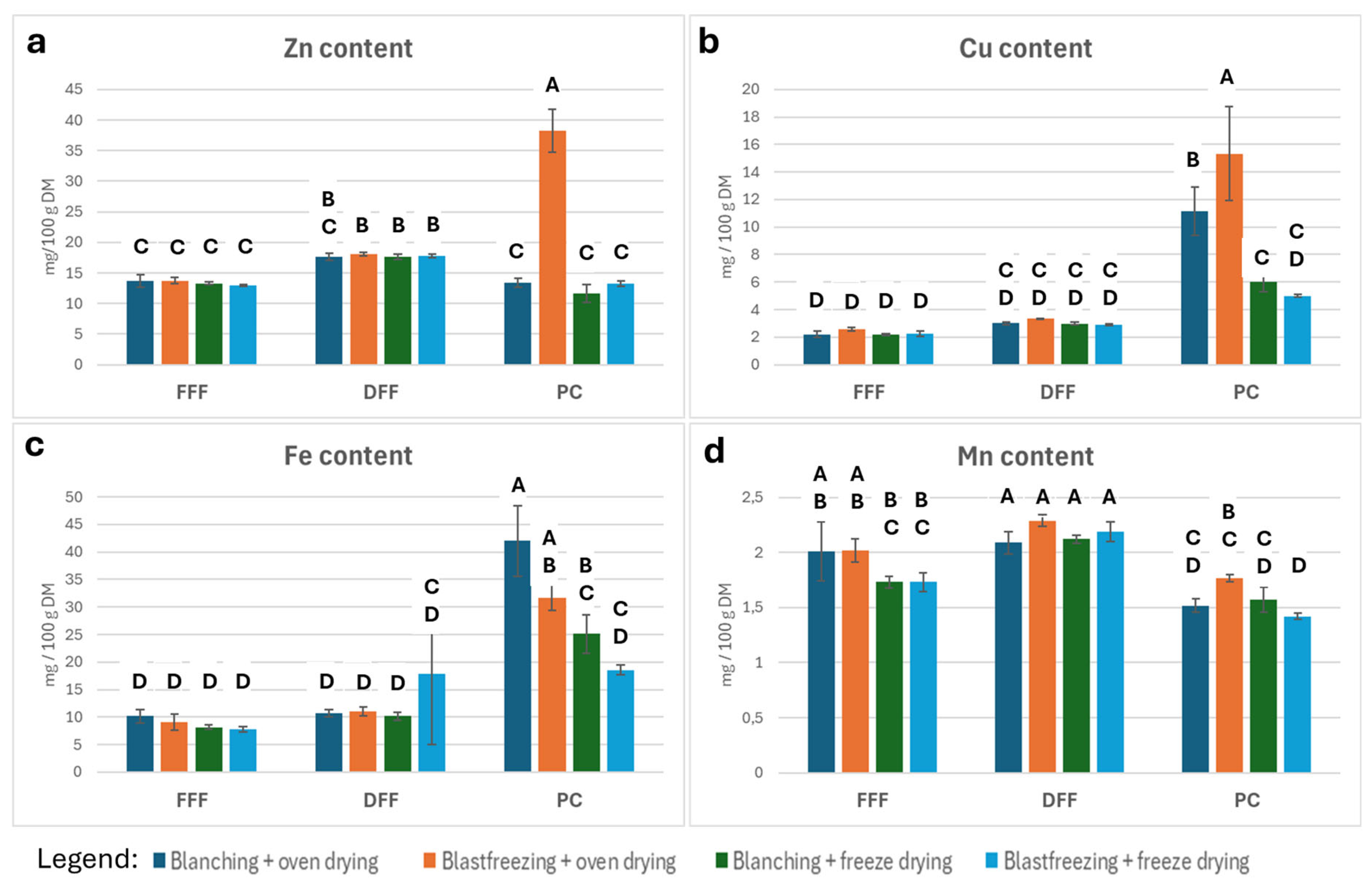
This study evaluated the effects of two euthanasia methods (blanching, blast freezing) and two drying methods (oven drying, freeze drying) on protein extractability, oil recovery, lipid oxidation, and nutritional composition of mealworm-derived full-fat flours, defatted flours, and protein concentrates. Protein extraction yields differed significantly among treatments (ANOVA, p < 0.001), except between blanched + freeze-dried and blast-frozen + oven-dried samples. Blast freezing resulted in higher protein extraction yields than blanching. Blast freezing markedly increased acid values (>40 mg KOH/g oil) relative to blanching (<5 mg KOH/g), while freeze drying increased peroxide values more than tenfold compared with oven drying. Ash contents ranged from 4 to 8% without a treatment effect. Defatting significantly reduced oil content and increased protein and chitin contents. Chitin was nearly absent in protein concentrates. In blast-frozen + oven-dried protein concentrates, the oil content was significantly up-concentrated compared with defatted samples. P, Mg, and K significantly increased in defatted samples, while protein extraction reduced Mg, K, and Ca but increased Na due to alkaline solubilization. Micromineral profiles were most affected in protein concentrates, with increases in Cu and Fe and minor decreases in Mn. Overall, euthanasia and drying methods influence yield and quality, highlighting the need for tailored, scalable processing strategies for mealworm-based food and feed applications.
Keywords: mealworm; alkaline extraction; protein yield; oil quality; proximate analysis mealworm; alkaline extraction; protein yield; oil quality; proximate analysis
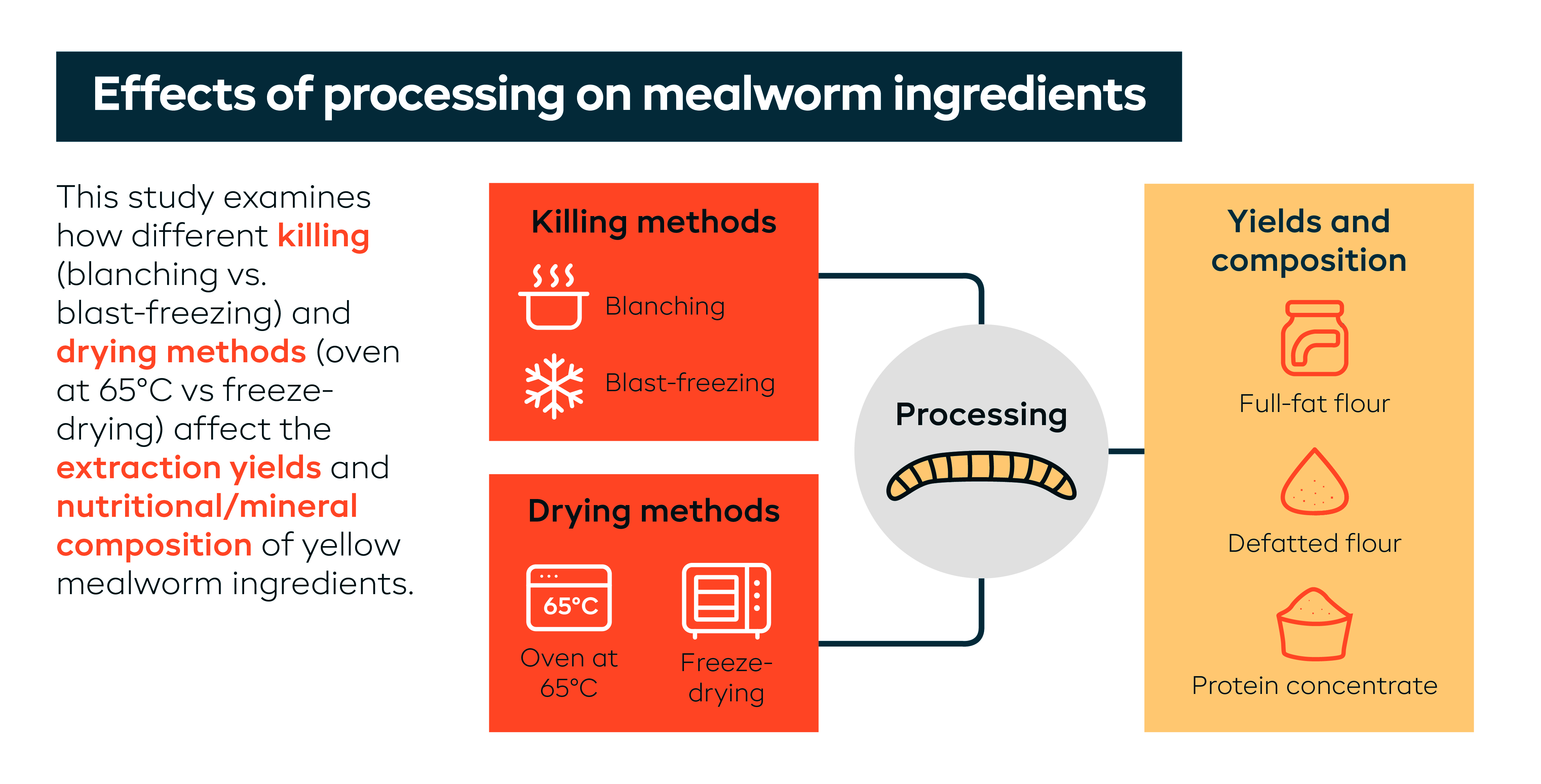
Graphical Abstract