Non-Targeted Metabolomics Analysis Reveals the Inhibition Mechanism of Ozone Treatment on Postharvest Blue Mold in Angelica sinensis


Abstract
1. Introduction
2. Materials and Methods
2.1. Sample Preparation
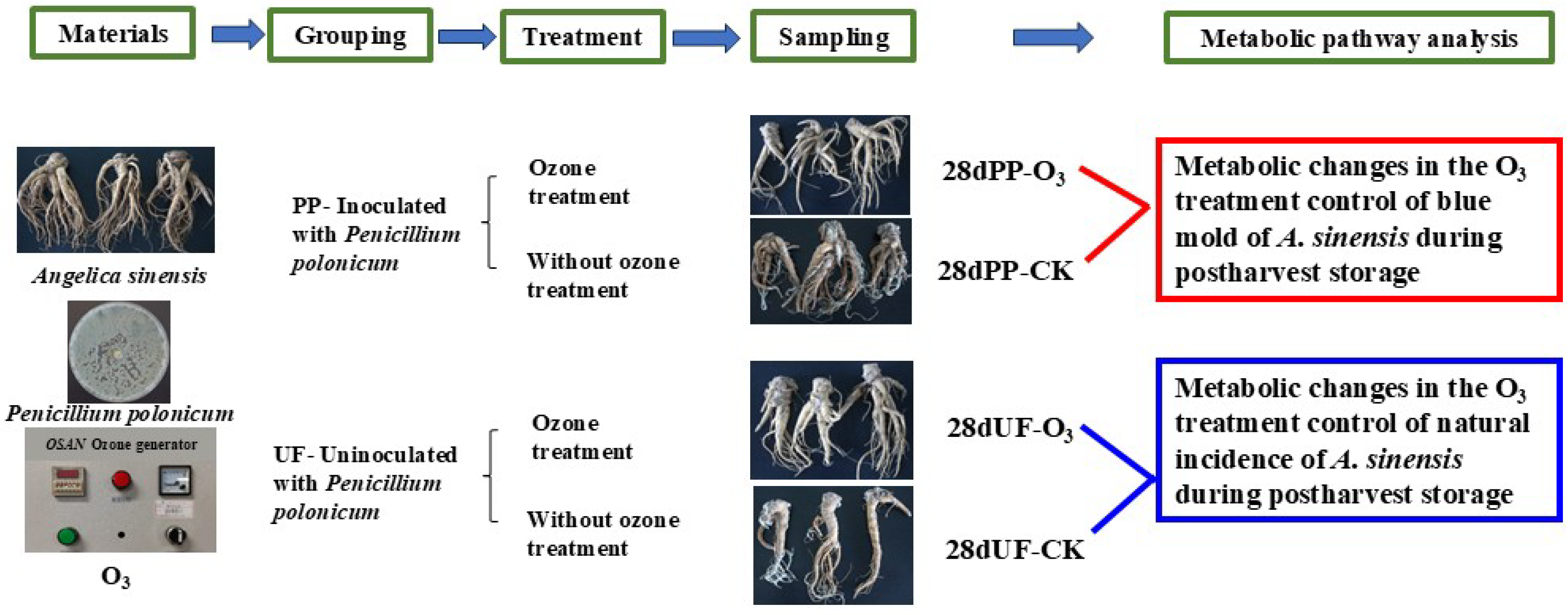
2.2. Experimental Observations, Sample Design, and Metabolomics Analysis
2.3. Methods
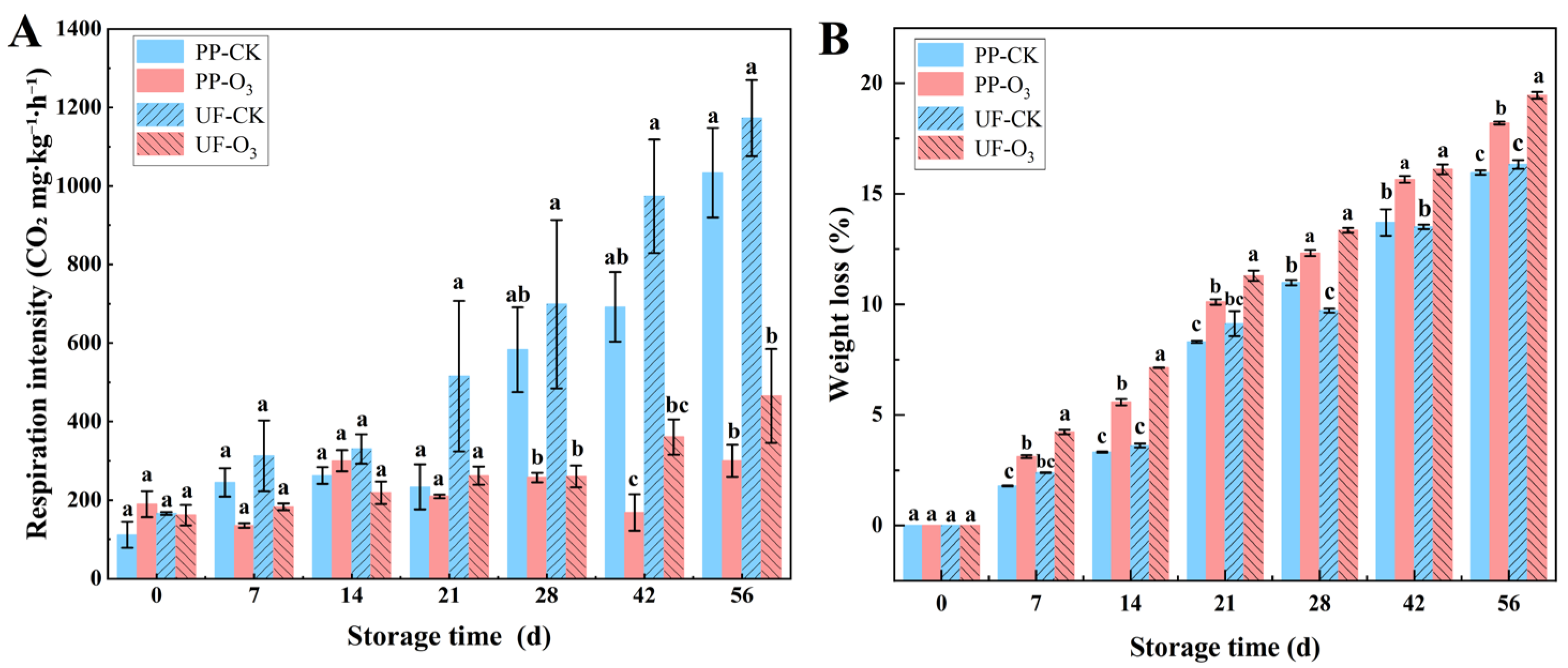
2.3.1. Respiratory Intensity
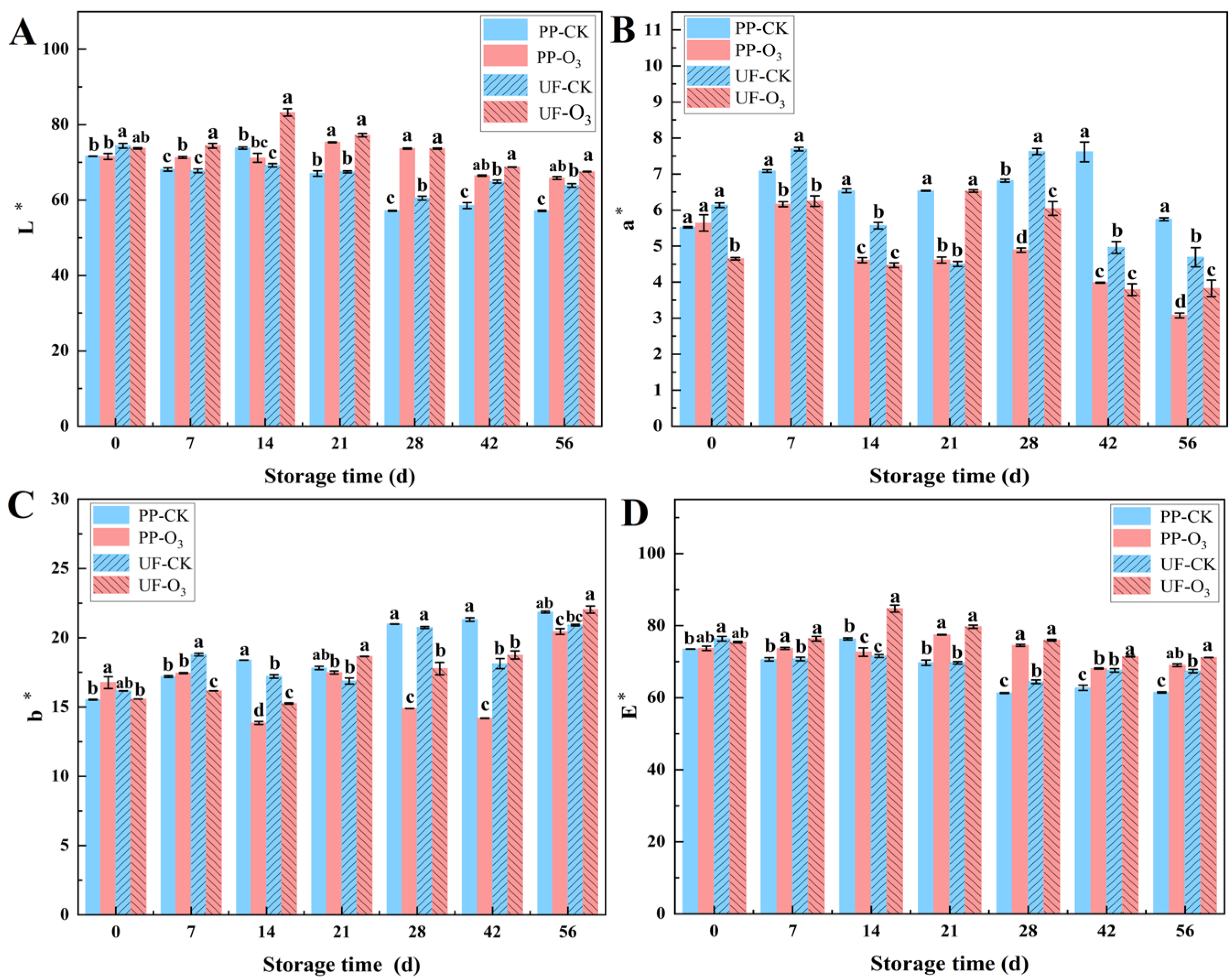
2.3.2. Chrominance
2.3.3. Weight Loss
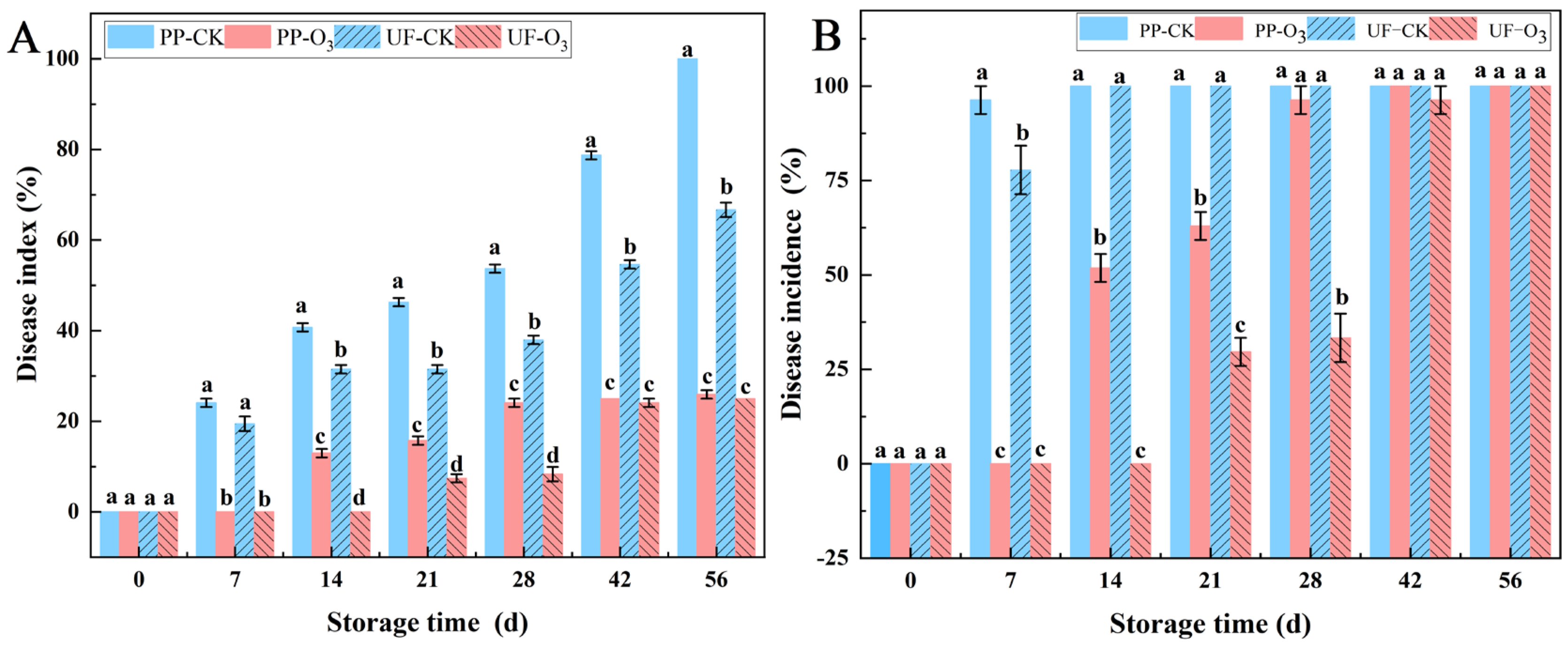
2.3.4. Disease Index and Disease Incidence
2.3.5. Analysis of Functional Active Ingredients of A. sinensis
2.3.6. Metabolomics Analysis
Metabolite Extraction
Instrument Parameters
Mass Spectrometry Conditions
Data Pre-Processing and Metabolite Identification
2.4. Statistical Analysis of Data and Pathway Annotation
3. Results
3.1. Effects of O3 Treatment on Physiological, Pathological and Functional Active Ingredients of A. sinensis
3.1.1. O3 Treatment Decreased Physiological Metabolism
3.1.2. O3 Treatment Decreased Disease Development
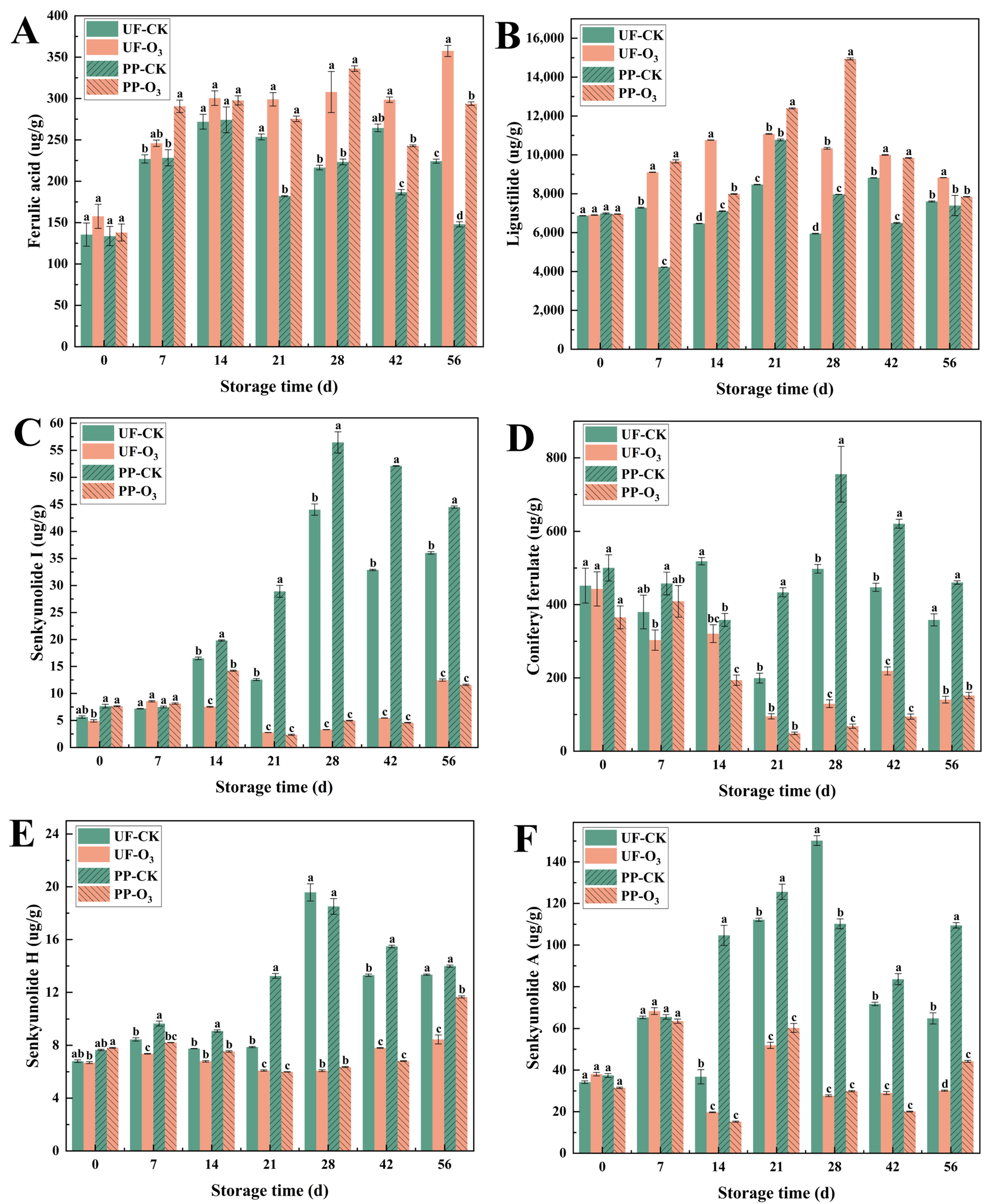
3.1.3. O3 Treatment Maintained the Contents of the Functional Active Ingredients
3.2. Effect of O3 Treatment on Metabolites and Metabolic Pathways Related to Disease Resistance of A. sinensis
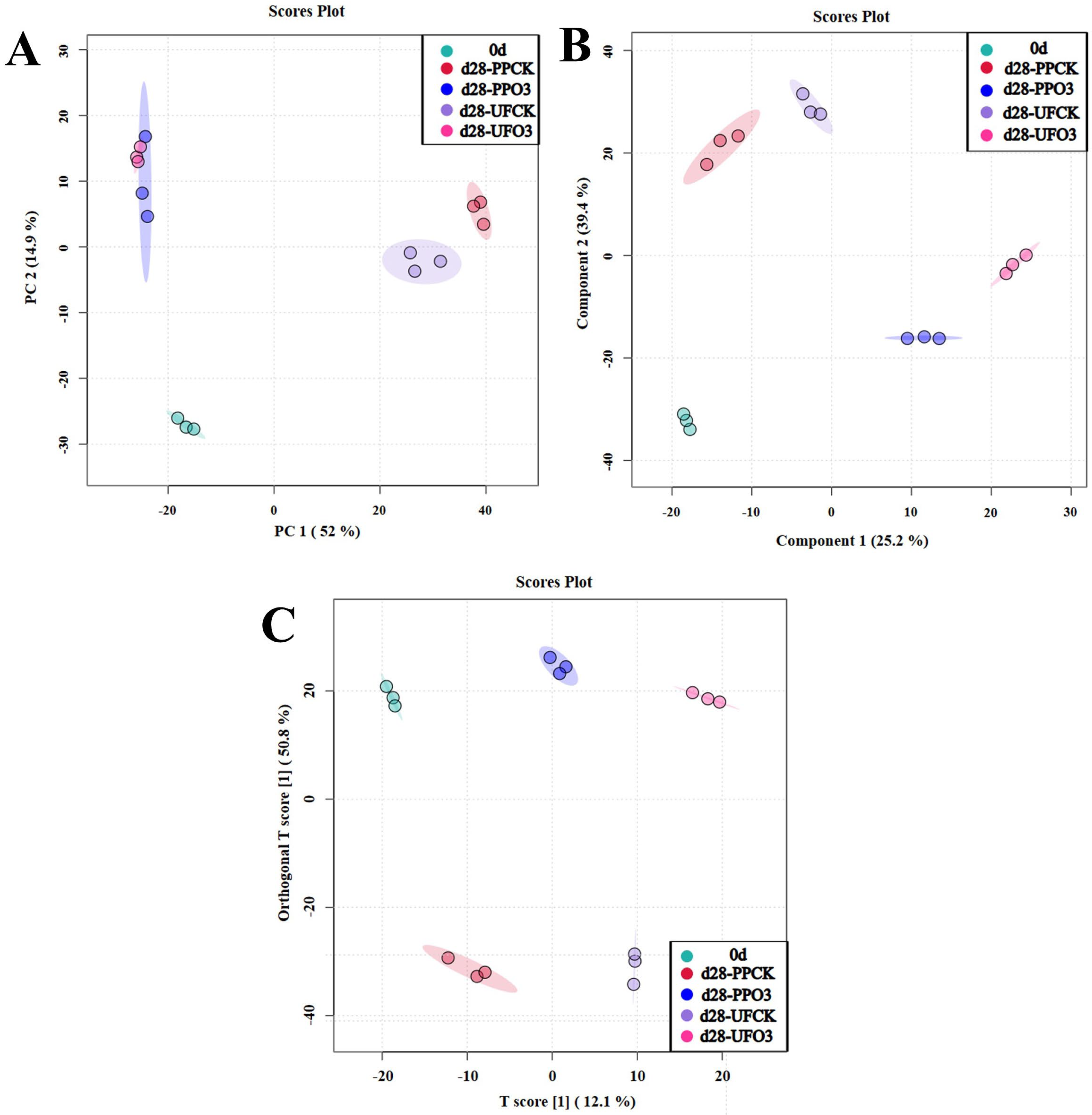
3.2.1. PCA, PLS-DA and OPLS-DA Analyses
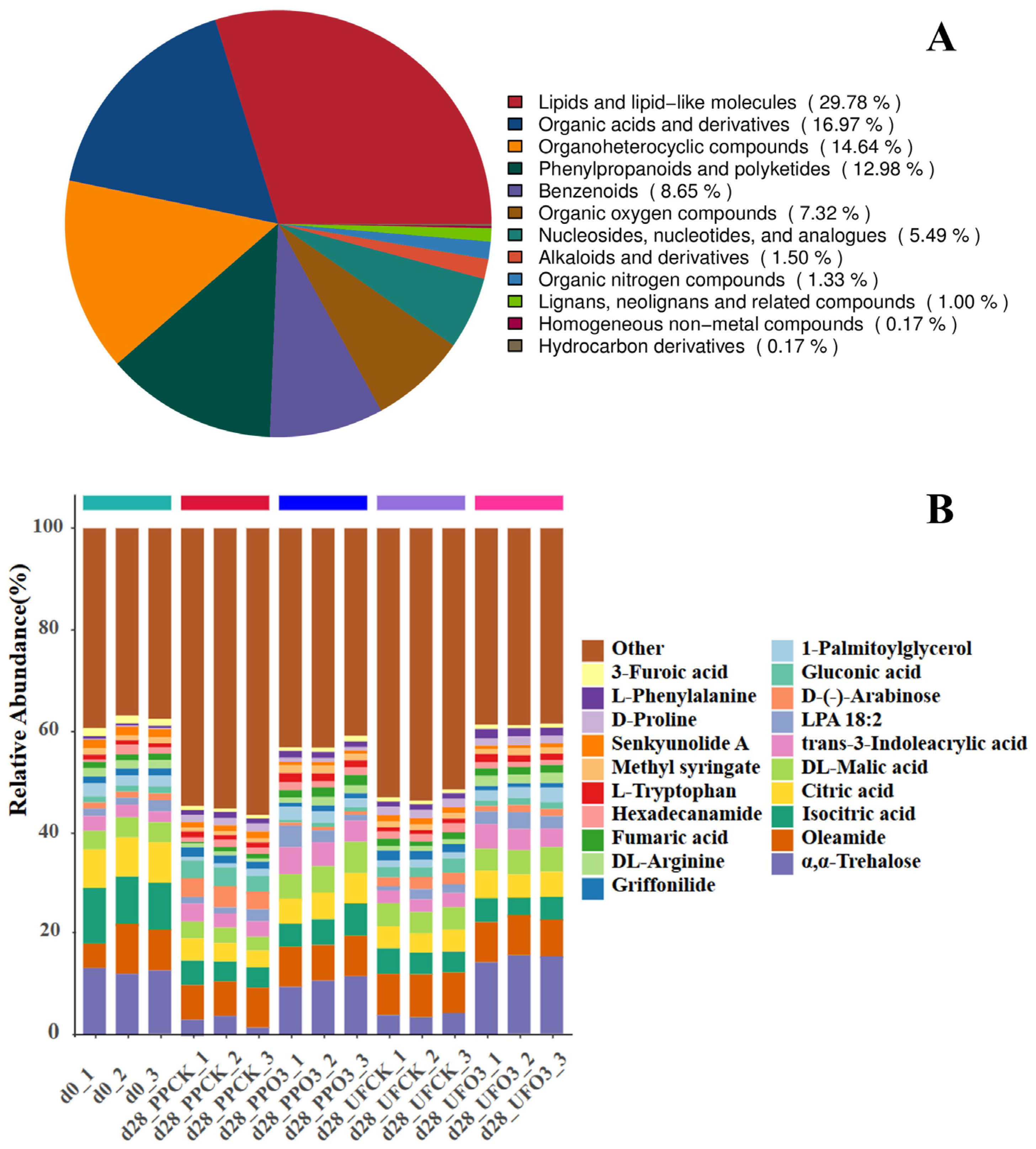
3.2.2. Statistics of Metabolite Content
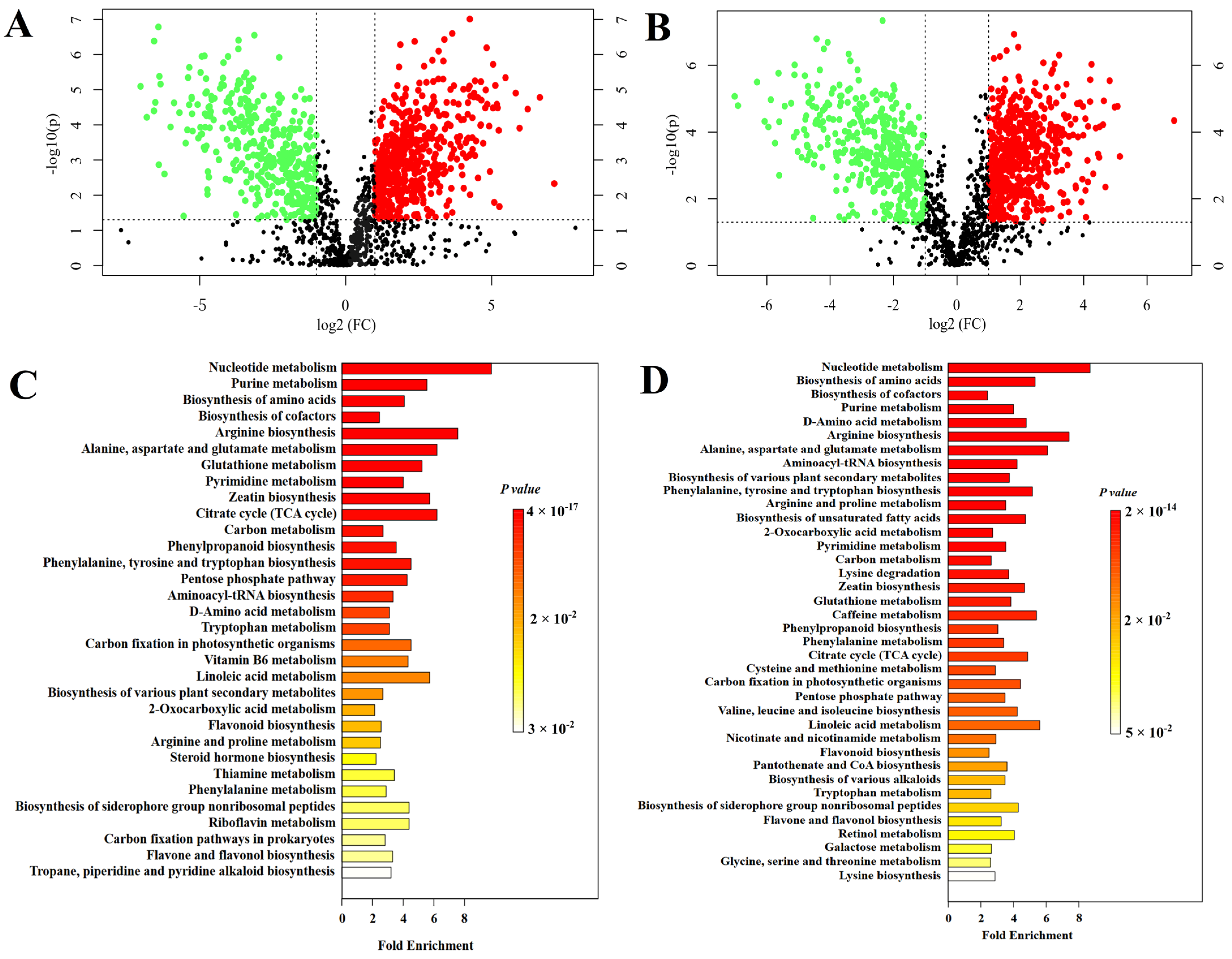
3.2.3. Metabolite Comparison Between Groups
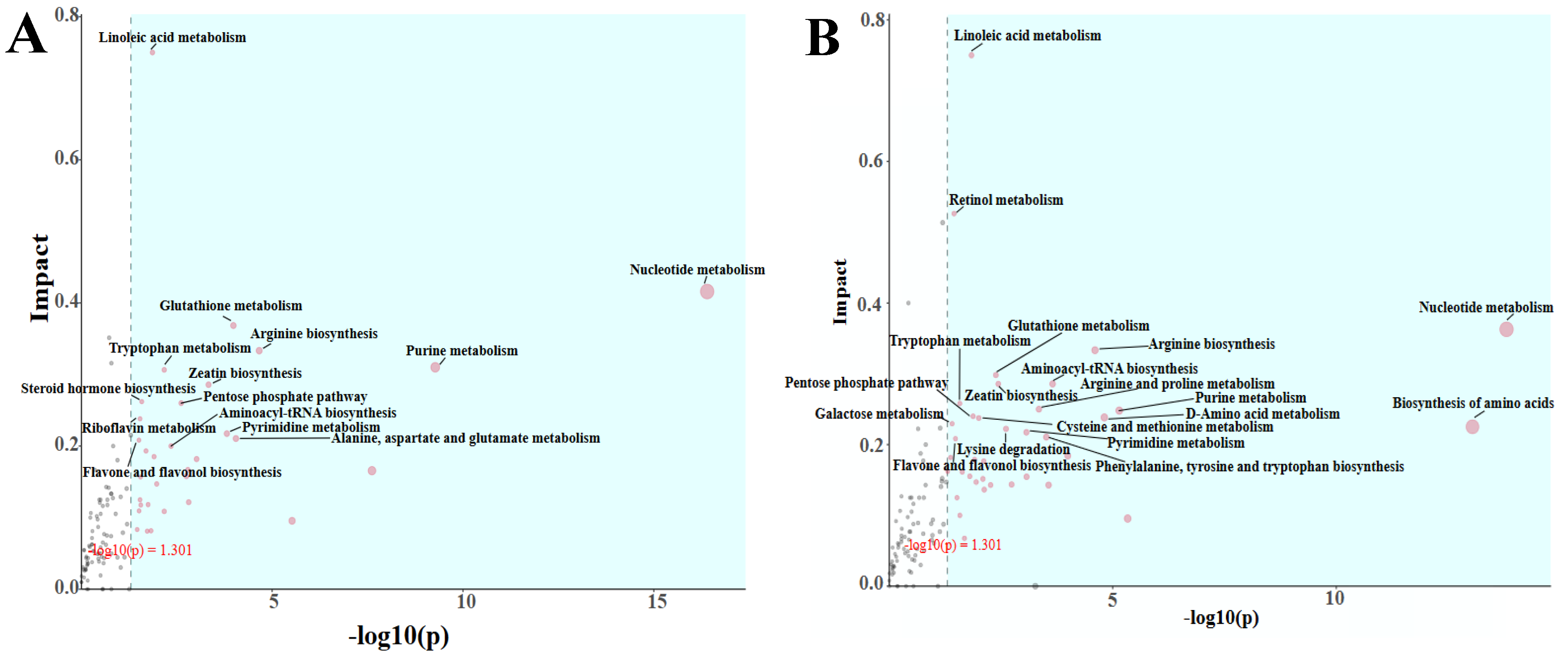
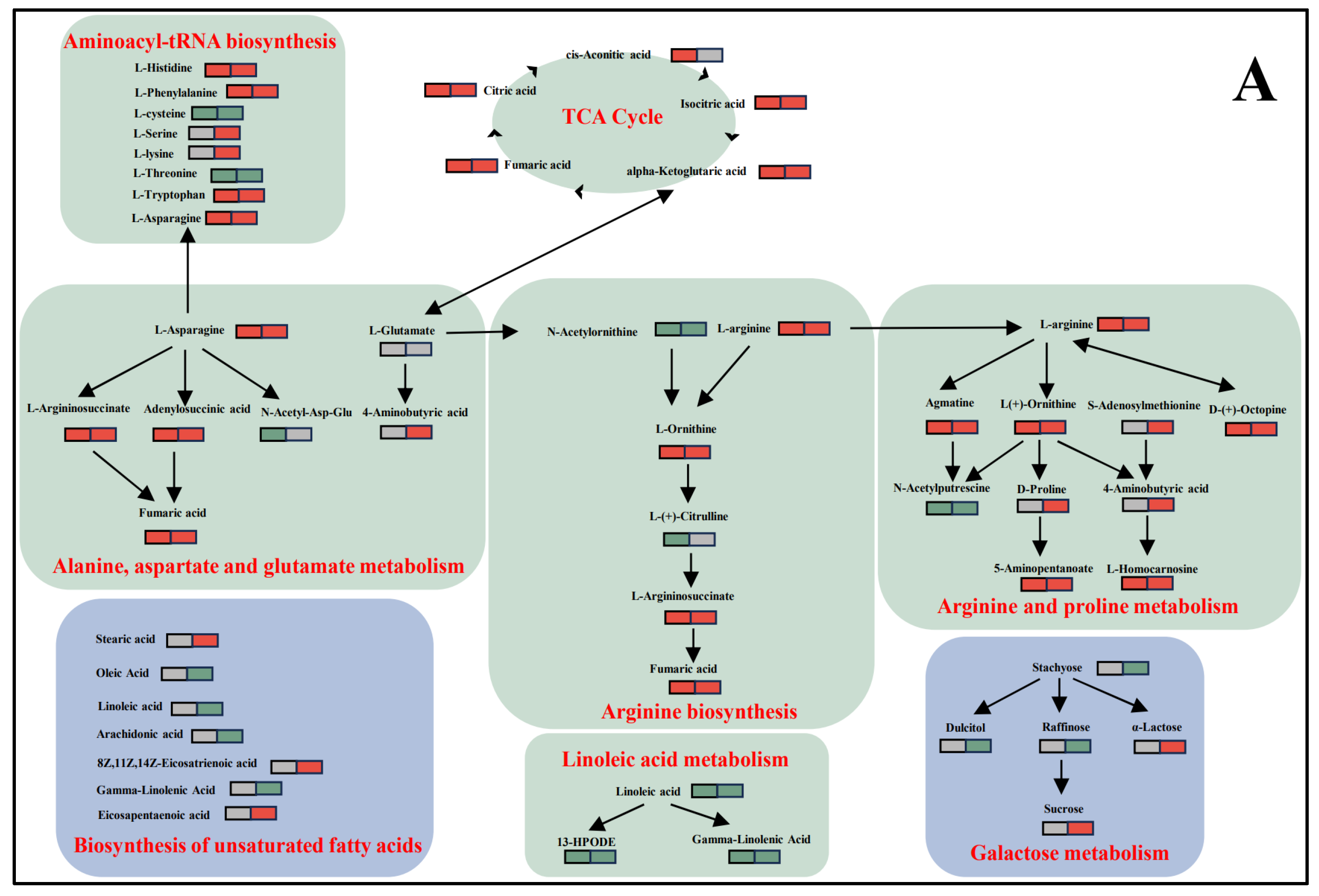
Metabolic Changes in the O3 Treatment to Control Blue Mold of A. sinensis During Postharvest Storage
Metabolic Changes in the O3 Treatment to Control of Natural Incidence of A. sinensis During Postharvest Storage
Effect of O3 Treatment on Disease Resistance in A. sinensis
4. Discussion
4.1. Effect of O3 Treatment on Physiological, Pathological and Functional Active Ingredients of Fresh A. sinensis
4.2. Non-Targeted Metabolomics Analyses of the Mechanism of O3 Treatment for the Inhibition of Postharvest Diseases in A. sinensis
5. Conclusions
Supplementary Materials
Author Contributions
Funding
Institutional Review Board Statement
Informed Consent Statement
Data Availability Statement
Acknowledgments
Conflicts of Interest
References
- Zhu, T.T.; Zhang, M.H.; Su, H.Y.; Li, M.L.; Wang, Y.Y.; Jin, L.; Li, M.F. Integrated metabolomic and transcriptomic analysis reveals differential mechanism of flavonoid biosynthesis in two cultivars of Angelica sinensis. Molecules 2022, 27, 306. [Google Scholar] [CrossRef] [PubMed]
- Guo, X.P.; Li, X.E.; Zhang, S.L.; Zhu, S.H.; Guo, R.; Gao, Y.; Wang, Y.G.; Liu, X.F.; Liu, Y.; Shi, H. A joint analysis of metabolomics, network pharmacology, and molecular docking reveals the efficacy patterns in various medicinal segments of Angelica sinensis (Oliv.) Diels Root. J. Food Biochem. 2024, 2024, 7377627. [Google Scholar] [CrossRef]
- Qiu, D.Y.; Lin, H.M.; Cheng, Y.; Li, Y.D.; Gou, F.X. Effects of latitude longitude and altitude on Angelica growth and early bolting in medicine formation period. Acta Agrestia Sin. 2010, 18, 838–843. [Google Scholar]
- Wang, Y.; Jing, L.; Zhu, T.T.; Zeng, C.Y.; Zhang, Y.Y. First report of Angelica sinensis leaf spot caused by Septoria anthrisci in Gansu province, China. Plant Dis. 2018, 102, 442. [Google Scholar] [CrossRef]
- Tao, J.L.; Zhang, H.R. An analysis of the application of fresh herbs in warm diseases. Lishizhen Med. Mater. Medica Res. 2014, 25, 689–690. [Google Scholar]
- Xiong, Y.K.; Zhou, Y.T.; Liu, X.L.; Ramila, O.; Zhou, X.; Zeng, W.X. GC-MS combined with principal component analysis to compare the difference of volatile oil in Guanghuoxiang (Pogostemon cablin) before and after drying. Guid. J. Tradit. Chin. Med. Pharm. 2019, 25, 83–86. [Google Scholar]
- Zhu, D.; Su, S.B.; Tang, J.; Huang, J.; Bao, J.P.; Luo, J.; Tan, J.H. Determination of amino acids contantin in Radix psammosilenes based on “Fresh Using Theory”. J. Liaoning Univ. Tradit. Chin. Med. 2018, 20, 86–88. [Google Scholar]
- Yang, X.B.; Zhao, Y.; Zhou, Y.J.; Lv, Y.; Mao, J.L.; Zhao, P. Component and antioxidant properties of polysaccharide fractions isolated from Angelica sinensis (OLIV.) DIELS. Biol. Pharm. Bull. 2007, 30, 1884–1890. [Google Scholar] [CrossRef]
- Lu, C.N.; Ye, X.; Liu, X.Q.; Feng, W.H.; Liang, Y.H.; Li, C.; Wang, Z.M. Content determination and transferring rules of seven components in Angelicae sinensis Radix and its processed products. China J. Chin. Mater. Medica 2021, 46, 6196–6203. [Google Scholar]
- Xu, J.H.; Zhao, P.; Pan, W.H.; Zhang, Y.Y.; Liu, J.X. Stabilised pathway and its anti-oxygen/glucose deprived activity about ligustilide, as a pharmacodyn. Nat. Prod. Res. 2024, 39, 6846–6852. [Google Scholar] [CrossRef]
- Yang, J.; Zhang, Y.; Wan, B.; Fan, G.; Peng, Q.L. Exploration of the ferulic acid metabolic pattern in the head and tail of Angelica sinensis. J. Basic Chin. Med. 2019, 25, 991–993. [Google Scholar]
- Jin, Q.Z.; Zhang, J.; Xiu, L.J.; Xu, F.; Wang, L.; Wang, N. Components and Brain-protective Effect of Chuanxiong Rhizoma-Paeoniae Radix Rubra in Improving Ischemic Stroke Based on UPLC-Q-TOF-MS. Chin. J. Exp. Tradit. Med. Formulae 2025, 31, 20–29. [Google Scholar]
- Zhang, X.Y. Study on the Difference Evaluation and Spectrum-Effect Relationships of Gaoben Medicinal Metarials in the Mainstream Markets. Master’s Thesis, Peking Union Medical College, Beijing, China, 2020. [Google Scholar]
- Pharmacopoeia of the People’s Republic of China: 2020 Edition. Volume I/National Pharmacopoeia Commission; China Pharmaceutical Science and Technology Press: Beijing, China, 2020; ISBN 978-7-5214-1574-2.
- Yang, B.M.; Zhu, T.T.; Jin, L.; Zhang, S.; Liu, T.L.; Zhang, J.; Xu, L.; Kang, S.Q. Research progress on comprehensive Utilization and Industrialization of Angelica sinensis. Chin. Tradit. Herb. Drugs 2024, 55, 8235–8244. [Google Scholar]
- Yang, D.Y.; Lv, B.Y.; Xue, H.L.; Yang, Z.M. Isolation and identification, biological characteristics and mycotoxin accumulation of blue mould pathogenin harvested Angelica sinensis. J. Gansu Agric. Univ. 2022, 57, 74–81. [Google Scholar]
- Xi, J.H.; Yang, D.Y.; Xue, H.L.; Liu, Z.G.; Bi, Y.; Zhang, Y.; Yang, X.; Shang, S.Q. Isolation of the main pathogens causing postharvest disease in fresh Angelica sinensis during different storage stages and impacts of ozone treatment on disease development and mycotoxin production. Toxins 2023, 15, 154. [Google Scholar] [CrossRef] [PubMed]
- Li, F.R.; Yang, Y.Y.; Niu, J.; Zhang, J.J.; Zhao, Y.F.; Han, X.F. Ultrasound-Ultraviolet (US-UVC) combined use in green and scientific maintenance of Angelica sinensis. J. Liaoning Univ. (Nat. Sci. Ed.) 2024, 51, 103–112. [Google Scholar]
- Yan, Y.; Feng, F. Research status on quality control of sulfur-fumigated Chinese medicinal materials. Guangzhou Chem. Ind. 2016, 44, 5–6. [Google Scholar]
- Wei, Y.Z.; Wei, Y.Y.; Xu, F.; Shao, X.F. Sensory characteristics and decay of Strawberry. Postharvest Biol. Technol. 2018, 136, 139–144. [Google Scholar] [CrossRef]
- Yang, Y.; Xu, Y.; Wu, S.; Qiu, T.Y.; Blazenovic, I.; Sun, J.D.; Zhang, Y.Z.; Sun, X.L.; Ji, J. Evaluation of the toxicity and chemical alterations of deoxynivalenol degradation products under ozone treatment. Food Control 2021, 124, 107937. [Google Scholar] [CrossRef]
- Han, Q.; Gao, H.Y.; Chen, H.J.; Fang, X.J.; Wu, W.J. Precooling and ozone treatments affects postharvest quality of Black mulberry (Morus nigra) fruits. Food Chem. 2017, 221, 1947–1953. [Google Scholar] [CrossRef]
- da Silva, O.P. Ozone slows down anthracnose and increases shelf life of Papaya fruits. Rev. Bras. Frutic. 2019, 41, e-439, Erratum in Rev. Bras. Frutic. 2021, 43, e-439.. [Google Scholar] [CrossRef]
- De Santis, D.; Garzoli, S.; Vettraino, A.M. Effect of gaseous ozone treatment on the aroma and clove rot by Fusarium proliferatum during garlic postharvest storage. Heliyon 2021, 7, e06634. [Google Scholar] [CrossRef] [PubMed]
- Shulaev, V.; Cortes, D.; Miller, G.; Mittler, R. Metabolomics for plant stress response. Physiol. Plant. 2008, 132, 199–208. [Google Scholar] [CrossRef] [PubMed]
- Wang, S.X.; Chen, B.S.; Zhang, Z.J.; Zhu, S.R.; Wang, X.L.; Liu, G.Q. Isolation, structural elucidation and biosynthetic pathway of bioactive prenyl quinone compounds from Panus lecomtei based on untargeted metabolomics combined with molecular networking. Food Chem. 2025, 463, 141275. [Google Scholar] [CrossRef]
- Hossain, Z.; Zhao, S.; Liu, K.; Li, L.; Hubbard, M. Deciphering Aphanomyces euteiches-pea-biocontrol bacterium interactions through untargeted metabolomics. Sci. Rep. 2024, 14, 8877. [Google Scholar] [CrossRef]
- Chen, J.R.; Wang, R.; Zhang, L.X.; Liu, Y.P.; Di, J.B. Effect of high-voltage electrostatic field treatment on postharvest physiology and seed kernel quality of green peel Amygdala Fruits. Food Ferment. Ind. 2024, 50, 302–309. [Google Scholar]
- Cheng, Y.J.; Qiu, C.Y.; Hong, W.M.; Lu, P.X.; Wang, K.D.; Xu, J.; Zhang, Z.P. Comparative study on chromaticity value, UPLC fingerprint and antioxidant activity in vitro of Plantaginis Semen and its different processed products. Chin. Tradit. Herb. Drugs 2023, 54, 6657–6670. [Google Scholar]
- Elshafie, H.S.; Camele, I. Rhizospheric Actinomycetes revealed antifungal and plant-growth-promoting activities under controlled environment. Plants 2022, 11, 1872. [Google Scholar] [CrossRef]
- Zheng, L.; Situ, J.J.; Zhu, Q.F.; Xi, P.G.; Zheng, Y.; Liu, H.X.; Zhou, X.F.; Jiang, Z.D. Identification of volatile organic compounds for the biocontrol of postharvest litchi fruit pathogen Peronophythora litchii. Postharvest Biol. Technol. 2019, 155, 37–46. [Google Scholar] [CrossRef]
- Cao, S.; Yang, N.B.; Zhao, C.; Liu, J.; Han, C.G.; Wu, X.H. Diversity of Fusarium species associated with root rot of sugar beet in China. J. Gen. Plant Pathol. 2018, 84, 321–329. [Google Scholar] [CrossRef]
- Luo, J.; Wang, Y.Q.; Wu, G.T.; Wang, Y.; Wang, Z.H.; Li, S.N.; Peng, T. Dynamic accumulation and transformation of ferulic acid and ligustilide in root of Angelica sinensis. Chin. Tradit. Herb. Drugs 2021, 52, 6663–6668. [Google Scholar]
- Want, E.J.; Masson, P.; Michopoulos, F.; Wilson, I.D.; Theodoridis, G.; Plumb, R.S.; Shockcor, J.; Loftus, N.; Holmes, E.; Nicholson, J.K. Global metabolic profiling of animal and human tissues via UPLC-MS. Nat. Protoc. 2013, 8, 17–32. [Google Scholar] [CrossRef] [PubMed]
- Garcia-Martin, J.F.; Olmo, M.; Garcia, J.M. Decay incidence and quality of different citrus varieties after postharvest heat treatment at laboratory and industrial scale. Postharvest Biol. Technol. 2016, 118, 96–102. [Google Scholar] [CrossRef]
- Antony-Babu, S.; Singleton, I. Effect of ozone on spore germination, spore production and biomass production in two Aspergillus species. Antonie Van Leeuwenhoek 2009, 96, 413–422. [Google Scholar] [CrossRef]
- Garcia-Martin, J.F.; Olmo, M.; Garcia, J.M. Effect of ozone treatment on postharvest disease and quality of different Citrus varieties at laboratory and at industrial facility. Postharvest Biol. Technol. 2018, 137, 77–85. [Google Scholar] [CrossRef]
- Zhang, H.; Xi, J.H.; Liu, Z.G.; Chen, M.X.; Lu, Z.H.; Xue, H.L.; Bi, Y. Isolation and Identification of pathogens causing blue mold of Lanzhou Lily during postharvest storage and control of disease and mycotoxin accumulation by ozone treatment. J. Fungi 2023, 9, 1091. [Google Scholar] [CrossRef]
- Lin, Y.Z.; Li, N.; Lin, H.T.; Lin, M.S.; Chen, Y.H.; Wang, H.; Ritenour, M.A.; Lin, Y.F. Effects of chitosan treatment on the storability and quality properties of Longan fruit during storage. Food Chem. 2020, 306, 125627. [Google Scholar] [CrossRef]
- Lin, L.J.; Lin, Y.X.; Lin, H.T.; Lin, M.S.; Ritenour, M.A.; Chen, Y.H.; Wang, H.; Hung, Y.C.; Lin, Y.F. Comparison between “Fuyan” and “Dongbi” Longans in aril breakdown and respiration metabolism. Postharvest Biol. Technol. 2019, 153, 176–182. [Google Scholar] [CrossRef]
- Chen, C.K.; Zhang, H.J.; Zhang, X.J.; Dong, C.H.; Xue, W.T.; Xu, W.T. The effect of different doses of ozone treatments on the postharvest quality and biodiversity of Cantaloupes. Postharvest Biol. Technol. 2020, 163, 111124. [Google Scholar] [CrossRef]
- Lin, F.; Kaiyu, L.V.; Ma, S.F.; Wang, F.J.; Li, J.K.; Wang, L.Q. Effects of ozone treatment on storage quality and antioxidant capacity of fresh-cut water fennel [Oenanthe javanica]. Food Sci. Technol. 2023, 43, e108422. [Google Scholar] [CrossRef]
- Ul Hasan, M.; Singh, Z.; Shah, H.M.S.; Kaur, J.; Woodward, A. Water Loss: A postharvest quality marker in Apple storage. Food Bioprocess Technol. 2024, 17, 2155–2180. [Google Scholar] [CrossRef]
- Buluc, O.; Koyuncu, M.A. Effects of intermittent ozone treatment on postharvest quality and storage life of Pomegranate. Ozone-Sci. Eng. 2021, 43, 427–435. [Google Scholar] [CrossRef]
- Cayuela, J.A.; Vázquez, A.; Pérez, A.G.; García, J.M. Control of Table grapes postharvest decay by ozone treatment and resveratrol induction. Food Sci. Technol. Int. 2009, 15, 495–502. [Google Scholar] [CrossRef]
- Zhu, Y.; Zhang, Y.J.; Huang, X.; Xie, Y.; Qu, Y.; Long, H.Y.; Gu, N.; Jiang, W.M. Z-Ligustilide protects vascular endothelial cells from oxidative stress and rescues high fat diet-induced atherosclerosis by activating multiple NRF2 downstream genes. Atherosclerosis 2019, 284, 110–120. [Google Scholar] [CrossRef]
- Fang, X.; Xiong, Z.; Lin, X.; Feng, Y.; Sheng, L.; Liang, S. Study on the stability of ligustilide and its main transformation products. Nat. Prod. Res. Dev. 2014, 26, 1339–1344. [Google Scholar]
- Winkler-Moser, J.K.; Hwang, H.S.; Bakota, E.L.; Palmquist, D.A. Synthesis of steryl ferulates with various sterol structures and comparison of their antioxidant activity. Food Chem. 2015, 169, 92–101. [Google Scholar] [CrossRef]
- Vanholme, R.; De Meester, B.; Ralph, J.; Boerjan, W. Lignin biosynthesis and its integration into metabolism. Curr. Opin. Biotechnol. 2019, 56, 230–239. [Google Scholar] [CrossRef]
- Tahjib-Ul-Arif, M.; Zahan, M.I.; Karim, M.M.; Imran, S.; Hunter, C.T.; Islam, M.S.; Mia, M.A.; Hannan, M.A.; Rhaman, M.S.; Hossain, M.A.; et al. Citric acid-mediated abiotic stress tolerance in plants. Int. J. Mol. Sci. 2021, 22, 7235. [Google Scholar] [CrossRef]
- Ehsan, S.; Ali, S.; Noureen, S.; Mahmood, K.; Farid, M.; Ishaque, W.; Shakoor, M.B.; Rizwan, M. Citric acid assisted phytoremediation of cadmium by Brassica napus L. Ecotoxicol. Environ. Saf. 2014, 106, 164–172. [Google Scholar] [CrossRef]
- Momma, N.; Yamamoto, K.; Simandi, P.; Shishido, M. Role of organic acids in the mechanisms of biological soil disinfestation (BSD). J. Gen. Plant Pathol. 2006, 72, 247–252. [Google Scholar] [CrossRef]
- Li, S.; Zou, T.D.; Wang, Z.R.; You, J.M. The metabolic mechanism and nutritional physiological function of α-ketoglutarate and its application in livestock production. Acta Vet. Zootech. Sin. 2020, 51, 923–932. [Google Scholar]
- Han, H.Z.; Zhang, L.H.; Li, S.H.; Zhao, R.; Wang, F. Metabolomic analysis of Cinnamomun bodinieri root adapted to alkali stress. J. Northeast For. Univ. 2023, 51, 24–32. [Google Scholar]
- Zhu, Y.; Lu, H.; Hu, X.L. Effect of several factors of gamma-linolenic acid (GLA) in Rhizopus stolonifer R316. J. Microbiol. 2007, 04, 6–10. [Google Scholar]
- Pu, Z.X.; Zhu, L.; Du, D.C.; Hu, X.R.; Lu, L.M.; Huang, Z.H. Development-associated metabolites of Diaporthe citri: A metabolomics analysis based on UPLC-MS/MS. Acta Microbiol. Sin. 2023, 63, 2472–2487. [Google Scholar]
- Xiao, Y.; Hu, K.C.; Zhou, L.H.; Li, Z.; Chen, Q.; Qin, J.H.; Guo, K.X. Screening and identifying of fungal strains producing polyunsaturated fatty acids. J. Mt. Agric. Biol. 2014, 33, 18–23. [Google Scholar]
- Yang, W.X.; Xia, W.C.; Wang, Y.B. Biological characteristics of Mulberry Brown Spot. For. Inventory Plan. 2014, 39, 35–38. [Google Scholar]
- Valluru, R.; Van den Ende, W. Myo-inositol and beyond—Emerging networks under stress. Plant Sci. 2011, 181, 387–400. [Google Scholar] [CrossRef]
- Xu, C.P.; Zhan, C.S.; Huang, S.S.; Xu, Q.J.; Tang, T.; Wang, Y.L.; Luo, J.; Zeng, X.Q. Resistance to powdery mildew in Qingke involves the accumulation of aromatic phenolamides through jasmonate-mediated activation of defense-related genes. Front. Plant Sci. 2022, 13, 900345. [Google Scholar] [CrossRef]
- Silva, E.; da Graca, J.P.; Porto, C.; do Prado, R.M.; Nunes, E.; Marcelino-Guimaraes, F.C.; Meyer, M.C.; Pilau, E.J. Untargeted metabolomics analysis by UHPLC-MS/MS of soybean plant in a compatible response to Phakopsora pachyrhizi infection. Metabolites 2021, 11, 179. [Google Scholar] [CrossRef]
- Mutuku, J.M.; Cui, S.; Hori, C.; Takeda, Y.; Tobimatsu, Y.; Nakabayashi, R.; Mori, T.; Saito, K.; Demura, T.; Umezawa, T.; et al. The structural integrity of lignin Is crucial for resistance against Striga hermonthica parasitism in rice. Plant Physiol. 2019, 179, 1796–1809. [Google Scholar] [CrossRef]
- Fang, L.; Xiao, X.F.; Liu, C.X.; He, X. Recent advance in studies on Angelica sinensis. Chin. Herb. Med. 2012, 4, 12–25. [Google Scholar]
- Wang, Y.L.; Shen, Z.R.; Pei, C.X.; Zhao, S.J.; Jia, N.; Huang, D.M.; Wang, X.M.; Wu, Y.C.; Shi, S.J.; He, Y.C.; et al. Eleutheroside B ameliorated high altitude pulmonary edema by attenuating ferroptosis and necroptosis through Nrf2-antioxidant response signaling. Biomed. Pharmacother. 2022, 156, 113982. [Google Scholar] [CrossRef] [PubMed]
- Naveed, R.; Hussain, I.; Tawab, A.; Tariq, M.; Rahman, M.; Hameed, S.; Mahmood, M.S.; Siddique, A.B.; Iqbal, M. Antimicrobial activity of the bioactive components of essential oils from Pakistani spices against Salmonella and other multi-drug resistant bacteria. BMC Complement. Altern. Med. 2013, 13, 265. [Google Scholar] [CrossRef] [PubMed]
- Asthir, B.; Kaur, G.; Kaur, B. Convergence of pathways towards ascorbate-glutathione for stress mitigation. J. Plant Biol. 2020, 63, 243–257. [Google Scholar] [CrossRef]
- Wu, F.; Zhao, Y.M.; Zhang, Y.N.; Xu, Z.Y.; Gao, P.; Zhao, X.; Zhu, H.S.; Liang, Y.P. Effects of exogenous glutathione on antioxidant system of Poa pratensis L. under powdery mildew stress. Acta Agrestia Sin. 2024, 32, 3080–3090. [Google Scholar]
- De Gara, L.; De Pinto, M.C.; Tommasi, F. The antioxidant systems vis-à-vis reactive oxygen species during plant-pathogen interaction. Plant Physiol. Biochem. 2003, 41, 863–870. [Google Scholar] [CrossRef]
- Xu, L.J.; Liu, H.X.; Li, Z.S.; Fang, N.S. Effects of cysteine on the antioxidant capacity of oxidative damaged mouse embryos. Heilongjiang Anim. Sci. Vet. Med. 2017, 17, 33–36. [Google Scholar]
- Luo, S.S.; Hu, C.Y.; Li, X.; Tang, C.L. High S-adenosylmethionine-containing diet inhibits post-stroke neuronal apoptosis and ROS accumulation in mice through TET3-mediated DNA demethylation. J. Xuzhou Med. Univ. 2024, 44, 469–476. [Google Scholar]
- Schenke, D.; Boettcher, C.; Scheel, D. Crosstalk between abiotic ultraviolet-B stress and biotic (flg22) stress signalling in Arabidopsis prevents flavonol accumulation in favor of pathogen defence compound production. Plant Cell Environ. 2011, 34, 1849–1864. [Google Scholar] [CrossRef]
- Saijo, Y.; Tintor, N.; Lu, X.; Rauf, P.; Pajerowska-Mukhtar, K.; Haweker, H.; Dong, X.; Robatzek, S.; Schulze-Lefert, P. Receptor quality control in the endoplasmic reticulum for plant innate immunity. EMBO J. 2009, 28, 3439–3449. [Google Scholar] [CrossRef]
- Gu, W.D.; Liu, C.J.; Li, B.; Liu, C.; Zhou, Y.F. Effects of exogenous tryptophan on C/N balance and senescence characteristics of sorghum seedlings under low nitrogen stress. Sci. Agric. Sin. 2023, 56, 1295–1310. [Google Scholar]
- Jiang, J.; Zhu, X.Y.; Li, J. Effect of exogenous tryptophan on the downstream metabolic network of tryptophan and growth in Rapa Seedlings. Acta Bot. Boreali-Occident. Sin. 2020, 40, 1549–1557. [Google Scholar]
- Ma, M.F.; Wang, D.Z.; Xia, X.H.; Li, R.X.; Feng, J.L. Synthesis and antifungal activity of 1,3Disubstitued-2-Oxo-3-Indolylacetonitrile derivatives. J. Northwest AF Univ. Nat. Sci. Ed. 2017, 45, 149–154. [Google Scholar]
- Zhao, Q.L.; He, S.; Zhang, Y.; Wang, L.Q. Advances in chemical synthesis and antitumor activity of tryptamine derivatives. Yunnan Chem. Technol. 2022, 49, 17–19. [Google Scholar]
- Rattan, S.I.S.; Sodagam, L. Gerontomodulatory and youth-preserving effects of zeatin on human skin fibroblasts undergoing aging in vitro. Rejuvenation Res. 2005, 8, 46–57. [Google Scholar] [CrossRef] [PubMed]
- Lin, Y. Influence of natural plant growth regulator-oxyenadenine against growth and increase production with Tomato. Agrochemical 2007, 5, 349–350. [Google Scholar]
- Zeng, Q. Metabolomics reveals the nucleotide and its derivative metabolic pathways of two Camellia sinensis (L.) O. Kuntze. Tea Fujian 2024, 46, 12–15. [Google Scholar]


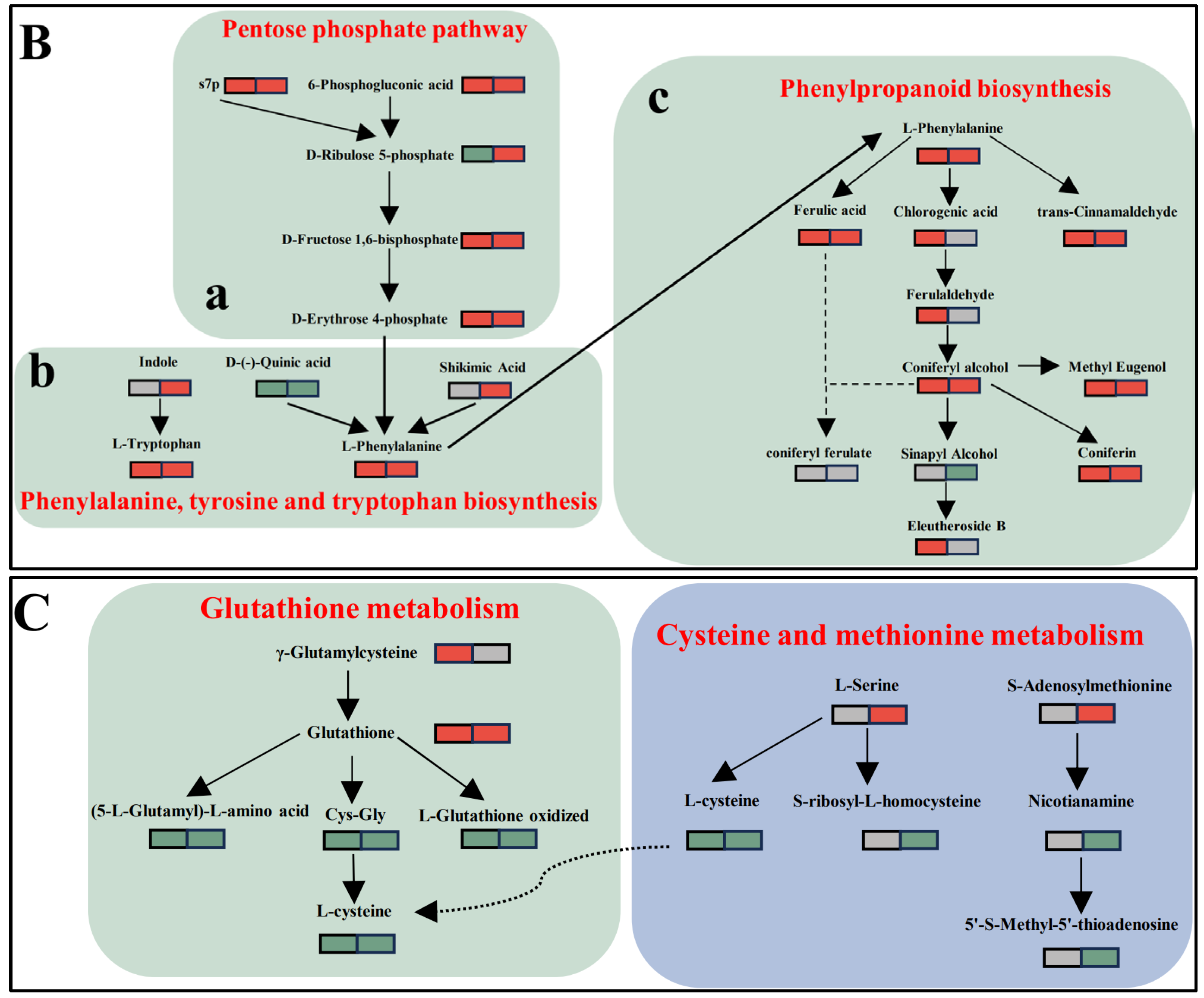
 indicates that L-serine was not significantly enriched in the d28PPO3-vs-d28PPCK comparison group and up-regulated to accumulate in the d28UFO3-vs.-d28UFCK comparison group). (The identification data for the core metabolites shown in the figure are derived from Table S5).
indicates that L-serine was not significantly enriched in the d28PPO3-vs-d28PPCK comparison group and up-regulated to accumulate in the d28UFO3-vs.-d28UFCK comparison group). (The identification data for the core metabolites shown in the figure are derived from Table S5).
indicates that L-serine was not significantly enriched in the d28PPO3-vs-d28PPCK comparison group and up-regulated to accumulate in the d28UFO3-vs.-d28UFCK comparison group). (The identification data for the core metabolites shown in the figure are derived from Table S5).


| Disease Rating | Disease Rating |
|---|---|
| 0 | No disease |
| 1 | Fibrous root disease area 0~25% or primary root disease area 0~9% |
| 2 | Fibrous root disease area 25%~50% or primary root disease area 10~25% |
| 3 | Fibrous root disease area is greater than 50% or the primary root disease area 25~50% |
| 4 | Primary root disease area greater than 50% |
| Reference Substance | Equation of Regression | r2 |
|---|---|---|
| Ferulic acid | y = 26,336x − 8873.4 | 0.9998 |
| Senkyunolide I | y = 42,982x − 4689.7 | 0.9998 |
| Senkyunolide H | y = 58,673x – 30,304 | 0.9998 |
| Coniferyl ferulate | y = 15,978x − 1731.4 | 0.9997 |
| Senkyunolide A | y = 7597.6x − 2449.6 | 0.9998 |
| Ligustilide | y = 10,117x − 208,182 | 0.9993 |
| t | A% | B% |
|---|---|---|
| 0 | 98 | 2 |
| 1.5 | 98 | 2 |
| 3 | 15 | 85 |
| 10 | 0 | 100 |
| 10.1 | 98 | 2 |
| 11 | 98 | 2 |
| 12 | 98 | 2 |
| Content | Ferulic Acid | log2(FC) | p-Value | Content | Ligustilide | log2(FC) | p-Value | ||
|---|---|---|---|---|---|---|---|---|---|
| Group | Group | ||||||||
| d28PPCK | 9.9 | 3.03 | <0.001 | d28PPCK | 87.0 | 1.32 | 0.002 | ||
| d28PPO3 | 80.5 | d28PPO3 | 216.7 | ||||||
| d28UFCK | 4.8 | 1.11 | <0.001 | d28UFCK | 71.7 | 1.19 | 0.002 | ||
| d28UFO3 | 10.4 | d28UFO3 | 163.0 | ||||||
Disclaimer/Publisher’s Note: The statements, opinions and data contained in all publications are solely those of the individual author(s) and contributor(s) and not of MDPI and/or the editor(s). MDPI and/or the editor(s) disclaim responsibility for any injury to people or property resulting from any ideas, methods, instructions or products referred to in the content. |
© 2026 by the authors. Licensee MDPI, Basel, Switzerland. This article is an open access article distributed under the terms and conditions of the Creative Commons Attribution (CC BY) license.
Share and Cite
Xi, J.; Jiang, K.; Xue, H.; Bi, Y. Non-Targeted Metabolomics Analysis Reveals the Inhibition Mechanism of Ozone Treatment on Postharvest Blue Mold in Angelica sinensis. Foods 2026, 15, 493. https://doi.org/10.3390/foods15030493
Xi J, Jiang K, Xue H, Bi Y. Non-Targeted Metabolomics Analysis Reveals the Inhibition Mechanism of Ozone Treatment on Postharvest Blue Mold in Angelica sinensis. Foods. 2026; 15(3):493. https://doi.org/10.3390/foods15030493
Chicago/Turabian StyleXi, Jihui, Kunhao Jiang, Huali Xue, and Yang Bi. 2026. "Non-Targeted Metabolomics Analysis Reveals the Inhibition Mechanism of Ozone Treatment on Postharvest Blue Mold in Angelica sinensis" Foods 15, no. 3: 493. https://doi.org/10.3390/foods15030493
APA StyleXi, J., Jiang, K., Xue, H., & Bi, Y. (2026). Non-Targeted Metabolomics Analysis Reveals the Inhibition Mechanism of Ozone Treatment on Postharvest Blue Mold in Angelica sinensis. Foods, 15(3), 493. https://doi.org/10.3390/foods15030493