1. Introduction
Excessive production of reactive oxygen species (ROS) can damage cells and organs, thereby contributing to the development and progression of chronic diseases [
1]. ROS-induced damage to DNA, proteins, and lipids disrupts cellular integrity, underscoring the urgent need for safe and effective antioxidants [
2]. Recently, researchers have extensively studied morin flavonoids for their exceptional free radical scavenging capabilities, as well as their lipid-lowering and hypoglycemic activities [
3].
Sanghuangporus, a member of the family Hymenochaetaceae, is a medicinal fungus long utilized in traditional Chinese medicine and known for its wealth of bioactive metabolites, such as flavonoids, terpenoids, and steroids [
4]. The various compounds contained in mulberry yellow have been proven by modern medical technology to have excellent anti-inflammatory, anti-tumor, and immunomodulatory effects. In addition, they also have the ability to improve health, including lowering blood sugar, improving sleep, anti-aging, and protecting the nerves [
5]. Flavonoids extracted from
Sanghuangporus have been confirmed to be one of the core contributors to its antioxidant activity, showing significant scavenging effects on 2,2-Diphenyl-1-picrylhydrazyl (DPPH) radicals, 2,2′-Azinobis(3-ethylbenzothiazoline-6-sulfonic acid) (ABTS) radicals and hydroxyl radicals [
6]. A comparative study conducted in 2023 on 15 strains of
Sanghuangporus in terms of scavenging multiple free radicals and antioxidant capacity indicated that flavonoids and ascorbic acid contributed the most to the antioxidant effect, followed by polyphenols and triterpenoids, while polysaccharides had the weakest antioxidant effect [
7]. Importantly, extracellular flavonoids (EFs), secreted into the culture medium during liquid fermentation, offer distinct advantages over intracellular flavonoids. These benefits include easier extraction processes, lower purification costs, and the feasibility of industrial-scale production [
8]. Consequently, the extracellular flavonoids of
Sanghuangporus present a promising resource for developing natural antioxidants.
Despite these advantages, research on the extracellular flavonoids of
Sanghuangporus remains fragmented. Most studies have focused on intracellular flavonoids in the fruiting bodies or mycelia, with limited attention to their extracellular counterparts. The yield of extracellular flavonoids from liquid fermentation is significantly influenced by culture conditions, including the carbon source, nitrogen source, and pH. Unoptimized processes lead to low yields, creating a bottleneck that restricts practical applications. Few studies have addressed extracellular flavonoids of
Sanghuangporus. Simple optimizations to enhance yield were made by Zhao et al. [
9], while Li et al. reported antioxidant activity in the fermentation broth without linking it to specific active components [
10]. Consequently, research is still lacking on how optimizing liquid culture conditions affects the biosynthesis of extracellular flavonoids and their antioxidant efficacy. In addition, in terms of optimizing techniques, the selection of the response surface method (RSM) may be of great significance, as it requires fewer experiments compared to the single-factor method [
11]. RSM is widely used in the process optimization of fermentation. This technology can identify the interaction between different variables by establishing appropriate digital models.
To advance research in this field, this study systematically optimized the liquid culture parameters for extracellular flavonoids from Sanghuangporus using response surface methodology. In addition, it assessed the dynamic changes in the antioxidant activity of the fermentation broth. The objective was to establish a viable strategy to enhance the yield of extracellular flavonoids and offer a theoretical foundation for their industrial application as natural antioxidants.
2. Materials and Methods
2.1. Test Strains of Sanghuangporus
The specimen of Sanghuangporus vaninii was collected from Jinzifeng National Forest Park in Qingyuan County and its wild strain Z-0090 was obtained through tissue isolation and purification. It is currently preserved at the Edible Fungus Industry Center of Qingyuan (Edible Fungus Research Center of Qingyuan County). The Sanghuangporus vaninii cultivar (strain Z-0119) is from the Zhejiang Academy of Agricultural Sciences, and the Sanghuangporus baumii cultivar (strain Z-0118) is from the Shanghai Academy of Agricultural Sciences.
2.2. Strain Activation
The Sanghuangporus strains were inoculated onto Potato-Dextrose-Agar (PDA) solid medium plates (composed of 200 g peeled potatoes, 20 g glucose, 20 g agar, 1000 mL distilled water, with pH natural) and cultured in a constant-temperature incubator at 30 °C for 10 d.
2.3. Cultivation of Primary Seed Liquid
Six pieces of Sanghuangporus fungus mycelia with a diameter of 5 mm were taken from the plate medium using a puncher and inoculated into the basal medium (the liquid volume in a 250 mL Erlenmeyer flask was 80%). The flask was then placed in a constant-temperature shaking incubator at 26 °C and 180 rpm for 10 days to obtain the seed liquid.
2.4. Secondary Seed Liquid Culture
Liquid fermentation media with varied ingredient ratios were prepared according to the experimental design. The mycelia of the well-cultured primary seed liquid were disrupted using a homogenizer, and 20 mL of the treated seed liquid was inoculated into 200 mL of the liquid fermentation medium. Cultivation was carried out at 26 °C with shaking at 180 rpm, and fermentation was terminated on the 10th day.
2.5. Detection of Extracellular Flavonoid Concentration
The standard curve was constructed as follows. The rutin standard stock solution (1 mg/mL) was prepared by weighing 2 mg of the rutin standard substance into a clean Eppendorf (EP) tube, adding 2 mL of 60% ethanol extraction solution, and vortexing thoroughly for complete dissolution; the stock solution was stored for subsequent use. Six concentration gradients (e.g., 0, 0.2, 0.4, 0.6, 0.8, 1 mg/mL) were prepared by diluting the stock solution with 60% ethanol, and concentrations could be adjusted based on actual sample characteristics. For standard tube preparation, 50 μL of the rutin standard solution and 15 μL of Reagent 1 were mixed, incubated at 25 °C for 6 min, supplemented with 30 μL of Reagent 2, incubated at 25 °C for another 6 min, and then mixed with 105 μL of Reagent 3 followed by incubation at 25 °C for 15 min. The absorbance (Astandard) was measured at 510 nm. A zero-concentration control tube was prepared by substituting 50 μL of 60% ethanol for the rutin standard solution, following the same incubation and reagent addition procedures, and its absorbance (A0) was measured at 510 nm. The corrected absorbance (ΔA) was calculated as ΔA = Astandard − A0. The standard curve was plotted with ΔA on the y-axis and standard concentration on the x-axis, giving the regression equation: y = 1.6283x + 0.0045 (x = standard concentration in mg/mL; y = ΔA).
For extracellular flavonoid concentration determination, 4 mL of the fermentation medium was transferred to a 5 mL centrifuge tube, sealed, and centrifuged at 3500 rpm for 10 min to collect the supernatant. The ΔA value of the supernatant was measured using the same protocol as for the standard curve, and the extracellular flavonoid concentration was calculated by substituting the measured ΔA into the regression equation.
2.6. Plotting of the Flavonoid Production Curve
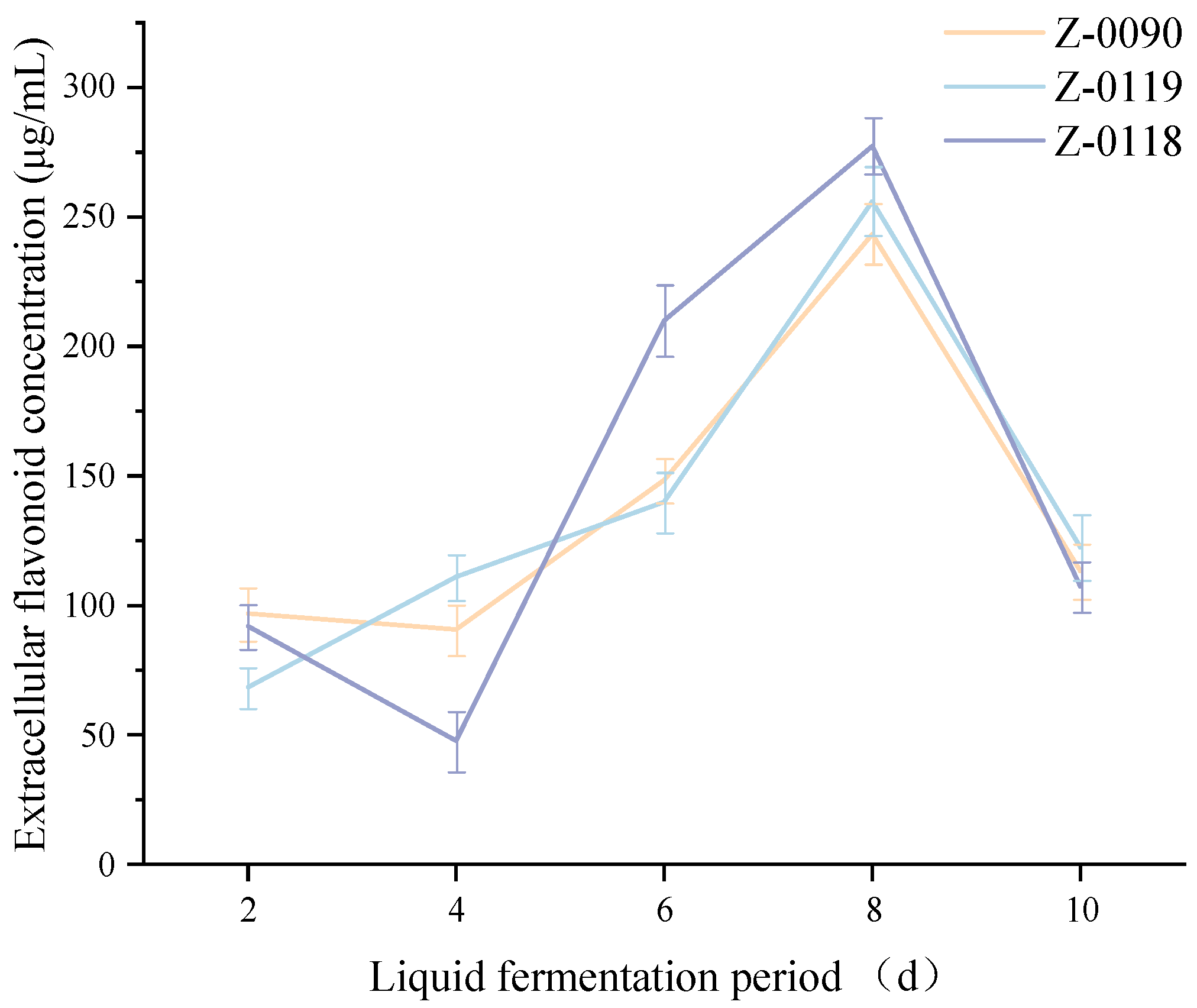
Six plugs of Sanghuangporus mycelia with a diameter of 5 mm were punched out and inoculated into 250 mL Erlenmeyer flasks containing 200 mL of basal medium (glucose 30 g/L, yeast extract 5 g/L, MgSO4·7H2O 1 g/L, KH2PO4 1 g/L, Vitamin B1 0.1 g/L). These Erlenmeyer flasks were cultured in a shaker at 26 °C and 180 rpm in the dark for 10 days. The flavonoid concentration of the fermentation broth began to be detected at 48 h after inoculation, and this detection was then carried out every 48 h to determine the time when the extracellular flavonoid concentration reached to the peak period.
2.7. Single-Factor Experiment
Single-factor experiments were conducted by altering the types of carbon sources, nitrogen sources, growth factors, and inorganic salts to determine the optimal liquid fermentation medium. These experiments aimed to optimize the nutritional components for the production of active substances. These bioactive substances in the fermentation broth can be used to enhance the health-beneficial effects in drugs or foods.
2.8. Single-Factor Experiment of Carbon Sources
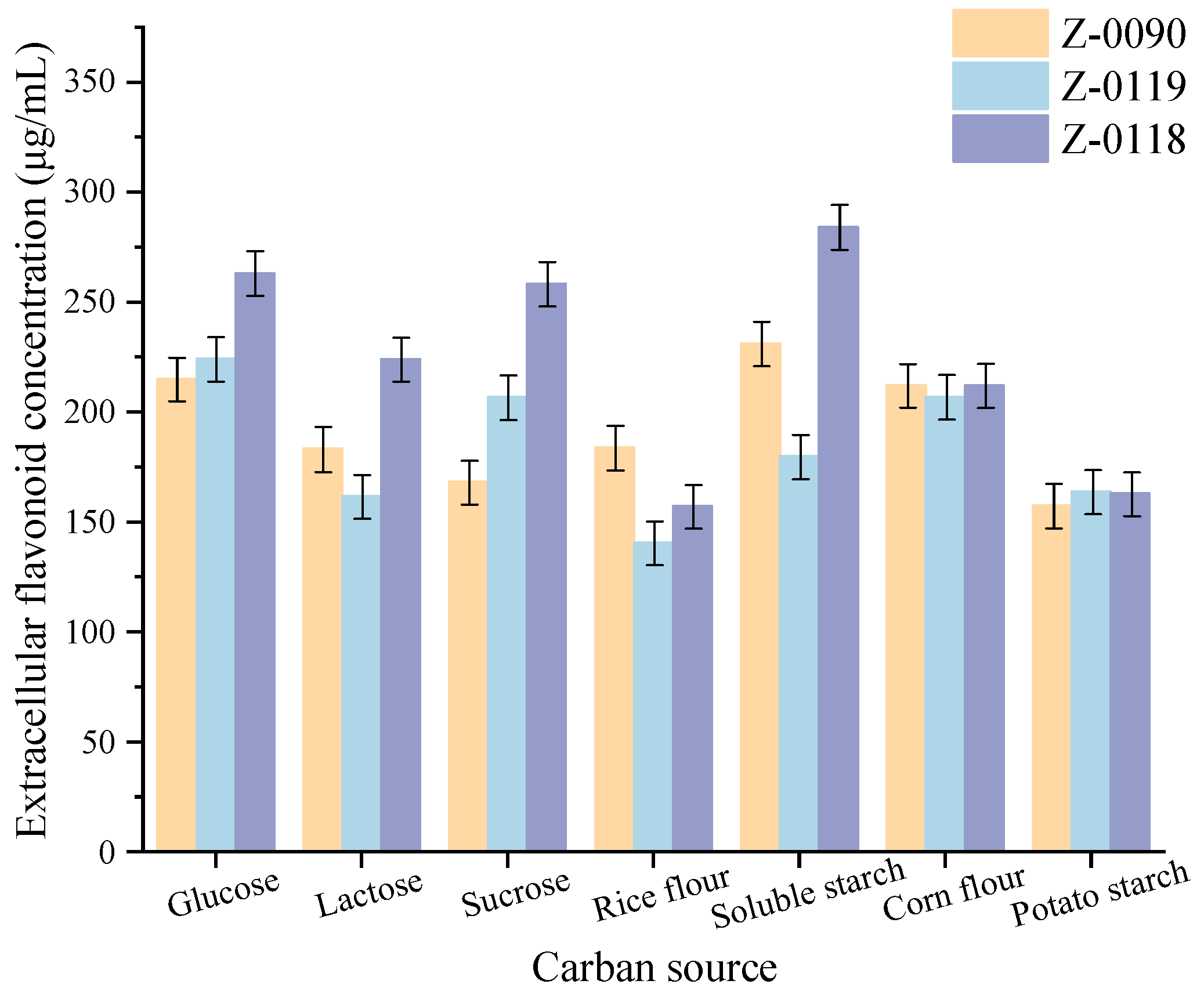
By altering the carbon source in the basal medium formula, the effects of different carbon sources on the flavonoid concentration at the peak period in the fermentation broth of Sanghuangporus mycelium were analyzed. The following carbon sources were used, such as glucose, lactose, sucrose, rice flour, soluble starch, corn flour, and potato flour, with a concentration of 30 g/L for each carbon source.
2.9. Single-Factor Experiment of Nitrogen Sources
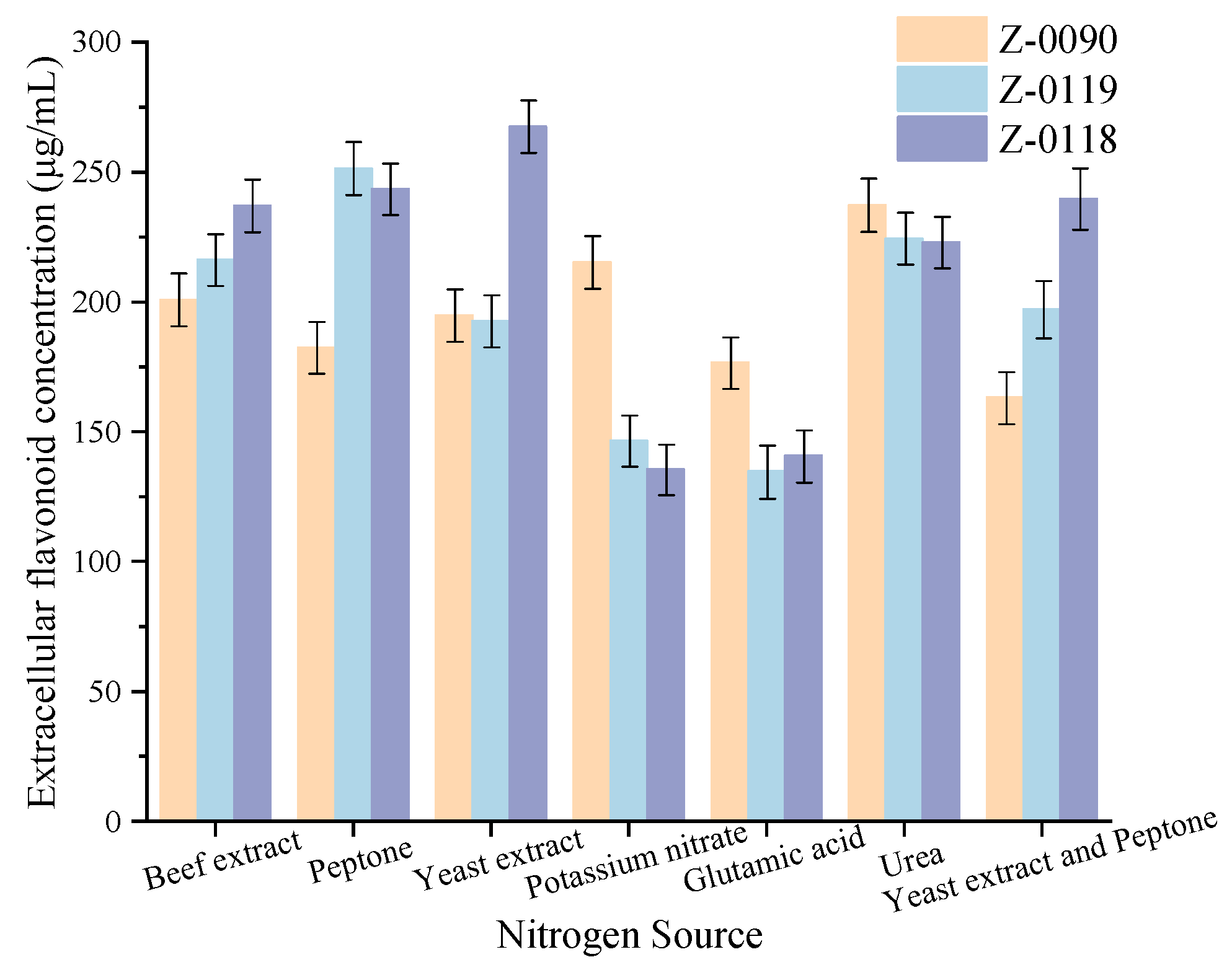
By altering the nitrogen source in the basal medium formula, the effects of different nitrogen sources on the peak period concentration of flavonoids in the fermentation broth of Sanghuangporus mycelia were analyzed. In each experimental group, beef extract, peptone, yeast powder, potassium nitrate, glutamic acid, urea, and a combination of 10 g/L yeast powder and 5 g/L peptone were used as nitrogen sources, respectively. Each nitrogen source was tested at a concentration of 5 g/L.
2.10. Single-Factor Experiments of Inorganic Salts
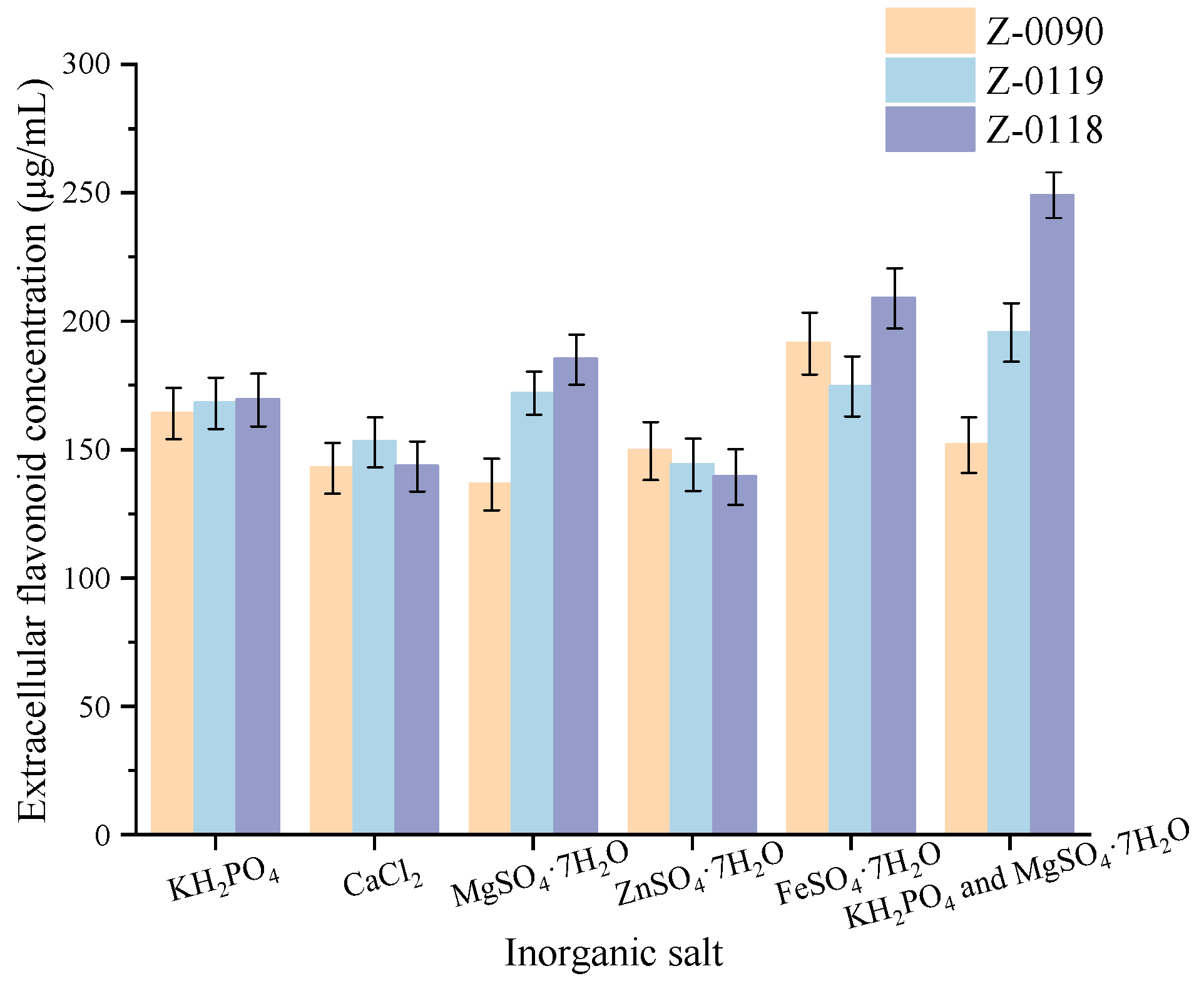
By altering the types of inorganic salts in the basal medium formula, the effects of different inorganic salts on the flavonoid concentration at the peak stage in the fermentation broth of Sanghuangporus mycelia were analyzed. In each experimental group, KH2PO4, CaCl2, MgSO4·7H2O, ZnSO4·7H2O, FeSO4·7H2O, and a mixture of 1 g/L MgSO4·7H2O and 1.5 g/L KH2PO4 were used, respectively.
2.11. Single-Factor Experiment on the Initial pH of the Fermentation Broth
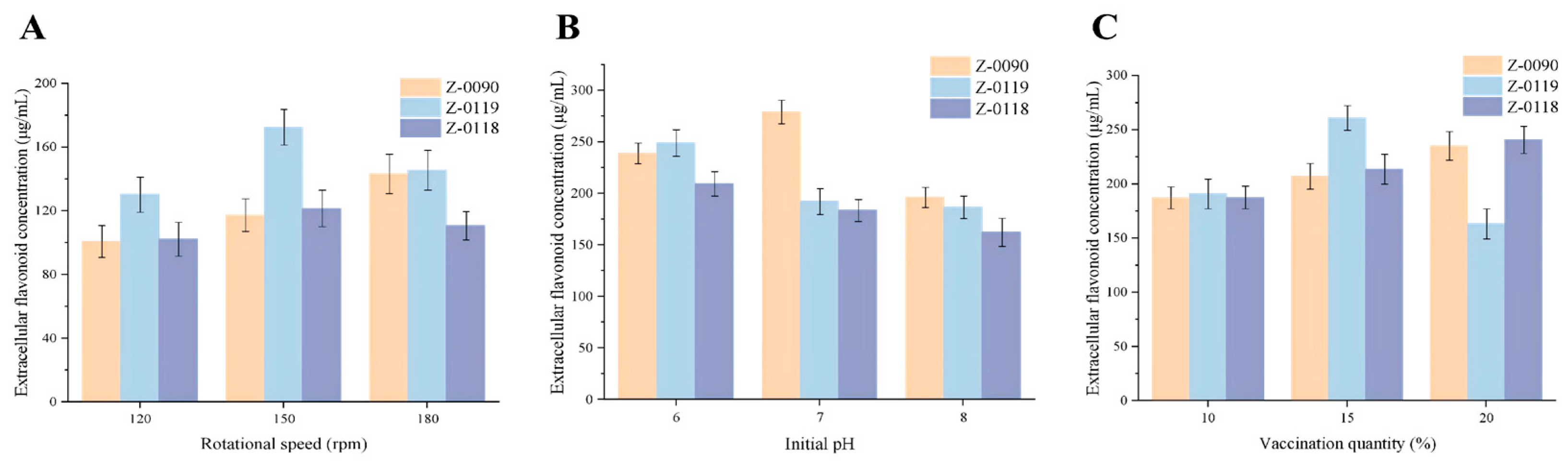
Based on the initial culture parameters (pH 7.0, inoculum size of 10% v/v, rotation speed of 180 rpm), and keeping other variables constant, the initial pH of the fermentation broth was independently adjusted to 6.0, 7.0, and 8.0, respectively, to analyze the effects of different initial pH values of the fermentation broth on the flavonoid concentration at the peak period in the Sanghuangporus mycelium fermentation broth.
2.12. Single-Factor Experiment on Inoculum Volume
Based on the initial culture parameters (pH 7.0, inoculum size 10% v/v, rotation speed 180 rpm), and keeping other variables constant, the inoculum volumes were independently adjusted to 5% v/v, 10% v/v, and 15% v/v, respectively, to analyze the effects of different inoculum volumes on the concentration of flavonoids at the peak period in the fermentation broth of Sanghuangporus mycelia.
2.13. Single-Factor Experiment on Rotational Speed
Based on the initial culture parameters (pH 7.0, inoculum volume of 10% v/v, rotation speed of 180 rpm), and keeping other variables constant, the rotation speed was independently adjusted to 120 rpm, 150 rpm, and 180 rpm, respectively. The influence of different rotation speeds on the concentration of flavonoids at the peak period in the fermentation broth of Sanghuangporus mycelia were analyzed.
2.14. Response Surface Optimization Experiment Using the Box–Behnken Design
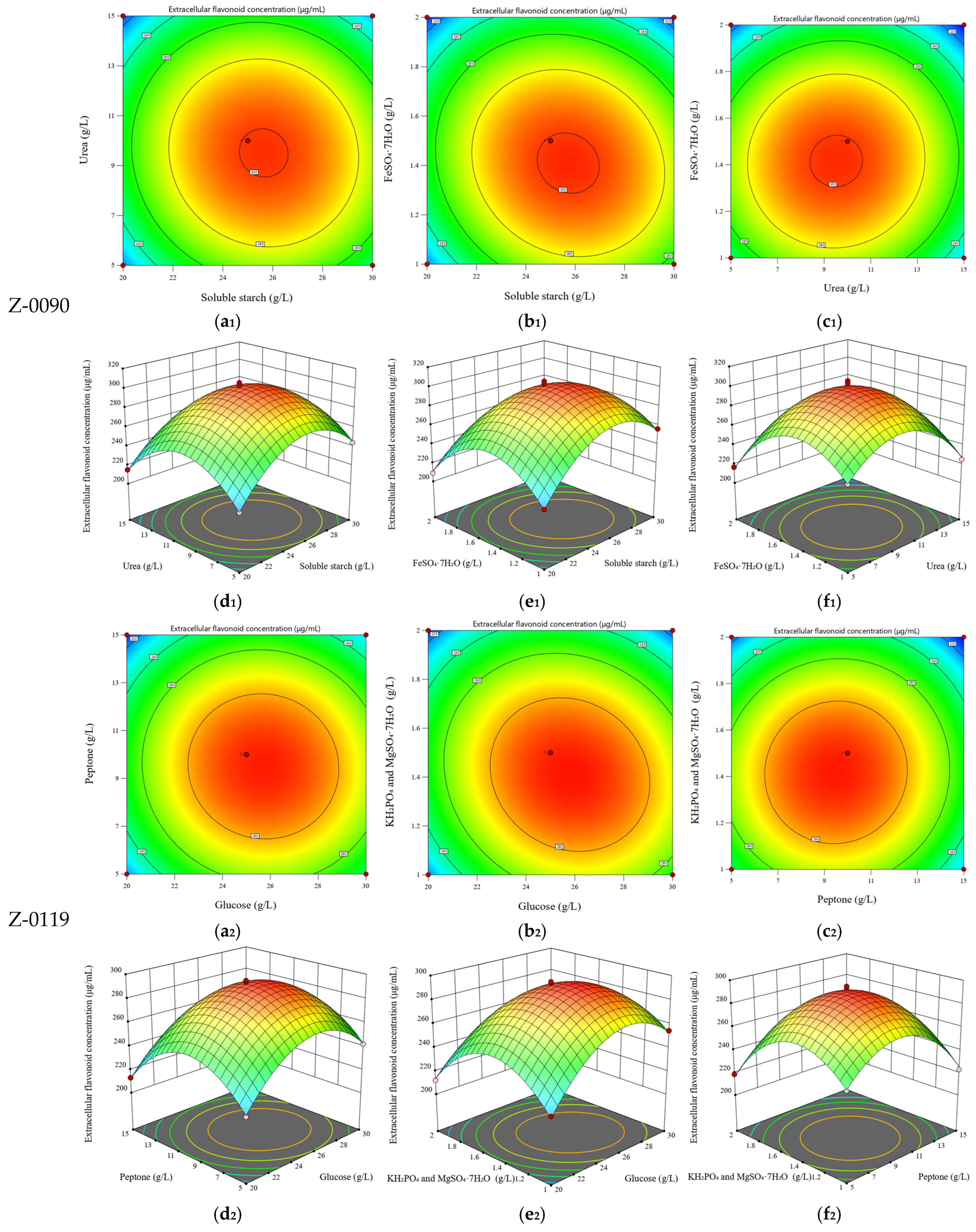
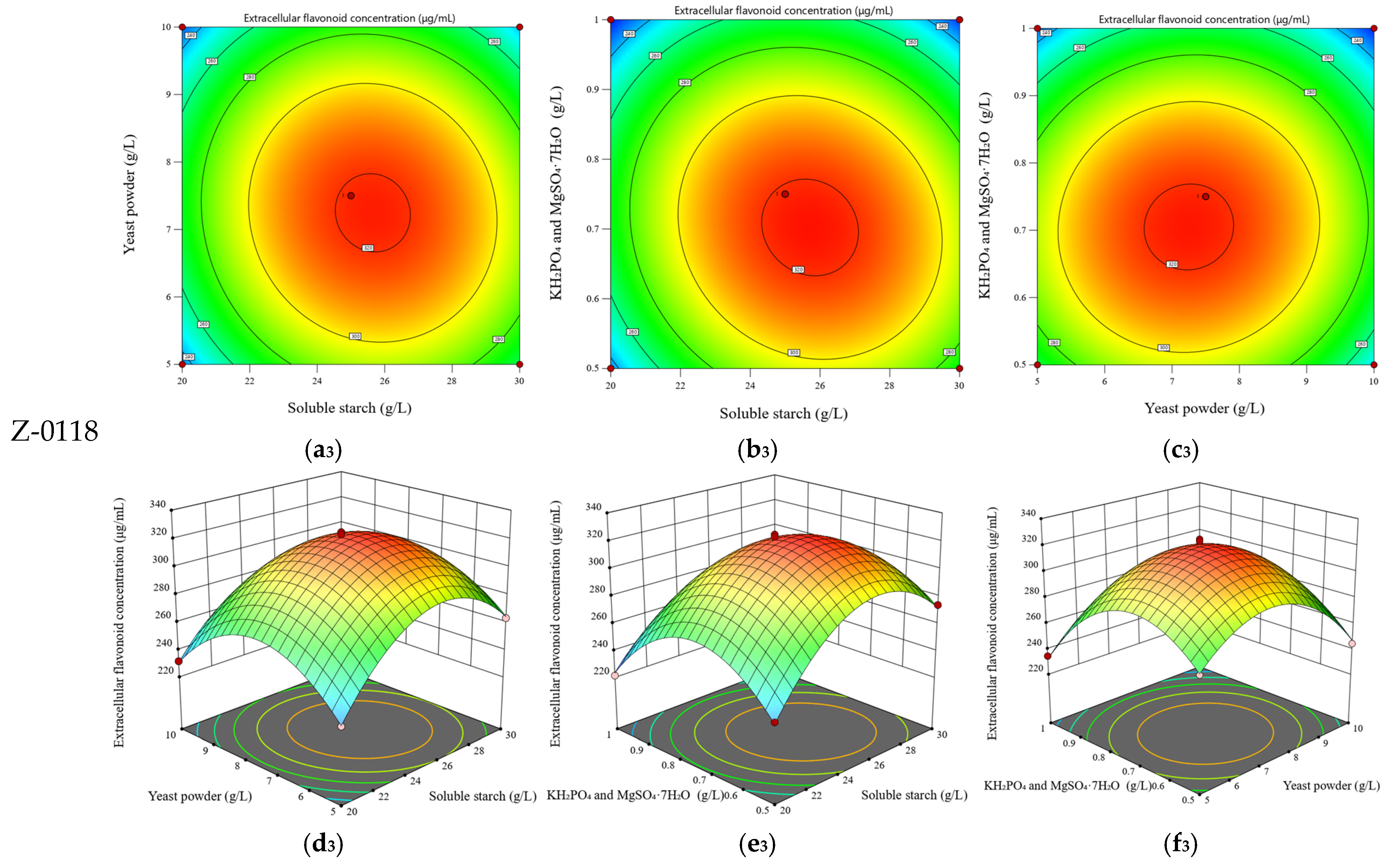
Response surface methodology (RSM) based on the Box–Behnken design (BBD) was applied to optimize the concentrations of carbon sources, nitrogen sources, and inorganic salts. The optimal carbon source, nitrogen source, and inorganic salt (identified in prior screening experiments) were designated as independent variables, and a three-factor, three-level experimental design was implemented by assigning low, medium, and high concentration levels to each variable. The extracellular flavonoid concentration in the fermentation broth was selected as the response variable for the subsequent optimization and statistical analysis.
2.15. Determination of the Antioxidant Capacity of the Fermentation Broth
Preparation of fermentation broth samples involved the following steps: each time, take 4 mL of the culture medium in a 5 mL centrifuge tube, seal and centrifuge it at 1200× g for 10 min. The supernatant was obtained for detection.
The ABTS free radical scavenging activity kit was purchased from Sangon Biotech (Shanghai) Co., Ltd. (Shanghai, China), and the assay was performed as follows. A microplate reader preheated for more than 30 min was calibrated to a wavelength of 734 nm. Three types of tubes were prepared: a measurement tube containing 10 μL of fermentation broth and 190 μL of working solution, a control tube with 10 μL of fermentation broth and 190 μL of absolute ethanol, and a blank tube consisting of 10 μL of absolute ethanol and 190 μL of working solution. After thorough mixing, all tubes were incubated in the dark at room temperature (25 °C) for 6 min, and the solutions were then sequentially transferred to a 96-well plate for absorbance (A) measurement at 734 nm. The ABTS free radical scavenging rate was calculated using the formula: Scavenging rate (%) = [(1 − (A_measurement − A_control) ÷ A_blank) × 100%]. The ABTS free radical scavenging activity was expressed as μg Trolox/mL, calculated by the equation: Scavenging activity (μg Trolox/mL) = [(scavenging rate + 0.4867) ÷ 0.5167] × D, where Trolox has a molecular weight of 250.29 and D represents the dilution factor (set to 1 if no dilution was performed).
The DPPH radical scavenging activity kit was purchased from Sangon Biotech (Shanghai) Co., Ltd. (Shanghai, China), and the assay was conducted as follows. A microplate reader was preheated to 25 °C for more than 30 min and calibrated to a wavelength of 517 nm. Three types of tubes were prepared: a measurement tube containing 150 μL of fermentation broth and 150 μL of working solution, a control tube with 150 μL of fermentation broth and 150 μL of 80% methanol, and a blank tube consisting of 150 μL of 80% methanol and 150 μL of working solution. After thorough mixing, the tubes were allowed to stand in the dark at room temperature (25 °C) for 30 min, followed by centrifugation at 13,800× g for 5 min at room temperature. A 200 μL aliquot of the supernatant was transferred to a 96-well plate, and the absorbance (A) was measured at 517 nm. The DPPH radical scavenging rate was calculated using the formula: Scavenging rate (%) = [(1 − (A_measurement − A_control) ÷ A_blank) × 100%]. The DPPH radical scavenging activity was expressed as μg Trolox equivalents/mL, calculated by the equation: Scavenging activity (μg Trolox equivalents/mL) = [(scavenging rate − 0.7122) ÷ 2.8495 × V1] ÷ V1 × D. Here, Trolox equivalents have a molecular weight of 250.29, V1 denotes the sample volume in the reaction system, and D represents the dilution factor (set to 1 if no dilution was performed).
The hydroxyl radical scavenging activity kit was purchased from Sangon Biotech (Shanghai) Co., Ltd. (Shanghai, China), and the assay was performed as follows. A microplate reader was preheated to 25 °C for more than 30 min and calibrated to a wavelength of 510 nm. Three types of tubes were prepared with the following components: a measurement tube containing 50 μL of Reagent 1, 50 μL of Reagent 2, 50 μL of fermentation broth, 200 μL of distilled water, and 50 μL of Reagent 3; a control tube with 50 μL of Reagent 1, 50 μL of Reagent 2, 50 μL of fermentation broth, and 250 μL of distilled water; and a blank tube consisting of 50 μL of Reagent 1, 50 μL of Reagent 2, 250 μL of distilled water, and 50 μL of Reagent 3. After thorough mixing, the tubes were incubated at 37 °C for a precise 20 min. If turbidity was observed in the measurement or control tube, centrifugation was conducted at 6200× g for 5 min at room temperature. A 200 μL aliquot of the clear supernatant was transferred to a 96-well plate, and the absorbance (A) of each tube was read immediately at 510 nm. The hydroxyl radical scavenging rate was calculated using the formula: Scavenging rate (%) = [A_blank − (A_measurement − A_control)] ÷ A_blank × 100%.
The Total Antioxidant Capacity (T-AOC) assay was performed in accordance with the manufacturer’s instructions provided with the kit (Sangon Biotech, Shanghai, China). One unit (U) of T-AOC was defined as the amount of antioxidant activity that induces a 0.01 increase in the absorbance of the reaction system per 1.0 mL of sample within 1 min at 37 °C. The assay principle is based on the ability of antioxidants to reduce Fe3+-tripyridine triazine (Fe3+-TPTZ) to form a blue Fe2+-TPTZ complex under acidic conditions. The total antioxidant capacity of the sample was then determined by measuring the absorbance of the blue Fe2+-TPTZ complex at a wavelength of 590 nm.
The superoxide anion scavenging activity kit was purchased from Sangon Biotech (Shanghai) Co., Ltd. (Shanghai, China), and the assay was conducted as follows. A microplate reader was preheated to 25 °C for more than 30 min and calibrated to a wavelength of 320 nm. Both Reagent 1 and Reagent 2 were pre-incubated at room temperature (25 °C) for 20 min prior to use. Three types of tubes were prepared with the following components: a measurement tube containing 200 μL of Reagent 1, 10 μL of fermentation broth, 20 μL of Reagent 2, and 10 μL of Reagent 3; a control tube with 200 μL of Reagent 1, 10 μL of fermentation broth, 20 μL of distilled water, and 10 μL of Reagent 3; and a blank tube consisting of 200 μL of Reagent 1, 10 μL of distilled water, 20 μL of Reagent 2, and 10 μL of Reagent 3. After thorough mixing for 3 min, the absorbance (A) of each tube was measured at 320 nm. The superoxide anion scavenging rate was calculated using the formula: Scavenging rate (%) = [1 − (A_measurement − A_control) ÷ A_blank] × 100%.
2.16. Statistical Analysis
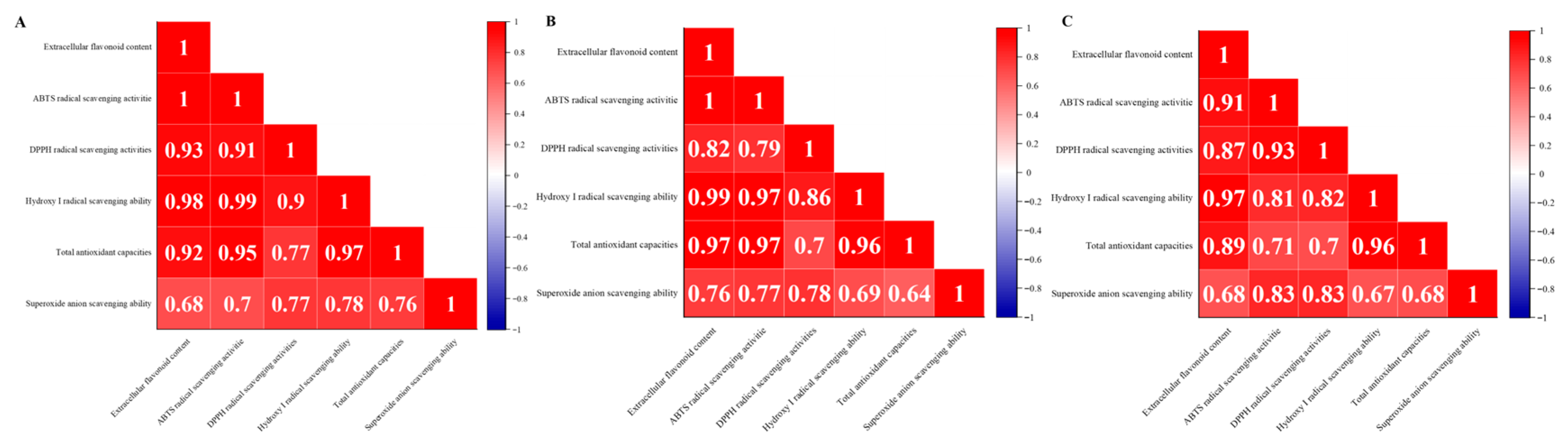
The Box–Behnken experiments were designed using Design Expert (ver. 13.0) software. The graphs were obtained using Origin (ver. 2021) software. The correlation between extracellular flavonoids concentrations and the antioxidant activity of the fermentation broth was determined by Pearson coefficient analysis. All experiments were performed in triplicate.
4. Discussion
The development of bioactive metabolites from the medicinal fungus
Sanghuangporus is a prominent topic in natural product research. Extracellular flavonoids (EFs), the primary antioxidant components, have garnered significant attention due to their easy extraction from liquid fermentation and notable industrial potential [
23]. This study examined three
Sanghuangporus strains from various sources. Liquid fermentation conditions were systematically optimized using single-factor experiments and the Box–Behnken response surface method. We conducted an in-depth analysis of strain-specific metabolic characteristics and explored the relationship between extracellular flavonoid synthesis and antioxidant activity. This research provides innovative theoretical and technical support for the targeted, high-yield, and precise development of extracellular flavonoids from
Sanghuangporus.
Carbon sources, nitrogen sources, and inorganic salts are crucial components of the liquid fermentation media, significantly affecting strain growth, metabolism, and the synthesis and accumulation of secondary metabolites like flavonoids. This study revealed notable differences in the optimal selection of these components among Sanghuangporus vaninii strain Z-0090 from the wild, Sanghuangporus vaninii strain Z-0119 cultivated for many years, and Sanghuangporus baumii strain Z-0118. These findings highlighted the specific adaptation mechanisms of Sanghuangporus strains to varying nutritional conditions.
Carbon sources are as essential as energy providers for microbial growth and metabolism, as well as precursors for substance synthesis [
24]. Strain Z-0090 optimally utilized soluble starch, whereas strain Z-0119 favored glucose. Both strains Z-0090 and Z-0118 preferred soluble starch. This variation may result from the strains’ altered carbon source utilization abilities during domestication [
25]. Glucose, being readily available, is quickly absorbed and used by the strains via the glycolytic pathway, fulfilling the energy needs for strain Z-0119′s rapid growth and flavonoid synthesis. This aligns with the metabolic traits of many cultivated
Sanghuangporus, which favor easily accessible carbon sources [
26]. Soluble starch, a slowly available carbon source, requires degradation into glucose by amylase secreted by the strains before utilization. The preference of strains Z-0090 and Z-0118 for soluble starch might be linked to the continuous carbon supply characteristics in their natural habitats. In the wild, the gradual release of starch-like substances, such as plant cell wall polysaccharide degradation products, has driven the evolution of these strains to efficiently degrade and utilize slowly available carbon sources, thus providing a stable carbon skeleton precursor for flavonoid synthesis [
27].
The choice of nitrogen sources highlights the metabolic differentiation among the strains. Strain Z-0090 favored the inorganic nitrogen source urea, whereas strains Z-0119 and Z-0118 opted for the organic nitrogen sources peptone and yeast powder, respectively. These organic sources, rich in amino acids, polypeptides, and vitamins, supply essential nitrogen precursors like phenylalanine and tyrosine for flavonoid synthesis, as well as growth factors for these two strains Z-0119 and Z-0118. This satisfied the nutritional requirements of the domesticated strains under artificial culture conditions, aligning with previous findings that “organic nitrogen sources are more conducive to the synthesis of fungal secondary metabolites” [
28].
Inorganic salts function as enzyme activators, osmotic pressure regulators, and components of metabolic coenzymes. The optimal combinations of these salts vary which reflecting each strain’s specific mineral requirements. Strain Z-0090 selected FeSO
4·7H
2O as its sole inorganic salt, whereas strains Z-0119 and Z-0118 preferred a composite system of MgSO
4·7H
2O and KH
2PO
4, linked to the enzymatic reaction mechanisms involved in flavonoid synthesis. In the flavonoid biosynthesis pathway, Fe
2+ serves as the core cofactor for the key enzyme, Fe(II) and 2-oxoglutarate-dependent dioxygenase (Fe/2OG DO) [
29]. Mg
2+ from MgSO
4·7H
2O activates hexokinase and phosphofructokinase in glycolysis, while KH
2PO
4 supplies phosphorus for nucleic acid synthesis and ATP generation. The combined use of these salts synergistically enhanced the growth and flavonoid synthesis of strains Z-0119 and Z-0118. This finding aligns with the general understanding that “composite inorganic salts are superior to single inorganic salts” in the liquid fermentation of
Sanghuangporus [
30].
The fermentation broths of three
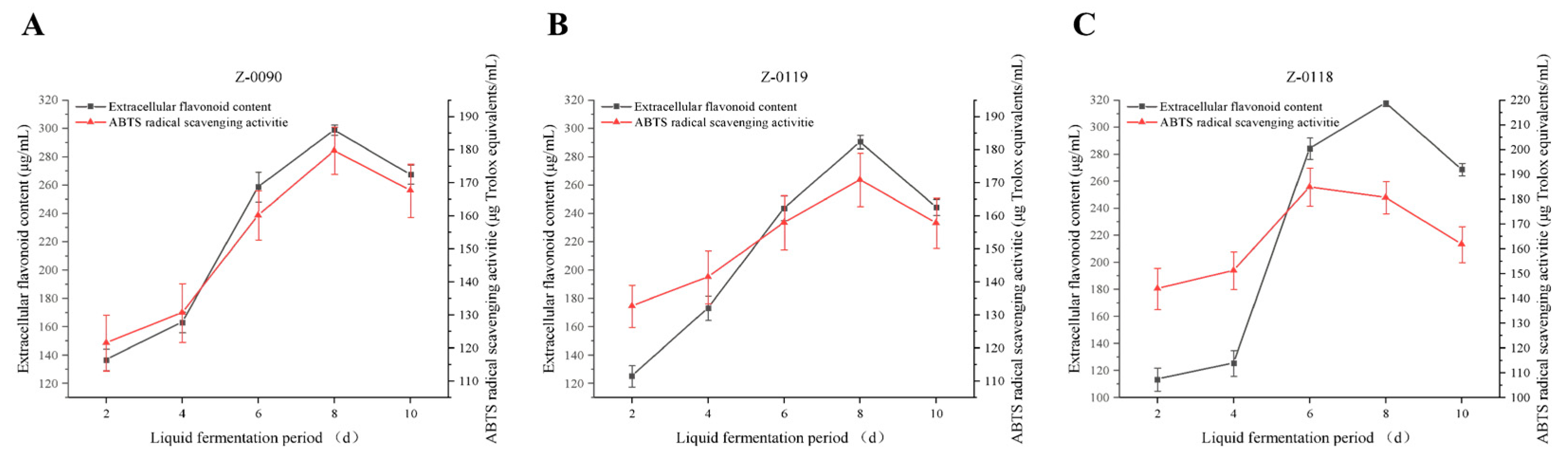
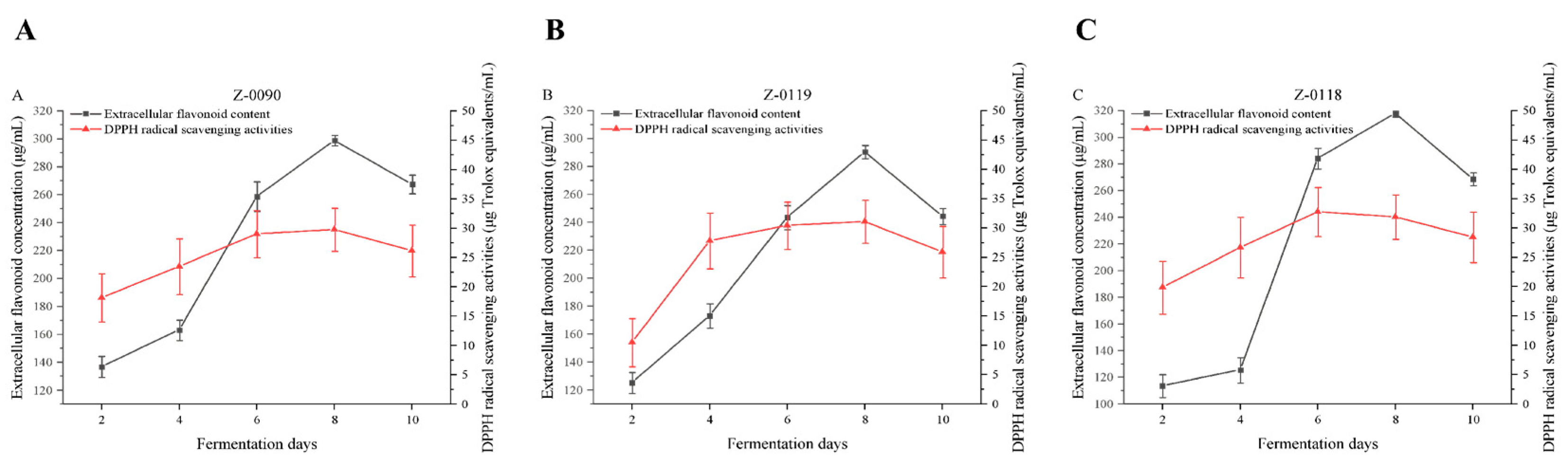
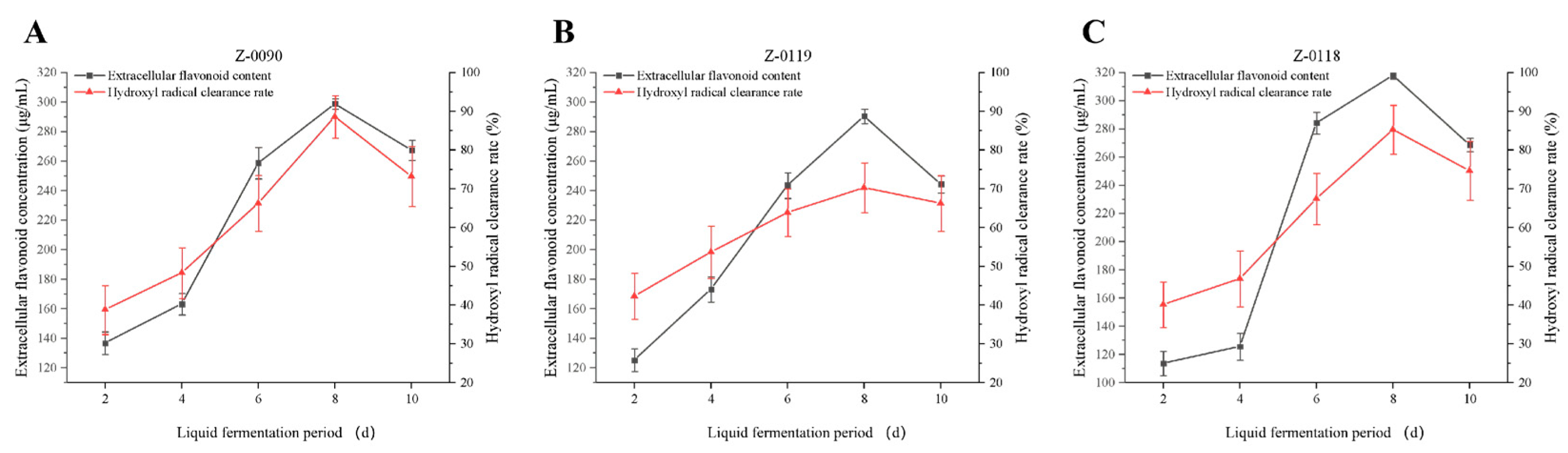
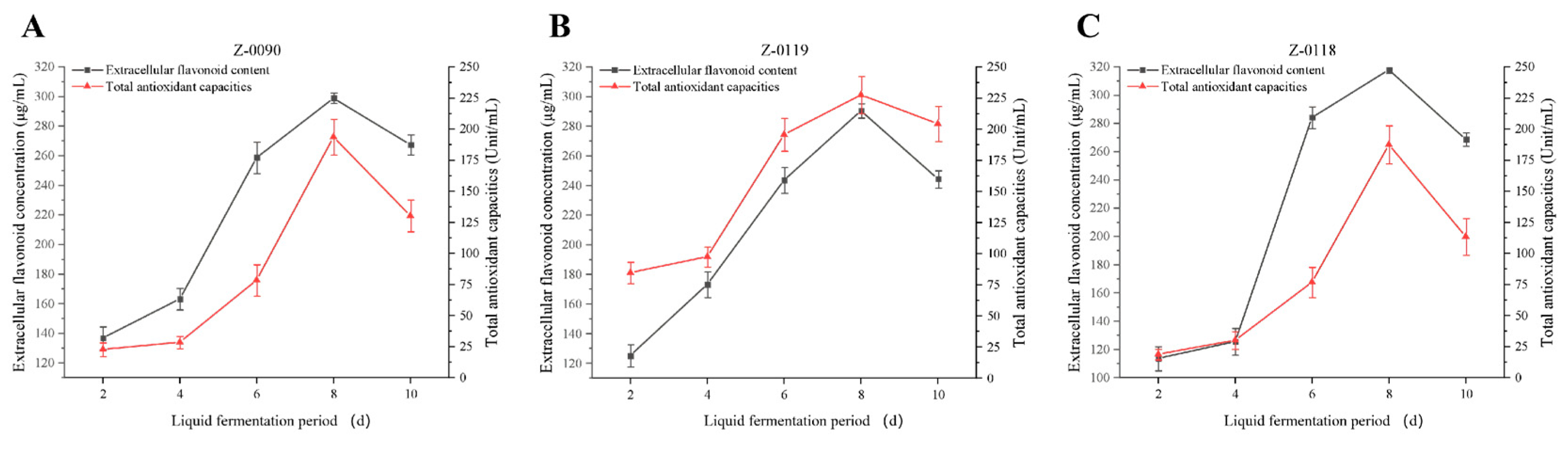
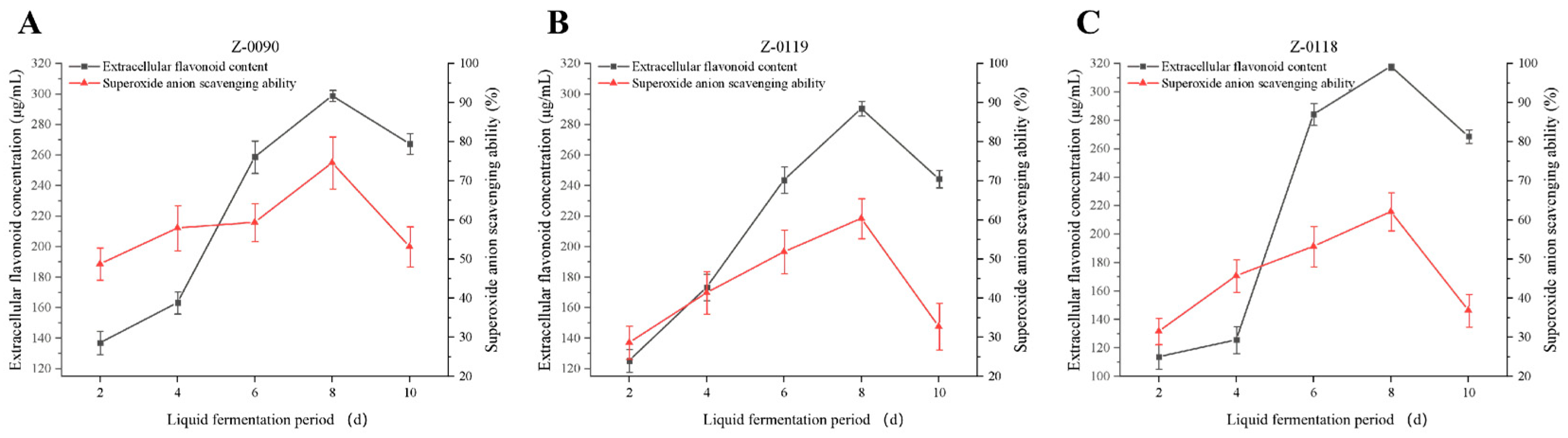
Sanghuangporus strains demonstrated extensive antioxidant activities, with notable strain-specific differences. Strain Z-0090 exhibited the highest hydroxyl radical scavenging rate at 88.63%, while strain Z-0119 showed relatively balanced antioxidant indices. Strain Z-0118 demonstrated the most effective ABTS radical scavenging ability at 184.96 μg Trolox equivalents/mL. Correlation analysis revealed a correlation coefficient of 1.00 between the extracellular flavonoids (EFs) concentration and ABTS radical scavenging activity for strain Z-0090, 0.99 for strain Z-0119 with hydroxyl radical scavenging ability, and 0.97 for strain Z-0118 with hydroxyl radical scavenging ability. This suggests that EFs are the fundamental material basis for the antioxidant activity of
Sanghuangporus fermentation broth, which varied with the strength of this association according to the strain [
31]. This variation may be related to the proportion of highly active monomers, such as quercetin, in the EFs of each strain [
32]. Considering the comprehensive evaluation of yielded extracellular flavonoid and antioxidant activity, strain Z-0118 is recommended for developing high-activity antioxidants, strain Z-0090 is suitable for products targeting hydroxyl radical scavenging, and strain Z-0119 is appropriate for developing broad-spectrum products requiring all antioxidant indices. To become a nutritious supplement, such species must contain beneficial components for the human body, be non-toxic and easily accessible. In the research progress of the past decade, mulberry yellow has fully met these two standards—they are easily available on the market and the flavonoids, polysaccharides, polyphenols and other components it contains all have high nutritional value. In addition, many studies have also proved that mulberry yellow does not contain any toxicity. Based on the above evidence, we have reasons to believe that mulberry yellow can simultaneously supplement the nutrients needed by the human body by regulating multiple physiological pathways, thereby achieving a health care effect. These foreign wines have pointed out a new direction for the research on mulberry yellow as a type of functional food [
5].
To contextualize the novelty and superiority of the present study, a systematic comparison of flavonoid yields, fermentation efficiency, and research focus was conducted with previous reports on
Sanghuangporus. A critical distinction lies in the research object: most prior studies centered on intracellular flavonoids (IFs) from fruiting bodies or mycelia [
3,
6,
30], whereas this work specifically targets extracellular flavonoids (EFs) secreted into the fermentation broth—an understudied fraction with unique advantages of easier extraction, lower purification costs, and industrial scalability [
8]. This difference necessitates careful interpretation of yield comparisons, as intracellular flavonoid yields (typically expressed as mg/g dry mycelium) are not directly comparable to extracellular yields (μg/mL broth); thus, we focused on relative efficiency and production feasibility.
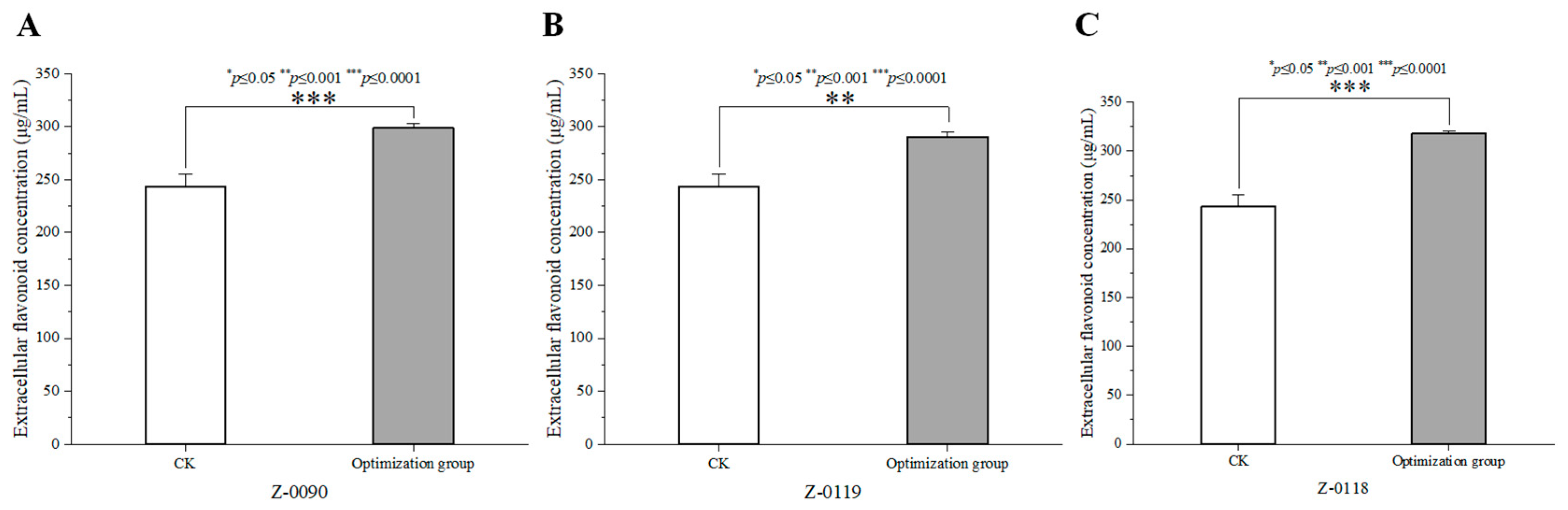
In terms of extracellular flavonoid production, the optimized yields of this study (Z-0090: 298.87 μg/mL; Z-0119: 290.49 μg/mL; Z-0118: 318.03 μg/mL) outperformed the few existing reports on
Sanghuangporus EFs. Zhao et al. [
9] optimized submerged fermentation of
Phellinus baumii (now classified as
Sanghuangporus baumii) and achieved a total flavonoid yield of 120 μg/mL, but their medium lacked precise inorganic salt modulation and the fermentation period was 14 days—longer than the 8-day peak production period in this study. Gao et al. [
22] reported extracellular polysaccharide yields from
Sanghuangporus sanghuang but only a marginal EF yield of 85.6 μg/mL, likely due to their focus on polysaccharide synthesis rather than flavonoid-targeted medium optimization. The higher yields in our work can be attributed to strain-specific nutrient tailoring: for example, strain Z-0090 (wild
S. vaninii) preferred urea (inorganic nitrogen) and FeSO
4·7H
2O, while strain Z-0119 (cultivar
S. vaninii) thrived on peptone (organic nitrogen) and a MgSO
4·7H
2O-KH
2PO
4 composite—an optimization strategy rarely employed in previous studies that typically used uniform medium compositions [
27,
29].
When comparing with intracellular flavonoid studies (for reference of
Sanghuangporus flavonoid synthesis potential), Fu et al. [
3] extracted 191 mg/g total flavonoids from
Sanghuangporus mycelia via ultrasound-assisted extraction, but this required energy-intensive post-harvest processing and the actual bioavailable fraction was unclear. Wang et al. [
6] obtained 207 mg/g intracellular flavonoids from
S. sanghuang fruiting bodies, but fruiting body cultivation takes 6–12 months, whereas liquid fermentation produced EFs in 8 days with minimal processing in our study. Even when normalized by culture time, the EF production rate (39.76–41.25 μg/mL/day) in our study is comparable to the intracellular flavonoid accumulation rate (2.7–3.45 mg/g/day) of fruiting bodies, highlighting the efficiency of our EF-focused fermentation system.
Experimental design differences further underscore the contributions of our study. Previous works often used single-factor optimization alone [
9,
25] or ignored fermentation condition interactions [
27], whereas we combined single-factor experiments with Box–Behnken response surface methodology to optimize three key nutrients (carbon/nitrogen sources, inorganic salts) and three culture parameters (inoculum size, rotation speed, pH) simultaneously. This holistic approach addressed the limitations of prior studies where unbalanced nutrients (e.g., excess glucose leading to catabolite repression) or suboptimal oxygen supply (insufficient rotation speed) constrained flavonoid synthesis [
26,
28]. Additionally, our correlation analysis (r = 0.91–1.00 between EFs and antioxidant activities) provides the direct evidence linking
Sanghuangporus EFs to ABTS/DPPH/hydroxyl radical scavenging, complementing previous studies that only associated total flavonoids (intra + extra) with antioxidant effects [
6,
30].
In summary, this study advances existing knowledge by: (1) focusing on the understudied extracellular flavonoids of Sanghuangporus with industrial relevance; (2) achieving higher yields and shorter fermentation periods via strain-specific medium/culture optimization; (3) establishing direct correlations between EFs and antioxidant activities; and (4) providing a comparative framework that distinguishes EFs from the more commonly reported intracellular flavonoids. These findings address the bottleneck of low EF yields in previous studies and offer a cost-effective, scalable alternative to fruiting body cultivation or intracellular extraction for flavonoid production.
This study investigated the link between the synthesis of extracellular flavonoids in Sanghuangporus and antioxidant activity using systematic strain comparative analysis, which is potential for further studies. Future studies could integrate transcriptomic and metabolomic techniques to identify key genes and metabolic pathways associated with carbon and nitrogen source utilization and the regulation of inorganic salts, thereby elucidating the molecular basis of strain differences. In addition, comparative analyses of liquid and solid-state fermentation should be conducted to assess the compositional differences and yield benefits of extracellular flavonoids under various fermentation conditions, providing a foundation for selecting industrial production methods. This research not only supports the targeted high-yield production of extracellular flavonoids in Sanghuangporus but also introduces a novel approach for the refined development and utilization of medicinal fungal strain resources.
5. Conclusions
In conclusion, this study focused on optimizing the extracellular flavonoid concentration by adjusting the composition of liquid fermentation medium and fermentation conditions for three Sanghuangporus strains, using single-factor experiments and response surface methodology. The optimal conditions for strain Z-0090 included 25.75 g/L of soluble starch, 9.48 g/L of urea, 1.41 g/L of FeSO4·7H2O, a 15% inoculum volume, a shaking speed of 180 rpm, and an initial pH of 7.0. For strain Z-0119, the optimal conditions were 25.82 g/L of glucose, 9.47 g/L of peptone, 1.41 g/L of KH2PO4 and MgSO4·7H2O, a 10% inoculum volume, a shaking speed of 150 rpm, and an initial pH of 6.0. For strain Z-0118, the ideal conditions were 25.75 g/L of soluble starch, 7.22 g/L of yeast powder, 0.7 g/L of KH2PO4 and MgSO4·7H2O, a 15% inoculum volume, a shaking speed of 150 rpm, and an initial pH of 6.0. After optimization, the extracellular flavonoid concentration increased by 22.82% in strain Z-0090, 13.47% in strain Z-0119, and 16.66% in strain Z-0118 compared to the control group. The antioxidant activity results of the fermentation broth indicated that strain Z-0090 exhibited the highest hydroxyl radical scavenging rate at 88.63%. Meanwhile, strain Z-0119 showed relatively balanced antioxidant indicators, and strain Z-0118 demonstrated the best ABTS radical scavenging ability at 184.96 μg Trolox equivalents/mL, closely linked to its extracellular flavonoid concentration. These findings suggest significant potential applications in the food industry. For example purified extracellular flavonoids could be added to beverages as natural antioxidants to delay nutrient oxidation and extend shelf life. In addition, they can be incorporated into food products to enhance antioxidant and health-promoting properties, offering a novel pathway for advancing the health aspects of the food industry.